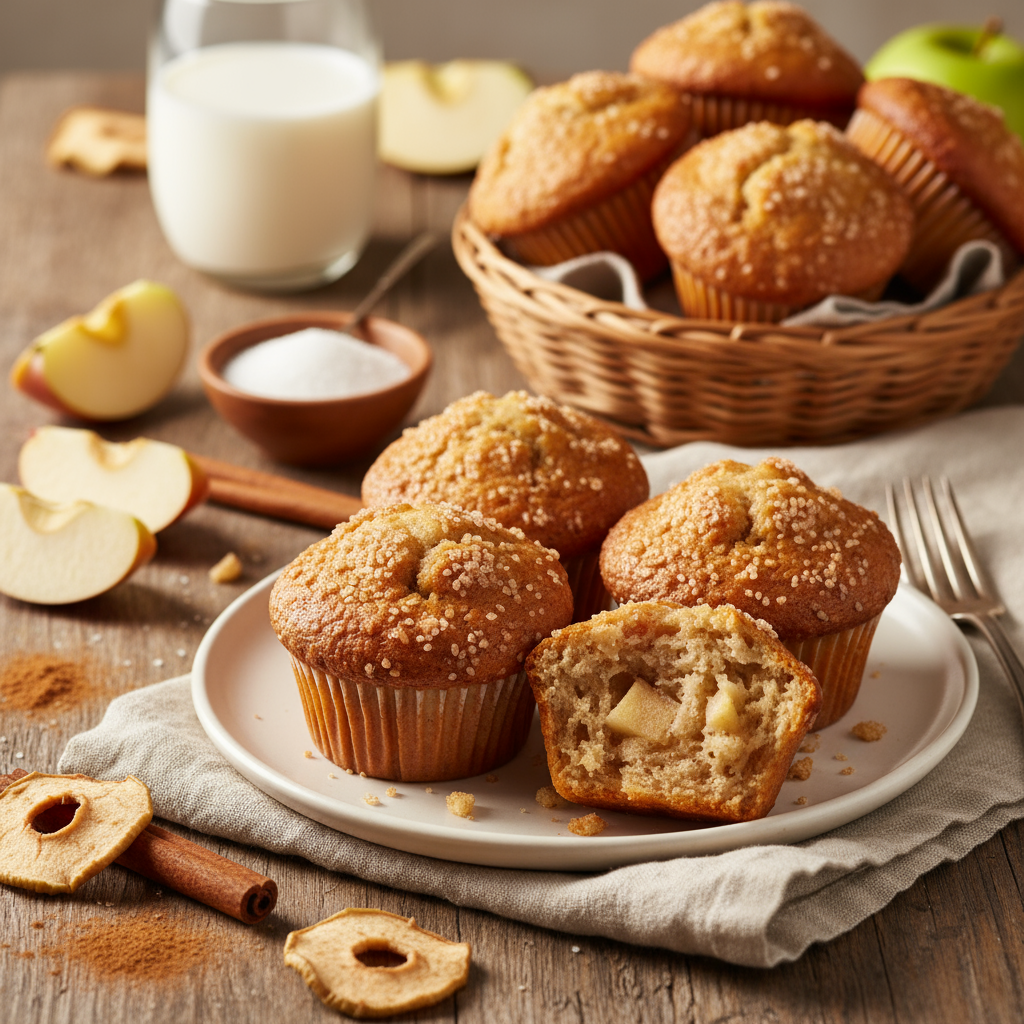
Apple cinnamon muffins

Apple Cinnamon Muffins

  • 2 cups Self Raising Flour
  • 1 cup Sugar
  • 1/2 tsp Cinnamon
  • 1/2 tsp Salt
  • 1 Egg
  • 1 tsp Vanilla
  • 3/4 cup Milk
  • 1/3 cup Oil
  • 1 cup Tinned Pie Apples (chopped)
  1. Preheat oven to 180°C. Line a 12 cup muffin tray and set aside.

  2. In a bowl, combine the flour, sugar, cinnamon and salt and mix.

  3. In a jug, combine the egg, milk, vanilla, oil and pie apples.

  4. Fold the wet ingredients into the dry ingredients using a spatula until all ingredients are just wet.

  5. Using a 1/3 cup measure, fill each muffin cup and smooth the top.

  6. Bake for 22-25 minutes. Leave to cool in the tray for 5 minutes and then transfer to a wire rack to further cool.

  • I like to make a double batch of these and wrap them indiviually and freeze. You just pop them into the microwave for a minute to defrost.
  • When making muffins you should only mix until the ingredients are just wet. Any more mixing gives you a heavy muffin.
  • I have used tinned pie apple for convenience but you may also use 1 cup of freshly grated apple.
  • This recipe was created by Jennifer Cheung for Kidspot, New Zeland’s best recipe finder

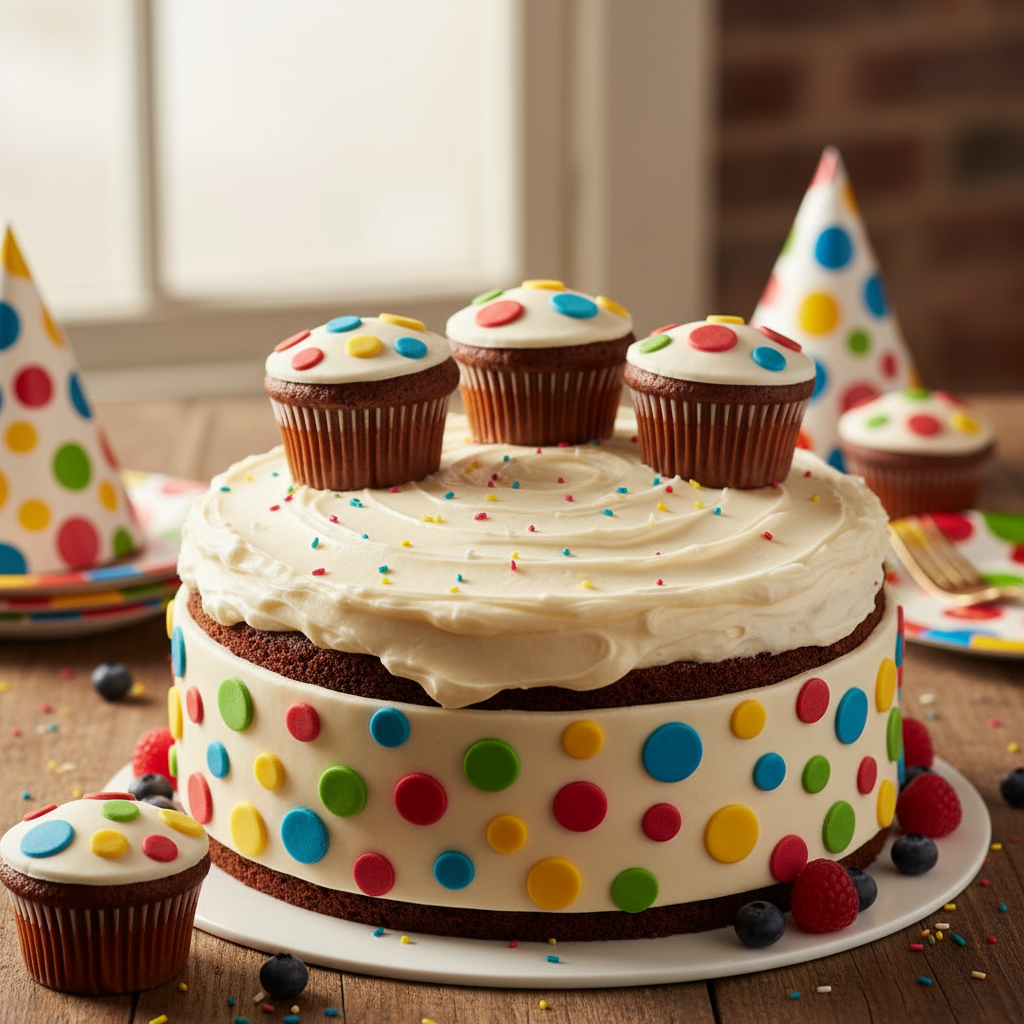
Spotty Dotty birthday cake

Spotty Dotty birthday cake

Ingredients

Cake

  • 320g butter, softened
  • 2 cups water
  • 800g caster sugar
  • 7 eggs, lightly beaten
  • 400g self raising flour, sifted
  • 120ml cocoa powder, sifted

Chocolate buttercream icing

  • 50g cocoa powder, sifted
  • 200g icing sugar, sifted
  • 100g butter, softened

Decorations

  • 1 packet Maltesers, large bag
  • 1 packet Smarties
  • 200g ready-made white icing
  • Icing sugar, extra to prevent white icing from sticking to the bench when rolling
  • Natural food colours ‰ÛÒ raspberry powder, passionfruit and spinach
  • 24 large spotty cupcake cases
  • Candles
  • 30cm round cake board, found in cake decorating stores
  • 35cm square cake board, found in cake decorating stores
  • Packing or wide tape, to secure fabric onto cake board
  • 1m spotty fabric, a strip cut 15cm x 90cm and a square piece cut at least 40cm x 40cm
  • 4 fabric pins

Equipment

  • 26cm springform tin
  • Greaseproof paper to line tins and use with rolling out of the icing
  • Large muffin tin, optional but I find the cupcakes bake more evenly
  • Small rolling pin
  • 2cm round cutter or you can use a small glass if you don‰Ûªt have a set of cutters

Approximate timings:

  • To make the cake and cupcakes: 15 minutes preparation time, approximately 20 minutes cooking time for the cupcakes and 30 minutes for the sponge
  • Buttercream icing: 5-10 minutes to make, 20-30 minutes to fill and cover the sponge, 10-15 minutes in the fridge to set
  • Decorations: allow 1-2 hours which includes: colouring the fondant, rolling and shaping it onto the sponge, covering with the fabric and preparing the fabric presentation board
  • Decorating the cupcakes: 10-15 minutes

Method

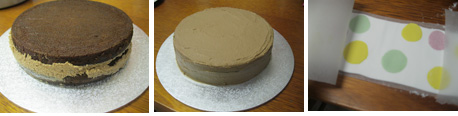
1. Fill with buttercream 2. Coat the cake with buttercream 3. Lie spots on fondant collar

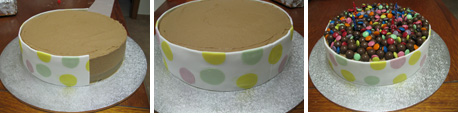
4. Wrap collar around cake 5. Join the collar 6. Fill the top of the cake with sweets

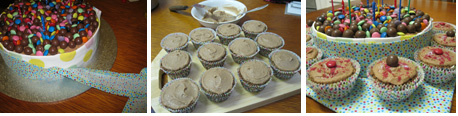
7. Wrap fabric around the collar 8. Ice the cupcakes 9. Decorate the cupcakes and arrange

Chocolate cake

Preheat oven to 190å¡C. Line tin with greaseproof paper and place cupcake cases in muffin tin.

Bring water to the boil in a medium pot, add the sugar and allow to dissolve before turning off the heat.

Add butter and chocolate, stir until melted. Allow to cool.

Add eggs, flour and cocoa and mix until combined.

Place into tin three quarters of the way up and half fill each cupcake case and place in the oven. The cupcakes will take less time than the cake to cook as they are smaller ‰ÛÒ approximately 20-25 minutes. Once they are cooked, allow to cool on a rack and place to one side. Once cooled, you can freeze your cupcakes at this point in an airtight container.

Bake the cake in the oven until the it springs back when gently pressed or when a skewer comes out cleanly.

Keep the sponge in the tin for approx 5 minutes before turning onto a wire rack ‰ÛÒ keep the bottom side up at all times to avoid making lines as this will be the presentation side up. You can freeze your sponge at this point, wrapped tightly in cling film.

When the sponge is totally cooled (best if you can keep it in the fridge to chill right down before going any further) you will need to flatten the ‰Û÷bottom‰Ûª (which was the top.). If you had previously frozen your sponge, this stage will be made easier if it is still a little frozen ‰ÛÒ that way it will hold much easier while you are cutting. Place a sheet of greaseproof paper on the presentation side and turn over. (to make life easier when you need to turn it back over!) Use a serrated knife and cut the top so it‰Ûªs as flat as possible. I usually cut a little at a time so that I don‰Ûªt accidentally cut away too much cake!

Using your serrated knife again, cut through the middle of the sponge, horizontally, to create two rounds.

Now the sponge is ready for decorating.

Buttercream icing

Place the icing sugar, butter and cocoa in a mixer. Place on low speed to combine all ingredients (if it‰Ûªs on high you may lose a lot of the mix when it flies out of the bowl!) Once combined, turn up to high and allow to mix for a further 5-10 minutes until fluffy. You may need to scrape the bowl occasionally so it whips all of the mix.

Use approximately half of the buttercream to fill the middle of the sponge. For an easier and better result, I ‰Û÷re-form‰Ûª the sponge back into the baking tin (it‰Ûªs a spring form). Cut a round piece of greaseproof paper, a little larger than the size of the tin, (to help you remove the sponge from the tin and onto the board a little later on once the buttercream has set) and place on the base of the tin. Turn the sponge upside down from when it was originally baked so the bottom will end up on the top (that is the flattest side and best for presentation). Start with what was the top and make sure the top side which you trimmed to make flat is sitting on the greaseproof paper.

Spread the buttercream evenly over the sponge using a small knife: a spoon will help get to the edges. Lie the other half of the sponge on top so the original bottom is facing up and you have a smooth cake top. Allow to sit in the fridge for 10 minutes before removing from the tin and placing on a board or flat plate.

Use å_ of the remaining buttercream to cover the sides and top of the cake. Don‰Ûªt panic if it doesn‰Ûªt look smooth or even as the top will be covered with lollies and the sides with the collar.

Readymade white icing

This is also known as ‰Û÷fondant icing‰Ûª and can be found in larger quantities in cake specialty shops. It will keep for a long time if stored in a cool place such as the fridge or freezer and wrapped very well (I usually use a few layers of cling film before placing in an airtight container) The collar has been made and placed around the cake to avoid the fabric becoming ‰Û÷stained‰Ûª by the butter cream. If you don‰Ûªt have much time, make the collar without the coloured dots.

Fondant icing collar

Usually the icing is quite firm to touch when you open the packet. Break it into small pieces with your fingers and begin to ‰Û÷work‰Ûª or ‰Û÷massage‰Ûª it until you notice is becomes smoother and softer. At this point, bring the icing together and knead as you would a dough until it is soft and smooth (the smoothness reminds me of my kids‰Ûª baby bottoms!) Once it‰Ûªs smooth. reserve a small amount to be used for the coloured spots.

On greaseproof paper, roll the icing to create a long strip to the length of 85cm. (the diameter of the cake once it is iced) Using a small rolling pin, flatten to create a diameter the height of the cake ‰ÛÒ approximately 8-9cm. (measure your cake in case the height is different) Cut the fondant in half to make handling easier. Use a ruler or measuring tape to measure the height (8-9cm approx) and cut so the collar is the same height or at least 1cm higher.

Divide the remaining fondant icing into three and carefully add one drop of each colour to each ‰ÛÒ have some icing sugar on hand as it can get sticky when you are kneading in the colour. Continue to knead the colour into the icing until it is totally incorporated and there are no signs of white.

Roll each colour on some greaseproof paper or icing sugar (to prevent sticking) to å_ cm thickness, cut out circles and lie them along the collar. Using the rolling pin and another piece of greaseproof paper, gently roll the circles onto the collar to create a flat surface. An alternative would be to glue the circles onto the fondant with some water and allow to dry before wrapping the collar around the cake.

Allow the collar to sit for 10-12 minutes before wrapping around the cake. To wrap, gently roll the collar up into your rolling pin to prevent sticking, and unravel around the cake. Using dry, clean hands, gently smooth the collar around the cake so it is sitting as straight as possible.

Fabric collar

Using the strip of fabric, fold in each edge by approx 2cm, depending on the width of your collar, and iron to flatten.

Allow the fabric to cool before placing around the spotty collar and securing with fabric pins.

Cupcakes

Use the remaining buttercream to cover each cupcake.

Finish with a sprinkling of raspberry powder and add a Malteser or Smartie. (I also sprinkled a little bit of blue edible glitter I had in my box of decorations!)

Cakeboard

Lay the square piece of fabric on a table and place the presentation board, face down, so it sits in the middle.

Pre-cut pieces of packing tape.

Start on one side and secure with tape. Secure on the opposite side next and use a little pressure to make sure the fabric is tight before securing with more tape. Finish off the other two sides. You could also use fabric pins, fabric glue or tacks to secure the fabric to the board but I find it is easier to remove the fabric from the board if it is tape and re-use both!

Finishing the cake

Arrange the Maltesers and Smarties on the cake, keep some aside to decorate the cupcakes.

Carefully remove the cake from the cake board or plate onto the fabric covered presentation board by using a large pallet knife or a large knife and smaller knife.

Arrange the cupcakes around the cake.

Finish with candles.

Notes:

  • To save time, you can make a single layered cake in the same way.
  • Rather than making chocolate buttercream, you can substitute the cocoa powder for one of the natural food powders.
  • This recipe was created for Kidspot by Chef Sonia.

From Chef Sonia:

Although I am a qualified chef, I‰Ûªve had no formal cake making training. What I have learned is through trial and many errors. I hope that by sharing my knowledge, you can become as confident and as excited about cake making as I am! (without the mistakes!) I think the most important thing is to ‰Û÷give it a go,‰Ûª you‰Ûªll be producing amazing cakes before you know it!
Over the Rainbow birthday cake

Over the Rainbow cake

Ingredients:

Butter cake:

This can be made up to a month in advance and kept in the freezer.

  • 250g butter, softened
  • 1 tsp vanilla essence
  • 230g caster sugar
  • 4 eggs
  • 450g self raising flour, sifted
  • 250ml milk
  • Food colour ‰ÛÒ blue and pink
  • 1 orange juice of (optional)

Orange buttercream icing:

This can be made up to two months in advance and kept in the freezer or made fresh and frozen for next time. If orange is not a popular flavour substitute it with vanilla.

  • 200g icing sugar, sifted
  • 150g butter, softened
  • 1 orange, zest and juice

Decorations:

  • 45cm round cake board
  • 700g readymade white icing (also called fondant icing, you can find Orchard white icing at all major supermarkets)
  • 500g approximately for covering the cake and the remaining 200g for the rainbow and other decorations
  • Icing sugar, extra to prevent white icing from sticking to the bench when rolling
  • Food colouring ‰ÛÒ green, pink, blue, yellow and orange
  • 50cm gold ribbon ‰ÛÒ 2-3cm wide
  • 50cm Happy Birthday ribbon (usually sold in a 4mt roll, can be used for another birthday!)
  • Cardboard craft box with lid, decorated with stickers (you can also find decorated boxes at $2 stores)
  • 25cm fabric, anything pink and sparkly!
  • Gold chocolate coins
  • 12 small cupcakes cases
  • 1 pkt fondant butterflies and small fondant daisy flowers (see stockist below)
  • Blue edible glitter, optional
  • Candles

Equipment and other items needed:

  • Greaseproof paper
  • Pallet knife to spread the butter cream
  • Small cupcake tin, optional but I find the cupcakes bake more evenly
  • Small round cake tin approx 15cm in diameter to rest the rainbow to dry
  • Piping bag and 1cm round nozzle

Approximate timings:

  • To make the cake and cupcakes: 20 minutes preparation time, approximately 18-45 minutes cooking time
  • Buttercream icing: 5 minutes to make, 10-15 minutes to cover sponge
  • Icing the cake: approx 30 minutes to 1 hour. Allow more time if you are doing this for the first time ‰ÛÒ you will have a much better end result if you‰Ûªre not rushing (trust me on this one!)
  • Rainbow decoration: allow 30 minutes.
  • Decorating the cupcakes: approx 15 minutes depending how fast you are with a piping bag! If you don‰Ûªt have a piping bag, spread over the top of cupcakes with a smooth edged knife.
  • Finishing up the cake with ribbon and decorations: allow one hour

Method:

1. Roll coloured fondant into four equal sized balls 2 Use a rolling pin to roll the balls lengthwise into a strip. 3. Drape over a tin to give it a curve and completely leave to dry for 7-10 days.

4. Cover the cake with fondant icing 5. Attach both ribbons to cake 6. Gently attach the rainbow to the cake using buttercream to fix it in place.

7. Remove cupcakes from paper. Pipe buttercream in paper, add cake and pipe more buttercream on top 8. Add fondant butterflies 9. Stamp out flowers from fondant and add to cake

Butter cakePreheat oven to 175å¡C.

Line tin with greaseproof paper and place cupcake cases in cupcake tin.

Cream together butter, vanilla and sugar until light and fluffy; slowly add in eggs one at a time.

Fold in flour and milk in two stages, don‰Ûªt over mix.

Spread one third of the cake mix into the cake tin.

Split the remaining mix into two, colour one with blue and the other with pink, gently folding through the colour.

Fill cupcake cases to half way point.

Layer remaining mix evenly into the cake tin.

Bake in oven until the mix springs back when gently pressed or when a skewer comes out clean.

The cupcakes will take approx 8-10 minutes, the sponge approx 35-45 minutes.

Keep the sponge in the tin for approx 5 minutes before turning onto a wire rack ‰ÛÒ keep the bottom side up at all times to avoid making lines as this will be the presentation side up. You can freeze your sponge and cupcakes at this point, tightly in cling film.

When the cake is totally cooled (best if you can keep it in the fridge to chill right down before going any further) you will need to flatten the ‰Û÷bottom‰Ûª (which was the top.) Place a sheet of greaseproof paper on the presentation side and turn over. Use a serrated knife and cut the top of the cake so it‰Ûªs as flat as possible. I usually cut a little at a time so that I don‰Ûªt accidently cut away too much cake!

To guarantee a moist cake, squeeze an orange over the sponge and allow the juice to soak through before spreading on the butter cream. (this is optional)

Buttercream icingPlace all of the ingredients into a mixing bowl, mix on low until combined before turning on high speed.

Continue to beat on high until the mix is light and fluffy ‰ÛÒ at least 5 – 10 minutes. Any left-over can be frozen.

Using a small pallet knife or smooth edged knife, spread the butter cream around the cake as evenly as possible. The trick is to have it as smooth as possible as the icing will show any bumps and lumps but don‰Ûªt despair if it‰Ûªs not perfectly even (mine usually aren‰Ûªt) as the decorations will be used to hide these.

Readymade white icingThis is also known as ‰Û÷fondant icing‰Ûª and can be found in larger quantities in cake specialty shops ‰ÛÒ they also sell them already coloured if you don‰Ûªt wish to do that yourself. It will keep for a long time if stored in the freezer and if it‰Ûªs wrapped very well (I usually use a few layers of cling film before placing in an airtight container)

Fondant rainbowUsually the icing is quite firm to touch when you open the packet. Break it into small pieces with your fingers and begin to ‰Û÷work‰Ûª or ‰Û÷massage‰Ûª it until you notice is becomes smoother and softer. At this point, bring the icing together and knead as you would a dough until it is soft and smooth (the smoothness reminds me of my kids‰Ûª baby bottoms!) Once it‰Ûªs smooth and soft you are ready to add the colour.

You will need to use 200g of the fondant icing for the rainbow. Split this evenly into four and colour each ball with one of the following ‰ÛÒ pink, orange, yellow and green. To do this, flatten a little, press some ‰Û÷craters‰Ûª into the dough and add a few drops of colour at one time. (I use a toothpick or end of a sharp knife) Slowly but steady is better than adding too much at once (unless you are after a very bright colour!) until you have achieved the strength of colour you are after. To work the colour into the icing, continue kneading as you would a dough. If the icing starts to stick to the bench use icing sugar, as you would flour to dough.

Once all four balls are ready, roll them into even sized balls and place them side by side on a piece of greaseproof paper, which has been cut in a piece 8cm x 20cm, and gently roll flat with a rolling pin, rolling lengthways only, until the fondant is just under 1cm in thickness. The length should be approx 15 ‰ÛÒ 18 cm. Keep in mind, the longer the rainbow the higher probability it will break ‰ÛÒ short and stocky is the way to go here to avoid any disasters (if the rainbow does break use some butter cream to join back together ‰ÛÒ the best time to do this is when you are assembling the cake so the rainbow isn‰Ûªt moved. Yes, it has happened to me!!) Trim the edges with a sharp knife so they are straight and lay the rainbow, with the greaseproof paper, over a 15cm round cake tin. Keep in a cool, dry place ‰ÛÒ I have a high pantry which is perfect as the kids can‰Ûªt reach! And to avoid the tin from rolling, weigh down by placing a bag of rice or flour inside the tin. This will need at least 10 days of drying time ‰ÛÒ the longer the time, the less likely it will break as the fondant dries quite hard.

Use any left-over fondant for decorating the cake and cupcakes.

Covering the cake with fondant icingColour the remaining white fondant with green and knead until the colour is fully incorporated. Roll out to approximately 1/2cm thickness and wide enough to allow overhang ‰ÛÒ use your baking tin as a guide. It can be easier to roll out on greaseproof paper ‰ÛÒ don‰Ûªt forget to use icing sugar if it starts to stick. Use your rolling pin gently and turn the icing regularly so that the bottom won‰Ûªt stick.

Using your rolling pin, and starting closest to your body, loosely roll the icing into the rolling pin. ‰Û÷Unravel‰Ûª the icing over the cake, making sure you allow enough icing to fall over the edges. This is the trickiest part of the whole process so the less kiddies around at this stage will probably make things easier. Don‰Ûªt stress if it looks a mess, icing can be smoothed over and the ribbon and decorations will work their magic to hide the bits you don‰Ûªt want anyone to see. Also use the natural curves of your hand and fingers to manipulate the icing so that it sits smoothly on the cake. Touch the icing to the cake gently ‰ÛÒ if you press to hard you will make finger holes in the cake.

Using kitchen scissors or a sharp knife, cut around any excess icing from the bottom so that it has an overlap of around 2-3cm.

Put a sheet of greaseproof paper on the top of the cake and gently turn over to expose the bottom. Fold in the icing overlap so that the edges are all sealed. If you have any cake spots exposed use the excess pieces of icing to cover. To seal them, run your finger over the joins a few times (gently!) and they will stick together. This is also your last chance to make any adjustments if the cake‰Ûªs not sitting evenly ‰ÛÒ either use the sponge which you‰Ûªd cut off previously or a piece of icing.

Turn the cake over onto your serving plate or cake board. Remember to position your cake so that the best side will be showing out and the side which may not be quite so beautiful will be hidden by the rainbow and treasure box.

Tightly wrap any left-over fondant and keep in the freezer for next time.

Decorating the cupcakesKeep 3 tbsp of butter cream to one side to use as ‰Û÷glue‰Ûª before piping onto the cupcakes. When I baked mine they came away from the paper (and didn‰Ûªt look appealing at all!) so I piped a little butter cream into the base of fresh cupcake cases (to secure the cupcake sponge), popped the sponge on top and piped more butter cream on top. If you are making these ahead of time keep them in a sealed container in the fridge at this stage and finish with the butterflies just before serving (the butterflies will go soft otherwise).

To decorate and finish the cakeWrap the gold ribbon around the base of the cake and secure with a pin. Repeat this process with the happy birthday ribbon.

Fill the treasure box with fabric and gold chocolate coins, position onto the cake board. ‰Û÷Glue‰Ûª with a teaspoon of butter cream to avoid movement.

Gently position the rainbow to rest at the base of the treasure box and on top of the sponge. Use butter cream to attach the top of the rainbow to the cake ‰ÛÒ smooth away any excess butter cream with the tip of your finger.

If you have your own flower cutters, use any left-over fondant to cut out. Allow to sit for 15 minutes (for easier handling) before gluing onto cake with butter cream.

Arrange butterflies around cake and secure with butter cream.

Dust with edible glitter.

Position candles on top of cake. It‰Ûªs important to keep the finished cake at room temp in a dry cool place not the fridge!

Notes:

  • I usually make cupcakes if I have some cake mix left over so if you prefer, cut down the quantity of cake mix or use a larger cake tin if you would prefer not to have any.
  • Icing the cake is the trickiest part ‰ÛÒ I would recommend a time when it‰Ûªs quiet and you don‰Ûªt need to rush (I know that doesn‰Ûªt happen very often with us mums!) and once the cake has been iced all around with fondant icing, this acts as cling film and stops the cake from drying out. You can do this stage ahead of time by at least one to two weeks ‰ÛÒ depending on the weather. (and keep the iced cake in a dry place ‰ÛÒ not the fridge or the fondant icing will start to break down and go gooey) Don‰Ûªt worry if it doesn‰Ûªt look perfect as the decorations will hide any imperfections!
  • This recipe was created by Sonia Anthony.

From Chef Sonia

Although I am a qualified chef, I‰Ûªve had no formal cake making training. What I have learned is through trial and many errors. I hope that by sharing my knowledge, you can become as confident and as excited about cake making as I am! (without the mistakes!). I think the most important thing is to ‰Û÷give it a go,‰Ûª you‰Ûªll be producing amazing cakes before you know it!
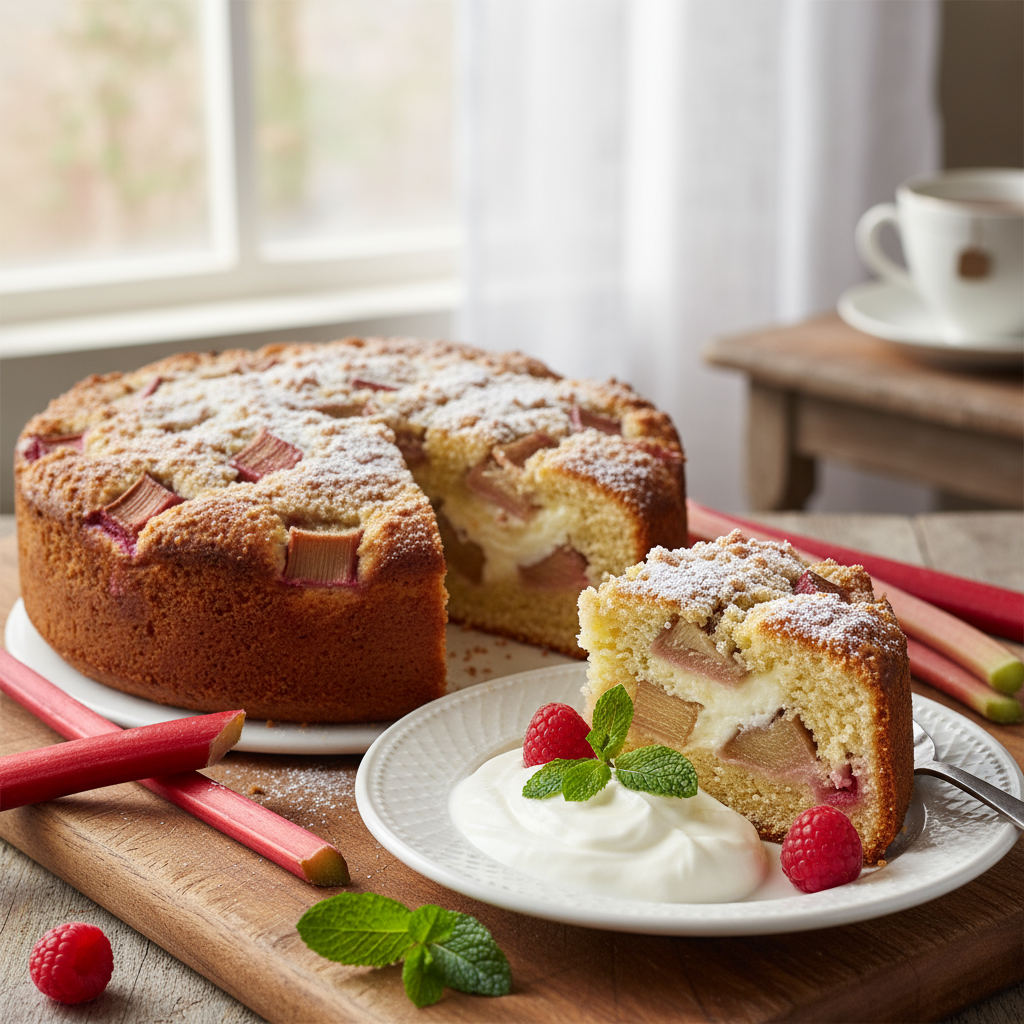
Rhubarb and yoghurt cake

Rhubarb and yoghurt cake

Serves:

Serves 8-12

Ingredients

  • 1/2 cup (125g) unsalted butter
  • 1 1/2 cups (335g) caster sugar
  • 1 tsp vanilla essence
  • 2 eggs
  • 2 cups (300g) self-raising flour
  • 1 cup (260g) natural yoghurt
  • 2 cups sliced rhubarb

Method

Preheat oven to 190°C (170°C fan-forced). Grease and line a 22-24cm springform cake pan and set aside.

Cream butter, sugar and vanilla until pale and fluffy. Add eggs one at a time, beating well between each. Add flour and yoghurt and beat until just combined. Stir through rhubarb.

Pour into tin, spreading it evenly with a spatula, then place in oven and bake for 40-50 minutes or until a skewer inserted into the middle comes out clean.

Find related cake recipes

Serving Suggestions

Note

  • Serve with pouring cream or a dollop of thick yoghurt.
  • Be sure to wash rhubarb well and remove leaves before slicing.
  • Recipe by Greer Worsley, who blogs at Typically Red.

Chicken BLT’s

Chicken BLTs

Serves:

Ingredients

  • 4 soft torpedo rolls
  • 2 cups BBQ chicken, shredded
  • 4 rashers bacon, cooked until crisp
  • 2 tomatoes, thickly sliced
  • 2 handfuls cos or iceberg lettuce, washed and dried
  • 4 tablespoons good quality egg mayonnaise

Method

Cut along each roll twice.

For each roll, spread one pocket with mayonnaise and top with some chicken.

Fill the remaining pocket with bacon, tomato and lettuce.

Serving Suggestions

Note

  • Even before changing to a gluten free diet, I struggled with baguettes. Yes, they have a lovely dense texture and are wonderfully crusty, but I always ended up with a lacerated mouth. My kids also have an aversion to foodie-preferred crusty bread, so these are ‰a baguette-style‰ rolls with supermarket-special soft torpedo rolls.
  • Great for picnics: make in advance and keep cool or resealable bag everything and assemble at your destination.
  • Recipe created by Melissa Hughes for Kidspot.

.

Traffic light cake pops

Traffic light cake pops

Serves:

Makes approximately 12 pops

Ingredients

  • 450g pre-prepared madiera cake or chocolate slab cake
  • 250g chocolate melts
  • Smarties or chocolate buttons in red, orange and green
  • Lollipop sticks (11.5cm)

Method

Cut your cake into rectangles approximately 9cm x 3cm x 3cm with a bread knife.

Slide onto the lollipop sticks until the sticks are approximately half way through the length of the cake (i.e. 4.5cms)

Put on a baking tray and place into the freezer for 1 hour (This prevents crumbling of the cake for the next site).

Melt your chocolate in the microwave by placing in a microwave-proof bowl and heating on 50% power for 1 minute. Remove from the microwave and stir with a metal spoon Return to the microwave for a further minute on 50% power after this time stir until all the chocolate is melted completely.

Elevate a cake cooling rack between two containers or even cookbooks until the middle of the tray is clear of obstructions and is approximately 6cm off the benchtop (this will be used to stand the cake-pops in whilst the chocolate coating sets).

Using a spoon, cover the cake in chocolate. Place three smarties on the cake as per picture and place on the elevated cooling rack for about 30 minutes or until chocolate is completely set.

Store in a container in layers separated by greaseproof paper or use cellophane bags to cover with twist ties.

You can store in the refrigerator for up to 2 days.

Notes:

  • These an be made ahead and frozen without the smarties (the smarties can discolour with moisture). When ready to serve, use a knife that has been run under hot water and rub over one side to slightly melt the chocolate and add the smarties.
  • You can buy lollipop sticks from online chocolatier supply shops and large craft stores.
  • The share smartie packs (with many individual packs) have ample amounts of the colours required.
  • This is a perfect substitute for a lolly bag at a birthday party.
  • Children can assist with the covering of the pops with chocolate and decorating.
  • This recipe was created by Melissa Klemke for Kidspot, New Zealand’s best recipe finder.


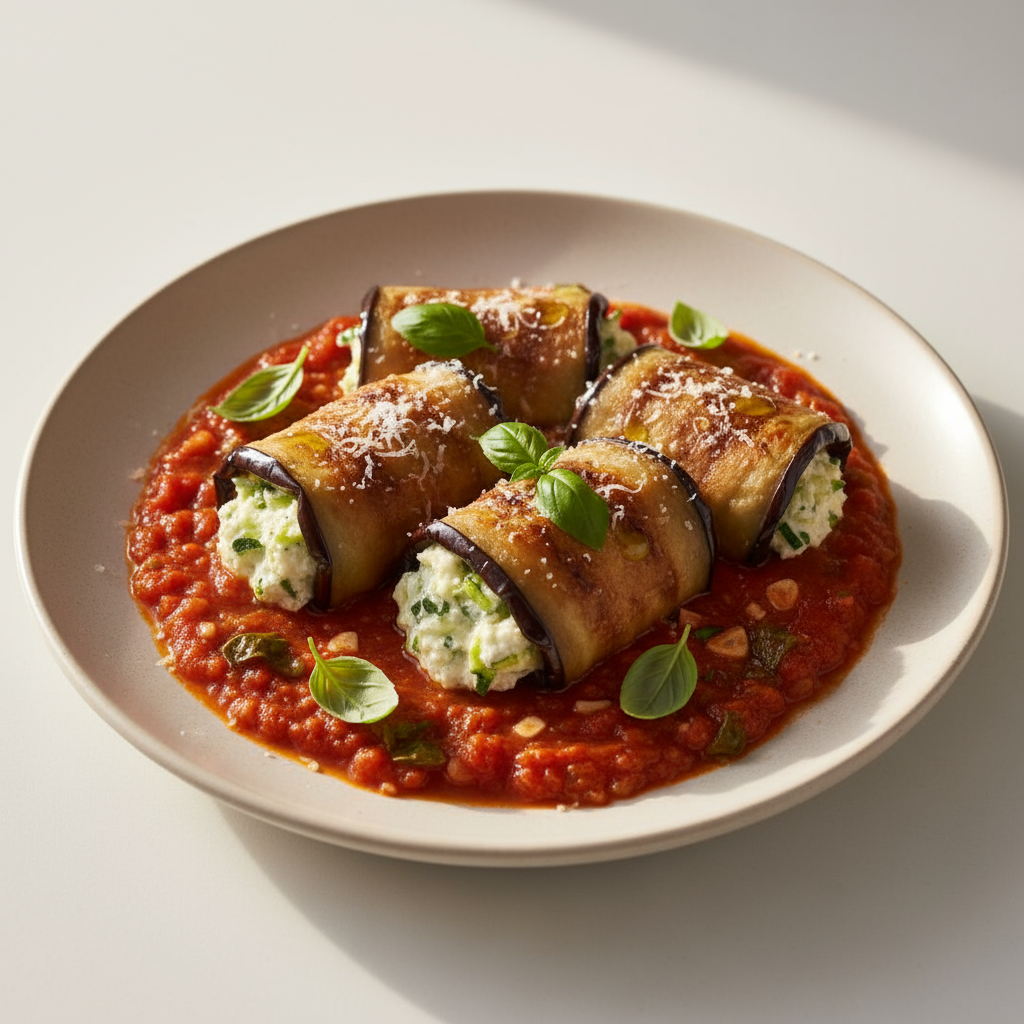
Vegetarian eggplant rolls with tomato basil sauce

Vegetarian eggplant rolls with tomato basil sauce

Ingredients

  • 2 small fresh eggplants, trimmed, sliced lengthwise into 4
  • 1 tsp olive oil
  • 3 individual fresh garlic, sliced
  • 800 g Tomato, canned in tomato juice, whole, chopped
  • 2 tbsp fresh basil, torn
  • 1 small zucchini, finely diced
  • 150 g Ricotta cheese, reduced-fat
  • 1/2 cup Parsley, fresh, chopped
  • 2 tbsp fresh basil, chopped
  • 3 tbsp grated Parmesan cheese, chopped
  • 1 medium egg, lightly beaten
  • 1/2 small onion, finely chopped
  • 1 x 3 second spray oil spray

Method

Preheat oven to 230C. Spray a baking tray with oil and set aside.

Lay eggplant in a single layer on prepared baking tray and spray with oil. Bake for 20 minutes, turning once or until golden brown. Remove from oven and set aside.

To make filling, spray a large non-stick frying pan with oil and place over medium-high heat. Add onion and zucchiniåÊand cook for 5 minutes, or until onion starts to soften. Add a third of the sliced garlic and cook for a further minute. Transfer to a small bowl and set aside to cool.

Meanwhile combine ricotta, parsley, basil and 2 tablespoons Parmesan in a separate bowl. Stir to combine. Add cooled onion mixture to ricotta mixture then add egg and season well with salt and pepper.

To make sauce, place the oil in a medium saucepan over medium-high heat. Add remaining garlic and saut̩ for 2 minutes, or until light brown. Add crushed tomatoes and stir to combine then reduce heat to low. Add basil and season well with salt and pepper. Cover and simmer for 10 minutes then remove from heat and set aside.

To make eggplant rolls, reduce oven temperature to 210C. Spoon 3 tablespoons of tomato sauce into the base of a 20cm square ceramic baking dish. On a clean chopping board place a slice of eggplant. Spoon 2 tablespoons of ricotta filling at narrow end and roll up. Place in prepared baking dish, seam side down. Repeat with remaining eggplant slices.

Arrange rolls in a single layer in dish. Spoon over remaining tomato sauce and sprinkle with remaining Parmesan cheese.

Bake for 20 minutes or until the sauce is bubbling and cheese has melted.

Notes:

  • These can be made a day ahead of time and stored in an airtight container in the fridge.
  • They are best reheated in a moderate oven for 15-20 minutes, however if you are short on time, the microwave is fine.
  • This recipe was written by Weight Watchers for Kidspot.


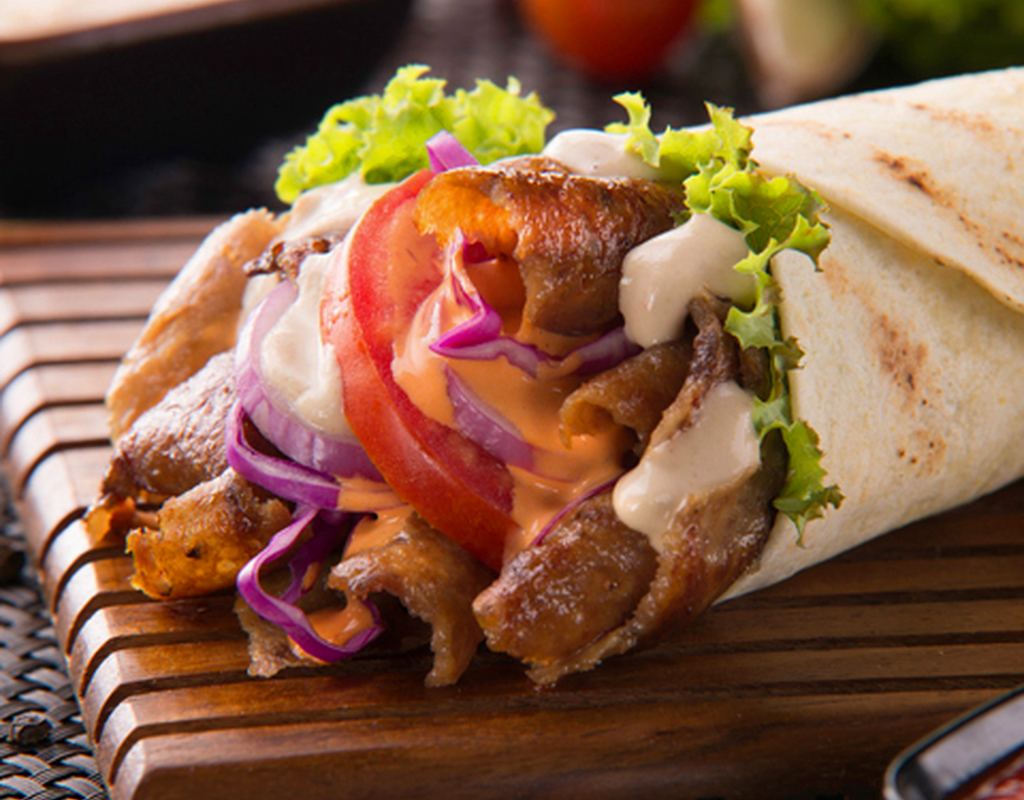
Homemade Doner Kebabs

These homemade doner kebabs have the same delicious lamb that you get from your Middle Eastern takeaway. Make it at home to share with your whole family.

Makes 8

Ingredients

  • 1kg lamb mince
  • 2 tsp oregano
  • 1 tsp mixed herbs
  • 2 tsp garlic powder
  • 1/2 tsp cayenne pepper
  • 2 tsp salt
  • 1 tsp pepper

To make the kebab:

  • 2 cups iceberg lettuce, shredded
  • 2 tomatoes, sliced
  • 1/2 cup garlic sauce
  • 1 cup hummus
  • 2 cups tabouleh
  • 8 pieces Lebanese bread or any flat breads

Method

Step 1. Preheat oven to 200C (180C fan-forced). Place the lamb, herbs and spices all into a food processor and mix until just combined. Alternatively, you can knead it together with your hands, but you will need to do it for 5 minutes so it is well combined.

Step 2. Lay out two large pieces of foil and place half of the lamb mixture on each. Wrap into a tight loaf (about 20cm long) and tuck in ends. Place into a baking dish and bake for 35-40 minutes.

Step 3. When done, leave to stand for 10 minutes while you prepare salads and sauces.

Step 4. Just before you serve, remove doner kebab meat from the foil packs and slice thinly. Serve slices in flat bread with salads and sauces.

Notes

Serving Suggestions

Note

  • We made this into two loaves so it didn’t take too long to cook. But you can make one large loaf and increase the cooking time by 10-15 minutes.
  • You can also make this dish in the slow cooker. Just place the wrapped meat into the base of your slow cooker and cook on low for 5-6 hours or high for 3-4 hours.
  • You can halve the portions in this recipe to serve 4.
  • There is quite a lot of salt in this dish so if you are serving it to babies I would reduce the salt by half.
  • This recipe was created by Jennifer Cheung for Kidspot.

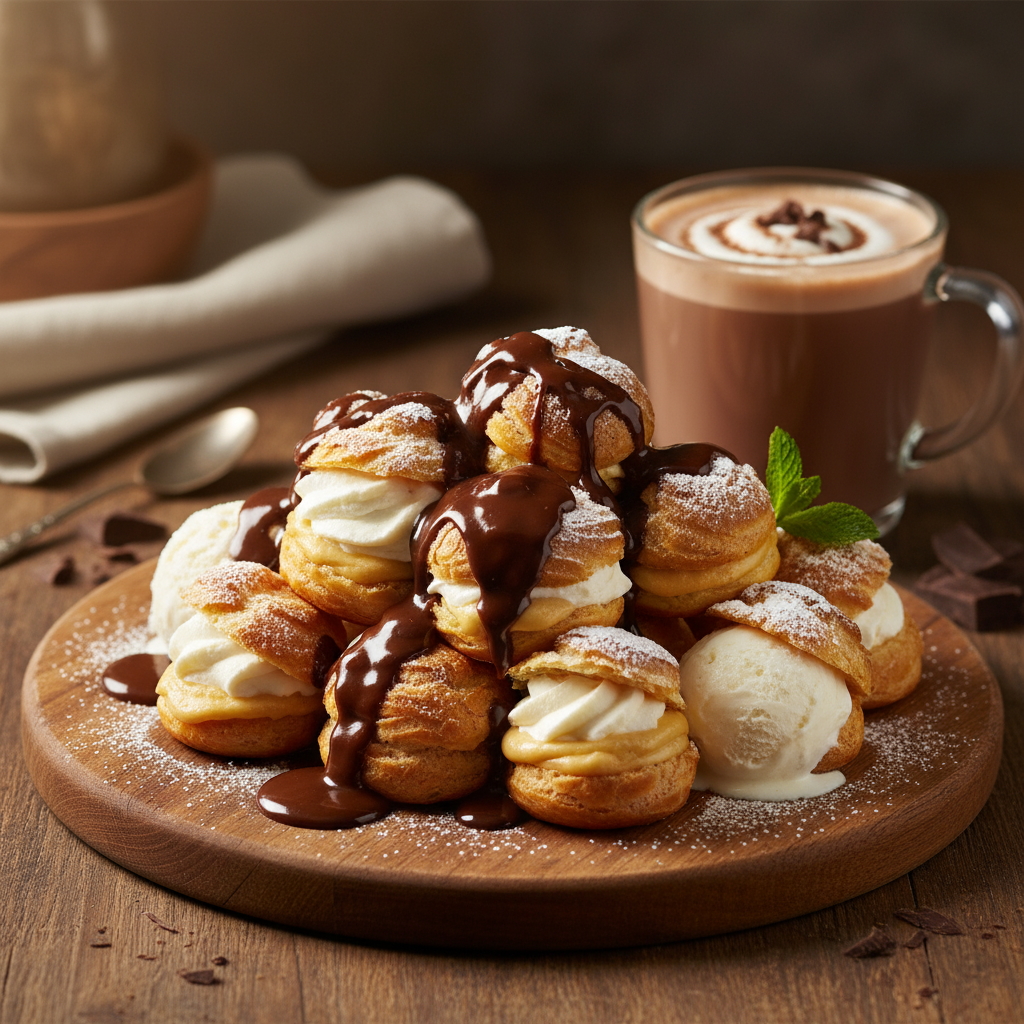
Profiteroles with hot chocolate

Profiteroles with hot chocolate

Serves:

serves 4 – 6

Ingredients

For the choux pastry:
Butter 40g
A pinch of salt
Water or milk 120ml
Plain flour 80g
Eggs (lightly beaten) 120g

For the filling:
Chocolate Ganache
Pastry cream


Method

These delicious choux pastry balls can be filled with whipped cream, pastry cream or even ice cream. The puffs may be left plain or garnished with chocolate sauce, caramel or a dusting of powdered sugar

Put the butter, salt and water (or milk) into a saucepan and heat, stirring, until boiling. Add the flours to the bowl. Turn the temperature off and continue to mix for 3 minutes.

When the temperature reaches 80ºC add the egg and beat until fully incorporated.

Pour the mixture into a piping bag and pipe 3cm diameter buns onto the baking tray.

Press down the tops with a wetted fork . Allow to stand at room temperature for 20 minutes, then bake in a preheated oven at 220ºC for 10 minutes, then at 180ºC for 15 minutes.

Remove from the oven and make a small hole in the base of each bun. Return to the oven for 10 minutes to dry.


Make the filling:

Once cooled fill with pastry cream and serve with chocolate sauce/ganache.

Check the custard has thickened, put in the fridge.

Serving Suggestions

Note

Chicken, cheese and vegetable patties

Chicken, cheese and vegetable patties

Serves:

Ingredients

  • 2 large potatoes, peeled and roughly chopped
  • 1 medium sweet potato, peeled and roughly chopped
  • 1 tbsp butter
  • 2 tbsp milk
  • 1/2 medium brown onion, finely diced
  • 1 medium zucchini, grated
  • 1 medium carrot, grated
  • 1 tbsp olive oil
  • 1 tbsp soy sauce
  • 3/4 cup cooked brown rice
  • 1/2 cup drained tin lentils (optional).
  • 2 eggs, beaten
  • 1/2 cup (40g) tasty cheese, grated
  • 500g chicken mince
  • 1/4 cup (25g) breadcrumbs to thicken pattie mixture (if necessary)

Crumbing

  • 1 cup (90g) breadcrumbs
  • 2 eggs, beaten
  • 1 cup (150g) plain flour

Method

Preheat oven to 180C (160C fan-forced). Line a baking tray with foil and set aside.

Cook potato and sweet potato in some boiling water until soft. Mash with butter and milk and set aside to cool a little.

Fry the onion, zucchini, carrot in olive oil and the soy sauce. Season with salt and set aside.

In a large bowl, combine the pre-made mash, fried veggies, rice, lentils, eggs, cheese and chicken mince. Mix thoroughly until all ingredients are well combined. If you feel the mix is too wet just add 1/4 cup of breadcrumbs to bind the mix a little better.

Scoop up a tablespoon of mixture and shape into patties or whatever shape your toddler prefers to eat. Dip in flour, then through beaten egg then into the breadcrumbs and onto  the baking tray.

Bake for 20 minutes, turning once, or until golden brown.

Serving Suggestions

Note

  • Extra breadcrumbs can be used to help thicken the pattie mixture if necessary.
  • If you prefer to make a pattie that is a little crispier, you can shallow fry them in a large frypan instead.
  • These patties are great for freezing. Once cooled, freeze them flat on a baking tray and once frozen transfer to a resealable bag.

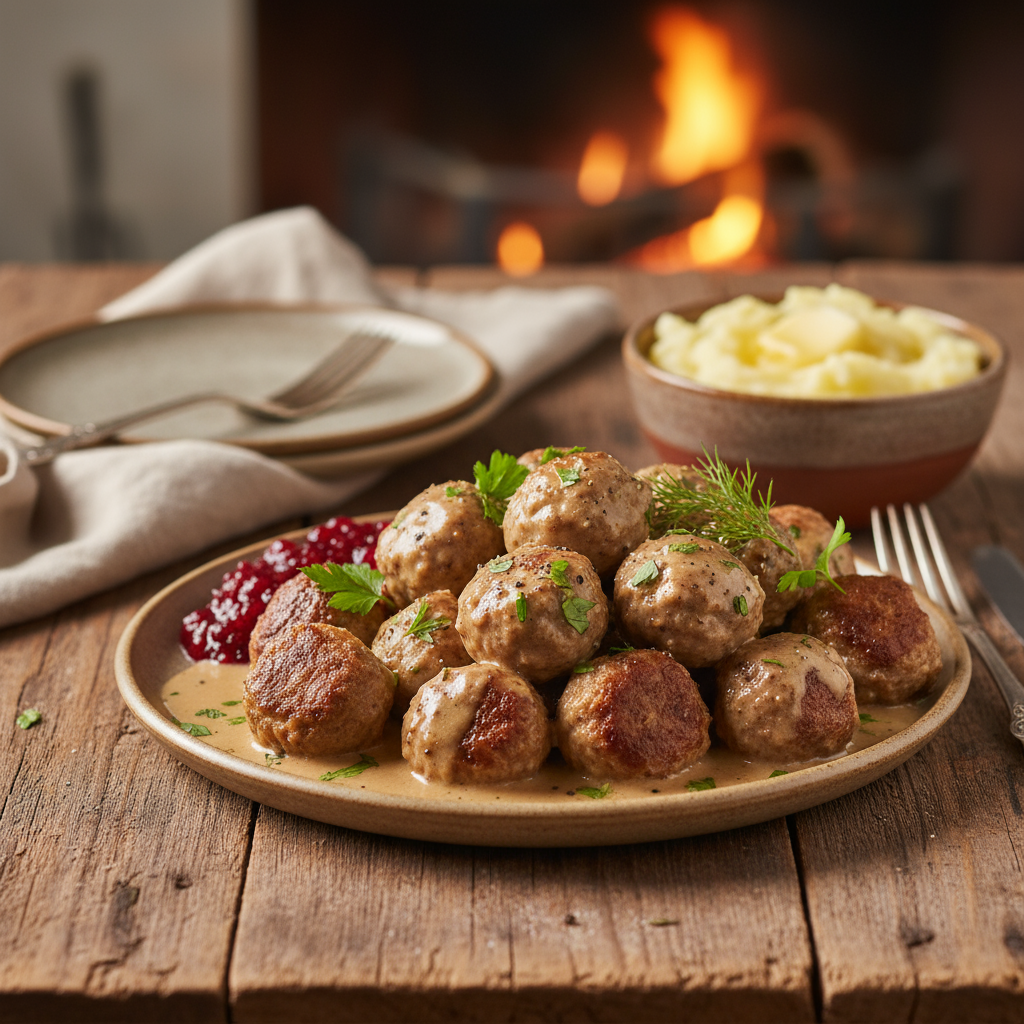
Swedish meatballs

Swedish meatballs

Serves:

Ingredients

Meatballs

  • 500g beef mince
  • 500g pork mince
  • 3 potatoes, peeled, boiled and mashed
  • 1 medium onion, finely diced
  • 1 cup breadcrumbs, lightly toasted (or make breadcrumbs from toast!)
  • 2 eggs
  • 3/4 cup cream
  • salt and pepper


Sauce/gravy

  • 1 tsp beef stock powder
  • 200ml water
  • 100ml cream
  • splash of soy sauce
  • pepper
  • 2 tbsp cornflour

Method

Mix all meatball ingredients together in bowl. Mix thoroughly at first with a spoon. When the liquid is evenly distributed, mix it up with your hands.

Heat about 3 tbsp butter in a frypan, when hot, add walnut-sized meatballs and fry for about 2-3 minutes and turn over gently. Transfer to baking tray, add butter to frypan as required, and repeat until all done!

To make the sauce, combine water, cream, stock powder, soy sauce and pepper, sprinkle cornflour on top and whisk over medium heat until smooth.

Allow to simmer and thicken.

Pour over meatballs, or in bowl to dip if serving as canapes.

Notes.

  • The meatball mix I made create us two meals – roughly 60 meatballs. These freeze well so I figured why not make two lots… I’d also use this quantity if serving them as canapes.
  • You could serve it with the sauce as a dipping sauce.
  • This recipe was created by Melissa Klemke for Kidspot, New Zealand’s best recipe finder.

Serving Suggestions

Note

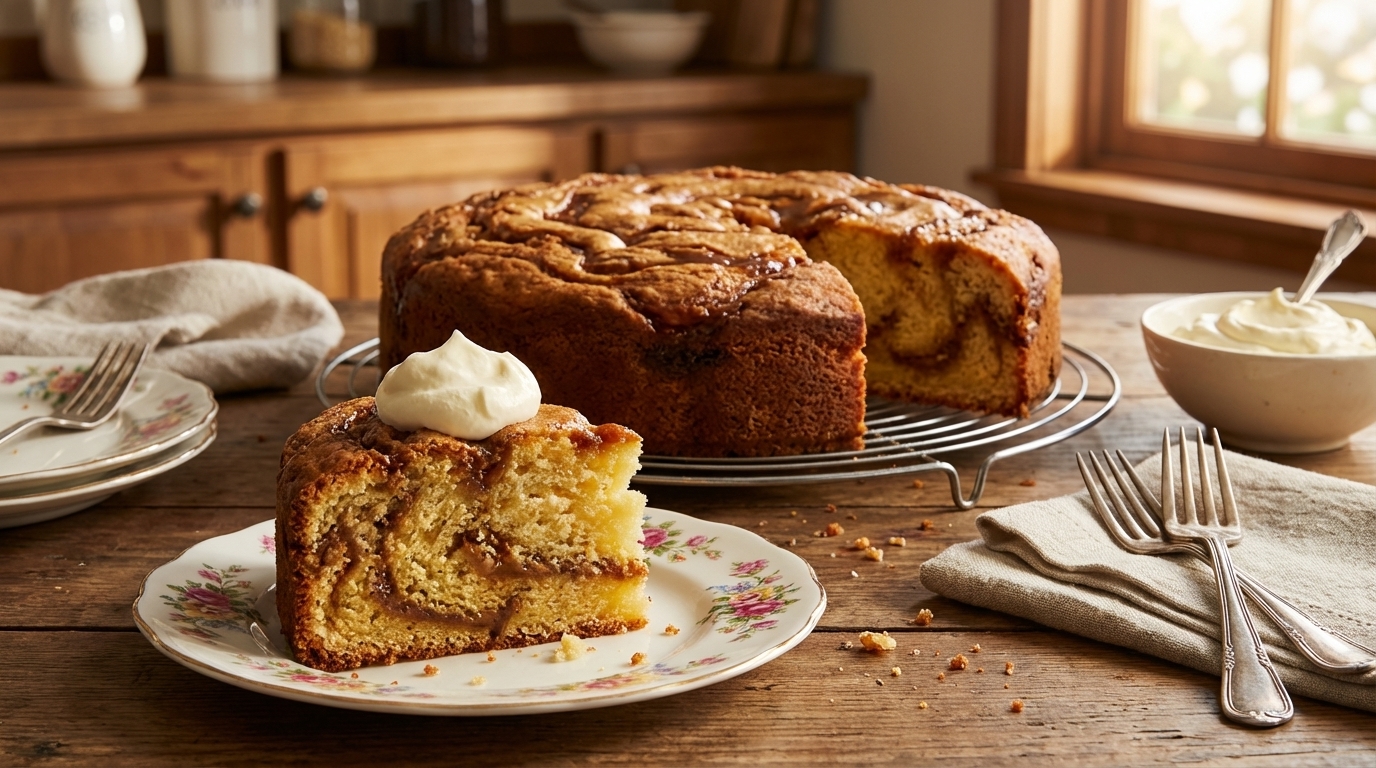
Caramel swirl cake

Caramel swirl cake

Serves:

Serves 8-12

Ingredients

  • 180g unsalted butter
  • 1 1/4 cups (280g) caster sugar
  • 1 vanilla bean, seeds scraped
  • 3 eggs
  • 1/3 cup (80ml) milk
  • 2 cups (300g) self-raising flour

For caramel:

  • 400g tin condensed milk
  • 30g butter
  • 2 tbsp golden syrup

Method

Preheat oven to 200°C (180°C fan-forced). Grease and line a 24cm springform cake tin.

Beat butter, sugar and vanilla seeds until pale and creamy. Add eggs one at a time, beating well between each addition. Fold through milk and flour.

In a small saucepan, gently heat caramel ingredients, stirring often, until butter has melted and caramel is smooth.

Spoon three-quarters of cake batter into prepared tin. Pour over caramel. Top with remaining cake batter. Use a fork to gently swirl mixture so as to distribute caramel through cake batter without fully combining it.

Bake for 40 minutes until a skewer inserted into the centre comes out clean. Cool in tin.

Serving Suggestions

Note

  • You could replace vanilla bean with 2 teaspoons of vanilla extract.
  • Serve with fresh double or whipped cream.
  • Recipe by Greer Worsley, who blogs at Typically Red.

Sweet chilli rolls

Sweet chilli rolls

Serves:

Ingredients

  • 2 frozen puff pastry sheets
  • 500g pork mince
  • 1 lge carrot, grated (approx. 1 cup)
  • 1 small brown onion, finely diced
  • 1 tablespoon basil, finely chopped (optional)
  • 1 teaspoon fish sauce
  • 1 ½ tablespoon sweet chilli sauce
  • 2 eggs

Method

Place frozen pastry sheets on kitchen bench to defrost and preheat oven to 200° C.

In a large bowl add pork mince, grated carrot, diced onion, basil (if using), fish sauce, sweet chilli and one egg. Combine ingredients until well mixed.

In a small dish, make an egg wash by cracking the second egg and lightly whisking with a fork.

Place pastry sheets in front of you and cut through the middle horizontally creating two equal halves.

Take about ¾ cup of pork mixture and form it into a sausage shape and place it along the top of the pastry sheet. With a pastry brush (or finger), wipe egg wash below the meat to secure the ends.

Roll the pastry and mix into a firm log shape making sure the pastry at the bottom overlaps each other at the egg wash. Repeat until you have 4 logs.

Once they’re all rolled, remove the plastic wrap backing the pastry, wipe over the top with egg wash and cut each log into 5 equal pieces.

Place on a tray lined with a baking mat or baking paper and bake in preheated oven for 35 minutes or until golden brown. Remove from oven, cool on wire rack and serve as is or with the kid’s favourite- tomato sauce.

Notes

  • I like to keep the plastic of the pastry on when rolling these up. It keeps the pastry firm and neat. You just need to lift it at the end when you are sticking the ends together.
  • While you’re waiting for the remaining logs to be rolled, place the existing ones in the freezer. They will firm up and be easier to handle.
  • These freeze very well once cooked, so if you need to make them ahead of time, just reheat at 180° C for 20 minutes.
  • If you don’t like basil, parsley works very well or they can be made without any green for kids who aren’t interested in the colour green!
  • Recipe created by Camilla Baker for Kidspot, New Zealand’s best recipe finder.

Serving Suggestions

Note

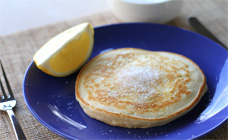
Lemon and sugar pancakes

Lemon and sugar pancakes

Serves:

Ingredients

  • 2 cups plain flour
  • 3 tsp baking powder
  • 2 tbsp caster sugar
  • 1 1/2 cups milk
  • 2 eggs
  • 60g butter, melted, cooled
  • extra butter melted, for cooking
  • lemon wedges and sugar to serve

Method

Sift flour and baking powder into a large bowl. Stir in caster sugar and make a well in the centre.

Whisk the milk, eggs and butter together.

Add the milk mixture to the flour mixture, stirring gradually with a wooden spoon to form a smooth batter.

Cover and set aside for 10 minutes.

Heat a small non-stick frying pan over medium heat. Brush the base of the pan with a little of the extra melted butter.

Pour 1/3 cup of the batter into the pan. Use a spoon to spread out slightly. Reduce heat to low. Cook for 2-3 minutes or until bubbles appear on the surface. Turn and cook a further 2 minutes or until cooked through. Transfer to a plate.

Cover to keep warm. Repeat with the remaining pancake batter, greasing the pan between each pancake.
Serve warm with lemon and sugar.


Serving Suggestions

Note

How to cook the perfect pasta

Pasta is one of the quickest and easiest starches to serve at dinner time – but considering how simple it should be to make, it is surprisingly easy to cook it badly so that instead of ‘al dente’ pasta, you end up with a soggy pile of water-logged pasta.

Pasta is unleavened dough made with flour and water that sometimes has other ingredients added such as olive oil, eggs and vegetable extracts. There are two basic types of pasta – fresh and dried. While fresh pasta keeps for a few days in the refrigerator after being made, dried pasta can be stored for up to two years.

How to cook pasta

  • Bring a large pot of water to the boil. You will need one litre per 100g of pasta.
  • Add 1 teaspoon of salt per salt per litre. Return the water to the boil.
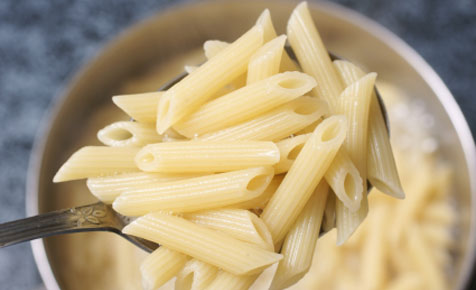
  • Add pasta to the boiling water. Cooking times depend on the type of pasta you are cooking. For dried pasta, refer to the package for a guide. Fresh pasta requires 2-4 minutes. Some pasta such as gnocchi and ravioli are considered to be cooked as they rise to the surface of rapidly boiling water.
  • Test the pasta by eating a piece – if it soft but gives a little resistance when chewed, it is ready. This is referred to in Italian as ‘al dente’, which means ‘to the tooth’.
  • As soon as the pasta is cooked, the cooking water should be drained to stop the cooking process.

Types of pasta

Pasta comes in many different shapes and sizes – each one perfectly suited to a particular use. Take the time to choose pasta carefully so that you match the variety of pasta with the dish you are going to serve.

Long pasta

Includes spaghetti, linguine, fettucine, capellini, spaghettini, vermicelli, bucatini, maccheroncini, ziti, bavettine, bavette, canalini, spaghetti alla chitarra, spaghetti rigati, bigoli, lasagne.

Short pasta

Includes penne rigate, penne, fusilli, tortigloni, macaroni, rigatoni, penne lisce, canneroni, fusilli, farfalle, spiralle, ricolli di Sfoglia, garganelli, torchietti, campanelle, gemelli, casarecce, gnocchi, castellane, radiortori, fiscarmoniche, riccoli, pipe rigate, conchigli rigate, orecchiette, ruote, spighe, pasta mista, ricciutelle, maltagliati.

Minute pasta

Includes lancette, farfalline, soprese, soprese lisce, quadretti, coralline, ditalini rigati, anellini, stelline, gratini, grattoni, tempestine, puntine, risi, midolline, risoni.

Egg pasta

Includes tagliolini, tagliatelle, paglia e fieno, tagliatelle con spinachi, parpardelle, parpardelle all’uovo.

Fresh pasta

Includes gnocchi.

Filled pasta

Includes agnolotti, ravioli, tortellini and cannelloni.

Pasta for baking

lasagne, cannelloni, conchiglioni, reginette.

Which pasta for which sauce?

While there are no hard and fast rules about which pasta goes with which sauce, as a general rule:

  • Thin delicate pastas require light sauces such as a pesto or light tomato sauce.
  • Thicker pasta like fettucine, bavette and linguine work well with heavier sauces like ragout (bolognaise) and carbonara.
  • Sauce with chunky ingredients such as mushrooms, bacon and vegetables are suited to spiral and tubular pastas that hold the sauce along the ridges of the pasta.
  • Lasagne sheets, penne, cannelloni tubes and macaroni are great for use in baking as they won’t collapse easily under high heat.
  • Tiny pasta such as like risoni and stelline(stars) work well in soups.

Tips for cooking perfect pasta

  • Plenty of rapidly boiling water is essential for fresh, clean tasting pasta.
  • Don’t be tempted to omit the salt when cooking pasta – you will end up with bland pasta. The salt also aids the pasta in absorbing water in the cooking process.
  • Some people like to add oil to the cooking water to stop the pasta sticking together but what it really does is stop the sauce sticking to the pasta.
  • Rinsing pasta after it’s cooked is of no real benefit unless you have cooked it in too little water and the pasta is a starchy mess.
  • If you are cooking pasta for pasta salad, make sure you remove it from the cooking water immediately and run it under cold water so the pasta stops cooking and retains its bite.
  • Do not break pasta that is too long for the pot. Just sit it in and let the heat ‘melt’ it down until it’s under the surface of the water.

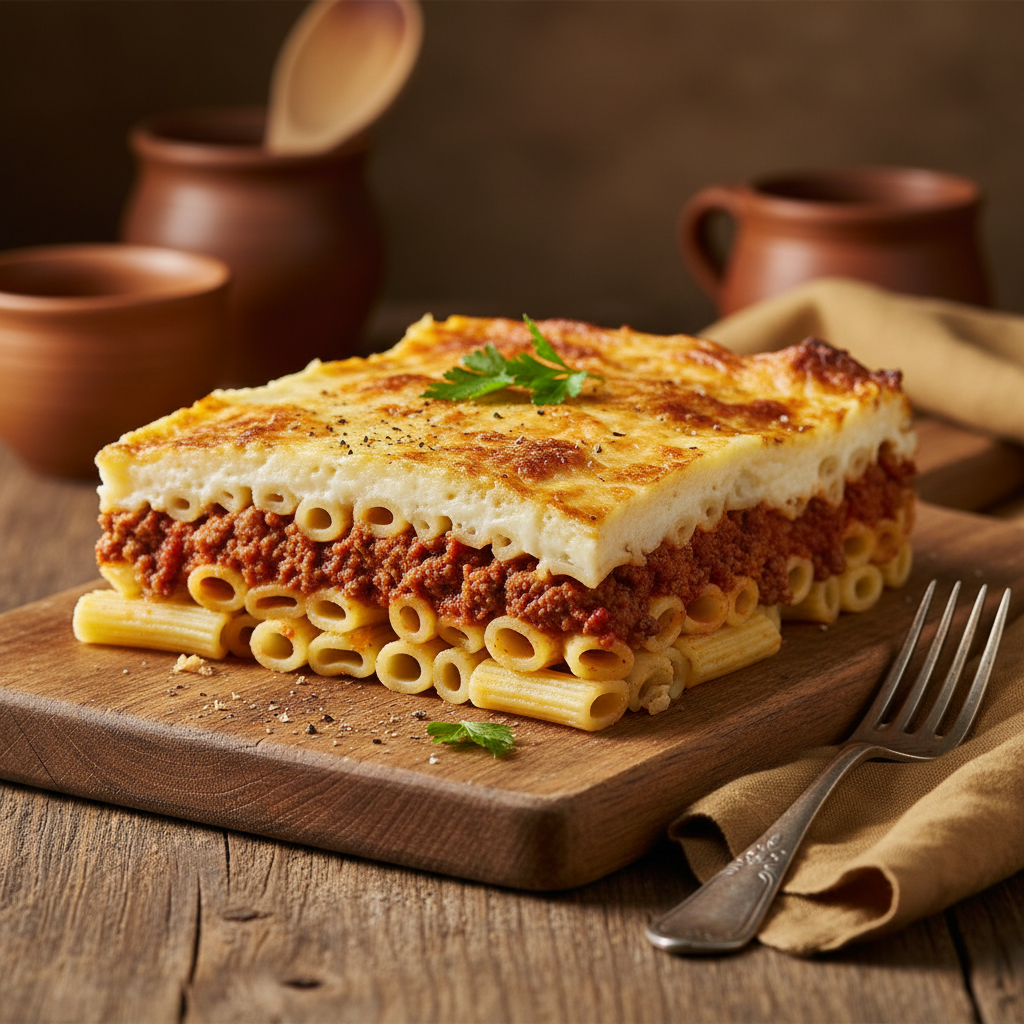
Pastitsio

Pastitsio

Serves:

Ingredients

  • 2 tbsp olive oil
  • 1 onion, chopped
  • 2 garlic cloves, crushed
  • 750g beef mince
  • 400g can diced tomatoes
  • ½ cup beef stock
  • ½ cup water
  • 1/3 cup tomato paste
  • ¼ cup white wine
  • 1 tsp ground cinnamon
  • 1 egg, lightly beaten

Macaroni base

  • 250g macaroni pasta
  • 3/4 cup grated parmesan cheese
  • 2 eggs, lightly beaten

Cheese sauce

  • 90g butter, chopped
  • ½ cup plain flour
  • 3½ cups milk
  • 1 cup grated parmesan cheese
  • 2 egg yolks
  • ¼ tsp nutmeg
  • 2 tbsp dry breadcrumbs

Method

Preheat oven to moderate, 180C. Lightly grease 6-8 ramekins or a large ovenproof dish.

Heat oil in a large frying pan on high. Saute onions and garlic for 2-3 minutes until tender.

Add mince. Cook, stirring, for 4-5 minutes until browned.

Stir in tomatoes, stock, water, tomato paste, wine and cinnamon. Bring to boil.

Reduce heat, simmer for 20-25 minutes until liquid has almost evaporated. Remove from heat and cool.

Stir in egg and season to taste.

For the macaroni base, cook pasta according to packet instructions. Drain well.

In a large bowl, combine pasta, cheese and egg.

To make the cheese sauce, melt the butter in saucepan on medium heat. Blend in flour. Cook, stirring, for 1 minute. Remove from heat.

Gradually stir in milk until smooth. Return to heat and cook, stirring, for 1-2 minutes until mixture boils and thickens. Simmer for 3 minutes. Cool slightly.

Stir in cheese, egg yolks and nutmeg.

Press pasta into base of prepared dishes.

Top with meat sauce. Spread cheese sauce over. Sprinkle with breadcrumbs.

Bake 25-30 minutes (ramekins) or 50-60 minutes (large dish) until firm and lightly browned. Stand for 5 minutes before serving.

Notes:

  • Feel free to vary the type of pasta used, I like to buy lots of penne to keep on hand since my family likes penne the best, but be sure to choose a pasta with a hole in it so the meat and sauce goes inside.
  • This recipe is even better the day after!
  • A really smart idea is to make this in the little ramekins at the beginning of a busy week so you can pull them out of the fridge and pop them straight into the oven on one of those nights when you just can’t face cooking.

Serving Suggestions

Note

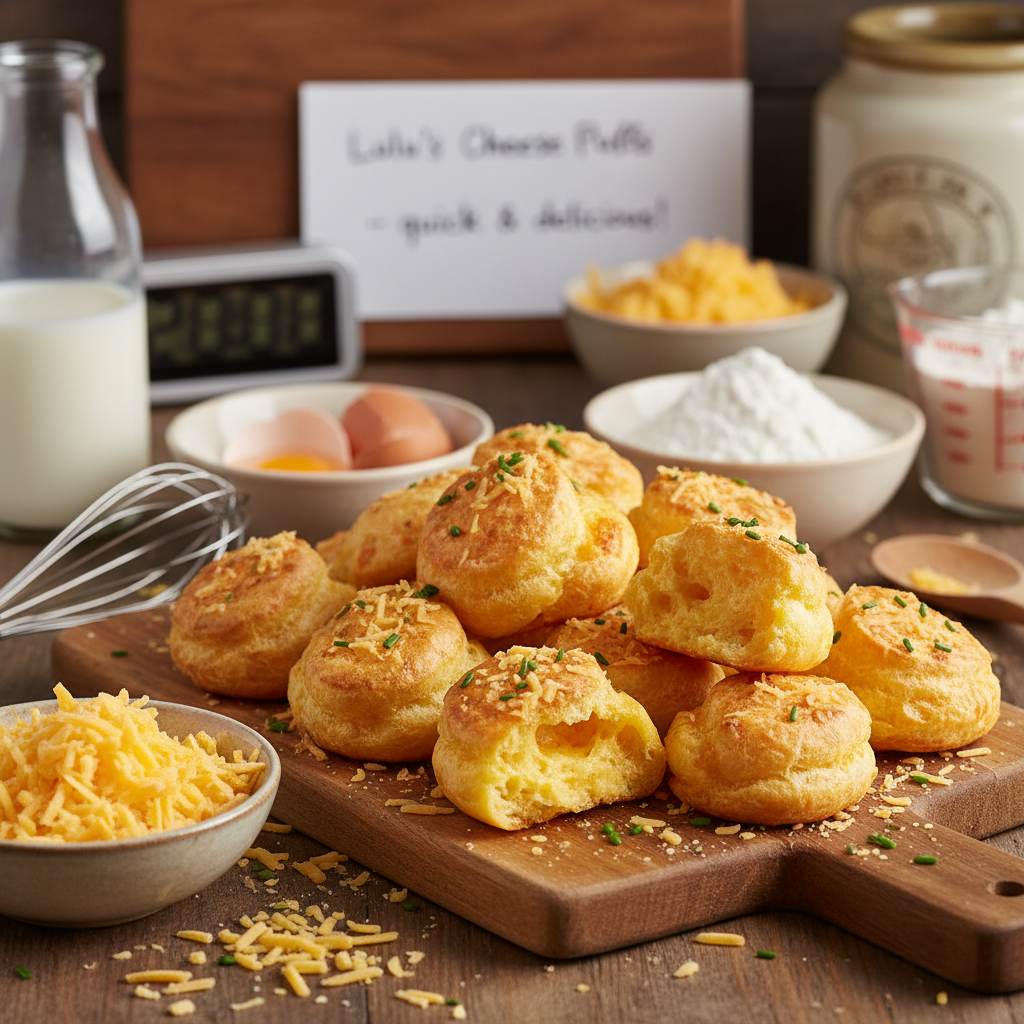
Lulu’s cheese puffs

Lulu’s cheese puffs

Serves:

Ingredients

  • 1 cup of self-raising flour
  • 2 cups of grated cheese, any sort of hard cheese
  • 1 egg beaten
  • 1/2 cup of milk

Method

Preheat oven to 180C. Sift flour into a large bowl.

Mix in all other ingredients using a wooden spoon, adding the milk last to bind.

Mix well to ensure even combination, particularly the flour and milk to the mixture should be quite sticky.

Grease a muffin tin, or baking sheet and set aside.

Use a tablespoon to pop golf ball-sized amounts into the tin or onto the sheet.

Bake for approx. 10 minutes.

Cool in tray for five minutes then pop out separating edges of each puff with knife from tray. Serve immediately.

Notes:

  • These puffs are divine with parmesan, tasty cheese and a glass of red wine.
  • You can serve the puffs with butter as well.
  • Feel free to add a small tin of corn kernels or even chopped chili to this recipe for a different flavour.

Serving Suggestions

Note

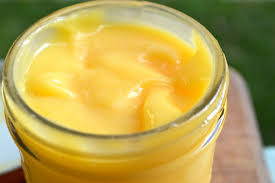
Lemon curd

Lemon curd

Serves:

2 cups

Ingredients

  • 100g unsalted butter
  • 2 tsp grated lemon zest
  • 100ml lemon juice
  • 175g castor sugar
  • 3 eggs

Method

Combine butter, lemon zest, lemon juice and sugar in a heavy-bottomed saucepan. Stir well until sugar is dissolved.

Take the saucepan off the heat and add the eggs, stirring constantly to mix well.

Return to a low heat and continue to stir until the mixture has thickened slightly.

Notes:

  • Don’t allow this mixture to boil as you thicken it, as it will curdle.
  • If you plan on storing this curd, prepare sterilised jars before you begin cooking.
  • This is my fathers favourite spread on toast, this recipe may make two cups of lemon curd but we are lucky if there is much leftover after a day or two of dedicated toast-making!
  • This recipe also makes a terrific gift. During lemon season, I often make a double batch and then give the surplus away to friends, complete with a homemade tag.
  • Thanks to Stephanie Alexander for this classic recipe. You cant beat the best!

Serving Suggestions

Note

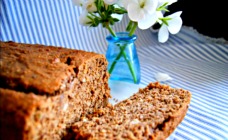
Hazelnut buttermilk and banana bread

Hazelnut buttermilk and banana bread

Serves:

Ingredients

  • 1/3 cup (75g) butter, room temperature
  • 1/2 cup (100g) brown sugar
  • 1/3 cup (75g) fresh hazelnut butter
  • 2 large free range eggs
  • 2 cups (300g) wholemeal self-raising flour
  • 4 tbsp raw cacao powder (or cocoa powder)
  • 3 bananas, mashed
  • 1/2 cup (125ml) buttermilk

Method

Preheat oven to 180°C conventional (160°C fan-forced) and line a loaf tin with baking paper.

Cream butter and sugar together until pale and fluffy, add the hazelnut butter and beat a couple of minutes more.

Then add the eggs, one at a time, incorporating the first one well before adding the second.

Fold through the flour and cacao powder then the bananas and buttermilk.

Mix gently until just combined, then spoon into the loaf tin and bake for 40 minutes or until cooked through.

Find more bread recipes

Serving Suggestions

Note

  • You can find hazelnut butter at your local health food store.
  • Hazelnut butter may be swapped with almond butter or good quality peanut butter.
  • You can push a skewer into the centre to test if this loaf is done. If the skewer comes out clean, it's ready.
  • This recipe was created by Sophie Hansen for Kidspot, New Zealand’s best recipe finder: You can follow Sophie on Local is LovelyFacebookTwitter or Pinterest.

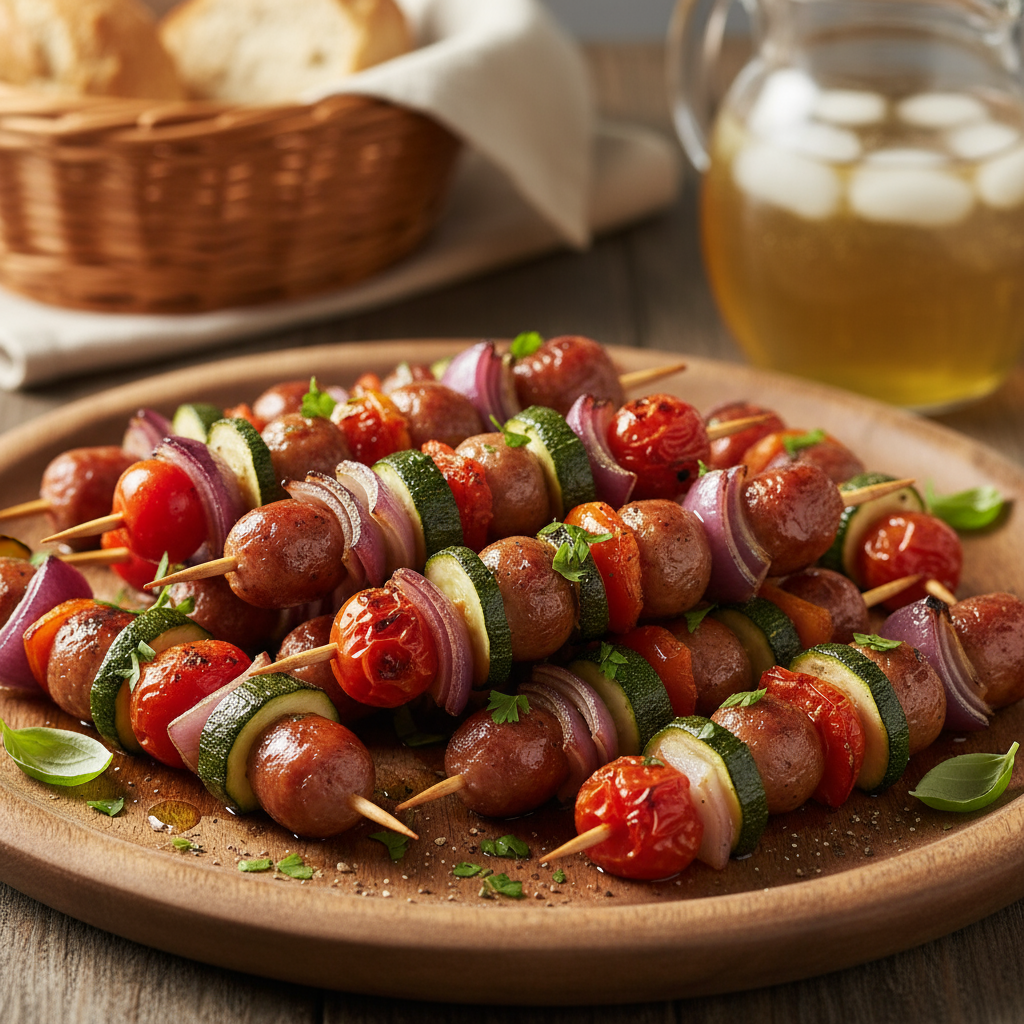
Sausage kebabs

Sausage kebabs

Serves:

Makes 8

Ingredients

  • 1 small red onion
  • 1 medium zucchini
  • 500g chipolata sausages (approx. 16)
  • 8 cherry tomatoes
  • 2 tsp olive oil

Method

Preheat oven to 200å¡C (180å¡C fan-forced).

Peel onion and slice into 8 wedges. Cut zucchini into 8 thick rounds. Thread a wedge of onion and a round of zucchini onto 8 bamboo skewers. Next, thread 2 chipolatas, bending them so the skewer pierces both ends of each sausage. Finally, top with a cherry tomato.

Lay the kebabs on an oven tray lined with baking paper. Brush or drizzle over olive oil and season well. Bake for 20 minutes, turning halfway through to ensure they are browned all over.

Serve with salad and some tomato sauce or chutney on the side.

Find related sausage recipes

Serving Suggestions

Note

  • Choose whatever veggies you like for these kebabs. Capsicum, eggplant or sweet corn on the cob would all be great.
  • You could cook these on the barbecue if you prefer. It would be best to soak the skewers for 20 minutes in water if you are going to cook these on the barbecue so the skewers don’t catch alight.
  • This recipe was created for Kidspot, New Zealand‰ÛªsåÊbest recipe finderåÊby Greer Worsley, who blogs atåÊTypically Red.

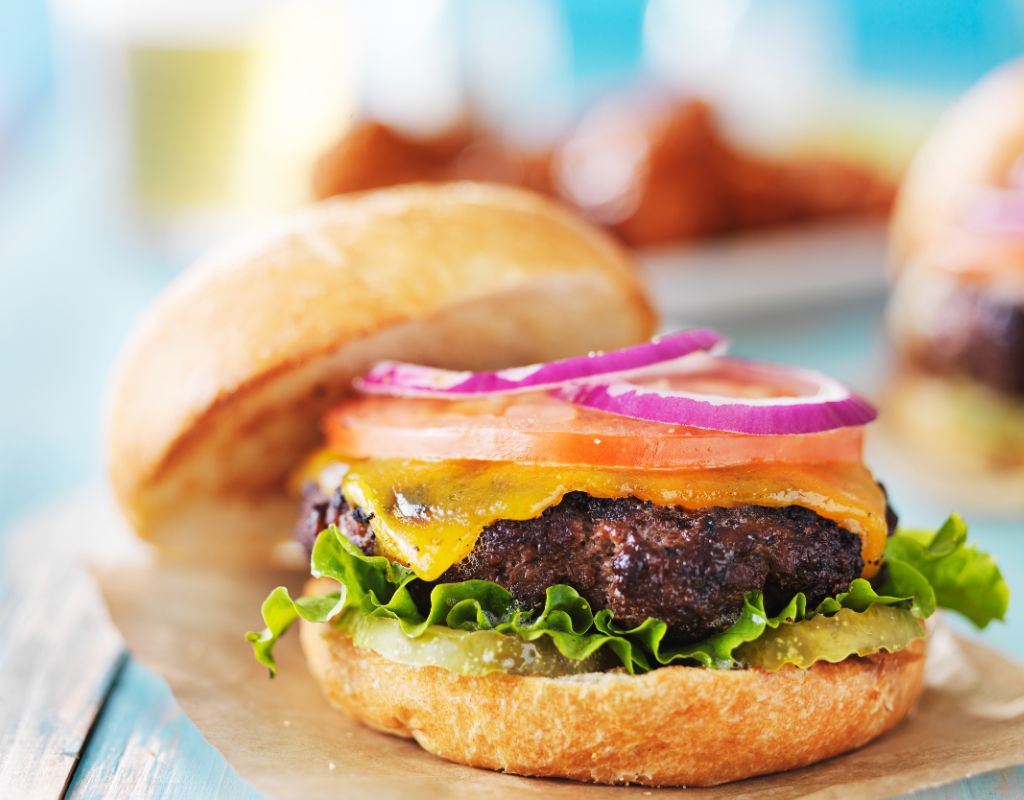
Homemade Beef Cheeseburgers | Fakeaways

Cheeseburgers

Serves:

Make these homemade cheeseburgers for a fun family dinner that everyone will love! Adapt the fillings to your family’s tastes and maybe serve with some fries for your own homemade takeaway.

Ingredients

  • 1 kg mince
  • half a cup cornflake crumbs
  • 2 tablespoons tomato paste
  • 2 tablespoons pesto
  • 2 eggs
  • 1 carrot, finely grated
  • 10 slices cheese
  • 100g mixed lettuce leaves
  • 10 hamburger buns

Method

Place mince, cornflake crumbs, tomato paste, pesto, eggs and carrot in a bowl and mix well to combine.

If the mixture is a bit dry and not holding together, add a bit of cold water.

Divide mixture into 10 heaps and squish into hamburger shapes.

Now dont laugh, but I actually weigh out 120g mixture (60g for kids) and use this groovy 1970s hamburger press mum gave me hey presto, perfectly round, flat hamburgers the same size! But thats me.

Heat a non-stick frypan to a medium-high heat and cook your messy/neat burgers for about 5 minutes each side or until cooked through.

Turn heat down a bit if necessary to avoid the classic burnt burger.

You might need to do this in two batches.

Slice buns in half, top with lettuce, then cheese, then burger and your sauce of choice.

Notes:

  • Replace the cornflake crumbs with breadcrumbs if you prefer the crumbs keep moisture in the hamburgers.
  • Add a finely chopped onion if your family can cope with that!
  • Use a large scone cutter to cut smaller rounds from hamburger buns.
  • I make very, very flat hamburgers for my I dont do chewing child.
  • Added bonus is that they look like burgers from our dear friends at the golden arches.
  • Salad is almost blasphemy as far as my children are concerned, so I often sneak in a very finely grated zucchini as well as the carrot and then I am happy for them to win and have no lettuce.
  • Recipe created by Melissa Hughes for Kidspot.

Serving Suggestions

Note

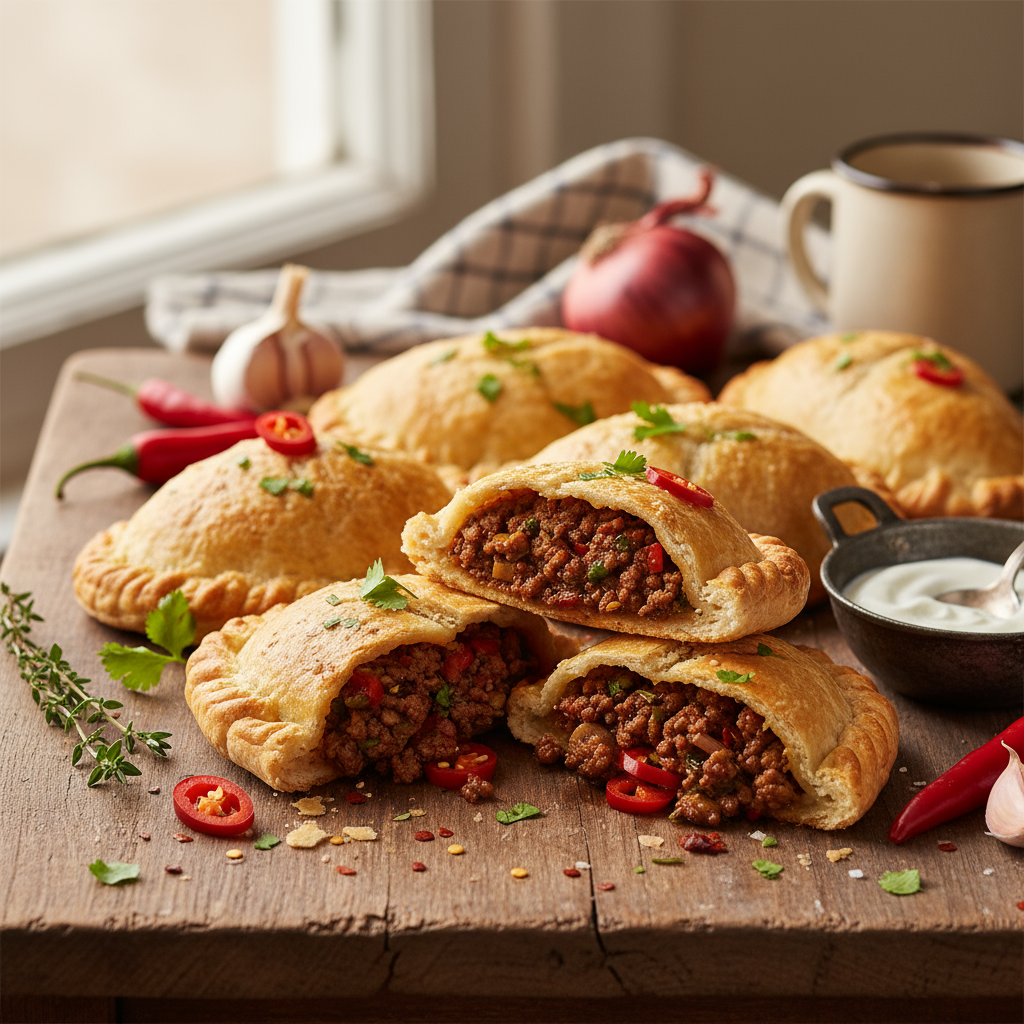
Three-days-to-payday spicy mince pasties

Three-days-to-payday spicy mince pasties

Serves:


Ingredients

  • 1 small onion, finely chopped
  • 500 beef mince
  • 1pkt taco seasoning
  • 1 cup of tomato puree
  • 2 sheets frozen puff pastry
  • 1 egg, beaten with a splash of milk

Method

Set the sheets of pastry aside to defrost.

Heat a non-stick frying pan and add the onion. Cook over medium heat until transluscent, about 5 mins. Add the mince and cook until browned.

Add the packet of taco seasoning and mix through the mince and onions until thoroughly combined.

Add the tomato puree and mix through. Turn down heat and allow to simmer, occasionally stirring, for 20 minutes.

Preheat oven to 180C.

Take out two baking trays and line with baking paper. Lie a sheet of pasty across each tray and remove the plastic backing sheet.

Remove the mince from the heat and even divide it between the two pasty sheets. Spoon the mince in a long thick sausage shape down the middle of the pasty sheet.

Take up the edges of the pasty and bring them together on top of the cooked mince to make a large sausage roll shape. Pinch together the ends of the roll and where the pasty meets in the middle.

Slash three air vents into the pastry and, using a pastry brush, paint with the egg wash.

Put in the oven to cook for approx. 20 mins or until the pastry has browned and puffed up. Remove from the oven, slice and serve immediately.

Notes:

  • I made this recipe up when I was first married and my teen-aged step-son was living with us. We were super-poor and I think I just couldn’t face another taco dinner. I looked at what I had in the pantry and came up with this. And it was delicious!
  • The tomato puree transforms this from being simply a large taco in pastry!
  • The spice in the taco mix in enough to give a little tang without being overwhelming. My kids have never had any trouble eating this dish and they aren’t much into spicy food.
  • The mince mixture shouldn’t be too wet when you add it to the pastry – if you have a lot of liquid in your mince, drain it off or you’ll end up with very soggy pastry!
  • This recipe was created by Ella Walsh for Kidspot, New Zealand’s best recipe finder.


Serving Suggestions

Note

Hamburger on sourdough

Hamburger on sourdough

Serves:


Ingredients

  • 2 spanish onions
  • 2 tbsp olive oil
  • 2 tsbp balsamic vinegar
  • 1 tbsp brown sugar
  • 500g beef mince
  • 1/2 white onion, finely diced
  • 1 egg
  • 150g cheddar cheese, grated
  • 2 tomatoes, sliced
  • 1 small tin beetroot, drained
  • 1 avocado
  • 1 loaf sourdough bread


Method

In a small saucepan, heat the olive oil.

Once hot, add the spanish onion and cook for a minute or two. Turn the heat down and add the balsamic vinegar and brown sugar and combine.

Simmer on a low heat for 15 mins, stirring occasionally. Once the onions have become very soft and dark, tip into a small serving bowl.

Meanwhile, combine the mince, egg and diced white onion in a bowl.

Once combined, shape the mixture into small rissoles.

Heat a littl oil in a frying pan and once hot, place the rissoles in the pan.

Cook over a medium heat, turning once.

Remove from pan.
Serve with the caramelised onions, sourdough bread, tomatoes, beetroot, avocado and cheese.

Notes:


    • I like to put each ingredient into a separate bowl so my family can help themselves and make their own personalised hamburger.
    • I use bread instead of traditional rolls because I find the rolls are just too big for little mouths and the entire contents of the hamburger always falls out onto the plate.
    • I mash the avocado into a guacamole-style paste (and add a little squeeze of lemon juice to it) so it can be spread on the bread instead of butter.

Related mince recipes:

Serving Suggestions

Note

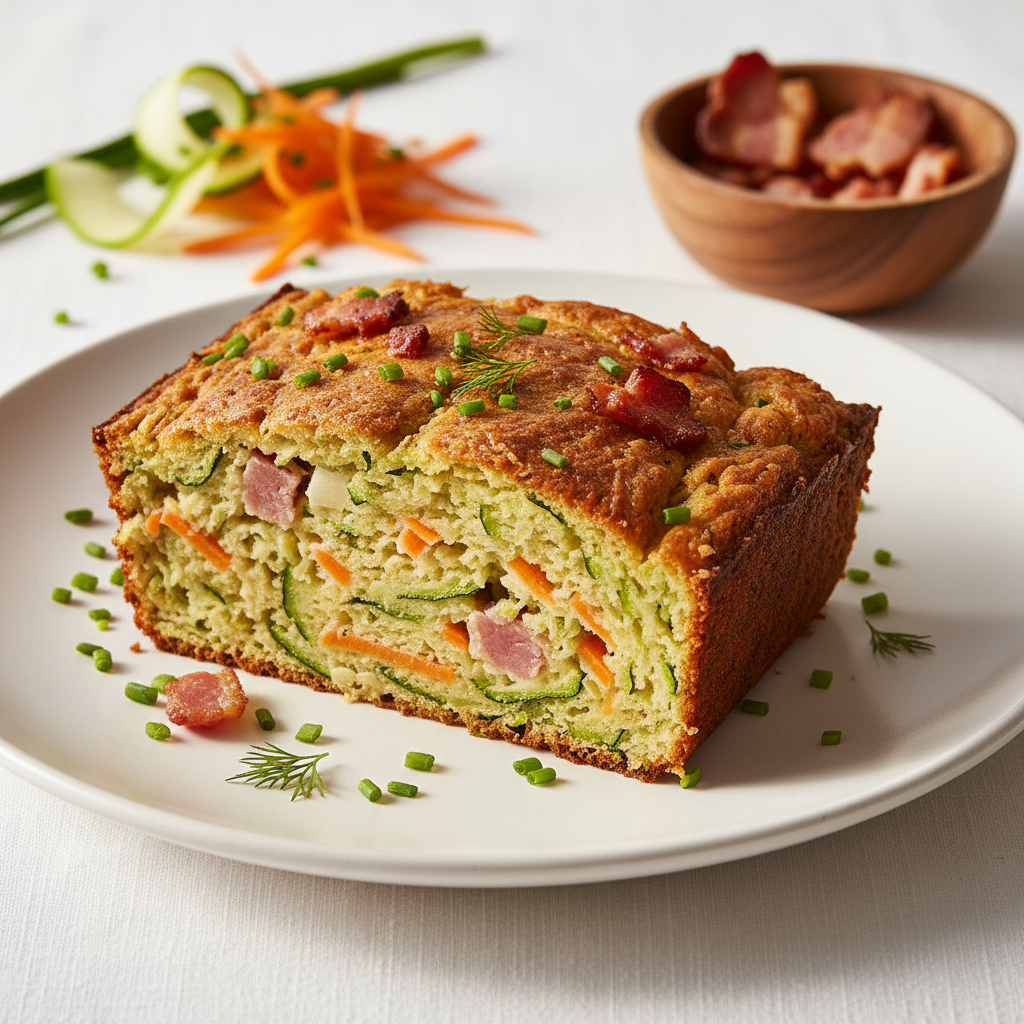
Paleo zucchini slice

Paleo zucchini slice

Serves:

6

Ingredients

  • 6  eggs
  • 1/4 cup coconut flour
  • 2-3 large zucchini (about 500g) coarsely grated
  • 1 medium carrot, grated
  • 250g rindless bacon, diced
  • 1 large brown onion, diced
  • 1/4 cup (60ml) olive oil or butter
  • 1/2 tsp. sea salt
  • cracked pepper
  • butter for greasing

Method

Preheat oven to 190°C (170°C fan-forced). Grease and line a 30 x 20cm lamington tin or large serving dish and set aside.
 
Beat eggs in a large bowl until combined. Add coconut flour and beat until smooth.
 
Add zucchini, carrot, bacon, onion, oil and combine mixture.  
 
Stir in salt and a little cracked pepper depending on your taste (or your kids).
 
Pour into dish and bake for approximately 3 -40 minutes or until golden on top and cooked through.

Find related recipes:

Serving Suggestions

Note

  • You can slice this into wedges and serve with a garden salad for a deliciously light lunch.
  • This recipe is freezeable and can be cut, wrapped and frozen for up to two months.
  • If you are requiring a vegetarian alternative then you can omit the bacon.
  • This recipe was created by Erin Wright for Kidspot, New Zealand's best recipe finder.

Rainbow cupcakes

Rainbow cupcakes

Serves:

Ingredients

  • 2 cups plain flour, sifted
  • 1½ cups sugar
  • 1 tbsp baking powder
  • ¾ cup milk
  • 1 tsp vanilla extract
  • 125g butter, softened
  • 3 eggs, lightly beaten

Food colouring

  • red
  • yellow
  • pink
  • green
  • orange
  • purple
  • blue

Buttercream icing

  • 200g butter, softened
  • 2 1/2 cups icing sugar mixture
  • 2 tbsp vanilla extract
  • 2 tbsp milk

Method

Preheat oven to 180°C or 160°C fan-forced. Line 2 x 12 cup cupcake tins with liners and set aside.

To make the cake batter, place the flour, sugar and baking powder into a bowl. Using a mixer, beat in the milk, vanilla, butter and eggs until combined. Beat for 4 minutes.

Divide the mixture evenly between seven bowls. Using the food colouring, tint each bowl of mixture the colours of the rainbow.

Starting with red, drop 1 teaspoon of mixture into each liner. Repeat with each colour until the trays are full.

Bake for 15-20 minutes or until centre of cakes bounce back after being touched lightly.

Remove from tins and cool on a wire rack until ready to frost.

Icing

With an electric mixer, beat the butter until it is pale and fluffy. Gradually beat in the vanilla and icing mixture, half a cup at a time. Beat in the milk at the end until well incorporated.

Frost each cupcake with the icing. I used a fancy nozzle and an icing bag but a nice thick coating will look just as good.

Notes:

  • This is a no-fuss cake mix. You can flavour it with any essences that you have on hand. I like to use strawberry flavour.
  • Food colouring and amounts are up to your own discretion. You can use liquid or gel colouring for this recipe. Just add a little at a time and mix until you have the colour that you want. I used red and blue to make purple batter and red and yellow to make orange batter.
  • Drop each measure of batter directly into the centre of the cupcake liners to create the layers.
  • Avoid giving these cupcakes to anyone with sensitivity to food colouring. You can try using natural food colouring but you won’t get the same vibrant end result.
  • If you want chocolate icing instead of buttercream icing just add 1/3 cup of sifted cocoa powder to the mixture an omit the vanilla.
  • This recipe was created by Jennifer Cheung for Kidspot, New Zealand’s best recipe finder.

Find related cupcake recipes

Serving Suggestions

Note

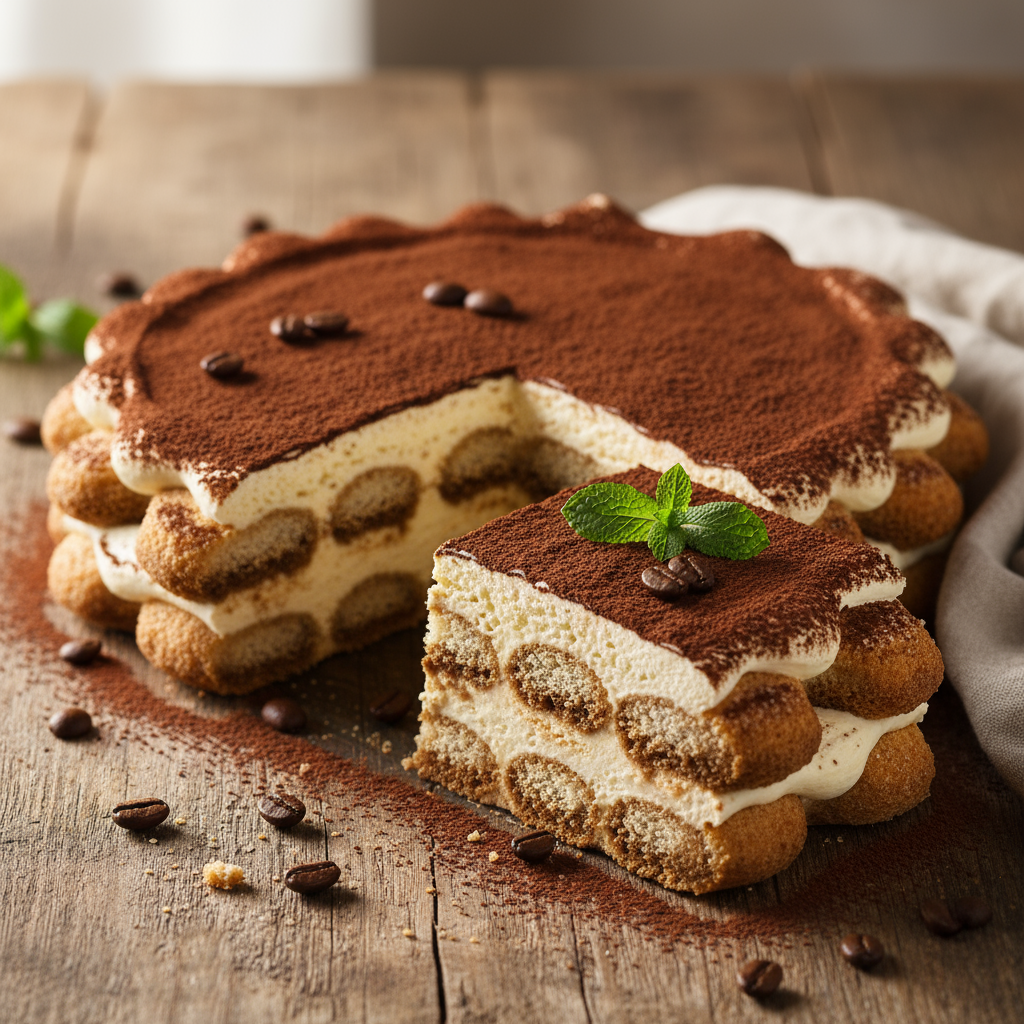
Tiramisu

Tiramisu

Serves:

8

Ingredients

  • 250g mascarpone
  • 250g ricotta
  • 1 egg
  • 2 tablespoons caster sugar
  • å_ cup (180mL) strong espresso coffee (or 3 teaspoons instant coffee granules dissolved in å_ cup boiling water)
  • 80mL (1/3 cup) coffee liqueur (e.g. Kahlua, TiaMaria)
  • 10-12 sponge fingers (Savoiardi, 250g packet)
  • 2 teaspoons cocoa powder or grated chocolate, to dust

Method

Use an electric mixer to beat the mascarpone, ricotta, egg and sugar for 1-2 minutes or until the sugar dissolves. Set aside.

Combine the coffee and liqueur in a bowl. Dip sponge fingers into the coffee mixture, then place in a single layer in a 2L (8-cup) glass bowl or individual dishes.

Spread the mascarpone mixture over the layer of sponge fingers. Repeat layering with the sponge fingers and coffee mixture, then the mascarpone mixture.

Depending on the size of your bowl, you will make 2 or 3 layers.

Smooth the surface and dust evenly with the cocoa powder. Cover and refrigerate for at least 4 hours or overnight to allow the sponge fingers to soften and the flavours to develop.

Notes:

  • Wow, this is sensational. When you slice it up into servings, there are lots of lovely layers to admire, briefly, as you demolish every last mouthful!
  • A great dessert to follow Mozzarella meatballls.
  • You could use decaffeinated coffee and / or make an alcohol-free tiramisu (increase the coffee to 330mL [1 1/3 cups] and omit the liqueur).
  • Recipe created by Melissa Hughes for Kidspot.


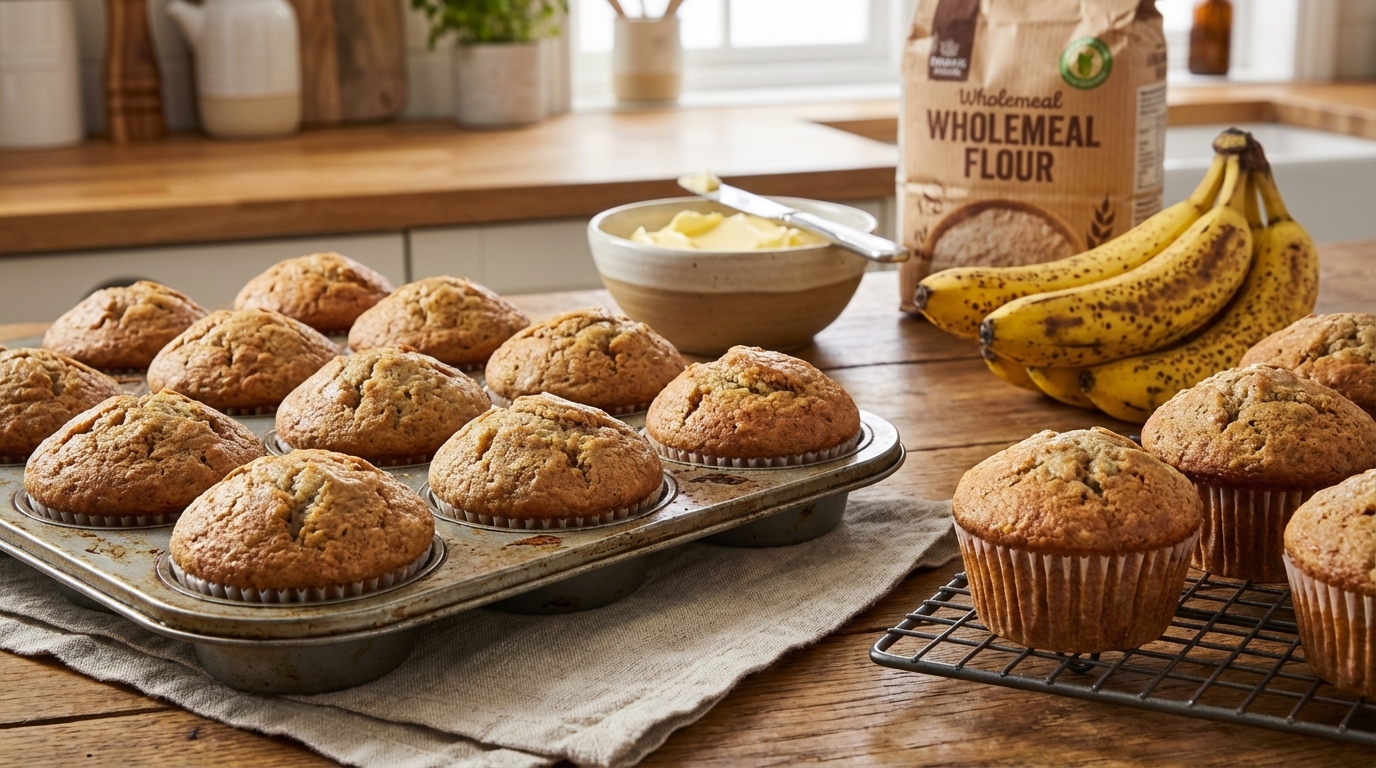
Banana bread muffins

Banana bread muffins

Serves:

Ingredients

  • 125g melted butter
  • 4 ripe bananas, mashed
  • 1 tsp vanilla essence
  • 2 eggs, lightly beaten
  • 1 cup brown sugar
  • 2 cups wholemeal self-raising flour

Method

Preheat oven to 180°C.

Line 12-hole muffin/cupcake pan with paper cases.

Mix butter, mashed bananas, vanilla essence, beaten eggs and sugar in a bowl.

Stir in flour until just combined.

Spoon into a paper cases and bake for 20 minutes or until golden.

Notes

  • You could add half a teaspoon of cinnamon to the mixture if you want to be a little bit fancy.
  • I like to mash my bananas so they are still a bit chunky (rather than a smooth paste) so you get little bits of banana speckled through the muffins.
  • This recipe was created by Alana House for Kidspot, New Zealand


Find more muffin recipes:

Serving Suggestions

Note

Halloween skeleton cupcakes

Halloween skeleton cupcakes

Serves:

12 cupcakes

Ingredients

Method

Spread each cupcake with chocolate buttercream icing.

Now slice a thin round sliver off the top of a marshmallow to create the skeleton’s face.

Pop the round sliver onto the edge of the cupcake, leave room for the body.

Use the white writing icing to draw the skeleton’s body.

Use black writing icing to draw on a face.

Notes:

  • Thanks to our sister company Kidspot Australia for creating the instructional video.
  • If you find making a quantity of buttercream icing just one step too far on a busy day, buy a can of Betty Crocker buttercream icing at the supermarket instead.
  • If you use a palate knife, you will get a nice even coating of icing.
  • These Halloween witches hats are filled with a cute surprise.
  • Keep the dentist AND the kids happy with these chompy Halloween teeth.
  • These Fairy wands are for the GOOD witch in your house unless you switch the colours to black and orange.
  • These Halloween Band aid biscuits just look icky and will have your guests grossed out in no time.
  • Looking for something to make you squirm? How about a cupcake that is looking right back at you like these Halloween eyeball cupcakes.
  • They are creepy and crawly and a little bit scary but these Red back spider biscuits are also delicious.
  • These scary Watermelon fangs will have you shaking in your boots with watermelon juice dripping from your vampire grin.
  • These Halloween severed finger biscuits are creep and kooky and best of all they taste delicious.
  • If you have carved your pumpkin and have lots of leftover pulp then these Halloween pumpkin cupcakes are for you.
  • You can have these delicious Halloween fangs on the party table in no times and they are deliciously filled with peanut butter.
  • Want some icky worms in dirt for your party table? These Halloween jelly worms are perfect.
  • Get some ghoulish party fare on the table with these Tombstone cupcakes.
  • A health Halloween snack could not be easier than this bright Veggie skeleton dip platter.
  • Get out the fake spider webs and spread them around these delicious Oreo spider cupcakes.
  • This recipe was created by Penny Flanagan for Kidspot, New Zealand’s best recipe finder.

Serving Suggestions

Note

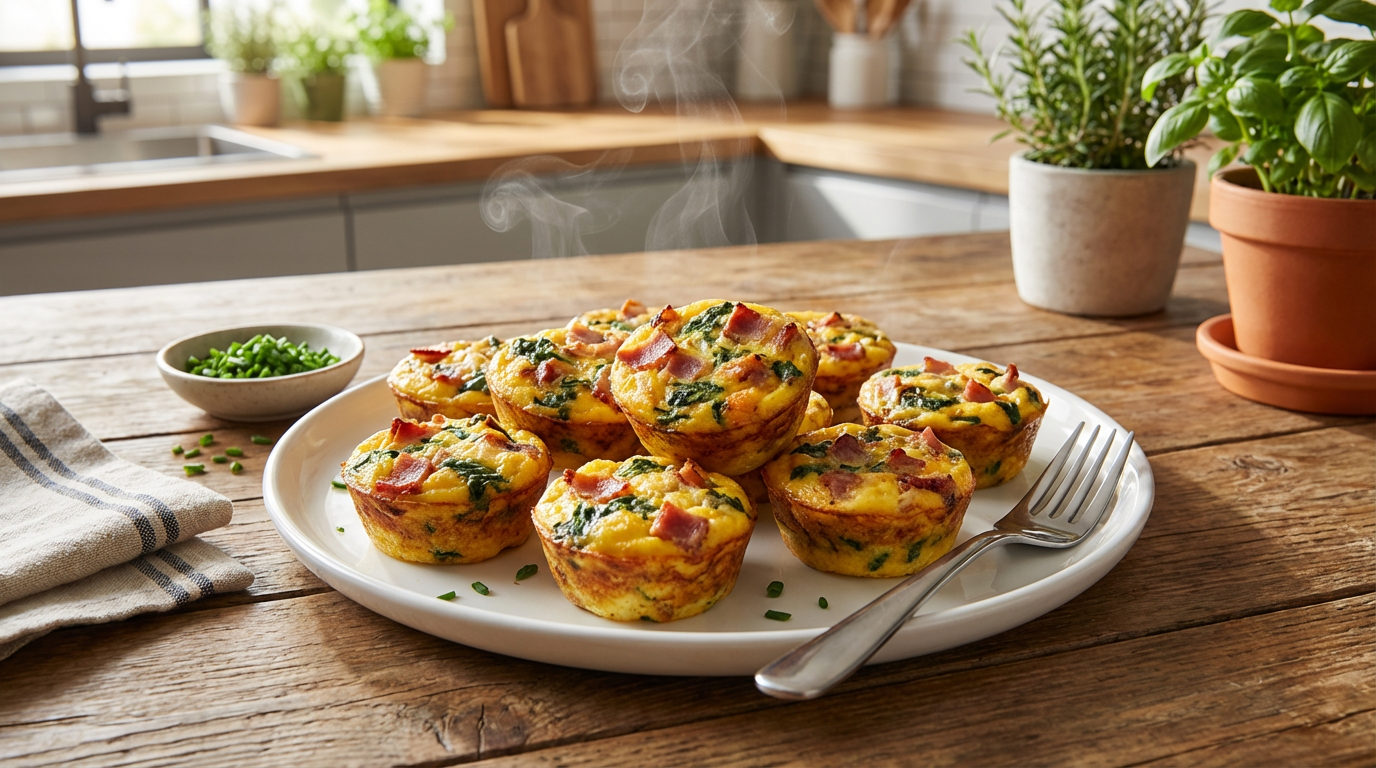
Baby bacon and spinach frittatas

Brought to you by

Preparing your own baby food is simple and budget-friendly. Start with purees then move onto finger foods like these mini bacon and spinach frittatas.

They’re perfect if your child has been introduced to eggs and is more interested in handling their own food now rather than having you feed it to them.

Serves:

Baby bacon and spinach frittata ingredients

  • 1 tbsp olive oil
  • 1/2 small brown onion, finely chopped
  • 1 large rasher bacon
  • 3 eggs, lightly beaten
  • 1/4 cup mashed sweet potato or other cooked veggies
  • 1/2 cup (40g) grated cheese
  • a few baby spinach leaves, chopped or torn finely
  • cooking spray

Method

  1. Set the oven to 180°C (160°C fan-forced). Heat oil in a saucepan over a medium heat and cook the onion and bacon until onions are translucent.
  2. In a mixing bowl, beat the eggs well and add vegetables cheese and spinach. Stir well to combine. Spray a mini cupcake try with cooking spray and scoop in mixture. Fill a few millimetres from the top.
  3. Pop in a pre-heated oven and cook for 8-10 minutes or until the frittatas are golden brown and have moved slightly away from the edge of the pan. Leave to cool slightly and serve warm.

Notes:

Serving Suggestions

Note

  • These frittatas are great for using up leftover mash or other veggies, plus eggs are a great source of protein, iron, folate and omega-3 fatty acids.
  • A good time saver: make mini versions for little hands while you’re whipping up a larger one for yourself.
  • Babies who aren’t ready for finger food can be fed the frittata in scrambled-egg form. Simply break up with a fork and serve on a spoon.
  • This recipe was created by Belinda Graham from The Happy Home.

Join the Catch Up

Join our community of parents and let the Kidspot Catchup be your guide to creating unforgetable family moments.