All about mumps

Mumps is caused by the mumps virus, but due to the prevalence of vaccination, not many kids get sick from the virus.

What causes mumps?

It is a viral infection of the parotid glands, a pair of salivary glands found just above the jaw line, below and in front of her ears. One or both of the glands can become infected and result in swelling. The virus is spread when someone who has the virus coughs or sneezes. Kids can also get the virus from sharing drinking cups, eating utensils or toys with an infected person.

Is mumps serious?

Mumps is usually not serious for younger children. Teenagers and adults may experience more severe symptoms. Serious complications may include:

  • Encephalitis
  • Meningitis
  • Inflammation of the testicles, ovaries or breasts
  • Hearing loss
  • Spontaneous abortion
  • In rare cases, males that get the virus may become sterile (unable to have children).

Can I prevent it?

Mumps is prevented with the MMR (Measles-Mumps-Rubella) vaccine given at twelve months and again at four years – they are not protected until they have both doses of the vaccine. If your child develops mumps, keep him home for at least nine days after the swelling begins to prevent infecting others.

How do I know if my child has mumps?

Swollen parotid glands are the telltale sign of mumps. Before the swelling begins, your child may have a pain in the jaw, fever , headache, tiredness, and/or lack of appetite. It may take up to 25 days after exposure to the virus for your child to begin to show symptoms. There are medical tests to confirm mumps, but most doctors can tell just by your child’s symptoms alone.

How do I treat it?

You can give your child paracetamol for discomfort and fever, and use warm or cold packs for swelling, but the virus generally resolves on its own.

Should I call the doctor?

Call the doctor if you suspect your child has mumps. Doctors, schools and child care centres are required to report any cases to prevent further spread.

What you need to know:

  • Mumps is uncommon because of vaccinations.
  • It is caused by a virus.
  • Mumps is more serious for older kids and adults.

You can prevent it by making sure that your kids get vaccinated.

Written by Rebecca Stigall for Kidspot, New Zealand’s parenting resource for family health. Sources include Ministry of Health NZ, Better Health Channel, NSW Health and Health Insite.

All about meningitis

There are two types of meningitis: Viral and bacterial meningitis. It is a very serious illness in which the membranes and fluid that surround the brain and the spinal cord become infected.

What causes meningitis?

It’s important to establish what caused the illness – whether it was bacteria, virus or fungus – so that it can be treated properly. Meningitis is spread when someone with the illness coughs or sneezes.

Is meningitis serious?

Bacterial meningitis is generally more serious than viral meningitis, which is often caused by another illness such as enteroviruses, coxsackieviruses , mumps viruses or adenoviruses . Bacterial meningitis can cause permanent disabilities in up to 20% of children who get it, and can also cause death.

Can I prevent meningitis?

There are vaccines that can help prevent several types of meningitis, including vaccines for haemophilus (Hib) meningitis, meningococcal meningitis, and pneumococcal meningitis. Viral meningitis is best prevented by washing hands thoroughly and often.

How do I know if my child has meningitis?

Babies with meningitis may have the following symptoms:

  • Fever
  • Refusing to eat
  • Fretfulness
  • Being difficult to wake
  • Skin rash or bruising
  • High moaning cry
  • Pale or blotchy skin
  • Neck retraction with arching of back

Older children may experience:

  • Headache
  • Fever
  • Vomiting
  • Neck stiffness and joint pains
  • Drowsiness and confusion
  • Skin rash or bruising
  • Discomfort looking at bright lights (photophobia)

How do I treat meningitis?

Treatment for bacterial meningitis may involve hospitalisation, antibiotics, and other medications such as anticonvulsants, cortisone, and sedatives which may be used to treat complications.

Treatment for viral meningitis is similar to the treatment for any viral illness, therefore cannot be treated with antibiotics. Make sure that your child gets lots of rest and fluids. Keep her warm and use paracetamol for discomfort and fever.

Should I call the doctor?

Always call the doctor if you suspect that your child has meningitis. The earlier your child receives treatment for bacterial meningitis, the better the outcome.

What you need to know about meningitis

  • Meningitis is a serious illness that can cause serious complications and even death.
  • Bacterial meningitis is more serious than viral meningitis
  • Bacterial meningitis is treated with antibioditics
  • Viral meningitis is treated the same way you treat any virus
  • There are vaccinations available for some forms of meningitis.

Written by Rebecca Stigall for Kidspot, New Zealand’s parenting resource for family health. Sources include The Meningitis Foundation NZ, Better Health Channel, NSW Health and Health Insite.

What happens to your skin in summer

As Zoolander said: “Moisture is the essence of wetness, and wetness is the essence of the beauty”. Well… he sort of had it right. Our skin needs moisture to maintain its healthy glow, but unfortunately our harsh southern sun can steal it all. Find out how to really care for and protect your skin during summer, to keep it looking healthy and youthful.

Do you know your type?

There are generally four types of skin: dry skin, normal skin, oily skin or combination skin. Skin type is hereditary and is determined by the amount of oil secreted by your skin. Your diet as well as other factors in the environment can all exacerbate your skin type as well, making dry skin inflamed or oily skin more blocked.

Identifying your own skin type and using the appropriate skin care for it will help maintain smooth, healthy skin in summer. Remember that your skin will have slightly different needs in summer than in winter, so you might need to use a lighter moisturiser. You can find honest reviews online, but make sure you’re getting them from people with the same type of skin as you, because cosmetics will have a different effect on different types.

Prepare

You might notice that your skin gets more oily in summer. That’s because the heat stimulates the skin’s oil glands, which can result in a vicious cycle of oiliness and dehydration, or a classic combination skin. Exfoliate at least once a week to improve the moisture absorption in your skin – the cream or gel you apply afterwards will reach the skin cells that need it, keeping them healthy. Exfoliating and hydrating the skin of your body is just as important, keeping your soft all over and even easing stretch marks.

Dehydration can be increased in summer by pollution, air-conditioning, stress and negative lifestyle habits. Ensure you drink at least eight glasses of water a day in summer: your skin will look clearer and glow! A good tip is to keep a bottle of water in your car – sitting in traffic is an ideal time to get through your required liquid intake and keep you hydrated in the summer heat.

Choosing the correct moisturiser will also help to keep your make-up looking fresh. If your skin is dehydrated or oil-dry, applying more day cream won’t solve the problem. You’ll need to exfoliate at least once a week and modify your moisturiser to one that is more suited to your skin type. After application, allow at least two minutes for absorption and then blot off the excess by pressing with a tissue, particularly in the T-zone.

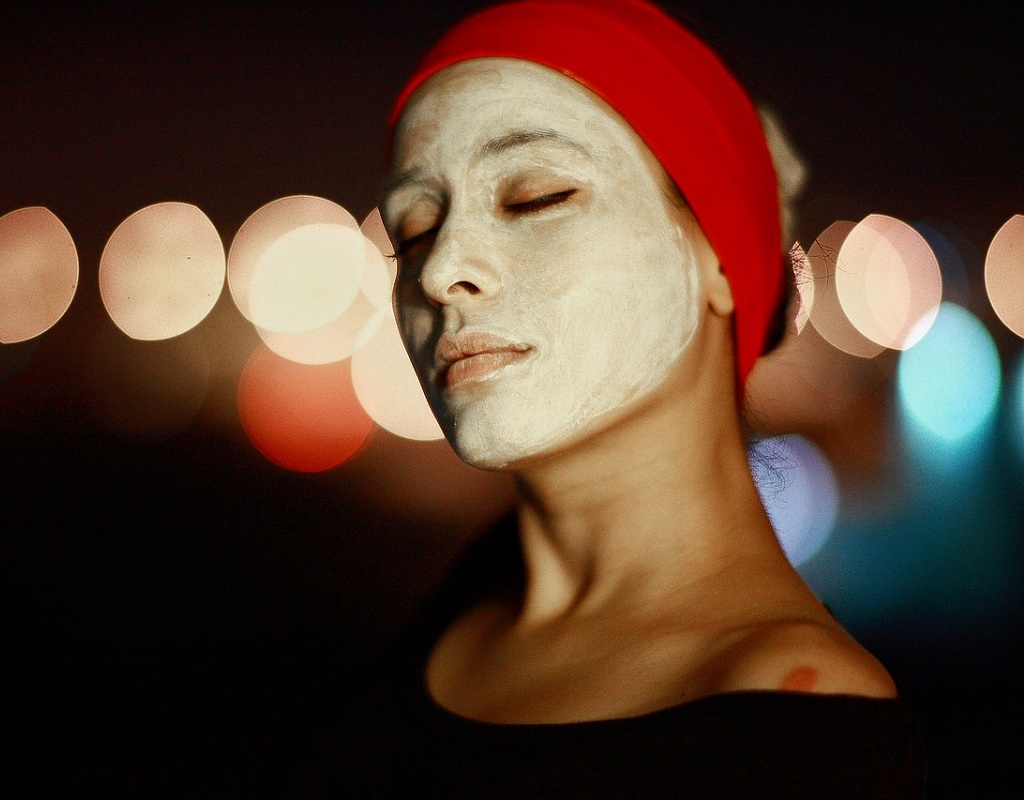
All skin types can benefit from masks in summer; choose from a cleansing mask for detoxifying and a deep pore clean, or a moisturising mask which will increase hydration, softness and radiance – but will not make the skin oily. Try to repeat your exfoliation and mask treatment every weekend leading up to summer!

Protect

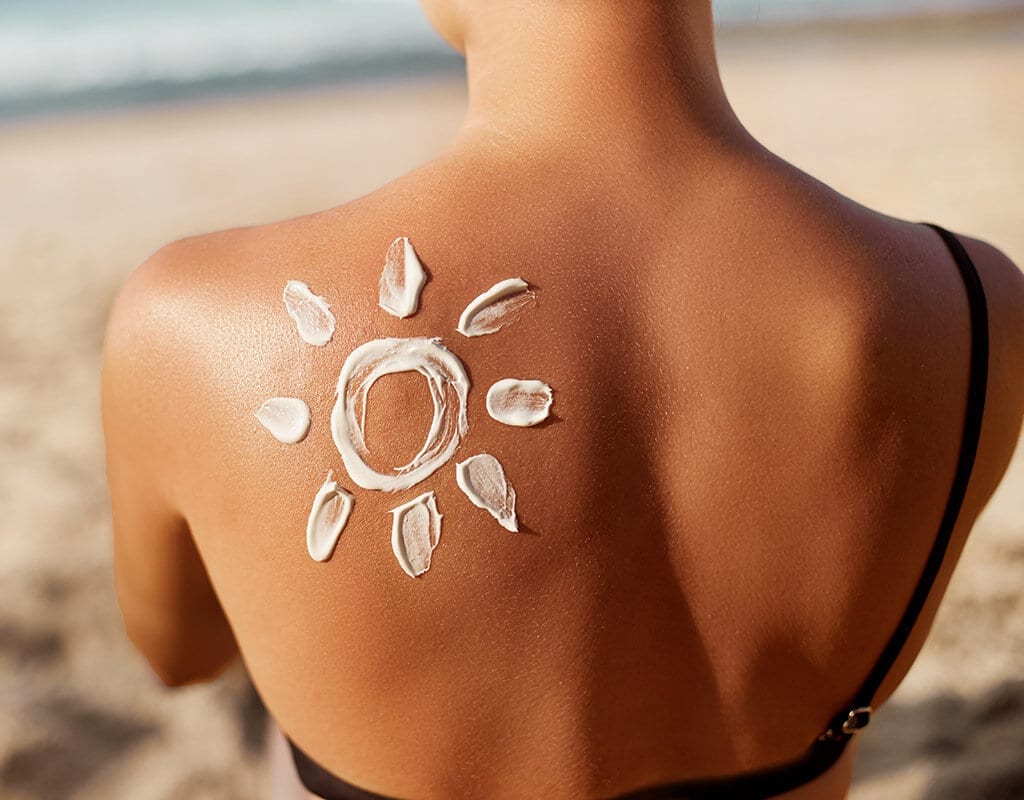
New Zealand has harsh summer sun, so it’s important that you protect your skin with SPF30 sunscreen every single day. It’s good to get into the habit, even if you aren’t planning to spend time in the sun. Without it, even quick outside trips in summer may damage your skin – whether you burn or not. Even if it’s overcast!

Limiting your time in the summer sun, especially during midday hours, is essential. If you want a glowing tan, your skin will thank you for faking it. And if you want some extra protection, take your vitamins and minerals. Not only do they keep your body and skin healthy from the inside, according to research, oral supplements of vitamin E and selenium, as well as topical applications of vitamins C and E, can give your sunscreen a boost by partially preventing the skin damage that occurs once you’ve been exposed. If you don’t like taking vitamins, try to eat foods rich in these vitamins and nutrients.

Foods to cleanse your skin from the inside out

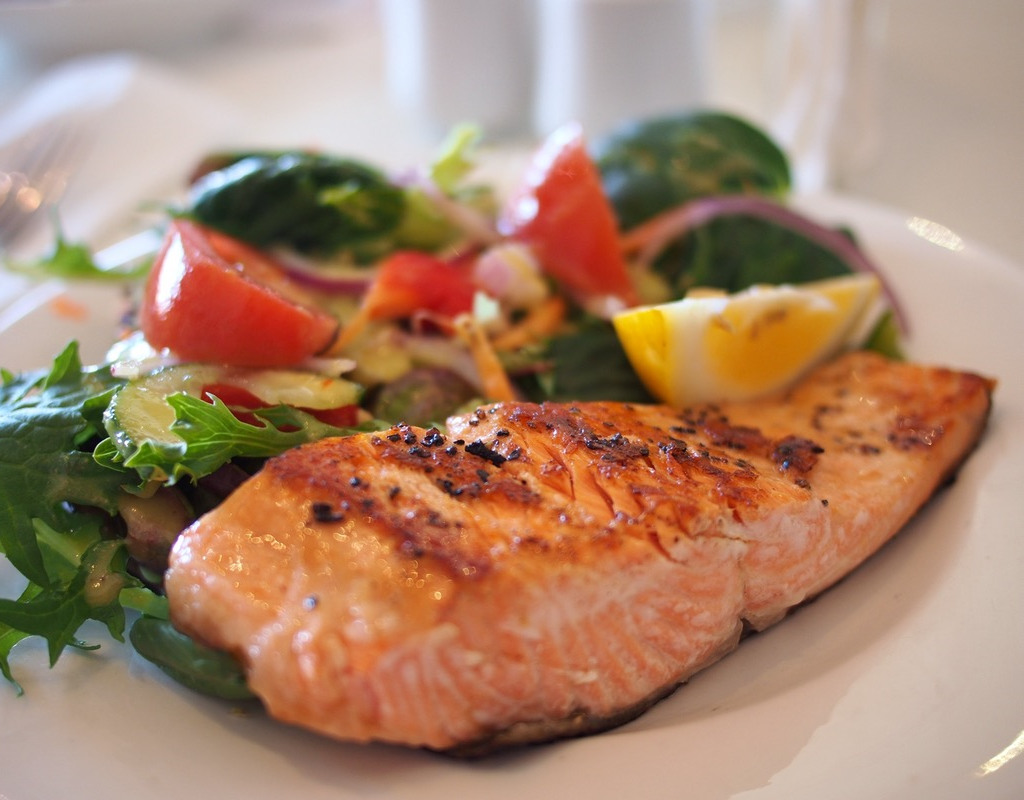
  • Fish contains oils that will help nourish your skin.
  • Ground linseeds are an excellent source of omega-3 fatty acids, which promote good skin health.
  • Vitamin A is essential for healthy skin. Eat plenty of dark orange (carrots, sweet potatoes) and dark green (broccoli, spinach) vegetables – all of which are high in vitamin A.
  • Vitamin E helps promote good-looking skin. Nuts such as hazelnuts and almonds are high in vitamin E – and great as snacks.

Top tips to maximise your make-up

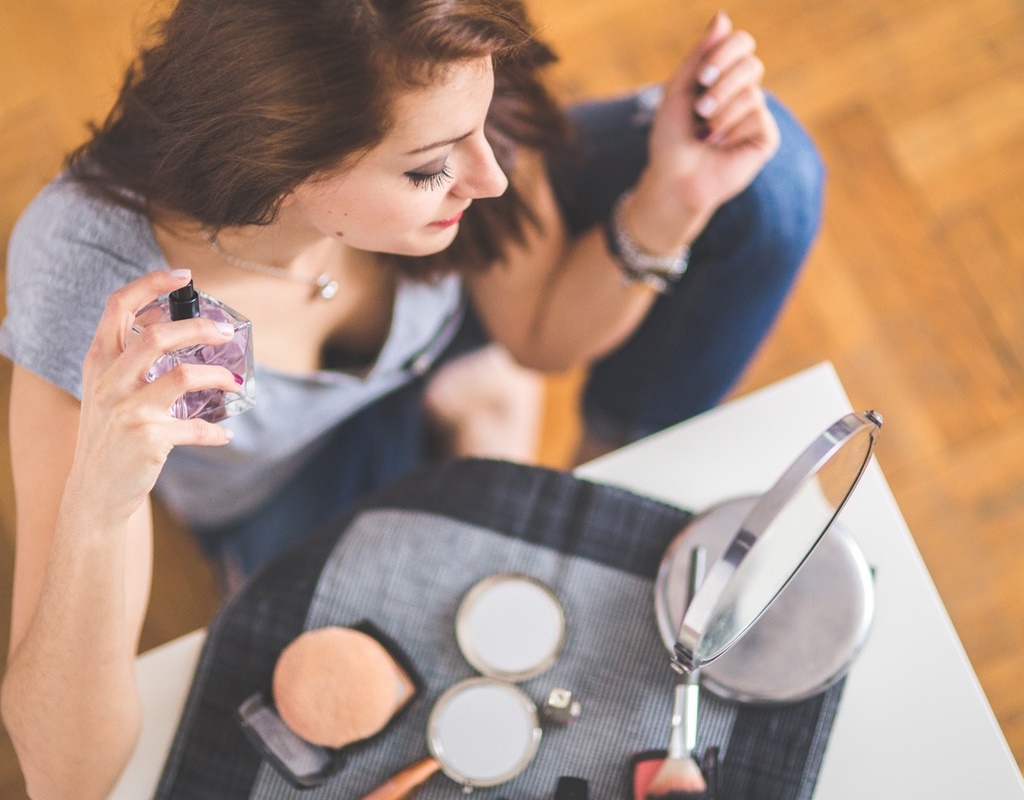
Make-up is one of the biggest and hardest-to-swallow costs in a woman’s budget. Follow these insider tricks to get more bang for your buck when it comes to your beauty products.

Double acts

Here’s how to make your make-up work double time.

  • It might sound like something you did as a child, but blending lipstick onto your cheeks actually creates a great sheer coloured blush. Just make sure your skin is well moisturised and don’t go OTT or you’ll risk looking like a porcelain doll.
  • Lip gloss can double as a highlighter for your cheekbones and eyes.
  • Coloured eye pencils can be used to outline and define your lips too.
  • Shimmery eyeshadow is great for defining cheekbones and collarbones.
  • Rub lip balm into your nails to nourish and soften your cuticles.
  • Mix Vaseline with a little loose powder eyeshadow to create a shimmery highlighter for your face and body.
  • Old nail polish also makes an excellent colour-coding system for house keys and electrical cords – a quick dab will save you hours of fiddling around.
  • To make threading a needle easier, add a dot of nail polish to the end of the thread, pat excess off with a tissue and let it dry. It will be stiffer and much easier to thread.
  • Save liquid eyeliner brushes and after washing them, use them with nail polish to decorate your nails with delicate patterns or other intricate decorations for crafts, etc.
  • Place your old mascara wands in the dishwasher to clean them and then use them to groom your eyebrows or mist them with hairspray to gently smooth down fuzzies at the hairline.

Beauty hacks for the frugal-minded

Make your own scented body lotion by adding a couple of drops of your favourite essential oil or perfume to Sorbolene cream. To extend the life of your expensive body oils, place a small amount into a pretty spray pump, add water and leave it in the shower. Simply shake, spray and towel-dry and you’ll be left with smooth, glistening and fragrant skin.

Save on face exfoliators by gently rubbing your face with a dry towel before cleansing, or with a damp face cloth afterwards.

If your nail polish refuses to dry, spray on a non-stick cooking spray to speed up the process. Alternatively, coax your nail polish into a fast-drying mode by sticking it in the freezer for a few minutes before you apply it.

To instantly revive your foundation in a matter of seconds, place a clean tissue over your face, lightly spritz with a water spray and then peel it off.

Crushed eyeshadow can be mixed with a bit of paw paw cream or lip gloss to create a creamy eyeshadow, or mix old eyeshadow with clear nail polish to create a new nail polish colour.

Maximise your mileage

FINGER PAINTING: Apply your foundation with your fingers because sponges just soak up the product meaning less colour for your face.

BOTTOMS UP: Store your hair- and skin-care products upside down to ensure you get every last drop.

THE SCOOP: You may think you’ve finished your lipstick but there’s actually a quarter of the lippie still in there. Scoop it out with a knife and make your own lipstick palette out of an ice tray. Microwaving the lipstick for a few seconds makes it softer and easy to mix.

CUT YOUR LOSSES: When you can’t squeeze anymore out of a tube, cut it in half, you’ll be surprised how much product will be inside.

GET INTO HOT WATER: To get the last couple of swipes of mascara or lip gloss, run the closed tube under hot water.

MIX IT UP: If you’re almost out of foundation, add a few drops of moisturiser to the bottle and shake it up to make a sheer base.

NAIL POLISH REVIVAL: Old nail polish gone thick and sticky? Revive it with a few drops of nail polish remover or nail polish remover thinner and it will be as good as gold.

KEEP IT COOL: Keeping your eyeliners in the fridge during summer will prevent them from getting too soft, which results in wasted product through over-sharpening.

How to wear (and rock) shorts this summer

When hotter weather calls for cooler outfits you’ve got the choice of skirt, dress or shorts. Shorts are easily the most versatile of the lot, able to be dressed up or down, and are a saviour on the windy days! But if you’re stuck in the rut of jean shorts and a t-shirt, or haven’t found how to make the most of this awesome fashion item, never fear. We’ve got some hot tips for wearing shorts, which will make them your favourite summer go-to.

Perfect your pins

Obviously, in shorts, your legs are going to be on display. You want them to compliment your legs, but that’s going to be hard if they’re in dire need of moisture and exfoliation. Remove any dead skin that’s been hiding beneath your long trouser legs, and give your legs a good dose of daily moisture to keep them looking smooth. You might want to dabble in some self-tanning, and most legs look longer and leaner if they’re hair free (though we’ll leave that to you!). If you want hairless legs without regular shaving, check out our at-home waxing guide.

It’s a shoe-in

Shorts also provide the opportunity to really show off some killer kicks. The higher your heel, the longer your legs will look, so if you need some leg-lengthening power, pair with wedges for a cute & casual look, or heels if you’re going out on the town. If you’re already blessed with long, slim legs, some cute flats will do.

Say no to the muffin

Don’t try to get shorts that are too small. They will not only be uncomfortable, but will also squeeze anything that won’t fit, out over the top. Cue, the muffin top, which is not a good look for any season! Check the fit of your shorts, especially around the waist, in the rise, and in the thighs. Remember, you’re aiming for a cool and comfortable look.

Accessories

Pair them with accessories like a long-chain pendant, sandals with some sparkle, oversized sunglasses, or a block-colour bag to add some ‘pop’. But the most powerful accessory? Self-confidence! (Cheesy, I know, but oh so true)

Avoid the not-so-hot pants

Not all shorts are created equal and neither are all legs. While teen celebs may rock the ultra short and tight hot pants, they don’t flatter anyone over 18 and they are not practical or comfy. If you want to wear them, keep it to around the house, where you can booty shake in your hot pants all you like!

Flatter your shape

Shorts follow the same principle as skirts – it’s all about the silhouette. The most flattering style for MOST people will sit low on the waist and have a structured, straight leg. But if you have wider hips and thighs, choose a wider, softer leg. Once you know what style suits you, buy them in a few different colours.

The right top

Rocking shorts is also just as much about wearing the right top with them. Balance shorter ones with a long sleeved shirt or tunic, or a light billowy blouse. If you’re wearing longer length or Bermuda shorts keep the look cool by pairing them with an interesting, embellished tank. A good rule to remember is if your shorts are loose and baggy wear a tighter top. If your shorts are shorter and tighter, loosen up on top.

Just like a skirt only practical

Shorts will give you the same cool, breezy feeling as a skirt and they are just as versatile while being more practical for active people. Celebrities have even been photographed wearing them on the red carpet and while relaxing with family and friends. Just like a skirt, there are shorts for work and for play – it all depends on the fabric and the cut, so shop around and build up your collection!


*Source: Euromonitor International Limited; NIVEA in the category Sun Care,incl. Sun Protection, Aftersun & Self Tanning; in retail value terms, 2017. Always read the label. Use only as directed.

How to bust cellulite at home

Some dimples are cute, but no-one likes the dimpled skin that comes with cellulite. They can be influenced by lifestyle, genetic or hormonal factors, and while there’s no magic solution to make them disappear, there are a few things you can do to reduce the appearance of cellulite. This includes maintaining a balanced diet and avoid being dehydrated – when skin loses water, the bumps appear more obvious. There are also a few steps you can take at home:

DIY cellulite strategies

1. Body brushing

Body brushing increases circulation and lymph flow, which helps to prevent water retention and puffiness. It also aids in toxin removal, helps treat cellulite and keeps the skin super-smooth. It’s easy to body brush at home. Choose a large, soft bristle brush and lightly brush in an upward direction from ankle to the back of the knee, then from knee to groin to the lymph nodes. Always use light pressure with upward movements towards the heart, following with the hand. If you’re not into using a brush, you could also use a body scrub.

Make your own body scrub

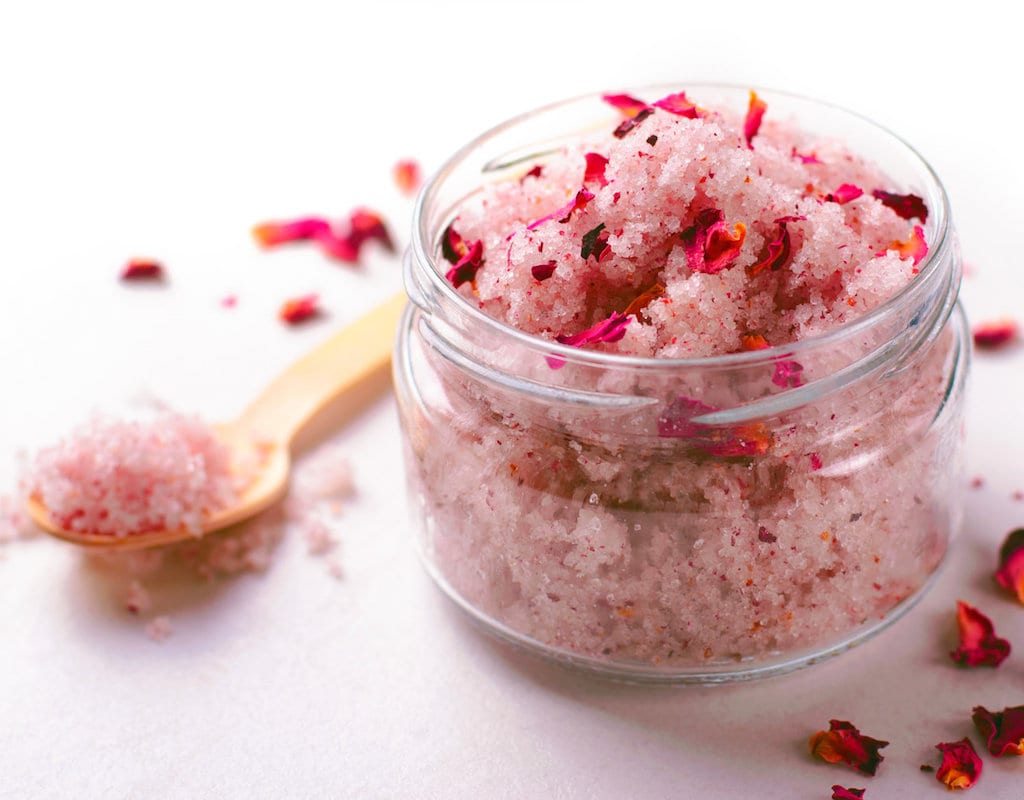
This is an easy recipe you can make with household products. The caffeine has a firming effect, sesame oil will nourish skin and eucalyptus will aid in purification.
Makes 1 1/2 cups, enough for three treatments

  • 1/2 cup finely grained sea salt
  • 1/2 cup finely ground coffee beans
  • 1/4 cup sesame oil
  • 1/2 teaspoon (about 20 drops) eucalyptus essential oil

In a small bowl, mix the salt, coffee, and sesame and eucalyptus oils. Make sure you stand away from the showerhead when you use the scrub in the shower. Massage it into damp skin with long, firm, semicircular movements. Take your time in order to activate the ingredients. Rinse well.

2. Massage

Massage stimulates circulation and healthy blood flow, which will help when it comes to budging cellulite.

Step 1: Take a hot, steamy shower or bath for at least 10 minutes.

Step 2: When muscles are warmed up, massage your body with long, flowing strokes using a body lotion or oil. Keep the movements slow and deliberate and work towards your heart. Keep working on the area of skin until it feels warmer. Starting with your feet, work up your legs and buttocks (using circular movements). Massage each of your hands, working your thumbs into the fleshy part of each palm. Finish with long strokes along your arms to your heart.

Step 3: Slip into some comfy clothes and lie down in a darkened room with no distractions. If you can drift off to sleep for an hour, you’ll feel even better.

3. Zap problem zones

Using a strong shower jet, zap problem zones, such as your bottom. With your shower nozzle, work over your skin in circular motions to kick-start your circulation and move toxins. Switch from hot to cold water to get the maximum benefits.

4. Fake a tan

This is a quick fix that can reduce the appearance of cellulite by evening out your skin tone. Here’s the how-to guide for applying a tanning cream:

  1. Always do a patch test first.
  2. Exfoliate your skin.
  3. If you have really dry skin, apply a body moisturiser.
  4. Apply from the feet up in long massaging motions, using the fake tan sparingly on feet, elbows and knees.
  5. Wash hands immediately to avoid orange palms. (If you’re caught orange-handed, wash your hands with a scrub that contains alpha hydroxy acids.)
  6. Wear loose clothing and wait at least four hours before coming into contact with white clothes, good furniture or sheets.

Salon strategies

1. Body brushing in a salon is very relaxing. The therapist works from the feet towards the head both on your front and back in a very slow rhythmical motion. This soothes the sensory nerve endings, induces total relaxation and increases lymph flow.

2. Manual lymph drainage also stimulates lymph flow and is one of the most effective ways to treat cellulite. The light, rhythmic pumping massage aids in the elimination of lymph fluids without increasing blood flow. It can be done twice a week or daily for best results.

3. Marine algae body treatments detoxify and increase circulation in the skin and help break down fatty, bumpy deposits.

Tricky fashion tips for minimising your hips

First, let’s start by saying that we love hips. They’re sexy and womanly, and you shouldn’t feel like you need to hide them. But if there’s some reason that you want to minimise the appearance of your hips, we’ve got some tricky fashion fixes that will help to slim them without dieting…

Tricking the eye

  • Everyone knows that black is slimming, but just incase you’ve forgotten – wear skirts in darker colours that absorb light and make you look trimmer.
  • Detail-free A-line skirts are best as they will skim your shape and flatter your upper body.
  • A slim-fitting v-neck top with a fuller skirt will take some attention off your hips, or if you want to hide your stomach and show off your legs, opt for a shorter skirt and a loose shirt.
  • Try wearing off-the-shoulder tops – they draw the eye upward, and balance your shoulder line.
  • When it comes to jeans, remember the smaller the pocket, the better your bum will look.
  • When choosing pants or skirts, go for hip-minimising vertical details like pinstripes.
  • Wear bright colour tops to draw the attention away from your hips.
  • Wearing wide-legged or boot-leg pants can help trick the eye and lengthen the leg.
  • Make your jackets either waist- or skirt length – anywhere in between will make you bottom heavy.
  • Try straightening your hair – seriously, it can also make you appear slimmer.

What NOT to do

  • Don’t wear anything too flimsy – it will show up every lump and bump.
  • Steer clear of Lycra, clingy knits and shiny fabrics (like satin) that can make hips look larger.
  • Don’t even think about wearing oversized clothes – you might think they’ll hide bits but they actually make you appear bigger than you are.
  • Avoid low-waist skirts, pockets, plaid and pleats – they invite the eye to where you want it least.
  • Stay away from fussy prints as they can add size – instead wear monochromatic colours from top to toe.

Hip accessory tips

  • Try not to wear belts – unless they match your pants.
  • Invest in necklaces and earrings (wear one at a time) to draw the eye upward – and make your neck appear longer
  • Wear high heels (or wedges) rather than flats. The higher the heel, the taller and slimmer you’ll look.

Swanky swimsuits

Choose swimsuits made of matte fabric – shiny fabrics tend to catch the light in all the wrong places and can magnify any bulges. Try a bikini with a bandeau to widen the bust or a padded bra top to build it up. Team with high-cut bikini bottoms to slim the hips and thighs – and avoid shorts or wide-leg styles.

Most importantly

Wear what you like – and what makes you feel good!

Getting your beauty tips from kids

We’re always longing for a “youthful” look. And if you think about it, children do have perfect complexions, soft hair and boundless energy. We try so many tricks and tactics to get a youthful look, but why not just copy what the actual youth-filled children do?! Here are some copycat ways to get your youth back:

Silky smooth skin

If you want skin as soft as a baby’s bottom (very odd saying if you ask me), then remember, less is more. People don’t wash their babies in harsh chemicals and smother their skin in all sorts of lotions, so why should you?

Keep your skincare routine simple. Everyone has a skin type, find out what yours is and what is necessary to care for it – and what’s not!  Toners for instance, are only needed if you have an oily complexion. Instead of day and night creams, buy a serum or facial oil and then use a cream over the top both day and night.

Use mild/gentle products to prevent your skin from drying out, including a soap-free body cleanser.

Parents always protect their child’s skin from the sun, which is a key contributor to premature ageing. Always wear a low-irritant sunscreen (children’s sunscreen is actually great) and a hat whenever you’re outside. Apply it at least 20 minutes before leaving the house for maximum protection. It’s a good habit stay out of the sun during the middle of the day. If you’re at the beach take the opportunity to go into a nearby cafe or home for lunch.

Halo hair

Youthful hair follows a very similar pattern to youthful skin. Children’s have the softest hair, and they do absolutely nothing to it! It’s washed with very gentle shampoo and remains uncoloured.

Aim to get back to your natural colour, or within two/three shades. Wash your hair with gentle or nourishing shampoos, protect it from the sun and get the ends trimmed regularly. It may take some time if you’ve already done a lifetime of damage to your hair, but once it gets back to it’s original state it will be much happier!

Kid beauty tactics

There’s more to youthfulness than just smooth skin and hair. Kids have …

Parents generally make sure that their children eat a wide variety of foods. Having three small meals a day plus snacks is ideal for boosting your metabolism. It will also stave off hunger, blood sugar crashes and caving into unhealthy options. Your snacks don’t have to be sweet treats – almonds are the perfect snack because they’re packed with essential fats for our skin, fibre, protein and calcium.

Eat a variety of foods. Parent’s provide their children with a wide variety of foods to allow them to experience new flavours and textures. It’s important as adults we do the same to receive maximum nourishment. Our nutritional needs may differ to babies but we never cease to need vitamins, minerals, protein for growth and repair, carbohydrates for energy, fibre and essential fats. To get a baby soft glow, eat lots of colourful fruit and vegies which are full of antioxidants and drink plenty of water to keep your body and skin hydrated.

Keep moving. Ever notice at a barbeque or a party all the kids are racing around laughing, running, climbing and playing while all the adults are glued to their seats, food in one hand and drink in the other? Not only are our eating habits essential to staying young and healthy, we need to move constantly too. Take a leaf out of the kids’ book and have a little fun and adventure. There are so many forms of exercise that can be fun and beneficial for good health and a toned body. Try rollerblading, biking, playing on the monkey bars, running at beach. We should never stop playing. If exercise becomes more of a fun activity, we’re more likely to keep it up.

How To Get The Best Sleep And Wake Refreshed

Do you often wake up tired and grumpy, setting the scene for the whole day ahead? Whether you struggle to fall asleep or keep waking up throughout the night, we’ve got some tips to help you get a quality sleep and wake up feeling ready for the day ahead.

Night time tips: Getting a good night’s sleep

Building your sleep haven: Is your environment conducive to a good night’s sleep? Your room should be a calming colour, like a pale blue, without any electronics – particularly those with constant lights on. You should also invest in blackout blinds or curtains to stop car/street lights and morning light coming in.

Think before you drink. Even if you think caffeine doesn’t affect you, you should avoid it within six hours of bedtime. If it doesn’t sleep onset, it can still disturb your deep sleep throughout the night. The same goes for alcohol. While it may help you to sleep faster, alcohol causes sleep fragmentation.

Quit smoking. Nicotine is an even stronger brain stimulant than caffeine. This combined with nicotine withdrawal symptoms, which can start two or three hours after the last puff, can lead to difficulty falling and staying asleep.

Avoid proteins or fatty foods before bed. These take extra effort from your body to digest, which may keep you awake.

Time your exercise. Not enough exercising can lead to sleeping difficulties, but exercising too close to bedtime (within four hours) can stop you from getting to sleep as your body takes a while to wind down.

Warm up your feet. If you have poor circulation, wearing socks will help to regulate your core temperature so you’ll easily fall to sleep.

Wind down. Allocate some time before bed to think about your day and work on your to-do list for tomorrow – that way your mind isn’t racing when you hit the pillow.

Try soothing aromas. Have a relaxing bath before bed, adding a blend of lavender, frankincense and patchouli oils. Epsom salts will also give your muscles a relaxing treat. Alternatively, you could add a couple of drops of relaxing Lavender essential oil when washing your towels and linen. Warm your towels while you’re in the bath so you get a hint of lavender to relax you before bed.

Make sure you’re getting the right minerals. Magnesium and Potassium both aid in sleeping well, so ensure you are getting enough of these minerals. You can get them from green leafy vegetables, potatoes, bananas or nuts and nut butter.

Stick to a regular sleep schedule. Go to bed and wake up at the same time every day.

In the morning: Wake up your body

Exposing yourself to bright daylight is one of the best and most effective things you can do to wake yourself up. When your brain sees the bright morning light, it will take it as a cue to stop producing melatonin – the hormone that regulates sleep. Open your blinds/curtains as soon as the alarm goes off, or get outside for an early morning walk.

Blend together a few drops of bergamot, grapefruit and lime essential oils, then add to a loofah or face washer and give your body a gentle scrub in the shower to wake up your senses.

Before you head out the door, dab on a few drops of rosemary, lemon and basil essential oils to your wrist and forehead to reduce fatigue and increase concentration.

Banish the bad self-talk for self-love

We all have those days where we look in the mirror and just don’t love what we see. Whatever the reason for it is, this negative body image can have a huge impact on how we rate ourselves as a whole. When you’re trying to create a healthy lifestyle, a negative body image can be one of the biggest barriers. Daily self talk can impact how you view your journey, as well as making you doubt yourself (and consequently give up on your goal). We’ve got some tips to help you fight the negative self talk and love your body.

Focus on the whole

Look at yourself as a person, not as a bunch of body parts. Concentrate on all the positive things about yourself. Are you good at your job? A good friend? A hobby you absolutely rock? Remind yourself about these good aspects daily.  By focusing on your good traits and achievements, you’ll begin to feel good about yourself, your health and your body again.

Don’t put pressure on yourself to lose weight too fast

You may want to lose weight for your health, but crash dieting isn’t the way to do it. For a healthy and sustainable weight loss, you should not lose more than 1kg per week. You can do this with some gentle lifestyle changes to your daily routine.

Hide those scales

Resist the temptation to weigh yourself every day! Weight fluctuates drastically due to a range of different factors including water retention or muscle building. If you have a target weight in mind, only check your weight weekly. This will also stop regularly beating yourself up if you have a bad day – if it’s spread over a week you know you can make up for the odd slip.

Keep it regular

One of the best ways to boost your mood is actually by being physical. Healthy exercise releases the feel-good endorphins, boosting your confidence and making you feel better about yourself. This is a great cycle to get into; the more you fit regular exercise into your routine, the better you feel, and the more you’ll want to exercise! Start with something little that you will enjoy and work towards something challenging that will give you a great sense of achievement. As you focus more on healthy exercise you’ll feel less anxious about food and your body image. Just remember to drink plenty of water .

Look around…

At the type of people you are surrounding yourself with. Are they encouraging? Or are they perpetuating the negative cycle? If you find your friends are unsupportive of your health and diet plan, or make you feel uncomfortable – they are not true friends. Give toxic friends the boot and find new ones!

Try to be realistic

Make sure you accept the shape and size your body is meant to be. We all have a natural body shape that is influenced by our genes. Wear clothes that complement your particular body shape. If you’re having a bad day, try wearing your favourite outfit as this will help lift your confidence and make you feel better and healthier. An instant body image booster!

Don’t let the media influence your body image

We’re constantly bombarded with images of beautiful thin models or celebrities with limitless money to spend on beauty and fashion. These images can distort our image of what the ‘ideal’ person is supposed to be, and are not an accurate representation of a healthy body or body image. When you look at those mags remind yourself: the photographs have no doubt been airbrushed to reduce inches from waists or thighs, and remove any imperfections the celebrities may have too. And they really do have them. You may be surprised at what is airbrushed out of images, check out the below video to get a glimpse:

Following the laws of attraction, the more you tell yourself something, the more you’ll believe it. It’s the old ‘fake it till you make it’ mantra, and it really works. So say to yourself every day: “I love my body”. It may sound silly at first, but you have to believe it to change your attitude. Positive thinking works! So take some time out and start loving your body now!

DIY at-home manicure and pedicure treatments

If you’re in the need of some pampering but can’t afford to splash out on a salon treatment, don’t worry. We’ve got a few easy tips to get your started with your very own at-home manicure and pedicure. If you really want to treat yourself, why not also try our home-made scrubs and treatments for different hand and foot complaints.

At-home manicures

Our hands can be one of our biggest beauty hang ups, and are often responsible for ageing us faster than we’d like! You don’t have to get monthly salon manicures to keep your hands looking radiant though, just follow our easy DIY steps for beautiful hands at home:

  • Chipped nail polish is messy and can make you cringe every time you see it.Remove any remaining nail polish with a non-acetone nail polish remover (unless acetone is required for shellac/gels).
  • File nails into a slightly rounded or square shape – look at your other nails to see what shape suits you.
  • Soak your nails in a bowl of warm water, or apply an over-the-counter cuticle softener before pushing cuticles back with a stainless steel cuticle pusher. If you are clipping cuticles, first apply a bit of cuticle cream, then trim conservatively (only what sticks out).
  • Cleanse your hands with soap and water, using a nailbrush. Dry well and massage in hand cream.
  • Clean fingernails, using a wooden orange stick (you can get them in the nail care section of your pharmacy), topped with a piece of cotton, dipped in remover.
  • Apply base coat of nail polish, two layers of polish and then topcoat to your nails.
  • There you go! One gorgeous and easy manicure achieved – all at your home salon.

Perfect pedicure

Pampering your feet is the ultimate luxury, yet few people make time for it. While doing it yourself doesn’t quite have the same relaxing effect, you can still get your feet feeling their best with the below DIY pedicure:

  • Fill a tub or foot bath with warm water and add a handful of your favourite bath salts. Then add a tablespoon of olive oil and soak your feet for 10 to 15 minutes.
  • Rub an exfoliating body scrub into the bottoms of your feet. Then use a foot file to pumice away calluses. Rinse with cool water.
  • Clip your toenails and file them into a square shape. Gently push back (don’t cut) your cuticles.
  • Dry your feet off and apply moisturiser. Slick on a base coat, two coats of polish and top coat to your toe nails.

Common hand and foot skin problems

If your hands and feet need a little extra TLC thanks to some unsightly symptoms, like cracked skin or rashes, try these easy cures for the most common hand and foot skin problems. Your hands and feet will be back in tip-top shape in no time – so you can give them the manicure or pedicure they deserve.

Eczema

  • Cause: Dry irritated skin and painful cracks on fingertips are often due to over-washing hands and nails – making the skin lose moisture and elasticity.
  • Cure: A creamy moisturiser will raise your skin’s barrier moisture level. You should also wash hands as little as possible and always follow with hand cream. Avoid using lactic or glycolic acid cleansers or moisturisers on your hands and nails – they can sting.
  • Try: Wearing white cotton gloves beneath rubber gloves on your hands when washing up or doing housework such as cleaning the bathroom.

Corns

  • Cause: The thickened skin on your feet is a reaction to underlying pressure from a bone spur under the skin.
  • Cure: Periodically shave down the corn or callus at home with a pumice stone or emery board. Avoid wearing narrow shoes and high heels on your feet, which put more pressure on toes.
  • Try: Putting a medicated doughnut pad around the corn to take pressure off it.

Athlete’s Foot

  • Cause: Moist, warm areas on the body (anywhere you sweat), which allow fungus to thrive.
  • Cure: See a dermatologist, who will prescribe an antifungal cream. Also, let your skin breathe as much as possible, use powder to keep feet dry and avoid wearing leather footwear.
  • Try: Putting half of a cotton ball between your smallest toes to keep them apart.

Fashion tips for women with curves

We want to celebrate curves and give them the royal treatment that they deserve! But as much as we love them, they do prove tricky when it comes to fashion. You can easily go wrong and end up accentuating all the wrong bits, or looking frumpy.

Follow these key tips to getting the balance right.

1. Feeling the fit

Avoid trying to ‘hide’ your figure in large, loose clothing. This is a large disservice to your curves, and can make you look larger – and sometimes sloppy! You also don’t want to go too far the other way and squeeze into clothes that are too small. These will add visual kilos by highlighting each and every lump, as well as making you extremely uncomfortable. Find your true size and maybe even visit a tailor who can adjust clothes to fit you perfectly. You want to be in control of what curves you’re showing off, highlighting your feminine shape by hugging in the right areas and skimming over others. Generally you’ll want to enhance your waist and aim for an hourglass-like shape.

2. Buck the trends

Fashion trends are not made for every body. That’s why everyone on the catwalk seems to be one size! It’s lovely to be on trend but not if it does nothing for you. It’s better to stick to classics that you know suit you, and accessorise to keep it modern. If you’re wearing something that is made for your body you’ll look even more stylish than everyone trying to fit into the latest version of tights and an oversized t-shirt.

3. It’s what’s underneath that counts

Do not underestimate the power of high-quality underwear. Supportive bras will lift and smooth, highlighting your assets while instantly dropping visual kilos from your shape. Well-fitting shapewear will also do wonders for smoothing your silhouette. The fit here is important – do not try to squeeze into something so tight that you can barely breathe. Not only will that be terrible for your health, but the hidden flesh will just be forced to pop out elsewhere!

4. Finding the right balance

Highlighting your bust in the right way can be tricky. While you don’t want to smack people in the face with your cleavage (so to speak), you also don’t want to have a neckline so high that it makes your chest look a lot bigger than it is. Try to find V-neck or scooped necklines that elongate your silhouette, and don’t forget tip 3 above for an even better outcome!

5. It’s in the length

To elongated your legs and make them look slimmer, choose the right length when picking skirts and dresses. You want a skirt/dress that ends where your legs start becoming slimmer (generally just above or below the knee), which will give the optical illusion of long, slim legs!

6. The dress rules

You’ve got a feminine body, and dresses are MADE for feminine bodies. When dress shopping, always remember these rules and you can never go wrong: nip your waist, hug your hips and skim over your lower body. Wrap dresses are your friend, as are shifts, A-lines and belted shirt dresses.

7. Keep it simple

Whether you’re shopping for a top, pants, dress or skirt, simplicity is always going to be more flattering. Ruffles, frills, pleats, pockets, bows and other details – they’re all just adding bulk and detracting from that gorgeous shapely silhouette.

 8. Be wise, accesorise!

Accessories make an outfit, so don’t hold back. Curvy girls should opt for bold statement jewellery, bright, colourful scarves worn long to elongate the silhouette, oversized handbags and killer shoes. While it’s tempting to always go for black, a pop of colour in your outfit will lift your spirits and make you stand out. Accessories are a great way to do this. And the most important accessory? Your head! It’s the first thing a person notices, so find a fantastic hairstyle that compliments you, and rock it!

How to anti-age your entire body

When it comes to anti-ageing we often focus a lot of attention on keeping our face looking youthful. But the problem is, you’ve then got a gorgeous radiant face, which doesn’t match the forgotten chest and arms that have been left to age. Josephine Fairley and Sarah Stacey, authors of The Anti-Ageing Beauty Bible, tell us how to age-proof our whole body.

Body

Your face isn’t the only part of your body that needs moisturising. Lack of moisture is the leading cause of aged and wrinkled skin, so “moisturise, moisturise, moisturise, from top to toe”, says Sarah. The best way to reap the anti-ageing benefits of moisturiser is to exfoliate dead skin cells off first so your skin can soak up the moisture.

Chest

Your decolletage (don’t you love that word) can be one of the first places to give away aging, thanks to overexposure to UV rays. It’s perfectly angled to soak up the sun and the skin is super fragile, so make sure you’re protecting your chest with both sunscreen and clothing. It is difficult to undo previous damage, but coating it in a good moisturiser and protecting further damage may allow the skin to regenerate a bit. You could also use an alpha hydroxy acid (AHA) cream, which can increase the rate of skin cell turnover.

Stomach

Our tummies can go through a lot of changes during our lifetime, bearing the brunt of most of our weight fluctuations. Moisturisation is key here again, to lessening the appearance of any unwanted stretch marks. Sarah recommends starting by oiling your body with olive oil, cocoa butter, shea butter or rosehip oil every day. “When your skin is well-nourished, the marks are less obvious. It will also feel smoother and sexier, and more strokeable generally.” She also recommends eating foods rich in vitamin K – a fantastic anti-ageing skin healer, found in leafy green vegetables, lentils, kidney beans and dairy products.

Legs

If you’re battling cellulite, then a good dose of body-brushing and massage can help minimise their appearance. Sarah says less than a week of daily targeted body exfoliation can show a massive improvement in skin texture. That’s along with massaging cellulite-prone areas with your knuckles, three to five minutes of body brushing each day and avoiding processed and preserved foods. Doing some targeted leg workouts like squats and lunges will also help to improve the tone of your legs.

Hands

Along with our feet, our hands are the hardest-working parts of our anatomy. So treat them well – put on sunscreen every day, apply cream whenever you remember (and always after they’ve been in water) and wear washing-up gloves when doing the dishes. “When you exfoliate and apply a mask to your face, do the same for your hands.” says Sarah.

Feet

One of the biggest issues with feet as we grow older is dehydration. The skin thins, we lose under-the-surface fat, and our tootsies simply dry up. “It’s vital to moisturise your feet every night. It’s also important not to wear closed-in shoes without socks or tights,” says Sarah, explaining that it will cause your skin to dry out even more. The wrong choice of footwear can also cause hard skin to build up on your feet.

Breathe new life into your wardrobe

How often have you found yourself staring at your (overflowing) wardrobe, exclaiming “I have nothing to wear!”? Find some easy ways to rejuvenate your wardrobe with these eight tricks to get you out of your trackie-daks!

1) Look at your lifestyle

If you’ve flitted from corporate working woman to travelling nomad then back to a job that doesn’t require makeup and heels, your wardrobe is probably suffering from an identity crisis! You might be desperate to hold on to remnants of your past lives, but let’s just leave that to the photos hey? Store, or get rid of, the clothes you don’t currently need to make way for the ones you do.

2) From rags to riches

You don’t have to break the bank to refresh your wardrobe. In fact, you might not have to spend anything at all. Why not use tip 1 above and list your old clothes on trademe or take them to a recycle boutique. You might even nab a bargain while you’re at it.

3) Let’s be honest

There are certain clothing items that at some stage, we all outgrow. Or some things that just don’t suit everyone. Take an honest, objective look at your wardrobe and cull these ‘decoration’ pieces to make way for something you’ll actually use. You could channel some Sex and the City, and get the girlfriends around for some honest second opinions.

4) Shhhh… shapewear

While the above step is all about being ruthless, you don’t have to throw out your favourite dress just because you’re embarrassed of a few wobbly bits. Body shaping granny-panties may be a little controversial, but they do the job and will make that dress look a million times better.

5) One woman’s trash…

You know you’re not the only one looking at your closet in despair. Save your friends from the same fate and organise a clothes swap party. Chuck all the clothes in the middle and let loose… try not to act like made shoppers on Black Friday though, or old clothes won’t be the only thing disappearing from your life!

6) Accessorize

Like a sprinkle of parmesan on top of your pasta, or a dash of mascara on tired eyes, little touches can make a big difference. Accessories can completely change an outfit, whether you’re adding a belt to a favourite jacket or sprucing up a top with a long necklace. Don’t forget your shoes too, as they can be a real feature (and take eyes away from the shirt you already wore this week).

7) Get organised

You may have old gems hiding in your closet that you’ve forgotten about because it’s been so long since you had a cleanout. Making sure you have clear sections for different types of clothes will help you keep an eye on tops you haven’t worn in a while, or pants that could do with another outing.

8) Change your wardrobe with the seasons

Thick jumpers and long woollen tops take up precious space and create clutter in your wardrobe in summer. Store your winter woollies in boxes under the bed until the chilly weather prompts you to pull them out and replace these with your summer shorts and sleeveless tops.

Top tips for taming curly hair

Corkscrew ringlets, or loose waves, curls come in all shapes. That’s why it’s hard to find the right fix – what works for one curl may not work for another. Luckily, there are many of us curly-haired princesses out there, so there are now plenty of tips available on how to care for your unruly hair. Here are our top eight for you to try, which should work for most types:

1. Shun the shampoo

Textured hair is naturally more dry because the scalp’s moisturising oils don’t adequately quench the thirsty curls, says author of Curly Girl: The Handbook, Lorraine Massey. Shampooing too regularly can strip the hair even more thanks to harsh chemicals (namely, sulphates). If you can, try using a conditioner that has a small amount of gentle cleansers rather than moisture-zapping shampoo.

2. Ditch the towel for a T-shirt

Super absorbent towels will take all the moisture from your hair, which we’ve already learnt is death to curls. So instead, learn how to “plop” with a cotton t-shirt. This is a technique of wrapping your hair up after the shower, and will greatly reduce frizz and potential breakage after you’ve washed it. The t-shirt won’t be as absorbent as a towel, so gently squeeze excess water out of your hair first, but don’t wring your hair! Then plop your hair with the t-shirt and it should just absorb some of the remaining water while allowing the essential moisture to remain in place.

3. Satin sheets

You can lose a lot of moisture from your hair while you sleep if you’re sleeping on a cotton pillowcase. This is agreed upon by hair experts all over the world! They recommend sleeping on a satin pillow instead, which will allow your hair to keep its moisture, reducing hair breakage. You’ll start the day with soft and supple curls instead of dry and frizzy hair.

4. Curls hate brushes

Throw out that brush right now. It is not helping your hair at all, it’s just going to damage already delicate hair. Use a wide-toothed comb to untangle your curls, but gently detangle any knots with a detangler or oil first. When it comes to combing, separate your hair into manageable sections – it will make the process easier and distribute oils from your scalp to tips evenly. When your hair is ready for the comb, start with the back sections at the nape of your neck moving to the top of your head, combing from root to tip.

5. Dry air is not your friend

It’s a pretty simple equation: Dry air + curls = FRIZZ! And while there’s not much you can do about the humidity in the air, you can make sure you add extra moisture to your hair on dry days, to protect it from drying out further. You can also try to humidify the air at home with a humidifier or just a pot of distilled water on the stove, set to a low boil.

6. Hands off!

Playing with your hair will separate your curls and lead to unwanted frizz, so try to keep your hands firmly in your pockets! Of course, it’s not just your hands that you need to be wary of. People love soft, bouncy curls and sometimes think that gives them reason enough to invade your personal space and stroke, scrunch or pat your hair. Sure, it’s often done in admiration but how does one avoid sweaty stranger’s hands from unnecessarily frizzing up your mane? Unfortunately we don’t have answer for that, short of a duck-and-dodge or yelling “NO TOUCHING” as soon as you see that hand rising… that may come across as a bit rude though.

7. Diffuse the situation

As we’ve said time and time again, your hair is already naturally dry, so blowing blowing hot air on it will dry it even more and make it frizz something terrible. On those occasions when you can’t wait around all day for your hair to dry naturally, there is a solution – the diffuser attachment. A diffuser on a hair dryer minimises the frizz by evenly distributing the heat, without disturbing your curls. When using a diffuser, you should always set your hair dryer on a medium and keep it moving so that the air distributes evenly through your hair.

8. Natural is best

When you let something be, it will often thrive. So forget expensive straightening treatments, bleaches, dryers etc. and love your curls in their natural form – they will love you back. Once you allow your curls to grow out and recover from the heat-destroying hair care techniques and harsh chemicals, your natural shine will be restored and your curls will be healthy! Listen to your body and nurture your curls in the most natural way you can.

Protecting your skin from winter’s grasp

You might think your skin needs more hydration during summer, but winter can be just as bad, if not worse. Windy weather, combined with low humidity and indoor heating can really zap the moisture out of your skin, leaving it tight and itchy. Read our top six recommendations for saving your skin from the icy cold fingers of winter.

Heavy duty moisturiser

Sometimes switching to a thicker cream during winter can work well to protect your skin from the elements. If you’re happy with your moisturiser, make sure you lay it on a bit thicker to act as a barrier.

Forget the foam

Hot baths and showers are big culprits in drying out skin – but who wants a lukewarm shower on a cold morning?! To help prevent the moisture loss further, ditch your foaming body wash for an oil-based one. The foam is great at removing grime & sunscreen in summer, but in winter it can remove the protective layer of oil from the surface of the skin.

Increase the humidity

Other than packing your bags and heading off on a tropical holiday, there’s not much you can do about the humidity you’re surrounded with. However, it won’t help if you’re sitting three centimetres away from the heater all day. As cosy as it is, the low humidity is exceptionally drying to the skin. Try placing a bowl of water near the heater or investing in a room humidifier.

Eat your way to beautiful skin

The best foods for your skin are those rich in vitamins A and E. Carrots, broccoli, sweet potatoes and spinach are great for vitamin A, while almonds and hazelnuts are best for vitamin E. Omega 3 will also help to support your skin. The best source of omega 3 is from oily fish such as salmon, mackerel, fresh tuna, sardines and herring.

Getting lippy

Winter wreaks havoc on lips – whether it’s from windburn, or from breathing in and out of your mouth due to a cold! It’s time to ditch the summery gloss for an effective lip balm. If your lips are already showing signs of flakiness, give them a quick brush with a homemade exfoliation mixture of salt and olive oil.

Hand it to me

Our hands take a tonne of abuse every day, repeated washing with soap, and washing the dishes without gloves on can really strip the skin of its natural protective oils. Placing a tube of hand cream on your bedside table will prompt you to apply it every night, and come morning time, your hands will have absorbed all of the goodness and be ready to seize the day.

How to fight the winter weight gain

We all know the winter urge to snuggle up under some blankets and eat until we feel warm on the inside! And experts from the University of Texas have actually proved that we’re hardwired to consume more food in winter – eating six to seven per cent more kilojoules than in warmer months. If you’re worried about your winter weight gain, here are a few tips for keeping your cravings in check when the temperature drops:

Consider your chocolate treat

Straight out denying your chocolate craving is no good and will hardly ever work. However, you can switch it up a little to get the satisfaction with less guilt. If you want a hot chocolate, go for organic cocoa with skimmed milk, which comes in at just 500kJ. This is compared to the 2200+ kilojoules from a cafe hot chocolate (such as Starbucks). Swap your chocolate bar for a slice of whole grain bread with chocolate spread. It has half the sugar, a third of the fat and will actually boost your whole grain intake for the day!

Ditch the telly and eat earlier

We probably didn’t need researchers to prove it, but a study in the American Journal of Health Promotion has shown that there is definitely an association between TV viewing and high intake of junk food snacks. Most of our extra winter kilojoules are are also consumed after 5pm so keep an eye on your late evening snacking.

Swap your brekkie

Cereal isn’t the most appealing thing to wake up to on a cold morning, but don’t reach for the frypan just yet. Porridge will fill you up just as much but will cut your kilojoule intake by at least 50 per cent.

Counteract the cravings

It’s probably the last thing you feel like doing, but working out will actually beat your cravings. Studies show that exercise changes our brain chemistry, giving it a mood-enhancing effect. It’s a good way to combat stress and may be an alternate strategy to comfort eating.

Look after yourself

Just as much as overeating is bad, it’s also dangerous to take up a strict diet during the colder months. Experts believe it lowers the immune system and puts you at risk during the flu season. Instead, fill your plate with salmon, seafood, vegetables, fruit, whole grains and beans. These boost white blood cell levels and reduce saturated fat, which has also been found to impair your immune system.

Get silky smooth summer hair

While the beachy look might be desirable on some occasions, our hair can get a real beating during summer. The sun, sand and sea can all have a nasty effect on your hair, leaving it limp and lacklustre. Prepare your hair so that it’s healthy, shiny and radiant, with these five easy summer hair tips:

Summer hair tip 1: Sun protection

Just like our skin, our hair needs protection from harmful UV rays, which leave hair dry, brittle and faded.  For complete protection from the summer sun, try a sunscreen spray for hair. Some of these products can also be used as a leave-in conditioner for dry hair.

Top tip:

The best sun protection for your hair can be summed up using three little letters: H.A.T!  Don’t leave home without one!

Summer hair tip 2: Shampoo snob

Not all shampoos are created equal, and many will be stripping your hair of all its goodness. Look for one that is free from harmful chemicals and synthetic substances – so you can care for your hair, as well as the environment.

Top tip:

To retain your hair’s natural moisture avoid using a hair dryer. In the warm summer months pop the hair dryer away in the cupboard and air-dry your hair as much as possible.

Summer hair tip 3: Get styling

Styling products are highly underrated. With the right products you can add real flair to your hair. Make sure you have a product that helps define your hair type (curly or straight) and some that can be used in either wet or dry hair. For the icing on the cake, finish off your ‘do’ with an Oil or a Shimmer shine spray – it will enhance your hair colour and leave your whole head shimmering.

Top tip:

Using products every day will suffocate your hair and require more washing, so allocate at least one day a week to leave your hair ‘au naturale’.

Summer hair tip 4: Keeping your colour

Summer can be the enemy of colour-treated hair. The sun can bleach your colour and chlorine will strip it from your hair shaft in the blink of an eye. Make sure you don’t enter summer without some hair care products to protect your coloured locks.

Top tip:

Remember, shampoo will also slowly strip your colour. There’s nothing wrong with skipping the shampoo every now and then, and going straight for the colour-protect conditioner, especially after a day at the beach!

Summer hair tip 5: Don’t forget to brush

Brushing your hair regularly will not only keep it free from knots, but it will stimulate circulation in the scalp which encourages blood flow to the roots of your hair. The golden rule of brushing says: The longer your hair, the bigger your brush should be.

Top tip:

Never underestimate the power of a good trim. Experts recommend getting rid of your split-ends every six to eight weeks for maximum hair health (and to help it grow faster).

*Source: Euromonitor International Limited; NIVEA in the category Sun Care,incl. Sun Protection, Aftersun & Self Tanning; in retail value terms, 2017. Always read the label. Use only as directed.

Five fabulous foods to fight premature ageing

Sponsored content

If you want a glowing complexion then it’s not only beauty products that you should focus on to fight premature ageing – you can eat your way to great skin too.

Do your skin a solid and start munching on these five foods that have been revealed to repair skin cells, aid skin tone and wipe out wrinkles:

Skin saver #1: Almonds

Vitamin E is good for skin elasticity, and almonds contain more than any other nut, so add a handful to your cereal bowl for peachy-smooth, youthful skin. They also assist with skin cell repair, help moisturise dry skin and prevent inflammation, helping you to fight the signs of ageing. While almonds may also be high in fat, you don’t need to fret about adding kilojoules to your waistline. Researchers have found that people who regularly eat nuts tend to eat less overall during the course of a day – perhaps because they’re the top source for nut protein.

Skin saver #2: Salmon

Omega-3 fatty acid keeps skin cells hydrated and supple, and salmon has plenty of omega-3. Research has found that omega-3 adds a layer of lipids to your skin, which hold onto moisture, meaning that as well as smoothing out lines, it also aids in preventing them in the first place. Because your body doesn’t produce omega-3 naturally, eat a few serves of salmon per week, and you’ll be at the front of the anti-ageing race.

Skin saver #3: Kiwifruit

Did you know that one kiwifruit actually contains twice as much vitamin C as an orange? Vitamin C is an important antioxidant that promotes collagen production (a fibrous protein and the building block of your skin) and helps fight free radical damage to cells, a common cause of skin ageing.

Skin saver #4: Tomatoes

We’ve got a great excuse for you to enjoy spag bol, pizza and your other favourite Italian foods! Research has found cooked and canned tomatoes have more lycopene – a powerful antioxidant that will protect against harmful UV rays, preventing premature ageing. Apparently adding five tablespoons of tomato paste to your daily diet should show a difference.

Skin saver #5: Broccoli

It’s not everyone’s favourite vegetable, but the green veggie is rich in vitamins A, C, and K, which can help decrease oil production in your skin, and help fight off anti-ageing free radicals. If you’re cooking up a stir-fry, be sure to include lots of broccoli and throw in some onions and red capsicum, which also contain skin-tightening amounts of antioxidants.

3 simple steps to glowing skin

Along with your new skin-diet, try this easy daily skincare routine for fabulous, glowing skin:

1. Cleanse

Cleanse daily with a natural-ingredient cleanser.

2. Protect

The gold standard of anti-ageing skincare is wearing an SPF30 or more on your skin each day.

3. Refine

Use a foundation that is free of nasty chemicals that are harmful to your skin.

Collagen

Collagen supplementation is also a great way to maintain skin elasticity and firmness. Life Botanics marine collagen is heat soluble so you can easily add it to your morning coffee or to a daily smoothie.

The appearance of external hyperlinks does not constitute endorsement by Kidspot NZ of the website, information, products or services contained therein.

Five beauty treatments you can work into your normal routine

We’d all love to have a regular spa day where we sit back with a fresh coat of nail polish on, letting a face mask dry, while our hair is soaking up a moisturising treatment. Unfortunately, our lives are far too busy and these little treats happen less often than they should. Here are five ways that you can still get your fab beauty treatments while you go about your everyday life:

1) Give your face a steam while you make your cuppa

Steaming is a great way to clean impurities from your pores and can work like a mini facial. First thing in the morning, (when you’re boiling water for coffee anyway), add a little boiling water to a bowl.

Stand with your face over the bowl for a minute or two and let the steam do its work on your skin while your cuppa brews. If you add a drop of eucalyptus oil it will also give you a quick anti-bacterial treatment. For the best results, follow with step 2 below!

2) Apply a face mask while making lunch

You don’t need to set aside time specifically for sitting still with a face mask on. Simply apply it first thing in the morning and by the time you’ve made your breakfast or lunch, it will be dry and ready to wash off in the shower.

3) Buff your skin while showering

Exfoliation is often one of the most overlooked beauty treatments. Once a week, instead of reaching for the soap or body wash, use a scrub in the shower to remove dead skin cells, increase circulation and clense your skin. Simply apply it with your hands or a loofah and feel silky smooth for days.

For an easy salt scrub you can make at home, moisten a cup of sea salt with water until it forms a sticky paste, then massage into your skin. Rinse, towel dry and apply body lotion.

4) Treat your hair while cleaning the shower

Hair masks are really low on most people’s lists of ‘time appropriate’ beauty treatments – but here’s one that won’t take any of your extra time, and will also encourage you to keep your shower clean! Just before giving you get to scrubbing, wash your hair with just shampoo, towel dry and massage a rich hair and scalp treatment mask into your locks. Wrap your hair in cling wrap while you scrub the tub. The heat from your scalp will release the best beauty benefits for your hair and lock in moisture. Rinse it off just before bed, or even better, sleep with your hair in the cling wrap for a deeper treatment and rinse out in the morning.

TIP: The longer you can leave this treatment on your hair – the better. But even 5 minutes will do wonders for your mane.

5) Sleep and get smooth touchable tootsies

Possibly one of the easiest beauty treatments in the beauty book is to slather your feet in a rich cream before bed, pop on some socks and let the deep penetrating moisturiser sink into your dry heels. Then wake up to soft, supple feet!

Dealing with stretch marks

While stretch marks are a very normal part of most women’s lives, they can still make us feel embarrassed and affect our body image. They’re simply marks that occur as the skin stretches on the body – either from excess weight gain, adolescence growth or pregnancy.

Stretch may be pink or deep brown, and then lighten on the skin and turn silvery as they fade. Yes, in time they will fade, so don’t let them become a big beauty hang up.

The most common areas on the body for stretch marks are the stomach, breasts, buttocks, thighs and hips, but they can occur anywhere. But follow these tips, and you’ll be looking great on the beach, or any other time you want to bare some skin.

Stretch marks: what are your options?

Living with them

This is the first choice for so many of us – ignore them and wait for them to fade. As we lose the excess kilos that put them there in the first place, the great feelings that result might make a few marks seem insignificant.

Hidden away

This is not ideal as you shouldn’t feel the need to hide your body, but hiding your stretch marks doesn’t necessarily mean wearing long sleeves and pants during summer. You could try fake tan to minimise their appearance and boost your naked confidence. Just make sure you do a good job with your tan, or even go to a salon, as a fluorescent orange glow is going to make your body look ten times worse than any stretch mark ever could.

Reducing stretch marks

Dermatologists and plastic surgeons are seeing some success with a laser technique, called Fraxel, which stimulates collagen production in the skin and can significantly reduce the appearance of stretch marks in anywhere from one to six treatments. Sounds great, but treatments can be on the pricey side, and can also have adverse effects on olive skin, so the best approach is to do a bit of research first.
Type “stretch marks” into any search engine like Google and you will find countless ads for collagen-based creams. Rubbing these into the skin is said to help make it more supple and retain its elastic qualities. But, any cream or lotion that keeps the skin supple will be helpful — from an expensive designer lotion to a tub of cocoa-butter. The magic is in the regular moisturising and massage.

Anything with vitamins A, E and B should also aid in repairing your skin.

Of course, exercise helps tone up the skin beneath. Marks look much worse on flabby, untoned skin than they do on toned and tight flesh.

Prevention is key

Try to keep your weight steady and avoid the creeping kilos to prevent the skin from stretching; regular body massage with a rich lotion will keep it supple and moist.

You may like to research homeopathic remedies. Calc Fluor is recommended for skin elasticity, and silica helps with connective tissue cells.

As with many things, stretch marks are easier to prevent than cure. And the healthy steps you take to prevent them should feel great in and of themselves.

30 beauty shortcuts for the busy woman

There are so many beauty products out there to help us bring out our favourite features (or hide the less flattering ones if that’s the case). But sometimes when you’re running late for a meeting, or just wanted a few extra moments in bed, you just don’t have time to go through your full beauty routine. Our shortcuts tell you how to make the most of your products when you’re short on time, what to use, and what products you can forego:

1. Don’t worry about trying to make everything look good. Choose either your eyes or your lips, and play one of them up rather than both.

2. By applying a little foundation to your lips, you lip colour will stay put all day long.

3. If you don’t have time to walk around the house with starfish hands, dip your nails into icy water once you have finished painting them – they will dry faster

4. Fix a broken lipstick by using a lighter to melt the bottom of the broken piece. Reattach it to the stick, hold in place for a minute and then put in the fridge for an hour.

5. Don’t be precious. Rather than fumbling around with makeup brushes, use fingertips to apply cream eye shadow, blush or foundation.

6. If you have dark bags under your eyes, don’t wear mascara on your lower lashes. It will only create a shadow and emphasise tired eyes.

7. The trick to perfecting a faux glow is to only apply bronzer where the sun hits. So, sweep it across the cheekbones, down the bridge of your nose, the tip of the chin and temples.

8. To avoid getting clumping lashes, roll your mascara brush over a tissue before applying. Just make sure you only do one full rotation or you won’t have enough mascara left to create big, beautiful lashes.

9. To tidy up smudged eye shadow or liner, dab a cotton bud in moisturiser and wipe under your eyes.

10. To wake up tired eyes, use a white eye pencil on the inside rim.

11. Before plucking your brows, hold a warm cloth to them for 30 seconds. This softens the hair follicle so that the hairs glide out more easily.

12. Once you’ve applied two coats of nail polish, quickly sweep the brush in a horizontal stroke across the very tip of the nail. This little trick will help stop nails from chipping.

13. Tame misbehaving baby hairs around the hairline by spraying an old toothbrush with hairspray and combing into place.

14. For lashes that stay curled longer, use your hair dryer to heat up an eyelash curler. Wait until it cools down slightly (but is still warm) and then clamp down on your lashes.

15. If you need to run out the door and your hair is still wet, head to the kitchen and grab some paper towels! They’ll soaks up more water than a bath towel, drying your locks faster.

16. Apply a little moisturiser to your thighs and bottom to prevent pesky static electricity that makes your clothes cling.

17. For heavy-duty hydration, apply a hair treatment, pop on a shower cap and blast your head with a hairdryer – the heat will help the product penetrate deeply.

18. A pea-sized drop of baby oil makes for a handy hair serum.

19. Run out of shaving gel? Just use conditioner instead!

20. Dropping your favourite bronzer and seeing it shatter into a million pieces doesn’t mean you have to toss it in the bin. Simply mix it with your moisturiser for a bronzing, body cream.

21. If don’t have time to wash your hair, take a big makeup brush and dab it in baking soda, arrowroot powder or face/baby powder. Tap it once to remove any excess and then apply along your roots to help soak up any extra oil.

22. Soften rough feet in your sleep! Before you hit the sack, wash your tootsies, slather them with body cream and then put on cotton socks to lock the moisturiser in.

23. Coconut oil makes a nifty makeup remover. Just scoop out a little from the jar, rub it between your fingers to warm it up, smooth over your skin and then wipe off with a dry cotton pad. Just make sure you don’t get any in your eyes.

24. To use your mascara as a cream eyeliner, grab some product from the wand with an angled brush and drag it along the lash line.

25. Try and avoid scheduling a waxing appointment within three days of the start of your period, as skin tends to be extra sensitive then.

26. Fix a streaky tan by sweeping a cotton ball that has been soaked in lemon juice over the patchy areas. The citric acid from the lemon will act as a natural lightener and gently exfoliate overly tanned skin cells.

27. For frizz-free hair, sleep on a silk pillowcase.

28. Cut down on the number of products in your arsenal by using a two-in-one lip and cheek colour or multitasking BB Cream that can act as a primer, tinted moisturiser, anti-ageing serum, pimple treatment and sunscreen.

29. Create your own leave-in conditioner by pouring regular conditioner and water into a spray bottle. One part conditioner to three parts water is the perfect formula!

30. To make any lip colour matte, apply your lipstick, dust over it with loose translucent powder and press one-ply tissue to your lip. This also makes your lippie stay all day!

What’s your favourite beauty hack for saving time while looking good?

25 budget fashion hacks to keep you looking a million bucks

Looking good is often all about the finishing touches. Your outfits don’t have to cost a million bucks for you to look a million bucks, all it takes is a little attention to detail. Luckily, we can make that even easier with 25 budget fashion hacks that will keep you looking spick and span.

1. Keeping shoes watertight

shoes

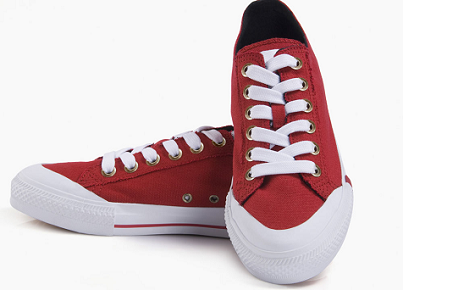
You can make your canvas shoes waterproof by giving them a rub with beeswax and then setting it with a hairdryer.

2. Getting the better of buttons

Don’t leave your shirt looking crinkled just because you can’t handle ironing around buttons. Simply flip your shirt inside out to make ironing a breeze. (I know, why didn’t you think of that?)

3. Stop losing the little things

Lost an earring back or button in the carpet? Simply slip a stocking over your vacuum cleaner hose and get sucking … the lost item will get sucked onto the stocking.

 4. Straight-collared

If you struggle to iron your collars properly, running a hot hair straightener around them is the perfect way to get a perfectly smooth edge.

 5. Zippidy doo dah

zipper-crop

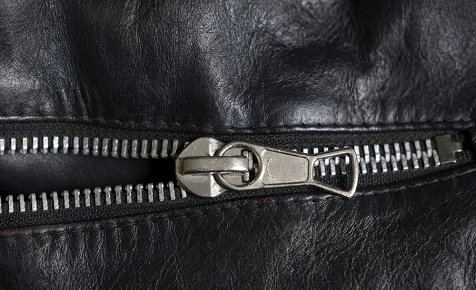
Zipper on your favourite jacket keeps getting stuck? Rub the teeth of the zipper with a graphite pencil tip and it will soon glide up with ease.

 6. Jeanius!

White deodorant can leave annoying stains on your dark tops, but simply give those pits a rub with a pair of jeans and watch them disappear. (Test a small patch first to avoid any colour transfer.)

 7. Don’t sweat it

Just as embarrassing as the white deodorant stains are yellow sweat stains. These can easily be removed from white shirts by spraying the affected areas with lemon juice before you put them in the wash. (But don’t try it on darks or colours unless you want bleached armpits!)

 8. Wine, don’t whine

If you’re a little unlucky when it comes to red wine, you can remove it from your clothes by gently blotting the affected area with a cloth soaked in white wine.

 9. Getting rid of runs

tights-crop

Nothing looks more tacky than stockings full of runs. Spray your tights with hairspray to prevent runs – and it will also help stop static cling.

10. Bread winner

To clean dirt off suede, remove the crust from a piece of stale bread, then gently rub the stain with the edge of the bread until it’s all gone.

 11. Old clothes hanging around?

To find out if you’re making the most of your wardrobe (or need to do an op-shop drop-off), turn all your hangers in one direction. As you take out clothes to wear, hang them back up with the hanger facing the opposite direction. After one year, get rid of the clothes that are still hanging in the original direction – chances are you’ll never wear ‘em again!

12. Softly does it

To give your T-shirts that vintage-soft feel, soak them in salt water (1L of water and 1/2 cup of salt) for about three days, then wash normally.

13. Delicate business

Hate the endless wringing required when hand-washing your delicates? Easily fixed by placing them in a salad spinner and doing your thing. It’s your very own spin cycle!

 14. Adding shine back to shoes

Have your patent shoes lost their sheen? A spritz of window cleaner will soon have you able to see your reflection in them once more.

15. Using your noodle

To keep your long boots in good nick, stuff them with pool noodles when you’re not wearing them to help them keep their shape and stand up right. You’ll be amazed at how much longer they last when they’re not getting creases from folding over.

16. Vodka spritzer

If your vintage or thrift clothing (or stuff that hasn’t been worn since last season) is smelling like a second-hand store, give them a spritz with a mixture of one part vodka and two parts water to instantly neutralise the musty odour.

 17. Perfectly buttoned up

Keep the top button of your cuff buttoned up when you roll up your sleeves and they will always be perfectly cuffed.

 18. Magic eraser

Get scratches and dings out of leather bags by placing a little bit of moisturiser onto the end of a cotton bud and gently rubbing it into the scratch. Magic!

19. Bags no ironing!

fashion hacks

No-one wants to be ironing on holiday! To arrive at your travel destination with wrinkle-free clothes, fold everything in plastic dry cleaning bags before placing them in your suitcase.

 20. The finger test

Avoid hanging bra straps by making sure your bra is fitted properly in the first place. You can check to see if your bra fits properly by trying to fit two fingers under your bra band comfortably. If you can’t, it’s probably too tight. And if you can fit more than two fingers under there easily, it’s probably too large!

 21. Stick your neck out

No time to try on a pair of pants? You can tell if they’ll fit without trying them on by wrapping the waist around your neck. If they’re the right size, they will wrap just once around your neck without overlapping. How cool is that?

 22. Powder power

Remove an oil stain out of a purse by coating the mark with baby powder and letting it sit overnight. Wake up to a purse that’s as good as new.

23. Cold shoulder

To prevent your angora or mohair jumpers from shedding, placing them in a sealed plastic bag and freeze them for a minimum of three hours. I don’t know who figured out that sneaky trick, but it works a charm.

24. Smooth as an exfoliated heel …

De-fuzz your sweater by rubbing it with a pumice stone.

25. Hot feet

Break in stiff or snug-fitting shoes (yes, those ones you bought that didn’t quite fit but were on sale and really, really fabulous) by putting them on with socks and blasting your feet with a hot hairdryer.

Tips for looking great in every photo

Do you freak out and cover your face when the camera lens is on you? Nine times out of ten, it can be an awful holiday photo or unflattering birthday pic that sparks a weight loss plan. But even top models or hot celebs know how a badly timed photo can display flaws you didn’t even knew you had (and you probably don’t!). There are a few photo know-hows that you can employ to make you look brilliant for the camera every time.

Face first

  • Tilting your face at a slight angle to the camera will make it look thinner.
  • If you have a large nose – lift your chin slightly in the photo.
  • If your neck is less than perfect, try craning your neck forward.
  • Experiment with looks other than the full on cheesy grin. Try a Mona Lisa-like hint of a smile, cheeky arched eyebrows look, or even a wink. It will add movement and personality to your face and make you appear less static in every photograph.
  • Keep your chin tilted slightly up – it will help you look more youthful.
  • Swallowing as the photo is taken makes your neck look longer and more graceful.
  • Look into the camera but don’t stare.
  • Take your glasses off to avoid glare and reflections from the flash.
  • Putting your hair up and wearing long earrings will give the appearance of a longer neck in a photo.
  • And, if you’ve been caught at a ‘I must really wash my hair’ moment, pull it back for the photo and top it off with a pair of sunglasses resting on top of your head for that ‘just-got-off-the beach’ fabulous hair look.

Body confidence

  • Face the camera side on to minimise your stomach (pulling in those muscles at the same time!).
  • One shoulder pointing forward will show off your figure to its best advantage.
  • If you are sitting when the camera comes out, cross your legs at your ankles. Your thighs and calves will look slimmer.
  • If (for some strange reason) you know your bum is going to be in the photo, tense and lift it for a few moments, but remember to keep your face looking natural at the same time!
  • If at all possible, stand rather than sit in photos.

For a planned photo

This gives you the opportunity to plan a little in advance.

  • Wearing darker colours, especially on areas you are less than happy with, can help slim and minimise them.
  • Avoid anything too stark and dark next to your face (black, navy blues, browns, and dark greens for instance) as this will drag light away from your face, making you look washed out – and doing nothing to hide any less than perfect skin.
  • Employ some speed beauty by whacking on a some mascara to accentuate your eyes and lashes.
  • Jewellery reflects the light and adds colour and interest.
  • Choose something bright and colourful (but not too patterned or busy) that will reflect light onto your face.
  • Don’t experiment with new make-up or hair just before you know you’re going to have your photo taken.
  • Your make-up should be easy and light – tinted moisturiser is a great choice for glowing summer skin.
  • Avoid having your photo taken in bright or direct sunlight, as this will throw shadows on your face or make you squint. Late afternoon and early evening is the best time to get posing.

Improving your body without going under the knife

Cosmetic surgery is on the rise around the world, with certain countries even becoming plastic surgery holiday destinations. Some people will go to any extreme to improve their appearance, but there are simple, cheap and painless ways to tone up and flatter your body – without going under the knife!

We get that looking good on the outside can help you feel better on the inside, but before you resort to a painful nip and tuck, try a simple snip and pluck, and you could find yourself feeling a million bucks (without spending the same).

10 simple, inexpensive and relatively painless ways you can improve your body without going under the knife:

  • Take five minutes before your morning shower to do two or three sets of 15 abdominal crunches (knees bent). If you do them every second day, you’ll noticeably tighten up your midsection and improve your overall mobility – and your posture too.
  • Every little step counts – literally. Taking the stairs instead of the lift will strengthen all the major muscle groups in your lower body extremity. Hamstrings, glutes, quads and calves are all going to reap that benefit. As a bonus, you’ll also burn more kilojoules too.
  • Using body-shaping underwear to instantly ‘lose weight’ can give you the boost you need while you work on your body. They’re an inexpensive and simple way to instantly flatten your stomach, reduce thigh size, create a waist shape and to smooth and lift your butt – no plastic surgery needed! They won’t fix everything underneath, but you’ll feel wonderful with your new shape, and it may give you the motivation to start hitting the gym, so you will be able to ditch the shape-wear before long.
  • Do lunges before bed. Start with wall slides – stand with your back against the wall and your feet 30cm in front of you, then slide down the wall until your thighs are parallel to the ground, and then come back up. Do two sets of 15. Finish with lunges – start by taking a giant step forward with one leg, then lower into lunge position until the knee on your opposite leg almost touches the ground. Push through the front heel to raise back up. Do two sets of 15 with one leg, then two sets with the opposite leg. Both exercises will help tone and firm your major lower-body muscle groups, such as glutes, quads and hamstrings.
  • Try yoga for a gentle exercise to improve your body. The ancient art of yoga burns kilojoules while toning and improving your overall flexibility and posture. The benefits of yoga are cumulative. It’s just a matter of time before you will improve flexibility, strength, concentration, willpower and determination – plus tone your body!
  • Throw on some high heels. They don’t have to be ankle breaking 7 inch stilettos! Just a small comfortable heel will make you walk talker. Best of all, they elongate the legs making them look longer and leaner. They’ll also help pants sit nicely below the ankle. Your hemline should be an inch off the ground with your heels on.
  • Drink plenty of water. At the very least you should consume six glasses of water every day. Dehydration can cause fatigue, headaches, constipation and tooth decay. Being well hydrated could contribute to better looking and clearer skin.
  • Always wear flattering fashion pieces like flat-fronted trousers. Pleats and pockets are a no-no for so many reasons, so put them in your next charity shop drop-off. Besides being a hopelessly unstylish relic of the ’80s, pleats create unnecessary puffiness around your mid-section and pockets make your thighs look wider.
  • Get a new hairstyle. What better way to focus attention away from your figure and toward your bright smile than with a funky hairstyle? Talk to a stylist about cuts and styles that complement your face. There are also online makeover sites that will let you upload your photo and try on new dos. Or – follow these tips for great hair from home.
  • Get a spray tan. It’s a quick way to look instantly slim without toning up or surgery! In the spray room, you can can wear what you feel comfortable in (disposable g-string or your bra and knickers). The process takes about 10 minutes for spraying and 10 minutes for drying. You’ll leave with your body looking bronzed, toned and beautiful – like you’ve just came back from a tropical health spa!

Diet foods making you fat

Are you getting frustrated with a weight-loss plateau, despite eating healthy foods, dieting and exercising? I’m sorry to break it to you, but the fact is, hidden kilojoules are probably making their way into your ‘healthy’ diet without you realising it. Here are 10 common health mistakes you might be making, on your quest to a healthy diet:

Diet mistake 1: Popping your diet bubble

Most people know that popcorn is a better snack than reaching for the chippies, but what you need to remember is that most commercial varieties include added salt, butter and oil, turning this healthy snack into a snacking “don’t”. Popcorn is a whole grain and the best way to eat it is air-popped.

1 cup of air-popped popcorn is 117kj with one small tub (36g) of movie popcorn with butter and salt coming in at 707kj.

Diet mistake 2: Jazzing up your salad

Are you eating salad for lunch every day but not losing any weight? Does your salad also include cheese, croutons, and oily salad dressing? Opt for a lighter salad of greens and vegetables without all of the extras. Fresh herbs are a great way to add flavour without the calories, or a small dose of tofu or lean meat will give you the added protein to keep you fuller. A simple summer salad without the extras can come in at less than 210kj, whereas a large Sumo salad packs a punch of more than 2100kj.

Diet mistake 3: Munching back the muesli

While muesli is full of healthy whole grains and fruit, most people often end up eating twice the serving size. Some commercially made mueslis have a lot of sugar and fat added, particularly the toasted kind, so make your own at home using your favourite ingredients.

A 45g serving of natural muesli is around 630kj, but toasted muesli can bring the kilojoule count up over 1050.

Diet mistake 4: Soupy sides

A simple vegetable or chicken soup can tame a killer appetite, but don’t eat it with lashings of toast and butter, sour cream, or noodles. Also avoid cream-based soups, such as cream of mushroom and chowders.

On average a good vegetable soup gives you around 630kj per 100g serve, but add in sour cream at 437kj a tablespoon, parmesan cheese at 144kj a tablespoon, plus bread (around 399kj per slice) and you have more kilojoules in the extras than you do in the soup!

Diet mistake 5: Fruity cakes don’t count as fruit

Although fruit is a low-kilojoule snack, fruit cakes and muffins are not. You might think you’re opting for the healthier option but fruit cakes still have all the sugar and butter of normal cakes.

One piece of banana bread means you are having a 1453kj morning tea. Eat a banana instead – it will only set you back 840kj and add essential nutrients.

Diet mistake 6: Dried fruit can be deceiving

There are just as many kiloujoules in one sultana as there is in one grape, but the difference is how much you will eat. Without the natural water in the fresh fruit, dried fruit is slower to fill you up so you end up eating much more.

It’s easy to eat ¼ cup of sultanas adding 630 kj to your day, but you will feel a lot more satisfied eating one cup of green grapes worth 336kj.

Diet mistake 7: Smoothie setback

No, we’re not saying your homemade smoothie is unhealthy, but most commercially made smoothies also contain frozen yoghurt or ice cream and lots of fruit juice with a little bit of frozen fruit thrown in for effect. So make sure you check what is going into the smoothie before you order.

With one medium low-fat strawberry smoothie you could suck up 1050kj. Or you could whiz up a dairy-free frappe at home using frozen fruit, setting you back less than 420kj.

Diet mistake 8: Sneaky sushi

Sushi rolls are really just rice with a little bit of filling. Sushi rice is processed white rice that is basically nothing but carbs with a little bit of protein. Add in chicken schnitzel or a crumbed prawn and you are looking at some serious kilojoules. Instead, buy the baby sushi packs with vegetables or fresh fish.

One teriyaki chicken roll contains 869kj while a fresh avocado roll is around 588kj.

Diet mistake 9: Is it really food?

A good rule is ‘if it takes a lab to create it, it takes a lab to digest it’. Highly processed foods are low in nutrients making them nothing but empty kj that won’t even fill you up and your body may struggle to absorb any good nutrients out of it.

A 25g serving of rice crackers will give you 424kj but there is only 105kj in the equivalent weight of brown rice, which is also rich in proteins, thiamine, calcium, magnesium, fiber, and potassium. The rest of the cracker is salt, sugars, oil and a whole lot of carbohydrates.

Diet mistake 10: Which sandwich?

Ham and salad sandwiches are a lunch time staple. But often the goodness doesn’t stop with those simple ingredients. Add on mayonnaise, sundried tomatoes in oil, cheese, and thick slices of bread and you are getting way up in the kj stratosphere. Keep your sandwiches clean and fresh with lots of salad and a little bit of meat on wholemeal bread. Using avocado or hummus instead of butter to add flavour will reduce kj.

Two slices of wholemeal bread alone come in at around 579kj. Add one tablespoon of butter (621kj), a slice of cheese (344 kj), slice of tomato (76kj), slice of ham (126kj), and mayonnaise (621kj) and you have a meal worth 2369kj! Try a salad sandwich with avocado and no butter instead.

Remember that you need to count ALL the food you eat in a day if you are trying to lose weight. Eating a couple of chips off someone else’s plate counts! Also, keep your eye on serving sizes and watch all of the unnecessary extras that are often piled on top of healthy food. Enjoy fresh fruit and vegetables and move your body to keep yourself looking and feeling great.

* 4.2kj equals one calorie if you are being old-school about it.

Your pregnancy at week 41

Welcome to your week 41 pregnancy update where we outline the changes you and your baby are experiencing.

Your Baby

Baby is 51.7 cm long and weighs 3.6kg. Clearly someone forgot to tell baby your due date because it doesn’t seem as if he is making any moves to leave the comfort of your womb. More likely it’s that baby is the only one who really knows what the plan is, and he will arrive when he is good and ready.

Just like adults, all babies are different and develop at varying rates in the womb. This information gives a general idea of your baby’s development and progress.

The Mum Update

You probably thought you wouldn’t need to read this email, but don’t be worried, only 5% of babies are born on their due date. It really is only an estimate. You will be seeing your doctor or midwife more frequently once you pass 40 weeks, and having regular tests to ensure your baby isn’t under any stress and the placenta is still healthy. The good news is that no matter what, you only have one week left of your pregnancy.

It’s often hard to keep a positive attitude when you’re overdue. but don’t give up yet! Maintain good nutrition, and keep up your fluid intake. If you can do so without any problems, get some mild exercise, like walking or swimming. You may feel better if you continue your pregnancy exercises.

3 day baby blues


Your pregnancy at week 40

Welcome to your week 40 pregnancy update where we outline the changes you and your baby are experiencing.

Your Baby

Congratulations – you made it to 40 weeks! Baby is roughly 51cm long and weighs around 3.5kg. Your baby has probably settled in to the birth canal and is awaiting final approach. He is taking regular naps and moving less, but ready and able to live outside of your uterus.

His immune system is still immature and he receives antibodies from the placenta and after birth he will receive antibodies continually from your breast milk. Most of the lanugo has fallen off his body, although you may still find some hidden spots, particularly in the creases, and around the shoulders or ears when you finally meet him.

Just like adults, all babies are different and develop at varying rates in the womb. This information gives a general idea of your baby’s development and progress.

The Mum Update

Even thought it’s week 40 don’t be discouraged – only 5 per cent of babies are born on their due date with most babies coming within a week of the day estimated. The key purpose of defining a due date (rather than say a more broader week time period) helps your caregivers define your pathway of care eg when to have tests. It can be frustrating though when everyone else from your antenatal class have had their baby and you are stuck at home getting bigger and bigger!

Babies who are born ‘overdue’ may have dry, peeling skin that can look red (sometimes they are called ‘overcooked’!). They may have less amniotic fluid draining during labour and the baby may be more likely to pass meconium into the waters, potentially staining the fluid.

Use the time to finish any last minute projects before the hectic pace of life with a newborn settles in and enjoy some extra rest. And we wish you all the best for this next exciting phase in your life.

Cute Fact: By now, baby will be familiar with the rhythms of his mother’s voice. In fact, researchers analysing the cries of newborns found the cries of your newborn baby will be similar to the rhythm of your voice.

registering a new baby link external
pregnancy and sleep


Your pregnancy at week 39

Welcome to your week 39 pregnancy update where we outline the changes you and your baby are experiencing.

Your Baby

Baby is 50.7 cm long and weighs 3.3kg. Even though your baby is in the uterus, she could produce tears. The tear ducts are functioning inside of the uterus, but once your baby is born, she won’t have real tears for a while. The tear ducts need time to adjust and make their own salty fluid.  And once you see those first tears, no doubt it will break your heart. Baby’s weight and height may have tapered off as she awaits the arrival of her birth day. The normal length of a pregnancy is regarded as any time from 37 to 42 weeks. However, once your due date passes, your LMC will keep a close eye on your and likely discuss inducing your labour if you go more than 10 to 14 days after your due date.

Just like adults, all babies are different and develop at varying rates in the womb. This information gives a general idea of your baby’s development and progress.

The Mum Update

It would be unusual for you not to be uncomfortable and feel huge at this time. Your uterus has filled your pelvis and most of your abdomen and it has pushed everything else out of the way.

You may have been told by friends not to raise your arms over your head or reach high to get things because it can cause the cord to wrap around the baby’s neck. There doesn’t seem to be any truth to this old wives’ tale. Some babies do get tangled in their umbilical cord and can get the cord tied in a knot or wrapped around their neck. However, nothing you do during pregnancy causes or prevents this from happening.

A tangled umbilical cord isn’t necessarily a problem during labour. It only becomes a problem if the cord is stretched tight around the baby’s neck or is in a knot.

You will feel less movement and more forceful kicks as your baby has less room to manouevere. Your uterus is stretched to the maximum, you are carrying a lot of amniotic fluid, and baby has used up all the space available, leaving no room for gymnastics.  In the days before labour begins you can expect to experience the following signs of pre-labour, although they are not always accurate predictors of when labour will begin:

Bloody show
Loss of mucous plug
Nesting instinct
Loose stools
Loss of weight
Increase in appetite
signs of labour


Your pregnancy at week 36

Welcome to your week 36 pregnancy update where we outline the changes you and your baby are experiencing.

Your Baby

By week 36 your baby could weigh around 2.6kg and measure about 47 cm from head to toe. She won’t grow as much in length now but will put on approximately 230 grams per week until she’s born.  Her muscle tone is improving, and you’ll be impressed by her steel-like Ulnar grasp once she’s born in a few weeks. (The Ulnar grip is the newborn reflex you will see when you lie your finger in baby’s palm).

The most important thing your baby is developing right now is the final touches to the lungs and respiratory system, which allow baby to take her first breaths outside the watery world of your womb. Your baby’s ‘breathing and eating exercises’ – which occur as she breathes in the amniotic fluid and tastes the various flavours – will naturally stop about 24 to 48 hours before labour commences in a few weeks’ time.  During labour in a few weeks’ time, hormones will be released by you to encourage baby to reabsorb fluid from her lungs back into her blood stream before birth. A small amount of fluid remains in baby’s lungs after birth but is usually fully absorbed within 24 hours. Babies born by caesarean section may have ‘rattly lungs’ as they haven’t fully expelled all the amniotic fluid during the birthing process


Just like adults, all babies are different and develop at varying rates in the womb. This information gives a general idea of your baby’s development and progress.

The Mum Update

Hopefully you are not feeling to uncomfortable and are finding time to put your feet up during the day.

Around this time some LMC’s may recommend vaginal Group B Streptococcus test. Group B Strep (GBS) is a common bacteria found in the lower intestine and the genitourinary tract. It is not uncommon and it is almost always harmless in adults. The reason for screening is that a baby can acquire it during childbirth and it can cause serious infections. Most babies born to mothers with GBS will not develop an infection.

Testing for GBS is not recommended for all pregnant women however if you have risk factors for the baby developing a GBS infection your LMC may advise it. Risk factors include:

  • a urine infection with GBS during the pregnancy
  • a previous baby who had a GBS infection
  • your waters have broken more than 18 hours before the baby is born
  • labour starts or waters break before 37 weeks
  • a fever during labour


gestational diabetes

Join the Catch Up

Join our community of parents and let the Kidspot Catchup be your guide to creating unforgetable family moments.