Your pregnancy at week 38

Welcome to your week 38 pregnancy update where we outline the changes you and your baby are experiencing.

Your Baby

There’s not much new going on in your belly besides more preparation for life outside the womb for baby. Baby is continuing to shed that fuzzy lanugo hair on his body and producing more surfactant to get his lungs ready to breathe proper air. Baby’s probably having a squishy old time and getting into position to meet you. He’s gone from being a single cell just 38 weeks ago to being a complex human baby with trillions of cells — amazing, if you stop to think about it.

The amount of fat on your baby’s body has increased from being only 30 grams at 30 weeks pregnancy, to around 430 grams as he gets close to being born. Baby needs to lay down the fat to regulate his temperature once he leaves the comfort of your womb. Baby’s brain won’t be mature enough to regulate his temperature as efficiently as an adult brain does, which is why baby needs to be wrapped and held close to your body once he is born.

This late in pregnancy, scientists have found that baby’s breathing movements increase during the second and third hours after mums eat breakfast in the morning. Baby is likely to become quiet again around 7pm in the evening, though not all babies will follow the rules. Some experts theorise that these womb routines follow into the early days after birth.

Right now, baby’s intestines are filled with a sticky, greenish-black material called meconium, which will be expelled as baby’s first poo soon after birth.  When baby is born and you start to breast feed, your colostrum acts as a laxative to help baby move his bowels and expel those meconium stools. Some babies will poo as they are born or just before birth.

Just like adults, all babies are different and develop at varying rates in the womb. This information gives a general idea of your baby’s development and progress.

The Mum Update

Your cervix  may have started thinning and dilating. The thinning is your cervix spreading out as a result of having the baby’s head pressing on it. When it is thinned it will be easier for it to dilate. If it has already thinned, it may even be slightly dilated. Your cervix will dilate between 1 and 10mm. When you hit 10, you are ready to deliver. Take it easy. Your heart is pumping more than 45% extra blood around your system.

After your baby is born, you may feel very emotional. You may even wonder if having a baby was a good idea. This is postnatal depression or PND. Most women experience some degree of PND. Many experts consider some degree of PND to be normal. However, symptoms of postpartum depression may not appear until several months after delivery. They may occur when you start getting your period again and experience hormonal changes.

Early recognition of PND is extremely important; it is a medical condition that can be treated with medication and counseling.


Top Tips For Combating Hayfever

Hayfever occurs when the allergen enters the nasal passage and irritates the lining, setting off an immune response that includes, sneezing, itchy eyes and runny nose.

The most common allergens are pets, pollen, mould and house dust mites.

1. Find out what allergen is affecting your child

Your child may be allergic to one or a few of the allergens. If you haven’t been able to establish which one/s, your doctor can help. They will ask you about the onset and can also arrange a skin prick test/scratch test where small amounts of common allergy-causing substances (allergens) are put on broken (scratch) skin to see if a reaction occurs.

2. Be aware of pollen season

During pollen season, stay indoors as much as possible especially on windy days. Pollen levels are at their highest in the morning and after thunderstorms. Wear sunglasses when outdoors and avoid mowing lawns, gardening and other outdoor activities. If your child has been exposed, give them a shower.

3. Understand the effect of pet cuddles

Pet hair itself is not an allergen – it’s their dander (the skin cells that are shed), and the saliva, urine, sweat, dust and pollen that clings to the pet hair. The best solution is for your child to avoid pets altogether although if they are a much loved member of the family this may not be possible. In this case, keep pets outside or at the very least don’t let them in your child’s bedroom. Keep your pet well-groomed and washed.

4. Banishing allergens and dust mites at home

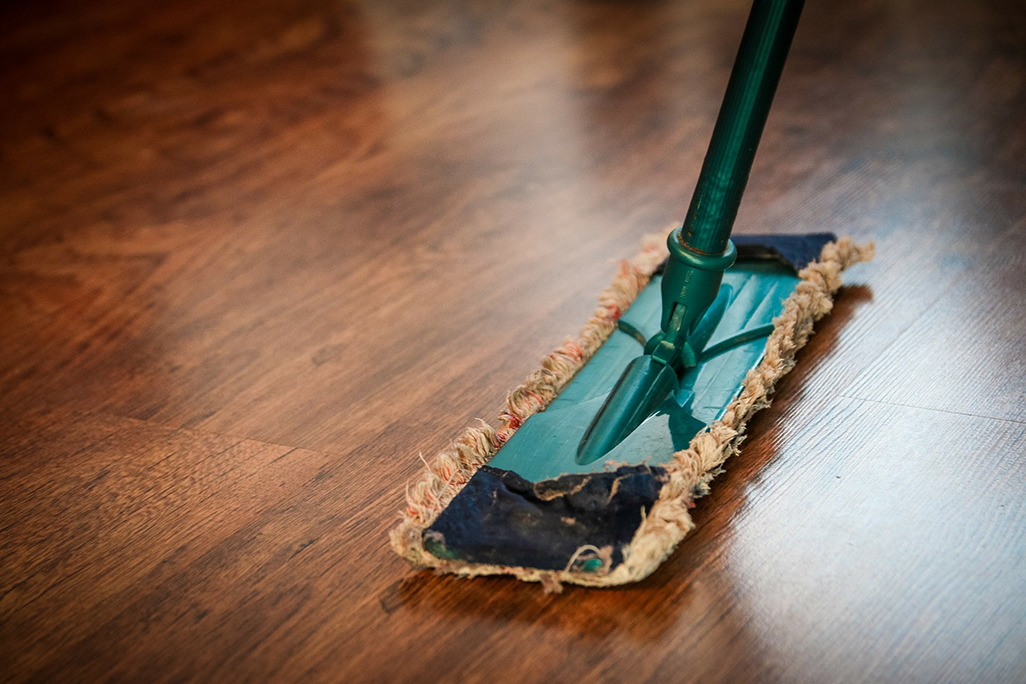
Vacuum using a dust mask, if possible, using a vacuum cleaners with a HEPA filter.  Hard floor surfaces are the better than carpet. Wash bedding frequently in hot water and use mite proof bedding covers. Keep surfaces (including walls) clean and uncluttered.

5. Stop the onset

In reality, it is almost impossible to avoid trigger allergens.  Your doctor or pharmacist may also recommend non-drowsy antihistamines, nasal sprays, eye drops and saline nasal washes. They may suggest immunotherapy which helps the body build tolerance to an allergen

Untreated hayfever

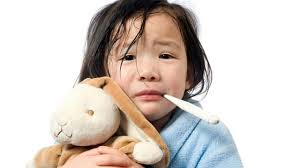
child with fever

Hayfever can last a long time if the allergen/s remain present. If left untreated, symptoms can escalate from a runny nose and itchy eyes and to asthma, disturbed sleep and fatigue, sinus or eye infections, poor concentration and irritation.

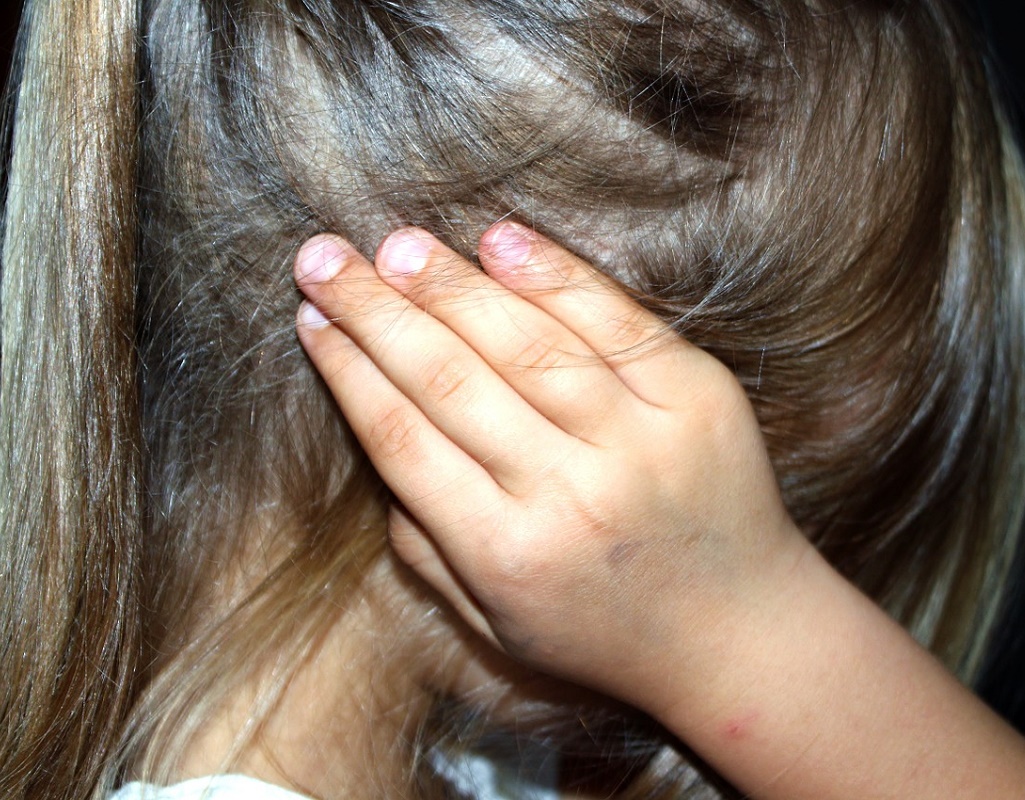
Earache

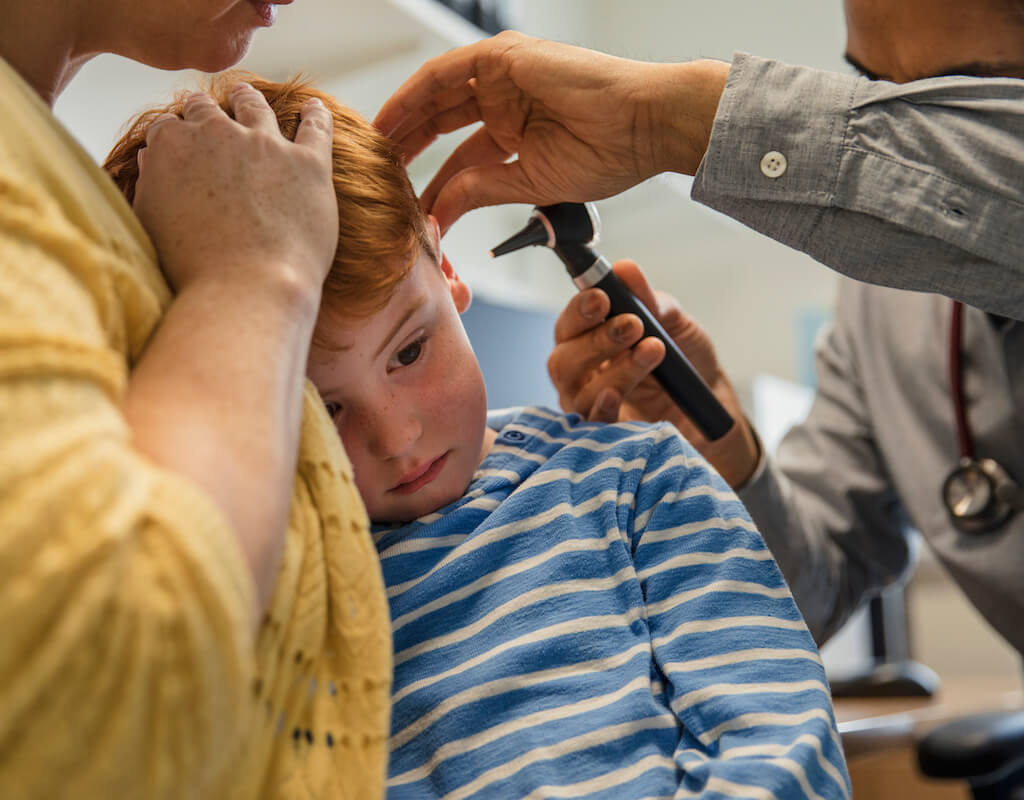
Earache is a common childhood complaint. The most common cause is an ear infection caused by a viral or bacterial infection. Other causes include fluid, a foreign object in the ear, or change in air pressure.

The main symptoms of earache in children are:

  • Unwell, irritable, or cries a lot
  • Discharge from the ear
  • Pulls at or rubs their ear
  • Complains of pain
  • Fever
  • More distressed when lying down. Unable to sleep
  • Wax build up

What you can do for earaches

  • Sit/prop upright to help relieve ear pressure
  • Take OTC pain relievers such as ibuprofen or paracetamol – follow the directions of your doctor or pharmacist
  • If you are flying, try feeding your baby to help them equalise the pressure. For older children, give them something to chew or suck.
  • Never poke anything (like cotton tips) into your child’s ear
  • Discuss a wax build up with your chemist or doctor.

When should you see a doctor

If your baby is under three months old and has a fever, no matter how mild, you should see a doctor.

For older children you should see a doctor:

  • when there is a persistent fever, blood or pus draining from the ear or swelling around the ear
  • if your baby is between three and six months with a temperature over 39 ºC
  • if they are over six months old and they have a fever over 40ºC. A doctor should be seen quickly
  • if the fever doesn’t resolve after 2-3 days at home or they are shivering or shaking uncontrollably or have chattering teeth
  • if they are generally unwell and you are worried
  • if they are dizzy, nauseous, have a bad headache, stiff neck or severe pain

Untreated ear infections can cause hearing loss and other complications. Persistent ear infections may result in “glue ear”, which is a build-up of fluid in the ear.

The right sport for your child

Sports can do more for your child than just increase their physical fitness. They’re also great for building teamwork, confidence and improving body image. Finding the right sport for your child can be challenging, and often you’ll need to stop and start a few along the way.

Making new friends

When your child’s young it can be helpful to have them sign up for a sport with a friend or two. However, it’s also a good idea for them to make new friends at sport – just in case their friend is graded into another team, or decides the sport’s not for them.

Benefits of team sports

Ideally children should try some form of team sport at some stage of their childhood. Playing a team sport builds resilience and teaches many skills that are invaluble throughout life – such as working as part of a team. But you can think outside the square, team sports don’t necessarily mean only football or netball. Rowing, Gymnastics, Dance and Swimming all have team aspects and provide all the benefits. You just need to find the sport that suits your child.

Benefits of solo sports

A solo sport can teach persistence, dedication and build a child’s self-esteem. Even though a sport may be played on their own, there are normally still a lot of opportunities for socialisation and competing with others so the benefits of team sport also apply.

How to choose a sport

Look to your child’s interests, is she extremely active and loves running around? Does she enjoy watching her sisters play netball? Has she expressed an interest in a certain sport? Does she love to dance? Often what we love doing for fun translates to what we’ll enjoy as a sport – so spend some time on-line researching what’s available in your area. You could even spend some time with your child watching clips on YouTube or on a Sport’s channel watching the sport in action.

Trying it out

Most sports will allow your child to try out a session or two without the need to buy a proper uniform or commit to a term or season. Usually your child can go along in a plain shorts and t-shirt combination to see how they like the sport.

Persistence pays

Before your child signs up for a sport it’s a good idea to work out some ground rules on how long they’ll need to commit. Sport can not only be expensive (with specialised uniforms, shoes and fees) but it’s important for children to understand that by leaving mid-way through a term, season or year they will be letting others down (team members, coaches and instructors). If ground rules are layed out before starting, then everyone knows where they stand – and children learn about the benefits of commitment and being part of a team.

Be a good sport

Regardless of what sport your child plays, remember you’re their best role model. Be there to cheer them on and encourage their effort. Teach them the benefits of good sportsmanship and always ensure they shake the other team’s hand and say “Well done”. Sport is a wonderful opportunity for children to grow and mature into healthy, successful adults, and we’re the perfect person to guide them.


Read more about sport:

After school nutrition for your sporty child

After-school sport, whether in a team or as an individual pursuit, is a good chance for children to burn off extra energy that’s built up while they’re sitting in the classroom. Of course – as with anything children do – it’s usually high intensity, so it needs to be treated as such.

Children need to refuel with the correct food after expelling so much energy, and we’re not talking about a lolly or ice cream on the way home. The best thing to offer is a nutritious snack brought from home.

Glycogen is a glucose in the body that serves as a form of energy storage, and the 30 minutes directly after exercise is when glycogen levens are low. It is in this time bracket that our bodies are most receptive to refuelling.

This goes for children and adults alike, so if you’ve been chasing your child around the field then make sure you both recover with some high carbohydrate snacks. Protein is good for muscle repair and drinking plenty of water will ensure dehydration is not an issue either.

Some ideas for pre or post sport snacks

+ Low sugar homemade muesli bars
+ Low fat fruit smoothies
+ Fruit – cut up oranges, bananas, watermelon, grapes, etc.
+ Crackers, rice cakes – spread with honey or peanut butter
+ Nuts and dried fruit
+ Cheese sticks
+ Toasted vegemite sandwich
+ MILO and milk drink (contains calcium, iron, vitamin B2, B3, B6, B12, C and D and is also low GI to provide sustained energy for active kids as part of a healthy varied diet).

There’s no need for a big snack if you’re heading straight home for dinner, just try a piece of fruit to keep them ticking along until dinner is served. Choosing a nutritious option as an after activity treat can encourage kids to make their own healthy food associations.

Treating Sporting Injuries With The RICER Rule

Keeping fit by playing sport is great for your health and wellbeing. When injuries happen, know how to treat them with the RICER rule.

Bruises, muscles strains, ligament strains and sore muscles can all be treated with the RICER rule – a well-known sport formula for recovering from injury. It stands for Rest, Ice, Compression, Elevation, and Referral.

  • Rest helps prevent any further damage to the joint. Try to move as little as possible.
  • Ice cools damaged tissue, reducing pain, swelling and bleeding. Use a cold pack by wrapping it in a towel and placing it on the injury. Or try a cold spray. Do not apply ice directly to an injury.
  • Compression supports the cooling action with a brace, tape or bandage. Whatever you use, make sure it’s not too tight fitting.
  • Elevation helps reduce bleeding and swelling. Try using a pillow for extra comfort and support.
  • Referral to a doctor or physiotherapist is important. They’ll be able to make a diagnosis and arrange any ongoing care and treatment.

See more:

Going to bed problems

Getting your toddler into bed long enough to fall sleep, can pose a challenge for many parents. But while there’s no one right way to deal with sleep problems, there are many strategies you can try.

Some of the reasons your child may not want to go to bed may be:

Having to leave the activity of the house behind.

If he’s really involved in a boisterous game just before bedtime, you’ll have problems tearing him away. Try to introduce some quieter activities in the run-up to bedtime so that when you move into your night-time routine, he’ll be calmer and more ready to relax in bed.

Being frightened of being left alone.

If this is the case, no matter what time you put your child to bed, he’ll still be unhappy. Try introducing a night light or some gentle music. Often children who are frightened find it reassuring to have the bedroom door wide open so they can hear and see you moving around the house.

A very busy or exciting day.

Sometimes it’s unavoidable that the excitement of the day runs straight up to bedtime, and on these days you’ll just have to have patience if your child struggles to wind down. Try to encourage a bath and a book before bed, or even a quiet game.

Lack of a night-time routine

If your child has no regular night-time routine, then he may not actually be aware that he’s going to bed until the very minute he gets there. By having a regular routine, he’ll learn to follow cues and understand that after teeth-cleaning comes reading then cuddles then bed. And then sleep.
going to bed too early. Be realistic about what time your child should be going to bed. Sure you’d like him to be asleep by 7pm, but if he’s routinely still bouncing around in bed an hour later then chances are he needs his bedtime to be moved a little later.

If he calls out from his room:

  • Make sure you have a regular, calm bedtime routine in place.
  • Before you turn out the light, check that your child has everything he needs and remind him that it’s time for sleep
  • When he calls out the first time, go in to him and check that he doesn’t actually need anything (the toilet, a favourite bear) other than your attention. Once you’ve ascertained that he’s OK, quietly and firmly say good night and leave.
  • No matter how loud and persistent he gets, try to resist responding to his calls. If you do respond by returning to his bedside, he’ll endlessly repeat the same behaviour each night to get your attention and delay bedtime.
  • If your toddler shares his bedroom with a sibling, you may want to avoid disruptions and delay your older child’s bedtime for a short while – or have him camp out in another bedroom – until your toddler learns that bed means sleep. And you mean business.

If he comes out of his room:

Some children get into the habit of repeatedly getting out of bed and coming out of their room every night until it seems that your exhausted attempts to convince your overtired child to stay in bed each night is your new bedtime routine.

To put an end to this, you need to send your child a strong, silent message that there’s no value in coming out of his room after bedtime because you’re not going to give him any attention.

To do this, we suggest:

  • immediately pick him up, or take him by the hand, and take him back to bed
  • other than firmly reminding him that it’s bedtime, don’t enter into negotiations or conversation of any kind
  • avoid eye contact with him
  • be consistent
  • always stay calm and goal-focussed. Getting angry or frustrated will only complicate the process.

If you stick to this routine, he’ll start staying in his room after you’ve had a cuddle and turned off the light. Sure, he may not stay in his bed, but as long as he stays in his room, you can count this as a victory.n you for dinner. Allow the child to encourage the guest and model how to eat.

This article was written by Ella Walsh for Kidspot. Sources include Raising Children’s Network.

Twenty day New Zealand driving tour

Day 1 – 2 Auckland

Start your North Island road trip in New Zealand’s largest and most cosmopolitan city, Auckland. Popular attractions include Kelly Tarlton’s Antarctic Encounter and Underwater World, the Auckland Museum and Auckland Zoo. Scale to the top of Sky Tower for a fantasic view around the city and harbour and test your nerves on the glass floor! Or take a harbour cruise to Devonport on the ferry.

Day 3 Waitomo

Distance 195 km

Approximate Driving Time 2 hours 50 mins

Suggested stop en route:  Otorohanga Kiwi House & Native Bird Park – close-up views of our national bird plus view native birds and reptiles.

Waitomo Caves are famous for their stunning limestone formations and not to be missed is the silent boat journey through the glow worm grotto. Or take the plunge and travel through the underwater river on an inner tube!

Day 4 – 5 Rotorua

Distance 156km

Approximate Driving Time 2 hours 15 mins

Suggested stop en route: Mangaokewa Reserve – this reserve, five minutes south of Te Kuiti on State Highway 30, offers picnic areas and a bush walk to the Cascade Waterfalls.

Travel through farmland to Rotorua, New Zealand’s thermal wonderland. Take in a Maori dinner with cultural entertainment or visit the many thermal geysers and mud pools that make Rotorua famous including Hell’s Gate and Wai-o-Tapu. Take the Skyline Gondola to the top of Mt Ngongotaha and then enjoy the excitement of the luge ride to the bottom!

Day 6 Taupo

Distance 76km

Approximate Driving Time 1 hour

Suggested stop en route:  Orakei Korako – New Zealand’s best kept secret. Explore the “Hidden Valley” – geysers, mud pools, silica terraces and legendary Ruatapu Cave.

You’ll see plenty of thermal action on the way to Lake Taupo, New Zealand’s largest lake. Once a huge volcano, Lake Taupo is now a water lover’s dream with activities galore. Take a cruise on the lake or visit the spectactular Huka Falls on the Waikato River.

Day 7 – 8 Wellington

Distance 375km

Approximate Driving Time 5 hours

Suggested stop en route:  National Army Museum at Waiouru – a fantastic museum for families to explore.

Travel south through the desolate Desert Road and the Tongariro National Park – don’t forget to stop for those awe-inspiring snaps of the volcanoes! Onward to Wellington, New Zealand’s capital city and home to Te Papa, the National Museum. This extensive museum is situated on the waterfront and entry is free. A popular activity is to take a step back in time and travel on the Cable Car to enjoy the beautiful harbour views then make your way down to the city through the Botanical Gardens. Don’t forget a stop at Carlton Observatory for a look at our place in the universe.

Day 9 Nelson

Ferry crossing – 3 hours 20 mins (approximate)

Driving Distance 141km

Approximate Driving Time 1 hour 55 mins

Cruise across the Cook Strait and view the magnificient Marlborough Sounds. The road to Nelson is also full of scenic beauty. Natureland Zoo and Founders Heritage Park are great family attractions in Nelson.

Day 10 Greymouth

Distance 296km

Approximate Driving Time 4 hours 20 mins

Suggested stop en route: Punakaiki – see the pancake rock formations and experience the thrill of the blowholes.

Make your way through the Buller Gorge to Greymouth on the South Island’s wild West Coast.

Travel along the scenic West Coast to Greymouth. Visit Shanty Town, a step back in time to the gold rush days. Pan for gold and see if you can strike it rich!

Day 11 Fox Glacier

Distance 203km

Approximate Driving Time 3 hours

Suggested stop en route: Hokitika – browse for gifts in the boutique and arts and crafts shops.

Fox Glacier is one of the most accessible glaciers in the world, offering amazing views and the chance for some adventure with a guided walk upon the glacier.

Day 12 Wanaka

Distance 262km

Approximate Driving Time 3 hours 50 mins

Suggested stop en route: Waterfalls – Thunder Creek Falls, the Gates of Haast and Fantail Falls are easily accessible from the road and well worth the stops.

The drive from the West Coast through the Haast Pass takes in some spectacular scenery. Puzzling World in Wanaka is a great topsy-turvy attraction for kids of all ages!

Day 13 – 14 Queenstown

Distance 70km

Approximate Driving Time 1 hour

Suggested stop en route: Kawarau Suspension Bridge – see the bungy jumpers at the original thrill-seeking site.

Make the short drive to New Zealand’s adventure capital – Queenstown! Enjoy a thrilling jet boat ride on the Shotover River,  bungy jump, go horse riding, cruise across Lake Wakatipu on a paddlesteamer, take a helicopter flight to the top of the Remarkables, travel on the Skyline Gondola for the most spectacular views and so much more!

Day 15 – 16 Te Anau

Distance 174km

Approximate Driving Time 2 hours 30 mins

Suggested stop en route: Kingston – jump on board the famous Kingston Flyer, a vintage steam train for a spectacular journey to Fairlight.

Enjoy a scenic boat ride to the Te Ana-au Glow Worm Caves or visit the Department of Conservation’s Wildlife Centre. Devote one full day for the return trip (232km) to Milford Sound, travelling through the Homer Tunnel and Fiordland National Park to arguably New Zealand’s most famous tourist attraction. View towering Mitre Peak, see waterfalls, seals and dolphins during a cruise on the fiord. Visit the Milford Discovery Centre and Milford Deep Underwater Observatory to view marine life usually only seen by divers.

Day 17 – 18 Dunedin

Distance 298km

Approximate Driving Time 4 hours 20 mins

Suggested stop en route:  Kiwiana – stop and have your photo taken with the Stag statue in Mossburn and the Brown Trout statue in Gore.

One of Dunedin’s most popular attractions is New Zealand’s only castle, Larnarch Castle, with its magnificent architecture and gardens plus spectacular views. Become one with nature with a visit to a penguin, seal or albatross colony.

Day 19 Lake Tekapo

Distance 299km

Approximate Driving Time 4 hours 20 mins

Suggested stop en route:  Moeraki – let the kids loose on the boulders, perfectly rounded by years of erosion by sea, sand and win.

Stop at beautiful Lake Pukaki for views of Aoraki/Mt Cook before arriving in Lake Tekapo – a stunning example of New Zealand scenery. The Church of the Good Shepherd and the sheepdog statue are also great photo opportunities.

Day 20 Christchurch

Distance 230km

Approximate Driving Time 3 hours 20 mins

Suggested stop en route:  Ashburton Domain – take a picnic to this beautiful park, walk amongst the trees and feed the ducks.

Travel across the vast Canterbury Plains to Christchurch. Situated within sight of the Southern Alps, Christchurch is the largest city in the South Island. Visit the Airforce Museum or The International Antarctic Centre where you can view the penguins and enjoy a thrilling 4D movie! Slow down the pace with a cruise on Akaroa Harbour or get up close with nature as you swim with the dolphins.

Camping ideas for families

Being prepared can be the difference between a fun camping adventure and a disaster holiday story. If you’re ready for anything before you head off, then no nasty surprises can ruin your trip and you’ll be able to enjoy the bush/beach/backyard! Check out these camping ideas to get you started:

Weather

It’s important to research weather patterns for areas you are unfamiliar with and the best advice can be gained from the park rangers or information centres. Weather can change in an instant so err on the side of caution and pack that extra tarp!

Ready to go:

Have a camping backpack ready to go to make packing for camping easier. Include a cutlery set; dinner plates and bowls, cups and mugs, a flashlight with new batteries, a first aid kit, a couple of packets of waterproof matches and a swiss army knife. After each camping trip wash and clean the contents and repack the bag ready for the next trip.

Second hand gear:

Garage sales and Trade Me are great places for picking up second-hand camping gear.

Test before you go:

Don’t wait until you are in the middle of nowhere before you realize your lantern doesn’t work, you’re missing all the tent pegs or that you have a hole in your airbed. Always thoroughly test your equipment before you leave home.

Wire toaster:

Wire toasters are available in most camping stores and cost very little. To use one effectively, the wire mesh needs to be underneath near the heat and the toast rack on top. Place it over a low flame, or coals, so the wire just turns red. If flames don’t come through the wire mesh, your bread should toast beautifully.

Stretcher bed:

Stretcher beds are great for kids and save having to blow up numerous air beds. They cost very little and pack away neatly. They also make great beds for sleep overs at home.

Camping list:

Keep a list of what you need to take at home and update it after each camping trip, as it is the kind of activity where experience counts for a lot. If you refer to your list when packing you won’t forget a thing.

Here’s Kidspot’s tried and tested ultimate camping list.

Protecting food and rubbish:

You can hang a ‘food safe’ such as a Hessian bag or large string bag from the branches of a tree to stop animals getting at it. This should also be done with rubbish bags. If you leave them on the ground they will certainly be torn apart by the next morning. Alternatively, store perishable food not kept in the chilly bin in your car overnight.

Drying towels:

If you can find a strong branch lying around that has lots of short branches still attached, hang it from a tree to air wet towels. Tie a piece of rope around the top of the branch and dangle it from a tree so the short branches reach upwards.

Fire starters:

Collect candle stubs at home to take camping because these make perfect fire starters. Just light and place in the fire under the kindling.

Cooking fish:

If you are going to fry fish in a pan, line it with aluminium foil first to save washing up while also preventing lingering fishy smells.

The rules of reading aloud to kids

Mem Fox is an author of children’s books and a literacy specialist in education. She shares her “10 commandments” for reading aloud with your child, to encourage healthy reading development and a good love of books.

1. Spend at least ten wildly happy minutes every single day reading aloud.

2. Read at least three stories a day: it may be the same story three times. Children need to hear a thousand stories before they can begin to learn to read.

3. Use lots of animation when reading aloud. Listen to your own voice and don’t be dull, or flat, or boring. Hang loose and be loud, have fun and laugh a lot.

4. Read with joy and enjoyment: real enjoyment for yourself and great joy for the listeners.

5. Read the stories that the kids love, over and over and over again, and always read in the same ‘tune’ for each book: i.e. with the same intonations on each page, each time.

6. Let children hear lots of language by talking to them constantly about the pictures, or anything else connected to the book; or sing any old song that you can remember; or say nursery rhymes in a bouncy way; or be noisy together doing clapping games.

7. Look for rhyme, rhythm or repetition in books for young children, and make sure the books are really short.

8. Play games with the things that you and the child can see on the page, such as letting kids finish rhymes, and finding the letters that start the child’s name and yours, remembering that it’s never work, it’s always a fabulous game.

9. Never ever teach reading, or get tense around books.

10. Please try reading aloud every day, mums and dads, because you just love being with your child, not because it’s the right thing to do.


This article was written by Ella Walsh for Kidspot. Sources include Mem Fox’s Ten Read Aloud Commandments.

Understanding notifiable diseases

You’ve taken your child to the doctor with a nasty bout of diarrhoea – next minute you’re being told that your pride and joy has a “notifiable disease” and details of the illness are being forwarded to a government department.

This may sound scary – or even Big Brother-like – but don’t panic, this is a routine process, and important for so many reasons.

What are notifiable diseases?

Notifiable diseases are any diseases that are required by law to be reported to government authorities. Armed with this information, health authorities can then monitor disease, and provide early warning of possible outbreaks, pandemics or epidemics, and ensure the right medications or vaccinations are stockpiled and appropriate procedures for treatment are in place.

There is a list of about 52 notifiable diseases in New Zealand, which is reviewed regularly. Some examples of notifiable diseases are HIV, hepatitis B and C, typhoid, cholera, malaria, sexually transmitted diseases such as chlamydia and syphilis, as well as conditions which may have been caused by food poisoning like salmonella and listeriosis.

Communicable diseases for which there are vaccinations – for example, chicken pox, measles, rubella, whopping cough and mumps – are also notifiable conditions so governments can be aware of the impact immunisation, or the lack of, is having on the population.

Why monitor communicable diseases?

Surveillance of communicable disease is undertaken at a state and national level. This is so:

  • Outbreaks can be detected and trends identified
  • Health policy can be developed and resources for promotion, treatment and prevention allocated
  • The need and impact of national disease control programs, like immunisations, can be monitored
  • National or regional responses can be coordinated
  • Various international reporting requirements can be met
  • Quarantine requirements can be established if needed

Can you refuse?

Not really. If it is a notifiable condition, doctors and laboratories are required by law to provide certain State and Federal government departments with key information about patients and their illness.

On a national level, the information is forwarded to the Ministry of Health.  They are responsible for monitoring the occurrence of infectious diseases throughout New Zealand. Information that identifies patients is always removed before.

If you require more information on notifiable diseases, your GP is a good place to start.


This article was written by Fiona Baker for Kidspot, New Zealand’s best family health resource.

Camping Meal Planner

The thing about going camping is that it’s meant to be a holiday, so easy meals are the ticket.

If you don’t normally buy prepacked food, give yourself a break and try out some. They are huge time savers and tasty too! Hungry kids are not happy kids, so here are some suggestions for easy and filling camping meals.

Camping meal ideas

Hamburgers – Cook frozen hamburger patties, then chuck them in a bun with some coleslaw.

Curry –  Make it at home and freeze in an ice-cream container. This then acts as a slicker pad and is ideal for your meal on the second night away.

Toasted sandwiches – Simply butter the bread on the outside, add a filling, and cook in the frying pan.

Mince and rice – Use a pre-made jar of sauce, fry some mince and add sachets of precooked rice. To heat the rice, put a little water and the rice in a pot with a lid and heat on the gas ring.

Wraps – Line up all the fillings, warm the wraps in the frying pan and get the family to make their own.

Chicken Teriyaki – Cook the chicken, add the bottle of teriyaki and cook the rice (as above).

Sausages and chops – With salad and mashed potatoes made from dehydrated potato.

Scrambled or poached eggs on toast – With bacon or sausages. A hard, plastic egg carton is ideal for storing eggs in the chilly bin while camping.

Vegetables

Fresh veges can go floppy and off very quickly in the heat – it’s amazing how quickly your lovely green broccoli will flower in the heat!

Don’t hesitate to take canned veges including corn, peas and beans. Packaged coleslaw that includes a sachet of mayonnaise keeps well for a few days while bags of lettuce leaf are easy to prepare and store. Carrots, cucumber, and courgette all keep fresh well.

Put tomatoes in a plastic container to protect them from being squashed if you’re storing them in the chilly bin.

Treats and nibbles

  • Kids just love toasting marshmallows – add some chocolate wheaten biscuits for s’mores.
  • BBQ Fondue – half and half cream and chocolate melted together in a pot for dipping fruit and marshmallows in. Tastes better in the fresh air!
  • Pikelets or pancakes are great for supper, morning or afternoon tea. Make life easy and take the premixes that just require milk or water to be added.

Camping pantry

In addition to the components of the camping meals you are planning here are some items that you will need in addition to the basic ingredients:

  • Cooking oil
  • Salt and pepper
  • Butter or spread
  • Coffee, tea, Milo, sugar
  • Salad dressing
  • Spreads for toast and sandwiches
  • Tomato sauce
  • Milk
  • Selection of fresh herbs in resealable bag for salads

What To Pack For A Camping Trip

Those Scouts and Brownies were on to something when they talked about being prepared. Camping really is more enjoyable when you’ve come prepared. So we’ve put together a comprehensive camping list for you – simply tick off as you go (or cross it off if you think you don’t need it) and you will never be caught short again!

What you will need to take will depend on where you are going – if you are camping in the back of beyond you will need to take everything with you including a solar shower, water and perhaps even a toilet and gas fridge. If you’re going to a well set up campground and are able to use their kitchen, fridge and freezer, water and bathrooms, your list will not be so long.

Either way, using a list that you regularly update will eliminate nasty surprises.

Print the Kidspot Ultimate Camping Packing List

Regular campers

If you want to make camping a regular occurrence, we suggest having a completely separate set of all the cutlery, utensils and crockery, rather than using everything from your kitchen. That way you will always have it packed away and ready to go. Simply pull the whole container out before you head off, and check everything off on the list to make sure nothing has gone walkabout.

All about sunscreen and children

Applying sunscreen to squirmy, active little kids is an essential part of daily life for many parents in New Zealand.

These days, kids grow up knowing that sun protection is vital if they’re going to spend any time outdoors while the sun’s out – and the most important part of being sun safe is to make sure they’re wearing some sunscreen. Coupled with that, there’s a growing body of scientific evidence which has linked substantial sun exposure and sunburn during childhood with increased risk of developing skin cancers, such as melanoma, as an adult.

But what does sunscreen actually do? How can mums and dads find out which ones are best for kids?

Choosing the best sunscreen

The range of sunscreens available for use on kids is vast and in New Zealand most sunscreens are good quality .

Professionals advise parents to buy sunscreens that are:

  • Broad spectrum: that is, protects against both UVA and UVB rays.
  • SPF 50+: the highest ‘sun protection factor’ approved for sale in New Zealand
  • Water resistant: that is, they provide SPF for a certain amount of time which must be included on the packaging.

Any product which includes AS/NZS 2604:1998 on the label means it meets Australian and New Zealand sunscreen standards. There is no direct correlation between price and effectiveness.

Some parents also prefer to choose sunscreens that are aimed at kids or people with sensitive skin because these lotions are less harsh on young skin.

Can sunscreens be used on babies?

There is no evidence that using sunscreen on babies is harmful, although some babies can develop a minor skin irritation. Try sunscreen milks or creams for sensitive skin, which are less likely to irritate the skin. As with all products, use of any sunscreen should stop if any unusual reaction occurs.

It is recommended that babies be kept out of the sun as much as possible for the first 12 months. “Evidence suggests that childhood sun exposure contributes significantly to (the) lifetime risk of skin cancer.”

8 sunscreen facts you need to know

  • Sunscreen needs to be reapplied every two hours – even if it claims to be water resistant up to four hours. It is important to keep applying it as it can get washed off, towelled off or rubbed off.
  • Apply 20 minutes before sun exposure – all sunscreens need time to bond with skin.
  • Apply liberally – this means at least one teaspoon per limb.
  • Watch the use-by dates – over time, the chemicals contained in sunscreens break down or separate so it cannot provide the amount of protection indicated.
  • Don’t leave sunscreens in the car. Ideally, to prolong their life and effectiveness, they should be stored in cool places below 30°C.
  • No sunscreen provides 100 percent protection – sunscreen reduces but cannot block all UV radiation. That’s why it’s advised to always use sunscreen with other forms of sun protection like hats, shade, clothing and sunglasses.
  • Water is not a good sunscreen – UV rays can penetrate to the depth of one metre.
  • Sunscreen should be worn if the UV Index is 3 or over – you can download a UV mobile phone app to check real-time measures

*Source: Euromonitor International Limited; NIVEA in the category Sun Care,incl. Sun Protection, Aftersun & Self Tanning; in retail value terms, 2017. Always read the label. Use only as directed.

Recognising OCD in younger children

The term ‘obsessive-compulsive’ or ‘OCD’ may have become part of our general lingo, yet for many people it’s a very real disorder they and their families have to learn to live with.

Between 2% and 3% of the population have some form of obsessive compulsive disorder (OCD) – and many started showing signs as early as the age of five or younger, says clinical psychologist Dr Emily O’Leary.

But she urges caution and for parents not to panic if their toddler is showing repetitive behaviours or a need for order.

“It’s normal behaviour for toddlers, for example, to line up their blocks or repeat activities. This can be how they learn, or rituals they use to self-soothe,” says Emily.

OCD is a disorder

If a child has an OCD most parents will be able to tell, says Emily. Children more at risk of developing anxiety disorders like OCD are those who are more highly anxious .

“This is not a behaviour, it is an anxiety disorder. I like to describe it as that some kids just have an extra dollop of anxiety which can become an obsessive-compulsive disorder,” she says.

“These children may have always found it harder to deal with change and other stresses, and found it more difficult to quickly and effectively self-soothe.”

The important thing, she stresses, is that parents who have any concerns seek some early advice from a professional trained in such childhood anxiety disorders, as soon as possible.

“Like many mental illnesses, early intervention is the key,” she says. “Left untreated OCD can become a really disabling disorder for children.”

Spotting the signs of obsessive compulsive disorder

Only a medical professional will be qualified to diagnose your child as suffering from OCD. But there are signs to look out for that might indicate OCD. These include:

  • A desire to have his room tidied in a particular way, with everything perfectly aligned
  • Repetitive hand-washing or prolonged, repeated showering/bathing
  • Worrying excessively about his handwriting and neatness of his schoolwork
  • Worrying about harm coming to loved ones, such as parents, siblings, friends or pets
  • Going to extreme lengths to protect the family home by repeatedly checking locks and taps
  • Feeling the need to count whilst he perform certain tasks, sometimes in multiples of a particular number
  • refusing to let go of or discard seemingly useless or old items
  • worrying excessively about becoming ill or catching specific diseases

Some OCD specialists suggest that if a child loses more than an hour a day to any of these activities, and if the need for repetitive behaviour causes marked distress or significantly interferes with normal routines, relationships or social functioning, then this a sign that help is needed.

Treatment of OCD

The most common treatment for kids is cognitive behaviour therapy (CBT), Emily says, which helps the child learn to change his reactions to the obsessive thoughts and compulsions.

Drug therapies, like anti-depressants, are not normally used to treat children but may be a course of action for adolescents.


This article was written by Fiona Baker for Kidspot, New Zealand’s best family health resource.

Cure warts at home with these remedies

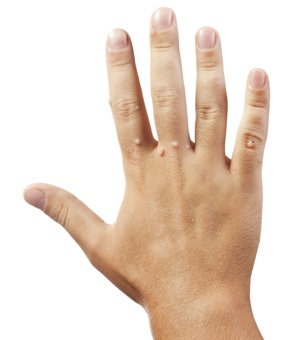
Warts are one of the most common – and troublesome -skin conditions in childhood. A common infection caused by a virus, warts can turn up anywhere on the body but for most children, warts are most commonly found on the hands and feet.

While many warts will eventually disappear on their own after being reabsorbed by the body, they can bleed when knocked and cause the sufferer some pain and embarrassment. Other warts simply won’t leave on their own so in most cases, so it is generally recommended by health professionals to take some type of action towards wart removal to avoid cross-infection and the possible spread of warts to other parts of the body.

Wart removal products

With warts being so prevalent in the community, it’s no surprise that there are many wart removal products methods available. However, what may work well for one wart may have no impact on another so it pays to be prepared try a range of methods when aggressively tackling a wart problem head-on.

The most common methods of wart removal include:

  • At-home application of salicylic acid – most the wart removers sold in chemists use salicylic acid to burn the wart off.
  • Chryotherapy – this involves a health professional freezing the wart off, usually with liquid nitrogen.
  • Cantharadin – this is the juice of a blister beetle that is painted on by your doctor and left to form a blister over 24 hours. The dead skin of the wart is later removed by the doctor.

Frustratingly, some warts don’t respond to any of the OTC wart removal products at all. But before you consult a dermatologist, or other specialist, consider instead trying one of the old-fashioned home remedies for wart removal that so many sufferers swear by. Like all wart removers, you may have to try a couple before you find the perfect remedy that works for each wart.

Home remedies for warts

  • Cut a potato in half and rub the wart firmly with the potato half, making sure that the skin becomes saturated with raw potato juice. Repeat morning and night for two weeks to start seeing results.
  • Soak a cotton wool ball in apple cider vinegar and apply directly to the wart. Use a bandaid to fix the cotton ball to the wart. Remove after three to four hours. Repeat every day for three days to start seeing results.
  • Place a small square of duct tape over the wart and leave in place, removing only when you want to replace the tape. Continue for two weeks to start seeing results.
  • Rub the wart with the peel of an orange. The wart will turn orange and then darken and finally drop off. Continue for two weeks to start seeing results.
  • Paint the wart with a layer of clear nail polish. Repeat every second day. Continue for two week to start seeing a result.
  • Soak a cotton ball in fresh aloe vera and apply directly to the wart. Repeat each day for two weeks to begin seeing a result.
  • Rub a raw garlic over the wart every day for two weeks to begin seeing a result.
  • For plantar warts, apply the inside of a banana peel to the wart. The peel must remain in contact with the wart at all times. Continue for 3 – 4 days to see a result.
  • Apply the milk of a dandelion directly to the wart. Repeat every day for two weeks to begin seeing a result.
  • Rub castor oil onto the wart twice a day for two weeks to begin seeing a result.
  • Surprisingly, the duct tape cure remedy is the only remedy to have been medically researched and proven to work.
  • The most popular – and anecdotally successful – home remedy is the apple cider vinegar remedy, which apparently work to redress the skin’s pH balance and thus eliminate the wart.

Vitamin cures

It’s not just foods (and duct tape) that work a miracle wart cure. Some vitamins reportedly work miracles too:

  • Before going to bed, prick open a vitamin E capsule and carefully cover the wart with the oil. Cover the treated area with a band-aid, sock or glove and leave the oil on overnight. Repeat for two weeks to start seeing results.
  • Break a vitamin C tablet down to a similar size as the wart you are treating. Using a bandaid to keep it in place, tape the vitamin C tablet directly onto the wart. Change the bandaid and vitamin C tablet each day and repeat for two weeks to start seeing results.

Additionally, when you have warts you should eat a diet rich in vitamin A – the orange foods such as pumpkin, carrots, papaya, mangos and apricots – and garlic to boost your immune system.


This article was written by Ella Walsh for Kidspot, New Zealand’s best family health resource.

What is oppositional defiance disorder (ODD)?

If your child displays wilful behaviour that is disruptive, disrespectful and creates disharmony amongst his friends and family, you may be wondering if this is simply a stage he is going through – or could it be a symptom of a more serious behavioural condition such as Oppositional defiance disorder (ODD).

What is Oppositional defiance disorder?

Oppositional defiance disorder is a behavioural disorder that is thought to affect one in 10 children under 12 years, with boys outnumbering girls by two to one. The disorder can be seen in children as young as three years and consists of a pattern of negative, defiant and hostile behaviour that isn’t grown out of. A diagnosis of ODD is considered if your child exhibits at least four of the following behaviours for more than six months:

  • Regularly loses his temper and is often angry
  • Argues with everyone, particularly adults, and easily becomes resentful
  • Actively defies – or refuses to comply with – requests and rules
  • Tries to annoy people
  • Blames others for his misbehaviour
  • Displays spiteful or vindictive behaviour
  • Is moody, particularly touchy and easily annoyed by others
  • Has low self-esteem
  • Becomes frustrated easily

Because many children can be seen to display one or more of these behaviours as part of their development, a diagnosis of ODD is considered if these behaviours persist for more than six months and if they occur more often than is typical of other kids of the same age and developmental level.

Oppositional defiance disorder is considered particularly if these behaviours consistently cause problems at school, at home or standing in the way of forming friendships.

How can I find out if my child has ODD?

Because there is a world of difference between the behaviour of a naughty, wilful child working through a developmental stage and a child with Oppositional defiance disorder, it is important that you get your child professionally assessed if you are concerned about your child’s behaviour.

ODD can be diagnosed by a child psychologist, child psychiatrist or paediatrician who specialises in behavioural disorders. The diagnosis is made by way of interviews with the child in questions as well as parents and carers, along with a comparison of the child’s behaviour with an ODD behaviour checklist.

How can I help my child with ODD?

Because a child with unmanaged Oppositional defiance disorder can grow into an antisocial adult who struggles to maintain meaningful relationships, early intervention and treatment of ODD is important.

Treatment of ODD involves the entire family and includes strategies such as:

  • Parent training. With specific training, parents can interact and manage their child’s behaviour in a way that encourages good behaviour.
  • Family therapy. By involving all family members in therapy, effective ways of communicating and problem solving are discovered and implemented.
  • Consistency of care. ODD kids need structure to thrive so it is vital that all carers – including parents, teachers and extended family – manage the behaviour of an ODD child consistently.

Tips for parents

  • Identify triggers. When you know what can set your ODD child off, you can help him to develop coping skills to deal with these triggers. Don’t try to avoid these triggers because this won’t teach him how to cope; instead stay calm and help him negotiate his way through a tricky situation.
  • Work on developing compliance and coping skills. ODD kids need structure and training to help them develop coping skills for everyday life. Expecting compliance from your child may be a daily struggle but if you teach him coping skills that work, you will begin to see a calmer, more compliant child.
  • Pick your battles. With a child with ODD, you could be waging war all day, every day – which is exhausting for everyone. Instead, avoid constant power struggles by setting limits ahead of time and expecting your child to comply.
  • Be prepared. Always have a plan for defiant behaviour before it occurs. Knowing that there is an exit strategy when a meltdown is in progress, will help you stay calm and not reward the defiant behaviour with your attention.
  • Talk to other parents in the same boat. As the saying goes, a problem shared is a problem halved – and this is particularly true when parenting a defiant child. Not only does talking to other parents with ODD kids give reassurance that you are not in this alone, it offers a practical forum for strategy-sharing.
  • Praise good behaviour – but be specific. Rather than a general, ‘You’re a good boy’, ODD kids do better with praise that recognises specific acts as it reinforces their compliance. Instead try, ‘Thank you for putting away your toys when I asked’.


This article was written by Ella Walsh for Kidspot, New Zealand’s best family health resource.

Animal bites and scratches

Wounds caused by cats and dogs can become easily infected because of bacteria on their claws and teeth. There are a few things you need to keep in mind when it comes to bites and scratches from cats and dogs.

Dog bites:

  • Children between the ages of one and four are at the greatest risk of being bitten by a dog.
  • Small children are at the greatest risk because of their size, but also because they often don’t behave appropriately around dogs – pulling their tail, taking their food, putting their face into the face of the dog.
  • All dogs – regardless of temperament, age, or breed – can bite.
  • The beloved family pet is the most common biting culprit.

Cat scratch disease:

  • Cat scratch disease is an infection that is spread by fleas amongst cats.
  • The infection can be passed on to humans if an infected cat uses its claws to break the skin.
  • Cat scratch disease usually appears as a lump at the site of the broken skin. This may last for several weeks and result in a gland (usually in the armpit or groin depending on where the scratch occurred) becoming sore and swollen.
  • While most infections disappear without the need for any medical attentions, occasionally it’s necessary to take a course of antibiotics.

Preventing bites and scratches:

  • Always supervise young children near dogs – even the family pet!
  • Make sure that your dog is properly trained to sit, stay, drop and come.
  • Choose a breed that is suited to your families’ lifestyle and environment.
  • Teach your child to always ask permission from the owner before approaching an unfamiliar animal.
  • Never surprise a sleeping or eating dog.
  • Teach your child to stay calm, stand still and avoid eye contact rather than jump and shout, if he’s approached by an unfamiliar dog.
  • It’s your responsibility to keep your child safe around animals so teach him how to behave safely around animals.

If your child is bitten:

  • Always clean and disinfect the site of a scratch or bit thoroughly
  • If there is any sign of infection (red, hot, swollen), see your GP for advice.
  • Keep your child’s tetanus immunisation up to date to avoid the risk of tetanus.


This article was written by Ella Walsh for Kidspot.

Diagnosing stomach aches

Stomach aches are one of the most common ailments amongst babies, children and adults. And although they can vary in nature from mild to extremely painful, the vast majority of tummy aches pass quickly and are not a symptom of anything more sinister than gas or indigestion.

But a child complaining of non-specific stomach pain is not something that is easily ignored. A child in pain can become easily upset so it helps if you understand the type of stomach ache your child is suffering from, what has caused the stomach ache, some simple remedies as well as when you should be concerned.

Causes of stomach aches

The term ‘stomach ache’ is used to cover any and all types of pain experienced in the abdominal area – but anyone who has suffered a stomach ache knows that one stomach ache can be quite different from another. Not only can a stomach ache occur high up under the ribs or down low in the guts, but it can also be experienced as crampy and gurgling or sharp and stitch-like.

Understanding what causes the different types of stomach aches will help you give your child comfort and ease his pain:

Colic

A common cause of upset in babies under six months old, colic describes the unexplained stomach pain experienced by otherwise healthy babies for part of most days. Colic is diagnosed in about 20% of all babies. Aside from being extremely unsettled, babies with colic will extend their legs and then pull them up hard against their belly, as well as pass excessive gas. There is no cure for colic but the vast majority of babies will have outgrown the condition by five months.

Gastroesophageal reflux

Gastroesophageal reflux disease (GERD) is a condition that can occur in babies. Much like heartburn in adults, GERD causes food and digestive juices to come up into the oesophagus which then burn the sensitive lining and cause major discomfort. Symptoms of GERD include abdominal pain which results in the arching of the back and drawing up of the knees. Babies with GERD tend to outgrow the condition by their first birthday, but if you suspect GERD, consult your doctor who may recommend tests to diagnose the condition. Medications and special foods can help ease the symptoms.

Constipation

Constipation is often the cause of mysterious stomach aches that come and go. Young children – particularly those who are toilet training – often get constipated when they hold on to a bowel movement rather than go when nature calls. Constipation can cause sharp stomach aches that are centred around the left side of the belly and nausea. Increasing fibre and fluid in the diet will bring relief to this condition.

Diarrhoea

Abdominal cramping and gurgling guts are the most common types of stomach ache that accompany diarrhoea. As diarrhoea can accompany both viral and bacterial infections, along with food poisoning and parasites, it is best to keep a close eye on it (look out for other symptoms what may indicate a more serious condition) and to treat the tummy ache that comes with diarrhoea with gentle massage and a warm wheat bag on the tender area.

Worms

An infestation of roundworms can cause bad stomach aches if the infestation has been allowed to get out of hand. A stomach ache caused by worms stems from bloating and excessive gas. It can also cause cramps and possibly diarrhoea and will not respond well to any home remedies. Anti-worming medication is really the only thing that will improve this type of tummy ache.

Gastroenteritis

Gastroenteritis, or more commonly known as ‘stomach flu’ or ‘stomach bug’, occurs after a viral or bacterial infection. The stomach aches that come with gastro are usually connected to vomiting and/or diarrhoea so can involve bad abdominal cramping and sharp pain up under the ribs due to the spasming that occurs with bouts of vomiting. The best ways to ease the tummy aches that come with gastro are by offering small sips of clear fluids, plenty of rest and paracetamol for the pain.

Indigestion

Stomach aches that are sharp and high and are possibly made worse by taking a deep breath, are usually due to indigestion. Indigestion is a major cause of tummy ache in kids and is usually due to overeating, eating too quickly or drinking too many fizzy drinks or juices. Resting quietly with a hot water bottle over the tender area should provide some quick relief.

Anxiety

Stomach pain associated with anxiety is most common in kids aged 5 – 10 years old. These stomach aches often present as ‘butterflies’ in the tummy or diarrhoea-like symptoms. If suffering from this type of tummy ache, your child may want to sit on the toilet to find relief. Anxiety-induced stomach aches tend to disappear once the source of the stress is alleviated, so the best thing you can do to help your child is to uncover the problem and then work with your child on strategies to cope with the source of their anxiety.

Lactose intolerance

Lactose intolerance causes bloating, gas and diarrhoea. These symptoms will become worse with the ongoing exposure to dairy products. Aside from temporarily easing the stomach pain with rest, heat and sitting on the toilet, the best and only way to be rid of these types of stomach aches is to identify this intolerance and then to eradicate lactose from your child’s diet permanently.

Urinary tract infection

Stomach aches associated with urinary tract infection tend to produce tenderness when the pelvic area is touched, as well as frequent and painful urination. Urinary tract infections can also cause nausea, vomiting and fever. If you suspect your child has a urinary tract infection, you should see your doctor for treatment.

Appendicitis

When it comes to stomach aches, appendicitis is definitely not the first diagnosis you should jump to! While appendicitis is reasonably uncommon, it does occur and if you suspect your child is suffering from the condition, you should see your doctor immediately. Stomach aches caused by appendicitis get worse over a few hours. The pain is centred over the lower right hand section or middle of the abdomen and is tender to touch. Appendicitis may cause nausea and vomiting as well as a fever.

Stomach ache remedies you can try at home

  • Rest

    Encourage your child to lie down quietly for 20 minutes. Lying flat on his back with his knees bent is the best position to ease a tummy ache.

  • Heat

    Place a covered hot water bottle or heated wheat bag on the tender area to help ease the pain.

  • Drink water

    Small regular sips of water can help ease a tummy ache – be careful though not to let your child drink too much too fast as this can make the pain worse and can result in vomiting.

  • Massage

    Gently massaging your child’s stomach in a slow clockwise direction – which follows the direction of the digestive system – can help soothe a stomach ache.

  • Soothing tea

    Make a lemon tea sweetened with a little honey. This warm drink will help relax spasming stomach muscles. A weak ginger tea is also very effective at easing stomach ache but most children will struggle to drink it.

  • Sit on the toilet

    Encourage your child to sit on the toilet – for longer than a minute! Aside from the obvious benefits, the position he maintains while sitting on the toilet is an effective way of dispelling painful gas.

IMPORTANT!

Don’t give your child any medications for a stomach ache without consulting your doctor first. Laxatives can make a stomach ache worse by upsetting the bowels. Painkillers can mask more serious symptoms.

When to see your doctor about a stomach ache

Most stomach aches will resolve themselves naturally and aren’t the symptom of anything more serious than a little gas, but there are times when a stomach ache shouldn’t be ignored. Contact your doctor if:

  • The stomach ache is severe in the abdomen
  • It becomes worse with movement
  • The ache lasts longer than a couple of hours
  • The stomach ache is regular or occurs frequently
  • The stomach ache is accompanied by a fever
  • It is accompanied by a rash, or your child is very pale
  • The stomach ache results in vomiting that contains blood or is green
  • Your child is drowsy and floppy
  • Your child’s poo is black, which could indicate the presence of blood
  • When urination pain is experienced – always check for blood in his wee
  • Your child has strong pain elsewhere
  • Your child is experiencing pain in the groin, scrotum or testicles

This article was written by Ella Walsh for Kidspot, New Zealand’s best family health resource.

Fight Colds and Flu With These 10 Remedies

If you’ve been too slow in getting your flu shot for the season, or you want some additional immunity support, there are simple ways you can help protect yourself from the colds and flu.

Read our top ten ways you can reduce the length and severity of colds and flu, along with other simple remedies to make you more comfortable while you get through the winter bugs.

Chicken soup

Whether it’s because it’s a comfort food, if it’s the steam coming off it, or it does indeed have infection fighting characteristics, a variety of studies show that chicken soup does indeed help ‘flu victims feel better.

Liquid elderberry extract

Some studies have backed up the received wisdom that elderberry extract, if taken when initial symptoms appear, does have an antiviral effect against influenza and herpes simplex.

Fluids

Drinking plenty when you have the flu is key to keeping your discomfort to a minimum, without continuously replacing the fluids you are losing through fever and mucous build-up, you can quickly become dehydrated which can delay your recovery as well as make you feel so much worse than you should. Cool drinks can be soothing when you have a fever and hot drinks can be soothing when you have a sore or tickly throat. Whatever you choose, just drink, drink, drink!

Blow your nose

It’s true, when it comes to mucous, it’s better out then in. Blowing your nose regularly when you’re snotty is so much better than sniffing the mucous back and swallowing it. Do be careful, though, to blow gently as blowing your nose hard when you have the flu or a cold can cause acute ear pain.

Equalise your ears

One of the common symptoms of the flu is having blocked and sore ears as the fluid builds up in the middle ear. Equalising your ears regularly – pinching your nose with your fingers and gently blowing air into your nose for the count of 10 then releasing your nose, and then repeating this five times while you have flu or cold symptoms will keep the fluid moving and significantly reduce the chance of a secondary ear or sinus infection. Equalising will also provide temporary relief from the uncomfortable stuffed-up feeling many cold and flu sufferers experience.

Gargle

Gargling is a great way to tackle throat ailments, everything from a ticklish throat to a it’s-too-painful-to-swallow throat. Whether you choose a gargle from the chemist or simply use warm water and salt, gargling will soothe and disinfect your throat membranes and moisten a dry sore throat.

Steam inhalations

Steam inhalations help thin the mucous that’s making you stuffy and clogging your chest. Several times a day, pour boiling water into a bowl – you can add a couple of drops of tea tree or eucalyptus oil into the water too. Place a towel over your head and then lower yourself so that your face is over the boiling water and the towel is creating a tent around you. Breathe the steam in deeply and slowly until the water begins to cool. As steam is generally good for getting mucous moving, hot showers also have a health benefit.

Chest rubs

There is something so automatically comforting about rubbing something menthol-y on your chest and back when you’re sick that it has to be good, right? Happily, chest rubs do have a medicinal use beyond making you feel nurtured. Eucalyptus, camphor and menthol rubs all work to soothe chest congestion and the vapours that are released from contact with your warm skin will help clear your congested head.

Elevate your head when sleeping

Aside from the general aches and pains that come with the flu, chest and head congestion can make it really difficult to get the rest you need when fighting a bug. The best way to get and stay comfortable in bed when you have the flu is by elevating your head with an extra pillow or two. By keeping your head and chest higher than the rest of your body, you’ll avoid them ‘filling up’ when you lie flat. Coughs too can be improved at night by simply sleeping with your head in an elevated position.

Cool compresses

If you’re having trouble controlling your fever, use cool (not cold) compresses on the pulse points around your body – the wrists, neck and throat – to cool your blood as it passes close to the surface of your skin. You can also find relief from blocked sinuses by laying cool or warm compresses across the painful areas of your face.

This article was written by Ella Walsh for Kidspot, New Zealand’s best family health resource.

Non-hodgkin’s lymphoma

Non-Hodgkin’s lymphoma, or NHL, is a form of cancer that begins in the lymphatic system. The lymphatic system is part of the body’s immune system and helps your body fight off illnesses. Non-Hodgkin’s lymphoma is more common in adults, but it does occur in children. The difference between non-Hodgkin’s lymphoma and Hodgkin’s lymphoma is the way the cancer cells look.

The lymph system

The lymph system has small storage units throughout the body called “nodes.” These nodes are found in the neck, armpits, groin, chest, and abdomen. This part of the immune system also includes the bone marrow, spleen, thymus gland and tonsils.

When cancer cells invade the lymph system, it can form small lumps. These lumps usually don’t hurt. Because small tubes connect the lymph system to all the areas of the body, these cancer cells can take up residence just about anywhere in the body.

What causes lymphoma?

Doctors aren’t really sure what causes lymphoma, but they believe it may be a combination of factors, including:

  • Exposure to radiation
  • Exposure to certain chemicals
  • Infections and viruses, including HIV and Epstein-Barr

Symptoms may include:

  • Swollen lymph nodes in your neck, armpit or groin
  • Abdominal pain or swelling
  • Chest pain, coughing or trouble breathing
  • Fatigue
  • Fever
  • Night sweats
  • Weight loss

Prognosis and treatment

Non-Hodgkin’s lymphoma is harder to treat than Hodgkin’s lymphoma, but it is curable. Treatment may include radiotherapy, chemotherapy, steroid therapy, immunotherapy, and/or stem cell transplants. Doctors use a physical examination, biopsies, scans, x-rays, and blood tests to diagnose the disease.


Written by Rebecca Stigall for Kidspot, New Zealand’s parenting resource for family health.

Ewing sarcoma and bone cancer

Ewing sarcoma is a form of primary bone cancer. Primary bone cancer is different from secondary bone cancer in that the cancer begins in the bone. In secondary bone cancer, the cancer begins somewhere else and spreads to the bone.

Bone cancer is very rare and primary bone cancer is even rarer. Other types of primary bone cancer include:

  • osteosarcoma
  • malignant fibrous histiocytoma
  • chondrosarcoma

Symptoms

Bone cancer symptoms may appear similar to other illnesses. As a matter of fact, Ewing sarcoma is so rare that, if your child has any of the following symptoms, he probably does not have bone cancer. Still, it’s a good idea to be aware of the symptoms and have your child checked out to rule out a serious condition.

The signs of Ewing sarcoma include:

  • Painful bones and joints
  • Swelling of bones and joints
  • Problems with movement
  • Susceptibility to fractures
  • Unexplained weight loss
  • Tiredness
  • Fever and sweating

Diagnosis and treatment

If your child’s doctor suspects he has osteosarcoma, he will do a series of tests that may include bone scans, biopsies, and MRI’s. Treatment may include radiotherapy, chemotherapy, and/or surgery to remove the affected bone and surrounding tissue.


Written by Rebecca Stigall for Kidspot, New Zealand’s parenting resource for family health.

Salmonella and salmonellosis

Salmonellosis is a sort of “stomach flu” caused by eating food that is contaminated with salmonella germs. Several salmonella germs can cause salmonellosis, and some of them make people so sick that they can die. Whenever an outbreak of salmonella occurs, health agencies need to know where it came from so that other people don’t get sick. Since the germs that cause salmonella live in people’s poo, you need to make sure that you and your kids always wash your hands.

What causes salmonellosis?

Salmonellosis is caused by one of about a dozen salmonella bacteria. There are more than 2,000 salmonella bacteria, but most of them are harmless to humans. Salmonella bacteria live in undercooked meats and eggs. If you eat contaminated meat, poultry and eggs you can get sick. Salmonella bacteria also live in human poo, so you can get salmonellosis from someone who either has, or has come into contact with, the virus if they don’t wash their hands after using the bathroom. Sometimes you can get salmonella from contaminated fruits and vegetables that have been washed with contaminated water or that have been fertilised with contaminated fertiliser.

Is salmonella serious?

Salmonella causes the ‘stomach flu’, which is also called gastroenteritis. How serious the illness gets may depend on how many of the bacteria your child has ingested. Young children may be at risk of serious salmonellosis because they can dehydrate quickly, resulting in a dangerous medical condition. If the salmonella bacteria enter your child’s bloodstream, it can cause an infection of the brain and spinal cord (meningitis), the lining of the heart (endocarditis), and/or the cones or bone marrow (osteomyelitis).

Can I prevent salmonellosis?

The best way to prevent getting sick is to make sure that your family avoids foods that are not cooked or handled properly. Teach your kids to always wash their hands thoroughly and often, especially after they use the bathroom and before they eat. Always wash your hands before and after preparing food.

How do I know if my child has salmonella?

The symptoms of salmonellosis are a lot like other illnesses that cause gastroenteritis. If your child gets sick from salmonella germs, he will probably experience the following symptoms:

  • Fever
  • Nausea
  • Vomiting
  • Diarrhoea
  • Chills
  • Headache
  • Abdominal pain
  • Muscle aches
  • Possibly blood in his stool. Your doctor can perform a test on your child’s poo to determine if he has salmonellosis.

How do I treat salmonellosis?

Your child might need antibiotics to cure the infection, and your doctor might recommend an anti-diarrheal medication to help with the diarrhoea. But, the best things you can do for your child if he gets salmonellosis is to make sure that he gets lots of bed rest, and plenty of fluids to prevent dehydration. Keep him away from other children until he is better. Although his symptoms might clear up in only a few days, your child can carry the bacteria in his poo for weeks, so make sure that he always washes his hands after using the bathroom.

Should I call the doctor?

You should always call the doctor if you suspect that your child has salmonellosis. Salmonella bacteria infections are a public health concern and have to be reported. If you suspect salmonellosis, save any food you think might have caused it.

If your child is sick and is showing signs of dehydration, call the doctor right away. Signs of dehydration may include:

  • Lack of tears when crying
  • Dry mouth and tongue
  • Sunken eyes
  • Small urine output

What you need to know about salmonella

  • Salmonella is a kind of ‘stomach flu’.
  • It is usually caused by the salmonella bacteria, which is found in undercooked meat, poultry, or eggs, and in fruits and vegetables that have been washed with contaminated water or fertilised with contaminated fertiliser.
  • Salmonella can cause dehydration.
  • Your child may need antibiotics to help clear up the infection.


Written by Rebecca Stigall for Kidspot, New Zealand’s parenting resource for family health.

Swimmer’s ear

Swimmer’s ear is an infection of the ear canal between the eardrum and the outer ear. It’s sometimes called Otitis Externa or acute external otitis. It’s called swimmer’s ear because kids who swim often are prone to the infection. Water can get into their ear canal and give germs a good place to live and grow. Infections of the ear canal can also occurs if kids stick objects in their ears, or even as a complication of diabetes, so it’s not always caused by swimming.

What causes it?

Swimmer’s ear occurs when bacteria infect the ear canal. This can happen when the canal is continually wet from swimming, when kids stick objects in their ears, when ear wax changes due to diabetes, when a hair follicle in the ear canal becomes infected, and even if the ear canal is too narrow. In some cases, infections are caused by fungi and/or viruses.

Is it serious?

Swimmer’s ear is not usually serious, but if you don’t get treatment, swimmer’s ear can lead to more serious infections of the inner ear, and the bones and cartilage around the ears. Untreated infections might cause hearing loss. In very rare cases, the infection can spread to the other parts of the body including the brain.

Can I prevent swimmer’s ear?

Prevent swimmer’s ear by keeping your child’s ears dry. Have her use earplugs when she swims, and remind her to never put objects into her ears.

How do I know if my child has swimmer’s ear?

Ear infections hurt. If your child is very young, she might pull on her ears or be irritable. Older children might complain of pain, itching in their ears, or not being able to hear well. You might notice fluid or pus draining from the infected ear(s). Some kids with more severe infections might have a fever.

How do I treat swimmer’s ear?

Your doctor can help you treat your child’s swimmer’s ear with medications like antibiotics and medicated ear drops. He will look in your child’s ear with a special instrument to verify what kind of infection she has first. Since she will probably be pretty uncomfortable, you can use warm compresses and paracetamol for ear pain. She shouldn’t get water in her infected ear(s) while she’s being treated, so use a cotton ball with a bit of petroleum jelly at bath time. You can also use cotton balls to keep medications from leaking out of her ears.

Should I call the doctor?

Because ear infections can lead to more serious problems, it’s always a good idea to call the doctor when your child complains of ear pain, even if the pain isn’t really bad. If your child is taking medication for an ear infection but doesn’t seem to be getting better, call your doctor and let him know. He might need to prescribe a different treatment.

What you need to know:

  • Swimmer’s ear is an infection of the ear canal that happens when bacteria gets into the ear and grows.
  • It is usually not serious if it is treated properly.
  • Swimmer’s ear can be uncomfortable.
  • It is treated with antibiotics and other medications.

How to Take Your Child’s Temperature

If your child is sick and you call the doctor, he may ask you whether or not your child has a fever. The only way to accurately determine if your child has a fever and how high that fever is, is to take your child’s temperature.

There are two things you need to know to help your child’s doctor assess your child’s temperature:

  • How to take your child’s temperature
  • Where to take your child’s temperature

Knowing how to take your child’s temperature helps you get the most accurate reading possible, and telling your doctor where you took the temperature (e.g., under the arm, orally, rectally, in the ear, etc.), helps your doctor gauge how serious your child’s fever really is.

Several advances in digital technology have given parent’s new and easier ways to take their child’s temperature. Digital thermometers can be used under the arm (axillary temperature), in the ear (tympanic temperature), and in the mouth (oral temperature). Still, the most accurate way to take a child’s temperature, especially for very young children, is in the child’s bottom (rectal temperature).

Digital thermometers are generally considered safer to use than traditional mercury thermometers because mercury is a toxic substance. They are designed to beep after they sense that the registered temperature is not going to rise any further.

Taking a rectal temperature

Taking your child’s temperature in her bottom gives you the most accurate reading. Using a rectal mercury thermometer (the one with the rounded tip) or rectal digital thermometer, prepare the thermometer by covering it with a plastic probe cover designed for rectal use and dip it in a bit of white petroleum jelly to make it easier and more comfortable to insert.

With your child lying, belly down, across your lap or on a changing table, gently insert the thermometer into the anus about 1.25cm for very young children to 3cm for older children. You will need to stay with your child and hold the thermometer in place. Remove the thermometer after three to five minutes and read the result. Digital thermometers beep to let you know when to remove them. It is very important, when taking a rectal temperature, to use only a rectal mercury or digital thermometer. These thermometers are specially made with rounded tips to prevent damage to delicate rectal tissue.

Taking an underarm temperature

Taking a temperature under the arm is called an axillary temperature, and gives the least accurate reading. Under arm temperatures can be up to 0.5° to 1.2°C lower than actual body temperature. However, taking your child’s temperature under the arm is usually easier and faster than struggling to get an oral temperature from a wriggling and/or crying child.

To take your child’s axillary temperature, raise her arm and place the thermometer snuggly into her arm pit with the tip of the probe about mid pit. Lower her arm and hold it flat against her side until the digital thermometer beeps, or for three to five minutes for a mercury thermometer.

Taking an oral temperature

Taking an oral temperature is one of the best ways to get the most accurate reading. However, children under the age of four should have their temperatures taken rectally or under the arm because they may bite the thermometer.

Using a digital or mercury thermometer, place the thermometer tip directly under your child’s tongue. Have the child lower his tongue and close his mouth, but instruct him not to bite down on the thermometer. Wait until the digital thermometer beeps signaling it is done, or for three to five minutes for a mercury thermometer, remove the thermometer and read the result.

Taking your child’s temperature orally might not be possible if he is very congested, because he won’t be able to breathe with his mouth closed. If your child is very congested, try taking his temperature under his arm.

Taking a tympanic temperature

Tympanic temperatures can only be taken with specially designed ear thermometers. You cannot use a mercury thermometer or regular digital thermometer to take a tympanic temperature. They are not safe to insert into the ear and are not designed to correctly register a tympanic temperature.

Using an ear thermometer, gently tug on the ear to straighten the ear canal. Place the end of the ear probe into the ear canal. Once the digital ear thermometer beeps, it’s ready to read.

Don’t take your baby’s temperature with an ear thermometer. Ear thermometers are not designed for use in infants because their ear canals are so small. Ear thermometers only work properly if they are kept clean. Wax build-up on the thermometer can affect the reading, so be sure to clean the thermometer properly after each use or use a disposable probe cover.

What you need to know about taking your child’s temperature

  • Tell your doctor where you took your child’s temperature; eg. ‘His temperature is 39°C under the arm’ or ‘Her temperature is 40°C orally”.
  • Digital thermometers are considered safer than mercury thermometers and are reasonably priced.
  • Clean your thermometer thoroughly after each use. Don’t use hot water on a mercury thermometer as it can cause the thermometer to burst.
  • Never leave your child unattended while taking their temperature.
  • If your child has been snuggled up in a warm bed or just taken a bath or shower this can affect the temperature reading. Allow 15 minutes and retake their temperature.

Written by Rebecca Stigall with editing by the Kidspot NZ team.

All about tonsillitis

The tonsils are little buds at the back of the throat and are part of the body’s immune system. They help keep us from getting sick when germs enter the mouth by killing bacteria and viruses. Sometimes these tiny organs can become infected and sore; this is called tonsillitis. Most tonsil infections are not serious and disappear in a few days. But, some are more serious and need to be treated with antibiotics. Your child’s doctor will be able to tell you what has caused her tonsillitis and how to treat it.

What causes tonsillitis?

Tonsillitis is caused when bacteria or viruses infect the tonsils. Although anyone can get tonsillitis, children are more prone to it as they do not yet have as much immunity to illnesses as adults. Children get twice as many sore throats as adults – Children have 6-8 episodes, while adults have 2-3 episodes.

Most of the time, tonsillitis occurs because of viruses, but, in about 15% of cases, it’s caused by bacteria.

Is tonsillitis serious?

The majority of tonsillitis is not serious, but when it’s caused by bacteria and not treated correctly, tonsillitis can lead to infections of the nose, ears, and sinuses, as well as glue ear and quinsy.

Can I prevent tonsillitis?

Tonsillitis itself is not contagious, but the germs that cause it are, so be sure to teach your kids to wash their hands properly and often. Keep your kids away from other sick kids, and, if your own child is sick, keep her home to prevent infecting other children.

How do I know if my child has tonsillitis?

Tonsillitis hurts. Your child might complain that it hurts to talk, eat and swallow. She may also have a fever, swelling under each side of her jaw, and pus on and around her tonsils.

How do I treat tonsillitis?

How you treat tonsillitis depends on what caused it. If it’s caused by a virus, it should go away on its own in a few days, but you’ll need to keep your child comfortable. Give her paracetamol for fever and pain, and make sure she gets lots of rest and fluids. Don’t be too worried if she doesn’t want to eat for a couple of days – her sore throat may make her lose her appetite. Offer soft cool foods such as ice cream and ice-blocks to soothe her throat.

Tonsillitis caused by bacteria will probably need to be treated with antibiotics. Your doctor is the only one who can tell what has caused your child’s illness. He might use a swab to collect a sample from your child’s throat for testing. Use the same at-home treatments for bacterial tonsillitis as viral tonsillitis.

If you child suffers from chronic tonsillitis – repeated separate episodes of tonsillitis each year that effect your child’s day-to-day life – you may be referred to a specialist for a tonsillectomy, the surgical removal of tonsils. This is now considered a last resort action and doctors will try to resolve tonsillitis without surgery.

Should I call the doctor?

It’s a good idea to call the doctor whenever your child has a very sore throat so that he can check to see what’s causing it. Call him right away if your child has a fever of more than 39ºC, if she has a stiff neck, can’t swallow or is drooling. These can be signs that the infection is very serious and needs immediate medical treatment.

What you need to know about tonsilitis

  • Tonsillitis is a common childhood infection caused by either a virus or bacteria.
  • Viral tonsillitis usually goes away on its own in a few days, but tonsillitis caused by bacteria might need antibiotic treatment.
  • Most doctors no longer recommend removing the tonsils as a form of treatment.

Staph infections

Staph infections, or golden staph, are bacterial infections caused by Staphylococcus aureus, or S. aureus bacteria. Staph bacteria live on the skin and in the nose, but they can cause infections if they enter a cut, sore, or other wound. Good hygiene is the best way to prevent a staph infection. Some strains of bacteria have become resistant to commonly used antibiotics. This means that staph infections can sometimes be hard to treat.

What causes staph infections?

When bacteria that are normally present on the skin get into an open wound, like a sore or cut, they can cause skin infections such as boils, abscesses, and impetigo (school sores). Staph bacteria can spread from person to person, and even on inanimate objects that have been handled by someone with a staph infection.

Are staph infections serious?

Most staph infections are not serious and are easily treated. However, some bacteria have become resistant to antibiotics and are included in a group of MROs (multi-resistant organisms). Strains of staph bacteria that include MROs are called MRSA, Methicillin-resistant strains of S. aureus, and VRSA vancomycin-resistant strain of S. aureus, according to the antibiotic that they resist. In very serious cases, staph bacteria can infect the heart, lungs, bones and bone marrow, veins, and brain. In rare cases, staph infections can lead to a condition called sepsis, where the infection enters the bloodstream. Sepsis can cause death.

Can I prevent staph infections?

Thorough and frequent hand washing can prevent staph infections. Clean and cover all wounds, and teach your kids to avoid sharing towels, razors, athletic equipment, and other personal items with their friends. Staph bacteria can live longer on inanimate objects than some other bacteria, making it easier to get staph infections from inanimate objects.

How do I know if my child has a staph infection?

Symptoms of a staph infection include pimples, sores, boils, and abscesses. You can’t tell the difference between a mild staph infection and MRSA/VRSA by looking. Your child’s doctor can do a test that can determine which type of infection your child has. A staph infection may also be accompanied by a fever.

How do I treat staph infections?

Staph infections are hard to treat because so many antibiotics no longer work against them. Penicillin works on less than one in ten staph infections and methicillin works on fewer than half. Your child’s doctor may need to try several different kinds of antibiotics to clear up your child’s staph infection. Identifying the type of staph bacteria involved, may help your doctor decide the best form of treatment.

If your child has a staph infection, he may need to be hospitalised for treatment and may be isolated from others during treatment. Make sure that he does not share personal items with friends or family members and wash his clothing, towels, and bedding thoroughly and separately.

Should I call the doctor?

Always call the doctor for treatment if you suspect your child has a staph infection. He will need treatment to prevent serious complications and to avoid infecting others.

What you need to know:

  • Staph bacteria, which normally sit on the skin and in the nose, cause staph infections.
  • They can be serious if they spread to the organs or the bloodstream.
  • Staph infections can be hard to treat because many bacteria have become resistant to antibiotics.
  • Infections are spread through contact with infected persons or contaminated items.


Written by Rebecca Stigall for Kidspot, New Zealand’s parenting resource for family health.

Scarlet fever

Scarlet fever is an illness that sometimes occurs when your child gets strep throat. Kids from five to fifteen are most a risk for contracting scarlet fever and will have a fever, rash, and a ‘strawberry tongue’. It was once considered a life-threatening illness, but antibiotics have made it far less intimidating. Still, scarlet fever is very serious and needs to be treated by a doctor.

What causes it?

Scarlet fever is caused by a strain of streptococcus bacteria. Streptococcus bacteria also cause streptococcal sore throat, or strep throat. In scarlet fever, the bacteria produce toxins that can enter the bloodstream and infect other parts of the body, resulting in a more serious illness. The streptococcus bacteria are contagious and are generally spread through sneezing and coughing. Your child can get scarlet fever as soon as one to three days after being exposed to it.

Is scarlet fever serious?

Scarlet fever is rare, but serious. Left untreated, scarlet fever can result in infections of the heart, lungs, kidneys, skin, and nervous system. Complications of scarlet fever include rheumatic fever; bacteremia , a bacterial infection of the blood; an infection of the lining of the heart; and meningitis, inflammation of the brain and spinal cord, are less likely to occur if your child is treated soon after getting sick.

Can I prevent scarlet fever?

Scarlet fever can be prevented with thorough hand washing and by avoiding people who have the illness. Teach your kids to wash their hands often and don’t share drinking cups and eating utensils with other kids. If your child has scarlet fever, keep them home until she is better to prevent the illness from spreading.

How do I know if my child has scarlet fever?

Scarlet fever is almost always accompanied by a sore throat and high fever. It usually comes on suddenly and may include symptoms such as:

  • Nausea and vomiting
  • Headache
  • Difficulty swallowing
  • A rash may appear on the second day of the illness. The rash looks a bit like sunburn and appears on the neck and torso, and in the folds of the arms, legs, and groin. The rash will probably last between two and five days and your child’s skin might peel after the rash goes away.
  • Kids with scarlet fever might also have a symptom called ‘strawberry tongue’, where the tongue looks redder than normal and the bumps on the tongue are bigger, making the tongue look a bit like a strawberry.

How do I treat scarlet fever?

Scarlet fever has to be treated by a doctor. Your child’s doctor will probably give her antibiotics for the infection. You can give them paracetamol for fever, sore throat and body aches. Your child will probably be irritable and miserable, so make sure that they gets lots of bed rest and liquids while she is sick. You can try using calamine lotion for the rash if your child is uncomfortable. Keep them away from other kids until she has been treated with antibiotics for at least one day to prevent spreading scarlet fever to others.

Should I call the doctor?

Always call the doctor if you think your child has scarlet fever. The key to a quick and complete recovery from scarlet fever is to begin treatment early. Also, if your child is being treated with antibiotics for scarlet fever, but does not feel better in two to three days, call your doctor.

What you need to know:

  • It is most common in kids from five to fifteen.
  • You can treat it with antibiotics, rest and plenty of fluids.

Written by Rebecca Stigall for Kidspot, New Zealand’s parenting resource for family health. Sources include Ministry of Health NZ, Better Health Channel, Health and Health Insite.

All about Roseola

Roseola infantum is a common childhood infection and most kids have contracted it by the time they are five.

What causes roseola?

It is caused by a herpes virus, usually human herpes virus 6 (HHV6) or human herpes virus 7 (HHV7). These are not the same herpes viruses that cause cold sores or genital herpes. Roseola is contagious and spreads when someone who has the virus coughs or sneezes. Your child can also get it from sharing toys or cups with a child that has the virus.

Is it serious?

Roseola is generally not serious. Kids who develop an extremely high fever – 39.4°C or higher – may be at risk for seizures.

Can I prevent roseola?

Like any virus, it is best prevented by thorough and frequent hand washing. If your child has roseola, keep her home from school or child care until she is no longer contagious, usually once the fever breaks. Once your child gets it, she will be immune from the effects of the virus.

How do I know if my child has roseola?

Roseola is characterised by a high fever (39°C or higher). Once the fever goes away, your child may develop a fine rash on her torso. The rash may or may not spread to the face, arms, and legs. The rash does not itch but may be hyper-sensitive and can last from three hours to three days. Your child may also have diarrhoea, a sore throat and a runny nose.

How do I treat roseola?

The best way to treat roseola is to manage the symptoms while the virus runs its course. Give your child paracetamol for fever and discomfort and monitor her temperature. Make sure that she gets lots of rest and plenty of fluids. Keep her home from child care or school until she feels better to prevent spreading the virus to other children. She should feel better in about a week.

Should I call the doctor?

Because high temperatures can cause febrile convulsions (seizures caused by high fever), consult your doctor if your child has a fever of more than 39.4°C. Call your doctor if the rash lasts longer than three days.

What you need to know:

  • Roseola is caused by a herpes virus.
  • It is characterised by a high fever followed by a fine rash.


Written by Rebecca Stigall for Kidspot, New Zealand’ s parenting resource for family health. Sources include Better Health Channel, Health and Health Insite.

Respiratory syncytial virus (RSV)

Respiratory syncytial virus, or RSV , is an upper respiratory infection common in children aged two and under. Most kids have had the virus by the time they are three. RSV infections are very common in the autumn and winter months.

What causes respiratory syncytial virus?

Respiratory syncytial virus is a viral infection that can cause bronchiolitis and pneumonia. Kids are infectious for up to ten days after they get sick so they can easily spread the illness to other kids through sneezing, coughing or other physical contact.

Is respiratory syncytial virus serious?

Most kids recover in a week to ten days. However, for some kids, the infection might be more serious and they may experience difficulty breathing.

Can I prevent respiratory syncytial virus?

Since it is caused by a virus, the best prevention against RSV is to teach kids to wash their hands. If your child gets RSV, keep her home from child care or school until she is no longer contagious. After your child gets RSV, she may be immune from getting it again for a while, but this immunity usually doesn’t last long.

How do I know if my child has respiratory syncytial virus?

RSV symptoms include cough, fever, runny nose and headache. They symptoms are much worse when the infection is severe, and your child might have a high fever, wheezing, severe cough and trouble breathing. Babies with RSV might not show any serious symptoms but might be irritable and listless. How do I treat respiratory syncytial virus?

Most kids recover from RSV in a week to 15 days. Make sure that your child gets lots of rest, plenty of fluids, and use paracetamol for fever and achiness. Keep her home from child care or school until she feels better.

Should I call the doctor?

There is usually no need to call the doctor unless your child appears to have a severe case of RSV. If your infant was premature, she may be more susceptible to severe RSV, so you should call the doctor right away.

What you need to know about RSV

  • Respiratory syncytial virus is also called RSV.
  • RSV is an upper respiratory infection common in young children.
  • RSV is spread easily.
  • Teach kids to wash their hands to avoid RSV.
  • RSV usually goes away on its own in a week or two.


Written by Rebecca Stigall for Kidspot, New Zealand’s parenting resource for family health.

Join the Catch Up

Join our community of parents and let the Kidspot Catchup be your guide to creating unforgetable family moments.