Content sponsored by BraveFace Jr.
“Everyone else has nicer clothes.”
“I’m the only one who isn’t allowed to go.”
“She’s prettier than me.”
If you’ve heard comments like these from your tween or teen, you’re not alone.
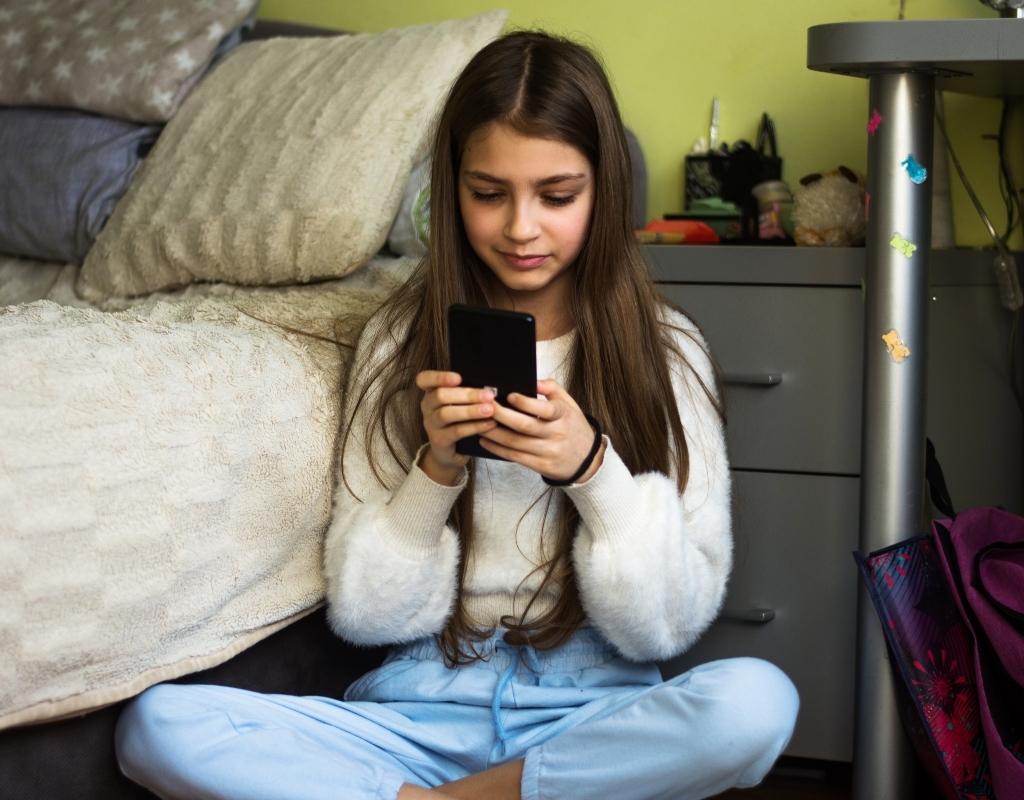
Growing up has always involved comparing yourself to others, but today’s young people are doing it on a scale no previous generation has experienced. Instead of comparing themselves to the handful of classmates they see each day, they’re comparing themselves to hundreds, even thousands, of carefully curated lives every time they pick up their phone.
For parents, it can be heartbreaking to watch. The confident child who once happily wore mismatched socks or proudly showed off a homemade drawing can suddenly become painfully self-conscious, convinced they’re not good enough.
The good news? While comparison may be part of growing up, parents play a powerful role in helping young people build confidence that comes from within.
Why comparison feels so much bigger today
Social media hasn’t created comparison. It has simply amplified it.
Tweens and teens are exposed to a constant stream of filtered photos, achievement announcements, holiday highlights, expensive gifts, friendship groups, sporting success and beauty trends. They’re rarely seeing the difficult moments, disappointments or ordinary days that make up real life.
Even when they know this logically, emotionally it can still feel as though everyone else is happier, more successful, more attractive or more popular.
Add in the pressures of school, sport, friendships and figuring out who they are, and it’s no wonder many young people feel they’re constantly measuring themselves against others.
The comparisons parents might not notice
It’s easy to assume teens are only comparing appearances, but the reality is much broader.
They may be comparing:
- Their grades with classmates.
- Their sporting ability.
- The number of followers or likes they receive.
- Family holidays or financial circumstances.
- Fashion and beauty routines.
- Friendship groups.
- Academic achievements.
- Relationships.
- How quickly they’re growing up compared with friends.
Sometimes these comparisons aren’t spoken aloud. Instead, parents might notice subtle changes such as withdrawing from activities they once loved, becoming unusually critical of themselves, avoiding social situations or asking for expensive products because “everyone else has them.”
What constant comparison does to confidence
Comparison isn’t always harmful. Seeing someone succeed can inspire us to work harder or try something new. The problem comes when comparison becomes constant.
When young people begin measuring their worth against everyone around them, they may start to believe they are only “good enough” if they look, perform, or live like someone else.
Over time, this can contribute to:
- Lower self-esteem
- Increased anxiety
- Perfectionism
- Fear of failure
- Body dissatisfaction
- Feeling they never measure up
Many teens become trapped in a cycle where no achievement ever feels enough because someone else always appears to be doing better.
How parents can help
1. Listen before trying to fix it
When your child says, “Everyone else is better than me,” the instinct is often to reassure them immediately. Instead, try getting curious first. Ask questions like:
- “What makes you feel that way?”
- “Has something happened recently?”
- “Who are you comparing yourself to?”
Sometimes simply feeling heard helps reduce the intensity of the emotion.
2. Avoid comparisons at home
Even well-intentioned comments can reinforce the habit of measuring worth against others.
Instead of saying: “Why can’t you be organised like your brother?”, try “Let’s work together on finding a system that works for you.”
Each child develops differently, with their own strengths, interests and challenges.
3. Celebrate effort, not just outcomes
It’s wonderful to celebrate achievements, but confidence grows strongest when children learn that effort matters too.
Notice things like:
- Persistence after setbacks.
- Kindness towards others.
- Creativity.
- Problem-solving.
- Responsibility.
- Courage to try something new.
These qualities aren’t dependent on being the “best.”
4. Talk honestly about social media
Rather than banning platforms altogether, encourage critical thinking.
You might ask:
- “Do you think this shows the whole picture?”
- “What do you think happened before this photo?”
- “Why do you think people post things like this?”
Helping teens understand that social media is often a highlight reel can make it easier to keep what they see in perspective.
5. Help them discover what makes them them
Children who have a strong sense of identity are often less vulnerable to constant comparison.
Encourage hobbies, interests and activities they genuinely enjoy, not just those that are popular.
Whether it’s baking, coding, mountain biking, kapa haka, music, volunteering or photography, passions help young people build confidence based on who they are rather than how they measure up.
6. Model healthy behaviour yourself
Children notice more than we realise. If they regularly hear adults criticising their own appearance, comparing incomes, houses or careers with others, they learn that’s how self-worth is measured.
Instead, try modelling gratitude and self-acceptance.
Comments like: “I’m really proud of how hard I worked today,” or “I’m grateful for what we have,” help shift the focus from comparison to appreciation.
When comparison becomes something more
Occasional comparison is a normal part of adolescence. However, if your child seems persistently unhappy, anxious, withdrawn, avoids school or activities they once loved, becomes obsessed with appearance or perfection, or their self-esteem appears to be affecting everyday life, it may be worth talking with your GP, school counsellor or another trusted health professional. Early support can make a significant difference.
The goal isn’t to eliminate comparison
The reality is that comparison will always exist. Adults do it too. The aim isn’t to stop our children noticing what others are doing. It’s to help them understand that someone else’s success doesn’t diminish their own.
Confidence doesn’t come from being better than everyone else. It comes from knowing your own strengths, accepting your imperfections and recognising that your value isn’t measured by likes, followers, grades or achievements.
As parents, every conversation that reminds our children they are loved for who they are (not what they achieve) helps build that foundation. And in a world that’s constantly encouraging young people to look sideways, that may be one of the greatest gifts we can give them.
 13 October, 2026