Kindness doesn’t have to be a grand gesture. For kids, it can be as simple as taking turns, saying thank you, helping someone out, sharing a toy or doing something thoughtful for another person. And while we might hope our children will naturally grow into kind, considerate people, kindness is also something they learn – through watching us, playing with others and having plenty of opportunities to practise.
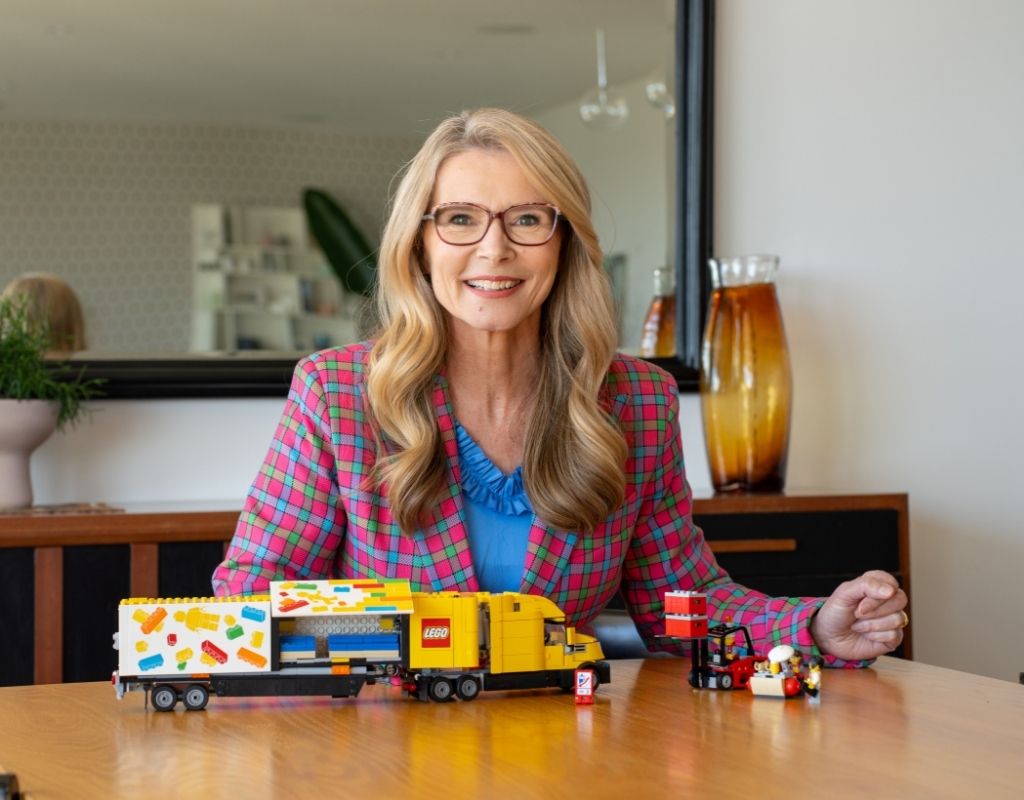
This Random Acts of Kindness Day on 1 September, LEGO® New Zealand has teamed up with Suzy Cato to show Kiwi whānau how everyday play can help make kindness a natural part of family life.
Why is teaching kids kindness important?
Tamariki are constantly learning from the people and world around them. They watch how we speak to others, how we respond when things don’t go our way and how we treat the people we love.
Play gives children a particularly useful space to explore these skills. Through imaginative and structured play, kids can practise patience, sharing, empathy, teamwork, communication and even how to handle the disappointment of not getting their own way.
And the best part? Teaching kids kindness doesn’t have to feel like another job for parents. You can build it into the everyday moments you already share as a family.
Suzy Cato shares five easy ways to encourage kindness through play and everyday family life.
1. Mini me – model the behaviour you want to see
Our tamariki are our “mini me’s”, and they learn from us parents more quickly (and on a much deeper level) from what we do than from what we say. Demonstrating kindness, patience, gratitude, and respect in everyday interactions, within our whānau as well as with others, shows our tamariki how to treat others and how to treat us – with kindness, patience, gratitude and respect.
2. Play is the way
Play provides the perfect opportunity to exhibit kindness, patience and inclusivity. Imaginative play is exceptionally so, as those playing have to learn to copy/mimic, negotiate/navigate, and compromise while playing.
Start them small with role playing every day activities – an imaginary tea party (pouring from an imaginary teapot into an imaginary cup and taking an imaginary sip) take them on an imaginary car/or horse ride (showing them a picture then, placing them on your knee; starting up the engine, holding an imaginary steering wheel with their hands in yours; driving along “streets”, curving around corners, coming to a holt when you reach the desired “location”, or walking, trotting, galloping along; jumping over fences on the “horse”).
As they grow, the imaginary play grows too, encouraging other family members to join: helping each other move furniture/boxes into place, taking turns being the bus conductor or train driver, or sharing ideas for the imaginary journey or adventure.
3. Build kindness into play
There are many ways structured play can make building kindness into play much easier. Following instructions, taking turns, and celebrating other people’s “wins” are all part of the journey and are great ways to develop social skills.
Building a LEGO® Duplo or Brick Set (depending on the age of your whānau) is the perfect example as, together, you look at the pictures, follow the instructions, take turns finding the pieces, and put them in place.
And the end result leaves you with either something to be displayed and acknowledged as something cool you’ve done together or played with, taking turns being the bus conductor or train driver, for hours on end.
Choosing a set that reflects the age and skill of your tamariki can also help keep frustration to a minimum, giving children a better chance to practise patience and enjoy the experience of creating something together.
4. Celebrate helpful behaviour
Call them what you will – star or reward charts – acknowledging and praising helpful behaviours reinforces the value your family holds in being kind and helpful, and it can be done in lots of fun, different ways. On You and Me we share a chore chart in our episode Chores, which is all about encouraging tamariki to be helpful around the home.
Design and create your own chart or “build a reward” together. Start a LEGO® brick “Wall of Wonderful”. Build a basic wall from LEGO® Duplo or Bricks, and when your child demonstrates kindness, invite them to add an interesting feature – a different coloured brick/a window/a turret/a character to sit on top – the options are endless with LEGO® brick creations.
Leave the brick creation in a prominent place and add to it as you celebrate the kindness in your whānau. Make sure you add something creative when your tamariki recognise something kind that you did, too!
5. Create kind gestures
As simple as a homemade thank-you card can be, it can mean the world to family and friends, and can be a great way for kids to not only be creative, but also consider the reasons why they’re saying thank you. What are they grateful for? How did someone help them or be kind to them? How did that make them feel? Do they do things like that, themselves, for others?
Of course you don’t have to stop at a card … baking, crafts and creations make the show of kindness bigger and can take the creativity to the next level (they can even keep the kids busy for longer!). Or include a couple of muffins, a colourful collage or a LEGO® brick creation. They don’t have to be big, they just need to come from the heart.
Easy acts of kindness for kids
The beauty of teaching kindness is that it can happen anywhere and at any age. You don’t need a special activity or a perfectly behaved child – just everyday opportunities to notice how our actions make other people feel.
Try encouraging your tamariki to:
- Help put away the groceries or tidy up a shared space.
- Let someone else have the first turn.
- Say thank you when someone helps them.
- Draw a picture for a grandparent, friend or sibling.
- Help a younger sibling with a game or activity.
- Notice when someone might need a helping hand.
- Celebrate someone else’s achievement, even when they didn’t win themselves.
And don’t worry if kindness doesn’t always come naturally. Kids are still learning how to manage big feelings, navigate friendships and understand other people’s perspectives. A gentle reminder and another chance to try can often be more useful than a lecture.
Small acts of kindness can make a big difference
Random Acts of Kindness Day is a lovely reminder for the whole family that kindness doesn’t have to be complicated.
A kind word, a helping hand, taking turns, sharing or creating a small surprise for someone can all make a difference to someone’s day. And when these moments happen regularly at home, they become opportunities for children to see kindness in action and have a go at it themselves.
So, next time you’re building together, playing make-believe or simply going about your family routine, look for those little moments. They might seem small, but they’re helping your tamariki learn important skills that they’ll carry with them as they grow.
Because raising kind kids isn’t about getting it right every time, it’s about giving them plenty of opportunities to practise.
 5 October, 2026