COVID-19 and Your Children

Updated 30 March 2020

With the continuing spread of the COVID-19 virusaround the world, we are hoping to avoid widespread community transmission here in New Zealand.

We have a great opportunity to do what we can to contain the spread, while we wait for a vaccine.

What is COVID-19?

COVID-19 is part of the coronavirus family that also includes includes the common cold, severe acute respiratory syndrome (SARS) and Middle East respiratory syndrome (MERS).

The main symptoms of COVID-19 are:
– A cough
– A temperature of above 38°C
– Shortness of breath 1

As this is a new type of virus that has not been previously detected in humans or animals, there are a lot of things that are still to be fully understood. People are most likely to spread COVID-19 when they have symptoms and there are some reports that people have spread the disease before they show symptoms.

When a person with COVID-19 talks, coughs, or sneezes they emit droplets that contain the virus. These droplets quickly settle on surfaces. These can then easily be picked up by someone touching the surface and then touching their mouth, nose or eyes.

Exhibiting these common symptoms does not mean you definitely have COVID-19 but if you or a family member do and have recently been to a country or area of concern, or have been in close contact with someone confirmed with COVID-19, telephone Healthline (for free) on 0800 358 5453 or your doctor immediately.

COVID-19 has now been described by the World Health Organisation as a pandemic which they define as “the worldwide spread of a new disease”.

You can visit the Ministry of Health website here to find out more.

Are children at risk?

At this time it appears that older people, and those with pre-existing conditions such as lung or heart disease, and diabetes, are at most risk of getting seriously ill from COVID-19. However everyone should be taking precautions against contracting and spreading it.

Protecting your family

There are a few precautions you can take that will help stop your family contracting COVID-19, or indeed any virus. If you have a family member who is immune compromised, you need to take extra special care.

Hand washing

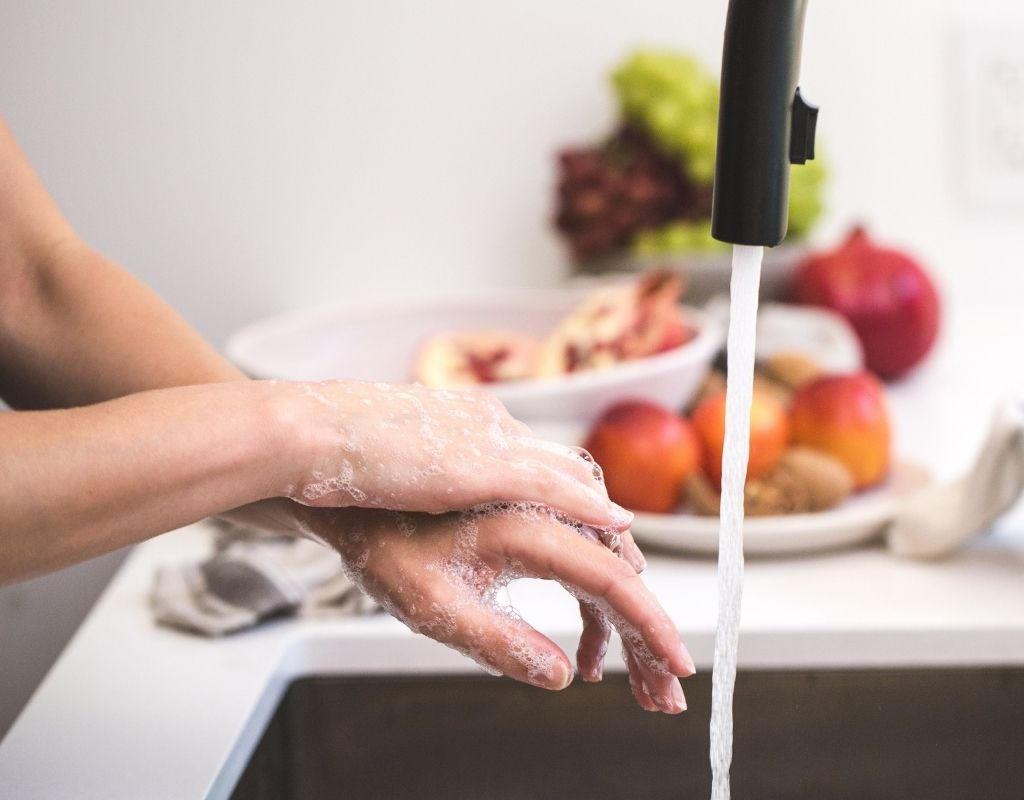
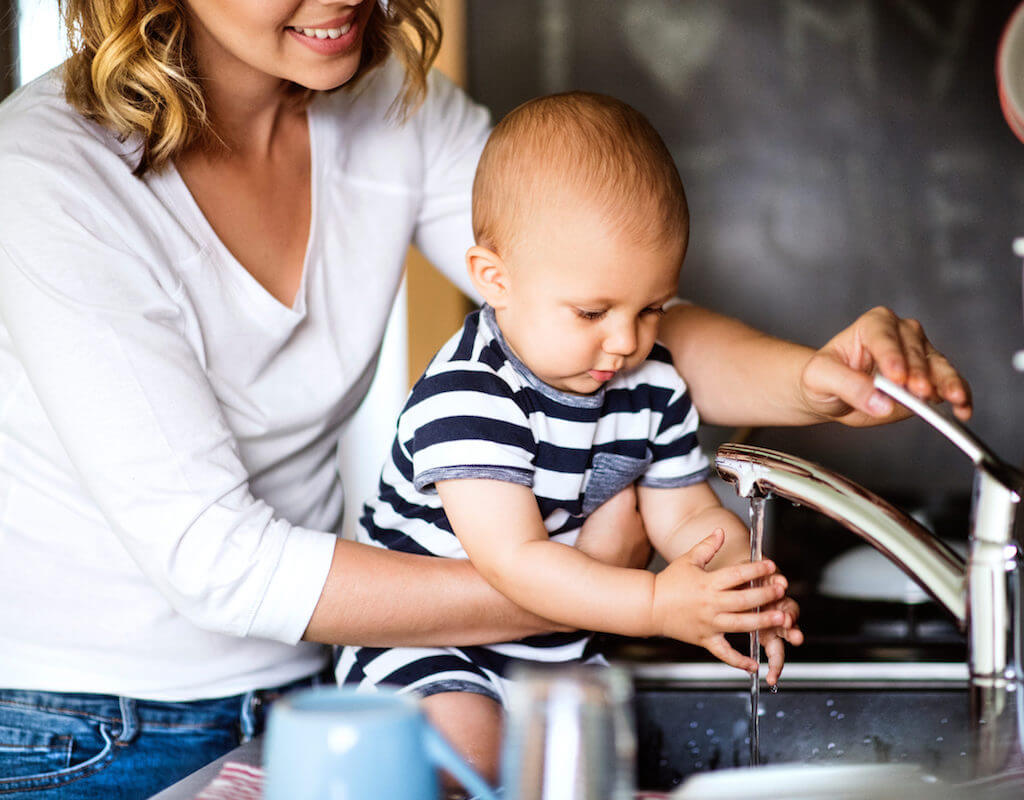
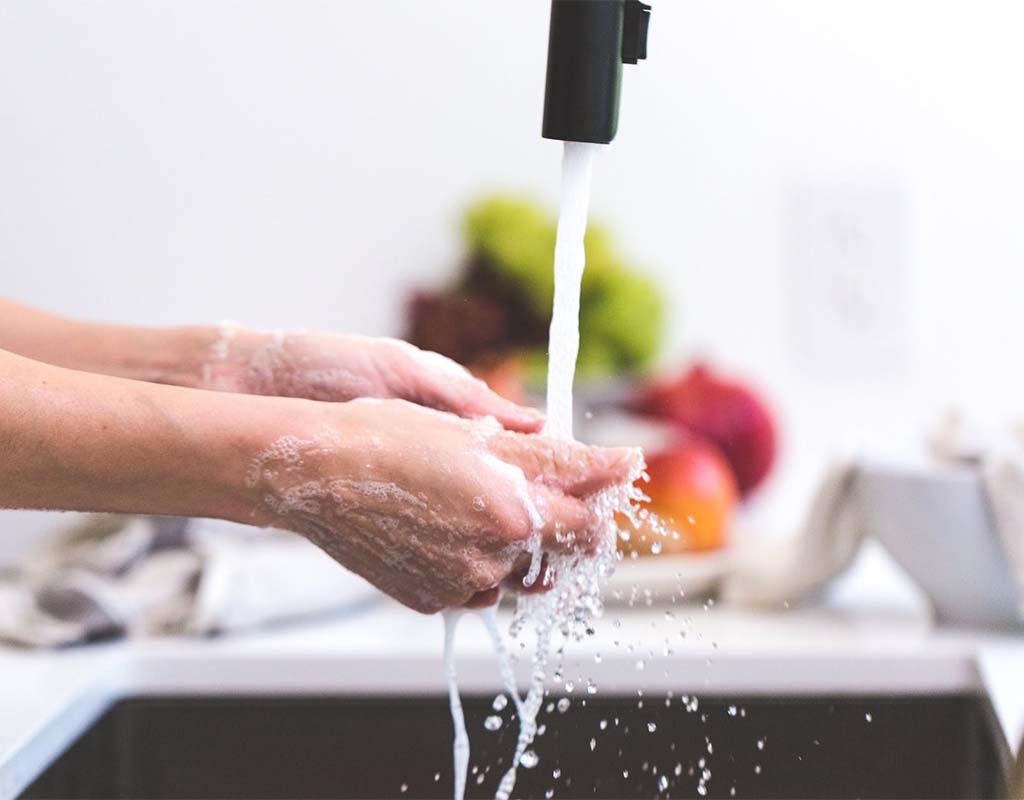
Encourage all your family members to wash their hands thoroughly, and regularly, rubbing vigorously with soap and water for at least 20 seconds and then dried thoroughly on a clean towel. Hands should be washed before eating, after sneezing, coughing or nose blowing, and after using the toilet. Hands should also be washed when you get home from being out and about.

To make this activity more appealing to your preschooler, you could consider buying a foaming soap and then sing along with them as they wash. Here are some fun songs to choose from. (Click the links to learn Oma Rāpeti and Horoia O Ringa):

The Alphabet Song

Oma Rāpeti 
Oma rāpeti, Oma rāpeti
Oma, oma, oma
Oma rāpeti, oma rāpeti
Oma, oma, oma
Piko, piko, piko, piko, piko, piko
Toro, Piko
Toro, toro, toro, toro, toro, toro
Piko ,Toro!

Horoia O Ringa (Wash your hands)
Horoia o ringa, me horoia o ringa
Horoia o ringa, te hopi me te wai
Horoia te parupaaru. Aue – tino pai!

Wee Willie Winkie
Wee Willie Winkie
Runs through the town,
Upstairs and downstairs,
In his nightgown;
Rapping at the windows,
Crying through the lock,
“Are the children in their beds?
Now it’s eight o’clock!”
(Repeat from the beginning)

If soap and water is not available, use a hand sanitiser gel.

Good practices

Encourage all members of your family to cough or sneeze into their elbow or a tissue. Use tissues also for nose blowing and put any used tissues straight in the bin.

Don’t share cups, utensils, drinks or food and try not to touch your face, especially eyes, nose or mouth. It is not recommended that you use a mask if you are well.

There is no evidence at this time that COVID-19 can be transmitted by pets.

Stay home

If you or a family member is feeling unwell, stay home. If anyone has any symptoms and have been to any countries or territories of concern or have been in close contact with someone confirmed with COVID-19, telephone Healthline (for free) on 0800 358 5453 or your doctor. Give them a call also if you have any questions or concerns.

Clean

The World Health Organisation advise, “Studies suggest that coronaviruses (including preliminary information on the COVID-19 virus) may persist on surfaces for a few hours or up to several days. This may vary under different conditions (e.g. type of surface, temperature or humidity of the environment).” 2

How to talk with your children

Some children are feeling very scared and upset about COVID-19 – here’s a helpful video from Nano Girl to help them understand

Protecting your family

If you think a surface such as door handles, benches and taps, are infected, clean them with a disinfectant.

For the latest information on the novel coronavirus, visit the Ministry of Health website.

Although we make every effort to ensure the information we provide is accurate and up-to-date, the information contained in this website is not intended and must not be taken to be the provision or practice of medical advice or services nor a substitute for medical advice, diagnosis or treatment. If you have questions, concerns about your health or treatment or would like more information, contact your doctor. Always see your doctor or other qualified health professional before starting or changing any treatment.

author robynWritten by Robyn Taylor

Robyn creates content on Kidspot NZ. Her hobbies include buying cleaning products and wondering why things don’t then clean themselves, eating cheese scones with her friends, and taking her kids to appointments. 

Favourite motto to live by: “This too will pass.”

COVID-19 and Pregnancy

Updated 6 April 2020

If you are pregnant, the continued spread of COVID-19 is likely to raise questions as to how it may affect you and your pregnancy. We take a look at the current information available.

What is COVID-19?

COVID-19 is part of the coronavirus family that also includes includes the common cold, severe acute respiratory syndrome (SARS) and Middle East respiratory syndrome (MERS).

The main symptoms of COVID-19 are:
– A cough
– A temperature of above 38°C
– Shortness of breath 1

How can I reduce the chance of  catching it?

There are a few precautions you can take that can help stop your family contracting COVID-19, or indeed any virus. If you have a family member who is immune-compromised, you need to take extra special care.

Encourage all of your family members to wash their hands thoroughly, and regularly, rubbing vigorously with soap and water for at least 20 seconds and then dry hands and fingers thoroughly on a clean towel. Hands should be washed before eating, after sneezing, coughing or nose blowing, and after using the toilet. Hands should also be washed when you get home from being out and about.

If soap and water is not available, use a hand sanitiser gel.

Encourage all members of your family to cough or sneeze into their elbow or a tissue. Use tissues also for nose blowing and put any used tissues straight in the bin.

Don’t share cups, utensils, drinks or food and try not to touch your face, especially eyes, nose or mouth. It is not recommended that you use a mask if you are well.

Disinfect surfaces such as door handles, benches, and taps. There is no evidence at this time that COVID-19 can be transmitted by pets.

If I have COVID-19 – can I pass is to my baby ?

It is not known at this time if COVID-19 can be passed to a fetus or the baby during the birth process.

Does my breastmilk  contain the COVID-19 virus?

The Ministry of Health advises that there is no evidence that breastmilk contains the COVID-19 virus.1

Who should I talk with someone about Covid-19 and my pregnancy?

You should talk with your Lead Maternity Caregiver or call Healthline free on 0800 358 5453.

For the latest information on the novel coronavirus, visit the Ministry of Health website.

Read information from the World health Organisation about pregnancy, childbirth and breastfeeding who.int

Although we make every effort to ensure the information we provide is accurate and up-to-date, the information contained in this website is not intended and must not be taken to be the provision or practice of medical advice or services nor a substitute for medical advice, diagnosis or treatment. If you have questions, concerns about your health or treatment or would like more information, contact your doctor. Always see your doctor or other qualified health professional before starting or changing any treatment.

Safe Food Practices During Pregnancy

Promotion for New Zealand Food Safety

When you’re pregnant, it’s more important than ever that you follow food safety rules, to protect you and your developing baby’s health.

When you’re pregnant your levels of immunity are lower than usual, so you can be more at risk of being affected by food-borne illnesses. While good food hygiene practices are always important, during summer the warmer temperatures can cause bacteria that may have found their way into your food (such as staphylococcus or E. coli) to multiply faster.

Find out what you need to know about ensuring your food is safe for you and your baby with these tips.

Why is food safety so important?

Food can host bacteria such as staphylococcus or E. coli, and in turn these can cause both you and your baby to become very unwell. In extreme cases they can cause serious illness, premature or stillbirths.

Is some food safer than other food?

Some foods are high-risk and therefore it is advised that pregnant people avoid them.  When dining out, choose restaurant and takeaway food that is well-cooked and prepared just before it’s served, steaming hot, to you. Avoid eating food from buffets, smorgasbords, salad bars or street vendors, as risks can be harder to manage.

Avoid these foods at restaurants or from takeaway outlets:

  • raw eggs or foods containing raw eggs (such as mayonnaise, hollandaise sauce, caesar dressing, and some desserts)
  • unwashed fruits and vegetables, raw sprouts and raw herbs
  • pre-prepared cold foods such as salads, unrefrigerated sandwiches or sushi
  • undercooked or raw meat, poultry or seafood
  • cold meats, pâté or cold, smoked fish
  • soft cheeses (unless cooked)
  • soft-serve ice cream

Clean, Cook, Chill and don’t get ill

Clean …

Wash your hands carefully before preparing food. To effectively wash your hands, use soap and warm running water and rub vigorously for at least 20 seconds ensuring you get under your fingernails. Dry your hands thoroughly using a clean towel. It’s also important to wash your hands, chopping boards and knives between handling of different ingredients so you’re not cross-contaminating.

Cook …

When cooking poultry use a meat thermometer to check internal temps in the thickest parts reach 75 degrees Celsius or until the juices run clear.

Keep raw and cooked food well apart and thoroughly wash and clean anything that comes into contact with raw meat such as chopping boards, knifes and benches.

Chill …

Don’t leave food out on the bench. Pop it in the fridge within two hours or bin it. If you are in doubt, don’t eat it.

Cool hot food for up to 30 minutes before putting it in the fridge. Make sure all food in the fridge is covered and put raw meat on the bottom shelf to reduce the risk of juices dripping on to other food. Wipe up any drips and spills and don’t overfill the fridge as this can affect temperatures inside. In the summer heat, take a chilly bag and ice packs to the supermarket with you so you can safely transport meat home.

Find out more about food safety

For more food safety tips for when you are pregnant visit www.foodsafety.govt.nz/ccc

What is your top food handling tip?

See more:

author robynWritten by Robyn

Robyn creates content on Kidspot NZ. Her hobbies include buying cleaning products and wondering why things don’t then clean themselves, eating cheese scones with her friends, and taking her kids to appointments.

Favourite motto to live by: “It’s just a phase.”

Top Tips for Teaching Kids About Food Safety

Promotion for New Zealand Food Safety

There are many benefits to teaching your children how to prepare meals, snacks, and to bake, but the most important lesson is learning safe food handling practices.

Find out why food safety is so important – plus the key things you need to teach your child with these tips.

Why is food safety so important?

Every year around 200,000 New Zealanders get food poisoning. Bacteria that may have found their way into your food, such as staphylococcus or E. coli can easily multiply, especially in warm weather, and cause your family to become ill. Food poisoning symptoms may include headaches, fever, diarrhoea, abdominal cramps and muscle pain. For young children whose immune systems are still developing,  a bout of food poisoning could have some serious consequences.

There are 3 simple rules that you can teach your children that are summed up in a catchy rhyme – ‘Clean, cook, chill, and don’t get ill’.

Clean …

The very first thing your child should do is wash their hands as this is one of the best ways to prevent bugs from spreading. Use soap and warm running water and wash for at least 20 seconds. A nail brush is great for getting under grubby nails. Make sure they dry their hands thoroughly using a clean hand towel or a paper towel.

Encourage children to tidy as they cook. Aside from making the work area less chaotic, this reduces the risk of cross contamination. Teach your children to use different cloths for different jobs e.g. dry their hands on a hand or paper towel (not the tea towel) and to wipe up messes on the floor with a floor mop or towel, which is different from the one they use for the sink or bench. Paper towels are also great to use to wipe up things like raw meat juices and then disinfected. Items used to prepare raw meat should be washed in hot soapy water immediately.

While food tasting is part of cooking, teach them to use a clean spoon each time they taste to be sure there is no contamination. Also, licking the bowl is probably the best part of baking but there is a slight risk of food poisoning from raw egg so avoid the taste-testing until it’s ready.

Cook …

Show kids how to check the use-by date on packaged foods and the best-before-date on items with limited fridge-life (and don’t eat it if the date has passed). If in doubt, chuck it out!

Some foods are more likely to cause food poisoning than others. Chicken, mince and sausages should be cooked right through to ensure any harmful bugs are killed. The easiest way to check is to use a meat thermometer to check the internal temperature in the thickest part is at least 75 degrees Celsius. Show your child how to read the temperature correctly. Alternatively, wait until the juices run clear, and you’re good to go.

If you are reheating food, it should be heated to steaming hot and only ever reheat food once.

Chill …

Getting the kids to help put away the groceries is a great labour saving option for you! Teach them to store raw meat on the bottom shelf of the fridge well apart from prepared food, fruit and veges. They could pop meat in a covered container if it is dripping and wipe up any spills with a disinfectant spray straight away.

Children often take a while to understand what should be refrigerated and what should be frozen so it might pay for you to double check their work for a while.

The kids can also help with storing uneaten food in the fridge. Food should always be covered before putting in the fridge. Don’t put hot food in as it can cause the fridge to warm up, but don’t leave food out for more than 2 hours (in hot weather reduce this to half an hour).

Find out more about food safety

For more food safety tips visit www.foodsafety.govt.nz/ccc

What is your top food handling tip?

See more:

author robynWritten by Robyn

Robyn creates content on Kidspot NZ. Her hobbies include buying cleaning products and wondering why things don’t then clean themselves, eating cheese scones with her friends, and taking her kids to appointments.

Favourite motto to live by: “It’s just a phase.”

Top Tips To Keep On Top Of Your Laundry Pile

Keeping on top of the laundry pile is one of those household chores that never seems to go away.

It’s no coincidence that the most common items in our washing pile are those that come into contact with our body – underwear, socks, personal towels, facecloths, re-useable nappies, sports gear, bed clothes, and towels. Throw in the dish cloths and tea towels that are used as part of food preparation and you have a whole collection of items that are likely contaminated with bacteria like staphylococcus and E.coli. With a young family, vomit and fecal material are also common contaminants so keeping on top of the washing pile is not only satisfying, it also means dirty items are not sitting around cross-contaminating and generating more germs and smells.

To help you keep on top of your washing pile and ensure your washing is hygienically clean, we asked for top tips from the experts – Kidspot Mums!

1. Get sorted

Debbie S has different hampers for whites, coloureds and delicates and has a reward chart to encourage her children to put their washing in the appropriate hampers while Emma W recommends putting a washing basket in each child’s room and wash the contents once a week.

2. Get in early

Kidspot Mums are huge fans of putting your washing on at night so it’s ready to hang out when you have a moment in the morning. Jessica A says her four children shower at night, then she puts the washing on when they’re in bed and hangs it out in the dark.

3. Be regular

Kidspot Mums agree that doing your washing regularly is imperative otherwise it turns into a massive headache, In fact Gem B reckons, “Don’t leave it even for a day as somehow 24 hours worth of extra washing equates to 10 years worth!”

If you’re not too bothered about sorting your washing you could do as Mons G recommends, “Put your washing straight into the washing machine then it’s more obvious when the next load is ready to be done.”

4. Clean the first time

To ensure your washing is hygienically clean, it is recommended that water at a temperature higher than 60°C is used.1 However, if washing in 60°C or higher is not suitable, adding a sanitiser will remove the need to wash regularly at high temperatures.

Kidspot Mum Robyn O uses Dettol Laundry Sanitiser in every wash as she has “a very active toddler who likes to explore his surroundings and goes to kindy three days a week. It’s good to know that if he does pick up germs in his clothes at least it helps eliminate most of them.”

5. Share the load

Kidspot Mum Laura N has taught her older children to use the washing machine and to peg out the washing while her younger ones “help fold washing the best that they can.” Eryn R shares the laundry with her husband. “With both of us doing it it is always kept on top of.”

6. Wrinkle free

Mel R shakes her washing when hanging it out which reduces wrinkles and therefore ironing, while Vanessa K advises to hang “as much as possible on coat hangers to dry – avoids ironing and can instantly be put back in the wardrobe!”

7. Sockalypse

To help avoid the lost sock epidemic Arielle H recommends you put socks in a laundry bag as soon as they are taken off while Sonja R hangs matching socks out together.

8. Each to their own

Michelle M says she hangs “out the washing on the line by person so that when I fold it straight from the line, it is already sorted and ready to go inside”.

Natalia B bought a basket for each of her three children and puts their folded washing into them. “It helps keep their folded clothes nice and tidy until I can carry it to their rooms to put away. Looks better than unsightly clothes piles if you’re caught unawares with visitors!”

Disclaimer: The above information contains third party opinions, which have not been independently verified.

1 Bockmulh, D. P. (2017). Laundry Hygiene – how to get more than clean. Journal of Applied Microbiology, 122, p. 1124-1133.

author robynWritten by Robyn

Robyn creates content on Kidspot NZ. Her hobbies include buying cleaning products and wondering why things don’t then clean themselves, eating cheese scones with her friends, and taking her kids to appointments.

Favourite motto to live by: “It too will pass”

Keeping on top of hand hygiene when you’re out and about this summer

For most of us summer means holidays and getting out and about.  Sun, relaxation, and spending time and sharing food with friends and family is the order of the day.

Unfortunately, sometimes all this socialising and mingling can also mean sharing or picking up germs. Keeping on top of hand hygiene while you’re out and about can help to protect the family and keep the fun rolling all summer long.

Out and about

Whether you’re creating sandcastles at the beach, planting veggies, playing hopscotch, hunting around rockpools, or going on a bushwalk, your hands are constantly in use, getting wet or dirty (or both!).

Getting everyone into the habit of washing their hands after summer activities can help to protect the family from the germs we pick up.

Ensure hands are washed:

  • After playing outside
  • After playing with pets, touching animals or animal food
  • After using the toilet
  • After blowing your nose, coughing, or sneezing
  • After handling rubbish
  • After changing a nappy
  • Before food preparation
  • Before eating
  • Before and after treating a cut or wound

Hand washing

To get hands really clean, use soap and warm, running water.  To effectively wash your hands, use soap and warm running water and rub vigorously for at least 20 seconds ensuring you get under your fingernails. Dry your hands thoroughly using a clean towel.

Hand sanitising

When you are out and about it’s not always easy to keep hands clean as you are unlikely to have a plentiful supply of warm running water. An alcohol-based hand sanitiser is an ideal solution as they do not require water.

her world julieWritten by Julie Scanlon

Julie is Editor for Kidspot NZ and our MVP. Her hobbies include laughing uncontrollably at her own jokes, annoying her family by asking questions about movie plots, and never taking anything too seriously. She speaks a little Spanish and a lot of Yorkshire. 

Favourite motto to live by: “It ain’t nothing but a thing”

Baby Essentials For When You Are On The Go

For people so small, babies certainly need a lot of stuff! Getting ready to head out for a few hours no longer means putting the sunnies on and adding a swipe of lipgloss, as there are all sorts of essentials and just-in-case items to take with you and baby.

We talked to Kidspot parents to find out what they take with them when going out of the house for some family fun.

A dedicated bag

Whether you choose to buy a specially designed baby bag or just use a backpack or large handbag, a dedicated bag that has enough space for all your bits and bobs, and ideally lots of pockets to keep everything safe and easy for you to find and tick them off your mental check list before you go.

A spare cuddly

Cunning parents have a cuddly that is specially for out and about – so if it gets lost, at least there is still one at home when you get home with a tired, sad bubba. Purchasing two identical cuddlies at the get-go is our hot tip!

A change of clothes plus a spare

Be prepared for a ‘poonami’ or any other event with a complete change of clothes. Choose something that can be rolled into a small bundle, and then include another singlet and add some long socks just in case. No matter the weather, make sure you have an additional warm layer and a sunhat.

Bottom needs

A good rule of thumb is to take one nappy per hour you are going to be out. Wipes are great for bottoms, but also any other number of spills and messes so take a few. Pop them neatly folded into a resealable bag or small container to save room. Transfer some of your favourite all purpose balm into a small container too. A cloth nappy is ideal as a change mat, and don’t forget a travel sized hand sanitiser.

Food and drink

Especially if you are breastfeeding, don’t forget food and water for yourself. Babies often seem to be more hungry when they are out and about – maybe it’s all the excitement and fresh air – so if your baby is on solids make sure you pack water and plenty of food for them.

First aid items

Pop some sunscreen on you both before you leave the house, no matter how cloudy the day is and make sure you have a small sunscreen bottle tucked away in your bag along with a few plasters.

author robynWritten by Robyn

Robyn creates content on Kidspot NZ. Her hobbies include buying cleaning products and wondering why things don’t then clean themselves, eating cheese scones with her friends, and taking her kids to appointments.

Favourite motto to live by: “It too will pass”

Tips to Ensure Safe Food Handling in the Kitchen and on the BBQ

When preparing food in the kitchen and cooking on the BBQ this summer, there are some important food safety rules you need to adhere to. By applying common sense, these basic hygiene principles mean you do not need to worry about possible food poisoning disasters.

Good food hygiene practices are important all year round, but especially so during summer as the heat causes bacteria that may have found their way into your food, such as staphylococcus or E. coli, to multiply. So, the best option to ensure your food is safe from these bugs is to follow the advice below.

Top tips for ensuring good food hygiene

  1. Wash your hands carefully before preparing food. To effectively wash your hands, use soap and warm running water and rub vigorously for at least 20 seconds ensuring you get under your fingernails. Dry your hands thoroughly using a clean towel. Use a hand sanitiser if running water is not available.
  2. Ensure poultry is thoroughly cooked. Either use a meat thermometer to check internal temps in the thickest parts reach 75 degrees Celsius or until the juices run clear.
  3. Anything that comes into contact with raw and cooked meat should be thoroughly cleaned, including benches and knives.
  4. Keep raw and cooked food well apart. Store raw meat in the bottom of the refrigerator in a covered container to remove the risk of any meat juices leaking on to other food.
  5. Make use of the summer weather and let dishes air dry rather than with a tea towel.

BBQ

In New Zealand we love to make the most of the warm weather and spend more time outside. Food cooked on a BBQ seems to have more flavour but there are a few things to keep in mind to ensure the food isn’t also going to make people unwell.

  1. Make sure your BBQ tools have been cleaned before using them, and have separate utensils and plates for raw and cooked food.
  2. Keep your hands clean between handling raw and cooked food.
  3. Ensure meat is thoroughly defrosted so it can cook evenly.
  4. It can be tricky to ensure sausages and poultry are cooked through on a BBQ as high temperatures can char the outside while leaving the inside raw. The best option is to use a meat thermometer to check the internal temperature is 75 degrees Celsius.
  5. Ensure surfaces where meat has been sitting are cleaned well afterwards.
  6. Cool, pack and refrigerate food within two hours after eating–less if the weather is hot.

Find out more about food safety in the home

For more food safety tips and how you can protect your family, visit www.foodsafety.govt.nz/ccc

What is your top food handling tip?

See more:

author robynWritten by Robyn

Robyn creates content on Kidspot NZ. Her hobbies include buying cleaning products and wondering why things don’t then clean themselves, eating cheese scones with her friends, and taking her kids to appointments.

Favourite motto to live by: “It’s just a phase.”

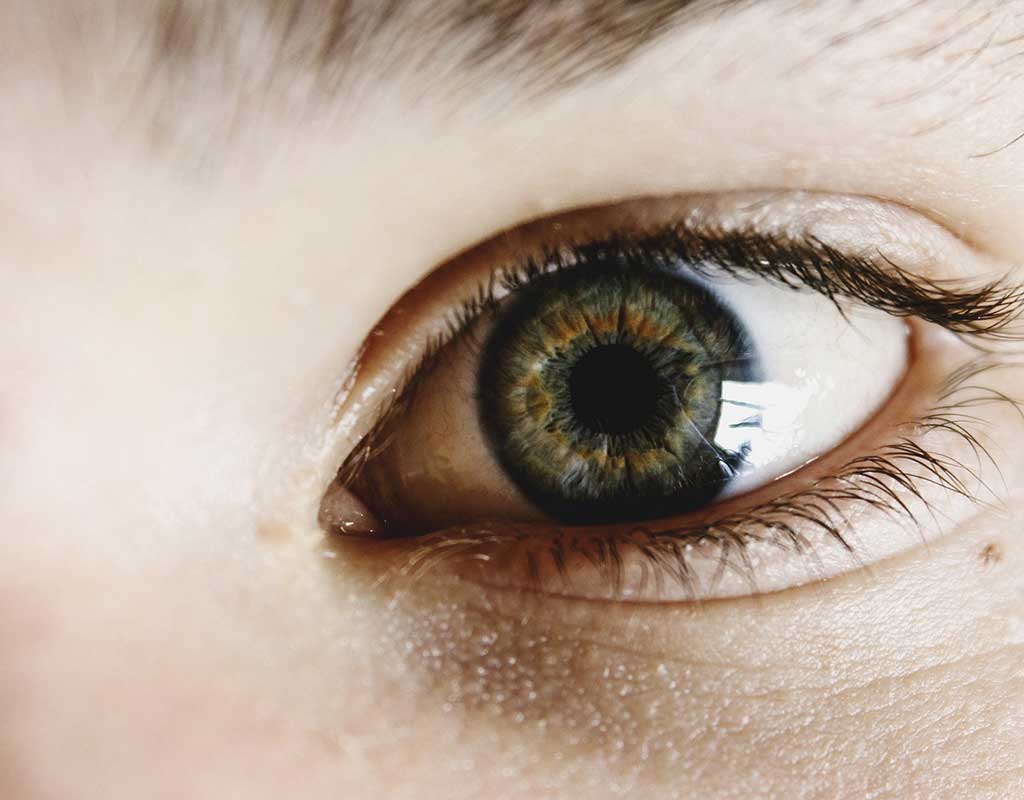
Looking after your child’s eye health

Children, including pre-schoolers are spending more and more time on devices such as phones and tablets and studies have shown that excessive use can lead to a range of problems, one of which is poor eye health.

We use our eyes for everything we do throughout the day and there is a clear link between children’s performance at school and doing other activities such as sport, and their ability to see well.

Preventing damage and detecting problems early are vital to ensuring your child continues to see well.

What can a healthy eye do?

In order to have good eye health and visual skills, eyes need to be able to focus and shift focus up close and into the distance, coordinate with each other, track, and integrate visual information with other information from our other senses enabling us to understand what we are seeing.

Kids and screen time

A recent analysis of data from more than 5000 New Zealand preschoolers1 showed that at 2 years of age, children are using screens for an average of 1.5 hours a day and this increased to 2 hours at 3.75 years of age.

Evidence is emerging that older children and teens are using screens for more than 10 hours a day – this is a combination of school and personal use. Excessive use is linked to a whole range of health issues emerging including poor language development, weight gain, sleep problems and a range of eye issues.

Lutein and eye health

Like all of our body’s functions, good nutrition is an important input for keeping your eyes healthy.

A tiny but very important part of eyes is the macula – the central area of the retina which controls how sharp your vision is. It is believed that lutein along with other nutrients play a key role in the health of the macula. Further, these nutrients help block blue light from screen use from reaching into the retina, reducing the risk damage that could lead to macular degeneration (AMD). Luteine also works to protect the eyes from damage from free radicals.

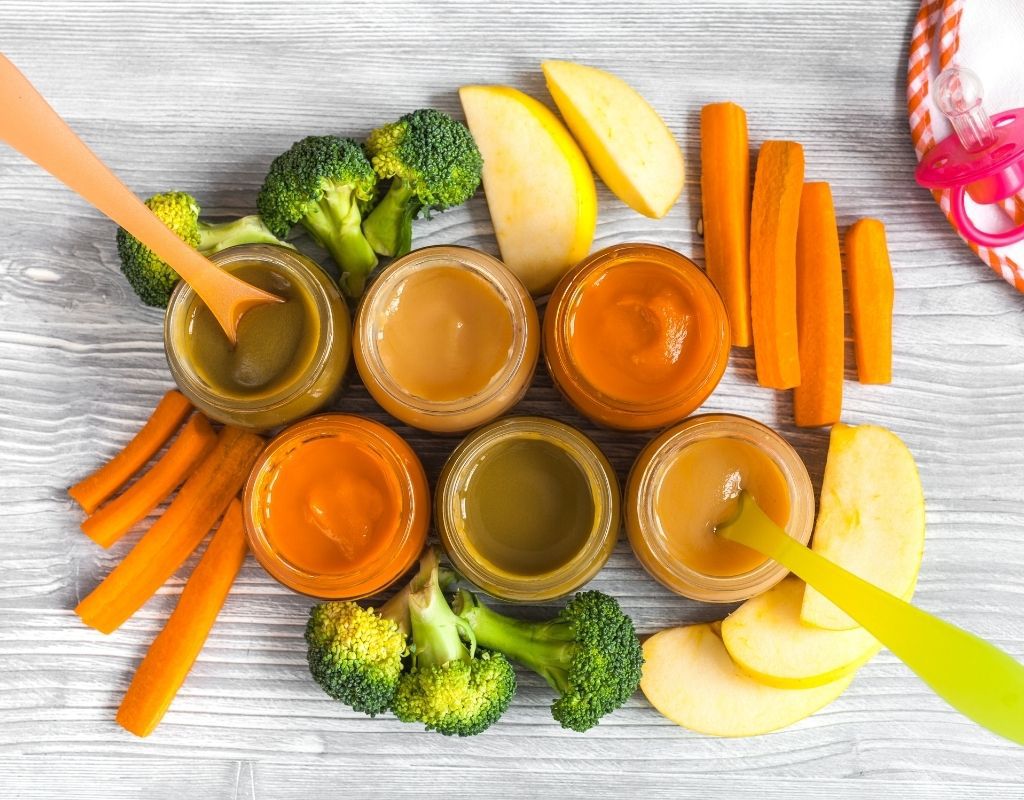
Lutein can be found in a range of food including spinach, kiwifruit, grapes, eggs and broccoli or in a daily multivitamin that contains lutein.

Checking your child’s eyes

It is important that your child has regular eye examinations. When you child was born, they would have been screened for a range of serious eye conditions and your Well Child provider will also be conducting a series of checks. The B4 School Check also includes vision screening and then your child won’t be checked again until they are 11 or 12 years old (Year 7) and from then there is no routine checking.

You can keep an eye out for any signs that might indicate a problem. Signs include dislike of close up reading or closing one eye while reading, squinting, rubbing eyes, using a finger to keep place while reading, headaches and titling their head to one side. Make regular eye exams a part of your child’s healthcare schedule because it can be tricky to tell if they are developing an eye problem.

If you are at all concerned about your child’s vision, it’s important to get it checked. A subsidy for glasses and vision tests is available to some families.

1 Effects of screen time on preschool health and development

author robynWritten by Robyn

Robyn creates content on Kidspot NZ. Her hobbies include buying cleaning products and wondering why things don’t then clean themselves, eating cheese scones with her friends, and taking her kids to appointments.

Favourite motto to live by: “It’s just a phase.”

Tips from parents on how to teach kids about sun safety

Children spend a lot of time outdoors and while some sun exposure is actually good for them, too much can cause skin and eye damage.

Keeping kids safe in the sun is important but if you have ever tried to keep a hat on a toddler who doesn’t want to wear one, you will know it’s not as easy as it sounds. We asked some Kidspot parents for their top tips on how to teach your child about sun safety.

Be the role model

The most effective way to teach your kids sun safety is to practice it yourself. The key sun smart tips you should model are:

  • stay in the shade
  • cover up
  • (broad brimmed) hats rule
  • sunglasses are cool
  • get a sunscreen habit

Make it part of your routine

Keep sunscreen in the bathroom next to the toothbrushes and encourage your child to pop some on after brushing their teeth in the morning. Include applying sunscreen and putting on a hat and sunnies as part of the process of leaving the house – after the toilet stop is an ideal time. This will help form good habits.

Make it easy

Sunscreen needs to be applied throughout the day so make sure sunscreen is accessible. Leave pump bottles of sunscreen in handy spots around the house. Consider buying a roll-on sunscreen as kids love using it or pop a small bottle of sunscreen into their lunchbox so it’s easy for them to reapply it at lunch time. A compact tube that’s easy to open and reclose is best.

Involve them

Kidspot parents tell us the more they include children in the sun safety purchasing process, the more likely the kids are to actually use the products. Take them when you are buying hats so they can choose a hat is functional but is also comfortable and one they will actually wear. If you need to, give them the option of 2 or 3 so they don’t become paralysed by choice. Let them shop for sunglasses that have a 3 or 4 rating on the New Zealand Standard.

Educate

If they are old enough you can explain that there are different types of UV radiation that can affect our skin cells. These are known as UVA and UVB. UVA radiation can cause long term skin damage while UVB radiation is responsible for skin burning. Broad spectrum sunscreen contains UV filters that protect skin from both types of radiation.

SPF stands for Sun Protection Factor and is the length of time that skin will be protected from the sun i.e. SPF50 means that you would be protected for 50 times longer than if you wore no sun protection at all.

How much sunscreen should kids use? For an adult, a full body application is 35ml or 5ml (teaspoon) for 7 body parts: face and neck, front and back, each arm and each leg. For kids, you can scale this down to their size but always ensure that they are getting good coverage on all exposed skin. Sunscreen should be applied 20 minutes before going outside so make it part of your everday routine and remind kids to re-apply every 2 hours.

Cover up

Wherever possible, covering up is the best protection and is often easier than applying sunscreen to wriggling bodies. Encourage your child to wear tops that have higher necks or collars and longer sleeves over singlet styles. Choose hats that have a wide brim and have a no rash top no swim policy.

author robynWritten by Robyn

Robyn creates content on Kidspot NZ. Her hobbies include buying cleaning products and wondering why things don’t then clean themselves, eating cheese scones with her friends, and taking her kids to appointments.

Favourite motto to live by: “It’s just a phase.”

5 Tips For Starting Solids

Brought to you by

Babies grow and change so quickly and at around six months old your baby will start wanting to change their diet from just milk, to mostly milk and a little bit of solid food.

There is a huge amount of information available on how best to introduce your baby to solids and it can all get a bit confusing and overwhelming so we have broken it down into the top 5 things you need to keep in mind.

1. It’s all in the timing

The best time to start your baby on solids depends very much on your baby. If you start too soon, they may not be interested or even able to eat solid food. If you start too late, you run the risk of your baby’s iron stores running low. The good news is that your baby should give you some clear hints that they are ready to start solids, usually around 6 months of age, including:

  • Watching you as you eat, reaching for food that is nearby, and even mimicking you biting and chewing
  • Your baby can hold their head up well – they likely won’t be sitting independently but they will have a lovely strong upper back and neck
  • Their tongue-thrust reflex has gone. When they are born, babies have a reflex that means they push their tongue forward and out when something it put in their mouth. This is perfect for breastfeeding, and also for avoiding choking, but not useful for eating solids
  • They open their mouth when something touches their lips, or if you offer food
  • They seem hungry after a milk feed or are asking for more milk feeds

2. Start slowly and repeat

When you first start offering solids, make it relaxed and fun. Plan to start when you have plenty of time and your baby is happy and relaxed. Get them secure in a slightly reclined position such as on your lap, in a bouncer or a highchair with an adjustable back. Pop a tiny amount on their tongue – the first few solid feeds will literally be not much more than a teaspoon full in total!

If your baby is not interested, stop and try again in another few days.

Start by offering one smooth solid meal a day for a few days, then slowly increase the frequency and texture.

3. Rejection isn’t final

Up until now your baby has had a diet of just milk or infant formula, so the introduction of new flavours to their taste buds can be a journey. Offer the same food for three days or so and then introduce another one. If the new one is rejected, wait a few days and try again with a tiny amount. You may need to try this strategy several times before they take it.

4. Planning ahead

Once your baby is established on solids you need to ensure you have plenty on hand. Their first foods need to be smooth, runny and easy for them to swallow. You can then slowly introduce more texture and variety.

Ideal first foods include baby rice cereal, pureed fruit, and pureed vegetables. Ensure skin, pips and seeds are removed from the fruit before you puree them.

Life with a baby is very busy, especially during the morning rush, so having a nutritious, delicious go-to for those moments when time is short is useful.

5. Solids and sleep

If your baby is waking a lot in the night it is tempting to try them on solids early to see if they will sleep longer, especially if you have a baby who is awake regularly during the night. However, a number of studies conducted over the years have failed to conclusively point to the introduction of solids being a magic sleep inducer. It is important to realise that a small amount of solids will not give your baby as much energy, fat and protein as milk does.

Furthermore, if you try to introduce solids too early your baby may not be physically ready to swallow or digest them and it can quickly become an exercise in upset and frustration for all involved.

It is best to look at the timely introduction of solids as a part of their overall development and not just how it might improve their sleep. If you are struggling with sleep, seek advice from your Plunket nurse, WellChild provider or doctor.

What signs is your baby showing that they are ready for solids?

See more:

author robynWritten by Robyn

Robyn creates content on Kidspot NZ. Her hobbies include buying cleaning products and wondering why things don’t then clean themselves, eating cheese scones with her friends, and taking her kids to appointments.

Encourage Your Toddler’s Development Through Play

Being a toddler is hard work. This is a time of rapid changes and development and one of the primary ways they learn at this age is through play.

As your child moves through the toddler phase their play develops and changes and they will start to spend a lot of time engaged in role playing.

It’s a phase

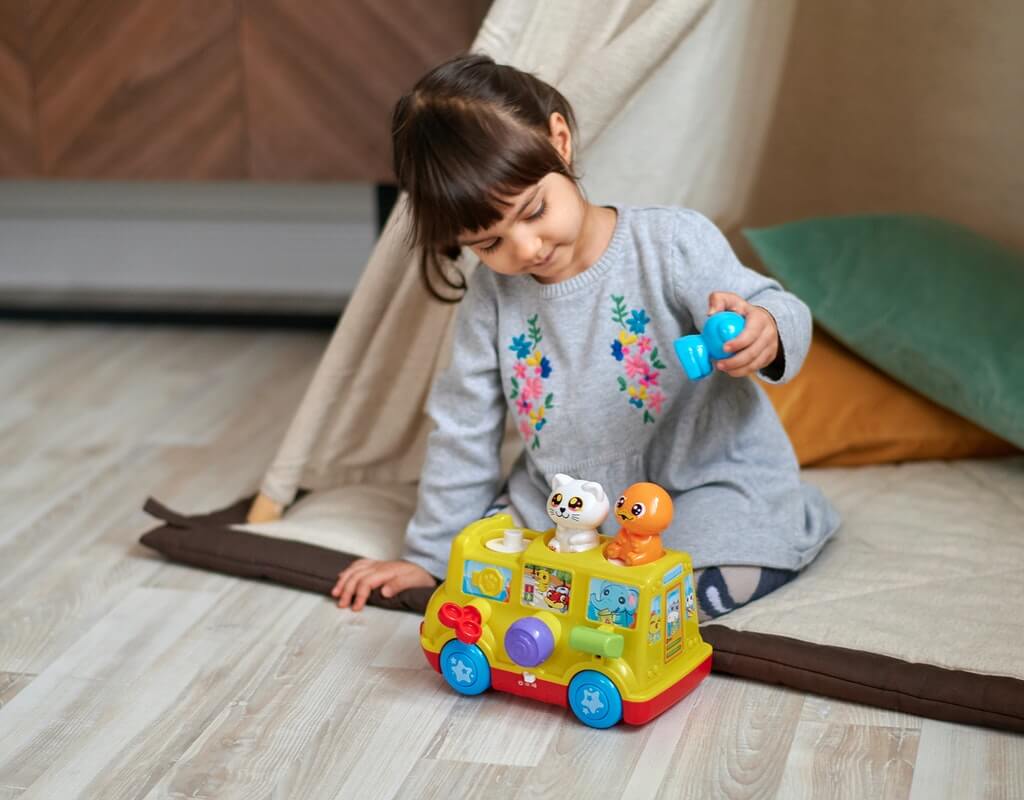
Your toddler will have already gone through a range of developmental phases. They will have been working on developing their eye-hand coordination through reaching, grasping and learning to hold things. They love to repeat the same action and to put things in and out of containers – and into their mouth. As they get older they start to learn about cause and effect and like to make things happen – pushing a button and watching a toy pop up will be a favourite. They will also have been learning to pick up small things, point and ask questions.

Toddler development

As your baby becomes a toddler they will focus on working out how things go together and how they can make things work. Then your older toddler will go from primarily being a solo problem solver to being a much more active, social, imaginative, and creative little person.

Your toddlers use of words will also be rapidly evolving with new words being added to their lexicon almost daily. They will also start stringing words together, learn to follow simple instructions, and start using their words to find out answers to their questions.

Supporting your child’s development

There are many ways you can support all aspects of your toddler’s development through play. They are working out how things work and how they fit in to the world around them, and learning at an incredibly rapid rate.

Choose carefully

Toys that do everything don’t allow experimentation, discovery and imagination. You can help spark play by providing some toys that help get them started.

Enhance their play

Add to your child’s play rather than dictating it. If you are looking to develop solo play, choose a toy that will expand their play. If you are playing alongside them, get them started by letting them choose what to play with and then add to what they are doing. Or create a fun scenario using the props you have available to you and then let them take over.

author robynWritten by Robyn

Robyn creates content on Kidspot NZ. Her hobbies include buying cleaning products and wondering why things don’t then clean themselves, eating cheese scones with her friends, and taking her kids to appointments.

Favourite motto to live by: “It’s just a phase.”

How to spend special creative moments with your toddler

Promotion for LEGO® DUPLO®

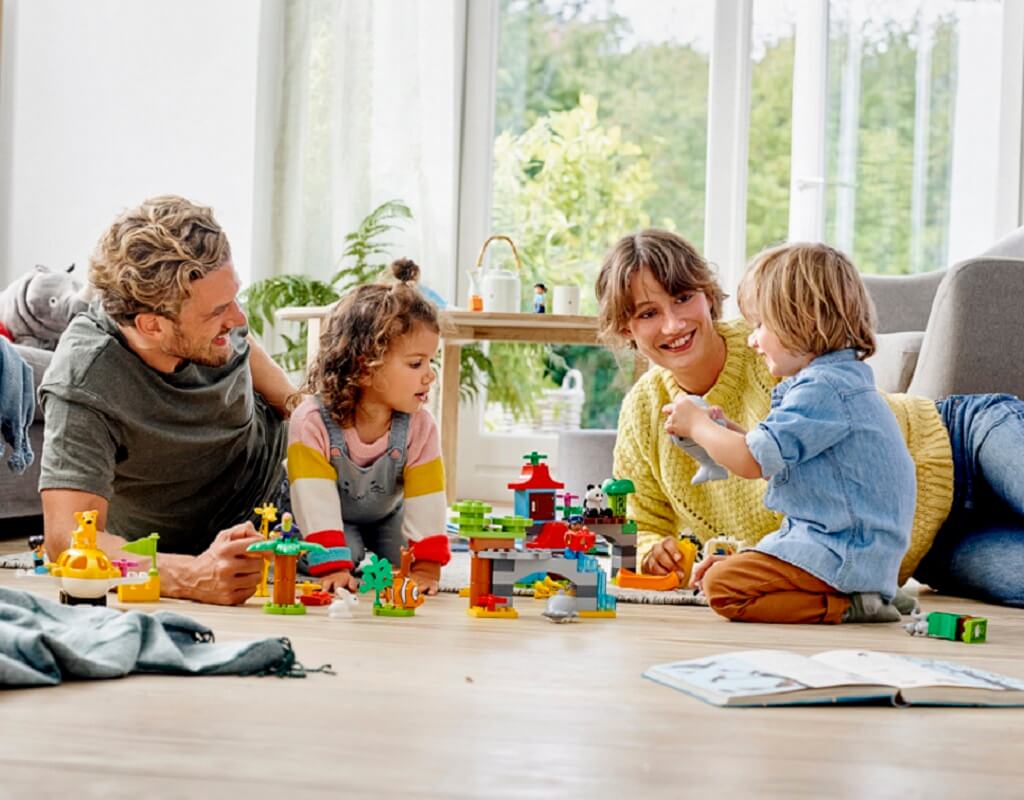
Our lives can get really busy so being able to spend precious moments with your toddler as they play not only enhances their experience, it also is an important time that allows you both to connect in a happy, fun and creative way.

Already your baby has become a toddler who is changing and learning new words and skills every day. They have gone from a tiny newborn, totally dependent on you, to a little person who can sit, walk and perhaps even run. They will laugh and giggle, learn new words daily, and start to do some things for themselves.

Learning as they play

Your toddler’s clever little mind is rapidly learning and developing and while they can play alone, a toddler loves nothing more than learning and creating with an adult who is special to them. Learning through play and creativity is an important part of their development. Watch as they explore and create and join in the fun and help them extend their vision and learning to a different level.

Create and connect

Even if you are not feeling particularly creative, spending time with your toddler at play is important. LEGO® DUPLO® have created an exciting new range, World Animals, that is a simple way for you and your toddler to create and connect.

Kids love animals and the endless play possibilities of the World Animals range will allow you to share a common language of fun and creativity.

The World Animals range includes the following destinations:

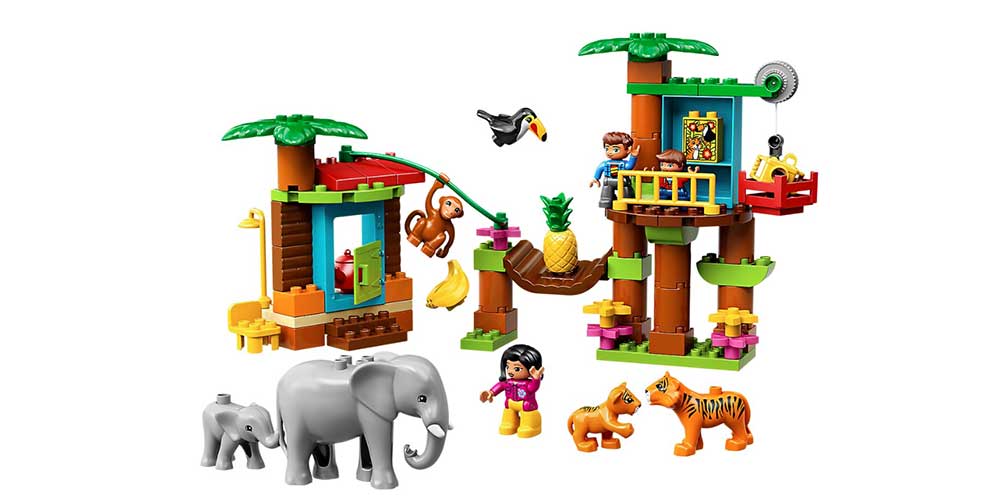
Tropical Island

This set has 3 characters and 6 animals plus all the colourful bricks you need to create a family tree house complete with a pulley system for supplies, and a bridge. There is even a vine for the monkey to swing on!

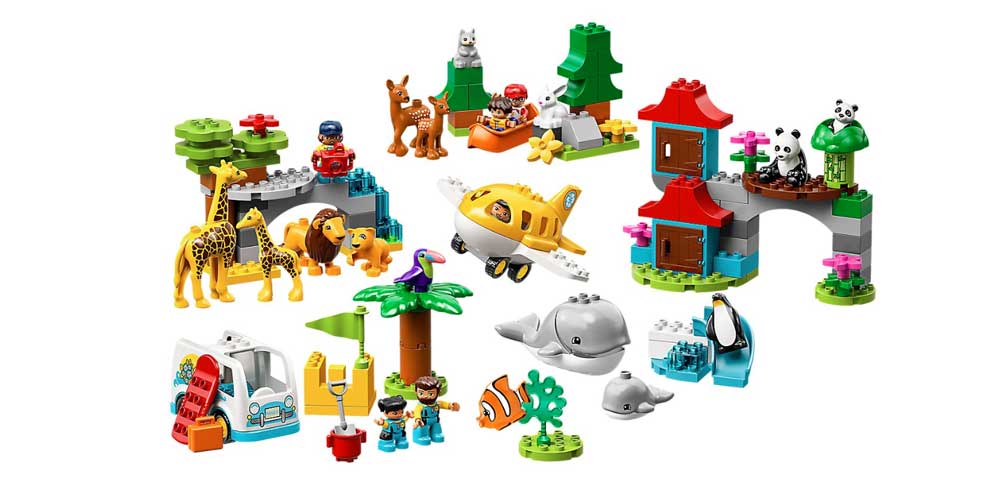
World Animals

From a safari across the African savannah and a canoe trip along a woodland river to building sandcastles on a tropical beach and whale watching at the South Pole, this set has a huge range of animals, buildings, vehicles and characters that will allow you to take a journey together around the world.

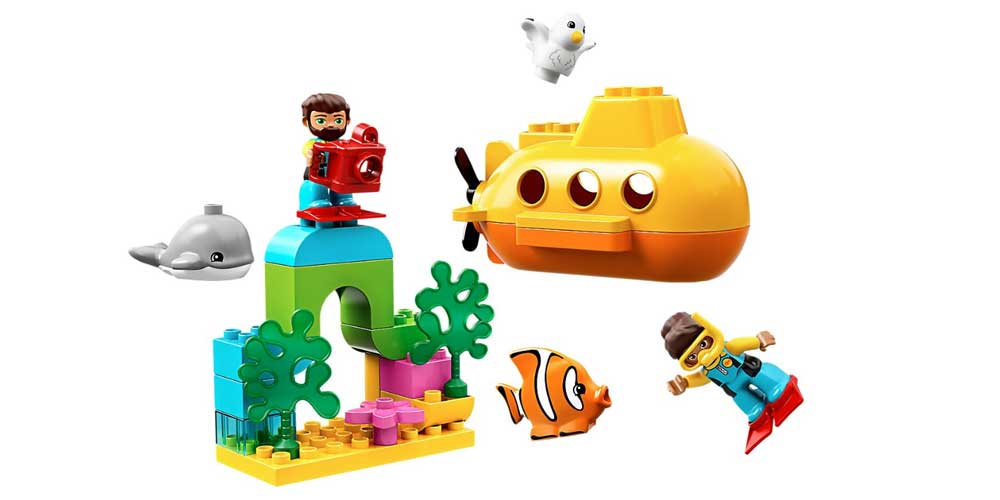
Submarine Adventure

Take the diver on a underwater adventure with a submarine that emits bubbles and a whale, and build a seaweed arch for the fish to swim through. Perfect for bath time, water play or even when doing the dishes.

To find out more about LEGO® DUPLO®  World Animals visit lego.com

Content provided by LEGO® DUPLO®

‘Eggsellent’ health benefits of one of nature’s original superfoods

Content based on Press release from Eggs Incorporated, 11 September 2019

By enjoying eggs for breakfast on 11 October 2019 you’ll be joining in a world-wide celebration of one of the most versatile natural foods available – the humble egg.

New Zealanders will eat over 90 million dozen eggs this year which equates to 235+ eggs per person. Whether you’re a poached, fried, soft boiled or scrambled fan, a French toast or omelette lover, World Egg Day is a chance to enjoy this naturally nutritious and delicious food.

Eggs are a nutritional powerhouse providing us with 14 different essential vitamins and minerals, high quality protein, healthy fats (including omegas-3) and important antioxidants.

The International Egg Nutrition Centre has identified 5 great reasons to eat more eggs:

1. Eggs are among the most nutritious foods on the planet, and a fantastic source of protein.

A single egg contains 14 essential nutrients including vitamins A, B, D and E, as well as being a source of calcium, selenium and iodine. Along with six grams of protein, eggs are one of the most nutritious foods available globally.

2. Eggs contain choline which aids healthy brain development.

This little-known nutrient plays an important role in building cell membranes, impacting a number of vital functions within the body, and eggs are one of the best natural sources of choline. Not only does it aid healthy brain development, it also plays a role in liver function and metabolism and has been found to reduce the risk of breast cancer by 24% 1 .

3. Eggs can reduce the risk of heart disease

Studies have found that eating eggs can lower the risk of heart disease in healthy people.
Despite containing cholesterol, eggs contain high density level (HDL) or ‘good’ cholesterol
and research shows that people with higher levels of HDL generally have reduced risks of
heart disease.

4. Eating eggs can maintain good eye health

Vitamin A deficiency is one of the leading causes of blindness across the globe, and eggs are a great natural source of vitamin A. The yolks also contain powerful antioxidants that can counteract some degenerative processes affecting eye health.

5. Eggs have benefits for all ages

Eggs are a great source of nutrition at any age. From providing the building blocks during foetal development, to containing the level of nutrients needed to sustain energy throughout the day, eggs are a healthy source of protein that should be enjoyed by all ages.

Find out more about World Egg Day visit www.worldeggday.com.

Visit eggs.org.nz for recipes, meal ideas and inspirations and to subscribe to their free monthly recipe e-newsletter.

1Xu X, et al. Choline metabolism and risk of breast cancer in a population-based study. The FASEB Journal, published online on January 29, 2008.

What is your favourite way to enjoy eggs?

See more:

author robynWritten by Robyn

Robyn creates content on Kidspot NZ. Her hobbies include buying cleaning products and wondering why things don’t then clean themselves, eating cheese scones with her friends, and taking her kids to appointments.

Favourite motto to live by: “It’s just a phase.”

Debt proof your relationship

For many couples, money is a touchy subject that can lead to fiery arguments, resentment, break ups and even divorce.

Avoid fighting over the monthly credit card statement with these top tips on how to talk about money with your partner and debt-proof your relationship.

Be cool

Okay, this is really important. To have a rational money talk with your partner, you need to both be in a rational state of mind. Talking finances only when one of you is livid at the other for spending $300 at the hairdresser, or hardware store, is not a good idea! Sit down with your partner when you’re both feeling chilled (say on a Sunday afternoon with a beer outside) and calmly chat about your financial concerns.

Don’t avoid it!

If you avoid the sensitive subject of money, you can be sure that just like an old piece of fruit at the bottom a school bag, money issues in your relationship will only fester and get worse over time. If talking about it is simply a no-go-zone, then set yourselves a regular 1/2 hour ‘finance appointment’ to discuss numbers, and then get on with the rest of your lives. Think of these meetings as a dentist appointment – everyone hates going to the dentist, but the check up is necessary.

“You spend $500 on what?!”

One reason why money talks often explode into colossal fights is becausue we focus too much on blame for money mishaps, rather than working on ways to improve our spending in future. Leave judgement at the door and have an open-mind when talking about money.

Get down to business

More often than not, it’s one person in a relationship who’s lumped with all the financial admin. From paying bills, to reconciling credit card statements and forking out for weekend entertainment, it’s usually the household’s money manager who shoulders the burden. The first step to achieving a united money front is to share the admin and responsibility between the two of you. Treat your finances like a business where you’re both partners and jointly responsible for the accounts.

Money crunch together

Work on the budget together and then review it after a week to make sure you’re both happy with it. After you’ve put it into action, make sure you regularly talk about it to help you both stay focused on it and discuss any problems you may have with it – like your pittance of a clothing allowance!

Chat about your goals

Discuss your shared and individual saving goals. These might be short to medium-term, like saving for a new car, or long-term, like stashing money away for that romantic trip overseas and sledging at the mortgage to pay it off in 15 instead of 30 years (gulp!). Discussing your goals will let you to talk about your dreams and help you to both agree on which ones you’re going to work at realising (and to devise a plan on just how you’re going to do this!).

Audit your relationship

This is probably the most tedious and important step in debt-proofing your relationship. Gather all the bills, statements, receipts and any other financial paperwork together. But be warned, this may reveal secret spending, so you’ll need to refrain from loosing your cool with each other. Come clean and confess any spending sprees or financial sins you’ve each committed, so you can focus on moving forward. Make lists of all outstanding debts and upcoming expenses and compare these with your income – then make a plan on how you’re going to stay financially on top in future.

Send in a third party

If you and your partner simply can not have a civil conversation about money, no matter how hard you try, consider asking an unbiased person, like a relationship counsellor, to act as a mediator. Having another person in the room will force you to stay focused and not loose your cool with each other. If you choose a mutual friend, make sure you both trust this person wholeheartedly and feel comfortable discussing finances with them in the room.

Pop the bubbly!

After laying all your financial confessions, goals and savings plans on the table, you’ll probably feel utterly drained and exhausted. Reward yourselves for having gotten through it and make allowances for couples night out in the budget – go out for dinner the following night, or pop a bottle of bubbly to celebrate your commitment to better, stronger finances in the future and each other!

her world decor and workWritten by Steph Graham

The girl you want by your side during any major life event, Steph is a decorating boss and a baking Queen. You’ll usually find her getting tipsy at a bottomless brunch, playing basketball and Insta-stalking the Hemsworth brothers.

Favourite 90s rap song: No Diggity by Blackstreet

Budget friendly date night ideas

Date nights don’t have to be extravagant or expensive, in fact some of the best dates are those that are out of the norm and on the cheap.

No matter how you and your partner like to spend time together, we’ve gathered up some of our favourite fun date night ideas to help you get a little romantic without breaking the bank.

Picnic

Whip up some of your favourite foods and head down to the park or beach for an afternoon in the sun.

Karaoke

Love to out-sing each other? After heading out for dinner, pop into a karaoke bar for a few hours of hilarious fun – you may even make some new friends.

Take a class

Whether it’s cooking, dance, art or something else you both love, you can find cheap classes at local community centres that both you and your partner will enjoy.

Make your own cooking show

Don’t spend all your money out at a dinner that costs a fortune for tiny portions, jump online and find a recipe you both will love and cook together. Don’t forget the wine.

Treasure hunt

If you have a friend who is particularly creative, ask them to create a treasure hunt for you and your partner. Leave them alone in your house for an hour or two to hide some clues, goodies and dares around your home and prepare for a night of laughter.

DIY backyard movie

Have a nice backyard and some fairy lights? Hang a sheet up over your fence and project a movie onto it for a free night at home. Crafty people have come up with hundreds of ways to create your own projector so jump on YouTube, do some DIY and get a little romantic with some popcorn, blankets, and cocktails within walking distance to your bedroom.

Make it a games night

For a fun night that mirrors every teen movie ever, head down to a carnival or your local arcade for an evening of games. These don’t take your fancy? Try playing mini golf, laser tag, bowling or going ice skating for something a little different.

Wine tasting

Jump on Grabone or TreatMe, purchase a voucher and treat yourselves to an afternoon of lunching and wine tasting.

Go on a day trip

Fuel up the car and go on a trip to see some of the country’s most beautiful spots. Keep it within two hours of your home so you don’t chew through your petrol and pack a picnic to avoid spending too much money on food.

Camping

Turn date night into a weekend by packing up your camping gear and heading to some of the beautiful sites around the country.

Become an artist!

For an adventurous date idea, try out a paint-and-sip experience at Pinot and Picasso. It’s great fun and you’ll get to keep the artwork afterwards too! (Sponsored link)

The appearance of external hyperlinks does not constitute endorsement by Kidspot NZ of the website, information, products or services contained therein.

What’s the best date you’ve ever been on?

See more:

her world decor and workWritten by Steph Graham

The girl you want by your side during any major life event, Steph is a decorating boss and a baking Queen. You’ll usually find her getting tipsy at a bottomless brunch, playing basketball and Insta-stalking the Hemsworth brothers.

Favourite 90s rap song: No Diggity by Blackstreet

6 ways to break relationship bad habits

When you’ve been in a relationship with someone for a long time, it can be easy to fall into bad relationship habits that undermine all that is good about your partnership. But taking the time to examine the minefield that is your own long-term relationship can be beneficial as it will allow you to identify areas that may need a little work to bring them back up to their sparkling best.

Half the work of fixing relationship bad habits lies is identifying the problem, and here are six of the most common:

Get out of that rut

We all know that families thrive on routine, but sometimes it’s bliss to break out and do things a little differently. It’s easy to get into a rut where every week feels the same, but it’s just as easy to get out of one too!

Just because you’ve had sex twice a week for the past five years, it doesn’t mean this is a rule set in stone. Mix things up a bit and go for three (or more!). And if you only go out for dinner on birthdays, try and throw a ‘date night’ into the mix too. In fact, anything you enjoy together should be done more often. Sure it takes a little extra effort, but it is so worth it.

Don’t bite

Most couples will admit (perhaps quietly) that there are certain red button issues in their relationship. Whether its money, friends, family or conflicting interests, there are always one or two topics that more often than not turn into a heated discussion. If you find yourself endlessly reacting in the same way to the same issues, try to work out what it is that upsets you so much. Very often it’s your reaction that ignites a bigger argument. Instead, the next time you are discussing the contentious topic, resist the urge to fire up in the same way. Try staying calm and talk the issue through without raising your voice. Use active language and try to offer some solutions instead of complaining. After all, you can only move forward if you resolve the issue once and for all – even if it is only resolved by the two of you agreeing to disagree!

This is not a dictatorship

No adult – or child – likes to be told what to do 24/7. And while there is often a dominant person in most relationships, you need to always keep in mind that your relationship is meant to be a partnership. No one person should dictate the terms of your relationship. To have a healthy, thriving relationship, you need to hear and be heard. Listen a little more and you might just discover another way of doing things.

Saying the S word

While some people – presumably those not in a long-term relationship! – might claim that the most meaningful thing you can say to your partner is, “I love you”, those of us who are down in the trenches know saying “I am sorry” conveys even more heartfelt emotion.

Admitting when you’re wrong – whether it’s over big or small things – is the stuff of good relationships. Those three little words convey so much – a willingness to own up to mistakes, a faith that you’ll be forgiven, a belief that you are a team who can work together to fix things. Saying that you’re sorry when you stuff up is not an admission of weakness, but rather an admission of your belief that together you can fix it. Say sorry more often (when you need to) and your world will be a better place.

There’s no need to have the last word… so there!

Children often feel the need to have the last word in an argument – in their young minds, the last word equals the winning position. If they have managed to squeeze out the last insult, they have won the argument. Hurrah! Of course, as adults we know this not to be true. Having the last word in any disagreement does not make your argument stronger – in fact, the opposite can be true. The last word is usually a heated, hurtful, personal dig that you will regret later. If you do end up in an argument with your partner, always try to keep on topic rather than make it personal. Those last words can be really tricky to take back later when you’re making up.

Rise above it

Ask anyone in a long-term relationship what annoys them most about their partner and you’ll usually get a list of petty misdemeanours: wet towels on the bathroom floor, eating noisily, bringing snacks to bed, breathing loudly (yikes!), letting the kids eat junk food… all tiny things but also stuff that can really get under your skin!
It is best in these matters to try and adopt a zen approach. These are small things that don’t undo all that is good about your partner. Try and focus on the big picture rather than the tiny detail and let these annoyances wash past you.

If however, after 8 years of listening to your partner suck his teeth in front of the TV each night, you feel like you may just have to kill him, it is time to broach the subject. But rather than surprise him by jumping up in a fury and yelling at him that you can’t stand it ONE MINUTE LONGER, wait until you are calm and not currently experiencing the source of the aggravation. Explain in a reasonable voice that it is a habit that you really dislike and you would really appreciate it if he could work to changing it a little. Perhaps offer a compromise or a solution – like dental floss!

her world decor and workWritten by Steph Graham

The girl you want by your side during any major life event, Steph is a decorating boss and a baking Queen. You’ll usually find her getting tipsy at a bottomless brunch, playing basketball and Insta-stalking the Hemsworth brothers.

Favourite 90s rap song: No Diggity by Blackstreet

What your bedroom says about your love life

Our living spaces can be a reflection of our life as a whole.

We all know what it’s like when we’ve had a particularly busy week or aren’t feeling great, and our home ends up paying the price with dirty dishes, unwashed laundry and dusty shelves.

But what about our bedroom, the most personal of our spaces? The bedroom is all about rest and intimacy so it can act as a strong reflection of our love and relationship life.

So what kind of things do you need to look out for if you’re wanting to keep, or even find, a loving relationship? We’ve found a combination of tips from Vastu, feng shui and modern psychology to suss out what the state of your bedroom could be saying about your love life, and how you can improve it.

Clutter

There is a strong connection between physical objects and psychology. A cluttered life often means a cluttered mind.

As Regina Leeds, author of One year to an organised life says, we can sometimes turn physical objects into “talismans”, connecting us to certain memories or times in our lives. Having a lot of clutter in your bedroom can act as a distraction or even as a shield to help you avoid the bigger issues in your life or relationship.

One of the most important rules of feng shui is to remove clutter, and Vastu also recommends clearing clutter from your room, especially under the bed, as it ties your mind to the past.

Balance

Whether you’re in a relationship or not, it’s important to have a balance to your bedroom, and to both sides of the bed. This means two bedside tables, with a lamp on each.

Having everything on one side of the bed can represent an imbalance in power, meaning one person may have a more dominant personality or tends to get their way more often. For a relationship to work, both partners need to feel equal and respected, and having feng shui balance can help increase relationship balance.

If it’s just you, a balanced room is said to welcome that special someone into your life. (You can also increase your chances of this by clearing some space for a second person, such as a drawer or cupboard space.)

Distractions

As we mentioned before, the bedroom is meant for rest and intimacy, so bringing work into your bedroom is never going to be a good idea. Televisions, computers and even books, can distract you not only from getting enough rest, but also from focusing on your relationship and intimacy (and help with avoidance of any problems that need addressing). As a rule, keep work out of the bedroom, but if this isn’t possible, separate your workspace with a screen or even a beaded curtain if you’re feeling funky!

Too perfect

While it’s great to have a balanced, clutter-free room, having a room that’s too perfect 24/7 can mean a desire for control. If it’s just you, and this makes you feel like you can be more adaptable in other areas of your life, then that’s great. But if you’re forcing this perfection on someone else, you may need to address whether there are deeper issues of control.

Tips for improving your love life

There are a few things that are said to add more fire to your flame in the bedroom.

  • The feng shui element for love and relationships is earth, to nurture here is earth, so objects, colours and images that represent earth or fire are beneficial.
  • Red and pink are great colours for the bedroom. Red sheets will add some extra spark, but if you use them too often you can be in danger of romantic ‘burn out.’
  • The back right-hand corner, or south-west corner of the room is the ‘romance/relationship’ area. A pair of pink candles will re-ignite the flame or attract a new one.
  • Essential oils and scents can be powerful aphrodisiacs. Try ylang ylang, geranium, rose, jasmine or sandalwood.

We hope these tips help you to bring love to, or back to, your life!

her world chrissyWritten by Chrissy Thompson

A massive fan of a sing-along and dancing in the rain, Chrissy is an incredible artist who usually has a sketch pad in hand. A lover of nature, she spends her weekends hiking with her partner, taking pictures of her adorable pug Rosie and learning a new skill.

Favourite fashion and decor style: Boho-chic

The best menstrual cups for your menses

Despite the mansplainer on Twitter asserting we have just 9 periods a year and use 7 tampons per cycle (unless you need 10 – I’m looking at you with the ‘extra juicy uterine lining’), and lose just 35ml (it’s more like 60-80ml), I think we can all agree the cost of tampons and pads can be prohibitive.

Or, it might be that you have problems disposing of used sanitary items, want to do your bit for the environment or want to be able to catch more flow between loo visits.

Say kia ora to menstrual cups.

What is a menstrual cup?

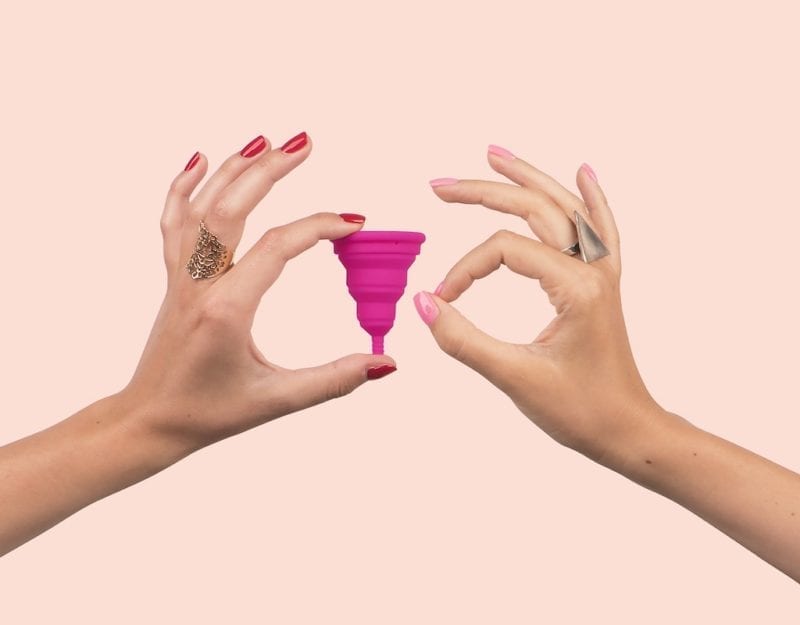
Essentially menstrual cups are just that – a small cone shaped, flexible cup that you fold then insert into your vagina where it unfolds and sits nice and safely until you remove it by pulling it from the base. Then you empty it out, give it a rinse and it’s ready to go again!

It sounds a bit yuck if you haven’t used one but users report quickly overcoming their squeamishness and loving the fact that they can go up to 12 hours without changing it.

To keep it clean, once a day wash with warm soapy water and make sure it’s clean and dry before you put it away at the end of your period. Many users sterilise their cup between periods. One cup can be used for up to (or even longer) than 10 years!

Menstrual cups aren’t actually a new thing – the first of the modern ones were actually invented in 1937. They come in different sizes and unless you have an IUD or have had toxic shock syndrome (in which case have a chat with your doctor), you can get shopping!

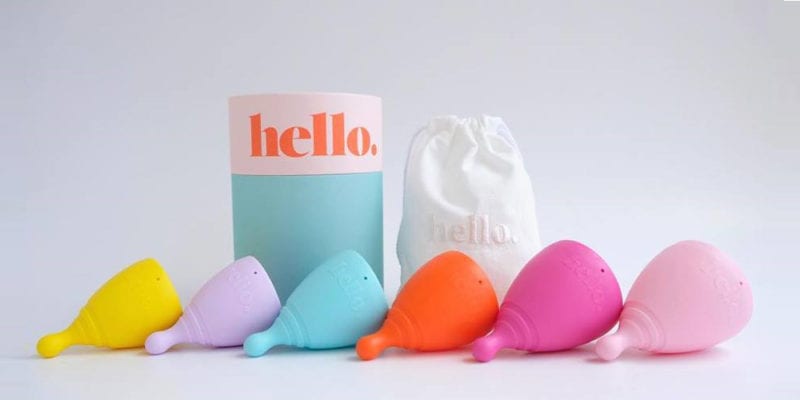
Hello.

Designed and made in New Zealand from high quality medical-grade TPE plastic from Germany, the Hello Cup has no nasty chemicals, no silicone or latex, and is recyclable!

They have a great website that gives you the full rundown on their product and how to use it and you even get to use your favourite name for your vagina on the whole website!

Visit hello.

Wā Cups

Wā Cups are zero waste and have full ethical traceability, are small and flexible enough to be folded to the size of a tampon, and sport air holes so there are no suction issues on removal).

Every Wā Cup sold “subsidises one for a student in need, stopping period poverty from affecting education in Aotearoa”

If you enjoy a bloody good pun, as well as helping stop period poverty, take a look at their pun laden website.

Visit Wā Collective

MyCup

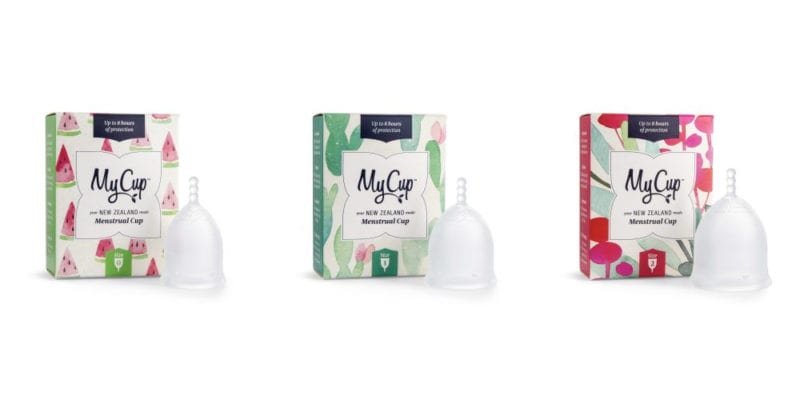
This social enterprise works on a buy-one-give-one model – and you get to choose the group to donate to. The MyCup is made from medical grade silicone in Christchurch and comes in 3 sizes. Careful thought has been given to the design to create volume and comfort.

Visit their website to find out more, or to donate a cup (for just $22.50)

Visit MyCup

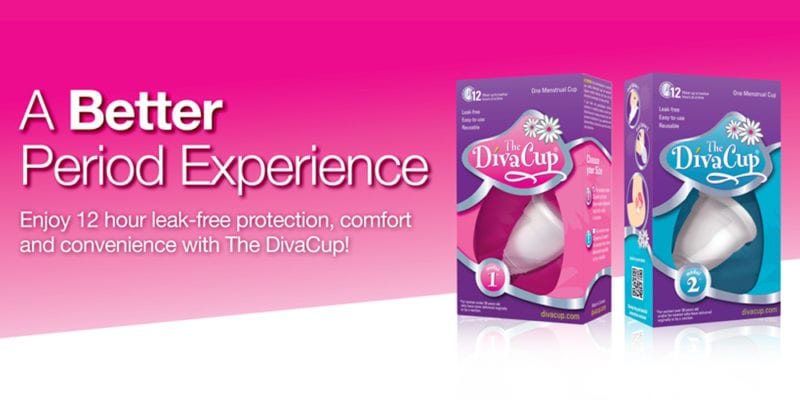
DivaCup

Available in 3 sizes so young girls, those who have given birth and older women are all catered for.
The DivaCup is made from unpigmented silicone in the belief that the vaginal walls are best not exposed to dyes and chemicals.

Visit DivaCup

SckoonCup

Made from a single piece of silicone (so it’s nice and smooth) the SckoonCup is really flexible and as such is promoted as great for cup beginners. The tail (or stem) is really flexible so you won’t be able to feel it although you can trim it a bit if needed.

Visit SckoonCup

Mooncup

Available since 2002, Mooncup is the original silicone menstrual cup and the first sanitary protection manufacturer to be awarded Ethical Business status. They work across the globe to help break down period taboos. Vegan friendly, latex-free, and hypoallergenic they come in 2 sizes.

Visit Mooncup

Lunette

If you feeling a bit anxious or confused about menstrual cups, the Lunette website has a Cupbot to answer your questions as well as some Menstrual Mentors ready to have an online chat with you.

The cup itself is the most widely distributed cup in the world and is made from medical grade silicone and comes in different sizes and colours. Their online range includes cup wipes and cleanser.

Visit Lunette

Written by Sophie Aaron

An avid yogi and free spirit who, this babe loves all things health and fitness related. When she isn’t eating something strange and healthy looking, you’ll find her thrift shopping or getting out in nature.

Favourite place she’s travelled to: India

Is yoga really that good for you?

The benefits of yoga have been touted as endless but can something really be that good for you with no downside?

While yoga has been around in some form for more than 5000 years, the past ten years have seen a massive growth in its popularity in New Zealand. In fact, Exercise New Zealand Chief Executive Richard Beddie, told RadioNZ that there had been a 500% growth in yoga-related studios and teachers across NZ since 2007.

If you don’t already practise yoga, you’ve probably been told to. Got back pain? Yoga. Stressed? Yoga. Relationship drama? Yoga.

Well, we’re not sure about that last one, but the benefits of yoga have been touted as endless. Here are a few of the benefits you might expect from a regular practise:

  • Increased flexibility
  • Improved muscle strength and tone
  • More energy
  • Weight loss
  • Better focus
  • Improved metabolism
  • Stress management

But can something really be that good for you with no downside?

There are a couple of possible side-effects to yoga, mainly if you have pre-existing conditions. Head-down yoga positions, like those pictured below, can cause a rise in intraocular pressure for people with glaucoma as well as aggravate high blood pressure for those with pre-existing hypertension.

head down yoga poses

University of Sydney research published in the Journal of Bodywork and Movement Therapies, found that the incidence of pain caused by yoga is more than 10 per cent per year – 10 times higher than previously reported. However, 74 per cent of participants in the same study said that their pain was improved by yoga… so where does that leave us?

The thing about yoga is that it is just as much an exercise for your mind as it is for your body, and injury can be avoided by practising conscientiously. If you go into it with a competitive mind, trying to force positions that you’re not ready for, then you’re likely to end up hurting yourself.

Initially, the physical aspect of yoga was developed to prepare the body, and particularly the nervous system, for stillness/meditation. So the physical poses aren’t even the most important aspect of yoga – it is about connecting your mind, breath and physical body all together.

You will also need to be aware of the type of yoga you are practising. There are more than 100 different types, or schools, of yoga, so you will need to find the one that’s right for you.

Most sessions will include breathing exercises, meditation, and assuming postures (sometimes called asana or poses) that stretch and flex various muscle groups.

Here are some of the most popular types of yoga:

Hatha

These are slower moving classes, ideal for beginners, which require you to hold each pose for a few breaths.

Vinyasa

Vinyasa links movement and breath together in a dance-like way and the faster pace is good for intense exercisers.

Iyengar

These classes are all about alignment, with lots of detail and precision about the poses. It’s great if you’re detail-oriented or an anatomy lover, or even for injuries.

Ashtanga

This practise has a routine of six specifically sequenced yoga poses, great if you like a strict structure.

Bikram

Bikram follows a series of 26 poses and two breathing exercises practiced in a room heated to approximately 40 degrees and 40 percent humidity.

Hot Yoga

Hot yoga is similar to Bikram but teachers aren’t constrained by the 26-pose Bikram sequence. Great if you want a tough workout.

Kundalini

This spiritual practise consists of kriyas —repetitive physical exercises coupled with intense breath work — while also chanting, singing and meditating.

Yin Yoga

Yin yoga targets deeper connective tissues and the poses are held for several minutes at a time. It is not recommended for very flexible people or anyone who has a connective tissue disorder.

Restorative

The mellow, slow-moving restorative yoga practice is great for anyone who has a hard time slowing down. It gives your body a chance tap into your parasympathetic nervous system.

So if you haven’t already given it a shot, make sure you look into the type of yoga that sounds right for you, and go into it with an open mind to get the optimum benefits.

Sources in this article include PLOS, Science Daily and Daily Burn.

Written by Sophie Aaron

An avid yogi and free spirit who, this babe loves all things health and fitness related. When she isn’t eating something strange and healthy looking, you’ll find her thrift shopping or getting out in nature.

Favourite place she’s travelled to: India

5 YouTube Workouts For When You Don’t Want To Leave The House

Just because you don’t feel like heading to the gym or leaving the house, doesn’t mean you can’t still get in a good workout at home. Whether you’re a yoga babe, you love to sweat out your week with an intense hiit session or you just love a good stretch, YouTube is packed with a tonne of free workouts you can do in your own home.

Perfect for if you’re at the start of your fitness journey or you’re a workout pro, we’ve compiled 5 workout videos that you can do at your own pace and easily incorporate into your morning or evening routine.

15 minute chair workout

Pamela RF is a YouTube fitspo Queen and this 15-minute chair workout will fit seamlessly into your morning routine. A little more advanced at some stages, this workout is full of positions that will work your core, arms, legs and test your upper body strength. Seriously, you’ll be tested.

If you’re just starting out, we recommend doing what we did and repeating the moves you can do and working your way up to the more intense moves.

No equipment 20 minute workout

With a counter that helps you time out your moves, this comprehensive workout gives us serious aesthetic goals vibes and leaves you just the right amount of sweaty by the end. Each exercise lasts for a minute and you’ll find yourself doing a combo of lunges, pilates, jumping jacks, some serious ab workouts, pushups and more!

20 minutes doesn’t seem like a long time but every minute you do this workout causes just enough pain to make you feel like you’ve been at the gym for an hour…and it’s worth it.

15 minute foam rolling and stretch routine

This is the one you do on a Sunday morning with a girlfriend in tow after you’ve conquered Zumba in your living room and before you head out to brunch.

A trainer with the Studio Tone It Up app, Stef chats through why stretching and foam rolling is important for your body and takes you through two minute mini-routines that target each muscle group and letting you know to pause when you find that killer knot you need to work out. Foam rolling seems to have burst on to the scene in the last couple of years and after doing this routine, we get it.

30-minute cardio and hiit workout

For you hardcore babes that love an intense workout, this 30-minute hiit series uses no equipment and is perfect as a solo workout or with a couple of girlfriends.

Take it at your own pace when you need while you work out your legs, arms, core and butt in this heart pumping routine run by Le Sweat founder Charlee. Her high energy and motivational bants create the perfect atmosphere for working up a sweat and you’ll find yourself in the right amount of pain by the end.

25 minute cardo-boxing

Warm-up. Kick ass. Stretch. Repeat.

This cardio-boxing routine will get your body moving and your heart pumping in no time. A really fun routine that you can do at your own pace, this is a great routine to switch up your weekend workout and workout your entire body.

What’s your favourite way to workout?

Written by Emily Blake

The source of our #fomo, Emily is constantly jetting overseas. A coffee aficionado, you’ll most likely find her swiping right on Tinder and daydreaming about her next adventure.

Favourite karaoke song: Wonderwall by Oasis

Getting fit without going to the gym

Do you struggle to fit a gym membership into your schedule or budge? Don’t despair, that doesn’t mean that you can’t still get a workout and tone your body every day.

Welcome to our at-home fitness plan. It allows you to fit your workout in while you’re doing something else, and best of all, is free!

The chore challenge

Next time you’re giving your house a clean, use the time to give yourself a full-body workout and get your heart pumping. Here are a few simple exercises that you can do at home:

Vacuum squat-lunges: Rather than just merely running the vacuum cleaner over the carpet, do lunges while you push. Try holding these a moment before continuing to vacuum. Sure, your carpets may take a bit longer to clean, but your leg muscles will thank you for the workout.

Floor workout: Forget the mop and get on your hands and knees with a rag to work out those arm muscles.

Washing-folding calf-lifts: As you fold clothes, stand with your feet shoulder-width apart and balance on the balls of your feet. Lift your body up to your toes and back down again while you fold. This will strengthen your calves and help take your mind off the boringness of folding washing.

Dishwashing thigh toner: While at the sink, stand up straight and lift your right leg out to the side, then lower it. Do this 10 to 12 times with the right leg, then repeat with the left leg. Try not to lean as you lift.

Clothes peg core: Put your peg and clothes basket on the ground when you hang out the washing and engage your core each time you bend down to pick up an item or pegs – this is a great way to protect your back too.

Using your own mini personal trainer

If you’ve got a young child, then there’s no need to fork out on personal training sessions! Head to the playground and your mini PT will make sure you workout until you’re exhausted with these ideas:

Swing lifts: Head out to the backyard swingset, or the local park, for a set of swing lifts. This exercise works best with baby swings. Stand in front of your child as they sit in the swing (face to face). Rather than just pushing the swing and letting go, hold on to the swing and push your child as high as you can hold the swing above your head, then keep her there as they giggle wildly. Slowly bring her down to rub noses and then push her back up again.

Seesaw squats: This exercise is great for your thighs and triceps. With your child on the other end of the seesaw, squat facing the seesaw and place both hands on the front sides of the empty seat, thumbs on top, fingers underneath. Point your elbows out and then push the seesaw down and up, repeatedly. Keep your knees over your toes and your back straight to prevent back and knee strain.

Hot tip: If the seesaw is low and you feel confident with your balance, put one foot on the empty seat and push down and up to work your legs.

Monkey bar chin-ups: While your child is playing nearby, use the monkey bars to give your arms a good workout.

Hot tip: Try both overhand and underhand chin-ups for a full workout.

Slide stairs challenge: With your kids close by, tackle the slide steps for a good calf and leg workout. Climb the stairs up and down for at least 5 min at a time and then repeat.

Another great stair workout is to stand with your feet shoulder-width apart on the edge of the step facing the ascending steps, then position your toes on the edge, so your heels hang off. Lift and lower your weight up and down off the balls of your feet as you go from tiptoes to heels down.

Hot tip: Climb steps with your tiptoes to work your calves, or point your heels down to work the back of your legs.

Everyday workouts

Your own home offers an array of workout opportunities. Here are some examples:

Climbing stairs: If you live in a split level or multi-storey home, you’ll already get your daily workout just by rushing up and down stairs all day long!

Gardening: Lugging bags of soil and potted plants, as well as raking, hoeing, and weeding work all sorts of muscles.

Playing with your kids: Chasing runaway toddlers and playing in the backyard are fun ways to get fit. Enjoy a run-around at the park or sprint-walk relay races in your driveway. Pace changes like walk-run-walk work your body better than walking or running at a steady pace.

Written by Sophie Aaron

An avid yogi and free spirit who, this babe loves all things health and fitness related. When she isn’t eating something strange and healthy looking, you’ll find her thrift shopping or getting out in nature.

Favourite place she’s travelled to: India

New Breast Cancer Foundation app puts power in Kiwi women’s hands

Media release from Breast Cancer Foundation NZ,   1 October 2019

Your breast health is in your own hands – literally.

Pre Check, an innovative app from Breast Cancer Foundation NZ – launched to mark the start of Breast Cancer Awareness Month – will take women into a whole new world of breast health awareness. Visual, tactile and audio cues help you search for signs of breast cancer on screen. When you find one, you can learn more about it before being invited to look for other signs.

Once you’ve explored all the symptoms, a ‘how-to’ guide will teach you what to look for when self-checking. You’ll even have the option to set your own reminder for regular self-checks. This will send a push-notification to your phone, urging you to ‘touch, look and check’ and showing you how.

“Pre Check is a significant new wellbeing tool for women in New Zealand,” says Breast Cancer Foundation NZ’s chief executive, Evangelia Henderson. “It’s an innovation that empowers women and gives them confidence to take control of their own breast health.”

The information has been available before but this is a new way of putting it in people’s hands, Mrs Henderson says.

“We encourage everyone from the age of 20 to ‘know your normal’. We urge women of breast-screening age to stay vigilant between mammograms, and younger women to be breast aware at all times. The beauty of Pre Check is that it puts vital information, quite literally, at people’s fingertips.

“Because it’s totally portable, you can check whenever and wherever it suits. It’s such a great way to be proactive with your breast health. And because it’s accessible to everyone, it transcends age, cultural background, income and education levels,” she says.

“Breast cancer is most treatable when it is found early, so early detection is your best protection. That’s why it’s vital to know the signs and ‘know your normal’ – and if you notice any changes, see your doctor immediately.
“If Pre Check encourages women to be more alert to breast changes and to see their doctors earlier, we believe it will save lives.”

Sarah Gandy, who was diagnosed with breast cancer in January this year at age 36, says the new app is a safe, credible source of information that will get people away from ‘Doctor Google’. “Having something that gives you the confidence to know you’re self-checking properly, and reminds you to do it regularly, is amazing,” Sarah says.

You can download Pre Check for free from the App store or Google Play, or go to www.breastcancerfoundation.org.nz

Has breast cancer touched your life?

The skincare benefits of manuka honey

Sponsored content

If you are anything like us you are always on the lookout for the perfect natural yet simple skincare.

With so many products available, all claiming a range of benefits means it’s easy to get confused as to which is best for your skin. And given that you might be wanting to address a few different issues at once such as reducing scarring or healing acne, the ideal product is one that is up to multi-tasking!

Manuka Honey has a range of properties that mean it helps enhance the health and appearance of skin.

Why Manuka Honey?

For centuries honey has been known to be an effective remedy for a range of ailments however more recently scientists have established it has a broad range of antimicrobial properties. Manuka honey is a special type of honey that is produced by bees who have been feasting on the pollen of flowers on the manuka bush and has been proven to have a higher level of antibacterial and restorative properties than other kinds of honey. If your skin is dry, sensitive, is prone to acne, or is showing signs of ageing, or any combination of these, manuka honey-based skincare is for you.

For dry skin

Manuka Honey is a natural humectant in that it acts to prevent loss of moisture thereby retaining the skin’s natural moisture.

Acne-prone

Anti-inflammatory properties in this special honey can help soothe and heal spots while the restorative features can reduce scarring and also lessen the appearance of old scars.

In addition, special anti-bacterial properties can help reduce the appearance of spots and minimise the impact of those that do erupt.

Signs of ageing

Manuka Honey contains antioxidants that neutralise free radicals which are responsible for skin cell damage; while assisting in the growth of new cells and tissue regeneration.

‘Bee’ sure

While we know bees are clever, they haven’t yet been able to learn to just forage on manuka flowers when producing manuka honey. In New Zealand, the Ministry of Primary Industries (MPI) has determined that in order to be sure you are buying high quality certified manuka honey products they need to have a minimum pollen level classification category of 70% so lookout for products that meet or exceed this level.

New Zealand based Wild Ferns produces a range of Manuka Honey Skincare products that have a manuka pollen count of 80% or more so you can be confident their products will help enhance the health and appearance of your skin.

What issue with your skin would you most like to improve?

See more:

author robynWritten by Robyn

Robyn creates content on Kidspot NZ. Her hobbies include buying cleaning products and wondering why things don’t then clean themselves, eating cheese scones with her friends, and taking her kids to appointments.

Favourite motto to live by: “It’s just a phase.”

The 10 minute a day beauty routine every busy mum needs

A complicated beauty routine is definitely not a high priority for most busy mums as there are so many competing priorities.

We have put together some super quick tips that you can fit into your busy morning schedule and before you flop into bed at night.

Morning

Clean 

If you have given your skin a good clean the night before, a quick wash in the sink or the shower with water will probably do the trick but if you feel like you need the refreshing benefit of a cleanse pick a product that is easy to use and suits your skin. Manuka Honey Gentle Facial Cleanser can be used on damp skin and then easily removed with a damp cloth without rinsing.

Moisturise with SPF

We know it’s important to put on a good moisturiser and an SPF each day so combining the two is a perfect time saving solution. Lanolin with Moisturiser SPF30 with Pomegranate and Vitamin A fits the bill perfectly and with the added bonus of being high in antioxidants which help protect your skin from the pollutants in the air. Pop a bit of mascara on to help frame your eyes.

Hair

Don’t have time to wash your hair? A good dry shampoo will give your hair new life and a bit of volume. Look for one that will give you a smooth finish and also help protect your hair.

Conceal

If you are short on sleep (of course you are!) or have a few blemishes, a bit of concealer can cover up the evidence and let you skip the foundation step. Look for one that is light and has a dewy and luminous finish to give you a bit of a glow – and it will also be great on your lids and to brighten the corner of your eyes.

Mouth and lips

If you can’t manage anything else, do fit in a tooth brushing session. It will make you feel fresher and banish that morning breath! While we remember to put SPF protection on our face, it’s easy to forget your lips so whip on some lip protection too. Wild Ferns have a great range of products formulated to protect and moisturise your lips including the Manuka Honey Protective SPF15 Lip Care and Kiwifruit Gentle Protection Lip Care SPF15.

Get fragrant

Whip some deodorant on and put some perfume onto your wrists so as your busy day unfolds you get the occasional uplifting whiff. New Zealand Flowers Perfume is beautifully fresh and light and is applied with a roller ball – perfect for on the go application.

Night

Cleanse

Before you fall into bed (for the first and hopefully last time that night!), cleanse your face to remove any traces of the day. Rotorua Mud Facial Wash Creme with Lime Blossom will refresh and remove any traces of makeup that have survived the day.

Moisturise

Give yourself a little pamper with a restorative night cream that repairs, hydrates and soothes. Bee Venom Night Creme with 80+ Manuka Honey encourages increased circulation allowing nutrients to flow into the skin tissue so you can wake up to skin that feels more hydrated, firm and toned. Future you will thank you.

What is your favourite quick beauty tip?

See more:

author robynWritten by Robyn

Robyn creates content on Kidspot NZ. Her hobbies include buying cleaning products and wondering why things don’t then clean themselves, eating cheese scones with her friends, and taking her kids to appointments.

Favourite motto to live by: “It’s just a phase.”

Simple tips to help you care for your skin

Sponsored content

It is easy to get overwhelmed by the number of skin care lotions and potions available. There are new, innovative, must-have products available every week, some accompanied by some incredible claims.

With so many different options available, we have pulled together the most sensible advice on what to spend your time and money on.

Expensive doesn’t necessarily equate to better

The powers of an expensive potion, accompanied by some slick marketing and celebrity endorsement, can make products tempting. Before you take the leap understand that while those products may be ideal for some skin there are going to be other products just as good for you that cost a whole lot less.

You really do need to use SPF daily

Dermatologists and beauticians agree – sun really does damage your skin, so daily use of an SPF is crucial. Be time-clever and use a moisturiser and SPF combined – WildFerns Manuka Honey Protective Hydrating Moisturiser with SPF30 provides great protection with intensive hydration and is perfect under make-up or alone. And don’t forget your lips, neck and décolletage.

Night is best

If you are time-poor in the morning, don’t worry about trying to fit too much into your routine. Experts agree that the ideal repair and replenishing time is when we are asleep. Start with a really good cleanse – Rotorua Mud Facial Wash Creme with Lime Blossom is a simple to use product that is renowned for its therapeutic and deep-cleansing properties, plus it will remove light make-up. If you have had a big day, cleanse twice – your skin will thank you for it. Follow the cleanse with some toner and then a good hydrating night cream or serum. The skin immediately around your eyes is more fragile so gently dab on a cream especially designed for this area.

If you have time, treat yourself with a face mask. We love WildFerns Rotorua Mud Face Pack with Manuka Honey as the mud and honey detoxify and  purify while being antibacterial.

More isn’t better

Unless you have the genetic impairment that affects how your skin barrier functions, be careful you don’t keep piling on oils and creams, because you can have too much of a good thing!  Too much can cause your skin to be clogged up and actually slow down the renewal process. As a guide, use the lightest cream you can – this is especially important if you are prone to acne and conditions like rosacea.

Also, be careful with what you combine because some ingredients don’t go well together. The most common is mixing the current hot product, retinol, with hydroxy acids (AHA’s and BHA’s) or Vitamin C.

What is your favourite skin care product?

See more:

author robynWritten by Robyn

Robyn creates content on Kidspot NZ. Her hobbies include buying cleaning products and wondering why things don’t then clean themselves, eating cheese scones with her friends, and taking her kids to appointments.

Favourite motto to live by: “It’s just a phase.”

How to help prevent nappy rash on little bottoms

Nappy rash can appear at any time during nappy wearing or even during toilet training.

It is a common childhood rash and most babies get it at some stage, however some seem to be more susceptible than others.

What does nappy rash look like?

If your baby has red, raw looking skin in the nappy area it’s likely to be nappy rash. There may be spots or pustules, usually at the edge of the rash. Your baby may be a bit unsettled and get upset when you wipe it.

What causes nappy rash?

Essentially the rash is caused by the contact of faeces and urine with your baby’s skin which of course, for short periods, is unavoidable. Sometimes the bottom’s skin seems to cope with this contact fine, however at other times it causes nappy rash. Some parents link a flare of nappy rash to teething, a change of nappy type, introduction of some solid food, or use of detergents or irritating products.

How to prevent nappy rash

First up, the best thing to do is try and keep your baby’s skin as dry and clean as possible with frequent nappy changes. Let your baby go nappy free for as long as possible so the skin can really dry out and breathe.

When changing your baby’s nappy, wipe the area to remove all traces of faeces or urine. Fragrance free is best to reduce further irritation, so ideally use a fragrance free wipe or damp paper towel to clean up messes quickly and effectively.

If you are using cloth nappies, ensure they are well rinsed to ensure there is no soap or soaking solution residue.

Apply a cream, ideally fragrance free that will provide a protective barrier against moisture to help prevent nappy rash.

How to treat nappy rash

Frequent nappy changes are essential to reduce the amount of time the upset skin is exposed to urine. Ensure baby’s bottom is really clean and leave baby to enjoy a play with no nappy whenever possible.

Nappy rash and fungal infections, such as thrush, love a warm, moist environment so creating an effective barrier that keeps the skin dry is vital to enable it to heal.

When to seek further advice

If, after a few days of home treatment, the rash is getting worse, or is not improving it may be because of an infection, fungus (such as thrush), or both. Seek advice from a health professional.

author robynWritten by Robyn

Robyn creates content on Kidspot NZ. Her hobbies include buying cleaning products and wondering why things don’t then clean themselves, eating cheese scones with her friends, and taking her kids to appointments.

Favourite motto to live by: “It’s just a phase.”

Vanuatu – a favourite family friendly holiday destination

Sponsored content

Less than 4 hours from Auckland the beautiful islands of Vanuatu are emerging as a perfect family friendly holiday destination. You can expect a lovely Pacific welcome, stunning beaches and beautiful water, but Vanuatu offers a fabulous variety of activities, destinations and accommodation that allows you to enjoy a relaxing but adventurous family holiday.

Now an independent nation, Vanuatu was originally inhabited by Melanesians followed by a range of others including Portugal, Spain, France and Today Vanuatu is culturally diverse with more than 113 languages plus many more dialects. Luckily for us English is one of the three official languages.

A legacy of the diversity of people settling in Vanuatu is the variety in cuisine available – so there will be something for even your fussiest eater! An since Vanuatu is also a producer of amazing coffee beans you will be able to indulge your caffiene passion.

Always lovely

There really isn’t a bad time to visit Vanuatu as the temperature ranges from 23 to 30 degrees almost all the time. Luckily for us, the New Zealand winter months turn out to be the least humid in Vanuatu, so although still warm and sunny it’s more comfortable.

Exploring the islands

Port Vila, the capital of Vanuatu, is on the main island of Efate. The most populated of the islands, Efate also is home to the international airport. Air Vanuatu can fly you to the other main islands of Espiritu Santo and Tanna. Small domestic flights and ferries are also available. If you are travelling between regions, make sure you pay the local tax before you board.

The islands themselves are all quite small and while you can hire a car, walking, jumping in a taxi or bus or even hiring a bike are all easy options. If you see a van with a ‘B’ on the number plate that is a privately owned mini bus. Flag them down and they will be happy to help you out. They are likely to be happy to act as your local host and show you around some of the local attractions and villages.

Accommodation

One of the great things about Vanuatu is that there is a great variety of accommodation from self-catering apartments and house through to small hotels and resorts. Some of the resorts are adults only or no children under 12 years.

Things to do

Vanuatu has no shortage of experiences for your family from fully guided to self-guided, depending on how adventurous you are feeling. Here is just a selection of our favourites:

Diving and snorkelling

Vanuatu is a snorkelling and diving mecca. Take your snorkel and goggles and go it alone or book in with a local company. No matter your choice, it will be magical. For serious divers, WWII wreck on Espiritu Santo is a world renowned experience. If you are into surfing you won’t be disappointed as Vanuatu offers some incredible surf spots.

Markets

There are two main food markets and these are a perfect place to discover new tropical delights as well the local community vibe. Take small change and a bag (or buy a locally made basket) to carry your purchases in. In these larger markets you will also be able to try some local cooked treats. Outside of the main areas, there are also small markets and roadside stalls.

Fishing

Indulge in some reef fishing or head out with a tour operator for a trip where you can enjoy amazing views, secret spots and delicious fish!

Swimming and rope swings

Enjoy fresh water in the array of stunning swimming holes and waterfalls plus an innovative selection of rope swings across Vanuatu. And of course there are hundreds of beautiful beaches.

Mt Yasur Volcano

The island of Tanna is not only home to the famous Tanna coffee bean plantations but also an active volcano. The kids will be fascinated by the sight of red-hot lava and steam and you can drive to just 150 metres from the crater edge.

Ziplining

Get up close and personal with the tropical forests that cover a lot of Vanuatu with a zipline tour.

Grab your reef shoes (essential!) and come and join in the fun that is an amazing family holiday in Vanuatu.

What would you like to do most in Vanuatu?

See more:

author robynWritten by Robyn

Robyn creates content on Kidspot NZ. Her hobbies include buying cleaning products and wondering why things don’t then clean themselves, eating cheese scones with her friends, and taking her kids to appointments.

Favourite motto to live by: “This too will pass.”

Make Your Parenting Journey Easier

Congratulations on your pregnancy or arrival of your precious baby! There are plenty of exciting times ahead as you navigate first time parenting.

There is so much advice available to you from the latest parenting book to your favourite Mummy blogger’s Instagram feed. This can lead to information overload on what raising children should look like so we have put together a simple guide on the top things to prioritise as a new parent plus tips from parents who have been there before.

Be prepared to adapt

As we set out on our parenting journey it’s normal to think about our own upbringing and look at how others are doing it and decide on our own personal do’s and don’ts. However things may not work out that way so be prepared to change things up as you go along. It doesn’t mean you are failing – it just means that you didn’t have all the information when you first made a decision. Birth plan, breastfeeding, co-sleeping, type of nappies, and how many bedtime stories you are prepared to read are all examples of things that you might change your approach to make things a work.

Manage your finances

Don’t let the ‘b’ word become a dirty word at your place. Having children has huge financial implications, especially if you drop an income for a while.  A good budget means there is money allocated for the essentials and reduces the chance of nasty surprises.

Plan for the unexpected

It is important to ensure that your family will be looked after financially in the event that you are no longer able to. You can undertake practical measures such as nominating legal guardians for your children, and taking out life insurance to ensure they are financially protected. Life insurance can ensure your family will have help with the cost of your funeral, mortgage payments and any other outstanding debt. You can have peace of mind that they will be secure and able to cover their expenses. Even if you are not currently in paid work, you can still take out life insurance.

Keep it simple

What might have seem essential one week will quickly become obsolete clutter as your baby grows and their needs change. Stick to the basics and what you need for your baby’s individual requirements. Not every baby likes the same toys, sleeping the same way or even eating the same way so try not to be swayed by the hype and just get what you really need. Or even better, borrow what you can.

Write it down

That cute saying or hilarious statement your child just made will not survive in your brain to be retold at their 21st – it will have long vanished and those fun anecdotes will have been replaced by information about what stud length they need in their rugby boots or when the next birthday party you need to buy a gift for is. Do yourself a favour and write it down somewhere safe. That you will remember where you put.

Create traditions

Creating your own family traditions is a great way to create precious memories and nurture a sense of belonging. They don’t need to be extravagant and time consuming. Some favourites are; the kids all sleeping marae style together on Christmas Eve in the lounge or enjoying a roast dinner or a special dessert on Sunday. You could teach your child that 3 hand squeezes means ‘I Love You’, have a special plate that the birthday child eats their cake from or pop a wee note in their lunchbox on the first day of the term.

Look after yourself

Juggling the needs of everyone in the family can be tricky and often parents put their children’s needs ahead of their own. This however can lead to a bottleneck or tiredness or emotions. Ensure you prioritise sometime for you. If you can’t rely on family or friends to help out and you can afford it, hire it in. Get a babysitter, a gardener or a cleaner. Pop out for a walk even if it’s only ten minutes. Shut the door so you can use the loo in peace. Do what works for you.

author robynWritten by Robyn

Robyn creates content on Kidspot NZ. Her hobbies include buying cleaning products and wondering why things don’t then clean themselves, eating cheese scones with her friends, and taking her kids to appointments. 

Favourite motto to live by: “This too will pass.”

‘A Lion in the Meadow’ ears and tail

The little boy said, “Mother, there is a lion in the meadow.”

The mother said, “Nonsense, little boy.”

Do you think there is a lion in the meadow? Award-winning author Margaret Mahy tells a delightful story of truth and imagination. A classic tale for every child, illustrated charmingly by Jenny Williams.

What you need: 

  • computer with internet access
  • printer
  • paper
  • colouring pencils and markers

Activity:

Down load the attached PDF for the children to colour in. Help cut out the ears and tail then wrap the bands around their head and waist and stick.

Please note this is the best size when printed as A3.

Join the Catch Up

Join our community of parents and let the Kidspot Catchup be your guide to creating unforgetable family moments.