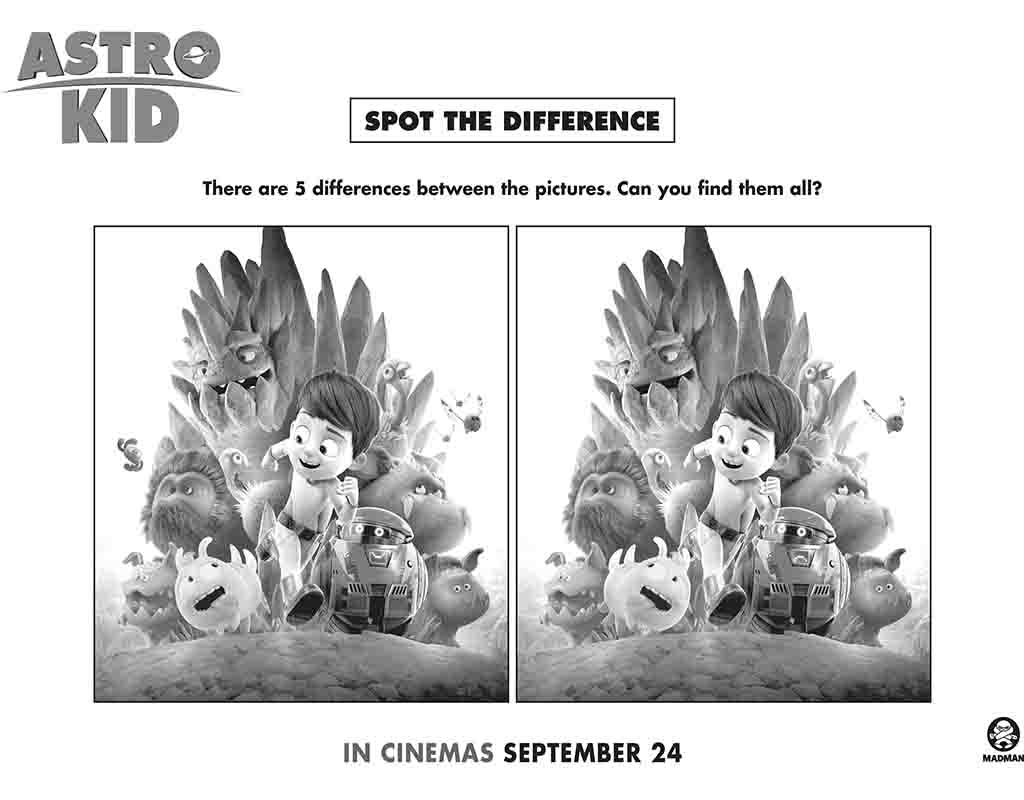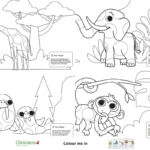
Astro Kid Spot The Difference

Join in on an outer space adventure with ASTRO KID and a Astro Kid Spot The Difference.

Upon the destruction of their ship, Willy is separated from his parents. He lands on a wild and unexplored planet and with the help of Buck, a survival robot, he will have to hold until the arrival of a rescue mission.

Click the image below to print this activity ⬇️

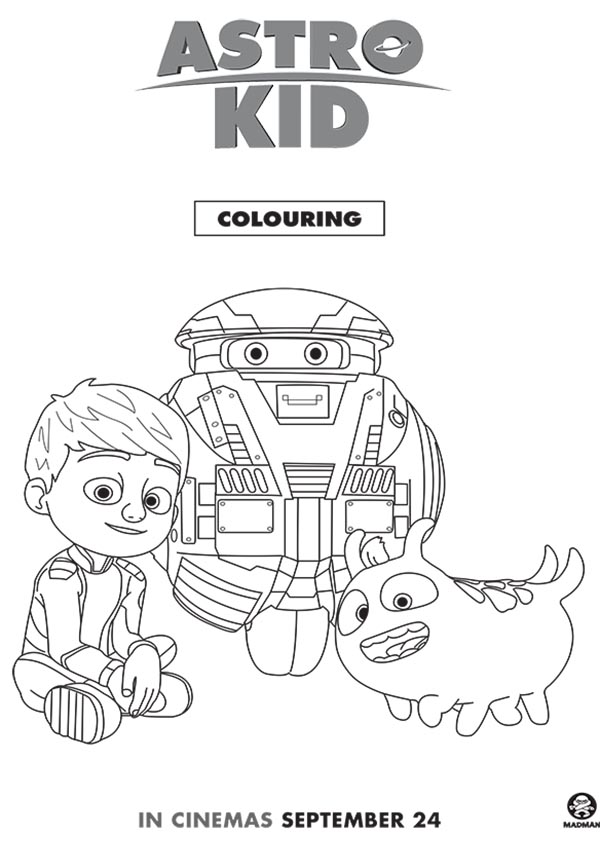
Astro Kid Colouring Page

Find more colouring in pages:

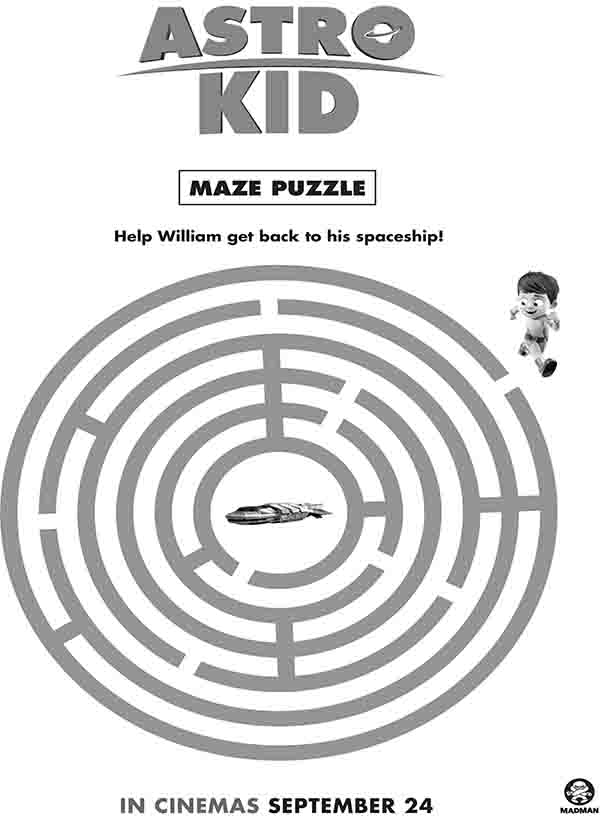
Astro Kid Maze Puzzle

Join in on an outer space adventure with ASTRO KID and a Maze Puzzle.

Upon the destruction of their ship, Willy is separated from his parents. He lands on a wild and unexplored planet and with the help of Buck, a survival robot, he will have to hold until the arrival of a rescue mission.

Click the image below to print this activity ⬇️

Astro Kid Colouring Page

Find more colouring in pages:

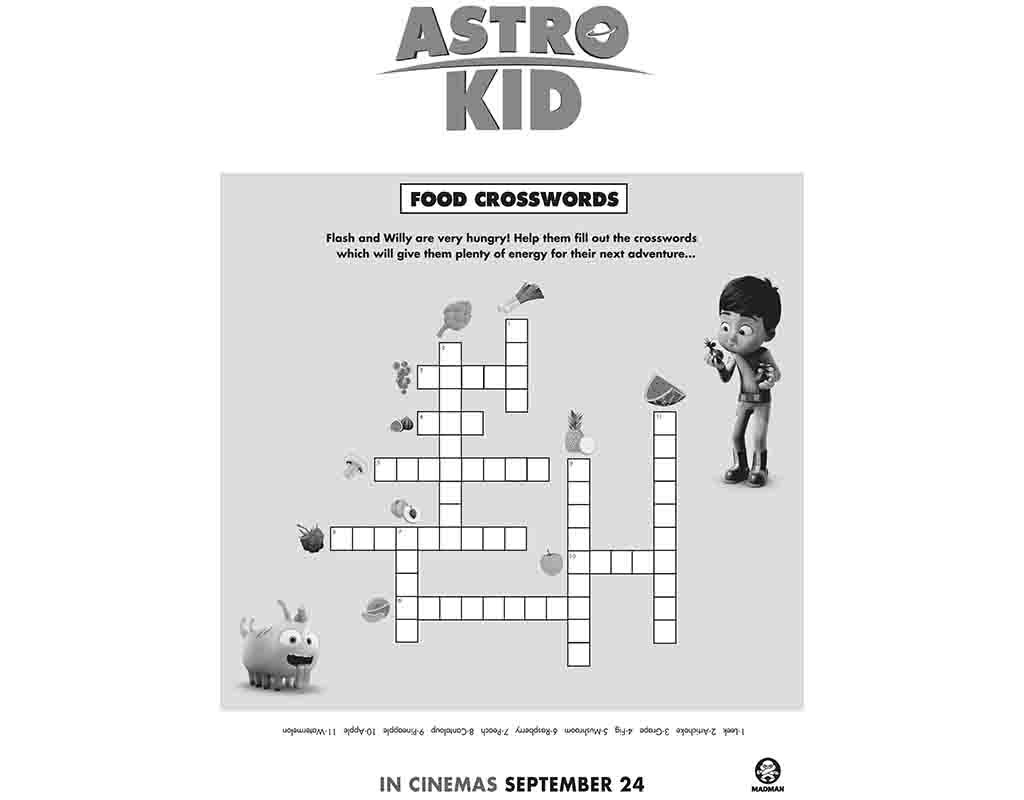
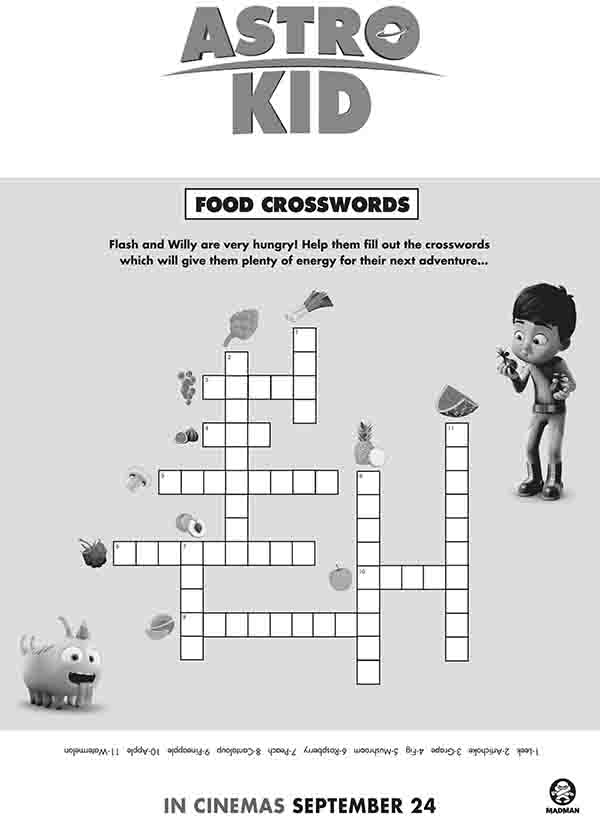
Astro Kid Food Crossword

Join in on an outer space adventure with ASTRO KID and a Food Crossword.

Upon the destruction of their ship, Willy is separated from his parents. He lands on a wild and unexplored planet and with the help of Buck, a survival robot, he will have to hold until the arrival of a rescue mission.

Click the image below to print this activity ⬇️

Astro Kid Colouring Page

Find more colouring in pages:

Astro Kid Colouring Page 2

Join in on an outer space adventure with ASTRO KID.

Upon the destruction of their ship, Willy is separated from his parents. He lands on a wild and unexplored planet and with the help of Buck, a survival robot, he will have to hold until the arrival of a rescue mission.

Click the image below to print this activity ⬇️

Astro Kid Colouring Page

Find more colouring in pages:

Astro Kid Colouring Page

Join in on an outer space adventure with ASTRO KID – download and print this fun colouring page.

Upon the destruction of their ship, Willy is separated from his parents. He lands on a wild and unexplored planet and with the help of Buck, a survival robot, he will have to hold until the arrival of a rescue mission.

More Astro Kid activity pages:

Click the image below to print the colouring page activity ⬇️

Astro Kid Colouring Page

Find more colouring in pages:

Tips To Simplify Doing Your Laundry

Keeping up with the laundry seems to be an impossible task as there are so many steps to it that it feels like a never ending cycle.

That’s why we’ve put together some tried and proven tips for helping ensure you do see the bottom of the washing basket sometimes!

1. Sort it out

Washing coloureds and whites together can end up creating a whole lot of extra work as you often then have to soak and rewash in a usually vain effort to bring the whites back to life. Having different hampers for whites, coloured (and even sport or synthetics) means that you eliminate the risk and also only do a wash when you have a full load.

2. Routine

There’s varying schools of thought on how often you should wash but we think the best way is to encourage the family to put their dirty washing out each day – even leave outside their room or the bathroom – so you (or allocate this task to a child) can scoop it up and get it to the laundry and into the different hampers. This reduces the avalanche of washing that will arrive if you ask the kids to clean their room at the end of a busy week!

3. Smalls

Pop the smalls, such as underwear and socks, into a laundry bag. This makes it faster to get them out of the machine and also means they don’t get left in a damp ball in the corner of the duvet cover. When hanging them, pop some pegs in the bag and hold the bag with one hand so you can quickly hang with the other.

4. Hang it out

Our hottest tip is to get the washing done and hung out at night. So often in the morning there are competing priorities and hanging out the washing easily slips down the list. If you prefer not to leave it out, consider putting it on a rack that you can pop outside in the morning.

5. Colour code

If you find that certain family members use a towel each time they shower, or even two towels a day, buy towels in a different colour for each person. If you only buy a maximum of three each, they will be forced to conserve their usage!

6. Load share

It doesn’t need to be a job that’s left to you and there’s plenty the kids can help with. With the help of a step they can hang out the small items. They can also match socks, sort the clean washing into owner piles, and even put the piles of clean washing back in people’s rooms. This is made easier if you pop it in a basket for them to carry and then empty.

What’s your top laundry tip?

See more:

author robynWritten by Robyn

Robyn creates content on Kidspot NZ. Her hobbies include buying cleaning products and wondering why things don’t then clean themselves, eating cheese scones with her friends, and taking her kids to appointments. 

Favourite motto to live by: “This too will pass”

Best Baby Shower Gifts

A Baby Shower is a fun way to get together with friends and family and celebrate the impending arrival of a precious baby.

A quick browse of the shops is likely to overwhelm rather than help you narrow down ideal gifts, so we asked Kidspot parents what their best suggestion for the perfect baby shower gift is. Whether the gift is for you, or you are looking for the perfect gift for someone else, check out our ultimate list of what those who have been before you loved.

Nursery essentials

“Room and bath thermometer – took the guess work out of knowing if the room was too hot in summer or too cold in winter, and it floats in the bath too so you can get the water temp right to start with and also see when it starts to cool down and it’s time to get baby out.” Sandra D

“A feeding pillow was the best gift I received, used daily and still use it now as a pillow. Amanda R and Sally C agrees “Never knew I needed, feeding pillow.”

“Plastic reusable wipes container and thin change mat … used constantly for both of my babies.” Lauren U

“We were given an electronic thermometer and it gave us such peace of mind so many times. Such a great gift.” Sarah O

Cosy and comfortable

“Knitted blanket we use it for bassinette, pushchair, capsule, cot now onto second child its the most used item we have.” Angela H

“A 4 pack of muslin wraps. I used them as a lightweight blanket, for a shade cover over the pram and as a place to change my baby when we were out and about too I loved them so much that i went out and bought another pack.” Amy K

“Crochet blanket that my friends Nana made for my daughter. It is something she can hold onto as she grows.” Katrina B

“Wrap for carrying a grizzly bub and still being productive when you also have a toddler.” Angela H

“A baby sleeping bag / sack was the best gift I was given. At first I didn’t realise how important it would become to us but it was a mainstay for all 3 of our children and being put in their sleeping bag became an important and recognisable part of their bedtime routine. Plus it kept them warm. ” Kate T

Perfectly practical

“Compression undies from my granny. It held everything together and my belly went back to normal in a few months.” Alex D

“I was given a whole lot of disposable nappies in sizes above newborn. It was so great as I had them on hand when the time came to go up a size.” Nic C

Courtney N loves her peg airer (round hanger with multiple pegs) – “Never knew I needed these but they were one of the most useful items I received! Perfect for hanging baby clothes and in our case our reusable nappies.”

“Best gift was a basket full of goodies for myself, moisturizers, creams, goodies etc … baby got lots and was nice that someone remembered me.”  Alicia H

“Voucher for a cleaning service.” Heather W

“I was given a breastfeeding ‘snack pack’ that contained dried fruit, chocolate, nice tea, lactation cookies and all sorts of other lovely things I could have while feeding. Perfect as I was constantly ravenous!” Karen B

What is your top pick for a baby shower gift?

See more:

author robynWritten by Robyn

Robyn creates content on Kidspot NZ. Her hobbies include buying cleaning products and wondering why things don’t then clean themselves, eating cheese scones with her friends, and taking her kids to appointments. 

Favourite motto to live by: “This too will pass”

Benefits Of Growing Food You Can Make Into Family Meals

Wondering if you and the children should be growing some veges and other edibles but not sure if it’s really worth the bother? Growing food can be extremely rewarding.

Check out all the benefits from involving the kids in helping to grow and prepare some food for the family meals. You’ll be surprised!

1. Know where your food comes from

Particularly for urban children, it can be easy for them to think that food only comes all nice and clean from the supermarket. Watching the plants growing and waiting patiently until they are ready for harvest is much more exciting than a trip to the supermarket.

2. Know what has gone on your food

Unless you’re buying organic vegetables, you can be pretty sure the majority of the fruit and veges you’re buying will have been sprayed with a variety of pesticides multiple times during their lifetime and often packed in plastic.

3. Good for mental and physical health

Getting out into the garden, doing a bit of digging, weeding, planting and harvesting has well-documented physical and mental benefits. It’s also an easy way to top up your Vitamin D, especially in winter (though remember to practise sun safety).

The opportunity for the kids to get their gumboots on (or not!) and dig and get dirty is a great way to let them explore new sensations and the joy of getting wet and dirty. By contributing to the family, you will all build confidence and a sense of pride.

4. Life skills from gardening

There are so many life skills that your children are learning when helping in the garden including responsibility, the importance of timing, the effect of the seasons, patience, gentleness, and even being kind. Gardening develops lots of new skills including how to water plants effectively, fine motor skills (especially when they learn to pick peas out of pods or aphids from plants), gross motor skills when digging, planting, plant propagation, raking and weeding.

5. Life skills from meal preparation

Maths, science, literacy, teamwork, creativity, cutting, measuring, pouring, and so many more skills are developed through meal preparation. Participation in the kitchen can also help young children develop their senses and understand what they are eating. Learning that mistakes are OK and that a bit of creativity can create a new masterpiece are also fun outcomes of helping in the kitchen.

8. Food that tastes better

Food that is grown at home and picked fresh tastes a whole lot better than what you can get from the shops. Often commercially produced edibles have been grown quickly and in semi-artificial conditions and then harvested, stored, transported and stored again before finally making it on the shop shelves. The food you grow at home will be in tune with the seasons and can be eaten fresh from the garden with no food miles involved at all! There really is nothing tastier than standing in the garden eating peas, beans, and strawberries, all warm from the sun, or being able to point out on the dinner plate what was homegrown.

9. Better nutrition

Homegrown edibles that ripen in the garden generally have more nutrients than store-bought vegetables that must be picked early in order to be able to be transported and stored until sold.

10. Be more adventurous with food

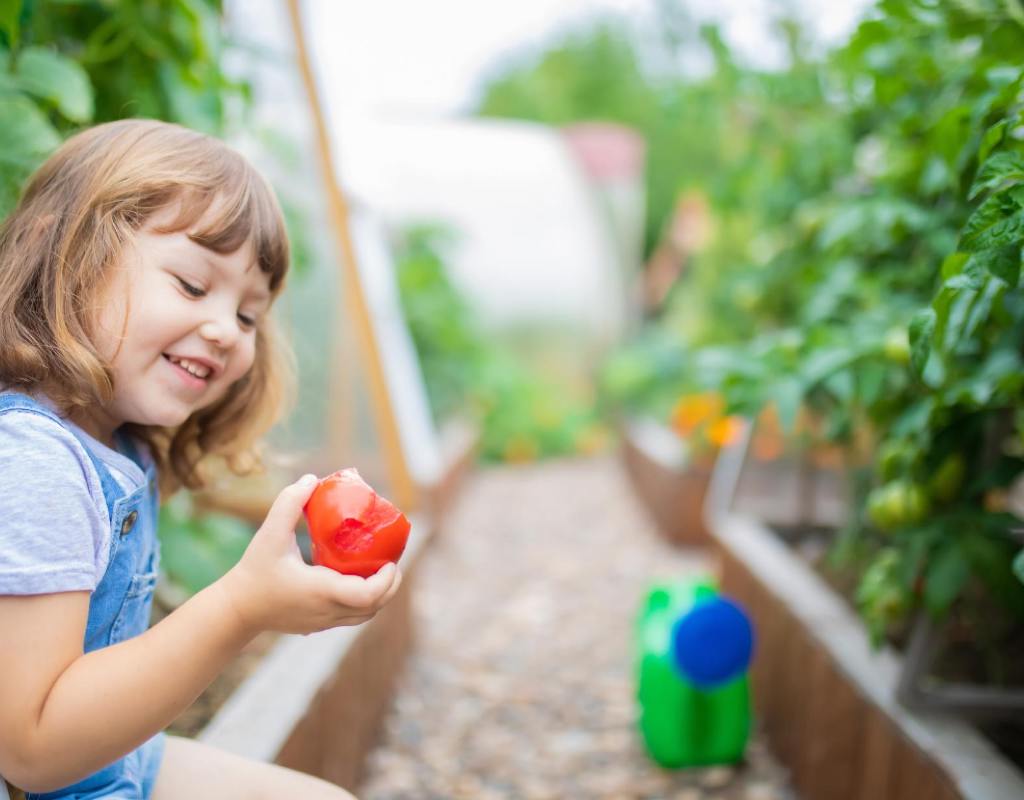
Being involved in the growth and preparation of food is a proven way to increase the chances of children trying a new food. Even if they have a nibble of it raw when they are in the garden (when appropriate), it can be an important step in getting more adventurous with food.

author robyn

Written by Robyn

Robyn creates content on Kidspot NZ. Her hobbies include buying cleaning products and wondering why things don’t then clean themselves, eating cheese scones with her friends, and taking her kids to appointments.

Gardening Activities For Children Of All Ages

Even if you’re not a dedicated gardener yourself, you can still help your child to experience the joy of growing things. While some of the jobs will not be appropriate for everyone, there are lots of things even very young children can do to contribute, and experience the joy of contributing to a healthy, productive garden.

As with all activities, children will take some time to learn, and also are likely to lose interest before the job is done, so you might need to be prepared to sneak out when they are not looking and complete unfinished activities. Hopefully as they get older they will be more invested in ensuring a job well done!

Toddlers and preschoolers

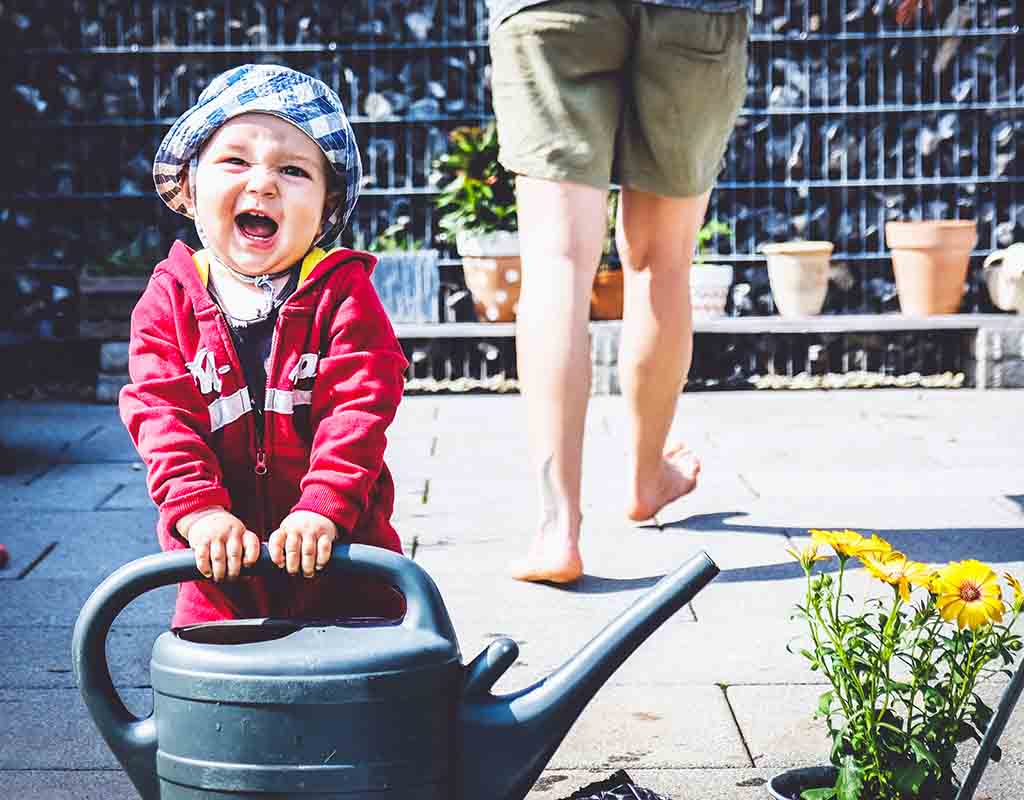
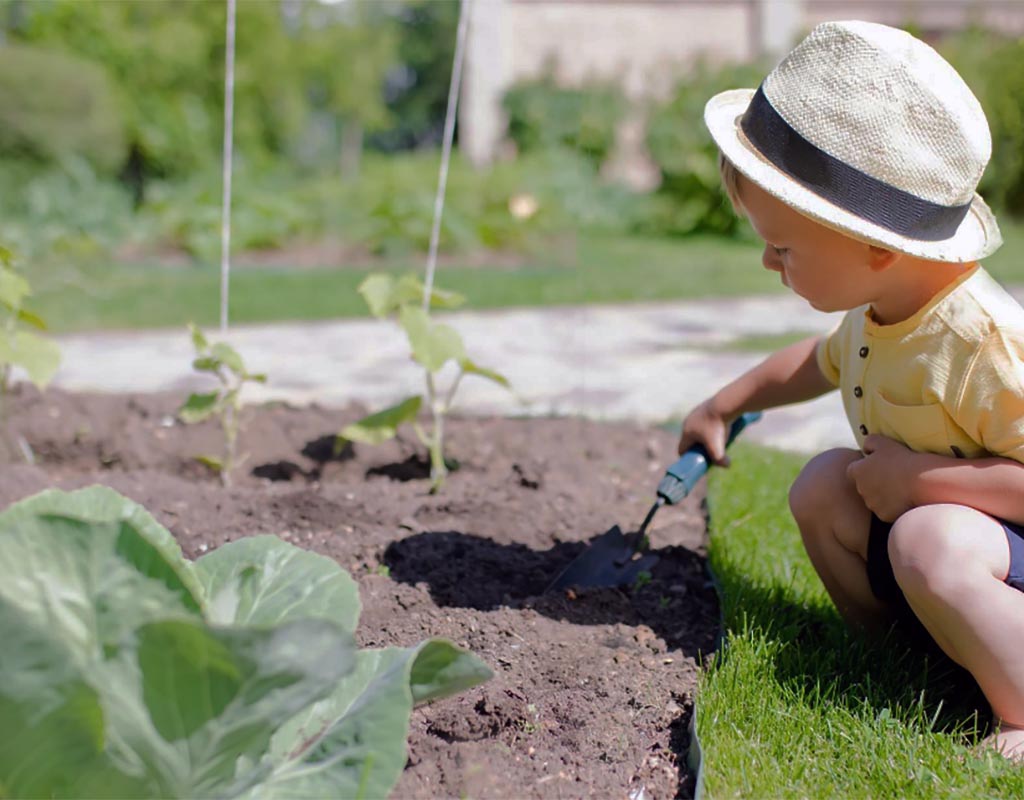
Toddlers are not very strong or coordinated but, given a suitable tool, they can help dig a patch of soil. If you are planting large seeds (such as peas or beans) lie down a rake (or other long handled garden tool) or a piece of string and ask your child to poke holes along the line with a short stick, then drop a seed into the holes, cover with soil and water. Don’t worry if the seeds are planted at irregular intervals – you can thin or transplant them out once they have sprouted. They can also help to plant seedlings by dropping them in the holes, pressing the soil around and watering.

Your toddler can also help feed the garden by scattering crushed egg shells (rinse before crushing), coffee grounds and used tea leaves. They can dig them in (or flick soil over them)  if they wish. If your child can manage safety scissors, they can cut up their banana skin into small pieces and sprinkle around the garden and especially roses if you have any. You might like to dig them in a bit if you don’t like the look of them on the top.

Children from 5 to 10 years

Now that their fine motor skills have developed a bit, primary aged children can add squashing aphids between their index finger and thumb to their repertoire. They can also hunt down snails (which you can dispose of) and also make a slug trap by burying a container in the garden up to its neck, pop some beer in the bottom and wait for the slugs to come for a beer and drown! They can also dead-head flowers and thin fruit trees by nipping off all the fruit in a cluster except one or two at the most.

Now that they are a bit stronger they can water with a watering can (start with the can just half full) or a hose. They can also fill plastic soft drink bottles with water and insert then neck down in the garden near thirsty plants to create a drip watering system.

If you are growing strawberries, your child can make pea straw beds around the strawberry plants for the ripening fruit to lie on.

Harvesting is an exciting part of gardening – together you can label as much of the garden that you can then your school age child can help at meal time by harvesting what you need.

School age children can help with weeding. Start them off weeding around large established plants before you let them near small seedlings as it is easy to disrupt the roots on small plants or confuse seedlings with weeds.

Intermediate age and older

It might start costing you a few dollars but at this age you can really make the most of their labour! They are now old enough to do almost all the garden tasks including mowing, helping with digging, mulching, trimming, harvesting high fruit and even spraying with non-toxic environmentally friendly spray.

author robyn

Written by Robyn

Robyn creates content on Kidspot NZ. Her hobbies include buying cleaning products and wondering why things don’t then clean themselves, eating cheese scones with her friends, and taking her kids to appointments.

Homegrown Food Kids Will Actually Eat

If you’re planning to plant edibles in your garden with the idea that you’ll be putting food on the family’s dinner plates, picking things that the children are more likely to eat will help ensure success.

While it’s unlikely you will get a 100% strike rate with all members of the family devouring everything you choose to grow, some edibles are more likely to be enjoyed.

Deciding what to grow is a balancing act between what will actually be eaten, how much space you have, and where in the country you are as some plants do better in different climates. Growing things that the children can help plant, care for and harvest, will also increase your chances of them eating it – even while they are still in the garden.

Here are are some of our tried and true favourites – but YMMV!

Vegetables

1.  Legumes

The most popular legumes for family meals are green beans, peas and snow peas. They will need some staking but they are resistant to bugs though they do need protecting from slugs, especially when young.

2. Carrots

Growing carrots at home that look like the ones you get in the bag at the supermarket requires light, lump free soil. Choose a slim variety and consider harvesting them at the baby carrot stage when they are sweet and tender and can be eaten without peeling.

3. Spinach

Spinach has a milder flavour than silverbeet so is more family friendly. Perpetual spinach allows you to harvest regularly from the same plant and means a great yield from a small space.

4. Pumpkin

A fantastic way to turn a sunny but difficult space into a productive area, the pumpkin plant only requires a small root space and then roams happily over the ground, over the compost heap, or even along a fence. They are hungry so will benefit from the addition of some compost or sheep pellets.

5. Potatoes

Growing potatoes can take up a lot of room if you only have a small garden but don’t be deterred as they grow happily anywhere where you can pile the dirt up around the stem as you go – a bucket, tall pot, or even a pile of tyres – just make sure there are drainage holes.

6. Courgette

Courgettes are possibly a more contentious choice as not many kids like them, but they are excellent for grating and hiding in meals! You could even stuff the flower. Easy to grow in a sunny spot, one or two plants will provide a good crop.

7. Cherry tomatoes

Although cherry tomatoes are like a fruit they are usually classified as veges, but whatever the category they are an excellent addition to your garden and dinner plate. A wee burst of sunshine in your mouth, they will need to be supported by stakes or a trellis system, can be grown in pots, and like plenty of water.

8. Broccolini / Baby broccoli

A cross between broccoli and Chinese broccoli, broccolini produces florets on long edible stems that are sweeter than broccoli. These are great as you can harvest florets over a period of time as the plant keeps producing for months. Happy in cooler climates.

Fruit

1. Strawberries

Homegrown warm-from-the-sun strawberries are delicious!  They will need protecting from birds and give them a blanket of straw around each plant for the heavy fruit to ripen on. The are hungry so feed and water them and they will reward you with sweet, tasty fruit.

2. Mandarin

Mandarins are great as they will provide you with fruit during the winter. If you are in a frost-prone area you will need to protect your mandarin tree and make sure you plant it in a warm spot. Choose a seedless and easy-peel variety. One important tip – keep away from lemons as cross pollination will mean your seedless mandarins will develop seeds!

3. Grapes

Grapes don’t require much work for lots of fruit year after year. Choose a pipless and disease-resistant variety.

4. Black passionfruit

Black passionfruit need a long warm summer and autumn for all the fruit to ripen so are best grown in the north of both main islands but one plant can produce a fantastic crop.

Something fun

1. Edible flowers

Having some edible flowers scattered over a salad or dessert may entice children to at least try a bit. Nasturtium, viola, and pansy are easy to grow and very hardy.

2. Popping corn

Did you know you can grow popping corn?! It’s a bit labour intensive in that you have to grow, then harvest, dry, and finally pop but the popping corn varieties are generally very colourful and the reward of finally eating your very own popcorn is huge! To purchase, just Google for New Zealand suppliers.

author robyn

Written by Robyn
Robyn creates content on Kidspot NZ. Her hobbies include buying cleaning products and wondering why things don’t then clean themselves, eating cheese scones with her friends, and taking her kids to appointments.

Celebrating and Recording Your Baby’s Firsts

Having a baby is a busy time so it can be hard to find the time to record in detail all the ‘firsts’ your baby is achieving.

You set out with good intentions but the busyness of life takes over and the days and months fly by and all of a sudden the ‘firsts’ have come and gone without recording them.

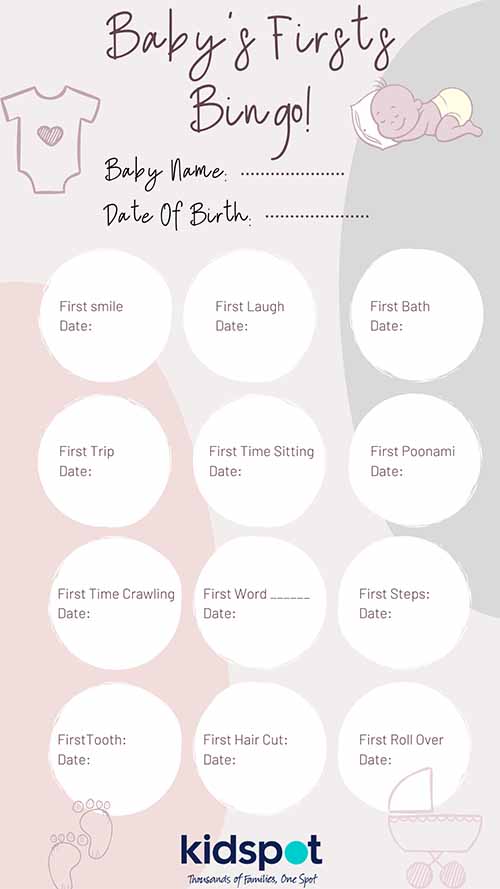
Baby’s firsts bingo

That’s why we have created a fun, and simple Baby Bingo for you! Simply print out and pop on the fridge or somewhere accessible, and fill in as you go. It will only take a few seconds and your child will love looking at it in the years to come.

Click here to download your free Baby Firsts printable

author robynWritten by Robyn

Robyn creates content on Kidspot NZ. Her hobbies include buying cleaning products and wondering why things don’t then clean themselves, eating cheese scones with her friends, and taking her kids to appointments.

Favourite motto to live by: “It’s just a phase.”

How Pregnancy Tests Work And When To Take One

If you think you might be pregnant it can be a nerve-wracking time waiting for confirmation either way.

Here you can find out all about pregnancy tests, how they work, and the best time to take one.

Early signs of pregnancy

Some people swear they know almost immediately when they’ve conceived. However, for most people, the arrival of some early pregnancy signs such as a missed (or very light) period, morning sickness, tender breasts, increased urination, food cravings, headaches, or constipation, can give a clue that they may have conceived.

How pregnancy tests work

When you become pregnant, one of the many changes to your body is the production of a particular pregnancy hormone called hCG (human Chorionic Gonadotropin). The amount produced doubles every 36 to 48 hours until around eight to ten weeks pregnancy. Once it reaches adequate levels it can be detected by testing your urine or blood.

Urine testing is the most easily accessible test as you can buy these at your local supermarket and pharmacy and they’re also available from places like health clinics and medical professionals. The urine test strip works by the presence of enough hCG in your urine to cause a reaction and reveal a positive result in an indicator window, generally after a few minutes.

When to do a pregnancy test

The level of hCG takes a while to get to a detectable level in your urine. There are a number of home pregnancy test kits available and they differ on how early you can get a positive result. Generally urine-based pregnancy tests are most reliable from the first day your period was due, although some tests can be used earlier.

Remember that a negative test early on in your pregnancy doesn’t necessarily mean you aren’t pregnant. It may just be that the test hasn’t been able to detect hCG at that time.

How to do a home pregnancy test of your urine

Home pregnancy tests generally require you to pee on a ‘strip’ or, less commonly, into a container into which you will dip the test. To ensure the most accurate results, follow the instructions carefully.

How did you find out you were pregnant?

See more:

author robyn

Written by Robyn
Robyn creates content on Kidspot NZ. Her hobbies include buying cleaning products and wondering why things don’t then clean themselves, eating cheese scones with her friends, and taking her kids to appointments.

Favourite motto to live by: “It’s just a phase.”

10 Clothing Styles Your Man Should Avoid Wearing To Social Events

Ever got ready for a social event, you’re looking amazing only to have your man be totally underdressed or inappropriately dressed compared to you? You look mismatched and frankly what he’s wearing is a little embarrassing.

Wouldn’t it be amazing if we could stop him doing this? Well let’s tell him what’s considered inappropriate for a social event and rid him of these style train wrecks.

1. Sweatpants

Just as they are named, you wear them for exercising or lounging around your home, that’s it. Jeans or chinos are the correct choice.

2. Boardshorts

If he’s not going to be surfing at this social event then he shouldn’t be wearing them. He should swap for a pair of dress shorts with belt loops, throw on a nice T, a polo or short sleeve button up shirt to elevate his look.

3. Sports jerseys

Rugby, football, baseball and other team jerseys are only appropriate for wearing to a game, if not he shouldn’t be wearing it out. A plain T, polo or a button down shirt are much better options.

4. Plastic footwear e.g. Jandals or Crocs

Plastic footwear! They’re for wearing to the beach or anywhere your feet might get wet, that’s it. He should swap them for a nice pair of dress trainers.

5. Logo T shirts

Logo T shirts are for boys not men, try a plain T, polo or button up short sleeve shirt instead.

6. Exercise sneakers

They’re only for exercising, not socialising. He should instead wear a pair of dress trainers.

7. Unironed clothing

Sorry there is no excuse – it’s just not good enough.

8. Worn out clothes

He clearly needs to invest more time and money in himself and improve his wardrobe. He needs to go shopping.

9. Clothes with stains

Clothes with stains scream you don’t care about your appearance. Either he should rewash them or dispose of them thoughtfully.

10. Dirty or scuffed shoes

It doesn’t take much effort to clean your shoes. Buy him a shoe cleaning kit for his next Valentines, Birthday or Christmas present! He’ll get the message!

How disappointing it must be for you, and I apologise on behalf of all the men out there that are letting the men’s team down. Come on guys, put some more effort in and not only feel good about yourself, but make your partner proud too. It’s not hard, it’s just thoughtful.

simon scottWritten by Simon Scott

Insta: simonscottstyling              Email: simonscottstyling@gmail.com

Simon is a menswear stylist with a love of travel, working out and getting dressed up! He has a passion for helping men dress better and there is nothing he loves more than seeing a well dressed couple out together.

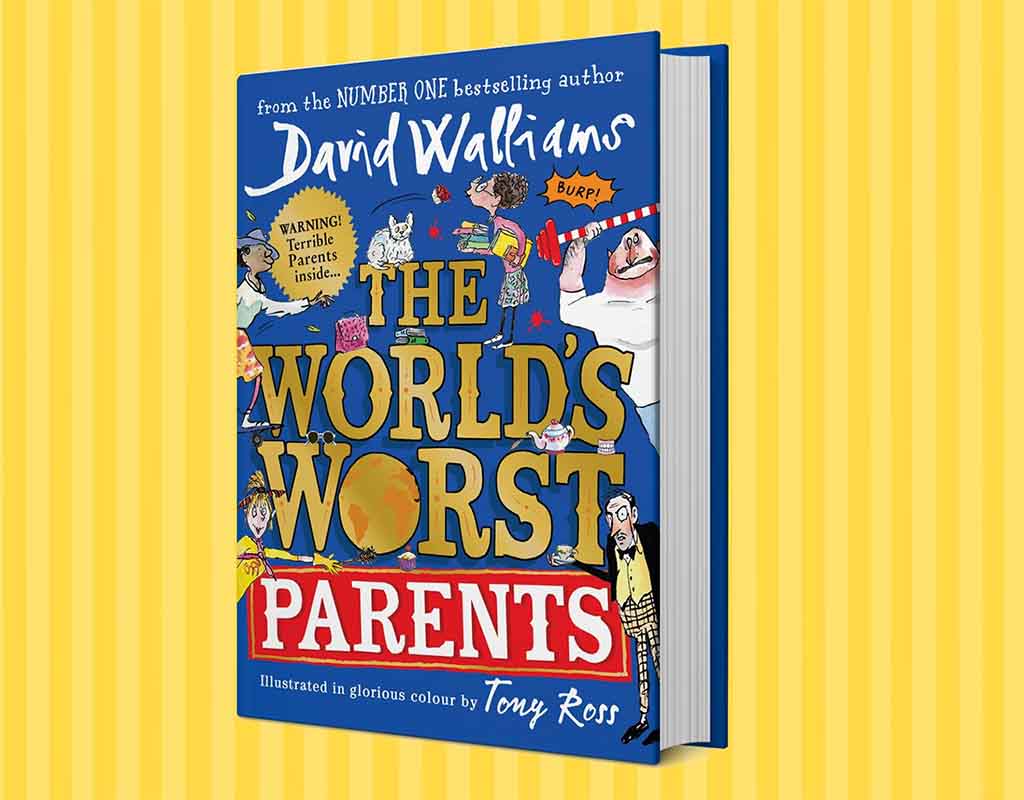
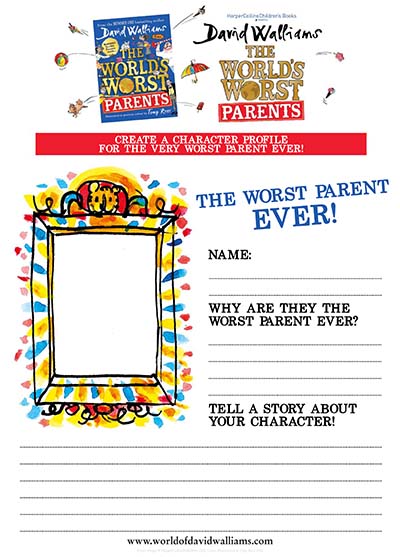
The World’s Worst Parents Activities

Millions of young readers have loved the World’s Worst Children tales and revelled in the World’s Worst Teachers, now prepare for…The World’s Worst Parents!

Ten tales of the world’s most spectacularly silly mums and deliriously daft dads, from the phenomenally bestselling David Walliams, that will leave you rocking with laughter!

Pinch your nose for Peter Pong, the man with the stinkiest feet in the world… jump out of the way of Harriet Hurry, the fastest mum on two wheels… watch out for Monty Monopolize, the dad who takes all his kids’ toys… and oh no, it’s Supermum! Brandishing a toilet brush, a mop and a very bad homemade outfit…

Find out more about the book here

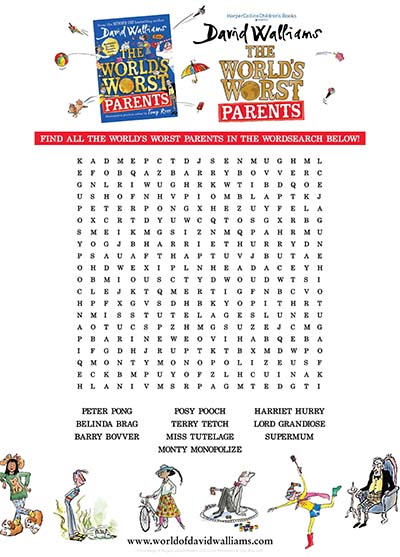
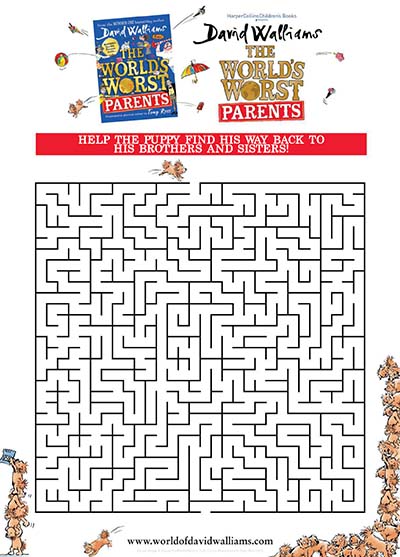
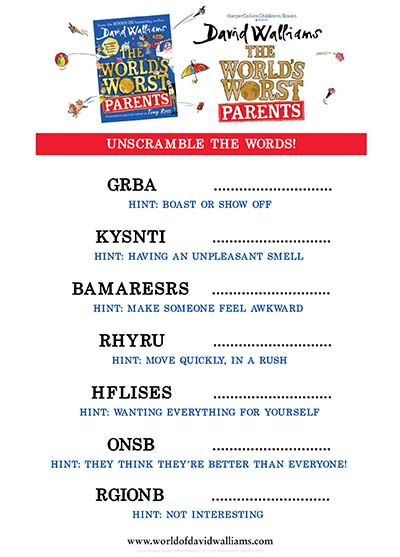
Print and enjoy these 8 free and fun activities featuring The World’s Worst Parents.

Click the image below to print this activity ⬇️

The World's Worst Parents

The World's Worst Parents

The Worlds Worst Parents bookmarks

The World's Worst Parents

The World's Worst Parents

The World's Worst Parents

6 Things You HAVE To Do These Winter Holidays

The winter school holidays are often the hardest to negotiate with the weather putting a dampener on many activities. However, it is still a grea time to rest, recharge, reconnect, and enjoy some free time.

Even though its winter, and any possible overseas travel is off the cards, a stay at home holiday can be just as special.

We have 6 fun things to do this winter holiday to make a memorable time together.

1. Family movie night

There are loads of amazing family movies available on the plethora of streaming services so get the kids to make a blanket fort, and choose their favourite toy friend to join in the the fun. Microwave some popcorn and you’ve got the perfect at-home movie night.

2. Visit somewhere you’ve never been

You’ve probably been meaning to visit somewhere local and never got around to it? Well now is the perfect time! An activity, a fantastic walk, a family friendly dining place, even the library. Tick it off your list! Try a free family day out in one of these five cities.

3. Geocache

A more technical version of painted rock hunting is geocaching where you use your phone to find a cache which is typically a small waterproof container that contains a log book where you can record you have found it. Some people like to leave a wee trinket for others to find too.

The geocache website has all your local geocaches listed – choose which one you want to find, charge the phones, take a torch and off you go!  Visit the Geocache website.

4. Make a Tik Tok

Tik Tok is hugely popular at the moment so choose a dance, get everyone to learn it and join in the fun. If you are worried that you won’t be able to learn it, watch this game Dad learning the most popular Tik Tok dance – you’ll probably back yourself to have better timing at least!

5. Become a Kiwi Guardian

Kiwi Guardian is an activity programme helping kids connect with nature, go on epic guided adventures and earn cool rewards. Choose one of the hundreds of special locations around New Zealand, download the map before you go, then explore the site, and tell DOC the code word to get a special reward in the post. The kids can also earn a medal from home with heaps of Guardian activities available. Read more.

6. Write a letter

Bring back the excitement of finding a letter in the box that you actually want to receive and encourage the kids to write a letter to a special family member, or even someone famous. The Royal Family, politicians, and grandparents are all likely to reply.

author robyn

Written by Robyn
Robyn creates content on Kidspot NZ. Her hobbies include buying cleaning products and wondering why things don’t then clean themselves, eating cheese scones with her friends, and taking her kids to appointments.

Favourite motto to live by: “It’s just a phase.”

Toys That Have Stood The Test of Time

There is such an amazing range of toys available for children in today’s world with a seemingly never-ending selection of new and exciting toys and options to entertain and engage them.

But there are some toys that have stood the test of time and continue to bring delight to even the most technologically savvy toddlers.

What toddlers are learning

There’s a lot of learning going on during the toddler phase as they continue to explore and develop their understanding of how the world around them works and also how their body works.

Toddlers have got a lot of learning to do – and they are very busy doing it. Toys that feed their curiosity and development are the ones that endure and remain favourites for generations.

So what is it that toddlers are learning, and how do these classic toys support and enhance their development?

How things go together, similarities and differences

Toddlers love making connections about how objects are used together or go together, how they can be the same and how they differ, so toys like shape sorters, stacking rings, or blocks are ideal.

They are also learning to understand about object permanence – that just because they can no longer see it, doesn’t mean it doesn’t exist.

Learning colours, shapes, numbers and sizes is also an important aspect of this phase.

It’s me!

Toddlers love to be heard! They are learning lots of different ways to communicate through words, sounds, gestures and facial expressions.

Toddlers are learning to communicate and are also learning to socialise, play alongside a friend, take turns, compromise and even start playing together. They love to mimic what they see in the world around them and start to enjoy role playing – they love pretending they are busy in a shop, cooking, and parenting babies. Dress-up costumes, play kitchens and workshops, and simple board games are favourites.

Movement

Toddlers love movement – and they love to move. They are learning how to walk, run and jump.

They also love to make things move – pushing, pulling, sliding, dropping, pouring, and even throwing are all fantastic learning experiences for toddlers. Ride-on toys are the ones kids go back to again and again, while sand and water toys will be used in the sandpit, the paddling pool, the play kitchen …

More classic toddler toys that have stood the test of time

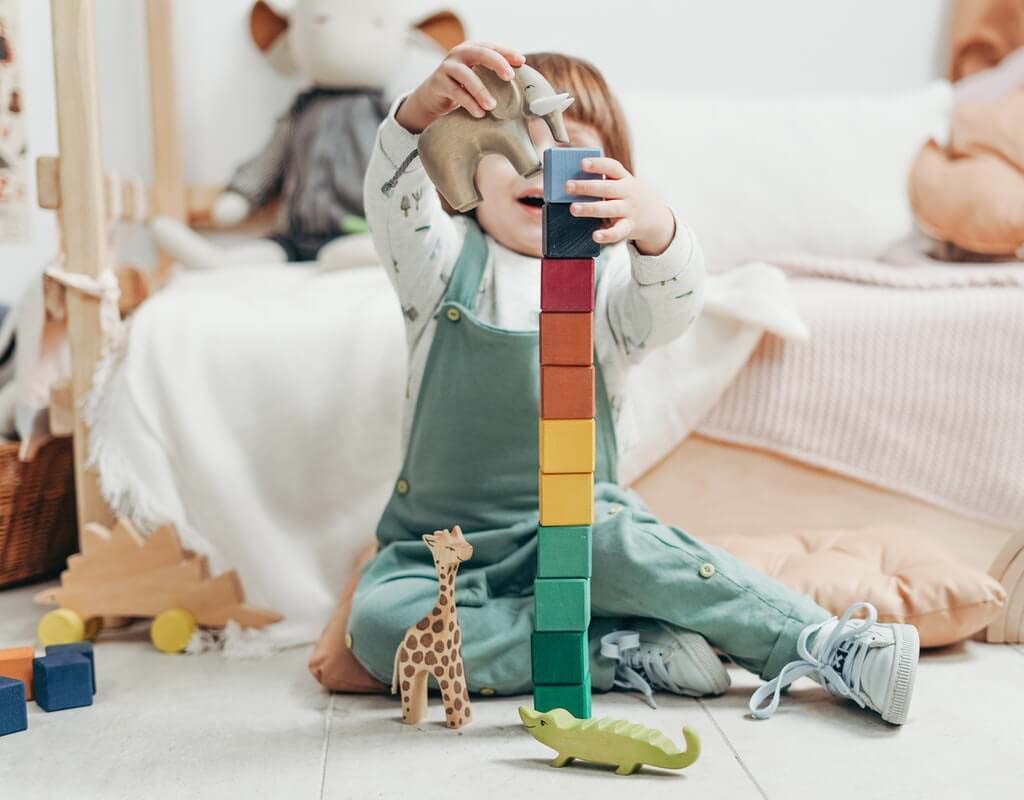
  • Wooden blocks have been a favourite for centuries. Stacking, sizes, shapes, and colours are all key things toddlers can learn from playing with blocks.
  • Get hands-on learning with sturdy wooden puzzles. Kids will also be learning colours, shapes, perseverance, and developing their spatial awareness as they rotate shapes to fit.
  • Great for future builders, kid-sized wooden work benches are perfect for imaginative projects and hours of fun.

What are your favourite childhood toys – an do you kids love them too?

See more:

author robyn

Written by Robyn

Robyn creates content on Kidspot NZ. Her hobbies include buying cleaning products and wondering why things don’t then clean themselves, eating cheese scones with her friends, and taking her kids to appointments.

Favourite motto to live by: “It’s just a phase.”

Managing Your Children’s Screen Time

The ever expanding online world is encouraging us to use the internet more than ever before, and while it can be a wonderful resource to research, communicate, and entertain, it can become all-consuming and even addictive.

The internet, and associated apps, is basically a big competition to get the most users, clicks, and engagement. There’s no denying it’s an amazing tool with its ever growing range of entertaining and educational programmes and clips, research information, the ability to connect with family and friends, make new friends, listen to and create music and videos, play games, and even explore their identity. Fundamentally though, this amazing tool is designed to encourage us to go back again and again.

So how can we ensure our screen time is adding value to our life, and not diminishing it?

How much time is too much time online?

Determining how much time online is worrying is not a precise science and is dependent on factors such as they age of the user, and how they are actually using the internet.

Time spent watching Tik Tok’s and snapchatting ‘streaks’ to friends is fun, if not wholly educational, while playing violent or aggressive games is certainly a very different experience to reading online, researching, or watching informative YouTube videos and documentaries. Is your child communicating safely with friends or are they spending time mindlessly watching ‘influencers’?

For younger children, some online time alongside you using devices or applications that are designed especially for them is fine. However young kids predominantly need to be moving, exploring, playing, and experiencing things in the real world.

Signs your child is online too much

There are some key behaviours that will give you an indication your child is spending too much time online, or even starting to develop a screen addiction.

– They stay online much longer than they intended to
– They are aggressive or agitated when they come off line
– They become agitated or anxious when they cannot get online
– They lie about how long they are online
– Their sleep is being affected by their online use
– Their school work is suffering
– They cannot stop using their device, even when it’s inappropriate such as talking to people or at the dinner table
– They are not spending time with friends in real life
– They start to neglect things they have previously loved such as reading, craft, or sport

Changes in their behaviour and happiness can also be a sign that they are having a distressing experience online such as bullying, or an inappropriate relationship.

Tips to help manage screen time

First up, talk with your child to find out what they are actually doing online. Getting an understanding of what they love will be a great input into what rules and restrictions you will apply.

Work with them to understand exactly how much time they spend on screens – they might be shocked! Most smartphones have a weekly screen time report.

To help them avoid the need to pick up the phone constantly, turn off push notifications, and stop notifications from apps such as Snapchat, Instagram, and Messenger. Encourage your child to not feel obliged to respond straight away to every message and notification.

Model the behaviour you want and get off the screens yourself! Involve the kids in activities and jobs around the house, encourage them to get outside for a bike ride or a bounce on the trampoline. Sign them up to some sport or other after school activity. Join a library and have a set time each week that you visit.

Set rules around when they are not allowed to use devices for example, when going to bed, at the dinner table, during family time, when visitors come, and before they are ready for school.

Getting a helping hand

The reality is that for most kids the lure of the screen is almost impossible to ignore. Some parents find installing good security software is a great way to monitor your kid’s online behaviour, flag unsafe behaviour so you can talk about it, and keep their children safe while using the internet.

author robynWritten by Robyn

Robyn creates content on Kidspot NZ. Her hobbies include buying cleaning products and wondering why things don’t then clean themselves, eating cheese scones with her friends, and taking her kids to appointments. 

Favourite motto to live by: “This too will pass”

Keeping Your Family Safe Online

Children are using the internet more than ever before, and while it can be a wonderful resource to research, communicate, and entertain, there are also risks associated with internet use, and these are changing all the time.

As children become more active online it’s highly likely that they’ll be exposed to something that they have difficulty processing.

We look at how you can be confident that your family are able to use the internet safely, and not be exposed to inappropriate content, online predators, and cyberbullying.

What are the online risks?

It’s not all doom and gloom – the internet can be an amazing place for the whole family. There’s an ever growing range of entertaining and educational programmes and clips, research information, the ability to connect with family and friends, make new friends, listen to and create music and videos, play games, and even explore their identity.

Used well, the internet is a fantastic resource but unfortunately the dynamic and largely unregulated nature of the internet means it’s easy for the fun to stop and be replaced with an upsetting, traumatic and even costly experience.

Inappropriate content is rife online and includes pornography, violence, promotion of self harm including eating disorders and suicide, discriminatory content including sexism and racism, explicit language, and even animal abuse. The internet is also host to predators who target vulnerable people to exploit for sexual, financial, or even violent reasons.

The content can be inadvertently accessed through the search function, in live streams, pop-up ads in games and apps, and in forums.

And particularly for children, some of the content can be confusing and upsetting, and even dangerous.

Tips for keeping your family safe online

For younger children, try to keep an eye on what they are doing online. Spend time together using the internet and teach them how to use it. Bookmark favourite websites so that they can go straight to them.

Talk with your children about the risks on the internet, explain what can go wrong and give them advice on what information they should never share including their full name, address, phone number, email address, and personal images. Explain that they cannot always believe what is on the internet and to treat everything with caution.

Give them ideas on how to deal with something that they find upsetting or unnerving. For example, they shouldn’t feel bad about blocking someone, immediately leaving a site, or not answering someone. Reassure them that if they are confused or uneasy about something that has happened either to them or someone they know, that they should tell you and that they won’t get in to trouble.

Just as you teach your children rules and manners about interacting in real life, your children also need to know how they should behave online. A good rule of thumb is that if they wouldn’t say it to someone face to face, then it’s not OK online either. Explain that hurtful words online hurt just as much as in real life and that it’s much easier for online words to be misinterpreted as they aren’t accompanied by facial expressions and tone.

Getting a helping hand

It’s impossible for you to monitor your family’s online activities all of the time. Your household will likely have access to multiple devices such as tablets, smartphones, laptops and desktop computers. Plus, no matter how careful we are, it seems the tricksters keep finding ways to keep one step ahead of us.

Given that 1 in 3 New Zealanders experienced cyber-crime during 2019, installing good security software is an option many families consider.

What are your top tips for keeping your family safe when online?

See more:

author robynWritten by Robyn

Robyn creates content on Kidspot NZ. Her hobbies include buying cleaning products and wondering why things don’t then clean themselves, eating cheese scones with her friends, and taking her kids to appointments. 

Favourite motto to live by: “This too will pass”

Top 10 Playdough Activities & Games

Playdough is one of the most enduring toys and that’s because it’s versatile, affordable, and a fantastic learning activity!

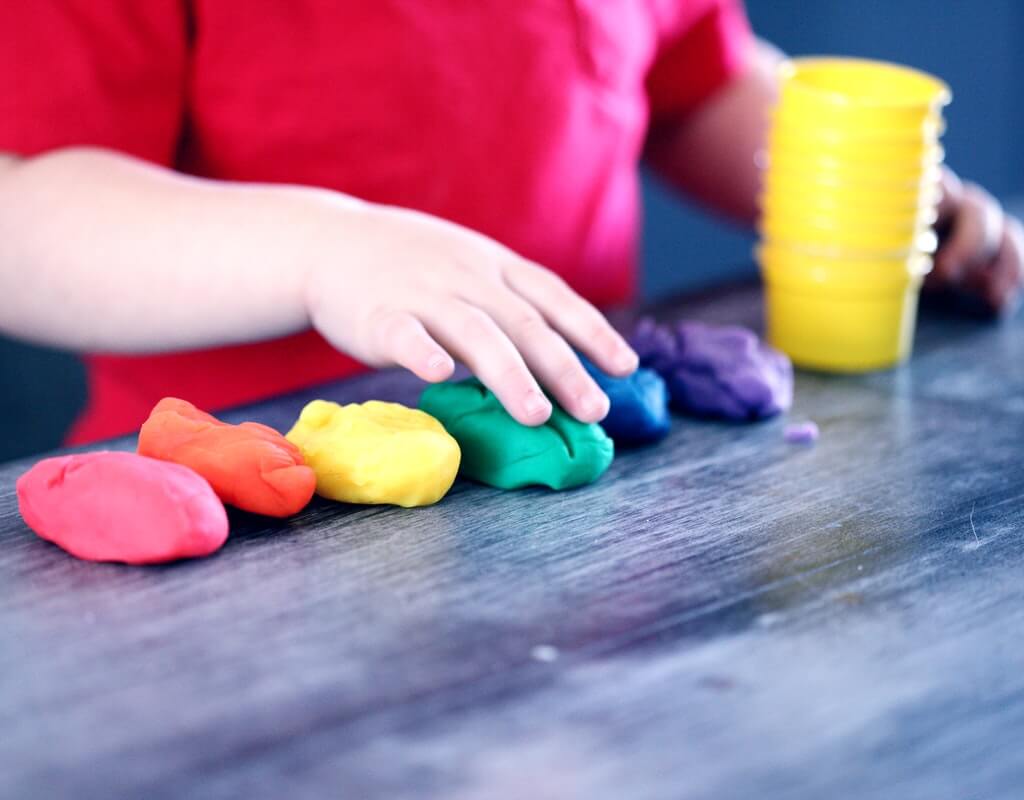
Playing with playdough enhances your child’s imagination and creativity. It exposes them to textures, helps develop fine motor skills, encourages experimentation, and can also facilitate learning of colours, numbers, and textures.

Here are our top ten picks for activities your child can do with play dough.

Shapes, numbers, textures, and colours

1.  2D play dough shapes – learn shapes, colours and have some mathematical fun making two dimensional shapes

2. 3d  shapes – switch it up from the flat two dimensional shapes and learn what they look like in three dimensions

3. Rainbows –  make a rainbow and learn about colours at the same time

4. Make new colours – indulge your child’s urge to mush colours together to make new colours

5. Leaf print – learn about textures and shapes with this fun leaf activity

6. Jewellery– enhance the fun by adding glitter and other items to the dough and mix up the shapes to make a treasured keepsake

Games

8. Playdough Pictionary – playdough is the ideal way to engage children who otherwise don’t like sitting still: it is hands-on and it bends to their will giving instant gratification. This playdough Pictionary game is great for older children or children who like to be challenged.

9. Shapes memory game – make pairs of shapes (or blobs of the same colour) and hide them under plastic cups for a fun DIY memory game

10. Wacky sack – big and little kids will love this playdough and balloon wacky sack game

What is your child’s favourite thing to make with play dough?

See more:

author robyn

Written by Robyn

Robyn creates content on Kidspot NZ. Her hobbies include buying cleaning products and wondering why things don’t then clean themselves, eating cheese scones with her friends, and taking her kids to appointments.

Favourite motto to live by: “It’s just a phase.”

How to Create an At-home Craft Corner

There are many benefits to your child doing art and craft. Having a dedicated space for this at home is a great way to encourage them to create whenever the urge takes them.

We know that being creative is good for our children, but if we’re honest, sometimes the time that we put in to setting them up with some craft items and then tidying up afterwards, far exceeds the time they actually spend crafting.

Creating a dedicated craft corner at home means your child can have easy access to their creative supplies, while also confining the ‘mess’ to one place.

Benefits of being creative

Art and craft activities play an important role in your child’s development. They help develop fine motor skills, encourage experimentation, facilitate learning of colours, numbers, and textures, to name just a few.

Young children tend to only have short attention spans and so their creative urge may only last a short time. Having their art supplies ready and waiting means they can create whenever inspiration hits.

Here are some key things to incorporate in a creative corner at your place.

Accessible and robust

Even though you are hoping to encourage your child to develop their sense of creativity and imagination, they will still want to be near you. A space near the kitchen is ideal.

If you are choosing furniture, choose a sturdy, child-sized table and chairs with surfaces that can withstand pen, crayons and paint.

Another useful accessory for a craft corner is an easel. This is often easier for small children to draw and paint on as they don’t need to lean across the paper or hold the paper still. If you are buying one, look for one that has holes for containers – this eliminates paint being knocked over and crayons rolling off.

Put a thick, washable mat or an old mat on the floor and leave space for your child to create on the floor too.

Choose quality supplies

Spend your money wisely. Crayons that don’t actually work well, felt tips that dry out, and pencils that split when sharpened are all frustrating for the artist.

Being able to craft something that they can then use is really rewarding for children too.

A place for everything

Although kids tend to make an almighty mess, they actually prefer a tidy space to get started in. Make use of shoe boxes, takeaway and ice-cream containers to store craft supplies and pop them on a bookshelf. Plastic drawers are great for storing paper and other craft supplies. Don’t forget a rubbish bin!

Art gallery

Make a space on the wall to display their creations – this could be as simple as a string between two hooks that you peg pictures to.

Rotate

Don’t put all the art supplies out at once. Pop some away in a cupboard and bring them out when new inspiration is required.

author robyn

Written by Robyn
Robyn creates content on Kidspot NZ. Her hobbies include buying cleaning products and wondering why things don’t then clean themselves, eating cheese scones with her friends, and taking her kids to appointments.

Favourite motto to live by: “It’s just a phase.”

Every Well Dressed Man Needs One Of These

Would you like to know something that gets men interested in their clothing and appearance and at the same time makes them look sharper and more put together?

This is something that most men don’t do but when they experience it for the first time they are blown away. It changes them forever. Are you ready for it? Simply find them a good tailor and get them to get their clothes tailored.

Maybe it’s the engineer in him, maybe it’s the way the shape of the clothes change, maybe it’s that he’s putting more effort into his appearance, maybe it’s because it’s customised to him, maybe it’s all of those of things, but one thing is for sure if you can get him to experience tailored clothing he should be hooked forever.

Tailoring tweaks

All of the best dressed men in the world get their clothes tailored. In fact the highest level of mens clothing in the world is bespoke or tailor made and for good reason – it looks so good.

If you have invested your hard earned money into good quality clothing, having tailoring tweaks will ensure the perfect fit and while everything looks better after it has been tailored its generally not worth having cheaper items tailored.

Finding a good tailor

There are some key steps to finding a good tailor:

  1. The tailor needs to be in a convenient location otherwise it may be all too hard for him. You are going to need to find him a tailor that is either 1. close to his work 2. close to home or 3. open on a Saturday.
  2.  Google “men’s clothing alterations + location”.
  3. Read some of their google reviews.
  4. Click on their website, get a general feel for it.
  5. Call and ask if they can shorten a jacket sleeve from the shoulder. If they can, then they are a tailor not a seamster. This allows you to get a feel for their customer service approach too.

Getting started

Try and make it quick and painless for him on the first visit so grab a maximum of three pieces to start on the first visit. A pair of jeans or chinos that need shortening, a shirt that needs a tweak.

Make sure you also grab a pair of shoes and belt for any trousers, pants, jeans or chinos that you might want shortened. It’s really important that he puts the shoes and belt on and then tucks in his top before they measure for the shortening.

At the first pick up and also take some more items in hand ready to keep this tailoring ball rolling. Each time he goes he’ll feel more confident and comfortable at the tailors.

Before too long he’ll be saying “I can’t believe more men don’t use tailors”

simon scottWritten by Simon Scott

Insta: simonscottstyling              Email: simonscottstyling@gmail.com

Simon is a menswear stylist with a love of travel, working out and getting dressed up! He has a passion for helping men dress better and there is nothing he loves more than seeing a well dressed couple out together.

Slime is on the shelves now

Sponsored content

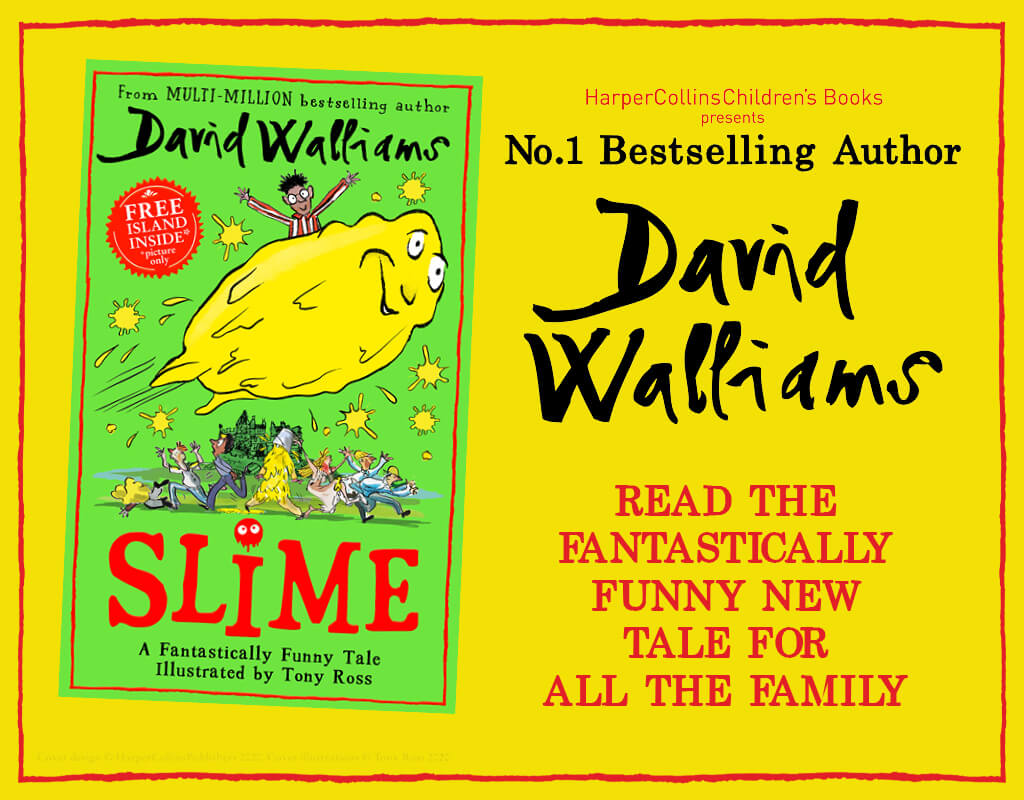
David Walliams is back on the shelf at your local booksellers with a new fantastically funny, and gooey, tale for your young reader.

Following on from other gloriously inventive stories including ‘The Ice Monster’ and ‘Fing’, Slime is a great opportunity to step into the wonderful world of David Walliams’ imagination.

Welcome to the Isle of Mulch…

Slime is set on the lsle of Mulch which is home to a large number of awful adults who like nothing more than making children miserable. And the island is owned by the most awful one of all – Aunt Greta Greed! Something needs to be done about them. But who could be brave enough? Meet Ned!

Ned has lived on Mulch all his life and whilst trying to get his own back on his trickster sister, Jemima, he discovers one of the great mysteries of the world – slime! What is it? Who is it? Where does it come from? And how does Ned use slimepower to take on the horrible grown-ups of Mulch?

Slime is an action-packed adventure in which David’s incredible imagination brings to life a gloriously gloopy character who sets off with the most extraordinary of heroes, Ned, on the most fantastical adventure.

Inventive characters bought to life

David has again teamed up with the talented illustrator Tony Ross who has peppered the book with witty illustrations that vividly bring the diverse range of characters to life and combined with the gloriously imaginative language, your 7 years + readers will be enthralled and entertained.

Swish – Swash – Swoosh – Woomph – Boing – Splurt – Squealch – Slimeado!

Fantastic colouring

slime colouring

Readers can join the in creative fun by colouring a reproduction of the Slime book cover. What colour will their slime be?

Download and print your free copy here

Revolutionised Reading

David Walliams has revolutionised reading for children and has become one of the most influential children’s writers today. Since the publication of his ground-breaking first novel, The Boy in the Dress (2008), Walliams has seen unprecedented growth with global sales exceeding 37 million copies, and his books translated into fifty-three languages. Collectively across his titles, David has celebrated fifty-five weeks (non-consecutive) at number one in the overall book charts and more than 150 weeks (non-consecutive) at number one in the children’s charts – an achievement no other children’s writer has reached.

Endlessly inventive and bursting with laugh-out-loud Walliams humour, Slime is available now at all good book retailers.

Find out more about the book here.

Written by Kidspot for HarperCollins.

David Walliams ‘Slime’ colouring page

David Walliams fans will love this new fantastically funny tale and colouring page

Slime

Welcome to the Isle of Mulch…

Home to a large number of awful adults who like nothing more than making children miserable. And the island is owned by the most awful one of all – Aunt Greta Greed! Something needs to be done about them. But who could be brave enough? Meet Ned! Ned has lived on Mulch all his life and whilst trying to get his own back on his trickster sister, Jemima, he discovers one of the great mysteries of the world – slime! What is it? Who is it? Where does it come from? And how does Ned use slimepower to take on the horrible grown-ups of Mulch? David Walliams’ legion of fans will delight in an enthralling read that finally unearths the legend of the origins of slime.

Click the image below to print this colouring page⬇️

Slime colouring in

Activity courtesy of HarperCollins New Zealand. Check out the book here.

See more:

4 Simple Outfit Ideas For Your Man

You and your man are heading out and you have gone to a lot of effort but your man has thrown on his favourite ‘good’ outfit that is really not good, or even tidy.

It can be frustrating so I am going to explain why this happens, and how to change things up a bit, from a man’s perspective, plus give you These 4 outfit ideas that are crafted from matching pieces that allows him to easily create many outfit combinations.

1.  Put outfits together with 2 or 3 colours

This is the first thing I teach to guys when styling them. Most of them literally have no idea but are grateful for the information. They simply don’t know.
So although we all know you can wear outfits with 1 to 4 colors, for the sake of simplicity let’s start them with the easiest and in my opinion the most stylish; 2 or 3 colour outfits.

Now most guys’ outfits will only have 3 to 5 pieces of clothing depending on the weather and the occasion; shoes, pants, belt, top and jacket. So adhering to this styling idea he will have to learn to colour match some of his items together to keep the total colours to 2 or 3. It’s not rocket science!

The image above has an example of a 2 colour outfit with 5 pieces of clothing and a 3 colour outfit with 3 pieces of clothing.

2.  Match shoes to top

Ok so now he knows 2 or 3 colours make up am outfi, hen ow needs to know which colours work well together.

Matching his shoes to his top is a very simple way of creating an outfit and it’s super stylish.

Want to add a jacket with this? Add a black one to stay 2 colours or add another colour to make it 3 colours. Easy peasey

Rule 3. Match shoes to jacket

This 3 colour 5 piece outfit looks amazing and also works when the jacket is off. Can you imagine your man in this?

4. Match belt to pants or shoes

These two methods work when his top/shirt is tucked in showing off his belt.

For a more casual vibe he can match his belt to his pants. As an example I use this when wearing white trainers as I don’t like white belts. I blend the belt in with my jeans or chinos.

For a more polished and dressier look especially when wearing leather or suede shoes I match my shoes to my belt. Oh and make sure the browns are of similar colour otherwise it looks a little weird.

2 looks from Simon

Finally , if he’s interested in learning and you wanted to spend the time you could flat lay a few outfits out on the floor and see how many outfits you both can come up with. You can create loads of outfits in minutes, just start swapping stuff out and start clicking

Photograph the flat lays on his phone and then put them in an album called “outfits” so he can access them quickly.

I guarantee if you show him these outfit ideas he’ll be buzzing and who knows might come up with some great outfits. Good luck and we would love to see your photos!

simon scottWritten by Simon Scott

Insta: simonscottstyling              Email: simonscottstyling@gmail.com

Simon is a menswear stylist with a love of travel, working out and getting dressed up! He has a passion for helping men dress better and there is nothing he loves more than seeing a well dressed couple out together.

Why Good Nutrition Is Important For Kids

Advertorial for ChildLife Essentials 

As parents we know that a balanced and healthy diet full of nutritional value will contribute to your child’s quality of life and set them for a healthier adulthood.

Life with kids can, however, get really busy, and kids can be fussy eaters so even if they are presented with a balanced meal, chances are they won’t eat it all. Working out the best way to ensure they are receiving the right nutrients in their diet can be tricky, so we have put together some tips and tricks to help you find the right balance.

Why is good nutrition so important?

Good nutrition is important for almost every facet of life. Adequate nutritional intake helps with:

  • healthy brain development and enhanced concentration
  • development and maintenance of strong and healthy teeth
  • stable mood and energy levels
  • decreasing the risk of serious diseases later in life such as obesity, heart disease, and memory loss
  • creating healthy eating habits for future wellness
  • enabling healthy life long weight maintenance

So it’s undeniable that adequate nutrition is essential, so how to make this happen in your family?

Tips for encouraging good nutrition

  • Get the day off to a good start with a big healthy breakfast like eggs on toast or wholegrain toast with peanut butter each day.
  • Educate your kids about nutrition, what it means, what foods are right, and what foods aren’t for a healthy body and mind.
  • Show them what good nutrition looks like by example – don’t tell kids to eat a healthy meal only to sit down and eat an unhealthy meal yourself
  • Make healthy food fun. Get kids involved in creating meals, teach them what foods go with what foods and create a fun looking meals together – like creating a face with pieces of fruit on top of porridge.
  • Help the children plant veggies, herbs and fruit.  It is very satisfying for them to watch their work grow and then eat it once ready.
  • Make a gradual switch away from processed sugar by reducing the amount in baking, and including more natural sugar like fruit or stevia to replace it if necessary.
  • Make it easy for children to choose fruit or veges as their go-to snacks or desserts. Ideas are fruit in a bowl on the bench, washed beans, carrot, grapes, cut celery or melon in the fridge, and nuts in the cupboard. Making your own salted popcorn is fun too!
  • Educate yourself about various foods and what is right and wrong for your body, so you can understand well about things like fats or sugars and lead by example.
  • Have fun – add garnishes to meals to look like faces or animals or create a dessert without any processed sugar and don’t tell your family members to see if they notice the difference.

Don’t put too much pressure on yourself or kids. We all have those days when we simply feel like eating a huge piece of cake or two. Don’t feel bad or pressured into making nutrition a massive focus in your life. It needs to be a natural part of your life and not something stressful. Each family is different, so make sure it works for your family in your own special way.

Including supplements and vitamins in your child’s diet

If you are worried about your child’s nutrition and whether they are getting the best out of their diet, we strongly suggest supplementing with vitamins. Multi-Vitamins can provide general support, and other specific vitamins can provide additional needed assistance.

Check the full range of Childlife Essentials supplements and vitamins to choose the right option for your child. ChildLife Essentials supplements help support your kids’ overall health and immunity. The natural formulas bridge the nutritional and environmental challenges and gaps in children’s diets.

Content supplied by ChildLife Essentials 

What is your top tip for getting adequate nutrients into your families diet?

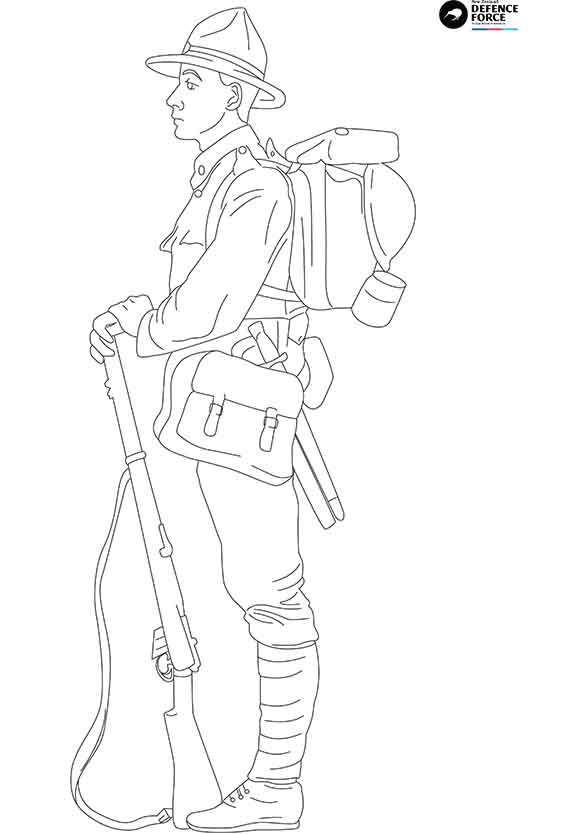
Colour An Iconic Image Of A WW1 Soldier

On the morning of 25th April 1915, our Anzac troops landed on the Gallipoli Peninsula armed and ready to fight for the place them and many others called home.

It’s from this act of pure selflessness and dedication to their homes, that each year we commemorate them for the sole purpose of remembering and acknowledging this utmost act of bravery.

This ANZAC Day, download and print this iconic image of a WW1 solider for your child to colour in.

Click the image below to print this activity ⬇️

4 Reasons Why Your Man Might Not Dress Well

A well dressed man can be a bit of a rarity these days which is a shame as being well dressed can be a positive influence in your life. I’m going to let you into a few secrets of why the man in your life may not always or has never dressed well.

Having styled and worked with men over the years these are the four main reasons I hear from them as to why they lack style and don’t spend a lot of time or money on their appearance.

He’s afraid to dress well

For many men so powerful is the fear of being ostracised especially by other men for taking an interest in clothing and appearance, that he simply doesn’t bother and avoids it altogether.

Permeating our culture are messages that the man who spends time on his appearance is somehow emasculated; his sexuality is in question and he might even be interested in arts and culture, rather than rugby and drinking. Not a real man!

These stereotypes are wrong because it’s not like that at all, in fact it’s extremely manly to dress well and oozes self confidence. I have never had so much attention from women since I dressed well and if that isn’t masculine then I don’t know what is!

Men need to understand that dressing well is just grooming and that grooming is an essential part of a happy healthy masculine life. Do you think an unkept, ungroomed animal is happy or healthy? No!

Male and female animals of other species both groom exactly the same. The males are equally as groomed as the females. Grooming isn’t male or female, it’s just part of everyday life.

Men don’t need to dress up like a dandy to adhere to these principles, they simply need to have some intention about what they’re wearing, how it fits and how it looks. It’s not that hard.

My suggestion for change is to talk to him about it, ask him if he thinks that way? Explain to him that you think a well dressed man is manly, masculine, confident and very attractive (if that’s what you think!) He probably just needs some reassurance from you which can go a long way and set him on the right path.

As far as derogatory comments from other men about his appearance are concerned, you’ll usually find they’ll come from ones that dress really badly! Other well dressed men will usually compliment him not make fun of him. If the negative comments are coming from his friends, then maybe he needs some new ones!

He’s feeling down about himself

We all have our ups and downs in life and that’s pretty normal. When someone is feeling down about themselves they tend to let themselves go. Dressing poorly, letting your physique go and paying no attention to personal grooming are common signs. If your man’s like this then dressing better is one way to get him out of the doldrums, make him feel better and boost his mood. The problem is getting him motivated enough to make a change.

My suggestion for change is simply to discuss this concept with him and see if he agrees. If he’s up for it then make a plan of change.

Start with a wardrobe audit, followed by some clothes shopping. Additionally adopting a new grooming routine, scheduling regular haircuts and possibly a new exercise program will be a great way to approach it from many angles. Self care should hopefully kick in and he should feel a lot better immediately.

He has never been taught to dress well

Did his parents teach him? Do his parents dress well? Did he grow up somewhere where dressing well wasn’t the norm? If his parents (especially his father) didn’t dress well then it makes sense that he may not also. It’s not always the case but it is very common.

Dressing well isn’t taught in schools and boys generally don’t read fashion and style magazines when growing up so they tend not to know a lot about clothing and style. Most simply missed these valuable lessons.

He needs style education! There are some amazing free resources available for men now on the internet, so here are some places to start:

Youtube – try Alpha M, Gents Lounge, Real Men Real Style, The Modest Man, Tanner Guzy and He Spoke Style. Send him video links and/or watch videos together. I would suggest you critique these channels before recommending any of them as their styles are all a little different.

Websites – manofmany.com, fashionbeans.com, dmarge.com

Pinterest – create boards of men’s styles that you think look good and show him. If he knows what you like, then he might start moving in that direction.

He doesn’t think it’s important to dress well and doesn’t see the value

If you’ve never really dressed well you’ll have never experienced the benefits. You’ll also have little idea about what a difference it will make to every part of your life.

Dressing well is so important. He might be unaware that we’re all judged by our appearance. I know you shouldn’t judge a book by it’s cover but in our fast paced society a book’s cover can be just as important as it’s content. So if he wants to get a leg up in life and be more successful then he needs to start paying attention to his appearance.

The main benefits include getting treated with more respect, giving a better first impression, people listening to you more, boosting your own confidence, increasing your perceived status and people thinking you’re smart and more enjoyable to be around. It’s a no brainer really!

My suggestion for change is to give him a challenge  – suggest he dresses well for one calendar month so he can experience the benefits.

You’ll probably need to help him plan his work and social outfits for 30 days so it doesn’t fall to pieces after a couple of days.

At the end of the month discuss his observations and experiences of what he noticed. I guarantee he’ll see the benefits. Once he is convinced hopefully you’ll have a man who wants to learn more about how to dress well and he’ll be hooked.

simon scottWritten by Simon Scott

Insta: simonscottstyling              Email: simonscottstyling@gmail.com

Simon is a menswear stylist with a love of travel, working out and getting dressed up! He has a passion for helping men dress better and there is nothing he loves more than seeing a well dressed couple out together.

Baby Proofing Tips For Your Home

Helpful Tips brought to you by Dettol

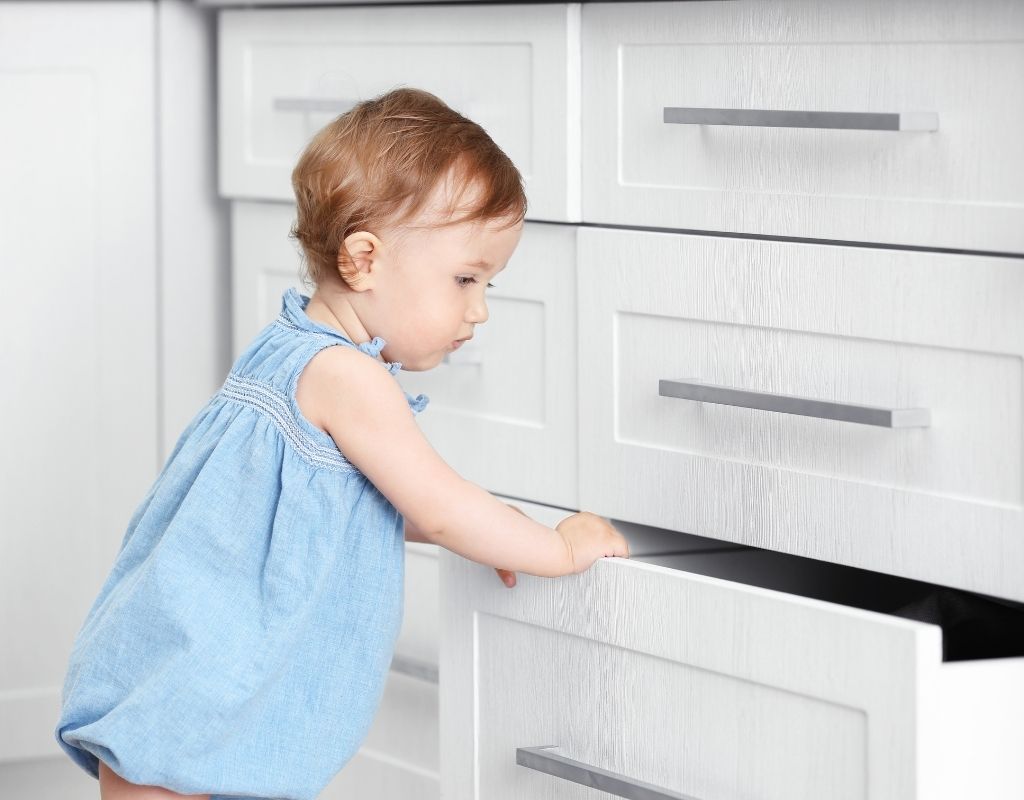
Children and babies are natural explorers, using all of their senses (especially touch and taste) to discover the world around them.

Follow our safety and hygiene advice below to help keep your child safe as they explore and play in your home.

Is my home baby proof?

When baby proofing your home, think about each room as your child sees it – from the floor up. Here is a quick guide:

  • Secure bookcases, shelves and drawer units to the wall if possible
  • Switch off and cover any exposed electrical outlets
  • Keep electrical cables out of reach and put unused appliances away
  • Cover sharp edges of furniture with a soft material like foam
  • Install smoke alarms and check them regularly
  • Keep a first aid kit stocked and easily accessible to adults
  • Secure your windows and keep blind cords out of reach
  • Keep chemicals and medicines out of reach or in locked cupboards
  • Clean up any spills immediately and disinfect the area if required
  • Program emergency numbers into your phone and leave them visible for others

Keeping floors hygienic

Keeping table tops and work surfaces clean is second nature. But it’s easy to forget that your child’s work surface is the floor.

Regularly clean and disinfect the floors of your home to help provide a healthy environment for your child to play.

Pet safety and hygiene

Having a pet can be rewarding for the whole family. With a few simple house rules you can minimise the chance of germs being passed from your pet to your child.

  • Wash your hands after handling pets or their equipment (e.g. feeding bowls, litter tray)
  • Keep pets away from food preparation and eating areas
  • Clean and disinfect your pets’ equipment regularly
  • Ensure pet food is kept out of reach of children

E-books Your Young Reader Can Get Stuck Into

Promotion for Puffin Books

Looking for a new book series to get your young reader stuck into?

This month we’re bringing you the best series for junior readers, available as e-books, along with some fun (and printable) activity sheets to go with them!

1. The Showtym Adventure series

Perfect for: the 7+ animal lover

This bestselling series by Kelly Wilson is inspired by true stories from the Wilson sisters’ childhoods. Join Vicki, Kelly and Amanda as they first encounter horses in the wild and learn what it takes to make them champions.

Where should I start?

Each story works as a standalone but as the old saying goes, the beginning is a very good place to start! Book one, Dandy the Mountain Pony, is about Vicki Wilson’s first chance to tame and train her own wild pony.

Download the e-book

2. Roald Dahl books

Perfect for: readers of all ages who love their humour just a little bit dark

Roald Dahl books are a must for a young reader’s bookshelves. Chances are you’ve got a few of his books around your home already, but have you read them all? Charlie and the Chocolate Factory and Matilda are big fan favourites, but how about the heart-warming Danny, Champion of the World? Or The Twits (disgusting but hilarious)? Both would be worthy additions to any kid’s collection.

Where should I start?

Anywhere you like! He wrote twenty books for children (including poetry books like Revolting Rhymes) in his lifetime and they are all fantastic. But since the movie is scheduled for release later this year, why not try The Witches? Beware though, it might make your child overly suspicious of elegant looking ladies wearing gloves …

Download the e-book

Witches

Download and print these fun Dahl activity sheets. For more fun downloadable activities you can visit the Roald Dahl website 

3. The Diary of a Wimpy Kid series

Perfect for: reluctant readers who love their stories with a side of hilarious comic book style art

Is your kid familiar with the trials and tribulations of Greg Heffley? If not, with fourteen books in the Diary of A Wimpy Kid series so far, there’s plenty to keep them going for a while. If yes, then have they read the wimpy kid spin off? Diary of an Awesome Friendly Kid is told from the perspective of Greg’s best friend, Rowley Jefferson, and is just as hilarious (but don’t tell Greg we said that!).

Diary of a Wimpy Kid

Where should I start?

In order to really appreciate the hilarity of Greg’s story, these books should be read in order. So best to start with book one.

Download the e-book

Diary of a Wimpy Kid

Activity sheet: Download and print this Wimpy Kid activity sheet and find more fun activities at wimpykidclub.co.nz

4. Trials of Apollo series

Perfect for: 12+ readers who love mythology and adventure!

Trials of Apollo series

You might know Rick Riordan’s Percy Jackson series, but have you heard of the Trials of Apollo? After angering his father Zeus, the god Apollo is cast down from Olympus. Weak and disoriented, he lands in New York City as a regular teenage boy. Now, without his godly powers, the four thousand year old deity must learn to survive in the modern world until he can somehow regain his father’s favour.

But Apollo has many enemies – gods, monsters and mortals who would love to see the former Olympian permanently destroyed. Apollo needs help, and he can think of only one place to go … an enclave of modern demigods known as Camp Half-Blood.

Where should I start?

Definitely at the beginning with book one- The Hidden Oracle. This is a rip roaring adventure series that needs to be read chronologically.

Download the e-book

The Hidden Oracle

Activity sheet: Download and print this Trials of Apollo word search and find more fun activities at rickriordan.com

Content supplied by Puffin Books

What books are your children enjoying?

See more:

All You Need To Know About Hand Washing

We know hand washing is important, but during public health emergencies such as the COVID-19 pandemic, it is emphasized over and over by officials how vital it is. But why exactly?

Bacteria and germs that inadvertently end up on peoples hands can transmit things like food poisoning (salmonella) while viruses that causes illnesses like the common cold,  influenza, and the new viral infection COVID-19 can also be spread by hands.

Protecting ourselves

The reality is that germs can get on our hands every time we touch something and, because we can contract illnesses through not only our mouth, but also our eyes an nose, good hand hygiene is essential. Given that it is  estimated that we touch our faces with our hands as many as 23 times an hour1, it is a testament to how clever our immune system is that we don’t get sick more often !

Protecting others

By washing our hands regularly, not only are we keeping ourselves from getting sick, we are also helping ensure that  others, especially those who are immune compromised (low immunity) because of illness or treatment (eg chemotherapy), do not get sick from germs that we have inadvertently transmitted.

When should you wash your hands?

You should wash you hand before you prepare or eat any food, and after:

  • Using the toilet
  • Coughing, sneezing, or blowing your nose
  • Changing a nappy, wiping a child’s bottom or nose
  • Gardening (or playing outside for children)
  • Looking after sick people.

Good practice could also include washing your hands when you get home from the shopping mall, doctors, and supermarket.

How to correctly wash your hands

The Ministry of Health outline the following process for correct hand washing:

  1. Wet your hands under clean running water. Use warm water if available.
  2. Put soap on your hands and wash for 20 seconds. Liquid soap is best.
  3. Rub hands together until the soap makes bubbles.
  4. Rub on both sides of both hands …
  5. and in between fingers and thumbs …
  6. and round and round both hands.
  7. Rinse all the soap off under clean running water. Use warm water if available.
  8. Dry your hands all over for 20 seconds. Using a paper towel is best (or, if at home, a clean dry towel).

Soap and warm water or hand sanitiser?

Experts agree that both hand washing and hand sanitising are effective ways of removing germs from hands – as long as they are done correctly.

Coronaviruses and indeed most viruses have a fatty outer layer that protects the virus inside. Vigorous washing with soap, or alcohol, can destroy this layer and render the virus inside inactive. 2 Soap can also help ‘unstick’ the virus, from the skin, and of course wash any dirt and bacteria away down the drain.

Hand sanitiser can be effective at removing nearly all germs, as long as it’s high in alcohol (60% or more), enough is used, and it is rubbed all over hands and backs of hands for at least 20 seconds.

For the latest information on the novel coronavirus, visit the Ministry of Health website.

1 https://www.ncbi.nlm.nih.gov/pubmed/25637115
2 https://www.theguardian.com/commentisfree/2020/mar/12/science-soap-kills-coronavirus-alcohol-based-disinfectants

author robyn

Written by Robyn

Robyn creates content on Kidspot NZ. Her hobbies include buying cleaning products and wondering why things don’t then clean themselves, eating cheese scones with her friends, and taking her kids to appointments.


Favourite motto to live by: “It’s just a phase.”

Join the Catch Up

Join our community of parents and let the Kidspot Catchup be your guide to creating unforgetable family moments.