How To Find A Safe Family Beach

Rocky or sandy, tidal or wild, isolated or accessible – we are so lucky in New Zealand to have a seemingly endless number of beautiful beaches to spend holidays and leisure time at. Find out how you can best find a beach that is safe for your family to enjoy.

REMEMBER: No beach is 100% safe. Swim between the flags and within your own limitations, and closely supervise children.

Whether you’re planning to head away over the school holidays or just want to get out and about during the weekend, we’ve put together some tips for things to consider when choosing a safe beach destination for your next family trip.

Planning your trip

Turning up to a beach all ready for a day in the sun only to find it’s rocky, rough or has a strong rip would be so disappointing so before you go, do some research to find out which beaches are the best for families.

Ask around family and friends for their recommendations and also check local tourism websites for some insight in to the safe, and unsafe, swimming beaches in their region.

You might also like to check local council websites for information around water quality, especially after heavy rain. If you are planning a trip to a beach in an area covered by Auckland Council, check www.safeswim.org.nz for beach conditions, patrol hours, hazards, and facilities.

Learn how to identify and stay safe in a rip

A rip current or rip is a strong current that moves away from shore and is strong enough to sweep a person along and out to sea. Some beaches are more prone to them than others. Rips are usually visible from the beach – look for a noticeable break in the wave pattern along the beach. The rip may have a smooth surface, or the water may be muddy or sandy and you might see foam or debris moving away from the beach.

A rip can sweep a swimmer quite quickly away from the beach. If you or a family member are caught in a rip, raise your arm and call for help. Don’t try and swim against the current – just try to relax and let it take you to its natural conclusion.

Rules and tips for a safer beach trip

  • If possible, choose a beach with lifeguards on duty and then only swim between the flags
  • Check the local council website for any safety messages
  • If the conditions don’t look ideal, stay out of the water
  • Keep an eye on changes to conditions, currents and water depth
  • Keep within an arm’s length of younger children in the water. If your children are a bit older they still require constant observation
  • Be aware that inflatable beach toys can easily be blown out to sea with a child on them
  • Teach your children to raise one arm and call for help if they are in trouble
  • Teach your children that if they are caught in a rip not to panic, but to raise one arm and call for help while waiting for the current to subside
  • Wear a life jacket while rock fishing
  • If you see someone in trouble don’t hesitate to call 111 and ask for Police

Favourite family beaches

A day in the sun at the beach is one of New Zealand’s favourite past times so we’ve picked the top beaches for family fun.

REMEMBER: No beach is 100% safe. Swim between the flags and within your own limitations, and closely supervise children.

Regions and venues may have travel and access restrictions due to the Covid-19 Protection Framework.

Whale Bay

Whale Bay, Tutukaka Coast, Northland

This white sandy beach is accessible via a short walk through the native bush. Trees at the top of the beach provide shade while rocks at the end of the beach are great for exploring. (Photo credit: tutukakacoastnz.com)

Tahunanui Beach

Tahunanui Beach, Nelson

This popular, long, sandy, safe beach has plenty of space for everyone. Nearby are lots of family friendly places including a playground, childrens’ zoo, hydroslide, go-karts, and a shady park, making this a fun family destination. (Photo credit: tahunanui.nz)

Sumner Beach

Sumner Beach, Christchurch

A long, tidal, sandy beach with a playground and paddling pool at one end and Cave Rock at the other. A wide promenade runs the length of the beach. Sumner beach is a popular place to learn to surf.

Kaiteriteri Beach

Kaiteriteri Beach

This beautiful golden beach is a popular family destination. At one end is the inlet for a lagoon and as the tide comes out it forms a fun, warm river.

Hoihoi

Porpoise Bay (Curio Bay), Catlins, Otago

A beautiful sandy beach where wildlife is abundant. Keep an eye out for Blue Penguins, Hectors Dolphins/papakanua, yellow eye penguin/hoihoi, and New Zealand fur seals and sea lions.

Become a Kiwi Guardian! Print off the Curio Bay adventure map before you head out, then find the Kiwi Guardian post and submit the special code word on it to receive a Kiwi Guardians certificate and medal.

Main photo credit: www.nelsontasman.nz

Explore further

Written by Kidspot New Zealand in partnership with Tourism New Zealand.
Māori Cultural Experiences Around Aotearoa New Zealand

Take your family on a journey into Te Ao Māori, the Māori world, where you can enjoy stories about the beginning of our nation’s history.

Throughout Aotearoa there are a number of experiences where you can deepen your understanding of Māori customs and their connection to the natural and spiritual world.

Please note: Venue information was correct at the time of publication. Please check with individual venues for the latest opening dates, times, prices, etc, before making plans. Regions and venues may have travel and access restrictions due to the Covid-19 Protection Framework.

Te Tai Tokerau – Northland

Waitangi Treaty Grounds and Museums

Aotearoa New Zealand’s most important historic site. Explore the two new contemporary museums, the carving studio, the Treaty House, Te Whare Rūnanga (Carved Meeting House), traditional Māori waka taua (war canoes) and enjoy a full programme of tours and cultural performances.

Manea Footprints of Kupe

Footprints of Kupe is a 75-minute multi-sensory journey of guided storytelling – through art, taonga (cultural treasures), film, performance, digital interaction, and the splendour of Hokianga’s natural surroundings. The descendants of Kupe welcome you, as do the spirits of their ancestors.

Tāmaki-makau-rau – Auckland

Auckland War Memorial Museum

Explore the Māori galleries, He Taonga Māori (Māori Court) and Te Ao Tūroa (Māori Natural History Gallery) while learning more about the rich and diverse history. Taonga on display include a number of original full-size buildings, e Toki ā Tāpiri, the last great war canoe, and a host of everyday objects used for living, hunting and fishing.

Find out what’s on for kids and families.

Te Haerenga o Ngai Tai ki Tamaki

A one day guided walking tour on Auckland’s iconic Rangitoto Island and an introduction to neighbouring Motutapu Island. Knowledgeable guides will share with you traditional and contemporary stories linked to these beautiful islands and give you an insight into Māori culture and the local Ngāi Tai people.

Rotorua

Whakarewarewa

The legacy and home of the Tūhourangi Ngāti Wāhiao people, who have been sharing their unique way of life with visitors from all around the world for over two hundred years. Choose from a guided village tour, geothermal nature trails, nature walks, and cultural experiences.

Tamaki Māori Village

Journey back to a time of proud warriors and ancient traditions with Tamaki Māori Village, the most award-winning cultural attraction in New Zealand. Enjoy the day time experience or immerse yourself in the Māori way of life with an overnight stay beneath the shelter of an ancient tawa forest.

Te Puia

Sharing outstanding taonga (treasures) with visitors for over 170 years. See the powerful Pōhutu geyser and other geothermal wonders, then seek out Aotearoa’s national treasure in the Kiwi Conservation Centre. Learn about Māori history and culture as you watch master carvers and weavers from the NZ Māori Arts and Crafts Institute.

Taupō

Mine Bay Māori Rock Carvings

Take a kayak or boat tour around the scenic Western Bays of Lake Taupō to see the huge Māori rock carving at Mine Bay. The main carving is over 10 metres high and took the carver Matahi four summers to complete.

Te Whanganui-a-Tara – Wellington

Māori Highlights Tour – Te Papa Museum

Discover New Zealand’s rich history and cultures through Te Papa’s world-leading exhibitions and treasures. Beginning over one hundred million years ago, join your guide on a journey through New Zealand’s rich history and cultures. Hear stories of Aotearoa’s adaptive wildlife, the resilience of the Māori people, and artistic interpretations of life in the South Pacific.

Ōtautahi Christchurch

Ko Tāne

The South Island’s premier Māori cultural experience with a hāngī dinner, set in native bush surroundings. Ko Tāne will include a pōwhiri, kapahaka and a hāngī dinner as well as being introduced to a traditional way of life.

Main photo credit: Fraser Clement

Explore further

Written by Kidspot New Zealand in partnership with Tourism New Zealand.

Understanding The New Food Guidelines for ECE

In December 2020 the Ministry of Health announced new guidelines that change the kind of food being served, and brought into, early learning services across New Zealand. These come in to effect from 25 January 2021.

The goal of the new guidelines is to reduce the chance of babies and young children having a food related choking incident and follows the tragic incident where wee Neihana Renata choked on a piece of apple at daycare and ultimately left him severely disabled.

It’s not uncommon

Choking incidents resulting in injuries or death sadly are not uncommon – the Ministry of Health reports that in the period 2002 to 2009 nine New Zealand children under the age of six died.1 There are a number of reasons why young children are particularly susceptible to choking such as small air and food passages, still developing biting, chewing, and eating skills, fewer teeth, and a underdeveloped cough reflex that helps dislodge stuck food.

The silent danger

Choking is when food is stuck in the airway and this means that a child choking may not be able to make any sound at all.

You might notice your child gagging on food – this is a reflex that helps them move food from the back to the front of their mouth. This is generally noisy and messy and is actually a developmental stage as they learn to manage food in their mouths,

The environment

If your child attends an early childhood service such as a certified playgroup, an early childhood education service, or a ngā kōhanga reo, the service needs to ensure that your child is sitting up straight while eating, and that they are well supervised. They need to be encouraged not to eat with their mouth full and not be distracted while eating. All teachers and kaiako need to be trained on choking first aid and cardiopulmonary resuscitation (CPR).

The right food

If the service your child attends provides food, or you send along their snacks and meals with them, the food needs to comply with some new rules. This is because it is recognised that some food poses a greater choking risk.

The rules mean some food is not allowed, while some others need to be altered in some way to make them more safe.

No go

The following food should be excluded as they present a high choking risk, and are not practical to alter and/or have minimal nutritional value.

  • whole or pieces of nuts
  • large seeds, like pumpkin or sunflower seeds
  • hard or chewy sweets or lollies
  • crisps or chippies
  • hard rice crackers
  • dried fruit
  • sausages, saveloys and cheerios
  • popcorn
  • marshmallows

Change it up

There is a lot of food that is fantastic nutritionally but unless prepared correctly, presents a choking issue. The Ministry has outlined how to prepare these foods in a way that is safe for your child under the age of 6. Here are some key examples:

  • Carrot, apple and celery – for younger children cook until soft or grate, spiralise or thinly slice.
  • Grapes, berries and cherry tomatoes – cut into quarters or finely chop
  • Stone and pip fruit – remove large stones, seed or pips. Remove skin and cook until soft or grate, spiralise or thinly slice.
  • Do not serve meat with bones, and ensure meat is chopped or shredded into small pieces.

You can download the Ministry’s “Reducing food-related choking for babies and young children at early learning services” document here.

1 www.health.govt.nz

What do you do to help reduce the change of your child choking?

See more:

author robynWritten by Robyn

Robyn creates content on Kidspot NZ. Her hobbies include buying cleaning products and wondering why things don’t then clean themselves, eating cheese scones with her friends, and taking her kids to appointments. 

Favourite motto to live by: “This too will pass”

What Is The Best Age To Start Solids

The Ministry of Health1 and Plunket2  recommend starting solids around 6 months of age. The World Health Organisation and UNICEF3 also recommend 6 months as the best starting age for solids.

Here are some reasons to back up why 6 months of age is the sweet spot for starting solids:

Your baby needs iron

Your baby is born with iron stores they received through you via the placenta when you were pregnant. At around 6 months, these iron stores start to deplete and need to be replenished. Until then, your baby is getting everything they need from breast milk or infant formula.

Your baby’s gut is ready

All babies’ digestive systems need to develop enough that they can handle solid food. Before 6 months, digestive systems may have not developed enough, and starting solids can result in baby not getting enough milk4 .

Your baby is ready

All babies are different and should be showing signs that they are ready to start solids – you can read more about these signs in our 5 tips for starting solids article.

Don’t be fooled by common myths that your baby is ready for solids. One of these myths is that once you start solids, your baby will sleep through the night5 . Sleeping through the night is often linked to development and learning how to self-settle, and may not be due to starting solids!

Another is that because your baby is watching you eat or reaching for your food, they are ready to start solids. Babies are naturally curious and interested in the world around them.

Make sure that your baby is displaying other signs of being ready to start solids before you take the plunge.

Why Isn’t My Baby Interested In Solid Foods?

If you have tried starting your baby on solids and they have refused to take it or spat it out, don’t be discouraged. There are a number of reasons why your baby might not be interested in solid food.

First, we suggest having a look at our article on 5 tips for starting solids and making sure your baby is showing signs that they are ready for solids.

Showing all the signs but still rejecting solids? Check out some of the reasons your baby might be refusing solids below.

The time of the day is wrong

There are always going to be times of day when your baby is cranky and less open to trying new things. If your baby is fussy, it might not be the best time to give them solid food. Save yourself the hassle and wait until baby is happy and you have plenty of time so baby can progress at whatever pace they need.

Plunket1 suggests starting your baby on their first solid food, such as iron-fortified baby rice cereal, around lunchtime or early afternoon. Breast milk or formula is still your baby’s most important food, so offer milk before solids.

Baby is already full

Starting solids is a tricky balance, as you are introducing a new meal while trying to ensure your baby is still drinking the same amount of breast milk or infant formula. It is often recommended1 that you give your baby solids sometime after they have had their breast milk or formula, to ensure they don’t start rejecting their main source of nutrition. This is a tough balance to strike. Keep in mind that if baby rejects food, they may already be full of breast milk or formula. Next time, leave a little more time between the milk feed and solids, and see if that makes a difference.

Baby’s tongue reflex is still too strong

Babies are born with a sucking reflex2, which they need for the first few months of their life as they breast or bottle feed. They are also born with an extrusion reflex, where anything placed on their tongue will be pushed out of their mouth. Until this reflex eases, babies are not able to move food to the back of their throat. The extrusion reflex also helps keep foreign objects out of baby’s airways – it is amazing what our bodies can do!

Watch your baby carefully when you start giving them solids. If you place food on their tongue, do they let it sit there or do they immediately push it out of their mouth? If it’s the latter, your baby’s tongue reflex may still be too strong, so they are not yet physically able to eat solids. Know that this is just part of your baby’s development and they will start on solids in their own time when they are able.

If you are concerned that your baby’s extrusion reflex isn’t going away, seek help from your doctor, Plunket nurse or WellChild provider.

1 www.plunket.org.nz
2 www.adhb.govt.nz

Starting Solids: Babies And Flavours

When you are starting your baby on solids, it is important to introduce a first food you think your baby will like so they are more likely to accept it. However, it is important to remember that food you might like is often very different to what a baby will like as their first food.

As an adult, you are used to food that is much more flavoursome, and your taste buds are used to more salt, sugar and seasoning. For a baby who has only ever had breast milk or infant formula, to start them on a food with a strong flavour would be overwhelming, and more likely to be rejected.

Plain, smooth and soft

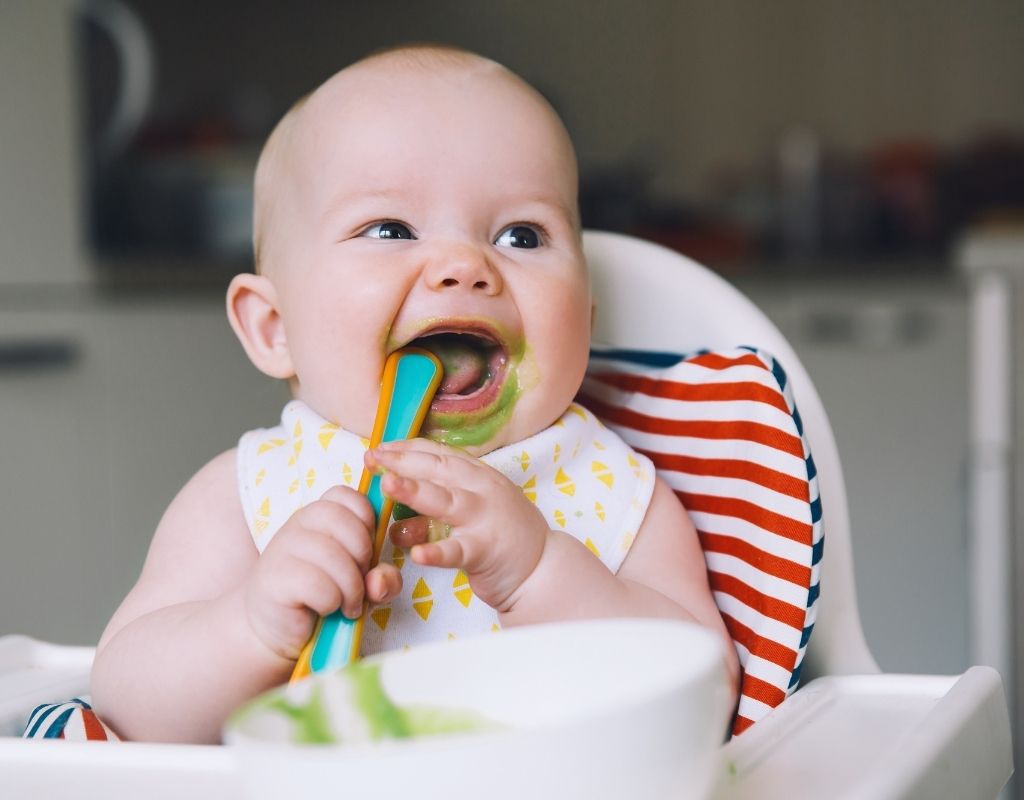
The Ministry of Healthsays baby’s first solid food should be plain, smooth and soft. Baby rice cereal is a great first food for babies as it is not only plain in flavour, easy to digest and swallow, it can be mixed with breast milk or formula, so it tastes more familiar to your baby.

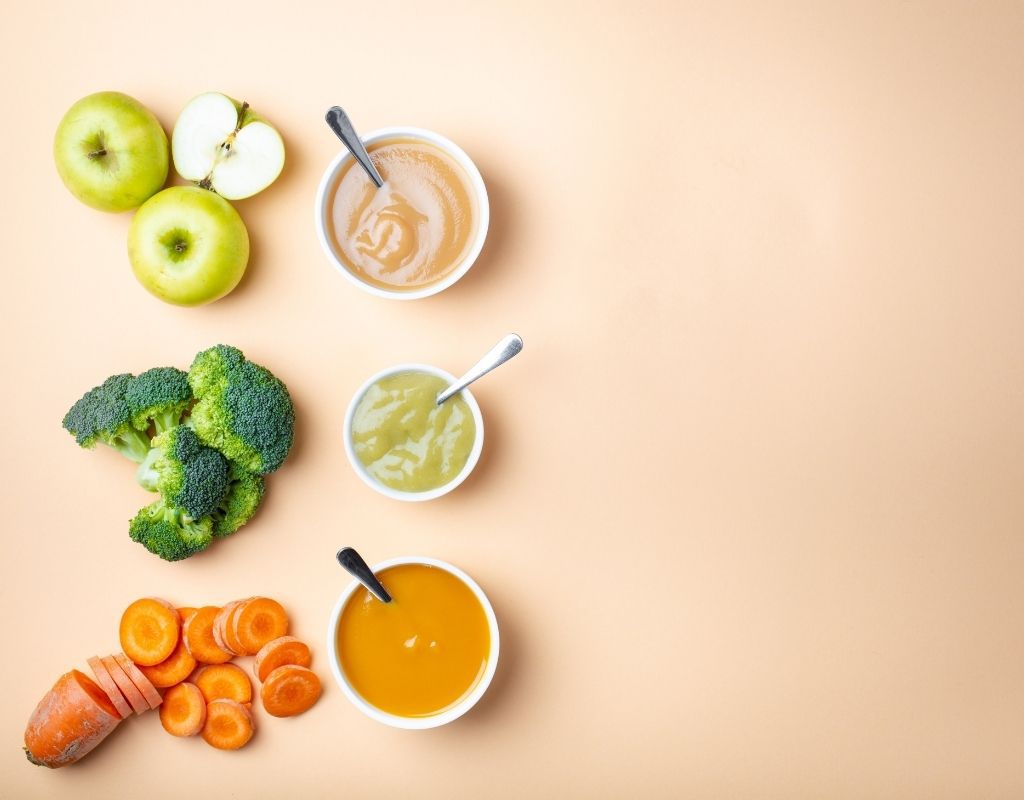
Once your baby is used to the flavour of baby rice cereal, to continue easing into solids slowly you can begin mixing cooked and pureed fruit or vegetables with the baby rice cereal along with breast milk or formula.

To avoid your baby rejecting more savoury flavours, why not try offering sweet and savoury flavours to your baby. Because breast milk and formula are sweet, your baby may be more inclined to sweet foods. Don’t be disheartened if your baby rejects vegetables to start with – persevere with all types of vegetables.

Try and try again

The main thing to remember when introducing your baby to new flavours is that a baby can reject a particular food a number of times before they decide to take it. Continue persevering with foods your baby has not accepted as it is likely they will take it at some point. A food diary can be useful to understand what foods you need to persevere of and what flavours your baby likes – it can also come in handy for any adverse reactions your baby has to solids.

Cooked and mashed apple, pear, potato, pumpkin and carrot are great flavours to introduce to your baby after baby rice cereal, as they are more complex than the rice cereal, but not strong enough in flavour that your baby is likely to reject it.

1 www.health.govt.nz

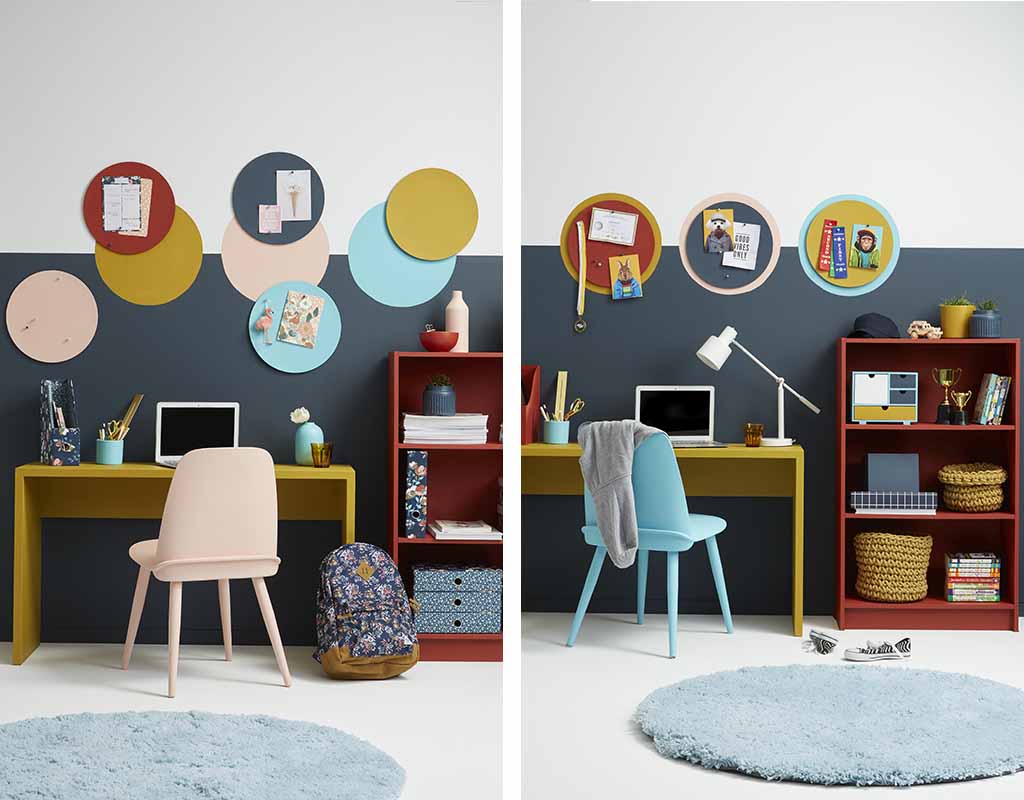
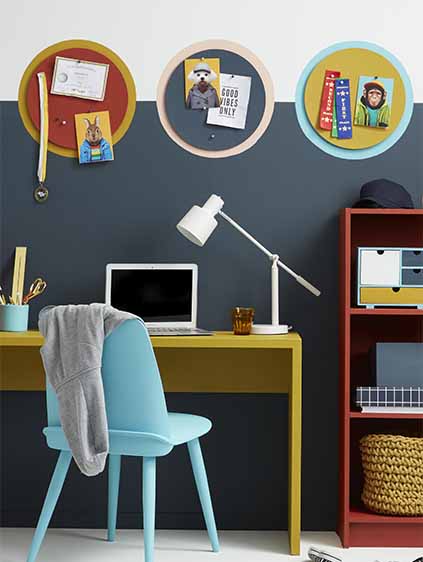
Spotty Dotty Study Nook For Teens

Sponsored content provided by Resene

Whether your teen is happy to get stuck into their study, or needs a bit of encouragement, a calm, dedicated space is essential.

Creating a study space that is away from the busy parts of the house and therefore free from distractions, that is functional and also stylish, is a great way to make studying and homework more enjoyable and easier.

Decorating a space for teens can be tricky especially if it’s going to be used by more than one child over the years. If you’re feeling stuck for what to pick, a lively scheme like this spotty dotty study nook can work for everyone.

Contrast for calm

Create a two-toned wall by painting the lower half of your wall in Resene Coast, a stark blue, and the top half in Resene Poured Milk, a blue-grey white.  These are a perfect pairing, in part because of their shared warmth and in part because of the sense of comfort they both quietly exude. Remember to use good quality painter’s tape to achieve a seamless dividing line between them.

As a special added feature, choose Resene SpaceCoteLow Sheen for the wall. Even though it has a low sheen finish, it doesn’t sacrifice durability, and it works as a chalkboard when your teens need some extra space for planning out their week – or a place to play a quick pick-up game of tic tac toe. To remove the chalk, simply wipe the surface with a damp cloth

Add a splash of colour on shelves and accessories

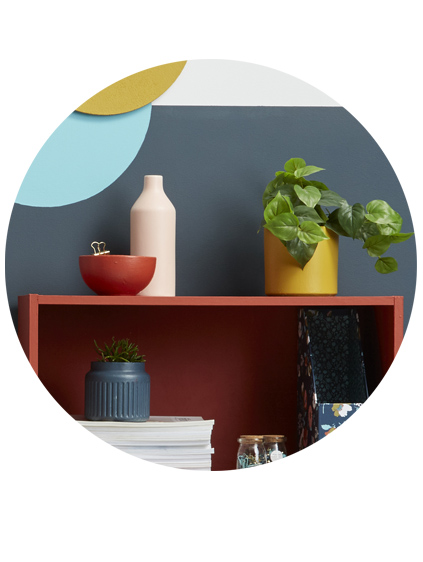
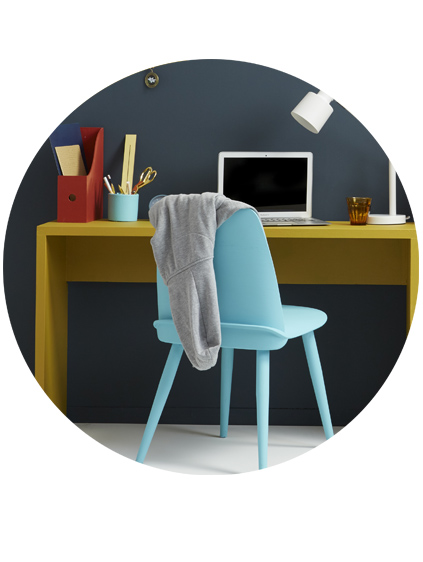
Make it a joyful space for them to study, read, listen to music and surf the internet.  The bookcase in Resene Raging Bull, offers a place to store books, stationery and prized possessions while the desk in Resene Influential provides plenty of workspace.

Above left:   Little bowl on top of bookshelf, and bookshelf, in Resene Raging Bull . Plant pot in Resene Influential and tall vase in Resene Shilo.

Above right: Pencil pot and chair in Resene Yes Please, and magazine file in Resene Raging Bull.

Resene Teen Study Nook

Resene Study Nook

Continue the theme

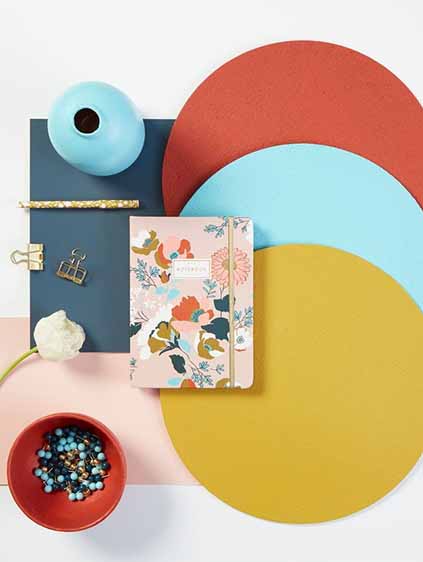
Carry your ideas, inspiration and more with a circle motif pin board. The assorted and contrasting shapes in Resene InfluentialResene Raging BullResene Yes Please and Resene Coast mean you can dedicate certain colours to particular things for a more organised space.

Repeat the circle shape with a fluffy rug and echo those colours through your chair, desk, bookshelf and ceramics for a striking, coordinated space.

For more projects and colour inspiration visit Resene.co.nz.

Information for article provided by Resene. Styling by Vanessa Nouwens. Photography by Bryce Carleton.

Read more on Kidspot:

How To Have An Easy Start To The School Year

Being organised for back to school isn’t complicated – it just requires a little bit of forward planning and a lot of been-there-done-that know-how!

Tackle those first few days and weeks with ease with our tips for a stress-free return to school.

Prepare ahead

Well before school starts make sure you have everything ticked off our essential back to school checklist.

Set an alarm … and then set another!

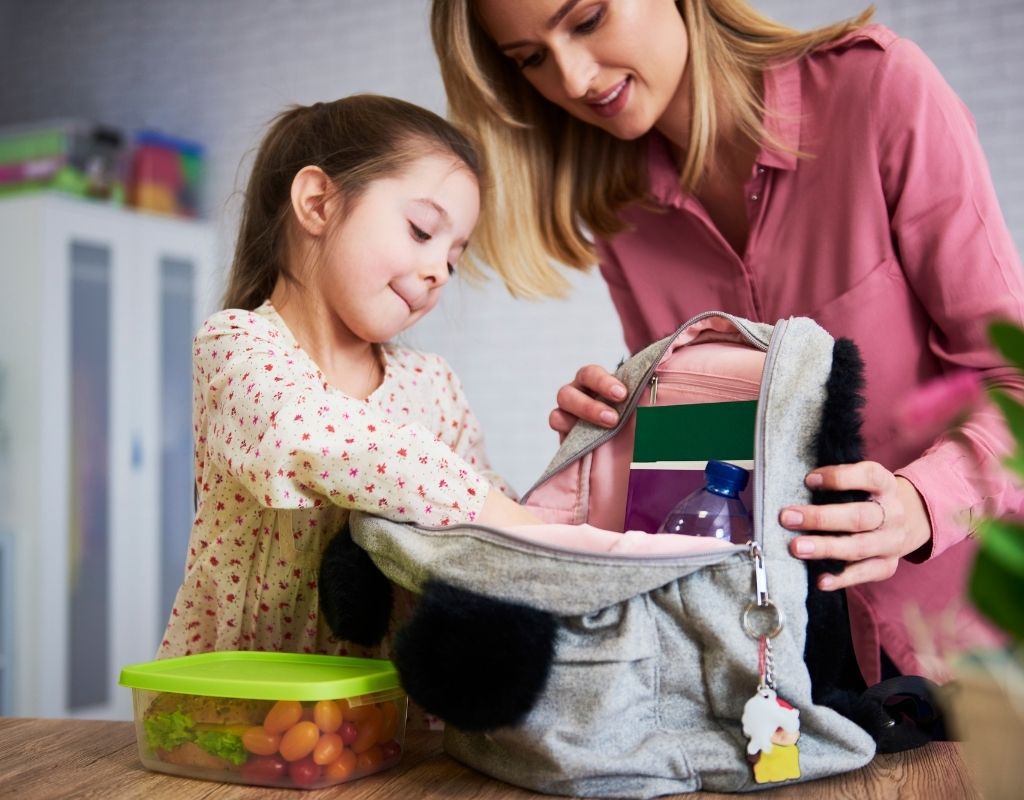
Avoid oversleeping while you get back into the school routine by having a backup alarm on your phone or a smart device. Whatever time you think you need to get up, set the alarm for 10 minutes before that because school mornings have a way of getting chaotic. A dedicated backpack station can make it easier to keep organised.

Keep school lunches simple

You may marvel at those intricate, cut-out fruit and layered sandwiches that are all over Instagram, but will the kids really care if their sandwich isn’t in the shape of a panda? Keep it simple with a sandwich or wrap with a favourite filling, a piece of fruit, a few veggie sticks, and a treat. Better yet, if they’re old enough, get the kids to fill their own lunch boxes (but make sure they’re not filling it with treats!) – this is made easier if what they’re allowed to choose from is within easy reach. Some people like to prepare the lunch components on the weekend for the week ahead but just doing the basics the night before can save a lot of time and rushing about in the morning.

Don’t forget a refillable drink bottle with water and a mini freezer block to keep the lunch from getting warm. A frozen yoghurt can double up as a chiller and snack.

Uniform repairs & laundry

Keep a few sewing essentials in stock for those inevitable last-minute repairs to the school uniform. Buttons have a habit of flinging off into oblivion during the summer when sleeves get rolled up! Remember to add labels to new uniform items.

Get the kids into the habit of putting their worn clothes into a hamper instead of strewn around the bedroom floor. You can also get them to help with chores like hanging out the washing and folding clothes. Use a chore chart so you can distribute the jobs to all household members.

Homework

Start the year off on a good routine. Allow the kids a bit of down time when they get home from school and then schedule some time before dinner for any homework. Setting up a good study area helps to keep them focused. If you feel that your child’s homework is taking up too much of their after school time, have a word with their teacher.

Written by Julie Scanlon for Kidspot NZ.

Read more

What To Pack For A Road Trip With Children

Before you set out on a family road trip comes the packing! There is a range of situations and challenges that can present themselves during the car trip, but with good preparation you can limit any inconvenience.

We have put together a list of things you can consider packing for a family road trip to help make sure the memories that stand out are the good ones.

1. Waterproof bags

Tuck some different-sized waterproof bags (resealable plastic or reusable) in the glovebox to pop wet or soiled clothes in.

2. Wipes and an old towel

Wipes are essential for small clean-up jobs while having something larger on hand like an old towel for a major clean up can also come in handy.

3. Comfy and safe child car seats

Ensuring the children are comfy and safe is essential for a car trip. While under New Zealand law all children under seven years must use a child restraint appropriate to their size, age and development, it may be that a child older than seven will be safer and more comfortable in a car seat. It is recommended that children under two years old stay in a rear-facing restraint.

Ensure the car seat fits your child – check the manufacturer’s recommended weight or height restrictions for that model of child restraint and also check the expiry date. Have a good look at the restraint and ensure there is no wear and tear on any of the straps.

If the car seat has been involved in a minor accident, ie the vehicle was able to be driven, the door nearest the car seat was not damaged, no passengers sustained injuries, air bags did not deploy, and there is no visible damage to the car seat, you probably do not need to replace the seat. If any of these outcomes did occur in the accident, you should replace the car seat.

4. A change of clothes

Have a complete change of clothes for each person packed in a separate, easily accessed bag.

5. Bottle warmer

If you have a child reliant on a bottle, invest in a USB-powered bottle warmer for heating on the move.

6. Tyre-changing / breakdown kit

Other than your tyre-changing kit, other items that are useful for dealing with a flat tyre or a breakdown include two reflective warning triangles, a reflective jacket, a torch, and a small tarpaulin. You might like to include a can of tyre inflator and sealant.

7. Emergency kit

It’s a good idea to prepare for an accident, a breakdown, or a road closure so check you have a small tool kit, a first-aid kit, warm clothes, and a blanket. You might like to include a hammer product that can break glass as well as cut seatbelts in case of an accident.

8. Snacks plus a surprise

Ensure you have a sealing water bottle for each person and some handy snacks that are easily opened by small fingers. Hide away a surprise treat for when the kids get restless.

9. Pillow and blankets

If you are hoping your children will sleep, consider popping in a small pillow and snuggly blanket.

10. Backpacks

Have a small bag for each child where their books, car games and other bits and bobs can be safely stored.

11. Picnic blanket

Perfect for rest area stops.

author robynWritten by Robyn
Robyn creates content on Kidspot NZ. Her hobbies include buying cleaning products and wondering why things don’t then clean themselves, eating cheese scones with her friends, and taking her kids to appointments. 

Favourite motto to live by: “This too will pass”

7 Essential Vehicle Checks Before A Family Road Trip

A family road trip is a fantastic way to explore but to keep the fun rolling on, there’s some essential vehicle checks to make before you set off.

We have put together a list of things to check on and in your car before you head away to help ensure your trip is unforgettable for all the right reasons!

It’s a good idea to get this checklist underway well in advance of your departure date so that you are not getting things fixed the day before or even on departure day.

1. WOF, registration, and insurance

Make sure your Warrant of Fitness, registration and insurance are all up to date. While you are checking these, check the brake lights, indicators, and interior lights all work.

2. Tyres

Even though you have a current warrant of fitness, it pays to take a good look at your tyres and check for any nails or screws that may have embedded themselves and any undue sign of wear. If in doubt, get them checked by a professional. Check that the pressure in all of them, including the spare, is to the car specifications – you can usually find them in the handbook, on a label on the door frame, or online.

If you are going to be towing, give those tyres a good check too. Even if the tyres look ok, but are really old, it may pay to replace them.

3. Child car seats

There are several things to check to ensure your children’s car seats are up to the task of reducing movement in the event of an accident. While under New Zealand law all children under seven years must use a child restraint appropriate to their size, age and development, a child older than seven may still be safer and more comfortable in a car seat. It is recommended that children under two years old stay in a rear-facing restraint.

Ensure the car seat fits your child – check the  manufacturer’s recommended weight or height restrictions for that model of child restraint and also check the expiry date.

Have a good look at the restraint and ensure there is no wear and tear on any of the straps.

If the car seat has been involved in a minor accident, ie the vehicle was able to be driven, the door nearest the car seat was not damaged, no passengers sustained injuries, air bags did not deploy, and there is no visible damage to the car seat, you probably do not need to replace the seat.

If any of these outcomes did occur in the accident, you should replace the car seat.

4. Windscreen and wipers

Check that your windscreen is in good condition and that there are no chips in the glass. While you may get a warrant with a small chip that isn’t in your eye line, a chip can grow into a crack, especially in cold weather, and then need replacing. There are a number of companies who can fill the chip.

Check your wiper blades are still working well – a squeaky blade, or one that leaves streaks is annoying and unsafe.

5. Oil, engine coolant, brake fluid and fuel

If you know how, check the oil, engine coolant and brake fluid are all topped up. If you are not sure, ask a professional. And don’t forget to fill the fuel tank!

6. Tyre changing / breakdown kit

Take some time to ensure you know where the kit is kept and that all the parts are there. It’s also a good time to check you know where the spare tyre is and how to remove it from its storage place. Some are hidden away and require a tool inserted into a screw fitting to wind them out. Other items that are useful for dealing with a flat tyre or a breakdown include two reflective warning triangles, a reflective jacket, a torch, and a small tarpaulin.

You might like to include a can of tyre inflator and sealant.

7. Emergency kit

It’s a good idea to prepare for an accident, a breakdown, or a road closure so check you have a small tool kit, a first-aid kit, warm clothes, and a blanket. You might like to include a hammer product that can break glass as well as cut seatbelts in case of an accident.

What’s your top tip for preparing for a family car trip?

See more:

author robynWritten by Robyn
Robyn creates content on Kidspot NZ. Her hobbies include buying cleaning products and wondering why things don’t then clean themselves, eating cheese scones with her friends, and taking her kids to appointments. 

Favourite motto to live by: “This too will pass”

How To Create The Ideal Study Area

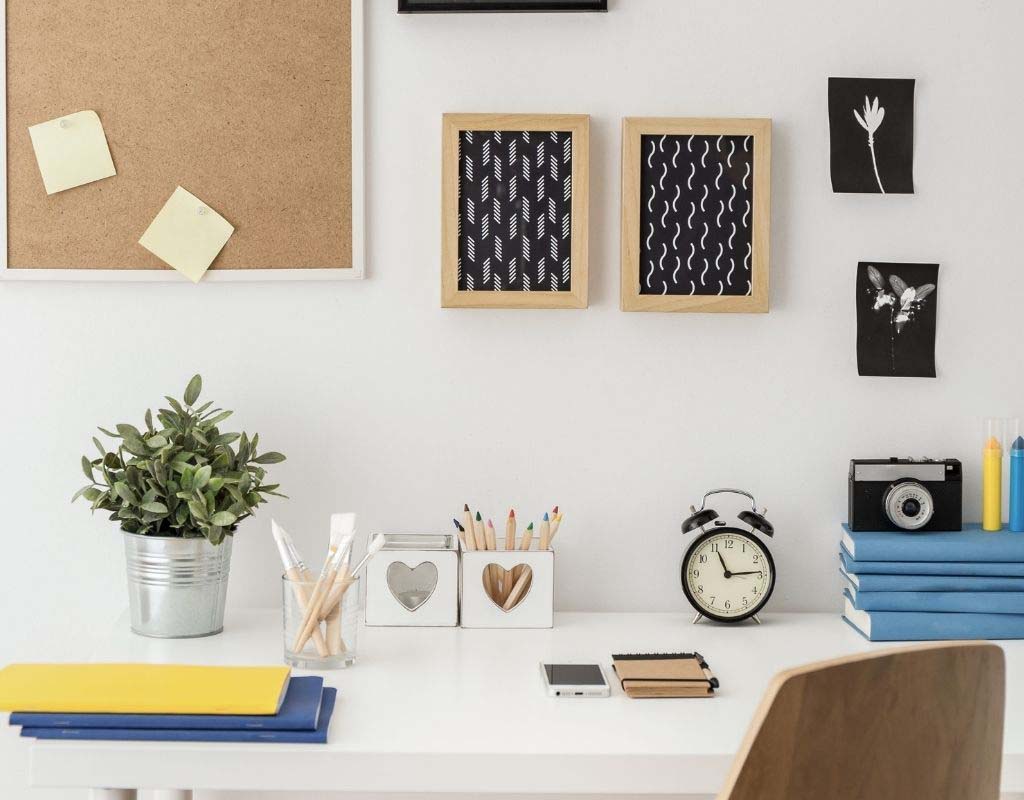
When your child first starts school, your guidance will be an integral part of their homework routine. But as they move through the year groups they begin to tackle homework independently. A functional and appealing study area is a great way to support and encourage them to keep up to date with their studies.

The study area you create is dependent on the space you have available, what furniture items you might already have, and budget, but there are some key principles to consider.

The space

The size and layout of your home will obviously be the key factors when choosing the study space. If you have options, try to find a space that is as free from distractions as possible, but not too far away from the kitchen / living area. This means they don’t feel as if they are being banished, but allows them to concentrate.

If at all possible, it is a good idea to have the study space separate from their bedroom so that they can have a complete break away from school work when needed.


View this post on Instagram


A post shared by emilee | she/her 🩺 (@thestemfemme)

The size

As schooling goes more online, and laptops become smaller, the size of the space is no longer as important as when they had to spread out both an exercise and text book plus stationery.

If you can, choose a desk deep enough to hold a separate screen (or two!) and keyboard if this is your child’s preference. Have it set up so they can sit straight on to the work space – if they are using their laptop don’t have it angled on the corner of the desk.

A big screen is better for their eyes and posture as they are likely to have their head up more. If you don’t have a large screen consider a wee shelf to pop the laptop on.

Power it

Make sure there is a power source nearby so they can easily plug in and charge their laptop (and phone) as they are working. That’s one more excuse for procrastination eliminated!

Lighting

Even though laptops are backlit, it’s much better to be studying in a properly lit area and this is even more essential if they are doing book work. Natural light is the best but in the absence of that, alternate light sources are needed. Ensure that the main light source is not behind them and therefore throwing a shadow over their work. A free standing, adjustable light doesn’t take up any desk space and can be moved as needed.

The Chair

Check with your child if they prefer a fixed leg chair, one with wheels, or even an exercise ball. A comfy chair, that can adjust as they grow will be a valuable addition.

Storage

The need for storage is not as great as it used to be but the kids still have a surprising amount of books or stationery. Drawers and shelves are the best option for helping to keep the work space as distraction free as possible. Add in a pen / pencil holder for the desk too.

Planning

Pop an annual wall planner up and mark off holidays and other key dates. Encourage them to put up due dates as they come up. This is a great way to help them plan, as well as visualize the year ahead.

View this post on Instagram

A post shared by Angela (@a.k.everyday)

Decor

Finally, if you can, decorate the space in a way that is welcoming and comforting for your child.

They will likely have an opinion, so involve them in this design phase, let them choose a few decor items and they will more likely be happier to sit there for a bit!

author robynWritten by Robyn
Robyn creates content on Kidspot NZ. Her hobbies include buying cleaning products and wondering why things don’t then clean themselves, eating cheese scones with her friends, and taking her kids to appointments. 

Favourite motto to live by: “This too will pass”

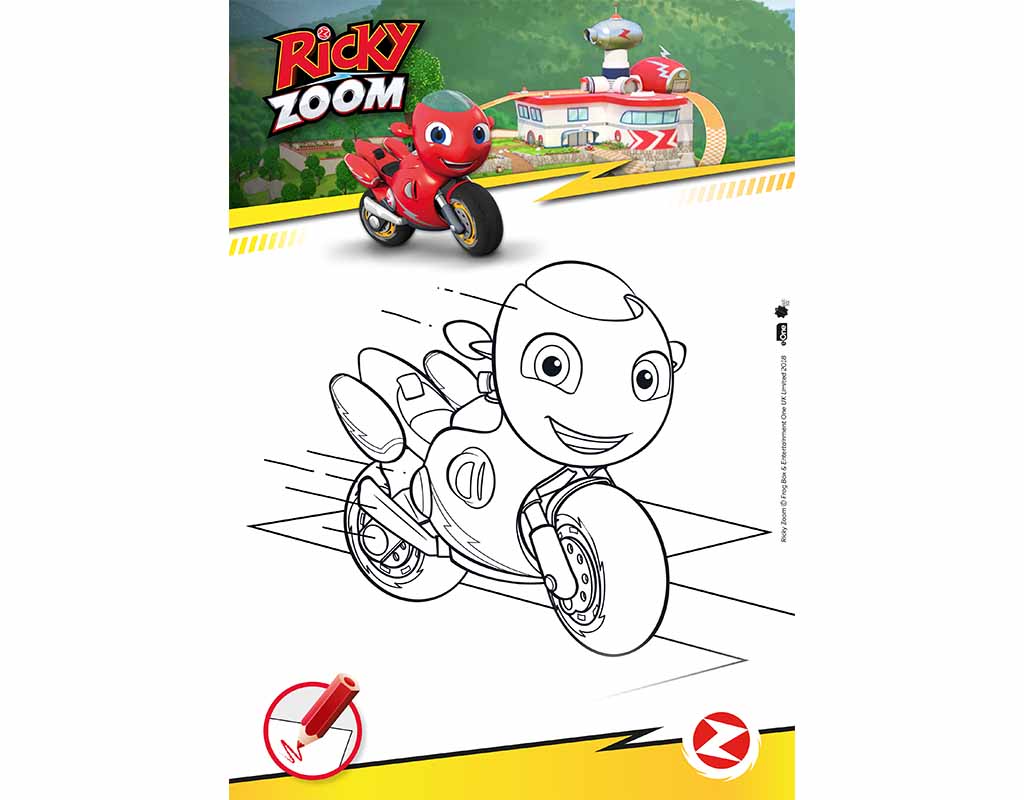
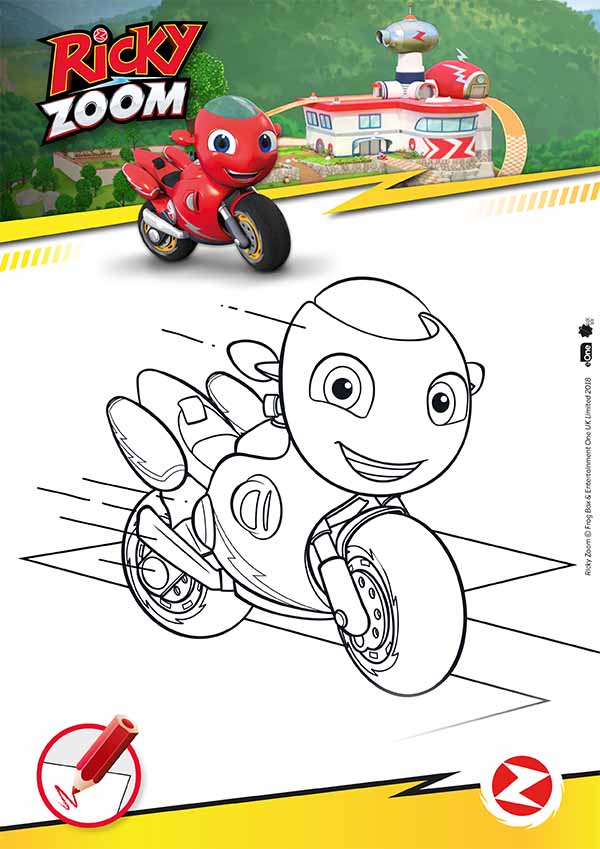
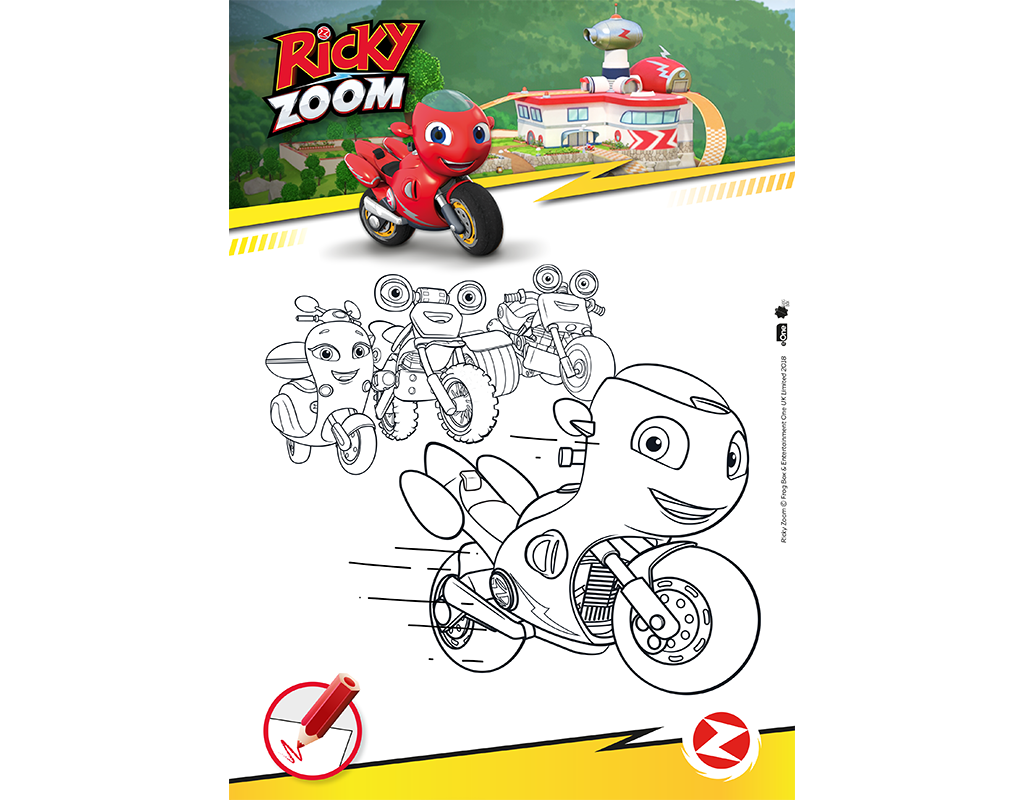
Ricky Zoom – Colour In Ricky

Zoom into Adventure with Ricky Zoom and colour in Ricky, the red rescue bike.

Built for speed, he’s a little red rescue bike who shares his experiences with his loyal Bike Buddies Loop, Scootio and DJ. Together they race around the sports track, try new stunts at the park, and zoom into every adventure!

Ricky lives in Wheelford! It’s a two wheeled town tailor-made for bikes where the close-knit community is always on hand to guide Ricky on the road to becoming a rescue bike. Whether help comes from mum or dad, the town mechanic, or local police bike, Ricky and the Bike Buddies have all the support they need as they learn to stand on their own two wheels.

Ricky Zoom is on TVNZ 2 starting 8.15am, 4 January 2021. Find more

Click the image below to print this activity ⬇️

Ricky Zoom Colouring In Page

Find more colouring in pages:

Ricky Zoom – Dot To Dot

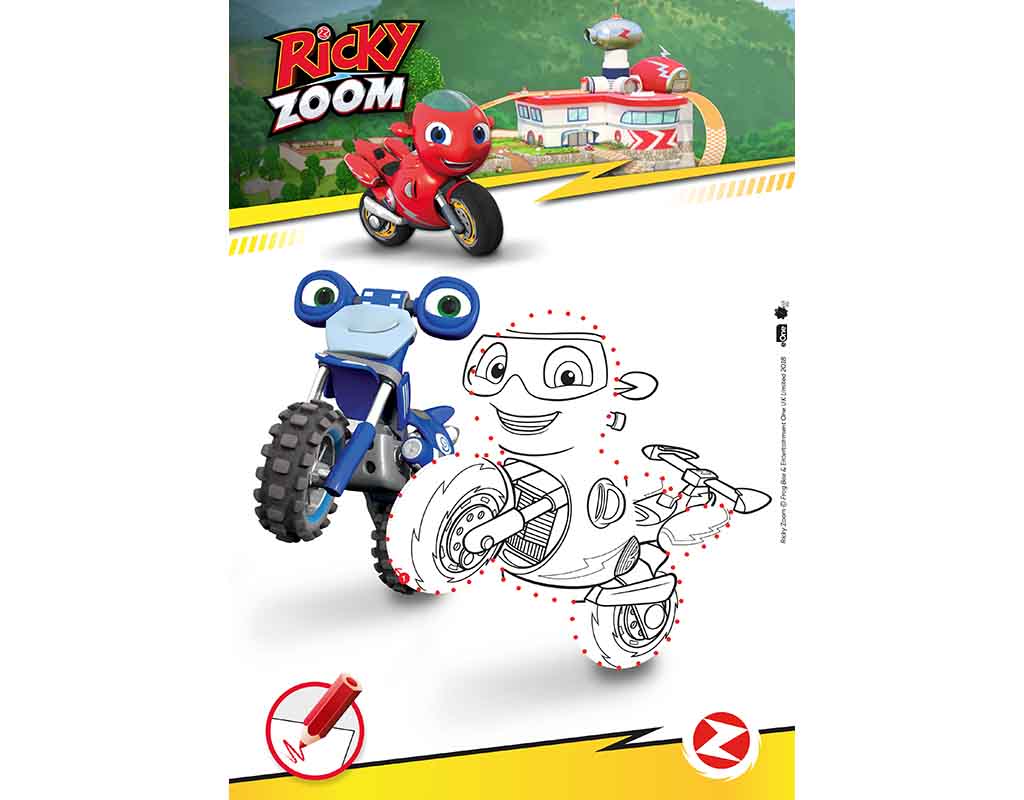
Zoom into Adventure with Ricky Zoom – Help him join the dots to find his buddie Loop.

Built for speed, he’s a little red rescue bike who shares his experiences with his loyal Bike Buddies Loop, Scootio and DJ. Together they race around the sports track, try new stunts at the park, and zoom into every adventure!

Ricky lives in Wheelford! It’s a twowheeled town tailor-made for bikes where the close-knit community is always on hand to guide Ricky on the road to becoming a rescue bike. Whether help comes from mum or dad, the town mechanic, or local police bike, Ricky and the Bike Buddies have all the support they need as they learn to stand on their own two wheels.

Ricky Zoom is on TVNZ 2 starting 8.15am, 4 January 2021. Find more

Click the image below to print this activity ⬇️

Ricky Zoom Dot to Dot

Find more colouring in pages:

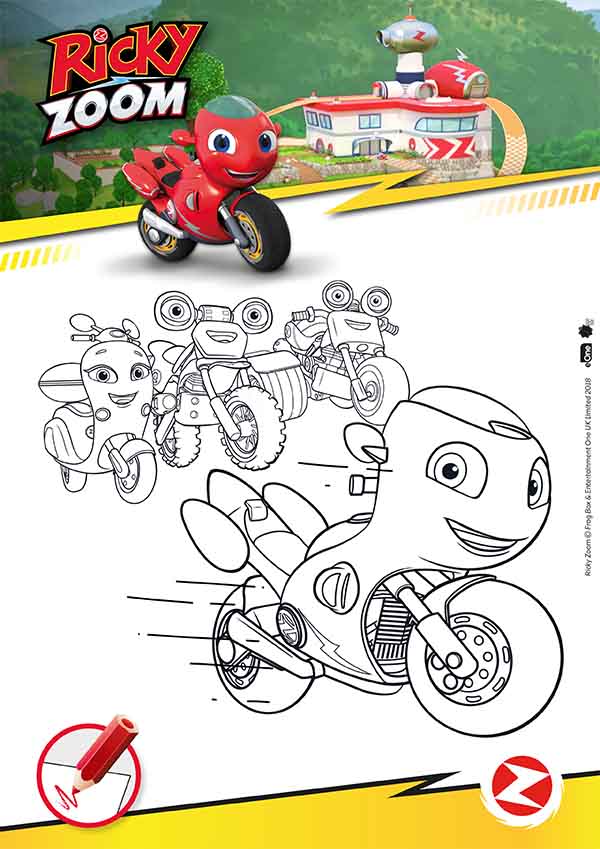
Ricky Zoom – Colouring In Page

Zoom into Adventure with Ricky Zoom and colour in Ricky and his Bike Buddies Loop, Scootio and DJ.

Built for speed, he’s a little red rescue bike who shares his experiences with his loyal Bike Buddies Loop, Scootio and DJ. Together they race around the sports track, try new stunts at the park, and zoom into every adventure!

Ricky lives in Wheelford! It’s a two wheeled town tailor-made for bikes where the close-knit community is always on hand to guide Ricky on the road to becoming a rescue bike. Whether help comes from mum or dad, the town mechanic, or local police bike, Ricky and the Bike Buddies have all the support they need as they learn to stand on their own two wheels.

Ricky Zoom is on TVNZ 2 starting 8.15am, 4 January 2021. Find more

Click the image below to print this activity ⬇️

Ricky Zoom Colouring In Page

Find more colouring in pages:

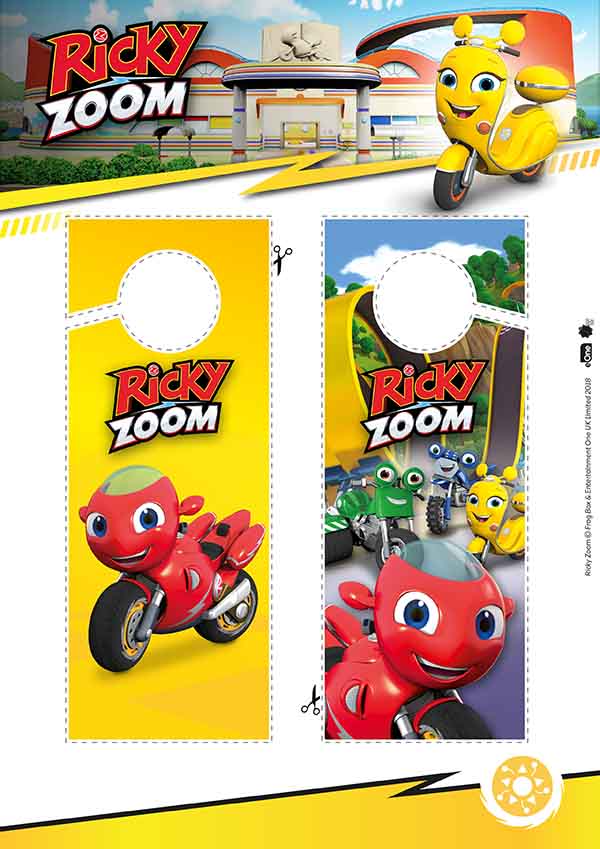
Ricky Zoom – Cut Out Door Hanger

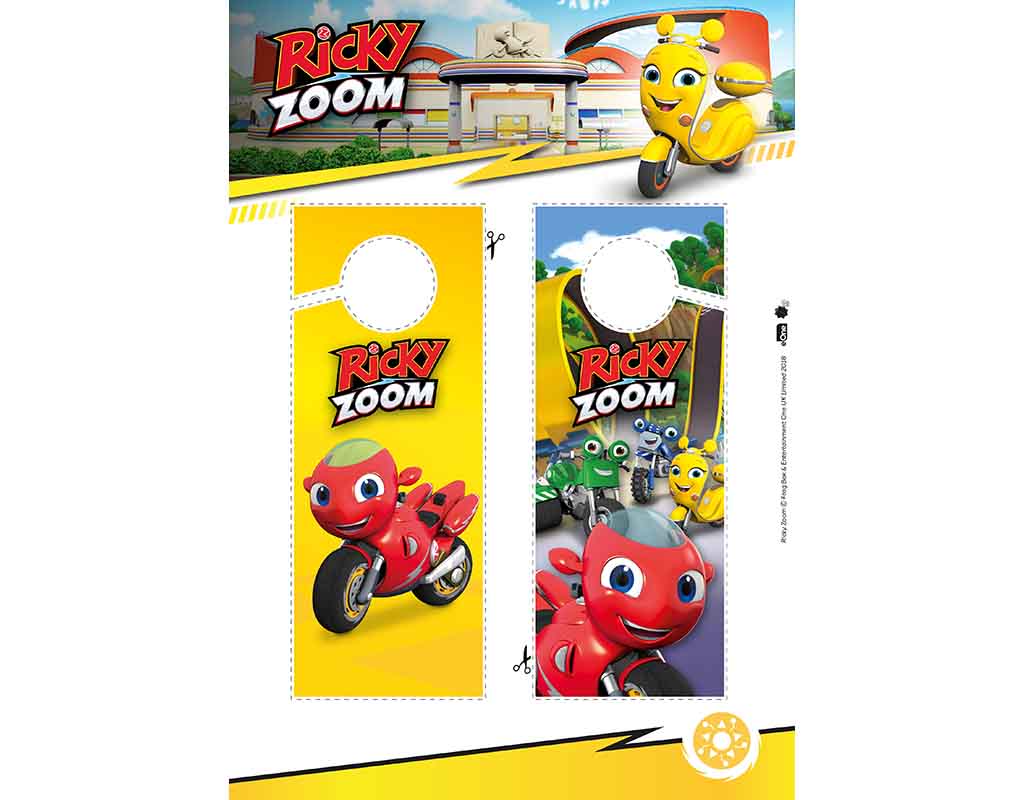
Zoom into Adventure with Ricky Zoom and his Bike Buddies Loop, Scootio and DJ. Print, cut out and hang this fun door handle hanger.

Built for speed, he’s a little red rescue bike who shares his experiences with his loyal Bike Buddies Loop, Scootio and DJ. Together they race around the sports track, try new stunts at the park, and zoom into every adventure!

Ricky lives in Wheelford! It’s a two wheeled town tailor-made for bikes where the close-knit community is always on hand to guide Ricky on the road to becoming a rescue bike. Whether help comes from mum or dad, the town mechanic, or local police bike, Ricky and the Bike Buddies have all the support they need as they learn to stand on their own two wheels.

Ricky Zoom is on TVNZ 2 starting 8.15am, 4 January 2021. Find more

Click the image below to print this activity ⬇️

Ricky Zoom Door Hanger

Find more colouring in pages:

Christmas For A Child With Autism

For most children, the thrill of Christmas is all about enjoying the lights, meeting Santa, singing songs and going to parties. But for people with autism, Christmas can be a very different experience.

Although Christmas can be fun, it can also be a time of sensory overload; you have family and friends visiting, it’s noisy, the music is louder in every shop, there’s more food than usual causing their sense of smell and taste to heighten, and it can seem inescapable.

There are bright decorations and crowded rooms, people often look quite different to how they should look, in their hats and Christmas costumes, and frequently a change in the normal routine.

All this adds up to a potentially difficult time for a child with autism, so how can we help?

Explain

Although it’s very tempting to focus solely on what’s going to be different at Christmas – and preparing your child for the things that are going to change is hugely important – always remember to focus on everything that’s staying the same.

If your child struggles to stay calm in situations involving lots of people, especially as it’s likely to be all day or even days of people being in their space, make sure they know that you can talk to them and be there for them. Tell them it’s okay if they need to get away from all the stimuli and go to their room for some downtime to recharge, regulate and have a breather.

Remind them that even though their family members might be wearing unusual or brightly coloured clothes, they’re still the same people on the inside, and still love them just as much. Explaining why people dress up in sparkly dresses and silly clothes at Christmas will help a lot.

Plan

Visual aids like calendars, lists, schedules and social stories can help prevent your child from feeling overwhelmed and get them ready for everything that Christmas has to offer.

If you are making changes to your family member’s routine and meals, take their opinions and concerns into account and see if you can adapt your plans. Changes to meals, cutlery and table set ups can all cause stress which is easily avoided or eased.

Decorating is one of the most exciting parts of the festive season, but while decorations can be great for some, they can be stressful for others. Gradually introducing Christmas activities and decorations will help to ease their stress. Try putting up your tree one day and then adding decorations a little at a time.

Celebrate

Recognise that the way you celebrate will be as unique as everything else you do, so not everyone will understand it, but that doesn’t make your experiences any less valuable.

Whatever happens, always remember that a life with autism, however extraordinary and unique, is very much a life worth celebrating, and that applies not just at Christmas, but all year round.

This article was written for Kidspot with information from Dawn Wilson, Autism Behavioural Consultant. Find more at www.autism-behavioural.com

Make Your Own Christmas Snowflakes & Wrapping Paper

Make the wait for Christmas go a bit faster with some fun and practical Christmas crafting.

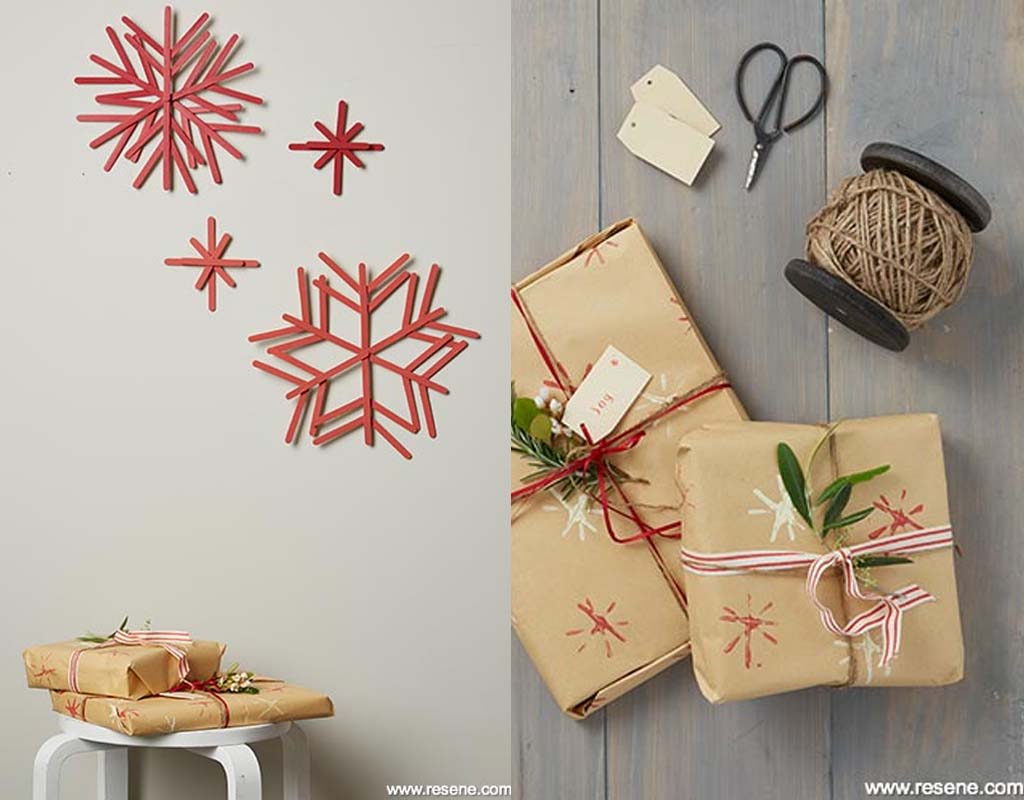
Using simple craft items you can make these fun snowflake decorations that can be stuck to windows or walls or hung on the tree. They also make a stunning home made gift – check out the DIY festive wrapping paper instructions below.

Festive Craft

Christmas snowflakes

Craft stick snowflakes

Just like real snowflakes, there are unlimited designs you can make.

DIY project provided by Resene.

Get full instructions

DIY Christmas wrapping paper

DIY Wrapping Paper

Use block-stamped organic-looking stars and an on-trend terrazzo pattern to personalise your Christmas wrapping paper this year.

DIY project provided by Resene.

Get full instructions

Soul – Spot the Difference

Can you spot the eleven differences between the top and bottom street view from Soul?

Pixar Animation Studios’ all-new feature film “Soul” introduces Joe Gardner (voice of Jamie Foxx) – a middle-school band teacher who gets the chance of a lifetime to play at the best jazz club in town. But one small misstep takes him from the streets of New York City to The Great Before – a fantastical place where new souls get their personalities, quirks and interests before they go to Earth.

Soul is streaming on Disney+ from Boxing Day 2020

Determined to return to his life, Joe teams up with a precocious soul, 22 (voice of Tina Fey), who has never understood the appeal of the human experience. As Joe desperately tries to show 22 what’s great about living, he may just discover the answers to some of life’s most important questions.

Directed by Academy Award® winner Pete Docter (“Inside Out,” “Up”), co-directed by Kemp Powers (“One Night in Miami”) and produced by Academy Award nominee Dana Murray, p.g.a. (Pixar short “Lou”), Disney and Pixar’s Soul” will be available exclusively on Disney+ from Boxing Day 2020

Click the image below to print this activity ⬇️

Soul - Spot the Difference

Find more colouring in pages:

Soul – Door Hanger

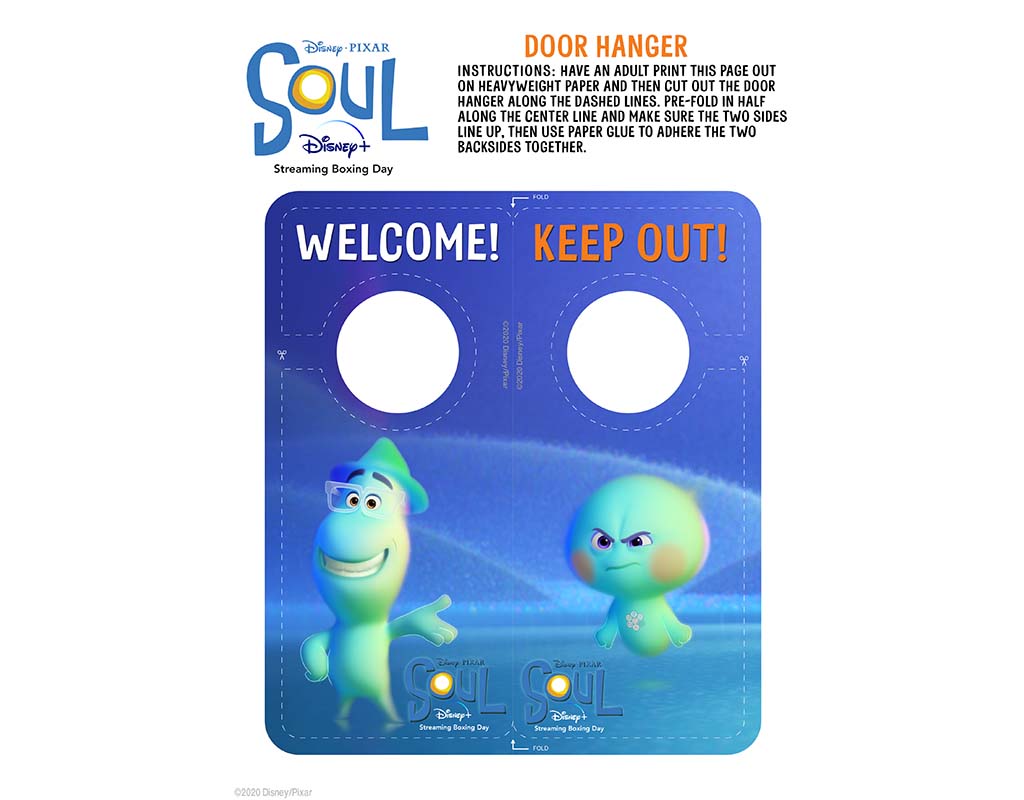
Print out a fun and free door hanger featuring Soul.

Pixar Animation Studios’ all-new feature film “Soul” introduces Joe Gardner (voice of Jamie Foxx) – a middle-school band teacher who gets the chance of a lifetime to play at the best jazz club in town. But one small misstep takes him from the streets of New York City to The Great Before – a fantastical place where new souls get their personalities, quirks and interests before they go to Earth.

Determined to return to his life, Joe teams up with a precocious soul, 22 (voice of Tina Fey), who has never understood the appeal of the human experience. As Joe desperately tries to show 22 what’s great about living, he may just discover the answers to some of life’s most important questions.

Soul is streaming on Disney+ from Boxing Day 2020

Directed by Academy Award® winner Pete Docter (“Inside Out,” “Up”), co-directed by Kemp Powers (“One Night in Miami”) and produced by Academy Award nominee Dana Murray, p.g.a. (Pixar short “Lou”), Disney and Pixar’s Soul” will be available exclusively on Disney+ from Boxing Day 2020

Click the image below to print this activity ⬇️

Soul - Door Hanger

Find more colouring in pages:

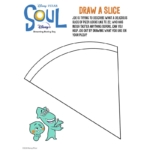
Soul – Draw A Slice

Help Joe out by drawing what you like on your pizza

Joe from Pixar Animation Studios’ feature film “Soul” is trying to describe what a delicious slice of pizza looks like to 22 (who have never tasted anything before).

Soul is streaming on Disney+ from Boxing Day 2020

Pixar Animation Studios’ all-new feature film “Soul” introduces Joe Gardner (voice of Jamie Foxx) – a middle-school band teacher who gets the chance of a lifetime to play at the best jazz club in town. But one small misstep takes him from the streets of New York City to The Great Before – a fantastical place where new souls get their personalities, quirks and interests before they go to Earth.

Determined to return to his life, Joe teams up with a precocious soul, 22 (voice of Tina Fey), who has never understood the appeal of the human experience. As Joe desperately tries to show 22 what’s great about living, he may just discover the answers to some of life’s most important questions.

Directed by Academy Award® winner Pete Docter (“Inside Out,” “Up”), co-directed by Kemp Powers (“One Night in Miami”) and produced by Academy Award nominee Dana Murray, p.g.a. (Pixar short “Lou”), Disney and Pixar’s Soul” will be available exclusively on Disney+ from Boxing Day 2020

Click the image below to print this activity ⬇️

Soul - Spot the Differene

Find more colouring in pages:

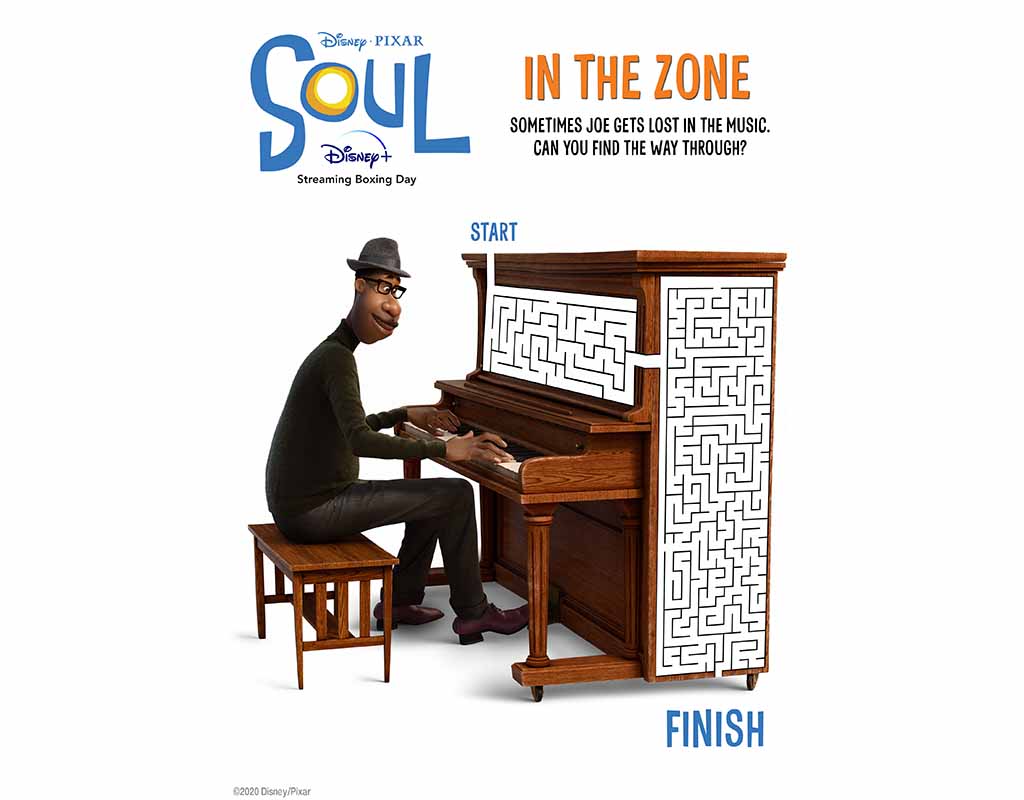
Soul – In The Zone Maze

Help Joe find his way through the Music

Pixar Animation Studios’ all-new feature film “Soul” introduces Joe Gardner (voice of Jamie Foxx) – a middle-school band teacher who gets the chance of a lifetime to play at the best jazz club in town. But one small misstep takes him from the streets of New York City to The Great Before – a fantastical place where new souls get their personalities, quirks and interests before they go to Earth.

Determined to return to his life, Joe teams up with a precocious soul, 22 (voice of Tina Fey), who has never understood the appeal of the human experience. As Joe desperately tries to show 22 what’s great about living, he may just discover the answers to some of life’s most important questions.

Soul is streaming on Disney+ from Boxing Day 2020

Directed by Academy Award® winner Pete Docter (“Inside Out,” “Up”), co-directed by Kemp Powers (“One Night in Miami”) and produced by Academy Award nominee Dana Murray, p.g.a. (Pixar short “Lou”), Disney and Pixar’s Soul” will be available exclusively on Disney+ from Boxing Day 2020

Click the image below to print this activity ⬇️

Soul - Joe Maze

Find more colouring in pages:

Creating Cleaner Air In Your Home

While you might feel as if you are managing to keep on top of dusting and cleaning the surfaces around the house, it turns out that there are a number of air pollutants in our homes that we’re not clearing away.

Pollutants can come in from the outside, plus there are a number of odours, fine particles, allergens and pollutants already inside our homes. Dealing with these pollutants and improving the air in our homes is especially important if, like many Kiwi families, you have someone who suffers from asthma, allergies or hayfever.

The air inside

When we head indoors it feels as if we are escaping the noise and pollution outside, but in fact that sense of calm and safety is a little misleading. Everytime we open the windows to air out the house we are inviting dust and other particles inside. When we cook, shower, dry clothes, or leave damp towels lying about we are creating moisture and a happy habitat for mould. Cooking generates a range of odours, fine particles, allergens and pollutants.

Our synthetic furniture and soft furnishings, paint, and even synthetic flooring can emit gaseous chemicals or substances. Cleaning products, scented candles and air fresheners may contain chemical substances that release benzene and formaldehyde into the air as they are used. Candles also release soot. Even our beloved fur babies add pet hair and dander to the mix.

Because modern homes are becoming better sealed to comply with energy efficiency requirements, pollutants can be trapped inside and circulation of airflow can become compromised.

All of this can mean that the air we live and sleep in can be even more polluted than the air outside.

Clear the air

There are several ways you can help improve the air quality in your home.

  • Even though the air outside might not be perfect, it is likely pollutants, smells, and moisture inside have built up, so getting some fresh air in is a good idea.
  • Take off shoes and, if you can, store them away from your main living space. This will mean particles, allergens and pollutants on your shoes are not being tracked inside.
  • Try not to dry clothes inside.
  • Keep on top of the mould around the windows by removing with a damp cloth.
  • When dusting, use a damp cloth to catch the dust and then pop it in the washing machine.
  • Groom your pets outside – this will help reduce the amount of dander and fur they are emitting.
  • Use an extractor fan when cooking and think about using a cooking oil with a high smoke point. Cook with lids on whenever you can.
  • If you buy new furniture, it’s possible that they will emit volatile organic compounds (VOCs). If possible, store it unwrapped in a spare room or the garage for a week or so to allow it to emit the worst of its VOCs.

Clean the air

There are two main ways you can clean the air in your home. Filter cleaners collect the dust and larger particles in the air while air purifiers work to purify or sanitize the air.

What allergens, odours, fine particles, and pollutants would you like to remove from the air in your home?

See more:

author robynWritten by Robyn
Robyn creates content on Kidspot NZ. Her hobbies include buying cleaning products and wondering why things don’t then clean themselves, eating cheese scones with her friends, and taking her kids to appointments. 

Favourite motto to live by: “This too will pass”

Top 8 Items For Breastfeeding

Everyone’s breastfeeding journey starts with two essentials – breasts and a baby. What else you need will very much depend on your personal experience and preferences.

For some, the journey is straightforward and other than a good bra and a few pads, that’s pretty much all they will require. However, most breastfeeders will at some point utilise a range of products to make their experience more comfortable and successful.

Because everyone’s breastfeeding journey is different, below we outline a range of products that, depending on the challenges you find yourself facing, will help support you to continue breastfeeding for as long as you like.

1. Nursing Bras

Especially in the first few weeks of breastfeeding, your breasts may feel full and heavy and even a little uncomfortable as your milk supply adjusts. You will likely need to wear your nursing bra 24 hours a day for the first few months as your breasts may leak and be uncomfortable without one. Look for one that is soft and comfy and has cups that can easily be unhooked with one hand.

2. Breast pads

Many breastfeeders find their breasts leak in the first few months even when they are wearing a bra. Breast pads help soak up the leaks and there is a huge range available from disposable to washable/reusuable. You may go through several a day so consider stocking up on them.

3. Breastfeeding clothes

Breastfeeding tops come with cleverly hidden slots to allow you to feed without exposing your whole breast and / or torso. There is a huge range available online – or you could just choose to pull up your top.

4. Breastfeeding pillows

When you start on your breastfeeding journey your baby will be very small and the gap between your lap and your breast quite large. Some people find specially designed breastfeeding pillows really useful to help keep both parties relaxed and comfy – especially if you’ve had a caesarean. You can also use them to help you try different feeding positions.

5. Nipple cream

As you and your baby learn breastfeeding, sore, cracked and bleeding nipples can occur. Check in with your Lead Maternity Caregiver and other health professional to ensure your baby is latching on correctly. While you get that sorted, a nipple cream can be used to soothe the nipple.

6. Breast care

At times during your breastfeeding journey your breasts may feel very full and tender. You may be able to relieve your engorged breasts between feeding using cold compresses.

Keep an eye out for mastitis, an inflammation or even infection of the breast. If you suspect you have mastitis, it is important to see your Doctor or LMC straight away.

7. Breast pump and associated equipment

Expressing or pumping your breastmilk can help reduce discomfort from full breasts, increase supply, or mean someone else can feed your baby if you can’t. It is possible to hand express your milk or you can use either a manual or electric breast pump. You will also need to consider how you are going to store the pumped milk so breastmilk storage bags are handy.

8. Comfy chair

If you have space in your baby’s room a comfy chair is a real benefit. Especially when your baby is young you may spend a lot of time feeding, winding and comforting so being able to do this when you are well supported is ideal.

author robynWritten by Robyn
Robyn creates content on Kidspot NZ. Her hobbies include buying cleaning products and wondering why things don’t then clean themselves, eating cheese scones with her friends, and taking her kids to appointments. 

Favourite motto to live by: “This too will pass”

My Little Pony Colouring Activity Sheet

My Little Pony – Pony Life

Colour in the My Little Pony Colouring In Sheet

After learning that her friends, as well as herself, are the magical Elements of Harmony, studious unicorn Twilight Sparkle is sent by her mentor, Princess Celestia, to Ponyville to study the magic of friendship with help from her friends.

Click the image below to print the activity ⬇️

My Little Pony

Find more colouring in pages:

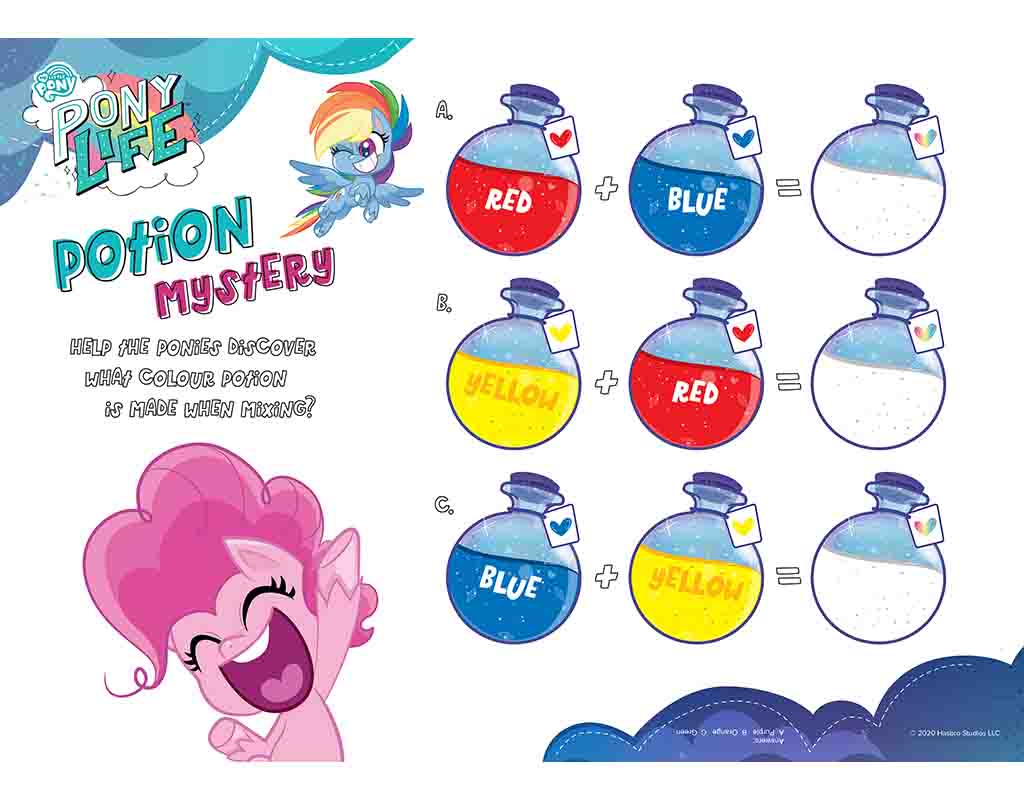
My Little Pony Potion Activity Sheet

My Little Pony – Pony Life

Colour and make your own potions

After learning that her friends, as well as herself, are the magical Elements of Harmony, studious unicorn Twilight Sparkle is sent by her mentor, Princess Celestia, to Ponyville to study the magic of friendship with help from her friends.

Click the image below to print the activity ⬇️

My Little Pony

Find more colouring in pages:

My Little Pony Party Hats

My Little Pony – Pony Life

Colour and Make Your Own Party Hats

After learning that her friends, as well as herself, are the magical Elements of Harmony, studious unicorn Twilight Sparkle is sent by her mentor, Princess Celestia, to Ponyville to study the magic of friendship with help from her friends.

Click the images below to print an activity ⬇️

My Little Pony - Pony Life hat

My Little Pony Party Hat

Find more colouring in pages:

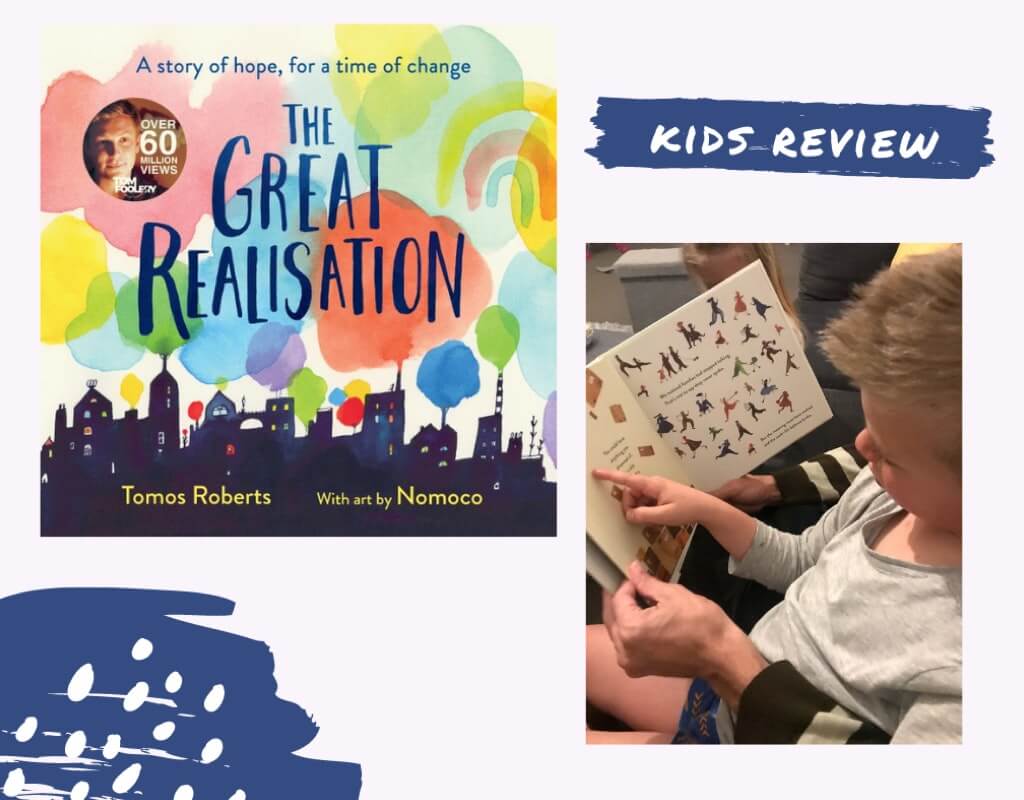
The Great Realisation By Tomos Roberts

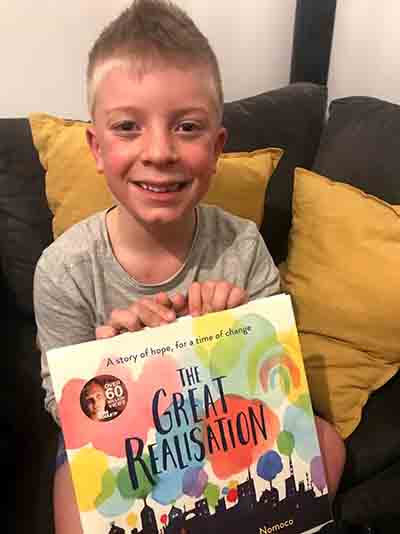
The Great Realisation is a celebration of the many things that have brought us together at a time of crisis. See what Jaxon and his mum thought about the book and grab your own copy ⬇️

The post-pandemic bedtime tale that has captured the hearts of millions.


View this post on Instagram


Look what just arrived! #TheGreatRealisation #BookProof

A post shared by The Great Realisation (@thegreatrealisationofficial) on

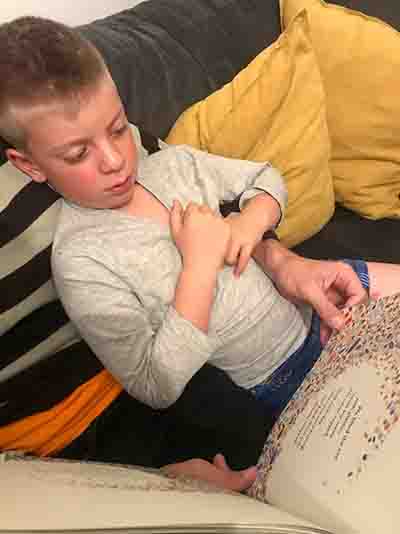
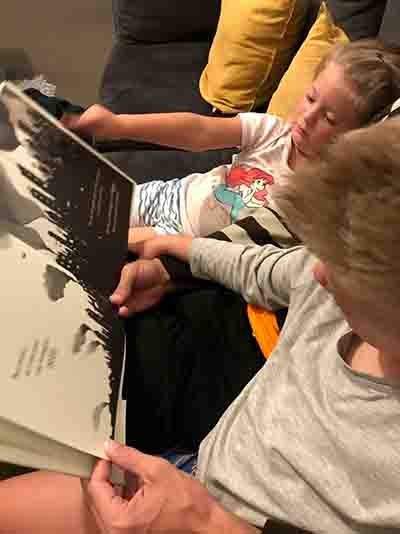
Jaxon and his mum review The Great Realisation

2020 has been a tumultuous year for everybody, but as a parent there has been the added challenge of making sure our kids are ok through all of the uncertainty. After a second Auckland lockdown, and another disrupted school term, I decided it was a good time to read this book to my 7-year old.

We had already watched the Youtube video of the author reading it aloud during the first lockdown, but the book is so beautifully illustrated and being able to read through the poem together meant we could really take in the meaning behind it.

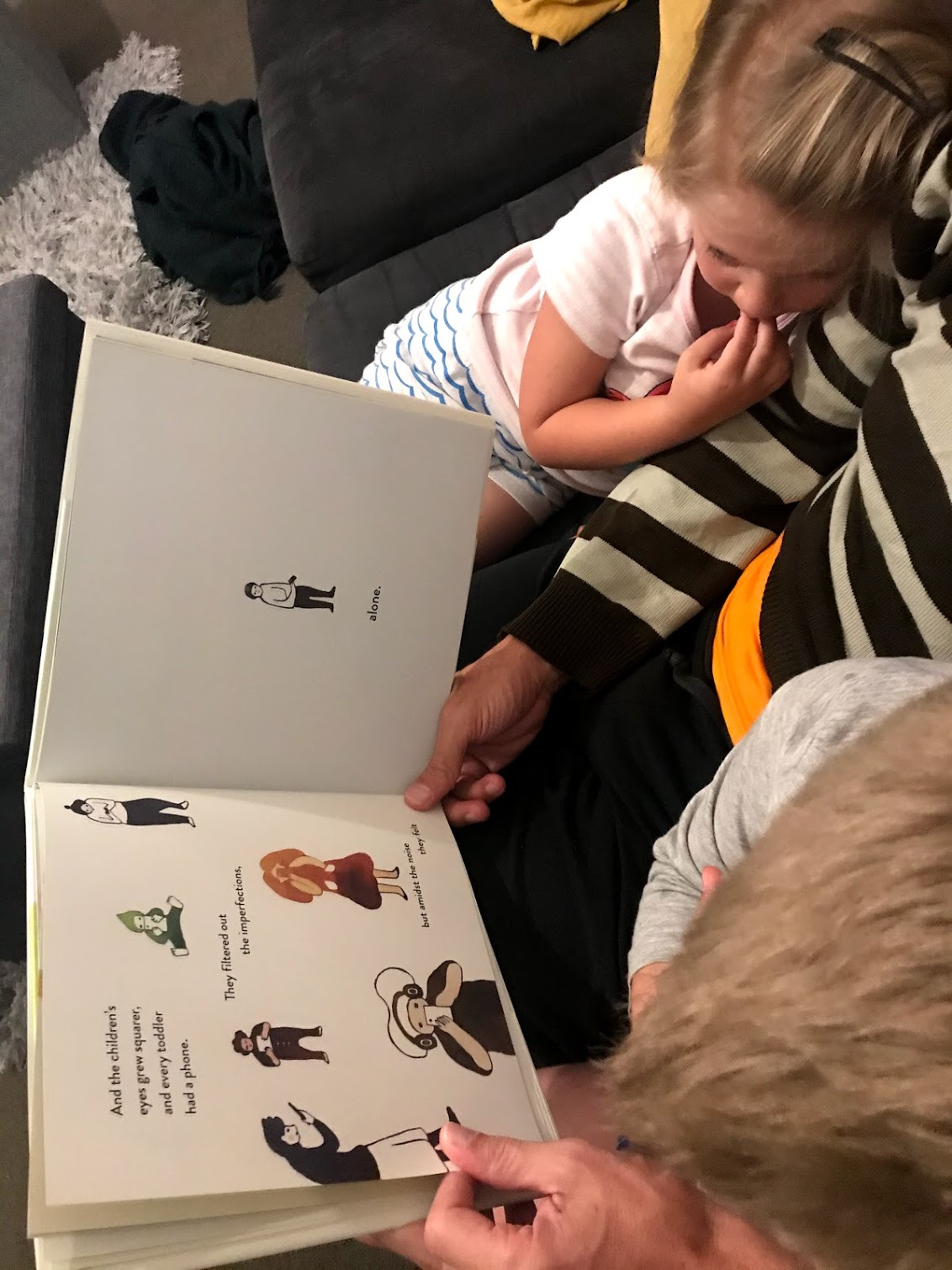
The poem begins with descriptions of our busy pre-pandemic lifestyles – everyone on their phones and no one really connecting with each other, people travelling by plane and car, sitting in traffic and creating pollution, a world where everyone has “forgotten” how to run.

Then the virus appears and changes everything – at first, people are scared but then they begin to adapt and they start doing things that they never had time to do before. They dance, they sing, they bake.  They talk to each other and treat each other with kindness. The earth starts to breathe again, and nature blossoms with less people causing pollution and destruction.

Finding the positives

Jaxon had a few questions as we read, and his little sister Aria crept in half way through to see what we were talking about which gave us the chance to highlight some of the fun things we did in the lockdowns as a family – the long bike rides, spotting teddy bears in windows, not spending any time in the car. Jaxon said he liked being able to spend time at home and not have to wear his school uniform every day and his little sister said she enjoyed having more time to play Barbies and watch movies with the family

I said that I had enjoyed slowing down and not rushing everywhere, that we could all be safe and happy together at home while the world got better. Aria agreed and summed up my experience, in her opinion, that “rushing makes you grumpy” which is pretty accurate!

At the end of the book, we talked about how good things can sometimes come out of bad situations and how important it is to look for these positives even if it may seem difficult at the time.

Building resilience

I could see both kids understood the concept, and they even tried to find examples of bad things they’d experienced that had ended up positively (like getting your 4 year jabs which hurt, but then being treated to candy floss afterwards which was delicious!). This understanding is so important to build resilience and The Great Realisation offers such a lovely perspective into something that has caused great confusion this year.

A wonderful read for all kids and their parents, this book summarises the year that has been in a beautifully unique way.

The Low Odour Eco-Friendly Way To Paint Your Child’s Room

Sponsored content provided by Resene

Children are a welcome addition to any household, often changing your perspective of the world (it suddenly starts revolving around them instead of you!)Painting safely for kids

Life never stands still, and the addition of children is no exception. That previously neutral toned room will probably look a little out of place with bright children’s toys and furnishings.

Bright, colourful and cheerful paint schemes help create stimulating environments for children. While very young children only see in black and white, it is not very long before they appreciate the angst you experienced deciding the final colour scheme for their room.

And once they get old enough to tell you they don’t really like the colour, you can always repaint it (or get them to do it)!

Resene ColorShops stock a full range of paint, accessories and wallpaper. From bright and bold to relaxing and neutral, our trained professional staff will help you choose colour confidently. While you are in-store, ask about the Resene DIY Card to enjoy savings on future purchases.

Most families decide to redecorate when they have children. Whether you decide to do this before or after your child is born, there are still some important points that you should keep in mind. We cover many of them on this web page.

For more information on these and any other paint or colour related questions, please come and see us at your local Resene ColorShop.

Inspiration from Resene KidzColourResene KidzColour paint chart

Strongwilled, excitable and opinionated – today’s children know just what they want, sometimes much to the horror of their parents. Children are increasingly influencing the way their bedrooms are laid out and coloured, injecting their own personality into their room. To help you get started, Resene has created KidzColour – a range of colours and metallics designed for children of all ages.

Following testing with various aged children, the bulk of the Resene KidzColour range features bright, bold, full chroma hues and metallics – perfect as a statement by themselves or combined with another equally bold hue for an invigorating scheme.

For those with a newborn in the house, Resene KidzColour also includes a smaller palette of soft pastels that may be mixed and matched with each other or used as a base for one of the brighter accent colours. From red Resene Chaos to pink Resene Candy Floss and not forgetting blue Resene Surfs Up, this colour range has been designed with children for children. All colours from the Resene KidzColour range are available in popular Resene testpots – perfect for all painters no matter what age.

The Resene KidzColour range also includes favourite effects finishes, such as Resene FX Magnetic Magic and Resene FX Blackboard Paint. Resene FX Magnetic Magic is an innovative magnetic base coating that turns walls into magnetic boards suitable for use with a wide range of magnets. Resene FX Blackboard Paint is a premium scrubbable waterborne coating for all types of interior and exterior smooth surfaces where a hardwearing blackboard coating is required. It is easy to apply – in fact the hardest part is keeping would-be chalk artists away long enough to give the paint time to dry before they start covering it up with chalk! And if you need more colour options, you can also use Resene SpaceCote Low Sheen as a chalkboard finish.

Children grow fast and tastes change rapidly, so make sure your plan incorporates options for the future. If you don’t mind completely revamping the room in a few years, you can opt for a fully themed room… but be prepared to change it later! Latest trends and fads can be incorporated using cushions, posters, wallpaper borders and toys that can be easily changed as the trends and fads do.

Check out what others have done in the past in the online Resene Decorating inspiration gallery use their ideas as inspiration for your own.

With colours and finishes galore, children and parents can design a bedroom that will be the envy of all their friends without breaking the bank. And, as your child grows and develops new tastes, it’s easy to simply add a new feature colour or repaint a no longer liked hue to create a whole new look.

Remember, there are lots of great effects you can create using paint and metallic effects finishes, colour blocking, stamps, sponges and general arts and crafts activities to add wall art, pencil holders and more to the finished room, so let your imagination run wild. Stencils, clouds, stripes – the list goes on! To get you started some suggestions are included on the Resene KidzColour chart and on the Resene website. Plus you can download lots of free stencils to get you started.

Let your children loose with colour. The Resene KidzColour collection is available from Resene ColorShops, or order your copy online.

Clear the air

Ever felt dizzy from paint fumes? The effect is magnified when painting indoors and is even worse if it is a child that is exposed.

Water Based Paint

Indoor air quality is important, especially if you are planning to paint your child’s room. Not only do you want to minimise the fumes while painting, but you also want the paint odour to disappear quickly so you can put the area back into service without putting any family members at risk.

While the odour levels of standard Resene paints are not high, Resene have developed low odour products – Resene Zylone Sheen and Resene Ceiling Paint – and Resene Zylone Sheen Zero with no added VOCs to help you and your family breathe easier. Or choose durable and washable Resene SpaceCote Low Sheen, which is Environmental Choice approved, low in VOC and ideal for the rough and tumble of children’s rooms and play areas. The lack of solvent fumes means they are more pleasant to use than standard products and the area can be quickly put back into service. Improving indoor air quality can also help prevent headaches, asthma, nausea, dizziness, respiratory complaints, allergic reactions and improve general well-being.

With no nasty solvent smells, easy clean up in water and a wide colour range, the hardest decision will be choosing your favourite colours.

Make sure any areas you paint are well ventilated with good air flow and if inside, open windows wherever possible. This will help the air to circulate and the paint to cure. Even low odour paints need this air circulation to ensure they cure properly and that any emissions from the paint can dissipate quickly.

Preserve the environment for the next generation

Look for the Environmental Choice Approved logo

Resene has always been keenly aware of the need to reduce the risk that our products may present to our customers and the environment, long before it became topical. Not only did the basic innovation of Resene waterborne paints reduce the level of toxic solvents, but other steps such as the removal of lead from our decorative paints in the late 1960s were well ahead of their time.

To reinforce this position Resene joined the Environmental Choice Programme, endorsed by the Ministry for the Environment, making it easier for you to select paint that eases the burden on the environment.

And when you’ve finished the painting, you can bring unwanted paint and paint containers back to our Resene PaintWise service (NZ).

Painting during pregnancy

In general Resene recommends that you should not paint during pregnancy. Hire a professional or ask a family member or friend to help instead.

Waterborne paints contain very low levels of solvents. Thus the risk from exposure is very small. However, there are still potential hazards to be avoided. The stretching action when painting walls and ceilings or putting up curtains, if overdone, can cause problems during pregnancy. Of course climbing up and down step ladders etc. is also an underlying risk.

However, if you have some small projects, such as painting a picture frame or a cot and have decided to paint these items then the following is recommended:

  • Avoid oil based/solventborne products. Use only waterborne products.
  • Do not use spray paints.
  • Wear a suitable mask when sanding and painting.
  • Do not eat or drink during painting.
  • Ensure good ventilation during and after painting.
  • Do not use any solvent for cleaning tools etc.

Always consult your doctor or midwife if you have any concerns before carrying out a project when pregnant.

Beware of lead-based paint

Lead is a health hazard. You can get lead poisoning if you do not take care when you remove lead-based paint from a building. As lead tastes sweet, children are particularly at risk from lead poisoning because they may swallow bits of paint that contain lead or soil that has been contaminated. Children chewing on cots or toys are also at risk if leadbased paint has been used.

Until 1965, many paints had high lead levels. Even if a building has been recently painted, it may have been painted with lead-based paints or have layers of old paint covered by modern paint. Today only special purpose paints contain lead and these are clearly labelled.

It is not possible to tell lead-based paints by their appearance, but there is a simple test that can detect whether the paint is a health risk. Resene ColorShops can test your paint flakes for lead-based paint for free. Simply take a large flake of any paint you suspect may contain lead into your local Resene ColorShop. If a building was built before the 1980s it is best to presume it has been painted with lead-based paint. Contact your local Health Protection Officer if you are unsure.

Lead poisoning effects

  • Many adults and children with lead poisoning will have either vague or non-specific symptoms such as stomach pains, difficulty sleeping, constipation and loss of appetite or no symptoms at all.
  • Children who may have no obvious symptoms can still suffer some brain damage over a period of time.
  • If your child has more severe symptoms such as weakness or difficulty walking, seek urgent medical attention.

For more advice on lead-based paint, ask for the ‘Resene Putting your safety first brochure at your local Resene ColorShop, view it on the Resene website or contact your local Council.

Safe storage

Always keep paint and paint preparation and cleaning products securely closed and out of your child’s reach. As children learn to climb and open cupboards and drawers from an early age, a locked garage or shed is the most secure place to store them.

› Download a PDF of this information

For more information visit Resene.co.nz

Article provided by Resene.

DIY ‘Whatever The Weather’ Bookends & Mobile

Sponsored content provided by Resene

Be inspired to decorate your child’s room with Resene’s weather inspired colour palette and get creative with two DIY accessories perfect for nursery decor.

Use weather colours as your inspiration to decorate the room and create an adorable ‘Rain or Shine’ bookends and a raindrop mobile – we show you how.

Nursery

A palette of Resene Thorndon Cream on the wall with a mini mural (at ceiling) in Resene Eighth Thorndon Cream is restful with a cost in Resene Alabaster.  Bringing in deeper hues of Resene Thor on the floor and shelf and Resene Safehaven on the picture frame adds depth, with the warmth of the table in Resene Laser.

Weather mood board

Background in Resene Thor with A4 drawdown paint swatches (from bottom to top) in Resene Eighth Thorndon Cream, Resene Safehaven, Resene Thorndon Cream, Resene EmergeResene Sandal, Resene Laser, Resene Just Right and Resene Vintage with stackable rainbow wooden toy in Resene Vintage, Resene Just Right, Resene Laser, Resene Thor, Resene Undercurrent and Resene Safehaven, vases (from left to right) in Resene Undercurrent, Resene Sandal and Resene Lazer and tea light holder in Resene Vintage.

Rain or shine bookends

Rain or shine, you and your kids will never get tired of looking at these cheerful bookends.

Download the templates from the habitat by Resene website and trace the shapes onto plywood with a pencil (or draw your own) before cutting them out. We also cut arched shapes to cover up the vertical side of the metal bookends. We used Resene Quarter FrozenResene Bali Hai and Resene Undercurrent for the clouds, Resene Mellow Yellow, Resene Laser and Resene Pirate Gold for the sun and Resene Undercurrent and Resene Pirate Gold for the arches. For the arches, we used Resene Undercurrent and Resene Pirate Gold.

Once your paint has dried, use a hot glue gun to glue the smallest cloud on top of the medium cloud, aligning the corners, then glue the medium cloud on top of the largest cloud. Do the same with the sun, stacking and gluing the smaller quarter-circle onto the larger one, then on to the rays.

Using quick bond glue, adhere your arches on to the front face of the bookends, then apply glue to the vertical edge of the stacked clouds and stick it to the centre of the arch painted in Resene Undercurrent. Do the same for the sun, adhering it to the centre of the arch that is painted in Resene Pirate Gold. Allow your bookends to dry overnight to ensure the glue has set completely before using them.

Make your own mobile

A popular nursery accessory of the 1950s, we think it’s high time for mobiles to make a comeback.

Start by cutting a classic scalloped cloud and a dozen or so raindrop shapes out of your sheet of plywood. Then, using a power drill, make holes in the tops of each of your raindrops, the top of your cloud and a line of holes across the bottom of your cloud – we made five holes along the bottom.

Paint your cloud and raindrops using Resene testpots in your favourite colours – we used Resene Eighth Thorndon Cream for our cloud and Resene Vintage, Resene Just Right, Resene Quarter Frozen, Resene Thor, Resene Safehaven, Resene Laser and Resene Sandal for our raindrops.

You can even paint patterns onto some of your raindrops, if you wish. We gave some of ours stripes and others ticks.

Using sparkly silver string – though twine, thread, wool or ribbon will do the trick too – thread through the holes of your raindrops, knotting them on at even intervals before knotting the end to one of the holes in the bottom of the cloud. Then, thread a long length of string through the top hole in your cloud, knotting it securely. Hang your mobile from your ceiling using the appropriate hardware and high enough that it will be safely out of reach of little hands.

For more information on this activity, colour inspiration and accessories, visit Resene.co.nz

Article provided by Resene. Styling by Laura Lynn Johnston. Photography by Bryce Carleton. 2020

Read more on Kidspot:

Inspo For Updating Your Tween’s Bedroom

The ‘tween’ period, where the transformation from childhood into a full blown teenager is when your child starts to express their own identity. They start to develop their ‘look’ through experimenting with hair, makeup, and clothes so it’s a great time to give their bedroom a makeover too.

Many tweens spend a lot of time in their room – it’s almost as if they disappear in there sometime during tweenhood and finally emerge a few years later a new person! As they are going to be spending a lot of time in there as they undergo their transformation, it’s important that their room is fit for purpose.

There are some key things to consider when giving your tweens room a makeover.

Taking stock

Before you start, consult your tween. Some tweens have very definite ideas about how their room should look. They see it as part of their emerging identity and also an important back drop to their social media selfies! Other tweens might have some functional needs but beyond that are happy to let you do the design work.

Consider the furniture you will need. Will a single bed fit your growing child or is now the time to treat them to a bigger one? Will they use a desk for school work and gaming or as a dumping ground? Are they likely to put things in drawers and hang things up or would things like hooks or baskets for washing, rubbish, the inevitable used dishes, shoes, and jerseys make it more likely that they don’t end up storing everything on the floor?!

Do they have hobbies that require particular storage?

Now is the time to work out what you have that can be repurposed or can stay. Have a good clean out of what’s in their room now so you have a fresh start. Keep the treasures elsewhere but get rid of everything that is not used including toys, old school books, children’s books, soft toys and clothes they have grown out of or don’t ever wear.

Now comes the fun bit!

Inspo that suits

There are so many fantastic decor ideas available at really good prices. Tweens can be so busy with school, sport, hobbies, and socialising, so designing a space that is restful and practical is the goal.

Check out these great design ideas for some inspiration.

Calm chic

Start with white walls and and add black accessories then a pop of one colour. Black and white remains popular because it works so well together and then you can change out the accessories from time to time as an inexpensive way to update the room as your tween turns into a teen.

Photo wall

An important part of tweenhood is friends. Tweens love to display photos of fun times, as well as their pets. A simple way is to arrange photos in a pattern on the wall, and add lights, bunting or tassles for extra effect.

Homage to the hobby

If your tween has a hobby, enabling safe storage of their most likely expensive gear is a good option. A basket for balls, shelves for LEGO® creations or hooks for guitars and skateboards create a funky feature while also being functional.

Light it up

Lighting can define the feeling and ambiance of the room and with such a huge range of fairy, seed, string, wall, free standing, strip and even neon the possibilities are endless. You might like to buy a timer so the lights aren’t left on 24/7!


View this post on Instagram


A post shared by Bedrooms of Instagram (@bedrooms_of_insta) on

Greenie

Having plants in a room adds a sense of peace. If you don’t think they will survive the tween fug, artificial plants can create the same ambiance.


View this post on Instagram


A post shared by Bedrooms of Instagram (@bedrooms_of_insta) on

Texture

Adding some texture to a room adds a hint of luxury whether its a wall decal, a macrame wall hanging, a funky rug or even a DIY accent wall.

author robynWritten by Robyn

Robyn creates content on Kidspot NZ. Her hobbies include buying cleaning products and wondering why things don’t then clean themselves, eating cheese scones with her friends, and taking her kids to appointments. 

Favourite motto to live by: “This too will pass”

Join the Catch Up

Join our community of parents and let the Kidspot Catchup be your guide to creating unforgetable family moments.