Did I do enough today?

Despite the huge amount of information and advice readily available, parenting remains a combination of fun, delight, hard work, patience, and the odd curve ball.

Nothing can really prepare you for the reality and unpredictable moments of parenting, but there are a few important things to remember that can help smooth the way.

Finding the little joys

It’s true that parenting can bring a whole new level to the daily grind. As the days go slowly but the years fly by, it’s easy to get lost in the routine and miss the little milestones or special moments. Write those cute little things they said down because you really will forget them in time, snap a photo, laugh at their amazing cow impersonations and indulge their desire to pretend to be a dog, right down to wanting to eat their meal with no hands.

Planning for the future

Kids throw some pretty unexpected things at us that no amount of planning can prevent. From being the first in your coffee group to bite another kid or blurting innocent but frankly embarassing public observations, kids have a great way of making us realise we are never fully in control of what is happening.

We can however plan for the worst case scenario through practical measures such as determining legal guardians for your children, and taking out life insurance to ensure they can be financially protected no matter what the circumstances are.

Give the gift of time

There is a saying that love is spelt t.i.m.e. The reality for many parents is that time is a precious commodity so prioritising time can be a struggle. However, there are many vaulable ways to spend time together and this is not just limited to reading books or learning puzzles. Helping with the chores, putting things in the trolley at the supermarket and passing the clothes pegs are just as important.

author robynWritten by Robyn

Robyn creates content on Kidspot NZ. Her hobbies include buying cleaning products and wondering why things don’t then clean themselves, eating cheese scones with her friends, and taking her kids to appointments. 

Favourite motto to live by: “This too will pass.”

Rotorua Canopy Tours

Soar through the trees and experience New Zealand’s ancient forest in this unforgettable family adventure. The Original Canopy Tour is the perfect mix of fun and education that will have the kids and even grandma raving!

Take your family on the adventure of a lifetime this spring. Named as one of TripAdvisor Top 10 Experiences South Pacific, the Original Tour at Rotorua Canopy Tours is an eco experience every kiwi kid should have.

The tour journeys into an ancient native forest on a network of ziplines (the longest is 200m!), swingbridges and forest walking trails. During the tour you learn about the trees and plants within the forest, as well as the wildlife that calls our native forests home. Most tours even get the opportunity to handfeed wild birds!

Our experienced local guides know how to engage and educate while ensuring your safety.  You will also be able to contribute to our project to turn the forest into an eco-sanctuary. Tour groups have a maximum of 10 people and the minimum age is 6 years.

Come and create some amazing memories that will connect your family  for a lifetime.

Visit canopytours.co.nz to find out more.

Top 10 Things To Pack For Your Family Holiday

Family holidays mean leaving the daily routines behind and replacing them with holiday fun, relaxation and new experiences.

We talked with some parents who have been there and done that to find out their top tips for ensuring you are prepared for anything so that your memories are of fun times, not inconvenience and whining!

1. Beach shoes

These soft upper and rubbery base shoes are light and fold up small for packing. They have a toggle on the back and are stretchy so one pair can fit multiple sized feet. Because they are so soft they are ideal for sore, grazed or blistered feet. They are still comfy even filled with sand, are easy to wash and dry quickly and are perfect for almost any activity. rain or shine.

2. Wound care

Holidays mean adventures and adventures often mean cuts and grazes. Even if it’s just a small injury, having a plaster popped on seems to help kids quickly forget about it. Have a range of plasters including waterproof on hand. Pop a crepe bandage in too for any sprains – kids aches seem to feel better somehow covered with one!

3. Hand sanitiser

When you are out and about it’s not always easy to keep hands clean as you are unlikely to have a plentiful supply of warm running water. An alcohol-based hand sanitiser that doesn’t require water is an ideal solution.

4. Sunblock

It is recommended that we put on sunblock every day and given that you are likely to be outside more often during a holiday, sunblock is essential.

5. Multi USB plugs

Being able to charge your phones and devices all from one wall plug is great. Track down a travel plug that has multiple USB ports. Take the fittings for the country you are travelling to and leave the rest at home.

6. Water resistant jackets

Choose jackets that are rain and wind resistant. They are not too bulky and are ideal for all weather conditions.

7. On the go entertainment

You are probably hoping to encourage the kids to stay off their devices as much as possible but bad weather or travel delays can put this goal in jeopardy.  Depending on the age of your children include some activities that are not too bulky and easy to play within cramped conditions. Cards for games like Memory, Snap or Solitaire, UNO, colouring pages and crayons or felt and some stickers are ideal.

8. Pain relief

Being away on holiday unfortunately doesn’t make the family immune to viruses and with all the exploring and adventuring, it’s almost inevitable that someone is going to hurt something. Make sure you have age-appropriate pain relief with you at all times!

9. Baby wipes

More than just for bottoms, baby wipes are perfect for wiping everything! Sticky hands and faces, spills, hot faces, messes, tables, toilet seats, BBQs, picnic equipment… anything that needs a bit of a clean!

10. Day pack

It really is worth investing in a good day pack that is comfortable to wear and has pockets and sections to store sunblock, plasters, jackets, hats, drink bottles and more. One with a dry section for wet or smelly clothes is a bonus!

How to Make Your Own Baby Food

Awareness of the impact human activity has on the environment is growing and the production and manufacture of food is one of the worst environmental offenders.

The production of baby food is no exception, so if you are looking to do your bit in helping our world be a better place, making much of your own baby food is a great way to start.

Eco benefits for making your own baby food

Commercial food manufacturing involves use of land and water and although we no longer see factories belching toxins and pollution, there are still some emissions.

While many companies are moving to recyclable packaging, it remains true that homemade food doesn’t use any. Recycling however is not perfect, and in terms of waste compared to portion size, baby food in non-recyclable packaging is one of the worst!

If you use locally grown, organic produce you reduce the carbon footprint through a reduction in transportation of the raw ingredients and the finished commerical product. A huge amount of baby food sold in New Zealand is made overseas.

Benefits for your baby

Many people believe that babies who eat mostly homemade food will be less fussy because it tends to be less bland and have a wider variety of flavours. This ecourages children to eat a wider variety of food. Because you are making your own your can regulate the texture and slowly introduce lumps, and variety. This makes for an easy transition to finger foods.

Commercially produced food is often heated to extreme temperatures to kill bacteria, however this also impacts negatively on the nutrient levels. Cooking your own means you can cook until just soft, or even better you can use raw foods such as avocado and ripe bananas that have all their nutrients untouched.

One of the big benefits of making your own is that you know exactly what is in the food – there are no fillers and no processed ingredients, just fresh food prepared with love!

Finally, price – making your own is undeinably cheaper.

Getting started

Preparing your baby’s food is actually quite simple – and pretty soon you will find you are just whizzing up the same food you are eating!

The key thing with baby’s first solids is that they need to be smooth and runny with no lumps – baby cereal is ideal.

From there you can move on to pureeing fruit, vegetables and then meat. If you can, source fresh organic vegetables, perhaps from your local farmers market.  Ensure all the skin, core, and seeds have been removed along with bone and most of the fat.

You can boil, microwave, bake, or steam before pureeing with a stick blender, food processor, or manual food mill. You don’t need to add anything to the food except perhaps a wee bit of milk or water. If you cook up a big batch you can freeze the leftovers for up to a month.

Simple baby food recipes

As your baby grows and is able to manage lumps you can replace blending with mashing and also introduce finger foods. As with the puree, making finger foods at home benefits the environment with less packaging and waste while also saving you money.

Share your favourite home made baby food recipe in the comments below.

See more:

author robynWritten by Robyn

Robyn creates content on Kidspot NZ. Her hobbies include buying cleaning products and wondering why things don’t then clean themselves, eating cheese scones with her friends, and taking her kids to appointments. 

Favourite motto to live by: “This too will pass.”
Head injury advice

Head injuries can range from minor bruises and nose bleeds through to life threatening head and neck injuries.

If you suspect a head injury, you should contact a qualified physician immediately. It can be difficult to determine exactly how serious a head injury is so you are best to get all injuries assessed by a doctor.

While you are waiting for medical help, you can follow the below injury management tips:

  • Nose bleed – Sit forward and pinch nose. Seek help if not stopped after 30 minutes.
  • Any eye injury – if eye/s are sore, bleeding or there is blurred vision, cover both eyes and seek medical help immediately.
  • Mouth injury – if a tooth is lost or loose, rinse lost tooth, don’t rub it, and place in milk or water, transport patient to dentist ASAP.
  • Broken nose – if there is pain, swelling or deformity of the nose, administer RICER and seek medical help.
  • Broken or dislocated jaw – if there is pain, swelling and deformity administer RICER, seek medical help. Encourage the injured person to support their jaw in their hands.
  • Head injury – if the person has received a head knock, is unconscious or confused, stop the activity and make the patient safe. Seek medical help. Call an ambulance
  • Neck injury – if there is neck pain or a loss of feeling, stop the activity and do not move the patient. Make them safe and call an ambulance.

What is RICER?

Rest, Ice, Compression, Elevation and Referral – these are essential elements for a quick recovery from injury.

Rest

Rest reduces further damage. Avoid as much movement as possible to limit further injury. Don’t put any weight on the injured part of the body.

Ice

Apply a cold pack to the injury for 20 minutes every 2 hours. Continue this treatment for the first 48 -72 hours. Ice cools the tissue and can reduce pain, swelling and bleeding. Place the cold pack wrapped in a towel onto the injured area. Do not apply ice or cold packs directly to the skin. Extra care must be taken with people sensitive to cold (such as children) or with circulatory problems.

Compression

Where practical, apply a compression bandage, covering the injured area as well as the areas above and below. Compression can help to reduce bleeding and swelling. Check the bandage is not too tight.

Elevation

Where possible, elevate the injured area to stop bleeding and swelling. You may want to place the injured area on a pillow for comfort and support.

Referral

Refer the injured person to a qualified professional such as a doctor or physiotherapist for precise diagnosis, ongoing care and treatment. A full recovery is then more likely.

ALWAYS READ THE LABEL.  FOLLOW THE DIRECTIONS FOR USE. IF SYMPTOMS PERSIST, TALK TO YOUR HEALTHCARE PROFESSIONAL.

Content provided by Elastoplast

The Golden Rules Of First Aid

Accidents can happen, and when they do it is important to keep a cool head. Not everyone is accustomed to seeing blood, and sometimes even the most innocent activity can lead to a deep cut that will bleed profusely.

Knowing how to react when and having a well-stocked first aid kit available will help you be prepared.

8 golden rules of first aid

  1. Stay calm
  2. Check whether your surroundings are safe. Don’t put yourself or the injured person at risk.
  3. Decide if you or the injured person needs medical aid; ask for advice if not sure.
  4. Reassure the injured person. If they are severely injured and under shock, and keep them warm. Stay with the injured person, keep them comfortable and don’t move them if you suspect an injury to the back or neck. Call for medical help in that case.
  5. Tell the medical experts as much information about the accident and symptoms as you can. Also, if you know about allergies or blood group or vaccinations or medical condition of the person (i.e. if they are on medication)
  6. Wash your hands before you apply first aid and wear disposable gloves to protect yourself and to prevent infections.
  7. Clean the wound(s) carefully, wiping away any dirt and grit. Use a clean cotton cloth with a disinfectant or rinse with cold water, then pat area dry before applying a clean dressing. Do not remove embedded objects, leave that to medical staff.
  8. Keep your first aid supplies up to date. Do not forget to replace any items you use from your first aid kit and check expiry dates regularly. Check our First Aid Kit guide for a more tips.

Why wound dressing?

Taking the time to dress even a minor wound instead of letting it dry will create optimum conditions for undisturbed and fast healing of your skin.

Dr. Rainer Wolber, Research & Development, Beiersdorf AG says, “In every wound the protective function of the skin is impaired. The objective of wound dressings is not only to protect the wound, but also to enable conditions in which healing of the skin can proceed as undisturbed as possible, so that the skin’s healthy structure can be restored.

In the treatment of minor everyday injuries, standard first aid dressings and plasters protect your wound from external influences and prevent contamination and infection, ensure absorption of blood and secretion, and reduce pain and mechanical trauma to a minimum during dressing removal and improve your comfort.

When do I need a doctor? When to seek medical advice

Most minor cuts and bruises can be treated effectively with first aid, but how do you know if an injury needs closer attention?

We recommend you contact a medical professional in the following circumstances:

  • if the wound is deep and causes major bleeding
  • if the wound shows signs of infection such as redness, warmth, pain and swelling
  • if there are embedded foreign objects
  • in case of an animal or human bite or
  • in case of contact with animal blood
  • if the wound is in the area of the face
  • if there is insufficient tetanus vaccination
  • and of course any time you have questions or are uncertain

You should also seek medical advice in case of breathing problems, unconsciousness, a deep wound with a major loss of blood, a severe burn, a suspected fracture or broken bone a suspected heart attack, a severe allergic reaction, a snake, animal bite or human bite, poisoning, severe shock, any condition which turns rapidly worse.

Content provided by Elastoplast

First Aid Kit Essentials For Babies & Children

As much as we don’t like to think about it, our little ones are bound to hurt themselves at some stage. Whether it’s a small bump or something more serious, it’s a good idea to have a fully stocked first aid kit and the knowledge to use it.

As soon as our children can move, they can injure themselves and little falls and bumped elbows are par for the course. When we’re lucky, a plaster and a cuddle will do the trick. Sometimes it takes just a bit more care – and that’s where a good first aid kit can make all the difference.

Find out the most common injuries and the best way to treat them.

Common childhood injuries

Cuts and scrapes

If there is bleeding, hold a clean cloth over the abrasion for 15 minutes or until the bleeding has stopped. Cleanse the site with water, an antiseptic wipe or wound spray, then gently dry the surrounding skin area. If there is any easy to remove debris in the wound, remove with tweezers. If it’s too hard to remove, seek medical assistance. Cover the wound with a plaster. If the area is bigger than a plaster can handle, use a wound covering.

Burns

Hold the burned area under cool, running water, immediately. Make sure any small blisters are covered with a loose crepe bandage or plaster. Do not pop or otherwise damage the area. Antibiotic cream can be applied to ease healing.

Nosebleeds

Do not tilt your child’s head back. Have them lean forward while you pinch their nostrils closed continuously, for five to 10 minutes, while the bleeding stops. If the nosebleed is a result of trauma, an ice pack against the bridge of the nose may assist with swelling reduction.

Splinters

Apply warm water and soap to flush out the abrasion. If the splinter remains, use a sterilised pair of tweezers to remove it. Do not rush or you may push it in further or leave some of the splinter behind. After a day or so, it may come out by itself. In this case, a plaster for protection in the meantime is the best course of action.

Bites and stings

Remaining stingers from insects can be removed with a finger nail or similar. Using tweezers should be avoided, as they can release more venom into the site. An ice pack, followed by a topical cream, such as calamine lotion, will ease swelling and itching.

For more serious injuries, know your DRABC!

First Aid Kit Essentials

To treat all common injuries from accidents and illness, your first aid kit should contain the following basics:

  • Antiseptic wipes or wound spray
  • A child/infant thermometer
  • Tweezers and small scissors
  • Ice pack
  • Rubbing alcohol to sterilise equipment
  • Kids pain relief medication
  • Antihistamines for allergies
  • Calamine lotion
  • Wound healing or antibiotic ointment
  • Gauze for dressing wounds
  • Adhesive tape
  • A selection of bandaids and wound coverings in different sizes
  • Cotton swabs
  • Small, clean cloths
  • Disposable, sterile gloves
  • Child sunscreen and insect repellent
  • Hand sanitiser
  • Distilled water
  • First aid instructions in case emergency measures are required
  • A list of emergency contact numbers

Have you considered training in simple first aid? Knowing how to treat injuries means that you will be faster and more effective in the case of an emergency.

When to seek help

Always see your doctor if the wound is deep, bleeding or shows signs of infection like reddening, swelling or warmth. Also make sure to seek medical help if you are not able to clean the wound properly.

ALWAYS READ THE LABEL.  FOLLOW THE DIRECTIONS FOR USE. IF SYMPTOMS PERSIST, TALK TO YOUR HEALTHCARE PROFESSIONAL.

Content provided by Elastoplast

Treating cuts, grazes and abrasions

Fortunately, the most common everyday injuries are minor wounds which can easily be attended to at home.

Childhood can sometimes seem like a continual stream of cuts, scrapes and other wounds. By far most of them are not serious and can be treated at home with a little knowledge on how best to help wounds heal.

What kind of wound is it?

A cut is an area of severed skin that has been penetrated with a sharp edge, such as a knife, a small tool or the edge of a sheet of paper (paper cuts are also painful). The wound will often bleed and have slightly dehiscent wound edges.

A usually harmless abrasion of the upper skin layers that occurs after falling on knees, hands or elbows, or scratching over a rough surface with some skin coming off subsequently. Abrasions can be painful since the injury often extends to the many fine nerve endings subjacent to the skin.

How to treat cuts, abrasions and other wounds when they first happen

There are 4 steps recommended for treating cuts, abrasions and other skin wounds. Even if there is a lot of bleeding, it’s really important to stay calm while you give the injured child a hug and reassure them they will be ok. You may need to seek medical aid; ask for advice if you are not sure. If the injured person is a child explain what you are going to do.

Step 1 – Wash

Wash your hands carefully before treating a wound and if they are available, wear disposable surgical gloves.  Any break in the skin can be susceptible to bacteria penetrating.

Step 2 – Clean

A minor wound will stop bleeding quickly. If it doesn’t apply a little pressure to the spot with a non-stick pad until it stops. If the bleeding continues apply more gauze pads and keep the pressure on the wound while seeking medical advice.

After stopping the bleeding, cleanse the wound carefully to remove dirt and visible particles. Afterwards, gently dry the wound and surrounding skin area.

Do not remove embedded objects, leave that to medical staff.

Step 3- Cover

Cover the cut or abrasion with an appropriate dressing such as a wound pad, compress or an adhesive bandage. A plaster will protect the injured area from friction, bacteria and contamination, will absorb wound fluid and create conditions in which the wound can heal undisturbed.

Step 4 – Heal

Help wounds heal faster with lower risk of scarring by applying a Wound Healing Ointment regularly until the wound has healed completely. The ointment forms a protective barrier on the wound while creating an ideal moist healing environment that promotes up to 2x faster healing and helps to reduce scarring.

How to look after the wound as it heals

Don’t pick it!

Right after you get a cut or scrape your body starts healing the wound. White blood cells attack infection-causing bacteria. Red blood cells, fibrin, and platelets create a clot over your wound. And in no time, a scab forms. If you pick off the scab, you may not only reopen the wound and introduce bacteria, you could also create a larger scar.

Cover it

It is a wound care myth that keeping minor cuts and grazes uncovered helps them to heal faster. The contrary is true. Research shows that covered wounds heal more efficiently and have a reduced risk of infection. Moist wound healing technology, provides safe protection until the wound is completely healed.

Keep the dressings clean

Usually, wound dressings and plasters should be changed daily for hygienic reasons. If you use a plaster that provides moist wound healing conditions, it is recommended to leave it in place for up to two days or more in order to not interrupt the healing process.

Seek medical advice if you are concerned

Signs of your wound becoming infected include not only the occurrence of pus but also symptoms such as swelling, redness, heat, pain, itching or burning. In case of infection the wound seek medical care and special medical treatment.

Wound infections are not rare – up to 50% of acute wounds become infected!

ALWAYS READ THE LABEL. FOLLOW THE DIRECTIONS FOR USE. IF SYMPTOMS PERSIST, TALK TO YOUR HEALTHCARE PROFESSIONAL.

Content provided by Elastoplast

Including eco products in your baby bag

Your nappy bag is going to be going everywhere with you for the first few years of your baby’s life. There are many ways you can include eco products and continue to do your bit for the world your baby is growing up in, even when you are out and about.

As your baby grows and changes, you will change out what you need in your bag. How long you are out and your personal will also dictate your bag contents, but here’s a basic list to get you started.

Essentials

Nappies 

I’ts not going to be a nappy bag without nappies! There are many great eco options available so whether you go compostable, reusable, or biodegradable make sure you pack one for each hour you will be out.

Nappy bags

Single use plastic bags are gone but there is still the matter of safely sealing the smelly nappy until you can dispose or deal with it. Again, compostable or biodegradable bags are the way to go or a mositure resistant washable bag will also do the trick.

Wipes

If you have compostable or biodegradable wipes at home and don’t want to take the whole pack with you, pop some in a small container. A few washable damp cloths in a container work a treat as well or if you feel creative you can make some with paper towels, water, oil, baby soap and aloe vera.

Milk, snacks and water

Whatever your child’s main food source is, pack some extra. If it’s breastmilk, pop a snack and a bottle of water in for you.

Changing pad

If your nappy bag doesn’t have a change pad built in, you can simply pop in a hand towel.

Extra clothes

You never know when a spectacular up chuck or poonami will make an appearance so a complete extra set of clothes including socks is essential. Also keep a warm top, a sun hat and a warm hat in the bag.

Bib

A spare bib is always handy – even if it’s just to wipe up.

Optional extras

Bottom balm

If your baby has a bit of a sore bottom or is due a poonami, a nappy balm can help provide a barrier and makes a nappy change easier. A bottom balm is also a great way to avoid nappy rashes too.

Hand sanitizer

If you think a wipe isn’t going to do an adequate clean up or you are using public toilets, a bottle of hand sanitiser will be worth including.

Toys

The age and stage of your child will dictate what you include.

Spare cuddly

A hard learned lesson by many parents is to try and have a spare cuddly so if one is lost, it’s not crisis time.

First aid kit

A few plasters, and some baby pain relief will often come in handy.

author robynWritten by Robyn

Robyn creates content on Kidspot NZ. Her hobbies include buying cleaning products and wondering why things don’t then clean themselves, eating cheese scones with her friends, and taking her kids to appointments. 

Favourite motto to live by: “This too will pass.”

How to have an eco baby

Awareness of our impact on the environment is growing and there are many ways you can include eco products and practices in your daily life and continue to do your bit for the world your baby is growing up in.

Being eco or environmentally friendly is all about using products that help conserve energy, minimise pollution and have a minimal impact on the environment. Join us as we take small steps to make big changes – no matter how small the changes you make are, every little bit counts!

Compostable and biodegradable

There has been a huge rise in the availability of compostable and biodegradable products. Whether its nappies, nappy bags, rubbish bags, or baby wipes, there are multiple options available. If you have a garden space, you could look at composting your household scraps and garden waste.

Biodegradable also extends to products you use such as detergents, laundry and cleaning products.

Reduce plastic

The effect of plastic on our environment is well documented and while it would take a sustained and focused effort to totally remove plastic from your daily life, there are many ways you can reduce your use of plastic.

You are already taking reusable bags to the supermarket but at many stores you can now also take your own containers. Buy in bulk, choosing products glass (eg milk), making your own baby food, storing pantry food in glass jars, and popping a plate over the top of food in the fridge instead of cling film are all simple ways of reducing your use of plastic.

Reuse

There are many ways to reduce your consumption by simply going reusuable. There are a number of convenient cloth nappy systems, and if the prospect of that much washing is overwhelming, there may be nappy laundering services available near you.

Wash cloths and face cloths can replace baby wipes, or you can try making your own from paper towels, baby soap, and oils.

There are a range of reusable resealable bags available to replace single use ones.

Recycle

Babies and children and rapid consumers in that their needs change quickly. Sourcing pre-loved clothes, toys and books is not only good for the budget, but it has multiple benefits for the environment. Similarly, when you have finished with something, try to find a new home for it.

Look for products that come in recyclable, reusuable or refillable containers.

Buy local and seasonal

If you buy baby products produced locally they are likely to have less packaging, reduced use of fossil fuels for transportation, and if it’s food, it will be much fresher.

Ecostore ensure that from ingredient sourcing to production and packaging, they are kinder to the planet at every step.

Natural and sustainable

Products made from natural ingredients have many benefits for you and the environment. Cotton and wool allow your skin to breathe and do not emit harmful fibres. Choose wooden toys and kids furniture are a great option – especially if they are locally made.

Body care products that do not contain chemicals that are harmful to the environment. Ecostore has a great range of baby skin and body care products including toothbrushes, toothpaste, and nappy balm that are safer for you and the environment.

author robynWritten by Robyn

Robyn creates content on Kidspot NZ. Her hobbies include buying cleaning products and wondering why things don’t then clean themselves, eating cheese scones with her friends, and taking her kids to appointments. 

Favourite motto to live by: “This too will pass.”

How to get the most out of hosting an au pair

Hosting an au pair in your home has many benefits including flexibility, consistency and the opportunity for your children to learn a different culture. There are several things you can do that will help you find the perfect au pair  for you and your family.

Working out some of the must have’s and logistics up front can help ensure you get the au pair who will slot in to your family the best.

Time

Finding a suitable au pair can take some time. Generally au pair’s, especially those from overseas, are organised 2-3 months in advance so try to plan ahead as much as possible. The busy season for au pairs is in July, when school/university breaks up – so March/April is a great time to start interviewing.

Personal characteristics

If you are a quiet family with modest habits and quiet inside voices, having an au pair who is bright, bubbly and loud might not work well. Conversely if you are heading in to this journey looking for a young adult to become part of your familybut your au pair prefers to keep themselves to themselves when not working, you might feel a little disappointed. Interviewing a selection of au pairs will give you a good feel for who will work for your family, trusting your instincts is the best way!

Other things you could consider include:

  • age – do you want someone with more life experience or will a young person straight from school work better?
  • do you need someone with previous nanny or au pair experience? Remember au pair’s are generally not trained as a professional child carer, but if selected through an agency they are mentored by a qualified ECE teacher who meets regularly with your children and offers childcare advice and support. Au Pair Link au pairs are all First Aid certified and must follow the ECE curriculum.
  • if you have a child with special requirements, do you prefer someone with experience in that area, or do you prefer to train them yourself ?
  • do you need skills such as a full drivers licence, capable cook, or comfortable in a rural or urban environment?
  • do you run your household on a tight leash or are you more comfortable with a more relaxed approach?
  • do you have a set of religious, cultural, moral, or lifestyle beliefs that need to be taken into account?
  • Is there a culture you would really like to introduce to your home? Au pairs in New Zealand are usually young people from overseas. Having someone from a different culture in your home can be a fantastic way for your children to experience that culture, language and cuisine.

Now consider if these are ‘must have’ or ‘nice to have’ remembering that you will need to be a bit flexible in your choice. Many people say their gut instinct has proven to work well when selecting an au pair.

Personal space

You will be expected to provide your au pair with their own bedroom and suitable bathroom access. If you live rurally they will need access to a vehicle. Open communication is key, if you need space say so! Au pairs generally spend their weekends off travelling and meeting up with friends, so this isn’t usually an issue.

Cost

Although having an au pair can be a more cost-effective form of childcare than the pay-per-child-per-hour model, especially those with more than one child, there are additional costs that you need to accept. Having another adult in the house means your power and food bills along with internet usage will increase. The internet will be their lifeline to home and you can expect they will use a lot of data – unlimited fibre is probably your best bet!

Remember you can access 20 Hours ECE government subsidy for children aged 3-5 years as well as WINZ and OSCAR childcare subsidies.

Routine

In order for your au pair to be able to contribute to the household quickly, they will need to have some idea of your daily and weekly routine. Write it down! Get a wall calendar so you can map out what is happening that week, who is doing meals, who is doing pick-ups and drop offs.

Au Pair Link have a comprehensive Communication Book where routines, comments and expectations are all addressed up front. Your au pair will fill this out every day, with food/naps and a day to day overview of how things went.

Get help with the process

Hosting an au pair is covered under New Zealand law so any licenced service provider must meet minimum standards of care and education. If you source an au pair through a licenced provider, your carer will develop a learning programme especially for your child that takes into account their age, development and interests. They will receive on-going training and support from their agency, and often will also be able to access further resources.

If your au pair is from overseas they will need a Working Holiday Visa. In addition you will need to sort out the PAYE, ACC and leave records and to organise to receive the 20 hours ECE, OSCAR or childcare subsidies that you are eligible for. An au pair employment agency can take care of all of this for you, as well as help you with choosing your au pair, and conducting a police and reference check. All the candidates they present to you will have been pre-screened.

Au Pair Link whisks all of their au pairs away on a three day orientation before starting with you. This is where they learn child first aid (through St John), theoretical driving lessons, they learn how to cope with culture shock, along with childhood education and behaviour management strategies. They also organise plenty of weekend au pair trips away too!

Au Pair Link helps with settling your au pair into the New Zealand way of life; provide you with support and mediation. They can help place another au pair with you should your first choice not work out (which can happen, but is rare!)

author robynWritten by Robyn for Au Pair Link

Robyn creates content on Kidspot NZ. Her hobbies include buying cleaning products and wondering why things don’t then clean themselves, eating cheese scones with her friends, and taking her kids to appointments. 

Favourite motto to live by: “This too will pass.”
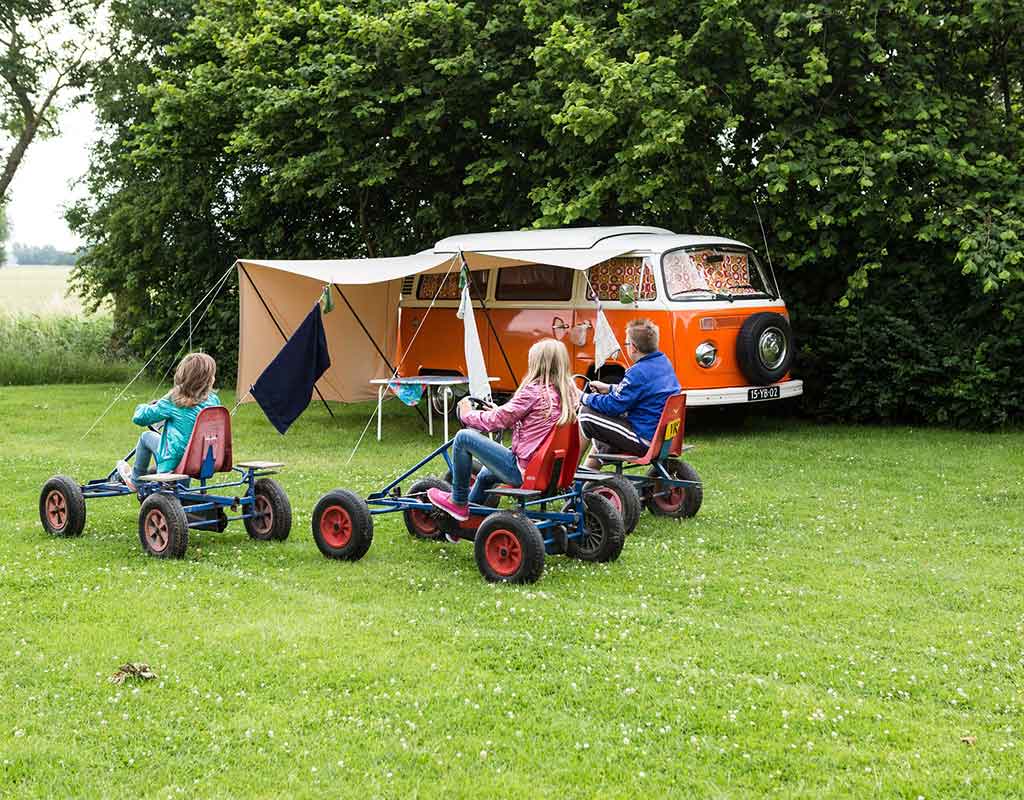
Enjoy a Quail Island adventure

Take the kids on an adventure and spend a fascinating half-day exploring picturesque and historic Quail Island by taking Black Cat Cruises Quail Island ferry – a short 15 minute ferry ride from Lyttelton.

Quail Island’s scenic walkway passes by shipwrecks, a former leper colony and a former quarantine station used by the early European settlers. The Antarctica explorers, Scott and Shackleton, trained their sled dogs and ponies there.

Today the island is home to native birds including the fantail, kingfisher, silvereye and many sea birds. The ferry leaves from Lyttelton Harbour, just 15 minutes’ drive from Christchurch CBD.

Visit Black Cat Cruises to find out more and book your next adventure: click here

5 Delicious Ways to Create Family Memories in the Kitchen

Many people’s special childhood memories centre on the kitchen and food preparation.

In New Zealand we are lucky enough to have a smorgasbord of rich culinary influences from all around the world and whether your special memory is of something sweet, savoury, salty, sour, or umami, food memories evoke feelings of warmth, comfort and belonging.

Whether you are a master baker, or a bit intimidated by anything other than your usual repertoire, creating special kitchen memories for your family doesn’t need to involve detailed and complex recipes because the main ingredient is love.

Here are five simple ways you can cook up wonderful family memories.

1. It’s just what we do

When your children are small and home for every meal, three times a day (plus snacks), it can be almost impossible to imagine the day when they won’t be. But time waits for no-one and before long you will be wondering exactly where the kids are and if they are coming home for a meal. Friends, sport, hobbies and socialising will all take them away from home and so planning to have everyone present and correct for at least one family meal a week will create a special time for you to all catch up and debrief.

Whether it’s Friday Night Fish, the Sunday Roast, or any version that suits your family, if you get into the routine and your family come to expect it (especially if it incorporates a favourite dish) you will be able to enjoy their company in the years to come.

If a weekly routine seems a bit much, creating a tradition around an annual event can have just as many memories attached to it. Matariki, Easter, Hanukkah, Halloween, Chinese New Year, Christmas, and many more are celebrations that may be significant to you and which you can create a special food tradition around.

2. Your signature dish

Even though you are no doubt catering for a variety of food likes and dislikes, creating a signature dish that (most of) the family loves, will give them the warm fuzzies and thoughts of home whenever they eat it in the future.

What is the dish that makes you most think of your childhood? Sharing your special childhood memories with your own family is a gift of tradition and belonging.

3. Share the love

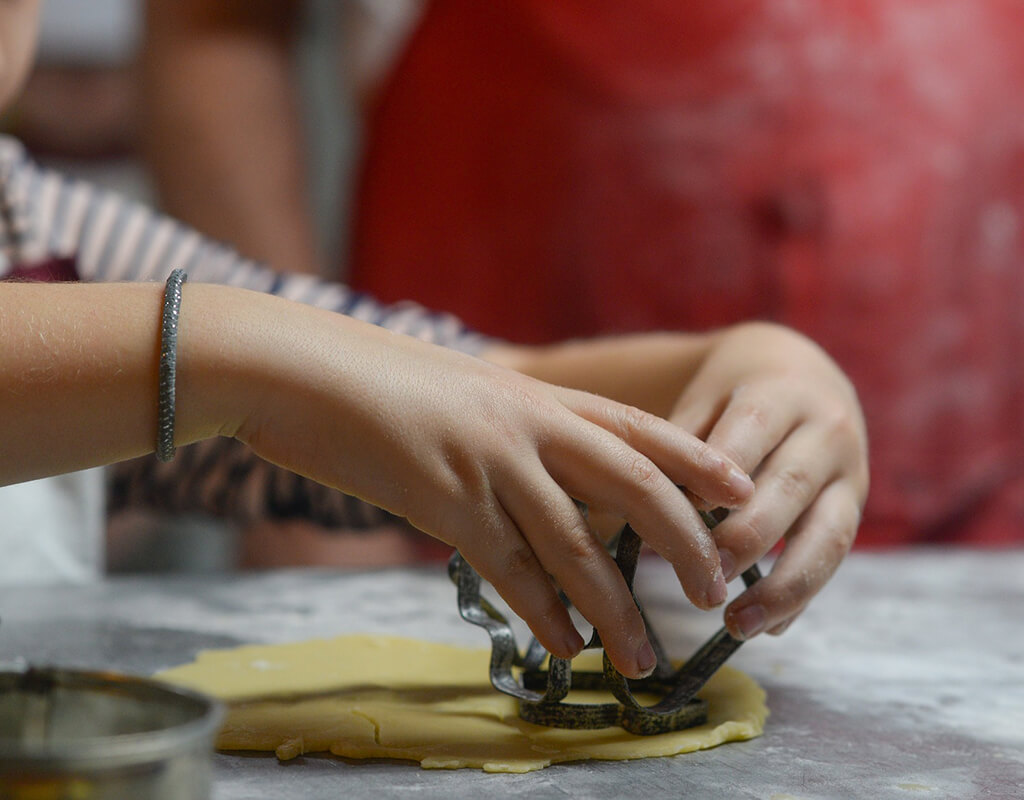
It’s no secret that having kids help in the kitchen can be a frustrating exercise. If you are not one to have them measuring and pouring, pop them on a stool and chat and give them an easy job such as being the official taster, the one to grease the baking pan, cutting the beans, or pulling the herb leaves off the stems.

Once they are old enough to follow simple steps encourage them to have their own ‘signature dish’ – something they can make with little or no supervision such as an ever popular brownie,  ambrosia, bacon and egg pie, or macaroni cheese.

When they have their favourite recipe down-pat, they can then start to experiment.

4. Birthday cakes

Looking back at the photos of your child blowing out candles on the cake each year is a special timeline of their growth, fashions, and hair styles!

Whether you love to put in hours creating a stunning masterpiece, or simply like to scatter a few lollies and candles, the birthday cake is the centre of any family celebration.

5. Breakfasts / weekend sleep in and brunch

Weekends or holidays can be celebrated with a leisurely brunch cooked and enjoyed with the luxury of a bit more time than your regular weekday routine allows. Fresh muffins, scones, pancakes, waffles, bacon, eggs, breakfast tortilla – mmm so many different, delicious possiblities!

What are your favourite kitchen memories?

See more:

author robynWritten by Robyn

Robyn creates content on Kidspot NZ. Her hobbies include buying cleaning products and wondering why things don’t then clean themselves, eating cheese scones with her friends, and taking her kids to appointments. 

Favourite motto to live by: “This too will pass.”

Au pair or early childhood education centre – what is best for you?

Finding the perfect childcare solution for your family can be really difficult. Your family’s requirements are unique and there are a number of different childcare solutions available.

Find out the key differences between hosting an au pair, and using an Early Childhood Centre (ECE).

Expecting the unexpected

If there is one parenting constant, it’s that nothing is constant! Kids’ appointments, work requirements, cold’s and flu’s, medical appointments, school camps, committee meetings… the list just goes on. It’s a rare week that has no additional things to add in to the usual schedule.

Catering for constant change requires flexibility and having an au pair living with you in your home gives you this. You are not tied to a fixed start and finish time for your childcare – the au pair is right there with you in your home, literally holding the baby(s) and helping you balance everything and keep everyone calm.

Catering for cost

The cost of childcare can be a significant part of a household budget. The government funds 20 hours free ECE (for children aged 3, 4 or 5) for licensed ECE services and there is also a means tested 10 hours childcare subsidy available also.

Many host families of au pairs find that it is actually cheaper than using an ECE, especially if you have more than one child. If you host an au pair through agency such as Au Pair Link, they will be able to organise to receive the 20 hours ECE, OSCAR or childcare subsidies that you are eligible for.

Bugs, flu’s and viruses

At times, especially during winter, it can feel as if bugs and viruses are a constant. At any given time one or more of your children can be sick – or contagious and therefore attendance at an ECE is not advisable. The flexibility of having an au pair living with you means sick children can stay at home in bed or having a quiet day. And if you are sick, so can you!

Familiarity and socialisation

Kids love routine and familiarity. Most ECE’s have a regular daily and weekly routine that the children get to know, and there are continual opportunities for social interaction. It is possible there may be regular staff changes and children starting or leaving that ECE Centre. This is unsettling for some children. In comparison, being based at home with an au pair means fewer changes and potentially less stress.

Au Pair Link take all of their au pairs on a three day orientation where they learn child first aid (through St John), theoretical driving lessons, culture shock, along with childhood education and behaviour management strategies. They provide playgroups, exclusive outings, education resources and organise au pair trips away too! Your family will be allocated your own qualified ECE teacher who will meet with you, your children and your au pair on a monthly basis to ensure everything is going well. They will be on-hand 24/7 for guidance and support.

They help with settling your au pair into the New Zealand way of life, provide you with support and mediation. They can help place another au pair with you should your first choice not work out.

author robynWritten by Robyn for Au Pair Link

Robyn creates content on Kidspot NZ. Her hobbies include buying cleaning products and wondering why things don’t then clean themselves, eating cheese scones with her friends, and taking her kids to appointments. 

Favourite motto to live by: “This too will pass.”

The Benefits of Hosting an Au Pair

In this busy world, it’s important to find a child-care solution that meets the needs and flexibility of your family and also offers the best support and learning opportunities for your children.

There are many factors to take into consideration when looking at your options. Given the benefits of hosting an au pair, it’s not surprising the number of New Zealand families who have chosen in-home care as their preferred solution.

Here are some of the benefits of hosting an au pair.

Affordability

The cost of hosting an au pair is not as much as you might think. Many host families find that it’s a more cost-effective form of childcare than the pay-per-child-per-hour model, especially those with more than one child. You can get full time care and education for your children from only $300 per week for up to four children. With Au Pair Link you’ll also have access to 20 Hours ECE government subsidy for children aged 3-5 years as well as WINZ and OSCAR childcare subsidies.

Flexibility

The benefit of having an au pair living as part of your family means flexibility. You won’t be tied to a start and finish time like you are at a preschool ECE, and you also won’t need to go searching for a reliable babysitter as your au pair will be right there!

If your children are at different ages and stages, an au pair can help you meet all their needs. If some experience outside the home in a playcentre or early learning centre is desirable, your au pair is available to help with the transport requirements, or with Au Pair Link, they can attend organised playgroups and outings.

Learning opportunities

It can feel overwhelming ensuring your children’s needs are met, along with finding someone who supports your choice of learning style. An au pair will work with you to help keep your children’s care and education on track. If you hire an au pair through an agency such as Au Pair Link, your family will be allocated your own qualified ECE teacher who will meet with your au pair and children every month to ensure their learning is on track and everything is going well. They will supply age appropriate learning kits and resources, and also organise weekly playgroups, outings and meet-ups for socialisation and learning. Your on-call teacher is also there 24/7 if you need any advice or additional support.

Au Pair Link whisk all of their au pairs away on a three day orientation before starting with you. This is where they learn child first aid (through St John), theoretical driving lessons, they learn how to cope with culture shock, along with childhood education and behaviour management strategies. They also organise plenty of weekend au pair trips away too!

Hosting an au pair is covered under New Zealand law so any licenced service provider must meet minimum standards of care and education. If you source an au pair through a licenced provider, your carer will develop a learning programme especially for your child that takes into account their age, development and interests. They will receive on-going training and support from their agency, and often will also be able to access further resources.

Au Pair Link help with settling your au pair into the New Zealand way of life, provide you with support and mediation. They can help place another au pair with you should your first choice not work out (which can happen, but is rare!)

Consistency

It’s true that kids thrive on routine and consistency and having an au pair in your home can help ensure routines are well established and adhered to. With an au pair, the number of caregivers is reduced, and your children do not have to constantly adjust to having different adults caring for them.

Helping hands

Having an au pair in the house is having another adult, and an extra pair of hands, in the house. If you are parenting alone a lot, having company can be supportive, reassuring and fun. In addition to keeping the kids entertained, busy and learning, they can also help sort the washing mountain, meet the neverending feeding requirements, and keep the toys and play areas tidy.

If at least some of your children are school age, an au pair is a great help in getting the kids ready and out the door. They can even do the drop off, pick ups, and help with after school activities!

Health considerations

While a child’s immune system develops as they are exposed to viruses and germs, the onslaught of different illnesses they’re exposed to in a preschool environment can mean children lurching from one illness to the next. For working parents this can be a huge pressure and some find that they prefer their children to be cared for in their own home. Less sickness, and less time off work for you!

Having an au pair means if your child is sick, there is a familiar caregiver right there at home with them.

New horizons

Au pairs in New Zealand are usually young people from overseas. Having someone from a different culture in your home is a fantastic way for your children to experience that culture, including the language and cuisine, and in doing so enrich their lives.

author robynWritten by Robyn for Au Pair Link

Robyn creates content on Kidspot NZ. Her hobbies include buying cleaning products and wondering why things don’t then clean themselves, eating cheese scones with her friends, and taking her kids to appointments. 

Favourite motto to live by: “This too will pass.”

Kidz Kingdom by Rainbow’s End – Pure fun for under 8’s

Keeping little ones entertained in the week when the older ones are at school can be hard work, especially in the winter months with more time indoors.

Kidz Kingdom at Rainbow’s End is a great way to break routine and give your little ones a truly magical day out, whatever the weather.

Kidz Kingdom is a mini Amusement park with over 13 rides and attractions built just for kids 8 and under. All Kidz Kingdom attractions are undercover or inside, making it the perfect place to play, rain or shine, 364 days a year.

With a mix of classic amusement rides and play zones, there’s plenty to keep the little ones occupied for hours, and a full-service café on site with great coffee and plenty of food options to refresh.

All the fun for half the price on Thursdays

Head in Thursdays 10am – 4pm during school term time and pay only half the standard Kidz Kingdom Pass Entry, a great value option for a weekday treat, and a fantastic meet up location for coffee groups.

Half price Thursdays also include a free small espresso coffee from the Kidz Kingdom Small Talk café for the Spectator ticketed adult accompanying the child.

Plan for a great day

All the fun for half the price on Thursdays

Height is an important safety factor on rides, so we recommend you check the height restrictions by ride to avoid disappointment.

Some ride height restrictions may mean you need to ride with your child, like Magic Bikes, the Choco Express Roller Coaster and the Surf and Swing, all lovely fun experiences to share together.

If hands on play is more their thing there’s plenty of space to move and explore with the Fortress of Fun play structure full of slides, tunnels and obstacles to explore, Comfyland play zone and the Tiny Tots soft play area just for little ones 2 and under.

Come rain or shine to Kidz Kingdom, the ultimate kids play and entertainment zone, half price kids on Thursdays!

This article was written with information supplied by Rainbow’s End

Supporting kids growth, development and immunity

The rapid growth and active lifestyle of most Kiwi kids demands ongoing and effective nutrition for energy, strength and general wellbeing.

But our busy lifestyles often mean we don’t get the time we need each day to provide our children with the healthy meals their growth and development demands.

Support their developing immunity

Our kids spend lots of time together at kindy or in the classroom. In the winter especially, a confined space can mean lots of germs are more easily spread, and your little ones need a strong immune system to keep those bugs at bay!

Along with providing a great diet, teaching kids to wash their hands properly and cover their coughs and sneezes, there are certain nutrients that kids need to support a healthy and resilient immune system.

Vitamin C and the mineral zinc are essential nutrients our bodies need to support healthy immunity and probiotics are necessary for good gut health and are essential for a robust immune response. If your child does come down with ills and chills, then try the healing power of honey and Black Elderberry.

Boost their energy supply

If you have ever sat watching kids you will know that they don’t tend to walk- they skip, jump, run and hop and all of this requires a steady supply of energy.

Energise your kids by providing them with a wholesome diet. Ditch the white bread, bars, chips and biscuits – these only provide short spurts of energy. Opt instead for powerhouse meals full of whole grains, nuts and seeds, yoghurt, fruit and veges.

If lunch boxes are coming home from school untouched and the kids seem a bit sluggish then get them into a good kid’s multi to cover those nutritional bases.

Growing strong

Children reach their peak bone mass between the ages of 18-20 so it’s crucial that they get all the building blocks they need for well-structured and resilient bones early in life. Calcium, an important mineral for bones and teeth is also vital for healthy muscle function. Other essential bone building nutrients, such as Vitamin D, are required for the body to absorb calcium and help to make a strong bone matrix. Vitamin D also supports a healthy immune response and brain function.

Radiance Kids Gummies

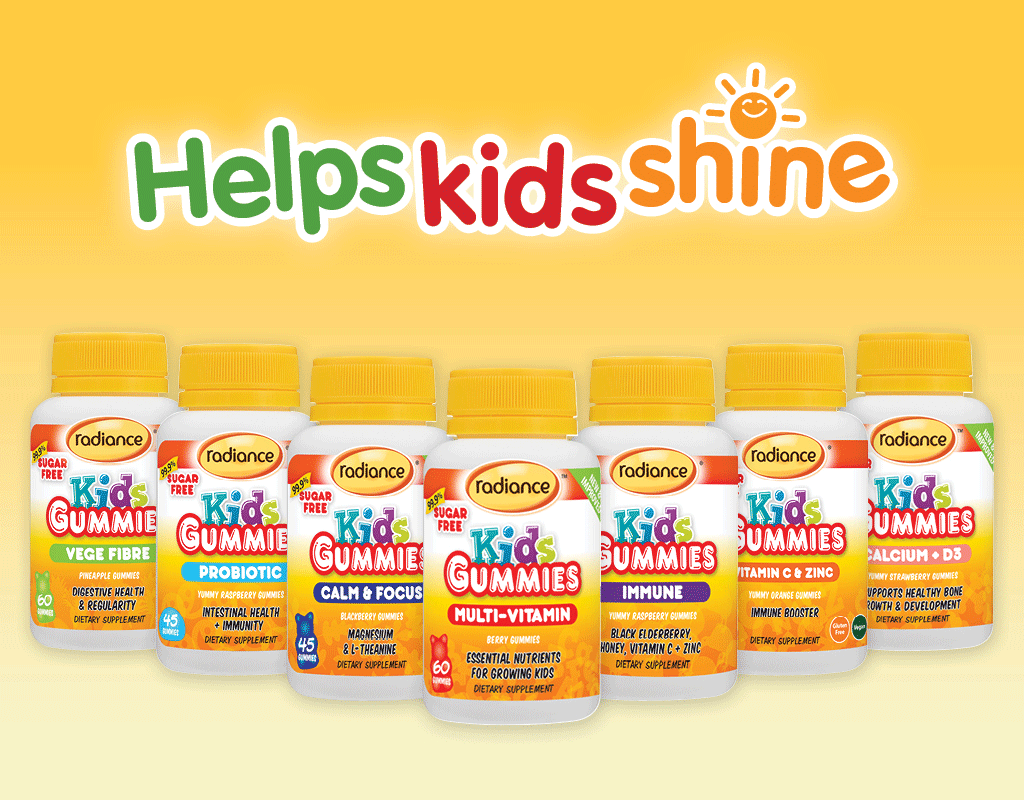
Radiance® offers a range of delicious, sugar-free gummies to support the optimal growth and development of children:

  • Radiance Kids Immune Gummies provides powerful nutrients including vitamin C, zinc honey & black elderberry to support immunity in the cooler months.
  • Radiance Kids Vitamin C and Zinc Gummies and Probiotic Gummies provide the essential nutrients needed to build healthy immunity year-round.
  • Radiance Kids Multi-Vitamin Gummies are a great tasting vitamin and mineral gummie packed with all the essential nutrients kids need for energy and wellbeing.
  • Radiance Kids Calcium +D3 Gummies support healthy bone and teeth formation and provide almost 20% of children’s RDI of calcium per gummie.

Being a kid can be hard work!  Help your kids shine and grow healthy minds and bodies with Radiance Kids range.

Check out the full range here

This article was written for Kidspot using information supplied by Radiance®

Keeping pre-schoolers safe around water

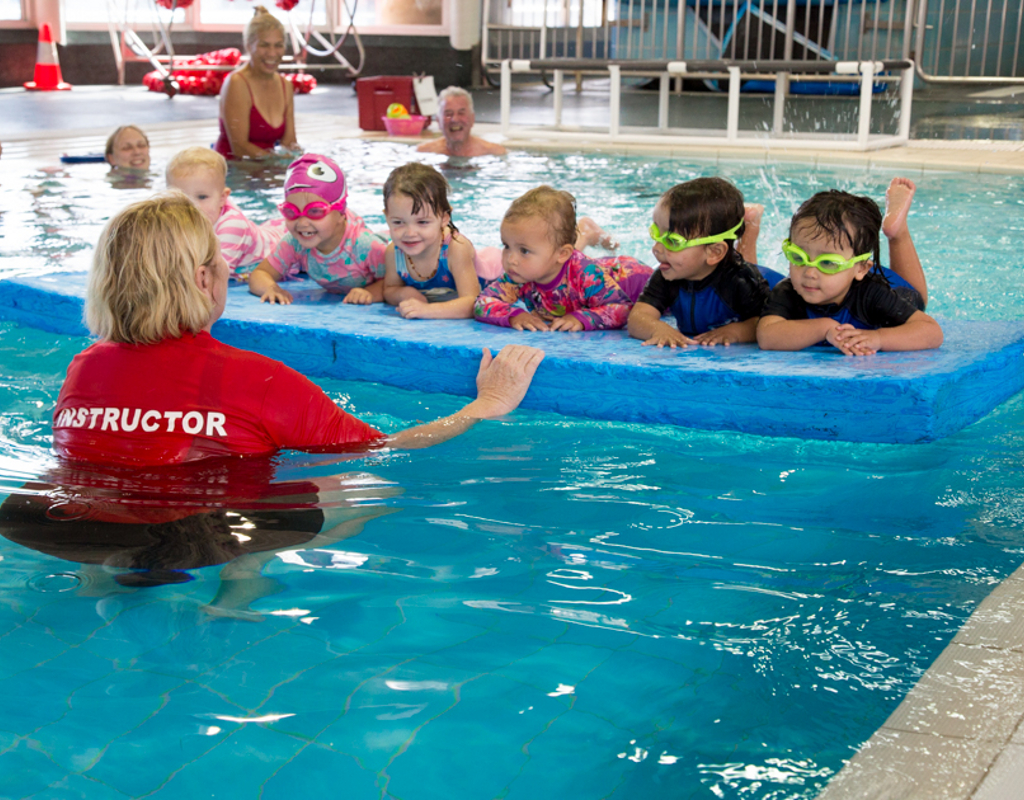
A new partnership between YMCA Auckland, Plunket Auckland, and Auckland Council is increasing the push for zero drownings in the under-five age group across Auckland by offering half price swimming lessons for preschoolers at eight Council owned and operated pools.

In 2017, seven children under the age of five drowned in New Zealand, that’s two more than in 2016. Of those seven fatalities, five occurred in home pools. In that same year, a further 26 children were hospitalised as a result of near fatal drowning incidents.

YMCA Auckland and Plunket Auckland have, since 2017,  collaborated to deliver water safety sessions to 17,500 pre-schoolers via the four Auckland Council pools run by YMCA Auckland:

  • Lagoon Pool and Leisure Centre
  • Onehunga War Memorial Pool
  • Cameron Pool and Leisure Centre
  • Glen Innes Pool and Leisure Centre.

A new partnership between YMCA Auckland, Plunket Auckland and Auckland Council is increasing the push for zero drownings in the under-five age group across Auckland by adding another four Auckland Council owned and operated pools to the list:

  • Tepid Baths
  • West Wave Pool and Leisure Centre
  • Albany Stadium Pool
  • Manurewa Pool and Leisure Centre.

Auckland pre-schoolers aged three months to five years will have access to half price swimming and water safety lessons at all eight sites from 29th April 2019. Another five council pools will be brought into the fold over the next three years. The staff at participating pools receive training and education to ensure our water safety product is consistent across all eight sites.

Councillor Penny Hulse, Chair of the Council’s Environment and Community Committee, says “Being safe around water – whether it’s a pool, at the beach or river – is essential to living an active life in Auckland. This partnership will equip our young people with the knowledge and skills to be safe and survive in and around water.”

This article was written with information supplied by YMCA

The Special Character of Babies’ Skin

Promotion for Weleda

A baby’s skin is five times thinner than an adult’s, meaning that it absorbs externally applied substances more quickly and reacts more sensitively.

The skin which was covered within the womb with vernix, a special cheese-like white substance, flakes off in the first 14 days after birth.

What kind of care does your baby’s skin need?

In the first few months, it is important not to overdo the products used on your baby’s skin. One bath a week is sufficient in the first few months, and on other days you can wash your baby with a damp soft flannel. After washing or bathing, Weleda Calendula Body Lotion protects your baby’s skin and provides it with moisture.

The area covered by nappies is a warm, damp environment is a challenge for the developing skin and can encourage the growth of bacteria. At each nappy change, it’s good for the skin to be cleaned with warm water, a soft cloth and then cared for with a few drops of Weleda Calendula Baby Oil. After a bit of nappy free time,  apply Weleda Calendula Nappy Change Cream to protect and prevent soreness.

When should I start bathing my newborn?

A good time for the first bath is when the rest of the umbilical cord falls off. Before that it’s really enough to wash your baby daily with a damp flannel and some oil in any wrinkles, on the nappy area, hands and face. After the first week, parents also become more confident in handling their newborn, so the first bath can be carried out in more relaxed conditions.

Weleda Calendula Cream Bath is a tried and tested bath product, containing sweet almond and sesame oils due to their warming qualities, keeping the skin smooth and supple and protecting it from moisture loss. Calendula extract helps soothe the skin and is great for children of any age.

How often should a baby be bathed?

Babies do not need to be bathed every day, once or twice a week is enough. An easy and convenient 2in1 product, like Weleda Shampoo & Body Wash can help make bath time easier, especially at first.

A high-quality plant oil-based skincare product, like Weleda Calendula Baby Oil, will support the healthy development of the skin. Careful application of a natural oil each day can contribute to a well-formed skin barrier.  

How can I treat nappy rash?

Nappy rash is the appearance of little spots and pustules, and slight or severe redness can appear on your child’s bottom. It can be uncomfortable or even painful and may cause them to dislike having their nappy changed. Using soft cloths, for example cut up muslins ,cleaning the skin first with lukewarm water and then with natural plant-based oil. The oil leaves a soft film on the skin, making the next nappy change a little more comfortable for the baby and caring for the skin. You can also apply a cream with natural oils and zinc oxide once or twice per day, like the Weleda Calendula or White Mallow Nappy Change Creams. These help the skin regenerate quickly.

While the irritation continues, change your baby’s nappy at least every two hours and several times in the night.

You could also try a natural herbal product like Weleda Rash Relief Cream, to help soothe, protect and heal delicate skin.

If the soreness lasts more than two days or you are unsure, ask your midwife or healthcare professional for advice.

About Weleda

Weleda Calendula Baby Care is 100% certified natural and organic, by NATRUE, so you can trust they are truly natural, enjoying peace of mind knowing your baby’s skin is being protected and effectively cared for, with all the goodness of nature.

Weleda is UEBT (Union for Ethical BioTrade) certified, so you can also trust we source our ingredients with respect, acting ethically and sustainably.

We believe in the power of nature and cherish what it supplies. That is why for nearly 100 years, Weleda have been working to understand and promote the interaction between humans and nature. We focus on ingredients from natural sources and trust their power.

This article was written with information supplied by Weleda

Myths about in-home childcare

As you look for a childcare option that works for your family you will come across different options including preschools, babysitters, and in-home childcare options that include nannies and au pairs.

Everyone you speak with will have their own reckons on the pros and cons of childcare, and often share information that they truly believe, however it is in fact a myth.

Here we dispel some of the common myths about in-home childcare options such as home-based care, nannies or au pairs.

Myth #1 – Anyone can be an in-home carer

If you have someone looking after your child you want to be sure of the quality of care and education they will provide your child.

The provision of home-based care is covered under New Zealand law so any licenced service provider must meet minimum standards of care and education. Check with your prospective Educator that they are licenced.

Myth #2 – My child will not receive a quality early childhood education

The Education Act 1989 covers the provision of home-based education or care ‘for gain or reward’ so licenced providers will have a care and education programme that they will implement for your 5 years and under child.

Your carer will develop a learning programme especially for your child that takes into account their age, development and interests. They will receive on-going training and support from their agency, and often have a will also be able to access further resources.

Myth #3 – My child will be socially isolated

In-home childcare and education agencies provide their carers (and the children) with plenty of opportunities for socialising including playgroups and outings.

In addition, you are able to combine care options and use a mixture of in-home care and centre based care if you wish.

Myth #4 – In-home childcare is expensive

Prior to starting school, every New Zealand child aged between 3 and 6 qualifies for 20 hours of subsidised early childhood education (ECE)  services per week. This applies if your child is in a licenced in-home childcare programme. In addition, you may qualify for OSCAR and Work and Income childcare. These are means tested and depend on your family’s circumstances.

Myth #5 – Using in-home childcare is a paperwork nightmare

If you are employing a carer direct, you are in effect their employer and so you can be faced with a huge amount of administration with no guaranteed outcome.

Using an in-home employment agency means you can leave all the paperwork to them! They have all the systems and processes set up to ensure that au pairs have experience, are suitable to care for children, have the right documentation, and are paid accurately. They sort out the PAYE, ACC and leave records. They will also organise to receive the 20 hours ECE, OSCAR or childcare subsidies that you are eligible for.

Au Pair Link take all of their au pairs on a three day orientation where they learn child first aid (through St John), theoretical driving lessons, culture shock, along with childhood education and behaviour management strategies. They provide playgroups, exclusive outings, education resources and organise au pair trips away too! Your family will be allocated your own qualified ECE teacher who will meet with you, your children and your au pair on a monthly basis to ensure everything is going well. They will be on-hand 24/7 for guidance and support.

They help with settling your au pair into the New Zealand way of life, provide you with support and mediation. They can help place another au pair with you should your first choice not work out.

author robynWritten by Robyn Taylor for Au Pair Link

Robyn creates content on Kidspot NZ. Her hobbies include buying cleaning products and wondering why things don’t then clean themselves, eating cheese scones with her friends, and taking her kids to appointments. 

Favourite motto to live by: “This too will pass.”
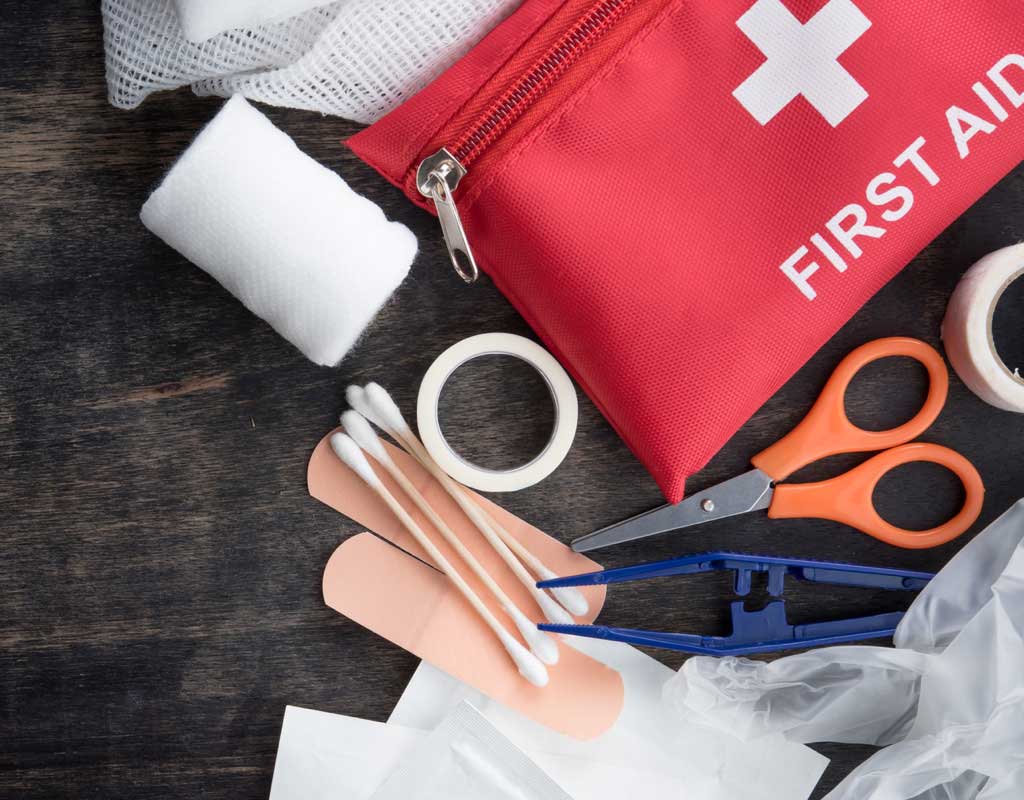
Choosing the right pain relief for your child

It’s inevitable that your child will experience some pain now and then – whether it’s from illness, minor accidents, or normal growing up events like teething.

Recognising pain in children

Common causes of pain in babies and children include:

  • Earache
  • Coughs and sore throat
  • Teething and toothache
  • Headaches and migraine
  • Strains and sprains
  • Fever.

Very young children can’t tell you when they’re in pain. Some signs to look for include:

  • Crying, screaming and grimacing
  • Changes in sleep and eating patterns
  • Becoming quiet and withdrawn
  • Restlessness

Pain management for children

Mild to moderate pain and fever can be relieved using non-prescription medicines such as Nurofen, given at age-appropriate doses.

Medicine is not always needed to relieve mild pain. Other ways you may be able to help your little one feel better include:

  • Cuddling and reassurance
  • Distraction with games, a story, or television
  • Use of ice or heat packs, or teething rings.

All about Nurofen for Children

Nurofen for Children is designed for children and infants from 3 months. It contains ibuprofen, which starts providing relief from fever in just 15 minutes*, and lasts up to 8 hours.

Things to check before you use Nurofen for Children

Before using Nurofen for Children, if your child is under 12 months of age, check with your healthcare professional first. Always read the label and ensure you use the product and dose suitable for your child’s age.

How to use Nurofen for Children 

The Nurofen for Children range is designed to provide a Nurofen dose that’s appropriate for babies and children. In addition, all products in the range come with an easy dosing syringe, making it easier to you give your child the correct dose. For older children, (7 years plus) Nurofen for Children also has a Soft Chew Tablets.

The recommended dose of Nurofen for Children varies depending on the weight and age of your child. Start by selecting the right product for your child’s age range. Then, check the dosing guide on the back of the pack to determine the right dose for your child’s age and weight.

Doses should be given every 6–8 hours, as needed, with a maximum of 3 doses in 24 hours.

When to see a doctor

Medicines can help relieve pain for a while, but they don’t fix the underlying cause of pain.

See a doctor if your child’s pain lasts more than a few hours, or appears to be very severe, or your child is obviously unwell, it’s important to see a doctor. If in doubt, always see your doctor.

*Pelen F, et al. Annales de Pediatre 1998; 45(10): 719-28.
Always read the label. Use only as directed. Incorrect use could be harmful. If symptoms persist consult your healthcare professional. Do not give to babies under 3 months of age. Seek medical advice for children under 12 months of age.

Information for this advertorial was provided by Nurofen for Children

Kids – Keeping Parents Humble Since Forever

If, prior to parenthood, you had visions of what it was going to be like, odds on the reality hasn’t matched that vision. Sure, you’ve heard parents moaning but it couldn’t be that hard surely?

If reality has struck and you feeling as if you haven’t quite got this parenting lark sorted, have a browse of these epic parenting moments and memes and remind yourself no one said it was going to be easy (except you before you actually had kids).

Number 1’s and number 2’s

You can’t get away from the fact that wees and poo will all become an obsession – you will talk about it with random strangers, it will dominate any conversation you actually have with your partner and it will gift you many moments to be relived at your child’s 21st.

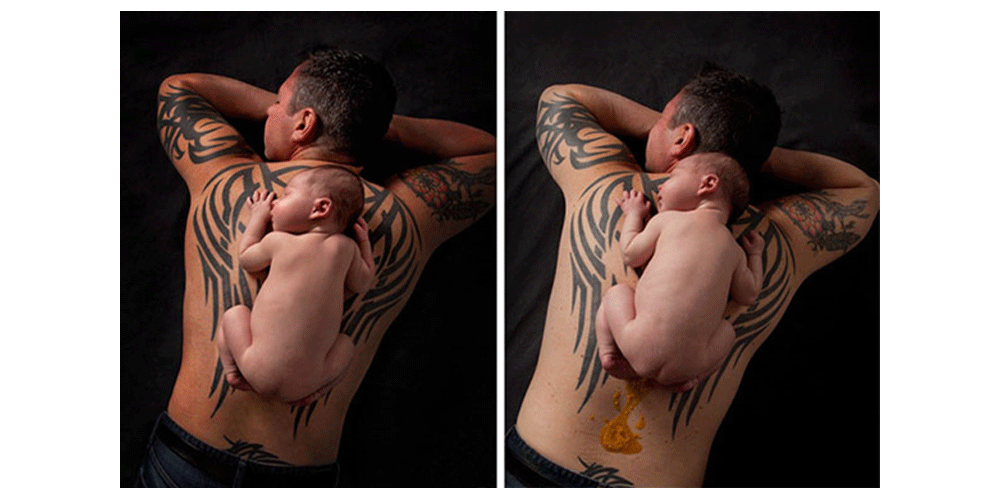
These Dad’s were so happy to pose with their beautiful bubbas until…

At least this Dad has the ocean right there to rinse off in.

Livi needs to invest in a sieve that is exclusively used in the bathroom

While Momma Bear needs to make a quick trip to Walmart despite having a perfectly good potty at home.

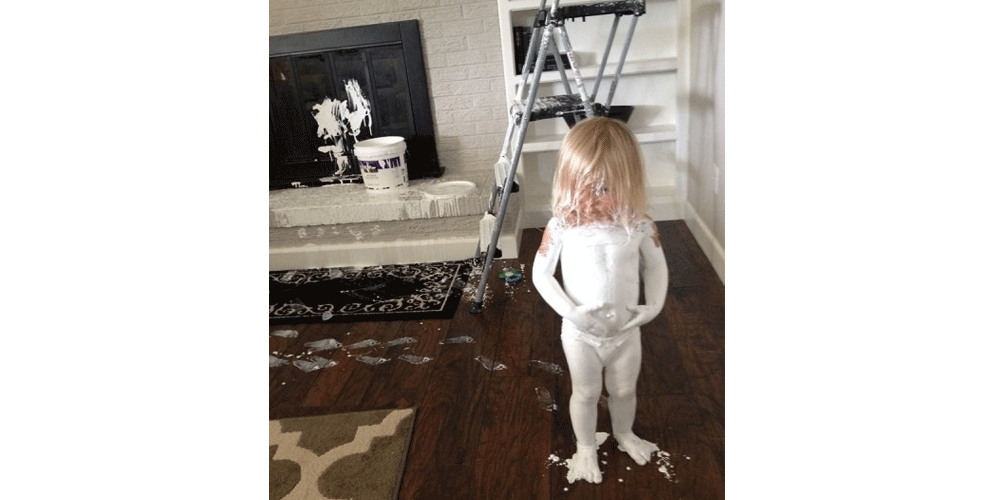
You turn your back for a moment…

There is a reason parents think there is nothing as unnerving as a silent toddler…

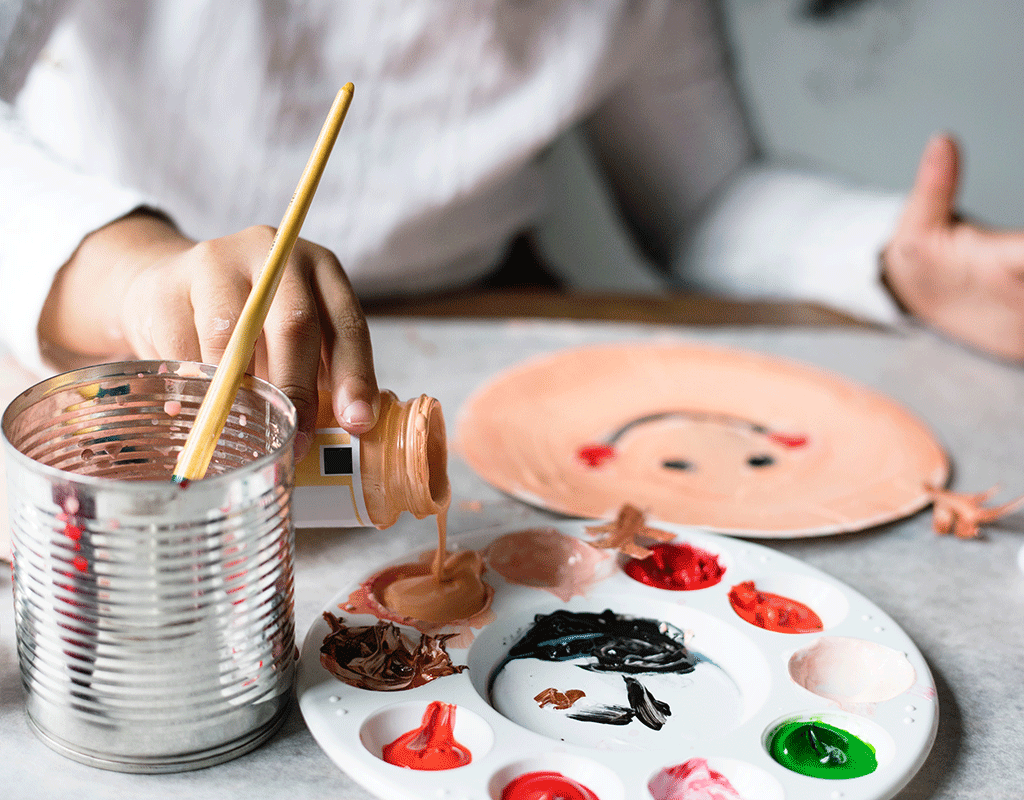
This wee dot was happy to help with the painting.

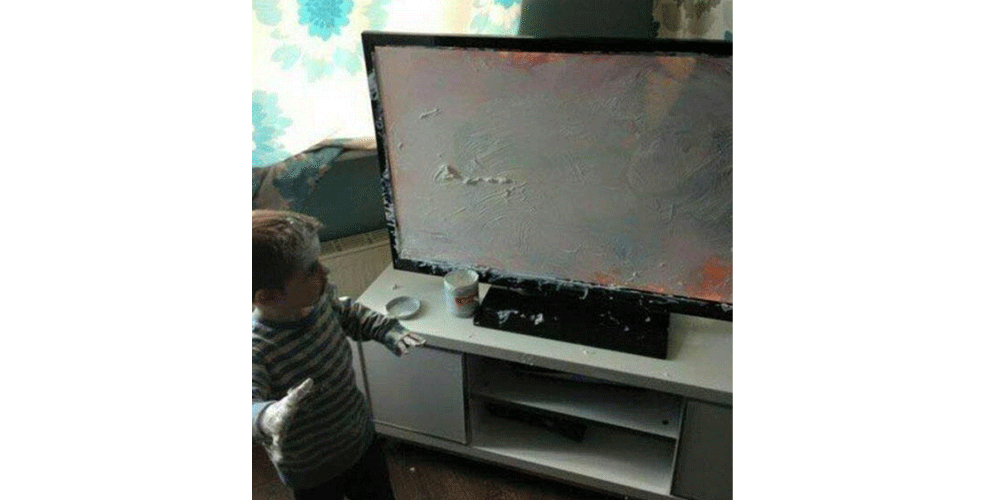
Meanwhile this one was ensuring the TV didn’t get nappy rash.

This family is lucky to have an artist in residence

Whoops

Honestly we are just doing our best as parents, it’s just that when you least expect it, something goes wrong.

@AngelaCuming confessed on Twitter “… at least you are not that parent who lost one of her toddler twins and had to go pick him up from the pub where he had crossed railway tracks to get to”.

@hollie_days “Managed to lock my sleeping baby in a hotel room by herself and the hotel have had to break the door to get her out #DontShutTheInterconnectingDoor”.

At least they didn’t drop their child like these poor parents I guess!

And even famous parents get caught out as this Kourtney Kardashian triptych shows.

author robynWritten by Robyn Cody

Robyn creates content on Kidspot NZ. Her hobbies include buying cleaning products and wondering why things don’t then clean themselves, eating cheese scones with her friends, and taking her kids to appointments. 

Favourite motto to live by: “This too will pass”

5 ways to entertain the kids in the kitchen during school holidays

Hannah Gilbert, Nutritionist and Accredited Practising Dietitian from HelloFresh has kindly shared some fun cooking and food ideas to keep the kids entertained and loving meal times.

There’s plenty of fun to be had at home during the school holidays, especially in the kitchen!

1. Helping hands

Without the busy pickups and after-school activities, school holidays are the perfect time to come together in the kitchen. Whether it’s baking an afternoon treat or helping with dinner, there lots of ways to get the kids involved!

Kids love to get their hands dirty, so get them onto things like crumbing chicken, rolling meatballs or shaping burger patties! Not only are they learning important life skills, but cooking is also a great way to get kids more familiar with different ingredients and flavours, and perhaps more willing to try new things!

2. Food Fiesta!

Who doesn’t love a party!? And what better excuse to have a themed night at home than the school holidays and your upcoming Baked Beef & Corn Quesadillas recipe from HelloFresh! Say Hola to all things Mexican…a family favourite for good reason! The food is often hands-on, plus the decoration screams fun! Get the kids to create some colourful decorations, hunt through the dress-up-box, throw on your sombreros and download some Mariachi tunes, you’ll soon have dinner turned into a fun fiesta!

3. Learn the lingo

Take the family on a culinary adventure and try cooking a new cuisine. A great way to introduce foreign flavours to your kids is to give them some background and get them engrossed in the culture. A simple way to do this is by challenging everyone to learn some fun facts about the country or a few words in the language and practice these together at the dinner table! In no time, your little ones could be greeting you in Italian, Thai, Indian or Spanish!

4. A Science lesson

That’s right, as well as spending precious time together creating tasty meals, cooking is often a lesson in science. Get the children to take notice of what happens when ingredients are combined or heated and how solids can turn into liquids. Cooking with the kids is also a fun way to start giving them basic nutrition knowledge. Point out the different elements of the meals you’re cooking, i.e. the veggies, protein and carbohydrates, and get them involved in plating up a balanced meal.

5. Get back to the dinner table

Dinnertime is an opportunity to connect and communicate with one another, relax, laugh and share stories. Studies have shown that children who eat with their family have healthier diets, do better academically and have higher self-esteem. Yep, it might be daunting, but your kids learn a lot about food, eating and table manners by watching what you do at mealtimes. If you’ve got a fussy eater or one with less desirable table manners, you may find that eating with the family will help encourage them to try new foods and mimic your manners. So yes folks, you need to be on your best behaviour too!

HelloFresh Family Favourite’s

Cheesy Beef Burgers with Caramelised Onion & Smokey Aioli

There’s something about a burger that kids go crazy for! From getting their hands messy and full of food as they make the patties, to stacking the ingredients inside the bread – burgers are just full of fun. Plus, this way kids not only get to feast on the end result, but can be excited to eat something they’ve helped create!

Get the recipe

Baked Beef & Corn Quesadillas with Salsa & Sour Cream

Quesadillas are perfect for a dinnertime fiesta. They’re colourful, and fun, and kids can help construct and cook them! We guarantee they’ll also love the novelty of being able to eat dinner with their hands (excuse the mess)!

Get the recipe

This article was written with information supplied by HelloFresh

Natural bath time fun for big kids and personality types

Providing natural bath time fun for little grown-ups (aged 3 to 10 years), the new, convenient Weleda Kids 2in1 Shampoo & Body Wash, gently cleanses skin and hair while being mild on the eyes.

Developed with kids, for kids, these natural cleansers do not dry out skin and come in three kid-friendly fragrances, Mighty Mint, Lively Lime and Happy Orange.

Packaged in playful bright colours using fun aquatic animals, these Kids 2in1 products are NATRUE-certified natural, cruelty free, with no synthetic detergents, preservatives, fragrances or colours, no GMOs or mineral oils. Skin, eco and vegan friendly, perfect for big kids!

The inspiration behind the selection of the fragrance concept and the aquatic animals of the Weleda Kids 2in1 Shampoo & Body Washes was the four human temperaments, which originate from Hippocrates’ (460-370 BC) teachings on humours.

Rudolf Steiner adopted them as a non-scientific model of personality, first mentioning them in 1892 and introducing them as a basic element for the teaching staff when he founded the Waldorf School in 1919. In Waldorf educational theory in particular, it is an instrument that can be used to support the development of children by closely examining the child’s spiritual properties. The aim is not to discourage the children’s temperaments or change their personalities, but to help them develop.

Which temperament best describes your big kid?

The melancholy temperament – analytical, wise and quiet.
Experiences and encounters have a lasting impact, a child may cry in the evening because of an encounter or incident in the morning. As a child, they often feel misunderstood and unacknowledged, particularly if the parents have a different temperament. They are likely to become pensive, serious and able to empathise positively.

The choleric temperament – short tempered, fast or irritable.
Initiative, idealism and endurance, they like the truth, are enthusiastic and punctual. Easily riled, quick tempered, if something does not go according to plan, they maybe demanding or rarely listens to reason and doesn’t allow themselves to be helped, often dominates (classroom) discussions. But they are quick to forget anger or unhappiness, once expressed. Actively help other children and redresses mistakes.

This is the inspiration behind Weleda Kids 2in1 Happy Orange with Seal.

The phlegmatic temperament – relaxed and peaceful.
Recognisable from eyes full of wonder with which the child views the world and the calm and cheerful manner they maintain amid the hustle and bustle. As long as there’s something to eat, all is right in the world. Has the ability to remain serene in stressful situations and has a calming effect on others. Loyal and tranquil they have a fondness for routine, so dislikes change and can take quite some time to accept it.

This is the inspiration behind Weleda Kids 2in1 Lively Lime with Hippo.

The sanguine temperament – enthusiastic, active and social.
Happy when able to communicate and very sociable. Interested in everything and always open to new things, often not very tenacious. They are not very interested in standards and rules, and are not vindictive. Always on the move, these kids tend overexert themselves when younger, so need an afternoon nap and plentiful sleep at night. Popular with almost everybody, as these children are always fun to be around.

This is the inspiration behind Weleda Kids 2in1 Mighty Mint with Polar Bear.

About Weleda

Weleda is the pioneer and world’s leading manufacturer of certified natural organic cosmetics and one of the best known providers of anthroposophic pharmaceuticals. Founded by the Austrian philosopher Rudolf Steiner in 1921, we follow his principles still today. Our portfolio comprises over one hundred, NATRUE certified natural organic skincare and body care products, all developed with the highest quality ingredients and based on our unique understanding of people and nature.

This article was written with information supplied by Weleda

How do you find the right health insurance plan for your family?

Advertorial

To avoid public health waiting lists and forking out for surgeries and procedures not covered by the public healthcare, Kiwi families are turning to private insurance. But, how do you choose the right cover?

We asked nib Insurance for some pointers on health insurance for New Zealand families.

Is it worth it?

With free GP visits till your child turns 13 (if eligible) and a public health system that does a good job of providing access to treatment for life threatening illnesses and emergencies, health insurance may seem redundant. It isn’t though.

Often non-urgent and non-life-threatening conditions that require elective surgery can go into a waiting zone and that may impact your child’s quality of life. It’s at this juncture smart parents fall back on the insurance policy they took out when they welcomed a new member into their family.

Besides, with insurance you set up your child for later in life. So, when your child turns 21 and is ready to pay for their health insurance, they will be covered for medical conditions they may develop later in life – provided they stay on the same policy, with the same insurer and the policy terms include cover for that condition. As a parent you’d be giving them a fantastic gift to secure their health.

When is a good time to get health insurance for a child?

Sooner the better. It is suggested that you have your baby added to your own health insurance policy as soon as possible after birth.  The risk of not getting health insurance for your baby as soon as possible is that if they develop a medical condition you may find it difficult to get that covered by health insurance at a later time as it will likely be treated as a pre-existing condition.

What are some of the cover options available? How do I choose?

Broadly there are two main kinds of health insurance plans, one that covers everyday needs such as dental, prescriptions, etc and a second one that covers big stuff like surgeries, specialist consultation, hospital stay, etc.

Choosing the right plan depends on your family’s individual circumstances, needs and budget. nib’s Hospital cover is popular with families as some health conditions that children face require surgical intervention but may come with a hefty price tag and long waiting lists. For instance, grommets through private health services can cost $2,500 – $3,500 and adenotonsillectomy can cost $4,000 – $5,500.*

 What are the costs of insurance for families?

The cost of your health insurance will depend on things like how many family members are insured, age of those insured, what the policy covers, the excess (if any) as well as other factors. For example, with nib’s Hospital cover policies an excess is the amount you have to pay towards the cost of insurance claims in a policy year. Choosing a higher excess usually means you’ll pay a lower premium.

You should shop around, because some insurers are more family-friendly than others. For instance, currently with nib, you can get Hospital cover for your child free for up to a year with any new adult Hospital cover purchased. This offer is only available until 14 May 2019. Terms and conditions apply. See nib.co.nz.

What are some tips when it comes to choosing your insurance provider?

Ask around for the insurance providers’ reputation for paying out claims. Friends and family members who have insurance can chip in with their experience. Look for things such as their customer service, product range, claims process, financial stability, etc.

Compare prices before buying. It is important to compare apples for apples though; make sure you understand the benefits of the two policies you’re comparing. Managing a family budget is not an easy task. Become a smart shopper by making the most of the offers on the market – even when it comes to insurance.

*Based on nib claim statistics as at June 2016. This is an illustration of treatment and costs you could expect to pay if treated in private hospital. This is not representative of conditions covered on your policy or the amount that would be paid by nib in the event of a claim.

Meal planning for the win

Do some meal planning so that when the ‘What’s for dinner?’ chant is rolled you will be able to answer with something more specific than ‘Food’!

The thing about kids is that they want dinner. Every. Single. Day. And if you are the main dinner supplier, this requires a not insignificant amount of forethought and preparation to achieve.

Meat and veg

The traditional ‘meat and veg’ (or protein and 3 veg) is a useful description of what makes up a balanced meal. Some protein, carohydrates, plus vegetables of varying colours, combine to make a filling and healthy meal.

Luckily there are many, many, ways to put these components of a balanced meal together, so we no longer have to endure a regular meal of chops grilled to an inch of their life, boiled cabbage, boiled potato and boiled carrots.

Planning is winning

Planning your evening meals in advance has a range of benefits:

  • more healthy – because you have planned it out , you can make sure at least most of the weeks meals are balanced
  • spend less – if you have a list of the exact items you need to get from the supermarket, you are less likely to make impulse buys
  • less waste – because you know exactly what you need, you won’t be buying things that will spoil in the bottom of the fridge or get freezer burn and have to be thrown away
  • less clutter – with a bit of planning you will know what you don’t need that extra packet of pasta (because you checked, and there were actually already 2 in the pantry)
  • save time and energy – although you do have to spend some time planning, you will save time in the long run, and also hopefully eliminate the need for a quick dash into the supermarket on the way home from work of after school activities
  • leftovers – if you are lucky, there will be leftovers that may be just perfect for the kids lunchboxes

Choosing the meals

There are a number of criteria that you might like to consider when choosing the meals for the week;

  • Choose meals your family actually like – if your kids really don’t like curry, save it for date night. When your children are old enough, ask them to choose a meal for one night (maybe give them a choice of 2 or 3 to choose from)
  • If you are time poor, choose a meal that is quick and easy and cooked in one dish:
  • Get what’s in season – in the middle of winter, courgette pie might turn out to be a very expensive option but in late summer courgettes are cheap

Doing the plan

Download this Meal Planner and map out the week, noting what you will need to get from the supermarket in the column on the right.

Repeating the planner on a weekly or fortnightly routine will further reduce the time you spend planning and shopping.

author robynWritten by Robyn Cody

Robyn creates content on Kidspot NZ. Her hobbies include buying cleaning products and wondering why things don’t then clean themselves, eating cheese scones with her friends, and taking her kids to appointments. 

Favourite motto to live by: “This too will pass.”

Tips for planning school lunches

It’s true that kids perform and better at school full tummies, but it’s also true that this sounds easier to achieve than it is!

Producing a lunch box every school day that is not only healthy but also has things in it that will actually be eaten is a task that requires some forethought and effort. While the kids think that food somehow miraculously appears in the pantry and fridge to be popped into the lunch box, we all know there is much more to it than that. When the lunchbox comes home untouched (except for the sweet stuff) it can be frustrating.

The components

Planning for the week ahead will help ensure variety, a healthy balance, and hopefully food that is happily eaten. Although your kids will tell you everyone else has a lunchbox groaning with chips, flavoured milk and other sugar laden treats, this is assuredly not the case! There are 5 main components of a well balanced lunch:

The main item – this is the one that will provide the main ‘bulk’ for the day. Traditionally this was a sandwich but luckily you can now mix it up a bit. Cut it in to smaller serves to encourage them to eat a bit of this at morning tea time. This will fill them up a bit and also mean they will not get ‘bored’ with a large serve. The main item will likely include all the good stuff such as grains, protein and some vegetables.

Here are some great ideas for the lunch box main event:

Fruit, veges and nuts – some children prefer it if the fruit is cut, others like to tackle a whole apple, mandarin or banana. Do what they are most likely to eat! Vegetables can include cucumber, carrot, capsicum, cherry tomatoes, and celery. If your school allows nuts you could try peanuts, cashews, pistachios and brazil nuts (these contain selenium – a trace element New Zealand soils lack).

A treat – muesli bar, muffin, biscuits, home baking

Protein – essential for so many of our body’s functions  there are many ways you can get extra protein in to their lunch:
• Hard-boiled egg
• Yoghurt
• Cheese
• Tuna

Planning is winning

Planning out the week ahead will help ensure your child has enough food in their lunchbox each day without you having to do a quick early morning dash to the dairy. If they have something on at school such as sports day, pack a bit more of everything.

Download this handy planner and map out the week, noting what you will need to get from the supermarket in the column on the right. Repeating the planner on a weekly or fortnightly routine will further reduce the time you spend planning and shopping.

author robynWritten by Robyn Cody

Robyn creates content on Kidspot NZ. Her hobbies include buying cleaning products and wondering why things don’t then clean themselves, eating cheese scones with her friends, and taking her kids to appointments. 

Favourite motto to live by: “This too will pass”
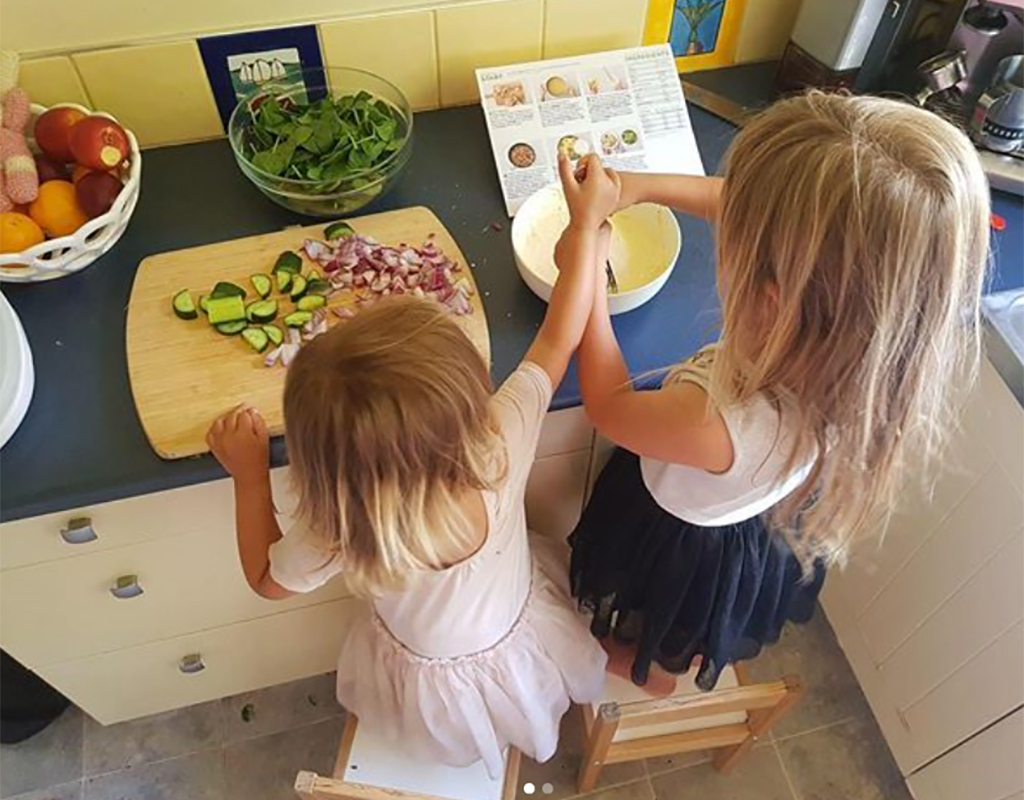
Waitangi Day in New Zealand Aotearoa

Waitangi Day is celebrated every year on the 6 February. It was on this date in 1840 that the first signatures, both British and Māori, were put on the Treaty of Waitangi (Te Tiriti o Waitangi).

Following this, the Treaty was taken around New Zealand to be signed by other Māori iwi (tribes) and hapū (sub-tribes) and by September 1840 more than 500 signatures were obtained.

What is the Treaty of Waitangi?

The Treaty is a broad agreement of principles on which to found a new nation state and build a government.

In the English version of the Treaty;

  • Māori cede the sovereignty of New Zealand to Britain;
  • Māori give the Crown an exclusive right to buy lands they wish to sell, and, in return, are guaranteed full rights of ownership of their lands, forests, fisheries and other possessions;
  • and Māori are given the rights and privileges of British subjects.1

The Māori version was meant to have the same meaning, however the translation of key words was not correct and there were differences between the understanding of those signing and those negotiating. These differences have led to much debate.

The Treaty of Waitangi takes its name from the place it was first signed – Waitangi, in the Bay of Islands.

Treaty of Waitangi

Things to do on Waitangi Day

Although Waitangi Day is a public holiday, it wasn’t until 2014 that it was ‘Mondayised’; if it falls on a Saturday or Sunday the following Monday is treated as a public holiday.

There are many ways people choose to spend Waitangi Day. Some like to attend an organised event or watch the proceedings from Waitangi on TV, while others just enjoy the day off by relaxing at home, having a BBQ with family and friends, or going to the beach or marae.

Ideas for how to spend Waitangi Day

Find out more about Waitangi Day

If you would like to find out more about Waitangi Day or the Treaty of Waitangi (Te Tiriti o Waitangi) visit the links below:

Read more

References:

1. https://nzhistory.govt.nz/politics/treaty/the-treaty-in-brief downloaded 31 January 2019

author robynWritten by Robyn Cody

Robyn creates content on Kidspot NZ. Her hobbies include buying cleaning products and wondering why things don’t then clean themselves, eating cheese scones with her friends, and taking her kids to appointments. She has managed to raise 3 daughters while working for Kidspot.

Favourite motto to live by: “Not my circus; not my monkeys”

Clean, Cook, Chill – Don’t make your family ill

Did you know you’re just as likely to get sick from eating at home as when you’re eating out? Make sure your kids and loved ones stay safe by following the 3 Cs – Clean, Cook, Chill – to prevent food poisoning in your home.

Bacteria such as Campylobacter is most commonly found in raw chicken. However, Campylobacter and other types of bacteria can also be found in raw meat and seafood.

Clean – to prevent bacteria from spreading

Good food hygiene starts with clean hands, but it’s also important to make sure your cooking area and tools are clean.

Don’t rinse chicken when you remove it from its package. The water will simply splash around and spread bacteria around your kitchen surfaces and in your sink.

Use separate chopping boards for all your meat and seafood or wash with hot soapy water between ingredients.

Keep utensils separate and clean: tongs for raw meat should not be used on cooked foods, and knives used for seafood should be washed clean before being used for other ingredients.

Cook – to kill bacteria

Another step to protect your family from getting sick is by cooking food properly.

Chicken should be cooked all the way through until the juices run clear or it reaches an internal temperature of 75 degrees Celsius.

When reheating food, make sure it’s steaming hot. Bacteria can survive and sometimes thrive in warm temperatures so it’s essential to reheat properly.

Chill – to minimise bacteria growth

Bacteria grows rapidly in warm weather so don’t leave food out at room temperature for more than two hours. During summer when the temperatures are higher you should refrigerate food as soon as possible. When in doubt, chuck it out.

In the refrigerator, keep raw meat and chicken away from ready-to-eat food, fruit and vegetables. Store at the bottom shelf to prevent any juices, which can contain harmful bacteria, from dripping onto other foods.

Ensure your fridge is kept at 2-5 degrees to keep all foods chilled properly.

Take special precaution when pregnant

When you’re pregnant your levels of immunity are lower than usual so you’re at a greater risk of contracting food-borne illnesses such as Campylobacter. As a mum-to-be you’ll want to know which foods are high-risk, and what to avoid when eating out.

Foodborne illnesses can cause you and your baby to become very ill, and in extreme cases result in premature, stillbirths, or the death of a newborn. Know the risks and follow the 3 Cs at home.

Find out more about food safety in the home

For more food safety tips and how you can protect your family, visit www.foodsafety.govt.nz/ccc

What You Need To Know About Warts & Verrucas

Sponsored content

The common wart

Warts are a common complaint, especially during childhood. These rough, lumps are caused by a virus human papillomavirus (HPV) that enters through a small break in the skin and causes the skin cells to grow really fast. This results in a lump or dome of skin which them protects the virus and allows the wart to keep growing.

Is a verruca the same as a wart?

A verruca (or plantar wart) is the same as the common wart but they are on the sole of feet. Instead of sitting on top of the skin, the wart is pushed back into the skin by the pressure of walking on them. Verrucas are often painful.

Are warts contagious?

The HPV virus can easily be spread on the same person or between people because it gets in through minor breaks or cuts in the skin. Kids’ are more likely to get warts as they are often in close contact with others, have broken skin and also haven’t yet developed immunity.

Isn’t there a vaccine for HPV?

There are many different strains of HPV. The ones that cause warts and verrucas are quite different from those that cause the more dangerous things like genital warts and cervical cancer. It is these more sinister strains that the Gardasil vaccine is designed to protect against.

What are the best ways to reduce the likelihood of getting warts?

The HPV virus that causes warts and verrucas is spread through direct contact so there are a number of ways to help prevent the spread.

• Wash your feet often with soap and water, and be sure to dry them well after washing.
• Don’t wear other people’s footwear or socks
• Always wear footwear (e.g. rubber or synthetic slides, jandals or sandals) in damp public spaces such as swimming pool complexes, showers and changing rooms.
• Avoid walking barefoot in any damp places.
• Don’t share towels, razors, or other personal items.

After contact with HPV, it may take many months of slow growth beneath the skin before you notice a wart.

Getting rid of warts and verrucas

The key to removing warts and verruca is to remove the core of the wart – this is hidden under the dome that you can see on the top of the skin.

Wartie wart remover

Using a unique, rounded, precision tip, Wartie precisely freezes the wart or plantar wart right down to the core, and allows you to avoid the healthy and sensitive skin around it. This patented technology is a fast and effective – perfect for wriggly children!

Ready to use straight of the box, Wartie precisely and quickly delivers the cold liquid gas through a metal tip. This keeps the wart or plantar wart below 0° C for longer meaning treating with Wartie is more likely to be successful.

You can control the size of the area frozen through the amount of pressure you use. More pressure means more of the metal tip touching the wart, resulting in a larger freezing area.

Wartie is available from selected pharmacies nationwide, including Life Pharmacy, Chemist Warehouse and Countdown Pharmacies

Find out more

For more information about fast and effective wart and verruca removal visit www.wartie.com.au

Join the Catch Up

Join our community of parents and let the Kidspot Catchup be your guide to creating unforgetable family moments.