Eye Health Q&A with Specsavers

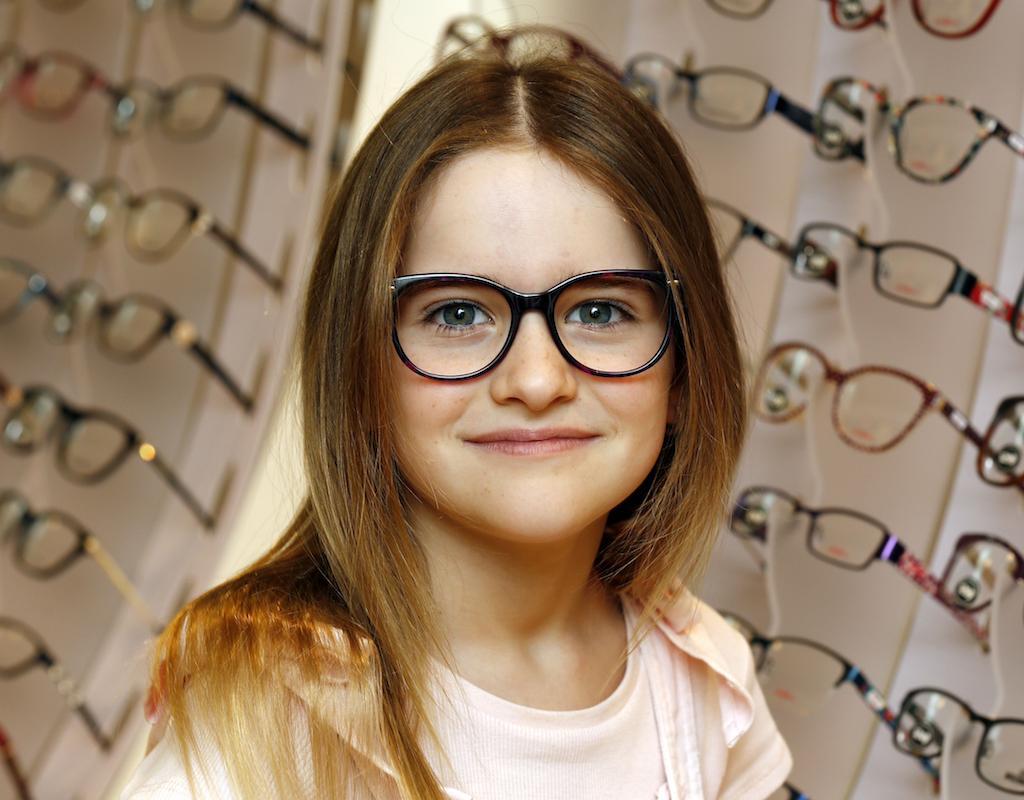
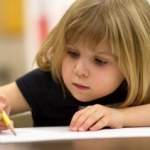
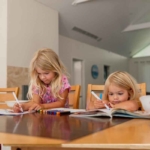
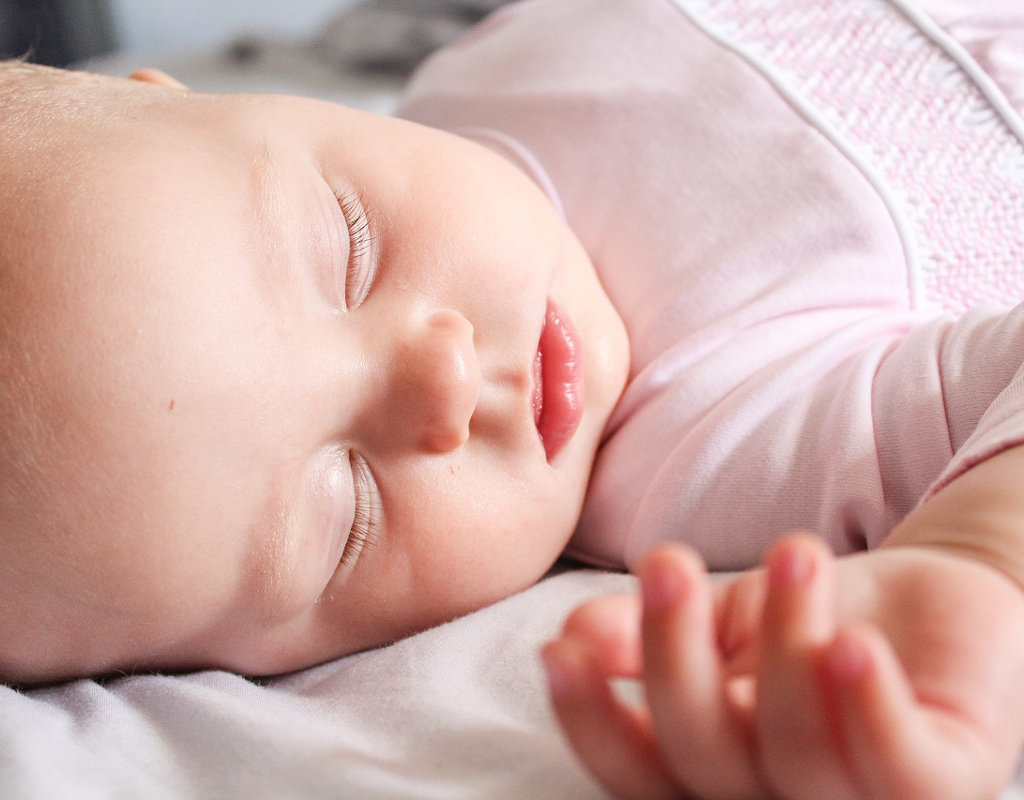
Vision plays an important part in your child’s social and educational development, so it’s important to keep on top of their eye health.

Optometrists at Specsavers have answered the most common questions parents have about their childrens eyes.

Why are eye checks important for my child?

Vision plays an important part in your child’s social and educational development, so it’s important to keep on top of their eye health. Learning difficulties can sometimes be caused by uncorrected vision problems, so the earlier they can be detected, the better the chance of correcting them.

How often should I have my child’s eyes checked?

We advise that children should have their first eye health check at around three years old and every two years from then onwards, but more often if the optometrist recommends it or if you notice any tell-tale signs that there might be something wrong with your child’s eyes. Even if their eyes seem fine and they don’t need glasses, a routine eye health check every two years doesn’t just test your child’s vision but can also detect many other health conditions.

Are there common eye conditions in children that I should be aware of?

Children who have eye conditions are most likely to have one of the following:

[pdf-embedder url=”https://kidspot.co.nz/wp-content/uploads/2019/01/5-Common-Childrens-Eye-Conditions.pdf” title=”5 Common Children’s Eye Conditions”]

How do I know if my child needs an eye test?

While we recommend that parents take their children in for an eye health check routinely from the age of 3, there are several things to look out for that may be signs there is something wrong with your child’s vision:

  • Straining their eyes or tilting their head to see better
  • Frequently rubbing their eyes
  • Losing their place while reading or using a finger to guide their reading
  • Overly sensitive to light or experiences excessive tearing in bright conditions
  • Falling behind in school
  • Complaining of headaches or tired eyes
  • Consistently sitting too close to the TV or holding a book too close
  • Avoids activities which require near vision, such as reading or homework; or distance vision such as participating in sports or other recreational activities
  • Closes one eye to read, watch TV or see better
  • Avoids using a computer or tablet because it hurts their eyes

My child is starting pre-school soon, will they test their eyes there?

There’s a chance that the test could be a simple vision screening test rather than a comprehensive eye health check. Eye health checks are free at Specsavers for all under 16s and only take around 20 minutes so if in doubt, book in your child to see your local optometrist.

How do I choose the best pair of glasses for my child?

If your child requires glasses following their eye health check, a trained dispenser will help you and your child find glasses that are right for your child’s needs. At Specsavers, our children’s ranges are specially made with kids in mind, featuring designs from popular brands such as Disney, Star Wars and Marvel. You may also wish to consider options such as UV coatings on the lenses and flexi frames, which can survive being squashed in a school bag.

How do I protect my child’s eyes during summer?

While many parents reach for hats, sunblock and rash shirts to protect their child’s skin from the sun’s harmful UV rays in summer, sunglasses are commonly overlooked with kids, but are very important for protecting young eyes. Next time you put sunglasses on yourself, remember to also put them on your child. If they wear glasses, you could also look at having an invisible UV coating put on them or you could invest in transitions, which sees the glasses lenses transitioning into sunglass lenses when your child goes outside. Prescription sun glasses are also available – and at Specsavers are included in the two for one price.

Questions were provided by Kidspot parents and answered by Specsavers

The perfect family friendly holiday destination

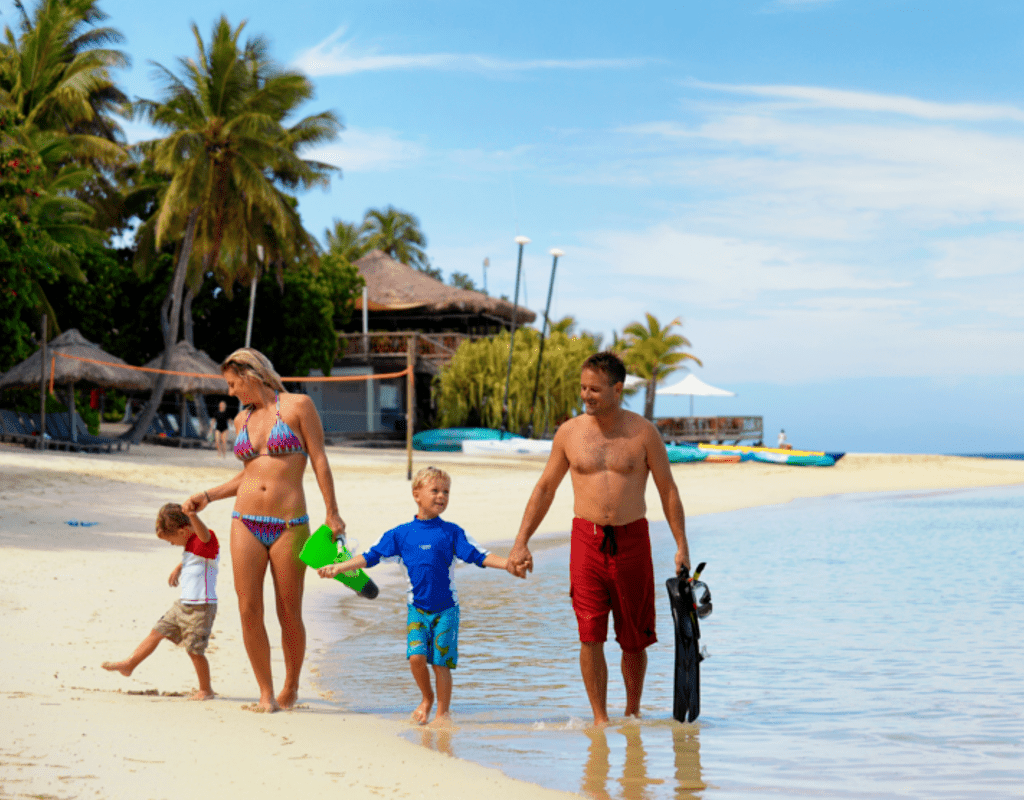
Just 3 hours from Auckland, Fiji is the perfect family friendly holiday destination.

Something for everyone

Whether you are an active relaxer, more in to ‘flop and drop’ holidays, or you like to mix it up with a bit of adventure, Fiji’s warm welcome, famous hospitality, beautiful beaches, accommodation and diverse range of experiences means there is something for everyone.

Getting active

For an action packed day you can visit the Big Bula Water Park on Denarau Island, or the Kula WILD Adventure Park near Sigatoka. Try zip-lining at Momi Bay or Sabeto, take a classic banana boat ride, or jump on a jet ski and head out to the white sand beaches of the Mamanuca Islands.

Various Fiji resorts also offer kayaking, stand up paddle boarding and a proliferation of snorkelling opportunities.

Holiday from the kids, with the kids

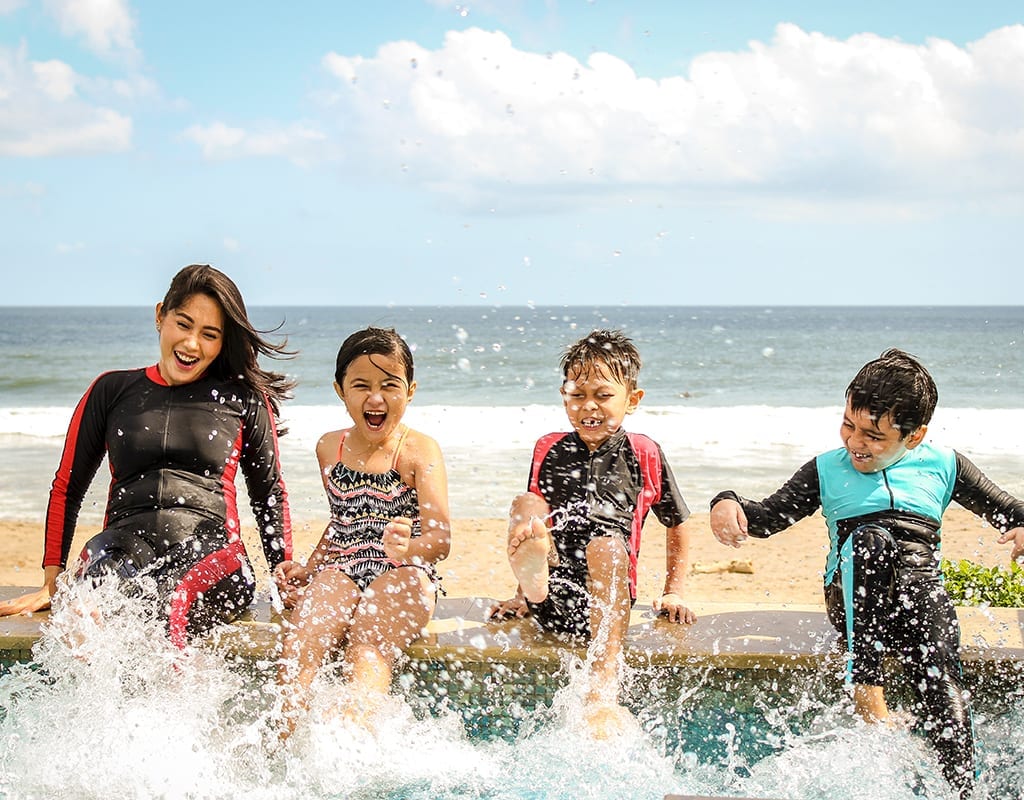
Some people say that holidaying with the kids is like doing the same things as at home, without the convenience of home. Fiji, however, offers a range of international hotels with some of the best family friendly accommodation featuring kids’ clubs, nanny services, safe swimming pools and family friendly restaurants, so that you can have a break from your daily routine and enjoy some down time.

Fiji

The Sheraton Denarau Villas offer spacious two or three-bedroom villas that combine the service of a five-star hotel with the comforts of home. The infinity pool with swim-up bar overlooks the ocean and has captivating views. If you would prefer to prepare some meals, Radisson Blu Resort Fiji, also located on Denarau Island, offers one and two-bedroom suites with a fully equipped kitchen, wash and drying machines, and dining area.

Both hotels offer access to excellent kids clubs where your children will be entertained while you relax or explore.

On the Coral Coast, Shangri La’s Fijian Resort and Spa, Outrigger Fiji Beach Resort and The Naviti Resort all cater for families with a range of complimentary facilities and activities for children.

The closest cluster of islands from Nadi and Denarau Island, The Mamanuca Islands, offer a true island holiday where you spend your days swimming and snorkelling in warm sheltered waters. Here, Plantation Island Resort offers fun activities for kids and teens – while you can enjoy the day at adults-only Lomani Island Resort, just a 5-minute walk away.

Vomo Island, also in the Mamanuca Islands, is another family favourite, ideal for large family groups with an inventory of residences available to book. The resort boasts two private islands for families to explore, a kids’ village and nanny services are also available.

Getting around

Getting around in Fiji is easy. There’s a good network of buses and ferries for travel within Fiji’s main islands, and taxis are common. Hiring a car is a good way to explore the two largest islands – or charter a boat or small plane to get between islands. Small-ship cruising is also a great way to explore the outer islands.

Don’t miss

Fiji is the soft coral capital of the world and has some of the most magnificent snorkelling and diving sites easily accessed from most resort beachfronts. Most resorts offer complimentary non-motorised water sports so you can enjoy stand up paddle boarding or kayaking at your leisure.

Enjoy some local hospitality and visit a Fijian village where you can take a tour and meet with the local community. Adults can also join in a traditional kava ceremony.

The local women will usually display their handicrafts at a craft market for you to pick up some gifts for home, while also supporting local families with income from their crafts.

More top tips

For more insider information about holidaying in beautiful Fiji, contact Flight Centre. They can help you plan the perfect South Pacific holiday tailored to your family’s needs.

Getting kids into the outdoors safely

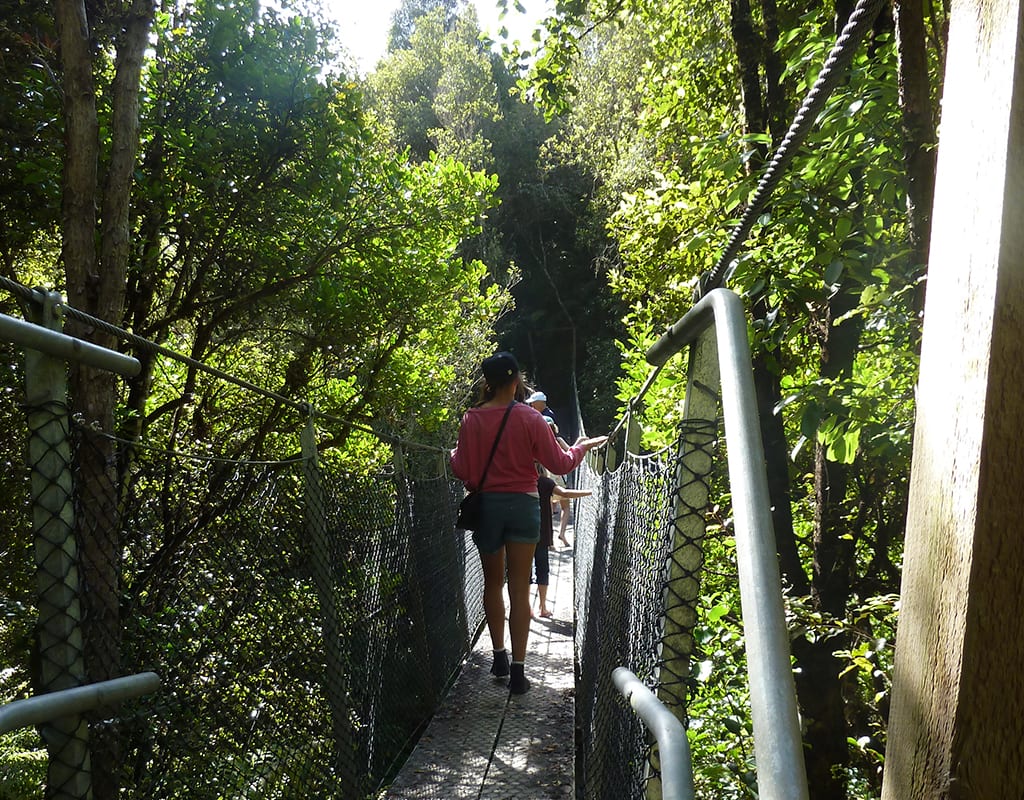
When it comes to the great outdoors, not too many countries have it greater than New Zealand. In just minutes you and the kids can be frolicking in the forest, kicking along a rugged coastline, or enjoying the view from the top of a rocky peak. Some of our towns and cities are so close you can literally walk out your door and be in the bush in minutes.

An ‘unexpected night out’ can happen very easily

It’s easy to underestimate the requirements for a safe and enjoyable outing. An ‘unexpected night out’ can happen very easily – an injury, an exhausted or unwell child, a wrong turn or a sudden change in weather is all it takes.

Every year a few people have a scary evening in the bush when they’d intended to be back in just a few hours.

Take the Weather With You

The New Zealand experience is defined by changeable weather, so it’s a good idea to remember Tim Finn’s advice from that Kiwi classic by Crowded House: “Everywhere you go, always take the weather with you”.

MetService is New Zealand’s weather go-to for many Kiwis, and is the official forecaster for the country.

Because you can access it from your mobile you can literally take the weather with you! The site offers weather warnings and watches, national park- and mountain-specific forecasts, sun-safe hours, relative temperatures taking the wind into account, and all sorts of other useful weather-related information.

Top tip: urban forecasts aren’t always the most relevant to outdoor trips. Check the rural and mountain forecasts as well.

The essentials

Accidents happen and weather can be unpredictable so when planning a day out, especially with kids, a change of warm clothing is a must (including headwear).

You should also pack waterproof jackets (even if the sun is shining), food, drink and a basic medical kit and a power bank for the mobile phones. It’s a good idea to include a torch, a reflective blanket (portable and cheap but might just be a lifesaver), a whistle, a multi-tool or knife and a fire-lighting kit.

Tell Someone Where You’re Going

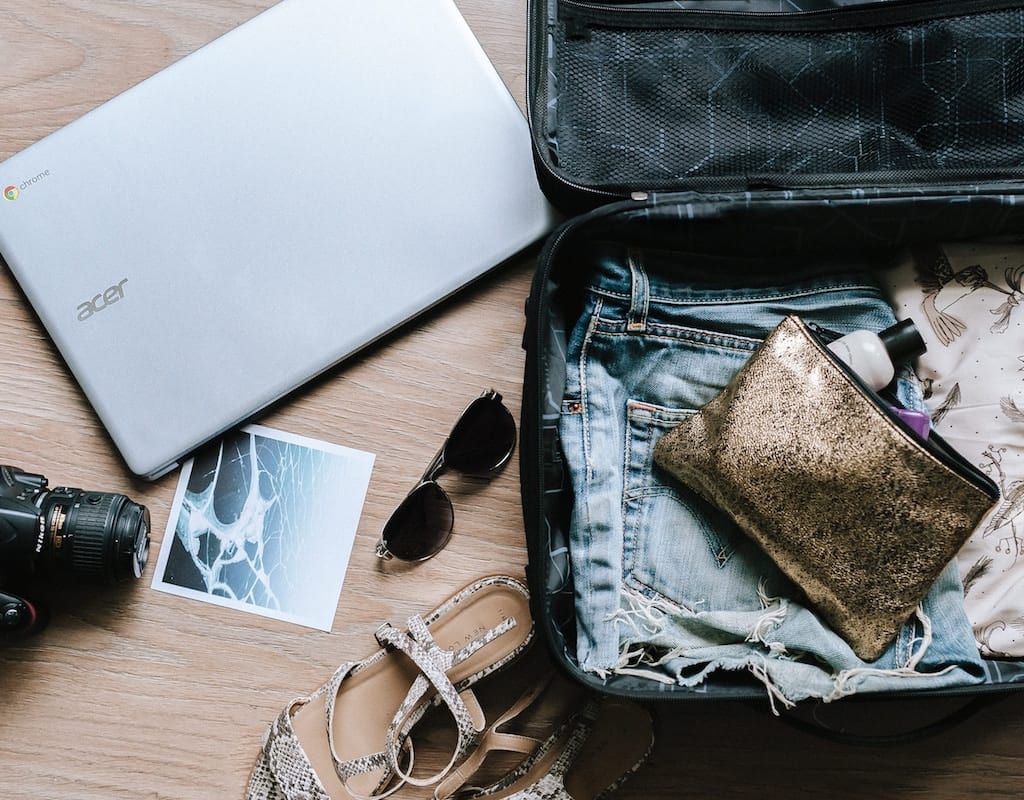
day walks with children


Even if you’re going on a short walk in the park with the kids, let someone know where you’re going and when you’re due back. Cell-phone coverage can be patchy – especially in the hills and remote places – so don’t rely on it. Text or call your contact before you go. If you don’t show up for whatever reason, they can arrange help on your behalf. All you need to do is stay put and keep the kids safe and warm until help arrives.

Plan My Trip

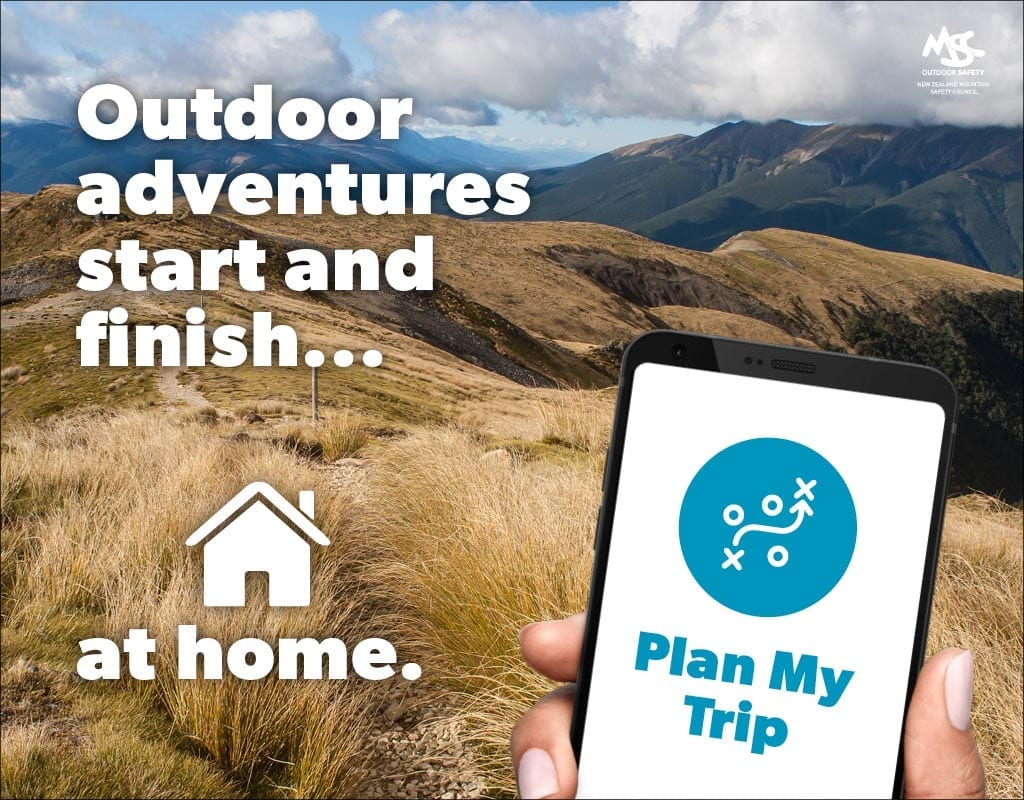
Everything you need to remember is now in one place.  Plan My Trip has been created by the New Zealand Mountain Safety Council to help you get into our great outdoors – and get home again safely.

Just answer a few simple questions and Plan My Trip will give you a customised trip planner. This handy, interactive and printable PDF will include alerts and warnings for the area, weather advice via MetService and a customised packing list, plus resources and links to help you enjoy your adventure. What’s more it has a summary of your plans, so it’s easy to share with your trusted contact so they know where you’ll be.


Tips for when you require medical treatment overseas

When travelling, things don’t always go to plan.

In New Zealand we are able to access (mostly free) healthcare however when we are away from New Zealand the cost of health care can be huge.

Get travel insurance

The first rule of travel is to take out comprehensive travel insurance – as the saying goes, if you can’t afford travel insurance you can’t afford the trip.

Keep a complete record

Keep all the original receipts, and ask for a copy of all consultation notes from the treating doctor. These are necessary not only for your insurance claim but also in case you require additional treatment.

If the medical care is a result of an accident, it is possible that on your return to New Zealand, ACC will be able to cover your injury.

Contact the local embassy

If you are having trouble accessing care or need some further advice, you can contact the nearest New Zealand Embassy. They can help with communication and making travel and other arrangements.

Visiting a doctor or dentist

Check your travel insurance to find out what is covers. There is no need to contact your travel insurance provider if you are seeking minor health or dental care. If you think the cost is likely to creep up over $2,000 then give your insurers.

Ask your accommodation provider or a local for a recommendation or for the nearest medical centre.

Reciprocal healthcare agreements

New Zealand has reciprocal healthcare agreement with Australia and the United Kingdom. This means that some services may be funded however you will still need to have comprehensive travel insurance.

Hospital care

If you are able, prior to going to hospital, or as soon as reasonably practical, contact your insurance Emergency Line and talk through your situation and determine what you are covered for. If you are unable to do this, ask a trusted friend or family member to do this on your behalf.

It is possible your insurer will be able to pay the hospital direct on your behalf.


Minimising the inconvenience of lost items when travelling

No matter how well organised you are, things can still go wrong when you are travelling however there are tips and tricks to help minimise the negative impact this will have on your holiday.

Before you leave home

  • book comprehensive travel insurance and check all the policy exclusions. If you would like extended coverage, discuss this with your policy provider
  • take photocopies of all your travel documents, including your itinerary and passport, and give them to a trusted friend or family member at home. Keep copies with you (hard and digital copies) and also  put a copy on the ‘cloud’ so if you lose everything, you can login from any computer and retrieve them
  • keep a list of important phone numbers such as money card cancellation lines, your travel agent (if you have one), your travel insurance help-line, family contact numbers and the numbers for the New Zealand Embassy. Keep a hard copy and also a digital copy (on your phone). You could also put a copy on the ‘cloud’ so if you lose everything, you can login from any computer and retrieve them
  • register your travel with Safe Travel . This means The Ministry of Foreign Affairs and Trade, including New Zealand Embassies, High Commissions and Consulates-General around the world, can contact you if there is an emergency (e.g. a natural disaster or terrorist attach) where you are travelling
  • ensure you have a bag or pouch that you are able to safely keep your money cards in and that cannot be pickpocketed – don’t underestimate the skill some people have to steal things from bags! In some countries you might like to have a pouch that you can wear under your clothes while in others an over shoulder bag that you can sit at the front is adequate. Don’t use a back pack unless this is for items that you are not attached to such as a jumper and water bottle.
  • discuss with your bank the best way to manage your money. Debit cards with multiple currencies are worth investigating
  • take off your expensive jewellery and leave it somewhere safe


Keeping things safe

  • if there is a safe at your accommodation, use it!
  • don’t carry a lot of cash – you can easily get small amounts of cash from money machines as you go
  • keep your bags and personal items close at all times. Never leave them unattended or even sitting on a table beside you
  • upload your travel photos to the ‘cloud’ or send them to yourself via Messenger (or similar) every day

There are a number of things your travel insurance may cover including paying for someone to come and support you, medical evacuation and surgery.

Things to check in your travel insurance policy

In all the excitement of planning of your travel it’s easy to just choose the first travel insurance policy you come across however they are not all created equal! It’s important to understand exactly what is covered and what isn’t.

General coverage

Most comprehensive travel insurance will cover you for the following (but be sure to double check yours does)

  • Medical and dental care
  • Delayed, lost or stolen bags and personal items
  • Cancellation or reduced duration of your trip due to unforeseen circumstances
  • Excess on rental vehicles
  • Changes in your travel plans e.g. flight cancellation or delay including alternative transport if you are going to a special event
  • Delayed, lost or stolen bags and personal items
  • Personal liability
  • Participation in outdoor or sporting activities such as SCUBA diving, snow and water sports, fishing, tramping and cycling

All travel insurance policies will have specific criteria and exclusions.

Exclusions and special cover

Travel insurance companies are unlikely to insure some activities or incidents:

  • self-inflicted injury
  • criminal acts committed by you
  • loss resulting from intoxication
  • loss of unattended items
  • cancellation (or non supply) or prebooked activities
  • all aspects of travel to a place for which there is an official travel advisory
  • a missed flight
  • unlicensed travel – if you are injured as a result of an accident by any unlicensed driver

There are some things that may not be automatically covered in a standard travel insurance policy. It may be possible to cover some of these if you pay an additional charge.

  • pre-existing conditions (including pregnancy, mental illness, addiction, and elective surgery)
  • injuries arising from some sports – this can include skiing, motorsports, skydiving and climbing. Bungee jumping and zip lining are generally covered now but if you intend to do these, double check your policy.
  • multiple destinations
  • weather related cancellations
  • personal belongings that exceed a certain dollar value eg jewellery, computers/laptops, cameras and phones

An insurance policy is a contract – it is not a catch-all coverage for every possible event or outcome so be sure to read the fine print.


Pregnancy, travel and insurance

Insurance is always an essential when travelling and it is never more important than when you are pregnant.

Travel Insurance

Travel insurance policies are not all made equal. There are several different factors about your pregnancy that could affect the amount of cover or the cost of your travel insurance:

  • how far through your pregnancy you are
  • if you have had any pregnancy complications
  • if you are having a single or multiple babies
  • if your baby/s was conceived using assisted reproductive services

It may be that you are able to pay an additional premium to have some of the exclusions covered.

Be sure to disclose you are pregnant to your potential insurer. An insurance broker may be able to give you some guidance on the different policies and their restrictions and inclusions.

Generally, emergency medical treatment will be covered (subject to conditions) but common pregnancy symptoms such as heartburn, constipation and morning sickness will not be covered.

Pregnancy travel tips

As a rule, it is considered safe to travel during your first and second trimester, assuming you haven’t had any pregnancy complications.

Before you leave

  • discuss your forthcoming travel with your LMC to ensure they are happy with your travel idea
  • check your airlines restrictions around pregnancy and travel. Some airlines will let you fly as late as 35-36 weeks (with medical clearance) for a maximum flight duration of around 5 hours
  • ensure you have your pregnancy travel well insured
  • book short flights where possible – long haul is uncomfortable and challenging when pregnant.
  • upgrade if you can to a seat with a bit more leg room
  • check out vaccination recommendations for your destination and discuss with your doctor as some vaccinations aren’t suitable during pregnancy
  • purchase compression stockings – they will help with circulation and reduce the risk of swelling and thrombosis

During your journey

  • wear lose fitting and comfortable clothing and footwear
  • wear the lap belt underneath your bump
  • get up and move regularly during long trips
  • wear your compression stockings

While on holiday

  • drink bottled water to reduce the risk of tummy upsets
  • plan your activities to ensure you get plenty of time to rest during the day


Why travel insurance is essential

In the excitement of your overseas trip, it’s easy to overlook travel insurance but in reality it’s the most important booking you need to make.

If you are traveling with a family, the chances are that someone will get ill, hurt or break something, break or lose something. The most common reasons for travel insurance claims are:

  • you need to cancel your trip
  • your travel to a special event such as a wedding or a concert is delayed and you need to find an alternative way of getting there
  • your bags are damaged, lost or delayed
  • you have an accident or illness and require medical and/or hospital care and even medical evacuation home. The cost of surgery and hospital care can easily run in to the hundreds of thousands in some overseas countries.
  • because of injury or illness overseas you are unable to work on your return home
  • you die while you are overseas and your family wants to either conduct a funeral overseas or return your remains to New Zealand
  • you need a friend of family member to come and help you because of illness or accident
  • you need emergency dental treatment
  • personal items are stolen or damaged
  • rental car excess should you have an accident
  • you need to change your travel plans after you leave

Travel insurance may also cover you for less common but potentially big ticket items such as personal liability. If you have an accident you can in some circumstances become liable for damages, compensation and legal expenses. This could potentially amount to hundreds of thousands of dollars.

Read the fine print

It is really important when buying travel insurance to ensure you read the fine print and gain a clear understanding of what is covered and what isn’t – not all travel insurance is created equal.

Making sense of play

You have probably heard that children learn through play, however as an adult this can be difficult to understand. Their play can sometimes cause frustration too – why does my child just tip up the box of blocks then leave them? Why do my kids end up with more paint on themselves than on the paper? Why does my child insist on throwing everything?

Someone who knows a lot about play is Nikolien van Wijk. Van Wijk has spent many hours observing the way children play and has written a book about some of the patterns in play that can be observed. Her book builds on work done by other researchers in the UK and NZ. By recognising the patterns, parents may gain some insight into what their toddler is exploring or trying to ‘figure out’.

Patterns of play

How many of these patterns of play sound familiar in your toddler?

1. Connecting / disconnecting

Connecting is when your child loves to ‘connect’ or join different things together. They might use glue, string or vast quantities of sticky tape.

Dis-connecting is when children like to separate things, cutting, pulling apart, disassembling or sometimes, scattering.

2. Enclosing / enveloping

This is when your child puts things inside a container or enclosure. Maybe they make fences, build forts or hide objects in containers.

3. Ordering

Some children really love to arrange things in lines or in order. This urge may flow over into meal time when they insist on arranging their food in order and so that nothing touches.

4. Rotation

Things that twist, turn, spin or rotate are a great source of learning for children – and this includes spinning themselves or parts of themselves!

5. Trajectory

Learning through trajectory is learning through movement – kicking, dropping, throwing, climbing, jumping and many more forms of movement.

6. Transforming

Children love to see things change – whether it be instant (mixing paint) or slow (caterpillars turning into butterflies). Older children may enjoy role playing.

7. Transporting

Some children love to take things with them – they are always carrying a toy, pushing a stroller or taking a bag with them. They are learning about how things move from one place to another.

Which one(s) does your child love to do? You can take a quick Clever Play quiz to help you find out.

Supporting their play patterns

Phew – it can be such a relief to know that all that mess, repetition and stubbornness has a purpose and is to be encouraged!

Visit www.meandmychild.co.nz/cleverplay for some great tips on how to facilitate and foster your child’s play.

For more information about play patterns visit cleverplay.co.nz

Which of these play patterns does your child/ren like most at the moment? 


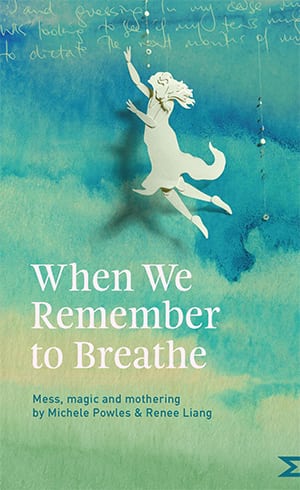
Book review: When We Remember to Breathe

When we remember to breathe

There is a sea change happening in parenting books – their content and authorship and also the way they are published.

Prescriptive parenting books of the past are being replaced with writing that celebrates the beauty of parenthood, the fleeting realisations, and moments of terror and struggle.

Like ‘Is it Bedtime Yet?  by Emily Writes and friends, ‘When We Remember to Breathe’ is a collaboration this time between two mothers -Michele Powles and Renee Liang.

Powles and Liang have a beautiful, almost whimsical, style of writing. The words flow gently across the page, intuitively exploring what it is that gives meaning to our lives in the new millennium.

Michele Powles has trained in law and been a dancer, producer and now writer and emerging screen writer while Renee Liang, a second-generation Chinese Kiwi is a poet, playwright, paediatrician, medical researcher and fiction writer.

‘When We Remember to Breathe’ examines the parenting process from conception and pregnancy to birth and beyond. Powles and Liang bring their individual perspective to each step of the way and in doing so validate how different everyone’s journey is.

Crowdfunding

Magpie Publishing is a new crowdfunding publisher where, with the community of readers, crowdpublished books are beautifully produced and shipped to eager booklovers.

My little survivors

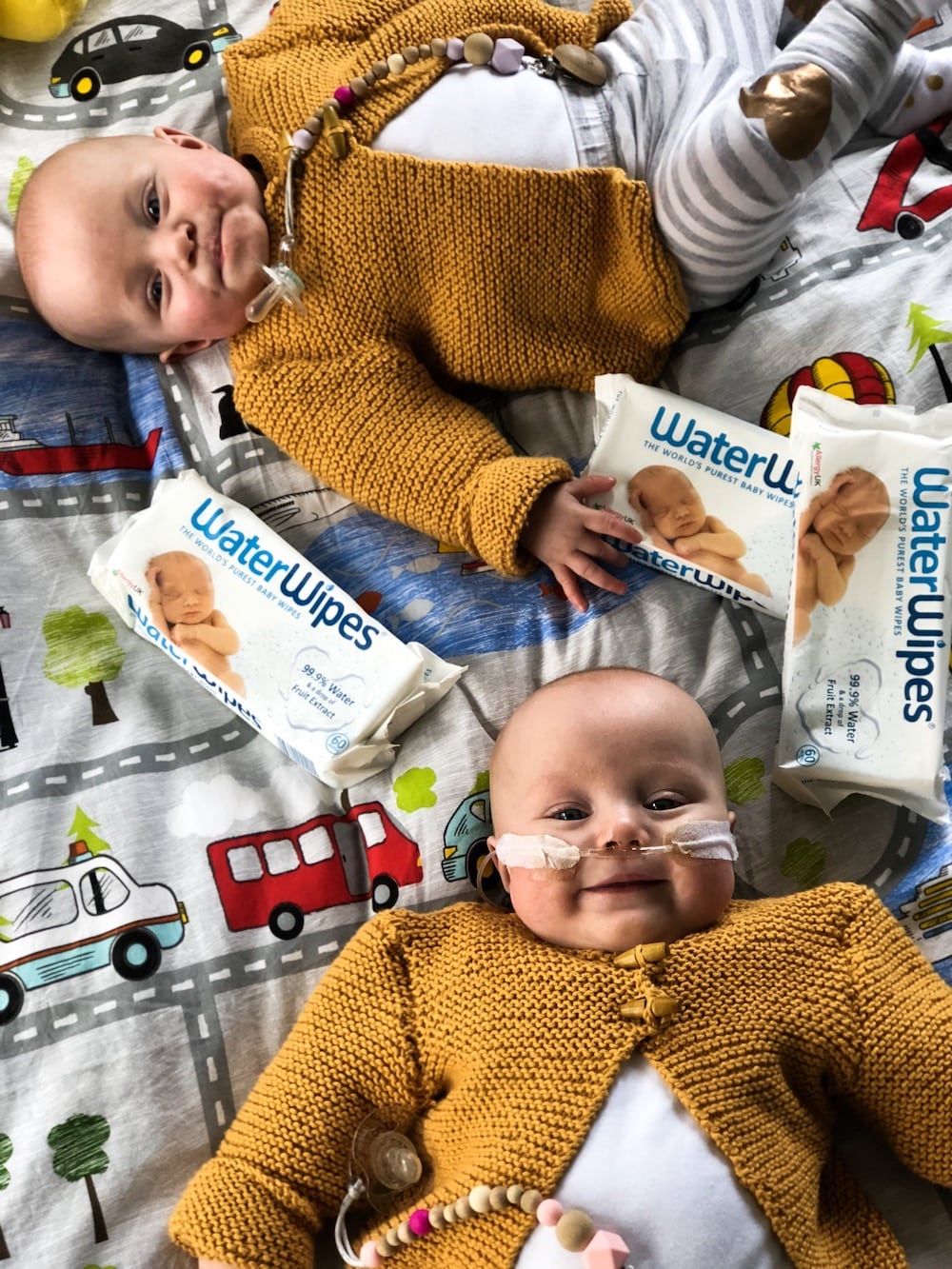
WaterWipes are proud to support premature baby charities in NZ and Australia and wanted to share this story with you.  They are proud to provide free packs of WaterWipes to neonatal units around New Zealand and Australia.

waterwipes

Stacey Kale and her husband Simon from Hawke’s Bay could not wait to meet their identical twin girls, yet nothing could prepare the couple for the emotional journey that lay ahead.

WaterWipes are proud to support premature babies by sponsoring Miracle Babies, Australia and supporting the Neonatal Trust by providing free packs of WaterWipes to neonatal units around New Zealand.

At her 20-week anatomy scan, Stacey found out that there were some abnormalities with her pregnancy. The next few days involved an array of scans, specialists and air ambulances to Wellington and Auckland. It was then confirmed that her unborn twins had Twin to Twin Transfusion Syndrome (TTTS) and needed immediate surgery.

The surgery went smoothly however soon after one of the twins, Grace, developed a serious fetal condition, hydrops fetalis, and also her heart was not developing as it should.

“We were so scared. She needed to make it to 32 weeks for cardiology to be able to help her,” said Stacey however at just 27 weeks Stacey’s water broke and the babies needed to be delivered via an emergency caesarean.

Stacey and her husband spent three months in the Auckland NICU as Amelia and Grace were carefully nursed back to health, followed by one month in their local hospital’s Special Care Baby Unit (SCBU). Grace also had to undergo open heart surgery at just eight weeks old, where she then spent a month in PICU.

“There were days and nights where the chance of losing the girls were high and I felt so helpless and scared.” said Stacey.

Stacey knew to avoid certain baby products as they contain harsh chemicals and fragrances, particularly for a newborn’s sensitive skin. “Seeing how small and delicate the twins were, and still are, makes it so important for to choose products that are safe to use on their sensitive skin and won’t cause any more discomfort or issues for them.”

prem twinsStacey had been using WaterWipes on her son’s skin after struggling with nappy rash and other skin issues, and found they were the only baby wipes that helped his sensitive skin. She was very pleased to learn that WaterWipes were not only safe to use on a newborn, but safe to use on the skin of a premature baby.

“There is nothing worse than watching your child be in pain, so it’s one less thing I have to worry about knowing that I choose a wipe that won’t irritate the skin of my precious premmie babies,” said Stacey.

Amelia and Grace were finally able to come home on oxygen after four long months. Grace is still dependent on oxygen and both girls suffer chronic lung disease, yet the couple couldn’t be happier having the twins home and the whole family together under one roof.

WaterWipes are the world’s purest baby wipes and have been carefully designed to be gentle on babies’ sensitive skin. Made with 99.9% purified water and just a drop of fruit extract, WaterWipes provide safe cleansing for the most delicate newborn skin and are so gentle they can be used on premature babies.

WaterWipes are suitable for sensitive skin and are the only baby wipe to be approved by Allergy UK and Awarded the National Eczema Association Seal of Acceptance. WaterWipes is also a proud sponsor of the Eczema Association of Australasia. Originating in Ireland, WaterWipes have expanded to Australian and New Zealand markets and are continuing to grow worldwide.

For more information or to purchase online visit www.waterwipes.com

10 Top Tips For A Tip Top Spring Clean

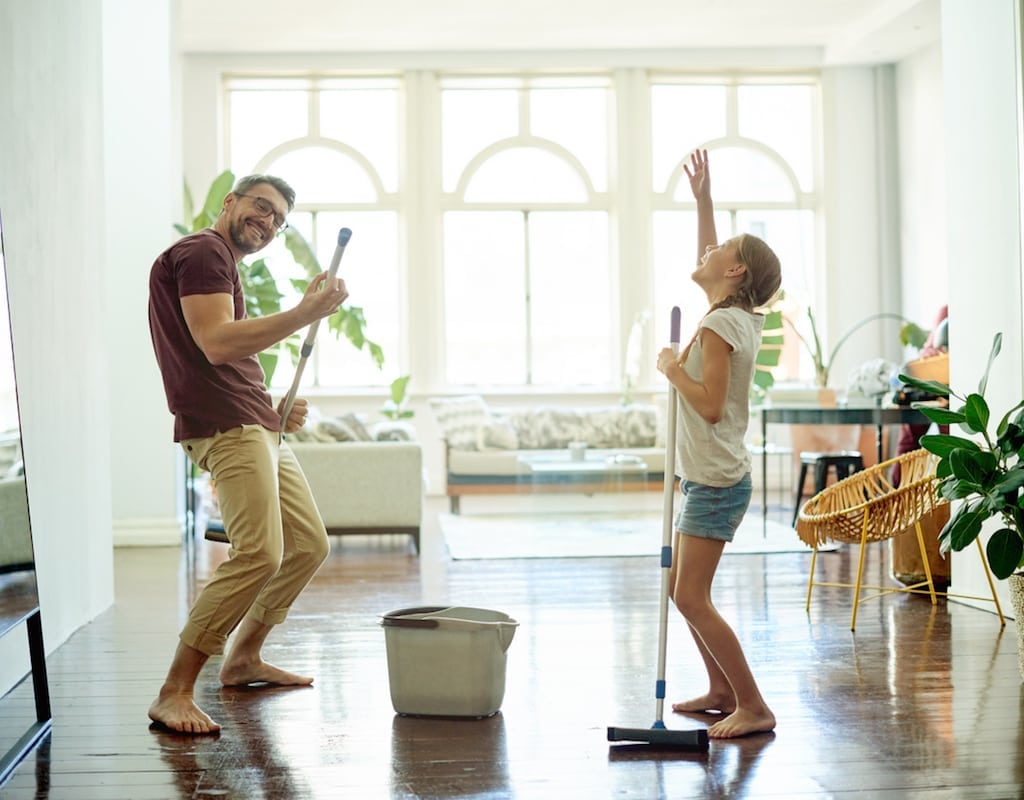
There’s a feeling of spring in the air and that, along with the brighter sun that seems to shine directly on all the finger-marks, dust and clutter, makes it a good time to get stuck in to a bit of spring cleaning.

If you are feeling a bit overwhelmed at the prospect, here are some tips to help you get started. If you are time poor (and most of us are), prioritise the tasks and go for the big ticket items that are really bothering you.

1. Kitchen
kitchen

That little bit of spice mix, freezer burnt leftover dinner, last few nuts and dribble of sauce in the bottom of the bottle are cluttering up your kitchen. Collect them all together and see if you can make a meal with them, or, if they are unusable, throw them out.

Give the front of the cupboards, drawers, fridge, oven and skirting boards a wipe paying attention around the handles. Lift or move the items in drawers and vacuum up all the crumbs not forgetting the right ones at the back.

2. Bathroom

The empty toilet roll that someone has thrown in the cupboard, nearly empty toothpaste tubes and worn out facecloths all need to be thrown out! Collect up your hardly used beauty products and list them on Trade Me – you will be astonished at how much you might get for them.

Wipe the heater, fan grill, skirtings’ and switches. Give the toothbrush holder, towel rails, rubbish bin, and scales a good clean. Remove and clean the toilet seats and hinges.

The plastic strip on the bottom of the shower door can be removed and cleaned or even replaced for a fresh new look.

If you have a shower curtain throw it in the washing machine or if it’s heavy plastic take it down and give it a good scrub. If it’s beyond hope, treat yourself to a new one.

If you have a glass shower door, there is likely to be a soap and residue build up. There are multiple products on the market to help remove this. Buy a good quality window blade and encourage all your family members to use it every time they shower – it helps reduce future build up.

Now is also a good time for the drain in the shower to be cleaned. This is an ideal job to delegate!

3. Heat pumps

Flip open the heat pump cover and remove the filter. Take it outside and give it a good brush and vacuum and wipe the fins and exterior of the unit If you haven’t had your heat pump serviced in the last few years now is a good time to arrange that – this will ensure your heat pump is running efficiently.

Check the outside unit is clear of cobwebs, plants and leaves and ensure the drain is not blocked.

4. Kids rooms

Spring is a great time to review your child’s wardrobe. It’s likely they have grown out of, stained, or torn, a number of items, particularly from last summer.

Review their bookcase and remove any books they have grown out of. These could be boxed up for the next children or given away. Collect up all the toys and put them with all their others (see 8. below).

If there are special sentimental items you can’t bear to part with, start a Special Box for your child.

8. Kids toys
tidy the toys

It’s so easy when having a quick tidy up to not put away all the bits of a toy together so now is the time for a reunification!

Tip all the toy boxes and toys into one big pile (you will not require any little helpers for this job!) and then sort them into their families. Throw all the odd bits away and bag or box up the rest. The clear plastic zip bags new linen comes in are ideal for this as you can see what’s in there. Put some toys away and then you can rotate them in the future.

6. The paper pile

We all have one! Old school notices, junk mail, notes, bills, lists and kids art work all pile up in the corner or drawer. Sort in to action, file or rubbish piles. Cancel paper bills with your bank and power company.

7. The junk drawer(s)

We all need a junk drawer – but now is a great time to have a good clean out of yours. Tip everything out on the bench and sort into piles – trying to make the rubbish pile the biggest. Return as much as you can to its proper place.

8. Vacuum

Replace the usual dash around with the vacuum cleaner with a thorough going over. Move the furniture, take the cushions off the couch (have a rubbish bin handy when you do this!) and get stuck in to all the corners and along the skirting boards.

9. Your wardrobe and drawers
spring clean

There are many books and articles advising on how to spring clean your wardrobe but all agree on the following. If you haven’t worn it for a year or more, get rid of it. If it no longer fits, get rid of it. If it fits but you don’t feel good in it, get rid of it. If it’s stained or has a hole and that breaks your heart as it’s a favourite, but really it’s not suitable for anywhere, get rid of it! Be sure to include necklaces, scarves, underwear, shoes and your summer clothes in this.

Wash and store all your winter woolies and layers away (hopefully you won’t be needing them).

A favourite Kidspot tip is to iron and hang as much as you can so it’s ready for use – you are more likely not keep buying if you have a regular supply of favourites ready to go.

10. Windows

Clean windows really do make the house feel fresh. Forget all the sprays, chemicals and detergents and just get yourself a really good quality professional blade.

For the exterior, hose the windows, wipe with a wet microfibre cloth then dry with the blade. Wipe around the frames with a clean microfibre cloth and Voila! (although really dirty windows might require a second effort). For the inside, repeat without the hosing step.

Why clearing the air is good for you

Advertorial

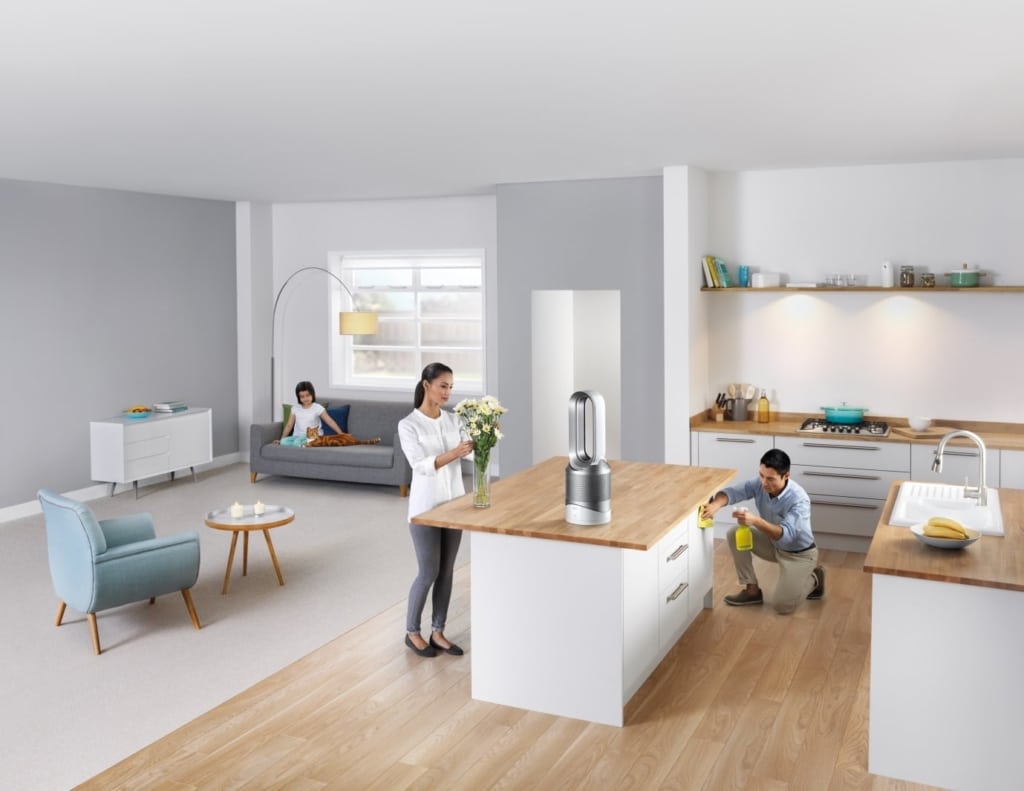
Our home is our sanctuary from the hazards of the outside world however it turns out that air pollution isn’t just a problem outside. It’s a problem inside too. In fact, the average home can be up to five times more polluted than the air outside. 1

The reasons for this are many and varied:

  • The ‘fresh’ air we let in can contain pollutants such as tree pollen. These can then become trapped inside along with dust and mould.
  • Indoor plants and flowers can release pollen, and pet dander from cats or dogs can spread microscopic material around the home.
  • Paint on the walls, door and window frames may contain volatile organic compounds, which can be released as gaseous chemicals throughout their life.
  • Your favourite cleaning products, scented candles and air fresheners may contain chemical substances that release benzene and formaldehyde into the air as they are used. Candles also release soot.
  • Furniture foam found in some textile covered furniture can release formaldehyde gas
  • Some synthetic carpets, rugs and flooring can emit formaldehyde and volatile organise compounds throughout their life.
  • Gas hobs and cooking fumes emit fumes and odours into the air

Clear the air

Clean air also helps to reduce odours and increase sanitation in the home.

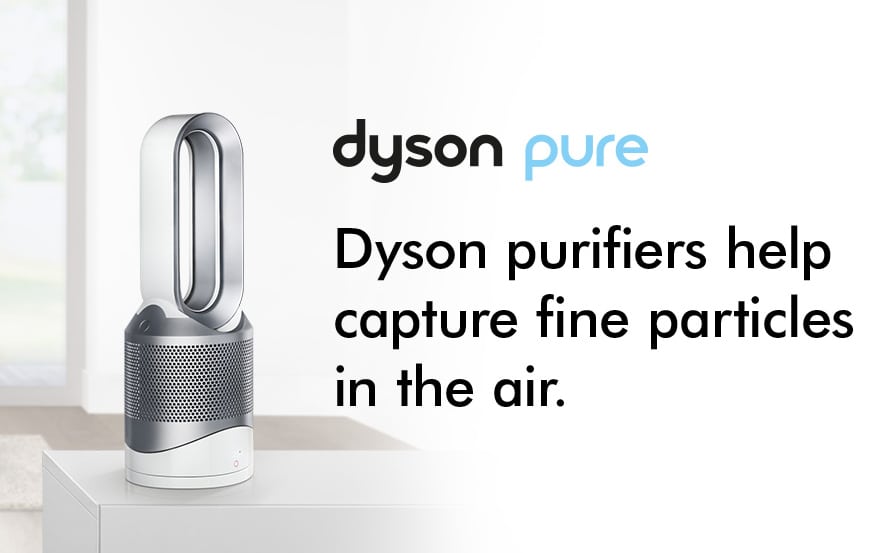
The Dyson Pure Hot + Cool LinkTM purifier automatically captures gases and 99.95% of fine particles such as allergens and pollutants from the air 2 in your home. It does this by pulling in the polluted air from every angle, putting it through a glass HEPA filter and tris-coated activated graphite to capture gases such as odours, household fumes and formaldehyde2.

Then, using Air MultiplierTM  technology,  the Dyson Pure Hot + Cool Link TM purifier projects purified air throughout the room.

Monitor air quality

You can’t always see the indoor air pollution but with the Dyson Link app you can! You can monitor indoor and outdoor air quality 3 and in addition to purifying, you can also heat or cool the air.

Safe & quiet

The Dyson Pure Hot + Cool LinkTM purifier doesn’t have blades like some traditional fans or heaters so it’s safe for little fingers and has quiet settings so it doesn’t disturb anyone’s sleep.


¹ Supported by data from the Centre of Australian Weather and Climate Research.
2 Particle capture tested to EN1822. Gaseous capture tested to JEM 1467 (acetic acid, acetaldehyde, ammonia), GB/T18801 (formaldehyde, benzene) and DTM-003282 (NO2). Gaseous capture rates vary.
3 App functionality may vary by location. Requires WiFi and app enabled device. Standard data and messaging rates may apply.


Take the pressure off and save when booking your next holiday

Planning and booking an overseas holidays can be time consuming and a bit nerve wracking.  For many, getting the flights booked is the priority, but then trawling the internet for good accommodation deals can be confusing and frustrating.

Expedia have a great new product that will save you money and take the pressure off. The Expedia Add-On Advantage means that if you book your flights (or car or package) through Expedia, accommodation discounts of up to 49% for participating hotels all over the world will automatically be available to you right up until the day of your trip.

Of course, if you choose to bundle your accommodation and flights together at the time of booking, you can still take advantage of Expedia’s fantastic discounts from our valued accommodation partners.

There are other advantages to the Expedia Add-On Advantage. If you are not certain of your plans while you are away (for example, maybe staying with family or friends), you can book your flights and then relax, knowing you can secure discount accommodation right up to the day before you travel.

You can take the pressure off your finances too. Book your flights and then, when funds allow, book the rest of your trip.

Finally, when booking your accommodation through Expedia you can just look for the “Add On” badge on the hotels and you know you will be getting a great deal – without hours of research.

The Expedia Add-On Advantage can also be used in a different destination than the return flights. For example, if you are booking a trip to London, you could use the discount on the accommodation for a side trip to Paris.

Whether you are planning an epic trip or just a quick getaway, now you can lock in the flights and then worry about the accommodation later, secure in the knowledge that you can still enjoy fantastic savings.

Start booking your next holiday with Expedia now! Click here

This advertorial was provided by Expedia. To find out more visit www.expedia.co.nz

Some extra support for Kiwi families

From 1 July 2018, the New Zealand government is introducing a number of initiatives designed to provide more financial support for Kiwi families. Known as the Families Package, one of the highlights is a new payment called Best Start. This will give parents weekly payments of $60 for the first year of their baby’s life – that’s a total of up to $3,120. The payment is available to eligible parents who have a baby due on or after 1 July 2018. If you have more than one baby, you can apply to get Best Start for each of them.

All families will receive the payment until their child is one year old, regardless of their household income. Households with an income of less than $79,000 will continue to receive $60 per week until the child turns three. Those earning above $79,000 will continue to receive payments but at a reduced amount, up to the cut-off of $93,858 (for one child).

Best Start will be a very welcome helping hand for people having their first baby. There are always a lot of unexpected costs during the first year – one-off items such as prams and cots, as well as ongoing expenses such as nappies and warm clothing. For those who are on a tight budget the payments will help at a critical time. With ongoing support for up to three years, it is hoped that a lot more Kiwi kids really will get the Best Start.
It’s easy to apply

The last thing you want to be worrying about when you’ve just had a baby is paperwork. So it’s been made as easy as possible to apply for Best Start. You apply when registering your baby’s birth through the SmartStart website (smartstart.services.govt.nz). There are no other forms to complete. Payments start shortly afterwards, or if you’re receiving paid parental leave they’ll begin when your leave ends.

If you don’t register your baby through SmartStart, you can apply for Best Start by completing the Working for Families (FS1) registration form online, or you can fill it out by hand and post it to the Inland Revenue.

Who’s eligible?

You have to be the principal caregiver of the child. You also need to be a New Zealand resident or citizen who has been in New Zealand for a continuous period of 12 months or more. Finally, the child needs to be both a resident of, and present in New Zealand.

What if baby comes early?

Babies don’t always appear on cue. So if bubs is due on or after 1 July but is born before 1 July, don’t worry, they’re still eligible for Best Start.

More paid parental leave

More good news: paid parental leave is being extended, from 18 weeks up to a maximum of 22 weeks. Again, this applies to babies due on or after 1 July – or children under the age of six years coming into your care on or after 1 July.

Keeping-in-touch hours are also increasing from 40 hours to 52. So if you’ve got a job and you’re on parental leave, you can use your keeping-in touch hours to stay connected with your job and do a bit of work from time to time. This is perfect if you have a team day or need to keep up with what’s going on at work.

For more information go to ird.govt.nz/beststart

The information contained in this article was provided by Inland Revenue – Te Tari Taake.

A fresh start

Advertorial

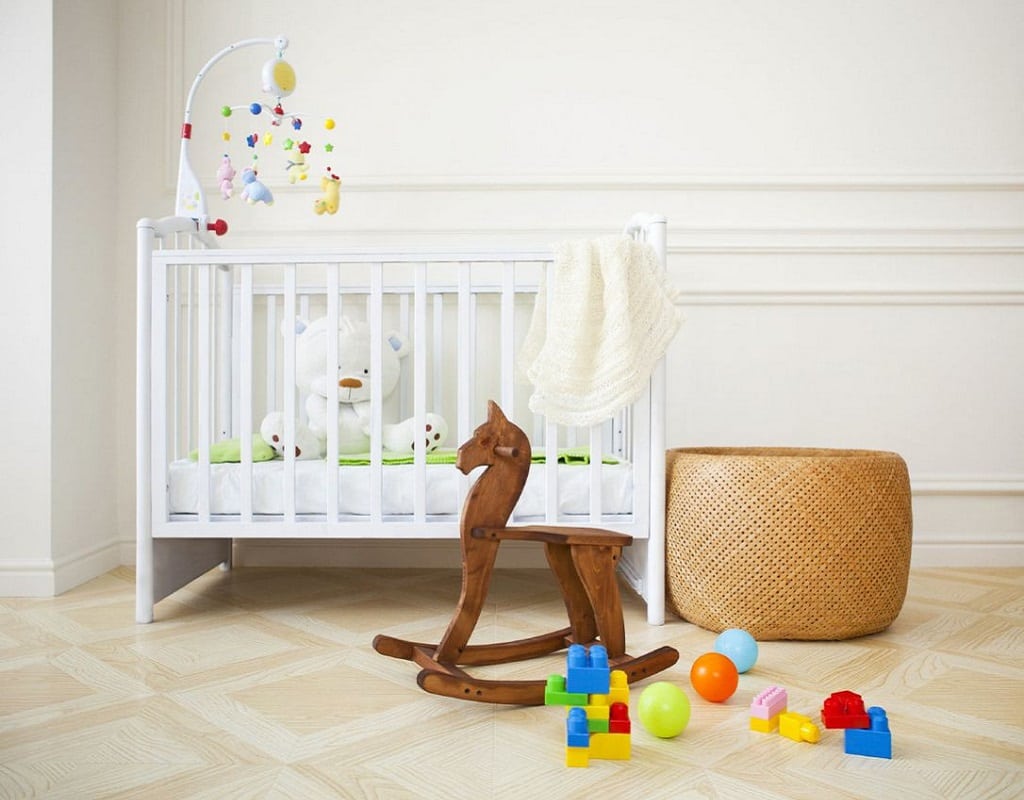
Curating a beautiful nursery is a fun step on the pregnancy journey. The nursery is likely where your baby will spend the majority of their first year. Learn some top tips for creating a nursery that is safe and comfortable for your baby.
There’s something in the air

The nursery is a sanctuary from the outside world however it turns out that air pollution isn’t just a problem outside, it’s a problem inside too. In fact, the average home can be up to five times more polluted than the air outside. 1

There can be a number of sources of pollutants indoors.

The ‘fresh’ air we let in can contain pollutants such as tree pollen. These can then become trapped inside along with dust and mould.

Some synthetic carpets, rugs and flooring can emit formaldehyde and volatile organic compounds throughout their life.

If your house was built before the 1980’s it is possible the room you intend using as the nursery has lead based paint on the walls (possibly even painted over).

In addition, your favourite cleaning products, scented candle may contain chemical substances that release benzene and formaldehyde into the air as they are used.

Clear the air

Dyson

The team at Dyson understand how important it is to help support a clean home, so they created the Dyson Pure Hot+Cool Link™ purifier fan heater.

The Dyson Pure Hot+Cool Link™ purifier fan heater uses a 360° Glass HEPA filter, that traps gases and 99.95% of fine particles such as allergens and pollutants from the air2  and distributing cleaner air around the room. It provides purification all year round and heating and fan cooling so you can keep the nursery at an optimal and consistent temperature.

A calm environment

The Dyson Pure Hot+Cool Link™ purifier fan heater has a night-time function, which utilises only the machine’s quietest settings, so as not to disturb baby’s sleep however some parents find the normal operation functions well as ‘white noise’.

You can monitor the quality of air and room temperature from the Dyson Link app3  so you don’t need to go in and disturb baby’s sleep.


¹ Supported by data from the Centre of Australian Weather and Climate Research.

2 Particle capture tested to EN1822. Gaseous capture tested to JEM 1467 (acetic acid, acetaldehyde, ammonia) and GB/T18801 (formaldehyde, benzene) and DTM-003282 (NO2). Gaseous capture rates vary.

3 App functionality may vary by location. Requires WiFi and app enabled device. Standard data and messaging rates may apply.


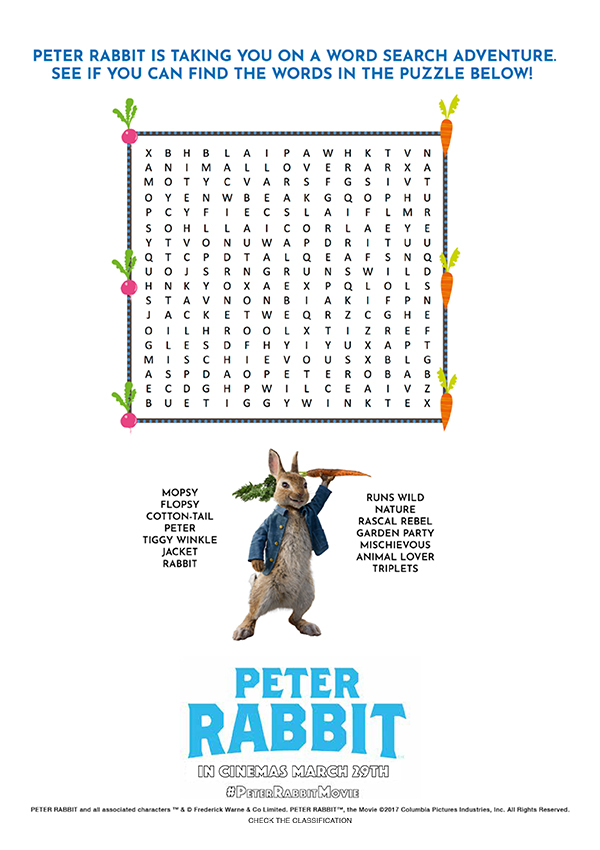
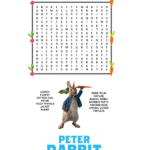
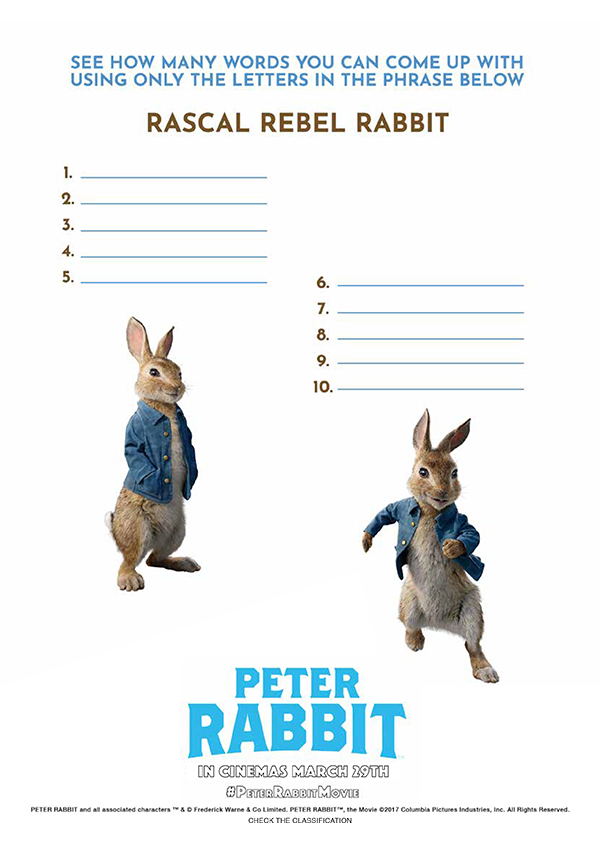
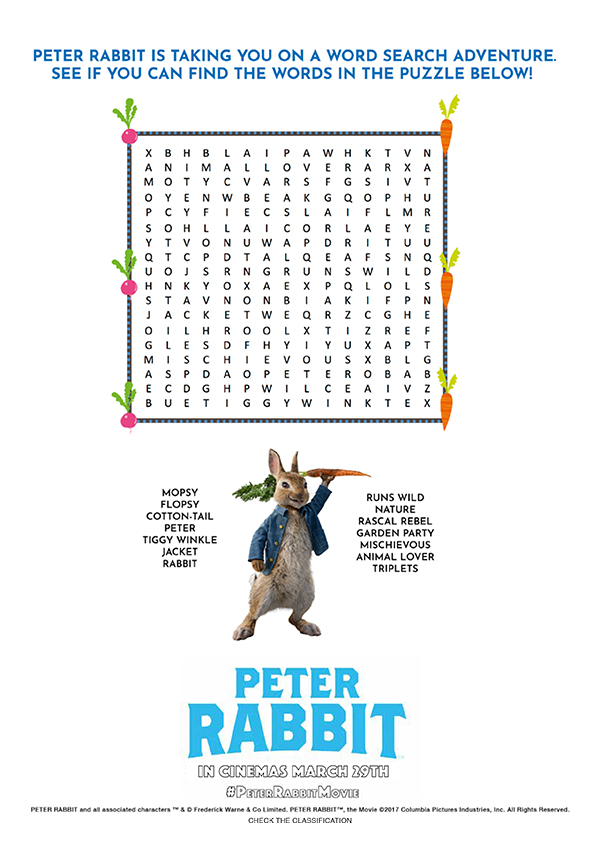
Peter Word Find

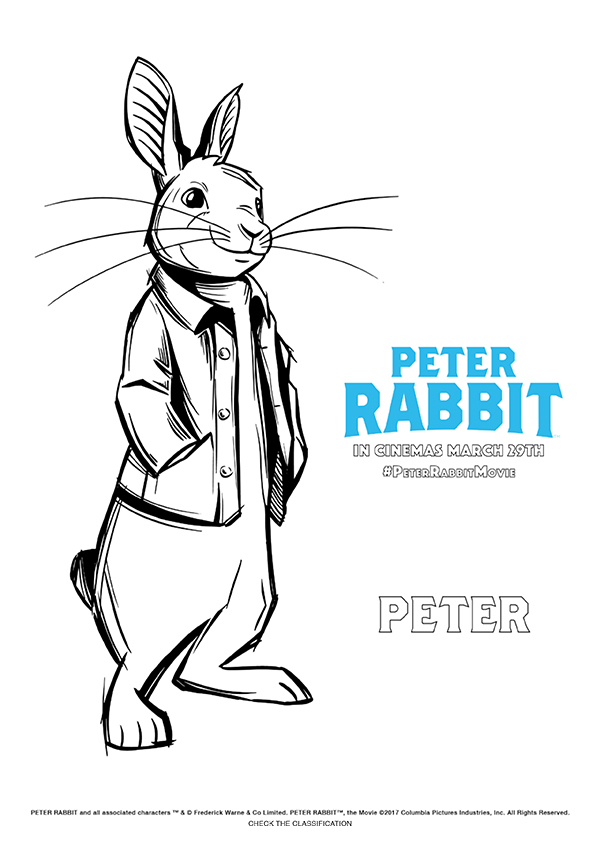
Colouring in is a great activity for kids and Kidspot has hundreds of free printables that you can print out at home and give to your child to colour in with crayons, markers and pencils. There are all kinds of themes and patterns, simply click the image to print and enjoy.

Peter Rabbit

Find more colouring in pages:

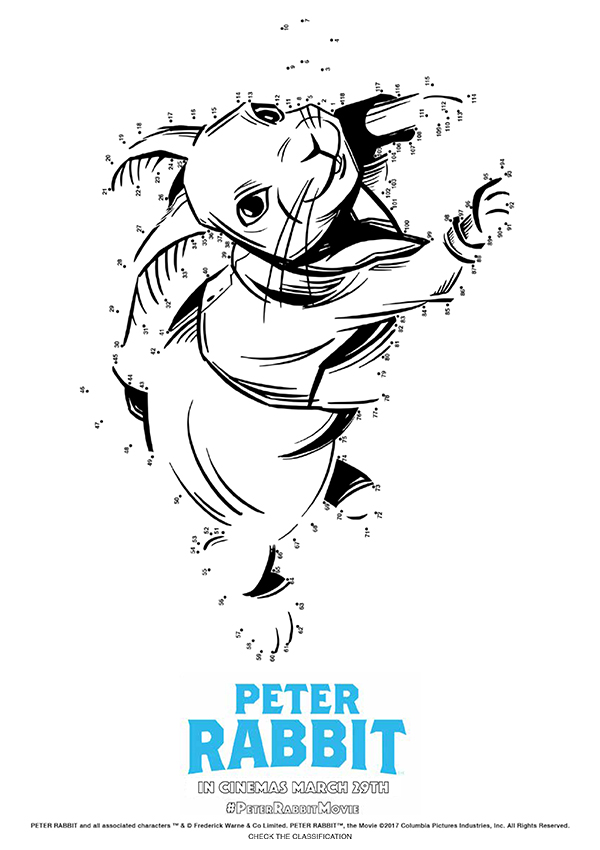
Dot-to-dot Peter Rabbit

Colouring in is a great activity for kids and Kidspot has hundreds of free printables that you can print out at home and give to your child to colour in with crayons, markers and pencils. There are all kinds of themes and patterns, simply click the image to print and enjoy.

Peter Rabbit

Find more colouring in pages:

Word Create

Colouring in is a great activity for kids and Kidspot has hundreds of free printables that you can print out at home and give to your child to colour in with crayons, markers and pencils. There are all kinds of themes and patterns, simply click the image to print and enjoy.

Peter Rabbit

Find more colouring in pages:

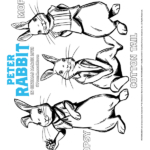
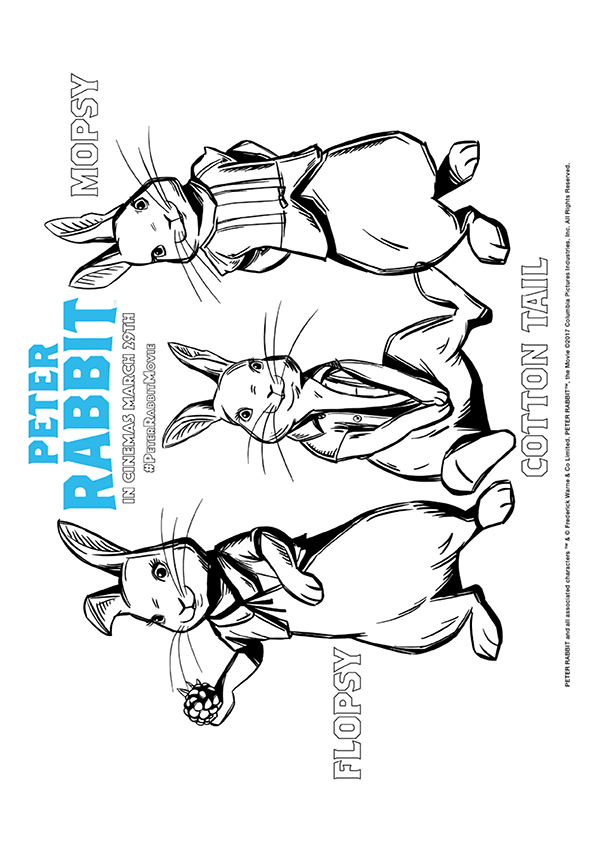
Peter Rabbit Group

Colouring in is a great activity for kids and Kidspot has hundreds of free printables that you can print out at home and give to your child to colour in with crayons, markers and pencils. There are all kinds of themes and patterns, simply click the image to print and enjoy.

Peter Rabbit

Find more colouring in pages:

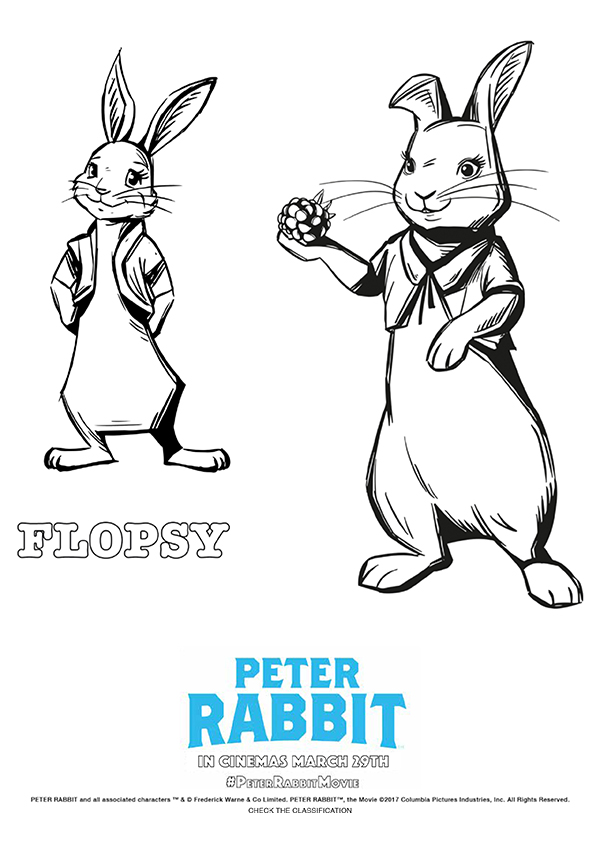
Flopsy

Colouring in is a great activity for kids and Kidspot has hundreds of free printables that you can print out at home and give to your child to colour in with crayons, markers and pencils. There are all kinds of themes and patterns, simply click the image to print and enjoy.

Peter Rabbit

Find more colouring in pages:

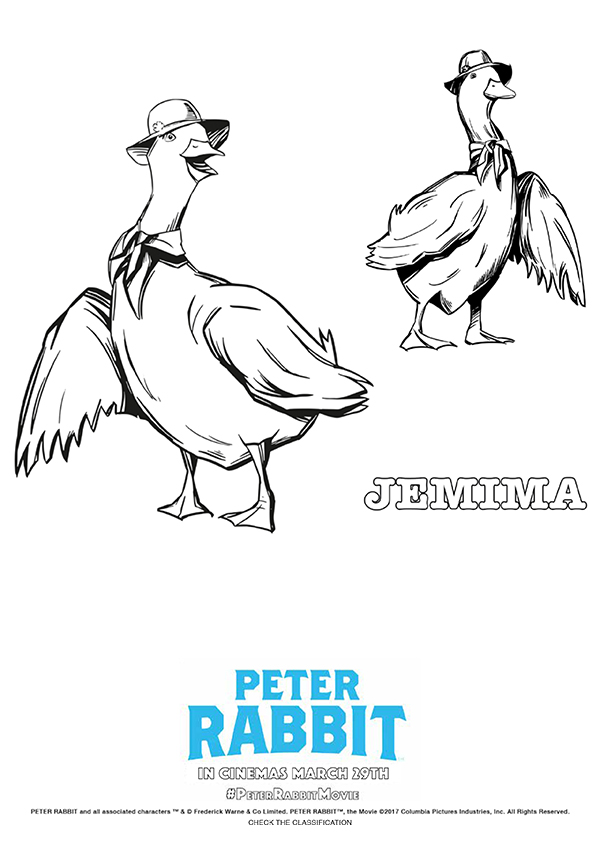
Jemima

Colouring in is a great activity for kids and Kidspot has hundreds of free printables that you can print out at home and give to your child to colour in with crayons, markers and pencils. There are all kinds of themes and patterns, simply click the image to print and enjoy.

Peter Rabbit

Find more colouring in pages:

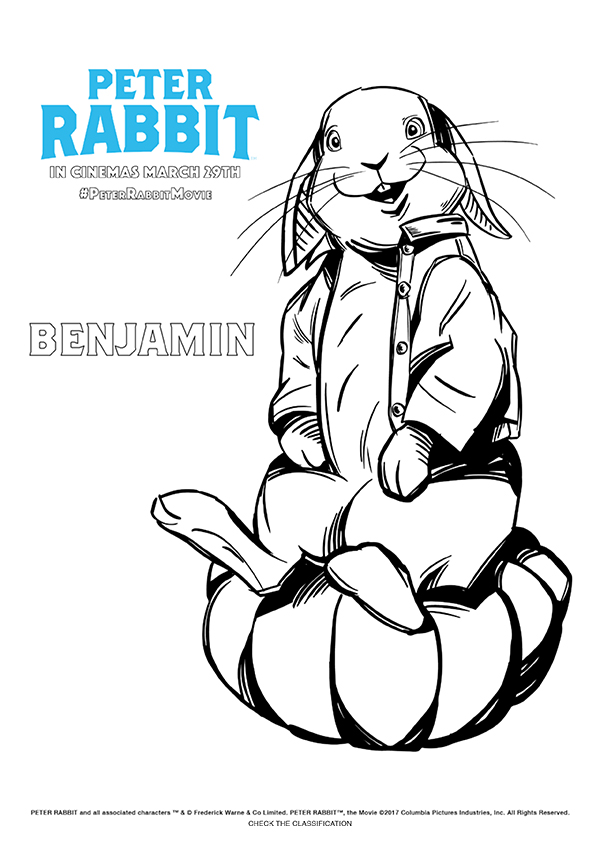
Benjamin

Colouring in is a great activity for kids and Kidspot has hundreds of free printables that you can print out at home and give to your child to colour in with crayons, markers and pencils. There are all kinds of themes and patterns, simply click the image to print and enjoy.

Peter Rabbit

Find more colouring in pages:

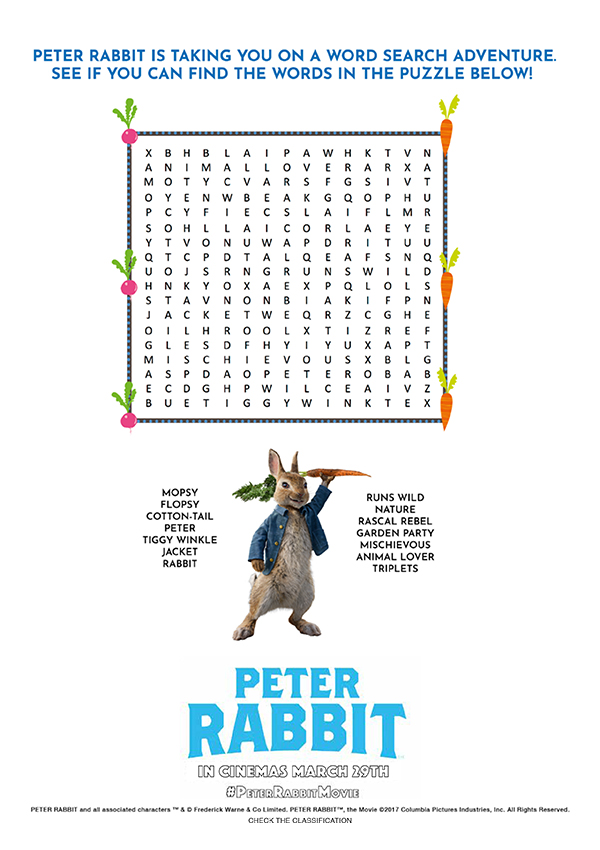
Peter Rabbit word find

Colouring in is a great activity for kids and Kidspot has hundreds of free printables that you can print out at home and give to your child to colour in with crayons, markers and pencils. There are all kinds of themes and patterns, simply click the image to print and enjoy.

Peter Rabbit

Find more colouring in pages:

Teaching Kids Healthy Habits – Including Hand Washing

Teaching your kids healthy habits and effective hand washing techniques at home is a great way to help protect them from germs when they are at school and out and about.

While you will never stop your child coming into contact with germs, you can teach them, through some simple hygiene measures, to reduce their chances of picking up germs.

1. Germs and hygiene

Germs are found all around us. Some can make us unwell. You will never stop your child coming into contact with germs, but what you can do is teach them that, through the use of some simple hygiene measures, they can reduce their risk of picking up germs.

2. How are germs passed on?

Germs can be picked up in several ways. When an unwell person talks or sneezes, they transfer germs into the air that can contaminate surfaces they land on or be breathed in directly by others. If you touch a contaminated surface such as a light switch, a door handle, or a computer keyboard and then your eyes, nose, mouth or a cut, you can transfer the germs into your body. Tummy upsets are usually caused by eating food that contains with germs.

3. Hand washing

Effective hand washing practices are one of the best ways children can help protect themselves from germs. Using antibacterial soap or wash and warm water, they should be encouraged to wash their hands before and after eating, after playing with a pet or animal, after sneezing or blowing their nose and after touching something dirty (e.g., a chewed pencil, or a used tissue).

4. Pre-school vaccinations

Before your child starts school, make sure they have received appropriate vaccinations. Contact your nurse, doctor or paediatrician for advice.

5. Encouragement

Remind them that even when they aren’t at home, they should still wash their hands regularly using soap or anti-bacterial wash, especially after they have been to the toilet and before they eat.

Peter Rabbit colouring page

Colouring in is a great activity for kids and Kidspot has hundreds of free printables that you can print out at home and give to your child to colour in with crayons, markers and pencils. There are all kinds of themes and patterns, simply click the image to print and enjoy.

Peter Rabbit

Find more colouring in pages:

Monitoring your baby’s temperature

When your baby is unwell and feverish, keeping an eye on their temperature can be difficult.

1. Baby’s immune system
A baby’s immune system is immature and even the most robust baby can experience six to ten viral infections each year.[1]With each one lasting up to ten days, this could mean your baby is frequently off-colour and miserable.

2. Symptoms of viral and bacterial illnesses
When your baby is sick they may be fussy, have a fluctuating temperature, struggle with earache and muscle aches, along with a variety of other symptoms.

This can make measuring their temperature and ensuring it is not reaching dangerous levels, disturbing and even distressing for your baby. Taking their temperature whilst they are sleeping can disturb your baby’s rest too.
3. The easy way to monitor temperature
There are many ways to monitor a baby’s temperature including holding a thermometer under the arm, an in-ear device, or even swiping a device across their forehead. However, these each mean dealing with a fussy or sleeping child.

FeverSmart Temperature Monitor by Nurofen for Children is designed to ensure you can monitor your baby’s temperature continuously without disturbing or upsetting them.

4. How does FeverSmart work?
This discreet, non-invasive device gently attaches to your baby’s underarm using an adhesive strip made from medical grade silicone. It then transmits your baby’s temperature continuously to a free app on your smartphone or other device that will notify you if your baby’s temperature is in the high range (if push notifications are enabled).

5. Benefits for your baby

Many parents admit to minimising checking their baby’s temperature to avoid disruption to sleep. Able to be used on baby from birth, when necessary, FeverSmart can monitor your baby’s temperature without disturbing or upsetting them.

FeverSmart can also be used to track recent medication ensuring you are giving your baby the right dose and accurately managing their fever. FeverSmart can also be used to record other symptoms such as tracking coughs and runny noses, enabling simple information sharing if you do visit a health professional.


[1]                 Source: Department of Health & Human Services, State Government of Victoria, Australia     


This article was written for FeverSmart Temperature Monitor by Nurofen for children by Kidspot NZ, February 2018

Study supports HPV vaccination for protection during pregnancy


A ground-breaking study by the University of Otago has found links between the human papilloma virus (HPV) and several pregnancy complications, including premature birth and pre-eclampsia.

The study focused on 339 placentas, three-quarters of which had been infected by HPV. In the births of infected placentas, delivery was generally a week earlier than expected. In a quarter of cases this meant that the baby was premature.

HPV is one of the most common Sexually Transmitted Infections (STI) out there, with most sexually active people contracting it at some point in their lives. There are over 100 types of HPV; some are low-risk and some are high-risk. Most are transient though, and go away before causing any health problems.

Study lead author Dr Noelyn Hung says that the study was not geared to prove that the pregnancy complications were caused by HPV, but that at the very least, HPV-infected placentas can contribute to such conditions.

“While further investigation is required into this link, our study provides additional evidence to support HPV vaccination. If pre-eclampsia, which is estimated to affect around 5% of deliveries, is indeed caused or compounded by HPV then vaccination becomes an important pregnancy protection measure.”

Of the 339 placentas, 78% were infected with ‘high risk’ types of the virus, and all 20 women in the study who had pre-eclampsia were found to be infected with these high-risk HPV types.

Ten per cent of infected placentas also developed another infection of the membranes called acute chorioamnionitis.

Chorioamnionitis is a bacterial infection and develops when bacteria that are part of the normal vaginal flora “ascend” into the uterine cavity. The amniotic fluid and placenta, as well as the baby, become infected.
Study lead author Dr Noelyn Hung says that not every infected placenta will have problems; it depends on the pattern of HPV infection and the mother’s immune system.

Currently, women under 20 can get the HPV vaccine for free in NZ. Those over 20 can still get it but do have to pay.
For more information about the HPV immunisation programme, visit www.health.govt.nz/hpv

——————————-

HPV Immunisation has an excellent safety profile similar to any other childhood immunisations and recommended by health professionals. To protect your child against most HPV cancers, get them immunised at school or visit your local GP.
For more information about the HPV school immunisation programme, visit www.health.govt.nz/hpv


MMR vaccine and autism

In 2010, after 12 long years debating the safety of the MMR vaccine in mother’s groups across the nation, a key paper linking the three-in-one jab with autism has been retracted.

MMR vaccine

The MMR vaccine is a triple immunisation against measles, mumps and rubella. It is given at twelve months and again at four years.

The Lancet’s decision to retract the paper

The decision by internationally renowned medical journal, The Lancet, to retract a study linking the MMR vaccine to autism was made after a British medical disciplinary panel found the paper’s main author, Dr Andrew Wakefield, had presented his research in an irresponsible and dishonest way.

“”It has become clear that several elements of the 1998 study by Wakefield et al are incorrect, contrary to the findings of an earlier investigation,” The Lancet, said in a statement.

The paper was also partially retracted in 2004 after it emerged that Dr Wakefield had received payments for his research from the lawyers of parents whose children they believed had been adversely affected by the MMR vaccine.

Background: The Wakefield Studies

The 1998 paper known as ‘The Wakefield Studies’ was based on 12 children, some of whom had bowel disorders and autism which had developed following vaccination with MMR. The suggestion was made that there may be a link between the vaccine, bowel disease and autism.

Dr Wakefield’s studies suggested that measles virus in the gut caused a new syndrome of Inflammatory Bowel Disease (IBD) which resulted in decreased absorption of essential vitamins and nutrients through the intestinal tract. It was suggested that this in turn caused developmental disorders such as autism, or worsening of symptoms in children already diagnosed with autism.

Consequently, the paper triggered a sharp fall in international vaccination rates and years of speculation about the safety of the MMR vaccine.

No Link between autism and MMR vaccine

A large number of independent researchers from around the world, using many different techniques ranging from molecular biology studies to population based epidemiology, have now shown that there is no evidence of a link between MMR vaccine and autism or IBD. Some of these include:

  • A review by the World Health Organization concluded that current scientific data do not permit a causal link to be drawn between the measles virus and autism or IBD.
  • An extensive review published in 2004 by the Institute of Medicine concluded that there is no association between the MMR vaccine and the development of autism.
  • Reviews by the American Academy of Pediatrics, The British Chief Medical Officer, the UK Medical Research Council, Canadian experts, and numerous other scientific experts have stated that there is there is no link between autism or IBD and the measles vaccine.

Risks of MMR vaccine reactions

Most adverse reactions to the MMR vaccine are limited to mild fever and a non-infectious rash that resolve within a day or two. Serious reactions, such as brain inflammation (encephalitis), are extremely rare and occur only once in every million vaccinations.

The risks of complications or death from catching the diseases are much higher, and include:

  • Measles – around one in 15 children get pneumonia and around one in 1,000 experience inflammation of the brain (encephalitis). Of those who develop encephalitis, 10 per cent will die and 40 per cent will be permanently brain damaged.
  • Mumps – around one in 200 children experience encephalitis.
  • Rubella – around 90 per cent of infected foetuses will develop defects including deafness, blindness and brain damage.

What causes autism?

Autism is a developmental disorder that commonly affects a child’s behaviour, communication and ability to interact with others.

The exact cause remains unknown but brain development, genetics and environmental factors (such as diet) are being investigated.

No causal link between the MMR vaccine and autism has been established despite intensive worldwide investigations.

Where to get more info


——————————-

HPV Immunisation has an excellent safety profile similar to any other childhood immunisations and recommended by health professionals. To protect your child against most HPV cancers, get them immunised at school or visit your local GP.

For more information about the HPV school immunisation programme, visit www.health.govt.nz/hpv


Written by Lana Verco for Kidspot, New Zealand’s parenting resource for family health. Sources include Better Health Channel, National Centre for Immunisation Research and Surveillance and ABC news.

All about vaccines

While babies are born with some immunity to certain infections, it does not last long. Which is why childhood vaccines are important to help protect them against serious illnesses.

Vaccines are made up of different things depending on the disease. They may contain:

  • a very small dose of a live, but weakened form of a virus
  • a very small dose of killed bacteria or small parts of bacteria
  • a small dose of a modified toxin produced by bacteria
  • a small amount of preservative or a small amount of an antibiotic to preserve the vaccine
  • a small amount of an aluminium salt which helps produce a better immune response

How long do vaccinations take to work?

Usually it takes several weeks to generate a normal immune response to a vaccination. Most immunisations require several doses to be given to build a long lasting protection – which means that a child who has received only 2 of the 3 doses of DTP (diphtheria, tetanus, pertussis) vaccine is only partly immunised. If exposed to any of these diseases, she could become ill because her immune system cannot properly and effectively protect her.

How long do they last?

Some immunisations last a lifetime – but most require a booster dose to increase protection as the initial vaccination effect weakens. After the initial immunisation program is followed, tetanus can last up to 30 years before a booster is needed, while other diseases such as whooping cough offer protection for approximately 5 years after the initial immunisation program is followed.

Once you’ve been immunised, are you protected against disease?

  • Immunisation doesn’t protect 100% of the immunised population – with every vaccination there is a failure rate. The following are Australian rates:
  • 5% of children who have been immunised against measles, mumps, rubella, tetanus, polio and Hib vaccines will not be protected.
  • 15% of children immunised against whooping cough will not be protected – although should they get the disease, their symptoms will be less severe.
  • 5% of children immunised against hepatitis B will not be immunised.
  • Booster doses are required because immunity does decrease over time.

Why are so many immunisations given to children?

It is during childhood that we are most vulnerable to serious infections – and many of the vaccinations given are to protect your child against the ‘childhood diseases’ – measles, mumps, whooping cough and rubella.

Your child’s immune system is not capable of working as well as an adult’s because it’s immature and will be for many years. And while your child is born with some protection against illnesses as a result of a transfer of antibodies across the placenta and continues during breastfeeding, these antibodies wear off after a number of months, leaving your child exposed and unprotected against serious infection.

Are there side effects to immunisation?

The most common side effects of immunisation are redness and soreness at the site of the injection followed by a mild fever. While this may be upsetting at the time, these side effects are generally minor, temporary (lasting 1 – 2 days) and controlled with paracetamol. Other more serious side effects are very rare but if they do occur, so consult your GP if you are at all concerned.

Reactions to the MMR vaccine:

A reaction to the MMR vaccine may occur 5-12 days after the immunisation and won’t make your child infectious. Symptoms will last for approximately 48 hours and include:

  • mild fever
  • faint rash
  • head cold
  • runny nose
  • cough and/or puffy eyes due to the measles part of the vaccine
  • swelling of the glands in the neck may happen about three weeks after the injection due to the mumps part of the vaccine.

IMPORTANT!

If your child has a severe reaction to immunisation or her reactions last for more than a couple of days, talk to your GP.

——————————-

HPV Immunisation has an excellent safety profile similar to any other childhood immunisations and recommended by health professionals. To protect your child against most HPV cancers, get them immunised at school or visit your local GP.

For more information about the HPV school immunisation programme, visit www.health.govt.nz/hpv

This article was written by Ella Walsh for Kidspot.

Join the Catch Up

Join our community of parents and let the Kidspot Catchup be your guide to creating unforgetable family moments.