Creating personalised wedding details with the Cricut Explore 5

Review by Piper for Kidspot NZ

Wedding planning can get expensive very quickly, so finding ways to create beautiful details without blowing the budget has been a game changer. Investing in a Cricut Explore 5 has honestly been one of the best decisions I’ve made throughout the planning process.

I’ve been able to make everything from welcome signs and personalised bridesmaid and groomsmen gifts to custom cards and keepsakes, all from home. It not only saves money but also lets you create pieces that feel much more meaningful and unique.

One of my favourite things about the Cricut is how beginner-friendly it is. Whether you want to use one of the thousands of ready made templates or create your own designs from scratch, it’s simple to use and gives professional-looking results every time.

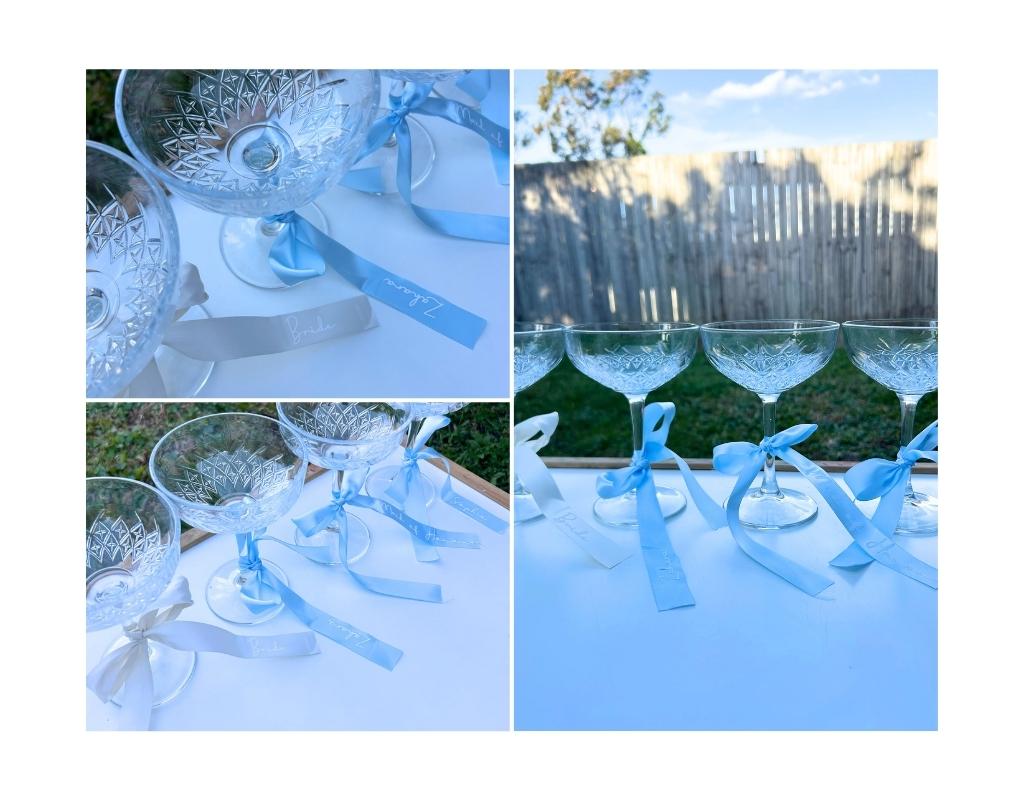
Image collage shows three photos of champagne glasses with ribbons tied around the stems.

Custom ribbon tags

Once I started using my Cricut, I found myself spending all my spare time thinking of new ways to add personalised touches to my wedding. One of my favourite projects was creating custom ribbon tags for myself and my bridesmaids.

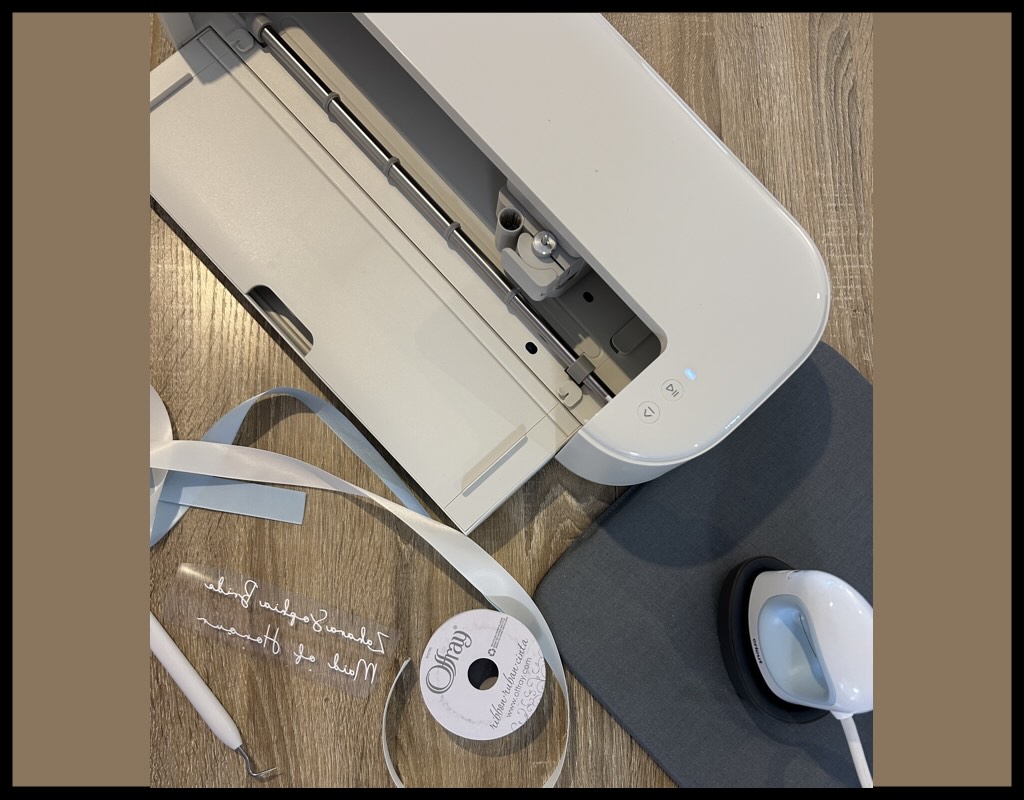
All I had to do was choose a ribbon I loved, pick from the huge range of fonts available in Cricut Design Space, size the design, and let the Cricut do the hard work. Using the weeding tools, I carefully removed the excess material before heat pressing the design onto the ribbon.

I then tied each ribbon into a little bow around our glassware, and I couldn’t be happier with how they turned out. They look so elegant and high-end while adding a beautiful personalised touch that makes everything feel even more special. It’s details like these that would have cost so much more if I’d ordered them from a supplier, but with my Cricut, I was able to create them exactly how I imagined.

Getting creative with Cricut

The best part is that it isn’t just useful for weddings. I’ve already found myself using it for personalised gifts, home décor, labels, cards, and plenty of other DIY projects. It’s definitely one of those purchases that keeps paying for itself.

My daughter is absolutely obsessed with her bunny, and every parent knows the panic that sets in when a favourite comfort toy goes missing! To give ourselves some peace of mind, we used our Cricut to create a personalised name label that we could heat press onto her bunny. Now, if it ever gets misplaced, there’s a much better chance of it finding its way back to us.

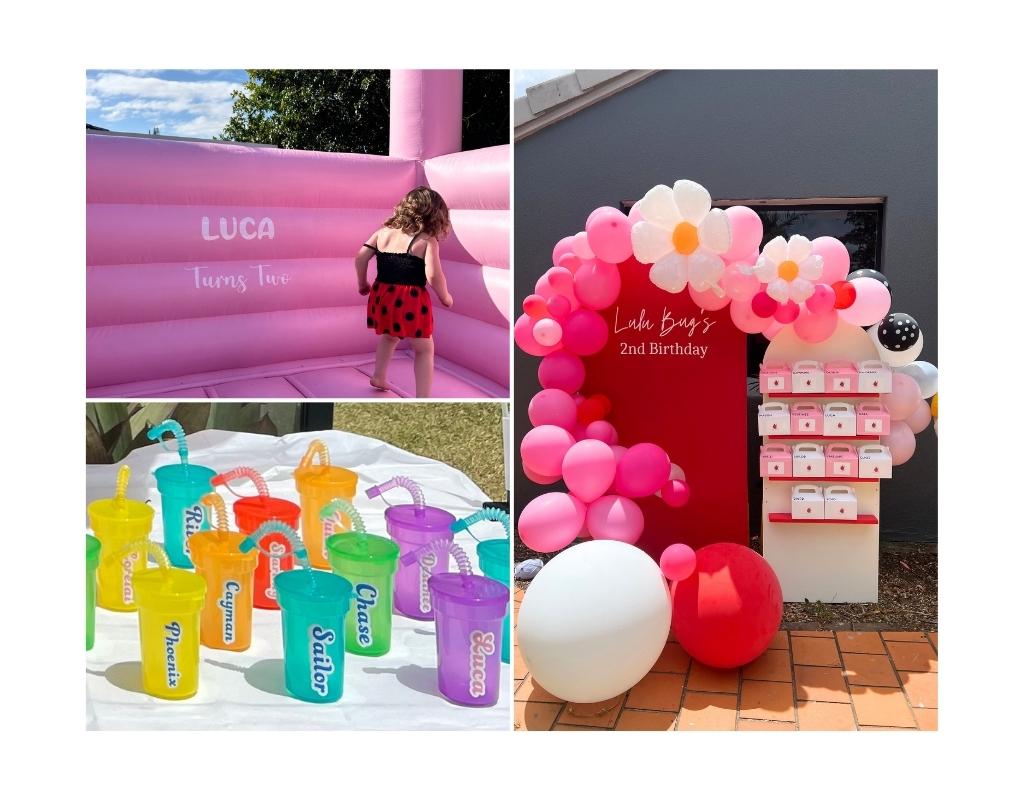
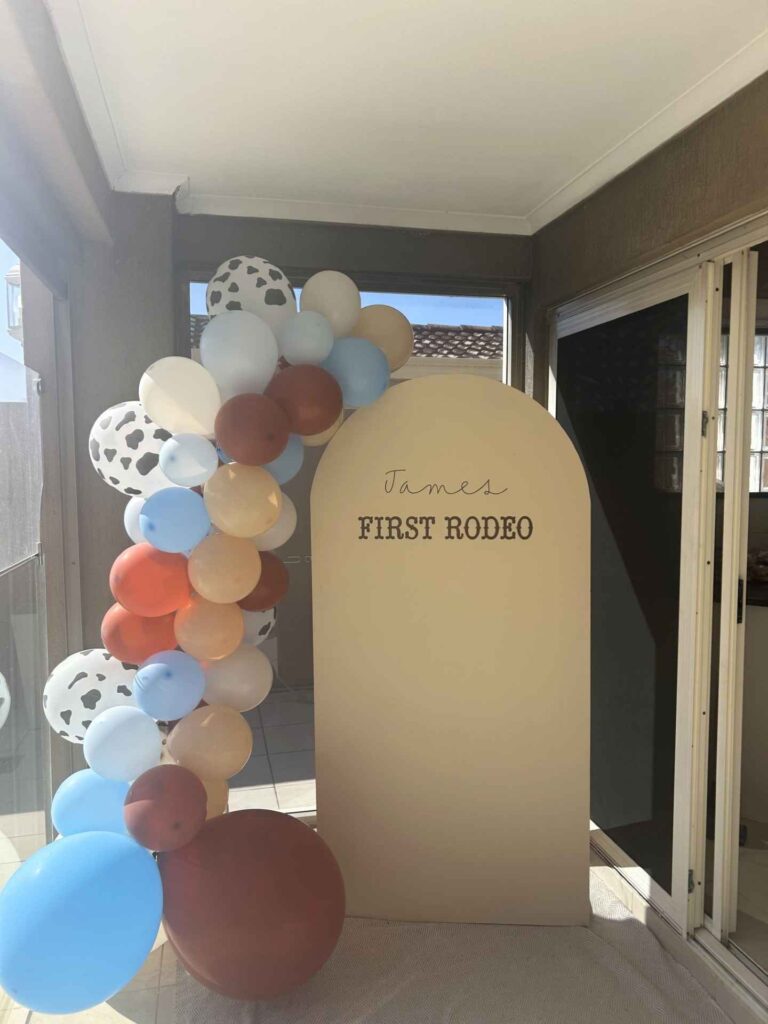
We also used our Cricut while planning my son’s first birthday. We wanted to add a personalised touch without spending a fortune on custom decorations, so we created his name in vinyl and applied it to a display board for the party. It turned out even better than I imagined and looked so professional. We had so many people asking where we got it from, they couldn’t believe we’d made it ourselves!

Collage of birthday signs with custom names printed on party favours.

Get into Cricut!

If you’re planning a wedding, organising an event, or simply love getting creative while saving money, I highly recommend a Cricut Explore 5. It gives you the freedom to create high-quality personalised items with your own unique touch, making every project feel that little bit more special.

Custom balloon arch and sign that reads James First Roedo.

Be in to Win 1 of 2 Cricut Joy smart cutting machines!

Ready to get creative? Enter below for your chance to win.

New Zealand Book Awards For Children & Young Adults: A Celebration of Kiwi Authors and Culture 2026

The New Zealand Book Awards for Children & Young Adults are a chance to celebrate Kiwi authors and illustrators as they bring creativity, culture, and passion to the creation of amazing stories for young people.

Whether you’re a household of avid readers, looking for new tales for an evening storytime, or browsing for new books to add to the bookshelf at home, this year’s contestants offer a variety of tales to foster a lifelong love of reading.

This year’s winners offer a selection of new cultural classics, already enjoyed by children in over 800 schools across New Zealand thanks to the Hell Pizza Reading Challenge. Winners selected champion stories in both English and Te Reo Māori. So whether you’re browsing the shops or your local library for homegrown stories, check out the list of winners below!

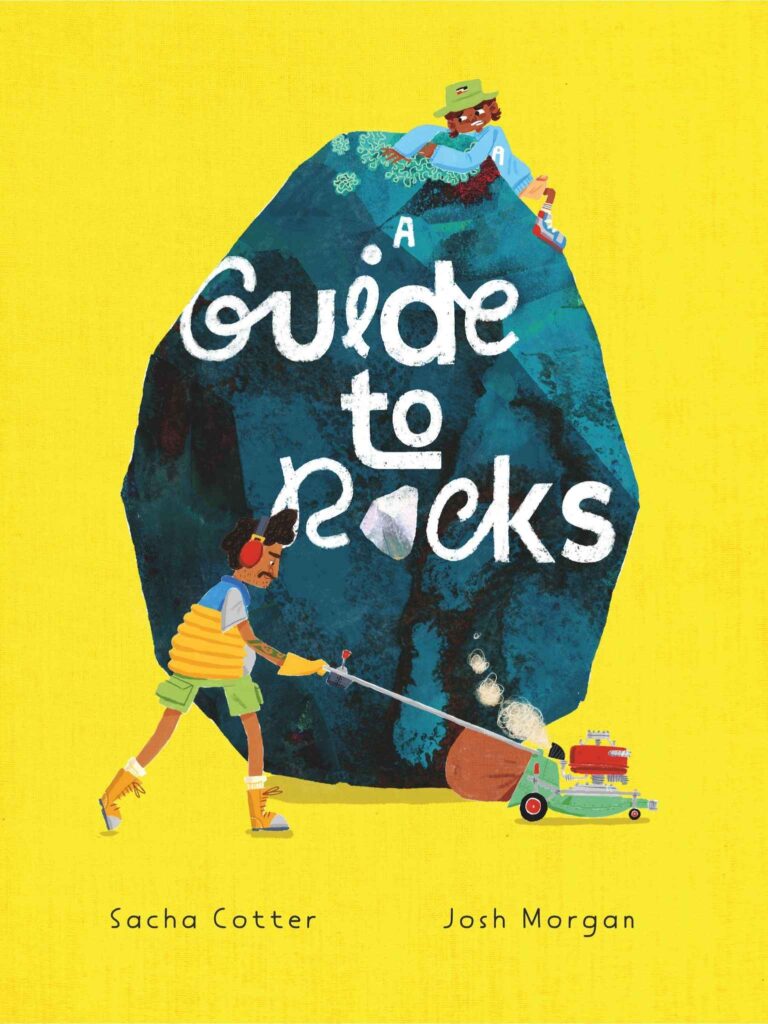
A Guide to Rocks | He Taonga te Toka by Sacha Cotter, illustrated by Josh Morgan, translated by Kawata Teepa

  • The Margaret Mahy Book of the Year
  • BookHub Picture Book Award
  • Wright Family Foundation Te Kura Pounamu Award for a Book Translated into Te Reo Māori

Lately, things have been getting Charlie down. It’s like he’s got a big rock that just won’t go away. He talks to Dad about it, and Dad brings out a dusty old book with a lot of tough rules. The first rule is you don’t talk about rocks (feelings). But the rules make things worse – Charlie’s ‘rock’ gets bigger, and everything feels dark and scary. They need some new rules – fast.

Also available in Te Reo Māori

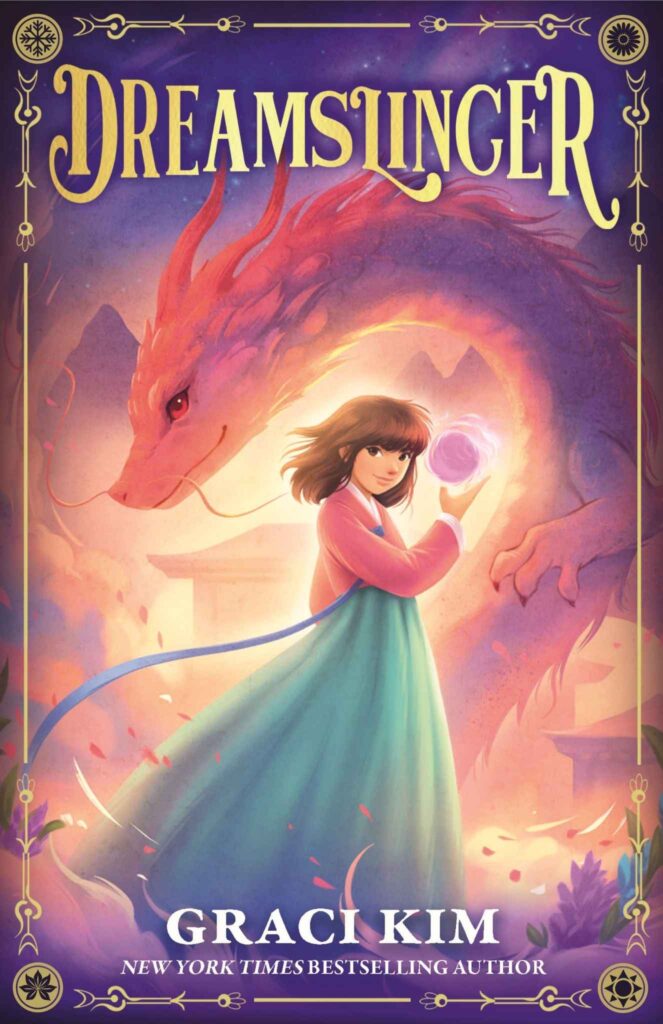
Dreamslinger by Graci Kim

  • Wright Family Foundation Esther Glen Award for Junior Fiction

Enter a world of secrets and spells, dragons and phoenixes; a place where your wildest dreams — or your darkest nightmares — come to life . . .

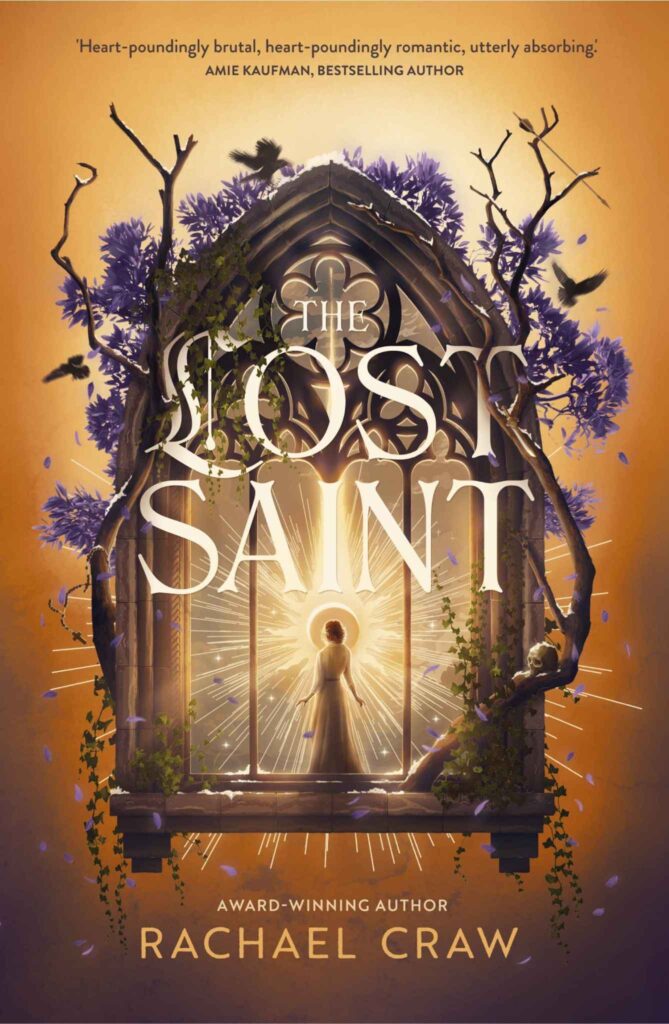
The Lost Saint by Rachael Craw

  • Wheelers Books Award for Young Adult Fiction

An action-packed time travel romance, perfect for young fans of Outlander and historical romantasy like Powerless.

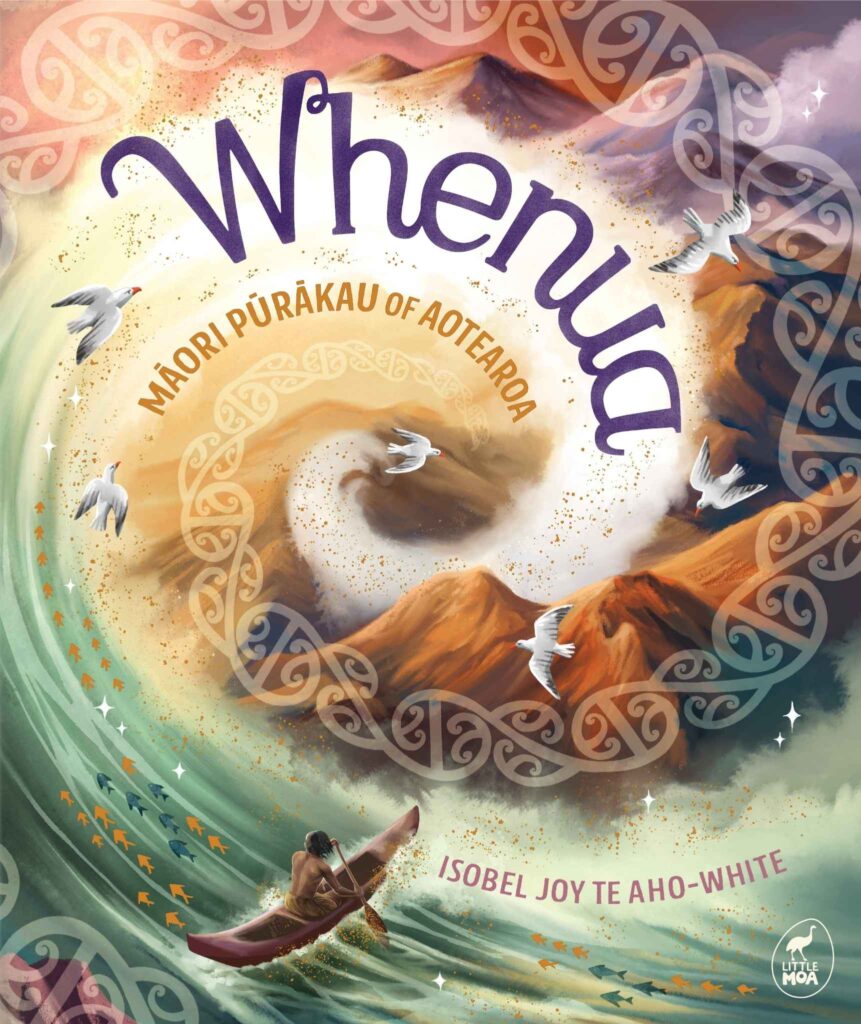
Whenua: Māori Pūrākau of Aotearoa by Isobel Joy Te Aho-White

  • Elsie Locke Award for Non-Fiction

From sleeping giants to battling mountains, fiery sisters to adventurous trees, dig into Whenua and discover eleven tales of how Aotearoa was formed beneath our feet. Whenua takes readers back in time with each pūrākau, exploring the ways in which Aotearoa’s land was formed and introducing children to legendary Māori figures and atua. A beautifully illustrated collection that will delight the whole whānau, from award-winning illustrator Isobel Joy Te Aho-White.

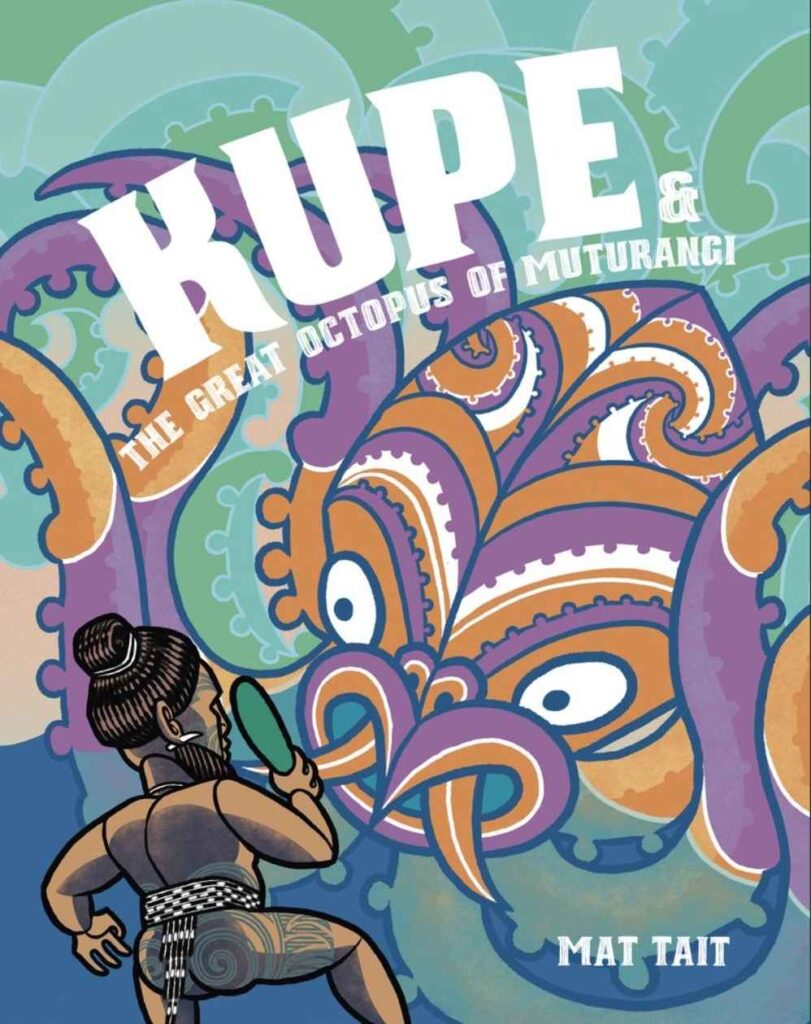
Kupe and the Great Octopus of Muturangi | Kupe me te Wheke nui a Muturangi by Mat Tait

  • Russell Clark Award for Illustration
  • Wright Family Foundation Te Kura Pounamu Award for a Book Originally Written in Te Reo Māori

Kupe’s voyage to Aotearoa!

Kupe found that a huge, fearsome wheke (octopus) was taking all the fish in the ocean and the people of Hawaiki had nothing to eat.

So Kupe chased that wheke across Te Moana-nui-a-Kiwa (the Pacific Ocean).

Finally Hine-te-Aparangi, Kupe’s wife, saw land and a long white cloud: Aotearoa!

Find out what happened when the wheke and Kupe had a massive battle . . .

Also available in Te Reo Māori

Te Onehaumako by Zeb Tamihana

  • NZSA Best First Book Award

This is a young adults novel in te reo Māori where we follow the story of Tawa, an inquisitive teenage boy. With a time-travelling shed located in his garden, Tawa takes a trip through time visiting ancient days, where he meets Mauwhare and his grandmother. Throughout the story, Tawa meets ancestors and paramount chiefs and soon realises there might be more to his grandmother and Mauwhare than meets the eye. Packed with excitement and unexpected turns along the way, Tawa discovers connections he couldn’t have imagined from the past that impact his world today.

Navigating the Digital World with Tweens – Understanding why gaming is more than just screen time, and when it becomes an issue. 

Content sponsored by BraveFace Jr.

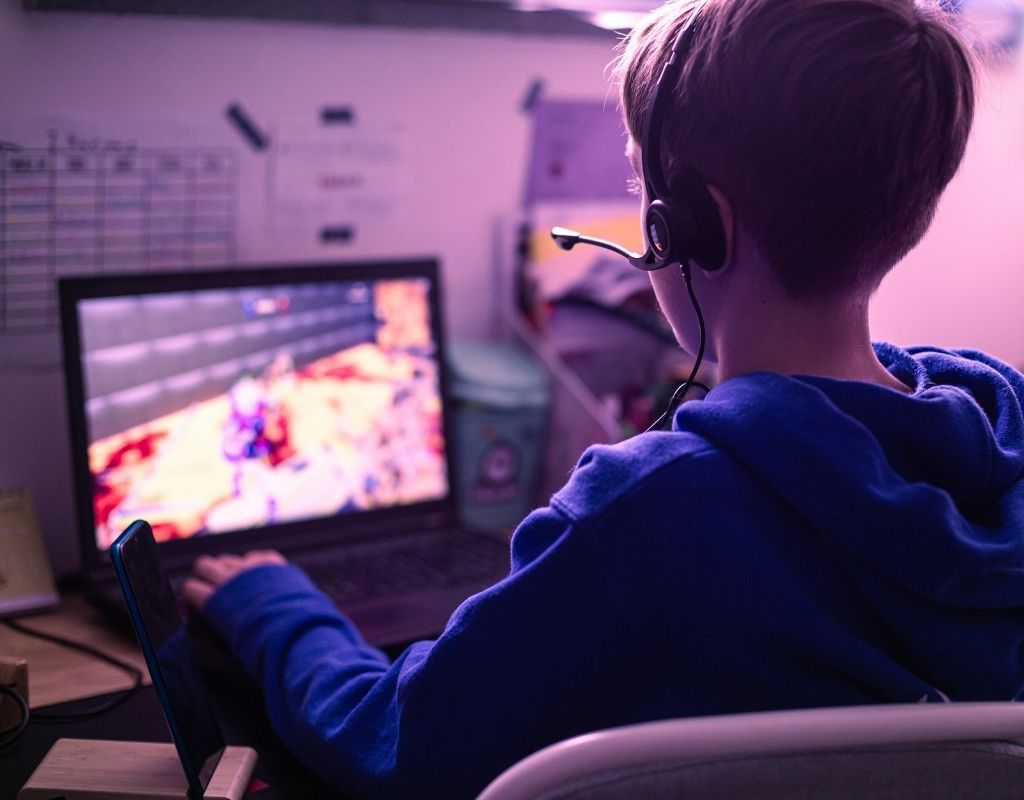
As we live in a time where digital literacy becomes so ingrained in how we function as a society, it’s not at all surprising that our tweens and teens become so immersed in the digital world themselves. As parents, it’s natural to be both curious and cautious when it comes to allowing our children to participate in digital spaces, particularly in gaming spaces. 

Gaming itself has become a new platform on which children socialise as well as build problem-solving skills, motor skills, and communication skills. Gaming itself is more than just screentime for young people in this constantly developing digital world. So, how do we spot the difference between gaming as a source of fun and when it becomes an addiction in teenagers? What behaviours are okay? What’s out there that can help both me as a parent and my child? 

Don’t panic, there are plenty of tips and tricks to help support both you and your children when it comes to developing healthy gaming practices. 

Why gaming is more than just playing games 

Every game comes with risk. Whether it’s playing a sport, board games, cards, or simply playing on the playground, there is always the risk of injury, dealing with winning or losing, or tests of patience. Gaming comes with its own risks, like playing any other game. While it’s easy to simply see gaming as problematic screentime, we need to look past this narrative and dive further into the experiences it provides for our teens. 

Socialisation and skill-building

Whether it be in person or online, the gaming space is a space where tweens and teens connect. It’s a space where children aren’t confined to the necessities of needing parents to drop them off at their friends’ houses, or being confined to limited activities they can do at school during lunchtime. For teenagers, the digital world provides creative spaces and unique challenges they can engage with, both individually and with their friends. Whether it be problem-solving, achieving set goals, practising leadership or team-building skills, there are unique challenges that are set within the games they play. 

In some ways, gaming provides a solution for children who are confined by limited transportation; it’s a space where they can be independent within the home. There is a healthy balance and positive social effect that can be achieved, allowing children to game with friends, as well as encouraging them to try other activities. 

Playing video games also has a surprising benefit for developing our fine motor skills. With all those buttons, finger dexterity naturally helps build better precision skills. Movement precision, as well as developing better hand-eye coordination, is also a surprising benefit that our kids build by playing games. Whether it be gaming individually or with friends, there is something to be gained from a healthy relationship with games. 

When does gaming become problematic, and what can I do as a parent to stop these issues? 

In 2019, the World Health Organisation officially registered gaming disorder as an addiction. So, what signs should parents look out for as signs that a hobby has become something more dangerous? 

Avoidance and prioritisation – Keeping a watchful eye on their gaming habits is an important step in managing healthy screentime. If you notice that your child begins to avoid other tasks in favour of gaming, such as homework, chores, or maintaining hygiene, excessive gaming has become an issue. When there is a reliance on gaming to feel satisfied, really feeling like gaming has become a basic need, this is a sign of gaming becoming an addiction. 

Neglecting hobbies – Whether it be an after-school club, a sports team, dance class, or music lessons, every child has their own unique interests and hobbies. But if you find that your child is neglecting activities they once loved, or even expresses a desire to quit teams or lessons in favour of gaming, this is another serious sign of gaming addiction. A healthy relationship with games should fit in with other enjoyable activities, rather than completely seize and replace all your child’s free time. 

Hiding habits – A healthy relationship with any activity shouldn’t mean lying or sneaking around to engage with it. If you suspect your child of sneaking in extra playing time on their screens, or lying about the amount of time they spend on their devices, even staying up past their bedtime to game, this is a sign that it’s become a problem. Setting healthy boundaries means that children won’t feel shame about their activity. 

Using games as an escape – Just like adults, children and teenagers alike experience periods of stress and bad moods. If you notice that your child only seems content when gaming, and uses gaming as an escape, it’s probably time to sit down with your child and discuss why they feel so inclined to reach for their devices rather than face them. You can also utilise natural products to help relieve stress. 

See Braveface Jr’s range of Stay Cool Spray to help children overcome feelings of stress and nerves. 

For something to help them face their days with courage, try their range of Good Mood Chews, for an extra dose of Vitamin B and positive mental health support. 

How do I ensure my child is safe online and help them navigate online relationships? 

As a parent, you probably remember those familiar sayings your own parents taught you. 

“Don’t talk to strangers” 

“Don’t take lollies from strangers” 

“Never take a ride from a stranger” 

Just like in real life, the digital space also requires some safety tips from parents and trusted adults to help keep them safe online. So what should we teach them? 

First of all, it’s important to teach our children to never share their personal information online. Information like full names, addresses, and even the name of their own school/workplace is vital to keeping ourselves and our children safe in digital spaces. It is also worth sitting down and showing your child how to report others and block people who make them feel uncomfortable or try to cross boundaries with them. Discuss what red flags to look out for in other gamers, as well as teaching your own child what appropriate behaviour and topics of discussion are, which helps keep everyone safer online. 

Maintaining an open narrative is also key to helping keep an eye on your child’s online life. Be open, have discussions about what games they are playing, and who they are playing their games with. Each parent will have their own expectations and boundaries that they want to maintain. So be open, discuss them together, and even make a contract with them so that they know your expectations. 

Be assured that parental controls exist on most devices, and utilise them if you choose. Most devices have settings that allow parents to block mature content, stop spending, limit screen time and even control chat servers. Whatever device your child uses, look into the parental controls available. They are there to keep your children safe. 

Set routines that account for healthy screen time 

Experts recommend that screen time should be limited in children to between 1 and 2 hours per day. You may do this by having a set time each day for your children to play their games, or you might have a more fluid allowance by letting your children ask for their screen time when they feel like it. Set a narrative and time that works for you; even something as simple as setting a timer for their screen time can make you feel better about managing it. On most devices, you can even set custom scheduling rules, so even if you aren’t home, the kids are still limited to when they can boot up a game. 

Having screen time as a reward. Set expectations and agreements; you might decide to let your child play a game when they get home from school to help them unwind. You might set an expectation that they complete their homework or chores before allowing them to play their games. Set a precedent and routine that works for your family. 

Additionally, ensure your children are off the screens at least 1 to 2 hours before bedtime. This allows the brain to wind down, giving children ample time to complete their evening routine without disruption, and ensures a good night’s sleep. Whether you are starting a new routine or your child has trouble sleeping, natural products like Braveface Jr’s Let’s Dream Drops are a great, fast-acting support for mental and physical relaxation. 

So, is it possible to foster a healthy environment for children to game? Absolutely! Remember, there’s more to gaming than just screen time, and there are many healthy ways to manage your children’s screen time, as well as utilising parent controls and products from the Braveface Jr line. Saw something that you think might help? Check out the product line below and take charge in helping your kids maintain healthy habits. 

Discover the Supra Gold 3-in-1 Travel System – Designed to grow with your family  

Promotion for Baby Way 

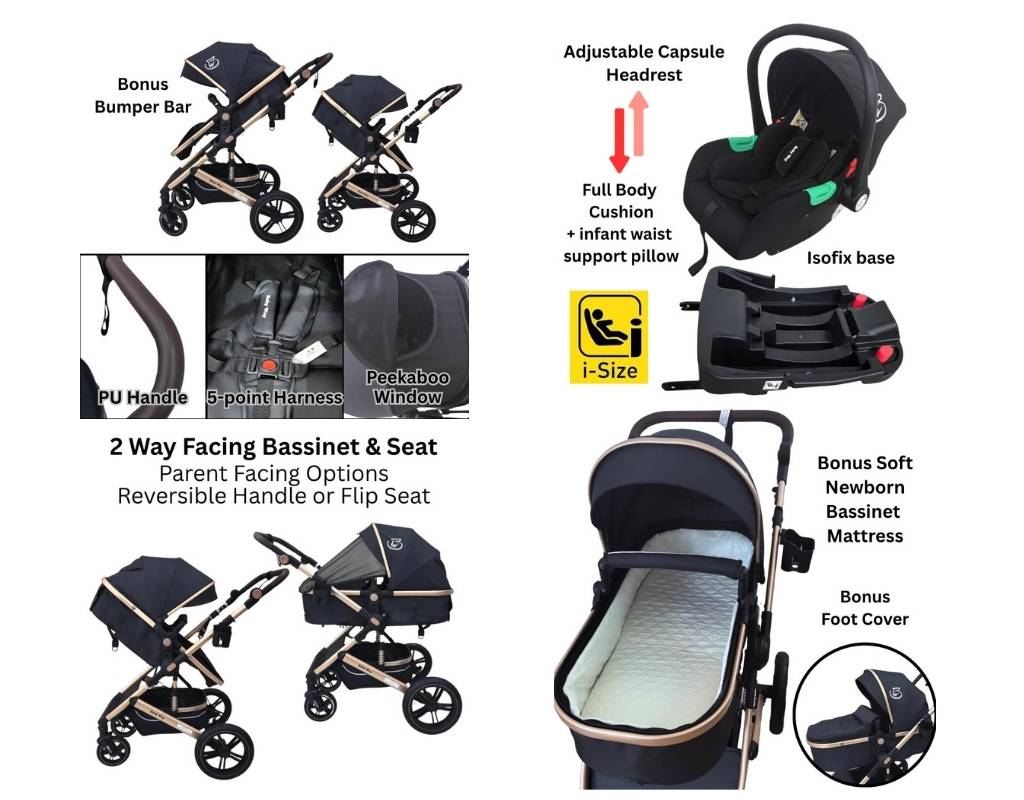
Whether you’re walking the dog, catching up with friends over coffee, or making a quick trip to the supermarket, getting out of the house with a baby can feel like a logistical challenge. The right pram can make all the difference, offering the perfect balance of safety, practicality, comfort and style for both parent and child. That’s where the Supra Gold 3-in-1 Travel System from Baby Way comes in, making everyday outings simpler, smoother and more enjoyable for the whole family. 

With the Supra Gold 3-in-1 Travel System, there’s no need to purchase a new pram with every developmental milestone. Conveniently combining a stroller, bassinet, and infant capsule into one sturdy design, this pram is designed to stay with parents from the newborn stage all the way through to the toddler years. 

Features include:

  • A complete 3-in-1 travel system
  • Stroller, bassinet, and infant capsule included
  • Reversible seat options
  • Adjustable handlebar
  • Multi-position reclining seat
  • Large storage basket
  • One-handed folding design
  • Large wheels for improved comfort and maneuverability
  • Stylish black and gold finish

What makes the Supra Gold 3-in-1 a great pram for my baby and me? 

Keeping newborns comfortable and safe is a parent’s top priority for their new baby. Designed with a spacious bassinet, the Supra Gold provides a comfortable place for your baby to explore the world with you, offering plenty of room for wiggly legs and good ventilation. Whether your baby is happy reclining in style or more curious about seeing the comings and goings around them, the stroller seat offers multiple recline positions that can be easily adjusted to suit different stages of development. 

A black pram with gold handles. Front view, side view, removable bassinet, and car seat attachment.

With the added benefit of the infant capsule, travelling is simple for both parents and baby. Parents can be reassured that transferring their baby from the car to the stroller no longer means needing to wake them. The Supra Gold is designed to make everyday errands much easier. 

With all these amazing features, let’s not forget a touch of style! Designed with premium black fabrics and elegant gold accents, the Supra Gold delivers a modern look while remaining practical for everyday use. Large wheels help provide a smoother ride across a variety of surfaces, while the lightweight frame folds down for convenient transport and storage. 

Whether you need a place to pop your nappy bag or you don’t have enough hands to carry all those ingredients for dinner, the Supra Gold has room for more than just your baby. Everyone gets to travel in style! 

If you’re concerned about the cost, Baby Way has customers sorted. With a commitment to making premium baby products affordable without compromising on quality, functionality or design, parents can be assured that Baby Way is the place to shop. 

Founded by a mum of two, Baby Way was created to give families access to practical baby essentials that offer exceptional value – designed by Kiwi parents, for Kiwi parents. 

Whether you’re preparing for your first baby or upgrading your current pram, the Supra Gold 3-in-1 Travel System offers a complete travel solution that grows with your child and supports every family outing. 

Looking to buy a new pram? Find the Supra Gold 3-in-1 Travel System here. 

More to explore at Baby Way

Baby Way’s range delivers value and quality across every stage of early parenthood.

Strollers for Every Lifestyle: From easy-fold lightweight models perfect for urban living to robust 3-wheel explorers ideal for weekend adventures, Baby Way has options to suit every family.

Travel Combos and Systems: The range includes versatile travel combos like the stylish Gold Series 3‑in‑1 Travel System with Stroller, Bassinet, and Capsule with Food Tray. Each is thoughtfully packaged with comfort and functionality top of mind.

Double and Specialty Strollers: Growing families aren’t left out either, with tandem double strollers and multifunctional options ready for siblings big and small.

Baby Way offers high-quality, affordable baby gear, including safety-certified car seats, strollers, bassinets, and accessories. Designed for Kiwi families, Baby Way products focus on safety, comfort, and everyday practicality.

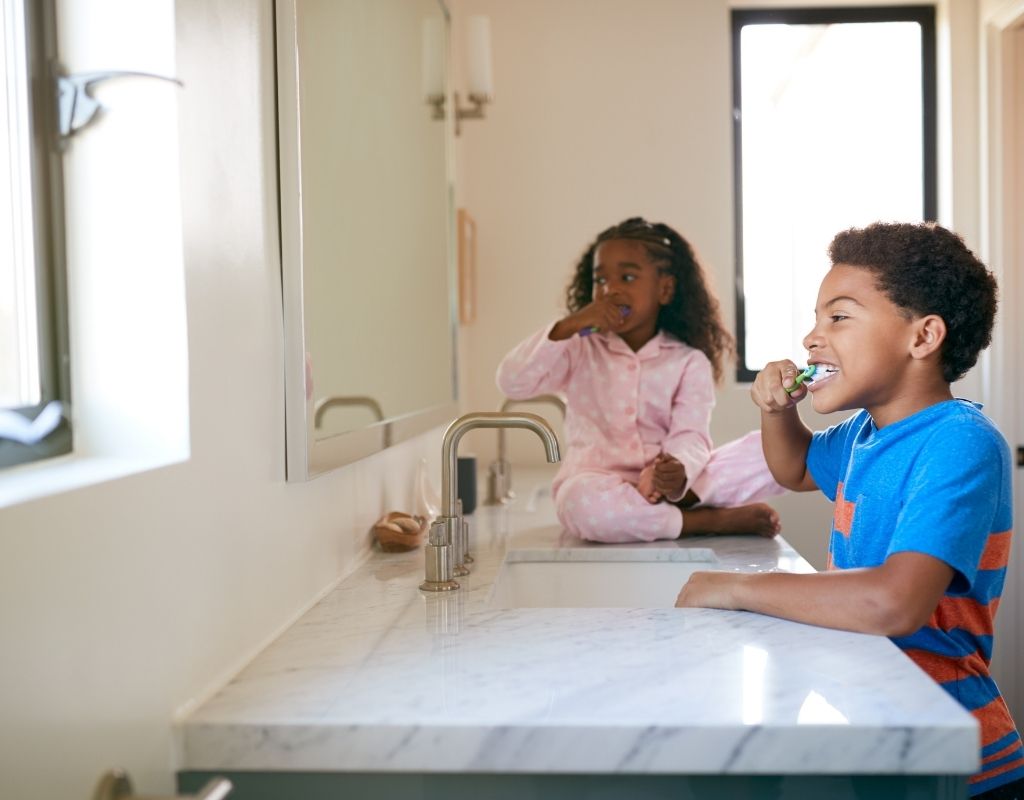
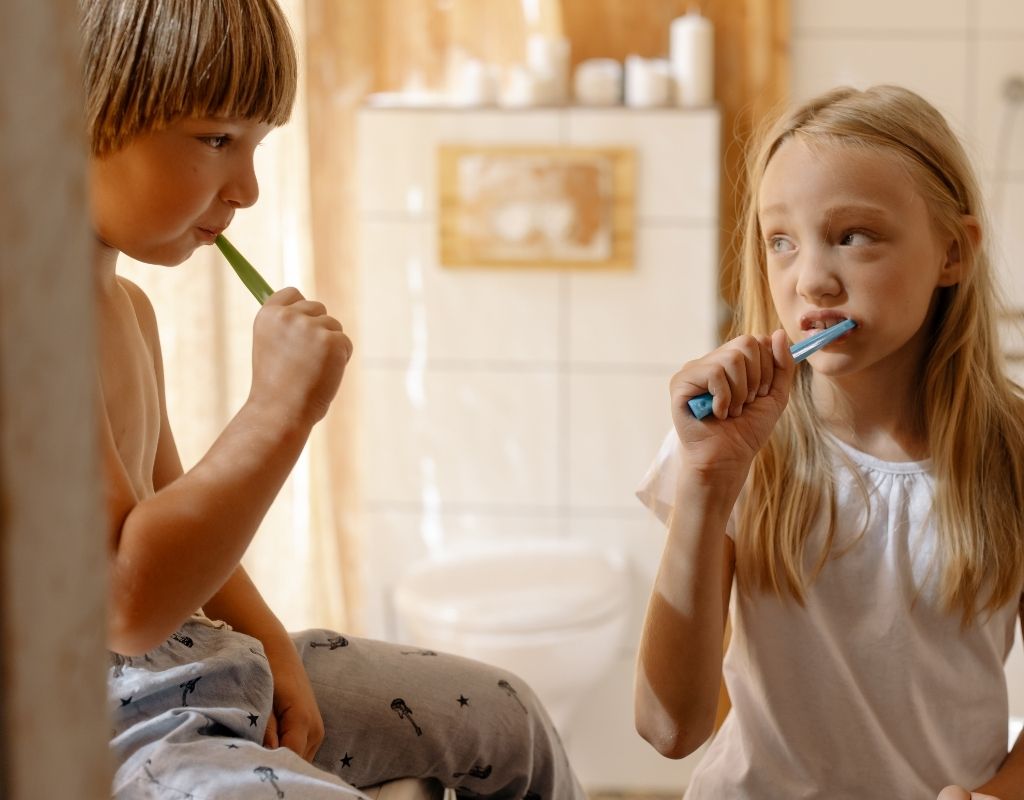
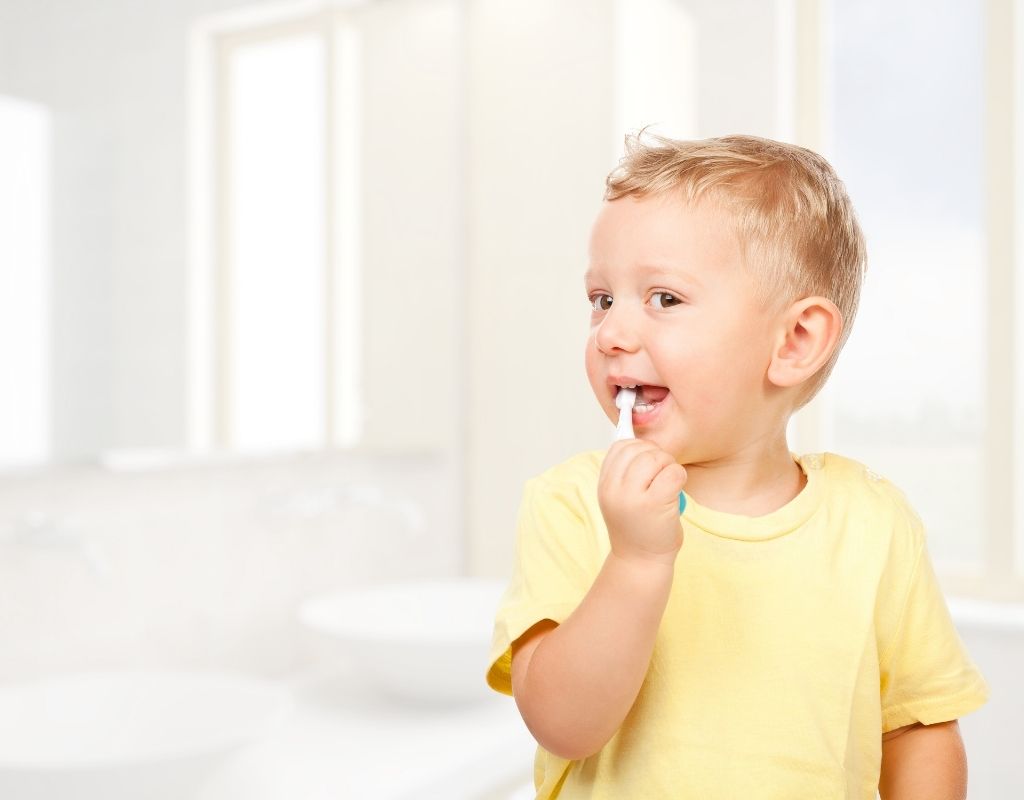
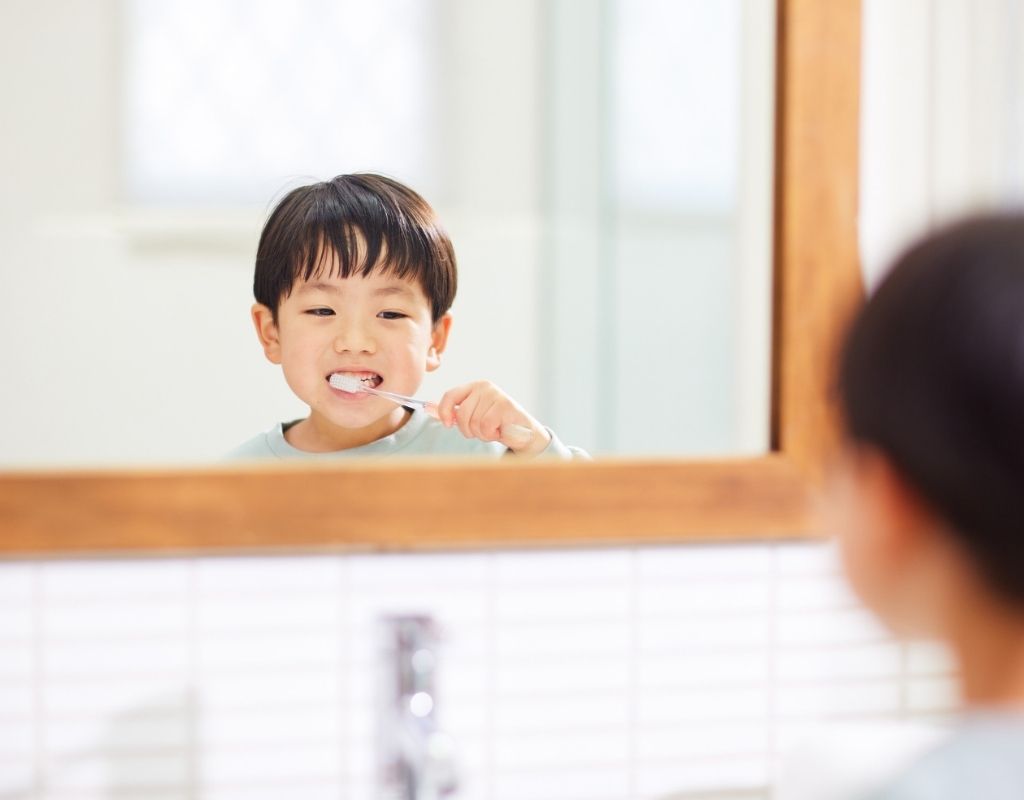
How to put joy into teeth-brushing (without bribes and battles)

Getting children to brush their teeth doesn’t have to involve battles, bribes, or endless negotiation. Making teeth time fun can create positivity and enjoyment around brushing. 

Here are some simple ways to make brushing more fun for children. 

  • Find toothbrushing tunes for terrific teeth. Playing a two-minute song can turn brushing time into a fun activity while also helping children brush for the recommended amount of time. Fun rhymes can also serve as a great tool for keeping children entertained during brushing. 
  • Create a story around brushing. A toothbrush doesn’t just have to be a toothbrush — turn it into part of the adventure. It could be a trusted superhero fighting against cavity monsters or a magical wand for sparkling smiles. 
  • Create a chart for brushing. Having a visual reminder, as well as a space that tracks your child’s toothbrushing achievements, is a simple and fun tool to encourage kids to brush. Charts work as both a reminder and a rewarding image to keep teeth time on track. 
  • Have a trusted timer. Timers don’t have to simply be a countdown on the clock. Investing in a colourful sand-timer, an app with visuals, or even a video can help children stay on track and help them achieve those magic 2 minutes. 
  • Provide your children with choices. Whether it be a toothbrush, a song, an app, or even a toothpaste flavour, letting your child make choices that appeal to them is likely to make brushing their teeth more appealing altogether. 

To find a toothbrush that is simple, engaging, and effective for children, check out Trio-Teeth’s innovative toothbrushes designed to help children brush independently. 

Visit Trio Teeth for more creative brushing tips and tricks. 

Practical and helpful advice from dentists to keep children’s smiles glowing 

As we grow, our teeth change and grow with us. From precious baby teeth to permanent molars, there is more to keeping teeth healthy than just brushing. Healthy habits will create healthy teeth, and dentists have some handy tips to keep smiles happy. 

Here are some helpful dentist-approved tips to help your children maintain healthy teeth. 

  • Start brushing as soon as that first tooth comes in. Baby teeth typically sprout around six months. Using a soft, small-headed toothbrush with a small dab of toothpaste will help children get used to the feeling of brushing. The road to preventing tooth decay starts as soon as those baby teeth appear, so don’t delay! 
  • Replace those toothbrushes regularly. Typically, every 3 months is a good time to turn those brushes around. Signs of wear include fraying and splaying of bristles. Remember, the better the bristle, the better it removes plaque and buildup. A soft, healthy brush is your best friend for keeping your teeth healthy. 
  • Don’t dismiss the importance of baby teeth. While baby teeth are temporary, their job is to save space for those permanent teeth. Baby teeth also affect things like speech, facial structure, and nutrition. Keeping them healthy keeps children healthy. 
  • Supervise children while brushing. Dentists recommend helping children brush up until the age of 7-8 to teach them proper technique and dexterity that will last them a lifetime. 
  • Use a good fluoride toothpaste. Fluoride is the optimal tool recommended by dentists to help protect against cavities, tooth decay and protect tooth enamel. Using a dab of toothpaste the size of a pea should do the trick at brushing time. 

Toothbrushes are tools that help protect teeth. Picking the right toothbrush can help parents feel confident when it comes to the oral care of their children. For a free guide to choosing the right toothbrush and routine for your family, check out our expert’s guide here. 

Tips for a sensory-friendly evening routine to make bedtime a success 

When it comes to brushing, bathing, and winding down, this can be an especially challenging time for children with sensory challenges. Different sounds, textures, and temperatures associated with regular evening wind-down activities can be rather overstimulating for some children. Luckily, building a sensory-friendly routine before bedtime can change those chaotic nights into calm ones for the whole household. 

What changes can I make to make bedtime easier for my sensitive child? 

  • Build a consistent routine. Routines help both parents and children save a lot of mental energy by knowing what comes next and when. Routine also helps children feel in control, knowing there is stability and predictability when it comes to evenings. Start with teeth-brushing, followed by bath time, and end with a cozy bedtime story. Keeping the order the same every night will help calm minds rather than overstimulate them. 
  • Creating a calm and sensory-friendly cozy environment. Simple changes like dim lighting, soft music/white noise, or even removing the clothing labels from pyjamas can make bedtime less overstimulating. Changes like installing blackout curtains or investing in a weighted blanket can improve the quality of sleep for busy minds. 
  • Allow children to make decisions; giving them a sense of control is likely to make them feel more at ease. Whether it be their toothbrush, a song to play, or picking their bedtime story, allowing children to make active choices in their bedtime routine will encourage cooperation rather than resistance. 
  • Brushing breaks. Two minutes of strange textures, tingly minty flavours and pressure on one’s teeth can simply be too much at once for some children. Allow children to take breaks, or even let them practice brushing before helping them finish. 

Remember, evenings are full of sensory challenges, but luckily, there are tools specifically designed to help alleviate them. Something as simple as finding the right toothbrush for your child can have significant positive effects, making your bedtime routine much simpler. Learn more about how Trio Teeth are helping to reduce sensory overload in their sensory-friendly brushing guide. 

Reasons why your children’s teeth-cleaning routine might only be brushing the surface 

There is more to oral health than simply giving your teeth a quick brush. While brushing may seem simple on the surface, many parents still struggle when it comes time for their children to brush. Often, the reasons behind a child’s reluctance to brush can be identified – and the good news is that many of these common mistakes are easily fixed. 

What issues go beyond the surface of brushing? 

Brushing too hard. Ensure that you teach your children to apply a gentle sweeping pressure, rather than a harsh scrub, when it comes to brushing. Brushing too hard will irritate gums and cause the protective coating over our teeth to be damaged.   

Inconsistent routine. Keeping a strict routine when it comes to brushing twice a day will help alleviate any anxieties around teeth time. Making brushing a regular part of both your morning and evening routine is much more likely to make your child feel more relaxed around the activity of teeth-cleaning. 

Using the wrong-sized toothbrush. Just like clothes and shoes, toothbrushes also vary in size, and finding one that fits is important. The wrong-sized toothbrush will have repercussions on your oral health, so pick something that fits for both comfort and effective cleanliness. 

Rushing. As the dentists say, make sure you brush for 2 minutes twice a day. Rushing the teeth-cleaning routine leaves your teeth more susceptible to plaque build-up and damage, so keeping your teeth-cleaning time to a trusty 2 minutes is key to healthy teeth! 

Making teeth-time a power struggle. Try not to create a negative association with brushing by making it part of a punishment or negotiation. Brushing teeth is simply a normal part of the day, just like it is for parents. 

How can I make teeth-time more manageable? 

  • A favourite song or even a simple timer are both great tools to make teeth cleaning for children more manageable and enjoyable. 
  • Positive reinforcement. Give praise to your children for their efforts rather than expecting perfection. Your children will be delighted that you have noticed their accomplishment. 
  • Ensure your child’s brushes are fun and age-appropriate. With so many exciting and enticing toothbrush designs to choose from, your child is bound to find something they enjoy! 

For more tips and tricks to make teeth-brushing time more manageable in your household, discover more practical brushing tips and product recommendations.  

Brushing with sensitivity

Getting our children to brush twice a day isn’t always a simple activity for parents. While we want to help our children protect those precious pearly whites, we know that this sometimes comes at the cost of wrestling with wriggles, struggling with screams, and grappling with arguments. Children aren’t naughty for feeling this way; for many, the experience is just genuinely unpleasant. Working together to ease these stresses is possible. 

So, you might be thinking, “Why is brushing so hard for my child?”  

Sensory irritation: Abrasive bristling, minty tingling, unfamiliar textures, vibrations and grittiness are not something that children simply accept.  

Control: While we want to ensure our children brush correctly, some might resist your assistance and trigger resistance through a desire for independence.  

Routine disruption: Small interruptions, like teeth-brushing, to other activities like playing, reading a story, or even getting to school on time, can really unease children.  

What can I do to help?

Include them! Let your child choose their toothbrush, whether it’s a certain colour, an image, or even the shape of the brush. Your child is likely to find something they enjoy! 

Trust then assist. Allow your child to brush their teeth first, by giving them control, your child is likely to ease better into the activity. After they have given brushing a go, help them finish the job.  

Create consistency. Having a routine is a great comfort for many children, making teeth-brushing a familiar and consistent part of the day.  

What type of toothbrush should I buy? 

Certain toothbrush designs, like a three-sided brush or one with a curved handle to better fit your child’s grip, can help children clean their teeth more efficiently and independently. Calmer mornings and evenings for your household are absolutely achievable. 

For more guidance on choosing brushes and sensory-friendly brushing, check out the guide from Trio Teeth

Join the adventures amongst the stars this Matariki!

Mānawatia a Matariki! With the Matariki constellation making its way in the sky this July, there is plenty of fun to be had down on the ground.

Auckland

As part of the Matariki celebrations, Auckland Live is hosting a range of free family-friendly festivities.

Tūmara

8th – 21st July 2026

For the wanderers amongst Auckland, make your way to Queen Street! Tūmara will be hosted from the 8th to the 21st of July, every day starting at 8 a.m. A spectacular series of free-standing light installations leads viewers from the original shoreline to the town hall. This light show is a free, open invitation event; no need to book- just come as you are and enjoy! 

See further details of Tūmara here.

Taurima

Artists smile at the camera as they stand in front of their pieces.

8th – 21st July 2026

Another event for the wanderers of Auckland, make your way to Elliot Street to see a beautiful pātaka (storehouse) installation to honour the history of the area. Taurima in particular celebrates places and resources of kai (food) and sustenance for the land. This event is another open invitation event for the family to enjoy.

See further details of Taurima here.

Matariki City Centre Installations

Photographs of three Māori artists.

15th – 21st July 2026.

Whether you are looking for somewhere to pause and reflect this Matariki, or admire an enriching collection of artwork, the Matariki City Centre Installations have been scattered across Auckland. Discover artworks across Auckland city from the Strand Arcade to Central City Library, Vulcan Lane and the Waitemata Plaza. There are many free installations to enjoy.

  • Rā – Vulcan Lane comes alive with light and sound celebrating te rā, the sun. A joyful, energising experience right in the heart of the city.
  • Reo Haukura – A glowing light work on Lorne Street celebrating te reo Māori, responding to the sculpture outside the Central Library.
  • Mana Wahine – Keep an eye out for Wiremu Barriball’s stunning moko kauae flag designs along The Strand, celebrating the mana of wāhine.

For further details of the Matariki City Centre Installations, click here.

Are Atoms Alive?

Colourful outdoor light projection.

July 10th – August 2nd

A dazzling visual projection journey awaits visitors at Aotea Square this Matariki. This 7-minute film project takes audiences on an adventure to journey through the sparkling expanse of galaxies to the depths of the cells within our own bodies. This special Matariki event encourages audiences to explore all that is around us and within. 

See further details of Are Atoms Alive? here.

ARawhetū

Man in traditional Maori dress blowing into a shell.

8th – 19th July 2026

If you enjoy a nice walk with the family, ARawhetū is an event that can’t be missed this Matariki! Stretching from Aotea Square through to Myers Park, ARawhetū is an immersive augmented reality tour that guides families on a spectacular trail of Auckland, all from the convenience of your own phone. Set your own pace, and enjoy this digital and natural wonderland, designed by Kereama Taepa and a team of 10 artists to be a visual explosion of amazement.

See further details of ARawhetu here.

Matariki Taimoana

Auckland Harbour Bridge lit up in the dusk.

Saturday 11th July 

Silo Park is hosting a spectacle of celebrations that the whole family can enjoy. On Saturday the 11th of July, from 12 pm – 5 pm, enjoy a full performance schedule of DJs and live music for some fun beats, along with storytellers, art shows, and activities appropriate for all ages.

See further details of Matariki Taimoana here.

He Ara Hīkoi

Logos of Auckland Live, Ki Te Manawa, Auckland Council events, and Matariki festival 2026.
  • Wednesday 8th July – 6 pm. 
  • Saturday 11th July – 5 pm.
  • Friday 17th July – 6 pm.
  • Sunday 19th July – 5 pm.

For a free guided walking tour, join the He Ara Hīkoi tour that takes audiences from Tōangaroa up Queen Street to Aotea Square, visiting every installation with stories in both te reo Māori and English. Enjoy a brisk walk through Auckland and admire dazzling lights and art along the way. This is a free event, with tickets required to join this amazing tour. 

Book your free tickets for He Ara Hīkoi here.

Auckland

New Zealand Maritime Museum is celebrating Matariki with a lineup of free family activities.

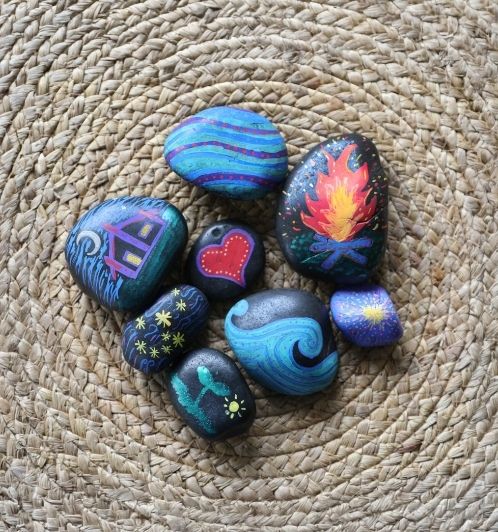
Matariki Make Days | Memory Stones

Painted stones.

Every Sunday in July – 10 am – 2 pm. 

For a free family fun drop-in event, head to the Maritime Museum to create a memory stone in honour of someone special this Matariki. As a celebration of those who have passed on, join this creative space this July. When you have painted your stone, take it home with you or add it to a growing taonga chest filled with memories at the Maritime Museum. 

See further details of Matariki Make Days here. 

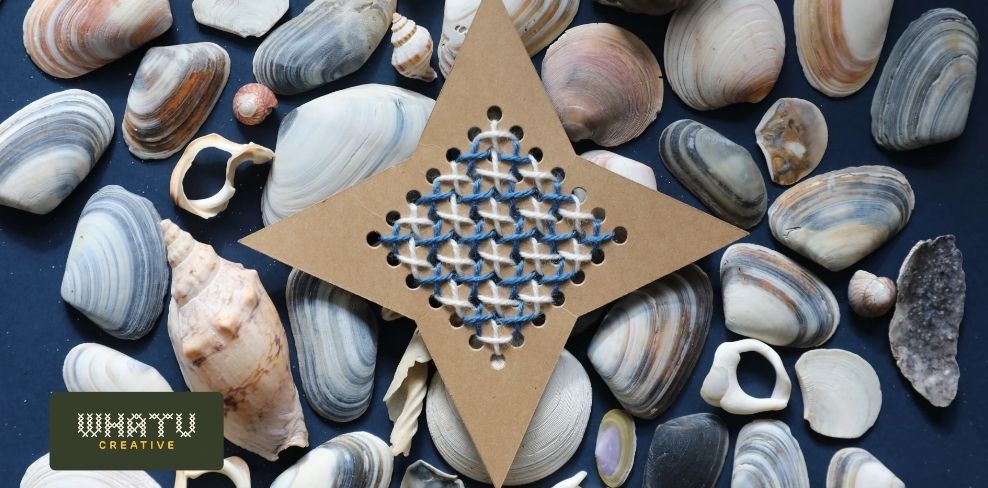
Kaui Whetū – Make Days

Whatu Creative, cardboard star with a woven yarn design.

10th – 12th July – 10 am – 2 pm.

For another free family fun drop-in event at the Maritime Museum, join the team at the water’s edge to make Kaui whētu. Make your own constellation star and explore the traditional Māori craft of weaving. With no bookings required, this workshop is a great activity for the family.

See further details of Kaui Whetū – Make Days here.

The Stars of Matariki | Ngā Whetū o Matariki

Stars drawn in the sand.

4th – 19th July – 10 am – 5 pm.

To watch the story of Matariki unfold through the art medium of sand, make your way to the Maritime Museum for this free event. This short film, produced by award-winning artist Marcus Winter, uses Sand to tell the story of Matariki’s stars. Whether you are new or familiar with the story of Matariki, this event tells the story of Matariki in a new, original way, enjoyable for audiences.

See further details of The Stars of Matariki | Ngā Whetū o Matariki here.

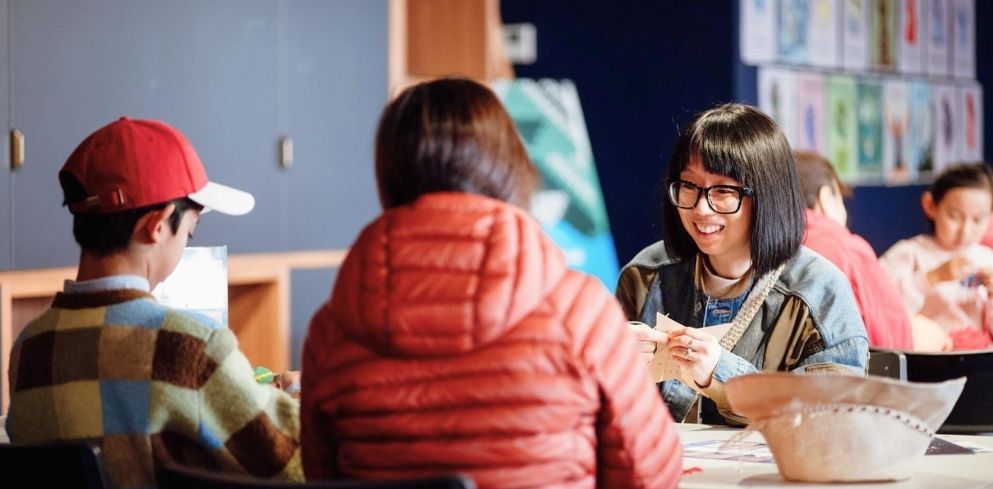
Manahua – A Weavers Collective

 A ground of people sitting around a table together with craft materials.

Saturday 18th July – 10:30 am – 3 pm. 

If you are an admirer of arts and crafts, join a Weavers’ Collective at the Maritime Museum. Enjoy watching weaves take shape and spending time with the Manahua Weavers’ Collective. Whether you want to watch, ask questions, or even pull up a chair yourself, this free event is fun for all crafters. 

See further details of Manahua – A Weavers Collective here.

Wellington

For family-friendly Matariki celebrations, head to Te Papa museum to join all the fun!

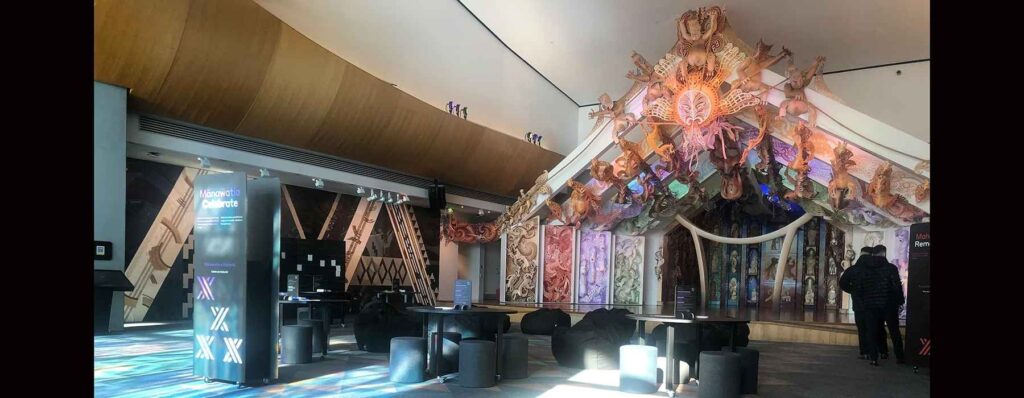
Manawatia a Matariki

23rd April – 13th July 2026. 

Free with Museum Entry, enjoy a Matariki exhibition at Te Papa Museum this Matariki. Whether you enjoy sitting and watching, crafting at activity tables, listening to music or audible guides, there is something for everyone at the Museum this Matariki. 

See further details of Manawatia a Matariki here.

Matariki Specials at Te Papa Cafe

Two plates of food.

1st – 15th July 2026.

Enjoy seasonal flavours this Matariki at the Te Papa Cafe. This Matariki menu is filled with specials inspired by the flavours of Aotearoa, with differing daily specials inspired by the land, ocean and sky. The Te Papa Cafe is a prime spot for family dining this Matariki celebration. 

See further details of Matariki Specials at Te Papa Cafe here.

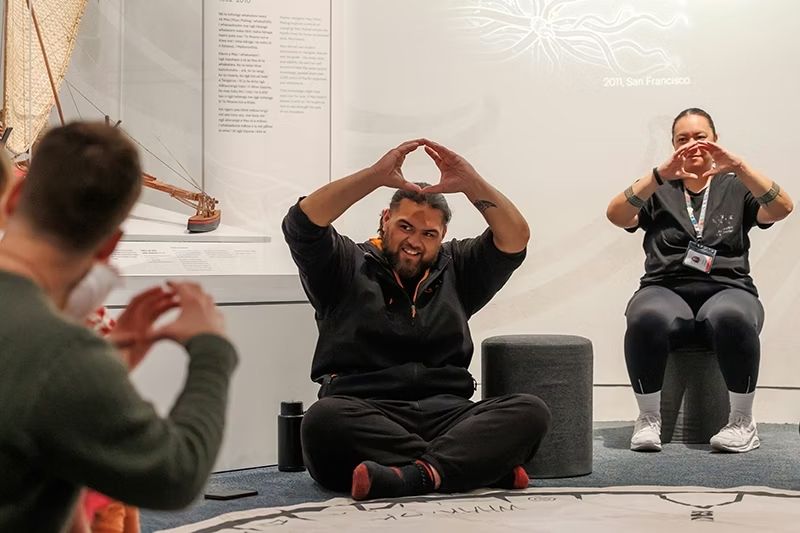
Matariki Whānau Day

A group sit together practising some New Zealand sign language.

Friday 10th July 2026 – 10 am – 2 pm. 

Te Papa is putting on a whole day of Matariki fun for the family this Friday at the Museum. Free with museum entry, Matariki Day will have a plethora of activities and workshops to engage in. From amazing stories, a documentary film screening, star compass navigation, and arts and craft activities, Te Papa is the place to be this Matariki in Wellington. 

For audiences wanting an experience based in NZSL, free bookable sessions are available for the same date. 

See further details of Matariki Whānau Day here.

Using te reo Māori, this Matariki!

Promotion for NZ On Air

NZ On Air

Mānawatia a Matariki! Happy Matariki!

In 2022, Matariki became an official public holiday across Aotearoa, allowing Kiwis to celebrate the Māori New Year together.

Traditionally, Māori followed the Maramataka (the Māori lunar calendar) to mark the passing of the year. By observing the movements of the moon, stars, and the natural environment, Māori made informed decisions about planting crops, gathering seafood, and harvesting.

The Māori New Year begins with the rising of the Matariki star cluster. When Matariki appears in the pre-dawn sky, it’s time to reflect on the past year, celebrate the present, and look ahead to the future.

Matariki is rich in stories, traditions, and te reo Māori. Not sure where to start with your whānau? This handy listicle will help you learn a few useful words and phrases, giving you the confidence to embrace te reo Māori and celebrate Matariki this year.

The stars of Matariki

Matariki: The Mother Star

Whilst Matariki is the official name for the cluster of stars that appear in the sky, Matariki is also the name of the mother star of the group. The Matariki star signifies connection, health, and well-being, particularly to both people and the environment. When Matariki appears in the sky, she signifies prosperity and new beginnings. Here are some key words you can use this Matariki.

Matariki

Mānawatia a MatarikiHappy Matariki!
MaramatakaLunar Calendar
MatarikiMother Star
The silhouette of a young child reaches into the night sky, looking upon a cluster of wishing stars.

Hiwa-i-te-Rangi: The Wishing Star

For any new year resolutions, hopes or wishes, cast your dreams to Hiwa-i-te-Rangi. Traditionally, Māori across generations have looked to Hiwa to share their aspirations and wish for prosperity in the coming year. Looking to make some new goals this Matariki? Check out our handy language guide below to help you get started.

Hiwa-i-te-Rangi

MaingoWish, hope, aspiration
MatawaraTo desire/wish/want
MoemoeāTo have a dream/vision

Ururangi: The Wind Star

The wind has one of the most important jobs, helping to regulate the climate, drive weather and water systems, and support our ecosystem. It is said that if Ururangi is visible during Matariki, people can look forward to calm winds. If the star is difficult to see, people could anticipate more bracing winds. See some words below to use when looking for Ururangi this Matariki.

Ururangi

HauWind/breeze/breath
KōkōTo soar/fly
HuarereWeather

Waipunarangi: The Star of Rain and Snow

As a natural resource of nourishment, the visibility of Waipunarangi is considered a favourable sight for the year ahead. If Waipunarangi is brightly lit, it is said that the year will bring light rainfall. If the star is difficult to see, this is interpreted as a sign of heavy rainfall and possible flooding. Whether you enjoy rainy days or are hoping for clear skies, look to Waipunarangi this Matariki. Waipunarangi takes its name from Rangi, the sky father.

Waipunarangi

TōuarangiRain
HukarereSnow
RangiSky

Waitā: The Salt Water Star

If you’re a fan of kaimoana, be sure to take note of star positioning in the sky this Matariki. Associated with oceans and saltwater entities, it is said that if the Matariki cluster is positioned above water horizons, it will have a profound effect on coastal well-being and the success of harvesting kaimoana throughout the year. Incorporate some te reo into your vocabulary this Matariki to discuss the Waitā star.

Waitā

Te Moana-nui-ā-KiwaThe Pacific Ocean/Great Ocean of Kiwa
KaimoanaSeafood
Moana Sea/ocean

Waitī: The Freshwater Star

As freshwater resources such as lakes, rivers, or streams contain an abundance of goodness for us, the presence of Waitī during Matariki promises a bountiful year ahead. If Waitī shines bright in the sky, this signifies good health in our waterways. If Waitī is obscure, this is a signal that food from these freshwater sources will be limited. See some words below to help you converse about Waitī this Matariki.

Waitī

NgutuawaRiver mouth/estuary
RotoLake
WaimāoriFreshwater

Tupuārangi: The Star of Sky Growth

Tupuārangi derives its name from the words tupu, meaning to grow, and rangi, the sky father. Tupuārangi is connected to kai (food) that comes from the sky, including birds, fruits, and berries that grow high amongst the trees. If Tupuārangi shines bright, kai from the sky is said to be plentiful. If the star is difficult to see, this is interpreted as scarcity amongst kai from above the ground. Use some te reo this Matariki when discussing Tupuārangi.

Tupuārangi

ManuBird/winged creature
RākauTree
Rākau whai hua  Tree that produces fruit

Tupuānuku: The Star of Foods below the ground

Tupuānuku’s presence amongst the stars represents prosperity for crops and richness in the soil. In particular, Tupuānuku has a deep connection with food grown within the ground, including traditional native root vegetables like Kumara. Whether it’s for food or making medicines, a brightly lit Tupuānuku is a favourable sight amongst stargazers during Matariki.

Tupuānuku

TupuGrowth
NukuThe Earth Mother
WhakatupuTo rear/grow/farm

Pōhutukawa: The Remembrance Star

As the remembrance star, Pōhutukawa shines so that people may connect to their loved ones who have passed on. Matariki offers a time and place for those to remember their loved ones; Māori in particular celebrate life during Matariki by releasing the spirits of their beloved to join the stars in the night sky.

Pōhutukawa

MaumaharaTo remember/reminisce
WhakamaharaTo remind/recall
Tangi ki ngā mate Remember those who have passed

Learn te reo with Katie and Rascal

Katie's Kurī

Learning a few Matariki kupu is just the beginning. If your whānau is keen to build confidence with te reo Māori, Katie’s Kurī is a fun, family-friendly series that introduces everyday words and phrases through engaging stories, lovable characters and plenty of laughs. It’s the perfect way to keep the learning going long after Matariki.

With plenty of laughs, valuable lessons, and a whole lot of heart, Katie, Rascal, and their whānau are sure to become fast friends in homes across Aotearoa. So why not join them on their te reo journey today?

How can I watch?

The fantastic news is Katie’s Kurī is available across four different platforms! With the support of New Zealand on Air, Katie’s Kuri can be found both through your trusted streaming platforms, Sky subscriptions, or free on KIDOGO YouTube: 

  • Māori+
  • KIDOGO on YouTube
  • Sky Go
  • Neon

With so many beautiful and enriching traditions, particularly rooted within Māori, try to use some te reo this Matariki amongst the celebrations. Mānawatia a Matariki!

Made with support from NZ On Air

Katie’s Kurī – An introduction to te reo Māori with a paws-itive friend to guide you along the way

Promotion for NZ On Air

NZ On Air

One child, one dog, and a supportive Kiwi community along the way.

Embarking on a journey to learn a new language is an intimidating feat for the best of us, but it’s not a journey we must face alone.

With the support of Sky Originals, meet Katie and her dog Rascal, alongside a fun cast of characters, as they embark on a journey of confidence, friendship, and learning te reo Māori.

Katie’s Kurī is a brand-new animated mini-series created by Jared Kahi and Amanda Alison. Iconically Kiwi, the show resembles the people, places, and language that New Zealanders, both young and old, are all familiar with. Katie’s Kurī is a new series to be enjoyed by all tamariki and whānau, fostering a sense of community, entertainment, and learning.

A story of growth and whānau

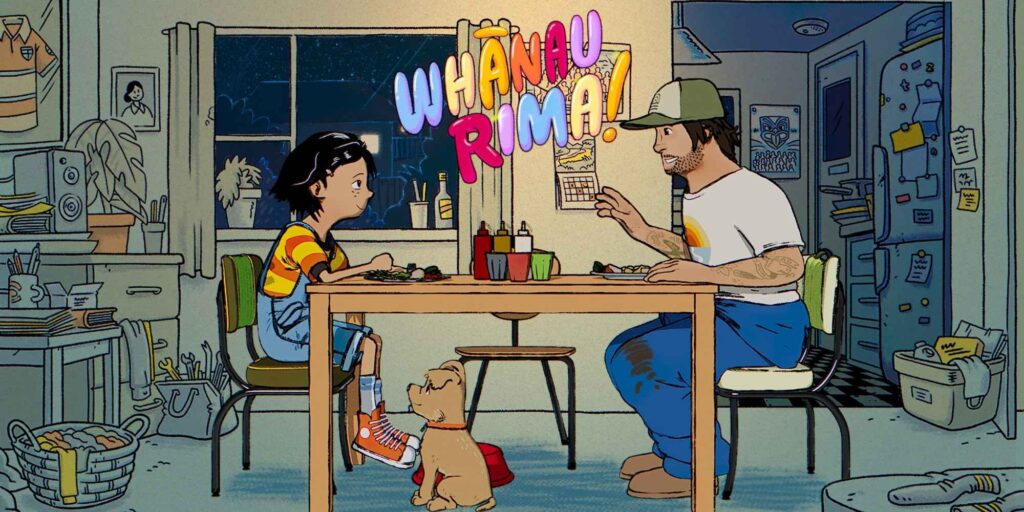
Katie, a rather shy, awkward, but funny eleven-year-old, is sent to live with her relentlessly enthusiastic Uncle Mark while her mother is on a research trip in Antarctica. Struggling to settle in, Uncle Mark gets her a puppy, which she names Rascal, quickly becoming her beloved companion. Unfortunately, Rascal lives up to her name and refuses to listen to a word Katie says!

As luck would have it, local legend Whaea Kaz is here to help. Whaea Kaz promises to help Katie connect with her kurī (dog) Rascal by inviting her to join them at her puppy school. Unfortunately, they get off to a rocky start when Katie turns up to class to discover it’s in te reo Māori! Katie goes into a pronunciation panic; she hates speaking in front of groups, and with her puppy being the naughtiest in the class, it seems that all the odds are against poor Katie. But with the support of Uncle Mark, the knowledge and wisdom from Whaea Kaz, Katie and Rascal embark on a rollercoaster reo journey full of slip-ups and surprising successes that will ultimately bring them closer together. Katie’s story shows us that everyone has to start somewhere and proves to be an entertaining and educational watch.

A young girl sits across the table from a man, with a dog sitting underneath the table by the girl's feet.

Everyone has to start somewhere

Starting something new can be frustrating. Many of us find ourselves asking, “Where do I begin?” Particularly in the case of developing strong language skills, there are elements of listening, reading, speaking, and writing to contend with.

Katie’s Kurī enriches and accommodates audiences of all levels, utilising animation to provide both verbal and visual expressions of te reo Māori. Whether audiences prefer to read, watch, or listen, the show has a fantastic variety of styles to help audiences engage with te reo. Katie’s Kurī provides an approachable and comfortable space for audiences to be entertained and educated simultaneously.

The show is filled with positive role models, strong community connections, and supportive intergenerational relationships. Each character brings their own level of language proficiency, helping audiences see that everyone learns at their own pace. Audiences will likely find someone they relate to, and can walk alongside characters on their journey as they watch.

A waving man, an uncertain young girl, and three dogs stand amongst a room of people.

Paw-sitivity for the whole whānau

While helping develop language skills, Katie’s Kurī will help show young audiences how to build confidence, foster and develop friendships, and create a space that encompasses belonging and identity amongst Kiwis. As one of the official languages in New Zealand, Katie’s Kurī has been developed to help tamariki feel proud of who they are, to encourage and help build confidence so that young Kiwis can feel comfortable with using te reo Māori.

With plenty of laughs, valuable lessons, and a whole lot of heart, Katie, Rascal, and their whānau are sure to become fast friends in homes across Aotearoa. So why not join them on their te reo journey today?

How can I watch?

The fantastic news is Katie’s Kurī is available across four different platforms! With the support of New Zealand on Air, Katie’s Kuri can be found both through your trusted streaming platforms, Sky subscriptions, or free on KIDOGO YouTube: 

  • Māori+
  • KIDOGO on YouTube
  • Sky Go
  • Neon
Young girl chases her dog, man holds a pizza box behind her, and a lady stands smiling behind them.

Made with support from NZ On Air

Join the Catch Up

Join our community of parents and let the Kidspot Catchup be your guide to creating unforgetable family moments.