
Guest post
Your family home is a place that constantly evolves. That’s because children develop fast, and as they do, their needs change quickly. A home that works well for a toddler doesn’t necessarily work when they reach school age or become teenagers. That is why its important to design a family home that grows with your kids.
The good news is that keeping up with the change doesn’t have to be that difficult. In fact, all it takes is a bit of forward planning and the implementation of some savvy ideas.
In this post, we will show you how to keep your home practical, calm, and full of warmth as your offspring move through each stage. Hopefully, it will help you to make your house the best environment it can possibly be for you all.
What makes a home truly family-friendly?
A family-friendly home should feel warm, practical, and easy to live in. As parents, you will naturally want something that is safe and easy to maintain. Similarly, children will want to enjoy a good level of comfort and have the space to explore their surroundings. If both needs are being met, then the home should work well for the whole family.
How to design a family home that grows with your kids
To create this, a good way to start is by looking at the spaces you already have. More specifically, think about what your children need today and what they may need in the next few years. Adopting a long-term approach will make the home more adaptable and reduce the need for you to make frequent updates. Here are some guidelines to follow.
1. Start with a flexible floor plan
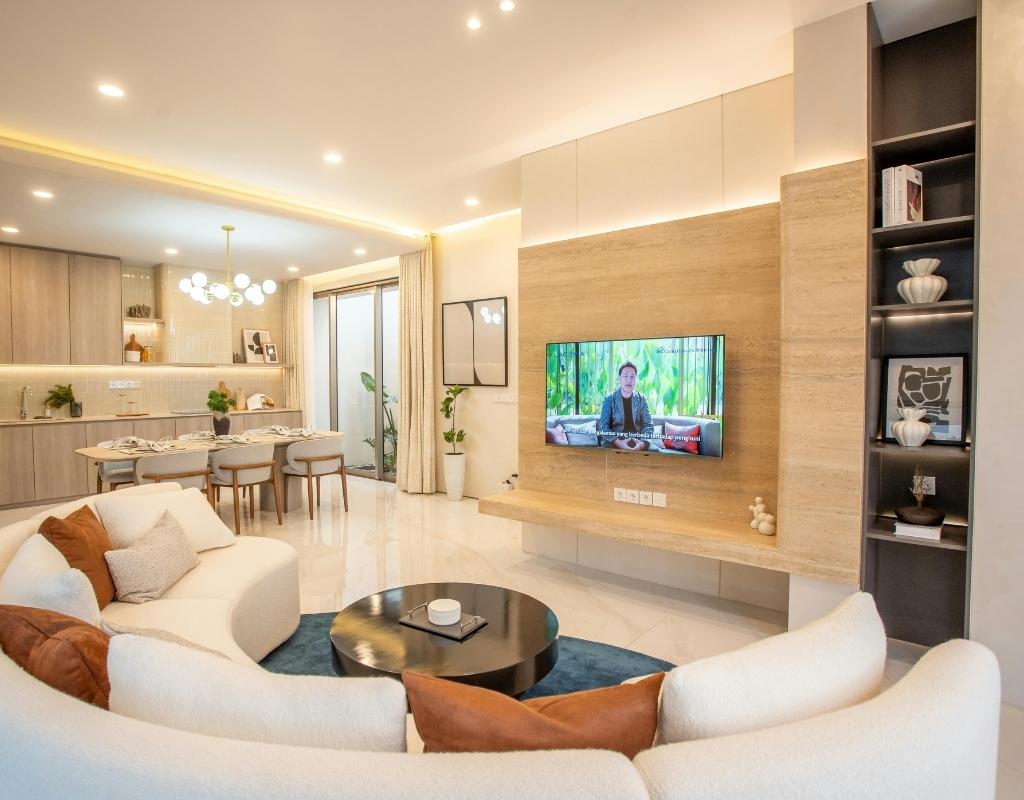
Having a flexible floor plan will give your home the room it needs to change. In particular, it will help you to shape the layout to suit each stage of your family life. Many parents like open-plan living because it connects everyone. Primarily, this is because it makes it easier for them to do things like cook dinner while keeping an eye on the kids. Through this arrangement, children can also play nearby, spread out their toys, or settle in for quiet activities.
It’s also helpful to have spaces that shift over time. A nursery, for instance, can become a toddler bedroom, a play area can transform into a study space, and even a corner of the living room can grow into a spot where teens relax after school. When you design a room with flexible furniture and simple décor, you effectively have a space that stays useful for longer.
2. Create multi-purpose rooms that evolve with your children
Creating multi-purpose rooms is one of the best ways to help your home evolve with your kids. A single room can play many roles over the years. For example, it can start as a playroom with soft mats and toy baskets. Later on, it can then become a space for crafts or homework. When your children reach their teen years, it might even turn into a movie or music room, or a home office for you.
The key to achieving this is to choose furnishings that easily adapt to change. Installing shelves that work for toys, which can later hold books or school supplies, is a good start. Likewise, a sturdy table can handle painting activities for a few years before being used for laptop work later on.
Additionally, soft lighting, easy storage solutions, and simple furniture help the room remain organised and calming for people of all ages.
3. Choose durable, kid-friendly materials that last
Furniture made from durable materials can make life much easier for families, particularly parents. Kids will always spill things, drop things, and get busy with all sorts of toys and play equipment. However, when your home is filled with sturdy and easy-to-clean materials, you won’t have to worry as much.
It’s a good idea to choose washable paint, strong flooring, and furniture that can handle anything your offspring can subject them to. At the same time, it helps to include calming and safe furniture designed specifically for mental health. Such items will go a long way toward supporting their well-being as they navigate the challenges of growing up.
4. Create good storage
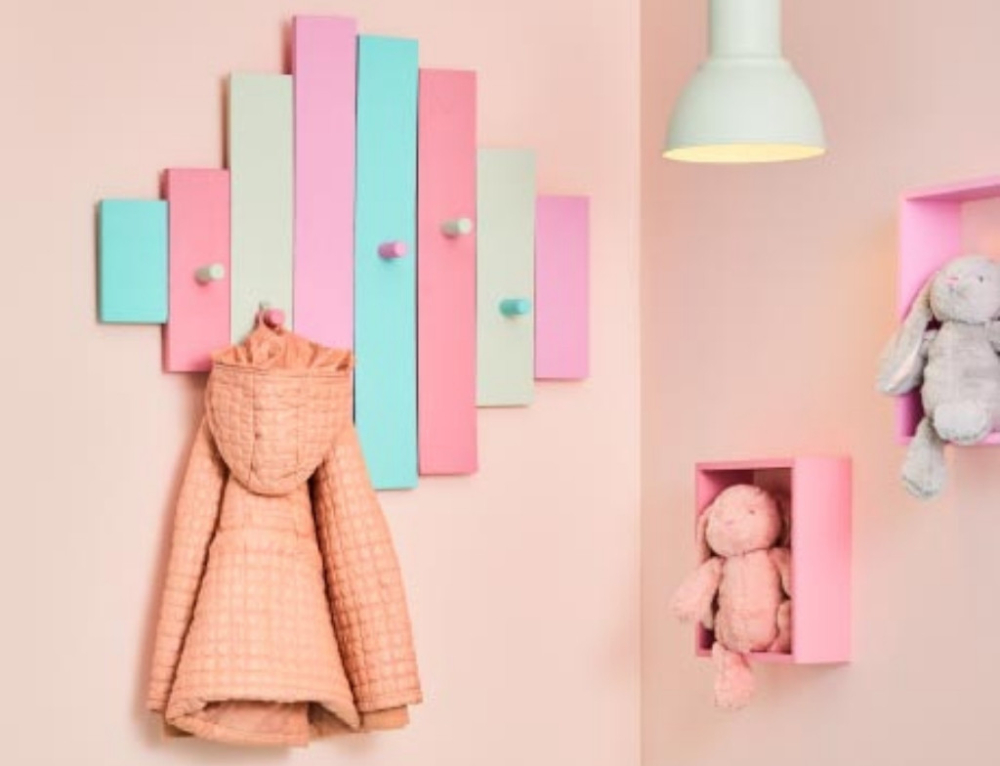
Storage is vitally important for keeping a family home organised, especially when children are growing. Introducing clever storage solutions helps to reduce mess and makes it easier for kids to put things away. Likewise, adding baskets, hidden drawers, and cube shelves can enable children to find what they need and tidy up when they are done.
5. Give children privacy as they become teens
As children enter their teenage years, having their privacy becomes increasingly important to them. If you really want to create a family home that grows with your children, it’s important to give them the space to rest, think, and be themselves. A teen-friendly bedroom often includes a quiet study nook. It also usually has shelves for their books, schoolwork and décor that reflects their interests.
Having their own comfortable desk, warm lighting, and storage for personal items in their room can help teens feel settled. It also gives them a sense of independence, which should make them more confident and help them set healthy boundaries at home.
Of course, you can still keep shared spaces open and welcoming. But the goal is to balance your family’s overall connection with their privacy in a way that feels natural to your family.
6. Enhance outdoor spaces
Outdoor areas are just as important in childhood as indoor spaces. That is because they give children a place to be creative, enjoy movement, and build family connections.
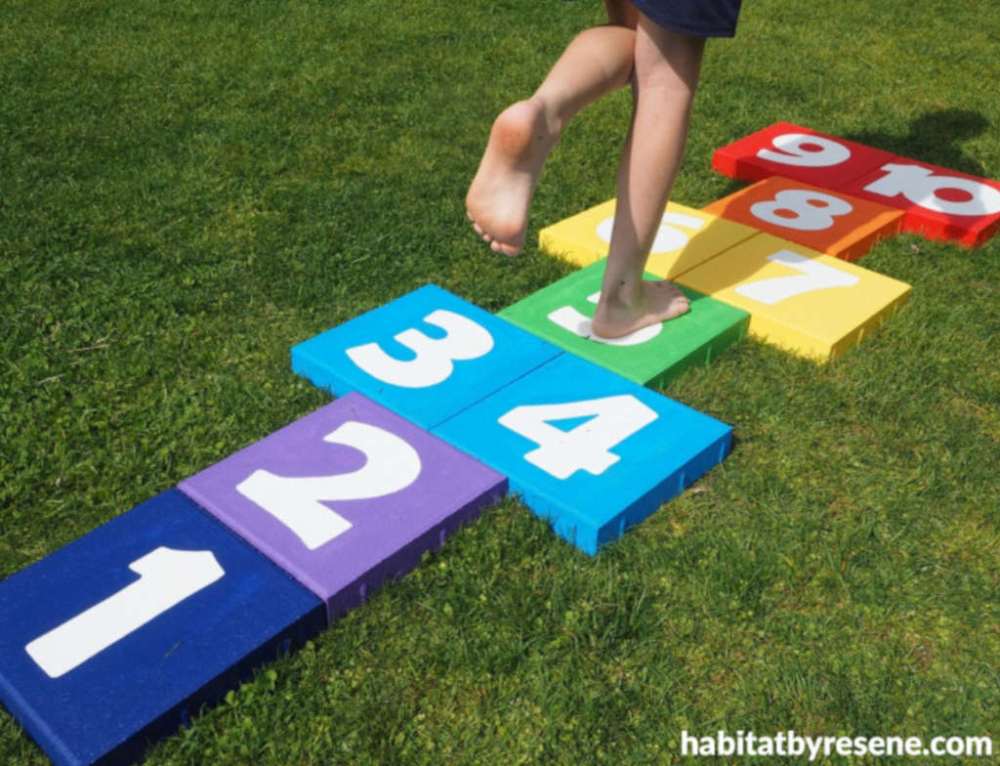
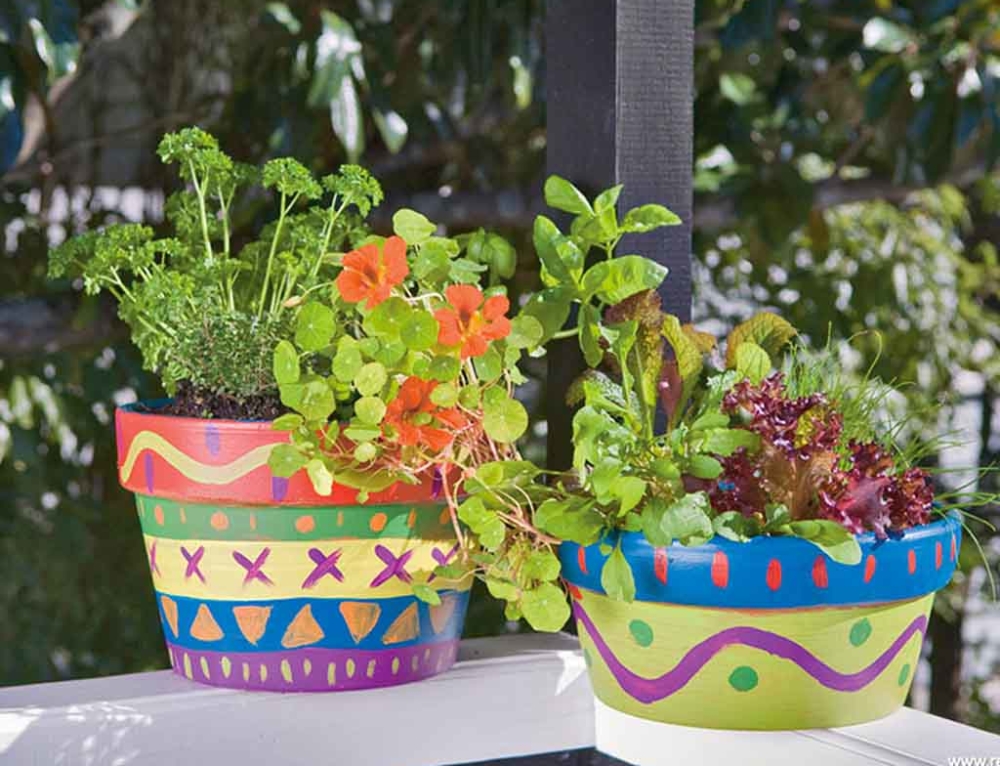
A yard doesn’t need to be big or fancy to be useful. Instead, a simple outdoor space can be easily set up and adapted for different ages and interests. For example, you can add a sandpit, chalkboard, or water play area for younger kids to enjoy. As they grow, the same space can be modified for sports, garden DIY projects, or to create a quiet outdoor reading spot.
It’s important for everyone to enjoy fresh air and sunshine, both from a physical and mental health standpoint. So, make sure your outdoor space provides your family with the opportunity to benefit from both.
This article was written by Lucy Mitchell, Content Manager for Current.com.au | The Home of Australian Product Reviews, with editing by Kidspot NZ.
The appearance of external hyperlinks does not constitute endorsement by Kidspot NZ of the website, information, products or services contained therein. All views are those of the author.


Leave A Comment
You must be logged in to post a comment.