
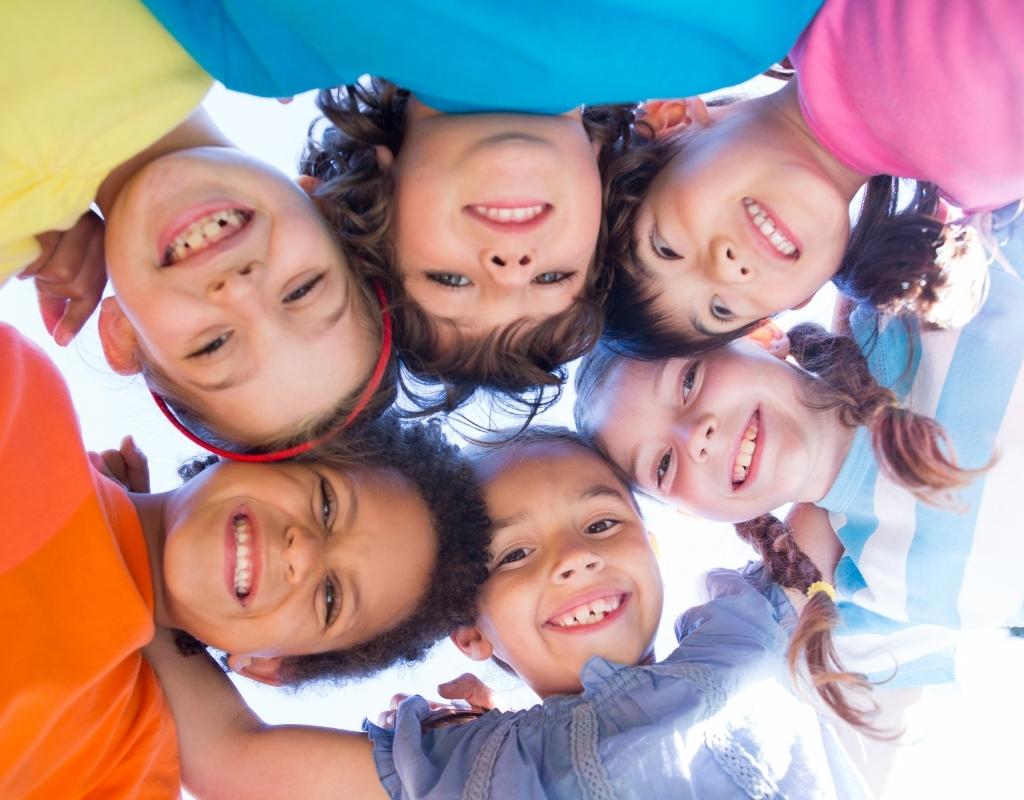

Promotion for No Such Thing as Normal
If it feels like you’re hearing the word neurodiversity more than ever, you’re right. With increasing diagnoses in both adults and children, evolving policies around assessment, and new research reshaping how we understand different ways of thinking, neurodiversity has become one of the most talked-about topics in health, education and culture.
For many parents, though, this isn’t a “trend”. It’s personal. It’s your child. It’s your family. It’s the questions that keep you up at night – and the small, wonderful wins that no one else sees.
What does “neurodiversity” actually mean?
In simple terms, neurodiversity recognises that brains work in different ways.
Conditions like ADHD, autism, dyslexia and Tourette’s syndrome aren’t simply problems to be fixed. They’re differences in how people think, process information, feel, and interact with the world around them.
That doesn’t mean there aren’t challenges. Many families face real struggles at school, at home, with friendships, or with mental health. But the idea behind neurodiversity is that difference itself isn’t the problem. Often, the problem is how society responds to that difference.
The rise in diagnoses
There are a few reasons more families are seeking assessments:
- Greater awareness among parents and teachers
- Improved (though still evolving) diagnostic tools
- Adults recognising traits in themselves after their children are diagnosed
- Changing policies around access to support
We’re also learning more through brain imaging, genetics research, and long-term studies. Our understanding is growing and changing.
For parents, that can feel overwhelming when advice shifts. school expectations evolve, and opinions clash. And sometimes it can feel like you’re expected to become an expert overnight.
You’re not alone in that.
No Such Thing as Normal: Real stories from real families
One place many New Zealand families have found clarity and comfort is No Such Thing as Normal, the New Zealand Herald podcast hosted by Sonia Gray.
Sonia brings both expert insight and deeply personal experience to the conversation. She was diagnosed with ADHD herself and is parenting a neurodivergent child. That dual professional and personal perspective is what gives the show its warmth and honesty.
“I started this podcast with two main aims: to help society understand these ‘disorders’ are really just differences, and to give families and individuals a sense of community so they feel less isolated,” Sonia says.
“In the early seasons, my focus was more on awareness and understanding than offering solutions. Everyone’s experience is so different, and I know from experience how hard it is when the advice just isn’t relevant to your situation.”
Season Three: Moving from awareness to celebration
Launched 28th February 2026, season three of No Such Thing as Normal widens the lens. The conversation shifts from understanding neurodiversity to exploring how we can best celebrate differences.
Across 12 new weekly episodes, the show explores the intersection of science, culture and identity while offering practical, actionable tools.
Topics include:
- Parenting in a strengths-based way
- Medication myths
- Education challenges
- Identity and belonging
- Mental health in a world still learning to understand differently wired brains
- Emotional safety and the impact of years spent “masking”
- The growing conversation around neurodivergence and gender identity
Grounded in research and conversations with scientists, psychologists and educators, the podcast also dives into the latest findings from brain imaging and genetics, to the ongoing search for clearer diagnostic tools.
But what makes the series resonate most is the lived experiences. The stories of heartbreak, resilience, loneliness, celebration and triumph. Because even with information and medication options, nothing replaces community.
Why emotional safety matters
One powerful theme running through the new season is safety. “It’s not the autism or ADHD or dyslexia that are the problem,” Sonia says. “It’s the trauma that can come from feeling ‘less than’.”
For many neurodivergent children (and adults) that feeling can start early, shaped by years of masking, trying to fit in, being misunderstood, and being labelled as “too much” or “not enough”.
When we shift from asking, “How do we fix this child?” to “How do we make this child feel safe?” everything changes.
A strengths-based approach at home and school
Education and parenting sit at the heart of this season. What could change if creativity, flexibility, and individuality were seen as assets rather than problems?
A strengths-based approach doesn’t ignore challenges. Instead, it asks:
- What is this child naturally good at?
- Where do they feel confident?
- How can we build from that foundation?
For many Kiwi families navigating a changing school system and rising expectations, this question feels urgent.
Season three also looks at how Aotearoa compares internationally. As a small country, we may be uniquely placed to rethink how we value difference. The podcast explores whether holistic frameworks like mātauranga Māori could offer new ways of understanding belonging and inclusion. Because inclusion isn’t just about funding or services, it’s about how society chooses to understand its people.
If you’re a parent reading this …
Maybe you’re waiting for an assessment.
Maybe you’ve just received a diagnosis.
Maybe you’re wondering if you should look into one.
Maybe you’re simply trying to understand your child better.
Wherever you are, know this: Behind every label is a whole person, a family, a story still unfolding.
Neurodiversity isn’t about putting children in boxes. It’s about recognising that there is no single “normal” brain. And when we lead with curiosity, patience and compassion for our children and for ourselves, we create the safety they need to thrive.
Because sometimes, the most powerful thing you can hear as a parent is this: There’s no such thing as normal. And you’re not walking this road alone.
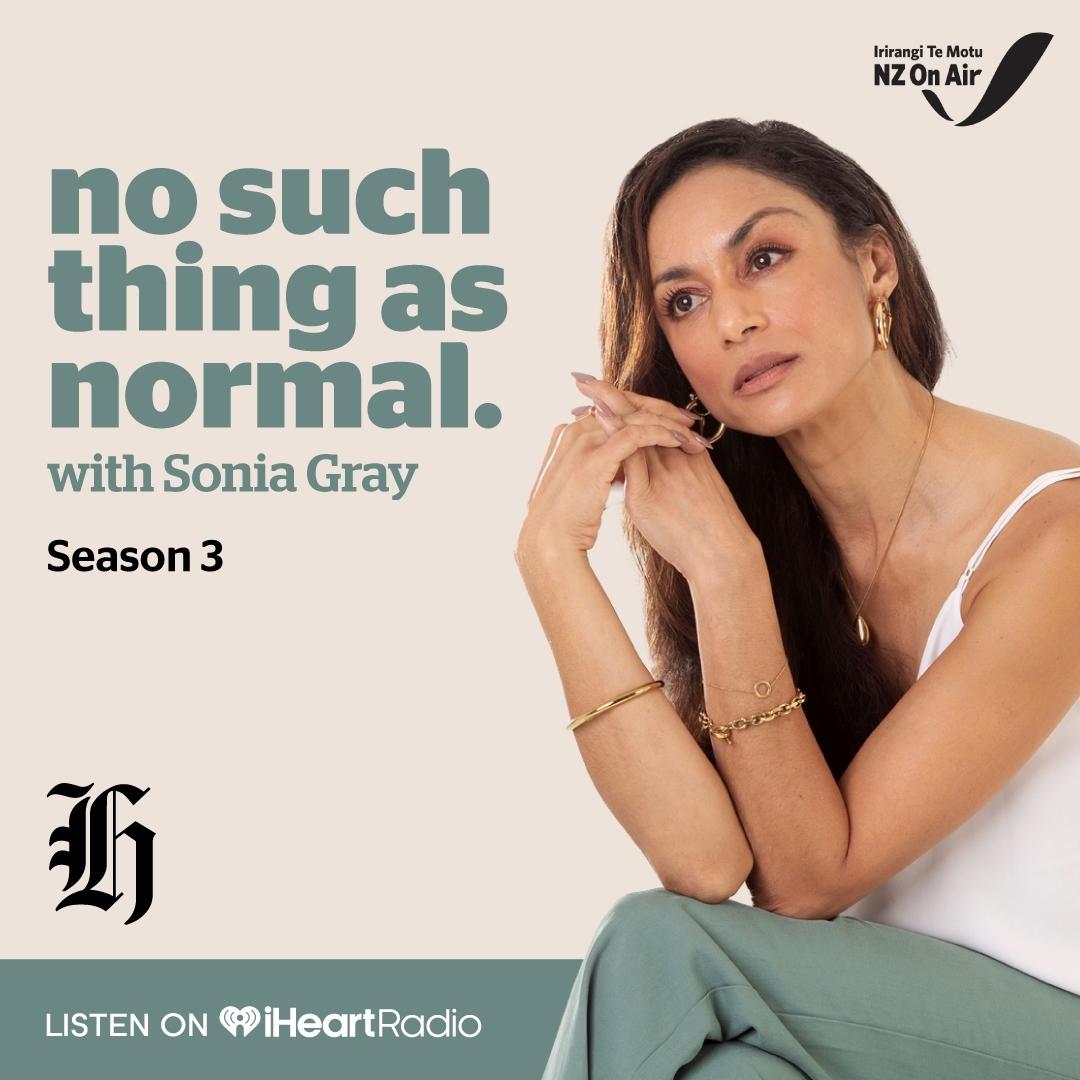
Season three of No Such Thing as Normal launched 28 February 2026, with new episodes released weekly on the iHeart app and wherever you get your podcasts.
Made with support from NZ On Air.
See more:
 Written by Julie Lankow
Julie is Editor for Kidspot NZ and our MVP. Her hobbies include laughing uncontrollably at her own jokes, incidentally revealing her age during quizzes, and never taking anything too seriously.
Favourite motto to live by: “It ain’t nothing but a thing”




Leave A Comment
You must be logged in to post a comment.