Fertility tips, conception information, infertility challenges, and planning advice for getting pregnant.
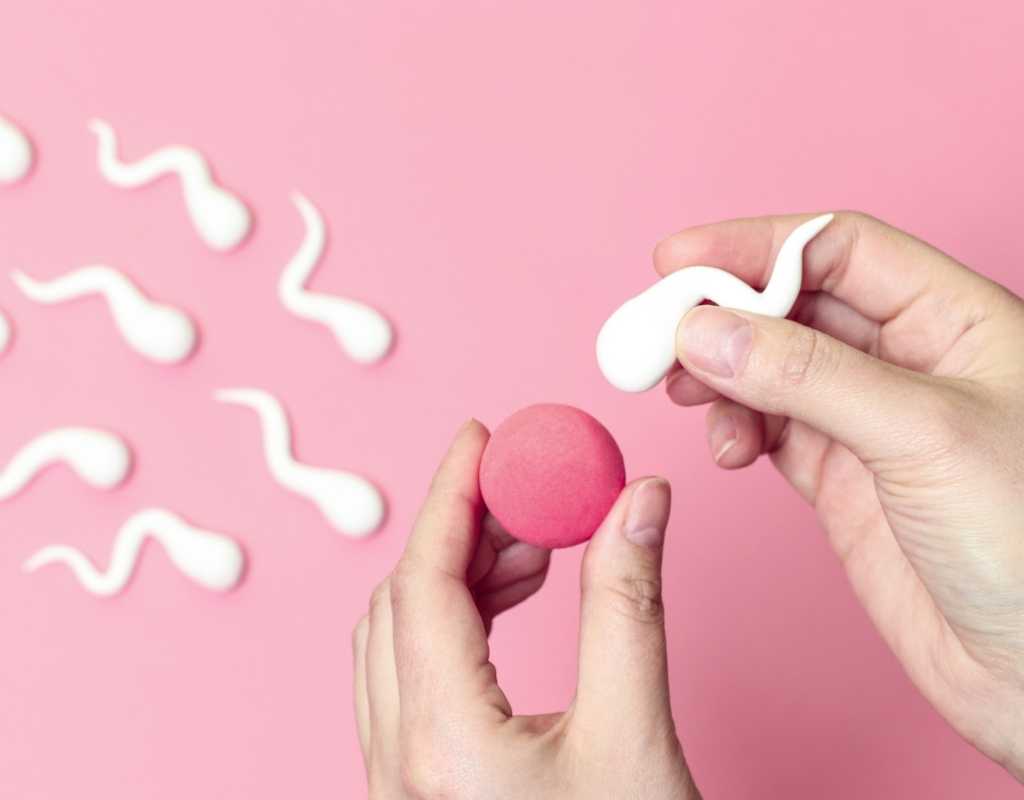
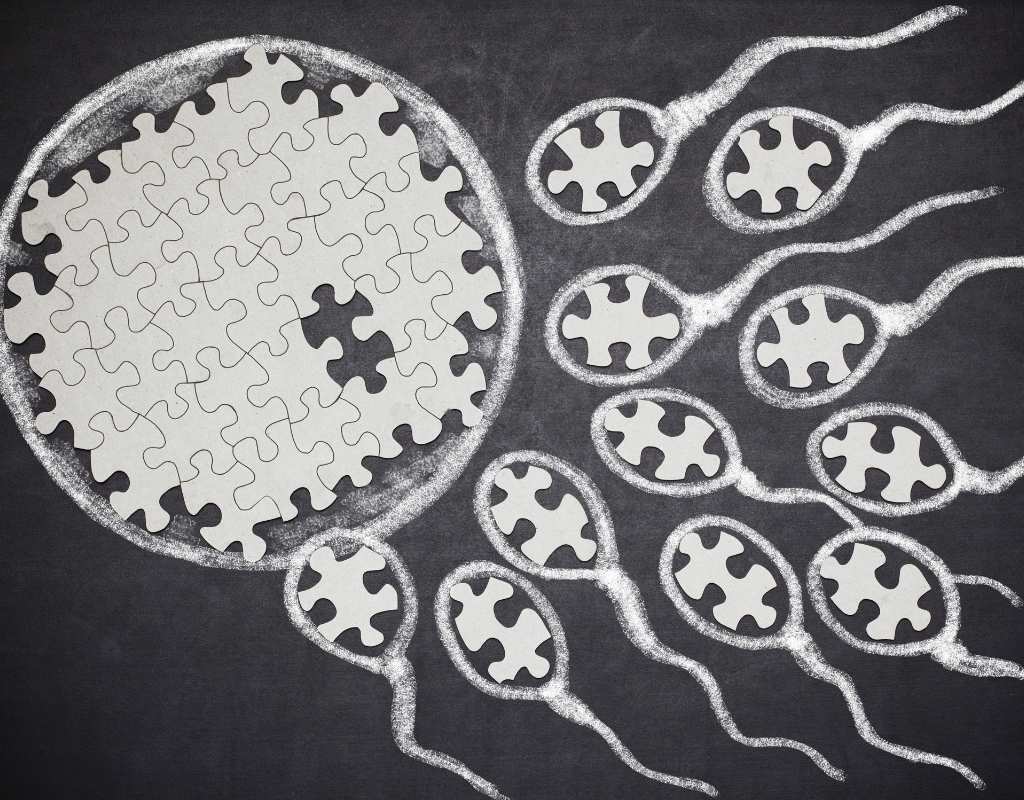
Tips For Growing Healthy Sperm

Unless you're trying to make a baby, you probably haven't given a lot of thought to how healthy your sperm are. You probably just assume they are ready on stand-by, waiting to leap into action. But getting pregnant really does take two! We take a look at the importance of sperm health and what you can do to help ensure your swimmers are ready to go.

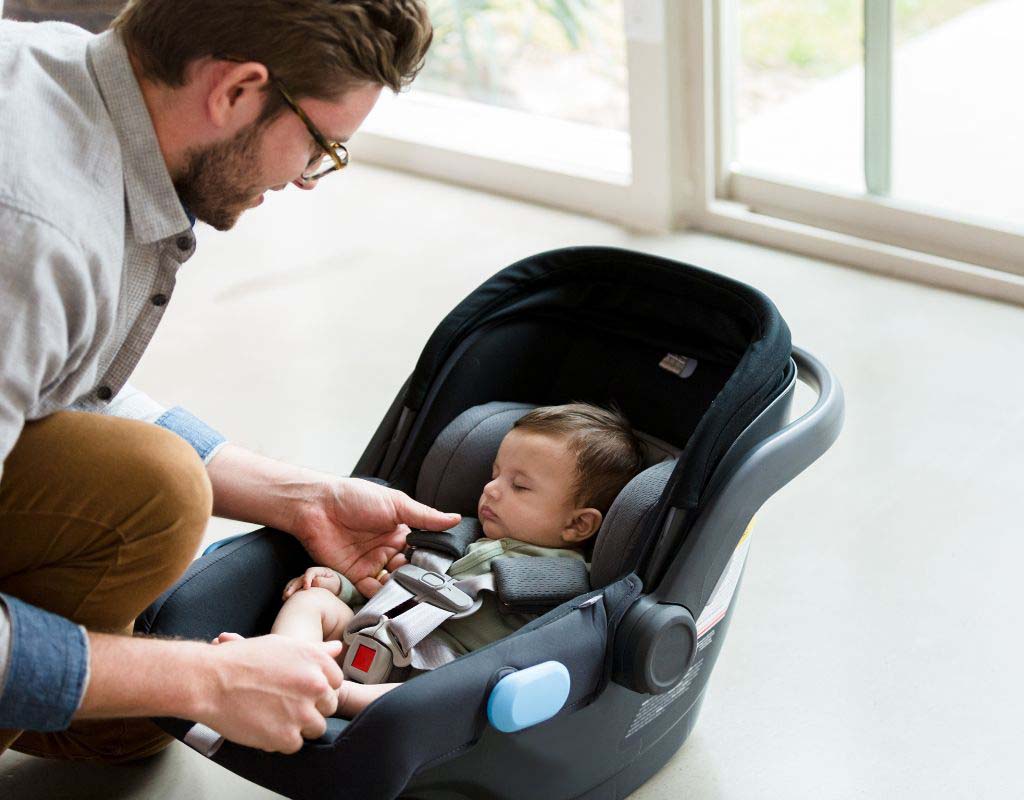
Cots & Car Seats: What To Look For When Buying

There are so many different products available for babies, it's pretty easy to get overwhelmed. So the best place to start is with the essentials. Car seats and cots are two items that your baby is likely to spend a lot of time in so it's important that you get ones that are not only comfy, but also safe. Find out more about the legal safety standards that apply and other things that you might consider when making these important purchases.

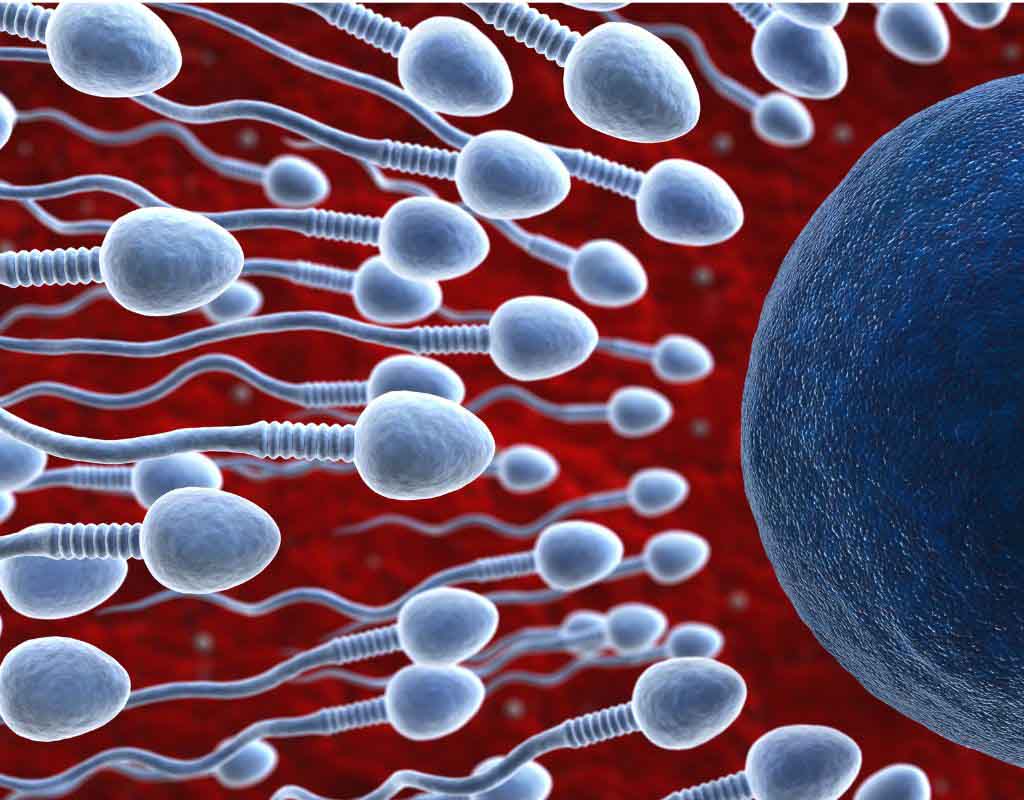
Growing Healthy Sperm

When it comes to making babies, it really does take two to tango. Conception occurs when there is a successful joining of an egg and sperm. No matter how that happens, naturally or with a helping hand from science, healthy sperm is a key ingredient. We take a look at why healthy sperm is important and ways that sperm health can be supported.

Taking your cervical temperature

When a woman ovulates (or releases an egg) her temperature rises slightly and stays elevated for at least 10 days. Taking your temperature daily can reveal this pattern to show you when your body tends to do this. As a guide, ovulation usually occurs 14 days before the next period is due to arrive.

Physical signs of ovulation

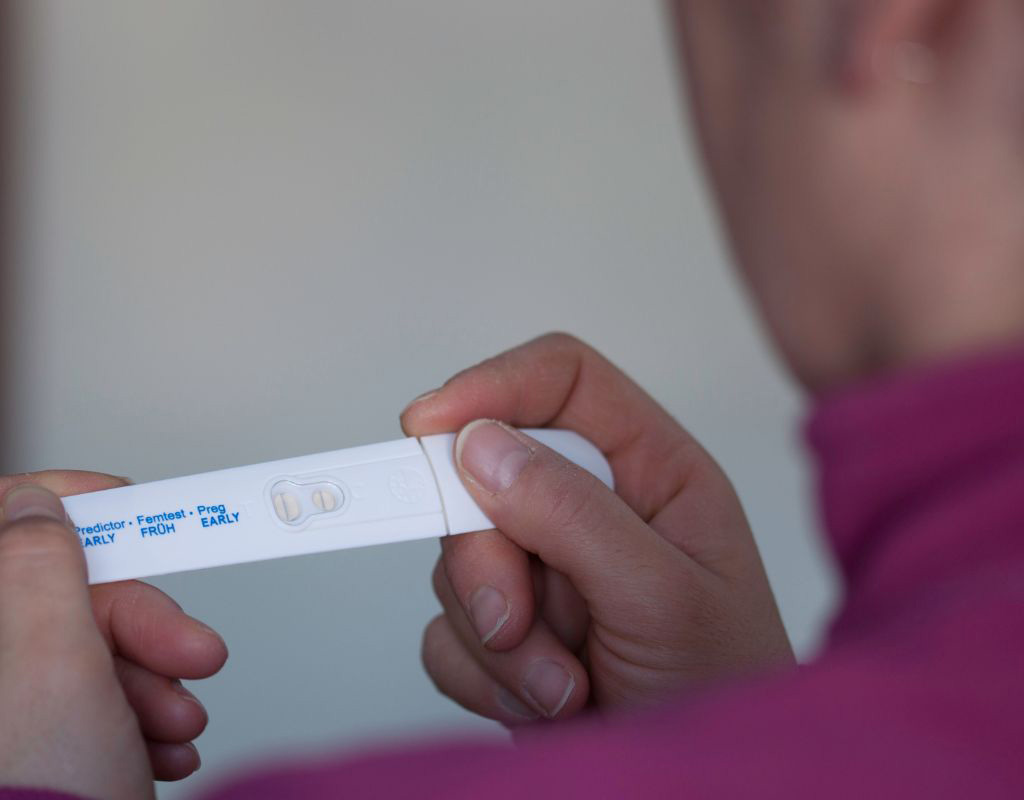
Each month, women experience ovulation - the phase of the menstrual cycle that involves one of the ovaries releasing an egg (ovum). It generally occurs about two weeks before your period starts. If that ovum meets a sperm on its path along the fallopian tube, your journey to motherhood has begun.