The Toys Are Back in Town: Toy Story 5 Reviewed

For the fifth movie in a franchise, Toy Story 5 is anything but stale. It’s fun for the whole family, both old and young!

In a movie climate where sequels are becoming increasingly overdone and boring, Toy Story 5 is a shining beacon of storytelling genius and childish imagination, with messaging and morals aimed at both children and parents, and a beautiful story of what it’s like to grow up not fitting in with others.

Three decades of Toy Story

Thirty-one years have passed since the release of the first Toy Story film. With this amount of time passing, major changes to the films are to be expected. None of these changes appears to be negative, though. The best change that has occurred within 31 years of technological cinema developments is the most obvious one – the animation.

From tiny little details like the stitching on the toys to the fibres in Jessie’s hair, Toy Story 5 showcases the skill of modern animation as a storytelling device. The film immerses us in the world of toys in a way that is incredibly beautiful. The attention to the tiniest details really brings it all together by making the audience believe the toys and their stories are real. Whilst this level of detail will more than likely be missed by the younger audience members, it is truly appreciated by the parents and adults in the room.

Jessie (and Taylor Swift) take centre stage

Toy Story 5 contains three main storylines that all converge at the end in a way that is unexpected and heartwarming. We spend the most time with Jessie in her storyline, which is a tale Toy Story lovers have been waiting to see for a long time. Her story is accompanied by Taylor Swift’s latest hit “I Knew It, I Knew You” – an original song written for Toy Story 5. 

As with any Pixar film, there are easter eggs and references to other films hidden throughout. The iconic Pizza Planet truck is seen whizzing by in one scene, a ‘blink-and-you-miss-it’ moment shows a still from Finding Nemo, and there’s even a hidden reference to Sully from Monsters Inc.

Buzz Lightyear and Woody in Toy Story 5.

Giggles for all ages – and a teaching moment too

This is a film for the whole family, with messages and comedy for all ages and comprehension levels. The only jokes that didn’t seem to land with the kids were the ones that exclusively had the adults in the room giggling. Whilst there were some cruder jokes (Talking Toilet Trainer, I’m looking at you), these still felt light enough not to disrupt the flow of the film. Besides, who doesn’t love a good bit of “silly” comedy?

Toy Story 5 perfectly encapsulates growing up in an increasingly technologically advanced world, managing to simultaneously warn us of the dangers of misusing technology while refusing to put the blame solely on that technology. One of the main plotlines and themes is cyberbullying, and this is set up in a way that is easy for children and adults to understand. Whilst these themes are sad and do carry a dark air to them, it is not a scary moment for children. Instead, it is a teaching moment and a show of empathy.

Overall, Toy Story 5 is a film that is well worth bringing the whole family out for a trip to the cinema. Just don’t forget to bring your toys with you – they’ll enjoy seeing their friends on the big screen too!

Toy Story 5 is in cinemas from June 18

Rating: G

Genre: Adventure, Animation, Comedy, Kids & Family

Running time: 102 minutes

CastTom Hanks, Tim Allen, Joan Cusack, Greta Lee, Conan O’Brien, Tony Hale, Craig Robinson, Shelby Rabara, Scarlett Spears, Mykal-Michelle Harris, Matty Matheson, John Ratzenberger, Wallace Shawn, Blake Clark, Jeff Bergman, Anna Vocino, Annie Potts, Bonnie Hunt, Melissa Villaseñor, John Hopkins, Kristen Schaal, Ernie Hudson, Keanu Reeves, Benito Antonio Martínez Ocasio, Alan Cumming

Movie review written by Lucy Antoinette. Lucy was provided with a complimentary pass to the preview screening of Toy Story 5. All views are those of the reviewer.

The Everyday Parenting Systems That Make Life Easier

Promotion for Little One’s, exclusively at Woolworths

Parenting a baby or toddler can sometimes feel like you’re constantly putting out small fires. One minute you’re changing a nappy, the next you’re cleaning up a snack spill, packing a daycare bag, hunting for a missing shoe, or trying to find the baby wipes. It’s no wonder parents can feel overwhelmed by the daily mental load.

The good news? Many experienced parents will tell you that life doesn’t necessarily get easier overnight, but creating a few simple systems can make everyday family life feel much more manageable.

The secret isn’t being more organised than everyone else. It’s setting up routines and shortcuts that save time, reduce stress and help your household run more smoothly.

Here are some of the everyday parenting systems that can make a real difference.

Create “grab and go” stations around the house

Babies and toddlers seem to need something every five minutes, which is why constantly running from room to room looking for supplies can quickly become frustrating.

Many parents find it helpful to create small stations throughout the house stocked with essentials.

A basket in the living room might include nappies, wipes, a spare change of clothes and a burp cloth. Another could live in the nursery or playroom.

Having frequently used items within arm’s reach means fewer interruptions and less time spent searching for supplies when you need them most.

Keep a permanent nappy bag

One of the easiest parenting systems is to stop unpacking and repacking your nappy bag every time you leave the house.

Instead, create a permanent setup that stays stocked with the essentials. Think spare nappies, wipes, nappy bags, a change of clothes, snacks, sunscreen and a small first aid kit.

After each outing, simply replace what you’ve used so it’s ready for the next adventure. Future you will be grateful when an unexpected playground trip or supermarket stop pops up.

Build a better bedtime routine

Parents know that bedtime can either be one of the smoothest parts of the day or one of the most challenging. While every child is different, predictable routines can help create a sense of calm and consistency.

Simple cues such as bath time, pyjamas, stories and cuddles can signal that sleep is approaching and help little ones settle more easily.

Reliable overnight essentials can also make a difference.

Little One’s Nappies are designed with up to 12 hours absorbency and moisture-locking technology, helping keep babies comfortable throughout the night. Features such as a wetness indicator and a comfortable, secure fit can help simplify changes and give parents one less thing to think about during busy evenings.

Because when everyone gets a little more sleep, the whole household benefits.

Set up a car emergency kit

Parents quickly learn that toddlers have an incredible ability to create messes and surprises when you’re least prepared. A small emergency kit kept in the car can be a lifesaver. Consider including:

  • Spare nappies or nappy pants
  • Baby wipes
  • A spare outfit
  • Snacks
  • Water bottles
  • A lightweight blanket
  • Plastic bags for wet or messy items

It takes only a few minutes to put together, but it can save a lot of stress when plans don’t go quite as expected.

Simplify grocery shopping

For many parents, taking a baby or toddler grocery shopping can feel like an Olympic event. Managing nap schedules, snacks, distractions and trolley negotiations often turns a simple errand into a major undertaking.

That’s why more families are turning to online grocery shopping and click-and-collect services. Being able to shop from home, save favourite items and quickly reorder family essentials can significantly reduce the time spent running errands each week.

It can also help ensure you’re never caught short on the products you use most often, whether that’s pantry staples, wipes or nappies, by reminding you of regularly ordered items.

Make changes easier for active toddlers

Once babies become toddlers, nappy changes often turn into a moving target. Many parents find that transitioning to nappy pants can help make changes faster and less stressful, especially when little ones are eager to keep exploring.

Little One’s Nappy Pants are designed with active toddlers in mind, featuring easy pull-on and pull-off functionality, stretchy waistbands and tear-away seams to simplify changes. Additional features such as a super soft inner lining, triple layer technology, absorbent core and gentle elasticised cuffs help provide comfort while keeping up with busy little bodies.

For parents juggling multiple tasks at once, small conveniences like these can save valuable minutes throughout the day. 

Create a weekly reset routine

The most effective parenting systems are often the simplest. Setting aside 20 to 30 minutes once a week to restock supplies, check nappy and wipe levels, wash daycare items and prepare for the week ahead can prevent dozens of small frustrations later.

Some parents do this on Sunday evenings, while others prefer a weekday reset. The timing doesn’t matter as much as creating a regular habit. A little preparation can help reduce decision fatigue and create a calmer start to each day.

Remember: Good systems create more space for family time

Parenting babies and toddlers will always be busy. There will still be unexpected messes, interrupted sleep and days that don’t go to plan. But small systems can help reduce some of the friction.

Whether it’s keeping a stocked nappy station, using click-and-collect for groceries, maintaining a ready-to-go nappy bag or choosing products that simplify everyday routines, these little changes can add up to meaningful time savings.

And ultimately, that’s what most parents are looking for: less time managing the logistics of family life, and more time enjoying the moments that matter most.

Check out the whole Little One’s range of Nappies and Nappy pants plus Fragrance-free Baby Wipes at your local Woolworths or online.

Explore the Little One’s Community and be in to win a relaxing staycation for you and your little one.

How to support your child through winter naturally

Promotion for Me Today Potent Herbal Range for Children

When one child comes home with a runny nose, it often feels like the whole household is about to enter winter survival mode.

Between daycare germs, school bugs, lingering coughs and disrupted sleep, the colder months can bring a steady stream of challenges for families. One minute your child seems perfectly fine, and the next you’re dealing with congestion, restless nights, and a tired household trying to keep up with daily routines.

While winter is a normal part of childhood, many parents are looking for ways to support their children through seasonal challenges using gentle, natural approaches that fit easily into family life.

The reality of winter with kids

Winter often means more time indoors, closer contact with others, and increased exposure to seasonal bugs. For parents, that can translate into a cycle of runny noses, blocked sinuses, interrupted sleep and children who simply aren’t feeling their best.

And it’s not just the kids who feel the impact.

Broken sleep routines can leave the entire family exhausted. Parents may find themselves juggling work, school drop-offs and extracurricular activities while trying to comfort children who are struggling with congestion or nighttime discomfort. It can feel like a constant cycle of managing one winter challenge after another.

Building a winter wellness routine

Supporting your family’s winter wellness doesn’t have to be complicated. Many families find that a consistent daily routine can make a big difference during the colder months.

Some simple ways to support family winter health include:

  • Encouraging plenty of rest and regular sleep routines
  • Offering nutritious meals rich in fruits and vegetables
  • Keeping children hydrated throughout the day
  • Promoting outdoor play and fresh air, when the weather allows
  • Practising good hand hygiene
  • Using gentle, herbal support for children as part of a seasonal wellness toolkit

Increasingly, parents are seeking natural remedies for kids that work alongside these healthy habits, particularly for children’s immune support, breathing comfort, and restful sleep.

Natural support for common winter challenges

Me Today has developed its Potent Herbal range for children specifically to support their wellbeing during seasonal challenges. Formulated with a certified naturopath, the range combines natural, plant-based ingredients in easy-to-take liquid formulas designed for children’s specific needs.

Supporting clear breathing and sinus comfort

When stuffy noses and congestion make children uncomfortable, everyday activities (including sleep) can become more challenging.

Me Today Children’s Sinus Soothe & Clear is designed to support children’s sinus support needs by helping maintain nasal comfort and clear breathing. It can be a helpful addition to a family’s winter wellness routine when seasonal congestion becomes part of the picture. Available in Sweet Mint Flavour for children aged 0-12 years.

Supporting immune health for kids

Maintaining a healthy immune system is a key focus for many families throughout winter.

Me Today Children’s Immune Shield is formulated to support immune system health and overall wellbeing. As part of a balanced lifestyle, it offers parents a natural option for children’s immune support during the colder months when seasonal wellness is top of mind. Available in Tropical flavour for children aged 0-12 years.

Supporting chest comfort and restful sleep

Any parent knows that when children struggle to settle at night, everyone feels the effects the next day.

Me Today Children’s Chest & Rest Night is designed to support chest comfort while also helping support restful sleep. By supporting relaxation and overnight comfort, it can become a valuable part of a family’s evening routine during seasonal challenges. Available in Strawberry flavour for children aged 0-12 years.

Why parents are choosing herbal support

More families are exploring natural, plant-based options that complement healthy daily habits. The Me Today Potent Herbal Children’s Liquids range offers several features parents appreciate:

  • Gentle herbal formulations
  • Natural, plant-based ingredients
  • Designed specifically for children
  • Easy-to-take liquid format
  • Supports immunity, breathing comfort and sleep
  • Formulated with a certified Naturopath

Rather than focusing on a single solution, many parents find that combining healthy lifestyle habits with targeted herbal support helps them feel more prepared for the realities of winter.

Helping your family feel ready for winter

Winter with children may always bring its share of sniffles, sleepless nights and unexpected interruptions, but having a wellness routine in place can help families feel more confident and supported.

Whether it’s supporting immune health, helping maintain clear breathing or encouraging restful sleep, incorporating gentle herbal support into your family’s daily toolkit can make navigating seasonal challenges feel a little easier.

For more information about the Me Today Potent Herbal Children’s Liquids range, visit www.metoday.com.

Me Today products are available at Chemist Warehouse NZ, Bargain Chemist, pharmacies and health stores nationwide.

Smart Shopping Tips for Families with Little One’s

Promotion for Little One’s, exclusively at Woolworths

When you’ve got little ones in tow, a simple grocery shop can quickly feel like a full-scale expedition. Between snack negotiations, sudden mood shifts, and the mystery of why the trolley is suddenly the most exciting place in the world, even a short list can take longer than expected. 

The trick isn’t to aim for a “perfect” shop – it’s to make things smoother, more predictable, and a bit more manageable for everyone involved. Small shifts in timing, preparation, and how you involve your child can make a noticeable difference to the whole experience. 

Here are six practical shopping hacks designed to get you in and out of the supermarket with less stress and everything that you came for.

1. Time your shop around your child’s best window 

Every child has a time of day when they’re generally more settled. This is often after a nap or meal. Shopping during this window can be the difference between a smooth trip and a full meltdown halfway down the cereal aisle. 

If possible, avoid peak tired/hungry times (late afternoon is often the trickiest). A well-timed shop can make the whole experience faster, calmer, and far less stressful for everyone involved. 

2. Always have a distraction tool ready 

Even the best-planned trip can go sideways quickly, so having a go-to distraction can be a lifesaver. This might be: 

  • A small toy that only comes out at the supermarket  
  • A snack they can safely eat while you finish shopping  
  • Letting them hold a (non-breakable) item for part of the trip  
  • If they’re OK to self-feed, Woolworths Free Fruit for Kids lets children pick a piece of fruit to munch on while you shop 

The key is consistency. If the toy is something that only appears at shopping time, it stays interesting. This can help you get through the final stretch of the shop when patience is wearing thin.

3. Turn the shop into a mission for older toddlers

If your child is at the stage where they want to help, give them a simple job. It could be: 

  • Holding a mini shopping list with pictures  
  • Finding one or two specific items, eg “Can you see the bananas?”  
  • Putting light items in the trolley  

Framing it as a mission keeps them engaged and reduces wandering or constant asking for unrelated treats. It also helps build routine and cooperation over time. 

4. Use online shopping on days when it’s all just too much 

Switching to online shopping delivery or click and collect through services like those offered by Woolworths can not only help you stick to your list and avoid those impulse buys, it’s also an absolute lifesaver when you or your child simply cannot make the grocery run work. For days when it’s pouring with rain, there are too many commitments or you simply need a little extra time to yourself, online grocery shopping is highly recommended! 

Bonus: If you do regular online shopping, you can reorder your usual Little One’s Nappies or Nappy Pants in just a few clicks without having to remember which size you are using. Don’t forget the Little One’s Fragrance-free Baby Wipes too! 

5. Pre-plan your “exit strategy” before you even leave home

One of the most overlooked parts of grocery shopping with small children is the ending. Once you’ve made it through the aisles, you’re often juggling packing bags, scanning groceries, and managing a tired or restless child at the same time. 

Before you even head into the store, decide how the exit will work. For example, keep a small distraction ready for the final few minutes (like a snack or a toy that only comes out at checkout), or talk your child through what happens next so it’s predictable: “We pay, then we go to the car, then snack time.” 

Having a clear, consistent routine for the end of the shop helps reduce last-minute meltdowns and makes the transition from supermarket to car far smoother.

6. Buy ahead, not just when you run out 

It sounds obvious, but most parents shop reactively, grabbing nappies as we realise we’re down to the last few. Instead, try keeping a small “buffer stash” at home. When you open your last pack, that’s your signal to replace it in your next shop. This avoids last-minute stress or that heart-dropping moment when you find the nappies are all gone after a 3am poonami!  

Little One’s Nappies and Nappy Pants come in a range of bulk packs* to help you stock up or convenience packs when you only need a top-up. Little One’s wipes are always perfect to have in your home supply as they get used in so many ways when you have a little one (and beyond!). 

* Little One’s Nappies Sizes 1 and 2 are available in convenience packs. Sizes 3–5 are available in bulk packs or convenience packs. Size 6 are available in bulk packs. Little One’s Nappy Pants are available in bulk packs or convenience packs for all sizes (4–6). 

Check out the whole Little One’s range of Nappies and Nappy pants plus Fragrance-free Baby Wipes at your local Woolworths or online.

Explore the Little One’s Community and be in to win a relaxing staycation for you and your little one.

Confronting the ‘What ifs’ with Nadine Higgins

Promotion for AA Life Insurance

It’s no secret that, as humans, we don’t like to confront the possibilities of ‘What if …?’. What if our family income suddenly decreases? What if I can’t work due to an accident? What if my partner passes away? Thinking about challenging ‘what if’ circumstances and how they may affect your family can be a daunting prospect.

How close are you to a financial crisis?

With the rising cost of living, so many Kiwi families are caught in a daily survival cycle. New AA Life Insurance data shows just how close to the edge we are: 27% of Kiwi mums say they’d face an immediate financial crisis if their partner passed away, and 61% would face financial hardship within three months.

But exploring the what-ifs doesn’t have to be as overwhelming as it seems.

AA Life Insurance is proud to be working with journalist, broadcaster and financial expert Nadine Higgins to help demystify life and living insurance for Kiwis. With two decades of experience in national media, she’s a familiar voice to Kiwi audiences from programmes including Breakfast, Seven Sharp, and The Project. Nadine, also a proud mum to sons Frankie and Ari, sat down with Kidspot to share just how reassuring facing those difficult conversations can actually be.

Meet Nadine

Nadine herself, along with her husband Dan, knows firsthand the trials and tribulations that come with starting a family. Nadine and Dan have also opened the conversation with others, and the different ways Kiwis are building their own families and protecting their futures.

We discussed with Nadine how becoming a parent herself changed her mindset around money and advising others about their finances.  After experiencing her son’s premature birth, Nadine gained a new appreciation for planning and protecting her family’s future. As a mother, Nadine faced a harsh reality and was forced to confront the ‘what-ifs’ many parents prefer not to think about. That experience reinforced the importance of understanding the options available when it comes to financial protection.

“I totally get that insurance in general can feel quite intimidating because there’s often lots of legalese and policy wording. And sometimes you go, well, I don’t know what type I need, or how much of it I need, so you do nothing. But what that results in is that something like 97% of us insure our cars, but less than half of us insure our lives. And if you think about that, how would my family cope without a car, versus how would my family cope without me? And obviously, lots of the things I bring [to my family] can’t be replaced by a sum of money. But some of the things that I bring to my family, an income and a roof over our heads, can be. So the thing to think about when you’re considering insurance isn’t necessarily feeling intimidated by it. It’s reducing it back down to what are the risks and how can I give my family a backstop, a safety net, and a plan B if anything was to happen to me?”

By teaming up with AA Life Insurance, Nadine offers some practical advice and solutions about what it is to invest in life insurance and what it can do for you.

Where to begin?

Understanding what life insurance is

If you’re unfamiliar with the specifics of life insurance, it’s a contract between you and your insurance provider. By making regular premium payments and provided conditions are met, your insurer agrees to pay a lump sum to your family in the event you pass away or become terminally ill, depending on the plan you have.

Start the conversation

While this is a confronting topic, it’s an important one to have. Nadine explains that in the event you get married, you might include the words ‘in sickness and in health’ in your vows. This does require some maintenance to protect not only yourself but your family, too.

Nadine explains that while facing these conversations is uncomfortable, what is more confronting is having to face these things at a difficult time without having considered your plan B ahead of time. There is no single life insurance plan that works for everyone, and insurers are more than happy to speak with you and assist you in creating a plan and payment scheme that works for you and the needs of your family.

Calculate your costs and finances

It’s also about sitting down and doing the math by calculating your expenses, such as household bills, utility costs, food and health payments. Putting your costs down on paper (or on a screen) is a great way to start navigating your finances, and using those figures to help you determine how much financial cover you could afford in the event of a life-changing event. Nadine herself expressed, like many of us, how easy it is to dismiss the prospect of life insurance before even looking into it. But it’s important not to dismiss it before looking into it; your needs will not be the same as others’, therefore, your own plan will be unique to you. Tailoring your life insurance cover could mean spending the equivalent of the cost of a single cup of takeaway coffee each week.

“Insurance helps buy you some time and headspace”, Nadine notes.

Investing in the future for yourself and your children

When Nadine faced health challenges within her own immediate family members, it made her confront the wider implications of ageing and how it could affect her own children. Having life insurance and putting a will in place has actually given Nadine a lot of relief. Planning ahead can help reduce financial stress and provide greater confidence about the future. Even opening the conversation with your own parents can be a worthwhile step to safeguarding their future.

Think about your own wishes, what safety net you’d like to put in place for your own children. Placing a trusted loved one in a space where they can legally represent you in the event you need it will be a relief for you and your loved one.  If the process feels overwhelming, speaking with an insurer, like AA Life Insurance, can help you understand your options and determine the level of cover that’s right for your family.

A final note for Kiwi mums from Nadine

When asked what one piece of advice Nadine would give to Kiwi mums about protecting their family’s future, Nadine said, “Mums get so much advice thrown at them that I would say, you’re carrying so much, let’s work out how we can take a few things off your plate, off your worry list. Because lots of things keep you up at night when you’re a parent, so let’s find one less thing for you to worry about, let’s get some of that financial admin sorted. Let’s make sure that if something happens to you or your partner that you’re not left 13 weeks or less from [financial] disaster.

Parenthood comes with countless responsibilities, and thinking about life’s uncertainties isn’t always easy. But as Nadine explains, taking the time to put plans in place today can provide valuable peace of mind for tomorrow. Rather than dwelling on the “what-ifs”, having a plan can help you feel more prepared for whatever life brings.

Make protecting your financial future simple

AA Life Insurance ambassador and financial expert Nadine Higgins hosted a webinar during AA Life Week to provide answers to questions you might have about life and living cover. Watch the webinar below.

Me Today Potent Herbal Range for Children | Free Trial

Me Today Potent Herbal Range for Children is specifically formulated for those nearest and dearest to us – our little ones. Register now for our free trial.

If you’re always searching for natural ways to support your little one’s wellbeing, this is an opportunity to try a New Zealand-made range formulated with premium botanical ingredients and developed alongside a certified naturopath. From supporting immune health to helping soothe little noses, throats and chests, these delicious-tasting liquids are designed to fit easily into busy family routines. Add Me Today Potent Herbal Range for Children to your family’s wellness toolkit.

  • All-natural formula
  • Vegan-friendly
  • Preservative-free
  • No artificial sweeteners, colouring or flavours
  • Made in New Zealand
  • Premium quality formula
  • Developed alongside a certified naturopath
  • Effective dosage levels

Available at Chemist Warehouse NZ, Bargain Chemist, Pharmacies & Health Stores.

The products included in our free trial are:

  • Me Today Potent Herbal Children’s Immune Shield
  • Me Today Potent Herbal Children’s Chest & Rest Night
  • Me Today Potent Herbal Children’s Sinus Soothe & Clear

Register now for our free trial!

We’re giving 30 readers the opportunity to trial products from the Me Today Potent Herbal Range for Children. Register now for our free trial by completing the form below.

(If you have a product to review, please add your review as a comment at the bottom of the page)

Please log in to your Kidspot account to view the registration form.

Please note

  • You must be a Kidspot member to take part in the trial. Not a member? Then sign up now.
  • If you are chosen as a reviewer, you will receive an email from Kidspot, and the product will be sent to the postal address on your registration.
  • Each selected reviewer will receive a full-size 175ml of oral liquid dietary supplement for each of the following:
    • 1 x Me Today Potent Herbal Children’s Immune Shield
    • 1 x Me Today Potent Herbal Children’s Chest & Rest Night
    • 1 x Me Today Potent Herbal Children’s Sinus Soothe & Clear
  • Terms and conditions apply, including:
    • Open to Kidspot members 18+ only. Only available for NZ residents.
    • If you are selected, you will be required to use the product as soon as possible and complete a review, as set out in our instructions.
    • Your name, address, and contact phone number will be given to the supplier for the purpose of delivery.
    • Please note that comments provided by reviewers may be used by Clinicians on their website and social media channels to promote the product.
    • FREE product available only while stocks last.
    • Click here for full terms and conditions.

Reclaiming your time: Small ways parents of Little One’s can find moments for themselves

Promotion for Little One’s, exclusively at Woolworths

If you’re parenting a baby, toddler or preschooler, chances are you’ve become very familiar with doing everything one-handed, reheating the same cup of coffee three times, and wondering how it’s suddenly Thursday already.

The early years of parenting are full of beautiful moments – the sleepy cuddles, first giggles, tiny hands reaching for yours – but they can also feel relentless. Your time no longer feels like your own. Even basic tasks like grocery shopping or taking a shower can require military-level planning.

And while everyone talks about “self-care”, the reality for many parents is that reclaiming your time isn’t about luxury spa days or long weekends away. It’s about finding small pockets of breathing room in everyday life. Five quiet minutes. One less stressful errand. A smoother bedtime. Tiny changes that make the week feel just a little more manageable.

Because sometimes reclaiming your time starts with making life easier where you can.

Let go of the pressure to do everything perfectly

Modern parenting can come with an exhausting amount of pressure. Homemade sensory activities, curated lunchboxes, spotless homes, perfectly balanced routines. It’s a lot.

But one of the biggest time reclaimers can actually be lowering the bar a little.

Not every activity needs to be educational. Not every meal needs to be Instagram-worthy. And not every moment needs to be productive.

Sometimes the best thing you can do for yourself is choose the easier option without guilt.

That might mean frozen veggies at dinner, saying no to an extra commitment, or letting your toddler watch an episode of their favourite show while you sit down for a moment. Time doesn’t always need to be “earned” through productivity.

Create “micro-breaks” instead of waiting for free time

One of the hardest things about parenting babies and toddlers is that uninterrupted time can feel almost impossible to come by.

Waiting for a magical free afternoon often means it never happens.

Instead, many parents find it more realistic to create “micro-breaks” throughout the day:

  • Sitting outside with a coffee for five minutes while the baby naps within earshot
  • Listening to a favourite podcast during a walk
  • Reading a chapter of a book instead of scrolling social media
  • Doing a quick online grocery order after bedtime instead of rushing to the shops (and including a treat for yourself!)
  • Taking ten quiet minutes to meditate before starting household chores

These moments may seem small, but they can help you feel more like yourself again.

Make everyday tasks work harder for you

Parents are experts at multitasking, but the mental load of constantly organising household basics can still feel overwhelming.

One simple way many families reclaim time is by shifting more errands online. Grocery delivery or click and collect can save parents from navigating supermarket aisles with a tired toddler, a baby capsule, or both. It can also help avoid those “quick trips” that somehow turn into hour-long missions.

Planning groceries online during nap time or after bedtime can often feel far less stressful than trying to shop around nap and mealtime schedules.

Share the invisible workload

Often it’s not just the physical tasks that can be exhausting, it’s the mental workload of remembering daycare items, tracking nappy supplies, planning meals, booking appointments, mentally organising everyone’s needs … all the time!

Reclaiming your time sometimes means reclaiming mental space too.

Shared calendars, recurring grocery lists, automatic reminders and dividing household responsibilities more clearly can reduce the feeling that you are carrying everything in your head.

Even simplifying repeat purchases, like adding your regular Little One’s Nappies, Nappy Pants or Baby Wipes to your weekly supermarket order, can remove one more task from an already full mental checklist.

Accept help when it’s offered

This can be surprisingly hard for parents. But reclaiming time doesn’t always mean becoming more efficient. Sometimes it simply means allowing support in.

If someone offers to watch the baby while you shower, say yes. If grandparents want to help with daycare pickup, let them. If a friend drops off dinner, don’t apologise for accepting it.

You don’t have to do every part of parenting alone to be doing a good job.

Small conveniences can make a big difference

When you’re parenting little ones, time-saving isn’t always about huge life hacks. Often, it’s the tiny conveniences that add up across the day. That’s where practical products can quietly help lighten the load.

The Little One’s range, exclusively at Woolworths, includes Nappies, Nappy Pants and Fragrance-free Baby Wipes designed with parents in mind, helping make changes faster and simpler as well as more comfortable for babies and toddlers.

Little One’s Nappies feature up to 12 hours absorbency, moisture-locking technology, and a wetness indicator, helping reduce disruptions and making it easier to know when changes are needed. They’re also dermatologically tested and designed for a comfortable, secure fit, which can help little ones stay settled, especially overnight.

For active toddlers, Little One’s Nappy Pants are designed to make wriggly changes easier, thanks to easy pull on and off functionality, stretchy waistbands and tear-away seams. Features like a super absorbent core, triple layer technology, soft inner lining and gentle elasticised cuffs are designed for comfort while helping contain messes quickly and efficiently.

And as any parent knows, fewer leaks, smoother changes and easier clean-ups can genuinely save valuable time and energy throughout the day.

Remember that your time matters too

Parents are very good at prioritising everyone else. Often your own needs end up sitting at the very bottom of the list. But your time still matters.

Finding small ways to make daily life easier, whether that’s online grocery shopping, streamlining household routines, or using practical products that save time during busy days, isn’t about “taking shortcuts”. It’s about creating a little more breathing room in a season of life that can feel incredibly full.

Because reclaiming your time as a parent rarely happens all at once. It happens in small, thoughtful moments that help make everyday life feel just a little lighter.

Check out the whole Little One’s range of Nappies and Nappy pants plus Fragrance-free Baby Wipes at your local Woolworths or online.

Explore the Little One’s Community and be in to win a relaxing staycation for you and your little one.

The family budget balancing act – and why more Kiwis are looking for smarter dinner solutions

Promotion for Bargain Box

Between the supermarket checkout total creeping higher each week, petrol prices refusing to settle down, and the endless juggle of work, school, and after-school activities, plenty of Kiwi households are feeling the squeeze right now.

For many families, the weekly shop has become less about treats and extras, and more about stretching the budget without sacrificing decent dinners.

And honestly? That can be exhausting.

There’s a certain mental load that comes with trying to answer the same question every evening: What can we make tonight that everyone will actually eat without blowing the grocery budget?

For many households, the answer isn’t necessarily to cut back on quality. It’s finding more practical, stress-free ways to shop and plan meals in the first place.

That’s where services like Bargain Box are quietly becoming part of the weekly routine for more Kiwi families – not as a luxury, but as a genuinely budget-friendly way to stay on top of food costs while still getting crowd-pleasing dinners on the table.

Why “winging it” at the supermarket is getting expensive

Most families know the drill. You pop into the supermarket for “just a few things” and somehow walk out $180 lighter with snacks, half a dinner plan, and no real idea what’s for dinner tomorrow.

When money feels tighter, those unplanned top-up shops can quickly add up. So can food waste – especially when fresh ingredients sit unused at the back of the fridge because life got busy.

More households are now looking for practical systems that help them feel more in control of both spending and meal planning. Not perfect. Just easier.

Meal kits have evolved a lot over the years, too. What once felt like something reserved for busy professionals or special occasions has become far more everyday and family-friendly.

Making dinner simpler without compromising on quality

One reason Bargain Box has found its place with Kiwi families is that it leans into value for money without feeling complicated or overdone.

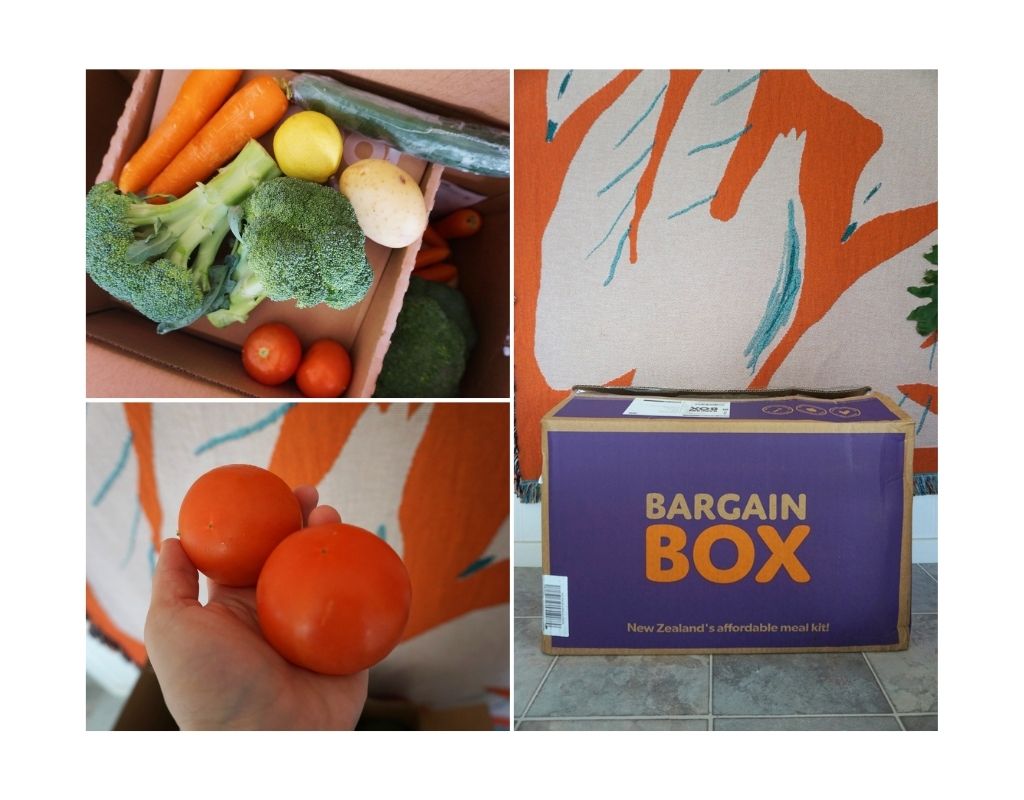
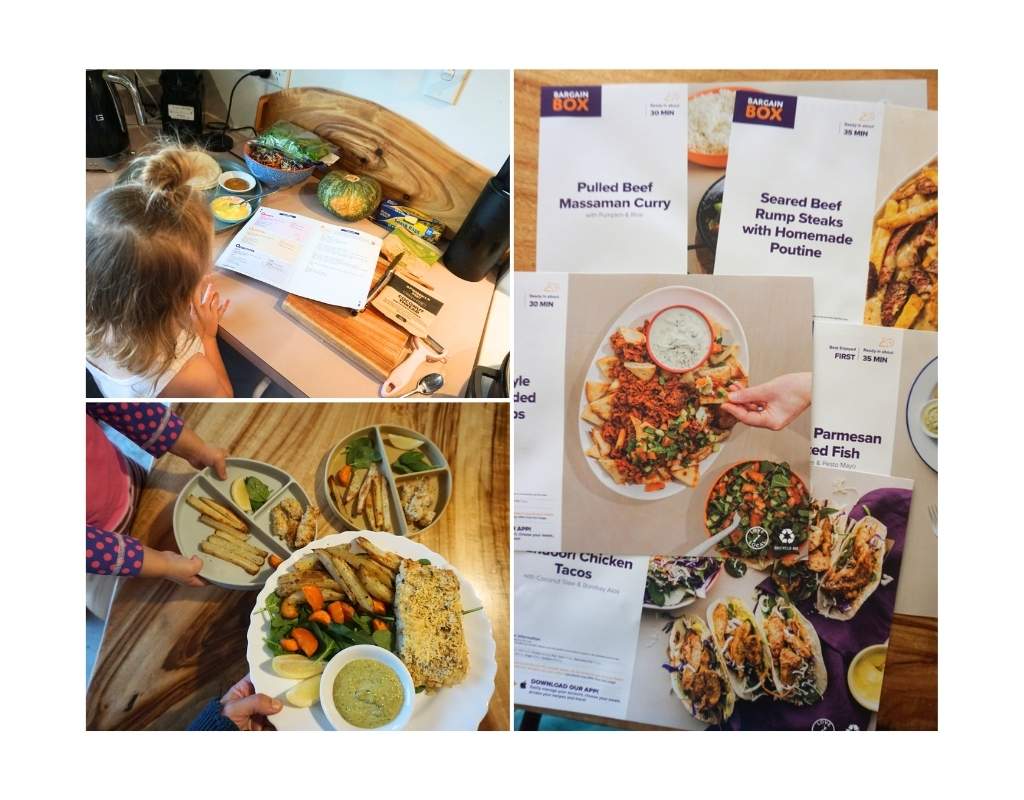
The concept is refreshingly fuss-free: pre-portioned ingredients arrive at your door with simple recipes designed for real households, real schedules and real budgets. Meals start from $6.95 per plate, making it one of New Zealand’s most affordable meal kit options.

The appeal isn’t just the price point either. It’s the predictability.

Families know roughly what dinners are sorted for the week, what ingredients are already covered, and how much they’re spending upfront – which can make budgeting feel far less stressful than multiple supermarket trips and impulse buys.

There’s also something reassuring about knowing dinner can be cooked in around 20 to 30 minutes, often in just a few simple steps. On nights where everyone’s tired, hungry and running in different directions, that matters.

Real-life family life doesn’t need perfection

The reality for most Kiwi households isn’t picture-perfect dinners around the table every night. It’s homework on the kitchen bench, someone forgetting their PE gear, one kid refusing mushrooms, and parents trying to get through the week without resorting to takeaways again.

That’s why practicality matters more than ever.

Bargain Box focuses on familiar, crowd-pleasing meals that feel achievable. There are family favourites, Kiwi classics, quick and easy dinners, plus vegetarian options too. The recipes are developed by their team in New Zealand and use 98% locally sourced fresh produce and free-range or free-farmed meat, including quality NZ beef and lamb.

For many households, it’s less about being “foodie” and more about reducing stress. Because when dinner feels sorted, everything else in the evening somehow becomes a little calmer too.

A smarter way to approach the weekly food spend

There’s also been a noticeable shift in mindset lately. Choosing affordable options is no longer something people feel awkward about. It’s increasingly seen as a smart, everyday decision.

Families are becoming savvier about where their money goes and looking for value wherever they can find it. That might mean fewer takeaways, fewer last-minute supermarket runs, or finding systems that reduce waste and make meal planning easier.

And in that context, Bargain Box feels less like an indulgence and more like a practical tool for managing modern family life.

Especially when fuel prices make extra shopping trips frustratingly expensive, having locally supplied ingredients delivered to the door can genuinely simplify the week.

The takeaway? Simple wins matter

No dinner solution is going to magically solve the cost-of-living pressures Kiwi families are facing right now. But small changes that reduce stress, save time, minimise waste and help households stick to a weekly budget can make a meaningful difference.

For many families, that’s exactly why practical, affordable and fuss-free options like Bargain Box are resonating.

Not because life suddenly becomes perfect, but because getting a tasty, family-friendly meal on the table feels just a little bit easier.

Little One’s Nappies or Nappy Pants plus Baby Wipes | Review

The Little One’s range of Nappies, Nappy Pants, and Baby Wipes has been thoughtfully redesigned to help keep your baby dry, comfortable and protected, day and night. Read reviews from our reviewers!

Little One’s Nappies

With up to 12 hours of absorbency* and moisture-locking technology that quickly absorbs and locks away wetness, these nappies are made for busy little movers and peaceful sleep. Dermatologically tested for skin irritation, they feature a soft, stretchy waistband, gentle elasticised leg cuffs and optimised anti-leak barriers for a snug, comfy fit that helps reduce friction against delicate skin. Plus, the embossed lining offers added protection for those runny poo moments parents know all too well.

  • Up to 12 hours absorbency*
  • Dermatologically tested
  • Wetness indicator
  • Moisture locking technology
  • Comfortable & secure fit
  • Suitable for boys & girls
  • No lotions, No perfumes, No Latex (No Natural Rubber) & no Formaldehydes used.

Size guide

  • 1 – Newborn: up to 5kg
  • 2 – Infant: 4-8kg
  • 3 – Crawler: 6-11kg
  • 4 – Toddler: 9-14kg
  • 5 – Walker: 12-17kg
  • 6 – Junior: 15-20kg

Little One’s Nappy Pants

The Little One’s Nappy Pants range offers ultra dry, unisex nappy pants designed to keep up with every wriggle, crawl and adventure. With a super absorbent core and triple-layer technology for reliable dryness, they help keep little ones comfortable throughout the day and night. They feature a super-soft inner lining, stretchy waistband and flexible sides for an easy, comfy fit, plus soft and gentle elasticised cuffs to help reduce leaks. And when it’s time for changes, handy tear-away seams make things quick and fuss-free for parents too.

  • Up to 12 hours absorbency*
  • Dermatologically tested
  • Moisture locking technology
  • Easy pull on and off
  • Triple action with channel technology

Size guide

  • 4 – Toddler:10-15kg
  • 5 – Walker: 13-18kg
  • 6 – Junior: 61-21kg

*Individual usage may vary as every baby is unique. Nappy changes are recommended at appropriate intervals throughout the day or night to suit your baby’s needs (including their health, diet and developmental milestones)

Little Ones Baby Wipes Fragrance-free 80 pack

The award-winning, great quality, Little One’s Baby Wipes are enriched with aloe vera, vitamin E, and chamomile extract. They’re gentle enough for your baby’s hands and face. The hypoallergenic formulation is alcohol and soap-free, pH-balanced, and dermatologically tested.

Shop now for Little Ones Nappies or Nappy Pants Convenience Packs plus Little Ones Baby Wipes.

Read reviews from our free trial!

We’ve given 20 families with a child up to 24 months old the opportunity to trial Little One’s Nappies or Nappy Pants Convenience Packs, plus Little One’s Baby Wipes Fragrance-free. Read their reviews in the comments below.

(If you have a product to review, please add your review as a comment at the bottom of the page).

  • Please note:
  • You must be a Kidspot member to take part in the trial. Not a member? Then sign up now.
  • If you are chosen as a reviewer, you will receive an email from Kidspot, and the product will be sent to the postal address on your registration.
  • Each selected reviewer will receive: 1 x Convenience Pack of Little One’s Nappies or Nappy Pants & 1 pack of Little One’s Baby Wipes Fragrance-free 80 pack.
  • Terms and conditions apply, including:
    • Open to Kidspot members 18+ only. Only available for NZ residents.
    • If you are selected, you will be required to use the product as soon as possible and complete a review, as set out in our instructions.
    • Your name, address, and contact phone number will be given to the supplier for the purpose of delivery.
    • Please note that comments provided by reviewers may be used by Woolworths on their website and social media channels to promote the product.
    • FREE product available only while stocks last.
    • Click here for full terms and conditions.

Clinicians Post-Pregnancy Mood & Sleep 60 Vege Capsules | Review

Support yourself through the post-pregnancy journey with a breastfeeding safe, research-based formula, developed to support mood, calm and sleep. Clinicians Post-Pregnancy Mood & Sleep is thoughtfully formulated with clinically studied herbs and key nutrients to help nourish both body and mind during this demanding stage.

Combining ingredients like chamomile, lavender, magnesium and vitamin D, it’s designed to gently support emotional wellbeing, relaxation, and restorative sleep so you can feel more like yourself again while caring for your little one.

What makes it special?

  • A unique natural formula to support new mums, combining herbs and key nutrients.
  • Supports positive mood, energy, feelings of calm and sleep quality.
  • Contains Chamomile and Lavender, gentle herbs at researched amounts that are shown to support positive mood and relaxation.
  • Provides activated folate that is well absorbed and immediately effective for all women.
  • With the addition of Magnesium and Vitamin D for mood and sleep.
  • Suitable when breastfeeding.
  • Easy to take capsules and clean formulation.
  • Suitable for vegetarians.
  • Suitable with medicines.

How does it work?

Each herb or nutrient has been carefully selected to support new mums at this time of change.

Chamomile is a well-known herb that has been used to support bloating, nervous stomach, and aid in general relaxation. Research shows it can support postpartum women with a positive mood, calmness, and improved sleep quality.

Lavender has been used traditionally to support calm, settled digestion, positive mood and restlessness in children. Research now shows that Lavender supports new mums who are fatigued, and can help with a positive mood and baby bonding.

Levomefolate is important for both mother and baby during pregnancy and post-partum. It supports healthy red blood cells and growth and development. Low levels of folate have been associated with low mood. Folate (rather than folic acid) is the active form and can be used immediately to support energy, cell repair and renewal, mood, and many other essential functions.

Vitamin D is a nutrient that can be low in New Zealand populations and is important in pregnancy and breastfeeding for the development of the infant. Research shows that low mood post-pregnancy has been associated with low vitamin D levels.

Magnesium is an important mineral for both mother and baby during pregnancy and post-partum. Magnesium supports deep sleep, healthy sleep patterns and muscle relaxation, and can aid in the relief of head tension. Adequate levels are required to support a positive mood.

Directions: Adults take 2 capsules in the evening.

Precautions and contraindications: Suitable for use during breastfeeding. Consult your healthcare practitioner before use if you are pregnant. Avoid if you are allergic to any of the herbal ingredients.

Find out more about Clinicians Post-Pregnancy Mood & Sleep.

Read feedback from our reviewers!

We’ve given 30 readers the opportunity to trial Clinicians Post-Pregnancy Mood & Sleep 60 Vege Capsules. Watch this space for their reviews soon.

(If you have a product to review, please add your review as a comment at the bottom of the page)

Please note

  • You must be a Kidspot member to take part in the trial. Not a member? Then sign up now.
  • If you are chosen as a reviewer, you will receive an email from Kidspot, and the product will be sent to the postal address on your registration.
  • Each selected reviewer will receive: 1 x Clinicians Post-Pregnancy Mood & Sleep 60 Vege Capsules.
  • Terms and conditions apply, including:
    • Open to Kidspot members 18+ only. Only available for NZ residents.
    • If you are selected, you will be required to use the product as soon as possible and complete a review, as set out in our instructions.
    • Your name, address, and contact phone number will be given to the supplier for the purpose of delivery.
    • Please note that comments provided by reviewers may be used by Clinicians on their website and social media channels to promote the product.
    • FREE product available only while stocks last.
    • Click here for full terms and conditions.

From ‘You and Me’ to You and We: Why Suzy’s return means everything

Promotion for NZ On Air

There was something quietly magical about being a kid in the 90s in New Zealand. It was a time of backyard adventures, Beanie Babies, VHS tapes and children’s television that felt like a gentle companion rather than background noise.

For many Kiwi families, mornings or afternoons often meant sitting cross-legged on the carpet, waiting for a familiar face to appear on screen: Suzy Cato.

Her show, You and Me, wasn’t just a programme; it was a ritual. A warm, welcoming space filled with songs, stories and snippets of daily life from a Kiwi preschooler’s perspective. Inside the You and Me house, children were invited to learn, discover and play together.

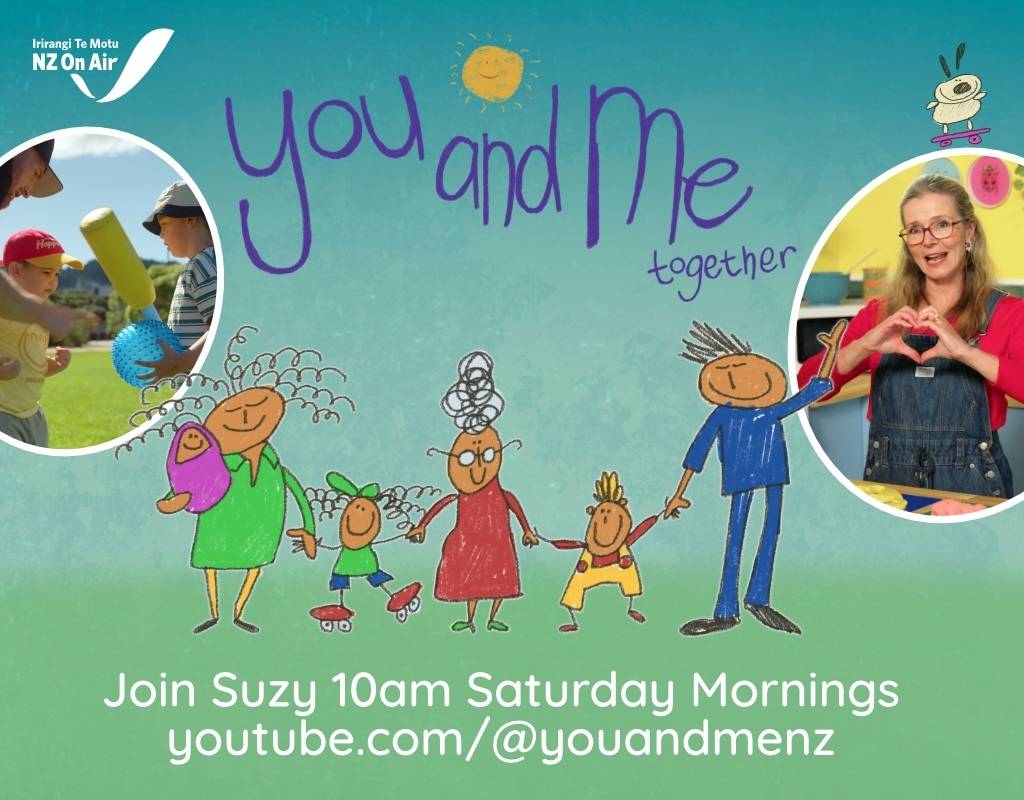
And now, You and Me is back! The show has returned to YouTube after 28 years, with 25 episodes (from May 2nd to October 17th).

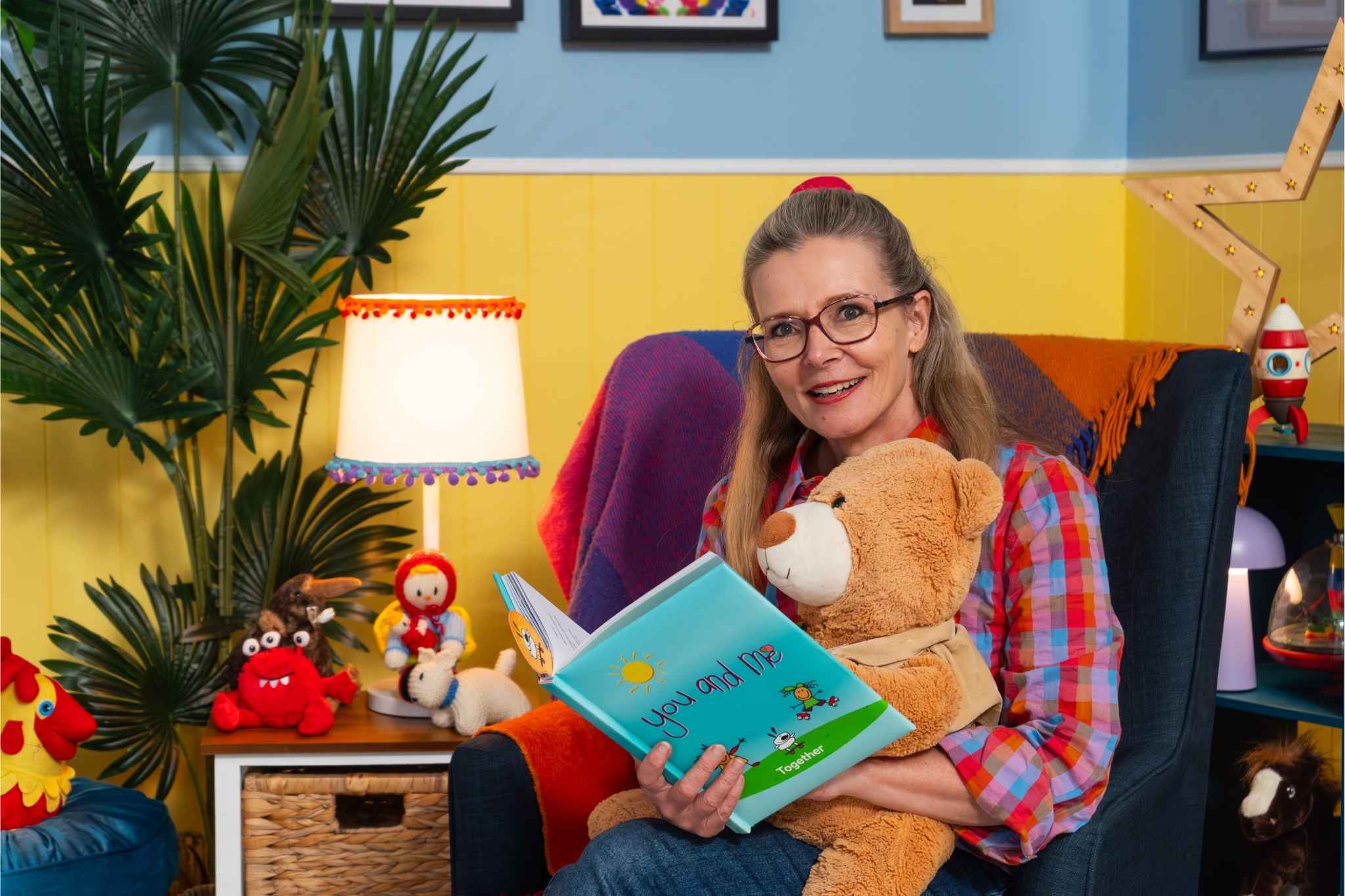
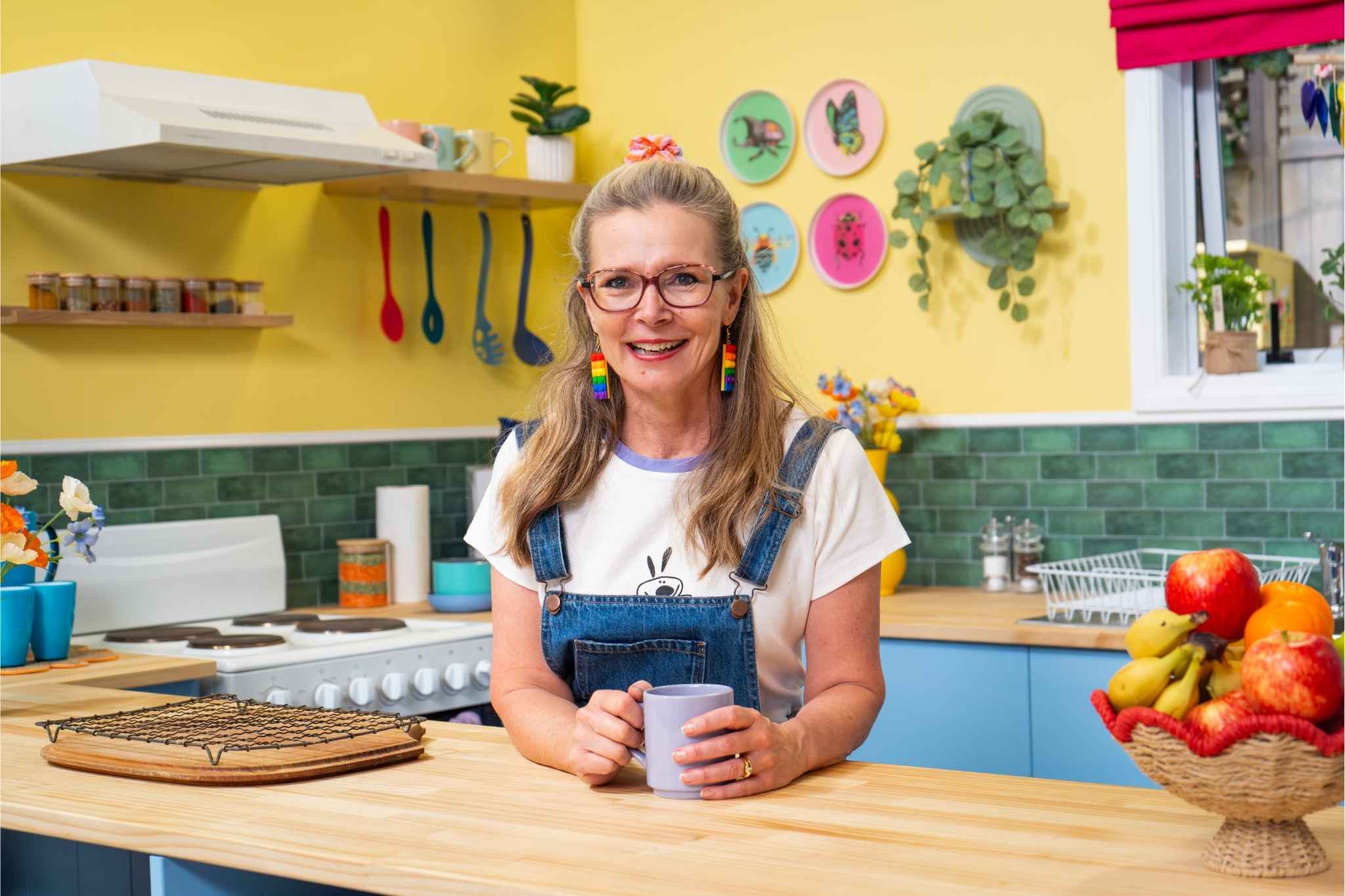
Suzy Cato

Then: Simpler rhythms, shared moments

Parenting in the early 90s looked so different to how it does now. There were fewer distractions, fewer screens, and far less pressure to curate the “perfect” childhood. Days were shaped by routine and imagination. And when it came to television, there was a sense of trust. Shows like You and Me didn’t compete for attention; they quietly earned it.

It was also ahead of its time in ways many didn’t fully appreciate back then. By weaving te reo Māori into everyday conversation, the show helped normalise language and culture in a way that felt natural and inclusive, something that resonates even more strongly with today’s parents.

Now: A faster pace with the same intentions

Fast-forward to today, and parenting can feel like a constant juggle. There’s more information, more choice, and more noise. Screens are everywhere, and with them comes the pressure to ensure what children watch is meaningful, enriching, and safe.

And yet, the core of parenting hasn’t changed. It’s still about connection. About those small, shared moments that build trust, spark curiosity and create lasting memories.

That’s why the return of You and Me feels less like a reboot and more like a homecoming.

Suzy Cato You and Me

A bridge between generations

Announcing that Suzy Cato is returning to screens with You and Me on YouTube has sparked a wave of nostalgia among parents who grew up with the show. And it’s set to delight a whole new generation of little ones discovering it for the first time alongside those now-grown-up 90s kids.

Originally broadcast on TV3 from 1993 to 1998, the series went on to produce more than 2,000 episodes, becoming a cornerstone of children’s entertainment in Aotearoa. For many, it holds a special place in our memories – not just for its catchy songs, but for its gentle encouragement of curiosity, kindness, and learning.

“Over the years, I’ve been so lucky to meet people who grew up watching You and Me, and now they’re parents themselves,” says Suzy. “It’s incredibly special to know they can now introduce their own little ones to the show and the songs and share that joy together.”

It’s a rare full-circle moment – one where parents can sit beside their children and feel the same sense of comfort and wonder they once did.

The soundtrack of childhood, reimagined

The nostalgia doesn’t stop at the screen. In a joyful nod to the past, the beloved You and Me theme song has been re-released on streaming platforms along with another fan-favourite, It’s Our Time.

In an exciting extension, each of the 25 weekly episodes will be paired with a key song, giving families a way to carry the experience beyond the episode. It’s a thoughtful update for modern life, where music travels with us in the car, through the house, and into everyday routines.

Suzy Cato on You and Me back in the 90s

Old values, new ways to watch

The new You and Me series stays true to what made it special, while gently evolving for today’s preschool audience. Episodes blend music, movement, storytelling and te reo Māori in a format that reflects how young children engage with content now: interactive, flexible, and accessible on demand.

But at its heart, the message remains unchanged: learning can be joyful, curiosity should be encouraged, and connection matters most.

A little bit of then, a lot of now

For parents who grew up in the 90s, this revival is more than just a nostalgic viewing experience. It’s a chance to share a piece of their own childhood. Not as a “back in my day” story, but as a living, breathing experience their children can be part of.

And for today’s kids, it’s simply a delightful new world to explore.

Because while parenting styles may evolve and technology may transform the way we watch, the things that truly matter – warmth, imagination, and time spent together – never really change.

And somewhere, in a familiar house filled with songs and stories, they’re waiting to be rediscovered.

Watch episodes on YouTube now.

Celebrating Motherhood: Recognising all the ways in which mums show up

Promotion for Little Bellies

This Mother’s Day, Kidspot has partnered with Little Bellies, a leading baby & toddler snack brand, to celebrate the little moments that shape motherhood and the big feelings that come with them, as part of their #LittleMomentsBigFeelings campaign.

It’s often the quiet, everyday moments that shape both mums and their little ones – the ones that might go unnoticed in the moment, but stay with you long after.

From first tastes and tentative steps towards independence to special shared moments in favourite activities, these small milestones are not only part of a child’s journey, but a mother’s too. Moments of patience, pride, growth, and connection unfold in the rhythm of daily life. At its core, the campaign is about honouring emotional presence and real, honest parenting, reminding mums that what comes naturally is often what matters most.

Little Bellies Little Moments

Celebrating the Little Moments that mean the most

So many of the moments that shape motherhood happen in between the bigger moments. It’s the early morning shuffle into your bed after a bad dream, the way their hand instinctively reaches for yours when you’re out and about, or the quiet pride of watching them try something new for the first time, even if it doesn’t go perfectly. It’s reading the same book for the tenth time, finding patience you didn’t know you had during a meltdown, or sharing a laugh over something only the two of you understand.

There are the small wins that no one else sees: getting out the door on time, navigating drop-offs with a brave face (from both of you), or the bedtime routines that stretch a little longer just to hold onto the day. Even the pauses – a cuddle on the couch, a whispered “I love you”, or a moment of calm after the chaos – all add up. These are the little moments that quietly build connection, confidence, and trust, shaping not just how children grow, but how mums grow alongside them.

Think of the first time your little one reaches for food on their own – a messy, joyful milestone that marks the beginning of some independence. Or the familiar routine of preparing snacks, sitting side by side, and watching as curiosity takes over with each new taste and texture.

There are the quieter moments too: wiping sticky fingers, offering reassurance after a wobble, or simply pausing to take it all in. These are the experiences that build confidence in little ones, while gently shaping mums into who they are becoming – resilient, intuitive, and deeply connected.

Doing what’s natural with Little Bellies’ wholesome baby & toddler snacks

By creating simple, wholesome foods tailored to each age and stage, Little Bellies supports families through these moments, helping parents focus less on the pressures and more on the connection. Because when mums are free to follow their instincts, those everyday interactions – the small wins, the shared smiles, the learning curves – become the foundation for something bigger.

This Mother’s Day, it’s about recognising that the little moments really do carry big feelings. Explore how Little Bellies celebrates the little moments (and the big feelings that come with them) this Mother’s Day at littlebellies.com/little-moments.

her world julieWritten by Julie Lankow

Julie is Editor for Kidspot NZ and our MVP. Her hobbies include laughing uncontrollably at her own jokes, incidentally revealing her age during quizzes, and never taking anything too seriously. 

Favourite motto to live by: “It ain’t nothing but a thing”

Little Bellies 12+ months Toddlers in Training range  – Review

Little Bellies is passionate about providing wholesome and delicious foods for babies, toddlers and kids, and is excited to share a selection of their snacks in our free trial.

Little Bellies was founded by two brothers after one of their children was diagnosed with severe sensitivities to food. The safe snack options at the time were limited so they made it their mission to make simple, wholesome, age-and-stage appropriate snacks that parents could trust. The Little Bellies range is safe for self-feeding and certified organic with no artificial colours or flavours.

The Little Bellies TASTY TEXTURES range for 7+ months babies introduces soft shapes, with subtle flavours and new texture experiences for mini mouths, that little fingers can hold.

The MORE TO EXPLORE range for 10+ months babies brings new adventures in taste, shape and texture to help promote independence.

The TODDLERS IN TRAINING range for 12+ months toddlers includes snacks with more adventurous textures, shapes and flavours to encourage a positive transition to toddlerhood.

Visit Little Bellies New Zealand to explore the full range of wholesome snacking for Kiwi kids.

Each of our reviewers will receive three Little Bellies 12+ months products from the selection below:

  • Organic Cheese & Herb Fiddlesticks
  • Organic Apricot Date & Oat Bars
  • Organic Blueberry & Apple Yoghurt Melts
  • Organic Tomato Fiddlesticks
  • Organic Banana Date & Oat Bars

Read the reviews!

We’ve given 50 families with a child aged between 12 months and 2 years the opportunity to trial and review Little Bellies 12+ month Toddlers in Training range. Read the reviews in the comments below.

(Please note that due to the ingredients in these products, they are not suitable for children with allergies to gluten, milk, wheat, or soy.)

Please note

  • You must be a Kidspot member to take part in the trial. Not a member? Then sign up now.
  • If you are chosen as a reviewer, you will receive an email from Kidspot and the product will be sent to the postal address on your registration.
  • Each selected reviewer will receive: 3 x Little Bellies products.
  • Terms and conditions apply, including:
    • Open to Kidspot members 18+ only. Only available for NZ residents.
    • If you are selected, you will be required to use the product as soon as possible and supply a review, as set out in our review instructions.
    • Your name, address, and contact phone number will be given to the supplier for the purpose of delivery.
    • Please note that comments, images, or videos provided by reviewers may be used by Little Bellies on their website and social media channels to promote the product.
    • Click here for full terms and conditions.

Toddler milk drinks: Your questions answered

Brought to you by

As your baby grows into a toddler, their nutritional needs evolve, and so do the feeding options available. Toddler milk drinks can play a supportive role alongside a balanced diet, but it’s natural to have questions about when to start, what to choose, and what works best for your child.

Here’s a practical guide to help you navigate this next stage with confidence.

When should I switch from baby formula to toddler milk?

Most toddler milk drinks are designed for children from 12 months onwards, when they’re eating a wider variety of solid foods but may still need nutritional support.

At this stage, your toddler is more active and growing rapidly, so nutrients like iron, calcium, and vitamin D remain important. Toddler milk is typically used as a supplement to a varied diet, rather than a primary source of nutrition.

FAQ:

  • Do I have to switch at exactly 12 months?
    Not necessarily. Some families transition gradually, mixing formulas or introducing toddler milk alongside regular foods.
  • Can toddlers just drink cow’s milk?
    Yes, many can – but toddler milk drinks may be helpful for picky eaters or when nutritional gaps are a concern.
  • How do I transition smoothly?
    Introduce the new milk slowly over several days to help your toddler adjust to the taste and texture.

Why is goat’s milk considered gentle on little tummies?

For parents exploring alternatives to traditional cow’s milk-based formulas, goat milk toddler drinks are increasingly popular and for good reason. Goat milk is often chosen for its natural, gentle digestion profile and balanced nutrition.

Here’s why many parents consider it:

  • Easier digestion: Goat milk contains lower levels of certain proteins (like αS1-casein), which can form a softer curd in the stomach, making it easier for little tummies to process.
  • Naturally A2 protein: This is often associated with gentler digestion compared to some standard cow’s milk proteins.
  • Supports gut health: Naturally occurring prebiotics can help nurture digestive health.
  • Balanced nutrition: Many goat milk toddler drinks are fortified with key nutrients like DHA, vitamins, and minerals to support growth and development.

FAQ:

  • Is goat milk suitable for all toddlers?
    It can be a good option for some, especially those with mild sensitivities, but it’s not suitable for children with a diagnosed cow’s milk protein allergy without medical advice.
  • Does it taste different?
    Some parents report a milder smell and taste compared to traditional formulas, which can help with acceptance.

Real mums’ voices: What do parents say?

Hearing from other parents can be incredibly reassuring when making feeding decisions. Reviews from the Kidspot trial of Baby Steps® Goat Toddler Milk Drink highlight a range of real-life experiences:

Review by Briina53

5 star rating

My girl is 19 months old. We have been using it for 3 nights now, and my girl has taken to it very well. The first time, she pulled her bottle out of mouth to check it as she could definitely tell it wasn’t her usual milk. But soon after, she continued to drink it. She has liked it ever since. Seems more gentle on her tummy, too. We will definitely be purchasing this one from now on. 100% recommend to all.

Baby Steps Toddler Goat Milk Drink

Review by Missyanne8

4 star rating

My 23-month-old girl gave the Baby Steps Toddler Goat Milk Drink a go and she loved it all the same (she is a huge milk drinker). I was keen to try this product as I have heard so many good things about goat milk. I also compared the nutrition information and the goat milk had more protein and fat compared to her regular formula. My little one loved the little goat on the packaging too, and I loved how clear the information was on the can. I would definitely recommend this product to other parents out there.

Baby Steps Toddler Goat Milk Drink

Review by Sabyford

4 star rating

I wanted my 2 year old to try this Baby Steps Toddler Goat Milk Drink, as he’s currently going through a fussy eating phase. And hope it will provide him some of the nutrients he may be missing out on at the moment. He loves it, and keeps asking for more! He likes it both warm and cold. I’ve also been using it in his cereal too, and he loves it. He gets excited when I pull the tin out to make him a drink!

Baby Steps Toddler Goat Milk Drink

FAQ:

  • Will my toddler like it?
    Every child is different, but many parents report good acceptance, especially when introduced gradually.
  • How long does it take to adjust?
    Some toddlers adapt immediately, while others may take about a week to fully settle into a new milk routine.

Choosing a toddler milk drink

Choosing the right toddler milk drink is about finding what works best for your child’s needs, preferences, and routine. Whether you opt for a standard toddler formula or explore goat milk alternatives, the key is to support your toddler’s nutrition alongside a healthy, balanced diet.

If you’re unsure, it’s always worth chatting with your healthcare professional—especially if your child has allergies or specific dietary needs.

Baby Steps® Toddler Goat Milk Drink

To provide balanced and gentle nutritional support for your little one, Baby Steps® Toddler Goat Milk Drink is formulated with 16 vitamins and minerals. This toddler milk drink is also:

  • Formulated with Omega-3 DHA from Micro-algae.
  • Fortified with Zinc, Vitamin B6 and Vitamin C to support a healthy immune system.
  • Vegan and Halal friendly.
  • Free from palm oil, soy, fish oil, refined sugars, gluten and preservatives.
  • New Zealand-made and owned – Baby Steps® owns its own manufacturing facilities for oversight of the production process from beginning to end.

Baby Steps® utilises its Fresh Milk Processing and Wet Blending Method to ensure consistency in the nutrition profile of its products, whilst delivering a fresh and clean taste. They also proudly work alongside New Zealand’s local farming community, believing that high-quality nutrition can only come from an environment treated with utmost care and integrity.

By adding optimal ingredients to the natural goodness of goat milk, Baby Steps® Toddler Goat Milk Drink supports your child’s growth and development, giving you peace of mind that your little one’s nutritional needs are being met. This product is intended as a supplement to a normal diet to address situations where intakes of energy and nutrients may not be adequate to meet an individual’s requirements.

Baby Steps® Toddler Goat Milk Drink is available at participating Woolworths, New World and Pak N Save stores or online at babystepsnz.co.nz.

Kids Rate Dunedin!

Promotion for Enterprise Dunedin

If Dunedin isn’t already on your family holiday radar, it should be. This southern city is packed with experiences that kids genuinely love. From hands-on museums and fascinating wildlife encounters to beautiful beaches, scenic walks and outdoor adventures, Dunedin offers the perfect blend of exploration and fun.

As New Zealand’s renowned education city, Dunedin is full of enriching experiences that spark curiosity, while its natural beauty and abundant wildlife make every day feel like an adventure. Best of all, there’s a fantastic mix of indoor and outdoor activities, so there’s plenty to keep the whole family entertained whatever the weather.

So what do kids enjoy the most? We asked the experts themselves. Read on for a kid’s-eye-view of the city’s attractions, plus some tips on the best family attractions, hidden gems and must-do experiences in Dunedin.

For more, visit DunedinNZ.

Discover Dunedin’s Heritage & Culture

Otago Museum Dunedin

Tūhura Otago Museum

“The best thing about Otago Museum is you can visit the whole universe.” Harriet (5)

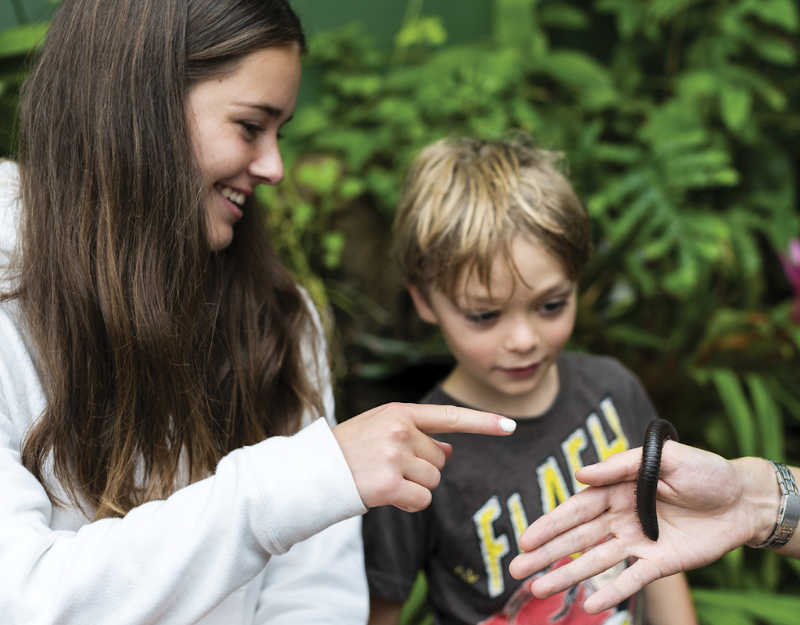
“At Otago Museum you can touch and play with lots of things … but there are some things you definitely don’t want to touch – like the giant millipede or the tarantula!” Annabel (8)

Toitu Otago Settlers Museum

Toitu Otago Settlers Museum

Step into the stories that shaped Otago at Toitū Otago Settlers Museum. With hands-on exhibits, interactive displays and fascinating tales of the people who have called the region home, it’s a fun and engaging stop for all ages. After exploring, relax at the café or browse the museum shop for a unique keepsake.

Taieri Gorge Train

All aboard for one of Otago’s most memorable family adventures. Journey through the spectacular Taieri Gorge on a scenic train ride featuring dramatic landscapes, towering viaducts and hand-carved tunnels. Sit back, enjoy the ever-changing views and discover fascinating stories of the region’s history along the way.

Lan Yuan Dunedin Chinese Garden

Lan Yuan Dunedin Chinese Garden

“The Chinese Garden is really amazing. Someone told me that everything here was built in China and sent to Dunedin, even these giant rocks. That must have been a pretty strong postman … There are tiny paths and steps and you can follow them through rock gardens and into beautiful buildings. And there are really cool fish in the pond, and sometimes ducklings, and a little tea house where you can eat dumplings and drink tea.” Marnie (11)

Explore Dunedin’s Natural Wonders

Natures Wonders Tour Dunedin

Natures Wonders Tour

“We pretended the Argo was a moon buggy. There’s no penguins or seals on the moon, but there might be albatross, cause they can fly pretty high. The Argo went all over the farm and down to the beaches where the seals and birds are nesting, and we got to see penguins and baby seals. The best part was when a penguin almost pooped on my brother – that’s how close you can get!” Isaac (9)

Port To Port Cruises & Wildlife Tours

Port To Port Cruises & Wildlife Tours

Get up close to Otago Harbour’s incredible wildlife on a family-friendly cruise aboard Sootychaser. Keep an eye out for albatross, seals, penguins and seabirds while taking in the stunning coastal scenery and learning about the area’s rich history. With small group sizes, full commentary and binoculars provided for both adults and children, it’s a memorable adventure for nature-loving families.

Orokonui Ecosanctuary – Te Kowowai o Mihiwaka

Orokonui Ecosanctuary – Te Kowowai o Mihiwaka

Immerse your family in one of New Zealand’s most remarkable wildlife experiences at Orokonui Ecosanctuary. Wander through protected native forest, spot rare species such as kākā, takahē and tuatara, and enjoy a range of walking tracks suited to all ages. Whether exploring independently or joining a guided tour, it’s a wonderful way to connect with nature while supporting local conservation.

Monarch Wildlife Cruise Dunedin

Monarch Wildlife Cruises & Tours

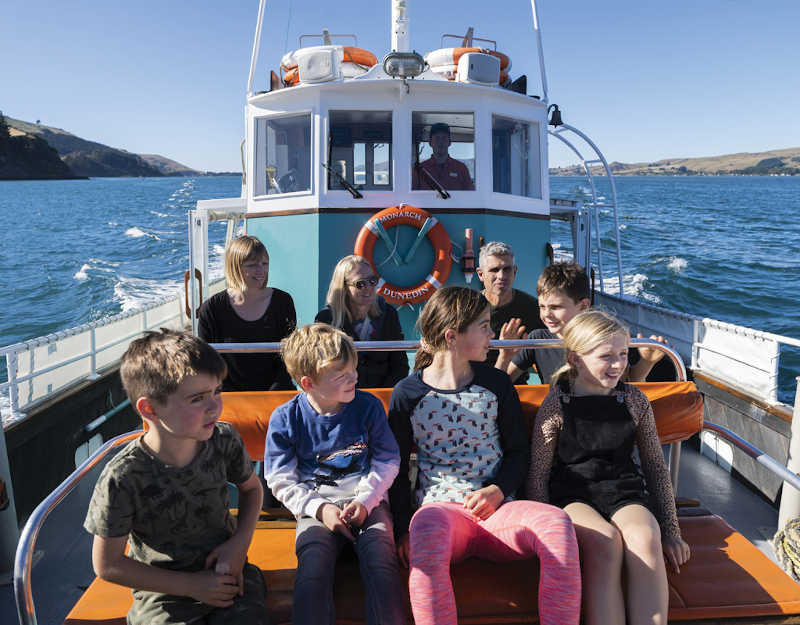
“My brother was really jealous when I got to steer the ship. I should have made him walk the plank, but he’d just annoy the wildlife, too.” Finn, 9

Blue Penguins Pukekura

Blue Penguins Pukekura

“So many come in – over 100 I think. I lost count. I loved watching them waddle up the beach, happy after catching fish all day… which is more than I can say for my dad when he goes fishing. We got really close to them and they loved getting their photos taken. Once they were all tucked up in their beds we learned lots about the stars. It was such a cool thing to do. I want to bring my whole class out here. I can’t wait to go home and put on my penguin onesies!” Lucy (10)

Clearwater Wildlife Tours

Clearwater Wildlife Tours

Experience the wild beauty of the Otago Peninsula on a small-group wildlife tour the whole family will remember. Visit a secluded beach and private conservation reserve for the chance to spot yellow-eyed penguins, sea lions, fur seals, albatross and a variety of native birdlife in their natural habitat. With expert guides and small group sizes, it’s an unforgettable way to connect with New Zealand’s incredible wildlife.

The OPERA

The OPERA

Explore a private coastal reserve where conservation meets adventure, with the chance to see rare yellow-eyed penguins, fur seals, sea lions and native birdlife in their natural habitat. Join a guided tour through dramatic landscapes and learn how this special place is helping protect endangered species.

Royal Albatross Centre

Royal Albatross Centre

Home to the world’s only mainland Royal Albatross breeding colony, these seabirds are the world’s largest. Visit the Centre to learn about their story and select from a range of tours of the colony and area. The chicks hatch in late February and don’t take their first flight until September so chances are you will see these fluffy balls of fun if you visit during this period.

Enjoy Dunedin’s Best Eateries

Tasse Café Dunedin

Tasse Café

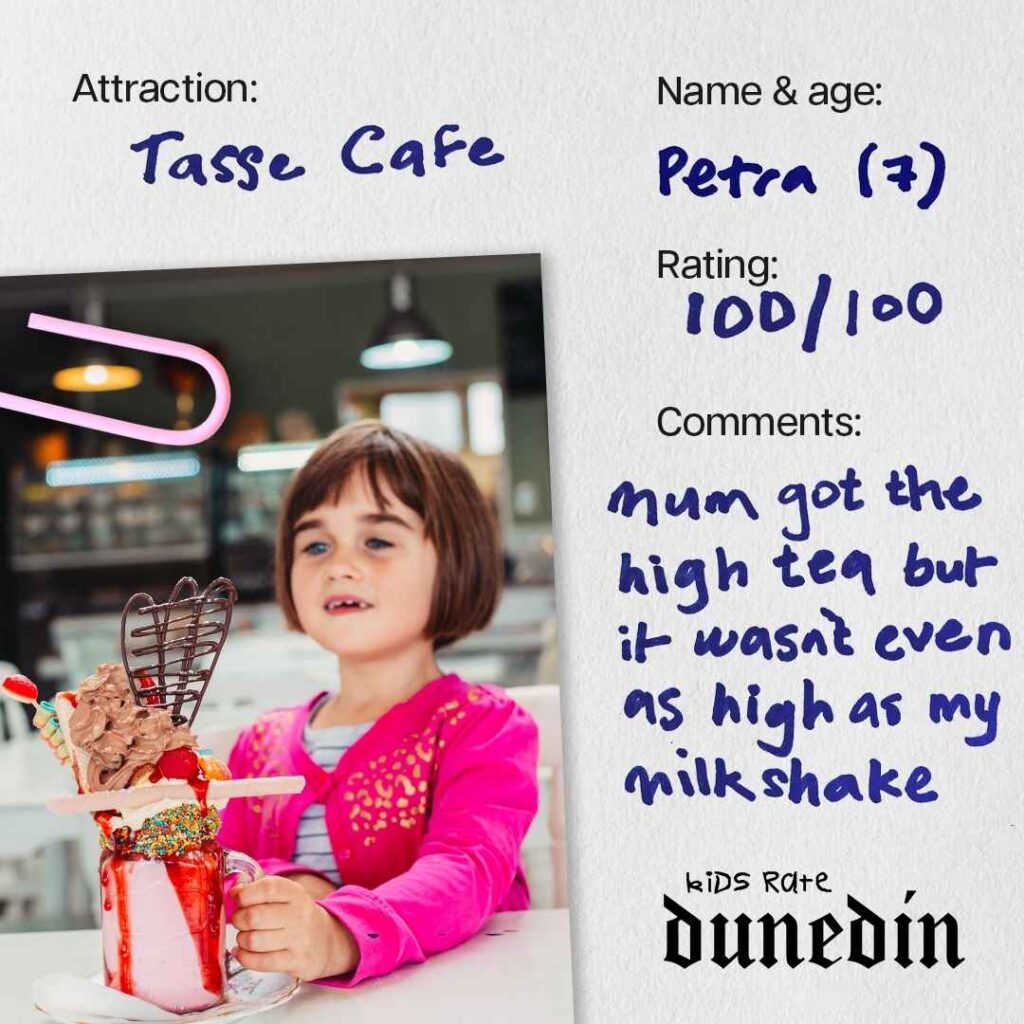
“My favourite place to eat in Dunedin is Tasse Café. Mum and her friend always get the high tea … but it’s not as high as my giant milkshake! I don’t think I will ever get sick of milkshakes, but when I do I think I will try the cakes because the cakes are all my favourite colours.” Petra (7)

Rob Roy

Rob Roy

Treat the family to a classic Dunedin favourite at Rob Roy Dairy Designer Desserts. Choose from more than 30 delicious ice cream flavours, along with sundaes, sorbets and real fruit ice cream. Whether you opt for a simple cone or a towering multi-scoop creation, it’s the perfect stop for a sweet holiday treat.

Starfish Cafe

Refuel by the beach at Starfish Café, a relaxed family-friendly spot overlooking St Clair. Enjoy fresh, seasonal meals, great coffee and plenty of options for all ages and dietary needs, all just steps from the sand. It’s the perfect place to start your day, grab lunch between adventures or unwind after exploring Dunedin.

Written by Kidspot NZ with information provided by Enterprise Dunedin.

Main image credit: DunedinNZ
Toitū Otago Settlers Museum image credit: Neat Places

A little magic for your living room: Why Mr Hugo’s Little Library is set to delight Kiwi families

NZ On Air

Promotion for NZ On Air

Every so often, a children’s TV show comes along that feels genuinely special – the kind that captures kids’ attention while quietly winning over parents too. Mr Hugo’s Little Library is exactly that: an imaginative, live-action, musical comedy series that blends books, music, and theatrical play into something truly joyful.

Landing on screens across Aotearoa this April, this locally made show invites viewers aged 4 to 8 years old into a world where stories don’t just sit on shelves, they leap, sing and sparkle their way into life.

Mr Hugo's Little Library

Where stories turn into adventures

At the heart of the series are three relatable young friends, Georgie, Arlo and Tia, who stumble upon a magical library run by the wonderfully eccentric Mr Hugo. Inside, books become doorways to vibrant new worlds, with each episode unfolding like a storybook brought to life. Expect dragons learning about kindness, animals discovering confidence, and characters navigating friendship – all told through colourful storytelling that feels more like playtime than a lesson.

It’s a simple premise, but one that taps into something powerful: the natural curiosity kids have for stories, imagination and make-believe.

Music, movement and a touch of theatre

What sets Mr Hugo’s Little Library apart is its unmistakable sense of performance. Each episode is infused with original songs, bold costumes and high-energy dance, turning every story into a mini stage show.

The soundtrack alone is reason enough to tune in, featuring well-known Kiwi and international talent including Tami Neilson, Ladyhawke, and Richard O’Brien. The result? Catchy, feel-good tunes that are likely to spill out into your lounge room long after the credits roll.

There’s also a strong influence from musical theatre and playful performance styles, creating a space where self-expression, dress-ups and creativity are front and centre and all delivered in a way that feels fun, inclusive, and age-appropriate.

Mr Hugo's Little Library tv show

A love letter to books and imagination

Beneath the glitter and music, the show carries a clear and meaningful message: reading is an adventure.

Each episode gently encourages children to see books not as homework, but as a gateway to new ideas, new worlds, and new ways of thinking. It’s a refreshing approach in a screen-heavy world, using television not to compete with reading, but to celebrate it.

The series also champions individuality, creativity, and confidence, reminding kids that their ideas, interests and imaginations all have a place.

Mr Hugo's Little Library

Homegrown talent, global appeal

Created by entertainer and event producer George Fowler, the show brings his signature mix of humour, music, and theatrical storytelling to the screen. His background in live performance shines through, giving the series an energy that feels both polished and playfully spontaneous.

Filmed right here in Aotearoa and produced by Gibson Group alongside Canada’s Epic Story Media, the show is a proud example of local creativity with international reach. With support from NZ On Air and backing from TVNZ and RNZ, it’s a production that feels distinctly Kiwi while still delivering the kind of high-quality entertainment families expect.

Mr Hugo's Little Library

Why it’s worth adding to your watchlist

Launching on TVNZ+ and TVNZ 2 on 12 April 2026, Mr Hugo’s Little Library arrives as a feel-good addition to family viewing — one that encourages kids to read, imagine and express themselves freely.

It’s playful without being over-the-top, meaningful without being heavy-handed, and imaginative without losing its grounding in real-world values like friendship and confidence.

For parents looking for something uplifting (and a little bit magical), this is one show that earns its place in the weekly routine. Because sometimes, the best kind of entertainment starts with a simple idea: open a book, and see where it takes you.

Mr Hugo's Little Library

Watch now on TVNZ+

Written by Kidspot NZ with information provided by NZ On Air.

See more:

Made with support from NZ On Air.

her world julieWritten by Julie Lankow

Julie is Editor for Kidspot NZ and our MVP. Her hobbies include laughing uncontrollably at her own jokes, incidentally revealing her age during quizzes, and never taking anything too seriously. 

Favourite motto to live by: “It ain’t nothing but a thing”

Why Kiwi kids deserve Kiwi stories

Promotion for NZ On Air

The stories our children grow up watching play a powerful role in shaping how they see themselves, their communities and the world around them. When kids see familiar places, hear accents that sound like home, and recognise everyday moments from their own lives, it builds confidence and a strong sense of belonging.

Kiwi stories reflect the rhythms of life in Aotearoa – our landscapes, humour, values and cultural diversity – in a way international content often can’t. For parents, that means screen time that feels more relevant, reassuring and genuinely enriching.

Kiwi stories from KIDOGO and KIDOGO Junior

Created by NZ On Air, the carefully curated spaces of KIDOGO and KIDOGO Junior on YouTube and YouTube Kids make it easy for families to find local stories together in one safe, easy-to-find place. From gentle preschool storytelling to engaging content for primary-aged kids, the programmes reflect te ao Māori, celebrate diversity, and showcase uniquely Kiwi humour, landscapes and voices.

Shows like Life On Ben and Junior Dog Handlers reflect rural and small-town life that many New Zealand kids will recognise, while The Exceptional Squad celebrates difference, inclusion and resilience in a way that feels authentic and homegrown.

For younger viewers, KIDOGO Junior offers gentle, relatable storytelling through favourites like Kiri and Lou, which explores big feelings with warmth and empathy, and Toi Time, where creativity is encouraged without pressure, just like play at home or kindy.

Local stories also give tamariki an early connection to te ao Māori and Aotearoa traditions. Kiwi and Cat: Mānawatia a Matariki introduces preschoolers to the meaning of Matariki in an accessible way, while reinforcing values of whānau, reflection and togetherness. These are stories that grow cultural understanding naturally, without feeling like a lesson. By choosing Kiwi-made content on KIDOGO and KIDOGO Junior, parents aren’t just filling time; they’re giving their kids stories that sound like us, look like us, and help them feel proud of where they come from.

Choosing local content isn’t just about what kids watch – it’s about giving them stories that affirm their identity, spark curiosity, and let them see themselves as part of Aotearoa.

Subscribe and follow

Subscribe to KIDOGO or KIDOGO Junior on YouTube or YouTube Kids and it makes it super easy for you or your tamariki to find the content again. If you also follow KIDOGO and KIDOGO Junior on social media, you’ll be alerted to new releases and hear from content creators.

Made with support from NZ On Air.

See more:

Travelling overseas with the kids? Here’s the one app that saves your sanity when returning to NZ

Promotion for New Zealand Customs Service

Travelling with kids is an adventure with equal parts of magical wonder and mild chaos! Between snacks, passports, and keeping everyone entertained on a long-haul flight, the last thing you want is a stressful arrival home. That’s where the digital New Zealand Traveller Declaration (NZTD) comes in.

Everyone travelling into New Zealand has to complete a traveller declaration. If you haven’t used it yet, the digital declaration is free and helps to make the border process easier and far less overwhelming for families. It’s your go-to tool for a smoother trip when returning to New Zealand.

Why every travelling parent should use the NZTD app

Using the NZTD app or website lets you complete your traveller declarations digitally before you land, meaning no more panic juggling of paper forms while wrangling tired kids and carry-on bags.

Better still, it’s completely free when you use the official government platform. It’s worth noting that some unofficial websites charge a fee to “help” you complete the declaration, so make sure you stick to the official NZTD app or website to avoid unnecessary costs.

The ‘Group Travel’ hack parents will love

One of the best features for families is the Group Travel option that makes completing declarations for the whole family easy. You can copy your travel details across multiple travellers, and all the submitted declarations display together in the app.

This means no repeating the same information over and over, saving you time (and patience) when you’d rather be focusing on getting everyone home.

Airport stress reduction: Why doing it 24 hours early is a game-changer

You can complete your declaration up to 24 hours before your flight back to New Zealand, and this is where the magic happens. Doing it early means:

  • No last-minute rush at the airport
  • More time to focus on kids, luggage, and boarding
  • A smoother, easier experience when you land

After a long journey, anything that helps you move through the airport quicker is a win, especially when little ones (and parents!) are tired, hungry, or both.

Step-by-step: How to use the NZTD app (even on a busy travel day)

Here’s a simple walkthrough to make it easy:

1. Download the app or visit the official website
Use the links below to install the app before your trip.

2. Start a new declaration
Enter your travel details, including your flight and arrival information.

3. Fill in the required information
This includes passport details, travel history, and any items you need to declare.

4. Review and submit
Double-check everything, then submit your declaration.

5. Add your family members
When you have submitted your declaration and start the next one for your family member, you have the option to select if that person is travelling with you. All the travel details will be copied across.

6. Save your confirmation
All of the submitted declarations will display together in the app.

Download the official NZTD app

Make things easier before you even leave home by downloading the app:

A smoother way home for the whole family

When you’re travelling with kids, every small win counts and the NZTD app is one of those simple tools that can make a big difference. By getting it sorted ahead of time, using the Group Travel feature, and sticking to the official (free) app or website, you’ll set yourself up for a calmer journey through the airport when returning to New Zealand.

Learn more about NZTD

her world julieWritten by Julie Lankow

Julie is Editor for Kidspot NZ and our MVP. Her hobbies include laughing uncontrollably at her own jokes, incidentally revealing her age during quizzes, and never taking anything too seriously. 

Favourite motto to live by: “It ain’t nothing but a thing”

What educators wish parents knew about the first week of childcare

Guest post

Enrolling your child in a childcare facility is an emotional experience for first-timers. You’re essentially entrusting your child to the hands of total strangers, which could bring about a slew of emotions, from uncertainty to excitement.

While it’s easy to feel like a ball of nerves about the whole ordeal, it’s important to recognise the fact that your child will be in safe and capable hands. Childcare facilities are more than equipped to handle your child’s needs and education.

That being said, you shouldn’t be totally complacent once you drop off your child at the facility. You still need to do some things on your end to make the transition much easier for your caretakers and smoother for your child.

At the end of the day, early childhood educators need to be treated with respect and empathy, and this starts by supporting your child during the adjustment process the right way, instead of leaving everything to these licensed educators.

If you’re wondering what you should do to prepare yourself and your child for this upcoming life milestone, then you’re in the right place. This article will inform you about what educators wish parents knew about the first week of childcare.

Keep goodbyes short

It’s recommended to prepare your child prior to their first full day through a few joint visits to the centre, talking positively about daycare, and role-playing the expected daily routine at home.

Once the child starts childcare regularly, educators wish parents knew to keep goodbyes short at drop-off. This is especially vital during the first days, as the way you say goodbye during this time will set the tone for how they’ll expect you to leave them in the following days. The reason why keeping goodbyes short is ideal is that it makes the act of leaving them at daycare feel normal and ordinary. If you make a big ritual about leaving them, they can sense that something is wrong even if it isn’t, and this could spike their anxiety when you do leave them. As such, keep farewells short and quick. Say “see you later” in a gentle and smiling manner, then make your departure. From there, the educators can handle your child’s care and guide them to distractions and activities to shift their attention and keep them occupied.

It’s important to be consistent when saying your goodbyes as well. Avoid drawing it out for too long or mixing different ways of saying goodbye. Find what works and what keeps them stable, and continue using it throughout the first week and beyond. The educators will be grateful that you did this, as your child is more likely to transition into learning mode more smoothly.

Need more tips? Guardian Childcare’s guide to preparing for childcare is an excellent resource to help you prepare yourself and your child for daycare.

Have a consistent morning routine

As an extension of the previous point, educators would also appreciate it if parents had a consistent morning routine before they send their children off to daycare. Children operate best under predictable conditions, and having the same morning routine can make them feel secure about what’s to come, including heading to daycare.

Start by giving them a set time to wake up. You can start doing this in the weeks leading up to their first day, so that they won’t be shocked with a new morning wake-up time. Then, prepare a meal that you know they’d like for breakfast and eat together with them. Help dress them and prepare their bag at the same time during the day, then head off to daycare once they’re done.

A consistent routine also helps children mentally prepare for drop-off. If childcare is part of the same daily pattern, it begins to feel like a normal and familiar part of their day rather than an unexpected change.

A consistent routine can also help you, as the parent. It gives you an idea of how your child will react to certain situations more predictably, making them less stressed and easier to deal with, and thereby making it easier for you to go about your own morning routine smoothly.

Brief educators about things they need to know

Another helpful thing you can do to make the educator’s life easier is to give them information about your child.

While the education process your child will undergo will be shared with other children, giving their educator a heads up on certain habits, preferences, and comfort needs beforehand can help them structure support for your child more effectively.

Start by telling the educator about activities that they enjoy. You can also tell them about the things that can help calm your child or health information that they should know, such as allergies or dietary restrictions.

Providing these details to your educators before the start of the first week helps them understand your child’s set of needs early on. This makes it easier for them to support your child if they’re feeling distressed or in case of an emergency. In essence, it helps foster a safe environment for your kid, giving all adults peace of mind.

Trust the educators’ experience

It’s important to understand that educators don’t simply watch over your child. Educators are specifically trained to support the minds and development of young children. Because of this training, they know how to guide children through new environments, such as childcare centres. Experienced educators are familiar with the behaviours children display during their first week and have strategies to help them feel comfortable and engaged.

As this is the case, it’s crucial to respect and trust the educator’s expertise in the field and take on board their advice. If they say that your child is disrupting other children, for instance, it’s important to hear them out instead of feeling defensive about the matter.

Remember, these educators have both the knowledge and first-hand experience in supporting children of various personalities. Giving them the floor and hearing them out helps to ensure that your child adjusts smoothly to daycare.

Educators are handling more than one child

Finally, one more thing that parents should keep in mind is the reality that the educator isn’t handling just your child. They manage blocks of children simultaneously, and balancing different personalities, needs, and routines can be a handful, to say the least!

While the educator will surely try their best to accommodate your child’s needs and safety, they also need to have the welfare of other children in mind. Knowing this is crucial for parents as it helps them know what to expect in the first week of daycare.

Your child won’t automatically receive royalty-like attention in the first week; the educators must divide their time among several children. This reality can help parents maintain realistic expectations during the first week of daycare.

We hope that we’ve helped you understand the different things you can do to support your child’s transition to childcare. All the best in navigating this new life milestone!

This article was written by Lucy Mitchell, Content Manager for Current.com.au | The Home of Australian Product Reviews, with editing by Kidspot NZ.

The appearance of external hyperlinks does not constitute endorsement by Kidspot NZ of the website, information, products or services contained therein. All views are those of the author.

How to use leftovers to create delicious family meals

Guest post

A lot of people see leftovers as nothing more than a meal to reheat when the next mealtime comes around. But that’s a one-dimensional way of looking at it. The truth is that leftovers can be repurposed into delicious family meals with the right preparation.

That said, ensuring that the dish becomes a tasty success is not always a guarantee. Cooking already-cooked meals inadequately can lead to an irreparable loss of flavour and texture, leaving you with an unsavoury and potentially unpalatable meal.

The good news? It’s more than possible for home cooks to prepare leftover-based meals in an appetising way. It needs proper planning and some cooking finesse, but when those needs are met, a delicious meal is all but guaranteed.

From using dried spices to enhance a dish’s flavours to combining different ingredients together, below are some ways you can create fantastic dishes from the leftovers that you have at home.

Let’s jump right into it!

Repurpose proteins

Meat is often hailed as a dish’s centrepiece. And while simply tossing and reheating a day-old chicken or steak in the microwave can give you and your family something perfectly edible to eat, the result isn’t always as pleasant as opposed to a newly-cooked dish.

Instead, a good practice to make these leftover meats more tasty is to rework them into something that feels like a different meal altogether. For instance, if you have roast chicken leftovers, you can shred the chicken meat and turn it into something family-friendly and mass-appealing, like a salad, wrap or frittata.

Other meats you can use as leftovers are beef and pork. You can dice leftover steak or beef cuts and mix them with a carbohydrate-rich base like a stir-fry, rice bowl, or chow mein. You can also repurpose fish by flaking the fish and turning it into fish cakes with breadcrumbs, herbs, and an egg binder.

The key here is to play with recipes that change the form and flavour of the protein. By repurposing your proteins, you can give your dish a new texture and taste that doesn’t feel like yesterday’s old dinner. This can make mealtime feel more appetising and tantalising, making everyone in the family more motivated to clear their entire plate and have a good time doing so.

Use new seasonings and sauces

Another way to elevate leftovers into a delicious, family-friendly meal is by drizzling or sprinkling some new sauces or seasoning on top of them.

There’s a wide range of high-quality organic herbs you can find in your local supermarket or online retailer, and it’s all a matter of matching the flavour profile to the dish you want to create. Instead of treating leftovers as a finished meal, think of them as a base meal you can transform with just a few additions.

For instance, if you have leftover rice and cooked chicken, you can add some spices like paprika for a kick or taco seasoning for some extra umami. You can also consider adding Cajun sauce on the side as a dipping sauce.

If your leftovers are more vegetable-heavy, you can sprinkle them with curry powder, dried oregano, or pepper to improve the flavour and make them taste delicious, even after they’ve been refrigerated for some time.

You don’t have to use pre-made sauces either. You can make a soy sauce or lemon sauce combination and drizzle it or mix it with your leftovers. The resulting dish will take on a more complex flavour profile, either rich, bright, or warm.

By playing around with different seasonings and sauces, you can make the round-two rendition of your dish a more satisfying meal for you and the entire family.

Add crunch and texture to the leftovers

When we think of leftovers, we usually associate them with soggy meats and bogged-down textures. After all, it’s likely been sitting in the fridge for hours, and even if it spends some time in the microwave, it won’t bring back the dish’s original texture.

Fortunately, there’s a straightforward solution to this, and that’s adding an alternative crunchy texture to the leftover meal. By adding some crunch, you can bring a new dimension of texture to the dish, tricking our minds into thinking we’re eating something newly-cooked, fresh, and satisfying.

One way you can add texture to dishes like leftover fried rice is by topping it with toasted nuts or crispy fried onions. These ingredients are subtle texture enhancements to the dish, making each bite a textural delight for the senses while also packing its own flavourful punch.

If you don’t have these ingredients at home, you can get creative with your choice of crunch. Croutons or crushed crackers or corn chips are more than capable of tricking the mind that you’re eating something fresh and yummy – even if they don’t hold much flavour in and of themselves.

Some vegetables also have crunchy textures that can brighten up heavy, saucy meals. Cucumbers, carrots, and fresh lettuce are healthy and crunchy additions that can change the entire meal’s flavour profile.

In some cases, a different cooking method can help restore some crispness in the dish. Putting a dish in an air fryer or reheating it in a frying pan can restore a satisfying crunch in a leftover meal.

In any case, leftovers can feel satisfying to eat when the texture makes it taste fresh and newly-cooked. Adding some crunch helps a lot in that department.

Wrap your leftover meal

Another clever way to make leftovers more appetising for the family is by changing their original presentation. Instead of throwing the meal on a plate and leaving it as is, you can wrap the entire meal up with a tortilla wrap or flatbread.

This simple change in presentation can make the meal look more enticing, especially for kids who are eager to try a new meal. You can also incorporate other ingredients into the wrap, like crunchy vegetables or spices, changing the flavour profile and texture in a way that transforms the dish.

Even rice-based leftovers can be repurposed into burrito-style wraps. Simply put them in a tortilla bread and add extra ingredients as preferred. Then, wrap it, toast the sides until crisp, and voila – you have a perfectly delectable meal.

By wrapping the leftovers in a naan bread or stuffing them into a pita, you can make your leftovers more enjoyable for you and the kids.

We hope that we’ve given you enough tips on how you can make leftovers look and taste like completely different dishes. All the best in meal planning and whipping up the best dishes from leftovers for your family!

This article was written by Lucy Mitchell, Content Manager for Current.com.au | The Home of Australian Product Reviews, with editing by Kidspot NZ.

The appearance of external hyperlinks does not constitute endorsement by Kidspot NZ of the website, information, products or services contained therein. All views are those of the author.

When to start baby-led weaning: A guide for parents

Promotion for Little Bellies

Starting solids is an exciting milestone, but it can also raise plenty of questions. When should I start baby-led weaning? What foods are safe? How do I know if my baby is ready?

The good news is that most babies show clear signs when they’re ready for this next stage. Baby-led weaning focuses on letting babies explore food themselves, building confidence and important developmental skills along the way.

Our guide offers tips to help you recognise the signs and begin introducing solids to your baby with confidence. We cover the journey from starting solids at around 7+ months with early baby-led weaning foods, through to 12+ months when your child becomes a more confident, independent eater.

What is baby-led weaning?

Baby-led weaning is an approach to starting solids where babies feed themselves soft foods rather than being spoon-fed mostly purées. Instead of traditional spoon-feeding, babies are offered soft, easy-to-hold foods and encouraged to explore them independently. This doesn’t just help with eating, it also supports important developmental milestones such as:

  • Hand–eye coordination
  • Fine and gross motor skills
  • Oral development and chewing
  • Confidence and independence at mealtimes

By picking up and exploring baby-led weaning foods, babies practise using their hands, bringing food to their mouth and learning new textures.

When to start baby-led weaning

Most babies are ready to start at around six months of age, but the exact timing depends on their development rather than their age alone. If your baby seems hungry after a breast or formula feed, look for these other key readiness signs that it may be time to introduce solids to your baby.

Sitting upright with support

Your baby should be able to sit upright in a highchair and hold their head steady. This helps them swallow safely and manage food in their mouth. Good posture also allows babies to coordinate their hands and mouth while exploring food.

Little Bellies Round-a-bouts

Grabbing food with their whole hand (palmar grasp)

One of the clearest readiness signs is the ‘palmar grasp’ when babies use their whole hand to grab objects. This is important for baby-led weaning foods because your baby will pick up pieces of food themselves and bring them to their mouth. Finger-shaped foods are ideal at this stage because they are easy to hold.

Showing interest in food

If your baby watches you eat, reaches for your food, makes chewing movements, or opens their mouth when food is nearby, they’re showing curiosity about eating. Interest in food is often one of the first signs that your baby is ready to start solids.

Demonstrating an ability to consume food

There are certain movements required for food consumption. When ready for solids, your baby will move food to the back of their mouth and swallow, without their tongue pushing the food out.

Why self-feeding matters for development

Self-feeding is about much more than eating. During baby-led weaning, babies practise:

  • Motor skills as they reach, grab and hold food
  • Hand strength through grasping and squeezing
  • Coordination as they bring food to their mouth
  • Sensory learning through textures, smells and tastes

All of this exploration helps babies develop confidence and independence at mealtimes.

Brands such as Little Bellies design their baby snacks with development in mind. They offer a variety of shapes, textures and flavours suited to different ages and feeding stages. Their ranges are carefully developed to encourage babies and toddlers to play, explore and learn about new foods, while also helping build important motor skills during self-feeding.

Little Bellies Pick up Sticks

Choosing the right baby-led weaning foods

When introducing solids to your baby, the best foods are soft, easy to hold, and safe to chew. You may wish to start with textures that dissolve easily in the mouth. These give your baby the freedom to explore while helping you feel confident about food safety.

Snacks designed for babies can be especially helpful when starting out. Look for options with:

  • Melt-in-the-mouth textures
  • Easy-to-hold shapes
  • Subtle fruit and veggie flavours to support a developing palate

Little Bellies’ Tasty Textures (7+ months)

As your baby becomes ready for solids, Little Bellies’ Tasty Textures range introduces subtle flavours through soft, puffed snacks that are just right for mini mouths and little fingers. With melt-in-the-mouth textures in easy-to-hold shapes (Puffs, Pick-Up Sticks, and Round-a-bouts), these snacks are ideal for first-stage self-feeding, helping little ones get familiar with new sensations while building independence. They’re organic snacks for baby development that transform snack time into a sensory experience.

Little Bellies Puffs

Organic Apple & Cinnamon or Carrot Puffs (7+ months)

Little Bellies Round-a-bouts

Organic Pumpkin or Sweetcorn Round-a-bouts (7+ months)

Little Bellies Pick-up Sticks

Organic Banana, Sweet Potato, or Strawberry Pick-Up Sticks (7+ months)

What comes next: 12 months and beyond

As your baby grows, so does their confidence at mealtimes. What begins with soft textures in the early stages of baby-led weaning gradually evolves into more adventurous eating, with greater control, curiosity and independence. Moving to options designed for 12+ months reflects this natural progression, supporting your child as they shift from learning the basics of self-feeding to exploring new flavours, textures and more confident ways of eating.

As your baby gains confidence, their eating skills will continue to develop. Over time you’ll notice them:

  • Picking up smaller pieces of food
  • Improving their hand control
  • Exploring new flavours and textures
  • Becoming more confident at feeding themselves

With the right textures and shapes, starting solids becomes a fun learning experience that grows with your baby.

Little Bellies’ Freeze-Dried (12+ months)

As your baby grows into a more confident eater, their food journey naturally evolves too. For little ones aged 12 months and beyond, this often means exploring more adventurous flavours and textures.

The Little Bellies Freeze-Dried range is designed with this next stage in mind, offering snacks that support toddlers as they transition to more confident, independent eating. Little Bellies Yoghurt or Coconut Melts are freeze-dried into light, airy drops that dissolve easily and are therefore gentle on developing mouths. Each flavour introduces a new combination of real fruit and creamy yoghurt or coconut, such as blueberry and apple with yoghurt, strawberry and banana blends, or tropical mango with coconut milk.

Little Bellies Organic Date & Oat Bars are soft and yummy banana or apricot date bars with wholegrain oats. For busy tots on the go, they’re an exciting adventure in texture and taste.

Little Bellies

Added to the range are Little Bellies amusingly-named Fiddlesticks. These crispy sticks are for little foodies in the making with popping tomato or cheese and herb flavours! These organic multigrain sticks are made with the goodness of three grains and a sprinkling of flavour for a wholesome, delightfully savoury snack.

Little Bellies snacks are certified organic, made without artificial colours or flavours, and sweetened only with fruit for a moreishly melt-in-the-mouth treat.

Discover more at Little Bellies

her world julieWritten by Julie Lankow

Julie is Editor for Kidspot NZ and our MVP. Her hobbies include laughing uncontrollably at her own jokes, incidentally revealing her age during quizzes, and never taking anything too seriously. 

Favourite motto to live by: “It ain’t nothing but a thing”

Understanding neurodiversity: A guide for parents (and why you’re not alone)

Promotion for No Such Thing as Normal

If it feels like you’re hearing the word neurodiversity more than ever, you’re right. With increasing diagnoses in both adults and children, evolving policies around assessment, and new research reshaping how we understand different ways of thinking, neurodiversity has become one of the most talked-about topics in health, education and culture.

For many parents, though, this isn’t a “trend”. It’s personal. It’s your child. It’s your family. It’s the questions that keep you up at night – and the small, wonderful wins that no one else sees.

What does “neurodiversity” actually mean?

In simple terms, neurodiversity recognises that brains work in different ways.

Conditions like ADHD, autism, dyslexia and Tourette’s syndrome aren’t simply problems to be fixed. They’re differences in how people think, process information, feel, and interact with the world around them.

That doesn’t mean there aren’t challenges. Many families face real struggles at school, at home, with friendships, or with mental health. But the idea behind neurodiversity is that difference itself isn’t the problem. Often, the problem is how society responds to that difference.

The rise in diagnoses

There are a few reasons more families are seeking assessments:

  • Greater awareness among parents and teachers
  • Improved (though still evolving) diagnostic tools
  • Adults recognising traits in themselves after their children are diagnosed
  • Changing policies around access to support

We’re also learning more through brain imaging, genetics research, and long-term studies. Our understanding is growing and changing.

For parents, that can feel overwhelming when advice shifts. school expectations evolve, and opinions clash. And sometimes it can feel like you’re expected to become an expert overnight.

You’re not alone in that.

No Such Thing as Normal: Real stories from real families

One place many New Zealand families have found clarity and comfort is No Such Thing as Normal, the New Zealand Herald podcast hosted by Sonia Gray.

Sonia brings both expert insight and deeply personal experience to the conversation. She was diagnosed with ADHD herself and is parenting a neurodivergent child. That dual professional and personal perspective is what gives the show its warmth and honesty.

“I started this podcast with two main aims: to help society understand these ‘disorders’ are really just differences, and to give families and individuals a sense of community so they feel less isolated,” Sonia says.

“In the early seasons, my focus was more on awareness and understanding than offering solutions. Everyone’s experience is so different, and I know from experience how hard it is when the advice just isn’t relevant to your situation.”

Season Three: Moving from awareness to celebration

Launched 28th February 2026, season three of No Such Thing as Normal widens the lens. The conversation shifts from understanding neurodiversity to exploring how we can best celebrate differences.

Across 12 new weekly episodes, the show explores the intersection of science, culture and identity while offering practical, actionable tools.

Topics include:

  • Parenting in a strengths-based way
  • Medication myths
  • Education challenges
  • Identity and belonging
  • Mental health in a world still learning to understand differently wired brains
  • Emotional safety and the impact of years spent “masking”
  • The growing conversation around neurodivergence and gender identity

Grounded in research and conversations with scientists, psychologists and educators, the podcast also dives into the latest findings from brain imaging and genetics, to the ongoing search for clearer diagnostic tools.

But what makes the series resonate most is the lived experiences. The stories of heartbreak, resilience, loneliness, celebration and triumph. Because even with information and medication options, nothing replaces community.

Why emotional safety matters

One powerful theme running through the new season is safety. “It’s not the autism or ADHD or dyslexia that are the problem,” Sonia says. “It’s the trauma that can come from feeling ‘less than’.”

For many neurodivergent children (and adults) that feeling can start early, shaped by years of masking, trying to fit in, being misunderstood, and being labelled as “too much” or “not enough”.

When we shift from asking, “How do we fix this child?” to “How do we make this child feel safe?” everything changes.

A strengths-based approach at home and school

Education and parenting sit at the heart of this season. What could change if creativity, flexibility, and individuality were seen as assets rather than problems?

A strengths-based approach doesn’t ignore challenges. Instead, it asks:

  • What is this child naturally good at?
  • Where do they feel confident?
  • How can we build from that foundation?

For many Kiwi families navigating a changing school system and rising expectations, this question feels urgent.

Season three also looks at how Aotearoa compares internationally. As a small country, we may be uniquely placed to rethink how we value difference. The podcast explores whether holistic frameworks like mātauranga Māori could offer new ways of understanding belonging and inclusion. Because inclusion isn’t just about funding or services, it’s about how society chooses to understand its people.

If you’re a parent reading this …

Maybe you’re waiting for an assessment.
Maybe you’ve just received a diagnosis.
Maybe you’re wondering if you should look into one.
Maybe you’re simply trying to understand your child better.

Wherever you are, know this: Behind every label is a whole person, a family, a story still unfolding.

Neurodiversity isn’t about putting children in boxes. It’s about recognising that there is no single “normal” brain. And when we lead with curiosity, patience and compassion for our children and for ourselves, we create the safety they need to thrive.

Because sometimes, the most powerful thing you can hear as a parent is this: There’s no such thing as normal. And you’re not walking this road alone.

No Such Thing as Normal

Season three of No Such Thing as Normal launched 28 February 2026, with new episodes released weekly on the iHeart app and wherever you get your podcasts.

Listen now

her world julieWritten by Julie Lankow

Julie is Editor for Kidspot NZ and our MVP. Her hobbies include laughing uncontrollably at her own jokes, incidentally revealing her age during quizzes, and never taking anything too seriously. 

Favourite motto to live by: “It ain’t nothing but a thing”

10 things kids can learn from caring for chickens

Guest post

Raising chickens is a fun and enriching way for children to learn about the animals on the family property. It’s a hands-on activity that’s rewarding, productive, and fulfilling for your kids.

If you have taught your kids the process of tending chickens, you can have peace of mind knowing that your chickens are happy and healthy without requiring constant surveillance.

There are several physical and mental benefits of teaching kids to take care of chickens. From the tangible benefits of working on a productive farm to the values that chicken-rearing can potentially instil, these benefits can serve both the family and the kids as they live in harmony with their flock.

So if you’re curious to know about the benefits of giving your child the avenue to care for their chickens, then you’re in the right place. This article will break down ten things that your children can learn when raising chickens.

Let’s jump straight into it!

Having a routine

One thing that kids can learn from raising chickens at home is developing a routine. Chickens are domesticated animals, and they need to be fed, given water, and cleaned up after daily. This is to ensure their health, well-being, and productivity when laying eggs for the family.

Developing a routine is a crucial part of a kid’s development, as it teaches them the value of sticking with a schedule and reorganising tasks to accommodate must-do activities. It also gives them a sense of discipline, which is something that they can carry for the rest of their lives.

A routine can be set up and customised according to your child’s abilities to carry them out. You can start small for younger kids, like refilling water containers and collecting eggs. These tasks are fairly easy and appropriate for children of any age.

Then, once they get the hang of things, you can give them bigger responsibilities like cleaning one of the wide variety of backyard chicken coops or observing any behavioural changes in chickens that may warrant attention. Having them do this on set times a day also helps give them a role around the house, which is an important life skill to develop.

Learning about responsibility

Taking care of chickens teaches kids a key lesson about responsibility and consequences. Before children are given specific tasks around the coop, it’s important to instruct them on what to do and also inform them of the consequences of not doing them.

Children need to be aware of the consequences of their actions (or, in this case, inaction). Missing a feeding schedule or failing to clean the coop adequately can result in a bigger mess on the next go-around. In worst-case scenarios, the flock could get sick, or some chickens could start passing away or adopting harmful behaviours.

By taking ownership of a role, you’re teaching your kid to become independent and capable of handling various chores around the house and yard.

In this specific case, teaching your child about responsible chicken-keeping helps make them capable farmhands. This skill is something they can carry with them throughout the course of their lives, expounding their knowledge and opening the door for opportunities in turn.

Over time, they can solve these problems on their own and become dependable in their specific task. This trait can be carried over in other areas of their lives—like school and, eventually, work.

Developing care and empathy towards animals

Kids can develop empathy and compassion by learning how to care for chickens and respond to their needs. Chickens are living creatures, and they deserve to be treated with respect and dignity.

It’s not easy to teach kids empathy for animals if they’re not constantly exposed to them. They may end up neglecting them or playing roughly with them, which can be stressful for the flock. That is why it’s crucial to teach this value as soon as you possibly can.

For starters, allowing your child to regularly interact with your flock can help them understand each chicken’s behaviours, preferences, and limits. Each bird has their own personality, and your kid can quickly pick them apart once they spend a long enough time with them.

Over time, your kid may be able to bond with these animals and develop a sense of empathy when taking care of them. This helps them become more kind, caring, and gentle individuals toward animals and other people. Naturally, this can make them more pleasant human beings to be around later in life.

Understand food sources

Caring for chickens helps children gain a clearer understanding of where food comes from and how it is produced. Chickens lay eggs fairly regularly, and chickens also have meat that can be used as a food source.

Kids would benefit greatly from seeing the chicken-rearing process firsthand because they can be first-hand witnesses of where the food in their fridge comes from. They can see how chickens lay their eggs, the frequency of it, and the conditions in which they lay them.

They can also see the cycle in which a chicken grows, and the decision of when they’ll be used to nourish the family. This firsthand experience helps them understand and appreciate the fact that food does not simply appear on the table, but is a result of effort and responsibility.

Through this process, children can develop a deeper appreciation for the scarcity of food and the nutritional value it provides. Learning where food comes from helps discourage them from wasting what’s on their plate. This helps your child foster a more grounded relationship with food, as it frames food as a conscious effort from one’s labour.

When kids are accustomed to respecting the food on the table, they’re on track to getting the right nutritional needs to grow healthy and develop well. They’ll also hold an appreciation for the workers who help put food on the plate, backed by the first-hand knowledge of how much work that entails. This can make them more appreciative of things in life, which can be a valuable life lesson.

Figure out structure maintenance

Through chicken rearing, children can learn how animal homes like coops and chicken runs are built, maintained, and kept safe.

It’s important to note that a chicken coop is not just an ordinary shed; it’s a working structure that needs proper care and maintenance to ensure that the chicken-laying operations keep running.

Involving kids with coop activities helps sharpen their handiwork. They can learn how certain mechanisms improve the quality of life of the chicken, like roosting bars and egg baskets. They can also become more observant and find out potential problem areas like mould and bacteria growth, and address them accordingly.

Over time, your kid can become responsible for maintaining the upkeep of these structures, like replacing fences or clearing out used straw. This is also a good opportunity for them to learn how to clean and replace various parts of the structure, like cleaning the retractable droppings pad and wiping down the floors and walls.

In doing so, they can carry valuable hygiene and construction skills and understand how the coop supports the flock, which in turn can make for a better quality of life for the chickens.

Delayed gratification

Another useful concept that kids can learn by caring for chickens is delayed gratification. Raising a chicken is hard work—no question about that. From ensuring that they’re fed every day to watching over their health, there are a lot of things to consider when raising chickens the right way.

Sometimes, it can feel like an endless chore watching over the chickens and ensuring that they’re treated well. This is especially true if your family raised the chickens from when they were inside the egg to maturity.

Caring for chickens teaches kids that meaningful rewards don’t come instantly. Eggs don’t appear overnight. Healthy, productive chickens are the result of consistent care over time. Through this process, your child will learn how to be patient and resilient, even if their efforts don’t bear fruit just yet.

That said, the process can be highly rewarding, and involving your child in it allows them to experience a genuine sense of achievement from contributing to something meaningful.

How to gently handle chickens

Having chickens gives children the opportunity to practise gentle, respectful handling when interacting with animals. Chickens are finicky creatures, and they can easily get stressed or frightened when picked up improperly.

During tense moments, they could end up injuring your kid by scratching with their claws or pecking them with their beak. As such, it’s important to approach the act of teaching your kid about chicken handling with patience and utmost care. You want your kid to be ready to handle chickens on their own, but you also want to exercise safety.

Initially, you can teach them the fundamentals of chicken handling. When lifting a chicken, support its body with both hands, gently holding the wings against its sides to prevent flapping. Avoid grabbing by the wings, legs, or tail, as this can cause discomfort or harm. Keep the chicken close to your body and return it to the ground if it’s showing signs of stress.

By practising these habits, your child can delegate chicken-keeping tasks to your child with confidence. They might even enjoy the activity, all while getting accustomed to this niche but useful practice.

Basic maths

Caring for chickens can also help kids develop basic maths skills. Everyday tasks around the coop naturally involve maths in one way or another. Collecting eggs naturally involves counting them. You may also assign a monetary value per egg or chicken in the land. You may also want to perform a head count to ensure that every chicken is accounted for.

For younger kids, they can tally eggs and count chickens as a basic way of using their math learning in a real-life setting. Furthermore, feeding chicken also involves measuring the amount you’re supposed to add to their feeding area.

There are various applications of arithmetic that kids can find when it comes to raising chickens. Some of these concepts are more complex (and even fun) than others, but in any case, these activities help reinforce your child’s ability to apply various maths concepts in a real-life setting.

Mindful observation

Spending time with chickens also encourages children to observe behaviour patterns and become more attentive to their surroundings.

There’s a difference between being physically present and mentally present. When it comes to caring for chickens, it’s essential to be fully concentrated on the task to ensure that the chickens are truly as healthy as they can be.

Being a good observer entails a few key qualities. One of them is by being receptive to differences in the flock’s baseline behaviours. Another is being attentive to subtle changes, such as shifts in eating habits, movement, or social interaction within the flock.

By learning normal chicken behaviour, kids can more easily recognise when something is off and take action early. This practice encourages patience, focus, and awareness, making them more likely to pay attention to the chickens and their behaviours.

Of course, practising this on chickens also sharpens their observation skills outside the context of chicken keeping. This makes them more attentive in everyday life, helping them become better decision makers in turn.

Life and death

And lastly, one more important concept that kids can take away from raising chickens is the finiteness of life. Chickens have a much shorter lifespan than humans, and your child will likely grow up with chickens and form attachments with some members of the flock, if not all of them.

But eventually, a chicken may pass due to illness, old age, or natural circumstances. It’s important for kids to grow up with these concepts and for parents to gently teach them about how this is a normal cycle of life.

Having an honest talk about life and death with your kid helps them become more reflective and empathic about their lives and others. These discussions encourage your child to become emotionally aware and compassionate, which can translate to them becoming better keepers for the flock. It will also help them learn how to express grief in healthy ways as they grow and encounter more instances of death in their own lives.

Additional tips on chicken keeping in non-rural areas

If you live in an urban area of New Zealand, keeping chickens may be a difficult endeavour if outdoor space is limited. On top of that, you’ll also have to abide by local regulations to ensure public safety and animal welfare.

But we have some good news: keeping chickens is possible within urban settings, but it would definitely need some targeted preparation beforehand. Here are some key considerations you should make before considering caring for chickens at your residence:

  • Chicken ownership limitations: Generally, you’re permitted between 6 to 12 hens in residential areas without the need for permission. The number varies from council to council, so check with your local authority. Rooster ownership is usually not permitted due to noise.
  • Coop placement requirements: Councils have restrictions on where the coop can be placed, often needing to be at least two meters away from property boundaries, and further from the front boundary. Check with your council. The coop may also need to be soundproofed.
  • Space requirements: Local guidelines may recommend at least 1 square meter of chicken coop space for every chicken to prevent overcrowding.
  • Health guidelines: The chickens should have access to clean water and food at all times. Floors and walls must also be built with easy-to-clean materials.
  • Further regulations: If you plan to own more than the permitted number of chickens, then you’ll have to register them with your local council.

Be sure to check with your local council for the specific regulations that will apply to keeping chickens to ensure that you’re properly abiding by the laws in your community.

We hope that we’ve given you enough insights into what kids can take away from caring for chickens. All the best in teaching your kids valuable life lessons!

This article was written by Lucy Mitchell, Content Manager for Current.com.au | The Home of Australian Product Reviews, with editing by Kidspot NZ.

The appearance of external hyperlinks does not constitute endorsement by Kidspot NZ of the website, information, products or services contained therein. All views are those of the author.

The benefits of meal prep for keto dieters

Guest post

On the face of it, sticking to a keto diet sounds easy enough. You eat fewer carbs, focus more on fats and protein, and try to keep your meals as balanced as possible.

However, in reality, it can be much harder to do this when your week is a revolving treadmill of school drop-offs, work deadlines, after-school activities and preparing family meals. That is why many people who want to maintain a keto lifestyle practice meal prepping. Planning and preparing meals ahead of time, it helps them to stay organised, make better food choices and feel less stressed overall.

This guide explores meal prepping for keto dieters in more detail. Hopefully, it will provide those who want to maintain a healthy weight or simply just eat more consistently better, with salient insight.

What is the keto diet?

The keto or ketogenic diet was first developed by Dr Russell Wilder at the Mayo Clinic in the 1920s. Initially, it was designed to be a medical approach to help manage epilepsy, particularly among children. However, over time, it gained traction as a weight management strategy based around eating foods that change how the body uses energy.

At its core, the keto diet involves consuming foods that have low amounts of carbohydrates, moderate protein, and higher amounts of healthy fats. The theory goes that by reducing carbs, the body shifts into a state called ketosis. In doing so, it relies more on fat for fuel rather than glucose from sugars and starches.

Meals on a keto diet usually centre around foods like:

  • Meat
  • Eggs
  • Fish
  • Cheese
  • Nuts
  • Seeds
  • Oils
  • Low-carb vegetables

It limits intake of foods like bread, pasta, rice, and sugary snacks or treats.

What Is meal prepping?

Meal prep is the habit of planning and preparing meals in advance. This can involve cooking full meals for the week. Alternatively, it can mean prepping ingredients so they are ready to use. Or organising snacks or ready-to-eat foods, they are easy to grab when the hunger pangs hit.

For those on a keto diet who lead busy lives, meal prepping enables them to make beneficial food choices. It also saves them precious time during the working week and removes the temptation to order takeaways or consume packaged snacks that do not align with keto goals.

That is why many people find inspiration from resources like Bondi Meal Prep’s keto recipe ideas when it comes to organising their weekly menu.

What are the benefits of meal prepping for keto dieters?

We are not going to lie – meal prepping does take a bit of time to roll out. At least initially. But, as touched upon previously, keto dieters can benefit from doing so in several ways. They include the following.

1. Staying on track

Life gets busy. And while you may have the best of intentions, sometimes it’s easy to drop the ball when trying to maintain the keto lifestyle.

The great thing about meal prepping in advance is that it allows you to stay on track. When you have your breakfasts, lunches, or dinners planned (at least some of them, if not all), then you are no longer battling against your willpower. Instead, by being organised enough to have food ready when it is needed, you are less likely to succumb to temptation.

2. Saves time during the week

For many people, time is a commodity they never seem to have enough of. This can be a real issue for those who are trying to follow the keto diet. Especially if they get home late from work and can’t seem to muster the energy or inclination to cook.

Meal prepping for the week largely takes this out of the equation, because instead of cooking every day, you are only doing so on one or two occasions. This means you spend fewer evenings from Monday to Friday making something from scratch.

It also potentially cuts down the time you would spend shopping midweek or ordering last-minute meals from takeaway venues.

3. Practice better portion control

Sometimes, if you find yourself cooking when you are hungry during the working week, the temptation is to pile your plate with food. However, on the keto diet, portion control is a critical success factor. Especially for those focused on energy levels or weight management.

Meal prepping in advance helps you divide your meals into healthy portion sizes. As you can eat them within a few minutes of getting home (if it needs warming up), you are less likely to be so hungry that you end up eating more.

4. Reduced stress/lack of inspiration

We’ve all experienced those moments when we’ve come home from work, or generally had a busy day, and just can’t think of what to make for dinner. This can often be quite stressful for people who assume the responsibility to cook for others in the household, including children.

Planning meals for the week goes a long way towards reducing that stress. Just by deciding and making in advance what you will have, it can free up a lot of mental space for other priorities. At the same time, it can help you avoid the trap of eating the same old, dull meals.

Is meal prepping worthwhile for keto dieters over the long term?

If they can stick to it as a matter of routine, meal prepping can be incredibly worthwhile for many keto dieters. Having meals planned and ready gives people the structure to maintain the lifestyle choice when life gets busy.

While it might take a little while to set up and get into the swing of meal prepping, doing so empowers keto dieters with a vital shift in dynamics. Essentially, it allows them to take control of the diet, as opposed to it controlling them.

This article was written by Lucy Mitchell, Content Manager for Current.com.au | The Home of Australian Product Reviews, with editing by Kidspot NZ.

The appearance of external hyperlinks does not constitute endorsement by Kidspot NZ of the website, information, products or services contained therein. All views are those of the author.

How to keep screen time safe for kids

Promotion for NZ On Air

Screen time is part of everyday family life now, and when it’s done well, it can be a positive and educational experience for kids. The key is being intentional about what children watch and how they watch it to help keep them safe.

Choosing age-appropriate, child-approved content, setting clear time limits, and watching together when you can all helps to make screen time feel safer and more connected. Platforms like YouTube Kids or curated channels designed specifically for children create a more controlled environment and reduce the risk of kids stumbling across content that isn’t right for them.

Parental controls are your best friend when it comes to online safety. Features such as supervised accounts, restricted search settings and turning off autoplay can give parents peace of mind while still allowing kids some independence. It also helps to talk openly with children about what they’re watching, encourage them to come to you if something feels confusing or scary, and balance screens with plenty of offline play. With the right boundaries in place, screen time can be safe, fun and even enriching for the whole whānau.

Safety first with KIDOGO and KIDOGO Junior

Safety is a big focus for NZ On Air, and all of the KIDOGO and KIDOGO Junior content has been carefully curated and approved as child-appropriate. Everything has previously been broadcast on local platforms, meaning it meets New Zealand broadcasting standards.

Because the content is clearly tagged on YouTube and YouTube Kids, children won’t accidentally be served inappropriate ads or recommendations while watching. That said, NZ On Air reminds us that ultimate responsibility still sits with parents and caregivers.

For younger children, setting up a YouTube Kids account is recommended, as it creates a safe, walled environment. For older kids, parents can explore YouTube’s parental controls, including “supervised experience”, to choose what works best for their whānau.

A handy tip: subscribing to KIDOGO or KIDOGO Junior makes it easy to guide kids straight to trusted content and the bright frames around each video help children quickly recognise they’re watching something made just for them.

Subscribe and follow

Subscribe to KIDOGO or KIDOGO Junior on YouTube or YouTube Kids and it makes it super easy for you or your tamariki to find the content again. If you also follow KIDOGO and KIDOGO Junior on social media, you’ll be alerted to new releases and hear from content creators.

Made with support from NZ On Air.

See more:

Where kids rule and parents recharge: Our stay at Paradise Resort Gold Coast

If you’ve ever wished for a family holiday where the kids are entertained, the meals are sorted, and you actually get a chance to relax – Paradise Resort Gold Coast is for you!

Famous for being Australia’s ultimate family resort, their latest deal makes it even easier to enjoy a stress-free escape that delivers on fun, value, and convenience. We sent a Kidspot family to test-drive the experience – here’s what they discovered at Paradise Resort Gold Coast.

A warm welcome and easy check-in for families

From the moment we walked into Paradise Resort, our kids fell in love. We were greeted with great music and friendly, attentive staff who had us checked into our room within minutes. Our room was beautiful – very clean, tidy, and modern – and it was so thoughtful that a portacot had already been set up for our son.

Paradise Resort Gold Coast

Water park fun for the whole family

Our daughter was eager to see the main attraction straight away, which is completely understandable. Paradise Resort’s water park was amazing. There is a space designed for older kids, which our older two absolutely loved, as well as a smaller water play area perfect for our baby to explore safely. There is also a fantastic pool and spa that the whole family enjoyed. Our eldest’s favourite activity was the dunk-a-person game, while our daughter loved throwing the balls to dunk him. The outdoor area also features a trampoline, which was great fun for the kids.

Paradise Resort Gold Coast

Endless kids activities at Paradise Resort Gold Coast

Paradise Resort truly is a dream destination for both kids and adults. The range of activities available is incredible. During our stay we enjoyed Cleo’s merry-go-round, the Ferris wheel, a wildlife-themed train ride, the build-your-own bear workshop, rock climbing (which our eldest was amazing at), hair braiding (a huge hit with our daughter, who chose a style inspired by one of her favourite movie characters), and ice skating – which she talked about nonstop before her booking time. There are plenty of additional activities available to suit all ages and interests.

In the afternoons, we loved that Paradise Resort offers a Kids Club. It was wonderful being able to drop the kids off and enjoy a relaxing cocktail by the bar while taking in the beautiful scenery.

Paradise Resort Gold Coast

Family-friendly food, great coffee and on-site shopping

The resort also offers a fantastic selection of food options that cater to both kids and adults. This includes Penguins Restaurant for sit-down breakfast and dinner, as well as pizza, burger, and Mexican options available throughout the day. The café deserves a special mention for its great coffee.

We also made great use of the on-site shop, which was incredibly convenient. As busy parents, it’s easy to forget things when travelling, and this shop truly had it all – baby food, swim nappies, sunblock, medicines, swimwear, snacks, drinks, toys, and gifts. We were so grateful for this and visited it many times during our stay.

Paradise Resort Gold Coast

Kid-approved and parent recommended

When it was time to check out, our daughter asked when we could come back, saying it was the best holiday ever. It was an amazing break for our whole family, and we can’t wait to return.

Doin’ It For The Kids: A family holiday deal parents will love

For a limited time, families can enjoy a 3-night stay from just $899, with inclusions designed to take the pressure off parents and maximise the fun for kids.

What’s included (and why parents love it)*

  • Every morning starts with a continental buffet breakfast for the whole family, making mornings easy and flexible before heading out for a day of adventure.
  • Kids aged 0-12 years enjoy lunch and dinner included every day of your stay, choosing from kid-approved favourites across multiple resort dining venues. No planning, no extra budgeting, and no “what are we eating tonight?” conversations – it’s all taken care of.
  • Each child also receives one fully supervised Kids Club session, giving them the chance to make new friends, get creative, and enjoy age-appropriate activities in a safe and welcoming environment, while parents enjoy some well-earned downtime.
  • And they’ve thrown in $200 to spend on their range of resort activities such as ice-skating, teddy bear workshops, train rides, laser tag and much more.
  • Non-stop fun, all in one place!

At Paradise Resort, the fun never stops. Your stay also includes unlimited access to the resort’s waterpark, pool and spa, so kids can splash, slide, and swim to their hearts’ content and parents can relax knowing everything is right on their doorstep.

Add to that a full program of daily activities and entertainment, from games and crafts to family-friendly shows, and you’ll quickly see why Paradise Resort is a favourite with families Australia-wide.

Perfect for families who want more value

This package is ideal for families who want a holiday that truly caters to kids – without forgetting the parents. With meals included, activities onsite, and accommodation designed for families, you can focus on spending quality time together instead of juggling schedules and costs.

Even better, the Doin’ It For The Kids package is available for travel on selected dates until March 2027, making it perfect for school holidays, long weekends, or a mid-year family escape.

Why families keep coming back

Parents love the convenience, the value, and the peace of mind. Kids love the freedom, the fun, and the friends they make along the way. And everyone loves leaving with a camera full of memories and plans to come back again.

But don’t wait! Doin’ It For The Kids is available for a limited time only, and rooms are expected to book fast.

Learn more at Doin’ It For The Kids and discover why families have voted Paradise Resort Gold Coast as the Best Family Resort for the past 15 years.

* Terms and conditions apply.

The reviewer was provided with a complimentary stay at Paradise Resort Gold Coast for the purposes of the review. All views are those of the reviewer.

GOAT: The feel-good family movie everyone will cheer for

Promotion for Sony Pictures

Get ready to cheer for the little guy. Or in this case, the little goat!

GOAT, the brand-new animated action-comedy from Sony Pictures Animation, is galloping into cinemas on 19th February, and it’s bringing big laughs, big heart, and a seriously good underdog story with it.

At the centre of it all is Will, a small goat with huge dreams. He’s obsessed with roarball – a fast, furious, full-contact sport played by the biggest, baddest animals around. Think high-energy chaos, co-ed teams, and zero room for anyone who doesn’t look like a natural-born champion. So when Will gets a once-in-a-lifetime shot to join the pros, no one’s more surprised than his new teammates … and they’re not exactly thrilled about it.

But Will isn’t about to sit quietly on the sidelines. With determination, grit and a whole lot of heart, he sets out to prove that talent isn’t measured by size and that “smalls CAN ball”.

Cheer for the underdog

It’s a classic underdog tale with a fresh twist, packed with hilarious moments, high-stakes action and a message kids (and parents) will love: believe in yourself, back your team, and don’t let anyone tell you you’re too small to dream big.

From the animation legends behind Spider-Man: Across the Spider-Verse, GOAT delivers bold visuals, laugh-out-loud energy and plenty of feel-good moments that make it perfect for a family cinema trip.

So round up the kids, grab the popcorn and get ready to cheer for the most unlikely sports hero of the year.

Kids! Take on the GOAT Roarball Challenge

Join a fun challenge inspired by the movie GOAT – no sign-up required. Learn more about the movie, have some fun and earn a Roarball Challenge certificate!

Join the Roarball Challenge

GOAT is in cinemas from 19th February 2026

Director: Tyree Dillihay

Cast: Caleb McLaughlin, Gabrielle Union, Stephen Curry, Nicola Coughlan, Nick Kroll, David Harbour, Jenifer Lewis, Aaron Pierre, Patton Oswalt, Andrew Santino, Bobby Lee, Eduardo Franco, Sherry Cola, Jelly Roll, Jennifer Hudson

Rating: PG Violence and Coarse Language

Get your tickets now

GOAT movie

her world julieWritten by Julie Lankow

Julie is Editor for Kidspot NZ and our MVP. Her hobbies include laughing uncontrollably at her own jokes, incidentally revealing her age during quizzes, and never taking anything too seriously. 

Favourite motto to live by: “It ain’t nothing but a thing”

Our top 5 KIDOGO Junior shows for preschoolers

Promotion for NZ On Air

Looking for screen time you can actually feel good about? We’ve got you. KIDOGO Junior is packed with safe, fun and educational shows made especially for our littlest tamariki – all proudly Kiwi and easy to find in one place.

From gentle storytelling and big feelings, to creativity, curiosity and te ao Māori, these shows are designed to spark imagination while reflecting the world our preschoolers know and love.

So, whether it’s a calm moment before kai, a rainy-day watch, or a cosy wind-down at the end of a busy day, here are our top five KIDOGO Junior shows for preschoolers featuring familiar favourites, creative adventures, and stories that celebrate Aotearoa in the most delightful ways.

Kiri and Lou

Kiri and Lou

The hit New Zealand kids’ TV show, Kiri and Lou, is not only visually beautiful but it is also heartwarming in its messaging and a lot of fun! Immerse your child (and yourself!) in this adorable show and it will soon become a family favourite.

The cute and funny stories feature Kiri, a feisty little dinosaur with huge emotions, and her best friend Lou, a gentle and thoughtful creature. They explore their feelings through singing, laughing and playing in the forest with their friends, including Pania (who’s a little ‘farty’), Sorry (a fast little animal with a confusing name), and lovable Dalvanius.

Handcrafted in stop-motion animation, the five-minute episodes are ideal for toddlers and preschoolers to snuggle down and learn about emotions, kindness, and friendship – perfect for bedtime or quiet time.

Bigsies and Littles

Bigsies and Littles

The brand new show, Bigsies and Littles, is a tender, funny, animated series about friendship, curiosity, and the small lessons that make a big life.

Set in a picturesque New Zealand bay, best friends Big Blue and Little Blue explore everyday wonders with warmth, humour and song. From trying to bring the tide back in so they can swim to never wanting to whistle like the other birds – the stories are both hilarious and relatable to tamariki, while being told with some seriously beautiful animation.

Each episode also features a song, all available on Spotify and other music streaming platforms, which are destined to turn into New Zealand family favourites.

Buzz's Epic Little Missions

Buzz’s Epic Little Missions

Embark on unforgettable adventures in Buzz’s Epic Little Missions! Join Buzz as he explores the stunning landscapes of Aotearoa, learns about nature, and becomes a responsible kaitiaki.

From kayaking estuaries to building huts and diving for kai moana, Buzz takes tamariki on missions around Aotearoa that combine excitement and fun with conservation and nature education. Come and explore all the great things that we can do in Aotearoa that make our childhood special and unique.

Toi Time

Toi Time

Toi Time is a gentle and joyful introduction to creativity for under-5s, inviting tamariki to explore art, imagination and self-expression in a calm, welcoming way. Each episode encourages kids to slow down, get curious and have a go – whether that’s drawing, making, moving, or simply noticing the world around them.

With its relaxed pace, warm Kiwi feel, and inclusive approach, Toi Time helps build confidence, creativity, and fine motor skills without pressure or overstimulation, making it ideal viewing for preschoolers (and a soothing watch for parents too).

Kiwi and Cat: Mānawatia a Matariki

Kiwi and Cat: Mānawatia a Matariki

Kiwi and Cat: Mānawatia a Matariki is a warm, gentle celebration of friendship, whānau and the magic of Matariki, told through the much-loved Kiwi and Cat characters.

Perfect for preschoolers, the story introduces te ao Māori concepts in a simple, age-appropriate way, with a calm pace and reassuring storytelling that makes it easy for little ones to follow along. For parents, there’s a lovely dose of nostalgia in sharing a familiar Kiwi classic, while for tamariki it’s a cosy, meaningful introduction to Aotearoa traditions and seasonal storytelling.

Say kia ora to KIDOGO and KIDOGO Junior

KIDOGO and KIDOGO Junior are the new, uniquely Kiwi place for tamariki to watch, relax and learn online, and have been made with whānau firmly in mind. Created by NZ On Air and living on YouTube and YouTube Kids, these two new channels bring together safe, fun and educational New Zealand kids’ content in one easy-to-find place. Think local stories, familiar voices, Aotearoa landscapes and values kids can actually relate to.

Subscribe and follow

Subscribe to KIDOGO or KIDOGO Junior on YouTube or YouTube Kids and it makes it super easy for you or your tamariki to find the content again. If you also follow KIDOGO and KIDOGO Junior on social media, you’ll be alerted to new releases and hear from content creators.

Made with support from NZ On Air.

See more:

Back-to-school lunchbox hacks

Promotion for MAGBAG

Getting ready for the school year means one thing for many families: lunchbox duty is back in full swing! Between early mornings, picky eaters, and the desire to stay healthy and eco-friendly, lunch prep can feel a bit … relentless.

But with a few smart strategies and some handy helpers like MAGBAG reusable storage bags, you can save time, cut waste, and pack school lunches with ease.

Let’s dive into some simple ideas you can start using this term.

1. Prep smarter, not harder

Packing lunches the night before (or even on weekends) can be a game-changer. Chop fruit, slice veggies, and portion snacks into containers so mornings are quick and painless. Pre-portioned snacks make lunchbox packing easy and kids are more likely to eat fresh, ready-to-grab bits when you’ve done this prep ahead of time.

2. Get organised with MAGBAG

Reusable storage bags like MAGBAG are brilliant for lunchbox organisation. Instead of zips, clips, and complicated compartments, MAGBAG uses a clear signal: if it clicks, it’s packed properly. Kids learn to trust the sound and take responsibility for their own belongings.

Here are some ways that you can use MAGBAG for kids lunches:

🥕 Keep snacks fresh

Pack crunchy veggies like carrot sticks, cucumber slices or crackers in a MAGBAG and they will stay crisp until lunchtime thanks to the clever magnetic seal that locks in freshness.

🥪 Sort components

Use a medium MAGBAG to separate sandwiches from fruit or veg. This helps prevent soggy lunches and keeps flavours just right. Pop the lunchbox and drink bottle into a larger MAGBAG and keep everything connected and secure, so nothing slips out during the day. When kids close their bag and hear the click, they know their lunch is safe inside.

🍓 Pack a  little extra

Kids love choice! Fill a MAGBAG with fruit chunks, cheese cubes, or popcorn that they can nibble through their break. The easy open-close magnetic seal makes it especially good for little hands.

❄️ Freeze-ready prep

MAGBAG are fridge and freezer ready, so pack smoothie pouches or pre-frozen fruit in them to help keep lunch bags cool. Because MAGBAG are reusable and made from durable, FDA-approved materials, they’re also a great way to cut down on single-use plastic bags and make your lunch routine greener.

🌄 Making mornings easier for everyone

Back-to-school mornings can be stressful – rushing, searching for lunchboxes, checking bags again and again. MAGBAG helps families build a simple, repeatable routine: Pack the bag. Close it. Listen for the click. Done!

🍎 3. Build lunch like a pro

Simple formulas make packing quicker and keep lunches balanced:

👉 Protein: Deli meat, boiled eggs, hummus
👉 Carbohydrates: Crackers, soft wraps, whole-grain sandwich
👉 Veg/Fruit: Sliced apples, berries, mini cucumbers
👉 Fun: A sweet treat or favourite snack to reward a good day

Pop each category into its own bag or container so kids can see everything at a glance and maybe even try new things!

🍞 4. Keep it fun

Lunch doesn’t have to be boring:

✨ Cut sandwiches into fun shapes
✨ Add mini notes of encouragement
✨ Let kids choose what their bag gets filled with

A personalised touch goes a long way in getting lunches eaten (and appreciated).

🧼 5. Safety & freshness first

Some essentials:

  • Cool hot foods before packing so moisture doesn’t encourage bacteria.
  • Add a small ice pack if you’re packing dairy or protein in warm weather.
  • Wash lunch containers (and magnetic bags!) daily so everything stays hygienic.
  • MAGBAG TIP! School bags go everywhere – classrooms, playgrounds, buses, and sports fields. That’s why MAGBAG is designed to be hand-washed with warm water every day, helping keep germs away and bags fresh, ready to click again tomorrow.

🎒 Final tip: Make lunch prep part of your back-to-school routine

Packing lunches is easier when it’s organised and predictable. Set up a snack station in the fridge or pantry with washed fruit and ready-to-grab goodies in MAGBAGs, labelled clearly and at kid-height.

With a bit of foresight and the right reusable tools, back-to-school lunches can be simple, fresh, and stress-free. Here’s to calmer mornings and happy lunches!

Designed for real school life

School bags get dropped, dragged, overfilled, and crushed. MAGBAG is designed for real life – playgrounds, spills, and everyday chaos. The magnetic closure gives a clear signal even when kids are in a hurry. They don’t have to double-check – the sound tells them the bag is properly shut.

That simple click sound makes packing fun, reassuring, and easy. Kids love hearing it. Parents love trusting it. No guessing, no second checking – just close, click, and go.

If it clicks, it’s shut!

MAGBAG

MAGBAG for school

One bag for the whole school day

School days don’t stop at the final bell. Kids go from the classroom to sports practice, after-school care, playdates, homework time, and family outings. MAGBAG is designed to move with them through every part of the day. With everything clicking securely into place, kids don’t need to unpack and repack their things again and again. When they hear the click, they know their bag is shut and ready to go.

A smarter, more sustainable choice

MAGBAG helps reduce the need for multiple plastic containers and disposable packaging. With a well-designed, reusable system, families can pack smarter and waste less. Instead of flimsy containers popping open, MAGBAG closes securely with a satisfying click.

You will find so many other uses for MAGBAG too! They’re perfect to protect library books or school notices in the backpack and convenient for sports clothing and wet items. The easy-to-use magnetic closure makes them accessible for all ages.

Check the website for stockists, or buy online at mag.bag.co.nz.

This article was written by Kidspot NZ with information provided by MAGBAG.

Say kia ora to KIDOGO & KIDOGO Junior – the new home for Kiwi kids shows

Promotion for NZ On Air

If screen time is part of your household rhythm (let’s be honest, it usually is), here’s some good news: there’s a new, uniquely Kiwi place for tamariki to watch, relax and learn online, and it’s been made with whānau firmly in mind. Say kia ora to KIDOGO and KIDOGO Junior!

Created by NZ On Air and living on YouTube and YouTube Kids, these two new channels bring together safe, fun and educational New Zealand kids’ content in one easy-to-find place. Think local stories, familiar voices, Aotearoa landscapes and values kids can actually relate to. Ka pai, right?

Parents know local content matters, as it reflects who we are, how we live, and the world our kids grow up in. But finding it hasn’t always been easy. According to the latest audience research*, 43% of parents say they don’t know where to find local content for their children. At the same time, 69% of New Zealand children are using YouTube or YouTube Kids every day.

KIDOGO and KIDOGO Junior are a direct response to that gap – bringing safe, educational, and culturally relevant Kiwi content to a platform families are already using.

What’s on KIDOGO?

KIDOGO is designed for primary school-aged kids and is packed with shows that are entertaining, relatable and proudly from Aotearoa. You’ll find favourites like:

  • My Favourite Dead Person
  • Bird’s Eye View
  • Fresh Fairytales
  • The Exceptional Squad
  • Junior Dog Handlers
  • Let’s Get Inventin’
  • Life Savers
  • Life On Ben

There’s adventure, creativity, humour and heart – the kind of content that keeps kids watching while sneaking in learning along the way.

And for the littlest viewers … KIDOGO Junior

KIDOGO Junior is made especially for pre-schoolers, with gentle pacing, playful storytelling and plenty of opportunities to learn through fun. Titles include:

  • Kiri and Lou
  • Buzz’s Epic Little Missions
  • Toi Time
  • Kiwi and Cat: Mānawatia a Matariki

Plus, there’s loads of beautiful, fun and educational kids’ music, perfect for singing along, dancing around the lounge or winding down before kai or bedtime.

Safety first (always)

Safety is a big focus for NZ On Air, and all KIDOGO and KIDOGO Junior content has been carefully curated and approved as child-appropriate. Everything has previously been broadcast on local platforms, meaning it meets New Zealand broadcasting standards.

Because the content is clearly tagged on YouTube and YouTube Kids, children won’t accidentally be served inappropriate ads or recommendations while watching. That said, NZ On Air reminds us that ultimate responsibility still sits with parents and caregivers.

For younger children, setting up a YouTube Kids account is recommended, as it creates a safe, walled environment. For older kids, parents can explore YouTube’s parental controls, including “supervised experience”, to choose what works best for their whānau.

A handy tip: subscribing to KIDOGO or KIDOGO Junior makes it easy to guide kids straight to trusted content and the bright frames around each video help children quickly recognise they’re watching something made just for them.

KIDOGO

Screen time that feels good

Whether it’s a rainy summer afternoon, a quiet moment before dinner, or some much-needed downtime, KIDOGO and KIDOGO Junior offer screen time parents can feel good about – safe, fun, educational and proudly Kiwi.

So, next time the question is, “What can I watch?”, you’ll know exactly where to point them.

Subscribe and follow

Subscribe to KIDOGO or KIDOGO Junior on YouTube or YouTube Kids and it makes it super easy for you or your tamariki to find the content again. If you also follow KIDOGO and KIDOGO Junior on social media, you’ll be alerted to new releases and hear from content creators.

* Where Are The Audiences – Children’s Media Use 2025

Made with support from NZ On Air.

See more:

Join the Catch Up

Join our community of parents and let the Kidspot Catchup be your guide to creating unforgetable family moments.