The limitations of ovulation calculators and fertility apps

A lot of women who are serious about getting pregnant turn to online searches and fertility apps. But really, are these going to help you conceive? Can the information provided by apps make all the difference? What do you really need to know? There are more than a hundred fertility apps available, so it is important to understand if using an app is actually going to help you conceive, or whether it will just add to the stress of it all.

Getting the timing right

The most common question when trying to conceive is around the timing of ovulation. After all, you need to ovulate (release an egg) and time sex with ovulation if there is ever going to be a chance of pregnancy. Ovulation calculators and fertility apps are suggested to help you get the timing right, to increase your chances. In theory this should be helpful but, in reality, there is a lot of mis-information which can actually decrease your chances of pregnancy. If you are given the wrong information, you can end up having sex too early or too late in your cycle to conceive.

Ovulation calculators

Ovulation calculators are actually just predicting when you ovulate, based on the information you plug in, such as when your period started and how long your cycles are. They are generally calculating ovulation to be in the middle of your cycle, or 14 days before your period is due to start if you have longer cycles. They are predicting the day you ovulate, and not correctly factoring in the days that you are fertile before you ovulate. Ovulation calculators predict based on what happened last cycle, not what might happen this cycle or in future cycles.

In reality, menstrual cycles vary greatly from woman to woman, and even month to month for a lot of people. Cycles can vary from 21 to 35 days, with ovulation happening anywhere from day 8 to 25. We can be fertile 2 to 5 days before ovulation, so it is helpful to factor this in to give yourself the best chance of conceiving.

Fertility apps

Fertility apps generally require more information from the user, depending on the app you choose to use. Details such as period dates, mood, sexual activity, basal body temperature, and description of mucous are entered by the user every day, and in theory you are told when you are most fertile, or ovulating. The idea is right, but there is a lot of detail that is open to interpretation. With mucous for example, some descriptions won’t fit with what the app requires to give you accurate information.  Details and variations can’t be factored into an app which all affects the likelihood of its success.

Knowing the basics of the body and your menstrual cycle is important in understanding the science in your fertile symptoms. Fertility apps are great tools when used as a period tracker, but not a fertility tracker.

Fertility education

Here are some important factors to remember:

  • Fertility apps and ovulation calculators are less likely to work if you have irregular cycles
  • You need to be having sex in the days before you ovulate as well as when you ovulate.

There is no real evidence that apps are more helpful than other methods of fertility tracking.

Fertility apps don’t acknowledge the male’s role in baby making – male factors account for half of the causes of infertility, so they shouldn’t be discounted in the process.

So how are women meant to acquire all of this fertility knowledge? We definitely aren’t taught it in high school, meaning there is a huge gap in knowledge that affects every woman – whether you are wanting to have a baby or not. Most women won’t realise that there are trained health professionals that specialise in fertility education, so they take control of the situation and use an app to fill in the gaps. Unfortunately, an app can’t replace real advice from a medical professional and give you the information you really need to know.

Seed Fertility can get you up to speed with insightful fertility knowledge and set you on your path to pregnancy.

This article was written by Bex Henderson from Seed Fertility Consulting. Bex is a Registered Nurse, Fertility Consultant and Trained Teacher in Natural Fertility. She has worked for many years as a Fertility Nurse in Fertility/IVF clinics in Australia and NZ and has recently launched Seed Fertility Consulting to assist women and couples who want to try to have a baby or are struggling to become pregnant. Bex consults nationwide and lives in the Wairarapa with her husband and two little boys, aged 5 and 2.

Seed Fertility

Continue reading “The limitations of ovulation calculators and fertility apps”

Banana Boat Simply Protect Sunscreen

product trial4.88 out of 5 – Kidspot mums would purchase Banana Boat Simply Protect Sunscreen again and recommend it to their friends and family.

star rating 5

Banana Boat® Simply Protect – the new SPF 50+ sunscreen with fewer ingredients for worry-free sun protection.

Want a sunscreen that offers trusted protection with less ingredients? Choose the New Banana Boat Simply Protect range. The formula has 25 % fewer ingredients*, is made without oxybenzone or parabens, and has no added oils or fragrances.

(*By number vs Banana Boat Sport Lotion SPF 50+).

Banana Boat Simply Protect provides sun protection that stays on through 7 conditions: sun, pool water, ocean water, wind, sweat, sand and heat. Protect your family from harmful UVA and UVB rays for a worry-free day of fun in the sun with Banana Boat Simply Protect.

Banana Boat – We’ve got you covered.

Banana Boat Simply Protect Kids Sunscreen: The mild formula goes on quickly and easily so your kids can get straight to the fun.

We gave 30 members the chance to trial and review Banana Boat Simply Protect sunscreen. Read their reviews below.

Each selected reviewer will receive:

  • 1 x Banana Boat Simply Protect Kids Sunscreen SPF 50 +

Please scroll to the bottom of the page to add your review as a comment.

If you are selected to trial, the voucher will be sent to the address on your profile. Please check your address now to ensure that it is up to date. Not registered yet? Then signup now

Kidspot Terms and Conditions: You will be required to redeem the voucher for the product as soon as possible and post your review on our Product Trials page if you are selected. Your name and postal address will be given to the supplier for the purpose of delivery of the voucher only.

Should NZ school kids get free lunches?

Should NZ schools offer a free lunch to all students?

They’ve been doing it for over a century in the UK. As early as 1906, many schools served a midday “dinner”, or lunch as we would know it. The meals were stodgy and designed to fill the bellies of the students. Meals included mutton, suet pudding, bean soup and bread, and fish and potato pie. The aim was to fight off hunger and improve the health of the students. Times may have changed, and Jamie Oliver caused a bit of a revolution a decade ago when it came to the nutrition of those school dinners, but the aim is still the same – ensure that kids have at least one meal a day to aid in their wellbeing and ultimately, increase their ability to learn.

Finland went one step further when in 1943 they became the first country to pass a law entitling all school children to free meals.

Free school lunches in New Zealand

As reported on Seven Sharp in 2018, a group of Kiwi mums were working towards providing a fresh, healthy and nutritious lunch for all New Zealand students every day at school.

chool

“We believe passionately that all children are our children. That all children in New Zealand, wherever they are, whatever their circumstances, have the right to access their education on an equal footing and to nutritious food to nourish their mind, lives and spirit. We believe a centrally funded, secured, healthy school lunch programme for all is a powerful mechanism for New Zealand to fulfill these obligations to our children, to lift them up and break the poverty cycle.” Eat Right, Be Right

The cost of poverty

There are multiple charitable schemes across the country including KidsCan and Eat My Lunch, that have been working to provide food and other essentials for Kiwi kids and there have been a few attempts to pass legislation to help those in need but is it time for a nationwide, tax-payer funded approach?

Back in 2014, during a reading of a proposed Bill to introduce free of charge breakfast and lunch programmes into all decile 1 and 2 schools, Jacinda Ardern said: “Poverty costs us money, and a lot of money. If we get this right, if we do something positive for children, we can actually save ourselves money as a country. Not only that, we start to see that we can enhance the opportunity for kids. The Programme for International Student Assessment results have strongly suggested to us that, yes, we have a good educational system in New Zealand but that, actually, social deprivation is starting to impact on our educational outcomes. Its strong recommendation to us was that if we wanted to start improving our outcomes, we have got to look at the child’s wider context. It is not just about what happens to them when they walk in the school gate; it is about what happens in their lives at home, it is about what kind of support they have, it is about whether or not there is enough money to put food on the table, and it is about whether or not they are hungry at school.”

Do you think a free school lunches scheme could work in New Zealand? Join our discussion in the comments below.

Continue reading “Should NZ school kids get free lunches?”

Science Says That Having Kids Ages Mums By 11 Years

I know what most of you are thinking after reading the title of this blog: “Only 11 years?! My kid could age me that in one week of school holidays!”

The science

In a study released earlier this year, scientists from Virginia’s George Mason University reported that women who have given birth appear to age faster biologically than those that are childfree. The difference on a cellular level was equivalent to around 11 years.

The study of 2,000 American women aged between 20 and 44, found that the length of telomeres were shorter in the mums than in the childfree women. Basically, telomeres are a compound structure at the end of a chromosome. Each time a cell divides, the telomeres get shorter. When they are too short, the cell can no longer divide and the process is associated with aging.

Of course, this is only one study and scientists admit that they need to do further research to understand why this occurs. But I reckon I can pinpoint how those 11 years of extra aging came about. It’s probably down to these very special “mum moments”:

Pregnancy = 2 years of aging

Nine months of morning sickness, back ache, tender breasts, and bladder bouncing, along with every other little niggle that pregnancy can bring, is definitely worthy of a large chunk of the total years of aging.

The birth = 1 year of aging

Like, do I even need to explain this one!

Sleepless nights = 2 years of aging

The first month of my first born’s life is a complete blur thanks to the jarring realisation that I will never, ever sleep the same again. The second month I remember way too vividly thanks to colic!

tired

Feeding battles = 1 year of aging

Whether you’re struggling with attachment issues, a distracted baby, or trying to focus your eyes to measure out formula correctly at four in the morning, it all adds up. Once they’re on to solids then you’ve got those awesome dinnertime battles to look forward to!

The first poonami = 6 months of aging

If it happens at home, count your lucky stars. If it is out in public, add on another six months! The one that required me to undress my baby in the bath was a life changer.

Leaving the house with a newborn = 6 months of aging

Once you’ve packed everything bar the kitchen sink, changed the baby three times and fed them twice, just remembering where the keys are can be more mind-wrenching than long division. Speaking of which …

Helping your kid with homework = 1 year of aging

Whether it’s guiding them through those first readers (which, we might add, are not great page-turners!), trying to explain the complexities of the English language (it’s not worth it), or trying to recall the processes for long division (Google is your friend), it will all give you a profound sense of appreciation for teachers.

First day of school = 1 year of aging

The realisation that your baby is growing up takes a toll on mums. You’re gonna need so many tissues!

school

Never going to the bathroom alone again = 1 year of aging

Explaining to your toddler that you have gone to the bathroom and will be out in two minutes, not entered a portal into another universe, is a conversation that you will have over, and over, and over again.

First night away from your kid = 6 months of aging

Are they OK? Are they warm enough? Are they too warm? Are they hungry? Did they eat too much? Should I call? Why didn’t they call?

Family holidays = 6 months of aging

It’s supposed to be a holiday – for everyone! But parenting doesn’t stop just because you left the house. In fact, it gets downright harder because you now have restless kids, unfamiliar surroundings, forgotten essential items and a massive hole in your bank account.

Total = 11 years of aging

So there it is. But as much as our kids have the ability to age us, I’m sure parents would agree – we would give any number of sleepless nights and grey hairs just to see our kids happy and healthy.

By the way, the first time you give your teen a driving lesson … there’s another 11 years right there!

This blog was written by Julie Scanlon, Editor for Kidspot NZ.

Continue reading “Science Says That Having Kids Ages Mums By 11 Years”

New Zealand’s Appalling Youth Suicide Rate

New Zealand has the highest rate of teen suicide in the developed world – and we are struggling to stop it rising. Every week it claims two teenagers or children in New Zealand.

If it were a contagious disease it would make the headlines as our health system battled to contain it. Instead it is hushed away and not spoken about openly. In the meantime, our children are failing to make positive and safe choices with their lives.

Depression does not always manifest into suicidal thoughts but children and teens who are struggling with their mental health need support too. As do mothers, fathers, friends and co-workers.

Why are so many of our youth taking their own lives?

There is no easy answer. But there are a number of issues which may point to why our youth suicide rate is so high. Social issues including child poverty, teenage pregnancies, bullying, family violence, and child abuse, have all been mentioned as factors that may be attributing to the appalling statistics. Confused or faltering mental health systems have also been called into question.

Speak up, not “man up”

In a country where the mighty All Blacks are considered by many to be kings of masculinity, another factor that may be affecting mental health, especially that of our men and boys, is the stigma that depression is perceived as a sign of weakness. So before you utter those words “man up”, consider what your child, partner or friend really needs to hear.

(WARNING: Strong language)

Spreading the word

In 2018, New Zealand comedian, Mike King, went out on the road with other speakers to talk to around 20,000 Kiwis about mental health. He wanted to get the message out that “any one of us can be the hope someone needs”. His message has resonated with people around the world. We may not always know when someone is struggling but we need to be that hope, if we can.

Where to turn to for help

If it is an emergency or someone is at risk, including yourself, call 111.

Lifeline: 0800 543 354 : 24 hours a day, 7 days a week : telephone counselling and support
Youthline: Free text 234 (between 8am and midnight) : phone 0800 376 633 (24/7) : email talk@youthline.co.nz : youth health service : The Good2Great app helps youth explore who they are and how to grow to be the best they can be
Kidsline: 0800 543 754 : open 24/7 : ring between 4pm and 9pm on weekdays to speak to a Kidsline Buddy (trained teenage telephone counsellors)
0800 WHATSUP: 0800 942 8787 (1pm-10pm on weekdays and 3pm-10pm on weekends) : counselling helpline for children and youth : Online chat available 7pm-10pm every day
Depression Helpline: 0800 111 757 : Free text 4202 : open 24/7 : helpline and resources
It’s not OK (Are you OK?): 0800 456 450 : Open 9am-11pm 7 days a week : Community-driven behaviour change campaign to reduce family violence
Suicide Crisis Helpline: 0508 828 865 (0508 TAUTOKO) : open 24/7 : A service for people who may be thinking about suicide, or those who are concerned about family or friends.

1737, need to talk?

1737, need to talk?‘ is New Zealand’s national mental health & addictions helpline number. It is free to text or call, 24 hours a day, 7 days a week, to talk with a trained counsellor.

Continue reading “New Zealand’s Appalling Youth Suicide Rate”

How Kegel balls can help strengthen your pelvic floor

Kegel balls can help strengthen your pelvic floor before, during and after pregnancy

If you’re pregnant, recently given birth, or thinking about it in the near future, there’s a lot of things to think about, and it’s likely you won’t be paying as much attention to your own body’s needs as you should be. Kegel exercises are crucial as they help to strengthen the muscles that support the bladder, as well as those that support the uterus and bowels. If you successfully strengthen these muscles before or during your pregnancy, it can help you relax during birth, prevent tears and increase bladder control.

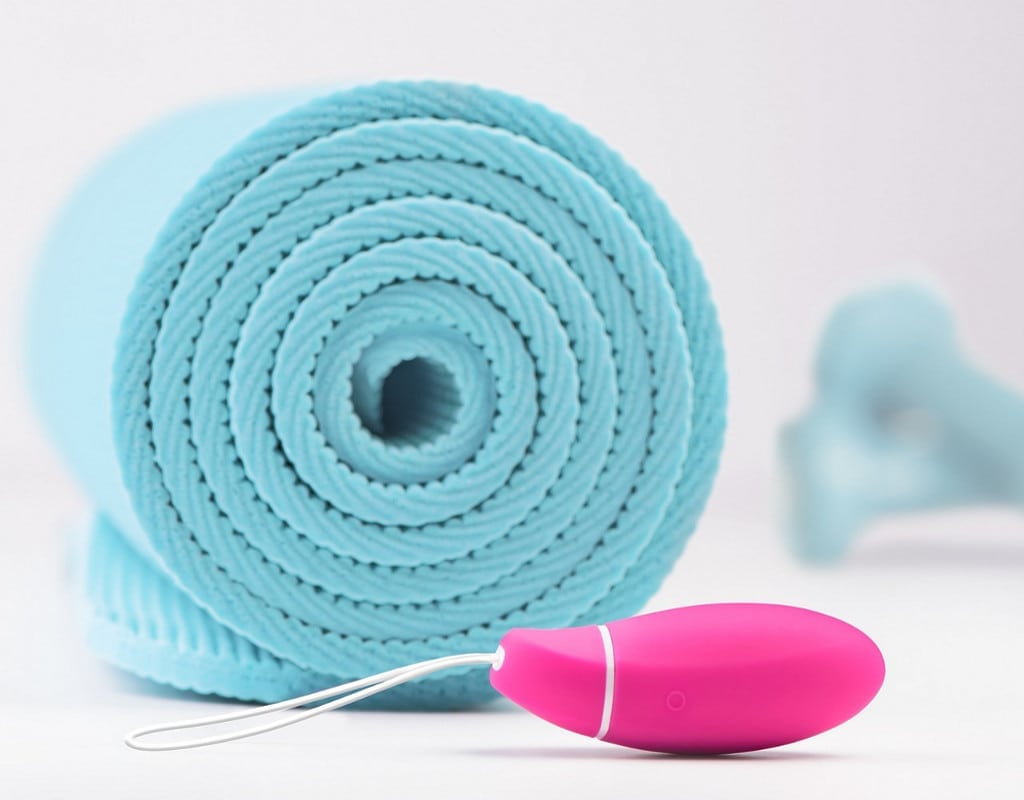
It’s likely you’ve already heard about the importance of strengthening your pelvic floor, but you might not have come across Ben Wa balls yet. Also known as Kegel balls or love balls, they help take the work out of the exercise, allowing you to go about your daily routine without even having to think about it! Ben Wa balls are particularly useful as often women struggle to activate the correct muscles during standard “squeeze and hold” Kegel exercises.

Ben Wa are small weighted balls, coming in a variety of sizes, materials, and weights, that are inserted into the vagina to help strengthen the muscles. You might be thinking “won’t they just fall out?”, but that’s where the exercise comes in! As you walk around, your muscles naturally tighten to keep the Ben Wa balls in place, and you can even wear them out and about – no one will know.

Get a head-start

If you’re ahead of the game and haven’t even thought about falling pregnant anytime soon, then there’s absolutely no reason why you can’t start using Ben Wa balls now. In fact, the earlier you start, the earlier you will feel and experience the benefits! Ben Wa balls are known as “love balls” due to their amazing sexual benefits, including increasing the strength of orgasms, so why not?
A beginner’s set of Ben Wa balls such as the Silicone Kegel Exerciser is a great place to start – ensure you use plenty of personal lubrication to help with insertion!

Kegel
Silicone Kegel Exerciser

During pregnancy

During pregnancy, the uterus grows as the baby gets bigger, putting a lot of stress on the pelvic floor muscles. This causes them to weaken significantly, and can cause urinary incontinence and make labour and delivery more difficult. Incorporating Kegel exercises, or Ben Wa balls, into your pregnancy routine can make all the difference when it comes to meeting your little one!

Ben Wa balls, and regular Kegel exercises in general, will strengthen the pelvic area in preparation for labour and delivery. They can also help you recover faster after you’ve given birth, reportedly helping you “snap” back into shape faster.

Always remember to check anything with your doctor during pregnancy, as it may not be advised that you use Kegel balls (or your doc might want you to use a specific brand/weight/material). However, if you’ve been given the all-clear, a set of balls such as the best-selling OVO L1 Loveballs are a good option! These balls are made with skin-safe silicone with two different weights to progress.

Kegel
OVO L1 Loveballs

After pregnancy

Nine months can go by in the blink of an eye, and if you’ve completely forgotten about preparing for your inevitable post-partum recovery journey, it’s not all doom and gloom! Kegel balls can be incorporated into your routine to help strengthen your pelvic floor after giving birth.

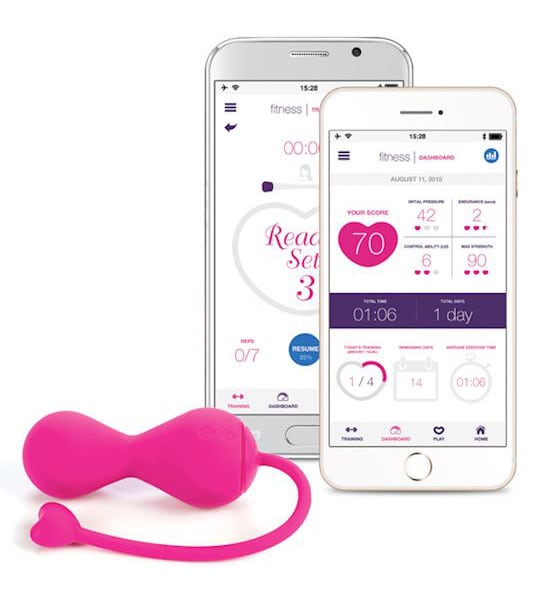
Your body will likely change a lot after giving birth, which can make it hard to know whether you’re exercising the right muscles. For those looking for pelvic floor exercises with bio-feedback, which provides users with direct feedback by measuring the pressure, control, endurance and grip of your pelvic floor muscles, then you could try a more advanced app-based Kegel trainer such as the Lovelife Krush Kegel exerciser or Gballs2. These products feature apps that help you track your progress, and sensors ensure that you’re actually using the right muscles, so this is perfect for regaining bladder control and pelvic strength.

Again, ensure you double check with your doctor about when it is safe to start introducing Ben Wa balls! Most doctors will recommend waiting six weeks, however, this could be different for you.

Kegel
Lovelife Krush Kegel Exerciser


Even though you can’t see them, your Kegel muscles are vital in more than one aspect, and strengthening them can provide a range of benefits. This may just be your new favourite workout!

This article was written by Georgia May, sex toy expert, at Adulttoymegastore.co.nz.

The Dyson Cyclone V10™ cordfree stick vacuum

Years ago my cheap-as-chips vacuum cleaner gave up on me and I had to resort to borrowing my mother-in-law’s vacuum. She had a stand-up Dyson which she loved for it’s cleaning ability. One trip around the house with it and I never wanted to see it again! It was huge and heavy. It made me sweat (and swear!) lugging it around and it took a fair amount of skin from my shins with it!

So when I was given the opportunity to review the new Dyson Cyclone V10 cordfree stick vacuum, it was going to have an uphill battle to convince me to give up my existing vacuum cleaner. What can I say? I concede!

Dyson

The Dyson Cyclone V10 is not just a new vacuum, I believe it’s a revolution in cleaning! Here’s why.

Cordfree

I didn’t think moving a cord out of my way whilst vacuuming was that big of a deal – until I didn’t have one! Not only do I not have to avoid running over the cord, I also don’t have to plug, unplug, replug, work out how far I can vacuum from each plug! For instance, vacuuming the corner of my bedroom used to require me to plug the vacuum into the hallway power plug (the only free plug nearby), then put the vacuum on the bed because the cord wouldn’t reach around the bed, then stand on one leg whilst trying to manoeuvre the vacuum head into the tight space between the bed and the wall … argh! With the Dyson Cyclone V10 I just walk in and go for it! I can get into the really tight spaces with the small attachments. The lack of cord also means I can clean out the car, the garage, anywhere, without the need for a separate car vacuum.

It really sucks!

It’s a Dyson, so you know it’s going to perform with the utmost efficiency and the Dyson Cyclone V10 doesn’t disappoint. I was however disappointed in my old vacuum which had apparently missed so much of the dirt in my carpet that showed up after using the Dyson!

The Dyson Cyclone V10 also has three different levels of power so you can reduce the ‘suckability’ for mats, furnishings, etc.

Dyson
Attachments

Attachments galore

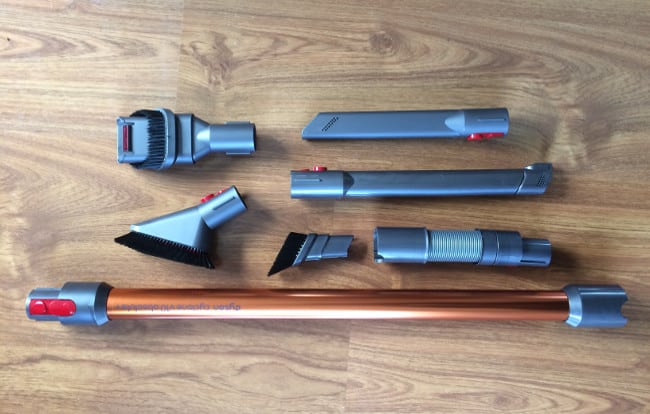
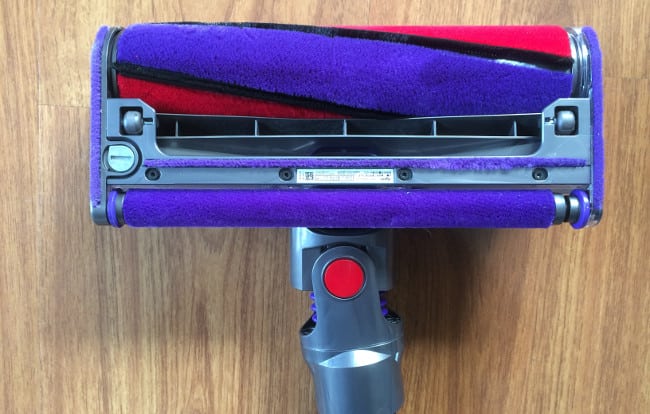
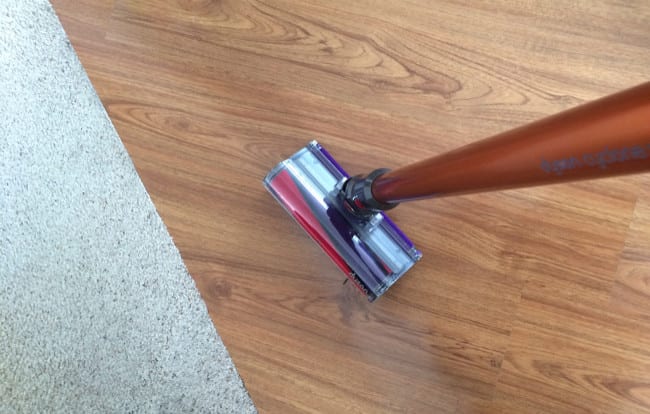
The attachments that come with the Dyson Cyclone V10 are brilliant. The Soft Roller Cleaner Head that buffs the laminate floor as it vacuums is my new best friend! Shiny floors with minimum effort. The Mini Motorised Tool lets you really get into the couch, cushions and other small places. The bendy Extension Hose attachment lets you get into all sorts of places and the Mini Soft Dusting Brush is perfect for removing crumbs from the PC keyboard (so many crumbs!).

Everything just clicks into and out of place without the need to have the grip strength of a rock-climber!

Dyson
Soft Roller Cleaner Head

Ditching the dirt

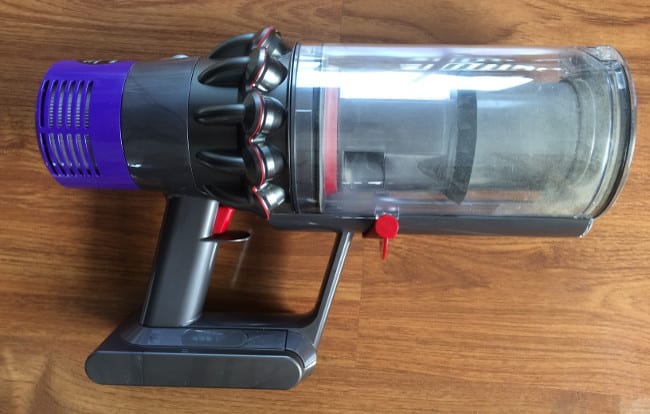
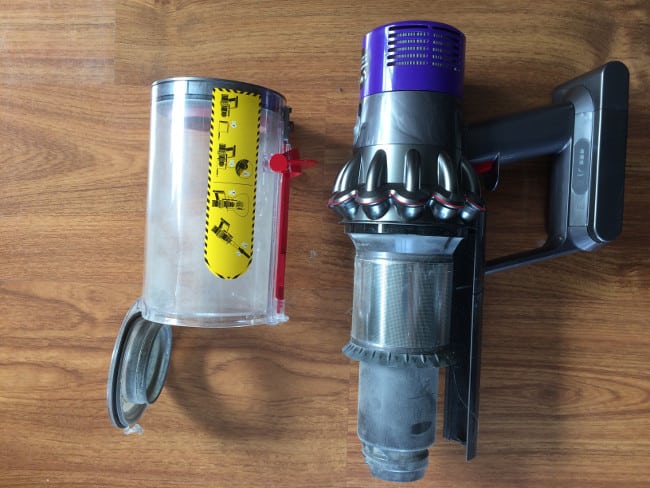
Being asthmatic I shy away from emptying my old vacuum cleaner cos my lungs are not appreciative of the dust flying everywhere. The Dyson Cyclone V10 is so simple to empty that I have found I don’t need to call on other members of the household before I can carry on cleaning. It takes a bit of getting used to but once you’ve got the hang of it, it’s a simple push and pull action and the dirt is dumped straight into the bin. The filter is also a doddle to clean – just remove it, rinse in water and leave to dry. Simple.

The unit is quite small so you will probably need to empty it several times if you’re doing a big clean, but it’s just a few seconds to empty it and you’re off again.

Another plus for those of us with sensitive lungs is that due to its fully-sealed filtration system, it’s expelling cleaner air than my old musty, dusty vacuum!

Dyson

Baby you can drive my … vacuum!

My favourite thing about the Dyson Cyclone V10 is the manoeuvrability. The way that the cleaning head turns with an easy turn of the wrist makes cleaning so much easier. As an RSI sufferer I really appreciate not having to lift and turn with effort and the Dyson is easy on the hands. I was a little apprehensive thinking that my hand wouldn’t be able to hold it for long. But the Dyson is light and reasonably comfortable to hold even for extended periods.

Dyson

Battery life

The Dyson Cyclone V10 just keeps on sucking (sorry, bad pun!) thanks to its ‘fade-free power’. On a full charge I can get round my entire house before it needs recharging (which only takes a couple of hours). Not that you will feel the need to do the whole house in one go. It’s so easy to just whip out and use then pop back on charge (with it’s handy wall docking station), that I can’t see the need to clean the whole house in one go and breaking down the cleaning into sections is much more practical. It will change the way that you vacuum, without the thought of having to drag out a big vacuum cleaner, plugging in, etc, quick jobs are so much easier.

Lights on the unit will let you know if you’re getting low on battery. There are also lights to indicate when there’s a blockage or if the filter needs cleaning.

The ‘why did no one think of that before’

I have long hair. And it falls out A LOT. My partner mutters, “how are you not bald?” every time he has to attack the old vacuum cleaner head with scissors and screwdrivers to clear yet another stranglehold caused by my hair. We also have cats so the combination means that vacuum heads are constantly being clogged. Not so with the Dyson Cyclone V10. With a clear head it’s easy to see any build-up of hair strands. There is also a simple, ‘knob’ on the end of the head that can be turned to release the entire brush bar, making removing hair strands that get stuck absolutely easy. Brilliant!

Dyson
The cat’s favourite cushion … before and after!

Noise levels

I never realised how loud and obtrusive the old vacuum was until I started using the Dyson Cyclone V10. Not only is it quieter than my current beast, the fact that it is only “on” when you pull the trigger means that the cats are less likely to make a break for it when I move around the house and if – who am I kidding – WHEN the kids need to talk to me mid-vacuum I don’t have to go switch off, just release the trigger. You stop, it stops … clever that!

How good is it?

It’s not good, it’s great. Dyson have thought of everything with this cordfree stick vacuum. In fact, the only thing I don’t like about the Dyson Cyclone V10 is that I have to give it back now that my review is done. Cue the Leanne Rimes song … “How do I live without you …”

Click here for more information on the Dyson Cyclone V10 cordless stick vacuum.

This review was written by Julie Scanlon, Editor for Kidspot NZ. Julie was provided with a Dyson Cyclone V10 cordless stick vacuum for the purposes of the review. However, the opinions contained in this review are those of the author.

Sanitary bins for primary schools

Bin it, don’t flush it. That’s the message that is promoted to women with regards to sanitary products. But what do you do if you’re an eight year old at school, you need to change your sanitary pad and there’s no bin to dispose of it?

Don’t flush it!

Sanitary pads, liners and tampons are bad for our sewage system. The materials used in them do not break down sufficiently in the water and tend to clog up pipes, as well as adding to the ‘solid waste’ that needs to be removed by treatment plants.

Not many people would consider flushing a big, bulky pad down the loo but there has always been a certain amount of doubt about tampons. Despite what you may have been told, or what you may believe, tampons are not supposed to be flushed. All sanitary products should be disposed of in household rubbish.

Calls for sanitary bins for primary schools

With correct disposal in mind, now consider young girls who are suffering the initial clumsiness of dealing with periods and how they go about disposing of used sanitary products when no bin is immediately available.

Data released by the Ministry of Health in their 2014/15 NZ Health Survey reveals that the age at which girls are getting their first period is decreasing. In fact, one in 16 girls in NZ will get their period while at primary school – some as young as eight years old.

This has led to calls for sanitary bins to be provided in all primary schools. Some parents have spoken about how their daughters have to use the staff toilets when they are menstruating so they can dispose of their sanitary products.

Does your child’s school have sanitary bins? Have you or your child had to make ‘alternative’ arrangements for disposal? Join our discussion in the comments below.

Period poverty

As well as a lack of facilities to dispose of sanitary products, NZ families are also finding it difficult to afford those products in the first place. ‘Period poverty’ leads to hundreds of girls missing several days at school every month, as their family can not afford to buy sanitary products. This can affect their learning and limit their educational opportunities. It is also what drives many girls and women to use unhygienic or dangerous substitute items such as rags and newspaper.

Want to help? You can donate to any of the following organisations around New Zealand who are working to collect and distribute sanitary supplies to young women in need, either through donation or a Buy One Give One system:

SPINZs (Sanitary Products in New Zealand Schools)

The Salvation Army Foodbank Project (Women’s hygiene bundle)

Go With The Flow (Wellington)

Feel Good Period (Auckland)

KidsCan (Health for Kids)

Shine (Auckland)

MyCup (Donate a cup)

Lumii (Donate a cup – Auckland)

Oi (Buy one give one)

Dignity (Buy one give one for businesses)

United Sustainable Sisters (Auckland)

Continue reading “Sanitary bins for primary schools”

How popular is your birthday?

Now, we’re not talking about how many guests will RSVP to your birthday bash invitiations when the topic of popularity comes up. We’re actually talking about how common your birthday is, ie how many people you share your special day with. And ultimately, why mums are seemingly more proficient at popping out babies on certain days of the year!

Most popular

In New Zealand, figures from Statistics New Zealand show that in the last 35 years, the most popular birthday is 30 September. If your birthday falls on this date, you share your birthday with about 14,200 people in New Zealand.

The 10 most common birthdays all occur between 22 September and 1 October. So counting back, the most popular time of year for conceiving a baby is definitely around Christmas, New Year and those relaxed, summer holidays.

In other countries, similar patterns emerge. In the UK, the most popular day is 26 September, whle in the USA it is slightly earlier at 16 September.

Are you more unique?

The date with the least amount of birthdays (not including the four-yearly 29th of February) is Christmas Day, 25 December – after all, no one wants to share their birthday with the biggest present gifting day of the year if they have a choice! Public holidays tend to also have low birth rates, presumably due to the lack of planned births, ie elective c-sections and inducements at a time when less staff are available at hospitals and birthing centres.

How popular is your birthday?

Using this handy tool you can find out how common the birth dates are for yourself and your children.

Whatever the popularity ranking of your birthday, just remember that, on average, you will share your birthday with around 19-20 million other people around the world. Happy Birthday everyone!

This article was written by Julie Scanlon, Editor for Kidspot NZ.

Continue reading “How popular is your birthday?”

New children’s book and album takes you down memory lane

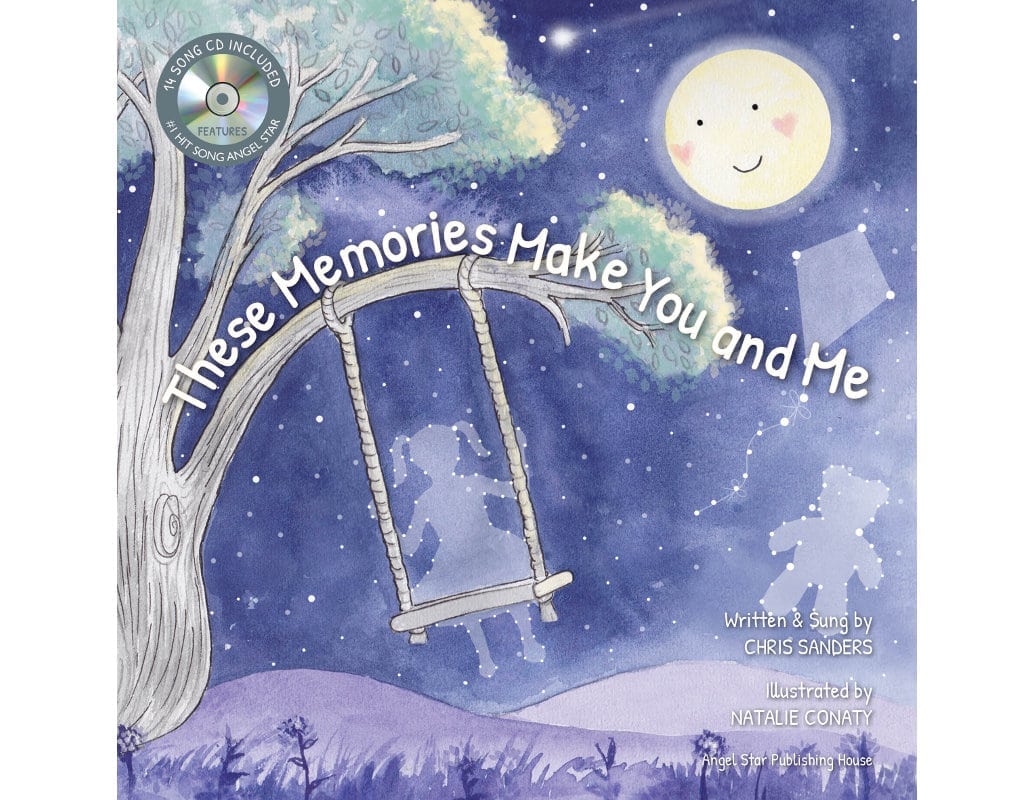
Children, parents and grandparents, be prepared to smile, laugh, reminisce and even shed a little tear (of joy of course), with a new children’s book and album that takes you down memory lane.

Kiwi hit children’s songwriter and author Chris Sanders has released his debut album, These Memories Make You and Me – and it’s gone straight to #1 on iTunes Children’s Chart and #3 across all genres on iTunes.

Perfect to share together

The 14-song album, which received support from NZ on Air is a concept album, taking families on a journey through different stages of their life together. From the very first moment parent and child lock eyes with one another, to looking back and marveling at how fast your child has grown – and everything in between. It’s the perfect album for families from young to old to share together.

“Every song on this album has been written from experiences in my own life as a Dad”, says Sanders. “As parents, we remember the joy when first looking at our newborn, being woken up in the night, feeling helpless when our child gets sick, the first day at school. This album has all this and so much more.”

You can listen to the album here: http://smarturl.it/TMMUAM

Angel Star

These Memories Make You and Me also includes Chris’ #1 children’s single Angel Star, a popular song and picture book with families around New Zealand. It’s based on the true story of a young girl who wants a sibling to keep her company, so she goes outside and picks a star in the sky to be her new baby brother or sister, then takes that star on an adventurous journey down mountains, across seas, through valleys, delivering that little star to her loving family home.

The new album is also being subsequently released as a children’s picture book with CD and will be available in all leading book shops across New Zealand from October 1st or online at www.angelstar.co.nz.

Stunning illustrations

The illustrations have been done by Natalie Conaty, who has worked as a costume designer for many TV Shows and as a stylist for the wax figures at Madame Tussauds in London for the last eight years.

“Natalie is my cousin and one day she posted a picture she had done on Instagram. I thought it was incredible so I contacted her right away about this book”, says Sanders. “Fortunately for me she jumped at the chance, so to have someone with the worldwide recognition she has is a privilege – the illustrations are beautiful!”

[fvplayer src=”https://kidspot.co.nz/wp-content/uploads/2018/10/These-Memories-Make-You-and-Me.mp4″ splash=”https://kidspot.co.nz/wp-content/uploads/2018/10/Final_cover_sized640.jpg” width=”640″ height=”360″]

111 Ambulance Song

Chris Sanders is also known as the 111 Ambulance Song guy. In 2018 he wrote a catchy kids 111 song for St John NZ. The song teaches Kiwi kids what to do in an emergency and dial 111, with over 1 million kids expected to listen to the song by 2022. The song reached #1 in the iTunes and Google Play children’s charts. The accompanying book, Call For the Ambulance, is available in bookshops and has sold 4500 copies, raising $1,400 for St John so far. Chris was recently taken on a nationwide schools tour with St John and performed to 20,000 kids.

Information in this article was supplied by Angel Star Publishing House.

Continue reading “New children’s book and album takes you down memory lane”

The Truth Behind Your Baby’s Poo

Poo, poop, faeces, tūtae, bowel motion, doo-doo, kaka, poonami – there are nearly as many names for it as there are versions of normal in a baby and infant.

You will be astonished at how important the contents of your baby’s nappy becomes in your parenting journey, so find out what is ‘normal’ and when you should seek advice about your baby’s poo.

Newborn

The first poo is known as meconium and tends to be dark and sticky. Almost odourless, meconium is made up of material baby has ingested during gestation including mucous and amniotic fluid. Most babies pass the meconium after they are born, but some may do this during labour or delivery. This does not usually cause the baby any problems although your LMC will aspirate any meconium from your baby’s nose and mouth once born.

The colour of the poo will change over the first week, gradually lightening to a khaki greenish colour, as your baby’s digestive system starts processing those first feeds.

The breastfed baby

Poo from exclusively breastfed babies is yellow/green, looks a bit curdled and may have wee white flecks in it. It has a mild, almost pleasant smell. Don’t be surprised if your breastfed newborn does a bowel motion after every feed – as it goes in one end, the other end empties out!

Also don’t worry if the colour changes a bit (if everything else is normal). It might be that you ate something different. Similarly, don’t be concerned if your baby is grunting and straining when they do a poo – this is totally normal.

If your breastfed baby is not having a bowel movement at least three times a day, or several are green and frothy, have a chat with your LMC or health professional. If your baby has diarrhoea – frequent, watery and green poo (especially if accompanied with vomiting) seek medical advice.

As your baby gets older they will poo less frequently. Sometimes they will not go for days and then will present you with what many parents call a ‘poonami’ – a flood of poo right up the baby’s back!

If they have more than one or two bowel motions in a row that are like firm pebbles or their poo is accompanied by a tinge of blood, your first step is to seek advice from your GP. If you have had bleeding nipples you may notice little black flecks of old blood in your baby’s nappy however it is still worthwhile confirming with your GP that this is the source. If there is any blood in your baby’s nappy, or there is a dramatic change in your baby’s poo, seek medical advice.

The formula fed baby

The poo of a formula fed baby is thicker and creamier than a breastfed baby’s – similar to smooth peanut butter. The normal colour is somewhere on the brown spectrum – yellowy/tan usually, but sometimes greenish. It will smell a bit stronger than a breastfed baby’s but won’t be pungent like an adult’s. You will get to know what is ‘normal’ for your baby.

A change in your baby’s poo – such as frequent and watery, a strong odour or a change in colour – may indicate an allergy, infection or other problem. Consult your GP.

As your baby gets a bit older, it is likely their bowel movements will become less frequent and that they might learn to grunt and strain. Neither of these is of concern, unless the bowel motions are small and pebble like as this may mean they are constipated. It is not uncommon for formula fed babies to get constipated from time to time and something as simple as a change of formula to one that is designed to specifically aid babies suffering from constipation may be a solution. Have a chat with your health professional or GP. Don’t offer a young baby water or any other remedy without first seeking advice.

If there is ever blood in your baby’s nappy, or you are concerned about what you find in your baby’s nappy, seek advice from your GP.

Introducing solids

The introduction of solids will change your baby’s bowel motion consistency, frequency and odour. The change won’t be so much at first as but as you introduce things like meat and green vegetables you will notice the poo becomes much smellier.

The colour of the poo will change according to what your child has eaten – as they get older and their diet changes it can even be slightly alarming! Food colouring can pass through seemingly unchanged. You may even find some undigested bits of food in it! This is normal – however if it becomes a regular feature, chat with your GP.

For more information about what’s normal and what’s not, visit Nutricia Careline.

This article was written by Kidspot NZ for Nutricia Careline.

Continue reading “The Truth Behind Your Baby’s Poo”

Is it colic?

We all expect babies to cry – after all, it’s the only method of communication they have. However many babies, particularly around the 6-8 week mark, have regular and extended periods of crying, usually worse in the afternoon or evening, where they are not tired, hot or cold, hungry, or wet, but they are miserable. Is this colic or something else?

When is it colic?

Colic is often attributed to any excessive crying however the definition widely used by health professionals is a more objective measure. Under the Rome IV guidelines, a diagnosis of colic must include:

  • The infant is under five months of age when the symptoms start and stop
  • There are recurrent and prolonged periods of crying, fussing or irritability, reported by caregivers that occur without any obvious cause and cannot be prevented or resolved by caregivers
  • There is no evidence of infant failure to thrive or other illness

A colicky baby may scream and cry, arch their back, scream and cry, clench their fists and tuck their legs up. Your baby may also seek the nipple or teat and then quickly reject it. Other than this distressing time of the day, your baby seems otherwise healthy and happy.

What causes colic?

The colicky phase can be a stressful and exhausting time for parents as they are unable to calm their baby for extended periods.

There are many theories about the cause of colic from over stimulation, to an imbalance of melatonin and serotonin, an immature digestive system, excess gas, food allergies or insensitivities and reflux. None of these theories are proven and the presence of colic is certainly not a failure of yours.

Helping your colicky baby

The only real solution to colic is time. Colic tends to improve at around three to four months old. While you are waiting for this stage to pass, there are some things you can try to help calm your baby.

If you are breastfeeding, you could try eliminating gas causing foods such as beans, broccoli, cabbage, and citrus, or foods that commonly cause allergies such as dairy, soy, wheat, nuts and eggs.

If your baby is formula fed, a change to a formula that has been designed specifically for babies with colic and contains a prebiotic may help. Talk with your GP, pharmacist of other health professional.

Other things parents have tried include swaddles, carrying in a front pack, swinging movement, repeatedly pushing the pram over a bump, white noise, soothing music, a dummy, pressure on your baby’s tummy (such as on your shoulder or forearm), and baby massage. Give different remedies a try one at a time – but remember, sometimes baby just can’t be soothed and the colic will settle in its own time.

Be careful of oral remedies – discuss with your pharmacist, GP or health professional first.

Parents can find this a distressing time as you can feel helpless in the face of a baby who just can’t settle but do remember this is a phase, it’s not your fault, and it won’t cause your baby and lasting damage. Every day you get through is one day closer to the end of colic times!

Ask for help – don’t try to cope with this alone. Talk about it with friends, family, your GP and try to take a break whenever you can. Wear earphones, listen to music, binge watch Netflix – anything to try and distract yourself and reduce the intensity of the moment. If you feel overwhelmed, put your baby somewhere safe (eg their cot) and remove yourself for a few minutes.

When is it not colic?

It can be difficult to determine the difference between colic and an underlying condition such as a hernia, reflux, allergy or infection so don’t hesitate to seek help from your GP or other healthcare professional if only to get some reassurance.

If there is any blood in your baby’s nappy, excessive vomiting, poor weight gain or any other concerning symptom, get them checked by your GP.

For more information about what’s colic and what’s not, visit Nutricia Careline.

This article was written by Kidspot NZ for Nutricia Careline.

Continue reading “Is it colic?”

Don’t Forget The Sunscreen!

The Kiwi summer is well known for beautiful blue skies and lack of ozone! We love our summer but we also know that we need to protect ourselves from the sun, especially our children. But how often do you forget to apply, or especially, reapply, the sunscreen?

Lazy summer days can mean that hours slip by unnoticed until those red hues start to appear on your skin!

Parents often admit that they find the job of protecting their children from the sun challenging, particularly amongst kids under five who have a habit of squirming away or screaming at the mere sight of sunscreen. Then there’s knowing when to put it on, how much to use, and when to reapply. Even if you cover your bases for the kids’ sun protection, you often forget your own!

The facts about our use of sunscreen

survey of Kiwis n 2015 showed that:

  • 51% admitting their children have been sunburnt
  • The most common places for kids to get sunburnt were the beach or park (55%), school (23%) and home (23%).
  • 58% of Kiwis get sunburnt each year (72% for those under age 40)
  • 38% of those under age 30 sunbathe on holiday
  • 22% of males don’t use sunscreen at all

When and how to apply sunscreen

  • Protection from the sun is required when the UV levels are 3 or higher. Generally, this is between the hours of 10 am and 4 pm during summer. You can view today’s UV levels at the NIWA website.
  • Think ahead! Sunscreen should be applied 20 minutes before sun exposure to allow time for it to be absorbed into the skin.
  • An average-sized adult should apply at least: 1 teaspoon of sunscreen to each arm, 1 teaspoon of sunscreen to each leg, and half a teaspoon to the face, neck and ears.
  • Every two hours, reapply sunscreen – and more often if you are swimming or sweating.
  • Combine sunscreen with sun-protective clothing, sunglasses, a wide-brimmed hat that protects the face, head, neck and ears.
  • Avoid the midday sun and find shade whenever possible.

Tips for applying sunscreen to kids

Finding a quick and ‘whine-free’ way to apply sunscreen to your kids will make the summer go a whole lot smoother! Try these tips to find what works for you.

  • Sing a song together while you apply the sunscreen as a distraction – nursery rhymes are great for this
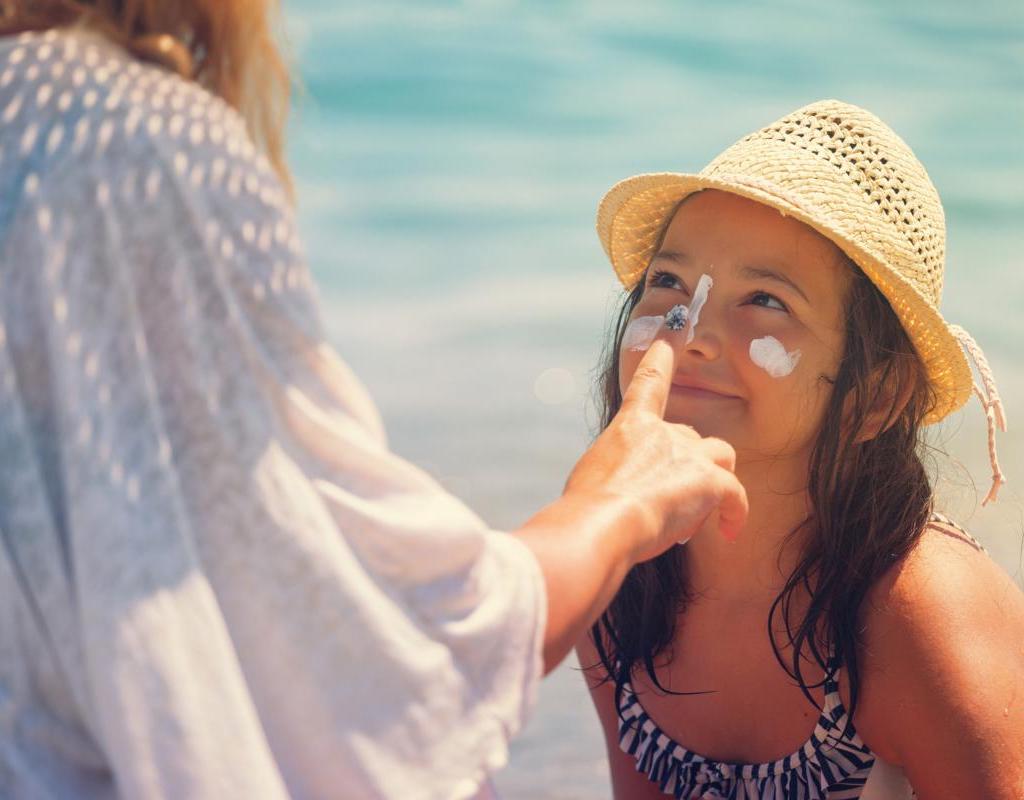
  • Draw patterns or images with the sunscreen before it gets rubbed in
  • Try using a make-up sponge to apply the sunscreen – some kids just love the feel of it!
  • For older kids, have them try and apply the sunscreen themselves for a bit of independence (with a final check for missed bits)
  • Try different applicators, ie roll-on, pump bottle, spray

This article was written by Julie Scanlon, Editor for Kidspot NZ.

*Source: Euromonitor International Limited; NIVEA in the category Sun Care,incl. Sun Protection, Aftersun & Self Tanning; in retail value terms, 2017. Always read the label. Use only as directed.

Continue reading “Don’t Forget The Sunscreen!”

A third of kids are regularly absent from school

Wagging, ditching class, skipping school … whatever the kids these days call it, it’s just part of a real issue for New Zealand’s education system.

The walkout today by around 100 students at Fraser High School in protest at their principal’s comments regarding truancy has also brought attention to the problem of falling attendance in New Zealand schools.

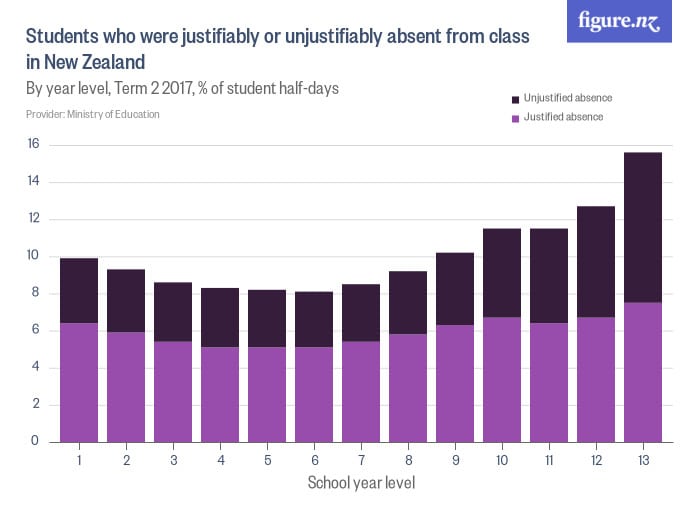
A survey carried out by the Ministry of Education in Term 2 of 2017 revealed that over 280,000 students were regularly absent from school. That’s more than a third of all students. For the survey, a student was considered to be attending regularly if they were present at school for more than 90% of all halfdays during the term.

attendance
Graph: Students attending regularly: having attended more than 90% of all school time in Term 2, where time is measured in half-days. Source: Figure.nz

NB Students in high-decile schools attended more than those in lower-decile schools, with 72% attending regularly in decile 10 schools compared to 47% in decile 1 schools.

Why are kids absent from school?

If the figure of 280,000 students absent from school seems almost impossible to comprehend, bear in mind that this figure includes both justified and unjustified absences. And those definitions really do depend on the school’s own policy regarding justified reasons for non-attendance. Justified absences can include illness, medical appointments, extreme weather conditions affecting school/travel, and a student being suspended.

absence
Source: Figure.nz

NB Attendance declines in the senior secondary years, with female students attending less than male students in Years 11 to 13.

Unjustified reasons may include unreported illness, family holidays during term time, staying home to look after siblings, etc. And, of course, being truant!

There are plenty of other reasons for kids not attending school – every parent could probably come up with a few that have caused absence that aren’t related to a child simply not wanting to go to school. For instance, trying to find a suitable school due to special needs, withdrawing a child due to bullying, housing issues, circumstances surrounding poverty (ie, no uniform or lunch), extreme tiredness, and the list goes on.

Does it matter if they miss a few days of school?

Almost every kid is going to have a few days off in a school year due to illness, appointments, etc. But it is the continued absence on a regular basis of those children who aren’t interested in attending school that can have detrimental effects on their education. In our curriculum-led education system, it is imperative that students don’t miss too many lessons or they fall behind. In the MOE survey, term 2 attendance in Year 11 was strongly linked with attainment of NCEA Level 1. About 90% of NCEA Level 1 students attending every class in Term 2 achieved NCEA that year, compared to 60% of those who missed a quarter of the term. (Source: Educationcounts.govt.nz)

It is worth remembering though that school is not the be-all and end-all for everyone. Some people will find their path later than others and attend other education establishments, seek out on-the-job training, or start their own business. But for most, taking up the education opportunities offered by primary and secondary school is too good to miss.

This article was written by Julie Scanlon, Editor for Kidspot NZ. Sources includes Educationcounts.govt.nz.

Continue reading “A third of kids are regularly absent from school”

Most comfortable sex positions during pregnancy

Pregnancy is a rollercoaster of hormones, emotions and cravings. One minute you might be crying as your partner leaves for work, and next minute you’re yelling at him for forgetting to bring home chocolate (fair call).

There’s no doubt that you’re going through a pretty emotional time, but it’s important to retain the intimacy and love between you and your partner. There’s no reason for your sex life to take a backseat during pregnancy, and despite some myths and misconceptions, it’s totally safe for you and the baby!

Getting started

Your hormones are likely to be all over the place, meaning you might have an insanely high sex drive and plenty of natural lubrication – if so, great! However, it’s totally normal if you’re on the opposite end of the scale and are struggling to get in the mood, or produce enough natural lubrication. The simple solution to this dilemma is to invest in some natural lubricant to get things gliding! Something that can double as a massage oil, for a lovely sensual massage, and as a lube for when things get steamy, is ideal!

Most doctors will recommend a water-based lubricant and advise you to stay away from several key ingredients such as glycerine, paraben, and petroleum, to avoid irritation and possible infection. An organic and natural lubricant such as the Sliquid Organics Oceanics Lubricant is a safe option for all parties.

Get comfy

While you may be a self-proclaimed sex position expert, your body has changed (and is still changing!) which means some positions may be off the table. But don’t let that scare you! Plenty of positions are still adaptable and comfortable for your bump.

Spooning

spooning

Spooning is an intimate position that is ideal to accommodate for your growing baby. Simply lie on your side with your legs curled up, while your partner mimics your position and enters from behind. This will help keep the pressure off your belly, and you might even consider propping yourself up with a pillow or two to make things extra comfy!

On the edge

edge

Lay on your back on the edge of your bed, with your feet on the floor, and get your partner to enter by either standing or leaning over you. This position allows for deeper penetration, while ensuring you are comfortable and stabilised.

Not quite getting the right angles? A piece of sex furniture from a brand such as Liberator can help ease any discomfort and allow your partner to enter from multiple angles with ease.

Cowgirl

cowgirl

If you’re feeling particularly uncomfortable, it may be a good idea to take the reins and position yourself on top of your partner. This means that you can control the tempo and try out different angles to find what works best for you. Sometimes actions speak louder than words!

From behind

behind

This position provides great penetration and helps to reduce the pressure on your bladder, which is vital for enjoyable sex. Simply position yourself on all fours, and your partner can enter from behind. This is another position that you can adapt with pillows, or sex furniture, to ensure your comfort at all times.

Non-penetrative

Sometimes you just aren’t feeling up to penetrative sex, but you’re still keen to get a little intimate. That’s totally normal! Oral sex can be just as pleasurable and fun for both counterparts, without comprising your comfort. While oral is totally safe during pregnancy, it’s crucial to note that air should never be blown into the vagina, as this can cause complications. Otherwise, go for it!

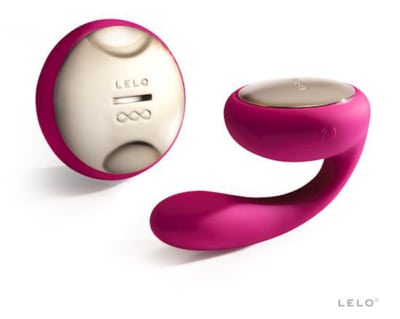
You can safely introduce and utilise sex toys during pregnancy (just look for pregnancy-sex approved toys), and a new vibrator may be just what you and your partner need! The LELO range is considered one of the safest sex toy brands, and has a range of toys for couples, or if you’d prefer to go solo. The LELO Ida is one of their best-selling couple’s toys, and is 100% pregnancy-sex approved for some worry-free fun!

LELO

Sex is a natural part of life, so it’s only normal to continue it throughout your pregnancy. As long as you and your partner are on the same page and communicate regularly, there’s no reason for your sex life to take a hit.

This article was written by Georgia May, sex toy expert, at Adulttoymegastore.co.nz.

LEGO Build & Believe

product trial5 out of 5 – Kidspot mums would purchase LEGO Build & Believe sets again and recommend them to their friends and family.

star

LEGO is the perfect fun activity for your kids! Inspire their imagination and creativity with the great range of products. You don’t just have to build with the instructions – you can rebuild or mix the sets for endless play, making it great value and the perfect way to spend quality time and quality play with your child. So, get ready for lots of fun together!

The LEGO Build & Believe range includes LEGO Friends, Disney, Elves & Unikitty.

LEGO Friends

LEGO Friends are five ordinary girls doing extraordinary things in their home town, Heartlake City – helping each other make the world a better place!

LEGO® Friends Olivia’s Mission Vehicle – Rush to help the little cat stuck in a tree with LEGO® Friends Olivia’s Mission Vehicle, featuring a rooftop control center and room for lots of friends inside!  Includes an Olivia mini-doll figure, plus a buildable Zobo figure and a Vega the cat figure.

LEGO® Friends Heartlake City Resort – Make a splash at the LEGO Friends Heartlake City Resort featuring a hotel with 2 bedrooms, monorail, water park with 2 slides, and a beach area with water scooter and parasailer.

LEGO® Friends Emma’s Deluxe Bedroom – Enjoy a day of arts and crafts in Emma’s bedroom with a four-poster bed, drawing board with paints and canvas tile, turning pottery wheel, and a special stand for Chico the cat.

lego

LEGO Disney

Build and play out stories from your favourite fairytales. Disney characters come to life as you recreate adventure, romance, and heroism!

LEGO® Disney Sleeping Beauty’s Fairytale Castle – Celebrate Disney Aurora’s 16th Birthday in LEGO Disney Sleeping Beauty’s Fairytale Castle with spinning wheel, vanity, bedroom, balcony and Maleficent’s lair.

LEGO® Disney Rapunzel’s Traveling Caravan – Go on a journey with Rapunzel, Cassandra, Maximus and their amazing open-up caravan with everything you need for sleepovers, cooking and adventures.

LEGO Elves

Create your own epic quests with Elves’ companions, Dragons, Goblins and fantasy locations.

LEGO® Elves The Elvenstar Tree Bat Attack  – Defend the Elvenstar Tree in this LEGO Elves set, featuring a 3-level tree with slide, transformation function, waterfall tower and portal, plus 3 mini-doll figures and a Noctura the evil bat figure.

LEGO UniKitty

Go on an adventure with UniKitty and her four other pals. Unikitty is the energetic, bubbly, and bright princess of Unikingdom. She’s a creative thinker and leads the charge when there’s a problem in need of a solution.

LEGO® UniKitty Unikingdom Creative Brick Box – Get creative with a handy storage box full of colorful bricks to create all kinds of scenery and 16 amazing characters from Unikingdom, building confidence and imagination along the way.

LEGO® UniKitty Cloud Car  – The fun and colorful  LEGO Unikitty Cloud Car features a spinning sunshine propeller, 2 sparkle matter stud shooters and a flag, plus a small park scene, Square Bear’s house and 3 buildable figures.

LEGO stockists: Farmers, The Warehouse, Toyworld, Kmart, & Independent Toy Stores

We have given 30 members with a child aged between 6 and 9 years old the chance to trial and review two LEGO sets from the selection above. Read their reviews below.

Each selected reviewer will receive:

  • 2 x LEGO sets, selected at random from the selection above

Please scroll to the bottom of the page to add your review as a comment.

If you are selected to trial, the product will be sent to the address on your profile. Please check your address now to ensure that it is up to date. Not registered yet? Then signup now

Kidspot Terms and Conditions: You will be required to post your review on our Product Trials page if you are selected. Your name and postal address will be given to the supplier for the purpose of delivery of the product only. If you do not complete your review as instructed you will be required to return the product to Kidspot at your expense.

Teachers reveal the worst packed lunches

A Facebook thread asking teachers in the UK for the worst examples of a child’s packed school lunch has thrown up quite a few surprises! Were there too many treats? Did they bring peanut butter sandwiches to a nut-free school? Did they sneak in a piece of birthday cake? Nope. Not even close.

The worst lunches

Prepare yourself as these are not examples of a parent who’s run out of bread and fresh fruit at the end of the week and has had to throw together a mish-mash of packaged convenience foods (we’ve ALL been there!). No, these examples shared by teachers are just straight up shocking.

  • A pork pie and a can of shandy. The student had made the lunch himself and that’s all there was in the fridge.
  • A can of Red Bull and a bag of Monster Munch corn snacks.
  • A packet of ginger biscuits – mum had been “too tired” to go to the shops.
  • When a teacher questioned a parent on why their child had brought a can of Red Bull for lunch they were told, “He’d had a late night on his Xbox and seemed like he needed a pick-me-up.”
  • A Happy Meal box with a cold McDonald’s burger and fries. The child’s grandmother explained that it had been bought the day before but wasn’t eaten.
  • A child with no lunch said he had cereal with water for breakfast because his mother needed the milk for her coffee.

None of the above examples resemble a healthy lunch for growing kids. These are the extremes – or, at least, they should be. In 2012, TV current affairs show Campbell Live visited two NZ schools to look at the difference between kids’ lunches at a decile 1 and a decile 10 school with pretty shocking results. Last year, Newshub.co.nz revisited similar classes to see if there had been any progress. You can read the report here. One of the kids at the decile 1 school had an apple as his entire lunch (and had had no breakfast) and another had a packet of gingernuts for lunch.

The perfect lunch box

There are a dozen different reasons why a child’s lunch box may not be the perfectly balanced, healthy and nutritious meal that health specialists want us to achieve. Even if you are able to afford and prepare the perfect lunch, you can’t make your child eat it. So often parents will opt for “fed is best”. And there is absolutely no judgement here! One look in my kid’s lunch box and teachers would probably wonder if I’m really doing my best. I am. But they don’t know the years of struggle to get him to eat even a little bit of variety due to sensory issues.

It’s never easy to ask for help but families who are struggling to afford food for the family can seek assistance from organisations like The Foodbank Project, Whanau feeding Whanau (Wellington), St Vinnies, and Salvation Army. You can find a list of local foodbanks at Foodbank New Zealand. Some areas are setting up a community or social pantry. Search on Facebook for one near you (or set one up for your community). There are also community fruit harvest and food rescue groups.

Do you struggle to find a good balance for your child’s school lunch? Join the discussion in the comments below.

This article was written by Julie Scanlon, Editor for Kidspot NZ.

Continue reading “Teachers reveal the worst packed lunches”

Little Tikes – Little Moments, Big Memories

product trial4.83 out of 5 – Kidspot mums would purchase Little Tikes toys again and recommend them to their friends and family.

star rating 5

Little Tikes pride themselves on being experts in creating wonder and letting kids dream big! Little Tikes products are known for providing durable, imaginative and active fun in a wide variety of toys, including sports, ride-ons, sandboxes, sand and water play, climbing frames, slides, playhouses, and more.

Now we’re giving you the chance to try them for yourself! We have two of each of these fantastic Little Tikes toys ready to be reviewed.

Little TikesLittle Tikes Activity Garden

Suitable for ages 6 months to 3 years.

This Activity Garden incorporates a variety of baby toys and activities to develop motor skills and cognitive ability. Babies will love the stimulating colors, shapes and textures. This activity gym can be configured in different ways to keep play exciting and gives growing tots a head start by encouraging them to explore their world.

Features:

  • Easily converts from a closed play centre to an open, two-sided play centre
  • Ball drop & mailbox shape sorter
  • Movable, look through telescope
  • Babies can crawl through the archway
  • Shutters that open and close
  • Working door with a Tap-a-Tune piano that sits on top
  • Two-sided take along play panel with a variety of tactile, audio and visual activities
  • Requires 2 “AAA” alkaline batteries (not included)
  • Assembly required

Little TikesLittle Tikes Cozy Coupe

Suitable for ages 2 to 5 years.

The Little Tikes Cozy Coupe ride-on-toy is a classic. Toddlers love the car’s classic design and easy manoeuvrability. Perfect indoors or out, the Cozy Coupe encourages active play, imagination and the development of large motor skills.

For 30 years, this kid-powered ride-on has been a staple in homes. Kids love being behind the wheel while adults love the durability.

Features:

  • Removable floor board
  • When the floor is in, feet are protected
  • Taking the floor out allows kids to use foot-to-floor power
  • Handle for parent-controlled push rides
  • Designed with a high seat back and cup holders
  • Moving, clicking ignition switch
  • Gas cap open and closes
  • Rugged, durable tyres – front wheels spin 360 degrees
  • Maximum weight limit: up to 50 lbs
  • Assembly required

Little TikesLittle Tikes Gas N’ Go Mower

Suitable for ages 2 to 5 years.

A toy lawn mower that looks like the real thing!

This toy mower lets children mimic the activity they see every day in the world around them. The sounds and hands-on features encourage pretend play and get kids moving and mowing. This outdoor toy comes with everything you need to keep the yard around your playhouse looking sharp!

Features:

  • Sounds are mechanical, so no batteries needed
  • Push the toy mower and the beads pop
  • Pull cord to hear engine sounds
  • Clicking key and moveable throttle
  • Removable gas can
  • Kids can open the tethered gas cap and pretend to fill up the lawn mower

For more information on the Little Tikes range, visit the Planet Fun website.

We have given 6 members the chance to trial and review Little Tikes toys. Watch this space for their reviews!

Each selected reviewer will receive:

  • 1 x Little Tikes toy – either the Crazy Coupe, the Gas N’ Go Mower, or the Activity Garden

Please scroll to the bottom of the page to add your review as a comment.

If you are selected to trial, the product will be sent to the address on your profile. Please check your address now to ensure that it is up to date. Not registered yet? Then signup now

Kidspot Terms and Conditions: You will be required to post your review on our Product Trials page if you are selected. Your name and postal address will be given to the supplier for the purpose of delivery of the product only. If you do not complete your review as instructed you will be required to return the product to Kidspot at your expense.

See photos from our reviewers below

Living Green – New Zealand’s most natural home cleaning range

product trial4.57 out of 5 – Kidspot mums would purchase Living Green cleaning products again and/or recommend them to their friends and family.

star rating

Living Green have used the most natural and pure ingredients in their home cleaning range of products in New Zealand. Home cleaning products that really work and are far safer for you, your family and the environment. Safer than any other range of home cleaning products that are on the shelves of supermarkets.

Living Green set themselves a challenge to ‘Clean up the Cleaners’. That meant doing what no other New Zealand company has been able to achieve for a home cleaning range. That challenge was to gain the world’s hardest and most difficult ingredient focused certification for natural products. The certification is called the United States Natural Product’s Certification (USNPA). The USNPA certification criteria and standards for the use of the most natural ingredients are so high, it’s like climbing Mt. Everest without oxygen tanks. That’s why you will see the USNPA logo on the front of Living Green’s packs, next to our statement of being NZ’s Most Natural Home Cleaning Range.

Living Green home cleaning products are:

  • Made in New Zealand
  • Not tested on animals
  • GE-free
  • Gluten-free
  • Recyclable

For more information, visit the Living Green website.

We have given 30 members the chance to trial and review a product from the Living Green cleaning range. Read their reviews below.

Each selected reviewer will receive:

  • 1 x Living Green product – either, Dishwashing liquid/powder/tablets, or Laundry powder/liquid

Reviewers, please scroll to the bottom of the page to add your review as a comment.

If you are selected to trial, the product will be sent to the address on your profile. Please check your address now to ensure that it is up to date. Not registered yet? Then signup now

Kidspot Terms and Conditions: You will be required to post your review on our Product Trials page if you are selected. Your name and postal address will be given to the supplier for the purpose of delivery of the product only.

Photos from our reviewers

ChildLife Essentials® Probiotics with Colostrum

product trial4.08 out of 5 – Kidspot mums would purchase ChildLife Essentials® Probiotics with Colostrum again and/or recommend it to their friends and family.
star rating

Want to enhance your child’s health, vitality, immune and digestive strength?

Colostrum is nature’s first food for every newborn’s immune system. It is a unique food that provides the immune system with the information and the equipment of how to function well and how to function better. This means that over time, colostrum has the ability to not only help the immune system respond more dynamically to any acute challenge in the short term, but in the long run is able to improve and strengthen immune function for the future.

Probiotics, also known as the “friendly” bacteria, are good bacteria that are normally present in the intestinal system and are essential to maintain a healthy digestive and immune system. Probiotics help metabolise and absorb vitamins and minerals as well as protect against problematic bacteria, yeast and parasites in the small and large intestines.

ChildLife® Probiotics with Colostrum provides nature’s ultimate formula for enhancing a child’s health, vitality, immune and digestive strength, and is the only product that combines:

  • Probiotics – First, the proprietary Probiotic Blend is the ideal balance to help support healthy intestinal function
  • Colostrum – Second, the naturally harvested colostrum powder for baby provides a full spectrum of immune factors and boosters
  • Prebiotics – Third, prebiotics support the growth of probiotics to maintain healthy digestion and immune function

ChildLife® uses the finest bovine colostrum and only from the first and second milkings after calving, which are the richest in immunoglobulins, growth factors, protein and peptides. Contains milk proteins.

For babies, ChildLife® Probiotics with Colostrum can be added to formula. For children, it can be easily dissolved in liquid or straight in the mouth with saliva.

Ingredients

Natural orange-pineapple flavour, fruit juice concentrate, fructose.
Contains: Milk Proteins
ChildLife® uses only the highest quality ingredients. ​This formula is gluten-free and alcohol-free. It contains no egg, soy, wheat, yeast or corn. No GMOs, artificial colourings, flavourings or sweeteners. Free of hormone rBGH.

Dosage

Always read the label and follow the recommended dosage for your child’s age.
Sprinkle serving in water, juice, formula or food (stir well with a whisk to avoid lumps)
For optimum storage, refrigerate after opening.
Best taken on empty stomach, first thing in the morning.

For more information, visit the ChildLife website.

We have given 30 members the chance to trial and review ChildLife® Probiotics with Colostrum. Read their reviews below.

Each selected reviewer will receive:

  • 50g bottle of ChildLife Essentials® Probiotics with Colostrum in powder form

Reviewers, please scroll to the bottom of the page to add your review as a comment.

If you are selected to trial, the product will be sent to the address on your profile. Please check your address now to ensure that it is up to date. Not registered yet? Then signup now

Kidspot Terms and Conditions: You will be required to post your review on our Product Trials page if you are selected. Your name and postal address will be given to the supplier for the purpose of delivery of the product only.

Too old to become a parent?

Hollywood star Richard Gere became a dad at age 69 after his wife, Alejandra Silva (35 at the time) gave birth to a baby boy in early 2019. Now at age 70 reports suggest that he is to become a father again.

Is there an age that’s too old to become a parent?

With an older parent comes the inevitable questions: How will it impact the child when the parent passes away while they are still young? Is it unfair to make that connection knowing that the time you can spend with your child is likely to be short? Won’t they be exhausted trying to keep up with their kid?! It’s hard not to avoid the quick calculation and the realisation that Gere will be 74 when his child starts school.

Of course, there are no guarantees in life. A child can lose a parent at any time during their life, no matter how old they are. And a parent in their mid-twenties can have days when they are just exhausted too. Which matters more? The fact that you are an older parent, or the fact that you are a loving, nurturing parent giving your all for your child?

Just as there are no guarantees in life there are also numerous speedbumps in those best-laid plans. Relationships, health, careers, and finances, chop and change with the season and picking the moment you are ready to become a parent is never simple. And even when you have chosen pregnancy, it may not choose you.

Benefits of being an older parent

Birth rates among NZ women in their 20s have reduced by two-thirds since the 1960s. Whereas, for women in their 30s, the rate has increased slightly.

The reasons we are choosing to have children later are varied but there are reported benefits. Various studies have shown that children of older parents may be more healthy, show increased intelligence, and may have fewer social, emotional and behavioral issues. Older parents have the benefit of extensive life experience (oh if only I had known then what I know now!). They may also feel more financially stable and more comfortable in their career to take time out to raise a family.

The oldest parents

Reportedly, the oldest person in the world to become a dad was Ramjit Raghav, an Indian farmer who welcomed his second child when he was 96. Maria del Carmen Bousada de Lara is the oldest person verified as becoming a mother. Maria gave birth to twins following IVF treatment at the age of 67.

Richard Gere has a few years yet before he matches screen legend Charlie Chaplin who was 73 when his youngest child was born.

Did you have an older parent or are you one yourself? Share your experiences in the comments below.

This article was written by Julie Scanlon, Editor for Kidspot NZ.

Continue reading “Too old to become a parent?”

Fertility Treatments and the IVF Process

If you have been trying to conceive and are struggling with infertility, your GP is likely to refer you to a Fertility Specialist for fertility treatment. For most people it’s scary, it’s overwhelming, and it’s definitely not what you had planned for your baby-making journey.

But what is fertility treatment? And what is IVF? Be reassured, just because you are going to see a Fertility Specialist, it doesn’t mean you need to have IVF.

There are three options when it comes to having fertility treatment and which one will be recommended for you depend on why you haven’t been able to conceive so far, age, and how long you have been trying.

Ovulation induction

The simplest option, and still widely used treatment, is Ovulation Induction (OI). Here, a tablet (Clomiphine Citrate or Letrozole) is taken in the early days of your cycle, which increases follicle stimulating hormone (FSH) to grow follicles (containing eggs) in the ovary and assists the usual progression of the menstrual cycle. You still have sex to become pregnant, but you are told when to time it based on your response to the tablets. This treatment is useful for women who don’t ovulate or have irregular cycles.

Intra-uterine insemination

Moving on from Ovulation Induction is Intra-uterine Insemination (IUI), or Artificial Insemination. This involves using sperm that has been prepared in the lab being injected into the uterus with a fine tube that passes through the cervix. It is usually performed by a Fertility Nurse, and the procedure is very similar to having a smear test. The mechanics of it is basically like perfectly timed sex, but the best sperm is selected, and is put exactly where it needs to be, ready to meet the egg as it travels down the fallopian tube after ovulation. Usually tablets or injections are used to stimulate extra follicle growth, but it can be done naturally, just relying on the women’s natural cycle. IUI is useful for treating cervical mucous issues, mild male-factor infertility, for same sex couples and mild ovulation issues.

In vitro fertilisation

The next step in treatment options brings us to In Vitro Fertilisation (IVF), which can be used to treat infertility in many situations, such as blocked or damaged fallopian tubes, low sperm count, ovulation disorders, PCOS, and unexplained infertility. This has the best overall results, but there is a lot more involved. IVF can be explained as ‘fertilisation outside of the body’. The essence of IVF is retrieving eggs and a sperm sample and combining them in a petri-dish to fertilise. The best developing embryo is selected after 3-5 days and put back inside the woman’s uterus in a procedure call embryo transfer, or embryo replacement.

In order to obtain eggs from the woman, injections of Follicle Stimulating Hormone are given daily to recruit growth of multiple follicles, instead of just the one that would normally be produced in a menstrual cycle. The eggs are then retrieved in a quick theatre procedure and are sent through to the scientists in the lab, where the sperm sample (partner’s or donor’s) is combined with the eggs to let nature take its course. If the sperm need help to fertilise the eggs, the best sperm can be injected into the eggs in a procedure called ICSI (Intra-Cytoplasmic Sperm Injection).

The ideal conditions are created for the embryo during treatment to give the best chance of a successful pregnancy. However, it is impossible to make someone pregnant – (the fertility world would be very different if this was the case!), so unfortunately not all IVF cycles will result in pregnancy. Any suitable embryos that were left over are frozen, ready to use for another try.

A helping hand

All these above treatments are helpful in achieving pregnancy, but they do have their risks and significant costs involved. There are steps you can take to increase your chances of conceiving, before reaching the point of needing fertility treatment. Understanding your cycle and your fertility is a crucial, but often discounted step in the process. For many people, having fertility treatment in some form is the only way they will achieve pregnancy, but a little bit of the right information at the beginning of the journey can go a long way.

Seed Fertility can get you up to speed with insightful fertility knowledge and set you on your path to pregnancy.

This article was written by Bex Henderson from Seed Fertility Consulting. Bex is a Registered Nurse, Fertility Consultant and Trained Teacher in Natural Fertility. She has worked for many years as a Fertility Nurse in Fertility/IVF clinics in Australia and NZ and has recently launched Seed Fertility Consulting to assist women and couples who want to try to have a baby or are struggling to become pregnant. Bex consults nationwide and lives in the Wairarapa with her husband and two little boys, aged 5 and 2.

Seed Fertility

Continue reading “Fertility Treatments and the IVF Process”

Picking the best campsite for your first family camping trip

With the arrival of spring, now is the ideal time to plan your first-ever camping trip with the children. With most New Zealand children spending an average of 2 hours a day in front of an electronic screen, according to a report compiled by the Ministry of Education, spending time outdoors will be of great benefit to the whole family. While it may be very tempting to just throw a tent and most of your household belongings into the car with your kids, it does require a bit more planning to pull off a stress-free debut camping trip. One of the biggest considerations is the campsite you are going to visit. Although NZ has a myriad of decent, family-friendly sites, it is important to pick one that will suit your family’s individual needs the best.
Find a site close to home

When taking the children camping for the first time it comes highly recommended to keep it as close to home as possible. Camping close to home can have many benefits including the ability to avoid a long drive which, more often than not, leaves the children irritable and the parents ready to go back home right away. It also helps camping in an area you are familiar with, knowing the exact whereabouts of the nearest doctor, grocery store and other amenities you might need at short notice. If anything goes wrong during your trip, it is significantly easier to pack up and go home if you are only a couple of miles away as opposed to having driven half-way across the country to camp. Luckily, regardless of where in New Zealand you are resident, the chances are very good that you will have a family-friendly camping spot near your home that is ideal for your first family camping trip.


Pick a campsite with large stands and useful amenities

When trying to make a choice between the countless camping spots available, take the size of the stands into consideration. The larger the stand, the more space you and your family and all your camping gear will have to make yourself comfortable in, especially if you have smaller children that like to run around outside and you want to keep them within view. A larger stand will improve your level of comfort. If your tent is exceptionally large or if you consider taking a caravan or RV, you need to double check that your chosen stand will comfortably fit everything you are planning to bring along on your trip as the last thing you want is to be cramped for space with children in tow. Don’t forget that you will usually need to fit your vehicle on to your tent site too. Be sure to pick a campsite that offers a clean ablution block and, if needed, kitchen facilities. If you need a few extra comforts, book a site with electricity. If you want to really get off the grid, note that there are strict rules around ‘freedom camping‘ in New Zealand.

If you feel slightly overwhelmed planning your maiden camping trip, don’t despair. As with everything else in life involving your children, you will find a way to make it work simply by doing a bit of research and relying on your own instinct and creativity. Even if the trip does not go according to plan you will still get to spend some quality time with your family away from the distraction of TV screens and gaming devices.

Sally WritesThis article was written by Sally Sykes with additional information from Kidspot NZ. Sally is a freelance writer who left her corporate job for a life of freedom. She regularly travels with her family and absolutely loves camping in the great outdoors.


Continue reading “Picking the best campsite for your first family camping trip”

Tips for taking kids on a cruise holiday

Recently I went on a cruise with my two children. It was a dream trip for me, and our first ever cruise. We learnt a lot about cruising during our eight day adventure. Here are my top tips for taking kids on cruises.

Kids club

Most cruise ships have Kids Clubs of some sort and they all have different rules and terms. So make sure you know what your ship rules are. On our ship they were split by age group. Many won’t take your child if they require nappy changes, or they may take them but page you when it’s time for a nappy change. The Kids Clubs generally don’t cost you anything during their operating hours, but if they offer after-hours babysitting services you may pay an hourly fee in addition. The Kids Clubs for me were absolutely essential. I was travelling by myself with two children, and the Kids Clubs allowed me to break off and do all the adult things I wanted without having to worry about my kids. If I wanted to party that night, I had safe and fun adults who were willing and capable of hanging with my children. Registration happens pretty quickly on the day. It’s a good idea to register quickly and for best results your kids should go daily even just to check in, so friendships can build. It was not usual for my youngest to beg to go and see her friends.

Food

The ship we were on had several different dining options. One was like a food court. There was also a cafe style place, a sports bar style restaurant and a few restaurants with a more up-market style. The food court was our go-to. It was close to our room and no matter what, I could guarantee that the kids would find something they wanted to eat. Some days my eldest would have two or three meals at a time because she couldn’t choose from just one food station. My kids are pretty fussy so this was amazing to me. I did try one of the upper market places to eat, and then regretted it as they didn’t like the food at all. Don’t get me wrong, I would definitely go again. I would just leave the kids at the Kids Club next time!

cruise

Ship budgeting

Be really clear about what you are happy to spend and watch your balance regularly so you don’t get any nasty surprises. I knew on average most cruisers would spend approximately $500 while on board. This is usually on drinks, ice cream and other entertainment. I decided that I would budget enough for us to each have a mocktail daily as well as ice cream. There were a few days when we had a few more mocktails than budgeted, but we also didn’t eat as much ice cream as I imagined. I made sure the kids knew what things cost, because it was easy to get into a habit of not worrying about it – you hand the a cruise card over and get all the things! It was also important to me to get some of the ship’s photos of us and so I knew I had to budget additional for that. We didn’t get any package deals and found we didn’t need to. Despite making full use of the bars and activities on board, we spent much less than we would have with VIP passes and packages.

Photos and other memories

I have already mentioned it, but this is a holiday and you want some great photos of your time together. I had my phone camera and another camera. I took many selfies, but even those and the ones ship mates took of me and my kids together were not always the best quality. We went to a sitting one evening before a party, and we posed for several on-shore tours. Afterwards I paid for a package of photos and paid additional for the digital files too. Even though I know it was pretty pricey, I also have those memories to look back on and they are honestly my favourite shots.

I packed each of us a visual diary which was a fun way to help capture the days activities. My children wound down at the end of the day, writing up their adventures and drawing pictures of things they had seen.

Cruise

Seasickness

Okay, I really can’t mention cruising without talking about seasickness. I personally get very seasick anyway. We cruised out of Auckland to Fiji and then back to Auckland. Most people will tell you that cruising in and out of Auckland can be quite rough, so there is that. We felt sick for the first morning after leaving Auckland and the day before we arrived back into New Zealand my eldest was very sick. I can’t recommend a good seasickness medication enough. I was taking some I was prescribed by a doctor, but my kids were just having Sealegs. My eldest hates taking pills, but once she got really ill on the way back, she had to take some and after that, swore by them. We also made use of Seabands which I felt helped her in particular. Ginger beer was my drink of choice on those days too and that was amazing!

The room stewards and staff

When we arrived on the ship, our stewards introduced themselves. They were both super friendly and greeted us any time they saw us. But they were also magic because every time they cleaned our room we would find chocolate or towel animals. My kids got so excited that after breakfast every day they would race to the room to see what it would be. My youngest was absolutely enchanted by the towel animals and they even did a parade on board on the last day so we could see all the talented stewards and their creations.

All the staff were just awesome with the kids. The cruise ship was super family friendly and they seemed genuinely excited to see and interact with the children no matter their role on the ship. From kitchen staff playing peek-a-boo with my youngest, to the bar staff who came to have a quick dance with them one evening when things were winding down.

We came away with some fabulous memories and were all pretty sad to come back to reality. It was an amazing adventure and we will definitely be looking to cruise again!

cruise

Have you ever considered a cruise? Would you take the kids too?

This article was written by Kym Moore. Kym is a working mum of two, and occasional blogger. Fancies herself a writer, when she isn’t editing her kids’ vlogs or running their social media at Baby Likes Cake. Follow them on Facebook and YouTube.

Baby Likes Cake

Continue reading “Tips for taking kids on a cruise holiday”

Award-winning photo of twin with his sibling’s ashes

A Lower Hutt photographer has not only beautifully captured a newborn baby with respectful and elegant acknowledgement of his angel sibling, but has also won international recognition for her stunning portrait photography.

A twin and his sibling

Sarah Simmons from Charlie Horse Photography was chosen by Cherie Ayrton to photograph her twins after birth but when Johnny died five months into the pregnancy the scheduled session called for some compassionate artistry.

Sarah came up with the idea to wrap Cherie’s newborn, Tiger, in a cloth and connect it with Johnny’s ashes, symbolising an umbilical cord and the twins’ connection.

Award-winning imagery

Sarah entered the photo along with others from her portfolio into the 2018 Portrait Masters, an international photography competition culminating in an award ceremony in the USA. The photo of Tiger not only won the newborn category but was also chosen as the overall winner from over 7,000 entries, The judge described the photo as “a beautiful celebration of life.”

See the category winners in the video below.

“As a parent myself I understand how life changing it is to bring a child into the world and I also understand how fast they grow! I love to create natural images of children that truly reflect their personalities.” Sarah Simmons from Charlie Horse Photography.

This article was written by Julie Scanlon, Editor for Kidspot NZ.

Continue reading “Award-winning photo of twin with his sibling’s ashes”

Feeling The Power Pinch?

Originally published September 2018

The cold hard fact … Kiwis are paying 79% more for electricity than we were in 1990. And that figure is inflation-adjusted!

Energy hardship

A government report in 2018 highlighted the skyrocketing cost of electricity in New Zealand during a commissioned electricity price review. It revealed that overall households spend less than 3 per cent of their average income on power. However, 103,000 New Zealanders are spending more than 10 per cent of their income on electricity. And if housing costs are excluded, that figure rises to 175,000. These are the people that are considered to be in “energy hardship”.

Consumer NZ said that 25,000 people had their power disconnected last year for unpaid bills, according to newshub.co.nz.

What can you do about the cost of electricity?

You could pack up and head to the bush for an off-the-grid experience, but if you prefer the comforts of home a less drastic tactic may be required.

Basically you have two choices – reduce the cost of the electrity you use or reduce the amount of electricity you consume.

Reducing the cost of the electricity requires either the installation of an alternative power source, ie solar panels or a wind turbine (which is often a costly or complicated endeavour), or shopping around for the best prices to suit your household’s energy consumption. Powerswitch is a free website service that helps you work out which power company and pricing plan is best for you.

If you’re keen to reduce the amount of electricity your household is using, try our tips to reduce your power bill. Then be prepared to remind the kids to turn off the light at least a million times!

How much are you spending on power? Is the cost getting out of control? Join our discussion in the comments below.

This article was written by Julie Scanlon, Editor for Kidspot NZ.

Continue reading “Feeling The Power Pinch?”

The Wonky Donkey and the Scottish Granny

The awesomeness that is the beloved children’s book, The Wonky Donkey, is amassing a whole new following thanks to the power of social media.

A story with granny

The award-winning book by New Zealand author Craig Smith was the story of choice for a granny reading to her little grandson in a Facebook video that has gone viral due to its giggle-inducing hilarity. The video posted by The Scottish Granny (who is residing in Australia) has had over 1.8 million views with viewers enjoying the granny’s genuine delight and laughter whilst trying to make her way through the story’s silly rhymes.

Watch and enjoy!

Read-aloud rules

Next time your child requests a bedtime story, you may not be aiming for millions of views from the internet, but you can definitely bring some entertainment to their favourite books. Check out the 10 rules to reading aloud for inspiration.

You can purchase The Wonky Donkey from Mightyape.co.nz.

This article was written by Julie Scanlon, Editor for Kidspot NZ.

Continue reading “The Wonky Donkey and the Scottish Granny”

Reducing Your Child’s Food Waste

“There’s kids starving in this world!”

That’s the age-old response that frustrated parents turn to when their child refuses yet another dinner, or only takes a few bites out of the sandwich in their lunch box. Seeing perfectly good food go to waste can be frustrating – and expensive! In New Zealand, the average household throws away $644 of food in a year* – but if you have children, that figure may be higher.

(*Source: Love Food Hate Waste)

The team at Love Food Hate Waste have shared some of their helpful tips for reducing the food waste that kids have a tendency to create.

Start small

When introducing a new food to a child, start with a very small amount. Studies have shown that many children have to try a food up to 10 to 15 times before they will eat it. Instead of serving them a whole portion of something, just give them a piece from your plate. If they like it, you can give them more.

Be realistic

Be realistic about how much food your child will actually eat. Don’t overload a young child’s plate as it can overwhelm them. If they’re still hungry once they have finished what’s on their plate, they will be sure to let you know and you can offer them more. The same applies when giving them snacks – give them half a banana or apple to start with. Then you can either give them the rest if they are still hungry or store it in the fridge for later.

Make things easy

apple

If a food is easy for a child to eat, they are likely to eat more of it. For young children, cut up their meals or slice their fruit. Sucking yoghurt out of a pouch is often easier (and way less messy) than feeding it to them with a spoon.

Get creative

Vegetable ice cream? Nadia Lim swears by it. Be creative when it comes to serving your child food. If they are getting the nutrients, does it matter what form it is in?

Feed them what you’re eating

It is easier to modify your meal to make it baby or child-friendly than going to the effort of making something separate for your child, that may or may not get eaten. Simply adapt what you are having for dinner. It may mean serving them some pasta without the sauce, pureeing the vegetables or leaving the chilli powder out of the recipe.

Save even small amounts

Don’t discount small amounts of leftovers; even a couple of tablespoons of rice or half a sausage can be added to another meal or eaten as a snack. While it may not seem like a lot, it all adds up in terms of food waste and money.

Keep leftovers visible

Store leftovers in transparent containers so that you can easily see what they are. Alternatively, have colourful containers that you only use for your child’s leftovers, so you will always know that it is something suitable for them when searching the fridge.

Be freezer friendly

If you make your own baby food or are freezing leftovers, freeze it in realistic serving sizes so that you only have to defrost the amount needed for the one meal. Large ice cube trays or moulds like these from Kmart are the perfect size.

Eat it yourself

While some advice says that you shouldn’t eat your children’s leftovers, if it is stopping it going into the bin (and you’re hungry), we’re all for it.

Keep the crusts

crust

18,000 tonnes of bread crusts are wasted every year in New Zealand. If your child refuses to eat them, you can keep and freeze them and use them to make all sorts of things. Check out our bread crust recipes here.

Makeover leftovers

If your child didn’t eat their meal, giving it a makeover may trick them into thinking it is a whole new meal. Almost any leftover can be toasted inside a tortilla with a little bit of cheese to make a quesadilla, or used in a pie.

Salvage fruit

You’re probably used to seeing fruit that has only had a bite or two taken out of it. This fruit can be saved in a manner of ways: cut off the eaten area then save it for later, stew it, store it in a bag in the freezer then add it to the blender the next time you make a smoothie or use it to make jungle gelato.

Give children the choice

We’re not advocating that children be given free reign over what they eat, but asking them what they would prefer will help cut down the amount of food that is wasted. For example, asking if they would like peas, carrots or broccoli with their dinner ensures they are more likely to eat it when it’s served.

Let them serve themselves

food

Let children serve themselves at dinner time. Encourage them to start with small portions as they can always take more. It may take a bit of trial and error for them to get the hang of how much they need, but it is better to have leftovers remain in the cooking pot where they can be reused, rather than languishing on your child’s plate.

Save it for later

If your child doesn’t finish their dinner, put it into the fridge. Later on, when they complain that they are hungry, you can offer it to them. By making that the only snack option available to them for the rest of the evening, if they’re really hungry, it will get eaten.

Learn about lunchbox leftovers

If uneaten food is coming home in your child’s lunchbox, turn it into afternoon tea. Half or uneaten sandwiches can be turned into a toastie for afternoon tea (remove any salad fillings before you toast it). You can also freeze all sorts of different sandwiches.

If they are often bringing home food, have a chat with them about why – it may be that they don’t like it, it’s too difficult to eat, there is simply too much, or they may just not be very hungry at lunchtime.

Lead by example

One of the best ways to teach your children about the value of food is to lead by example. If your child sees you throwing away a brown banana or not finishing your dinner they will learn that it is okay to waste food, even if you are telling them otherwise.

For ideas on how to use up specific foods, check out the ultimate guide to using up your child’s leftovers.

Do you have a tip for reducing food waste? Join the discussion in the comments below.

This article was originally published by Love Food Hate Waste and is reproduced here with permission, with additional editing by Kidspot NZ.

Love Food Hate Waste

Every year Kiwis send 122,547 tonnes of food to landfill, all of which could have been eaten. Not only is wasting food costing us money, it is also bad for the environment.
Love Food Hate Waste has tips and recipes to help you reduce your food waste and save money. To find out more, visit www.lovefoodhatewaste.co.nz

Who Needs A Mumcation?

OK ladies, book the girls’ weekend because experts say that we all need a ‘mumcation’ without the kids!

Now, before you throw things in an overnight bag and charge out the door, read on to find out why time spent away from our kids is so beneficial. Cos, you know, vindication and all that!

Mothers should take ‘mumcations’ without the kids

In 2018, American psychology professor, Dr Nava Silton, told news site Fox5NY that mothers should take holidays with friends and leave the kids behind. Dr Silton says, “Motherhood can be very stressful – whether it’s financial stresses, time stresses, just trying to get a whole lot done in a very short period of time. I think it’s really important for mothers to be rejuvenated and refreshed.”

The break away from day-to-day life as a mum is important for a mother’s wellbeing, and therefore good for the whole family dynamic too. The ‘dadcation’ should definitely be a thing too!

Why not just holiday with the kids?

Whilst a change of scenery can be good for the soul, any mum who has been on a family vacation knows full well that you often return more tired than before you left! A holiday with the kids is just being a mother in a different environment, often without the conveniences of home.

You will feel guilt for skipping out on a few days in your child’s life (or even a week, if you’re lucky) – that’s only natural. But your soul will thank you!

The rise of the honeyboomers

The trend to take a holiday without the kids has become so common that there’s even a name for the parents in their 40s and 50s who are enjoying these childfree breaks – honeyboomers. According to consumer site PureProfile, honeyboomers take breaks for various reasons. Rest and relaxation was top of the list, followed by a chance to work on their love life and seeking adventure.

Have you taken a break without the kids? What would be your ideal mumcation?

Continue reading “Who Needs A Mumcation?”

Welcomed to kindergarten by a pole dancer

Well that’s new …

A kindergarten in China welcomed students for the first day of the new school year by hiring pole dancers to perform. Whilst I’m sure that the ladies performing were very athletic and flexible, I’m not so sure that the principal’s explanation that the performance was “international and good exercise” was appropriate for this young audience. When my kids were at kindergarten the only brought-in entertainment they experienced was a friendly clown (before the latest IT movie, thankfully) and a petting zoo. No scantily clad dancers whipping around a pole bearing our nation’s flag!

“Who would think this is a good idea”

China-based writer, Michael Standaert, has two children who attend the kindergarten in Shenzhen’s Bao’an district. He expressed his viewpoint on Twitter.

Apparently it’s not the first time the kindergarten has chosen some, shall we say, less than appropriate learning experiences. How about some displays of machine guns and mortars?

The Principal has since been fired from her position. Though I wonder if it’s because of the pole dancers gyrating performances or because they swung around a pole bearing the Chinese flag?!

Continue reading “Welcomed to kindergarten by a pole dancer”

Join the Catch Up

Join our community of parents and let the Kidspot Catchup be your guide to creating unforgetable family moments.