Why you’re not enjoying sex – and how to change that

If you’re not enjoying sex as much as you used to, or you feel like you and your partner are in a rut, it can be hard to figure out what’s wrong and how to fix it. Whether the stress of kids or work is getting in the way, or you just don’t feel the sparks flying anymore, here’s some of the top reasons you might not be enjoying sex – and how to combat that!

Stress

The number one reason you might be struggling to enjoy yourself, is stress. Everyone experiences stress at some point in their life, and it can be hard to push through and continue with your usual routine if you’re stuck in a rut.


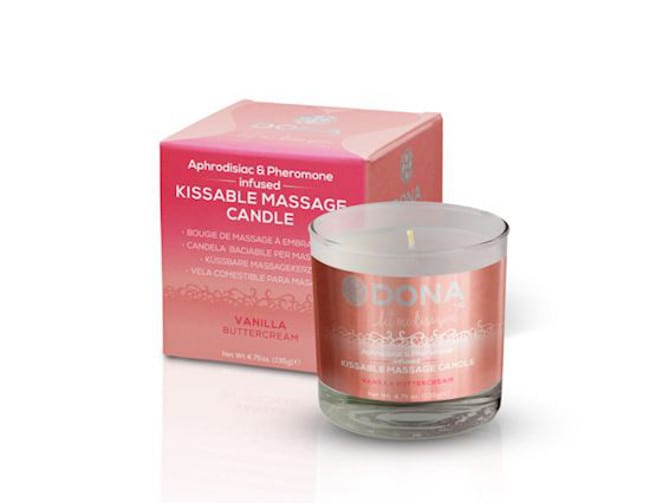
The best way to deal with stress is to have a bit of time to yourself, away from any distractions. Perhaps read a book, watch your favourite romance movie, or take a bath – whatever helps you relax. Lighting a candle and having your partner give you a sensual massage before sex, is also a great way to set the mood.

Note: If you’re struggling to deal with long-term stress or anxiety on your own, it might be a good idea to consider seeing a therapist or doctor.

Pain or discomfort

It’s not uncommon for some women to experience discomfort or pain during sex – and obviously, this isn’t very enjoyable. There are many reasons you might not be producing enough natural lubrication, and this can cause a lot of friction during penetration. If you’re experiencing any sort of discomfort or anything getting in the way of your pleasure, using a liberal amount of lubricant can help things glide more smoothly, and generally enhance pleasure for you and your partner.

Note: If you have any other concerns about pain during sex, consult your doctor.

Communication

If you and your partner are lacking in the communication department, then you might not be enjoying sex as much as you could be. Lack of communication can result in dissatisfaction, as you likely won’t know what your partner likes and dislikes, and vice versa.

It might seem like a daunting topic to bring up, but it’s likely your partner feels the exact same way. Take a step in the right direction and remind them that you’re only bringing it up because you want to make sure you’re both enjoying yourselves as much as possible.

Low sex drive

It’s totally normal for your sex drive to change over time, so if you’re not interested in sex as much as you used to be, don’t worry. You might find that your sex drives goes up and down depending on what you have going on in your life, the change of seasons, or just your general mood and health. If there’s no immediate reason you might be experiencing this, then it’s a good idea to be open and honest with your partner and let them know how you’re feeling, so they don’t feel like you are completely ignoring them in bed!

However, it’s also important to note that some medications or birth control can affect libido. If you’ve recently started taking something, or are on a new form of birth control or medication, it could be a good idea to check with your doctor if you’ve experienced a dramatic change.

Routine

If sex is a planned part of your weekly routine, then that’s great. However, don’t let it become a chore. While some might enjoy the routine and comfort of scheduling sex, this could be a contributing factor to why you’re not enjoying yourself. Why not switch things up a bit? Sacrifice an extra half hour of sleep in the morning and start your day off right, or try out some new moves. Experimenting with something a little different is the best way to find out what you both enjoy.

If you haven’t introduced sex toys into your relationship, this is also an easy way to spice things up! Opt for a fun couple’s toy that will enhance sex with minimal effort.

Making a few small changes to your life might be just the thing you need to increase your pleasure.

This article was written by Georgia May, sex toy expert, at Adulttoymegastore.co.nz.

Continue reading “Why you’re not enjoying sex – and how to change that”

The McCaws welcome a baby girl

13th December 2018

All Black legend, man mountain, and all-round good guy, Richie McCaw, has become a dad with the arrival of a baby daughter. Richie and wife, Gemma, who also boasts plenty of sporting prowess as a former Black Stick hockey player, announced the birth of their first child, Charlotte Rose McCaw on Instagram today with an adorable photo of the proud parents and their baby girl.

Back in July, Gemma announced her pregnancy with an equally adorable pic.


View this post on Instagram


Rich and I are very excited to announce that we are expecting our first baby later this year ❤️ #overthemoon #mcbaby

A post shared by Gemma McCaw (@gemflynn) on

In early November, Gemma and Richie took some private time away from the spotlight for a chance to unplug and reconnect at the jaw-droppingly beautiful Birds Eye View Lodge in South Canterbury.

Congratulations Gemma and Richie!

This article was written by Julie Scanlon, Editor for Kidspot NZ.

Continue reading “The McCaws welcome a baby girl”

Kiwi kids’ consumption of fast food and fizzy drinks

Over 60,000 Kiwi kids are eating fast food at least three times per week. Are we losing the importance of a good, healthy, home-cooked meal?

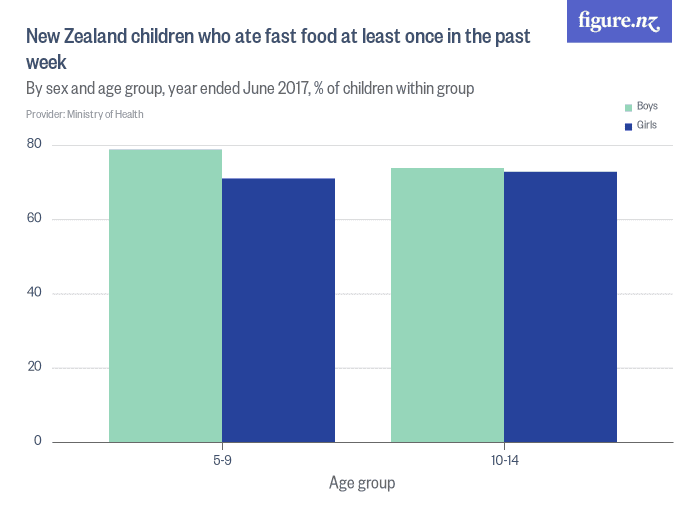
The New Zealand Health Survey carried out annually by the Ministry of Health revealed in their most recent report that 62,000 New Zealand children aged between 2 and 14 years old ate fast food at least three times in the week prior to the survey. The increase in New Zealand’s population is not a factor in the rise, with the percentage of kids consuming fast food this regularly jumping from 5.7% in 2015 to 8.2% in 2017 for boys, and from 6.2% in 2015 to 7.5% in 2017 for girls.

fast food

The number of kids who are eating fast food at least once per week is 70.7% of girls and 74.9% of boys.

fast food

Friday night takeaways

Is fish and chips on a Friday night a tradition for your family, like many other Kiwi homes? While we know it’s not good for us, the occasional fried food is not going to tip the scales (if you pardon the pun), from what is basically a healthy diet into an obesity-inducing one. The problem is that, as these figures show, a large proportion of our kids are no longer eating fast food or takeaways as an occasional treat. Our fast food fascination is gaining momentum and the regularily at which we are consuming these ‘treat’ foods is an issue.

It may sound like a cliche, but when parents today were kids fast food was a once-in-a-while treat, if we had it at all. I can remember the one and only time I got KFC as a kid. I remember my first trip to Pizza Hutt and my first taste of McDonalds. Now it seems that kids view a trip to the local fast food joint as nothing out of the ordinary.

It also needs to be pointed out that ‘fast food’ doesn’t necessarily mean unhealthy food. There is no clarification of what fast foods were eaten by the survey respondents and with the growth of food options that are available to us now, it is possible to enjoy healthy food that’s fast (sushi anyone?).

The good news?

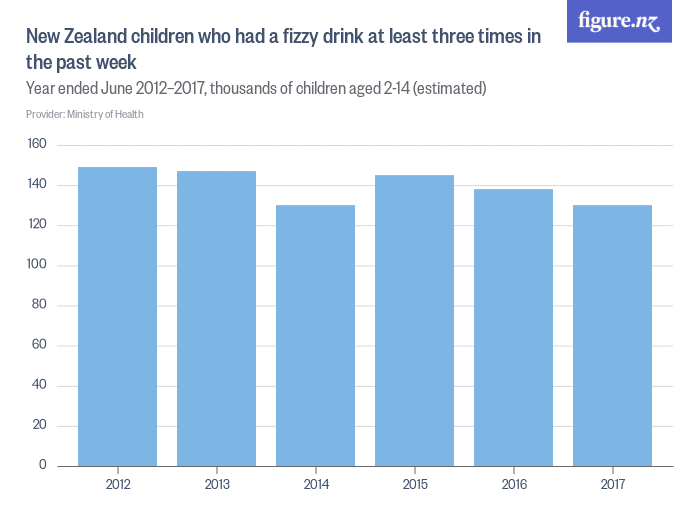
There is some encouraging news though. The number of kids who are drinking fizzy drink at least three times per week is slowly dropping, despite a rise in our population. The number has fallen from 149,000 in 2012 to 130,000 in 2017. So it seems that the ‘water is best’ message is getting through. Or maybe they’re just drinking something else just as unhealthy instead …

fizzy

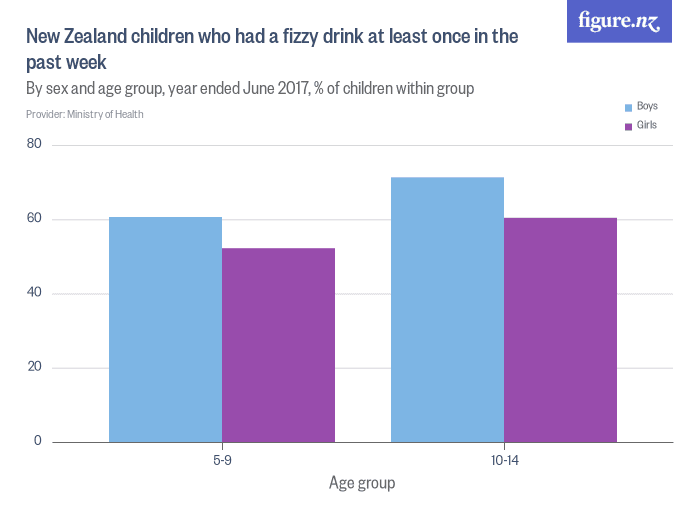
The percentage of kids drinking fizzy drinks at least once per week is 52.2% of girls and 60.2% of boys. Since 2012, the number of kids drinking fizzy drinks at least once per week has dropped by 40,000.

fizzy

Why do you think kids today are eating more fast food? Join the discussion in the comments below.

This article was written by Julie Scanlon, Editor for Kidspot NZ. Statistical information and graph images are courtesy of Figure.NZ.

Continue reading “Kiwi kids’ consumption of fast food and fizzy drinks”

Choosing a house or pet sitter for the holidays

Over the summer, when a lot of us Kiwis head away for a break, we often leave our homes and/or our pets in the care of friends, family, or professional house or pet sitters. But before you hand over the keys, here’s a few things to consider.

Are you covered?

House sitters often enjoy all the comforts of home in exchange for making sure everything on the home front runs smoothly in their absence. However, if you engage a house or pet sitter and they steal anything or clean out your home while you’re gone, or damage anything, it may not be covered by your insurance.

Natasha Morgan, Founder of My Home Watch and Home Security Expert says, “If a house or pet sitter, family member, friend or neighbour you choose doesn’t live up to their billing, it can ruin the entire holiday experience for everyone. We hear stories about this daily from our customers.”

Insurance Council chief executive Tim Grafton told stuff.co.nz in August 2018, “Accidental loss and damage are covered as standard but all insurers will have exclusions for deliberate damage and theft caused by people lawfully on the property, including house sitters and their guests, so be aware who you are getting to house sit.”

It really does pay to check your insurance policy for what is and isn’t covered and if you are in any doubt, contact your insurer for clarification.

6 things to look out for when looking for a great carer for your property and pets

  • First impressions count. Experience, skills, and qualifications should be considered along with your gut feeling!. An individual with experience and good skills will be able to look after the home better. They will also be equipped to handle challenges and find solutions to problems. Even the best-maintained homes can throw surprises and they should be capable to handle them.
  • Love for pets. Look for a person with a genuine love for pets. Caring for a pet involves extra responsibilities and it is important that the carer is up to the challenge. Apart from providing food, water, and companionship, they also need to be comfortable with general pet care, and, if required, administering medication.
  • Reviews or references. Ask for references and contact the people providing the references for peace of mind. Always look for companies with good reviews.
  • Flexible with dates. Things don’t always go to plan on holiday so if the house sitter is able to be flexible with dates they will be more able to cater to any changes in your schedule.
  • Great communication skills. Choose someone with good communication skills so that you can be reassured that you have left your home and pets in good hands.
  • Consider a professional service that’s insured.

Tips for peace of mind when you’re away

  • Ensure that your house or pet sitter understands exactly what your expectations are. For instance, are they allowed to help themselves to food in the cupboards? Are they feeding the pets once or twice a day? Are they bringing in the mail or putting out the bins? Do they know where to feed the pets?
  • If your sitter isn’t able to meet your pet(s), ensure that they have a description so they aren’t feeding the next door neighbour’s cat!
  • Written instructions are helpful as a reminder for the sitter.
  • Lock away valuables and move breakables into safer positions.
  • Make sure you have stocked enough pet food plus a bit extra so you don’t have to rush out to get food as soon as you get home, or there is enough if you get delayed.
  • Ask for the mail to not be put on the kitchen bench or dining table where a huge pile of junk mail can be a heads-up to a prospective burglar looking through the windows that you are away.
  • Ask a neighbour, family member or friend to also keep an eye on the house from time to time so that you can address any issues early on. Give their contact number to the sitter in case they are unable to contact you.
  • Remember to check your messages regularly while you are away.
  • Investing in surveillance cameras is a good way to keep an eye on your property while you are away as many of the modern systems can be accessed by smartphones.
  • Ensure that if you are posting holiday snaps on social media while you are away that you are only sharing them with trusted friends and family. Maybe just wait until you’re home to share.
  • Show your house sitter where your emergency supplies are kept – just in case.

This article was written by Julie Scanlon, Editor for Kidspot NZ, with content provided by My Home Watch.

Continue reading “Choosing a house or pet sitter for the holidays”

7 tools that will get your child to listen to you

Parenting Coach and nurse, Heather Lindsay from Blissed Out Mums, shares expert tips from her Communicating with Children Parenting Program.

Have you ever just wanted to speak, your child listen AND do exactly what you say? I’m sure you have … you’re a mum!

We’ve all been there. We need our kids to listen, things have to get done! We have to get out the door, need to get to swimming lessons, toys need to be packed up. If they don’t listen, we resort to yelling just to be heard. Well there is another way.

The solution comes from the world of hypnosis, yes hypnosis. Although we aren’t going to hypnotise our children instead let’s just strategically use specific words and phrases to help influence them to do what we need them to do. Let me share seven language keys to help get your child to listen.

1. Mind-reading

In order for our child to want to listen, our requests of our children should positive and pre-empt any problems that will prevent our child from cooperating with us.

“I know it’s not easy for you to read and we’re going to try this new game to help you.”

In this example it will be easy for you to say “I know … ” because you’re mum and you know your child at the closest level. It’s why mum knows all those little things that make a household run smoothly that insiders don’t know.

2. Double bind

You are probably already using this one! This is where you give your child two alternatives, you want them to chose one, they both end up at the same place but it gives them the illusion of choice. When they have this illusion they are more likely to do what you need them to do.

“You can have a bath now or after doing that puzzle.”

This language technique helps children to feel empowered and respected – so important for their emotional and mental health.

3. Avoiding ‘why’

How many times have you said “Why?” to your child throughout the day? It’s not a useful question. It cements justifications, often negative beliefs or actions and ultimately doesn’t result in a resolution to the problem. Often you’ll be met with the response of “I don’t know … ” Instead there are three questions you should ask:

“What’s the purpose of throwing the toys on the floor?” – This finds the intention or the root cause of the behaviour.

“What specifically are you angry about?” – Finds the purpose.

“How do you know that she doesn’t like you?” – Finds the reason for belief.

Now it is quite possible that your young child may not be able to give you a complete answer to one of these questions, however questioning them in this manner stretches their thinking patterns and grows their neural network.

4. Tag questions

To help motivate our children and get them to do what we want and need them to do we must remove the negative from a situation, displace resistance and get them in the ‘yes’ frame. Basically have them excited to help us do what needs to get done.

“This is fun isn’t it?”

This doesn’t work on a single incident but through regular use. Let’s think of an example.

Putting away the toys: “Let’s put the toys away together. This is fun isn’t it?”

Then the next time “Remember how much fun we had putting the toys away, let’s do it again.” – this will decrease the resistance and they will be more likely to help you tidy up without complaining! Won’t that be a bonus.

5. Make things positive

This is about embedding into the unconscious mind the positive.

“It’s fun to learn like this isn’t it?”

This is really good for children when you’re doing homework especially in the early years when you want to create a positive foundation for learning. Even though your child may turn around and say “no” or have a tantrum, they have still heard the phrase “fun to learn” and this is what is embedded into their unconscious mind so it puts a more positive spin on learning.

6. Empathise with their experience

When your child is struggling with something and you know why they are and the positive outcomes that will come after this hard part you can future pace them and give them resources to help manage the current struggle.

“I know that you don’t want to put the toys away but when we’ve put them away together we can sit down and have some afternoon tea.”

This phrase works because you demonstrate respect for the now, provided a solution (suggesting to do it together) and reframe it to a positive without dismissing how the child is feeling.

7. The power of imagination

Using our children’s imagination for our benefit! A strategy for learning that stimulates children to think and learn when giving human characteristics to objects. Perfect for help tidying up the bedroom!

“Teddy feels lonely on the floor under the bed. He’d much rather sit up next to Bella Bunny and give her a cuddle on the bed where it’s warm.” And then we go into a bit of play acting together.

It creates fun! Definitely creates cooperation!

There are my top 7 language tools to help you when you feel you have a child that won’t listen. Now they take practice and you may find yourself tripping over your worlds or forgetting to use them. Keep coming back to this blog, it’s not going anywhere. Practice, practice, practice! You will get there! These specific language tools work because of the way humans communicate, you just need to use them in a consistent and gentle manner.

Information in this article was provided by Heather Lindsay, Parenting Coach at Blissed Out Mums. Heather is a passionate supporter of mums and calm and positive parenting. She uses her coaching training and experience as a Registered Nurse and single mum of three to help mums be the type of mum they’ve always wanted to be … As she says, “It’s about thriving, not surviving”. For more visit Blissed Out Mums.

Continue reading “7 tools that will get your child to listen to you”

5 romantic gift ideas for your partner

Stuck for Christmas present ideas? Here’s five romantic gift ideas for your partner.

For many, Christmas is a magical time of year full of food, family, and festivities. It should be a time to unwind, relax, and catch your breath in the company of your loved ones. But reality is, sometimes the stress of buying gifts and keeping everything picture-perfect can be a little too much for the holiday season. If you’re falling short on ideas to please your partner, why not opt for something a little special this year? A romantic couple’s gift set could be the perfect thing to set the sparks flying this Christmas!

Gift of relaxation

Give the gift of relaxation with a massage oil, candle, or lotion this Christmas! Your partner will appreciate the gesture – be sure to include a few redeemable massage “coupons” as well to add a personal touch.

For the couple that’s on the go, the Kama Sutra Treasure Trove is the perfect kit for tucking away in a duffel bag for your weekend trips! This kit comes complete with a pleasure balm, oil, and dust body powder. This is a luxurious way to enhance your romantic moments, with its strawberry flavours guaranteed to please your senses.

gift

For a more erotic and intimate kit, the Shunga Carnal Pleasures Collection features a range of beautiful products to intensify your romantic moments. Unlike the Kama Sutra set, this focuses more of pleasure as opposed to relaxation. With a massage oil, cream, pleasure gloss, personal lubricant, intensifying cream, and white pearl necklace, this is a great gift for some intimate exploration!

gift

Bed of roses

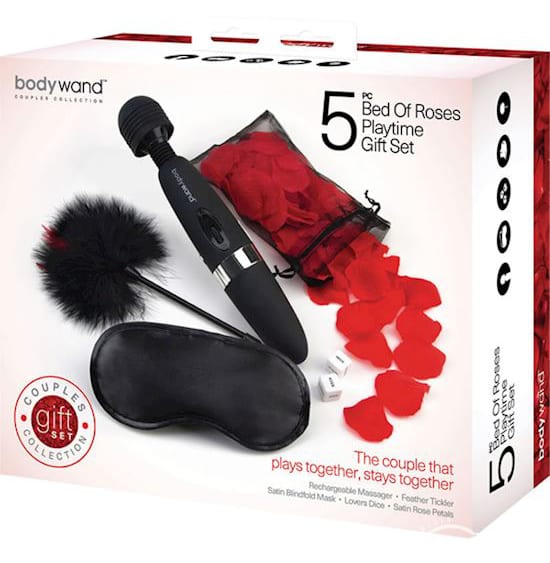
What’s more romantic than a bed of roses? Treat your partner to the Bodywand Bed of Roses Set for some picture-perfect lovin’! Along with satin rose petals, you’ll also receive the infamous Bodywand massager, feather tickler, satin mask, and lovers dice. The wand massager doubles as the perfect tool to ease any holiday stress with a relaxing massage, so it’s a win-win!

gift

Playtime

A new intimate game can make for the ultimate romantic gift for your partner! If you’re looking to spice things up outside of your usual routine, maybe this is a good opportunity to try something new? Your partner might be a little confused at receiving something Fifty Shades inspired, but trust me, the Seductions game is very luxurious, providing a great way to explore the world of bondage in a safe environment. Flip a card and to get the game started! Go as far as you want, or just stick to what you and your partner comfortable with. Nothing is too advanced either, meaning it’s particularly great for beginners use!

gift

Couple’s massager

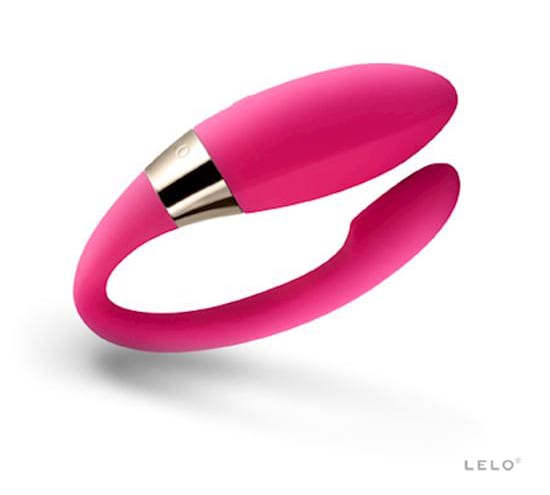
If you fancy something a little more advanced to bring into the bedroom, the Lelo Noa could be just the thing for you! This premium couple’s massager is worn by women, and designed to stay in place during intercourse. With quiet, yet powerful, vibrations, it is guaranteed to provide you both with plenty of pleasure! It’s smooth, body-safe silicone and USB-rechargeable design make this an ideal couple’s toy this holiday season!

gift

Surprising your partner with a gift created with pleasure in mind, is a great option for the partner who has it all!

This article was written by Georgia May, sex toy expert, at Adulttoymegastore.co.nz.

Continue reading “5 romantic gift ideas for your partner”

Meningococcal Disease On The Rise

December 2022 saw a dramatic increase in the number of cases of meningococcal disease across some of New Zealand’s most vulnerable groups which has prompted a warning from a local vaccinologist.

The following information was written on behalf of GSK by Impact PR (12 December 2022).

According to the latest ESR data, there have been 69 cases of invasive meningococcal disease [during 2022], over a 50% increase in the number of cases compared to the previous year.[1]

Infants and children are most vulnerable to the disease, in particular Maori and Pasifika who made up 90% of all cases in children aged under five this year.[1] Teens and young adults are also at increased risk, making up 28% of cases in people under 30 years of age.[1]

Across the regions, Bay of Plenty and Otago/Southland have also been disproportionately affected, each recording the country’s highest rates of the disease and accounting for almost a quarter (23%) of cases in 2022. Northland, West and South Auckland made up a further 30% of cases.[1]

Meningococcal disease is an uncommon but life-threatening bacterial infection causing two serious illnesses: meningitis (an infection of the membranes that cover the brain) and septicaemia (blood poisoning).[2] Even with prompt medical care, around one in every ten patients who contract the disease will die, and up to one in five survivors will have permanent disabilities, such as brain damage, amputated limbs and hearing loss.[3][4][5]

There are several types or serogroups of meningococcal bacteria including groups A, B, C, W and Y. The most common in New Zealand is meningococcal group B, which made up 80 percent of cases [in 2022]. *[6][7]

Meningococcal B vaccine

The meningococcal B vaccine will be funded as part of scheduled childhood immunisations from 1st March 1 2023, with a catch-up programme for the next two and a half years to provide vaccination for all children under the age of five.

Meningococcal B vaccination will also be funded for people aged 13-25 in close-living situations such as hostels, boarding schools, halls of residence and the military, with a one-year catch-up programme for young people already living in closed living environments.

This vaccine was previously only funded for those with reduced immune function or close contacts of a meningococcal case.

It is estimated that around 300,000 Kiwis will be eligible during the catch-up period and around 60,000 new infants and young people each year following.[8]

A timely reminder to be vigilant

University of Auckland Associate Professor Dr Helen Petousis-Harris says the rise in cases is a timely reminder to parents of infants and teens to be vigilant in identifying the early stages of the disease. She says there is often confusion around protection status with parents who may think their children are already covered under the childhood immunisation schedule.

“Infants are a high-risk group because their immature immune system makes it easier for the bacteria to invade their bloodstream and they have not had time to develop natural immunity. Children who attend pre-school or daycare are also at greater risk,” she says.

“Meningococcal disease can have a debilitating impact on patients and their whanau. It may loiter around in the community without any cases and then all of sudden you can have a surge and an outbreak. We have been concerned for a long time about the potential for New Zealand to experience a significant outbreak,” she says.

New Zealand has a higher rate of invasive meningococcal disease compared with other developed countries, and the rate of disease has been increasing since 2014.[9][10][11][12]

“The new data is a timely reminder that meningococcal disease can be circulating in the community, and we must be vigilant in protecting against it and recognising the symptoms. Meningococcal disease can develop rapidly usually starting with a fever, vomiting, headache and a general feeling of being unwell. However, this can progress very quickly to a rash, pain in the limbs, cold hands and feet, neck stiffness, confusion and aversion to bright lights,” she says.[13][14]

Under the current Pharmac funding framework, there will still be a cohort of young adolescents who are at increased risk but will not meet the criteria for funded access – including secondary and tertiary students not in close living conditions.

Brett Marett, Medical Director at GSK NZ says although uncommon, invasive meningococcal disease can have high mortality and profound, life-long effects.

“Rates of meningococcal disease in New Zealand are high, double the cases compared to Australia and 25 times higher than what is reported in the United States.”[15][16][17]

“With a limited catch-up window, we encourage all parents and health care providers to prioritise vaccinating those at risk against meningococcal B. For children who have begun their childhood vaccinations, and young people, this means that they may need to schedule additional appointments to receive their vaccine,” he says.

(Please see below for references)


The following information was written by Kidspot NZ

What is meningococcal disease?

Meningococcal disease is a bacterial infection that can result in two serious illnesses: meningitis (infection of the membranes covering the brain) and septicaemia (blood poisoning).

The bacteria are passed from person to person through coughing, sneezing, kissing, sharing utensils, toothbrushes, pacifiers, etc. Good hygiene practices are essential including covering your mouth and nose when sneezing or coughing, and washing and drying hands to help prevent the disease spreading.

It can be treated with antibiotics but needs to be caught early.

Know the symptoms

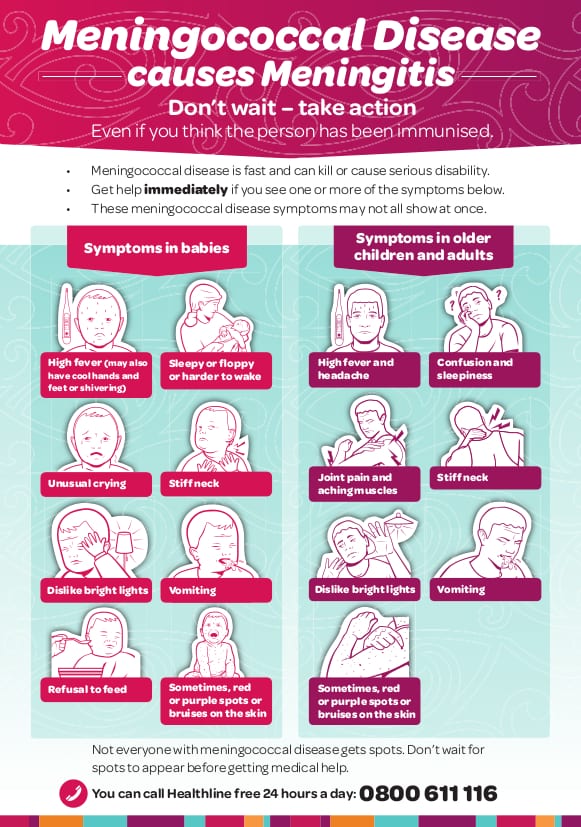
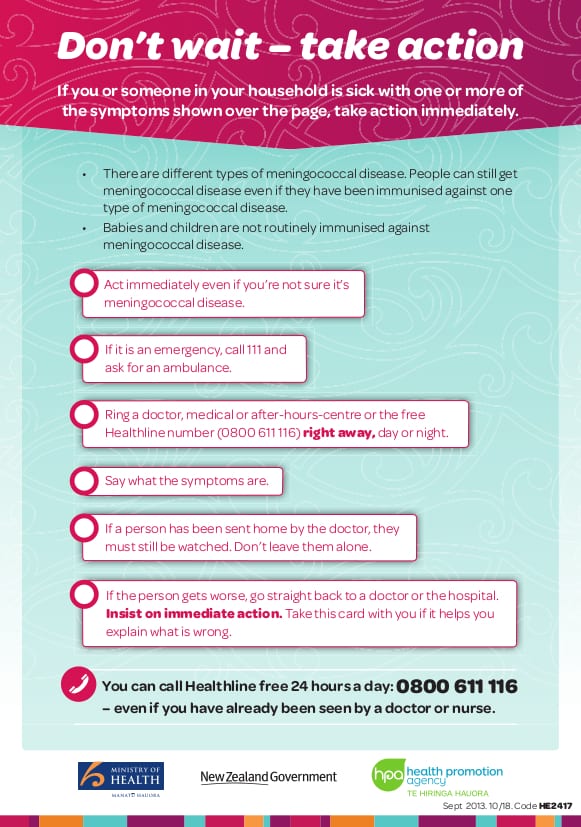
Meningococcal disease can progress into a very serious medical emergency extremely quickly. Symptoms are often similar to flu, ie high fever and muscle aches. The well-known meningitis rash is not always present. Refer to the symptom checker below for more information. If in doubt, take action and seek medical advice urgently.

Meningococcal

Meningococcal

For a printable version of the symptom checker above, click here.

This article was written by Julie Scanlon, Editor for Kidspot NZ. Sources include Ministry of Health.

References:

[1] Provisional Meningococcal disease 1 Jan 0 30 Nov 2022. Data source: Episurv as of 7 Dec 2022 and Special Pathogens Unit

[2] Ministry of Health website. Meningococcal disease (including meningitis.) Summary Tab. Available here:  Accessed 17 October 2018

[3] Thompson MJ, et al. Lancet 2006; 367(9508): 397–403.

[4] Immunisation Advisory Centre. Bexsero: A vaccine to protect against Meningococcal group B disease Fact Sheet. Available here: Accessed 15 September 2018

[5] Rosenstein NE, et al. N Engl J Med 2001; 344(18): 1378–88

[6] Provisional Meningococcal disease 1 Jan 0 30 Nov 2022. Data source: Episurv as of 7 Dec 2022 and Special Pathogens Unit

[7] Ministry of Health website. Meningococcal disease (including meningitis.) Summary Tab. Available here:  Accessed 29 August 2020

* of those cases that could be typed

[8] Pharmac proposal. Available here.

[9] The Institute of Environmental Science and Research. Meningococcal Disease Report September 2019. Available here: Accessed 28 October 2019.

[10] Australian Government Department of Health. Invasive Meningococcal Disease National Surveillance Report Quarter 4 2018. Available here:  Accessed 7 November 2018.

[11] CDC. Enhanced Meningococcal Disease Surveillance Report, 2017. Available here: Accessed 1 April 2019.

[12] England ref: Public Health England. Invasive Meningococcal Disease in England: annual laboratory confirmed reports for epidemiological year 2017 to 2018. Available here (PDF): Accessed 1 April 2019.

[13] World Health Organization (WHO), 2018. Meningococcal meningitis Fact sheet no 141. Available here: Accessed July 2019.

[14] Thompson MJ et al. Lancet. Clinical recognition of meningococcal disease in children and adolescents. 2006;367:397-403

[15] New Zealand Public Heath Surveillance, 2019. Environmental Science Research, Invasive Meningococcocal Disease Report, 10 January 2019.

[16] Australian Government Department of Health. Invasive meningococcal disease national surveillance report. Q4 2018. Accessible here.

[17] Centers for Disease Control and Prevention (CDC), 2017. Enhanced meningococcal disease surveillance report, 2017. Accessible here (PDF).

How can you balance work, family and self?

Kelly Carthy is a self leadership and well-being strategist who has worked all over the world coaching people and businesses to help unlock potential. Here she looks at how we can balance work, family and self, by optimising our capability to contribute to the world in a more meaningful way.

In my work I support women through change. Often it is only after re-evaluating how they choose to approach each day, that they can start to lead their life on their terms and achieve a balance. They are considering how they can find a way to live a life that reflects their own core values, whilst managing their commitments to others but importantly, looking after themselves.

What’s your passion?

So, is it realistic to expect to have a career whilst also having the joy and freedom to raise a family, and experience more fulfilment in life? If this question sounds familiar, now is the time to address your life and ambitions with the following questions:

  • What are your goals and priorities?
  • Are you filling your schedule with ‘being busy’  – where can you create more space in your day?
  • What are you passions and ethical values?

Finding balance

Encouragingly, I am seeing how women do have a choice. Instead of continuing to fit into a system that doesn’t seem to work, more women are creating a life that fulfils their ambitions and balances their life like never before.

Whether it is working online, job sharing or creating a business that leverages time and values your worth, more women are choosing a life of purpose and impact.

I have recently worked with one client to uncover her core values, having transitioned herself from a full-time mum managing her husband’s business to launching an innovative and successful business that will impact climate change for future generations in rural Australia. She has created a way for her business to fit into the 9am-3pm space, whilst continuing to prioritise her family.

Another client has freed up more than 20 hours per week and cut down her carbon footprint by changing her meetings to phone conversations as opposed to travelling all over the city to meet with her clients.

What changes can you make?

Take a moment to review these top tips and understand what changes you can make.

  • Creating realistic space in your day without causing more stress: You may not be able to take half a day out, but a walk and a coffee could create the window of space needed to feel like you have taken time out.
  • Take a reality check: How will you be remembered? If your life was to end tomorrow who would you like to be remembered as? Would it be the women who poured blood, sweat and tears into working tireless hours to prove her worth or the woman who valued herself enough to make a choice to live each day of her life?
  • Audit your current life: Take time out from your life to assess your current position and what’s working and what’s not working. How much of your life is being lived from choice and how much of it is an obligation to others?
  • Gain feedback: Find a coach or mentor who values you as a person and supports you in designing a life that serves you. Get clear on the kind of life you would like to live and then get the support and accountability to take the daily steps to make it happen.
  • Delegate: Where can you ask for support? Just because you can do something doesn’t mean that you should be doing it. Are there areas of your life that could be more efficiently done by someone else and create space for the areas of your life that really matter?
  • Create space: We spend a lot of time in the action of life but we find the answers in the space between. When you are cramming your day with activity you will rarely find inspiration. Make space for inspiration to find you.
  • Slow down: Like my 4 year old says, “There’s no time to rush.” When we rush we miss so much, we are more prone to mistakes and our adrenals are overloaded. Slow down and do things once well, not many times over with mistakes.

Information in this article was provided by Kelly Carthy. Click here to find out more about Kelly Carthy Wellbeing

Kelly Cathy

Continue reading “How can you balance work, family and self?”

Go gaga over NZ’s MacDonald quadruplets

Prepare yourself mums and mums-to-be! This ultra-cute video of the 12 week old MacDonald quadruplets from Timaru is by Hazel & Cass Photography and it will absolutely get your ovaries firing! Meet Quinn, Indie, Hudson and Molly. They are New Zealand’s first quadruplets for 25 years and include a fraternal set of twins and an identical set. They were born at Christchurch Women’s Hospital on 15th August 2018, at 28 weeks gestation, to parents Kendall and Joshua MacDonald. These beautiful babies also have a three year old big brother, Brooklyn.

Quad mum plus one

If you’re wondering what it’s like to be a mum to quadruplets (plus one!), check out Kendall’s Facebook page, Quad Mum Plus One. You can follow their journey to bring all their beautiful babies home. And how do you get around with quads? You rack ’em and stack ’em with this amazing quad pram!

Are you a parent to twins or triplets? What was your biggest challenge? Share your experience in the comments below.

Continue reading “Go gaga over NZ’s MacDonald quadruplets”

Are you fully protecting yourself in the sun this summer?

Advertorial

New Zealanders will only be protected for half the time they are in the sun this summer.

NIVEA SUN research shows that Kiwis are at risk of day-to-day sun exposure

New research from NIVEA SUN has revealed that New Zealanders will spend 419.9 million hours over summer unprotected, which is half of all their time spent in the sun.

Years of sun education has made New Zealanders aware of the dangers of sun exposure, with the findings showing that people are fairly good at protecting themselves for big sun occasions like going to the beach or pool. But there is still room for improvement with many dangerous sun occasions overlooked.

Day-to-day life is where New Zealanders are leaving themselves most at risk. Summer weekdays account for half (50 per cent) of the time unprotected, when people are traveling to and from work or exercising outdoors. In addition to this, people are also unprotected during weekend activities such as attending backyard BBQs, where only 1 in 10 Kiwis use sunscreen.

Alarmingly, the research revealed that younger New Zealanders aged 18 – 24 spend the most time unprotected in the sun over summer, a staggering 150-hours per person, with 8 in 10 Kiwi millennials forgetting to reapply sunscreen.

Consultant Dermatologist Dr Victoria Scott-Lang: “These statistics are staggering, particularly in relation to our young people. While New Zealanders have come a long way in our awareness of harmful UV rays, there is more to be done in ensuring we are protecting ourselves all the time, in every situation and building sun care into our daily routine. It is vitally important for every New Zealander to understand that anytime you are outside, you are at potential risk of sun damage.”

Fortunately, 92 per cent of Kiwis believe sunscreen is a vital part of skincare but three quarters of us (73 per cent) simply forget to reapply sunscreen. Close to half of New Zealanders (45 per cent) have sun damage they wish they had done more to prevent.

“Protection is the key to prevention. Dry, unprotected skin is more susceptible to sun damage, premature skin ageing and possible further health concerns down the track,” said Dr Scott-Lang. “This research shows just 3 per cent of New Zealanders wear sunscreen in any sun exposed situation, and I would love to see this number increase through greater awareness and education.”

NIVEA SUN, the world’s number one global sun protection brand1 is urging all New Zealanders to take care in the sun this summer and is encouraging them to follow their Summer Safe Tips to ensure every person is fully protected.

NIVEA SUN Summer Safe Tips

1. Apply one teaspoon of sunscreen per body part (at least seven teaspoons)
2. Apply sunscreen at least 20-minutes before going out into the sun
3. Combine sunscreen with sun-protective clothing, sunglasses, a wide-brimmed hat that protects the face, head, neck and ears.
4. Avoid the midday sun and find shade, especially between 10am-2pm
5. Reapply sunscreen at least every two hours to maintain the sun protection level, especially after swimming and towelling, during which the protection period is shortened as the sunscreen film can be partially removed.

Moisturise and protect with NIVEA SUN

NIVEA SUN cares for your skin in more ways than one. NIVEA SUN sunscreen contains broad spectrum UVA and UVB filters that protect and shield the skin from sun damage. Whilst also containing moisturising ingredients, Panthenol and Vitamin E providing 24 hour moisturisation.

Always read the label. Use only as directed.

About Dr Victoria Scott-Lang (MB ChB, MRCP, MRCGP, FNZDS)
Consultant Dermatologist
Dr Victoria Scott-Lang is a consultant dermatologist based in Christchurch and is on the executive committee of the New Zealand Dermatological Society. She is highly experienced in all aspects of medical dermatology, skin cancer diagnosis and management, and in dermatological surgery. She is passionate about primary prevention of skin cancer, and early detection of melanoma to improve outcomes.

About NIVEA SUN Research:
The research was commissioned by Forward Agency and conducted by Lonergan Research in accordance with the ISO 20252 standard. Lonergan Research surveyed 1061 Australians and 512 New Zealanders aged 18+. Surveys were distributed throughout Australia and New Zealand including both capital city and non-capital city areas. The survey was conducted online amongst members of a permission-based panel, from Wednesday 12th September and was completed on Monday 17th September 2018. After interviewing, data was weighted to the latest population estimates sourced from the Australian Bureau of Statistics and Stats NZ.

About NIVEA:
NIVEA understands and cares for your skin. As one of the world’s most loved and trusted skincare brands, NIVEA offers women and men effective skincare solutions and has been doing so for more than 100 years. Its products cleanse, nourish and protect skin, while giving it exactly what it needs – gentle yet effective care that keeps skin smooth, supple and radiantly beautiful. NIVEA is a skin care expert with a heritage of innovation backed by world-leading research and development, manufacturing standards, and most importantly, care in everything we do.

1 Euromonitor International Limited; NIVEA in the category Sun Care, incl. Sun Protection, Aftersun and Self-Tanning; in retail value terms, 2017

Information in this article was provided by NIVEA SUN.

*Source: Euromonitor International Limited; NIVEA in the category Sun Care,incl. Sun Protection, Aftersun & Self Tanning; in retail value terms, 2017. Always read the label. Use only as directed.

Continue reading “Are you fully protecting yourself in the sun this summer?”

Teaching your kids humility in the digital era

With today’s technological influence, humility is becoming an increasingly rare trait for children to develop as they grow up. Right from the start, many kids are brought up in front of a screen and video games, with social media being a huge part of their life. They watch their friends post photos of themselves, brag and craft a high-end lifestyle that may not indeed exist. Gradually, your children begin to over-value the number of followers they have and how many likes they gather on their social media uploads. Eventually, they channel their minds to curating a lifestyle that photographs well for their friends, making them forget essential virtues such as humility. As the digital age progresses, the upcoming generation is obliviously developing inflated egos and self-esteem that could end up breaking them. As a parent, it is your responsibility to ensure that your kids grow differently by teaching them there is more to life than followers.

Bring their attention to other people

Nowadays, the digital presence encourages children to only think about themselves and to make cynical decisions. If you overly praise their achievements, you may make them feel superior to everyone else. On the other hand, you can foster a sense of humility in your child by diverting their attention to other people. For instance, you could accomplish this by pointing out someone who has achieved a lot and did not brag. This would teach your child to incorporate others in their thoughts, thereby thinking beyond themselves and starting to recognise others’ achievements.

Teach them about self-worth and the importance of apologising

Most children believe that their online status dictates their value. However, true worth should be determined by skills, character, strengths, achievements, and passions. As a parent, you can emphasise where self-worth comes from. While at it, give them specific examples and scenarios of how to excel and why these aspects are critical. Similarly, every child is bound to make a mistake that warrants an apology, either publicly or privately. As such, you should not forget to teach them the importance of apologising when wrong and how to respond to peers’ feedback.

Cultivating humility in your children during the digital era can be quite a tedious task that requires patience. Parents should do their part to encourage a humble mindset by discussing important life lessons with their kids. While it may take some time to reflect the desired results, you can start by showing them the importance of dependency and true friendship. This way, they will drop the spirit of meaningless competition and embrace teamwork.

Sally WritesThis article was written by Sally Sykes with additional information from Kidspot NZ. Sally is a freelance writer who left her corporate job for a life of freedom. She regularly travels with her family and absolutely loves camping in the great outdoors.



Continue reading “Teaching your kids humility in the digital era”

Indoor air quality in New Zealand

Dyson has conducted a nationwide survey to discover New Zealanders’ opinions, beliefs and habits in relation to air quality in the home. This survey comes soon after a Government report into air quality in New Zealand.

Results reveal over half of Kiwis surveyed (53%) are concerned about indoor air quality, however, there are many misconceptions about the causes and how to tackle it.

  • Cooking (66%), outdoor air pollution which can come inside the home (53%), mould (45%), pets (42%), cleaning products (35%), smoke from fires (33%) and pollen (31%) are correctly identified as contributing to indoor air pollution in the home.
  • Mould / mould spores (68%), toluene (e.g. petrol, exhaust emissions and paints) (61%), dust (60%) and tobacco smoke (58%) were identified by Kiwis surveyed as having the highest negative impact on their health. NB: this is their personal view of the impact these things have on their health – these impacts are not supported by a doctor’s medical opinion
  • Half of Kiwis surveyed (50%) believe that household rubbish smells are a cause of indoor air pollution and the majority of them do not recognise furniture (94%) and paints (81%) as possible culprits.
  • The most popular method used to improve indoor air quality is to open a window (92%), and a quarter of Kiwis surveyed turn to air fresheners (25%) and scented candles (26%), which are sources of indoor air pollution.

Allergy sufferers are more aware

  • Almost half of Kiwis (47%) experience allergy symptoms with many (47%) believing these are made worse by poor quality air in the home and and 36% think that during the summer, pollen count affects them inside their home.
  • In addition, those who suffer from airborne allergies are more likely to have a greater sensitivity to all pollutants in the home including mould, outdoor air pollution and pollen from cut flowers (45% vs 34% of the total).
  • Those who experience symptoms due to airborne allergies are more likely to believe outdoor air pollution which has come inside the home (58% vs 53% of the total), and flowers/pollen from flowers (45% vs 34% of the total) contribute to their indoor air pollution.

The effect of air quality on sleep

  • Many Kiwis (55%) don’t believe that air quality has any effect on their sleep with only a third (35%) resorting to ensure the air in their bedroom is clean to help get a good night’s sleep.
  • 55% of Kiwis surveyed are not concerned about the cleanliness and quality of air that they’re breathing when thinking about when they’re sleeping, while 43% are, or are somewhat, concerned.
  • Sleeping in a dark room (59%), investing in quality sheets and bedding (43%), and investing in quality pillows (42%), are the top options used by Kiwis to improve their quality of sleep. Only 35% clean the air in their bedroom to help improve their sleep.

Indoor air pollution

Most of the air we consume is indoors, but it can contain microscopic particles which are invisible to the human eye. Outdoor pollution sources like urban pollution and pollen can enter the home and combine with indoor pollution sources like cleaning products, pet dander, scented candles, and cooking fumes. Because modern homes are becoming better sealed to comply with energy efficiency requirements, pollutants can be trapped inside and circulation of airflow can become compromised.

Pollution sources at home

  • Outdoor air pollution: Sources such as tree pollen, particulate matter and city pollution can enter the home and may remain trapped there.
  • Wood burning fireplaces and stoves: Wood-burning fireplaces and stoves emit particulate matter during combustion.
  • Pollen: Plants and flowers can release microscopic pollen into the air.
  • Pet hair and disintegrated faeces: Cats, dogs and other household pets can spread this microscopic material around the home.
  • Scented candles: Some chemical substances found in scented candles can release benzene and formaldehyde into the air as they burn.
  • Furniture foam: Foam that can be found in furniture can release formaldehyde gas.
  • Indoor paints: Some indoor paints can use volatile organic compounds, which can be released as gaseous chemicals when they dry and potentially throughout their life.
  • Air fresheners: Some household air fresheners can contain volatile organic compounds and benzene, which can be released with the fragrance when sprayed.
  • Gas hobs and cooking fumes: Gas hobs and the food cooking process itself can emit fumes, odours and particles into the air.
  • Cleaning products: Household cleaning products can contain benzene and household fumes and odours.
  • Carpets, rugs and flooring: Some carpets, rugs, flooring and their backing materials can emit formaldehyde when new

Dyson’s expertise in airflow, filtration and electronics is tackling the issue of indoor air pollution with the launch of its new Dyson Pure Cool™ purifying fan. The new Dyson Pure Cool™ purifying fans – in a large tower format for floor placement, and a small desk format for worktops and floors – automatically purify the room, capturing gases and 99.95% of ultrafine particles as small as 0.1 microns (tested for filtration efficiency (EN1822) at 0.1 microns).

The information in this article was provided Dyson. Find out more about the new Dyson Pure Cool™ purifying fan here.

Teachers’ Pet Peeves

Teachers in New Zealand are keen to secure better working conditions, support, training, and remuneration. There are few that would deny that a teacher’s job is a difficult one and they deserve all the support that our government and the public are able to provide. After all, they are educating the future of our country.

These important aspects that teachers are striving to secure are undoubtedly essential. But as a light-hearted aside, a conversation on Mumsnet in 2018 broached the subject of what more minor things are disrupting the happy life of a teacher. The responses included a range of gripes, some (OK, a lot) created by parents, some part and parcel of being a teacher dealing with kids all day, and some that just seem to be sods law.

Here’s a selection of what really annoys teachers:

  • Crap staffroom coffee
  • Wet playtimes
  • Constant changes to policy without proper consultation or resources
  • Assemblies
  • Children who can’t dress themselves/lace up shoes
  • Unnamed lost property
  • Missing stationery
  • Children who are not toilet trained
  • Head lice
  • Parents who refuse to believe that their child is showing bullying behaviour
  • Parents who don’t read with their child or encourage reading
  • Ridiculous demands from parents
  • When other teaching staff consider their view of children and learning to be the only correct one (and labelling children who don’t fit into this view as naughty, lazy, or having bad parents)
  • Being asked, “How will I use this in everyday life?”

When you are in the middle of explaining something and someone says, “Do we need to know this for the exam?”

What do you think would be the toughest thing to deal with as a teacher? Would you consider teaching? Join the discussion in the comments below.

This article was written by Julie Scanlon, Editor for Kidspot NZ.

Continue reading “Teachers’ Pet Peeves”

Can’t find a babysitter? 5 ways to get romantic at home

It’s hard not to reminisce about the days when date nights were elaborate affairs, when you could spend hours getting ready and enjoying the night stress-free. Reality is, once kids are in the equation, it’s a lot harder to escape the house for a much-needed date night. But it’s important to keep the spark alive!

If your usual babysitter isn’t free for the night, put the kids to bed and try out these hot tips for a romantic night in the comfort of your very own home.

Bring the restaurant home!

If you have picky eaters or just don’t have the energy to cook anything remotely fancy, once the kids are fed and asleep, get your apron on!

Cooking together is a great way to bond and spend some quality time with each other. Choose a recipe that you both love, perhaps one that you used to get at your favourite restaurant, and enjoy treating yourself to something a little more gourmet. Complete the night by bringing out your special cutlery and lighting a candle for some candlelit romance!

Set the mood

Speaking of candles, a nice massage and flickering candle are perfect ways to set the mood – so why not combine the two? A massage candle such as the DONA Kissable Massage Candle will create a romantic ambience, and once it’s burning, you can drizzle the wax over your partner for a delicious massage. A massage will help connect you on a physical and intimate level, while helping rub away all of the week’s stress!

romance

Nice lingerie

Maybe you already have some sexy lingerie hiding away in the back of your drawer – or maybe it’s time to invest in some! Lingerie is the perfect way to easily heat things up a bit and send the romantic sparks flying.

Try a simple babydoll dress such as the Lace and Mesh Babydoll and Thong Set. This flattering set is guaranteed to help you feel that little bit sexier and boost your confidence! Your partner will love this sexy surprise.

Lingerie

Quiet, discreet toy

If things are starting to get a little heated towards the end of your romantic night, why not pull out a toy or two and have a little fun? Adding something new into your relationship will help keep things interesting and a little exciting.

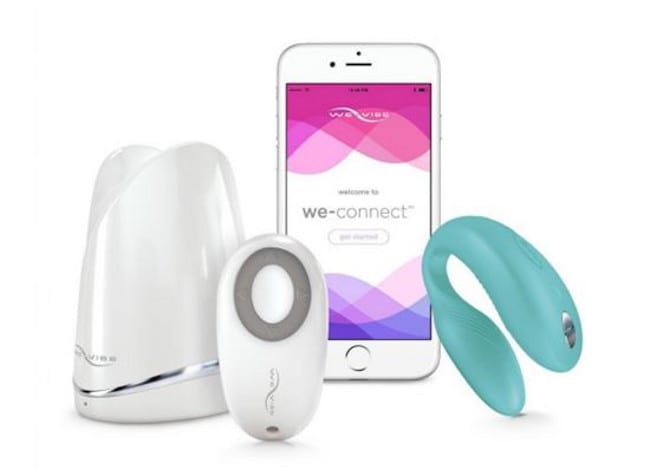
Whether you’ve introduced sex toys into your relationship or not, something small and discreet like the We-Vibe is ideal. This toy won’t get in the way as it is designed specifically to be worn during sex, providing pleasurable vibrations for both of you. Plus, it’s whisper-quiet, so it the kids wake up they won’t suspect a thing!

ATMS

Relax!

It’s important to remember that you don’t necessarily need to be doing much on your date night! Simply watching Netflix, cuddling on the couch, having a wine or two, or talking about your day might be your idea of the perfect romantic night. Spending quality time together is the most important thing, so don’t get caught up in all the little details. Make an effort to do something special every now and then, but if you find yourself ordering takeout for the third Friday night in a row, you’re not alone!

This article was written by Georgia May, sex toy expert, at Adulttoymegastore.co.nz.

Continue reading “Can’t find a babysitter? 5 ways to get romantic at home”

Embryo swapping – where do we draw the line?

Modern medicine and assisted conception techniques have helped millions of people around the world experience the joy of becoming a parent. Dabbling in creating human being has also raised plenty of ethical questions along the way. Most recently, a woman who is desperate to give her son a baby brother, posted this message on various Facebook support groups for IVF couples.

“Hello, we have been trying to give my child a sibling for three years … we want to complete our family with a son. We have a great quality female embryo. Would you like to consider a trade?”

Anyone for a trade?

While the majority of responses have been from those who are appalled at the mere thought of trading an embryo like a commodity, the woman has actually received some interest from like-minded parents including a couple who were devastated to find out that their embryo was a boy.


What about being grateful for what you have?

There is no denying that parents will often have a preference for a boy or a girl, especially second or third (or fourth …) time around. The couple who responded to the idea of a swap have spent around eight years and thousands of dollars on IVF treatments. They already have two boys. I get it. But to openly voice your “devastation” and refuse to use a viable embryo makes no sense to me. What happens if they swap and the embryo they receive doesn’t result in a successful pregnancy? Ethical, moral and legal questions abound.

The New York Post reported that the mum said, “It would be very nice to have someone to share things with which boys just don’t get. It would be very nice not to have nothing but fart jokes at the table all the time. That’d be great.”

Um, I’ve got news for you … girls can be gross too!

However, she went on to say, “If I were to pick a really girlie thing to do with her, she might not like it. Our elder child loves dance and has an aptitude for it. If she decided she had an aptitude or talent for something else – baseball or whatever – we would encourage her.”

Maybe that’s why I don’t get it. I don’t have such strong ideas of what activities boys or girls should be doing. It’s great that they would encourage their child in pursuit of something that they deem to not be “girlie” but perhaps those preconceived notions of gender roles may be the key to why their baby’s sex is so important to them.

What do you think? Should we be allowed to choose if we have a boy or a girl? Is embryo swapping a step too far? Join the discussion in the comments below.

This blog was written by Julie Scanlon, Editor for Kidspot NZ.

Continue reading “Embryo swapping – where do we draw the line?”

36 easy chores you can start your kids on today

While getting them started is often not for the faint of heart, a lot of us underestimate how much kids can do to help around the house (and how much easier it makes life for everyone!). Here’s a stack of jobs for kids at every age … and a few bonus tips for getting them to do it without level four whinging!

Getting started

Being aware of your child’s skills and realistic as to what extent they’ll be able to perform a job will help. Regina Camacho Ferrari, psychologist with Melbourne Child Psychology, says younger children should be able to handle two or three jobs – go for a mix of daily and weekly chores, and you can increase the number of jobs as they get older.

Below is a guide of age-appropriate chores for children of different age groups, though Regina recommends adjusting it according to your family’s needs and to the abilities and maturity level of your child. And, of course, children can do the jobs in the younger age brackets. If you are late to the party, get the kids started at the early level jobs, knowing they’ll progress quickly through to their age groups jobs.

Ages 2 to 3

Pick up/put away toys and books
Put dirty clothes in laundry basket
Wipe spills
Help with making own bed

Ages 4 to 5

Help with feeding pets
Vacuum using a hand-held vacuum
Water indoor flowers/plants
Wipe tables and other surfaces
Dusting
Help with bringing in groceries

Ages 6 to 8

Help with setting and clearing the table
Hang out and sort out laundry
Help with making and packing own lunch
Take bins out
Clean bathroom and kitchen sinks
Keep bedroom tidy
Sweep/vacuum
Pack up own schoolbag
Put away groceries

Ages 9 to 11

Load/unload dishwasher
Make own snacks/breakfast
Help with basic food preparation
Mop floors
Fold and put away laundry
Water the garden
Clean bathrooms and toilets
Clean microwave oven

Ages 12 and older

Clean bathrooms and toilets
Clean fridge and freezer
Wash windows
Clean mirrors
Cook simple meals
Operate washing machine and dryer
Change own bed sheets
Wash family car
Take pet for a walk

It’s all in the attitude

If you’re struggling to get them on board, have a look at how you approach chore time – rather than creating a sense that chores are a punishment, make it a matter-of-fact part of life that can sometimes even be fun. The trick to getting kids to do their jobs with a spring in their step is to make it fun – music, everyone pitching in together and plenty of team work.

Regina says it’s also important not to be a perfectionist – they may not get it done to your standards immediately, but through practice they’ll get better so let them learn by repetition and by not jumping in and ‘fixing’ it for them. She says the key is to start as early as possible with simple tasks and then build upon what they can do. “While it may take double the amount of time to complete the chore at the beginning, it will save you heaps of time in the future,” she says.

This article was written by Melanie Hearse for Kidspot.

Continue reading “36 easy chores you can start your kids on today”

Essential tips for travelling with toddlers

What’s the best tip for travelling with toddlers? “Don’t”, would be the instant response from many experienced parents! But seriously, leave them with the grandparents. Just kidding.

Travel can be an incredible thing to experience with your children, but it can also be overwhelming and unpredictable. However, it is possible to have a wonderful family holiday, to create amazing memories for your children and yourself for years to come. Honest!

So here are six top tips to help families enjoy a stress-free holiday with toddlers in tow.

1. Pick your destination wisely

Do plenty of research about your destination and accommodation options. Consider your child’s age and personality. Are crowded streets your personal nightmare? Are there plenty of open spaces to burn off excess energy? Are you comfortable staying near the ocean?

Also check out what activities have free or discounted entry for toddlers to help keep the budget down. Some attractions offer discount cards if purchased in advance, usually for multiple venues. Check with your travel agent, local tourism offices, or the attraction’s website.

2. Health check

Make an appointment with your doctor to get the family any necessary vaccinations or boosters for your destination. Get these sorted as early as possible so any short-term side-effects have time to clear up before you travel.

Also ensure that you have enough of any prescription medication that the kids or you need to last until you get back home. However, make sure you do some research to find out whether your medication is legal at your destination as laws can vary. Ask your doctor for a note to confirm that the medicine has been prescribed and always carry it in the original packaging.

You can also check SafeTravel for any international health warnings, required vaccinations, and the latest travel information for your destination.

Toddler

3. Flight tips

Check with your airline as to what you can and can’t bring onboard including food, drinks and formula. If you can bring familiar snacks for your little one they may be lifesavers should they reject the airline food.

You may be able to bring your stroller to the gate and then collect it again as you disembark. This can also be an absolute lifesaver when you just need five minutes to sit and relax in transit, or if you need to fill in customs forms without trying to keep your toddler within arm’s reach. Check with your airline beforehand.

In your onboard luggage, pack a change of clothes for your child for the inevitable spillages. Also consider a light change for yourself because, you know, kids! Sanitising wipes are your friend for basically everything. If your toddler isn’t overly confident with toilet training yet use the convenience of pullups to contain any accidents, as you can’t always immediately get to a toilet.

Toys can be a bit hit and miss for distracting your child. Maybe stick to a favourite book, soft toy for snuggles, and a drawing pad with some stickers. They will be more interested in the new experience and will likely spend more time putting the window shade up and down, pushing every button on the seat, and interacting with fellow passengers.

Don’t try to restrict your child to their seat for the entire flight as the chance to have a little wander up and down the aisle may be just what they need to avoid cabin fever.

Popping ears can be distressing for kids during take-off and landing. Sucking helps, so try a sippy cup, suckie pouch, lollipop, bottle, or breastfeed.

4. Bring a backpack

Ditch the nappy bag or handbag and instead opt for an easy-to-carry compact backpack, to hold your day-to-day essentials at your destination. Consider including the following:

  • A small first aid kit
  • Sanitising wipes
  • Snacks
  • Your family sunscreen

5. Car seats

If you’re renting a car, ensure that you are also able to book a suitable car seat. Other countries have different regulations (or none!) regarding restraining children in vehicles, so be sure you know what you’re getting into.

6. Safety first

Always consider your surroundings, whether it be in the airport lounge, your accommodation, at activities, or moving around cities and towns. Identify the hazards for your child and how you can minimize those risks.

Your accommodation is unlikely to have stair barriers or locked pool gates. Traffic may flow differently, or from the other side of the road to what you’re used to, so keep hold of those little hands. Balconies, doors and windows need to be secured.

More top tips

  • Be very clear to regularly communicate between adults about who is responsible for watching children at any specific time, particularly around water, traffic, or heights.
  • Ensure your toddler has plenty of down time while you are away, to help them cope with jet lag, disrupted bedtimes and routines.
  • You may want to bring a nightlight to use in your accommodation to help settle the kids.
  • Layers work best for dressing toddlers comfortably for changing climates.

Toddler

Travel insurance

Holidays usually mean that families and kids are more active than usual, experiencing all the fun of their destination. But that can also lead to an increased need for medical intervention due to the effects of trips, falls, insect bites, gastro bugs and more.

As soon as you have booked your tickets, it’s a good idea to get your travel insurance sorted. Kids have a habit of affecting the best laid plans when sickness or injury strikes, so don’t wait until you’re about to hop on the plane before you get that travel insurance quote.

Southern Cross Travel Insurance has an Emergency Assistance Team who are available 24/7 should you have an unexpected medical emergency overseas.

You should always contact your travel insurer if you or anyone on your policy has had any changes to health prior to travel, so you can ensure the whole family are covered for your own peace of mind.

It’s also important to read your travel insurance policy so you understand what you are and aren’t covered for overseas.

This article was written by Julie Scanlon, Editor for Kidspot NZ, with additional information provided by Southern Cross Travel Insurance (SCTI). SCTI are New Zealand’s leading travel insurer with over 35 years’ experience as a specialist travel insurer. SCTI are proud winners of the 2018 Canstar Award for Outstanding Value for Travel Insurance – International.

For more information visit Southern Cross Travel Insurance.

For SCTI’s terms and conditions (including information about exclusions, excesses and sub limits) we recommend you read the SCTI travel insurance policy document.

Views expressed in this article are that of the author and not necessarily that of (SCTI). As the author receives payment from SCTI for this article, that payment may influence the content and views expressed by the author in this article.

Continue reading “Essential tips for travelling with toddlers”

Learning To Ride A Bike

Learning to ride a bike is a right of passage for most kids. Even though we tend to transport our children in our cars a lot more than a generation or two ago, a kids’ bike is still a favourite plaything. Heading out with the family for a bike ride is also a great way to spend a sunny weekend – exercise, quality time, fresh air and a vitamin D top-up, all rolled into one!

Parenting expert and father of five, Dr Justin Coulson, remembers what it was like to teach his kids how to ride and reveals the tips and tricks for getting it right.

Tips to help kids learn to ride

Riding a bike is wonderful. You feel the wind rushing against your face, blowing your hair as you pedal breathless up a hill or race a friend. It’s the ultimate freedom. Nothing enters your mind as you speed along paths enjoying the outdoors. Of all the things that feel like childhood, bike riding is certainly one of them.

Thinking back, though, learning to ride can be difficult, painful and sometimes bloody.

I’ve tried a bunch of tricks to help the kids master the bicycle, from using training wheels through to running along behind them with one hand holding their seat for balance. All of these ideas work. But they each involve multiple crashes and adhesive strips, a parent having a sore back from bending to hold the seat and exhaustion from running behind the bike.

The first bike

When our fifth daughter wanted to ride bikes with her big sisters we bought her a balance bike. (It’s a bike without pedals.) After about 25 minutes we found she was riding beautifully. Within a few short sessions, she had transitioned to a bike with pedals at the age of three – no training wheels required.

Learning to ride a bike

1. Getting ready

Before we get into the bike riding, we want to reduce risks to minimise the likelihood of pain your child might experience. Does your child want to learn to ride? Riding is challenging and if your child is unmotivated it will be a horrible experience likely to end in crashes and tears.

2. The right fit

My local bike shop suggested that a child should be able to stand over the top of the top-tube with a small amount of room to spare (perhaps a few centimetres).

3. A good perch

My bike shop sales guy suggested keeping the seat low in the early stages so it’s easy to sit on.

4. Helmets are a must

So are shoes. Some parents encourage knee and elbow-pads plus gloves. Personally, this is too cumbersome for me and so far my kids have all done fine without them. (The worst crash we’ve experienced led to grazes down my daughter’s shoulder and arm. The usual protection wouldn’t have worked anyway.)

5. Find a large open space

Find a space where there is no traffic and a slight slope. It might be on the grass but a path or quiet road or car park will also work.

The riding

1. You don’t need to buy a balance bike. You can simply remove the pedals from your child’s bike and it will work exactly the same way. (Note that the pedals are threaded in different directions.)
2. Have your child stand at the top of the slope, straddling the bike.
3. Encourage your child to sit on the seat and walk the bike down the slope while seated on it.
4. Do this for as long as it takes for your child to be comfortable. As things progress, your child will start to glide, riding faster and faster down the slope.
5. You may want to encourage this gliding practice for a few minutes, hours, days or weeks.
6. Once your child is confident to glide up and down hills and along flat sections, put the pedals back on the bike (or put them on a regular bike if they were on a balance bike). Have them glide down the slope with their feet on the pedals and encourage them to pedal.

That’s it. Sounds easy, right?

Things to consider

Every child learns at different speeds. Some kids will pick it up in 30 minutes. Others may take a few weeks. Be patient and encouraging. Learning to ride is a real accomplishment. For most kids, the pedalling part will take a few sessions. Remember that younger kids will typically need a little more time. If they are uncomfortable, push them a little bit but make sure you don’t get too heavy-handed. Fear and failure can be de-motivating.

More than anything, practise. Bike riding is a skill that kids get better at through trying. The more they do it, the more comfortable they’ll be with it and the better they’ll get. Once they can ride, they’ll be able to enjoy the freedom and feelings that only come from being a kid on a bike.

This article was written by Justin Coulson for Kidspot.

Continue reading “Learning To Ride A Bike”

Protecting your face from the summer sun

Advertorial

During the hotter months of the year you will find that you need protection from the sun each and every day – whether you’re spending time with the family at the beach on the sunniest days, or just out and about on overcast days. Protecting our skin is imperative and that includes the delicate skin on our face which spends a lot of time exposed to the elements – and dare we say, shows the effects of sun damage more than probably any part of the body.

To protect your face from the effects of the sun, like the rest of us, you probably rub around some of the family sunscreen, slip on some sunnies, and pop on a hat. Then you endure that sticky feeling from the sunscreen, as your sunnies slip off from the greasiness and your hair constantly sticks to your face! It’s not a great look and the sunscreen that you use on the rest of your body never really seems to be the best choice for your face. But it’s not like we can stay inside all summer!

Why our face needs extra protection

Your facial skin is thinner and more delicate than the skin on the rest of your body and is consistently exposed to UV. This means that your facial skin can be more sensitive, prone to dryness and irritation which is why it needs a lot of protection and care. Damaging UV rays can also:

  • Decrease its elasticity
  • Increase the formation of wrinkles
  • Result in pigment disorders occurring, known as ‘age spots’
  • And increase the risk of skin cancer

Protecting your face from the sun

NIVEA SUN UV Face SPF50 will protect facial skin at the beach and overcast days, so you can enjoy the sun’s rays without worrying.

The new NIVEA SUN UV FACE SPF50 range is especially designed for facial skin, for everyday effective SPF50 sun protection with a 0% sticky feeling. The UV Face range utilises naturally derived antioxidants that support your facial skin to protect itself from sun damages.

NIVEA SUN UV FACE Shine Control SPF50 contains effective UVA and UVB protective filters that protects the skin against sunburn and premature skin ageing. This hydrating formula gives an instant and long lasting mattifying effect absorbing oil from the skins surface.

NIVEA SUN UV FACE BB Cream SPF50 contains effective UVA and UVB protective filters that protects the skin against sunburn and premature skin ageing. Whilst the light and non-greasy tinted sunscreen adapts to every skin tone, with pigments.

For more visit www.nivea.com.au

Always read the label. Use only as directed.

Protect your skin, love the beach

NIVEA know that reefs are suffering at the hands of global climate change due to rising ocean temperatures, as the stress of warm water causes corals to bleach. In addition, studies have shown that the UV filters Oxybenzone and Octinoxate can have a negative impact on coral reefs. As a result, the Hawaii Reef Bill proposes to ban the two UV filters Oxybenzone and Octinoxate from January 2021. NIVEA SUN sunscreens do not contain these two UV filters.

This article was written by Julie Scanlon, Editor for Kidspot NZ, for NIVEA SUN.

*Source: Euromonitor International Limited; NIVEA in the category Sun Care,incl. Sun Protection, Aftersun & Self Tanning; in retail value terms, 2017. Always read the label. Use only as directed.

Continue reading “Protecting your face from the summer sun”

How Many Kids Are NZ Women Having?

A huge study recently published in The Lancet medical journal in 2018 took a close look at population growth around the world.

Do families still have 2.4 children?

Whilst the global average in 2017 was holding fast at the traditional 2.4 children, the study revealed that women in New Zealand were, on average, having 2.1 children each. This compares with 1.7 in the UK, 1.8 in the USA and 1.9 in Australia.

Countries that had the highest birth rates were Niger (7.1), Chad (6.7), Somalia (6.1), Mali (6.0) and Afghanistan (6.0).

New Zealand women were most likely to have children between the ages of 30 to 34 years old, with the second most likely age bracket being 25-29 years old.

The world’s population

The study also looked back at population growth since 1950. Back then the world had 2.5 billion people and women were having, on average, 5 babies each. Since 1970 the world’s population has doubled and currently stands at 7.8 billion.

New Zealand’s population has grown from 1.9 million in 1950, to 3.2 million in 1980, and currently is around 4.9 million.

This video from the American Museum of Natural History shows how our population has grown and the effect world events like the Industrial Revolution have had on population.

Is our population out of control?

Climate change, depletion of resources, species extinction, and many more of Earth’s current issues have been caused, at least in some part, by the growth of the human population. We are a very successful species. But are we destined to be too successful for our planet to bear?

It’s a controversial subject, but population control exists beyond the well known one-child policy introduced in China in the 1970’s (which has now been relaxed to two children). Other countries have from time to time introduced policies promoting either a restriction on the maximum number of children a couple should have, or more commonly, encouraging couples to have more children to boost the country’s population. These usually carry financial incentives. Countries like India and Pakistan encourage couples to wait a while to have children or to space them out more. Unfortunately some countries have in the past taken population control beyond encouragement and carried out sterilisation without consent or enforced a contraception ban.

How many kids do you have compared to your own parents? Join the discussion in the comments below.

Continue reading “How Many Kids Are NZ Women Having?”

10 tips for smooth sailing on your family cruise trip

The hassle-free, relaxed, all-inclusive nature of holidaying on a cruise ship is growing in popularity. In 2018, it is estimated that around 26 million people will go on a cruise! State-of-the-art ships with amazing activities for all ages, multiple dining options, kids clubs, and awesome pools, mean that cruises are growing in popularity for families too. Disney even has its own cruise line. Throw in the adventure of travelling to multiple destinations without the need to pack and unpack, and you’re on to a winning holiday for everyone.

If you’re considering a cruise for your next family vacation, check out our 10 tips for smooth sailing.

1. Research

Before choosing your cruise destination and cruise line, ask for recommendations from friends and family, and read independent online reviews from fellow travellers. Consider how much time you would like to spend at sea, or how many ports you would like to visit, along with what packages are available. Maybe try a mini cruise for your first adventure to see if it’s something that the family will enjoy again.

If there is a particular restaurant or activity that you don’t want to miss on your cruise, it pays to book ahead. Before you travel, check if there are any dress codes for the fancier restaurants you want to try out, or if there are any party or theme nights so you can pack accordingly.

2. Cruise newbies

Some cruises offer a ship tour on your first day so that you can get your bearings and discover all that the ship has to offer. It also means you won’t miss out on knowing if there’s a second quieter pool, or if a restaurant allows outside dining. If there’s no tour, be sure to study the deck plan.

3. Activities

Grab an activity schedule and go over it with the family to plan who’ll do what, so everyone has maximum fun. Some cruise liners have their own on-board apps to help you plan your time and manage the family. Just try not to overplan things as you will want lots of down time to just relax. Check the ship’s daily itinerary for special activities and discounts.

Family-friendly cruises will offer a kids club so that parents can have some much needed relaxation time. Evening babysitters may be available too.

4. In port

If you’re booking any activities at your port, ensure these are booked through a licensed tour operator and are covered by your travel insurance policy. Remember that if you’re delayed on a ship organised port tour the ship will wait for you. If you’ve booked your own excursion and you’re late getting back to the ship, they will sail without you.

cruise

5. Safety

Make sure your family – including your kids – listens to the safety announcements and instructions from officials on the cruise, so everyone knows what to do in an emergency. This is especially important if you don’t plan to be together all of the time.

6. Taking care of your valuables

Holidays are meant to be relaxing but you still need to be aware that not everyone is a genuine holidaymaker. Look for cabins that have a safe to secure your valuables.

When you’re out and about, it’s important to make sure any personal belongings you’re carrying on you aren’t left out of site, as travel insurance doesn’t generally cover unattended luggage.

7. Keeping well

Sea sickness is the thing most people wonder about when booking a cruise. If you’re prone to a bit of travel sickness ask your pharmacist about the best options to prevent it. If you do feel nauseous and don’t have any medication, the ship’s medical centre will be well-versed in treatment.

Don’t forget to pack plenty of sunscreen that you know works well for your family. Pack a small first aid kit in your luggage too and ensure everyone is washing their hands regularly to help avoid any bugs that may go round. Read here for more tips on staying healthy on-board.

8. Watch the dollars and cents

Ensure that you know exactly what is included in your package and what isn’t, especially when it comes to food and drinks. If you’re going to be spending a lot of time in port, an all-inclusive drinks package may not be good value. Find out what currency you will be charged in for purchases and any activities not included in your package, so you can work out the exchange rate and keep a tab on your budget. Also ask what the expectation is around tipping.

Internet packages may be quite pricey on-board so it’s better to wait until you’re in port and can nab 15 minutes of free WiFi at a cafe, library, etc to get online. To ensure you have enough recharging space in your cabin, pack a power board and an international adapter.

Turn off roaming on your mobile phone and switch to flight mode so you aren’t running up a hefty bill.

cruise

9. Check your passport

If your cruise is taking you to other countries, make sure that your passport is valid for at least six months after your return date.

10. Travel insurance

Hopefully you won’t need to use your travel insurance, but it’s better to be safe than sorry! The right travel insurance can cover not only medical emergencies and lost luggage but can also help you out if you miss the boat or have to cancel your trip due to an unexpected event. Be sure to check exactly what you are and aren’t covered for by reading the terms and conditions of the policy.

A Southern Cross Travel Insurance TravelCare policy automatically covers overseas cruises if you’re a fare-paying passenger aboard a licenced cruise ship. You will need to ensure that you select all the destinations you’ll be visiting when buying travel insurance. Southern Cross Travel Insurance can provide cover for a wide range of benefits, whether bad weather cancels your trip or you get a tummy bug on-board.

Taking grandparents on the cruise with you? Southern Cross Travel Insurance has no age limit on their TravelCare policy as they believe that everyone should be free to experience the joy of travelling, no matter their age.

This article was written by Julie Scanlon, Editor for Kidspot NZ, with additional information provided by Southern Cross Travel Insurance (SCTI). SCTI are New Zealand’s leading travel insurer with over 35 years’ experience as a specialist travel insurer. Southern Cross are proud winners of the 2018 Canstar Award for Outstanding Value for Travel Insurance – International.

For more information visit the Southern Cross Travel Insurance website or the Cruise Travel Insurance page.

Views expressed in this article are that of the author and not necessarily that of Southern Cross Travel Insurance (SCTI). As the author receives payment from SCTI for this article, that payment may influence the content and views expressed by the author in this article.

Continue reading “10 tips for smooth sailing on your family cruise trip”

Am I Old Enough Yet?

“Not until you’re older.” It’s a commonly used parenting phrase that is predominantly used to dissuade over-ambitious toddlers from wanting to pump petrol into the family car or ride their bike to grandma’s place in the next town.

But do you know what the legal age is for kids and youth to do certain things, like babysitting, leaving school, or getting a job? While the examples below are the legal ages, remember to take into consideration the individual child’s level of understanding and abilities, as well as your own preferences and family values when deciding what is the ‘right age’ for your child when it comes to those that require a level of responsibility.

School

Kids usually start school in New Zealand at age five. However, if the school has a cohort entry (that is where a group of children start together, ie at the beginning of the term), they may be able to start earlier. There is no legal obligation for kids to be enrolled at school until they are six years old. If you want to home school then you must get an exemption from the Ministry of Education.

Children must attend school every day (unless ill) until they are 16.

  • Latest age to start school – 6
  • Earliest age to leave school – 16 (or 15 with permission from the Ministry of Education)

Home alone

It is illegal to leave a child under the age of 14 years without reasonable provision for their care – for more information read our article about what the law says regarding supervision. Age 14 is therefore also the legal age at which a child can babysit.

  • Youngest age to be left home alone – 14
  • Minimum legal age to babysit – 14

Working

There is no minimum age for when kids can get a part-time job. However, their job must not interfere with their school attendance and there are laws about what they can do and the hours of work.

The age at which kids can have an Eftpos card varies from bank to bank.

  • Minimum age to start full time work – 16
  • Entitled to minimum wage – 16 (unless in the first six months of employment)
  • Able to apply for some Work and Income financial assistance plans – 16
  • Apply for a credit card or loan – 18
  • Join the armed forces with parental consent – 17
  • Start Police College – 18 (but can apply from age 17)

Driving

Teens need to be 16 before they can apply for a learner’s driving licence. Once a new driver passes their theory test, they must have held their learner licence for six months before they can apply for a restricted licence (taking a practical driving test). If the driver is under 25 years old, they must hold their restricted licence for at least 18 months before applying for a full licence. If the driver completes an advanced driving course, that time is reduced to 12 months. For those over 25, these times are reduced to six months and three months respectively.

  • Youngest age to get a learner driving licence – 16
  • Youngest age to take a driving test – 16.5
  • Youngest age to hold a full licence – 18 (or 17.5 after an advanced driving course)
  • Personally responsible for wearing a seatbelt in a vehicle – 15

Leaving home and relationships

  • Leave home without parental consent – 16 (unless there is concern for their welfare)
  • Decide which parent to live with if there is a separation – 16
  • Get married or enter a civil union with parental consent – 16
  • Get married or enter a civil union without parental consent – 18
  • Apply for an adult passport – 16
  • Legally consent to sex – 16
  • Change name – 16 (if married or in a civil union, otherwise the minimum age is 18)
  • Make a will – 16 (if married or in a civil union, otherwise the minimum age is 18)
  • Legally independent of parent/guardian – 18
  • Allowed to adopt a relative – 20
  • If adopted, can apply to Births, Deaths and Marriages for a birth certificate copy – 20
  • Buying over-the-counter contraceptives
  • A child under 16 can request a prescription for an oral contraceptive from their doctor without parental consent, but the doctor must be satisfied that this would be in the interests of her health
  • A female of any age has the right to consent to or refuse a lawful abortion

Crime

  • Be charged with murder or manslaughter – 10 and over
  • Be charged for other serious crimes – 12 and over
  • Be charged for breaking any law and dealt with by Youth Court – 14 to 17
  • Can be questioned without parent or adult present – 17
  • Treated as an adult by the criminal justice system – 17
  • Fully bound by any contract entered into – 18
  • Can be called for jury service – 18

Gambling, alcohol and fireworks

  • Buy an Instant Kiwi scratch card – 18
  • Buying a lottery ticket – no limit
  • Place a bet at the TAB – 18
  • Allowed to gamble or work in a casino – 20
  • Buy cigarettes and tobacco – 18
  • Buy alcohol – 18
  • Drink alcohol in a pub or licenced restaurant – 18
  • Be employed as a bar person – 18
  • Buy fireworks – 18
  • Drinking alcohol – no age limit. However, it is illegal to supply alcohol to someone under the age of 18 years unless you are their parent/legal guardian and the alcohol is supplied in a responsible manner (or you have the parent/legal guardian’s consent)

Other stuff

  • Agree to, or refuse, medical treatment – 16
  • Apply for a firearms licence – 16
  • Fly a plane – 16
  • Vote in national elections – 18
  • Stand as a candidate in national elections – 18
  • Owning land/property – no limit
  • Getting a tattoo or piercing has no legal age limit. However, some local bylaws require those under 18 to have parental consent and many tattoo artists or body piercers also require parental consent for those under 16/18

Are any of these ages surprising to you? Is there anything else that you wonder about the legal age for?

This article was written by Julie Scanlon, Editor for Kidspot NZ. Sources include http://youthlaw.co.nz/rights/legal-ages/

Please note that this information was believed to be correct at the time of publication. However we cannot be held responsible for its interpretation and encourage you to seek your own legal and financial advice, if required.

Continue reading “Am I Old Enough Yet?”

Is it time to ban the public sale of fireworks?

An increasing number of people are moving away from purchasing fireworks for their own backyard Guy Fawkes celebrations, amid growing concern for animal welfare, as well as the risk of injury or the potential to start a fire. Add to that the broken hours of sleep suffered by babies, kids and adults!

Turning public opinion

Every year this discussion comes up. But this year the tide seems to be turning with some supermarkets and dairies refusing to sell fireworks and Auckland Council considering a ban. A poll by Newshub.co.nz revealed that around three quarters of responders would be in favour of a ban on the public sale of fireworks.

Most of Australia did away with the sale of public fireworks over 20 years ago. In the UK, whilst fireworks can be purchased year round, there are restrictions on when they can be used (ie not between the hours of 11pm and 7am, with a few exceptions like New Year’s Eve, Bonfire Night, etc).

In NZ in 2015 a petition signed by 25,000 people was brought before Parliamentary committee but the Government Administration Committee said “a complete ban on the private use of fireworks went too far and was unenforceable.”

What are the firework laws in New Zealand?

In New Zealand fireworks are only available for purchase between 2nd and 5th November. You must be 18 or over to buy them. However, there are no restrictions on when the fireworks can be used (unless this contravenes noise control regulations). There are local restrictions on where fireworks can be used with many councils banning their use in public parks and recreation spaces.

For tips on fireworks safety, visit https://fireandemergency.nz/recreational-and-cultural/fireworks/

Do you like to set off fireworks at home? Do you support a ban? Join the discussion below.

This article was written by Julie Scanlon, Editor for Kidspot NZ.

Continue reading “Is it time to ban the public sale of fireworks?”

Celebrate Summer fun with Tip Top Popsicle!

product trial4.63 out of 5 – Kidspot mums would purchase Tip Top Popsicles again and recommend them to their friends and family.

star rating 5

We’ve all enjoyed a few Tip Top Popsicle ice blocks during our time, with this iconic Kiwi brand being a favourite summer treat since its launch way back in the 1970’s. This summer, Tip Top are bringing you two great flavours to enjoy with your friends and family.

Popsicle Splash and Popsicle Strawberry Jambo:

  • Made using only natural colours and flavours
  • NZ made
  • Both flavours available in multipacks of 10 from major supermarkets. Popsicle Splash is also available in single serve sticks in dairies and convenience stores nationwide
  • Available to purchase from 5th November

Popsicle Splash

Splash is back! After countless requests, we’re bringing back this fan favourite. With the refreshing flavours of Lemonade and Blackcurrant.

Tip Top

Popsicle Strawberry Jambo

Containing a refreshing Strawberry flavour, Strawberry Jambo will be a crowd favourite this summer!

Tip Top

We have given 50 members the chance to trial and review either of the two new Tip Top Popsicle ice blocks flavours. Read their reviews below.

Each selected reviewer will receive a voucher to be redeemed at major supermarkets (Countdown, New World, or Pak n Save) for:

  • 1 x pack of 10 Tip Top Popsicle Splash or Strawberry Jambo ice blocks

Please scroll to the bottom of the page to add your review as a comment.

If you are selected to trial, the voucher will be sent to the address on your profile. Please check your address now to ensure that it is up to date. Not registered yet? Then signup now

Kidspot Terms and Conditions: Open to members 18+ only. Product availability may vary between supermarkets and regions. You will be required to redeem the voucher for the product as soon as possible and post your review on our Product Trials page if you are selected. Your name and postal address will be given to the supplier for the purpose of delivery of the voucher only.

Photos from our reviewers

What Is The Ideal Pregnancy Gap?

What is the ideal gap between pregnancies? Ask a woman who’s just pushed a 9 pound baby out after a 10 hour labour and you’ll most likely be told it’s about a decade!

Of course, those proclamations of “never again” have a tendency to fade away over time.

The ideal pregnancy gap

A report from Harvard researchers in December 2018 deduced that the ideal pregnancy gap – that is, the time between giving birth and conceiving again – is 12 to 24 months. The current recommendation from the World Health Organisation is that women wait 18 to 24 months after giving birth before trying to conceive again. The Harvard research studied around 148,000 pregnancies and indications are that the maternal health risks for women who conceive with a gap of 12-18 months are no greater than those who wait until the 18 month timescale.

This finding may be of reassurance to older women when weighing up the risks of increasing maternal age against optimal pregnancy gaps.

However, pregnancy gaps of less than 12 months still show a higher risk of premature births, smaller babies, and infant and mother mortality.

Preparing for conception

Before whipping out the ovulation calculators and fertility flowcharts, it’s a great idea to consider a few things that will give you the best chance of a complication-free pregnancy. Here’s some pre-conception tips:

  • Have a pre-conception checkup with your GP, nurse or fertility specialist
  • Ensure your pap smears are up to date
  • Review your prescription medication with your doctor
  • Pop into the dentist for a check-up
  • Reduce or cut out the alcohol and caffeine
  • Ensure your vaccinations are up to date
  • Read through our pre-pregnancy checklist

How long was the gap between your pregnancies, or how long do you plan to wait? Join the discussion in the comments below.

This article was written by Julie Scanlon, Editor for Kidspot NZ. Sources include JAMA Network.

Continue reading “What Is The Ideal Pregnancy Gap?”

Zeapure Nutritional Shake Mix and Smoothie Kick

product trial4.10 out of 5 – Kidspot mums were pleased with Zeapure Shake Mix or Smoothie Kick.

star rating

Zeapure Shake Mix and Zeapure Smoothie Kick are nutrition top-ups that give children and teens the ideal nutrition boost. Specially formulated for their age and stage, the new nutritional supplement drink mixes are made to give children and teens nutritional support for their health and wellbeing at a time when they need it most.

Deliciously dairy-based, Zeapure is developed by a team of food and nutrition experts, including a qualified New Zealand dietitian, and backed by quality research. Both Zeapure formulations are made with only healthy, natural ingredients and made to taste great when mixed with milk, water, or as part of a smoothie for breakfast, lunch, or after school snacks.

Zeapure doesn’t provide a meal replacement, but a nutritional ‘top-up’ that can be enjoyed by kids or teens, any time of the day.

  • All-natural vitamins, minerals and flavours
  • No added sugar or sweeteners
  • 100% gluten free

Zeapure Shake Mix

Zeapure Shake Mix is a nutritional ‘top-up’, ideal for growing children aged 4-12 who need a little more nourishment – fussy eaters, children with small appetites or limited food choices, or children who just need a little boost.

As part of a varied and healthy diet, one glass of Zeapure Shake Mix each day provides vital nutrients, in the right quantities for growing, healthy children. These include:

  • Omega-3, iodine, iron, magnesium and vitamin B12 – important for brain development
  • Selenium, zinc, and vitamins A & C – for natural immune support
  • Calcium – to support bone strength
  • Delicious Vanilla and Chocolate flavours

Zeapure Smoothie Kick

Between busy lives, food dislikes, small appetites, or reliance on convenience foods, it can be hard for teens to fit in good nutrition. And because teens have unique nutrition requirements, it’s important they can get a nutritional boost that meets their needs and is actually healthy.

Zeapure Smoothie Kick is not a meal replacement but with 11g protein per serve, Zeapure Smoothie Kick is a nutritional top-up that supports growth and development, at the right level for teens aged 14-18. As part of a varied and healthy diet, one glass a day provides vital nutrients for:

  • Natural cognitive activity – thanks to Zinc, Folate, Iodine, Vitamin C and B vitamins
  • Energy production – with the help of Iron and Thiamine
  • Strong bones – from vitamin D and Calcium (a diet high in calcium enhances bone density)
  • Smoothie Kick is the ideal nutritional support for teens, and is available in two delicious flavours: Berry and Vanilla

We have given 80 members the chance to trial and review Zeapure Shake Mix or Zeapure Smoothie Kick. Read their reviews below.

Each selected reviewer will receive:

  • For kids 4-13: 1 of each Zeapure Shake Mix for Kids 375g – vanilla and chocolate (each makes 12 serves), OR
  • For kids 13+: 1 of each Zeapure Smoothie Kick for Teens 375g – vanilla and berry (each makes 12 serves)

Please scroll to the bottom of the page to add your review as a comment.

If you are selected to trial, the product will be sent to the address on your profile. Please check your address now to ensure that it is up to date. Not registered yet? Then signup now

Kidspot Terms and Conditions: You will be required to use the product as soon as possible and post your review on our Product Trials page if you are selected. Your name and postal address will be given to the supplier for the purpose of delivery of the voucher only.

Photos from our reviewers

Personal lubricant – why it should be every lady’s best friend

Personal lubricant is a commonly overlooked product in the sex toy industry. However, in all its underestimated glory, lube should be considered a holy grail in anyone women’s sex life, single or otherwise! This slippery substance can help ease pain, increase pleasure, and prevent condoms from ripping, making for safer and more pleasurable sex.

If you don’t already have a bottle of lube in your bedside drawer, then now’s the perfect time to invest in some!

Ease

While it may be widely believed that women should produce plenty of natural lubrication, this isn’t true! Women can experience vaginal dryness at any age, and the amount of natural lubrication one produces is totally dependent on hormonal levels. So it’s totally okay if you find yourself needing to reach for some lube – and besides, a lot of people just prefer a little extra lubrication!

Lube is perfect if you’re wanting to introduce sex toys into your sex life. Dildos, vibrators, and other toys, should all be used with lubrication to ensure that your experience is pain-free, and that your new toys will glide in with no issues.

Likewise, lube is great for assisting with penetrative sex, particularly if you have previously felt discomfort or too much friction. Apply a generous amount and you will be all good to go, sans pain! In particular, lube should always be used if you’re attempting anal sex, as this area doesn’t self-lubricate at all, and therefore can be quite painful.

A best-seller such as Wet Stuff Gold is designed to be extra-long lasting, with a slightly warming sensation to increase pleasure. As it is water-based, this lube is safe for use with condoms and sex toys, making it the perfect lube to add to your collection!

Added pleasure

Whether you’re riding solo or have a partner, lubricant can make sex and masturbation a whole lot better. With a range of lubes available in different sensations and flavours, there really is something out there for everyone! For a gourmet option, try out the delicious System Jo Gelato range, with flavours such as tiramisu, salted caramel, and crème brûlée. This is guaranteed to make everything taste better, and is perfect for oral sex! Or, if you’re after a new sensation, a product such as the Climax Bursts Warming Lubricant provides heightened senses with its enriched warming formula.

No worries

Using a sex lubricant will ease your mind, as you won’t need to worry about being too dry during sex, or having to stop halfway due to discomfort. If you use plenty of lube to get things started, you won’t be distracted during intercourse, and you’ll be able to focus on enjoying yourself!

Relaxing

A lot of lubricants double as massage oils, acting as the perfect 2-in-1 product to invest in. If you’re in a relationship, why not start off with a sensual massage during foreplay? This is the perfect way to get you and your partner in the mood – plus, it feels great after a long day at work! Many lubricants can be repurposed as massage oils, and others such as the Durex 2 in 1 Massage Lubricant are created specifically for this purpose, to give you the best of both worlds!

Safety

While condoms are typically pre-lubricated, they can dry out during intercourse, increasing the risk of them breaking or snapping during sex. Applying extra lubricant to the condom will help prevent friction and keep your condom intact, to ensure safe sex at all times.

You can also put a few drops of lube inside the condom before your partner puts it on, to increase pleasure and add a new sensation for him!

If you’ve never felt the need for lube, you should definitely give it a go, as you’ll likely be surprised by the amount of benefits it has! Even if you don’t need extra lubrication, lube can add new and exciting sensations. Wetter is better, and with dozens of affordable and budget-friendly options, why not?

Lubricant

This article was written by Georgia May, sex toy expert, at Adulttoymegastore.co.nz.

Continue reading “Personal lubricant – why it should be every lady’s best friend”

Social media storm over change table request

A cafe in a little Manawatu town has created a big social media storm after a customer made a request for a change table in the men’s toilets. But it’s not the request that has everyone up in arms, but more the response.

The customer’s request

The message sent privately to the cafe’s Facebook page read (abridged):

“Hi there! We love your cafe … Just some feedback – please consider putting a change table in the men’s toilets. It is dad’s responsibility too to change their baby’s nappy, and not just fall back on mum. It sounds pedantic but it’s a super important way of messaging that looking after our children’s needs is a parental responsibility, not just a mum’s job.”

With no response, a few days later the customer followed up her message and received this reply:

“The reason for the delay in a response is due the fact that we have a lot more on our plate to worry about than another change table being put in the men’s toilet. I have however asked numerous people about their opinion on this and have to say your request is very much in the minority … we endeavour to create an atmosphere of times gone by when mums were the ones who changed their babies, however fathers are more than welcome to use the changing table in the ladies if they request to do so.”

Is the customer always right?

The cafe are well within their rights to reject the request for another change table and have provided a solution, albeit one that not everyone would be comfortable with. It is their business and they are free to run it as they choose (within the laws of NZ). They are also entitled to their opinion that only mums should be changing nappies. Customers are also free to choose where they dine and making a polite request for an improvement would be welcomed by most businesses. The conversation could have ended there but the cafe chose to publish the conversation on their Facebook page and seek opinion on the request which they commented was part of the “PC world we live in”.

Drawing attention to the matter has brought out a variety of responses, ranging from those who say they will never visit the cafe again due to the owner’s outdated view of parenting and the role of dads, and those who are appalled at the treatment of a customer’s request, through to some support for the cafe’s stance, including one person who commented, “You have great food and a great atmosphere. Why change it for some pathetic hen-pecked excuse for a male who needs to stand up to his wife and tell her to sort out the kids nappies.”

Wow. Just wow.

Do you think that parenting has become too “politically correct” or is it just a sign of the times? How do you feel that parenting has changed since your parents’ or grandparents’ time as new mothers and fathers? Join the discussion in the comments below.

This article was written by Julie Scanlon, Editor for Kidspot NZ.

Continue reading “Social media storm over change table request”

Review: Dyson Pure Hot + Cool Link™ purifying fan heater

After testing out the Dyson Pure Hot + Cool Link™ purifying fan heater at home for a few weeks, we talked to Dyson competition winner Amy, about what the air purifier has meant for her family.

Amy’s household includes herself and her husband, their four year old son, two teenage stepdaughters (who are home some of the time), plus a German shepherd. Amy has had a Dyson vacuum cleaner for years and loves it – it gets a real hammering in her house with a toddler and a dog!

Q: Have you tried any other products to improve air quality?

“We only have an air conditioning unit; I have in the past tried a dehumidifier which blew out the power bill, and wasn’t helping much.”

Q: What features on the Dyson Pure Hot + Cool Link™ purifying fan heater have you found to be the most beneficial for your family?

“I am enjoying the fact I can control this from my phone as Mr 4 loves controllers and I have had to move the controller for this product out of reach so it’s super handy as the phone is always around.”

“We have also enjoyed that you can have either hot or cold air in the room, as with Wellington weather lately it seems to be four seasons in a day! This has helped us control the temperature in the room at any stage as you can set it up to the temperature you want and adjust the fan control to how much hot/cold air it blows into the room. The unit also oscillates if you want it too.”

“The unit has a night mode which comes in handy when you want everything really quiet and it lowers the brightness of the temperature display on the front of the unit.”

“The Dyson Link App is also great as it shows you the air quality in the room. I was very shocked when it came up orange or ‘fair’ as I always thought it could be the pollen in the air but was still shocked when you see this right in front of you on the app. It makes you feel really pleased when it finally turns green and you know your family are breathing in cleaner air.”

“It was great to see the unit also didn’t seem to affect our power bill; we have really tested the Dyson hard since it arrived but was very happy to see our power bill was roughly the same as always.”

“I also like that you can turn the unit off but it will keep monitoring the air quality in the room so I know if we are out of that area I can just do a quick check on the app to see what the air quality is like and turn it on if needed before we enter the bedroom for bed.”

Q: Have you found that using the Dyson Link app gives you a greater understanding of the air quality in your home?

“I love the Dyson Link App. I like seeing the air change into good quality air and knowing my family are breathing in cleaner air. I also find myself checking the app regularly to double check the quality and love playing with the app to change the fan control, or when I’m lying in bed to be able to put it onto heating or cooling depending what the night is like and chucking it on the sleep mode, or turning it off really easily.”

“I also like that it has continuous monitoring of the air, plus 4000 hours on the filter when you first get it. The app also tells you how many hours are left and when you need to replace it. You can have this continuous monitoring even when you aren’t using either the hot or cool function and it doesn’t disturb you at night. I’m a light sleeper and most things will wake me or annoy me like noise and lights but I have found with this product I have no issues at all.”

“I like knowing when I’m at work too that I can check the app and change the room temperature or check the air quality when I’m not even there.”

Q: What other observations have you made?

“I have noticed when I walk into the room I can tell the difference when the Dyson has been turned off for any length of time. I also like to check the app for the air quality to check this and is always spot on to say the air quality is poor or fair and needs improvement.”

“We have also started letting the dog sleep on the floor in the room. Before we didn’t let her as the dander from her used to bother us but this is less of an issue since using the product. Plus she is extra happy now she gets to spend the night inside!”

Q: Have you used the heater/fan?

“I have used both and love it. As I have said, the Wellington weather has been four seasons in a day and the fan has been great during the day or night when it’s super hot as we can control the temperature and speed. The heater is also nice for the colder mornings and at bedtime.”

“It also has a scheduler so you can pre-program this when you know you want it to warm up or cool down the room at a certain time – I have this set for the night we have sport activities and I know no one is home so this is set up to ensure the room is perfect for when we come home and the room is ready to put Mr 4 to bed.”

“I love having it all in one as it’s fewer devices to have to store or pull out of storage depending on the weather and having to find extra storage. It’s a nice looking unit and doesn’t take up too much space so it really is perfect, plus it’s light enough to move it into another room at any stage without it being too much hassle or requiring any extra effort as you can just plug it into any plug and you’re good to go.”

The final word from Amy

“I love seeing the improved air quality that my family are now breathing. It’s nice to know I have a cleaner environment at home for my family now and I’m doing my better by having this Dyson Pure Hot + Cool Link™ purifying fan heater in my home. It really gives me peace of mind as a mum knowing this. It really is a product I didn’t realise I needed in our home until now and would never go back! I highly recommend this to all families. This was really a blessing to have the Dyson Pure Hot + Cool Link™ purifying fan heater in our home and I will never be without one again.”

Amy won a Dyson Pure Hot + Cool Link™ purifying fan heater in a Kidspot competition. All of the feedback in this article is Amy’s own.

Continue reading “Review: Dyson Pure Hot + Cool Link™ purifying fan heater”

Helping kids with learning disabilities get into the arts

How to help children with learning disabilities get interested in the arts

Sometimes all it takes is a big, blank sheet of paper and a pack of crayons. Other times, it might be a piece of classical music (or a track from Beyonce) and room to dance. Or, a jar of fingerpaint and a sheet of newsprint on a table. Or, pecking out a tune on the family piano without the use of sheet music. The question of whether art is either an innate or a learned skill in children is still debatable, and Rose Eveleth at Smithsonian.com even cites a study from Scientific American that lists five ways you can tell your child has artistic talent.

But what about children who have learning disabilities? Can they participate? Is there a way to tell if art is innate in them or if they can even learn how to draw, paint, dance, or play a musical instrument? And can they benefit from practicing any of the arts? The answer is unquestionably yes, and by getting them to participate in any art form – whether it’s drawing, painting, acting, dancing, or even sewing and the textile arts – can help develop confidence and self-worth. Here are three ways to help your child develop an artistic side.

Use role models

There are many artists (painters, dancers, actors, and others) who have (or had) some form of learning disability. It is believed that Leonardo da Vinci suffered from dyslexia, as do actors Orlando Bloom and Keanu Reeves and movie director Steven Spielberg, who wasn’t diagnosed with it until he was 60! British artist Stephen Wiltshire, called “the human camera”, was diagnosed with autism at age three. Actor and writer Chris Burke was born with Down syndrome. Plus, there are a number of musicians who suffer from a variety of learning disabilities. Tell stories about these people, and others, to the child for encouragement and to show that not much of anything can get in the way of making great art!

Find the art form that fits and develop it

While you shouldn’t force your child into art, it’s still best to let the talent reveal itself, then help the child develop it gradually. For example, if an autistic child likes to draw, gradually get them to focus on one item, such as a tree, then focus on its parts, such as the shape of its trunk. If your child seems to enjoy dancing, get them to mimic dance moves on a recorded television show, practicing those moves and adding to them. If they show an interest in sewing or any of the other textile arts, teach safety first (those needles can be sharp!), then move to stitch types and patterns and gradually introduce them to a sewing machine. No matter which art they show interest in, let them explore it on their own first before attempting to develop specific skills.

Have a performance or art show

If developing an artistic talent helps children with learning disabilities gain confidence, having them display or perform their art form can truly show them their work has value. If the child is already part of a dancing, singing, drama, or instrumental music group, showing up at their recital clearly shows you support them, and it encourages them to continue. But if the child excels at drawing or painting or textiles, you might consider collecting their work, displaying it around the house, and inviting a few friends and family members over for an exhibit. Get the child to explain the steps on what inspired him and how they created each piece. Make it a real event: serve snacks and refreshments and get the child to dress up as if it were a formal opening at an art gallery. Just like your support at a recital, this will encourage them to keep working.

Art is for everybody, whether they’re viewing it or participating in it, and children with disabilities can contribute their own artistic visions, too, no matter which art form they choose.

This article was written by Julie Morris for learningdisabilities.info. Julie Morris is a life and career coach. She is fulfilled by helping busy professionals like her past self get the clarity they need in order to live inspired lives that fill more than just their bank accounts. When Julie isn’t working with clients, she enjoys writing and is currently working on her first book. Visit her site at juliemorris.org.

Lillian Brooks is the founder of learningdisabilities.info. For years, Lillian worked as a special education teacher with a focus on teaching children with learning disabilities. She created learningdisabilities.info to offer information and understanding to parents of children with learning disabilities, as well as adults who are in need of continued support in order to succeed.

Continue reading “Helping kids with learning disabilities get into the arts”

Join the Catch Up

Join our community of parents and let the Kidspot Catchup be your guide to creating unforgetable family moments.