Anmum PediaPro3 Toddler Milk – Free Trial

product trial4.89 out of 5 – Kidspot mums would purchase Anmum PediaPro3 Toddler Milk again and recommend it to their friends and family.

star rating 5

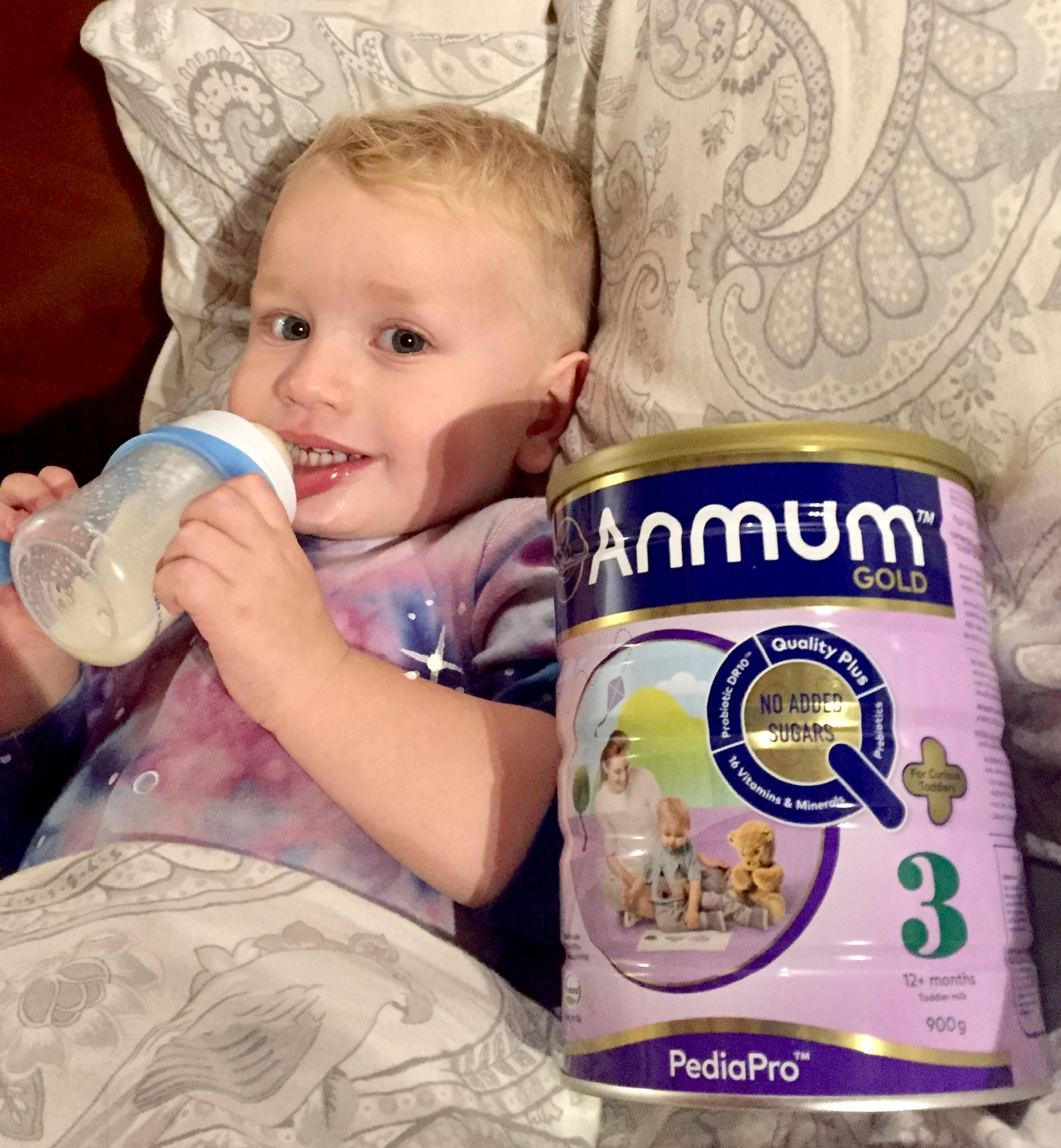
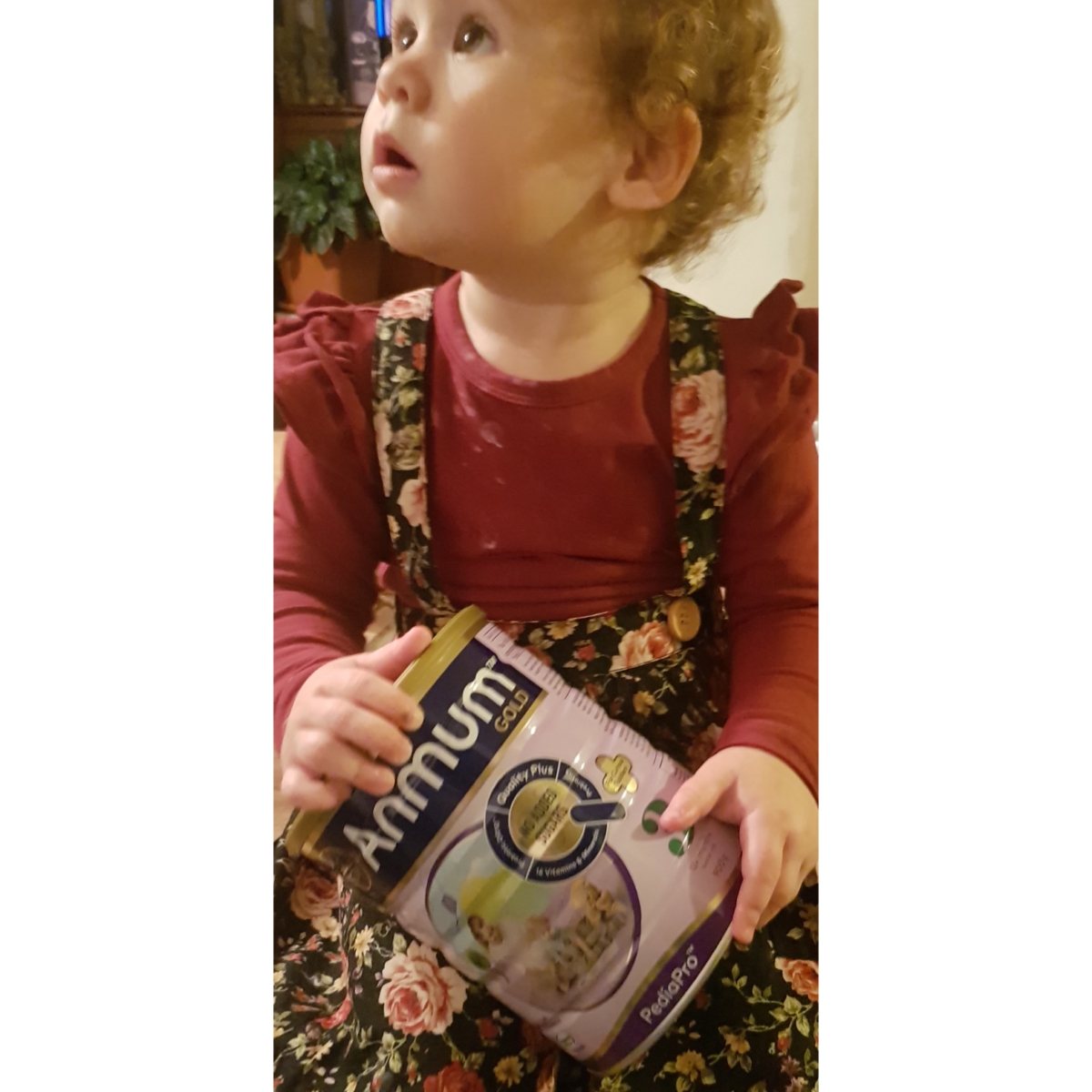
Anmum PediaPro3 – support for active and curious toddlers.
Anmum PediaPro3 is a product from Fonterra, specifically made for toddlers aged over 12 months and designed to complement what they eat during the day. From 12 months, your toddler is an active little person – playing, exploring and getting up to mischief – so it’s important to make sure they are getting the nutrition support they need.

Sugars, we know are a real concern for parents. That’s why Fonterra’s nutrition experts haven’t added any sugars to their toddler milk. Anmum PediaPro3 is the ONLY toddler milk that has no added sugars*. It only contains lactose, the sugar that is found naturally in milk, which means it tastes great too.

Anmum PediaPro3 provides 16 essential vitamins and minerals, prebiotics and probiotic DR10™, to help support active and curious toddlers.

For more information, visit www.anmum.com.

Watch for reviews

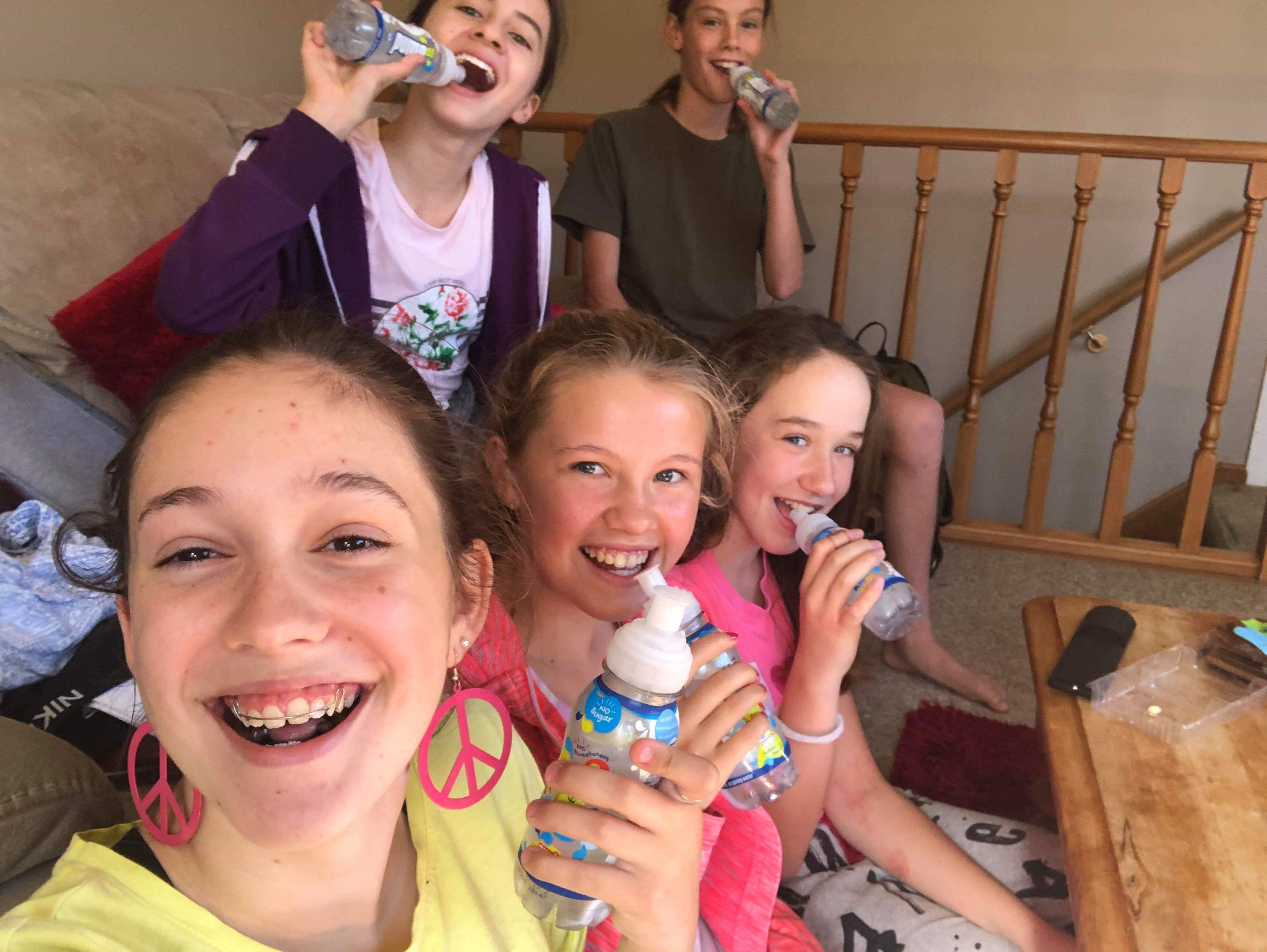
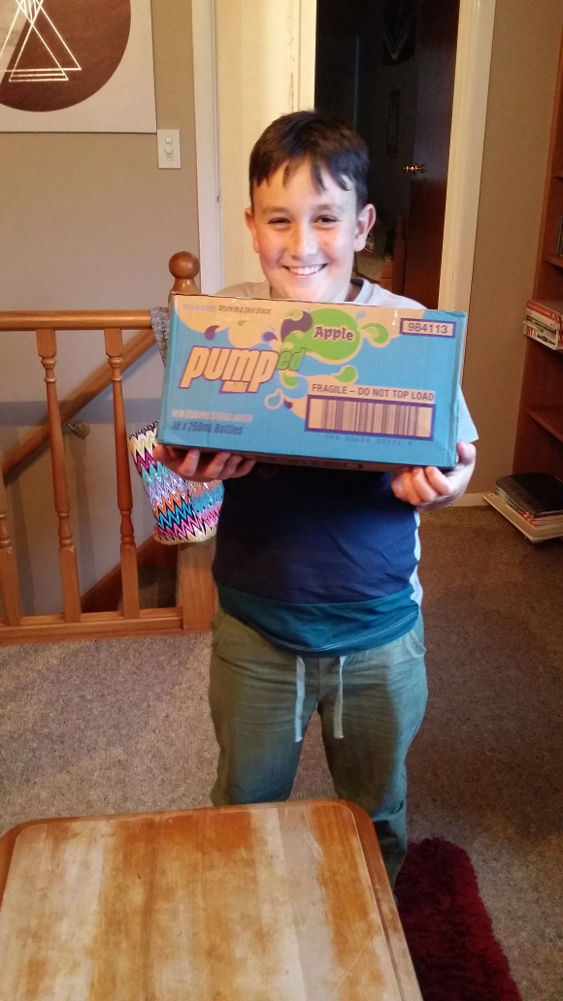
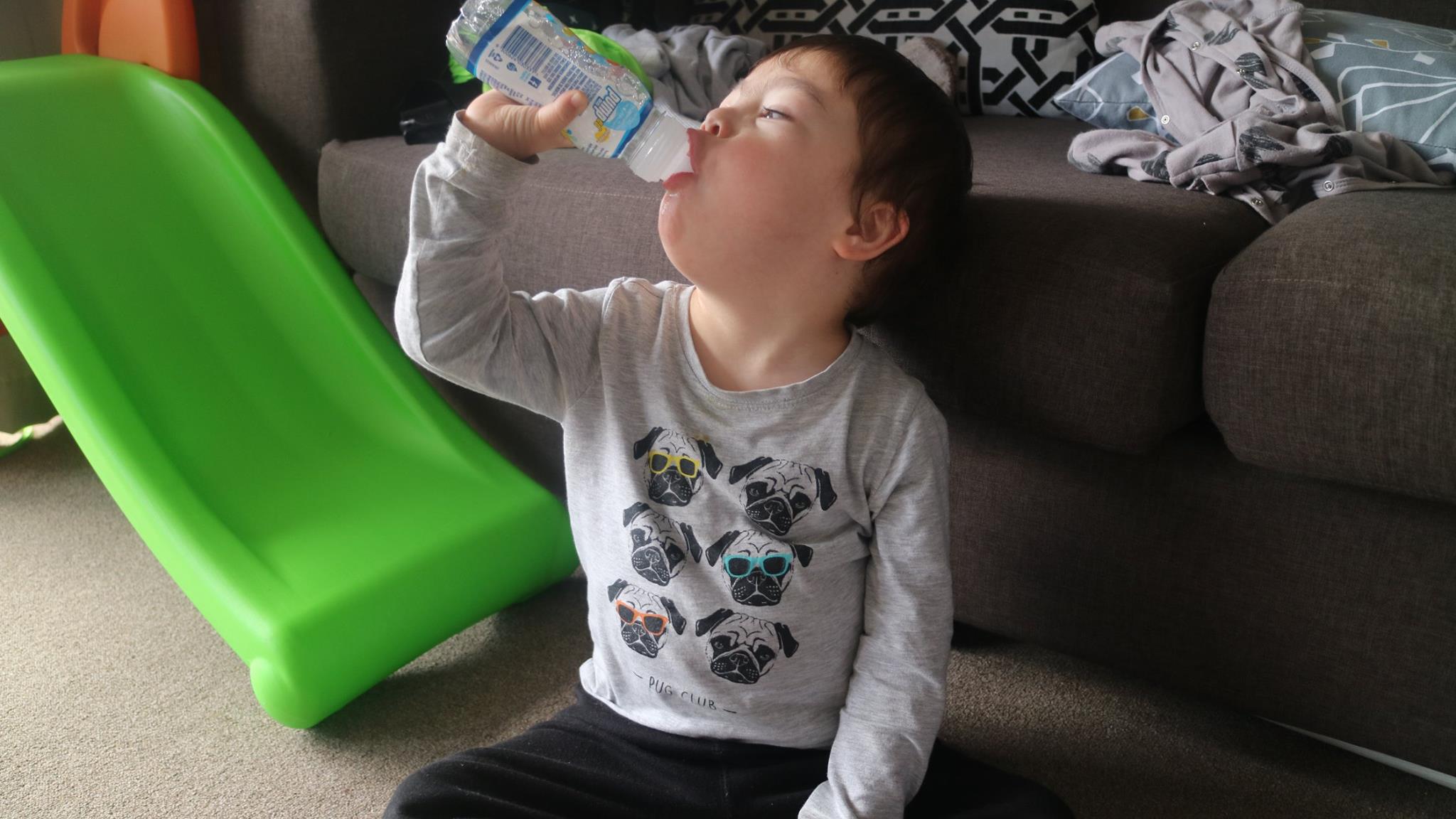
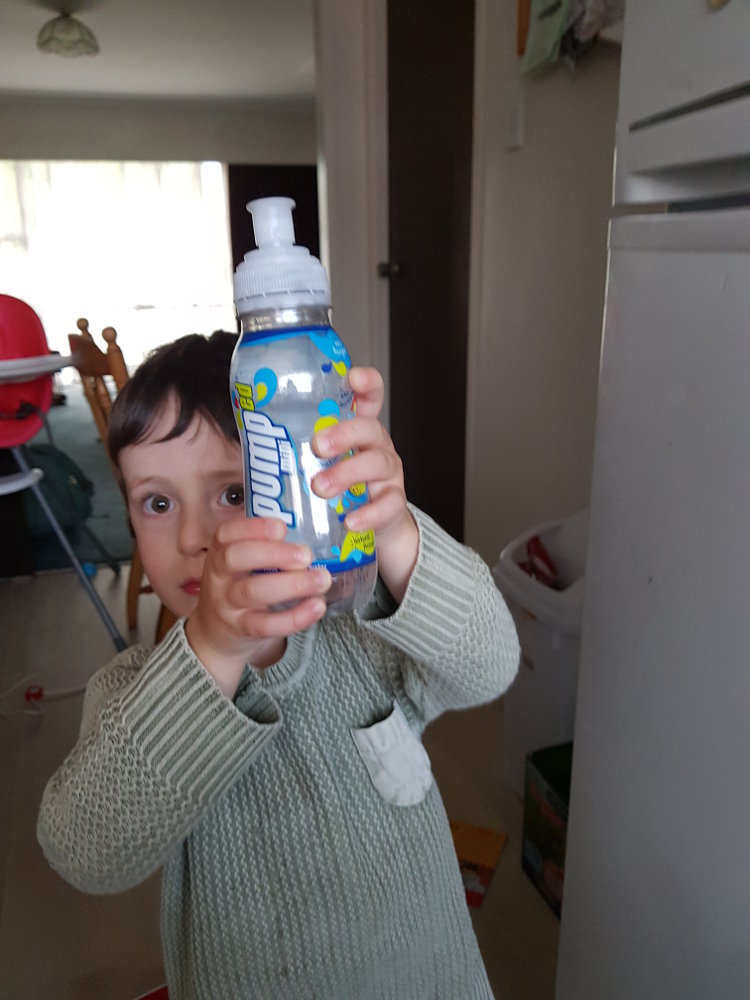
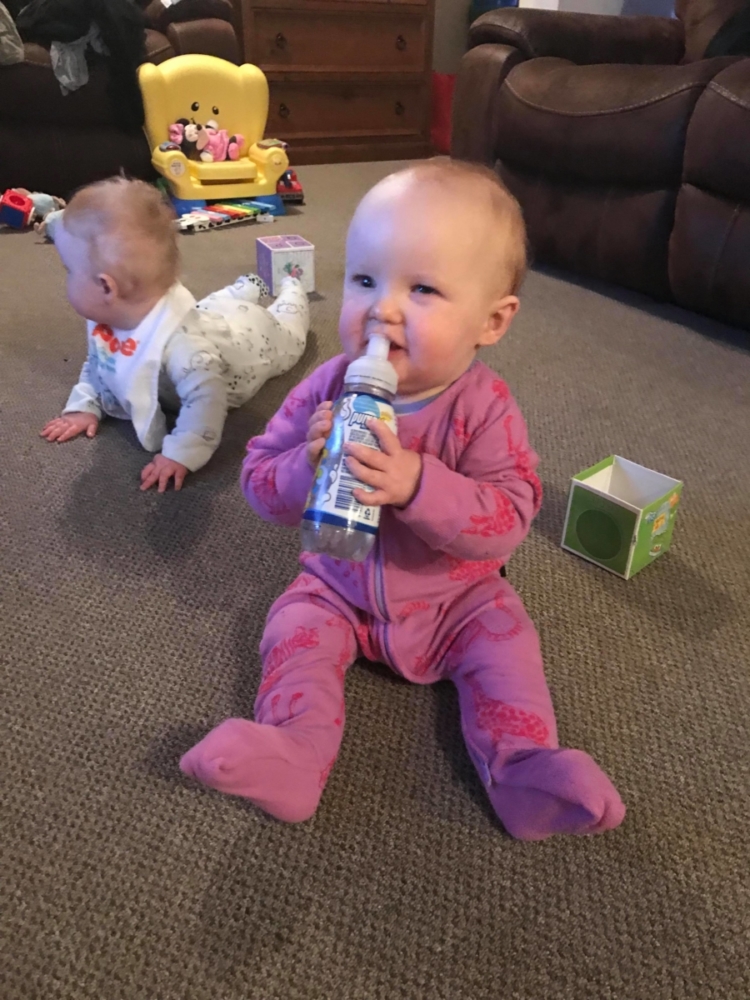
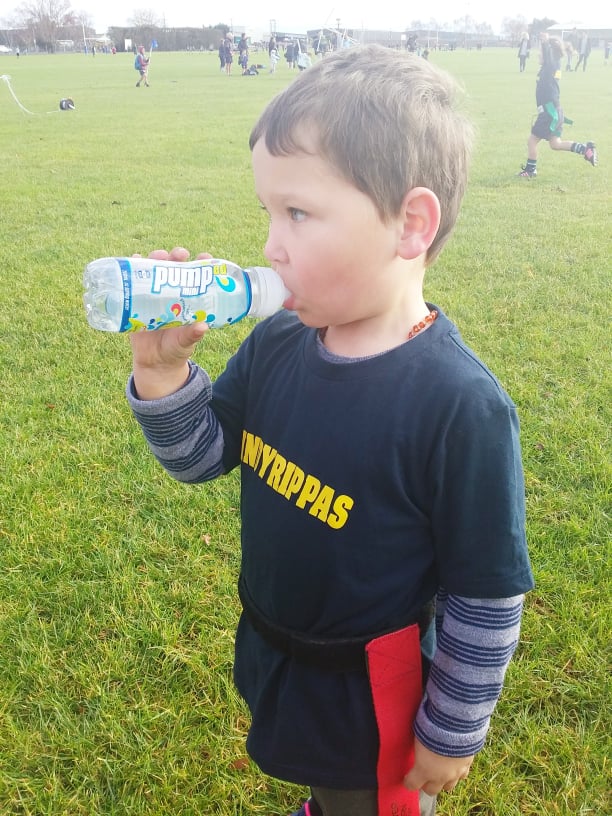
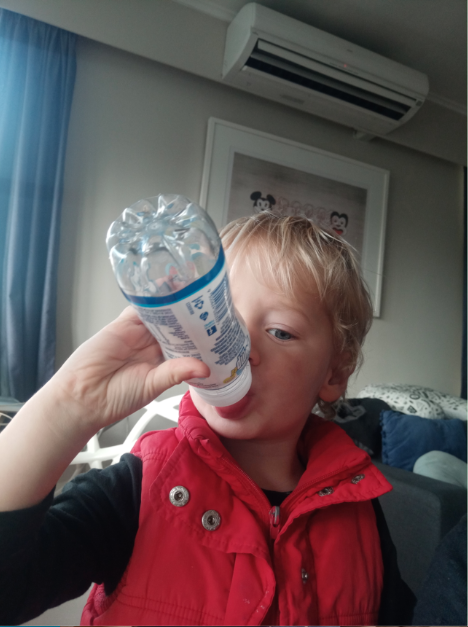
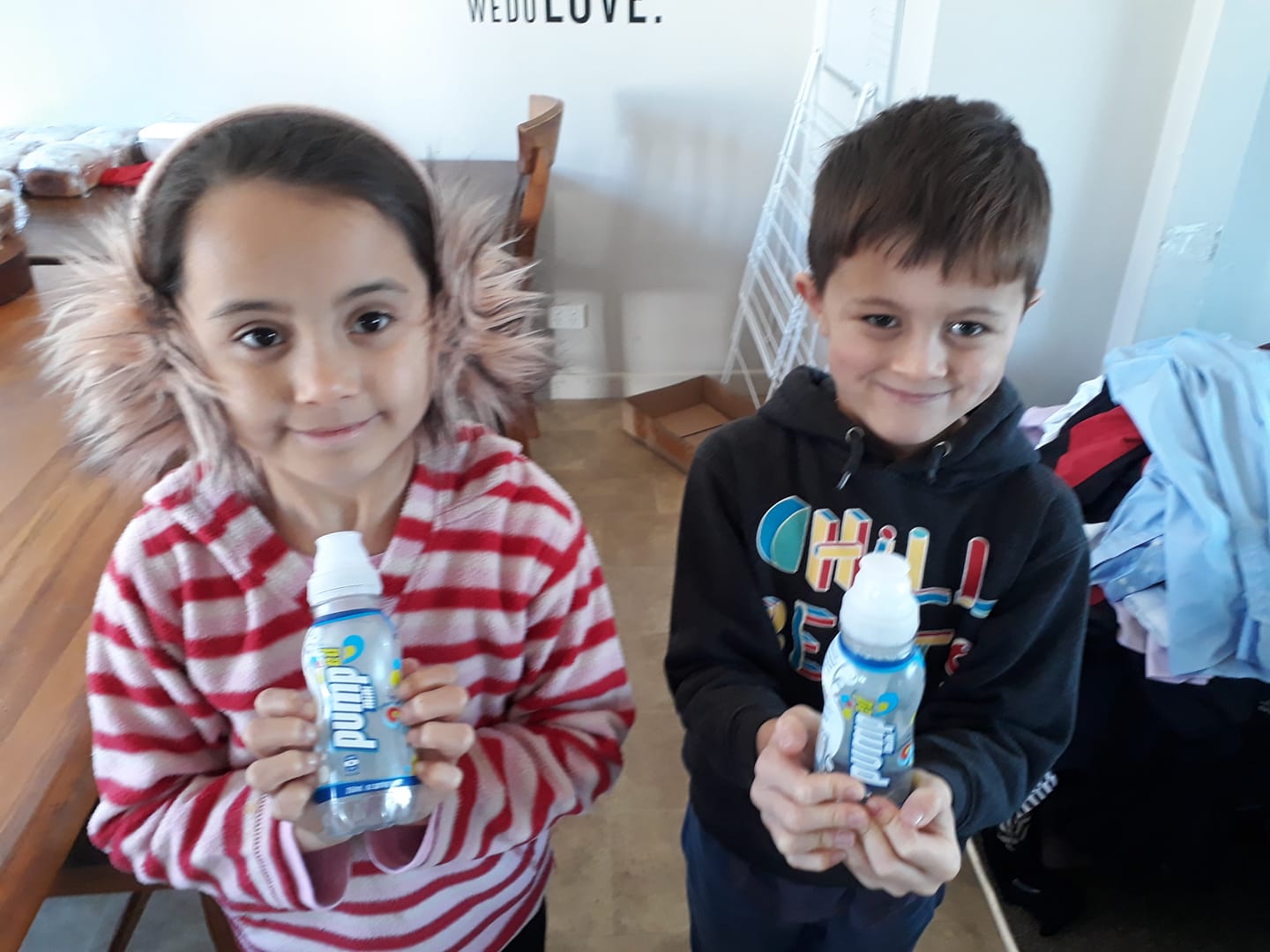
We have given 30 members with toddlers aged 1 to 3 years old the chance to trial and review Anmum PediaPro3 Toddler Milk.

  • Each selected reviewer will receive a sample pack including:  1 x 900g tin of Anmum PediaPro3.
  • Watch below for reviews!

Please note

*NZ Market Data November 2018.

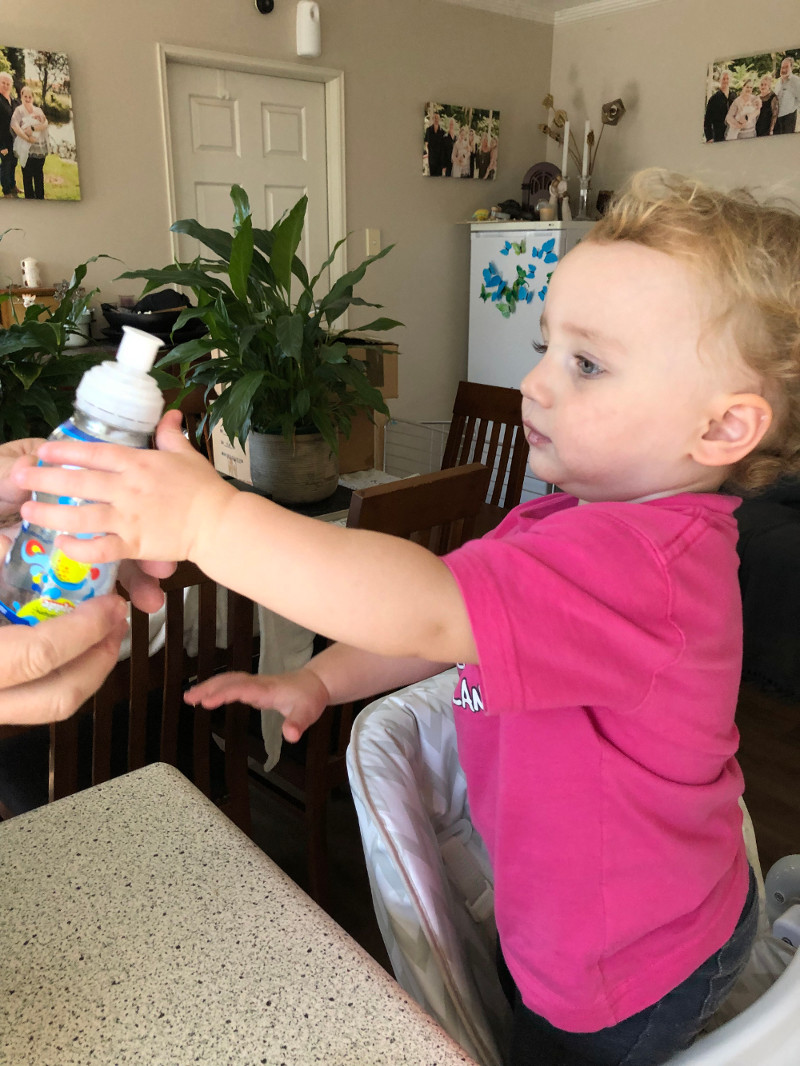
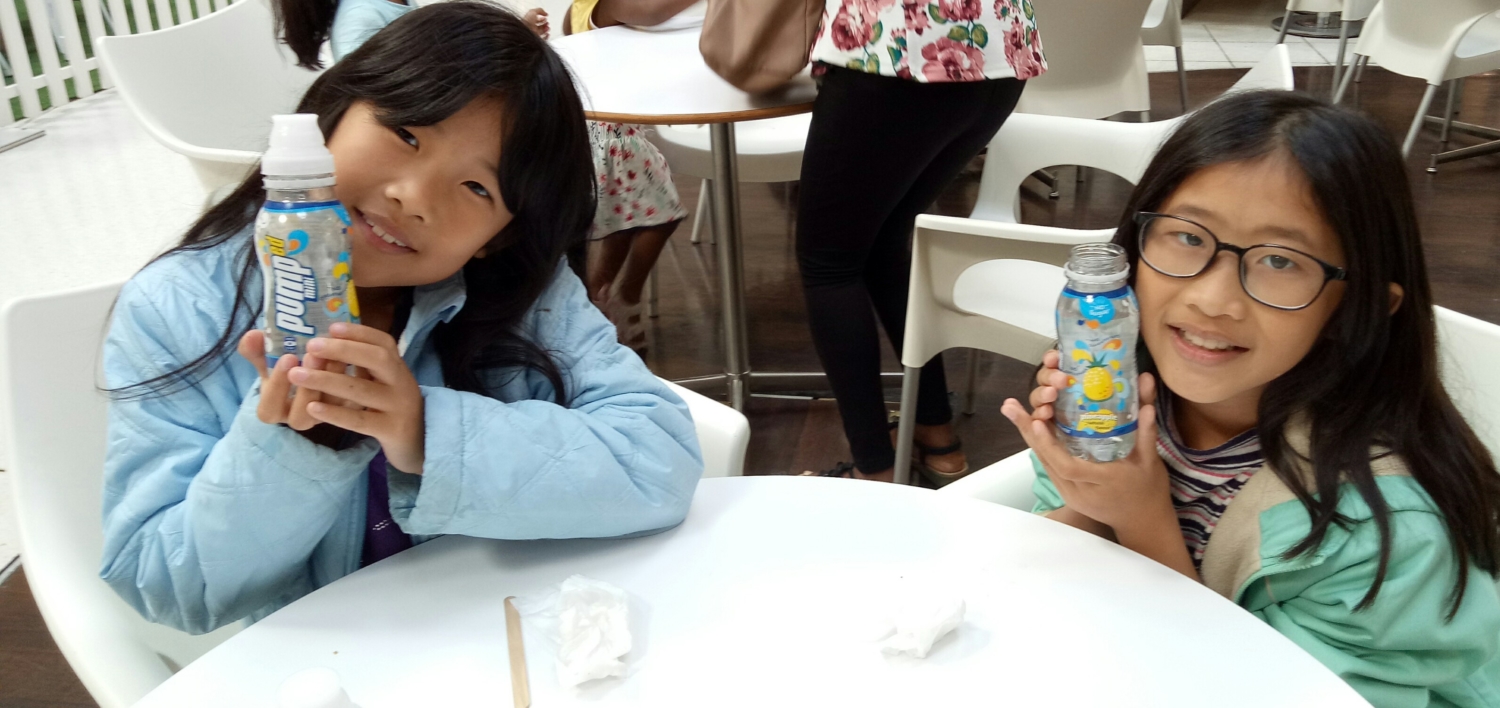
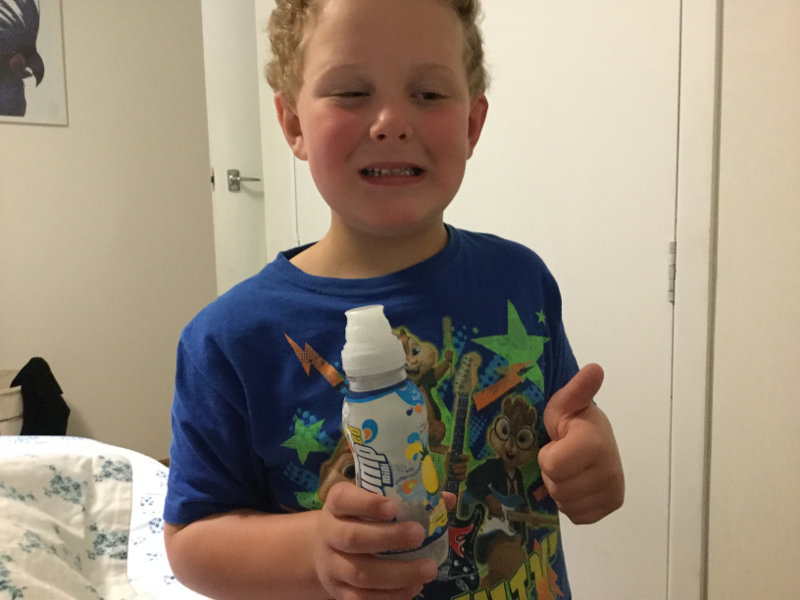
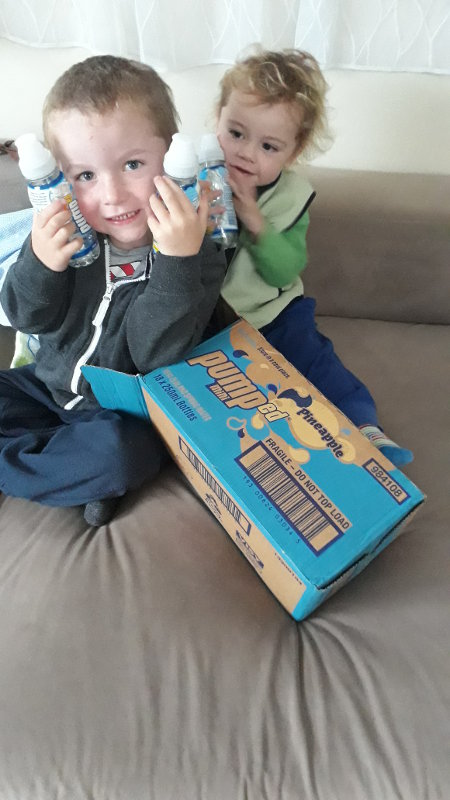
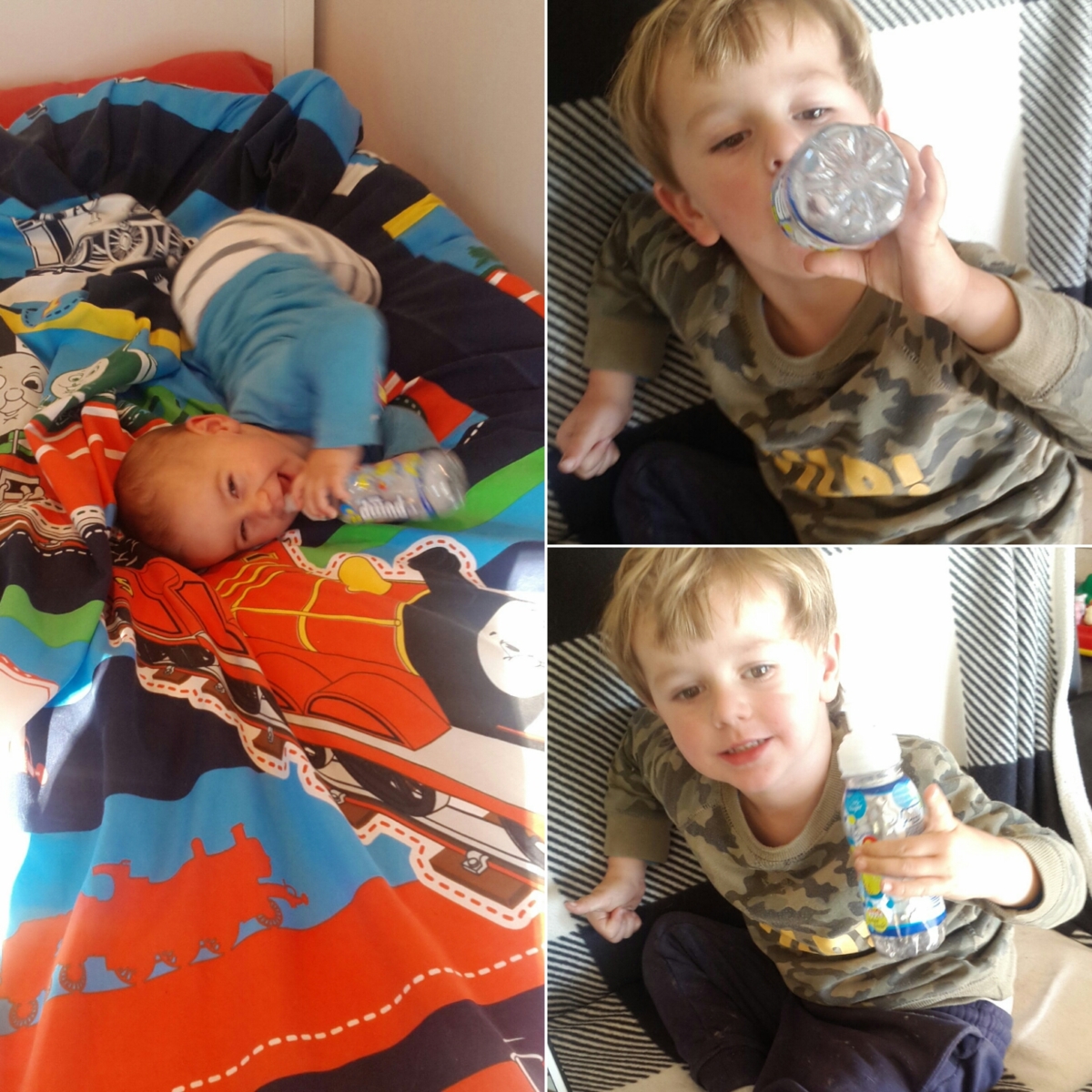
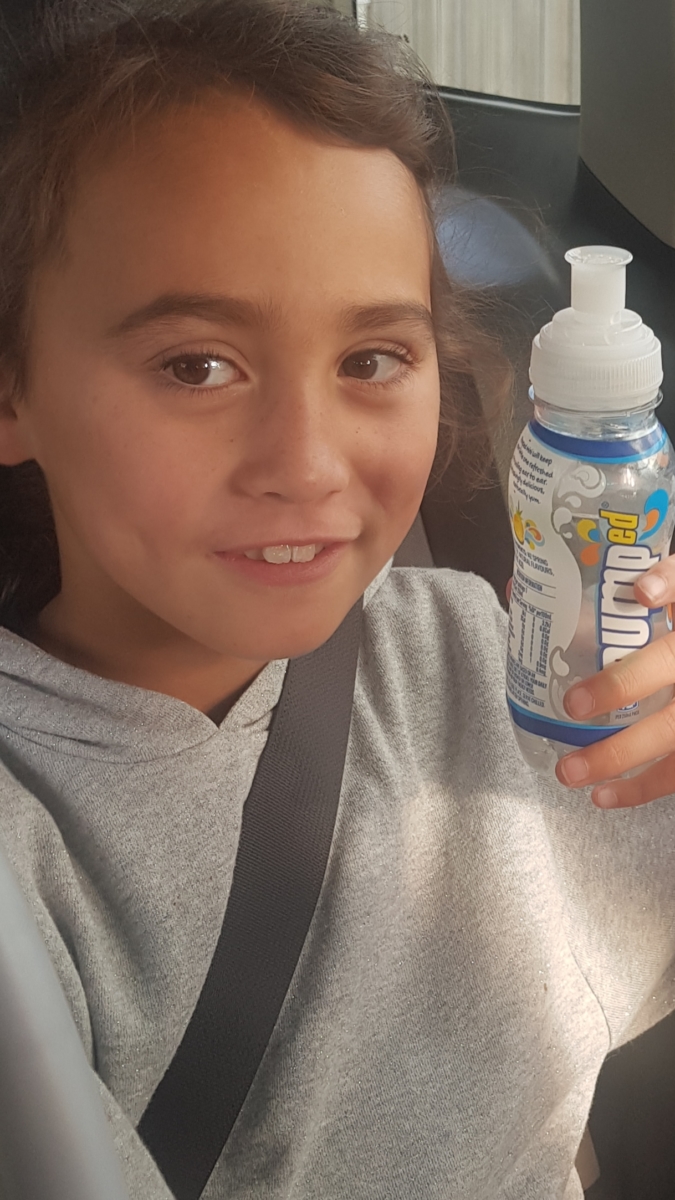
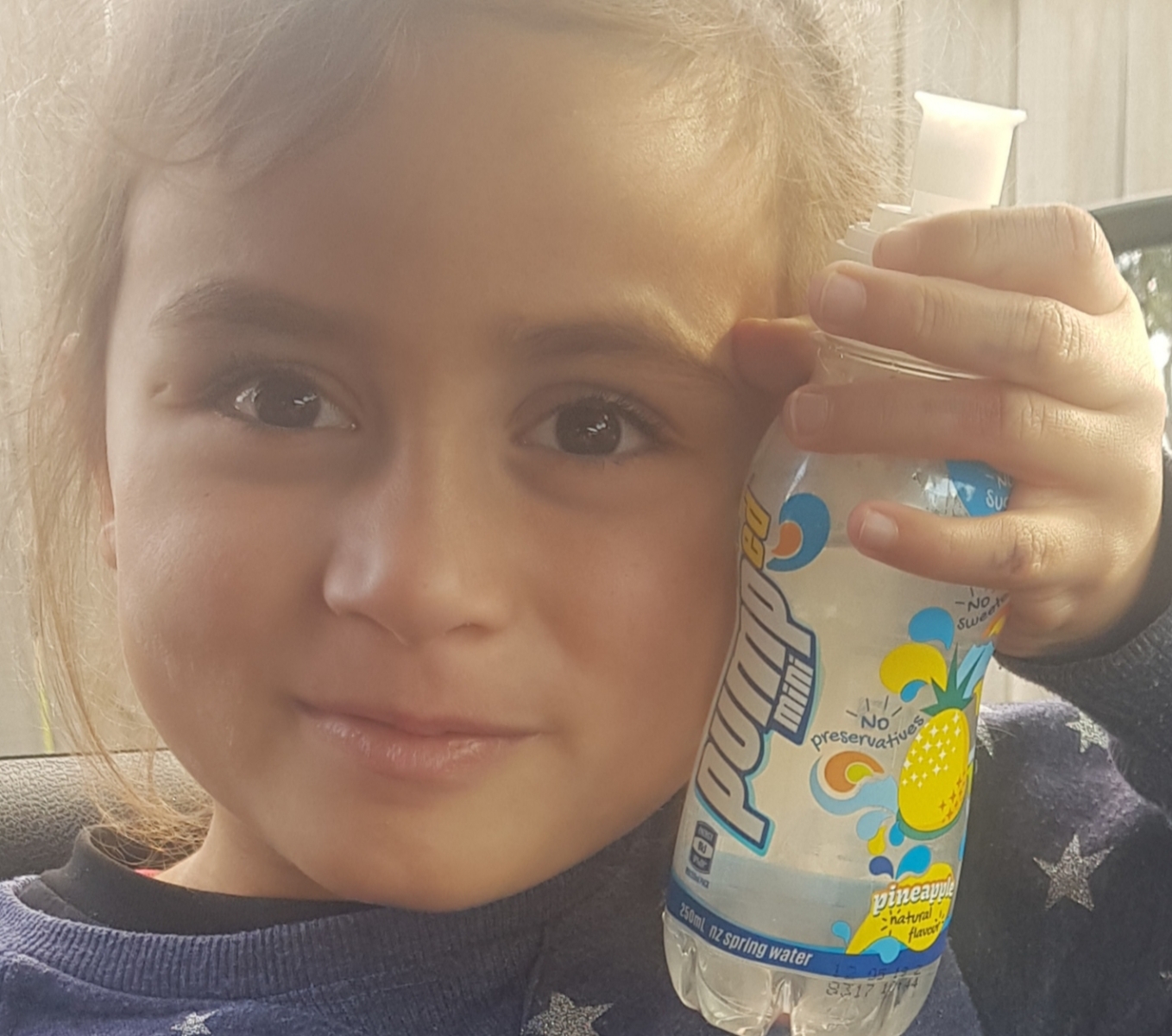
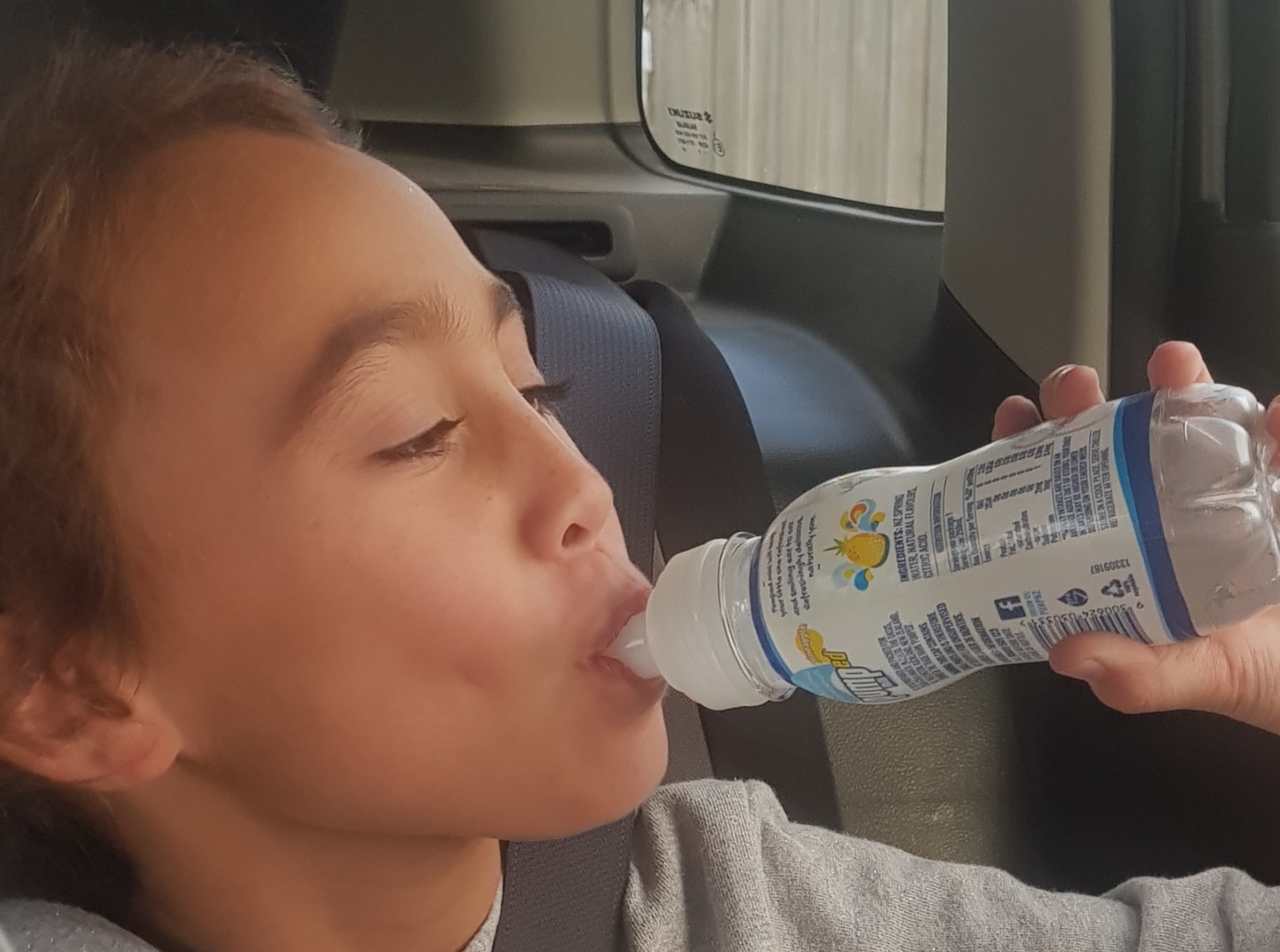
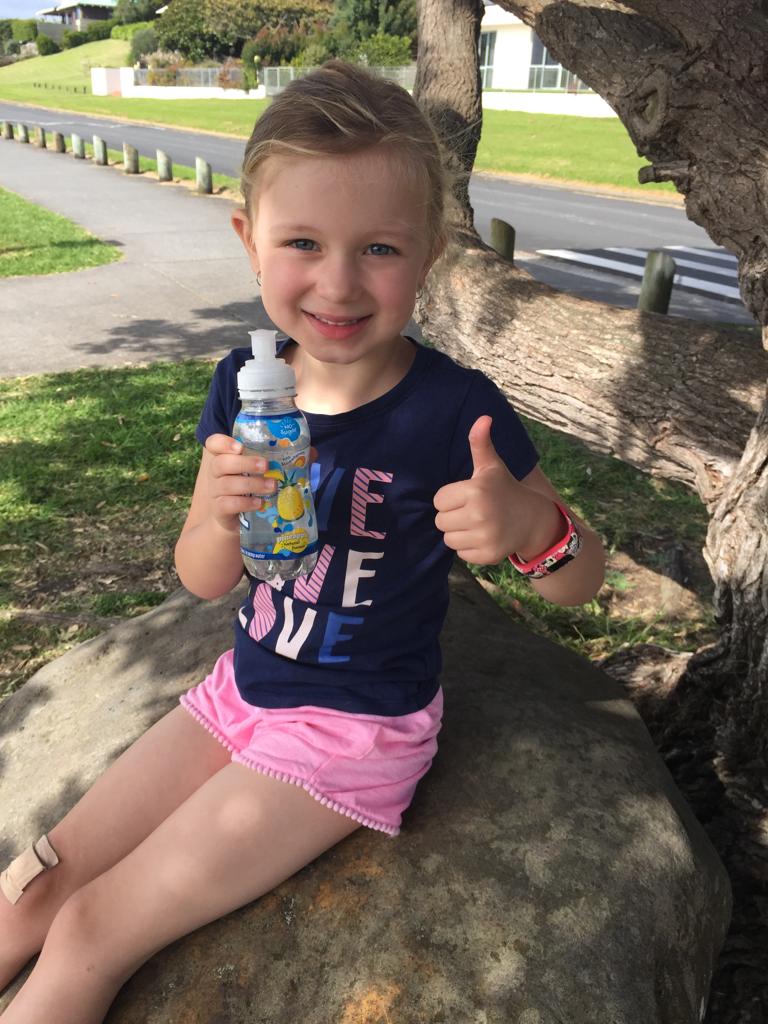
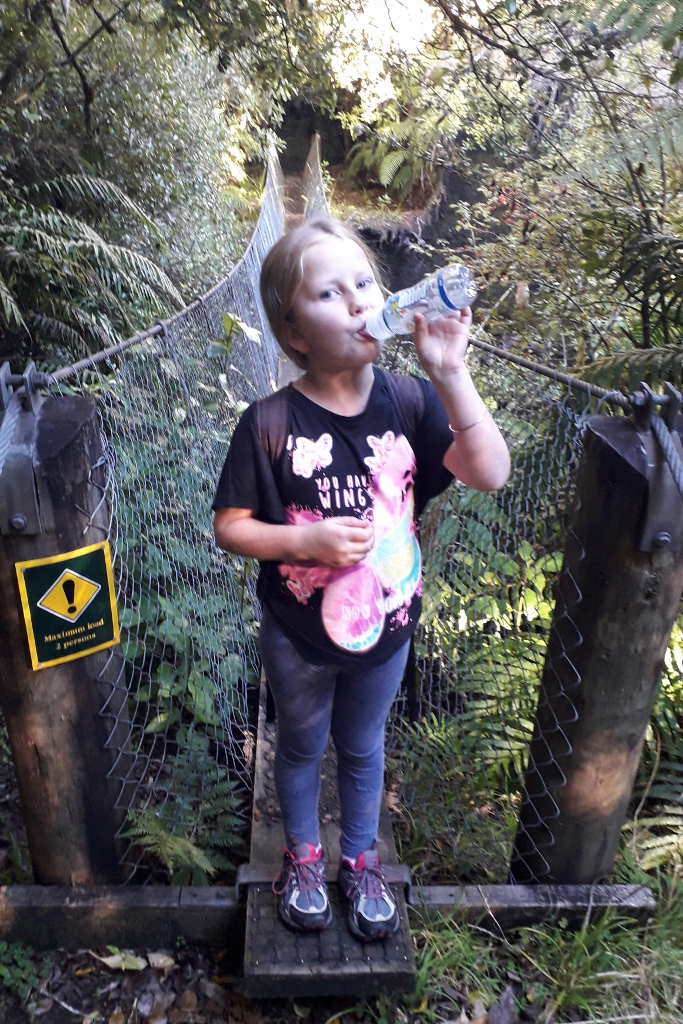
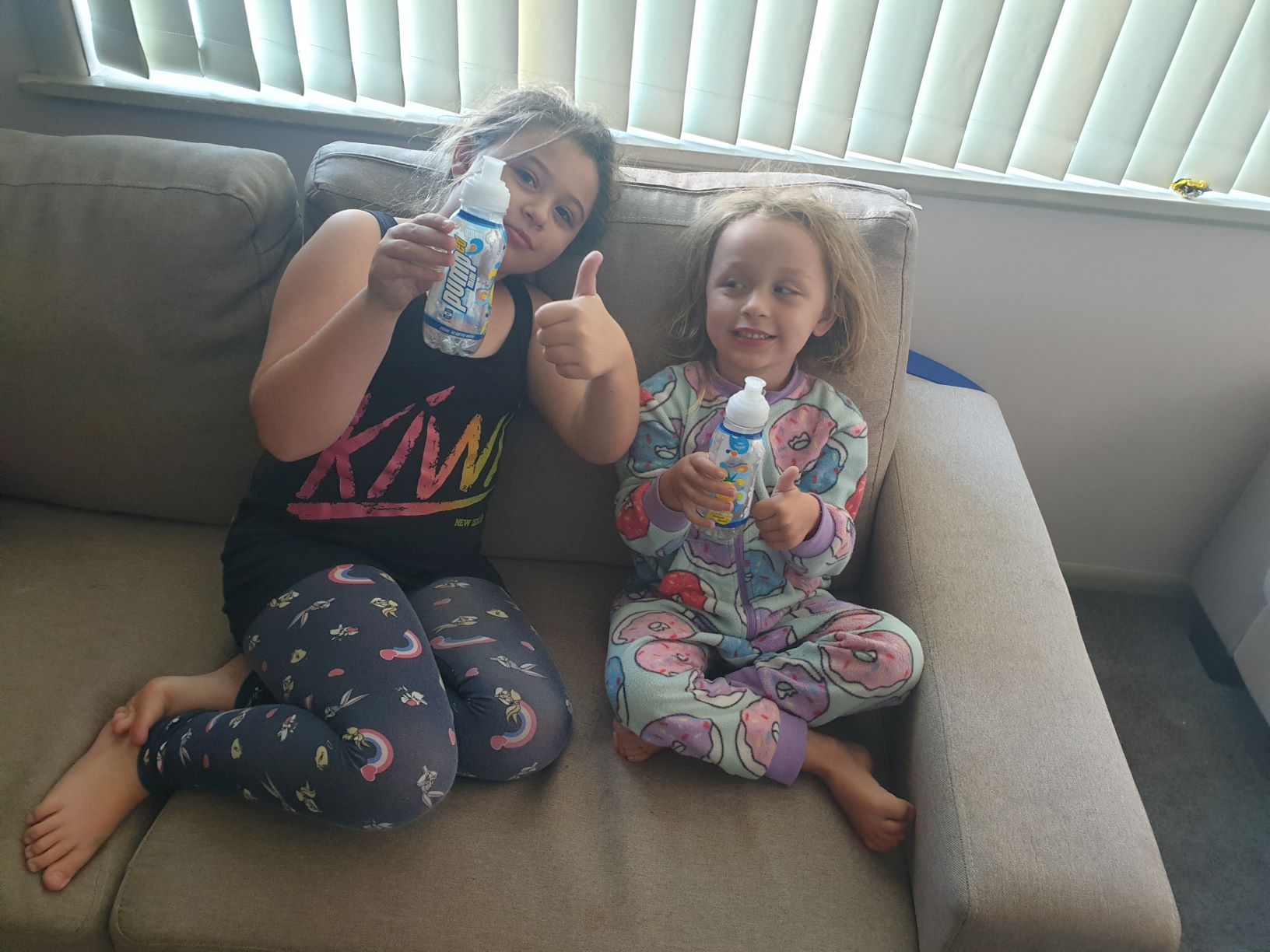
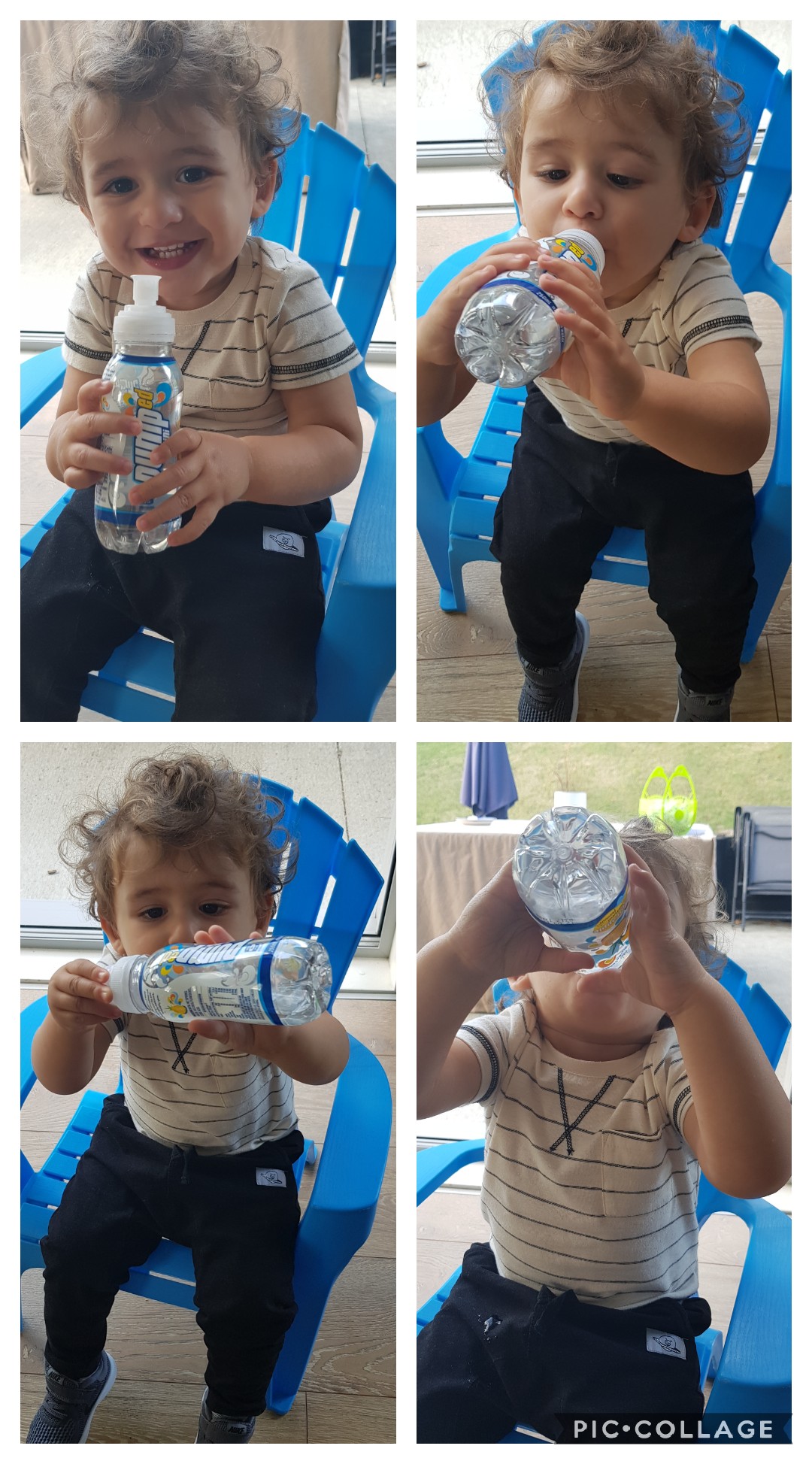
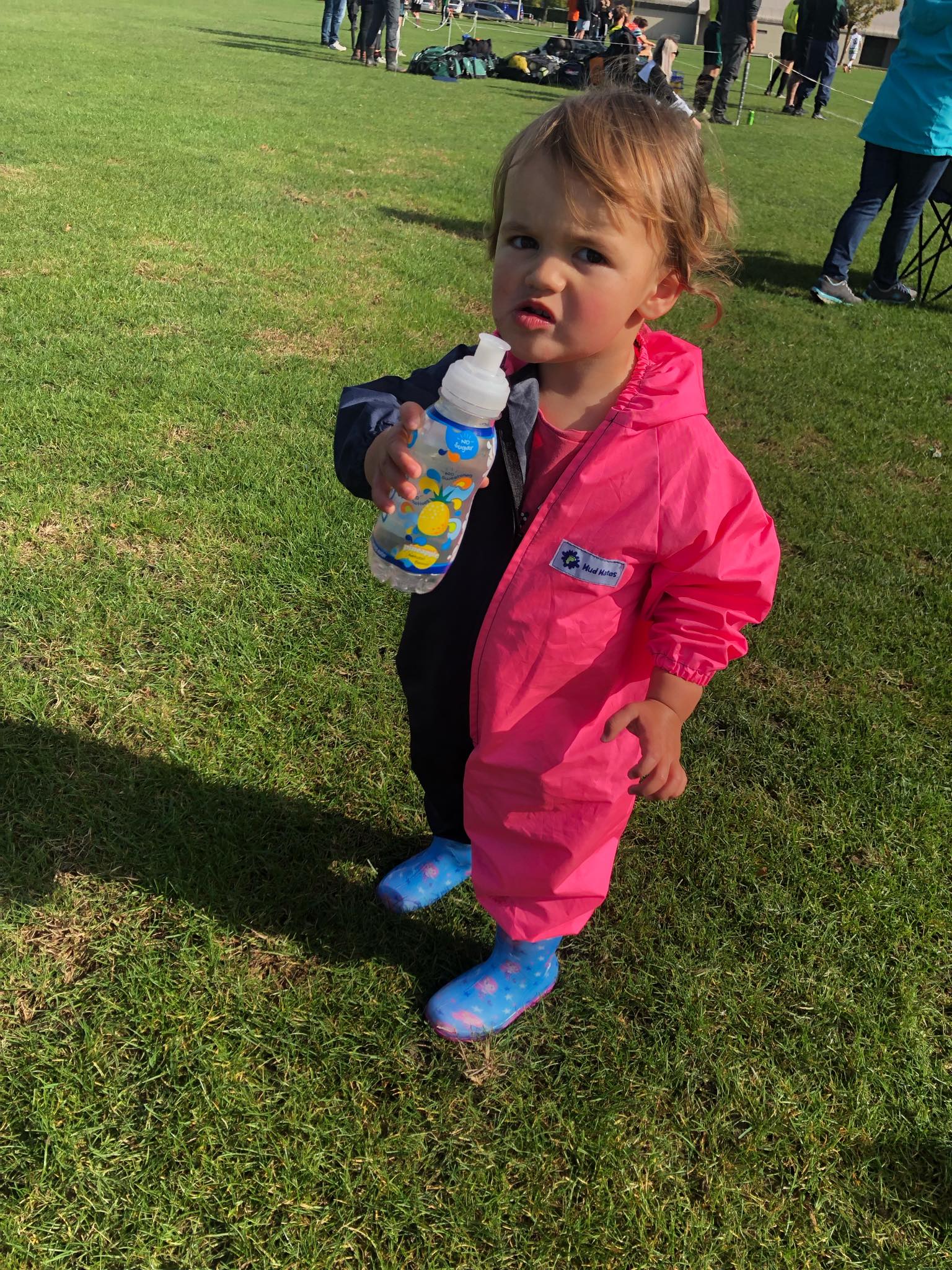
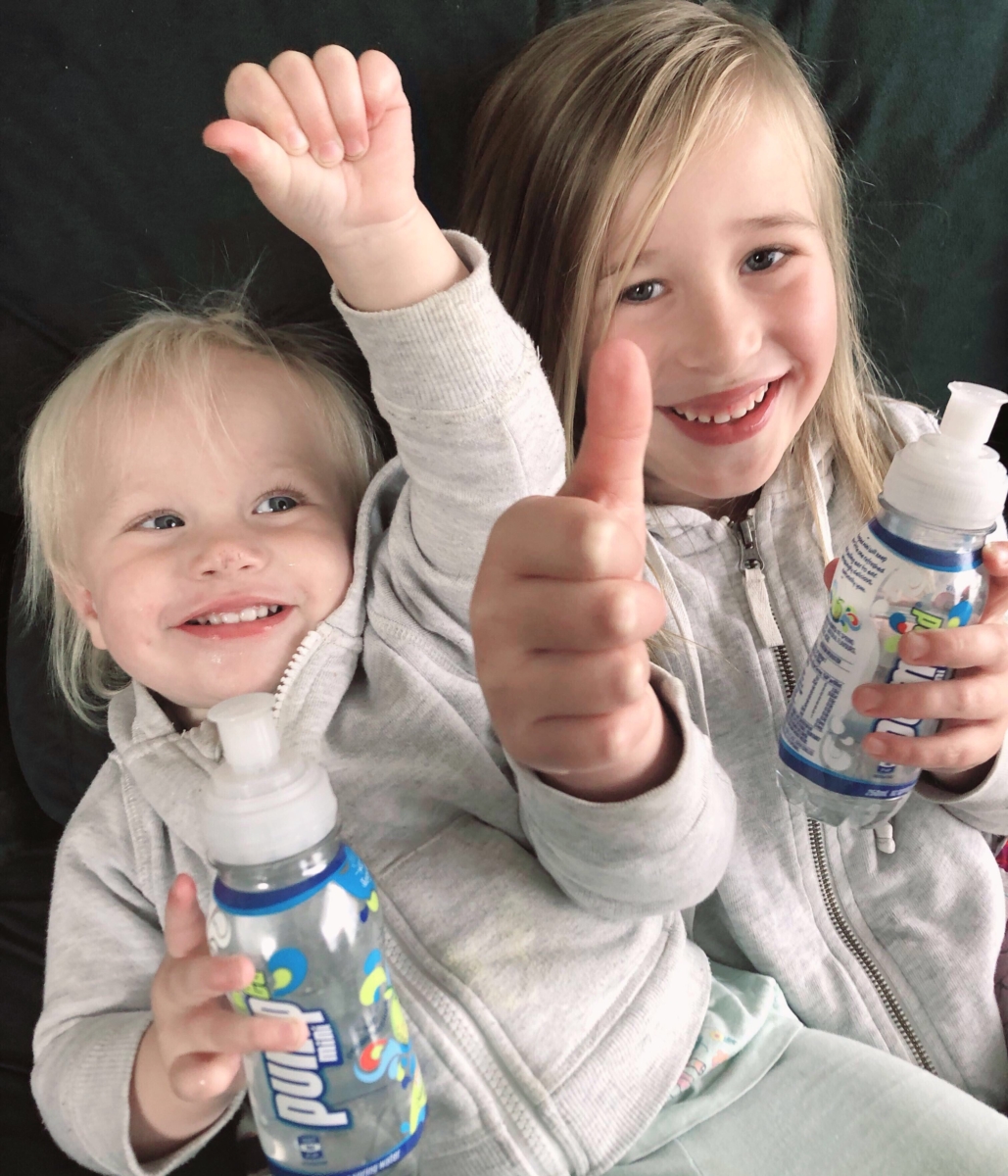
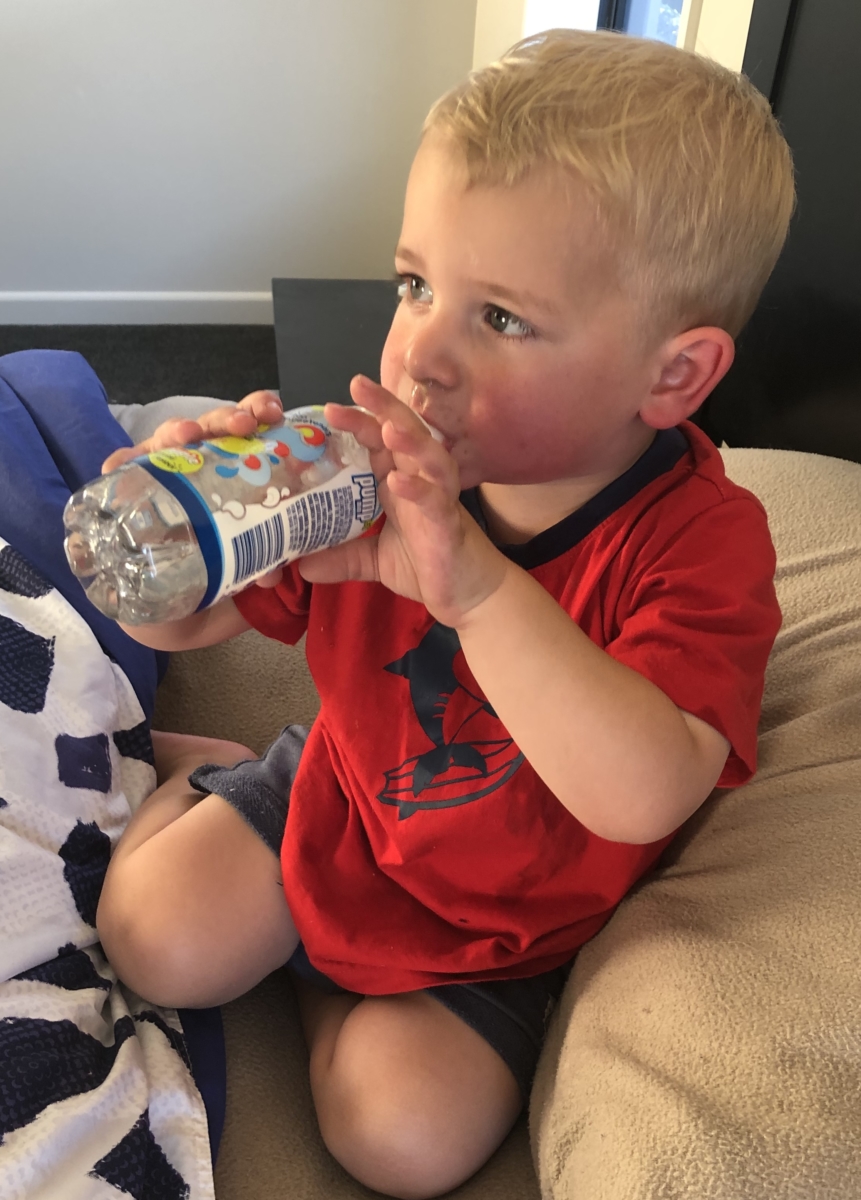
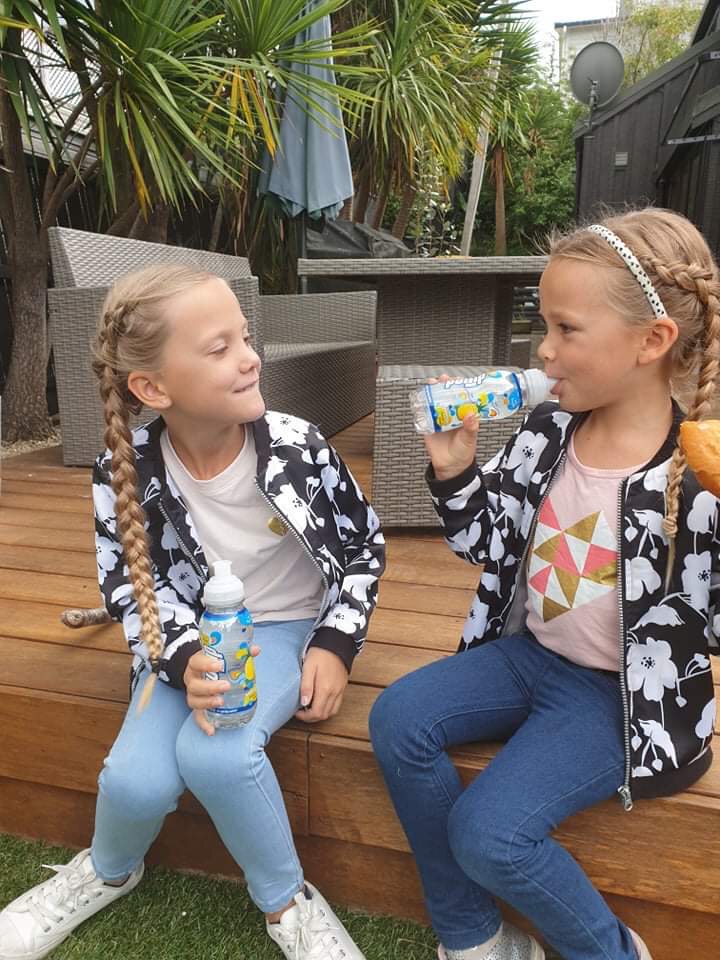
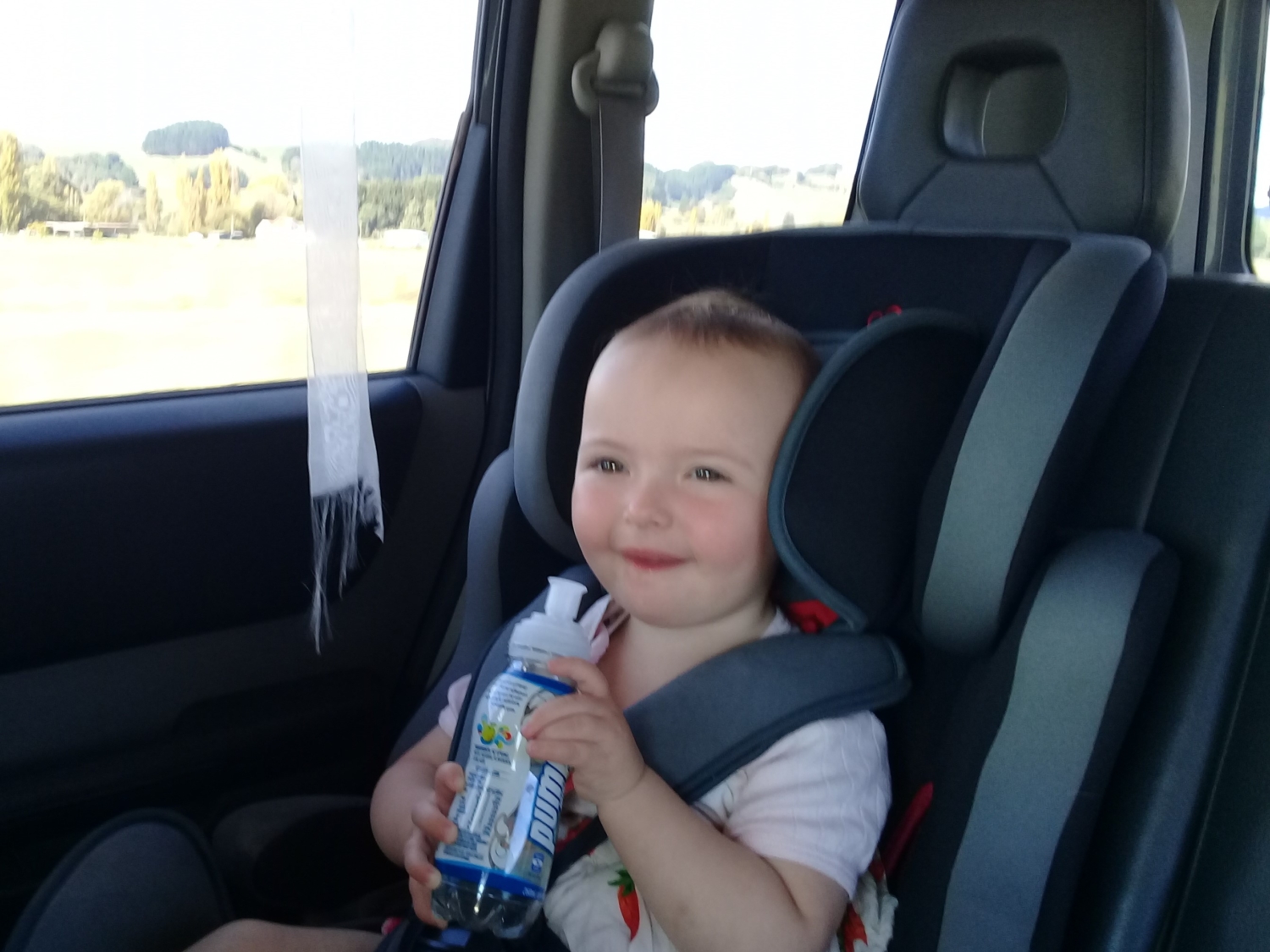
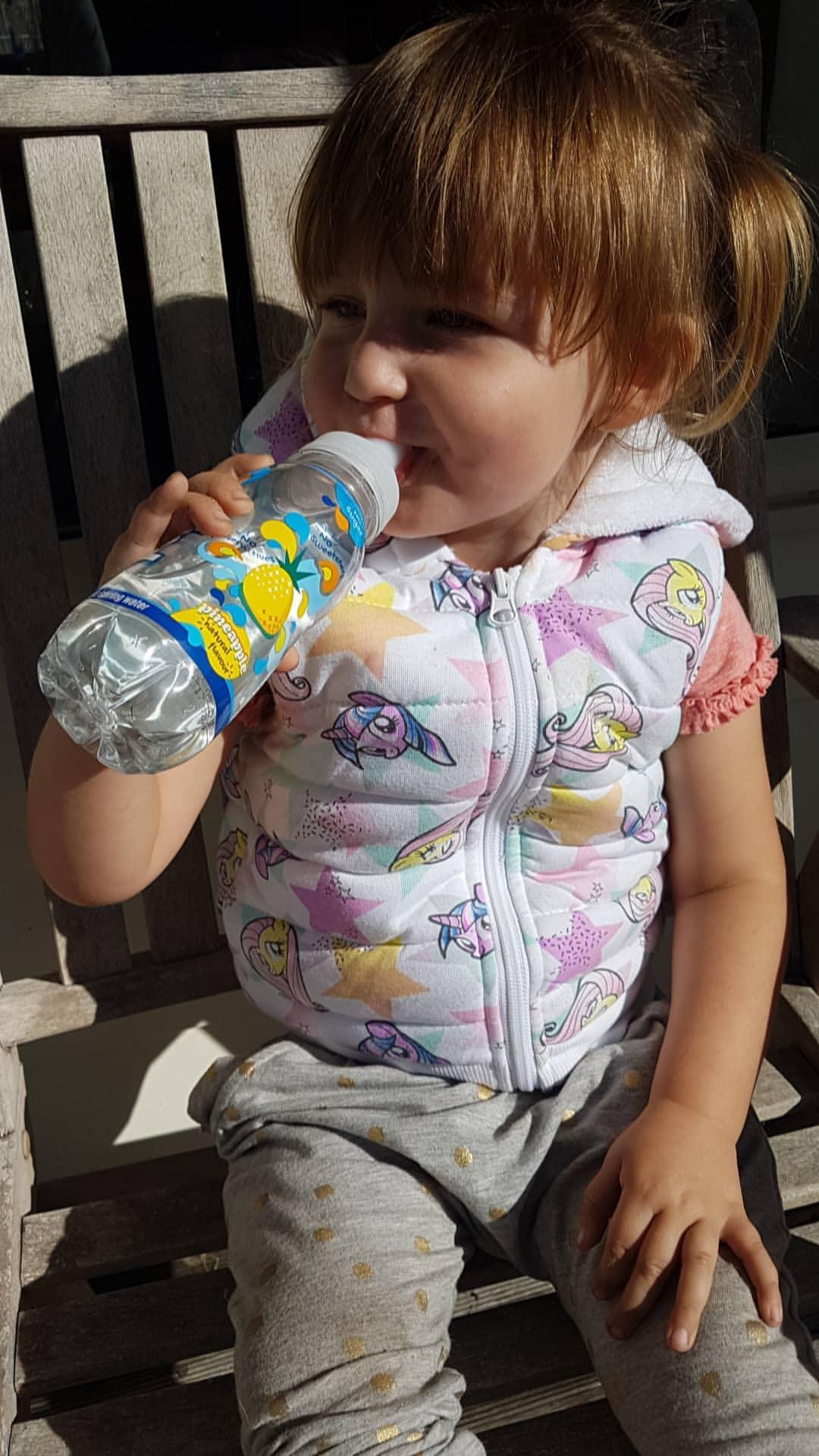
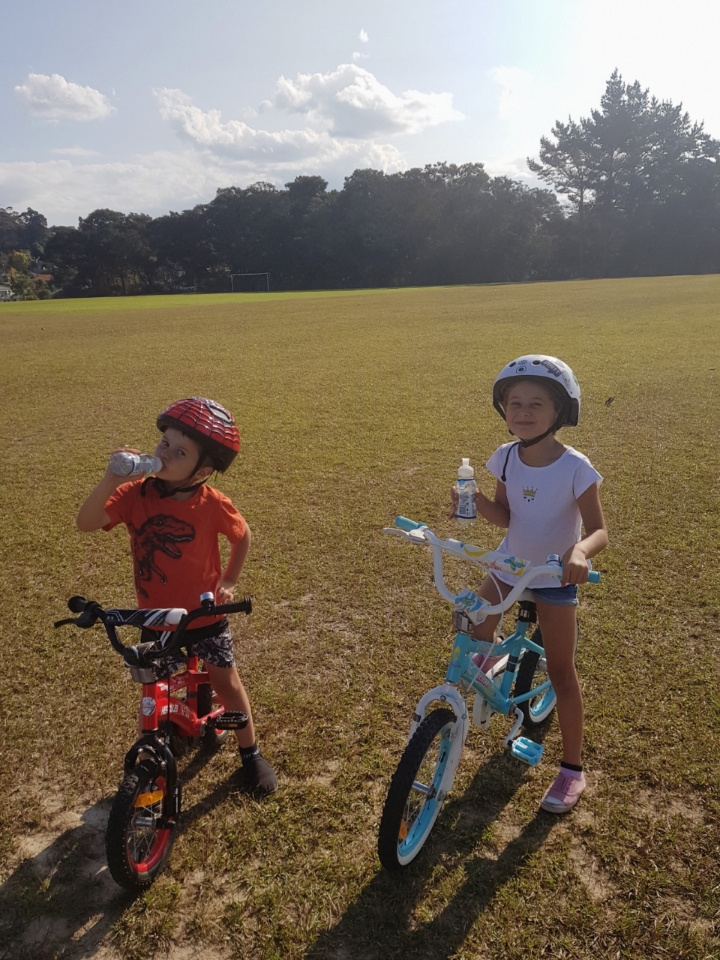
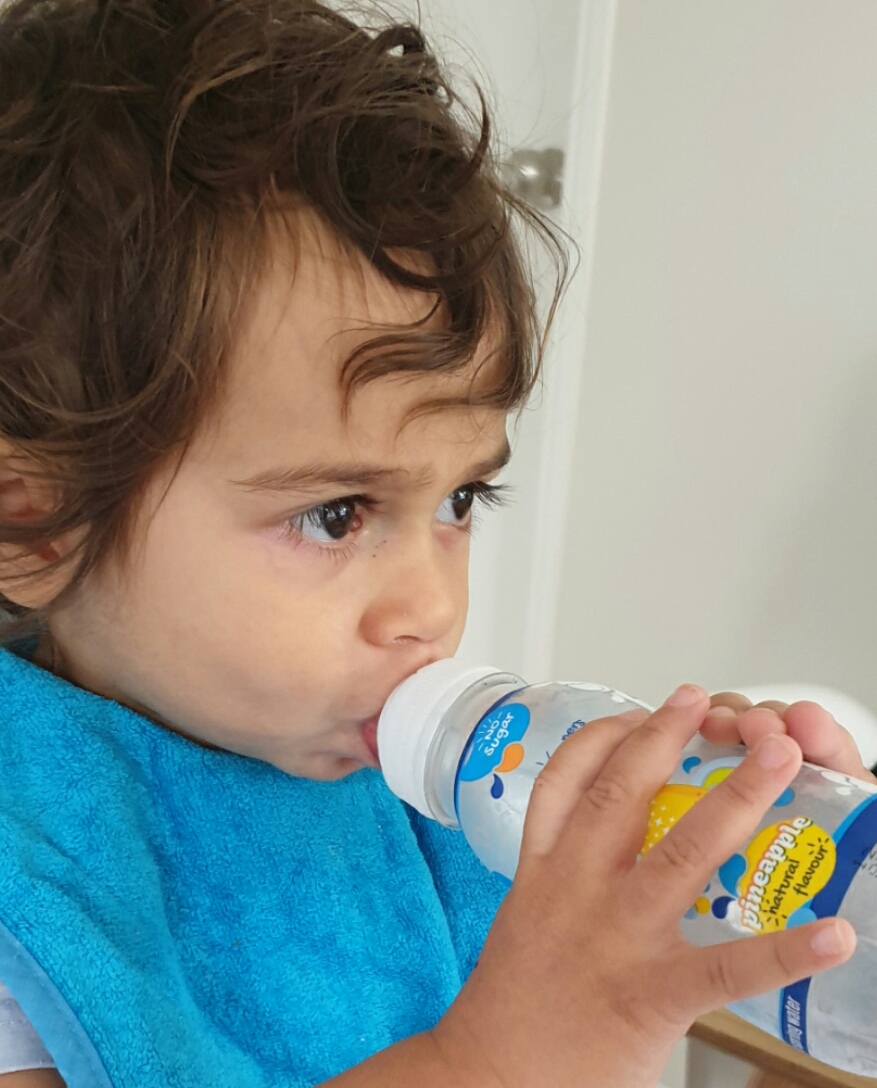
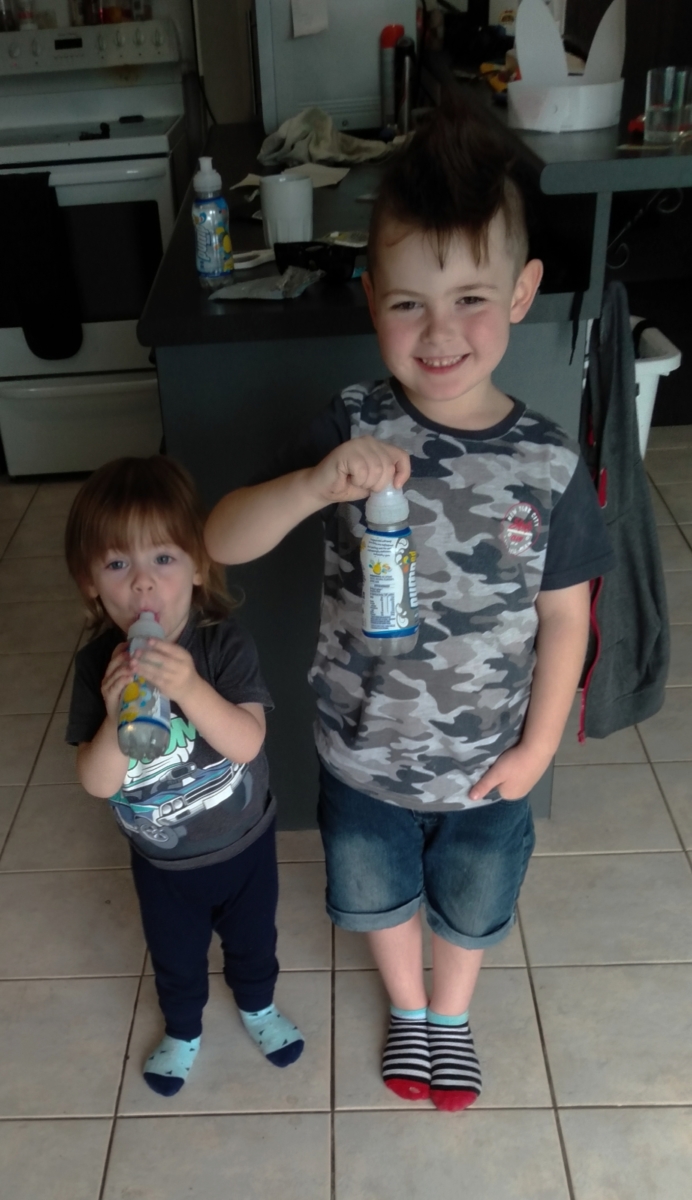
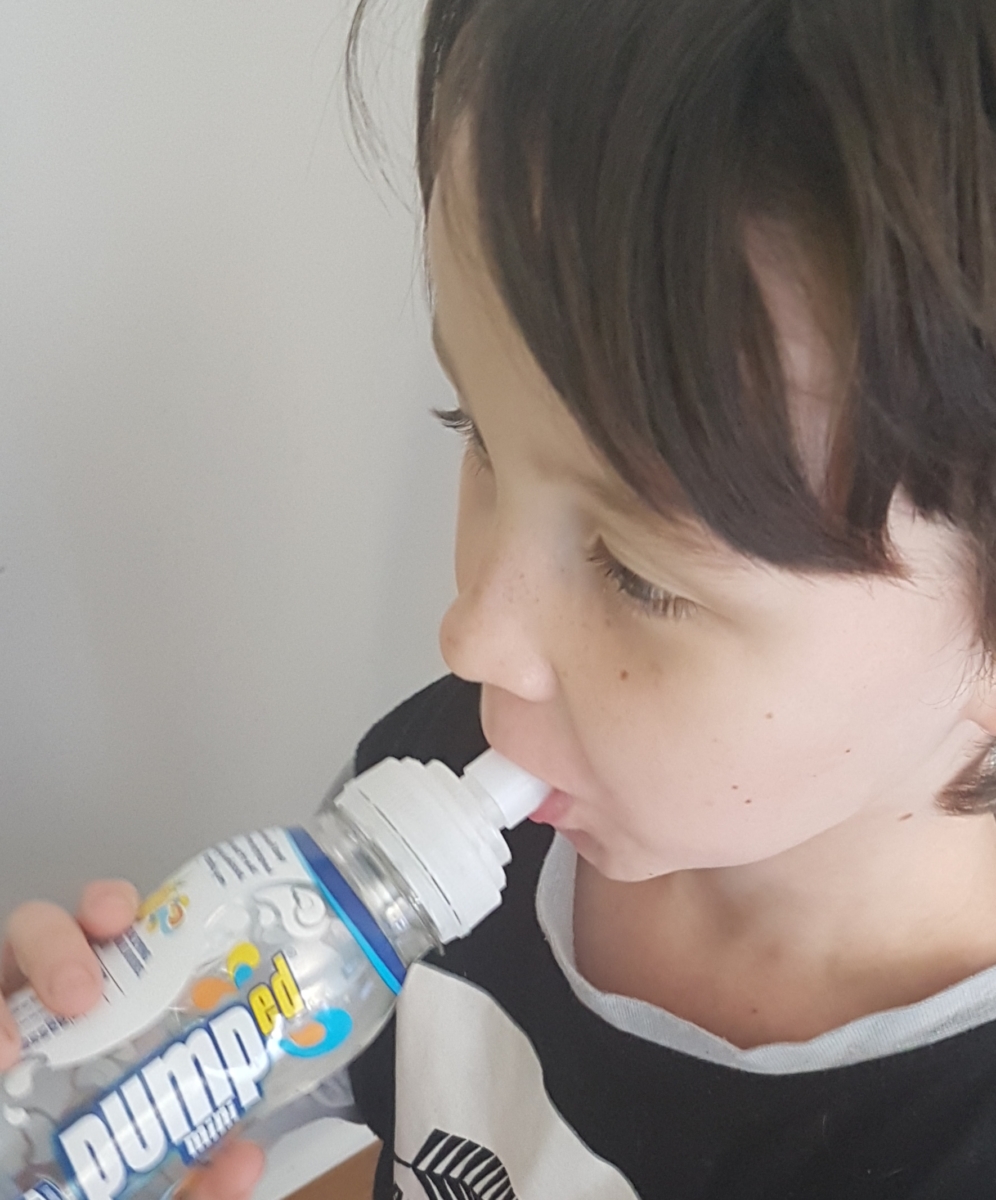
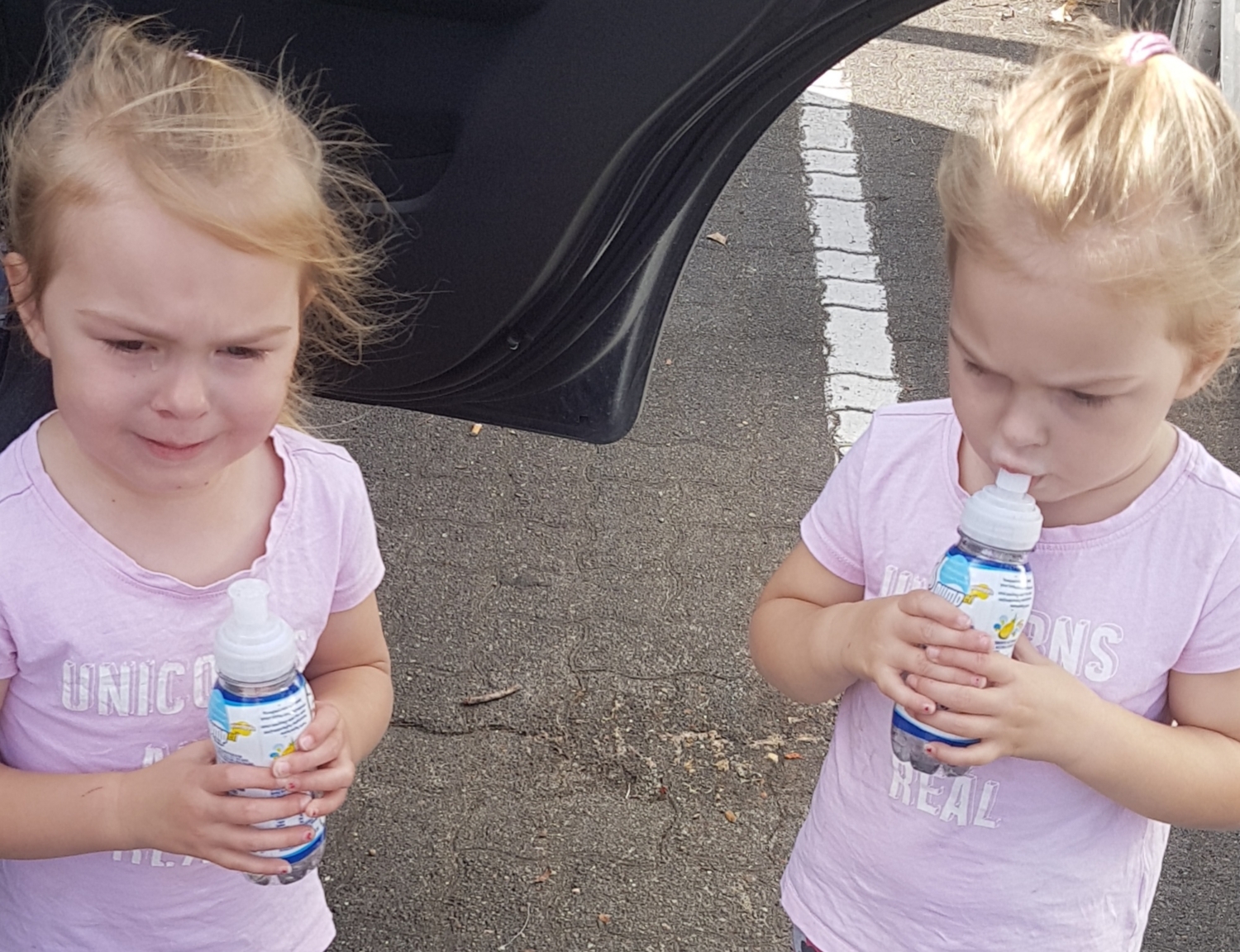
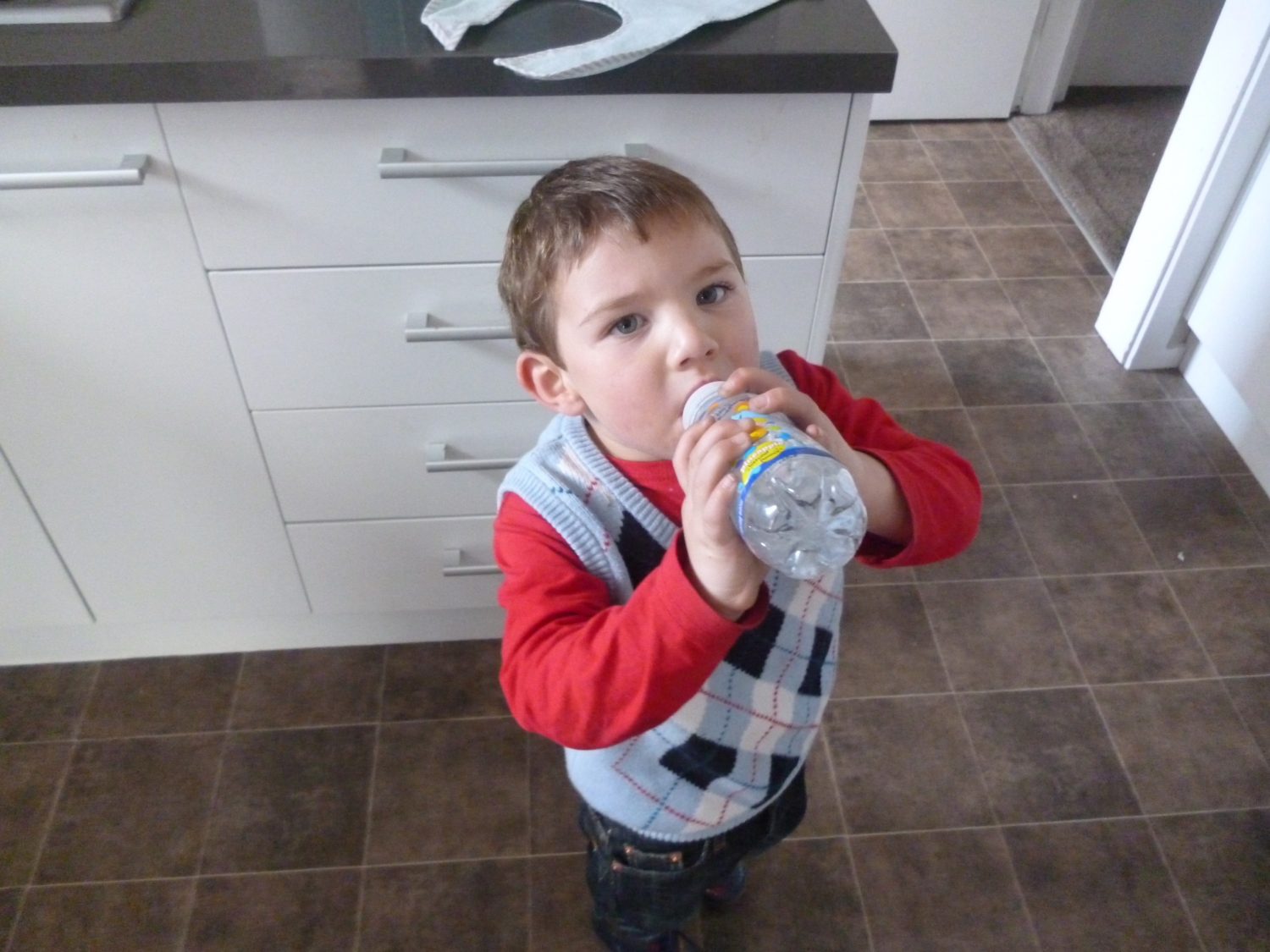
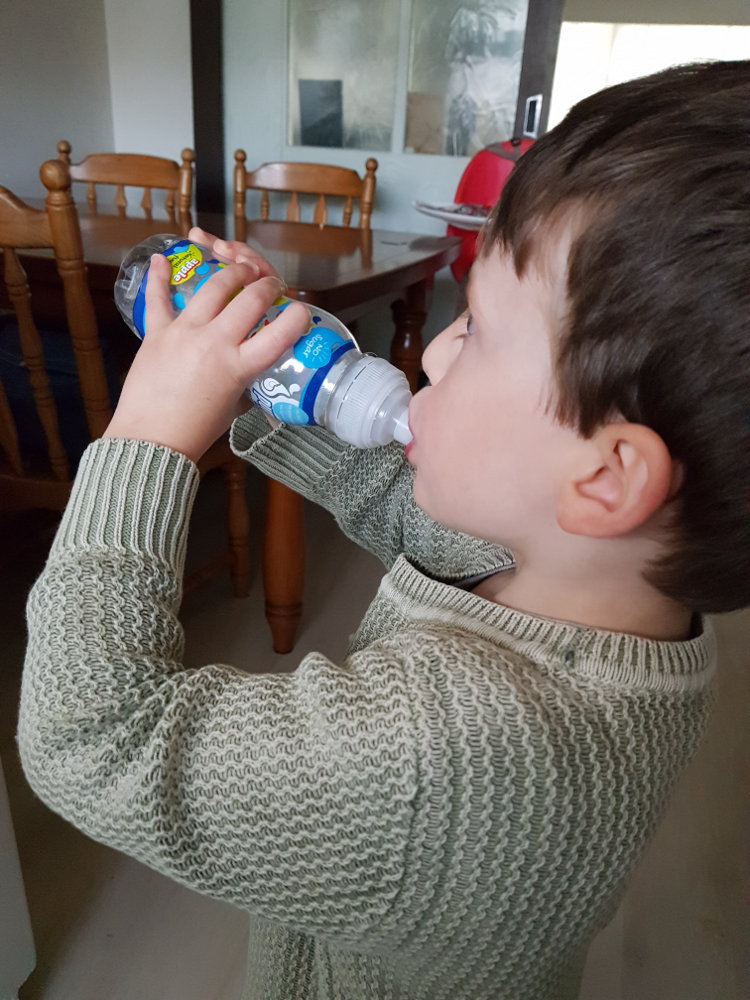
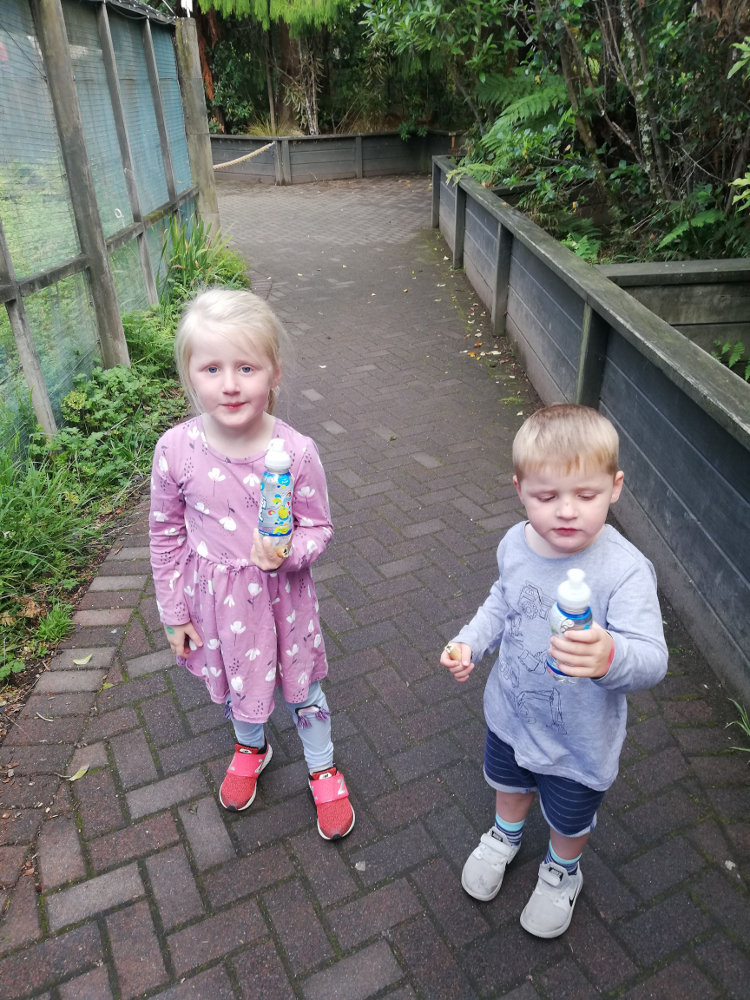
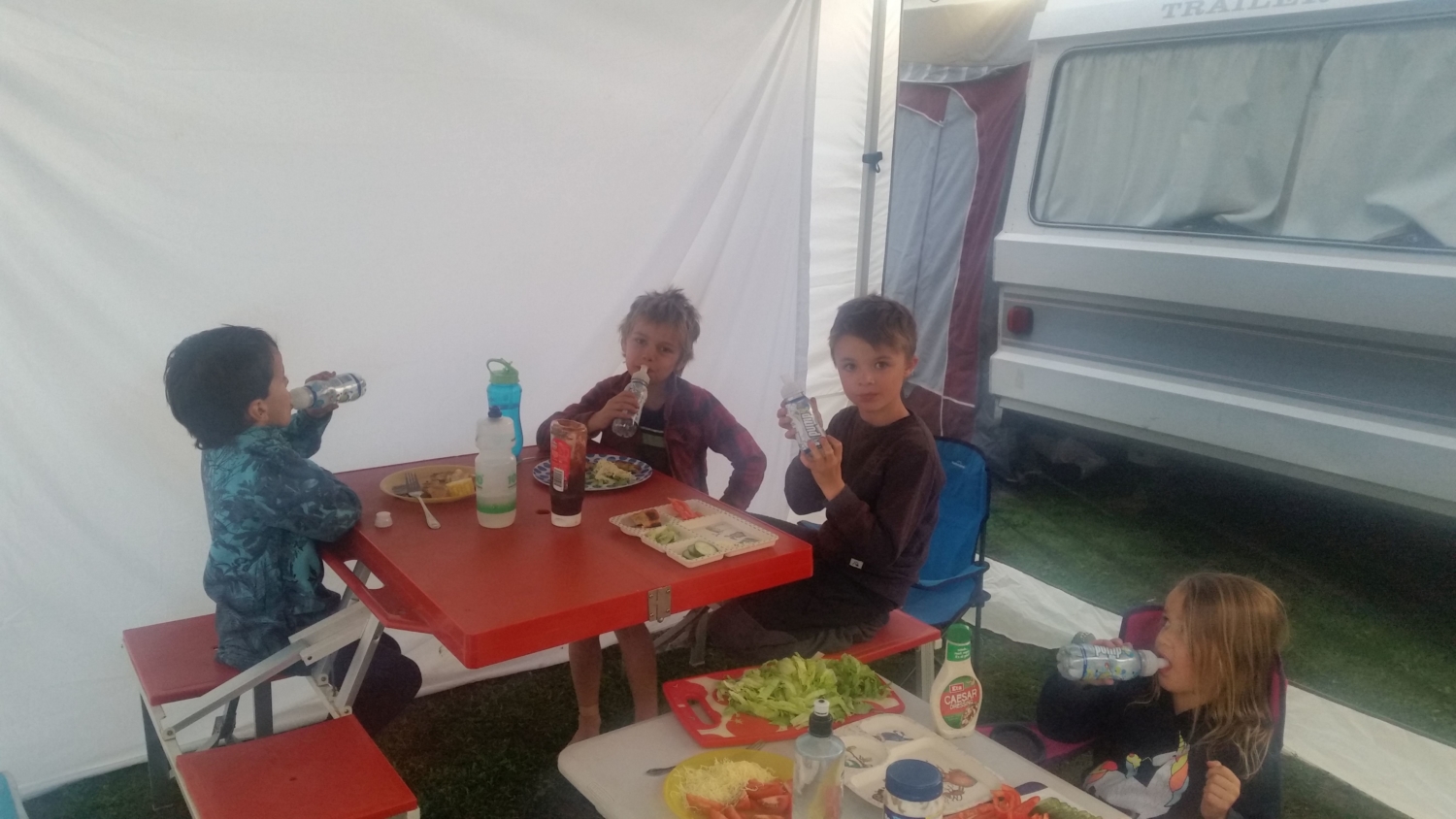
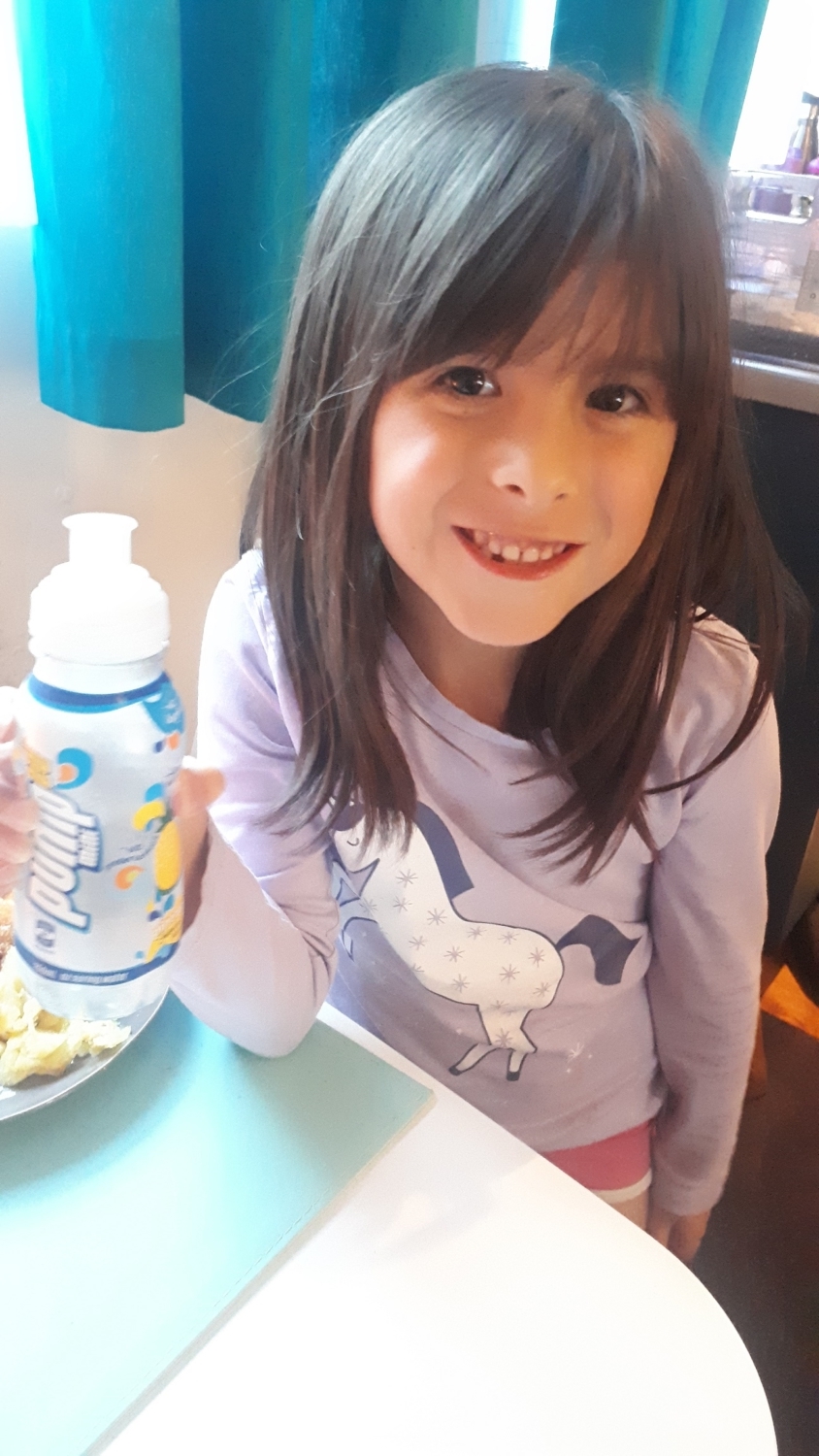
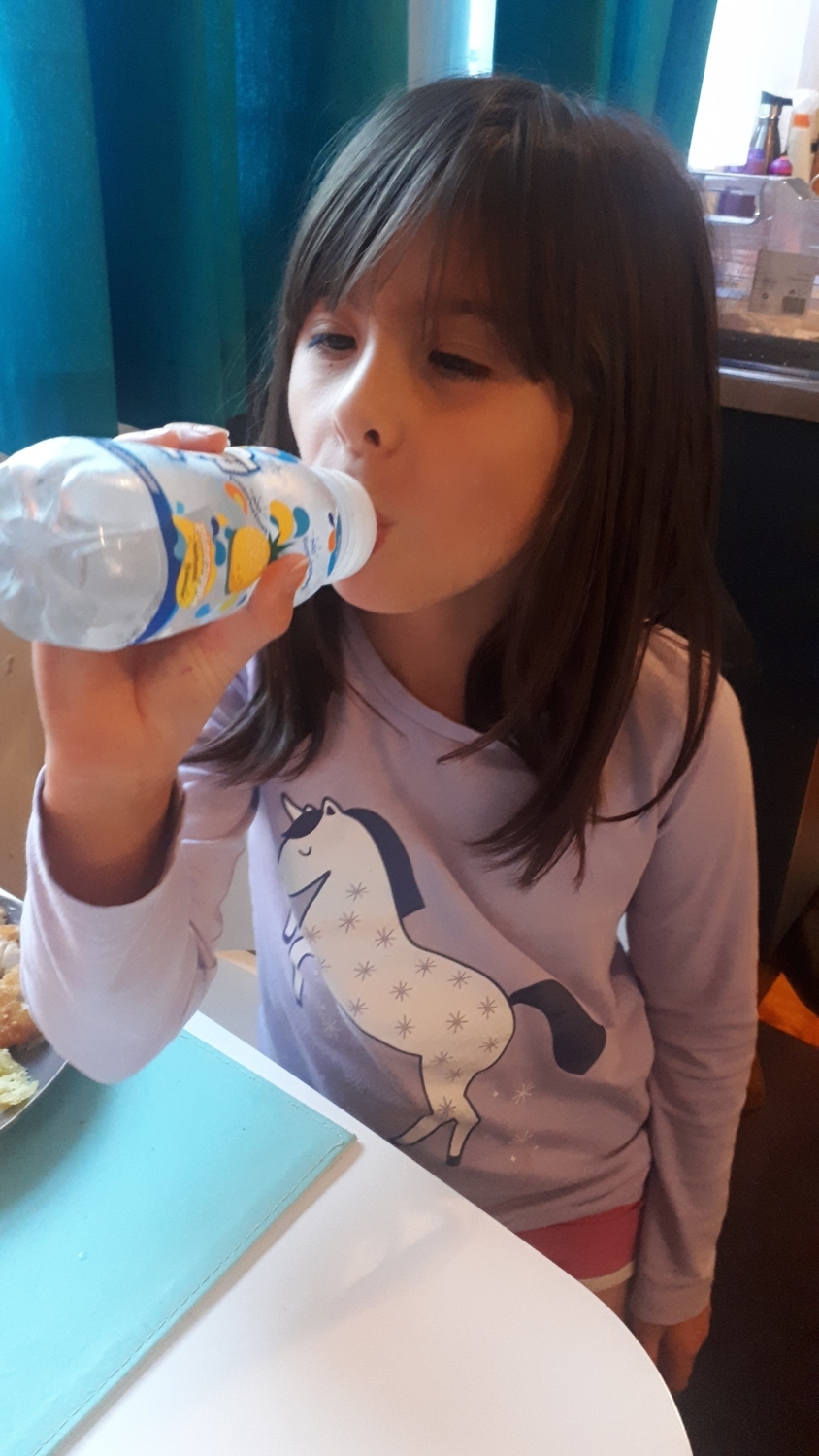
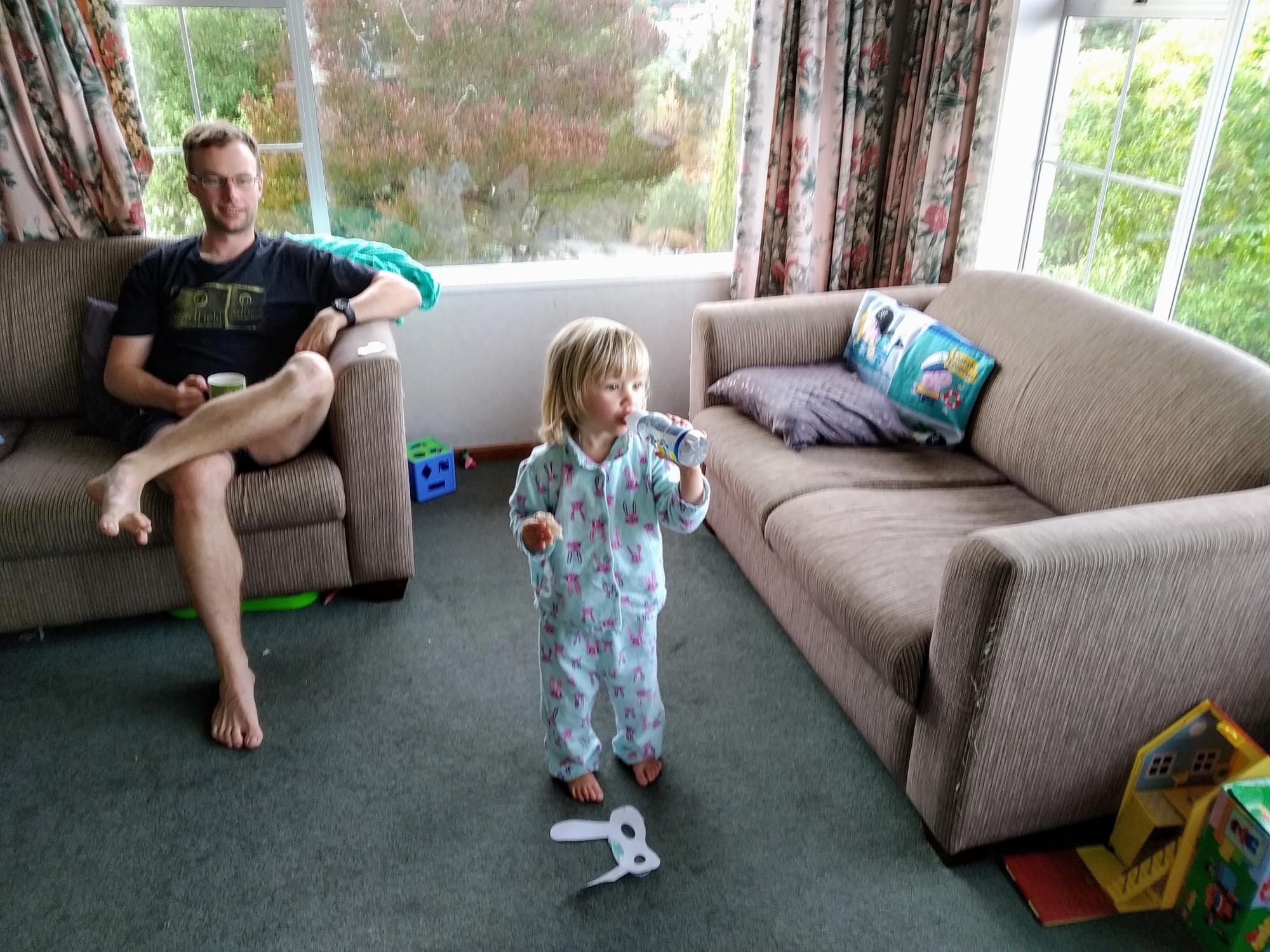
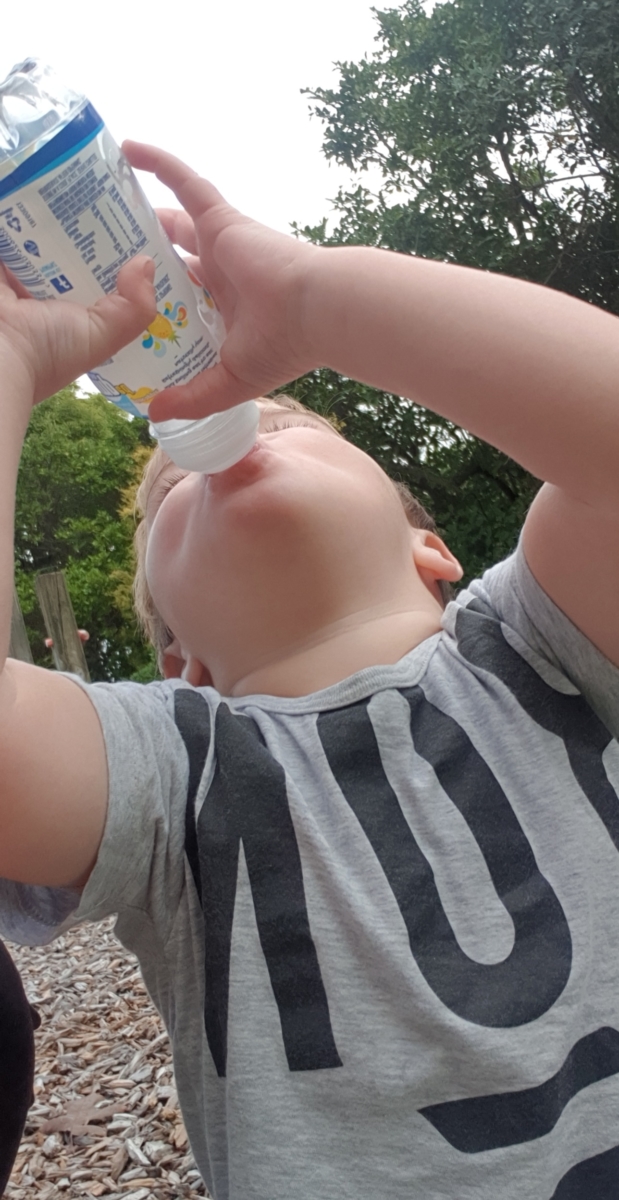
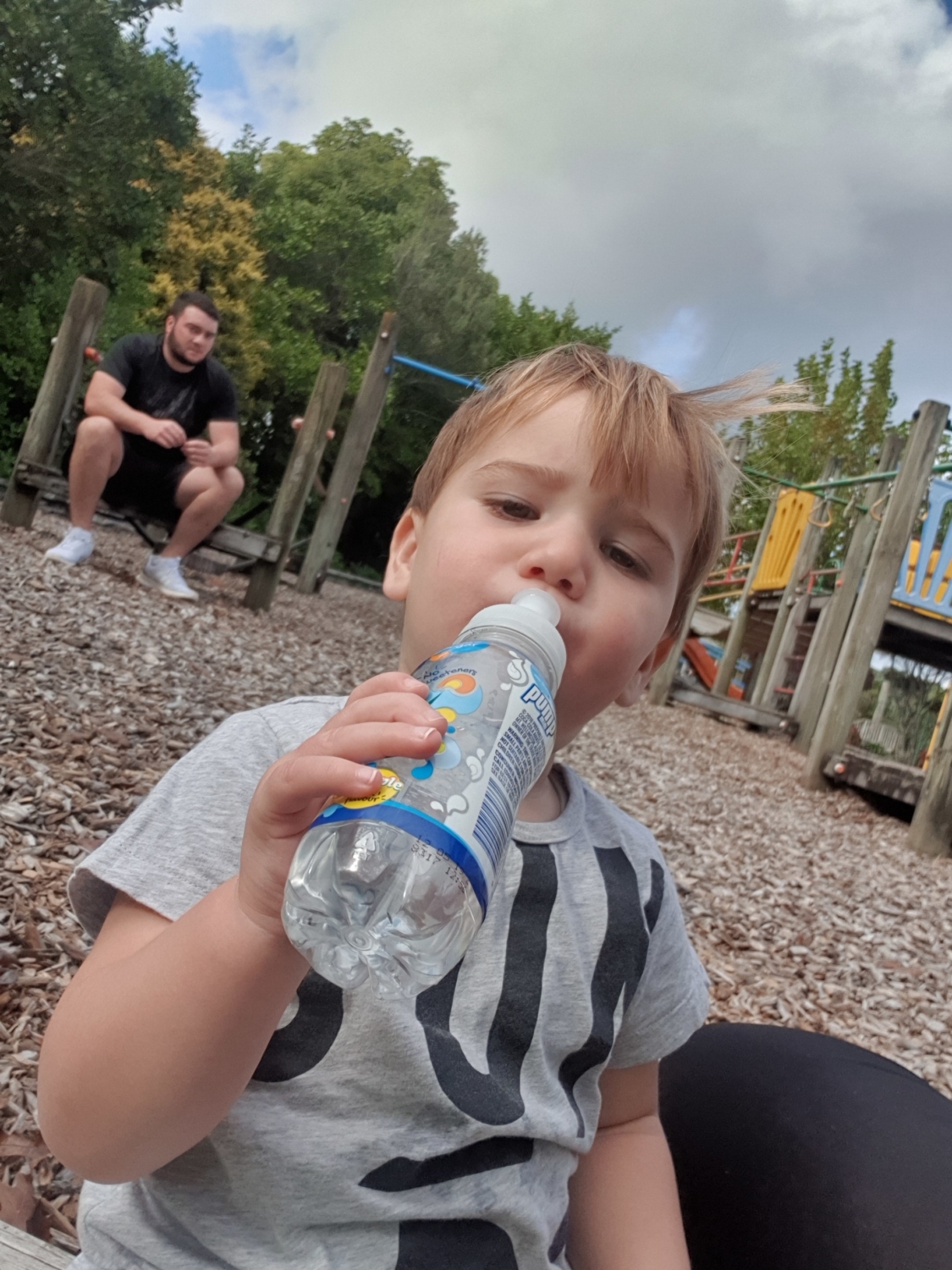
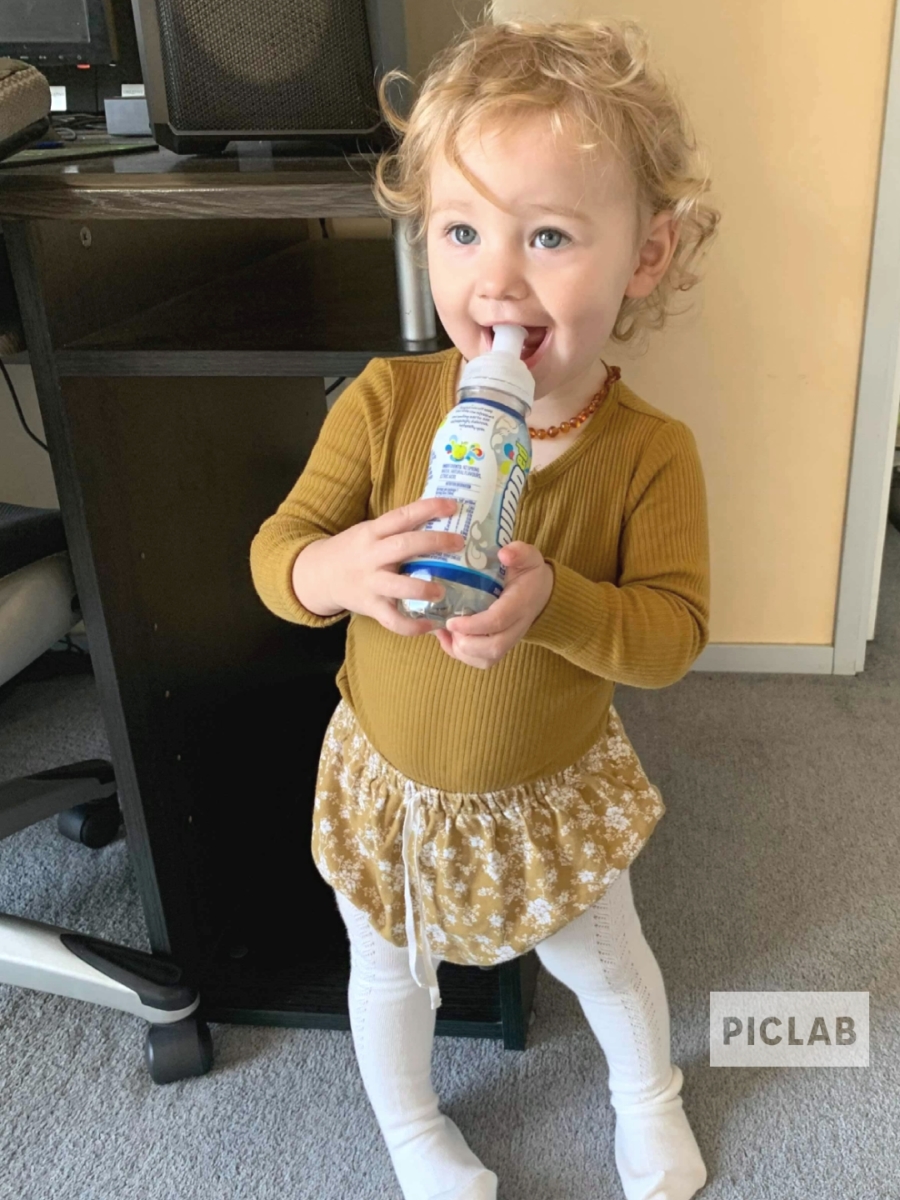
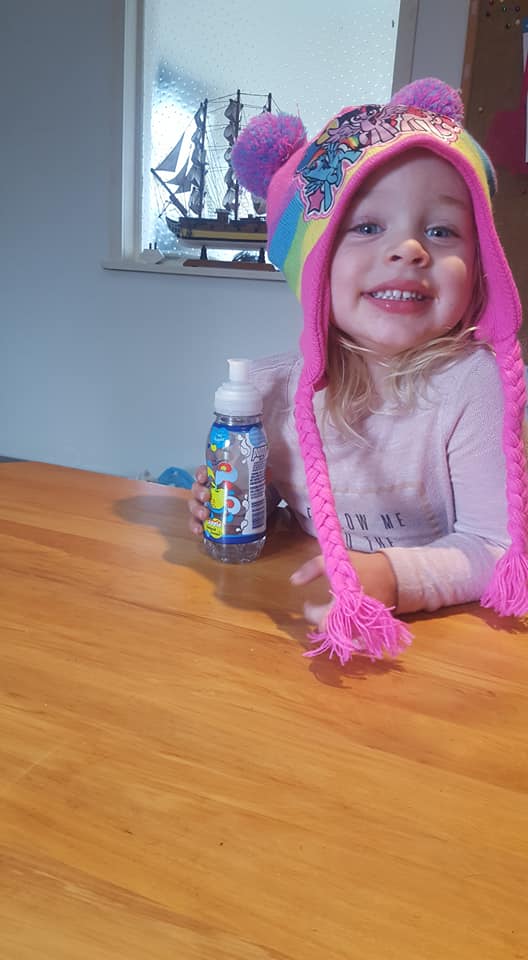
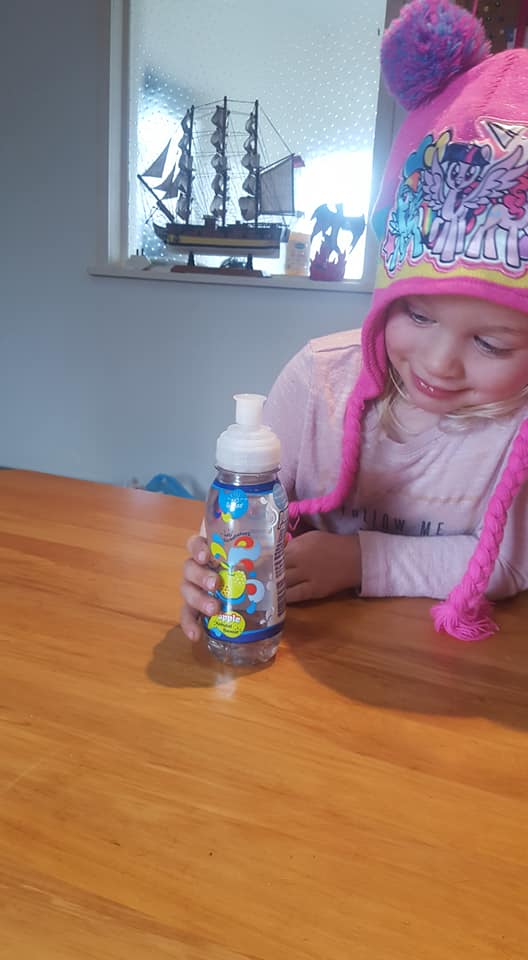
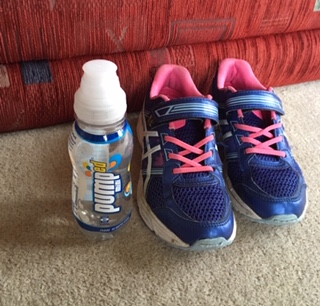
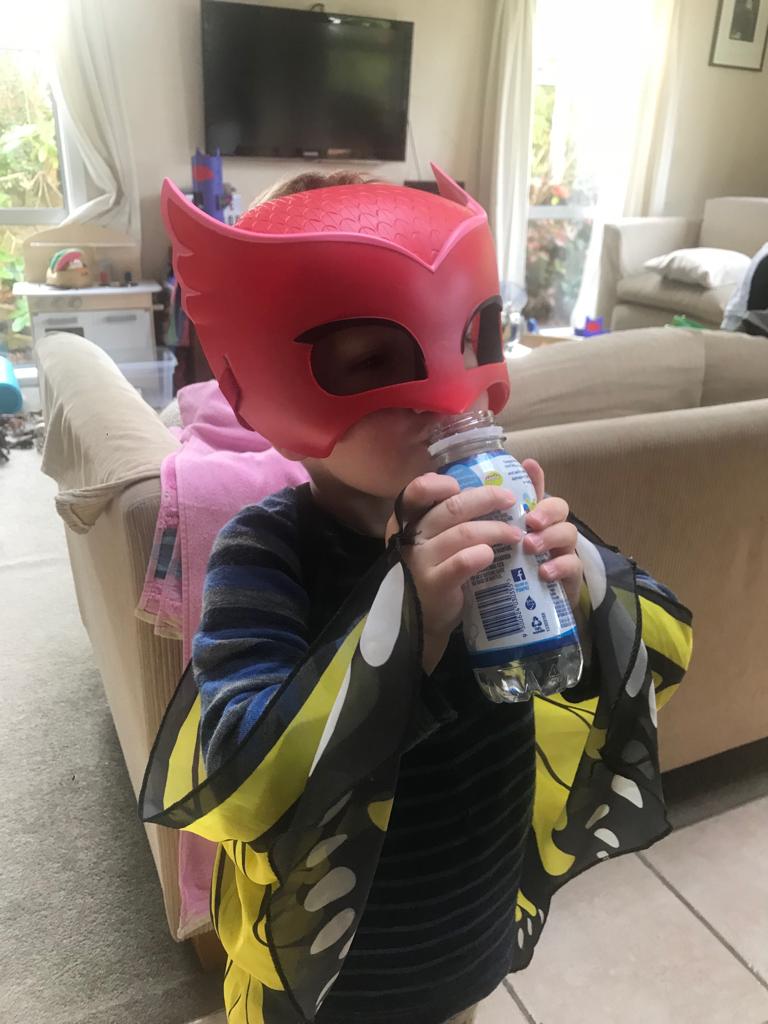
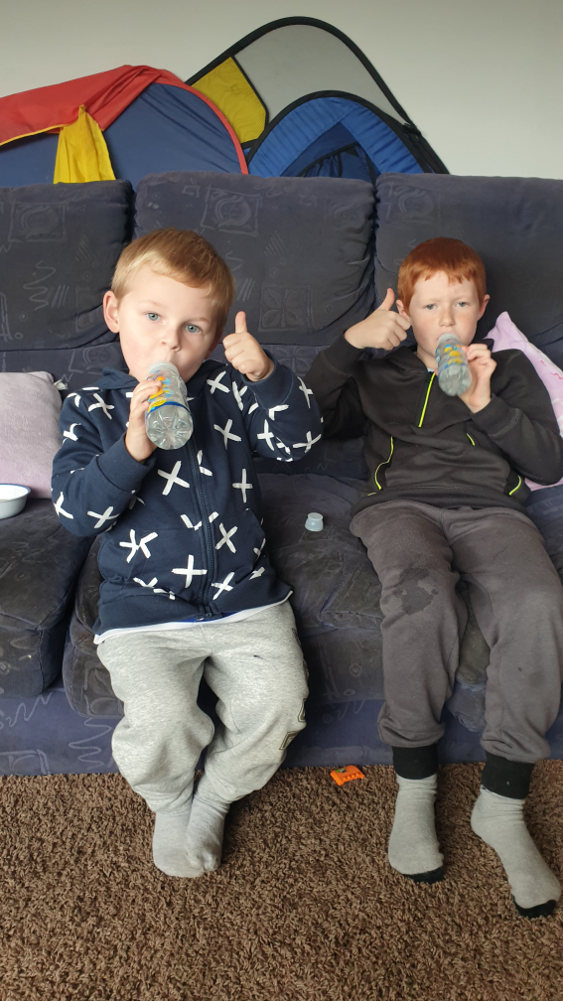
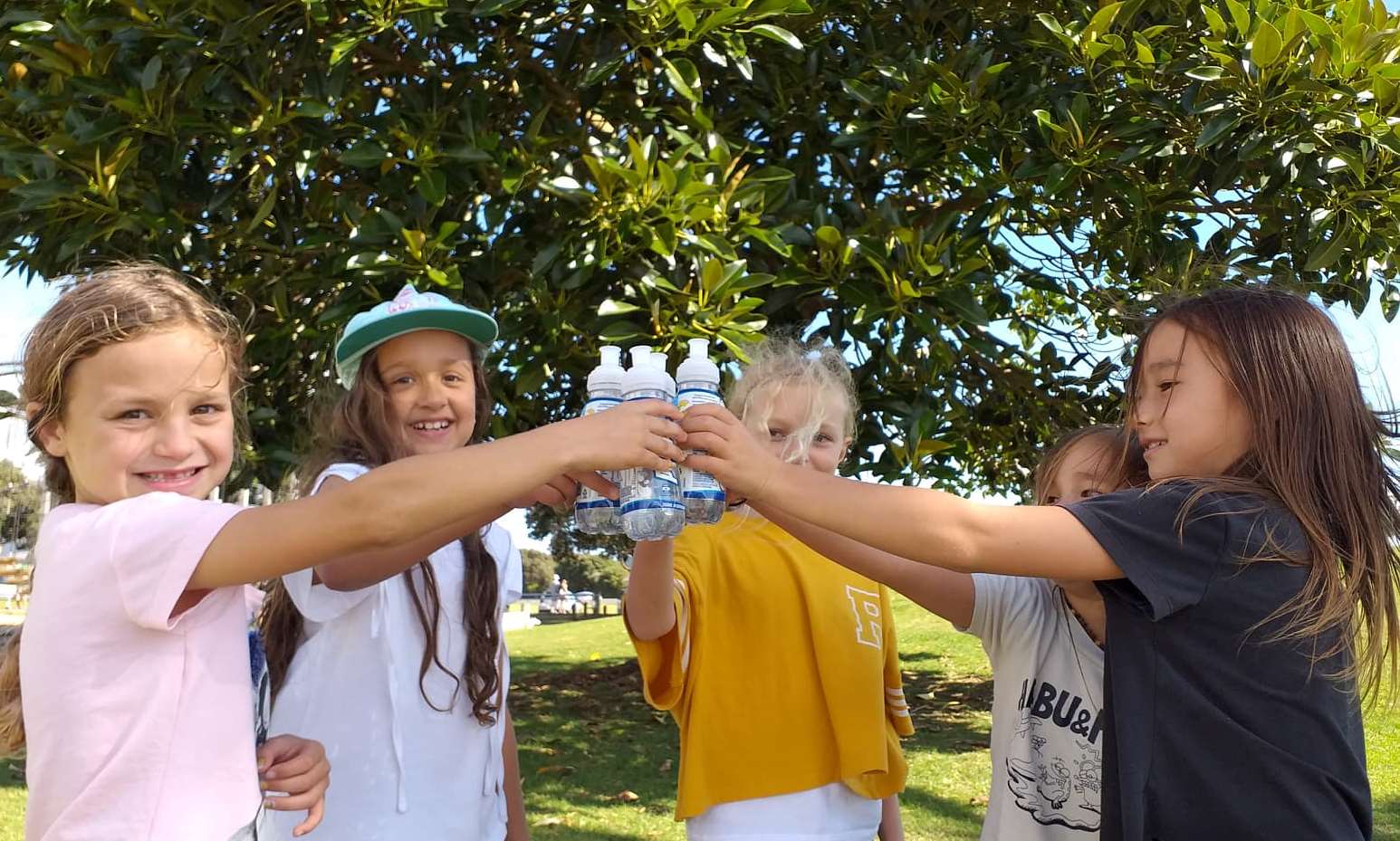
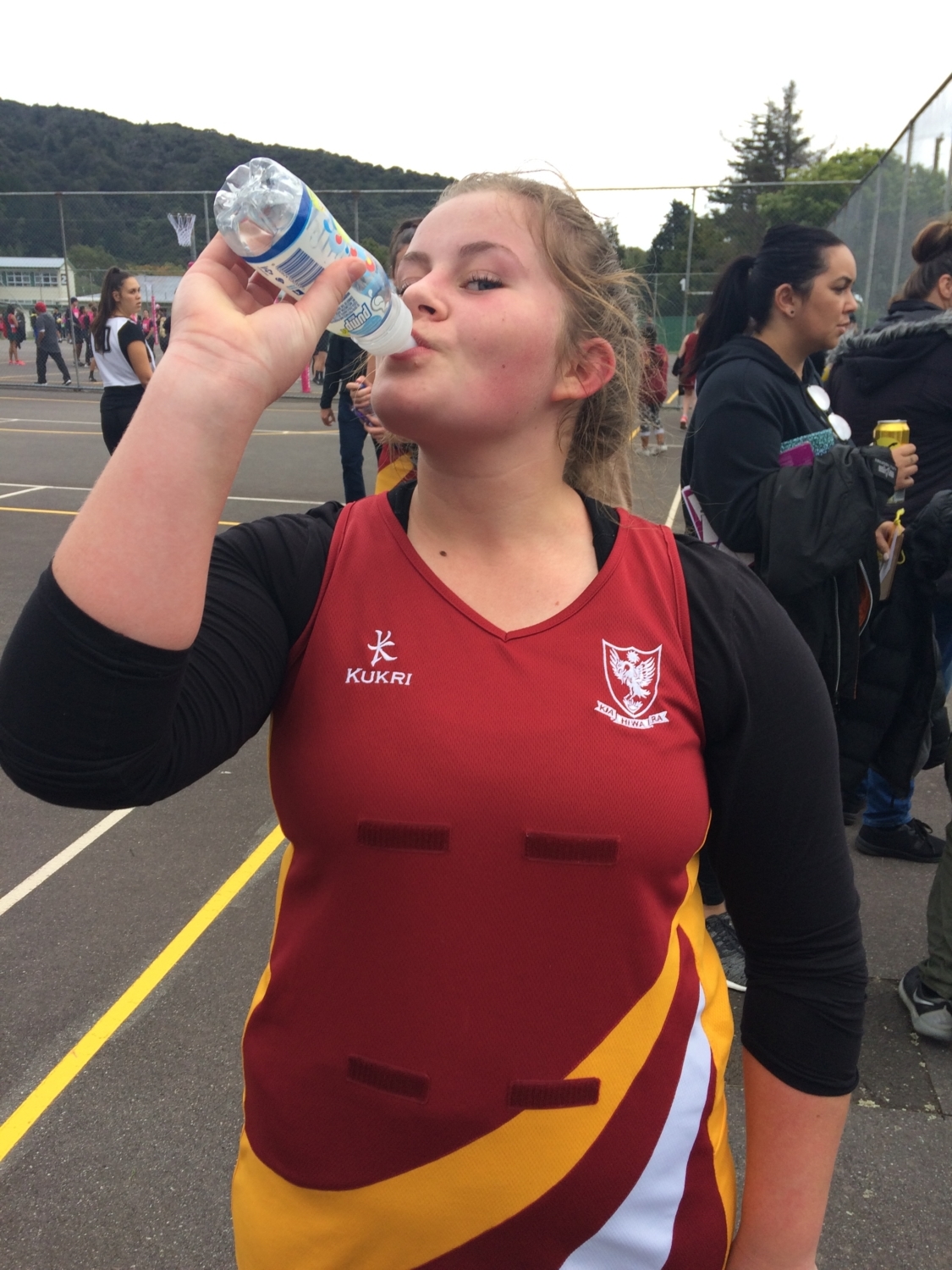
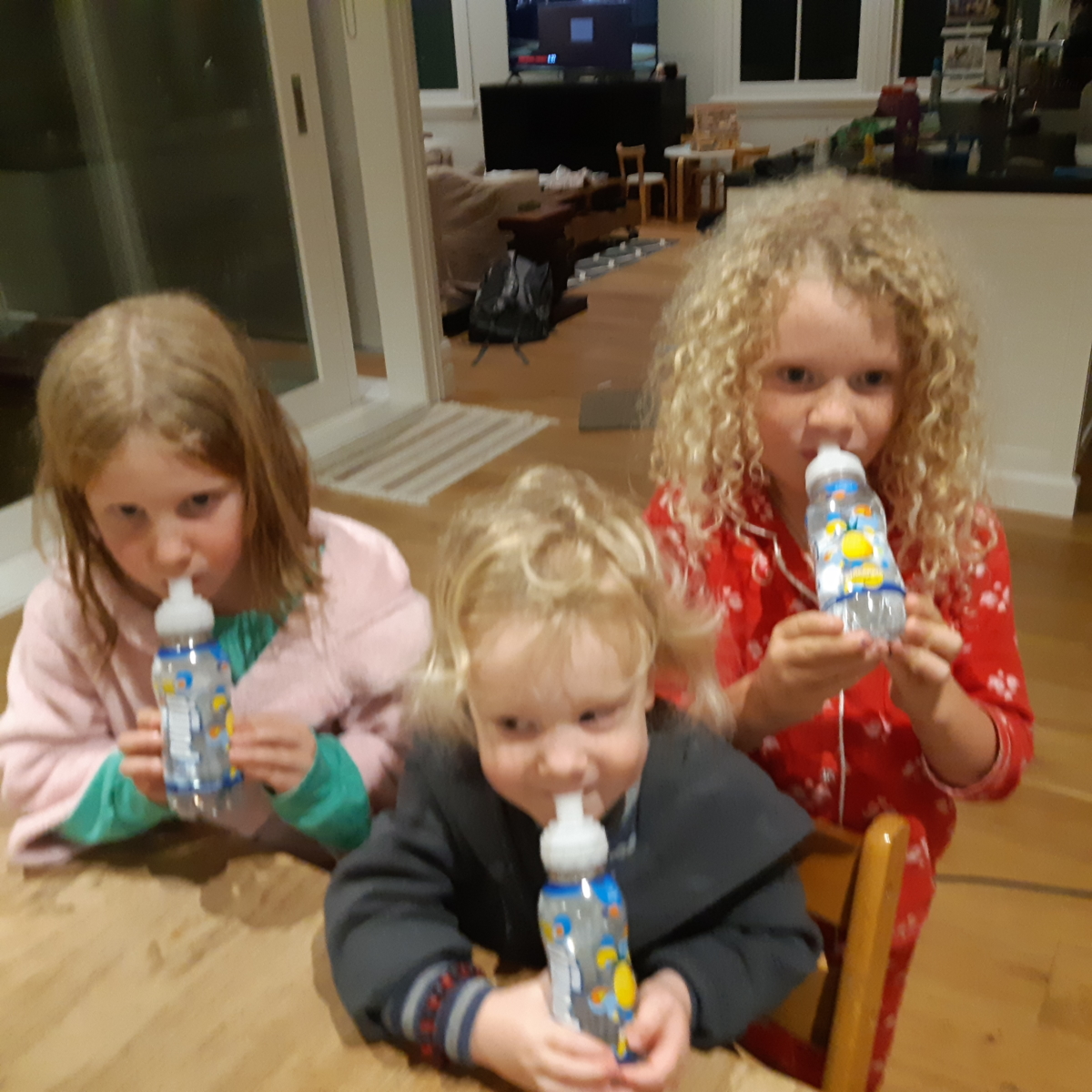
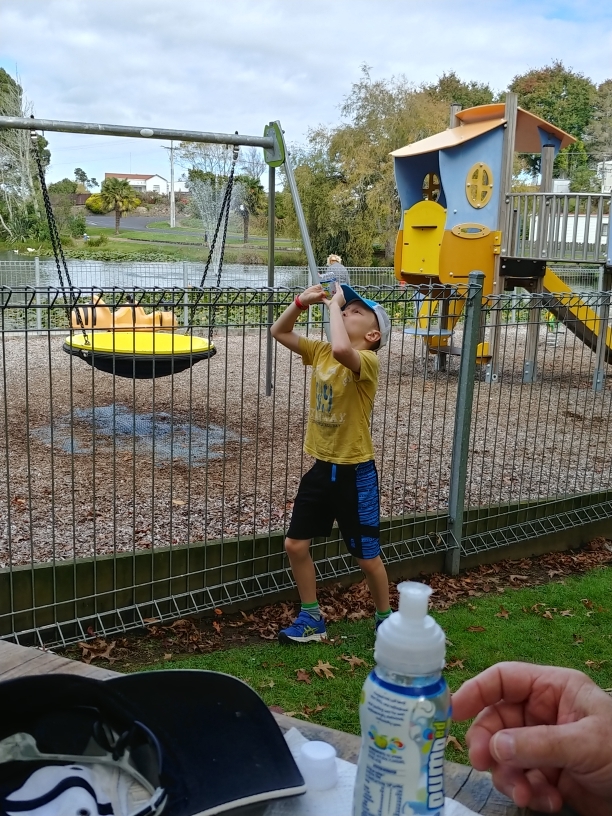
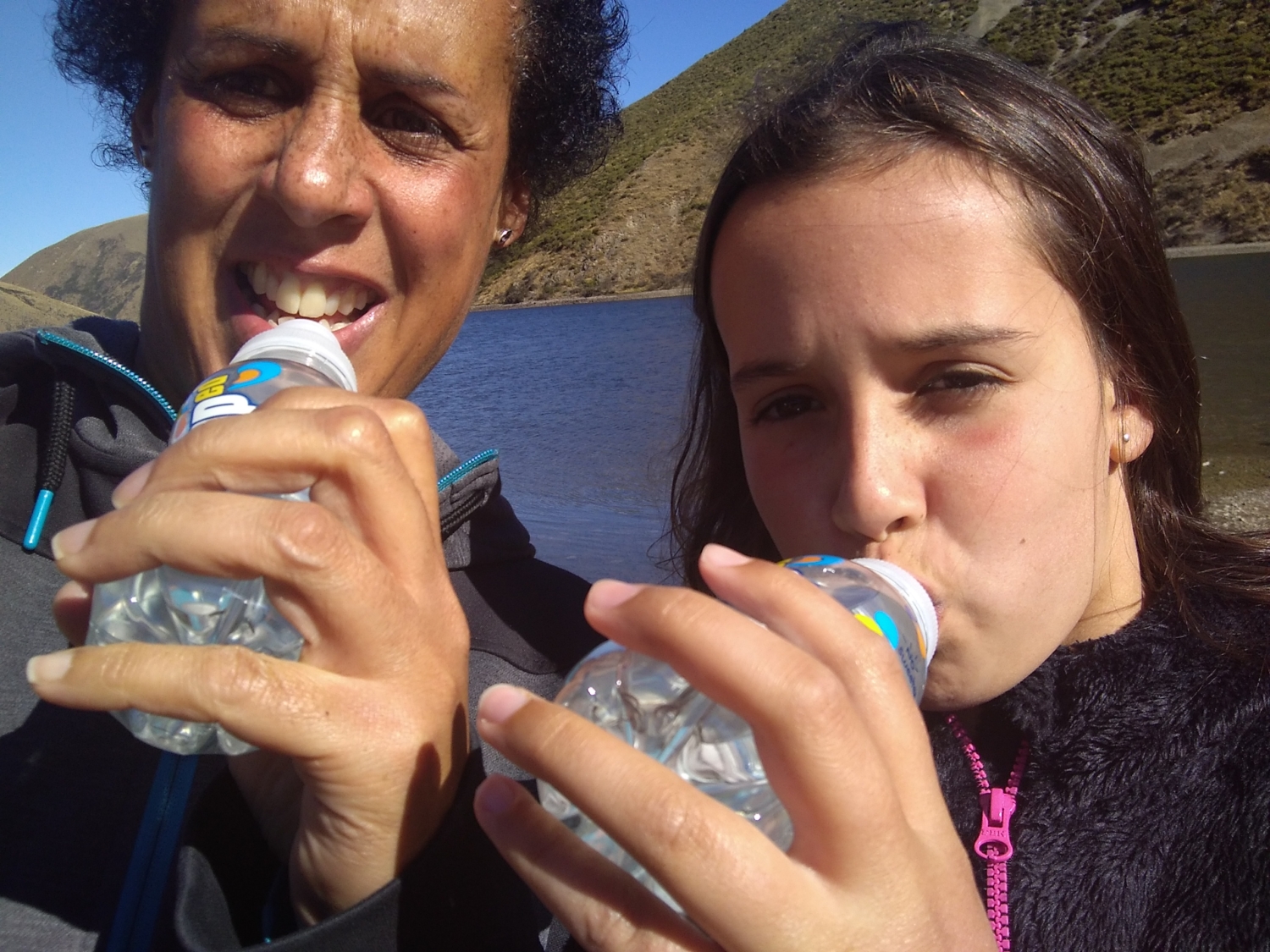
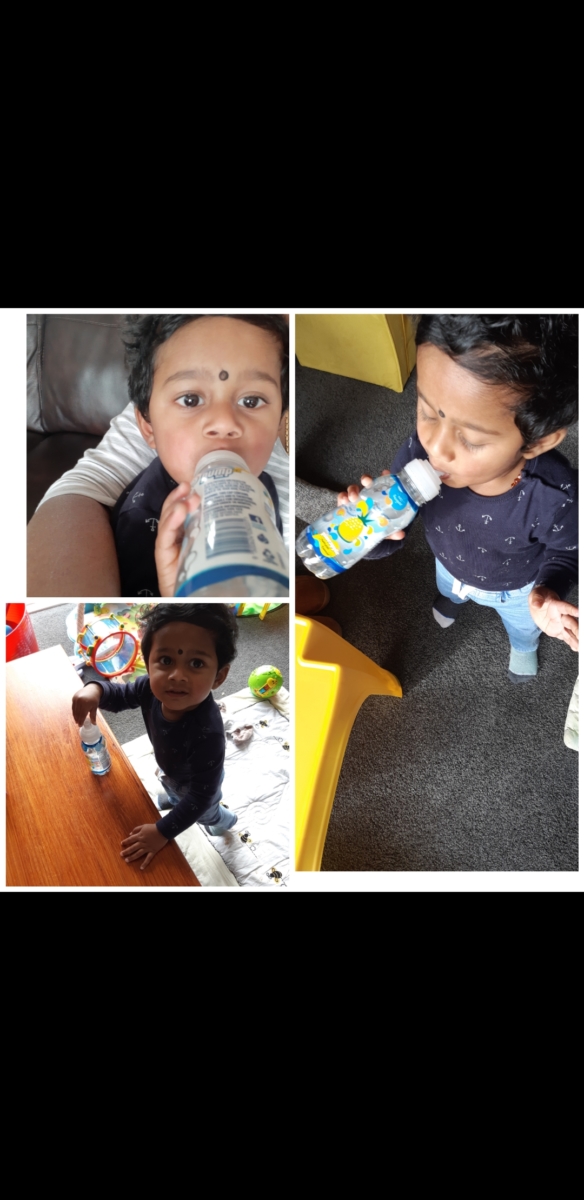
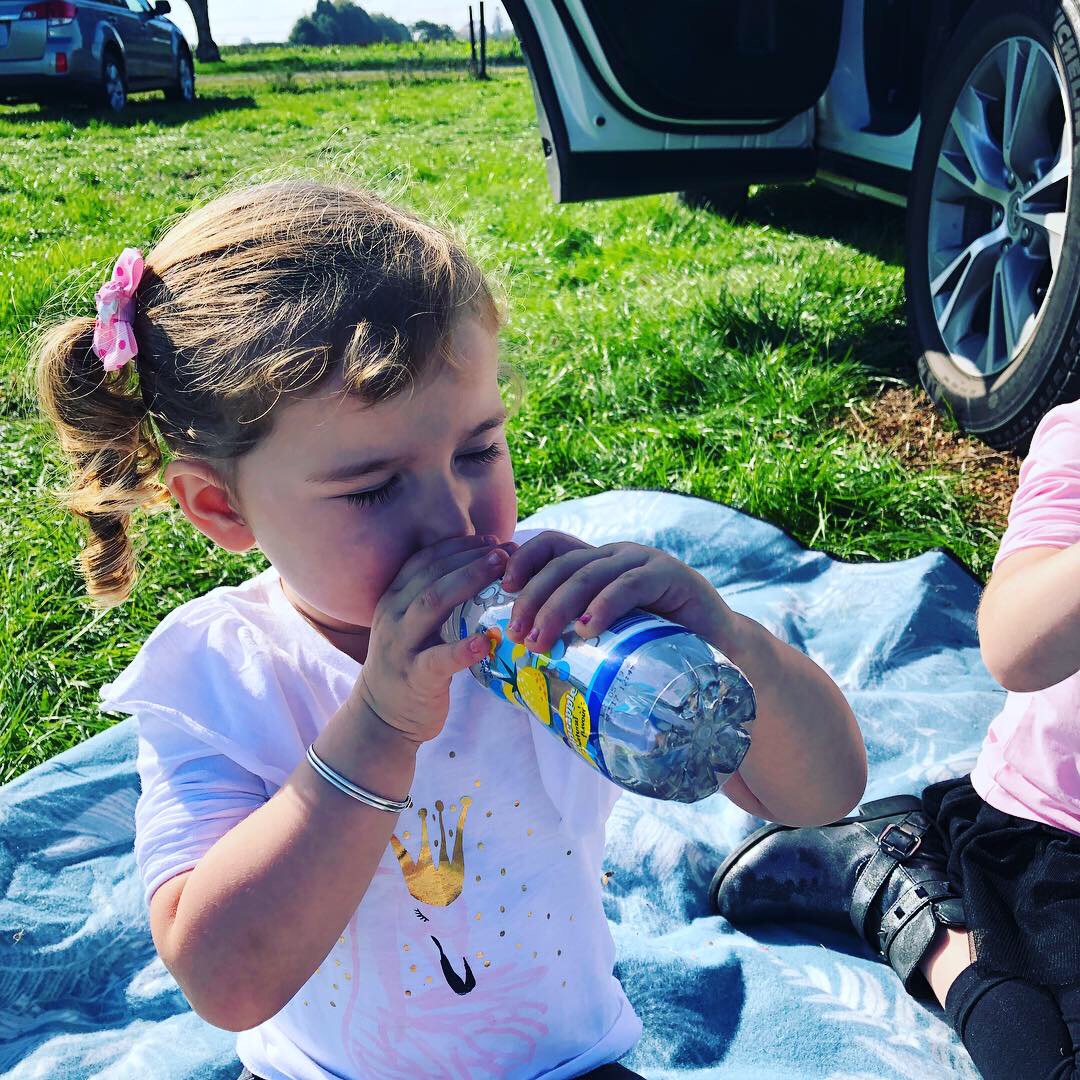
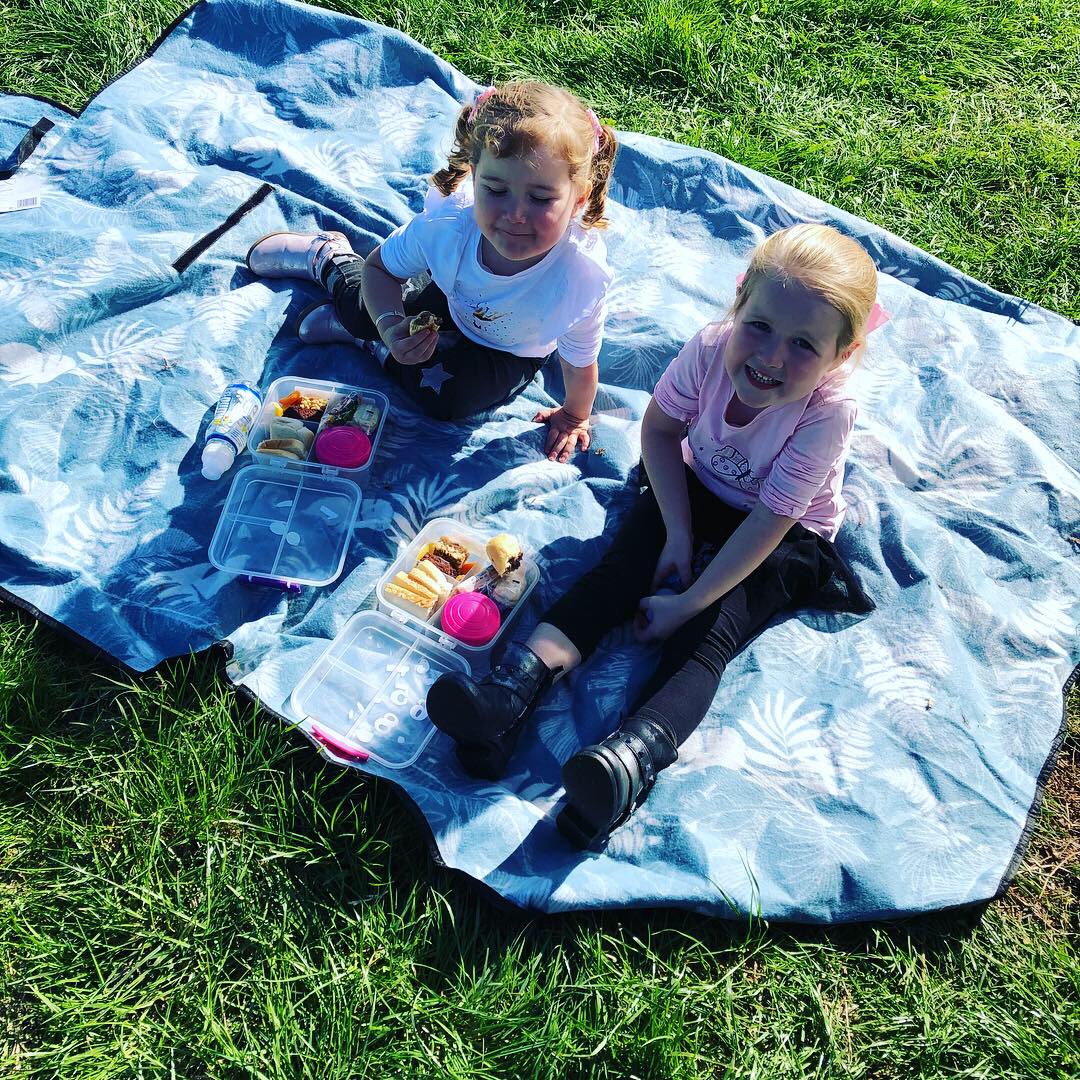
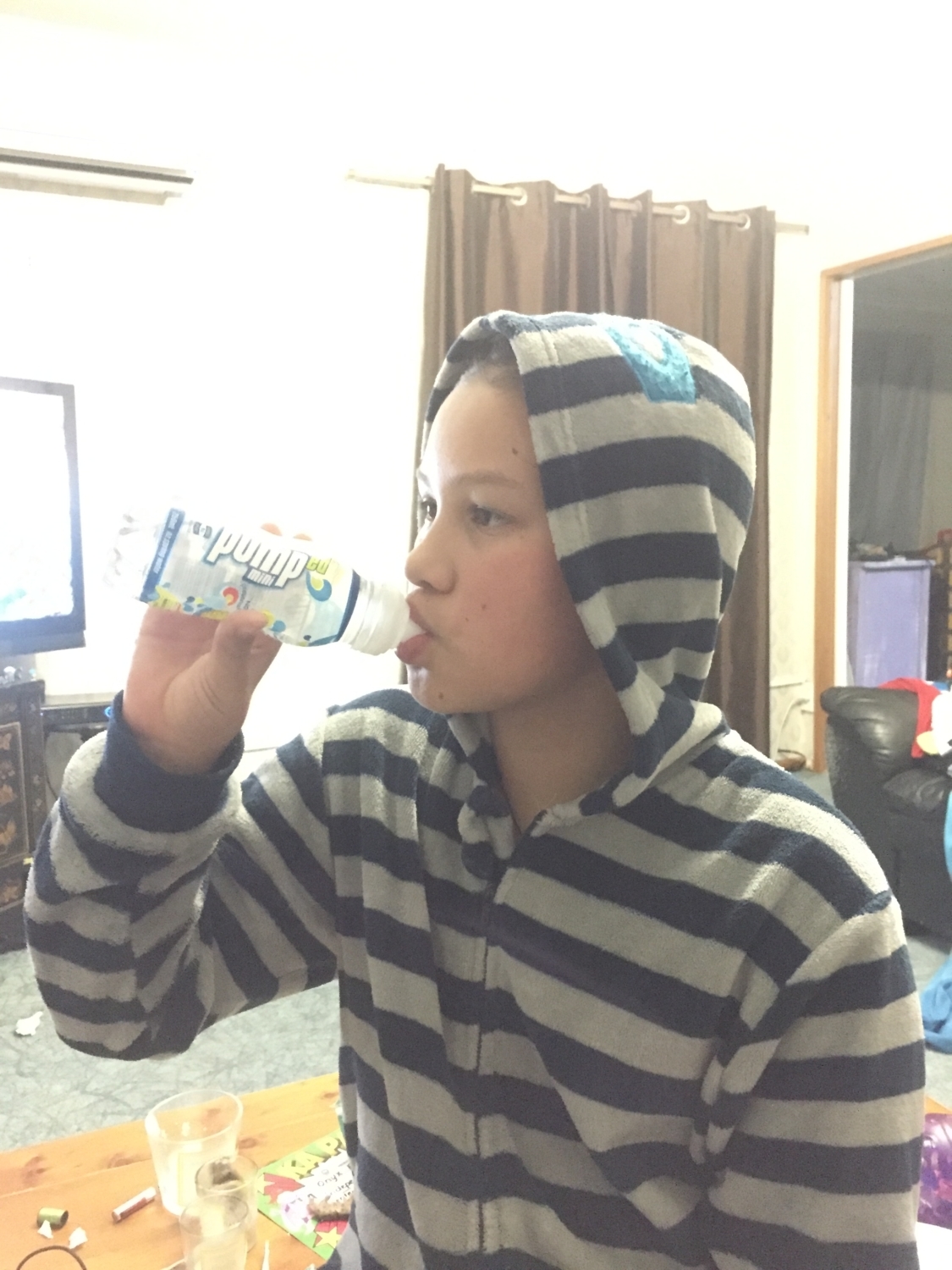
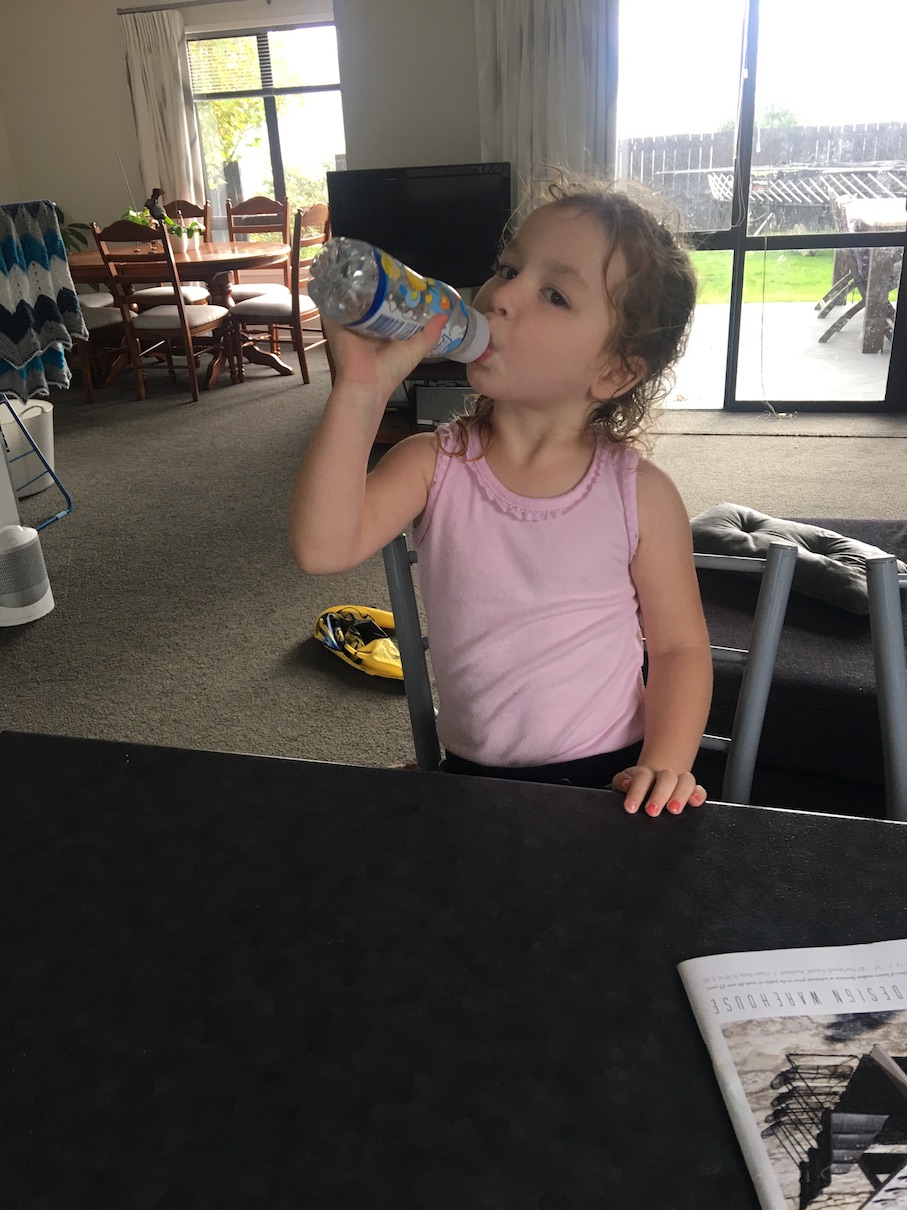
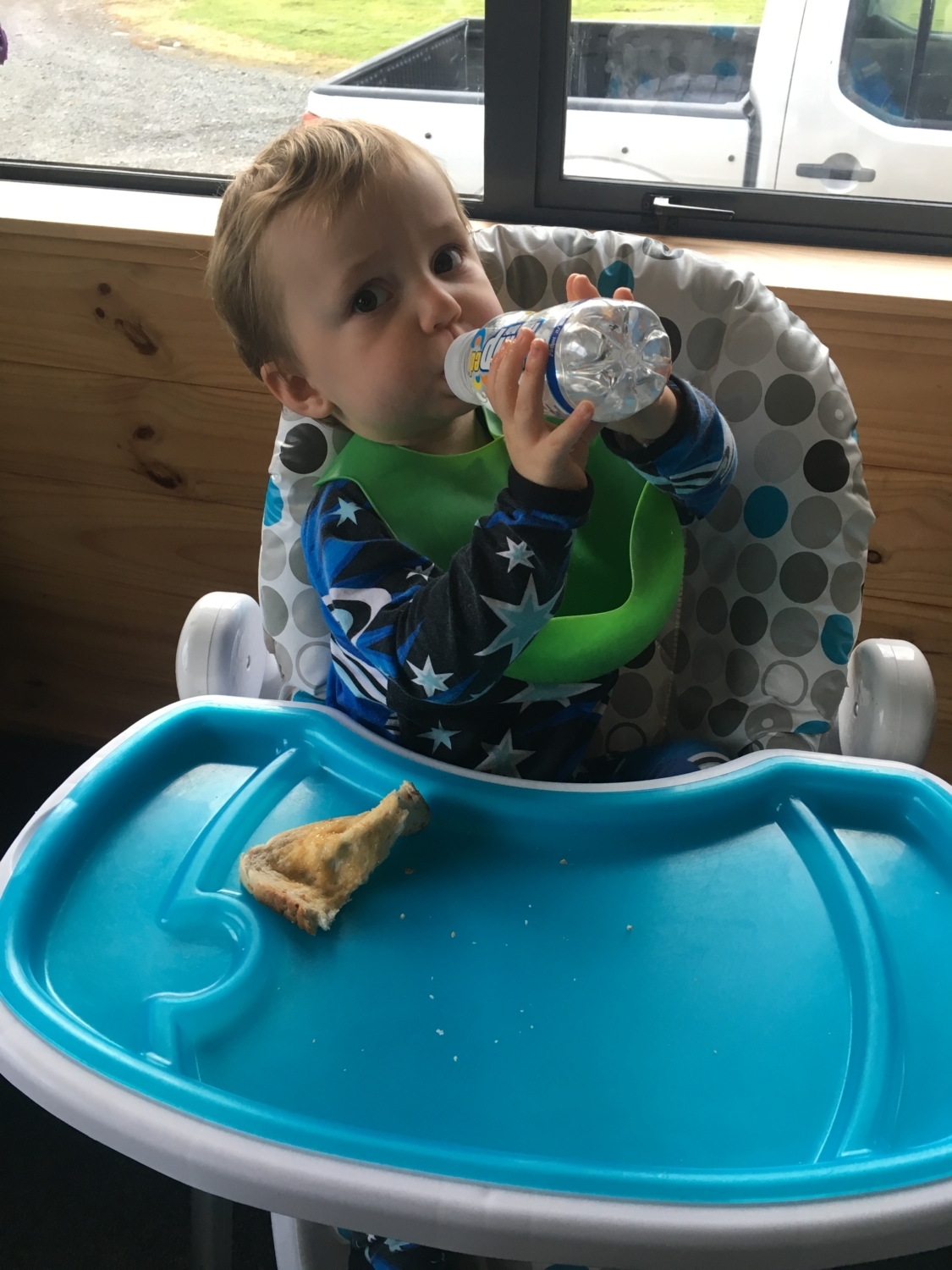
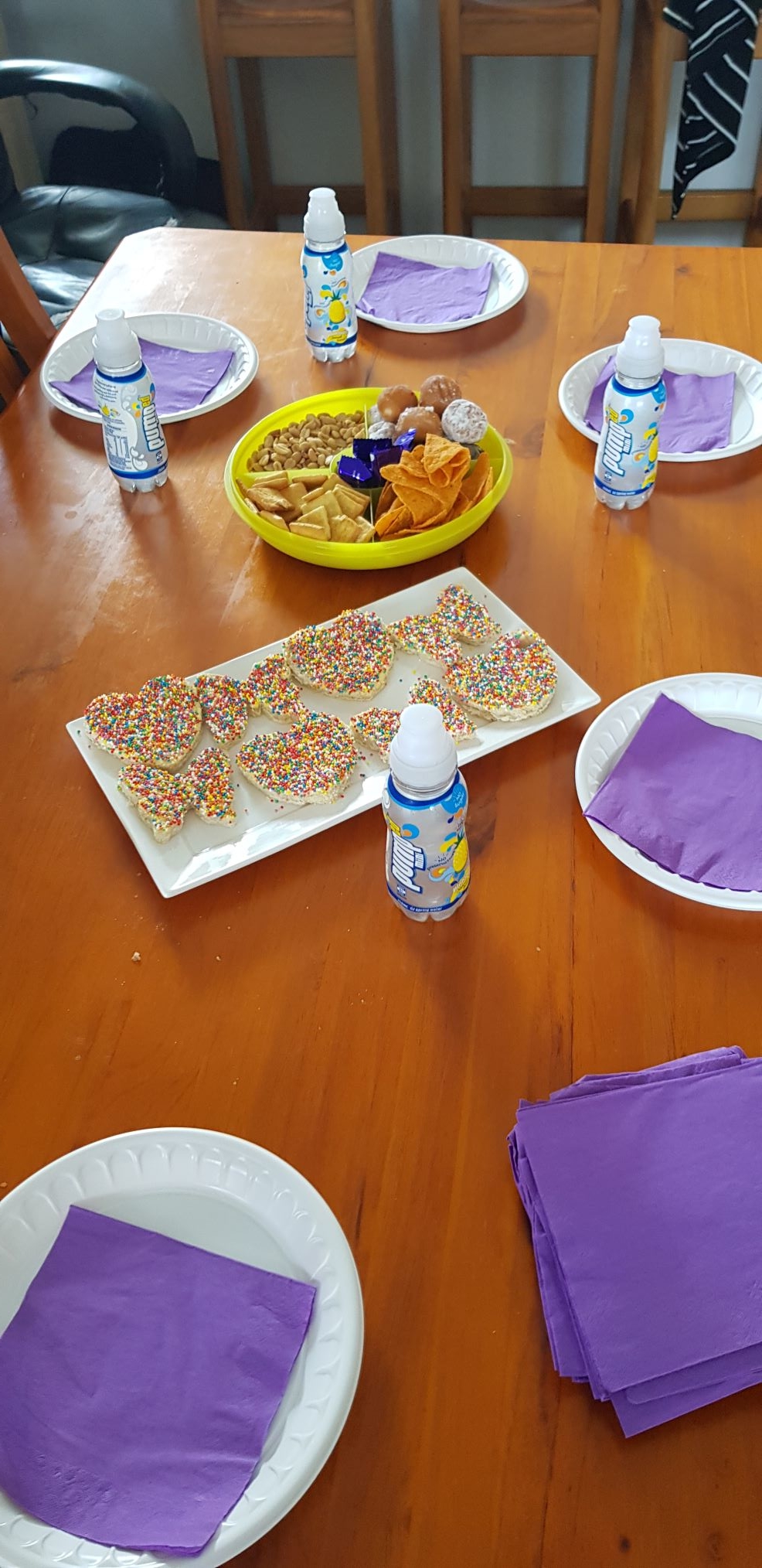
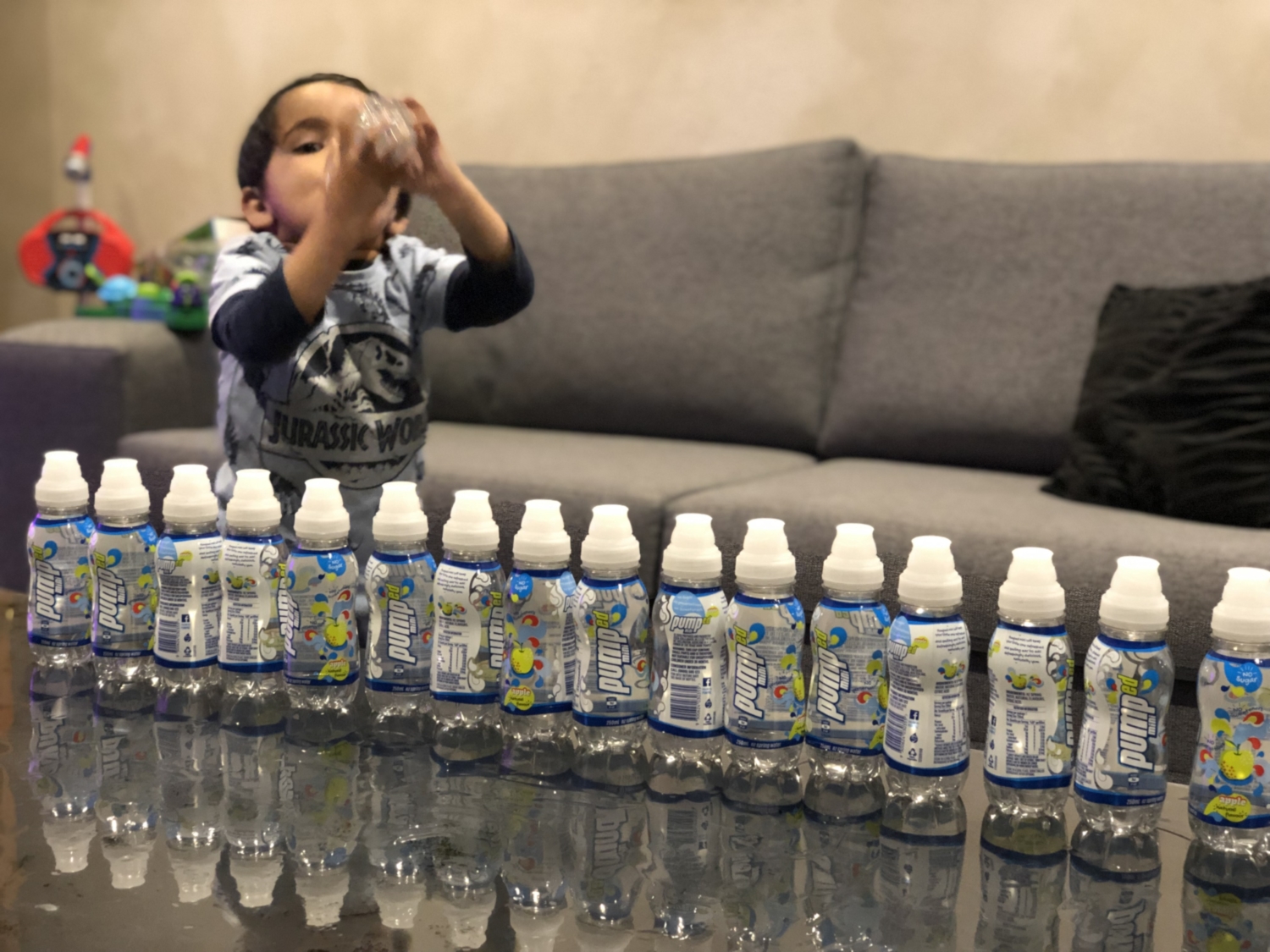
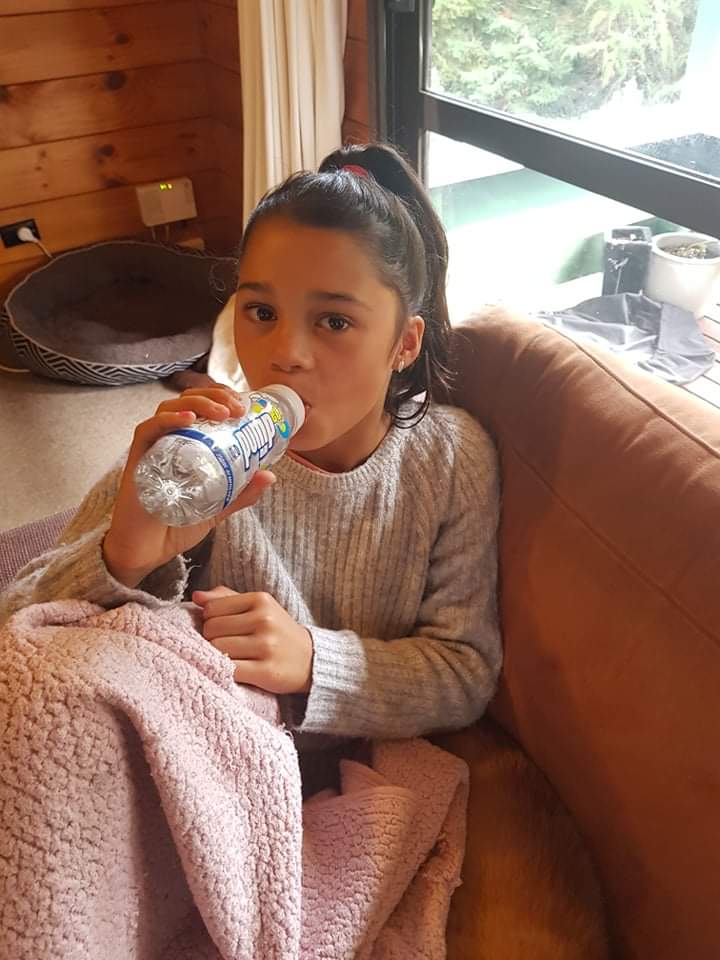
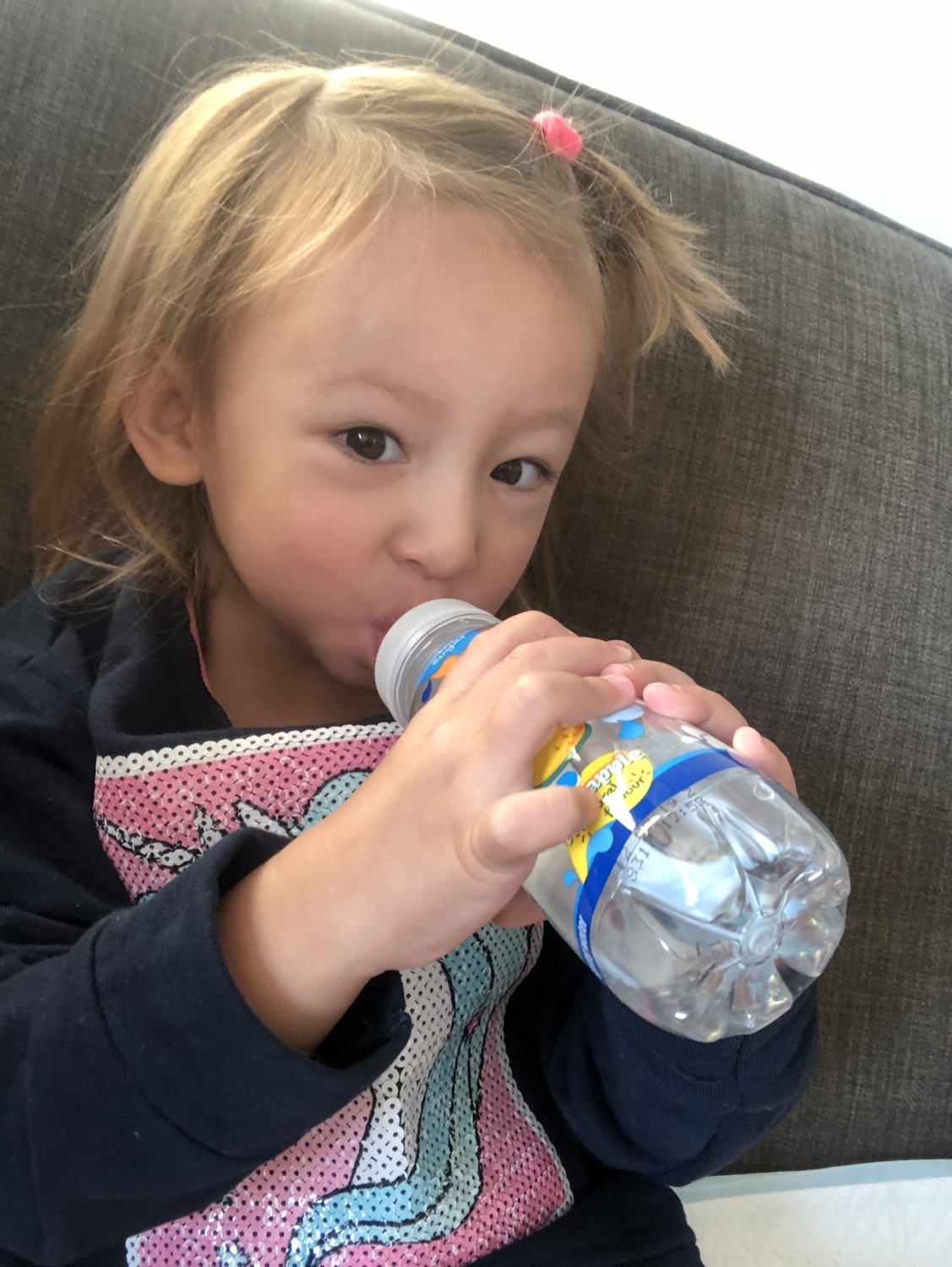
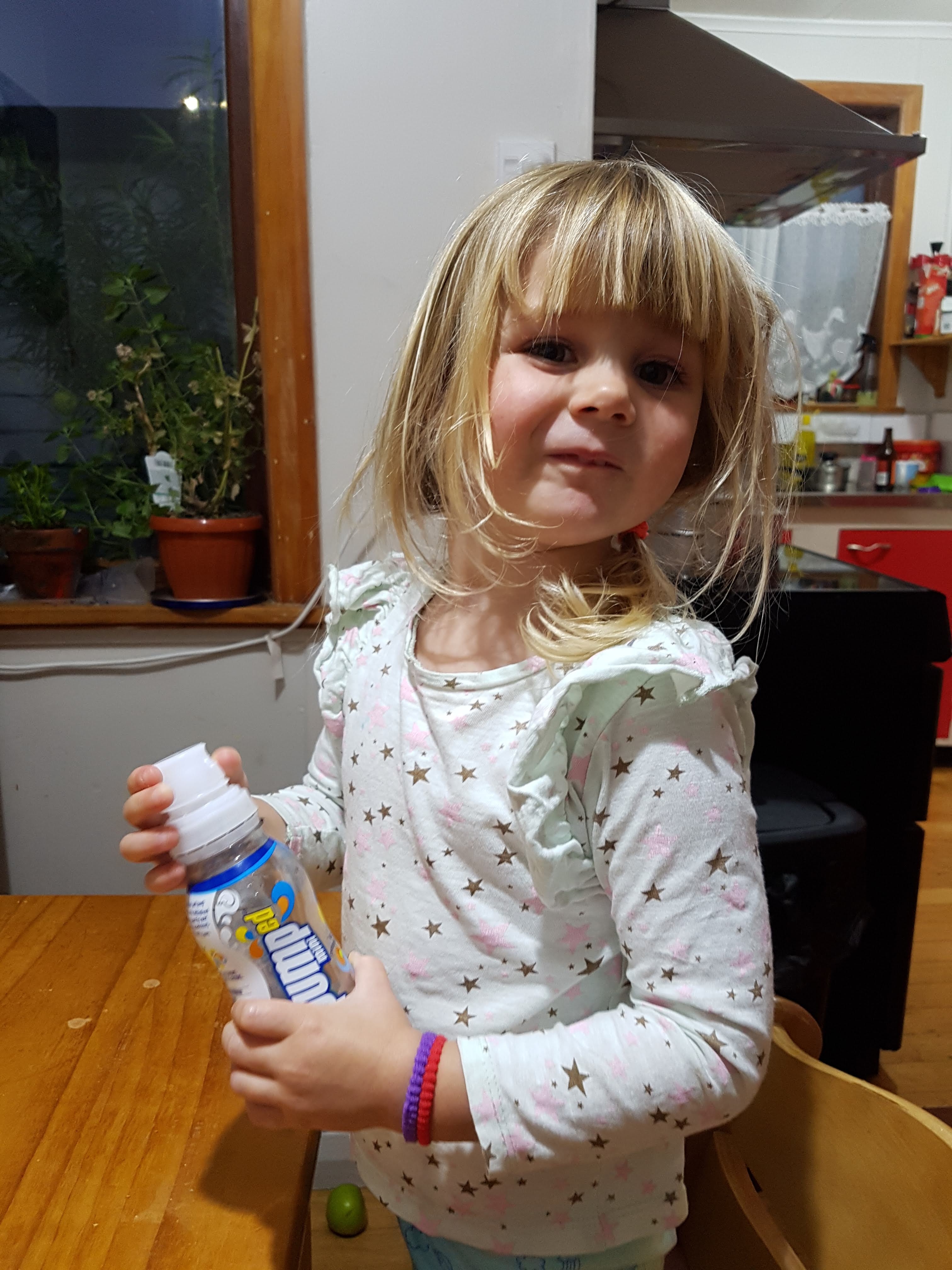
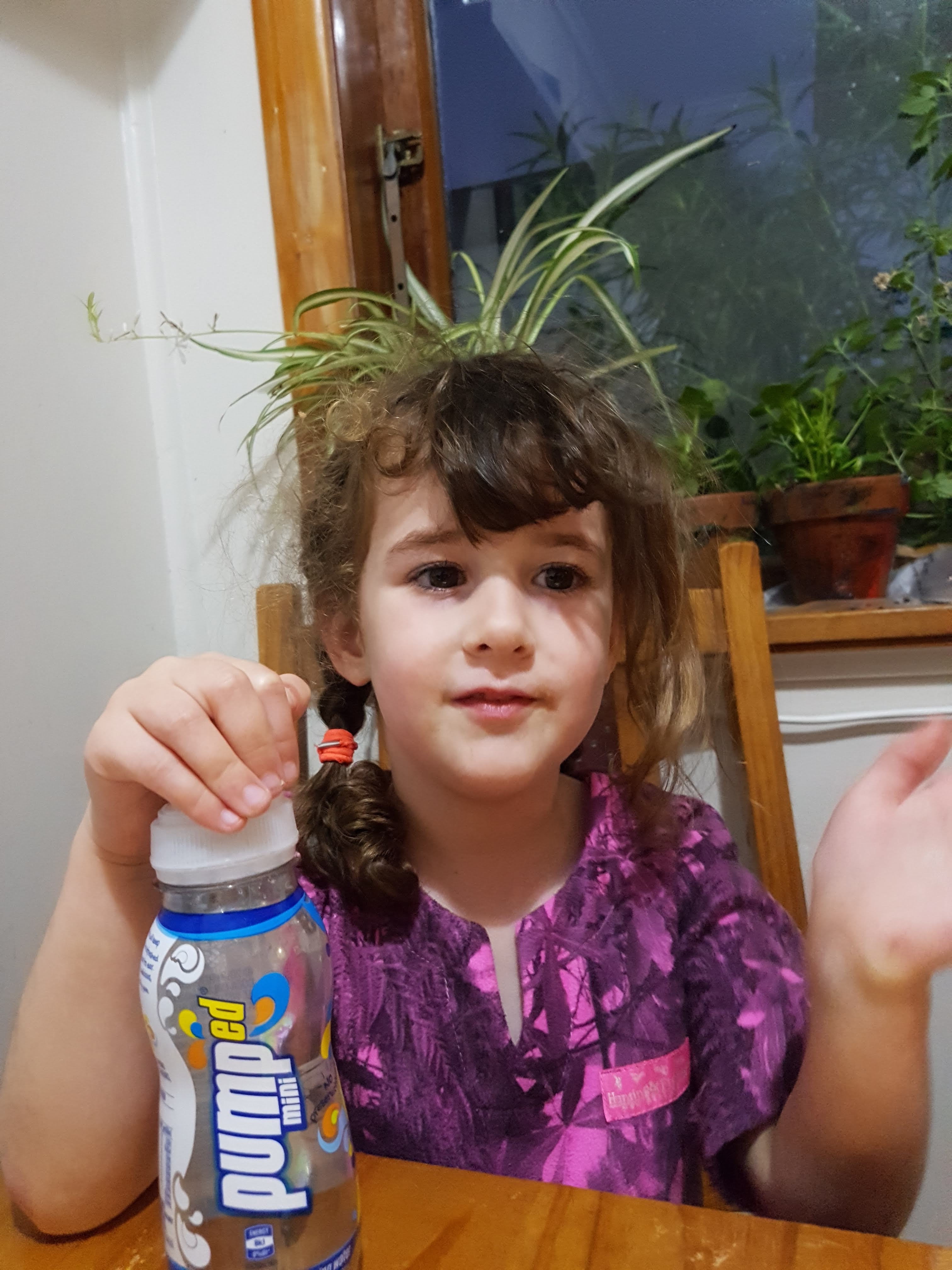
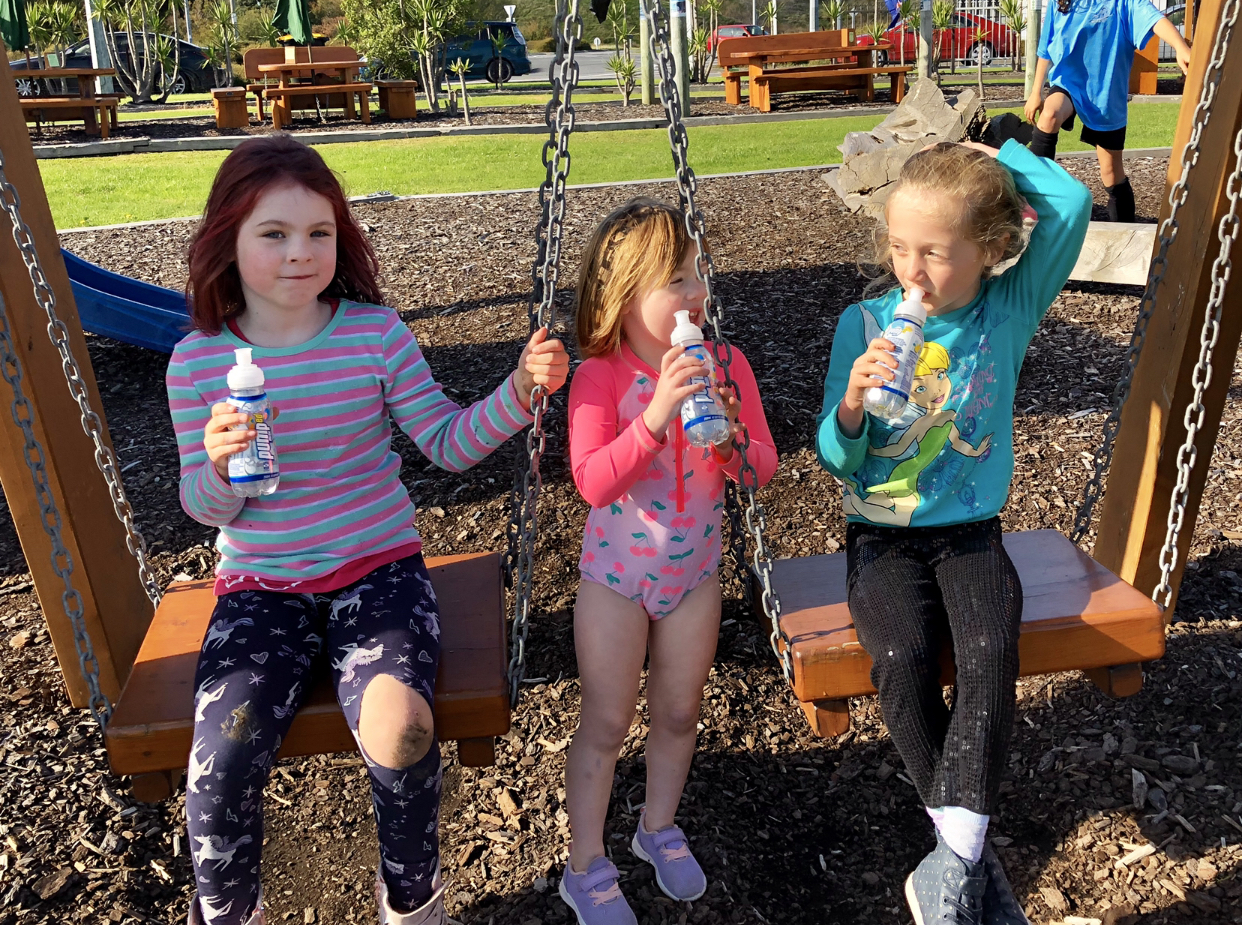
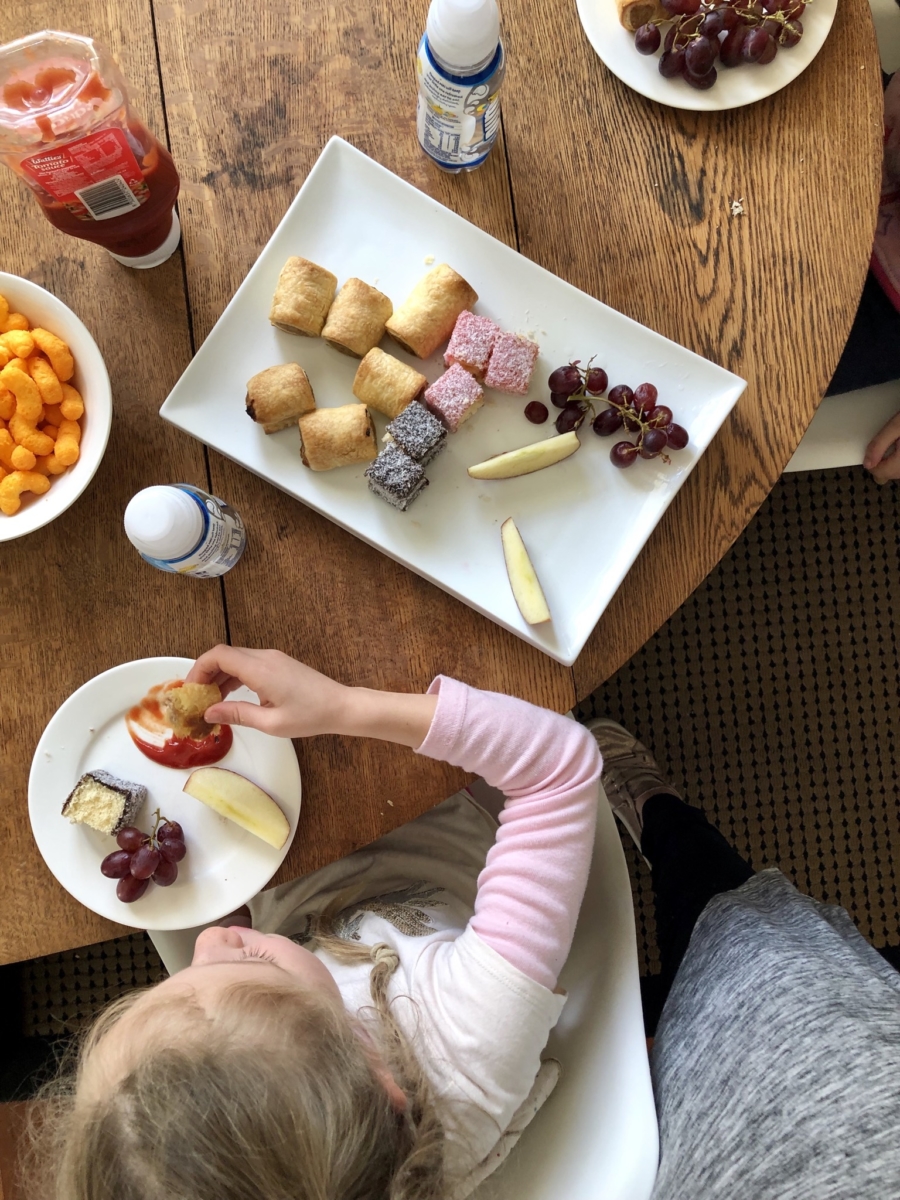
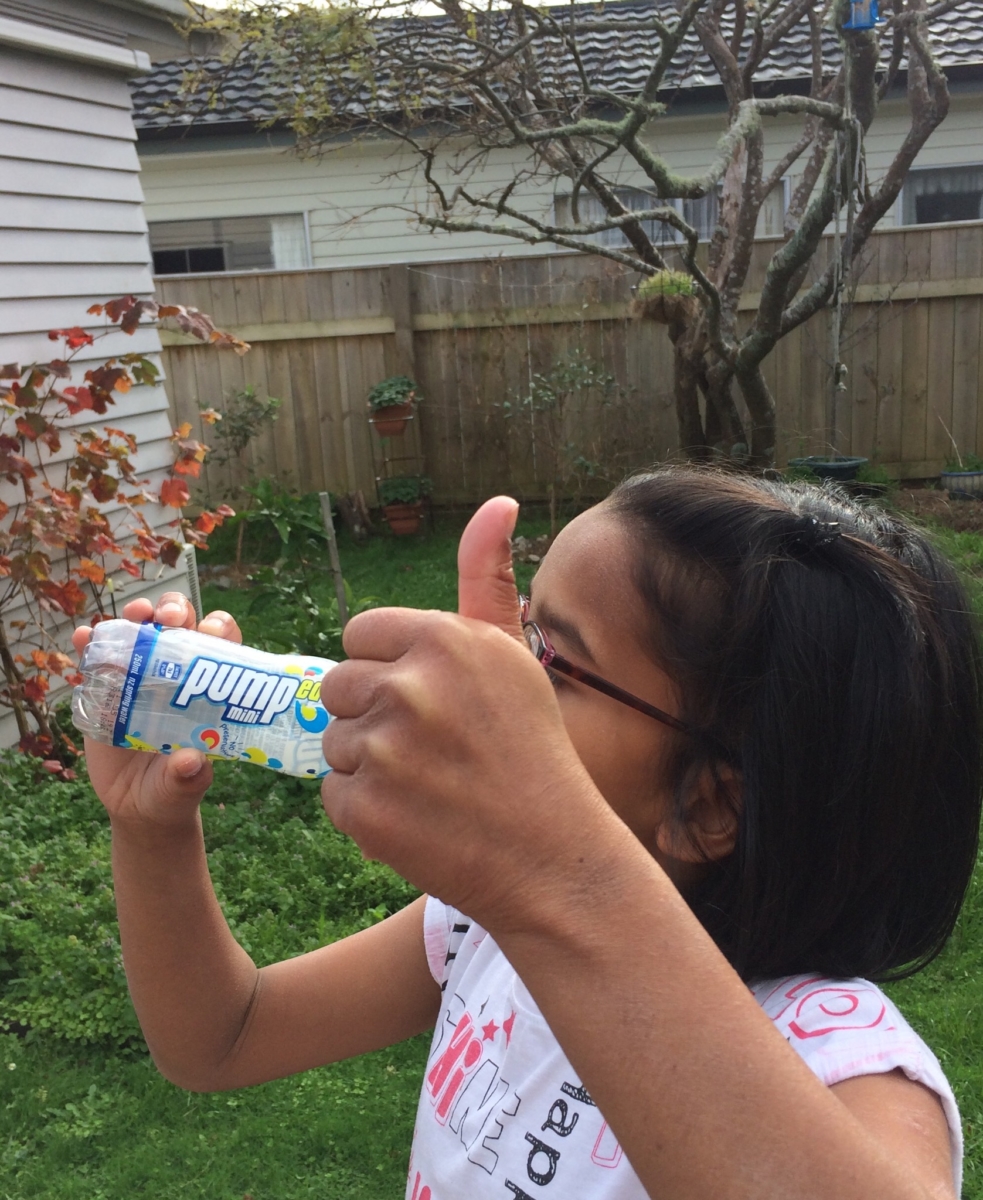
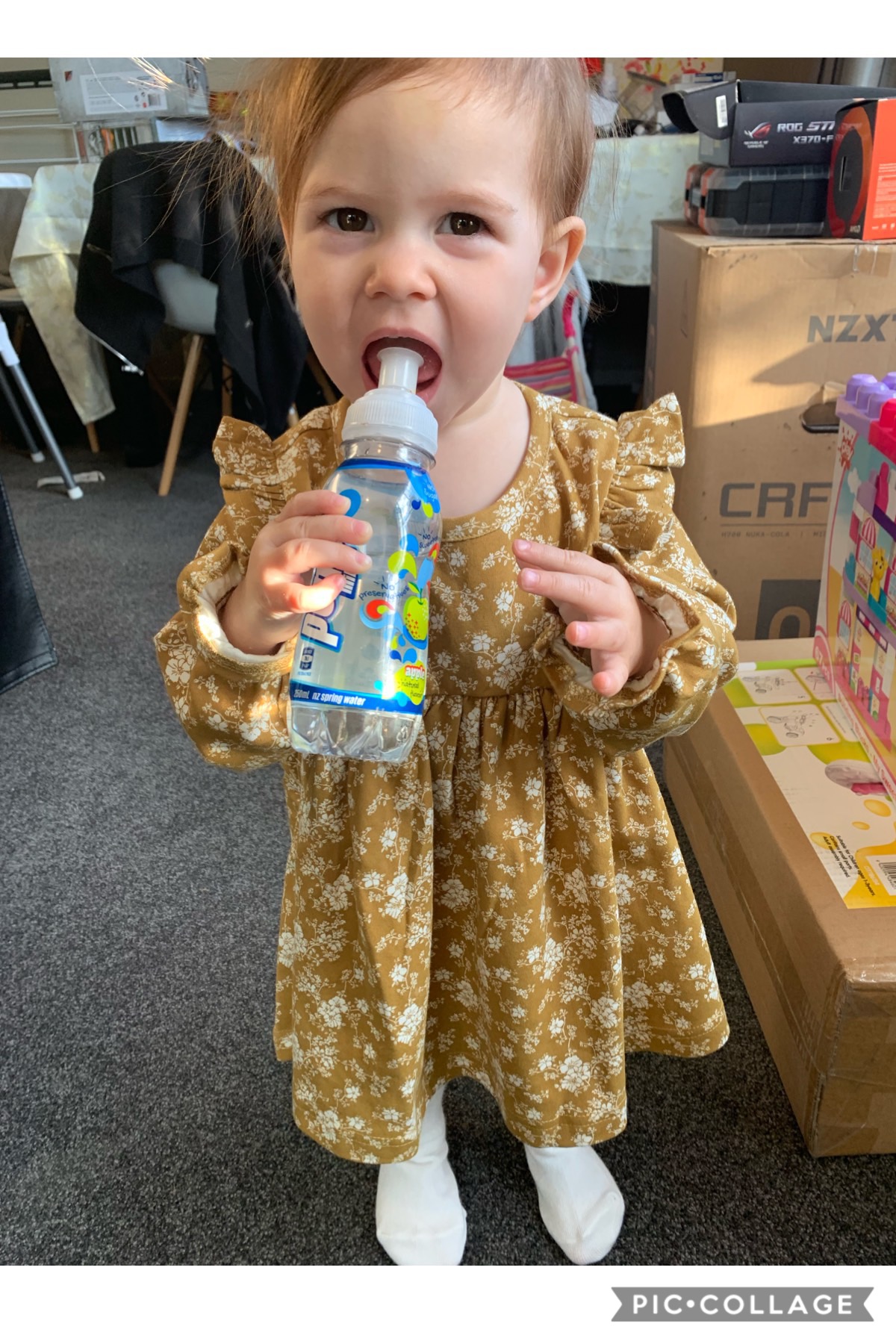
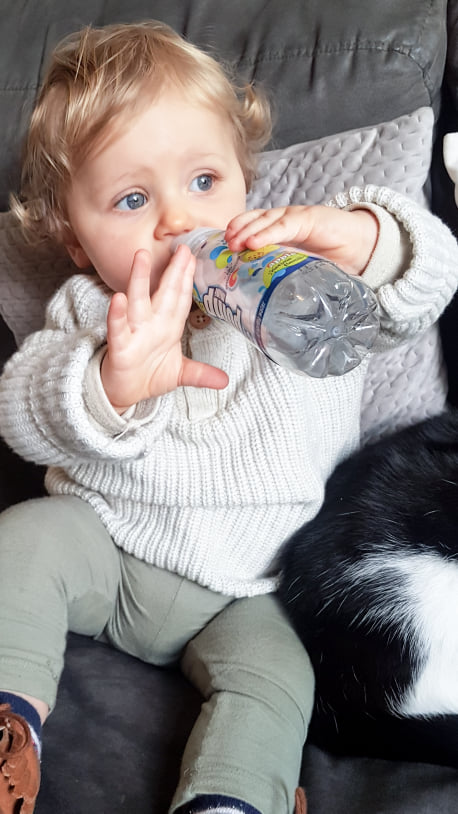
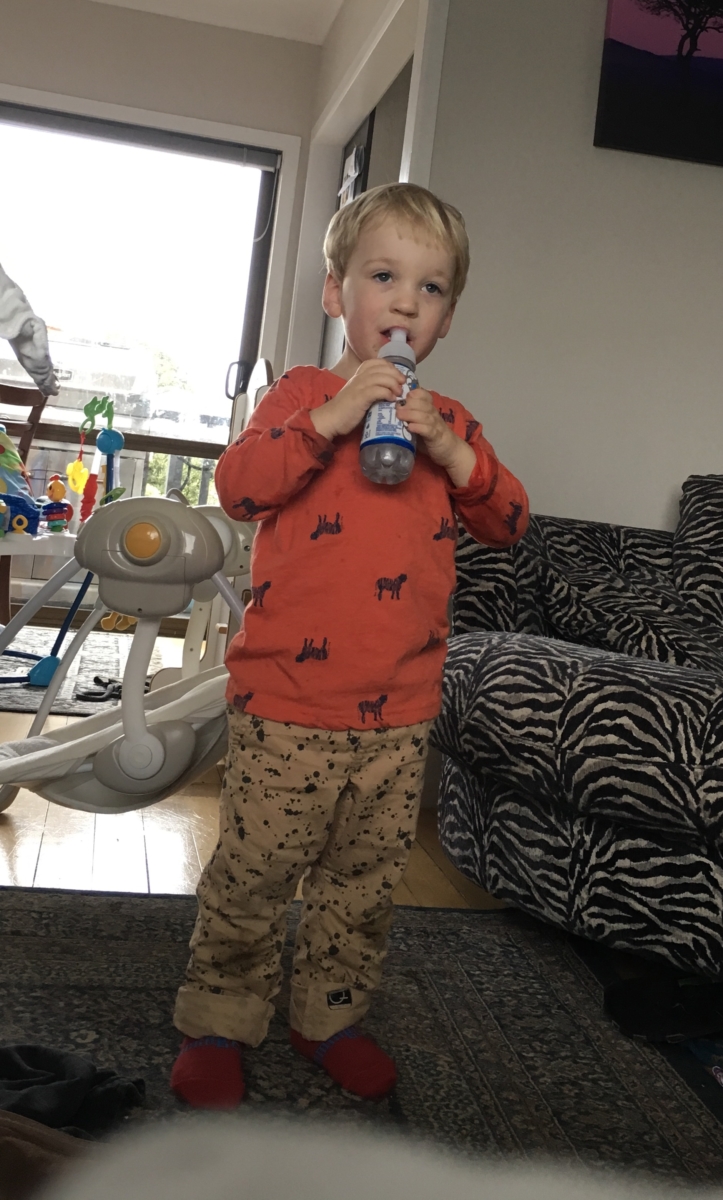
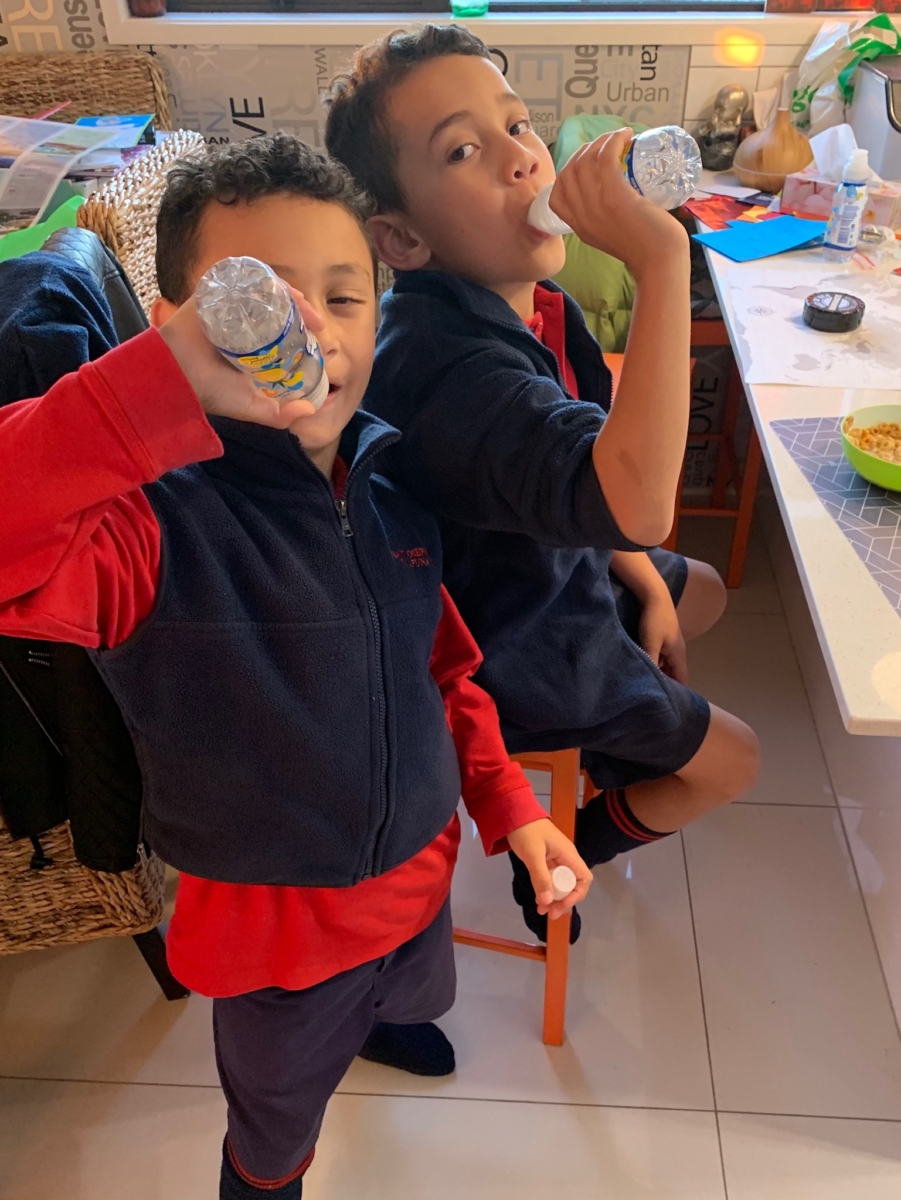
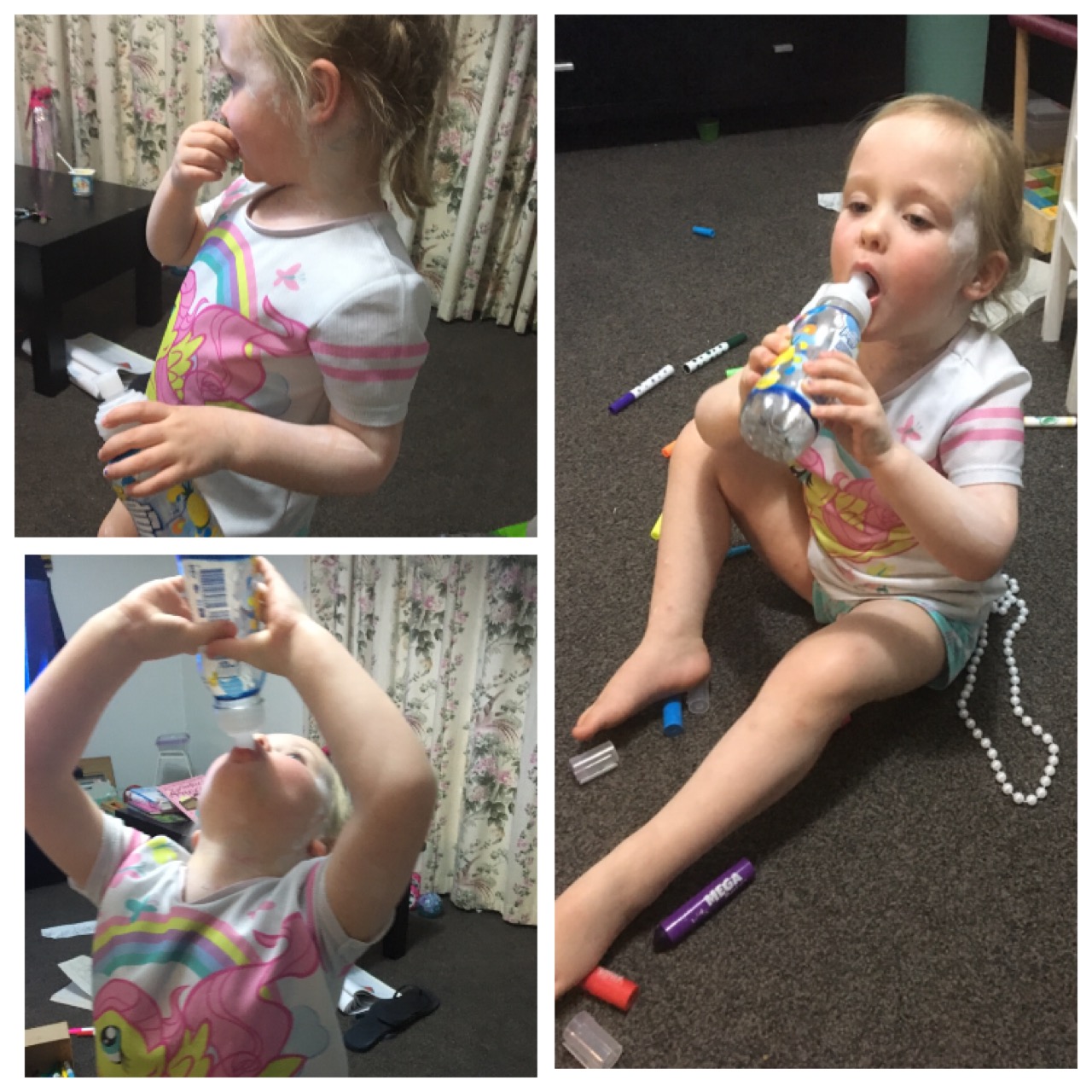
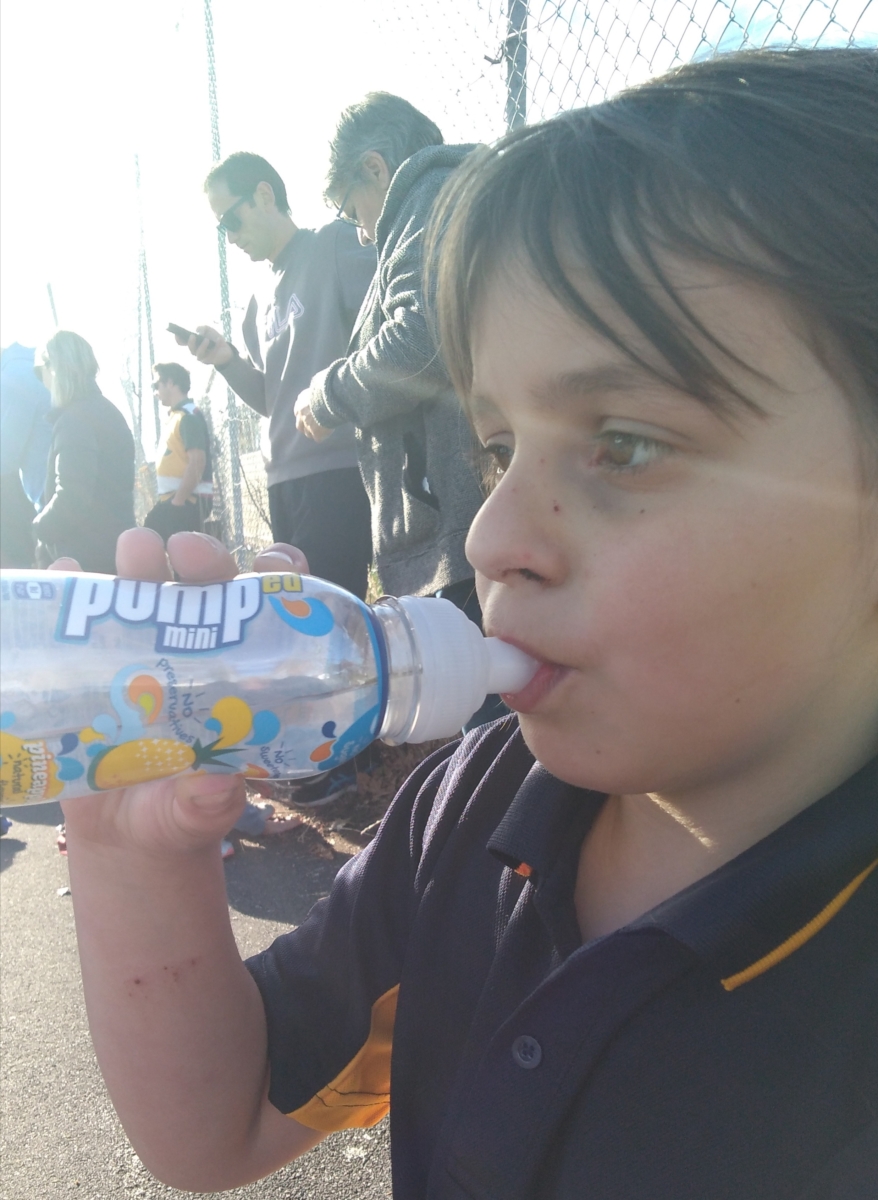
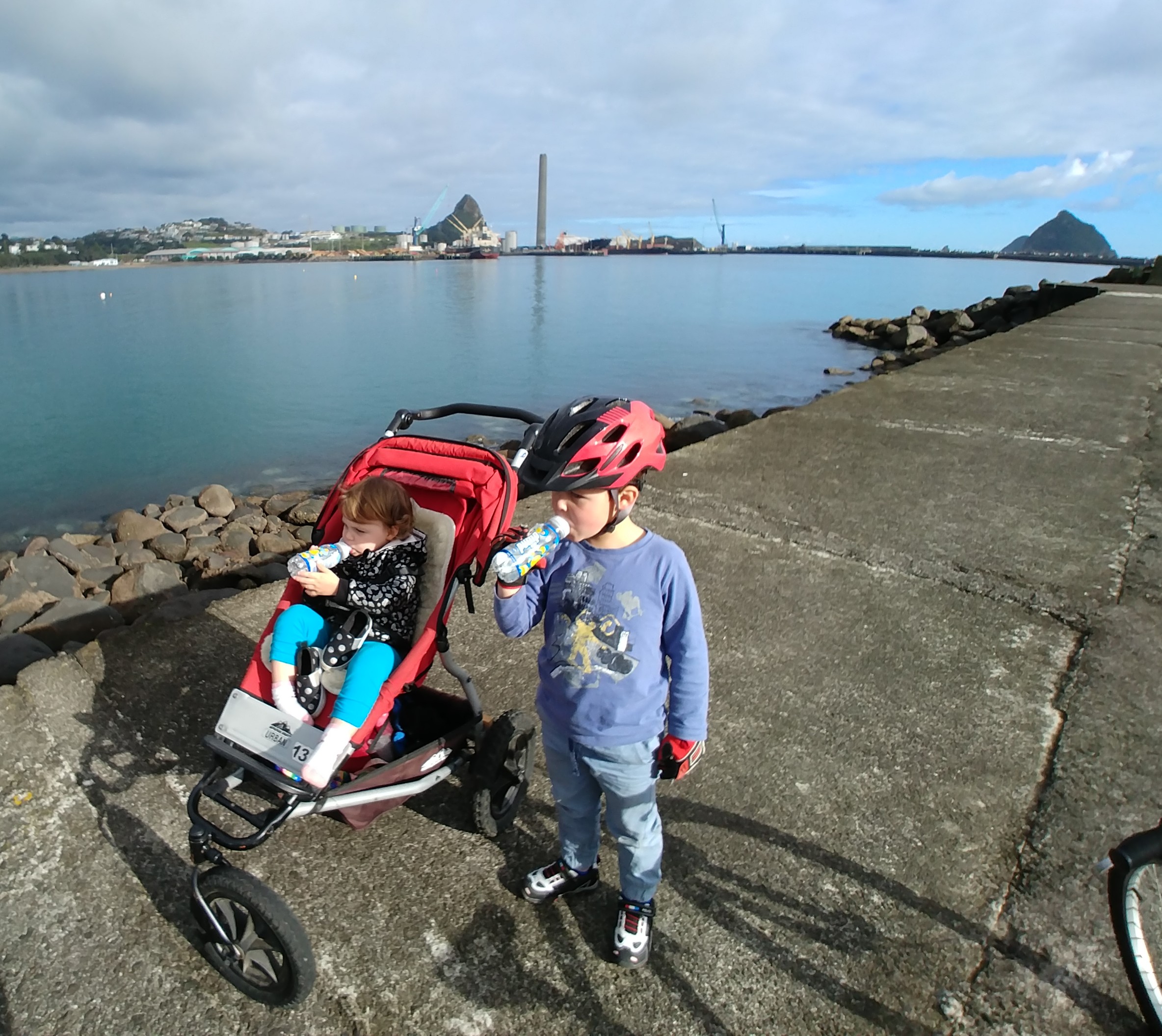
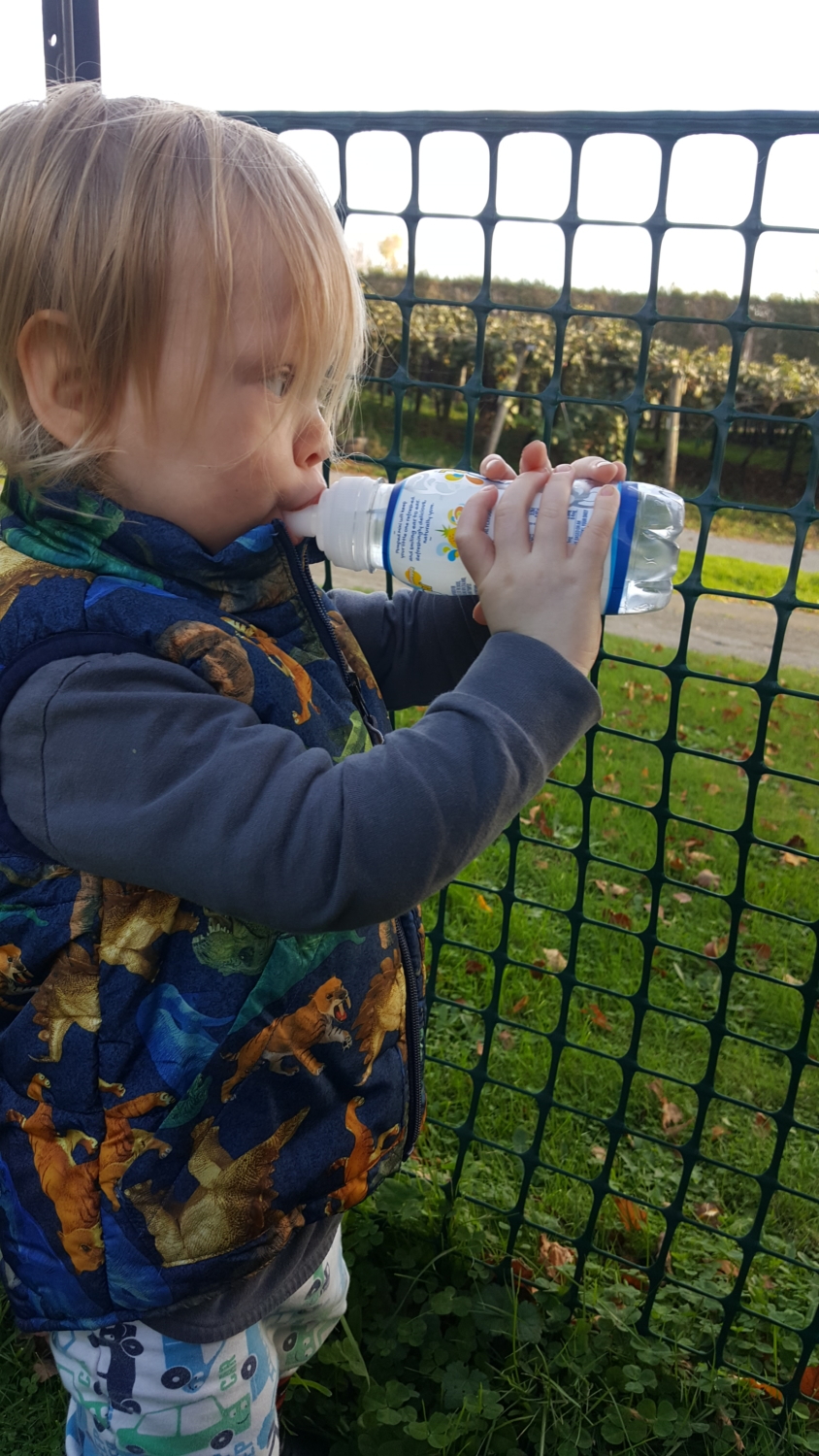
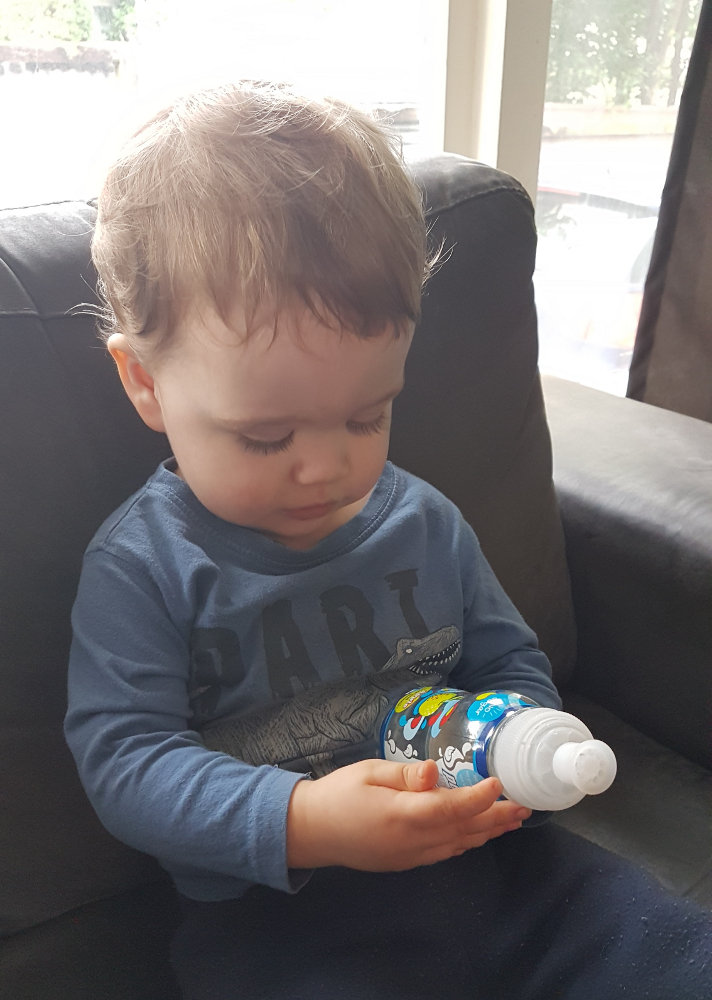
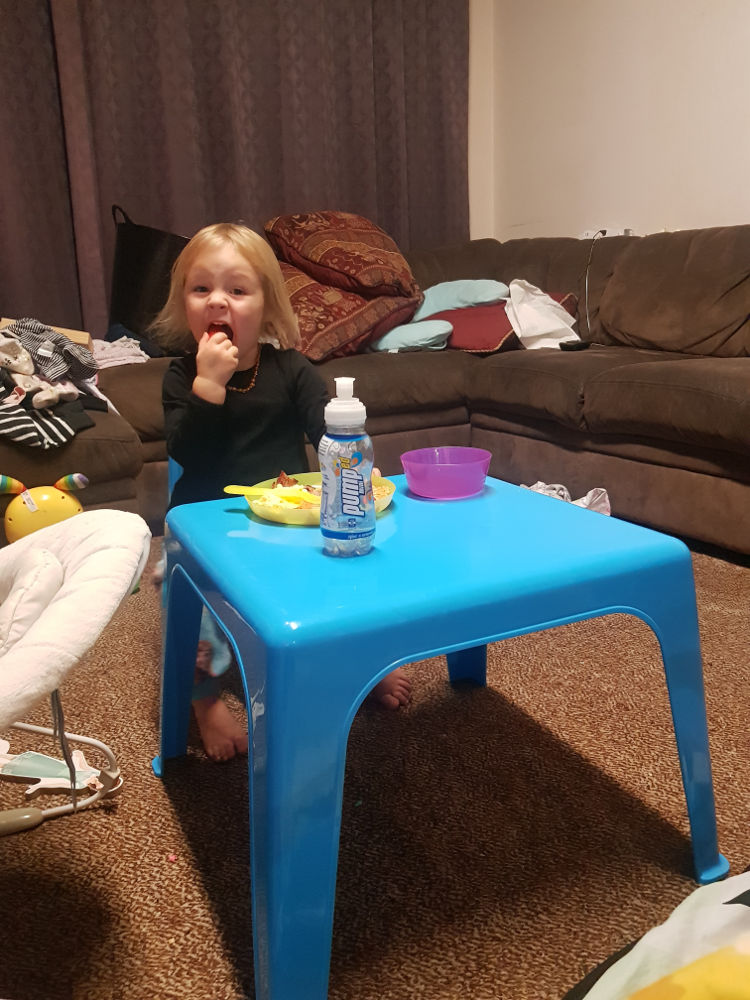
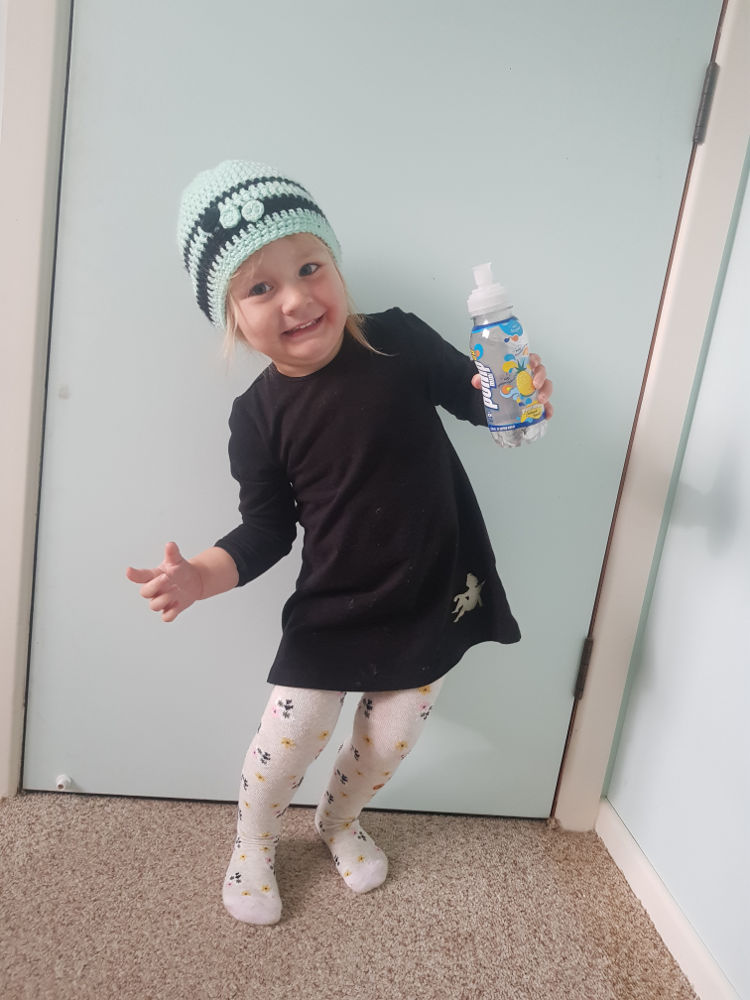
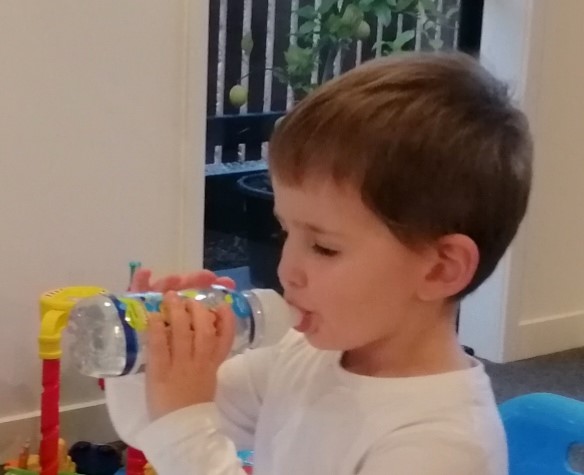
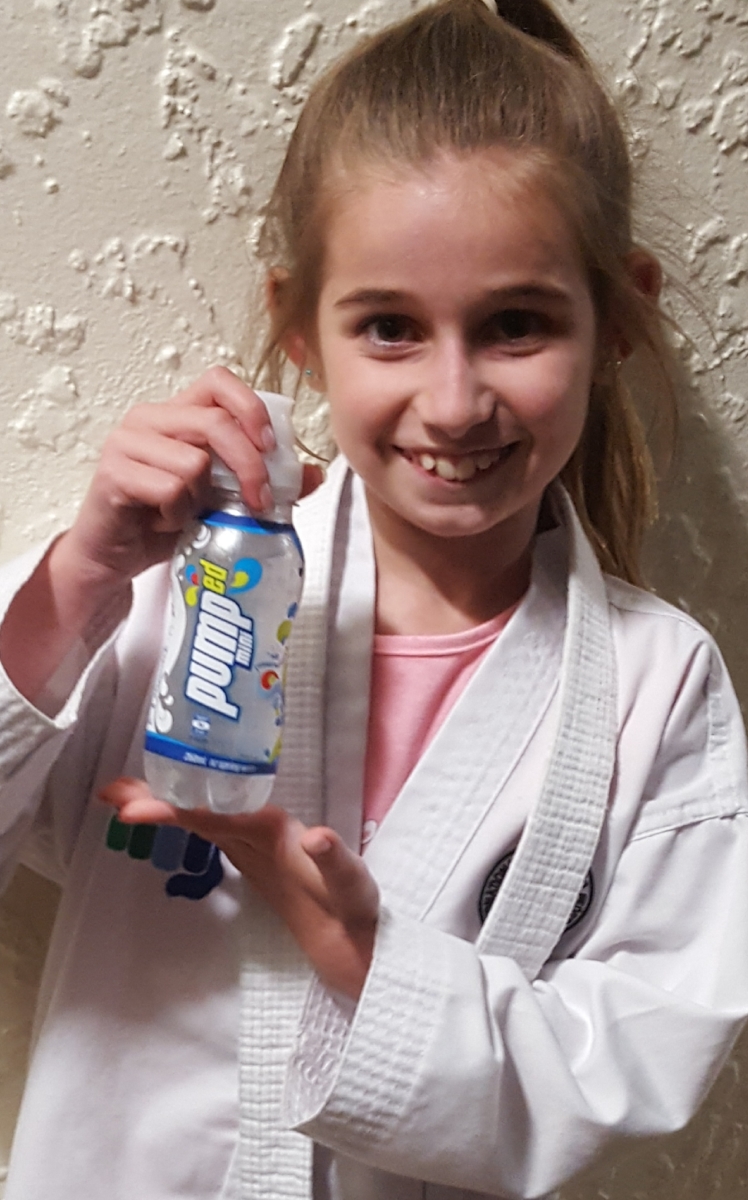
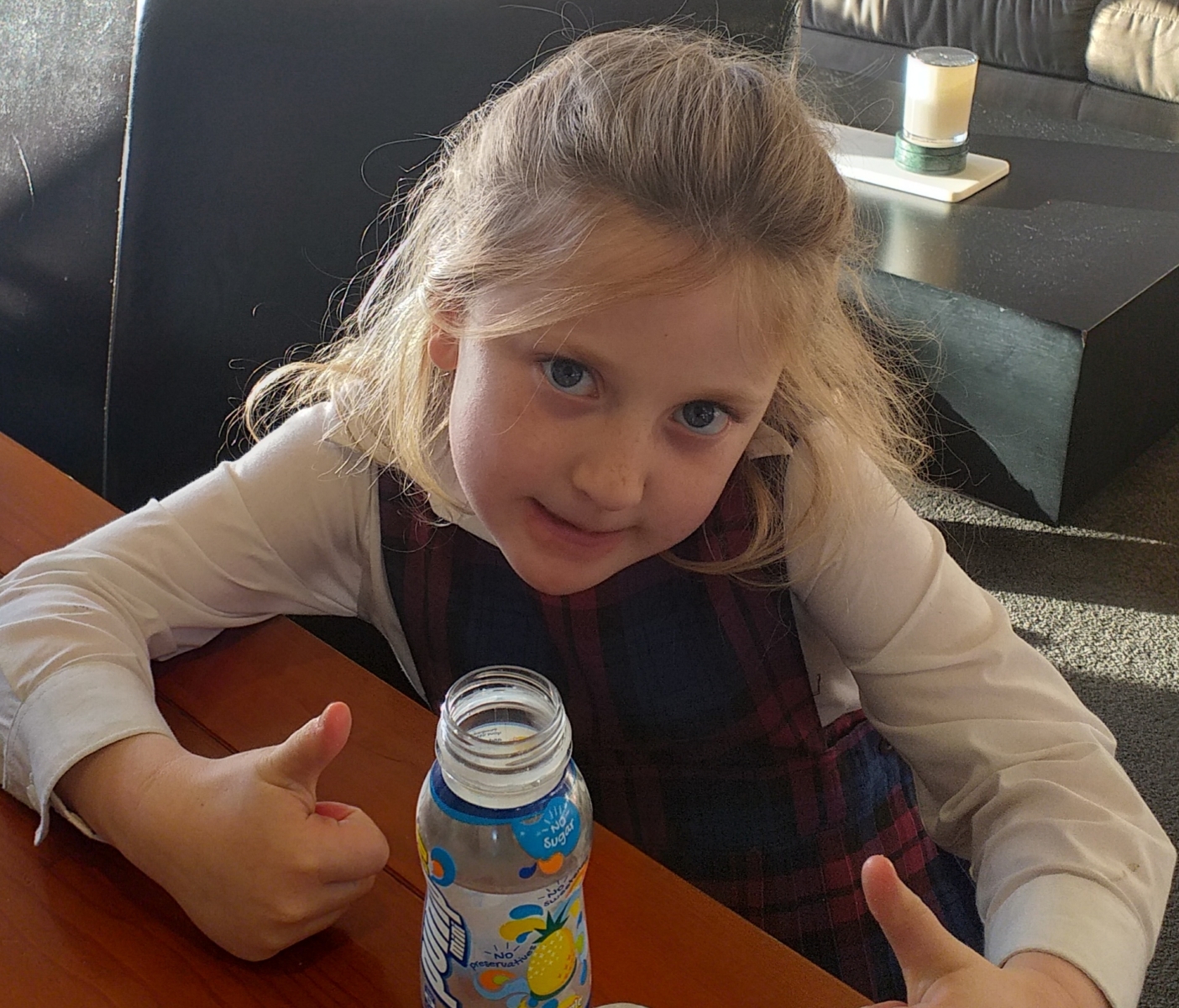
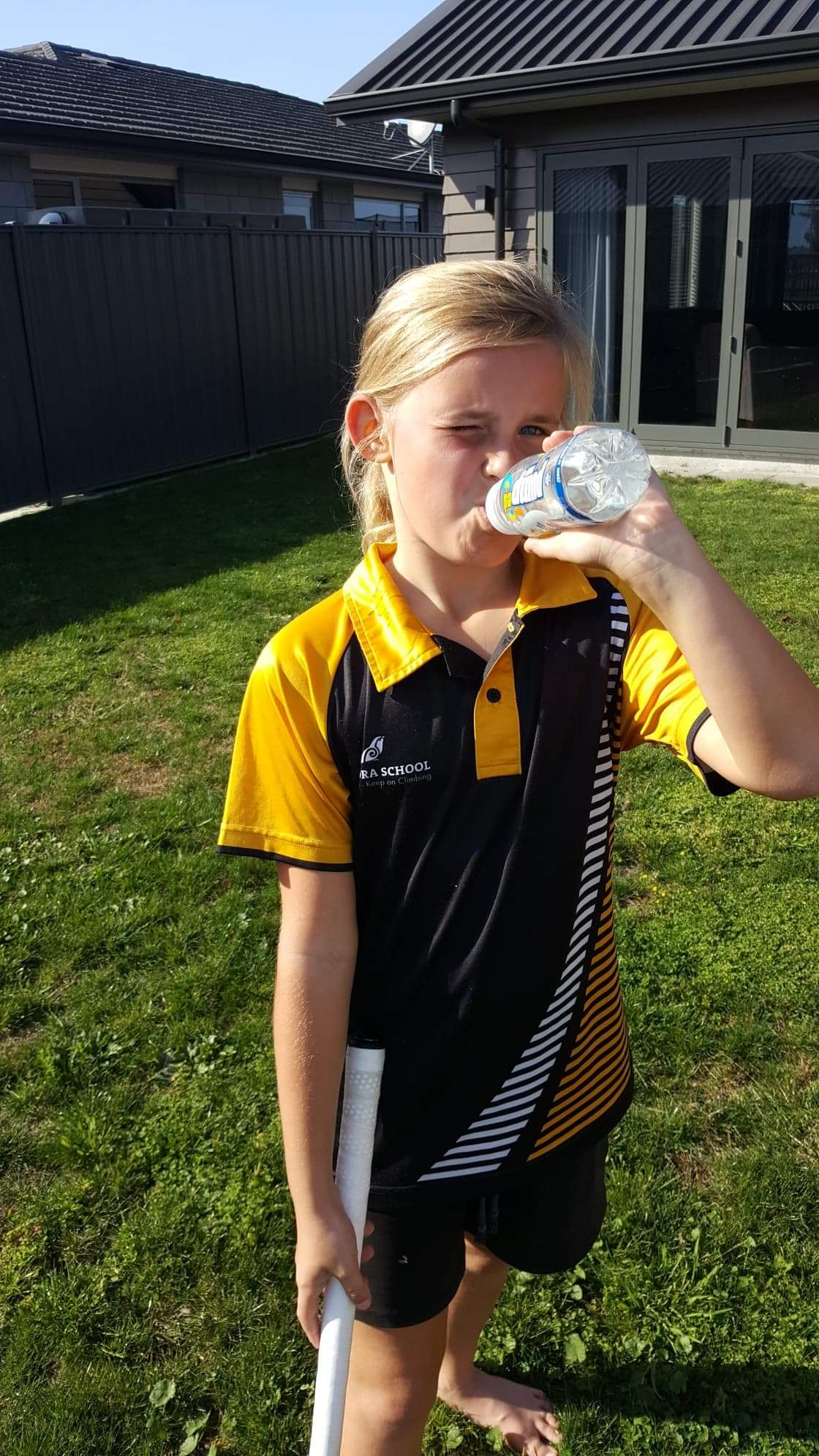
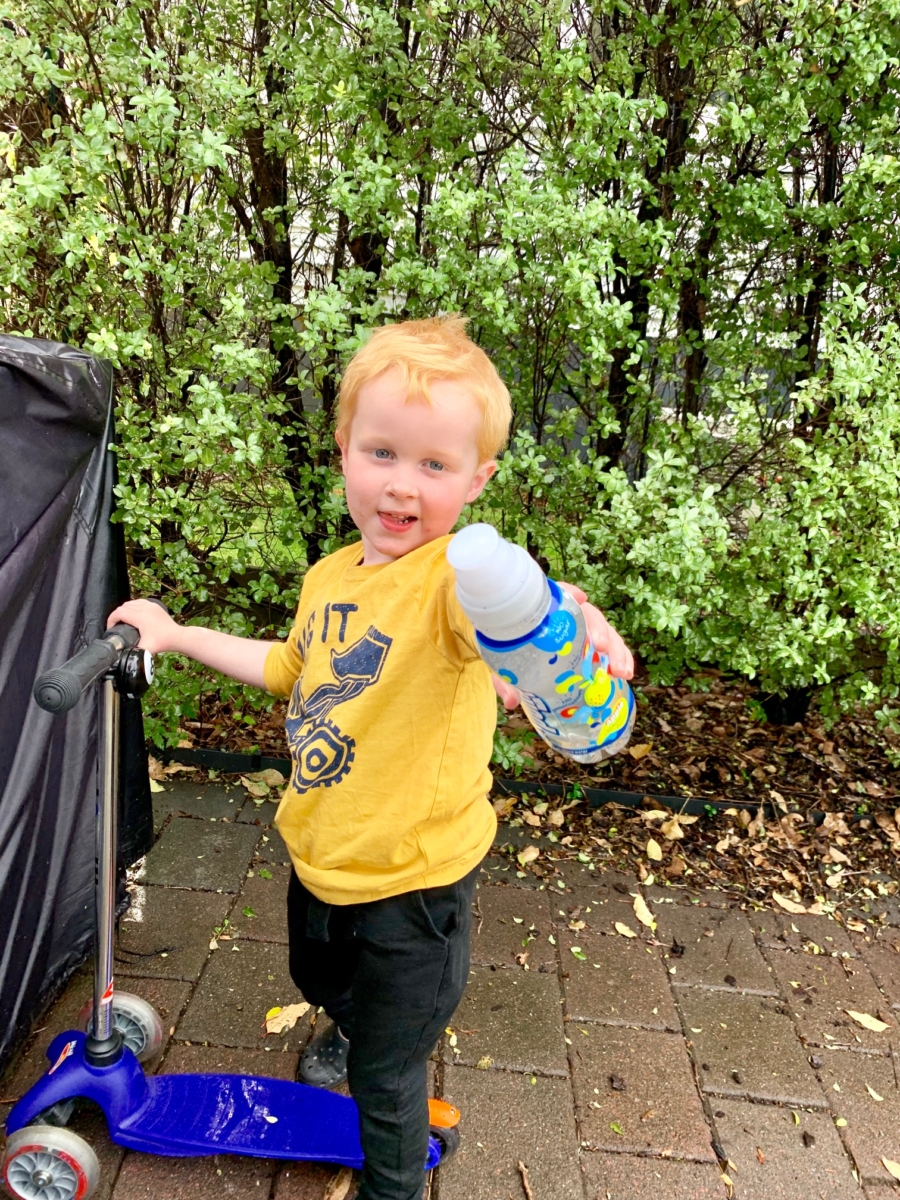
Photos from our reviewers

7 Healthy Habits Every Child Should Know

There’s an old proverb which says “see the child at 7 and see the adult”. So here are a few must-learn healthy habits for kids so that the future adult isn’t snot-covered and sunburnt!

Wear a hat

The habit of putting on a hat whenever your child heads outdoors can start being taught from when he’s a baby. Most schools and childcare centres have a “No hat, no play” rule, so try enforcing one similar at home. And lead by example – make sure you always put on a hat whenever you go outside too.

Why you need to wear a hat

  • Overexposure to UV during childhood and adolescence is known to be a major cause of skin cancer.
  • 90% of damage leading to premature aging of the skin is cause by UV rays from the sun.

Coughing and sneezing etiquette

It seems that some kids constantly have a cough, cold and a very runny nose. Teach your littlie early to turn their head away from other people when coughing or sneezing and cover their mouth with their upper sleeve or elbow – not hand – or a tissue. Any used tissues should be immediately put in the rubbish bin and then hands washed with soap and water for at least 20 seconds, then dried thoroughly . If soap and water is not available, use hand sanitiser.

Why you need to take care when you cough and sneeze

  • Cold and flu germs spread from person to person by way of coughing, sneezing or even talking. Droplets from an infected person get into the air and are inhaled by people nearby – anyone within a metre can be infected.

Wear a helmet

Whether your child is riding a scooter or a bike even up and down the driveway, he should be encouraged to wear a helmet from a young age so it becomes second nature. There are lots of very cool and colourful helmets available for children, just make sure it’s a good fit.

Why you need to wear a helmet

  • According to research from the US, wearing a bicycle helmet reduces the risk of serious head injury by as much as 85% in the event of a crash, and the risk of brain injury by up to 88%. Helmets have also been shown to reduce the risk of injury to the upper and mid-face by 65%.

Wash your hands

You can’t have a list of healthy habits for kids without including this one. But this a simplified message, without the need for anti-bacterial soaps. All your child needs to do is use regular soap, water and friction to make their hands clean. Teach them to wash their hands after using the toilet, blowing their nose or playing with pets, and before eating.

Why you need to wash your hands

  • Hand-washing is one of the most effective and important ways to control the spread of germs. Vigorous washing for 20 seconds – or for the time it take to sing the ABC song – is all that’s needed to get clean hands, according to the US Centre for Disease Control.
  • Don’t scare the kids with this fact, but diseases like meningitis, flu, hepatitis A and most forms of infectious diarrhoea can be spread simply by dirty hands.

Clean your teeth

There’s no escaping this healthy habit with oral health so closely associated with overall health. If your child gets used to having their teeth cleaned twice a day, it will be an ingrained habit by the time they are in pre-school. Seeing parents clean their own teeth in the morning and night is also a subliminal habit-forming device.

Why you need to clean your teeth

  • The human mouth has been described as a “window to your body’s overall health”. For example, poor oral health and gum disease has been linked with heart disease and cardiovascular problems.
  • Baby teeth serve as spacers for the adult teeth. If the baby teeth need to be removed due to decay, they won’t be there to guide in the adult teeth which could lead to very costly orthodontic treatment to repair a bad bite or crooked teeth.

Don’t share drinks…

… or iceblocks, lollypops, cutlery or chap sticks. Many nasty germs are spread this way. Don’t scare your children, but firmly enforce a “no drink sharing” stance and practice the same at home.

Why you don’t share food

  • The diseases spread by saliva include colds, flu and more serious ailments like meningitis and meningicoccal. So not sharing drinks and so on is a sensible practice for children to adopt.

Make healthy food choices

Your child needs your help completely for this – both in a providing and modelling role. Keep the pantry, fridge and fruit basket filled with yummy and nutritious snacks and meal options. Keep introducing him to healthy food and, as he gets a bit older, include him in making decisions about what to cook for dinner, or pack for lunch. A really good tip is to keep lots of fruit and veggies peeled, washed and cut up in the fridge – prepared fruit is a lot more palatable and enticing for grown ups and kids alike.

Why you need to make healthy food choices

  • Recent statistics from the World Health Organisation show that 22 million children in the world under the age of five years are severely overweight. Research suggests many of these children will grow up to be overweight or obese adults which brings a myriad of health problems.
  • It’ll be healthier for you too – studies have found that kids tend to mirror their parents’ eating habits so show them how much you love fresh fruit and vegetables, wholegrains and lean meats

Which is your biggest challenge when it comes to kids’ hygiene?

See more:

Understanding Autism and Autism Spectrum Disorder

Autism is a complex disorder which affects a person’s ability to interact with the world around them. Commonly referred to as autism spectrum disorder (ASD), autism has wide-ranging levels of severity.

What is autism?

This complex neurobiological disorder typically lasts throughout a person’s lifetime and, typically, people with ASD have problems with social and communication skills. Many people with ASD also have unusual ways of learning, paying attention or reacting to sensations.  People with autism often have a restricted range of interests, and have repetitive or stereotyped behaviours. A person with autism has difficulties in some areas of their development, but other skills may develop typically.

Autism New Zealand puts the estimated number of people with ASD in New Zealand at 80,000. Information from the Ministry of Health indicates that approximately one in 62 New Zealand children have an autism spectrum disorder (ASD), according to the Annual Update of Key Results 2013//14: New Zealand Health Survey.

ASD describes a group of closely related disorders, which all belong to the same diagnostic category and share the same core symptoms. These disorders include:

Because autism is a ‘spectrum disorder’, there is a wide variation in the way it affects people.

Every individual on the autism spectrum has problems to some degree with:

  • social skills
  • empathy
  • communication
  • flexible behaviour

The level of disability and the combination of symptoms varies greatly from person to person. Classic autism, or autistic disorder, is the most severe of the autism spectrum disorder. Milder variants are Asperger’s Syndrome, sometimes called high-functioning autism, and Pervasive Developmental Disorder, or atypical autism. According to the Autism Spectrum Resource Center (USA), only 20 percent of people on the autism spectrum have classic autism. The overwhelming majority fall somewhere on the milder range of the spectrum.

Asperger’s Syndrome

Asperger’s Syndrome and High-functioning Autism (HFA) are both part of the ‘autism spectrum’. The main difference between the two is thought to be in language development: people with Asperger’s Syndrome, typically, will not have delayed language development when younger. You can find an examination of the reasoning behind the existence of the two separate terms here.

Causes of autism

The cause of autism is unknown, but evidence points to physiological causes, such as neurological abnormalities in certain areas of the brain. Autism is less common in girls. On average, four out of every five children diagnosed with ASD will be boys. This may be because of genetic differences between the sexes, or that the criteria used to diagnose autism are based on the characteristics of male behaviour, but results are inconclusive.

Recent studies have found potential links to ASD with a mother’s levels of some hormones during pregnancy, including testosterone and the stress hormone cortisol, however study authors say the research results do not justify prenatal testing for the hormones that may be linked to autism.

Another recent study indicates that the offspring of ageing dads may have a higher risk of having autism and psychiatric disorders. The results are attributed to sperm-producing cells not copying a man’s DNA as effectively as men get older.

In the last decade, there has been increased theorising about the role of environmental toxins and vaccinations, but there is no clear evidence that ASD is caused by either of these. With or without the use of the preservative thiomersal (known as thimerosal in the US), there are numerous scientific studies showing no association between vaccines and ASD. Moreover, there is not one scientific study that has shown a causal link.

Symptoms of autism

Signs of autism include poor language development, unusual or repetitive behaviours, and a diminished interest in other people. Typically, there are significant concerns about the person’s social interaction, communication or behaviour before a diagnosis of autism is made.

It is worth noting that autism usually manifests in the first year of life and its onset is not later than three years. Parents can use developmental landmarks as a guide to gauge a child’s development. Early signs may include a child who, at 12 months:

  • Does not pay attention to or is frightened of new faces
  • Does not smile or follow moving objects with eyes
  • Does not babble or laugh
  • Has no words
  • Does not push down on legs when feet placed on firm surface
  • Does not show affection to primary care-giver, dislikes being cuddled
  • Does not point
  • Does not  imitate others’ actions
  • Does not respond to name

By 36 months if a child has very limited speech, little interest in other children, difficulty in manipulating small objects and frequently falls, parents should speak to their doctor.

There is a list of behaviours that might suggest early signs of autism here.

Other symptoms that may be linked to autism include:

  • rituals and routines
  • tantrums
  • sensory sensitivities
  • restricted or obsessed behaviour
  • stereotypical body movements such as flapping and toe walking
  • isolated, predictable play

In her book Could It Be Autism? A Parent’s Guide to the First Signs and Next Steps, author Nancy D. Wiseman notes: “Many of the danger signs are the very ones that often trouble parents months or years before a child is formally diagnosed with a developmental delay disorder.”

If you are concerned about your child’s development, consult your doctor.

Steps to diagnosis of autism

A diagnosis of ASD in children generally occurs after a thorough assessment by a team of health professionals. Because many of the behaviours associated with ASD are also present in other disorders, a medical assessment is important so that other possible causes (such as a hearing problem) can be ruled out. An assessment team is usually made up of a paediatrician, a psychologist or psychiatrist and a speech pathologist. The diagnostic criteria for ASD are set out in the New Zealand Autism Spectrum Disorder Guideline

In 2014, researchers at Melbourne’s La Trobe University developed a test consisting of five early signs or “markers” of autism to help pick up the condition in infants aged 12, 18 and 24 months. “Red flag” markers for children at age 12 months are a lack of pointing, eye contact, waving bye bye, responding to their name and imitating others’ actions. Two further early markers, at 18 and 24 months, are deficits in showing toys or objects to other people and in engaging in pretend play. The benefits of early detection are huge, as autistic children are able to greatly benefit from early behavioural intervention programs.

Researchers are working towards developing various approaches to diagnosing autism, including blood test trials. However, the most reliable approach involves clinical assessment of a child’s behavior and information from parents and carers.

Early Intervention

There is a significant amount of research indicating that early intervention maximizes outcomes and gives people with autism the best possible chance of developing appropriate skills. Early intervention involves intensive educational and behavioural therapies, which have produced positive outcomes for children with autism. These programs focus on skill development, building relationships and development of social emotional capacities, sensory motor development and managing the characteristics of autism. Music Intervention Therapy and Family Based Therapy have also had positive outcomes. There is little supporting evidence for other kinds of programs, or for medical or drug treatment.

Where to get help

A diagnosis of ASD can be difficult for a family. There are many associations and other organisations in New Zealand where help is available. You’ll find contact details for Autism New Zealand here.

This article was written by Allison Tait for Kidspot.com.au and has been adapted for Kidspot.co.nz

Share your experiences with autisum and autism spectrum disorders.

See more:

6 of the Best Foods to Fight Cold and Flu

When you can feel a tickle in the back of your throat or your nose is beginning to run, is it already too late to reduce the risk of catching a cold or the flu? Not at all! The best thing you can do is take action quickly and not wait until you get sick by eating foods that will boost your immune system and beat the bugs before they can really take hold.

Here are the six best immune boosting foods you can eat to fight a cold or the flu:

Chicken soup

Medical research has shown that chicken soup supresses the inflammation which causes many cold symptoms. This miracle-in-a-soup-bowl also thins mucous secretions so congestion in the nose, chest and throat will be alleviated too. The addition of noodles and vegetables will increase the healing power of the soup as the carbohydrates will help your energy levels, while the veggies will increase the nutrient levels in the soup, which also boost a struggling immune system.

Try these recipes for a taste of the chicken soup magic:

Garlic

The powerful antioxidant properties of garlic have been found to be antiviral so can potentially help prevent colds as well as shorten their duration. The oily compound allicin (that gives garlic its distinctive smell) works the cold-fighting magic. And you don’t have to eat garlic in its natural form to see the benefits – garlic supplements such as powder, oil and extracts have the same healing powers. And you don’t have to go crazy with it either – a clove or two a day is enough to keep the doctor away!

Need a hit of garlic? Try these recipes:

Honey

If you have memories of your grandmother spooning out honey when you had a sore throat, you’ll be pleased to know that she really knew what she was doing! Studies now show that honey can reduce a cough by coating the throat and soothing the irritation. And in fact, honey is more effective than over-the-counter cough medicines. Buckwheat honey, in particular, is shown to have medicinal qualities. Don’t forget though, that children under 12 months should not eat honey due to the risk of infant botulism.

Green tea

The Chinese have been swearing by its healing properties for hundreds of years, and now studies support their claims: green tea contains antioxidants that can boost an ailing immune system. Not only do green tea sippers experiences less colds and flu, but their immune systems also produce more cells that fight the bacteria and viruses that cause sickness. Don’t forget though that green tea does contain caffeine, so if you are considering giving it to your kids, go easy with the “green tea medicine” – one cup a day is plenty and they will still feel the benefits.

Strawberries, oranges, tomatoes

While experts still can’t agree on whether taking high doses of vitamin C will have any significant effects on cold and flu symptoms, some studies show that taking vitamin C may actually help prevent the onset of colds and flu. Studies do show, however, that there a health benefits to eating vitamin C rich fruits and vegetables – three or more cups each day (as the body can’t store vitamin C, it is vital that you replenish your supplies every day) will act as a general immune-booster. The trick is to receive the vitamin C via whole foods rather than as a supplement so fill your diet with vitamin C rich foods such as strawberries, oranges, tomatoes and broccoli.

Boost your vitamin C levels with these recipes:

Lean meat

Good iron levels are essential for a strong immune system and the most efficient way to maintain good iron levels is by eating lean meat. Not only does it supply a source of iron that is easily absorbed by the body, it also contains good supplies of zinc, another infection-fighting mineral. So if you’re feeling a little sniffly, eating a piece of lean red meat, poultry (chicken soup perhaps?), fish or shellfish will help you fight those bugs.

Build your iron levels with these recipes:

This article was written by Ella Walsh for Kidspot, New Zealand’s best family health resource.

What’s your go-to food when you or the family are feeling under the weather?

See more:

What a Serve of Food Means for a Toddler

Brought to you by

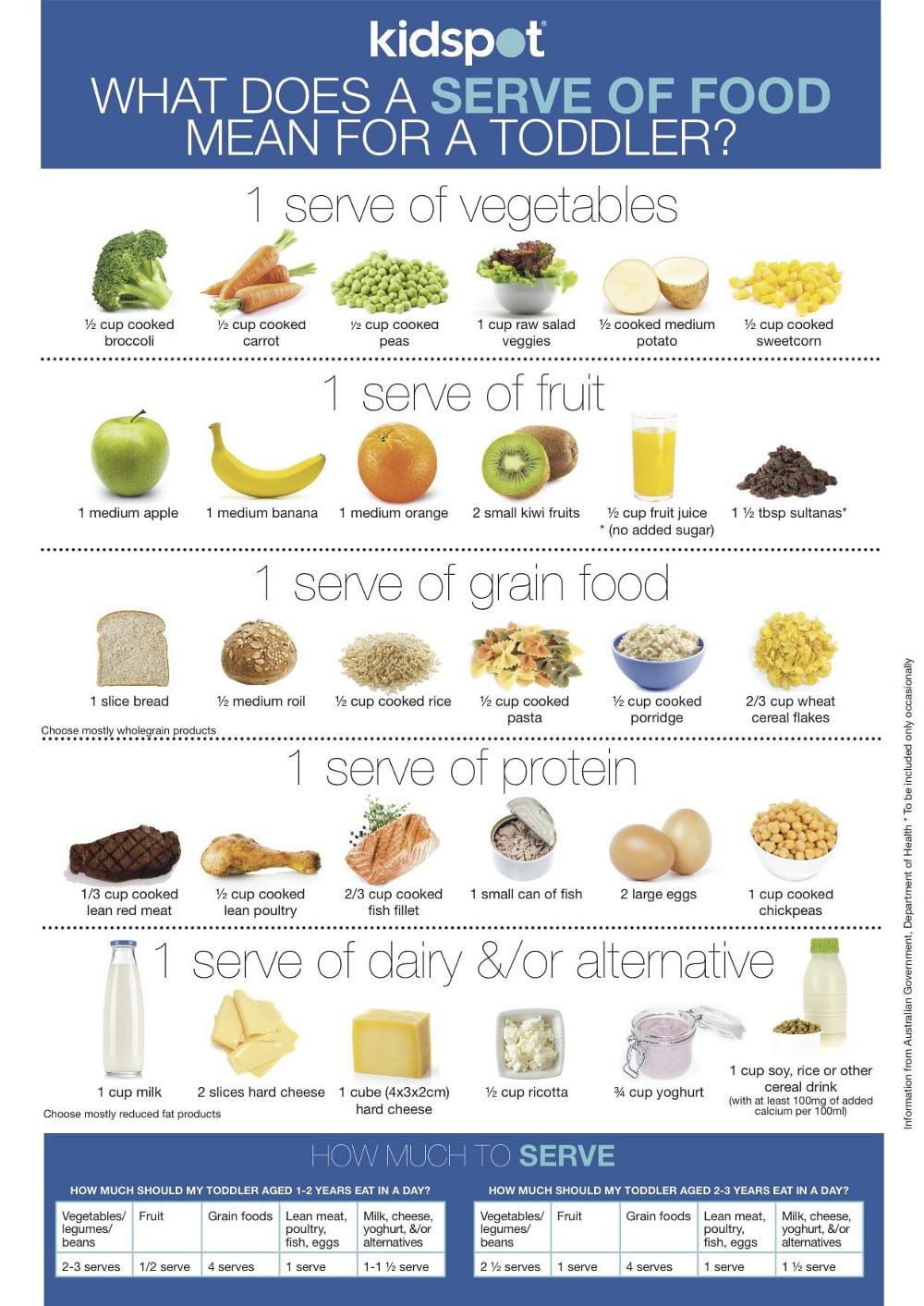
Grab our free printable below to see precisely what a serve of food means for a toddler.

Toddlers are notorious at being picky pants when it comes to food. One minute they’re wolfing down the spagbol you lovingly cooked, the next they’ve tipped the bowl upside down on their head and are eyeing the remains suspiciously. At this stage it’s sometimes hard to know exactly how much your tiny terror has actually eaten and indeed, how much they should be eating.

How much food do toddlers need?

You want to give your toddler a balanced diet but what does that really mean in small tummy terms? Have a look at the free printable below to see precisely what a serve of food means when it comes to kids aged one-to-three years. As they grow, so their energy (and therefore food) needs increase, which is why we’ve specified how many serves of fruit and veggies, protein and dairy these mini tornados of energy need to keep them healthy at ages one-to-two years and two-to-three years.

Print it out and stick it on your fridge door as a handy reference next time you’re ducking banana chunks from a toddler whose aim is a mite better than their eating habits …

This article was written by Ruth Devine for Kidspot.com.au and has been adapted for Kidspot.co.nz

For a larger, printable version of the image, click here.

Developmental Milestones for Newborns

Watching your baby, wondering what they will do next, is one of the great pleasures of parenthood. Discover more in our guide to developmental milestones for newborns.

One thing that may take you by surprise about parenthood is the amount of time you can spend simply watching your baby. Hours can disappear in the blink of an eye as you drink in their every move, watching for that first smile, first laugh, first acknowledgement that you exist beyond feeding and sleeping.

This general outline will give you an idea of what to expect (and all babies are different) in the first three months, but for more detail, sign up to receive Kidspot’s guide to your Baby’s First Year , a month-by-month guide on what to expect.

Week one

At this point, your baby is still becoming acclimatized to their brand new environment – with sounds, sights and smells completely foreign, and at times, utterly overwhelming. You’ll notice that while baby might not sleep for large chunks of time, those tiny eyes tend to flutter closed more than they’re open. Video footage might be a bit of a yawn fest, but give them a break – baby’s only been here a couple of days. The first week, your baby will probably:

  • Focus on objects only within 15-30cm of their face, so snuggle up close
  • Be able to move both arms and legs equally
  • Briefly lift their head during supervised tummy time, working those tiny neck and back muscles

Week two

Week two isn’t much different from week one, except you might notice baby is slightly more alert than during the snooze-fest of week one. While you might have a desire to keep your baby entertained, he’s plenty busy making sense of their strange environment or taking another nap. There are, however, some activities you could try together this week.

Play

  • Use your face –  Since babies can only focus on objects 15-30cm away, your face makes the perfect object to study – and, really, the only thing they’ll want to look at. 
  • Black and white –  Babies can only see strong contrasting colors at this point, so black and white toys and mobiles will be the most stimulating for him.
  • Tummy time – Once upon a time, babies were put to sleep on their stomachs. While this tends to be the most natural and comfortable way for many babies to sleep, it’s also the riskiest when dealing with SIDS.  We now know that it’s safer for babies to sleep on their backs, but there is a minor drawback: Babies spend much less time developing their back and arm muscles than they did when the majority of their day was spent lying on their stomachs.  Also, too much time on baby’s back can cause a flat spot in the skull. Because of this, it’s important to spend about 10 minutes a day supervising him while baby lies on their tummy.
  • Story time –  Okay, so he probably can’t even focus on the book in your hand, but it’s never too early to make a habit out of reading. And it’s soothing for him to hear your voice.

Weeks 3-4

As your baby wraps up this first month, you might notice they are more alert than back in week one – possibly even flashing that first real smile, not just gas. Other than that, your baby will probably:

  • Continue to focus on objects within 15-30cm of their face
  • Be able to move both arms and legs equally
  • Lift head a little further during supervised tummy time, working those tiny neck and back muscles.
  • Baby also might start cooing (not just crying) and holding his or her head steady when upright.

Play

Activities that you started in week two can be continued. You’ll still feel like you’re reading The Gruffalo to yourself, but what the heck!

Weeks 5-8

You’ll notice that your newborn is more alert with every week that passes, and this coming month you’ll probably see the sweetest sight: a smile! Other developments this month might include:

  • Cooing, possibly with vowel-consonant combinations like “ah-goo”
  • Lifting head 45 degrees while on stomach
  • Holding head steady when held upright
  • Reaching for objects
  • Looking to see where noises are coming from, showing you that they are more aware of surroundings
  • A bit more mobility, rolling one-way from back to belly. Of course your baby isn’t quite on the move yet, but be extra careful not to turn your back during a nappy change
  • More co-ordinated movements, as the month progresses. Those jerks will soon smooth out to purposeful motions.
  • A first laugh (or squeal) possibly. But remember, every baby develops differently.

Play

Your baby is starting to recognise voices and be more responsive, and although he won’t be able to roll a ball or even laugh at a joke, playtime is an important part of their development:

Talk

Some parents are more comfortable with “baby talk” – you know, high pitched squeals and gibber-jabber – but the truth is, it doesn’t matter how you talk to a baby at this age, just that you do it. Tell them about your day; narrate what you’re doing; explain your political positions. Getting them used to hearing your voice and the language in general will be beneficial and mesmerising no matter what you’re actually saying. And remember – it’s not only what you say, it’s how you say it. Exaggerated smiles and sing-song voices always help to keep the baby’s attention.

  • Ask questions and wait for a response – Make your baby feel included in the conversation, even though they don’t understand a word. When you hear a coo or a gurgle, listen and then respond. Studies show babies learn more when they’re being talked with, not at.
  • Skip the pronouns – You have a long way to go before your baby starts talking back, but it’s never too early to get them used to hearing familiar words. “Mummy” and “Daddy” are more recognisable than “I” or “him,” so try and be conscious of the words you’re using.
  • Copy your baby – When you hear your baby say, “ahh-goo”, repeat “ahh-goo”. Make a game out of copying their little gurgles, so eventually baby will start imitating your language.
  • Sing – Even if you can’t carry a tune, just the sound of a song is always a sure-fire hit. It’s a fun, melodic way to introduce the language.
  • Read –  It’s never too early to instill a love of literature. A good way to integrate reading into your everyday routine is right before bedtime.
  • Tummy time – It remains important that you set aside time for the baby to play on their tummy. Since babies are spending less time on their tummies (now that experts agree they should sleep on their backs), they need to build up their muscles during play time.
  • Play airplane –  By the end of the month, your baby might have more control over their body, making play time a little more adventurous. While sitting up with your knees bent, put baby tummy-down on your shins and carefully lay down on the floor. Bounce your legs up and down, taking your baby for a ride. (Wait until your baby has good control over his or her neck and always be gentle.)

Week 12+

Although every baby develops at a different rate, here are some general milestones you might be noting:

  • Smiling and laughing
  • Better head control, possibly even lifting up 90 degrees while on his or her stomach.
  • Arm waving and leg pumping, especially when the baby sees you walk into the room
  • More attentiveness and focus. You might even notice the baby following an object or person moving across the room
  • Rolling over one way
  • More leg strength, possibly even holding his or her weight when held upright
  • Reaching and swatting, which helps to develop hand-eye coordination.
  • Play –  The more strength and body control your baby develops, the more fun playtime can be. But as always, playing is more about learning and developing than anything else.
  • Be more vocal –  You’ll notice your baby starting to explore more sounds with his or her voice, so keep up the chatting, singing and reading, using simple, familiar words. Continue to include the baby in your conversations by asking questions and responding to the gurgles and babbles.
  • Make him laugh –  There’s nothing better than an unexpected belly laugh, and you’ll find yourself going to silly extremes as your baby’s humour develops. Funny faces, hand gestures and singsong melodies are sure to amuse your little one at this point.
  • Play the copy cat gameStart a game out of imitation by copying the little noises your baby makes, hopefully laying the groundwork for him to start imitating your language.
  • Tummy time – It’s important to continue ten minutes of tummy time daily, to help develop baby’s head and neck muscles. As baby develops more head control, tummy time will seem less torturous.
  • Play mats and gyms – Now is the perfect time to introduce your baby to a play mat or baby gym that has dangling toys so they can practice swatting. Believe it or not, hitting, grabbing and batting are all major milestones, indicating hand-eye coordination.
  • Be a little more adventurous – More head control means less careful, delicate motions. While you still shouldn’t be too rough with an infant, most babies can handle – and enjoy – activities like bouncing on your lap, dancing in your arms and playing airplane on your legs. As always, be gentle and careful, but also add some excitement to your little one’s life.

This article was written for Kidspot, New Zealand’s leading parenting resource.

Every baby is different and will develop skills at different times. What differences did you notice between these milestones and your baby’s development, or between your own children’s development?

See more:

20 Things I Know About Being a Primary School Mum

Drinking fountains, handball and monkey bars at recess – that’s what primary school is all about. One mum muses on what she knows about primary, now it’s almost over.

With my youngest two children in their final months of Year Six, I am about to say goodbye forever to the world of primary school. There’s something inordinately sweet about watching your kids go through primary school: it’s the time you remember best of your own childhood. It evokes a vivid nostalgia, a sepia-toned replay of friends you’ll never forget and those seminal playground moments that shaped you forever.

It’s drinking fountains and handball at recess, it’s monkey bars at lunchtime, it’s school concerts where things never quite go to plan, it’s grass-scuffed knees, it’s shorts and polo shirts and hats for sun protection, it’s artwork strung like washing across the classroom and chairs that grow bigger with the children.

But above all, it’s one teacher who spends all day with them and if you are lucky, cares about them almost as much as you do.

Just recently, at the zone athletics carnival, this fact struck me like an epiphany.

One of my twins somehow managed to run fourth in the 200m final. As he crossed the finish line I saw his class teacher (who was on the field marshalling the long jump) stop what he was doing to spontaneously rush over and give Alex a ‘well done’ hug. There was such a total comfort and familiarity in the gesture, a mutual pride in Alex’s achievement, that my eyes filled with grateful tears.

You just don’t get that sort of care in high school.

As my kids and I leave primary school behind, forever, here are some other things I know about being a primary school mum.

1. You don’t have to join the PTA

And you don’t have to feel bad about not joining the PTA. There are certain people who love doing this stuff and it annoys them when us lesser mortals try to get involved. Leave them to it, help when help is asked for, but don’t feel guilty about not being ‘in there’ all the time. Some people do, some people don’t.

2. The one time you do try to get involved, it will be a disaster

If you are not one of those people who gets involved, there will be one time when you decide to get involved and it will blow up in your face. You will then vow never to get involved again.

3. You will get at least one dud teacher

If you are unlucky, you will get two. If you get more than two, it’s time to think about changing schools. But one’s not a bad innings. Just grin and bear it until the year is over and hope for the best next time.

4. Some kid, some time will do something pretty horrible to your kid

Whether it’s name calling, leaving them out of a group, taking his lunch, or a physical knock. When this happens, the best course of action is to give that child the mother of all stink-eyes at school the next day. Stare that kid down with a look that says, “If you hurt my kid again, I WILL kill you.” Just don’t say it out loud.

5. Conversely, your kid, some time, will probably do something horrible to another kid

When this happens, accept that your child is in the wrong and call the other parent to apologise. It will do enormous amounts for hosing the situation down.

6. School concerts and plays are not designed to showcase the kids with the greatest talent

They are designed to showcase the kids who follow directions and make the staging of a concert easy. Your kid may be a brilliant actor/singer/dancer, but if he doesn’t show that he can be a cog in the system, he won’t be put centrestage. It’s not a comment on his talent, but a comment on how well he takes direction.

7. School reports are not a personality profile of your child

They are a report to the curriculum. If you are expecting a glowing, emotional essay on how wonderful and talented your kid is, you will be disappointed every time you open that envelope.

8. Kids can be unkind to each other

The playground is a psychological battlefield; it’s Lord of the Flies with teachers on the periphery. No one will die, but feelings will get hurt and emotional scars will be scored. This is the playing field that will shape your child. Keep an eye on it, but resist going in.

9. Kids can also be unexpectedly compassionate

They are completely ‘colour-blind’ and accepting of difference if we just stay out of their way with all of our experience-based prejudices.

10. Teachers are people and they are fallible

They have strange quirks and unexpected allegiances. They are just as tangled up in staffroom politics as the kids are tangled up in playground politics. It’s a workplace, just like your own. Some of them don’t get on, some of them are unreasonable, some of them are actually quite weird.

11. You will step back in time

When faced with the dynamic of the parents in the playground you will find yourself becoming the child you always were. School parents behave like kids, they form cliques, they gossip about each other, they freeze people out, they hold grudges and settle petty scores.

I became, once again, a ‘floater’: I floated from one group to another, I was slightly treacherous at times when the gossip was too good to miss and ultimately I did not pledge allegiance to anyone but myself.

12. There will be one parent who is for some random reason, your nemesis

It could be as simple as, you once inadvertently took her self-appointed park right outside the school gate. Whatever the reason, however trivial, you will be destined to awkwardly cross paths with her every time you enter the playground and every time you do the grocery shopping at the local supermarket. “Oh no, there’s that crazy woman who gives me the hairy eyeball and I never know why.”

13. Parents generally act in the best interests of their own child and not in the best interests of the herd

For example: when money gets raised at the annual school fete, the parents of children who like to play on monkey bars will push for new monkey bars, the parents of children who play music will push for a new music room, the parents of children who like to play tennis will push for a new tennis court … no one will stop and think about what is best for the school, in the long-term, as a whole.

This is when you must have compassion for the president of the PTA as he/she deals with the cacophony of “My child! My child! My child!” coming from the unruly mob of the parent body.

14. The best kind of school principal is one with an open door

They can give you all manner of spiels around how each child is special and how each child will be treated as an individual and blah blah blah, but all you need do to figure out what they’re really about, is walk by the office any time of day and see if the door is (generally) open.

15. The lunch you so carefully pack each day, will rarely be eaten

Don’t take it personally, sometimes kids just want to get up and play tag and eating just gets in their way.

16. You will all get nits … At least once

If you don’t know what a nit looks like, you soon will.

17. Those kindergarten kids will get smaller and smaller every year

Every year after your kid is in kindergarten, you will hear yourself say: “My God, those new kids are so tiny!” And yes, your kid was once that tiny, too.

18. The chicken pox note will come at least twice a year

Get your kids vaccinated to ease the anxiety when this note does its biannual circulation.

19. Just when you are saying to yourself, “I’m so over this whole primary school thing” it will be over and you will feel really sad about it

And instead of getting a bit wistful over random kids you don’t know high-fiving everyone in the ‘goodbye’ circle on the last day of school (it gets me every time) it’ll be your kid and you’ll be bawling your eyes out.

20. It’s the sweetest, safest time of your parenting life

Enjoy it while you can.

This article was written by Penny Flanagan for Kidspot.com.au and has been adpated for Kidspot.co.nz

What did you learn from your time as a primary school mum? Tell us in the comments below.

See more:

Late-overs are the New Sleepovers

Parents tend to be moving away from allowing their children to attend sleepovers. So maybe a ‘late-over’ is a possibility?

Does no one do sleepovers any more?

It really doesn’t seem that sleepovers are that common anymore, unless it’s at a family member’s home. My kids both had friends come for sleepovers on quite a regular basis when they were around six to ten years old. During the school holidays were the obvious choice but we also had kids overnight when their parents were away at functions.

The obvious elephant in the room as to why sleepovers have become less commomplace is the prevalence of news stories about child abuse, domestic violence and substance abuse. It’s natural to want to keep your child safe from harm, whether the danger is real or perceived. Some may view it as an over-reaction or bubble-wrapping kids but you can’t deny a parent’s right to protect their child.

On social media, some people have said that they don’t offer to have kids for sleepovers because they prefer their privacy and they aren’t comfortable with someone other than family staying in their home.

So, what’s a late-over?

Some call it a ‘late-over’. Others refer to it as a ‘sleep under’. Maybe it’s just a tweaked pyjama party? Basically, it’s a chance for kids to socialise at their friend’s home, and stay late, but not actually sleep over. Guests are returned home (or collected) around 9pm, or whatever time suits their age and parent’s preference.

The activities for a late-over can be just as diverse as for a sleep-over, ie:

The pros and cons of a late-over

The late changeover means that kids can enjoy a bit more socialising than if they were just hanging out after school and sent home before dinner. There’s plenty of time for several activities and the kids can play night games like spotlight. They can even be ideal for birthday celebrations.

Late-overs can be great at giving anxious kids a bit of independence without a full-blown night away from home which may inevitably end in tears due to being ‘homesick’.

With the house guest being whisked away at a late but still reasonable hour, the slumber of the remaining household members is less disturbed than with no yak, yak, yak beyond midnight! The following morning, there are no tired, grumpy kids (and parents!), who for some reason think that they need to be up with the first birdsong when they have a friend over.

On the other hand, if you’re hoping to use a late-over for babysitting purposes, you’re a bit restricted with your timing. You could definitely fit in a movie or dinner but late-night partying is obviously off the agenda.

When your child returns home you’re likely going to have to deal with a child who’s hyped up from all the excitement of hanging out at their friend’s house, probably with an abundance of sugary treats having been consumed. Good luck with that.

Would you prefer a late-over to a sleepover?

See more:

her world julieWritten by Julie Scanlon

Julie is Editor for Kidspot NZ and our MVP. Her hobbies include laughing uncontrollably at her own jokes, annoying her family by asking questions about movie plots, and never taking anything too seriously. She speaks a little Spanish and a lot of Yorkshire. 

Favourite motto to live by: “It ain’t nothing but a thing”

Smoking with Kids in the Car to be Banned

The New Zealand Government is moving towards a ban on smoking or vaping with kids in the car.

The Smoke-free Environments Act is to be amended with a ban on smoking or vaping in a vehicle (parked or moving), while children under the age of 18 years old are present. The ban is expected to come into law by the end of 2019.

The law change will mean that police can give a warning, refer offenders to stop-smoking support services, or issue a $50 fine.

The dangers of second-hand smoke for kids

Second-hand smoke contains more than 200 poisons, including 50 that are known to cause cancer*.

The presence of second-hand cigarette smoke is more dangerous for children than adults. Children breathe quicker and therefore breathe in more smoke. Their lungs are smaller and still developing and are more susceptible to damage. Immature immune systems also make them more prone to illness.

According to Smokefree.org.nz, children need to be protected from second-hand smoke because it can cause:

  • Middle ear infections, like glue ear
  • Lung and breathing illnesses, like croup, bronchitis, bronchiolitis and pneumonia
  • Asthma, and it can make asthma worse
  • Delays in lung growth
  • Sudden Unexpected Death in Infancy (SUDI or cot death)
  • Meningitis

How to make your car and home smokefree

  • Ensure that everyone, including extended family and friends, know that your car and home are to be smokefree at all times for everyone, including visitors. Kids are really good at reminding others about rules so let them know too.
  • Remove ashtrays and lighters from your home and car to make it harder for anyone to break the rules.
  • Be a positive role model – don’t smoke around children.
  • If you are currently a smoker, think about quitting. For help to quit smoking call 0800 778 778 to speak to a Quit Advisor or visit www.quit.org.nz.
  • For more information, this handy guide to making your car smokefree is published in seven languages (PDF).

* Source: Community & Public Health Te Mana Ora

her world julieWritten by Julie Scanlon

Julie is Editor for Kidspot NZ and our MVP. Her hobbies include laughing uncontrollably at her own jokes, annoying her family by asking questions about movie plots, and never taking anything too seriously. She speaks a little Spanish and a lot of Yorkshire. 

Favourite motto to live by: “It ain’t nothing but a thing”

Tips for Taking Kids to the Movies

Taking the kids to the movies sounds like fun, provided battling with snack bar wish-lists, toilet trips and crazy kids on sugar-highs don’t scare you. Kidspot has all the tricks to make a trip to the movies an enjoyable family day – all without breaking the budget.

Choose the right movie

Don’t over-extend the kids – be sure that you’ve chosen a suitable film for your children’s ages and that the running time isn’t too long. Avoid the busier opening days, especially with younger children, as the large crowds can mean long lines and limited seating options, as well as more noise and fuss.

Pre-purchase the tickets, choose your snacks wisely

Save yourself time at ticket counters and snack bars, and get organised before you even leave the house. You can buy your tickets online at most cinemas to save time once you arrive. Be sure to check for discounts through sites like TreatMe or GrabOne and don’t forget to utilise the Entertainment Book offers, or FlyBuys rewards.

For a budget-friendly cinema visit, skip the snack bar treats. You’ll not only save money, but you’ll also be able to limit the inevitable sugar rush that choc-tops and lollies bring. As a compromise, grab a family-sized box of popcorn to share – what kid doesn’t love a box that’s bigger than his head? Also, buying small drinks can help to avoid excess toilet-trips.

Let the kids know the ground rules

It’s time to roll out a few basic rules. Make sure your children know the usual cinema rules about being quiet, staying in their seats and not disturbing other movie-goers. Ask them to remind you of the rules before you go inside the cinema – that’ll make sure they remember. Make sure the kids (and you) are well-rested and choose a time of day that suits your general routine if you have a toddler still napping in the daytime. For your sake, and for your fellow movie-goers, expect the possibility that you may need to leave before the movie is finished. If your child needs consoling, it’s often more comforting to leave the dark cinema and soothe them in the light of the foyer. If your children are unruly or misbehaving, you may have to go through with your pre-arranged consequences, which may or may not include leaving the movie altogether

Save the attention span for the movie

Trying to get kids to sit still through two hours of anything can be a lesson in futility. Make it easy on them by skipping the endless previews and ads at the start of a film. Ask the cashier the exact time the main feature will start and don’t head in to the theatre until then. Just before the main feature starts is a perfect time for last-minute trips to the restrooms.

Grab an aisle seat and a booster

You know a quick escape is going to be easier if you’re already near the aisle. Imagine trying to climb over legs and handbags with a tantruming toddler in tow?! Make it easy on yourself to leave quickly and quietly – this is also handy for kids who may need a loo trip or two during the movie. Some cinemas have booster seats available for small children – just ask at the ticket desk. Or consider bringing a cushion from home, as it will mean a more pleasant experience for both adult and child – the ultimate goal here is to keep your lap child-free for an hour or two! Just make sure you’re not blocking someone else’s view.

Peer pressure works!

Go to the movies with another family – it can make the whole experience that much more manageable and fun. There’s not only another adult to help supervise, handle toilet trips and offer moral support. Kids often respond well to the peer pressure of wanting to behave in front of their friends – or at least avoid getting in trouble in front of them!

This article was written for Kidspot Australia and has been adapted by Kidspot New Zealand with permission.

How old were your kids when you braved taking them to the cinema?

See more:

Having a Good Relationship With Your Ex For The Sake of the Kids

Your ex partner and you can have a good relationship after separation and divorce. Dr Justin Coulson offers advice on creating a ‘parenting’ relationship.

‘We’re still going to be friends after all of this. We have to be, for the sake of the kids.’

Michelle used the well-worn cliche as she discussed her impending divorce with friends. Sadly, being friends is an optimistic idea that rarely works in practice. It is ironic that the person you will be forced to share the most important decisions with in relation to your children will be the person you find impossible to get along with. Co-parenting means putting your love and care for your children above your frustration and resentment with your ex.

The following list of ideas can help you to work together with your ex to give your children the best possible conditions in difficult circumstances.

How to treat your ex-partner

  • Treat co-parenting like a business venture. You wouldn’t yell at a client. You wouldn’t denigrate your clients, talk about them behind their back to other stakeholders, or ring them at all hours. Show the same restraint in regards to your ex.
  • Kill your ex with kindness. Do it for the kids. It’s best for them, and for your relationships, and for you.
  • Make it easy for your children to love both of you by showing a genuine positive interest in what they do with their other parent. Tell them you hope they’ll have a great time at mum’s/dad’s. It reduces the emotional distress and internal conflict the child feels at departure. And it lessens the need children might feel to be loyal to one parent over the other.

Create a co-parenting plan

Sit down together and create a general parenting plan. Again, treat it like a business plan, and a business transaction. Think about things like schedules, agreement on friends, rules, etc. Keep it as your parenting template – but remember to be flexible. Then, maintain the routine in both houses. Work out how things should work, and communicate the right way:

  • Use a book to write things down. It is much harder to forget things, mix things up, or get upset with each other when everything is in writing.
  • Communicate on just one or two issues at a time to keep communication lines open and simple. It reduces confusion. It’s not always practical, but it is generally the most helpful way to deal with things.
  • Don’t use your kids to pass on messages. Use the communication book, SMS, email, etc. It may be a simple matter like rescheduling a pick-up or drop-off, but if it upsets your ex (perhaps due to inconvenience) then your child will feel responsible.

Access visits

For a lot of families, mum will become the primary carer of the children. But the other caregiver should remain involved:

  • For younger children, shorter more frequent visits with dad are best. If your child is under the age of two then every effort should be made for daily contact with both parents.
  • I discourage sleepovers until the child is three years old. It’s confusing for the child and can cause real separation anxiety. It can also harm the attachment between the main caregiving parent and the child. For children under two it is generally too distressing to even consider sleep-overs (although some children will cope).
  • If your child is upset at visiting his other parent, that should be acknowledged. In most cases, though, the visits are important (except in cases of aggression, abuse and violence). However, the contact should be in a way that you can all feel good about. For example, Mat would visit his ex-wife’s home every night on his way home from work. He would read their four children a story and help with their bath. On some occasions he stayed for a meal as well, so he could tuck the children into bed. When Mat re-partnered, his visits became more sporadic, but enough time had elapsed and enough relationship building had occurred that he was able to have his children come over to his home for sleepovers. When Mat’s ex-wife re-partnered, the visits stopped due to tension, but other flexible arrangements were worked out. Mat explained to his kids, ‘Now that Mummy’s married to Richie, it’s better if I don’t come in.’ When asked ‘Why’, he simply responded that it’s ‘Mummy and Richie’s house now, and it’s better if I don’t come in.’

Manipulative kids

  • Some children work out that they can play mum and dad off one another. ‘Dad let’s me do that all the time though, Mum. ‘In that instance, simply saying ‘I’ll talk with your Dad about it and we’ll make a decision. Then I’ll let you know. In the meantime, you follow our rules.’
  • In some homes things will be done differently. Acknowledge that there’s not really any right and wrong on most issues, and it’s just ‘different.’

Working with your ex will be one of the more challenging aspects of your life for some time after you have separated from your spouse. Your ability to treat your ex partner with respect and kindness, consider your parenting together as a business venture, and communicate kindly with one another can make an enormous difference in your own lives, and more importantly, in the lives of your children.

This article was written by Dr Justin Coulson for Kidpsot.com.au and has been adapted for Kidspot.co.nz

If you’re separated from your child’s other parent, what advice can you offer on making it work?

See more:

How to Tell Your Children You’re Separating

Deciding to separate from your partner is never easy. But when you are a family, figuring out how to break it to the kids and explain separation and divorce can be a struggle for many couples.

Mike and Julie had been married for nearly ten years when they decided that their relationship was beyond saving. After trying marriage counselling, they both agreed that the challenges they faced were simply too great. They made a mutual decision to end their marriage. While the marriage dissolution was primarily related to the behaviour and attitude of only one of them, they went to their children with a simple story to explain what would be happening to their family.

Mike and Julie told their three children, aged 3, 5, and 8, that they would all still be a family, but that families don’t always live together. They said, ‘We loved each other very much in the beginning and wanted to make our family always be together. But we were wrong. We’ve made some mistakes and haven’t treated each other the right way. We’re going to live in different houses for a little while, and maybe if things don’t get better we’ll always live in different houses. If we do this, we think we will like each other better. And we think we’ll be better parents because then you won’t always have to hear us arguing with each other.’

Do we have to tell our children about separation?

Children need to be told that their parents are separating. There are some ways of explaining this to your children that are better than others. Many parents choose not to tell their children at all. In one study, it was found that 80 percent of preschool kids were not told that their parents were separating. They just woke up one morning and their parents had split. Children who are exposed to such a devastating experience are sure to be deeply traumatised. A parent’s marriage dissolution is traumatic enough in supportive circumstances.

Separation stories are like onions

You may have watched the movie, Shrek. In one scene, Shrek is explaining to his travelling companion, Donkey, that ogres (like Shrek) are like an onion, with multiple layers. Separation and divorce stories are also like onions. There are many layers to them. When we provide information to our children, we need to invoke the onion principle. We avoid revealing the inner layers. We just give them the outer layer, keep it simple, and keep it centred on the basic, objective facts.

We should keep our discussions future focussed. In Mike and Julie’s case, they did not apportion blame. They did not focus on the past, or on the transgressions of either parent. They briefly acknowledged mutual mistakes, and then described their futures in ‘different houses’, and described how they felt it might make things better.

Research shows that the more exposure the children get to the separation issues, the worse it is for children. When we involve them in our torrid, angst-riven, personal affairs we undermine our relationships with them and with their other parent. We also harm their ability to function well. It seems that the less we expose our children to all of the details of our relationship breakdown, the better they do.

Don’t point the finger of blame

Regardless of who is to ‘blame’ for the relationship, we should avoid, at all costs, pointing fingers of blame at anyone, particularly in front of the children. Children are likely to believe they are responsible for your break-up, particularly before the age of eight. It is important that children receive consistent and sincere reassurance that it has nothing to do with them, and that the dissolution of the relationship is about mummy and daddy.

Don’t ask your kids to choose

Parents often involve their children in the decisions related to a separation. This is not necessarily a good thing. First, asking children about these issues can put them into the awful position of having to choose sides. Turning your parenting into a popularity contest is harmful to your child. Second, we need to make the decisions according to the best interests of our children, and often they don’t know enough to be able to make decisions in their own best interests. Instead, children should be involved (at a basic level) with an understanding of what you have decided and why. If they are old enough, you may find it helpful to understand how they feel about that, but asking them to make decisions is not usually in their interests, nor is it healthy for them.

The do’s and don’ts of talking to your kids about your separation

When you do tell your children that your relationship is irreconcilable, remember:

Don’t lie

Lying will undermine your children’s trust in you. At such a difficult time, your children need to rely on your honesty more than ever, but don’t overshare. It’s a fine line.

Don’t tell them secrets

When you share things with your children in confidence (asking that their other parent be kept in the dark), your child will start feeling conflicted about loyalty.

Don’t be negative

Negativity will undermine your relationships with your children and your ex-partner. Negativity also increases the need for children to be secretive. Negativity will hurt how your child feels about herself and your family more generally, with broader negative effects in her life.

Don’t blame

Blaming your ex is unhelpful for your child’s relationships with you and with your ex. Your child may feel that when you are talking to others you might also blame her for the breakup. Similarly, saying things like, ‘We’d be a family still if he’d come back’ puts children into an awkward position, making her question her loyalty to their other parent, and fosters resentment.

Don’t beg

Don’t use the kids as a tool to accomplish your ends. For example, “Please tell Daddy to come home.”

Do

  • Make it easy for your kids to love both parents
  • Tell the truth
  • Keep it simple
  • Be civil
  • Assure your children that it has nothing to do with them
  • Remain future focused

This article was written by Dr Justin Coulson for Kidspot.com.au and has been adapted for Kidspot.co.nz

Why Family Dinners Aren’t Just About Dinner

It’s one of life’s simple pleasures, enjoying time with family over good food. So why aren’t we doing it more often and placing emphasis on this special time each day?

Times have changed and we are living in a more demanding world with tempting distractions. Work hours seem to blend into family time and everyone has their own agenda (or iGadget). Modern life is breaking a family tradition and it is certainly not for the better.

Sharing a meal, whether it’s breakfast or dinner (lunch is pretty much out of the question on most weekdays) gives us a chance to check in with each other and catch up on things we may have missed during the day. It’s these conversations that can lead to positive effects on a child’s values, their self-esteem and family ties.

Then there’s the chance for parents to role model healthy dietary habits which kids will carry into adulthood. There’s also evidence from Harvard University to suggest that families who eat together consume a wider range of nutrients than those that don’t get the chnace to sit down around a table together.

If eating as a family seems hard to achieve then perhaps you could work on a goal of dining together once a week or, if you manage it occasionally, then try increasing the frequency by one meal a week.

Here are some ideas to help you on your way:

10 ways to help bring back the fun to your family dinner

  1. Design some games such as ‘The Conversation Starter’ – questions on cards that might prompt conversations with older children who can be prone to grunting rather than talking.
  2. If time is short, ensure you have some quick dinners to hand. Dinners that you can prepare ahead of time, freeze and reheat are ideal.
  3. Design a weekly dinner plan together so there is an invested interest in what’s going to be on the table.
  4. Involve the kids in cooking.
  5. Talk to younger children about the food you are eating, how it was grown and why it’s good for you.
  6. Ask if anyone knows any jokes and have some up your own sleeve to surprise and impress!
  7. Keep the table free of distractions, mobile devices and try to avoid phone calls. Treat the time as sacred.  You can catch up on calls after everyone has left the table.
  8. So children aren’t rushing through their meals to leave the table, make it a rule that everyone stays put until the last person finishes eating. This will help keep things calm.
  9. Ask your children to take turns to set the table. They can decorate it how they like, draw placemats and choose their seat.
  10. Talk about the present of course, but it’s also fun to talk about the past and plan for the future; holidays, birthdays, upcoming school assignments, new movies and what friends are up to.

Catching up over a meal is a subtle way parents can stay in touch with their kids (without being too in their face). After all, it’s just a family sitting down and eating dinner together – what is so unnatural about that?

This article was adapted by the Kidspot NZ Team from an original article by Karla Gilbert for Kidspot.com.au.

In a busy household, how do you ensure that the family eats together at least some of the time?

See more:

Do Kids Over 2 Years Old Need Naps?

Recent research suggests that children over two years old not only do not require a nap during the day, but it may actually cause them to suffer from poorer sleep quality.

No more naps, you say?

As a mum of two exceptional sleepers I try not to be smug when it comes to sleep issues. My first born dropped his naps at two and a half years old and my second gave up on them at around 18 months. I never enforced nap times on them, I just let them sleep when they wanted to. BUT … and this is a big booty-sized but … I was enjoying at least 10 hours of uninterrupted toddler slumber most nights. If I was being subjected to middle of the night sleep disturbance, early wake-up calls, and toddlers getting out of bed over and over again with flimsy excuses, I know that I would be enforcing those daytime naps for just a touch of sanity!

So yeah, I get it. I get why a lot of parents will be scoffing at the mere notion that their two or three or even four year old who’s verging on a meltdown because they’re just too darn tired to make it through the mid-afternoon slump shouldn’t have a quick catnap! Heck, my teenager had a nap on the couch after two days back at school this summer!

Also, sometimes, parents REALLY need some downtime! And sometimes, WE also need a flippin’ nap!

Here’s the science

But research and science and all that jazz tells us otherwise, so here’s the crux of it.

A study published in the Archives of Disease in Childhood n 2015, looked at the effects of napping on childhood development and health. They took data from over two dozen studies that anlaysed napping in kids aged up to five years old. Their conclusion was that for children aged two and over, napping could be associated with a) a delay in getting to sleep at night b) reduced sleep quality and c) less time sleeping through the night.

The effect that napping after age two had on behaviour, cognition and health was not clear and required more study.

Parents have been encouraged to give children daytime naps in order to help ‘recharge’ the batteries, so to speak. It also aids in kids getting a good amount of sleep in a 24 hour period. However, children start getting most of their sleep at night by the age of two years old.

According to the National Sleep Foundation, humans are ‘monophasic sleepers’. In other words, our day has two distinct periods – day for being awake and night for sleep. However, over 85% of mammals are polyphasic sleepers – one look at your cat lazing on the couch for their fifth nap of the day perfectly explains that one. They sleep for short periods throughout the day or night.

The best naps

The National Sleep Foundation (I bet they have scheduled nap breaks), recommends a short 10 to 20 minute nap, with 10 minutes being ideal to alleviate sleepiness and improve performance. Napping longer than half an hour can lead to sleep inertia – that feeling of disorientation after waking up from a deep sleep and not knowing what day it is, or who you are, or why you’re suddenly hungry.

Should my child nap?

By all means consider the research, but deciding whether or not your child needs a nap is not something you can put a definitive age on. It is down to parental preference, the individual circumstances, whether they will keep you up half the night if they do nap, or if they are about to turn batshit crazy without one. Every kid is different and you know your child best, so go with the flow and determine what works best for your own family. But remember that their nap patterns will change, so don’t be disappointed if your perfect routine gets thrown out the window before you’re ready for it.

her world julieWritten by Julie Scanlon

Julie is Editor for Kidspot NZ and our MVP. Her hobbies include laughing uncontrollably at her own jokes, annoying her family by asking questions about movie plots, and never taking anything too seriously. She speaks a little Spanish and a lot of Yorkshire. 

Favourite motto to live by: “It ain’t nothing but a thing”

Dettol Instant Hand Sanitiser Gel with Clip

product trial4.87 out of 5 – Kidspot mums would purchase Dettol Instant Hand Sanitiser Gel again and recommend it to their friends and family.

star rating 5

Dettol’s Instant Hand Sanitiser Gel 50ml Clip-On is great for convenient germ kill on-the-go with a rinse-free, non-sticky formula.

Dettol’s Instant Hand Sanitiser Gel kills 99.99% of germs without water and has a fresh fragrance with Aloe Vera extract, leaving your hands feeling soft and refreshed. Dermatologically tested and gentle on your hands.

Key product benefits:

  • Kill 99.99% of germs without water
  • Convenient 50ml size with Clip to help keep you on-the-go
  • With Aloe Vera extract to leave your hands feeling refreshed
  • Durable silicone jacket
  • Dermatologically tested

Safety Information

Highly flammable. Keep away from fire or flame. For external use only. Avoid eyes. In case of eye contact, flush with water. Discontinue use if skin irritation occurs. If condition persists consult a doctor. Keep out of reach of children. If swallowed, contact a Poisons Information Centre (Phone: New Zealand 0800 764 766) or a doctor. Store below 30°C.

Read reviews below

We have given 100 members with kids aged under 10 the chance to trial and review Dettol Instant Hand Sanitiser Gel with Clip.

  • Each selected reviewer will receive:  1 x Dettol Instant Hand Sanitiser Gel 50ml with Clip
  • If you have been selected to review, post your feedback in a comment below

Please note

Photos from our reviewers

Giving Eggs to Infants and Children

You may be nervous about giving eggs to infants and children, but eggs are naturally nutritious and a good source of protein to support children’s growth.

When can I give my baby eggs?

The early years of a child’s life are a time of rapid growth and development. For the first six months of their life, breast milk or infant formula supply all the nutrition a baby needs. However from six months of age, foods need to be introduced to complement milk. After the first year, healthy food becomes an important part of a child’s world as milk intake is reduced and more foods are eaten.

Infants and toddlers should be given and encouraged to eat a wide variety of foods to make sure they get the necessary vitamins and minerals to complement the rapid growth occurring in their bodies. A variety of foods also exposes toddlers to different textures and flavours.

Plunket recommends including mashed egg in a babies diet from the age of 7-8 months.

Mashed egg is not only an easy food for a young child to eat and digest but eggs are also the base of many healthy well balanced meals. Eggs are very nutritious as they contain a range of nutrients including high quality protein, good fats, vitamins and minerals. It is important to include both the yolk and white in a child’s diet as they provide different nutrients. Egg white contains only protein. Egg yolk contains all the fat, some protein and most of the vitamins and minerals.

Protein is made up of 20 amino acids and the quality of the protein is determined by the balance of the amino acids present. The protein in egg is called high quality or ‘complete protein’ because it contains all the essential amino acids needed for growth, development and health. Essential amino acids are those that cannot be made by the body and therefore need to be sourced from foods we eat. For their weight eggs provide the highest quality protein of all foods.
Fat is an important nutrient but like many things it is all about balance – not too much and not too little. Eggs are incorrectly thought to be high in fat but in reality a large egg contains only about 5 grams of fat and less than half that is saturated fat. The fat in eggs supplies energy and fat-soluble vitamins, both important for growth.

Important: The first time you introduce your baby to any new foods be sure to watch for signs of allergic reactions including hives, difficulty breathing or asthma type symptoms, swelling of the mouth or throat, vomiting, diarrhea and even loss of consciousness. If this occurs seek immediate help and call emergency services to assist.

Can children eat eggs every day?

Eggs are an ideal food for inclusion in children’s diets as they are naturally nutritious and provide useful amounts of folate, vitamin A, iron, zinc, iodine and omega-3s in particular. Eggs also provide a very good source of protein for children to support their growth.

Eggs are so versatile and there are many nutritious recipes that kids will love, and they have a very useful role in the diets of children who may be fussy eaters who may refuse to eat other foods.

Due to their high quality protein and 11 vitamins and minerals, eggs are a great choice for kids and can be enjoyed by most people every day.

What’s your child’s favourite egg dish?

See more:

Content provided by NZ Eggs

Cracking Egg Jokes

We don’t know which came first – the chicken or the egg – but we do know that these cracking good chicken and egg jokes are definitely winners.

**********

A pair of chickens walk up to the circulation desk at a public library and say,
‘Buk Buk BUK.’
The librarian decides that the chickens desire three books, and gives it to them. Around midday, the two chickens return to the circulation desk and say,
‘ Buk Buk BuKKOOK!‘
The librarian decides that the chickens desire another three books. The chickens leave as before. The two chickens return to the library in the early afternoon, approach the librarian, looking very annoyed and say,
‘Buk Buk Buk Buk Bukkooook!‘
The librarian is now a little suspicious of these chickens. She gives them what they request, and decides to follow them. She followed them out of the library, out of the town, and to a park. At this point, she hid behind a tree, not wanting to be seen. She saw the two chickens throwing the books at a frog in a pond, to which the frog was saying,
“Rrredit Rrredit Rrredit…”

**********

Two eggs were in a frying pan.
1st egg: hello there!
2nd egg: ahhhhh! a talking egg!

**********

Where is the best place to learn about eggs?
In the hen-cyclopedia

**********

Why did the egg cross the road?
To get to the shell station.

**********

What do you call a city of 20 million eggs?
New Yolk City!

**********

Knock, Knock!
Who’s there?
Omelette.
Omelette who?
Omelette smarter than I look!

**********

Why can’t you tease egg whites?
They can’t take a yolk.

**********

At a party, a magician was producing egg after egg from a little boy’s ear.
“There!” he said proudly. “I bet your Mum can’t produce eggs without hens, can she?”
“Oh yes, she can,” said the boy. “She keeps ducks.”

**********

How can you drop an egg six feet without breaking it?
By dropping it seven feet – it won’t break for the first six.

**********

How does a witch make scrambled eggs?
She holds the pan and gets two friends to make the stove shake with fright.

**********

What happens if you play table tennis with a bad egg?
It goes ping, then it goes pong.

**********

Did you hear about the wizard who turned his friend into an egg?
He kept trying to poach his ideas.

**********

What do you call an egg that goes on safari?
An eggs-plorer!

**********

What happens when you tell an egg a joke?
It cracks up!

**********

How many eggs does it take to screw in a light bulb?
None. Eggs don’t have hands.

**********

What day of the week do chickens hate the most?
Fry-day

**********

Why did the chicken cross the playground?
To get to the other slide!

**********

Why does a chicken coop only have 2 doors?
Because if it had 4 doors it would be a sedan!

**********

Why did the chicken cross the internet?
To get to the other site!

**********

Do your kids have a funny chicken or egg joke to share?

See more:

Content provided by NZ Eggs

The Fiver Party Trend

Fiver parties are the latest trend in kids birthday parties. Unlike over-the-top celebrations that require a Kardashian sized budget to pull off, this trend is actually genius in its simplicity.

What is a fiver party?

The idea is simple. If your child is invited to a fiver party, instead of purchasing a present, guests are encouraged to simply gift the birthday child a five dollar note. Pooled together with fivers from other guests, the child can then purchase a gift that they want.

The pros

  • There’s no need to come up with a present idea. THIS! I mean, I love buying presents for kids that I REALLY know, but chances are, your kid has been invited to a party for a kid you barely knew existed and asking your own child what the kid is ‘into’ is invariably a shot in the dark.
  • You don’t need to make a foray into the toy aisles (thus avoiding the “I wants” from your own kids!)
  • The recipient won’t end up with three toys the same.
  • It reduces clutter.
  • The cost of present buying is kept at a reasonable level.
  • There’s less waste from packaging and also toys that end up in landfill.
  • We don’t have to all stand around while the birthday kid opens a bazillion presents and our materialism becomes just a little too in your face!
  • Kids can buy something that they really want.

The cons

  • It makes present buying less personal.
  • Some parents won’t feel comfortable receiving a request for money as a gift.
  • Asking for money can be awkward and may be viewed as tacky by some people.
  • Your child needs to be on board with the idea too or may be disappointed that they don’t receive presents as in the past.

How do you word a fiver party invite?

Not many people are comfortable asking for money. So wording an invite which says, “hey, come to my kid’s party and bring $$” is bound to give you a bit of anxiety. The good thing is that fiver parties are becoming more popular so not everyone who opens the invite is going to be wondering what’s going on. Also, the wording of the invite can help. Try adding a note with something along the lines of:

Jack would like to invite (guest’s name) to his/her birthday party. We look forward to sharing this special occasion with Jack’s friends and want to focus on fun rather than gifts. So we are having a fiver party. Those who wish to bring a gift (and please do not feel obliged to), we simply ask for a $5 note so that Jack can put this towards something special he’s saving for. Thank you!

Do you like the idea of a fiver party? Has your child been invited to one?

See more:

her world julieWritten by Julie Scanlon

Julie is Editor for Kidspot NZ and our MVP. Her hobbies include laughing uncontrollably at her own jokes, annoying her family by asking questions about movie plots, and never taking anything too seriously. She speaks a little Spanish and a lot of Yorkshire. 

Favourite motto to live by: “It ain’t nothing but a thing”

Conquer the Laundry Pile in 3 Easy Steps

Most of us will close our eyes and wish up a fairy godmother when we see a pile of dirty laundry. Those who actually enjoy doing the laundry are few and far between and, quite possibly, from another planet. You sort, you wash, you fold, you turn around and the pile seems to have grown larger. Here’s some tips for conquering the laundry pile before it gets so big that there’s a shortage of oxygen at the top!

Sorting

Use a divided laundry cart or several hampers so that family members can help with the sorting, whether it’s into whites and colours or separating out soiled and work clothes.

Put socks into mesh washing bags before putting them in the washer. This makes it easier to collect them all from the machine and helps avoid them getting lost in duvet covers and up sleeves.

If your mornings are chaotic (and let’s face it, who’s aren’t?) then put a load of washing in the machine the night before and set up ready to go so you’ll be the first one with your laundry out on the line the next morning (yes, we all want to be first!).

The laundry room

Set yourself up with a few necessities. First is a rubbish bin for the lint and multitudes of tissues you’ll rescue from the pockets. Secondly is a container to store all the other bits and pieces, like small toys, receipts and the washer woman’s favourite – money! One more container is for those dreaded odd socks until they find a partner. Also keep a clothes horse nearby for those items that you can’t throw in the dryer on wet days.

Give your laundry cupboard a good clean out and give away anything that’s still usable but that you don’t want. Make sure you have a back up supply of washing powder, fabric softener and stain remover so that you’re not tempted to use running out as an excuse for not doing the laundry. If you buy in bulk, keep some powder in a small tub that’s easier to use each day rather than lugging around that big box.

Folding and ironing

This is probably the worst part so make it as pleasant as possible. Make sure your workspace is at a good height that’s not straining your back. Some people prefer to fold laundry whilst watching the TV or listening to some favourite music. Whatever makes you happy is the key!

Even small children can put away their own socks and underwear. But remember, they will be more willing if it’s fun. So get them to play the sock game where you dump all the clean socks in a heap on the table and they have to see who can make the most matches.

It’s also easier for kids to put away their clothes if they actually have some space in their drawers. So have a clean out and take out all the clothes that no longer fit or that you know they will never wear.

What’s your top tip for keeping the laundry pile under control?

See more:

her world julieWritten by Julie Scanlon

Julie is Editor for Kidspot NZ and our MVP. Her hobbies include laughing uncontrollably at her own jokes, annoying her family by asking questions about movie plots, and never taking anything too seriously. She speaks a little Spanish and a lot of Yorkshire. 

Favourite motto to live by: “It ain’t nothing but a thing”

10 Anxiety Busters to Help You Stay Cool, Calm and Collected

Family life, despite all its blessings, can take its toll on our mental health. Here’s 10 quick and easy ways to help you curb anxiety, manage stress and stay centred.

1. Breath away anxiety

Okay, so we’ve all heard this one before, but learning to control our breathing really can help us to relax. Here’s a simple breathing exercise you can do whenever you feel a spurt of panic coming on, or tension building up inside:

Close your eyes and focus only on your breathing. Inhale slowly through your nose. Feel your diaphragm move up into your ribcage and extend your belly outward as you inhale. Slowly push out your breathe as you exhale through your mouth. Feel the stress being breathed out of your body and visualise it leaving your body. Each breath should take 6 seconds to complete. Spend 3 seconds slowly inhaling through your nose and the other 3 seconds slowly exhaling through your mouth. Take 5-10 breaths like this and you’ll instantly feel more relaxed.

2. Drink green tea instead of coffee

Caffeine is a mood stimulant. It heightens our moods, which is why we feel charged after our morning cappuccino. But the crash we experience once the caffeine has worn off can invite anxiety and depression into our general sense of being. Although green tea contains caffeine, it also contains amino acid L-theanine which promotes relaxation and modifies the stimulating effects of the caffeine present. L-theanine is a caffeine antagonist, if you like, in that it offsets the “hyper” effect of caffeine. Green tea contains more theanine than the other teas. Try drinking Green tea for a more calming and gradual wake up boost instead of coffee.

3. Have a catnap

When we are sleep deprived we not only feel exhausted, accident-prone and forgetful, but irritable too. Lack of sleep can also make our body crave food even when we’re full, which in itself can bring on more stress. Nanna was on to something with her afternoon naps, a cat nap can recharge your batteries and clear your mind. Even if you don’t fall asleep, just lying down and closing your eyes for 15mins can do wonders for your mental health.

4. Phone your BFF

A friend can be a lifesaver when you feel yourself drowning in a sea of family life stress. A trouble shared really is a trouble halved and by chatting to your friend about what’s on your mind, you dissipate the energy around it and lessen the effect it has on you. Your friend will probably have some good advice and if she doesn’t, you can both have a good laugh about it (see below).

5. Have a giggle

Research has found a good cackle releases endorphins (feel-good hormones) into your system. Watch your favourite funny movie over again, or think of something silly your child said that always cracks you up and get those endorphins swimming throughout your body.

6. Put it in writing

Feel like you’re about to blow? Sometimes indulging in a good journal rant, or writing your feelings down in a letter that you never send, is just what you need to do to physically get rid of unwanted emotions. But don’t spend too long doing this though, as you don’t want to meditate on negativity, simply let your anxiety spill out in front of you and feel it leaving your mind once the words are on the page and off your chest.

7. Get rid of clutter

Clutter creates a sense of confusion and chaos. By cleaning up your home, you’re essentially clearing out the clutter from your mind. Pick the one area in the house that always makes you feel better when it’s tidy (for me this is the kitchen bench) and give it a five minute spruce up.

8. Walk off your worries

A brisk walk will clear your mind, get your heart rate pumping and your blood circulating throughout your body. Try to think about your breathing as you walk, concentrate on each breath and empty your mind of thoughts. If you can, go for a walk near water, it has a calming effect and is good for the soul.

9. Indulge in a foot bath

Fill up a large bowl with warm water and indulge in a foot bath. If you like, add some bath salts or essential oils to enhance this relaxing experience. Put on calming music and sit in a comfy chair with your eyes closed while you soothe your cares with this moment of Zen. Do this after you’ve tucked your kids into bed to really make the most of this uninterrupted me-time.

10. Aromatherapy

Essential oils such as lavender, chamomile, ylang ylang, clary sage, bergamot, frankincense, and sandalwood are often used in relaxation aromatherapy. Adding a few drops of these essential oils to an oil burner at home, or on a hanky that you carry with you when out and about will help you invite calm into your life.

What’s your favourite way to recharge?

See more:

This article was written for Kidspot Australia and is published here with permission.

Leaving Kids in the Car

News reports of kids being left alone in vehicles for extended periods of time are by no means restricted to the summer months. However, the danger of heatstroke means that those reports take on more of an urgent nature to remind parents that it is not OK to leave kids in the car while you’re off buying the groceries, shopping, or running errands.

The dangers of heatstroke

Babies and young children are less able to regulate their body temperature which makes them susceptible to heatstroke in a short period of time. Their core temperature can rise three to five times faster than an adult. They may also not be old enough to exit the vehicle or understand that they are in danger.

According to a report by the American Academy of Pediatrics, the temperature in a car can increase by approximately eight degrees in only 10 minutes. In thirty minutes, the temperature in a car can rise to 51C when the ambient temperature outside is 31C. By the hour mark, it can be as much as 60C. Even on a cooler summer day, say 23C, the temperature inside the vehicle can reach 40C in half an hour. The report also shows that “cracking a window” does not make a significant difference and the temperature inside the vehicle will still rise to a dangerous level.

“Even a brief entrapment in a vehicle can expose a child to heat stroke (having a temperature above 40 degrees),” states the Journal of Emergency Medical Services.

Unless the body is quickly cooled down, heatstroke can cause confusion, nausea and vomiting, a raised heart rate, headache, rapid breathing and seizures. Severe complications include swelling in the brain and other organs, possibly resulting in permanent damage, or even death.

Leaving kids unsupervised is against the law

Leaving babies and kids unsupervised is not only dangerous, it’s against the law. Here’s the legal bit. Section 10B of the Summary Offences Act 1981, states:

10B Leaving child without reasonable supervision and care
Every person is liable to a fine not exceeding $2,000 who, being a parent or guardian or a person for the time being having the care of a child under the age of 14 years, leaves that child, without making reasonable provision for the supervision and care of the child, for a time that is unreasonable or under conditions that are unreasonable having regard to all the circumstances.

When is it OK to leave kids in the car?

Scorching summer temperatures aside, is it ever OK to leave the kids in the car?

Now here’s the tricky part when interpreting the law. In the definition above, careful consideration must be made of what is “reasonable”. Don’t only think about what YOU think is reasonable – think about what the POLICE would consider reasonable. And remember that every circumstance will bring up new considerations so none of these examples should be taken as legal advice.

  • Popping in to the servo to pay for petrol when your car is within sight? Surely it’s reasonable to leave the kids in the locked car? I mean, it’s definitely safer than hauling a carful of kids across a busy forecourt! If it leaves you feeling uneasy, use ‘pay at the pump’ stations or go fill up when you don’t have the kids with you.
  • Ducking into the dairy to grab a bottle of milk when you know it will take less than a minute? If you’ve parked right outside the dairy and you are aware that you may need to return to the car if there’s a queue at the counter to bring the kids out, then again, most people would consider that reasonable.
  • Going into the supermarket to pick up a few items? No. You can’t see the kids. You honestly don’t know how long it will take. Bring them with you.
  • If you are ever in doubt if something is reasonable, then it’s safer to take the kids with you.

Share your thoughts about what circumstances you think are reasonable (or unreasonable) for leaving kids in the car?

See more:

her world julieWritten by Julie Scanlon

Julie is Editor for Kidspot NZ and our MVP. Her hobbies include laughing uncontrollably at her own jokes, annoying her family by asking questions about movie plots, and never taking anything too seriously. She speaks a little Spanish and a lot of Yorkshire. 

Favourite motto to live by: “It ain’t nothing but a thing”

The cost of school uniforms

With school resuming for 2019, the topic on a lot of parents’ minds seems to be the cost of school uniforms. Debate has been raging across social media.

Growing kids = growing costs

Unless you can get your hands on some good quality secondhand uniform or hand-me-downs are an option, chances are you’re going to have to fork out quite a lot for that first year of school. However, kids have a habit of growing (especially at intermediate/college age!) and lo and behold, the uniform that you bought last year and could easily see out a few more years is suddenly tighter than an All Black scrum.

That’s not to say that parents aren’t aware that this growing occurs. But it’s not like you can buy everything two sizes bigger and just hope that it will see them through to the end of their schooling. Though, the amount of new college kids who are wearing blazers that look like tents seems to be the exception to the rule. Those things are pricey so, “you’ll grow into it” is totally valid here!

Then there’s the “additional” uniform bits and pieces. When I was at college (in those black and white days, right kids?), we had a summer and winter shirts, summer and winter skirts, jumper, sandals and shoes. That was it. Now my kids’ school uniform list seems to be the size of an Ezibuy catalogue! Add in PE shorts, PE top, house top, tie, cap, scarf, socks, blazer, raincoat … aggh!

Why are school uniforms so expensive?

Despite claims from parents of collusion between schools and retailers trying to fleece parents for everything they have, it most likely comes down to quality, demand and personalisation. School uniforms tend to be better quality than your bulk standard $10 tshirt from your local bulk clothing outlet. Also, if the uniform is only required by say, a couple of hundred kids each year, then that’s a very small product run for manufacturers with increased costs due to economies of scale.

However, I’m not letting schools off that easy! Or more precisely, the Board of Trustees. There is no need to change the uniform every other year and therefore make secondhand and hand-me-downs out of date. Yes, fashions change and materials require updating but keeping to maybe just one change during five years of college is surely more than enough. There is also no need to put ridiculous demands on parents that kids must only wear a certain shoe which can only be bought from the priciest shop in town. My kids’ school uniform is probably mid-price (ie, $35 for a polo top). But some items don’t have to be bought from the school. The kids are allowed to wear “black dress pants” and “black leather shoes”, therefore allowing parents to find a) a style that the kids are actually comfortable in and b) a product that can be sourced for a reasonable price but still keeping the same overall look. There is also no insistence on shirts having the school crest, so a plain white shirt it is. Team it with a school tie and blazer and it looks just as good.

Why do we need uniforms?

There are some advantages to having a school uniform. Everyone is wearing the same so there’s no opportunity to tease kids about their “stink” clothes (do kids even say ‘stink’ any more?). You don’t need to think about what’s appropriate to wear and it gives kids a sense of belonging – being part of something they can take pride in.

What can be done about the cost?

Ditching uniforms is the obvious answer. But it’s one that parents don’t tend to be keen on. The kids still have to wear something to school so there’s still an expense and it stops the kids from asking for all the latest gear that will likely wear out way before a uniform would anyway.

One suggestion, from broadcaster Gary McCormick, was to have a standardised uniform for kids with schools free to pick their own colours and add their logos, if they wish. I think some schools would shy away from this as it does take away from the individuality of a school’s uniform. However, it does help to solve the cost of small product runs and it could be done for the more standard items of school uniform, like polo tops.

And if you want to make real change, run for the school’s Board of Trustees and get in on the discussions!

Make a plan to save

Usually you know which school your child is going to be attending, you can find out the approximate cost of uniform, and therefore you can plan ahead to put away a small amount each month, so that the cost isn’t a shock to the bank account when your child starts school and also needs stationery, sports equipment, school fees, course fees, and devices in one very expensive month. But, even if you are in a position to save up (which a lot of us aren’t), that doesn’t mean that we WANT to fork out hundreds of dollars on clothes.

Do you find the cost of school uniform to be over the top?

Continue reading “The cost of school uniforms”

5 Unexpected ​positive effects of dance on children

In this age of technology, most parents agree that their children spend too much time playing video games, watching television, and socialising online. While most parents of school aged children agree that their child needs physical activity, finding an activity that they enjoy can sometimes be a challenge.

The positive effects of dance

Dance is a great way to keep our children physically fit. However, it does not end there. Dance has many positive impacts on children. Dance is a sport. It is physically demanding. A dancer puts as much strain on their body as a football player. Since these facts are obvious, we would like to share with you a few less noticeable positive effects experienced by child dancers.

1. Making the dancer happier

When a person mixes physical energy and music, they feel good. The reason for this is the action causes the brain to produce the chemicals in their brain that makes them happy. This is a naturally occurring chemical change that people experience during strong physical exertion. The feeling makes children want to return.

2. Improving focus

A 2006 study by Medical Life Sciences found that children with various behavioural problems or ADHD were able to concentrate better with dance therapy. Teachers and parents reported that the children with these problems were less anxious, less frustrated, and able to focus better and for longer periods of time when dancing was incorporated into their lives. This became evident when their grades began to climb.

3. Teamwork mentality and a thick skin

When a child becomes part of a dance group, they learn very quickly that the group is only as good as the worst dancer. Being part of the group does not ensure that mistakes will not be made. It means the dancer will correct the error with the help of their dance team.

Sooner or later your child will be the one who makes the mistake and they will feel the support of the team. Instructors and coaches are there to push the limits of a child. They know what the child is capable of and they strive to help them develop. Since the instructor or coach is pointing out everyone’s weaknesses in performance, the kids quickly grow a thick skin. This will serve them well in life.

4. Emotional maturity

It doesn’t matter how old the child is. Even toddlers who are exposed to dance realize a basic fundamental. When the child dances, they put all they have into it. They unknowingly tap into their emotions. They soon realize that some movements draw a lot of positive attention. So they try to perfect those moves.

The child soon realizes that they are part of something larger than themselves. They gain awareness of others and learn to appreciate the feelings and efforts of others as well as their own. This level of maturity is often delayed with children who have no artistic outlet, and no exposure to group activities.

5. Building self-confidence and taking their power back

Bullies have become a world-wide problem. A bully usually picks on the kid that is not sure of herself or himself. They will often select a child who has few friends. When a bully attacks them, they may be afraid to tell and they feel ashamed.

Dance shows a child that they are important. They are important enough to speak up when someone is trying to hurt them. They are part of a team, so they know that everybody has a place and a function. That thick skin we spoke of comes into play. When the class bully does not get the response of fear they are hoping for, they skulk away.

The child-dancer knows their worth and refuses to listen to anyone who doesn’t appreciate it. If the bully becomes a real threat, they are not afraid to tell the teacher or their parents. Because they have empathy for other people, they will always be part of the solution.

Conclusion

You love your child and you want what is best for them. You want them to see how truly special they are. You want to teach them to view themselves through your eyes. You know life is going to kick them around sometime, as it does everyone. But you want them to have enough self-worth to stand up. Give your kid the gift of strength, vision, and empathy. Then stand back and watch them grow! With a good dance teacher, a willing bunch of dancers, and you, there is no way you can lose.

Do you have a child who loves to dance? What positive aspects have you experienced?

Author Bio

This article was written by Wendy Dessler. Wendy is a super-connector with Just For Kix who helps businesses with building their audience online through outreach, partnerships, and networking. Wendy frequently writes about the latest advancements in the SaaS world and digital marketing.

Read more on Kidspot:

Getting kids back into a good sleep routine after holidays

While longer than normal sleep-ins and a bit more than the usual access to the Playstation has been a wonderful part of the school holidays for most children, the looming school term means that parents need to think about re-setting those little body clocks so that they are primed for the start of the school year.

Holidays can induce jet-lag-like symptoms in children as well as in adults, brought on by late nights, sleep-ins, afternoon naps and overseas travel for some. Luckily, just like with jet lag, there are plenty of easy interventions that can help reset little bodies and re-establish a healthy rhythm.

Sydney’s Cheryl Fingleson of Cheryl The Sleep Coach offers some great tips on how to achieve this.

“It can take three to four days to set up a good sleep schedule so I advise all parents to start a week or so before school goes back, and to be patient with their children as this is not always a smooth process,” Cheryl says.

1. Rise with the light

Firstly, its important to use nature’s built in cues. Go into the children’s bedrooms in the early morning and open the drapes or blinds to let in the early sunlight. If it’s practical, outdoor exercise on a sunny morning is an optimum way to get the day started.

2. Slow down at night

The opposite applies at night. Cheryl Fingleson advises parents to use the darkness to let their children’s bodies know that it is time wind down. Switch off the TV and games at least an hour before bed, if not sooner. Allow children to bath at leisure, read alone or together, and put them to bed in a dark, cool, quiet room.

3. Re-establish regular bed and wake times

For the first few nights after a holiday it may still be hard to go to sleep and wake up at the optimum times. But it’s important for parents to enforce a regular bed and wakeup time, similar to the one they use in the school term.

“Little people who are tired from an early start will go to bed a little easier that night,” Cheryl says.

4. Ban the afternoon nap

Cheryl also advises against allowing daytime naps for school aged children. “In the post-holiday adjustment period, taking naps may actually leave children quite groggy and disoriented,” she says.

“Try to keep the children awake through outside play, craft, an afternoon swim or a story.”

5. Clear up the bedroom clutter

It’s also a good idea to pay attention to the child’s sleep environment. Clear any holiday clutter including lingering Christmas presents and strewn clothing. A tidy bedroom is more conducive to relaxation, a bed that has been well-made will be more comfortable, and the lack of piles of toys and books will help alleviate any underlying anxieties.

6. Eat well, eat together

Cheryl Fingleson’s final tips for tired clients recovering from the silly season, is to pay attention to healthy and regular meals.

“There are many great ways to encourage your child’s body to relax and reset,” she says. “Healthy, regular meals are a great bonding and balancing tool. You can also encourage quiet baths, essential oils, meditation or solitary reading, especially since we all know that rejuvenation involves a lot more than just sleep. As the school year approaches, one of the best gifts we can give these young people is a rested, prepared and energised state of mind.”

7. Set a good example

Its not just the children who need to recalibrate after the holidays. Cheryl advises parents to set the tone in the home by modelling wellness and embracing good sleep habits as part of their post-holiday resolutions.

By employing some or all of these techniques, clients both big and small will notice a healthy change in their sleep quality and they should be able to return to regular work and school patterns quite quickly.

The information contained in this article was provided on behalf of Cheryl the Sleep Coach. Visit the Cheryl The Sleep Coach website to find out more.

Do you find that your kids struggle to readjust to ‘normal’ bedtimes during those first few days of school?

Read more on Kidspot:

Screen Use Could Be Damaging To Children

Originally published January 2019

Depression, obesity, short-sightedness, cancer … it seems every other week there’s a report on how screen time is adversely affecting children. And then the next report contradicts them all!

All of it can leave parents wondering just what the real effects are and what is considered to be safe.

Long-term study of screen time

A study started in 2015 by the National Institutes of Health  is following 11,000 children, then aged 9 to 10 years old, for an entire decade. The childrens’ use of digital screens like smartphones, video games, and tablets will be monitored to determine how their use can affect a child’s developing brain, their emotional development and mental health. The study also looks at how a range of factors affect brain development including sleep, sport, substance use, academic results, etc.

Analysis of initial brain scans of the participants show that those children who spend more than seven hours a day on screens experience “premature thinning of the cortex,” says one of the study’s authors in an interview with 60 Minutes. Children who have more than two hours of screen time a day achieved lower scores on thinking and language tests.

However, researchers say that it is too early to determine if screen time is the cause of the cortex results – or even if it is a bad thing.

Transferrable skills

According to lead author of the American Academy of Pediatrics most recent screen-time guidelines, Dr Dimitri Christaki, young children don’t know how to translate two-dimensional skills learned on a screen to the real, three-dimensional world. For instance, building with virtual blocks on a screen, is not a transferrable skill and a child who then plays with real blocks will have to start over with tactile learning.

Read more from the 60 Minutes report here.

To find out more about the study, visit abcdstudy.org.

Screen time recommendations

The NZ Ministry of Health recommends no more than two hours per day of recreational screen time for kids aged five and up.

The American Academy of Pediatrics most recent recommendations are for no more than one hour per day of screen time for children aged two to five. The Academy recommends only high quality programming that is co-viewed with a parent to help the child understand what they are viewing and suggests no screen time for children under 18 months old other than video chatting. For older children and teens, they caution against too much screen time, but without a specific time limit. They stress that screen time should not take the place of physical activity, hands-on exploration, face-to-face communication and adequate sleep. (Updated Mar 2021)

Worried about your child’s screen time?

If you are at all worried about your child’s screen usage, online safety advocates Netsafe suggest that parents consider the following:

  • Is excessive internet use affecting their sleep?
  • Is excessive internet use affecting the quality of their schoolwork?
  • Has their behaviour changed?
  • Do they become angry or even aggressive if you try to limit their time online?
  • Are they spending so much time online that other hobbies are becoming less important?

If negative effects are resulting from their screen time, setting limits or reducing existing limits may be an option for parents. Netsafe have tips for screen time strategies using both parenting techniques and technology solutions.

Does your child’s screen time concern you? Do you find it difficult to restrict use?

This article was written by Julie Scanlon, Editor for Kidspot NZ.

Continue reading “Screen Use Could Be Damaging To Children”

Should mobile phones be banned from schools?

Schools around the world are starting to get on board with banning mobile phones from the classroom.

Nomophobia. You may not have heard this word before but we can pretty much guarantee that most of us know its relevance. The Cambridge Dictionary’s word of the year describes, “the sense of fear or worry that arises when someone is without their mobile phone or unable to use it.”

Smartphone reliance

A flat battery can be inconvenient at times, but a lost phone can be almost panic-inducing when you realise half your life is in that smartphone that is now no longer in your possession. But our smartphone reliance (or is that addiction?) is made perfectly clear by the number of kids who are seemingly glued to their phones throughout the day.

Schools ban mobile phone use

State Government in New South Wales announced that from 2019 primary school students would be banned from bringing mobile phones to school. The move was the result of a review into phone use in classrooms and is hoped to reduce the prevalence of cyber bullying, sexual images, and distractions. There is provision for special requests from parents where a phone can be accessed before or after school.

Psychologist Michael Carr-Gregg who led the review reportedly told 2GB, “It’s all really about kids focusing on lessons, better socialising, reducing social media use and reducing online bullying and online image abuse.”

In France, primary and middle school students up the age of 15 are prohibitied from using mobile phones while at school.

Some New Zealand schools have also recently introduced a ban. St Paul’s Collegiate School in Hamilton prohibits Year 9 and 10 students from bringing smartphones to school. Senior students are allowed to bring a phone but must leave it in a box at the front of the class. Tararua College and Auckland’s Diocesan School for Girls are among other schools to introduce bans. Often the bans are requested or supported by parents.

Why does a primary school child need a mobile phone?

The reasons why a parent wants their child to have a mobile phone are varied and down to personal choice. Being able to contact a child easily if they are taking public transport to or from school, travelling to sports or activities, or if there is a civil emergency, is reassuring for parents, and vice-versa. But the reality is that such a need can usually be met by a phone with no camera or internet access.

Often people who grew up without today’s amazing technology will argue that we survived our school days without the need to be in constant contact with our parents. But the world is a much different place to the one that Generation X and Baby Boomers grew up in.

Extending the smartphone ban to high schools

Dr Carr-Gregg also suggested banning phones for students beyond primary school (up to and including year 10) and strictly limiting access for years 11 and 12. The NSW Education Minister said that sometimes mobile phones are useful in high school when used to augment learning activities but can also be dangerous and a distraction.

Smartphones are definitely a distraction from studies for some students and inappropiate or obsessive use can be harmful. Kids need to have clear guidelines of what is and isn’t appropriate. But just because the way that this generation communicates is different to what is considered to be the norm, doesn’t necessarily mean that it’s wrong – as long as it’s safe. It must also be remembered that smartphones are widely used by some high schools as a tool for school notices, timetables, contact for sports teams. Some schools even have their own apps for students and parents to access academic results, activity calendars, absence reporting and more.

Should NZ consider a nationwide mobile phone ban for kids at school? Join the discussion in the comments below.

NZ summer: How much sun protection do you need today?

New Zealand has the highest rate of melanoma (the serious kind of skin cancer) in the world. So it’s imperative that we are proactive in keeping our families safe from the dangers of the sun.

Remember, to slip, slop, slap and wrap …

sun

sun

sun

sun

sun

Most Kiwis know the sun safety rules, but knowing when to apply them can be confusing, especially if it’s a cooler day, there’s cloud cover, or it’s outside of the summer season.

UV levels

Protection from the sun is required when the UV levels are 3 or higher. Generally, this is between the hours of 10am and 4pm during summer. Even if it’s cloudy or cooler weather, you can still suffer from the effects of the sun if you’re unprotected. You can view today’s UV levels at the NIWA website.

Sun protection alerts

To help you know when to be on alert for sun protection, SunSmart.org provides a Sun Protection Alert for various centres around New Zealand. The alerts update each day, for easy reference. For more locations, visit the Sun Protection Alert page and choose your nearest location.

Auckland

Hamilton

Napier

Wellington

Nelson

Christchurch

Queenstown

Dunedin

This article was written by Julie Scanlon, Editor for Kidspot NZ.

Continue reading “NZ summer: How much sun protection do you need today?”

Did Sesame Street’s Grover drop the F-bomb?

Grover! Tell me you didn’t just say that! A Sesame Street clip doing the rounds of social media has sparked a debate as to whether or not Grover has acquired a right potty mouth.

The power of suggestion

Unlike the infamous Yanny or Laurel internet debate which was convoluted to be heard differently by people with varying hearing sensitivities, this appears to be completely by accident. Of course, Grover is actually saying, “that sounds like an excellent idea”. But with a slightly unclear pronunciation and plenty of suggestion from headlines, the phrase can be easily misinterpreted.

Catch episodes featuring Sesame Street characters on Lightbox.

What do you hear Grover say? Have you misheard something your child is trying to pronounce? Join the discussion in the comments below.

This blog was written by Julie Scanlon, Editor for Kidspot NZ.

Continue reading “Did Sesame Street’s Grover drop the F-bomb?”

Santa’s Hefty Workshop Bill

Originally published in 2018

If you think your Christmas bill is getting a little high this year, spare a thought for Santa. Each year, it would cost Santa $75.3 billion (NZD) to run his workshop. That’s the figure that True Luxury Travel has come up with after some festive number crunching.

In their calculations of how much it would cost to provide presents for the world’s children, here’s what they took into account. (All figures are in New Zealand dollars).

Toy production

  • Approximately 900,000,000 children around the world celebrate Christmas (that’s 45% of the world)
  • Children receive, on average, 16 presents each (don’t let my kids see that!)
  • The estimated production cost of one toy was $4.26
  • Therefore, toy production would cost $61.34 billion

Elves’ wages

  • It has been estimated that Santa would need 132,000 elves to make the toys (yes, people have calculated this stuff)
  • The average cost of an employee in Lapland, including wages and benefits is $89,928 (anyone else keen to work in Lapland?)
  • That brings the total wages bill to $11.87 billion

Power bill

  • Those with high IQs and lots of time on their hands have worked out that in order to produce all those presents and house the elves would require a space around 5.7 million square metres. For comparison, that’s around 570 rugby pitches!
  • Using the cost of energy in Finland, that gives an annual energy bill of $141 million

Bed and breakfast

  • Assuming Santa is renting his massive workshop and elf accommodation, the annual rent for his workshop would be $1.76 billion (or in Auckland, about a gazillion dollars)
  • The annual grocery bill would come to $282 million to feed the elves
  • Not forgetting eight other important members of the team – looking after Santa’s reindeer would cost $46,000

Other factors included in the calculations were property insurance, internet, sleigh maintenance, and suit drycleaning (cos Santa’s got to get that chimney soot out somehow).

Do you have any Christmas budgeting tips for families? Share them in the comments below.

This article was written by Julie Scanlon, Editor for Kidspot NZ. Sources include https://www.trueluxury.travel/travel/santa-workshop-cost.

Continue reading “Santa’s Hefty Workshop Bill”

10 tips for keeping families water-safe this summer

Summer is here and making a splash – but is your family water-safe? YMCA Swim School shares ten tips for swimming safe this summer.

With summer in full swing we are drawn to the water to cool off, but it’s not all fun and games when you’re aware of our local drowning statistics. New Zealand has one of the highest drowning rates per capita in the OECD. Seven children aged under five drowned in 2017 compared to three in 2016.

Even one preventable drowning is one too many, so we’ve called upon Karla McCaughan, award-winning Swim School Manager for YMCA in Auckland, to share her top ten tips for keeping your family water-safe this summer.

Top ten tips for water safety

1. Put away your phone

Make sure you actively supervise the children swimming at all times. It can take a matter of seconds for a child to get into trouble in water. Keep your eyes on them and if you can’t keep them within sight and within reach, have them stay out of the water until you’re able to go in with them. Have a designated supervisor for parties and family events so no one is confused as to who is watching the kids.

2. Teach hesitation

Teach your children that they are not allowed to play in, on or around water unless you are with them. 99% of drownings in this age group happen when children “find” water whilst unattended. Teach your children to ask themselves, “Have I got an adult with me?”

3. Learn to swim

Make sure the kids and yourself are confident and competent in the water. Head to your local pool to practice and book the kids swim school lessons. Choose an AUSTSWIM Recognised Swim Centre or Swimming New Zealand Quality Swim School. These Swim Schools are guaranteed to deliver a programme that employs teachers with an industry recognised qualification. A good Swim School will deliver a programme that not only teaches swimming but basic water safety and survival skills.

Handy hint: YMCA has teamed up with Plunket and Auckland City Council to offer half price lessons in off-peak times to Plunket clients with children aged 3 months to 5 years. The 160-year-old not-for-profit has won the AUSTSWIM Aotearoa Teacher of Infant & Preschool Aquatics three years in a row so you can rest assured they know their stuff! Find out more on the YMCA website.

4. Educate

Make sure the kids are truly aware of the dangers of water. Have an open chat with your children about what they would do if they saw a friend struggling in the water. It is important that they know not to go in the water to try and rescue someone else. Talk about what items could be thrown to someone in difficulty to help them float, like a ball or a chilly bin lid. Teach them to tell an adult immediately.

5. Spot the hazards

Work as a family to identify all water hazards in and around your home. There are many items that may present a drowning threat. Things like buckets, even pet bowls, anything that can contain water. Always stay with children during bath time and minimise distractions like answering the phone. Empty the bath tub after use and keep all plugs out of reach.

6. Don’t trust water toys as a safety device

Never rely on water rings or inflatable toys for safety. Toys are great for having fun with during supervised swimming but will not protect your child from drowning. They must also be removed from the pool when not in use; this may help prevent a toddler accidently falling in while trying to recover a toy.

7. Check your home pool

Make sure if you or your friends own a pool that it matches the safety standards and that it is safely fenced with securely lockable gates. Never leave anything that your child can climb on by the pool fence, ensure the gate swings back to closed after being opened, and have a child-proof latch. Always empty and store paddling pools after use.

8. Know the beach rules

As soon as you get to the beach, look around and familiarise yourself with the swimming area. It’s also a great time to remind the kids of what is around them and even outline a ‘swim zone’ that they shouldn’t swim past or beyond. If it is a beach with red and yellow flags, make sure they only swim in that area. This is where the life guards patrol, and indicates the safest place to swim on that beach.

9. Make life jackets a must

Children should wear life jackets at all times when on a boat, at the wharf or near any body of water. The life jacket must be the right size, tight fitting and worn correctly. Accompanying adults should wear life jackets, not only for their own protection but to set a good example.

10. Know the supervising rules

Children 10 years and under must be actively supervised by a caregiver 17 years or older. Active supervision means at a close distance in sight and earshot, watching at all times and able to provide immediate help if needed. Children four years and younger must be accompanied by an adult within arm’s reach.

Get in touch with your local YMCA to see how your family can become more confident and be safer in the water this summer, or visit www.ymcaauckland.org.nz/swim for more information.

This article was provided by YMCA Auckland. Established in 1855, YMCA is a not-for profit with a vision to build strong kids, families and communities through fitness, swimming, recreation, childcare, accommodation, sport, youth programmes and camps across Auckland, Waikato and Bay of Plenty.

YMCA

Continue reading “10 tips for keeping families water-safe this summer”

Join the Catch Up

Join our community of parents and let the Kidspot Catchup be your guide to creating unforgetable family moments.