Discover ‘Fiji Time’

finally bit the bullet, and took my kids overseas for the first time by myself. I quite often take them away, just the three of us on adventures, and I had been wanting to try overseas. I wanted to take them somewhere I had never been before. I also wanted somewhere considered family-friendly with plenty of experiences available that would excite my nature-loving kids. I have a bit of a fear of flying, so when the opportunity to cruise from New Zealand to Fiji and back came up earlier this year, I booked us in.

Fun and relaxation

The cruise took two full days at sea to get from Auckland to our first Fijian stop. We then had three days hopping around Fiji, before spending another two full days at sea to get home again. What I really loved about this holiday was how straight forward things were. Yes we needed passports and travel insurance and a bit of spending money. But we arrived in Auckland, we unpacked into our room and our room took us to another country, and back again.

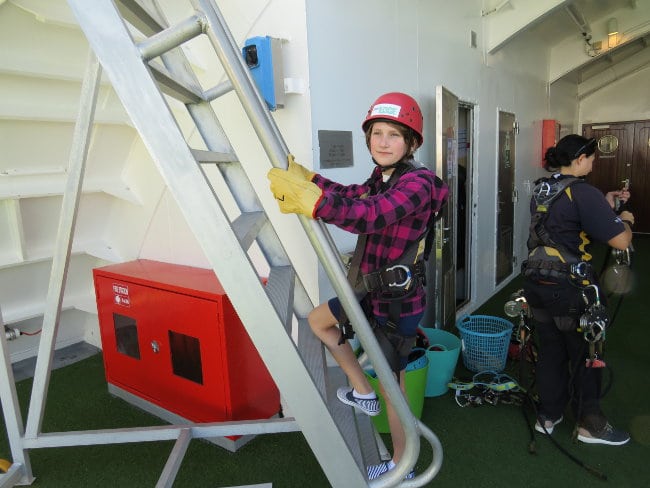
The sea days were full of activity. My favourite things were watching my kids have fun on the extreme sports equipment. You have to pay to use these, but for the experience we thought it was well worth it. My youngest did the bungy trampoline and my eldest found the excitement of the flying fox across the ship too good to pass up. The other great thing was how easy it was to have quality time with each child separately. I took my eldest to a few shows, and my youngest and I had a sneaky ice cream date or two.

Suva

When we arrived in Suva, it was so hot and muggy that stepping off the ship instantly fogged my glasses and camera up. We were ushered over for a photo opportunity with some locals. I think a combination of the heat, the smells of the local market and the strangeness quite overwhelmed the kids. who were glad to get onboard our tour bus and find it was fully air-conditioned. Our tour guide, Kuli (or Mr Cool as he liked to be called) and Captain Tui took us around Suva and all the historical sites. I found the tour really educational, and my eldest got a lot out of it. My youngest was asleep almost the whole way around!

My favourite stop was Thurston Gardens because it was nice to get out and walk and see different trees and plants. The Fiji Museum was good as well, though we mainly stuck to the maritime history and didn’t venture further into the museum due to the heat. My youngest absolutely loved our last stop which involved shopping. She bought herself a teddy bear with “I’m on Fiji Time” written on it. I had to giggle – she is always on “Fiji Time”.

Fiji

Tivua Island via Port Denarau

Our trip to Tivua Island was via Captain Cook Cruises. The tour was a little pricier than some other shore tours offered, but it seemed to have the best reviews and ticked all the boxes for me. I was feeling really anxious all day for some reason, but there were so many highlights.

As we travelled to Tivua Island, the crew sang and the kids danced along. They had a Kava ceremony on board and even though I had no intention of having any, my hand shot up when they asked for volunteers. It tasted peppery and a bit like cold herbal tea.

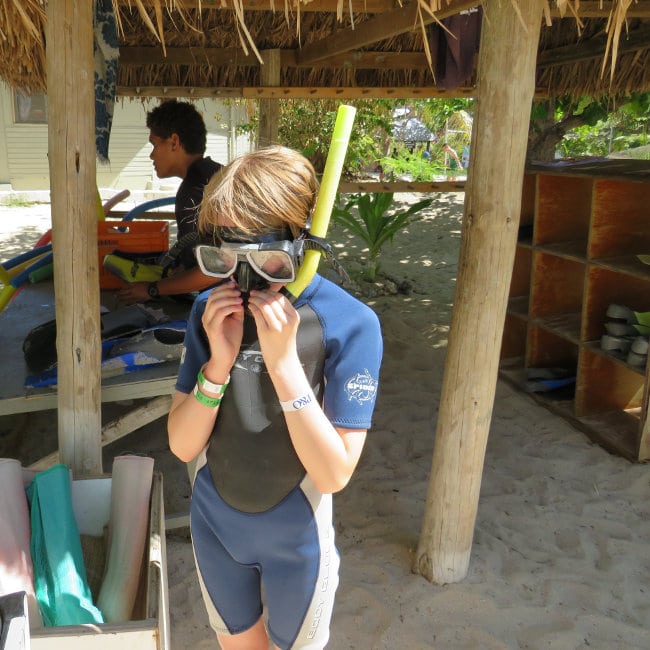
Tivua island is actually a white coral cay, and it’s absolutely beautiful. We went on a glass bottom boat, and the kids were thrilled to see clown fish and blue devils. My eldest went snorkeling and she actually swam with baby sharks and clown fish. When she came back she was absolutely buzzing about the experience. Lunch was provided and the staff were so friendly. On the way back to the wharf, my kids fell asleep.

Fiji

Dravuni Island

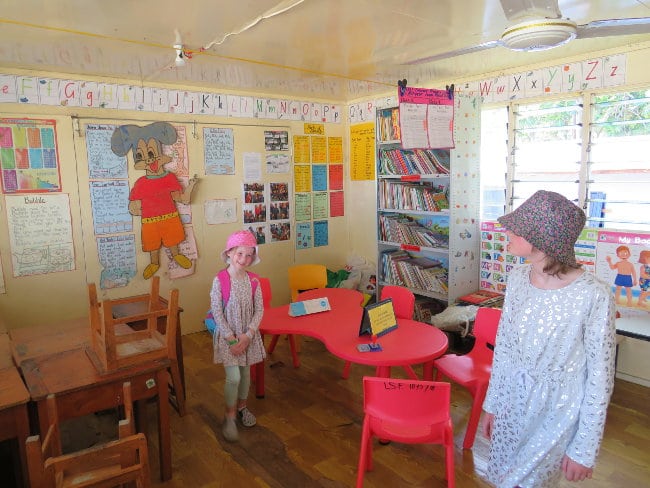
I really thought after Tivua Island that nothing would top it. But then we arrived at Dravuni Island. This little island is reliant on cruise ships and tourists for their income, so as we came ashore there were all sorts of little stalls. We came prepared because I had read they had a little Primary School and that they accepted donations. So, the kids had selected some picture books for the school’s library and I got some school supplies together as well. It was school holidays in Fiji, so we didn’t manage to see a class being run. However, the head teacher welcomed us so kindly and gave us a tour. The kids were blown away by how different but similar the classrooms were.

We tried green coconuts being cut open by families along the beach. My youngest was not a fan of the coconut, but my eldest had two. A lady offered to braid my hair. We jumped into the water and had just the most amazing swim. The water was over my head, but I could still see my feet in the clear ocean water. Later my youngest made friends with a little Fijian girl and we had a boat ride with her family around the island. It cost us $10 per person, and it was thrilling and fun. The best moment was watching these two kids, who didn’t speak each others language at all, giggling together. So precious. I honestly feel a little sad even now, remembering lining up for the tender boats to leave Dravuni. Because we weren’t just leaving this amazing place, but Fiji too.

We all agree that the trip was amazing, and we definitely want to get back soon for more adventures. For ocean and coral exploring, it ignited my eldest’s imagination. For my youngest, the friendly people, the fun, and of course “Fiji Time” made this trip a winner.

This article was written by Kym Moore. Kym is a working mum of two, and occasional blogger. Fancies herself a writer, when she isn’t editing her kids’ vlogs or running their social media at Baby Likes Cake. Follow them on Facebook and YouTube.

Baby Likes Cake

Continue reading “Discover ‘Fiji Time’”

Book Review: Is It Bedtime Yet?

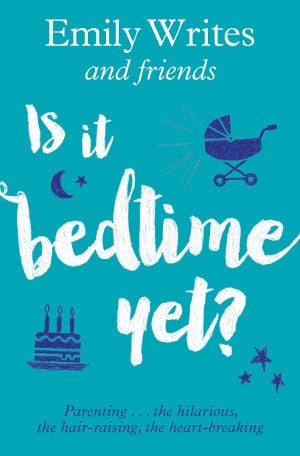
bookEmily Writes, blogger and editor of The Spinoff Parents, has released her second book, ‘Is it Bedtime Yet?’

The new book is a collaborative effort with submissions from New Zealand parents – some bloggers, some writers, some new to print, but all with a story to tell. ‘Is it Bedtime Yet?’ brings together the village that raises our kids and shares those insights for laughs, giggles and heartfelt tears.

Written by Emily Writes and friends

Published by Penguin Random House

Buy at www.penguin.co.nz

The short story format of ‘Is It Bedtime Yet?’ means that you can pick it up for a five minute perusal during your three-times-reheated cup of coffee or you can snuggle under the duvet for a more indepth read whilst the little ones are tucked up in their beds.

What’s the book about?

This is no “here’s how you should parent” kind of book. It’s more of a “here’s why we love being parents” kind of book … with a good dose of sarcasm, truth and hilarity. There’s no judgement here, just the sharing of stories from the parenting trenches.

Whilst Emily Writes contributes to a good portion of the book with her matter-of-fact, witty and insightful dialogue about being a parent, the book also includes submissions from a host of other contributors, delivering a well-rounded view of raising kids in Aotearoa.

Reading the ‘Story of a Mum (who tried her best but needed a rest)’ by Eliza Prestidge Oldfield, is like reliving numerous days of being a mum to a toddler. It’s a tale of glitter … so much glitter!

There’s “useful” information (I feel that those quotation marks aren’t portraying the sarcasm strong enough!), like the tongue-in-cheek ‘essential list of essential essentials for your new baby’, and tips for getting your baby to sleep – or rather tips for accepting that you will never sleep again.

There’s also some heart-rending passages. Francesca Jones’ recollection of the birth of her daughter will cause you to pause and catch your breath. The dialogue from Jessie Moss shares the importance of a diagnosis, no matter how traumatic.

Midway through the book I came across ‘Parenting Confessions’ with oh-so-honest admissions of stuff that probably plenty of us have done, or at least considered, for a slightly easier parenting life. Like bribing kids to behave in public or hiding away those annoyingly noisy toys.

Above all ‘Is It Bedtime Yet?’ is a celebration of the truth about parenting, written with humour and heart.

Read an extract from the book

Who should read it?

Everyone who has ever had a child, or thinking about having a child, or was a child … But seriously, ‘Is It Bedtime Yet?’ is a book that you will return to again and again for both inspiration and entertainment. You don’t have to read it cover to cover, chapter by chapter. Instead engage with the book kind of like how you should approach parenting – one moment of joy at a time between nappy changes and feeding routines.

Review by Julie Scanlon, Editor for Kidspot NZ

Be in to win 1 of 10 copies of Is It Bedtime Yet?

Healthy & Easy Lunch Box Fillers

We all have those days when you just end up throwing anything you can get your hands on into the kids’ lunch boxes to get out the door on time! Preparation the night before is highly recommended – especially when popping in too many convenience foods or ‘treat’ items becomes a regular habit.

Taking a little more time to consider what goes into the lunch boxes not only reduces the stress levels, it also means we can plan more nutritious and healthy options.

The importance of a healthy lunch box

Children are full of energy and can be incredibly active – not to mention they are also growing at rapid rates and learning continuously. It is therefore vitally important to provide kids with nutrient dense, healthy food options throughout the day, to help them thrive both in and out of the classroom.

For school aged children, the lunchbox makes up a significant part of the diet and should be seen as a way to boost your child’s intake of vitamins, minerals and nutrients, rather than a time for treat foods which tend to provide energy but are often lacking in essential nutrients.

Healthy and easy lunchbox ideas!

  • Cut fresh fruit into colourful combinations and shapes and thread onto toothpicks for a fresh fruit kebab. Keep in mind that fruits are high in natural sugars so it is recommended that children have no more than 2 serves per day (fruit juice not included).
  • Frozen pottles of yoghurt will be deliciously slushy for school and also help keep the rest of the lunchbox foods cool and fresh (look for reduced fat and low sugar yoghurt varieties).
  • Half a cup of natural unsweetened yoghurt combined with fresh, canned or stewed fruit, nuts and seeds makes for a tasty and nutritious lunchbox snack.
  • Scroggin mix – an assortment of nuts, seeds and dried fruits. This is a high energy snack, great for fueling active little bodies, but limit serving sizes to roughly ¼ of a cup.
  • Get into some weekend baking with the kids, baking mini fruit and bran muffins is not only fun and interactive but will help keep you all fed for the busy week ahead. Muffins can easily be popped in the freezer and pulled out on school mornings.
  • Fresh vegetable assortment, including carrot, celery pieces, cherry tomatoes, and a few cheese cubes, little pieces make for fun and easy eating, can also be served with low fat cottage cheese or hummus.
  • Grainy crackers served with a couple of cheese slices, hummus, cottage cheese, guacamole or tomato salsa.
  • Hard boiled eggs are a source of protein to help keep small tummies satisfied.
  • Mini sandwiches, cut into triangles with assorted salad and meat fillings or spreads. Try using whole grain or whole meal, and high fibre varieties over white. Alternatively, to keep things interesting you could try bread rolls, wraps or pita pockets.
  • A small tub of cherry tomatoes – these are absolutely delicious!
  • Fruit loaf, or a fruit & nut muesli bar cut into smaller pieces – these are energy dense so by cutting into smaller pieces children can eat throughout the day.
  • Bliss balls – have fun on the weekend and get the kids involved in rolling these little balls of goodness, there are numerous tasty recipes available, most consisting of a base of dates with added nuts, seeds, dried fruits, coconut, the possibilities are endless. These do have a high energy content so it is best to limit to a couple of small balls per serve. The balls can be stored for a couple of weeks the fridge or even longer in the freezer and popped in the lunchbox as needed.
  • Check out the Healtheries range of KidsCare® snacks which are lower in fats than regular potato chips and are great as a tasty and convenient option in the lunchbox or when you are on the go.
  • Fluids, last but not least – it is so important to keep your child well hydrated, and not only during the summer season. Water, with a dash of fruit juice or squeeze of fresh lemon are all refreshing and healthy options.

Recommended serves

The following is a summary of recommendations from The New Zealand Food and Nutrition Guidelines for children. These guidelines recommend the number of serves of each of the four food groups to aim for each day, to help children reach their nutrient needs. These guidelines can be helpful when planning school lunches, to ensure children are getting the variety and recommended amounts of nutritious foods.

Food group Daily recommended serves Examples
Fruit and vegetables:

Different colours and textures

2+ serves of fruit

3+ serves of vegetables

About one handful

2 small or 1 large fruit

1 medium potato or kumara

1/2 cup of salad or vegetables

Breads and cereals:

Increase wholegrain products as children increase in age

5 serves for children

6 serves for older children

1 slice of bread

1 roll, pita or wrap

1/2 cup of oat muesli/porridge

1 cup cooked pasta or rice

4 grain based crackers

Milk and milk products, or suitable calcium fortified alternatives:

Preferably reduced or low-fat options

2-3 serves for children

3 serves for older children

1 glass of milk

1 pottle of yoghurt

2 slices of cheese

Lean meat, poultry, fish, shellfish, eggs, legumes, nuts and seeds 1-2 serves for children

2 serves for older children

100g cooked meat

3/4 cup cooked mince, beans or lentils

1 egg

90g tin of tuna or salmon

1/3 cup nuts or seeds (50g)

Source: Ministry of Health. 2012. Food and Nutrition Guidelines for Healthy Children and Young People (Aged 2-18 Years) A Background Paper. Wellington: Ministry of Health. Retrieved from www.health.govt.nz

The information contained in this article was written by Emma Baldwin and originally published for Healtheries. It is reproduced here with permission with editing by Kidspot NZ.

The song that you will never get out of your head!

If your child has not yet discovered the Baby Shark song then just give it 5 minutes. With 1.5 billion views on YouTube (yes, billion!), this simple, repetitive song with a cute dance video has gone oh-so-viral!

The video is the work of Pinkfong, a South Korean education brand. The song itself has done the rounds for a few years but this particular version has grabbed the attention of every preschooler around … and has invaded the brain of every parent who hears it!

Ready … baby shark, do, do, do, do, do, do …

It could very well be the biggest thing since Gangnam Style – but I don’t recommend busting it out on the dancefloor without a toddler in tow.

Why repetitive songs are good for learning

Songs like this may be annoying for adults after the first dozen or so times, but repetition in children’s songs and rhymes actually serves an educational purpose. Repetition can aid memory and communication, and research has shown that children who are better readers tend to be able to keep a steady beat. Depending on the song, they can also help with vocabulary, foreign language and counting skills.

Why am I like this? 😂 @pinkfong.official

A post shared by LADbible (@ladbible) on

Is your child singing this song every waking moment? Join the discussion in the comments below do, do, do, do, do, do …

This blog was written by Julie Scanlon, Editor for Kidspot NZ.

Continue reading “The song that you will never get out of your head!”

20 Ideas For Father’s Day Celebrations

The first Sunday in September is Father’s Day in Aotearoa, so get inspired to treat the father figure in your life with our ideas for gifts, crafts, recipes and awesome experiences – not forgetting a huge dose of hugs!

What is a father? Someone who can recite numerous corny jokes at the drop of a hat? Someone who insists on another game of peekaboo before tucking baby into bed? Someone you can look up to and rely on, no matter what? Whatever Dad means to you, you will find ideas to celebrate his special day in our Father’s Day guide.

If you’re unable to attend attractions on Father’s Day, admission vouchers make a great gift idea to be enjoyed at a later date.

#1: Kick off at Eden Park!

Head to New Zealand’s iconic national stadium for a Father’s Day Eden Park Experience! The package includes a fascinating 90-minute behind-the-scenes tour of Eden Park’s premises, followed by a casual light lunch – steak burger and wedges served on the balcony, accompanied by soft drinks or beer. Dads are also treated to a souvenir, while other enjoyments include fun activities and spot prizes.

#2: WellyPutt mini golf

This Father’s Day, treat Dad to a fun family outing at WellyPutt, Wellington’s quirky indoor mini-golf course. With 16 creative holes packed with interactive features and local-themed artwork, it’s an experience that’s as entertaining as it is memorable. Even better, on Sunday 7th September, WellyPutt is running its annual Dad’s Play Free! promotion – simply bring the family along, and Dad gets a complimentary round. It’s the perfect way to celebrate with laughter, a little friendly competition, and quality time together.

#3: Classic Sunday roast in Queenstown

Treat Dad to a relaxed and delicious family celebration at Walter’s Tavern in the heart of Queenstown on Father’s Day. The special Father’s Day offering features a hearty classic Sunday roast with bottomless gravy for just $28, or you can upgrade to a deluxe roast for $32. Each booking comes with a special gift for Dad, and every family automatically enters a draw to win a Walt’s merch pack. It’s a warm-hearted, fuss-free outing with generous portions, thoughtful touches, and the welcoming atmosphere Walter’s is known for.

Creative cards

Nothing says ‘Happy Father’s Day’ like breakfast in bed and a handmade card. Gather up the kids, whip out the craft box and let them make one of these five cool cards for dad.

card

#4. Pixelated pop-up heart card

The FREE printable template makes this card an easy card craft for kids.

#5. iDad card

A real iPad is uber-expensive, so here’s the next best thing – this clever card is perfect for tech-loving dads.

#6. DAD letters card

This card is one of our favourites! The simple letter design of this card can be personalised by the kids with colour, drawings and embellishments for the perfect card to say, Happy Father’s Day.

#7. Shirt and tie card

It may be the closest dad gets to a shirt and tie on the weekend, but this beautiful card is easy to make – just follow our ste-by-step instructional video.

#8. Dad jokes

You can choose a traditional, “I love you, Dad” message in your homemade card. Or, if he’s a bit of a joker (and aren’t they all?) then choose one of these ‘Dad’ jokes for a giggle.

The way to a man’s heart

Most kids won’t have the means to go out and buy their own gifts for dad, so a great idea is to get them in the kitchen (with a little help from mum) and cook up some food that’s full of love! Whether it’s breakfast in bed, a delicious cake, or a dinner fit for a king, we’ve got recipes to get you through the entire day.

dad

#9. Bacon and egg cups

Serve up these bacon and egg cups as breakfast in bed, or decorate the dining table with cards and flowers and invite dad to dine with you.

#10. Tandoori chicken wraps

If you’re heading out for the day, pack a picnic with some of dad’s favourite treats. Don’t forget these tasty  Tandoori chicken wraps!

#11. Teriyaki beef

Blokes love beef – well mine certainly does! This asian-inspired Teriyaki beef dish is quick and easy and the greens make it a little healthier than the standard steak, egg and chips.

#12. Super-easy rocky road

For dads with a sweet tooth, you can’t go wrong with Rocky Road. This recipe is for true chocaholics!

#13. Dad’s celebration cake

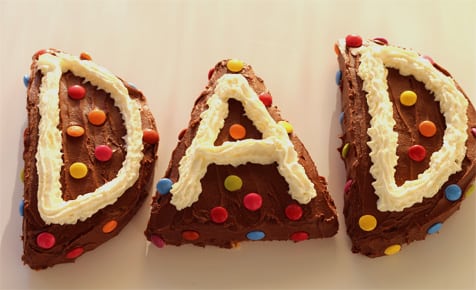
The day is all about dad so make a cake that’s all about him too! This Father’s Day cake is simply constructed from two round cakes to spell out DAD.

BONUS! For more great recipes for dad, check out our Father’s Day recipe round-up that will take him from breakfast and brunch through to dinner and dessert!

Homemade gifts

Try not to shudder at the heading of this section … there really is some cool projects that the kids can work on that won’t fall apart three seconds after they’ve gifted them, or that drop glitter around the home for the next fortnight!

dad

#14. Retro garden markers

Does dad have a greenthumb? Make his day with these retro garden markers to keep track of the homegrown veges this summer. They’re easy to make, waterproof and made from recycled materials.

#15. Popsicle stick keepsake box

Go crazy with the popsicle sticks (you can buy them from discount shops) and create a handy little box, perfect for everyday use for stashing keys and coins.

#16. Foo bookmark

If dad loves a good book (or just wants to keep his place in the TV guide!) this cute bookmark makes a practical craft for kids to make.

#17. Homemade gift coupons

Print out these cute gift coupons, staple them together and you have a whole host of present promises from hugs and an uninterruped lie-in, to a clean car and a night off dishes.

#18. Lolly jar with rosette

It’s a trash to treasure craft with a sweet result! Fill the lolly jar with his favourite sweet treat and pop on a rosette ro remind him who’s the best.

#19. Lion note-holder

The one thing parents need (apart from sleep) is communication! So this cute little note-holder makes the perfect place to pop those important reminders or little notes.

#20. Father’s Day photo

Even if the budget won’t stretch to a professional photographer for a Father’s Day sitting, you can still create a memorable photo that any dad will love. Get snapping with this memorable gift for dad.

BONUS! For more gift ideas for dad, watch the how-to videos for 5 fantastic crafts for Father’s Day.

This article was originally written by Julie Scanlon, Editor for Kidspot NZ.

Meal makeovers for when your child refuses their dinner

“Eat it or starve.” We’ve all been there – either hearing it as a kid or saying it as a frustrated parent. There’s not doubt that your offspring refusing to eat the meal that you’ve lovingly prepared for the family dinner is annoying to say the least. But often you just know that what the rest of the family are having for dinner isn’t appealing to your picky eater – whether it be because of texture or the way it looks.

Before you ditch the dinner, or relent and create a whole new meal for them, consider giving the existing meal a makeover. The team at Love Food Hate Waste have shared some of their great ideas for meal makeovers that require just a few extra ingredients to easily transform the meal into something new that may just appeal a whole lot more.

Toastie

toastie

If you think putting a curry or stew in a toastie sounds a bit strange, remember that spaghetti toasted sandwiches were a hit when you were a kid, so putting leftover stir fry etc in a sandwich may not sound so weird after all.

Quesadilla

Quesadilla

Kind of like a toastie! Spread the food on half of a tortilla, sprinkle some cheese over it, fold over the tortilla and toast it in a frying pan or toasted sandwich machine until the tortilla is crisp and the cheese is melted. Alternatively, use tortillas to turn the leftovers into a burrito or enchilada.

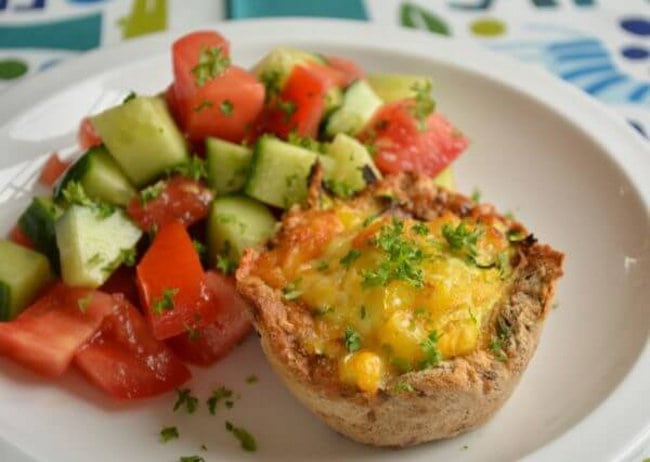
Bread cases

bread case

Continuing on the bread theme, bread cases are easy to make and perfect for housing all sorts of fillings. Here’s an easy to follow recipe.

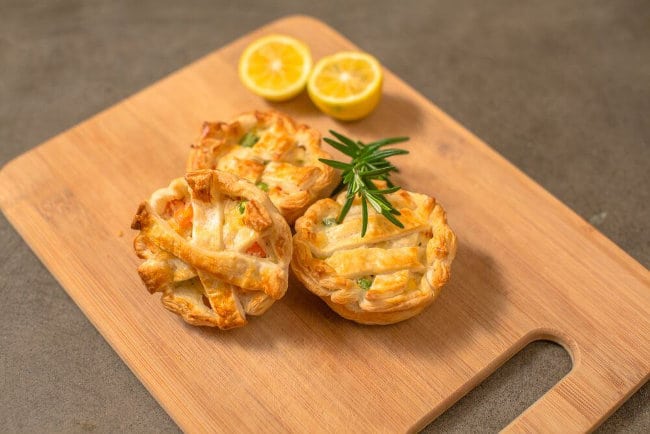
Pie

pie

Who doesn’t love a pie? No matter how little you have left, you have enough to make a pie. Remember that pies can take all sorts of forms – they may be made with filo pastry or potato topped. Check out the Love Food Hate Waste pie guide.

Put it on a pizza

pizza

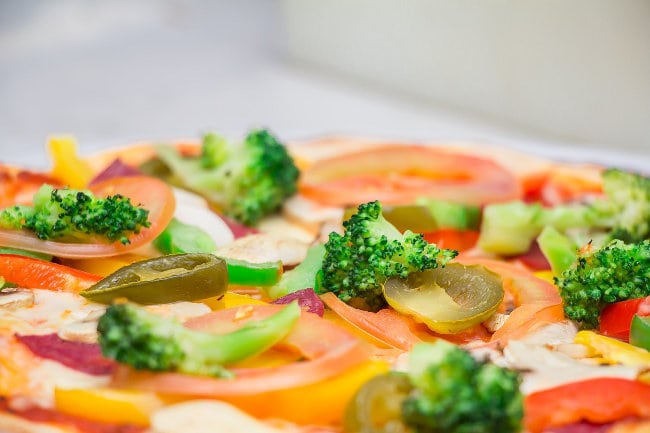
Whilst not everything will work on a pizza, you’d be surprised at what does. Keep a stash of pita pockets in the freezer as they make quick bases and are the perfect size for a child. Alternatively, if you have yoghurt in the fridge you can whip up this quick and easy base.

Tip: Keep a ‘pizza box’ in the freezer where you can stash things that would make good toppings – half a sausage, a piece of capsicum, a chunk of cheese until you have enough to top a pizza.

Make scrolls

scrolls

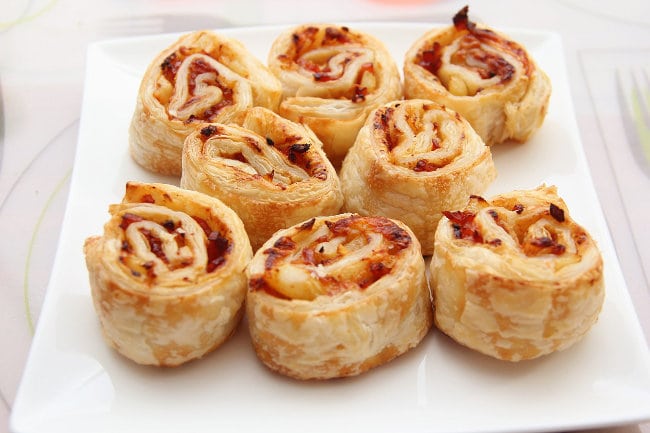
Savoury scrolls can be made using pastry, wraps, or a scone or pizza dough. Simply roll out your base, top it with tomato sauce (if appropriate), spread over your leftovers, sprinkle with cheese, roll up, cut into slices and then bake in the oven until cooked. Try it with leftover mince.

For ideas on how to use up specific foods, check out the ultimate guide to using up your child’s leftovers.

Do you have a meal makeover tip? Join the discussion in the comments below.

This article was originally published by Love Food Hate Waste and is reproduced here with permission, with additional editing by Kidspot NZ.

Love Food Hate Waste

Every year Kiwis send 122,547 tonnes of food to landfill, all of which could have been eaten. Not only is wasting food costing us money, it is also bad for the environment.
Love Food Hate Waste has tips and recipes to help you reduce your food waste and save money. To find out more, visit www.lovefoodhatewaste.co.nz

Continue reading “Meal makeovers for when your child refuses their dinner”

11 signs your friend might have PND

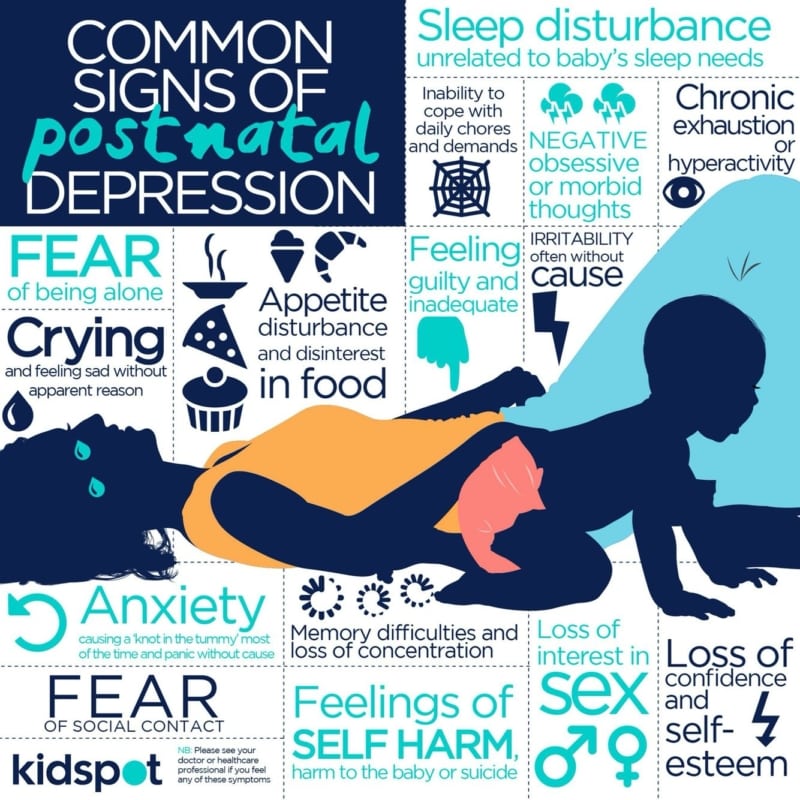
Early recognition of perinatal depression and anxiety (PNDA) – often referred to as post natal depression (PND) – is extremely important; it is a medical condition that can be treated. Most mothers experience some degree of PNDA.

“Adjusting to parenthood is tough going and it’s natural for parents – both mums and dads – to feel overwhelmed by their new normal”, explains Cheryl Fingleson. “But when the baby blues last longer than a few weeks or so, it’s important to consider whether post-natal depression or anxiety has set in. PND develops between one month and a year after having a baby and affects around one in seven women and 5% of new dads.”

Tell-tale signs that someone is struggling

Friends are often the first to notice when something’s wrong. Here are some tell tale signs to look out for if you’re worried someone you know is struggling.

1. Withdrawing from contact and within social situations. People with PND often describe feeling as though they’re in a bubble and feeling removed or separate from other people, even in company. Your friend might not be returning phone-calls or seem reluctant to meet up or socialise.

2. Tearfulness, irritability or sadness. Your friend might feel overwhelmed by things that never used to bother her. She might cry frequently or seem sad and upset. Alternatively she might appear emotionless and flat.

3. Anxiety. Your friend might feel intense or fleeting feelings of panic and worry. She might appear overly anxious about her baby’s health, safety or behaviour, events, people or places.

4. Change in appetite. Has your friend lost a lot of weight? Has her appetite changed – is she eating more or less than usual?

5. Is your friend always hyper-critical of herself and her abilities? Loss of confidence is common in early parenthood, but feeling constantly worthless and useless also takes hold in PND sufferers.

6. Women suffering from post-natal depression and anxiety often find themselves no longer enjoying or finding pleasure in things they used to.

7. Of course every parent suffers from exhaustion, but if your friend’s tiredness levels seem excessive, or they’re sleeping more or less than usual – despite what they’re baby’s doing – then this can be a warning sign.

8. Panic attacks. This can include having moments when your friend’s heart races, has palpitations, breathlessness, shaking or feeling ‘detached’.

9. Does your friend fear being alone with her baby? Does she say or feel she’s not the best person to look after her baby? These feelings of inadequacy can escalate in some cases When a woman is suffering from post-natal psychosis she may become convinced she – or someone else – will harm her baby if left alone.

10. Inability to focus, remember or concentrate. Again, all signs of early parenthood, but if you sense your friend is suffering these to an extreme extent it could be a sign of depression which fogs the brain.

11. Risk taking behaviour. Is your friend drinking heavily or taking prescription or illegal drugs? She may be self-harming or hurting herself in other ways. All these are serious warning signs that something is wrong.

What can you do to help?

– Talk to your friend. Open up the conversation so she knows you’re available to confide in.
– Text your friend – it will mean a lot that you’re thinking of her.
– Encourage your friend to seek help.
– Provide emotional and practical support.
– Support her recovery.
– Drop off food, take her children or baby out for a bit to give her a break.
– Take her out – a change of scenery can be an enormous comfort.

If you believe someone you know is in immediate danger, please call emergency services immediately on 111. It’s OK to ask for help.

Support organisations

This article was written by Cheryl Fingleson for PANDA (Perinatal Anxiety & Depression Australia). Cheryl is an internationally certified gentle sleep expert who can help identify signs of postpartum depression. Find out more on her website, Cheryl The Sleep Coach.

The mission of PADA (Perinatal Anxiety & Depression Aotearoa) is to eliminate the stigma around perinatal mental health in New Zealand by championing awareness and facilitating best practice in perinatal mental health and wellbeing to ensure all families have access to appropriate information and support. Visit them at www.pada.nz.

Continue reading “11 signs your friend might have PND”

Perinatal depression and anxiety

Perinatal depression and anxiety (PNDA) – or what is often referred to as post natal depression (PND) – can sneak up, disguised amongst the other challenges and emotions of pregnancy and motherhood, wrapped in the cloak of a mother struggling to do her best and slowly wearing her down.

Perinatal depression and anxiety doesn’t discriminate and it comes in many guises. It comes in to a world where many women don’t have a support network, where poor mental health still carries a stigma and is widely misunderstood and where the mental health care system is fragmented and confusing even for those working within it.

So, although there is a lot of talk and studies about PNDA, the fact is that the majority of women suffering go undiagnosed and therefore untreated. And that’s not good for them, their relationships and their family.

What does PNDA feel like?

For each woman it feels different and there is no right or wrong about how to feel. Women describe a huge range of symptoms such as tearfulness, anxiety , insomnia or excessive sleepiness, intrusive thoughts, poor ‘bonding’ and/or negative thoughts about the baby and self-doubt. Other symptoms can be irrationality, , mood changes, lack of enjoyment, fatigue, feeling overwhelmed, hopeless and out of control. Small tasks can feel insurmountable and it can feel as if you are in a dark tunnel or being pressed down. It can have started while you were pregnant.

PNDA

You can read more about PNDA symptoms here.

It’s OK

It’s OK to suffer from PNDA.

It’s OK for your PNDA to look different than someone else’s.

It’s OK for you not to feel ‘depressed’ but to still feel a whole raft of other things.

It’s OK to ask for help and it’s OK to keep asking for help until you get it.

It’s OK to fill in a screening tool such as the Edinburgh Postnatal Depression Scale and not score ‘highly’ enough and then keep asking for help or a second opinion.

It’s OK because it’s not your fault. Just like it’s not your fault you have irritable bowel, alopecia, thyroidism or you have one leg longer than the other. It’s just the way it is. And if it’s OK to seek help and make changes for those other health challenges then it’s OK to seek help for all the ways you are feeling and the things you are struggling with.

What to do

If you are not sure if you need help, consider that the very fact you are wondering if you need to reach out about how you are feeling probably means you should. There is no reason you shouldn’t and you certainly deserve to enjoy life more than you currently are. You will still be able to breastfeed on medication; you will still be able to get health insurance.

To get started you could ask yourself, “Who do I trust to talk to about this?” There are many people who can help you get started on your journey – midwife, Plunket Nurse or Well Child Provider, GP, Minister/Priest or Pastor, Friend, trusted colleague, partner, parent, sibling or other relative, practice nurse, a psychologist or therapist, a PND support network, or a support organisation as listed below.

If you believe either you, your baby, or someone you know, is in immediate danger, please call emergency services immediately on 111. It’s OK to ask for help.

Starting your journey

For most women their GP or midwife is the place that treatment for PNDA begins. Commonly this will take the form of medication and/or counselling. You could also discuss what other supports are available to you in the community – www.mentalhealth.org.nz has a comprehensive list of places you might like to contact.

Have you had PNDA or do you think you have it? What’s it like for you? Join the discussion in the comments below.

This article was written for Kidspot, the premier parenting resouce in New Zealand. This article contains general information only and is not intended to replace advice from a qualified health professional. If you have questions or concerns about your health contact your doctor. Always see your doctor or other qualified health professional before starting or changing any treatment.

Continue reading “Perinatal depression and anxiety”

Parenting in the 21st century

Parenting in the 21st century is a minefield. At what point did technology become the be-all and end-all for parenting? Because, to be honest with you, I’m not sure I like it …

The background

My daughter has fairly extreme anxiety and as part of her treatment, my husband and I are doing a positive parenting course. We are both happy and open to this experience, anything to help my daughter. As part of this experience, we have to go over our weekly routine: the tough spots, the behaviour, the punishments. All things I am happy and open to sharing with others. Or so I thought.

The experience

I’m gonna jump straight in and tell you what happened …

Mr 8 went to an evening activity mid-winter. I’m talking 7pm-8pm during the Auckland cold-snap. I asked him to please help look after himself and wear his layers. He didn’t do this. My husband found him running around in just a short sleeve t-shirt. Once in the car, he starts shivering, begging for the heater to be on.

Mr 8 got sick that week. Yep! Full on boy-flu took over our house.

I spoke to my son and explained that I’d asked him to stay warm and as a result of not listening to me, he has gotten sick. We then discussed his punishment – he was not allowed to attend next week. Mr 8 agreed this was a fair punishment. My husband agreed this was a fair punishment. I too felt this was fair.

The fallout

Then we had our positive parenting session. My husband and I explained our week, in ups and downs. We told the story of the evening activity with Mr 8 and then they proceeded to explain why this was not the right punishment.

I may be paraphrasing for the next bit to save time, but you get the idea. “Children who attend social activities do not turn out to be the children who vandalise and abuse.” It was recommended we take away his iPad instead. I did not feel that taking his device away or less screen time was a more appropriate punishment.

Say what now?

Did I just hear that right? At what point did punishments not become related to the “crime”? Am I to make my son’s main focus in the world his tablet or screen time? No matter what he does, this is supposed to be his punishment?

I don’t get it … I may be naive.

One thing is for sure – I am not going to make technology the centre of my children’s life. Am I wrong to think this? I still stand by my opinion that the punishment should fit the crime, not always the same technology related punishments. This may be why my daughter has anxiety. Who knows. Don’t get me wrong, there is definitely a place for technology in our children’s lives – we embrace learning with devices and I love spending time with my children doing reading and logic puzzles on their devices.

In conclusion

Parenting in the 21st century is hard. We have so many different situations to deal with today that our parents didn’t have to face with our generation. We really are parenting in a new, unknown world and we don’t really know the consequences of any of this technology yet. But we have to keep moving forward, doing what we think is the best for our children.

How do you correct your child’s behaviour? Join our discussion in the comments below.

This blog was written by Tracy Nicholls from Cute Cuddles.

Cute Cuddles

Tracy is an active mum of two and started up Cute Cuddles to bring beautiful “as unique as each child” handmade soft toys to life. With a real passion for quality, her products are baby safe and can last a lifetime. In her blogs she writes about her struggles as a modern mum, while trying to stay sane.

Continue reading “Parenting in the 21st century”

Q&A: MILO nutrition

Advertorial

Ever wondered about the nutritional benefits of MILO? We put questions from our readers to Michelle McCracken, an Accredited Practising Dietitian and nutritionist at Nestlé .

Question from Amanda C: How is MILO beneficial for school children? We currently make MILO at school two times a week with milk for our local school of 70 children. Why would they recommend us to continue doing this over winter?

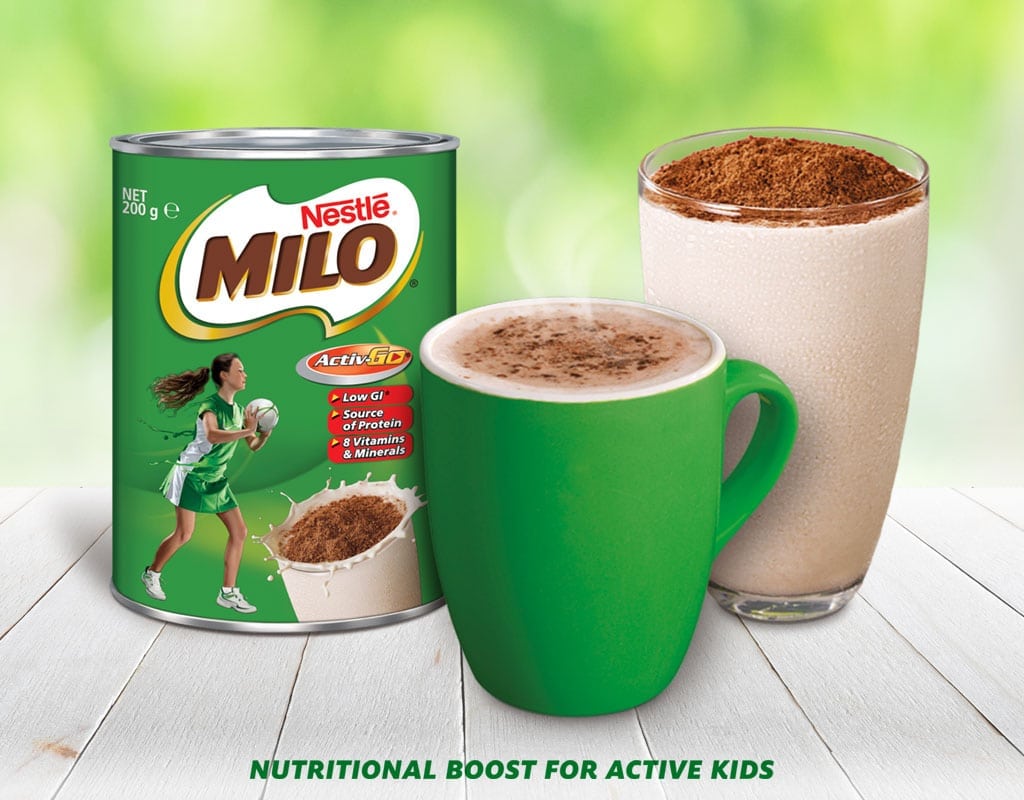
A glass of milk with MILO can fit into a healthy balanced diet and help children with nutritional needs to meet the recommended 2-3 serves of dairy foods each day. Adding MILO to milk is a great way to encourage children to drink more milk, while boosting nutrients in their diet. Adding MILO to milk provides more protein, more calcium, more iron and more vitamin D.

Question from Jen W: What does MILO stand for exactly?

The MILO product was named after the Roman mythological character Milon, who was a champion Roman athlete of Greek extraction from Crotona, Italy.

MILO and MILK is a nutritious formulated supplementary food that provides essential nutrients for children who need a nutritional boost. MILO powder is made with five main ingredients; malt barley, milk powder, sugar, cocoa and vegetable oil plus 8 vitamins and minerals (calcium, iron. Vitamin B2, B3, B6, B12, C and D).

We have been supporting kid’s nutritional intakes and encouraging them to lead active lifestyles ever since MILO was first developed in 1934 during the depression, as a direct response to the fact that children were not receiving enough nutrients from their daily diet. Today, 80 years on, the legacy continues with MILO powder helping to provide a nourishing nutrient-rich milk drink to families in 40 countries worldwide.

Question from Brenda C: I thought you could only get Vitamin D from sunshine. How can it be in MILO too?

Our body’s best source of vitamin D comes from safe exposure to sunlight. Vitamin D is also found in a few foods including fish, eggs, milk and fortified foods such as MILO. Vitamin D is an important nutrient for developing strong bones and teeth along with healthy muscles and immune function. A 200ml glass of MILO with milk provides 3.9ug or 39% of the Recommended Dietary Intake of vitamin D.

Question from Shontelle F: How is MILO nutritional? There’s always word that it has a high sugar content?

MILO with milk is a nutritious formulated supplementary food that provides essential nutrients for children who need a nutritional boost. MILO is also a great option for active children.

Children love the cocoa-malt flavour of MILO and it is a great way to encourage children to drink milk, helping to meet the recommended 2-3 serves of dairy foods each day.

MILO provides a range of essential nutrients including protein, calcium, iron, vitamin D and B vitamins. A glass of milk with MILO is also low GI, which means it provides sustained energy to help keep kids going for longer.

Adding MILO to milk boosts the nutritional value of milk, including more protein, more calcium, more iron and more vitamin D.

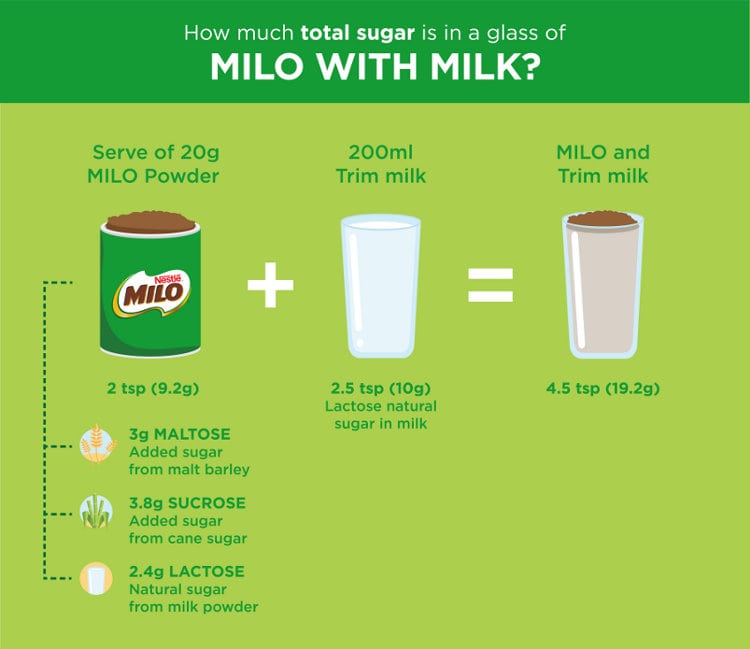
When looking at the sugar content of MILO powder, it is best to look at the nutritional information per serve, as prepared with milk, as this is how MILO is consumed in the diet. MILO with milk also serves as a nutritional boost for active kids and should be consumed as part of a healthy and balanced diet.

The simple infographic below helps to explain the different types of sugar in a glass of MILO with milk.

MILO

Question from Janet S: My son eats very little dairy and I’m concerned about his calcium intake. I know that MILO can help with that but he is already a teenager so is it too late to start trying to up his calcium?

MILO is a great way to encourage children and teenagers to drink more milk. MILO powder is also fortified with extra calcium. Adding MILO to milk boosts the calcium content of milk by 65%.

It’s not too late to start encouraging your teenager to eat more dairy foods to up their calcium. Calcium requirements are actually the highest in young people aged 12-18 years. During childhood and adolescence our bone mass grows significantly. 90% of bone mass is acquired by the age of 18 in girls and by age 20 in boys. The amount of bone mass can keep growing until around the age of 30.

Milk is an important core food and the Dietary Guidelines recommend 2-3 serves of dairy foods for children and at least 3 serves for young people. Good sources of calcium include milk, yoghurt and cheese. Non-dairy sources of calcium include canned fish with bones, green leafy vegetables, legumes, nuts and seeds (especially sesame seeds, including the sesame seed paste tahini), and foods fortified with calcium such as breakfast cereals and MILO added to milk.

Michelle McCracken
Michelle McCracken

Answers have been provided by Michelle McCracken, Nutritionist at Nestlé.

Michelle is an Accredited Practising Dietitian graduating from The University of Sydney in 2003 with a Bachelor of Science in Nutrition (Hon in Dietetics). She has 15 years’ experience working as a dietitian and has a passion for delicious food, cooking and inspiring people to enjoy a healthy diet and lifestyle. Michelle is also a mum to two children and enjoys spending time with her family and keeping active on the weekend.

Answers provided are of a general nature and are not intended to substitute advice from a nutritionist or medical practictioner.

Continue reading “Q&A: MILO nutrition”

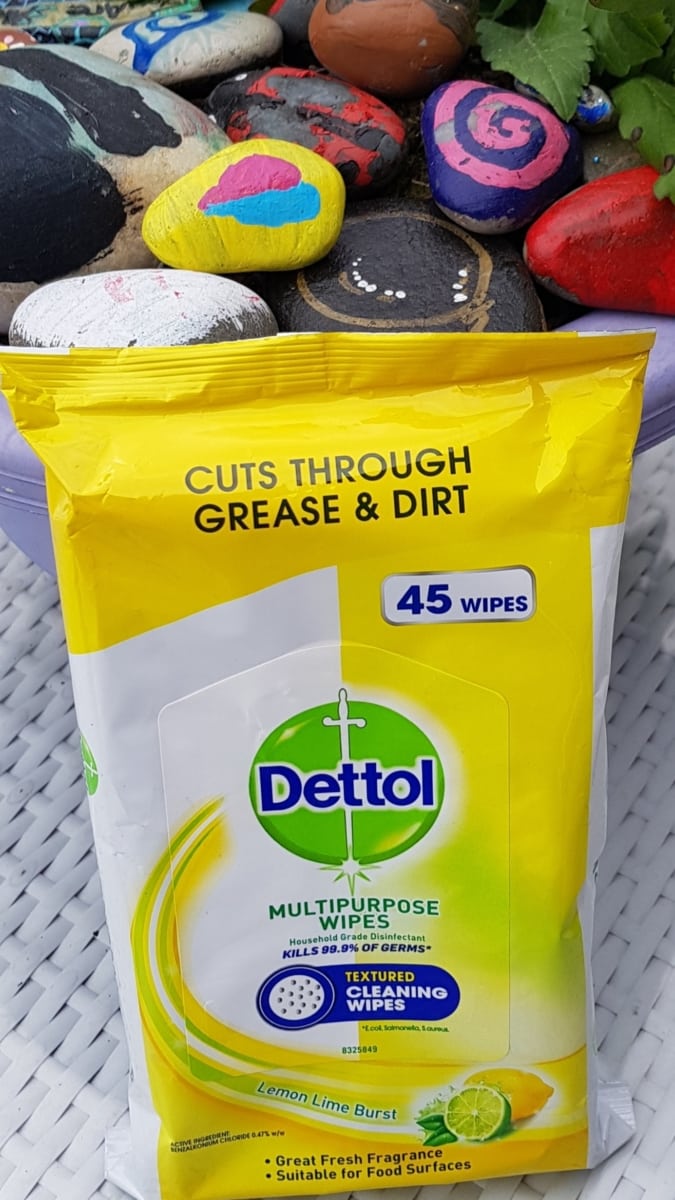
Dettol Multipurpose Cleaning Wipes

product trial4.77 out of 5 – Kidspot mums would purchase Dettol Multipurpose Cleaning Wipes again and recommend it to their friends and family.

star rating 5

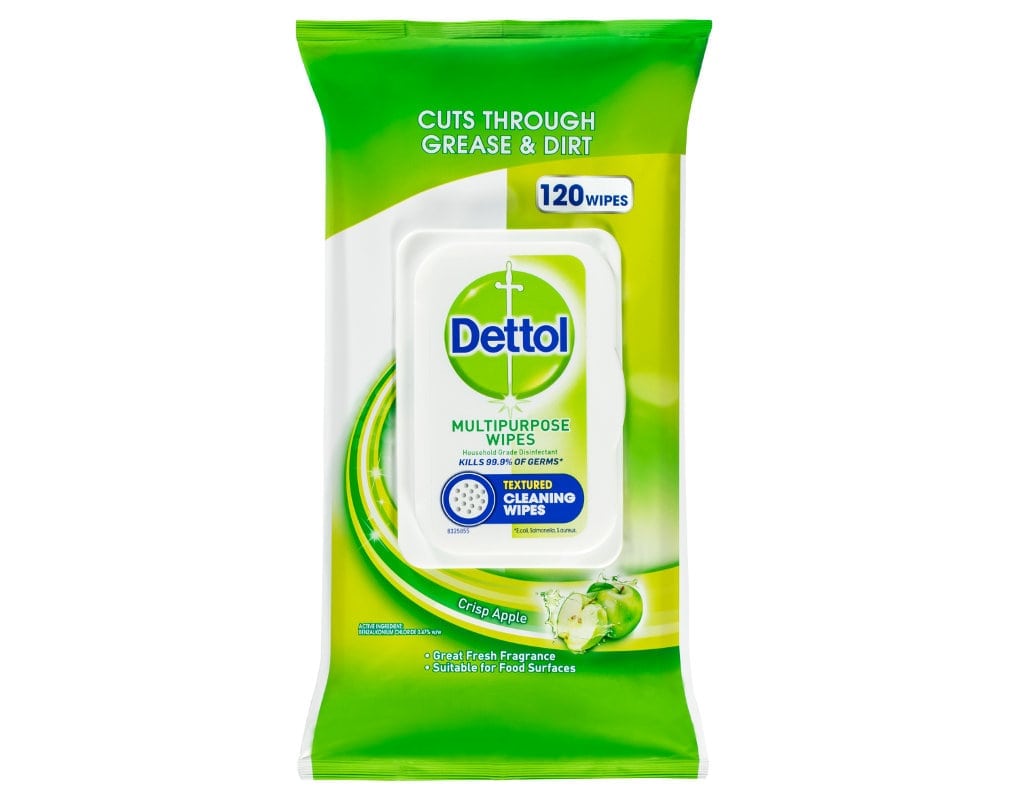
Dettol is trusted by Kiwi families to help keep their homes clean and healthy. To make your household cleaning jobs a little easier, Dettol have created new Multipurpose Wipes. With their textured surface, they can help you tackle those tough messes, and because they are Dettol, they are also tough on germs.

We have given 300 members the chance to trial and review Dettol Multipurpose Cleaning Wipes. Watch this space for their revews!

Each selected reviewer will receive:

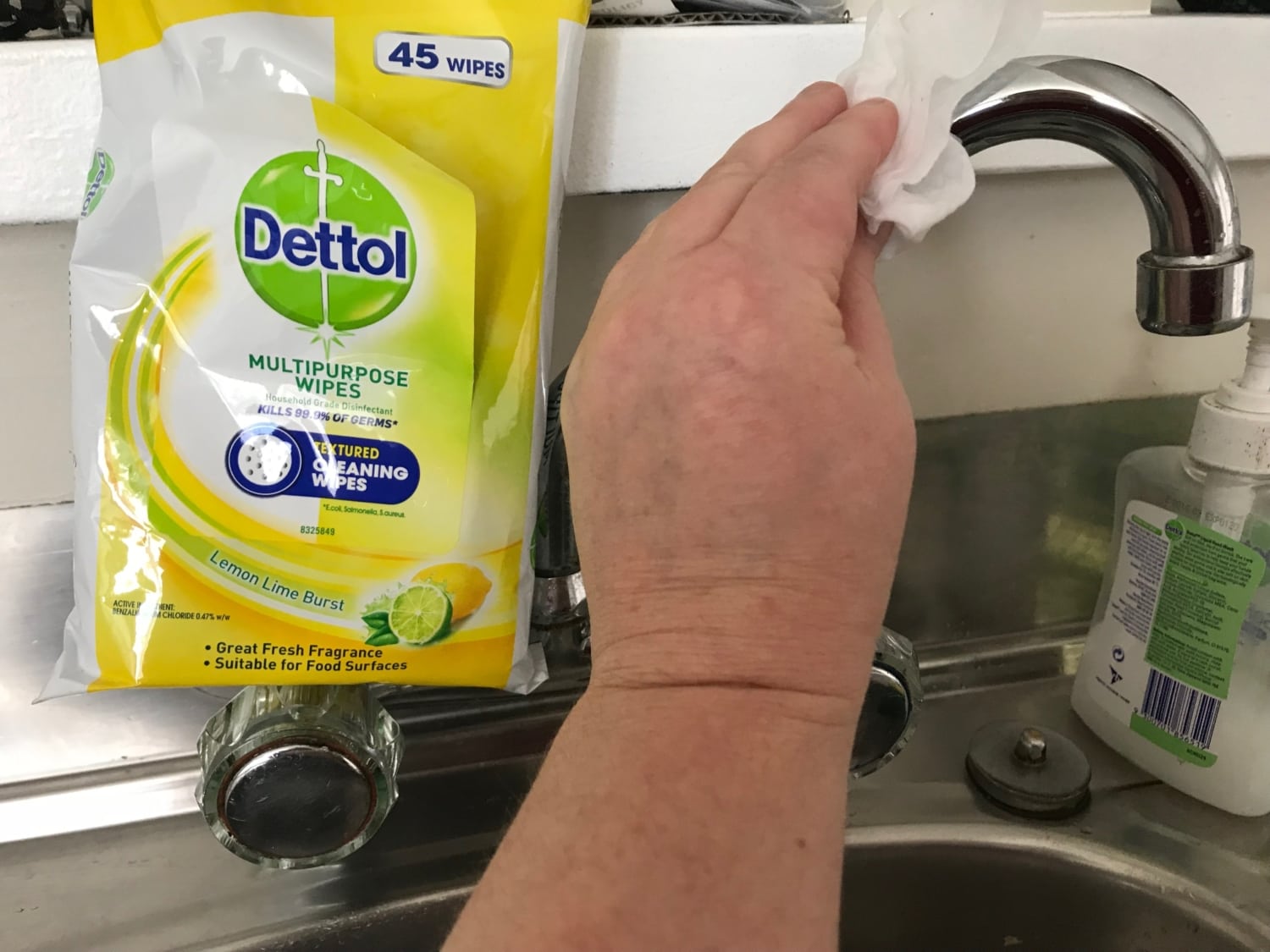
  • 1x pack of Dettol Multipurpose Cleaning Wipes Lemon 45s*

(*Please note that the trial pack differs to the image above and contains 45 wipes)

Please scroll to the bottom of the page to post your review as a comment.

If you are selected to trial, the product will be sent to the address on your profile. Please check your address now to ensure that it is up to date. Not registered yet? Then signup now

Kidspot Terms and Conditions: You will be required to post your review on our Product Trials page if you are selected. Your name and postal address will be given to the supplier for the purpose of delivery of the product only.

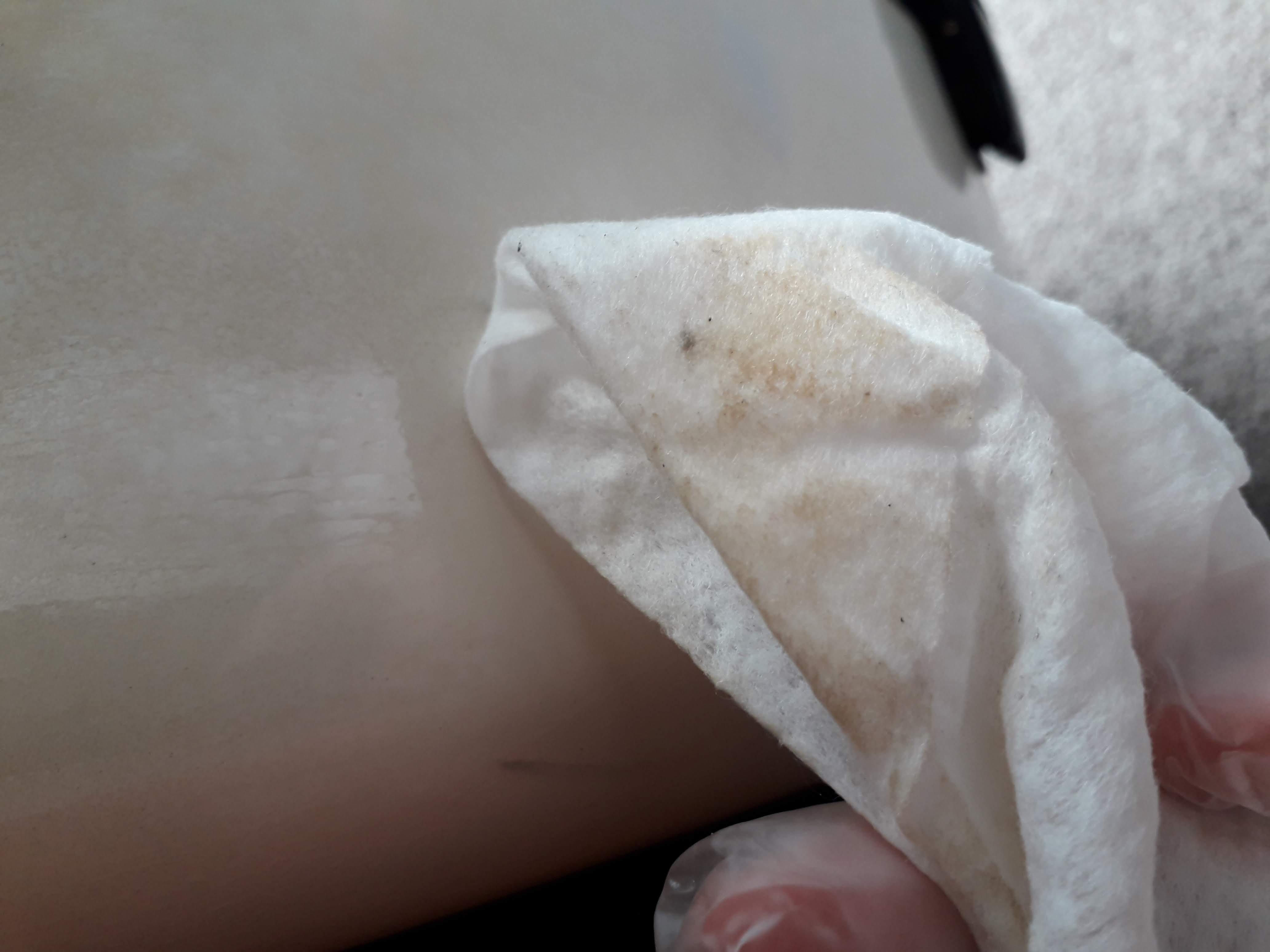
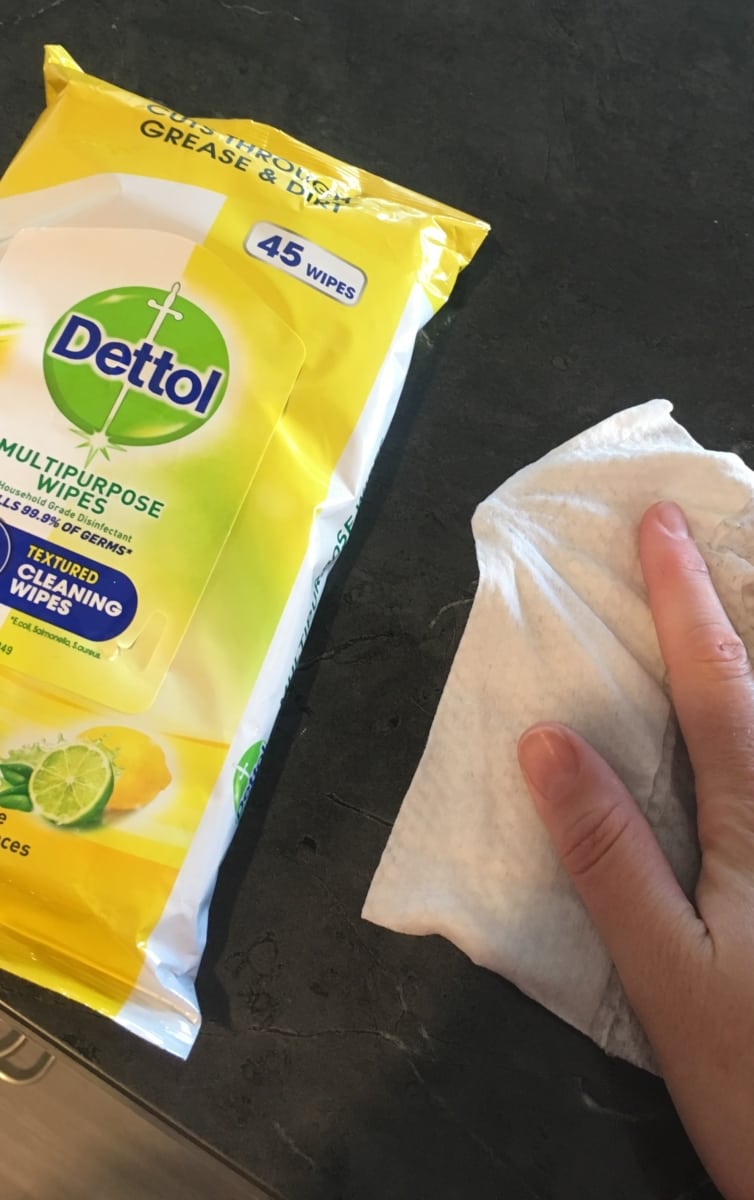
See photos from our reviewers below

Dettol Wipes

Dettol Wipes

Dettol Wipes

Dettol Wipes

Dettol Wipes

Dettol Wipes

Dettol Wipes

Dettol Wipes

Dettol Wipes

Dettol Wipes

Dettol Wipes

Dettol Wipes

Dettol Wipes

10 Family-friendly Holiday Destinations On Your Doorstep

You don’t need your passport to treat the family to a great holiday. Explore these family-friendly destinations that are waiting to be discovered, right here in Aotearoa.

Please note: Venue information was correct at time of publication. Always check with a venue you intend to visit for current opening hours, entry restrictions, etc.

To book your family vacation rental, try cozycozy.com and compare every possibility and price in one place!

Destination #1: Auckland

AucklandNew Zealand’s biggest city has some great attractions for families and regularly hosts world-class concerts and sporting events. Situated between two harbours and built on 48 volcanoes, there’s plenty of activities. Swim at the beach, explore the harbour on a ferry ride, walk up a volcano or enjoy the open spaces, bush walks and museum at the Auckland Domain.

Highlights:

  • Sky Tower – Head up to the top for a fantastic view and test your nerves on the glass floor.
  • Sea Life Kelly Tarlton’s – Go on an underwater adventure! Learn about the creatures that inhabit our waters and travel through a penguin colony.
  • Auckland Zoo – With over 1000 animals, Auckland Zoo is New Zealand’s largest home of wildlife and is just five minutes from central Auckland.
  • Wynyard Quarter – A hub of activity for families with restaurants, play spaces, markets and something new to discover at every turn.
  • Rangitoto Island – Discover Auckland’s youngest volcano! Take the 4WD roadtrain through lava crops and pohutukawa forest and learn about the island’s fiery past. A short walk takes you up to the summit for spectacular 360-degree views back to the city.

Destination #2: Hamilton

HamiltonHamilton is fabulously placed as a hub for exploring further afield. Within an hour’s drive through farmland you can visit Hobbiton™ Movie Set, Waitomo Caves, the coastal town of Raglan, and more. Hamilton itself has great shopping, a zoo, museums and an abundance of parks and playgrounds. The mighty Waikato River winds its way through the city and offers walking paths and river cruises.

Highlights

  • Hamilton Gardens – An amazing array of themed gardens, making a great place to explore as you never know what’s coming round the corner (including a destination playground!).
  • Waikato Museum | Te Whare Taonga o Waikato – Check out the fun interactive exhibitions designed specifically for children, as well as a range of touring exhibitions.
  • Hobbiton™ Movie Set – Experience Middle-earth movie magic with a guided tour – a must for movie buffs.
  • Waitomo Caves – An underground wonderland of stalactites, stalagmites, caverns and glow-worms.
  • Sanctuary Mountain Maungatautari – A great place to get up close and personal with native birdlife and tuatara in their natural habitats.

Destination #3: Rotorua

RotoruaYou will be amazed at how much there is to see and do in Rotorua!

New Zealand’s geothermal wonderland is well suited as a holiday destination, that your family will want to return to over and over again with lots of fun activities, stunning geothermal walks, cultural experiences, thrill-seeking adventures, and family-friendly events.

Highlights:

  • Rainbow Springs – An action-packed, fun-filled, day out for the whole family with animal encounters, the Big Splash ride and an exciting Bird Show.
  • Skyline – Take the gondola for a great view on the way up … and the luge for a great thrill on the way down!
  • aMAZEme – Find your way around the huge maze and try out the fun activities for kids big and small.
  • Redwoods Treewalk – Discover Rotorua’s peaceful, ecological hideaway! Traverse 23 suspension bridges among the majestic 115-year-old trees of the Redwood Forest. Gradually climb to up to 12 metres above the forest floor to get a bird’s eye view.
  • For more fun things to do, places to stay and eat, visit our Rotorua family holiday page.

Destination #4: Taupō

TaupoOnce a huge volcano, Taupō is defined by the mountains of Tongariro National Park, the rivers of Tongariro and Waikato and Lake Taupō in the centre of it all with activities galore around the whole region. Take a cruise, sailing trip, swim, kayak or SUP on the lake, try your luck fishing for trout or rafting the Tongariro River, or walk or bike along the award-winning Great Lake Walkway or Tongariro River Trail. There’s plenty on offer for families year-round including mountain biking, walking, thermal hot pools, geothermal walkways, mini golf, the National Trout Centre or try to land a hole in one on the lake pontoon. And it’s just 1hr 15 minutes to Whakapapa Ski Area on Mt Ruapehu.

Highlights:

  • Huka Falls – A visit to Taupō isn’t complete without a stop at Huka Falls. Watch the power of water as it funnels through a gorge narrowing to form the thundering 11-metre high waterfall. Access is by a short walking track or get up close on a jetboat or river cruise.
  • Huka Prawn Park – This unique attraction features an activity loop for some fun family challenges, then try your hand at fishing for the freshest prawns ever!
  • Craters of the Moon – This geothermal walkway through steaming vents and bubbling craters is like another world!
  • Taupo DeBretts Hot Springs – Family-favourite thermal hot pools with slides and an interactive warm water playground, private pools and spa treatments.

Destination #5: Hawke’s Bay

HastingsThe Hawke’s Bay cities of Napier and Hastings offer a great destination for a family break. The Art Deco architecture gives the area a unique look and adds to the holiday vibe. Napier’s picturesque Marine Parade is perfect for a stroll – take a walk out above the waves on the viewing platform. Nearby Waimarama Beach is a laidback Kiwi summer spot and Splash Planet is the summer’s hot spot.

Highlights:

  • Marine Parade – The centre of Napier’s attractions – mini golf, a massive skate park, hot pools, beautiful gardens to explore and pathways to walk, cycle or scoot along.
  • Te Mata Peak – For an extraordinary view, head up to the top of Te Mata Peak near Hastings.
  • National Aquarium of New Zealand – Discover amazing sea life, see the world-famously naughty penguins, and enjoy the entertaining reef talk from an underwater diver.
  • Hawke’s Bay Trails – Hire bikes for the whole family to explore Hawke’s Bay via the 200km of flat, easy riding cycle trails, where your next stop is never too far away.
  • Splash Planet – A huge summer attraction with pools, a river run, slides, playgrounds, mini golf, jeeps, bumper boats and more!

Destination #6: Wellington

WellingtonThe coolest little capital in the world has a surprising amount of activities for families. Get your walking shoes on and explore the stunning waterfront where there’s always something happening, spend up in the bustling shopping centre, or head into the hills (yes, there’s a lot of them!) to the beautiful natural attractions. As the locals say, you can’t beat Wellington on a good day.

Highlights:

  • Te Papa – The Museum of New Zealand is great for kids – and it’s educational! Discover what makes New Zealand unique with plenty of hands-on activities and regularly changing world-class exhibits.
  • Cable Car – This iconic transportation is well worth the short ride (don’t miss the tunnel light displays) up to the Botanic Gardens.
  • Waterfront – Explore where the locals hang out with great views, sculptures, bridges, a playground, and even a sandy beach within the city. Hire bikes, rollerblades, kayaks or paddleboards to get around.
  • Wellington Zoo and Zealandia – The zoo features over 100 species from around the world while Zealandia is a haven for native wildlife including native birds and tuatara.
  • Capital E – Ignite your children’s creative spark through digital workshops, live performances, events and hands-on fun. Free indoor drop in space for play, exploration and fun. For the little ones there’s a free playground with interactive elements, climbing frames, ride-ons, and more.
  • For more, visit our Wellington family holiday page.

Destination #7: Nelson

NelsonReputed to be the sunshine capital of New Zealand, Nelson at the top of the South Island is a favourite getaway spot for families who flock to the fantastic beaches and surrounding national parks for their summer holidays. Head to Montgomery Square for weekend markets or take the walk up to the ‘Centre of New Zealand’ for stunning views.

Highlights

  • Tahunanui Beach & Fun Park (commonly known as Tahuna Beach) – Considered to be one of the best beaches in New Zealand and the place to be in summer! It’s also home to a range of family activities. Try your hand at paddle boarding or explore the family activities at the fun park including hydro slide, bumper boats, mini golf, and outdoor trampoline park. There’s also Natureland, a small zoo and wildlife conservation centre with native species, meerkats, monkeys, farmyard friends and more.
  • Founders Heritage Park – Step back in time and explore Nelson’s heritage amongst character buildings. Take a ride on the train, explore the gardens and relax at the cafe.
  • Family Friendly Cycling – You’ll find plenty of family friendly rides to enjoy in the Nelson Tasman region with bike hire available in the city. The Great Taste cycling trail takes a leisurely tour of Nelson City or Tasman’s most beautiful coastal and inland areas. Connect to the Mapua Ferry to enjoy an ice cream, amazing fish & chips or jump off the Mapua Wharf to cool down.
  • Three National Parks – In less than 90 minutes from Nelson city you can explore the extraordinary Nelson Lakes, Kahurangi National Park, or the famous Kaiteriteri beach and the Abel Tasman National Park.  Spend the day soaking in the golden sands, turquoise blue waters and luscious green forests by foot, boat, kayak or air.

Destination #8: Christchurch

Situated within sight of the Southern Alps and on the edge of the Canterbury Plains, Christchurch is well and truly open for business! Take a stroll around Hagley Park and the Botanic Gardens, pack a picnic, and explore Canterbury Museum. Punting on the Avon River is a must! How about a cruise on Akaroa Harbour, a trip on the Christchurch Gondola, or a city tour on a heritage tram?

Highlights:

  • The International Antarctic Centre – Chill out and experience the wonder and magic of Antarctica! Ride the Hagglund all terrain course, awesome 4D movies and rides plus see the little blue penguins.
  • Margaret Mahy Family Playground – A playground that caters for all ages and has some of the coolest playground equipment around.
  • Orana Wildlife Park – New Zealand’s only open range zoo – hand-feed the giraffe, see NZ’s only gorillas and orang-utans, travel through the Lion Habitat, pat friendly farmyard animals, see kiwi, tuatara and more.
  • The Air Force Musem of New Zealand – On the site of the former Wigram Air Force Base, there’s plenty to keep the kids busy and the whole family engaged with over 30 historic aircraft to view, interactive exhibitions and a flight simulator.
  • Christchurch Adventure Park – Zipline through the Port Hills, take in the city views from the chairlift, or hire a bike and experience the Pump Track – designed by kids for kids!

Destination #9: Queenstown

QueenstownNew Zealand’s adventure capital is brimming with fantastic activities for the whole family. In fact, you will never be without something to do! Lake Wakatipu is at the heart of many activities – take a paddlesteamer cruise, swim, take a lakeside walk, and see the diving ducks in the underwater observatory. The road to Glenorchy is the most scenic drive in the country and there is beauty all around. Queenstown is home to many short walks and day walks, and the Queenstown Trail offers 122km of trails to explore on foot or by bike.

Highlights:

  • Thrill-seeking – Speed down the Shotover River in a jet boat, bungy jump, jet-ski, take a helicopter flight – you name it, Queenstown has it!
  • Skyline Gondola – Travel up, up and up for the most spectacular views of Lake Wakatipu, visit the jelly bean shop, then luge or mountain bike down again.
  • Wanaka – Just an hour’s drive away, Wanaka is a beautiful place to visit and Puzzling World is great fun for the kids, big and small.
  • Winter fun – Coronet Peak and The Remarkables are Queenstown’s winter playgrounds for skiing and snowboarding.

Destination #10: Dunedin

DunedinDunedin makes an excellent family holiday destination, with just the right mix of fascinating heritage attractions, outdoor adventures and edutainment activities to keep things interesting. From the compact and colourful city centre to the fascinating wilds of the Otago Peninsula (including penguins, albatross and seals), adventures of all kinds await.

Highlights:

  • Larnach Castle – New Zealand’s only castle is situated amongst beautiful gardens and from the top you can get spectacular views of Otago Harbour. Play croquet and quoits on the lawn and find the hidden Alice in Wonderland secrets.
  • Beaches – St Kilda and St Clair are amongst the most popular beaches in the area and the latter features an outdoor hot salt water pool.
  • Toitu Otago Settlers Museum – Prepare to get lost in the past for hours at this absorbing and interactive museum of Otago life.
  • Baldwin Street – Officially the world’s steepest residential street, this unique attraction is well worth the visit, especially if you’re keen on the walk to the top!
  • Tūhura Southern Community Trust Science Centre – Over 45 hands-on interactives, including a giant DNA-inspired helical slide, and a three-tier tropical butterfly enclosure. Science centre admission tickets also provides access to the multi-screen, laser-activated, Beautiful Science gallery. Combine the science centre experience with a planetarium show with a special Tūhura combo deal.

Why drive when you can fly?

No one wants to spend hours stuck in a car trying to get from A to B, especially when there’s kids involved (with “are we there yet?” on repeat!). Ditch the car and choose to fly and you will be at your destination in no time, ready to explore. Flying also makes a great adventure for the kids! Then just use public transport or hire a car when you arrive for a hassle-free holiday (and no long drive home).

Air New Zealand flies to 20 destinations around the country, from Kerikeri in the north, to Invercargill in the south. To find out more, visit www.airnz.co.nz.

This article was written by Julie Scanlon, Editor for Kidspot NZ, for Air New Zealand.

The appearance of external hyperlinks does not constitute endorsement by Kidspot NZ of the website, information, products or services contained therein.

Is Your Home Warm Enough in Winter?

Cold, damp, and miserable … not sure if we’re talking about the state of the winter weather or the state of homes in New Zealand? In winter 2018, Kidspot surveyed New Zealand families about their homes during the colder months.

We received responses from 225 families. Find out more about the results from our survey below.

Let’s get to know our responders first

Here’s a few quick questions that we asked about our surveyed households:

Do you heat only the rooms you are using? Yes 73% : No 18.3%

Does your home suffer from condensation? Yes 65.5% : No 28.2%

Does your home have mould/mildew issues? Yes 34.7% : No 57.1%

Do you have somewhere outside to dry washing when it’s raining? Yes 43.8% : No 50.2%

Is your home draughty? Yes 37% : No 56.2%

(NB The remaining percentage was ‘not applicable’ or ‘don’t know’).

What type of heating do we use?

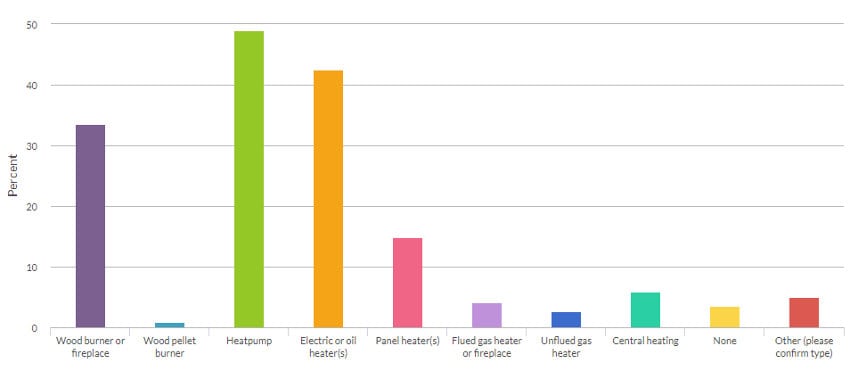
Almost half of households surveyed confirmed that they used a heatpump to heat their home. This was closely followed by electric or oil heaters (42.5%), then woodburners or fireplaces (33.5%) and panel heaters (15%). Around half of the families surveyed used a combination of sources to heat their homes. Around 4% of homes had no heating.

winter home

The convenience and energy efficiency of heatpumps are making their mark in New Zealand homes. But there are still a lot of families using electric or oil heaters (either through necessity or choice) which tend to be expensive to run and far less efficient at keeping our homes warm.

How are we keeping the warmth in and the cold out?

Insulating your home makes it easier and cheaper to heat and in the past homes would only have the basic ceiling insulation. Our survey showed that almost three-quarters of homes had ceiling insulation, but other forms of insulation were also becoming popular. Underfloor insulation was present in 43% homes and 36% had insulation in external walls.

Windows can account for up to 30% of the total loss of heat from your home. Installing double-glazing can reduce this heat loss and installing thermal curtains on your windows and external doors will help to keep the cold out. Over a quarter of homes surveyed had double-glazing and almost half were using thermal curtains to keep the cold out.

If you are considering installing or upgrading your home’s insulation you may be eligible for an insulation grant. Check with your local council to find out what is on offer locally. Or free call EECA ENERGYWISE on 0800 358 676 or visit energywise. govt.nz to find out about the Warm Up New Zealand: Healthy Homes initiative.

Are we feeling the cold?

How much are we relying on heating sources to keep our homes at an acceptable temperature? We asked our respondents if they felt their home was warm in winter. With the heating off, only 6.4% said that their home was the perfect temperature (most likely those up in the ‘winterless north’), a quarter said that the temperature was OK, but 68% said it was a bit chilly or too cold. With the heating on (and the energy bills up!), 41% reported that their home was the perfect temperature, with another 41% just giving an ‘OK’ response. 15% said it was still a bit chilly. But almost 4% still said it was too cold.
How is the cold affecting our family’s health?

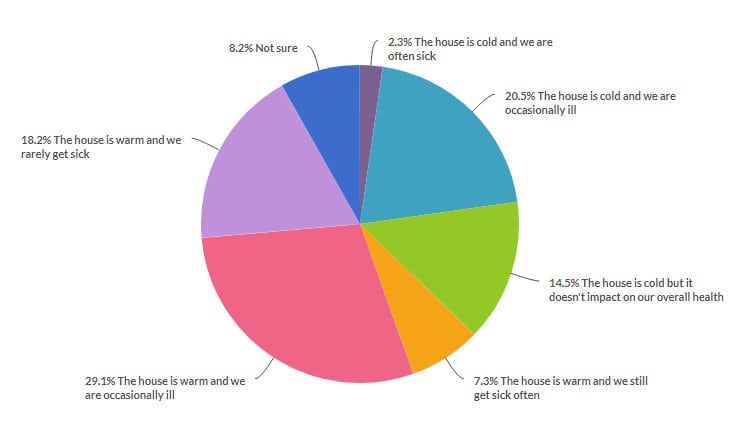
We all know from the horrific amount of children and elderly people that suffer every year with respiratory illnesses that a lot of our homes are cold, damp and unhealthy. So we asked our responders how they felt their home was affecting their family’s health. Remember, this is just a small snapshot of households in New Zealand.

winter home

Do you feel that your home is warm in winter? Does your home affect your family’s health? Join the discussion in the comments below.

Continue reading “Is Your Home Warm Enough in Winter?”

Should I change my child’s name because it’s too popular?

That’s the question posed by the mum of a four year old girl called Esmée.

A mum’s question

The mum posted the question on parenting website, Mumsnet. She said that she had given her daughter the name as she believed it was very original and hadn’t heard another girl called it in a couple of decades. The mum goes on to explain that when she started nursery, another girl had the same name (though with a different spelling) but soon she is due to start school and there will be two classmates with the same name. She expressed her annoyance and said that it upset her as she was one of five with the same in her own class at school and she had “lived through this”. She changed her own name as soon as she could. The mum asked if she was being unreasonable to want to change her daughter’s name before school starts as she hates that it is so common now.

Changing a child’s name

Now I’m sure many of us have had second thoughts about the chosen name for our baby, and changing the name before registering the birth is not uncommon. But to change the name when the child is four years old, already aware of their given name, with friends and family who know her by that name … that’s a little more out of left field.

I can only recall one child with the same name as me throughout my entire childhood. My own kids have names that are very uncommon and it has taken until year 9 for one of them to finally end up with a child with the same name in their class. It has caused some issues with the roll call. So while I’m not that au fait with the issues that have obviously caused this mother such distress, I can see how it might be frustrating.

But, to quote Ol’ Blue Eyes himself, “That’s life”! Life is going to offer up circumstances that you will have to deal with; that will be frustrating, annoying or even disturbing. Having the same name as someone else seems to be pretty low in the bag of what life chooses to throw at you next! What happens when she chooses a different name, goes through all of the complexities of getting everyone used to the new name and a kid with the new name moves into town and joins her class? What about the following years at school with different classmates?

Some commenters suggested reverting to a nickname or using a middle name rather than going all out and changing the child’s name.

Sharing a name

In 2017, the most popular name for baby girls in New Zealand was Charlotte. In fact, there were 277 babies given that name. For boys, Oliver was the most popular baby name in 2017 with 314 taken on the name. Whilst there is a huge range of names every year – over 13,000 last year – almost 40% of babies had names within the top 100 of names chosen. So the problem is one that is bound to be experienced by many kids and their parents.

Is it really so wrong to share the same name as someone else? Maybe it gives the child a connection to someone else who may also be starting school and looking for a friend? And after all, your child is so much more than just a name.

Did you reconsider your baby’s name? Have you ever wished that you had chosen a different name? Join our discussion in the comments below.

This article was written by Julie Scanlon, Editor for Kidspot NZ.

Continue reading “Should I change my child’s name because it’s too popular?”

How To Help Your Child Get More Rest

Many kids struggle with finding a good sleep routine, either because they have too much pent-up energy or because they simply can’t shut their minds off when it’s time to go to bed.

Teens may have trouble getting good rest because they stay up too late, especially over the summer or when school is out, and wind up getting into a vicious cycle that ends with them sleeping too late in the day to be able to then get to bed at a reasonable hour. It’s important to help your child find a good rest routine, even in the school holidays, because not getting enough sleep does more than just create a cranky kiddo; it can have a major effect on their physical and mental health, as well.

Fortunately, finding ways to help your child get ready for bed at night doesn’t have to be a struggle. First, take a look at their current routine to find the issues that are causing restless nights; staying up too late, not exercising enough during the day, or spending too much time looking at a screen can all play a role in our rest cycles. Once you’ve identified the problem, you can look for a way to repair it and help your child have sweet dreams. Read more below for information on common issues with kids and their sleep routines.

Looking at a screen all day

Studies have shown in recent years that looking at a screen for too long – whether it’s a television, computer, or smartphone – can be detrimental to our sleep cycles. The blue light these devices emit can suppress melatonin production and alters the circadian rhythm, which helps us not only with sleep but also with our cardiovascular, immune, and metabolic systems. If you think this might be the problem for your child, enforce a “no-screens” rule for at least an hour before bedtime and monitor their use of devices during the day. If your child has a television in the bedroom, be cautious about allowing them to use it close to bedtime.

Not getting enough exercise

Many kids would rather sit inside the house and play video games than go out and play in the cold during winter or the hot sun in summertime, but getting outside and being active are two of the biggest factors in our ability to rest well, especially in summer, when the days are longer. Encourage your child to get outside and play, even if it’s just for half an hour. That time spent being active outdoors could translate to several hours of good sleep later on.

Not establishing a routine

For younger kids, routine can be everything. When it comes to bedtime, most kids do much better when they have a schedule they can rely on at bedtime. Whether it’s doing bathtime, then storytime, then brushing teeth, or simply making sure they get into bed at the same time every night, helping your child establish a routine will help them get into a healthy rhythm.

Sleeping with clutter

Sleeping in a room filled with clutter can have serious drawbacks, including a negative effect on our mental health. Even if your child isn’t paying attention to the clutter or mess in their room, it can have a subconscious effect that makes them feel anxious or out-of-control, which can trigger poor sleep. Help your child get organized by investing in storage bins for toys and a desk, and remove unwanted items every season to make room for new things. For some great tips on how to make your child’s room a stress-free zone, click here.

Helping your child get better sleep quality will have an effect on many parts of their life, from grades to mood, and will help to keep them healthy. Look for ways the family can get better rest, and make it a goal these school holidays for everyone to feel rested by the time school is back in session.

Disabled parents

This article was written by Ashley Taylor from disabledparents.org.
Continue reading “How To Help Your Child Get More Rest”

Tips to make your day easier with a newborn

No one knows your baby better than you, but in those early days of caring for a newborn some friendly, parent-tested advice sure does help! We asked New Zealand families what their top tip would be for making the days easier with a newborn and here’s our pick of the best.

Tips to make life easier with a newborn

  1.  If you’re planning to breastfeed, make and freeze lactation cookies prior to the birth. (Hollie L)
  2.  Prepare and freeze lots of meals before they’re born to take away some of the stress of trying to prepare dinner during the witching hour. (Marina R)
  3.  Take any help you are offered and don’t sweat the small stuff like cleaning. (Sarah G)
  4.  Do as much preparation the night before as possible – lunchboxes, have clothes/uniforms all ready so you start your day ahead. (Joanna M)
  5.  Have nappies in trial amounts from multiple brands so you can see which ones fit best. (Nicola B)
  6.  Make sure you have time out for yourself. Make sure you get a part of the day to relax and do something nice for yourself. (Mark V)
  7.  Freeze leftover dinner servings as quick lunches – I found lunches the hardest to prepare with a newborn! (Carly C)
  8.  Newborns are used to being in a noisy womb, music will help them relax. (Lorraine P)
  9.  Ask for help when you are feeling out of your depth. You are not the only person to feel this way and people are always willing to help. (Melanie N)
  10.  Direct sunlight is a great natural stain remover. (Marie L)
  11.  Keep healthy snacks and water nearby when feeding your newborn. (Suzanne S)
  12.  Just go with the flow, make a plan then let it go if you need to. (Sarah B)
  13.  For parents with one or more toddlers and a newborn, have a busy box for the toddler(s) which comes out during feeding times with the newborn. Fill the busy box with fun little activities for the toddler so they don’t feel the need to get upset for your attention whilst you’re handling baby. (Aimme V)
  14.  Just enjoy! Embrace that tiredness and love your messy house! Who cares about your giant washing pile overflowing off the couch and those stacks of dirty dishes in the kitchen!
    Cuddle and snuggle that little bundle because before you knwo it they won’t be a newborn anymore. (Dee D)
  15.  Don’t freak out if baby is different to how they tell you in books, because each bubs is different! (Joanna-Marie V)

Continue reading “Tips to make your day easier with a newborn”

7 Ways You Can Go Plastic-free

Single-use plastic shopping bags and other plastic waste is finding its way into our waterways and oceans, harming our sealife and contaminating a valuable food resource.

Remember years ago when we realised that our overuse of paper products was destroying the rainforests? Well, it seems our Plan B was a dud. The introduction of plastic, most notably in the form of shopping bags, whilst being convenient, has resulted in an ecological disaster.

Whilst the act of recycling has been ingrained into our daily routines for quite some time now, it is estimated that only around 9% of plastic is recycled, so environmental organisations are concentrating efforts on the importance of reducing our reliance on single-use plastic.

With the banning of single-use plastic shopping bags in New Zealand from 1st July 2019, what better time to look at what you and your family can do to reduce the amount of plastic that we dispose of. Here’s 7 ways to get started.

Reusable shopping bags

Supermarkets have been phasing out the use of plastic shopping bags to encourage shoppers to bring along their reusable bags for some time now. Now I’m sure we are all aware of what a “Bag for Life” is (unlike Simon Cowell in the video below), but remembering them is a different story. Now that retailers no longer supply plastic shopping bags, it is essential to get into the habit of popping your reusable bags back into the car boot after you’ve unpacked your purchases so you don’t caught short next time you shop. A small bag that rolls up into a pocket size is ideal for keeping in the handbag for smaller shopping items whilst you’re out and about – try craft or dollar shops.

Our Pick: The Ministry for the Environment has some ideas on how you can make your own reusable shopping bag from old clothes – a win win!

Eco-friendly produce bags

So you’ve got your reusable shopping bag but what do you do when you enter the fruit and veg aisle at the local supermarket and you want to purchase something like tomatoes or grapes? You need to keep them together for weighing purposes (and so they’re not rolling around in the trolley), but you don’t want to use the small plastic bags. Luckily, reusable produce bags are now quite commonplace. Throw a few in with your reusable shopping bags and you’re on your way to being plastic-free.

Our Pick: Purely Natural NZ has organic cotton drawstring bags that are a great size.

Ditch the bottled water

Drinking bottled water may give you a clean and clear taste but at what cost? Plastic water bottles are a huge environmental problem. Opt for a drink bottle that you can refill with tap water and you’ll be helping the environment and your budget. If you don’t like the taste of tap water than try refrigerating it before filling up your drink bottle, use a filter or infuse with fruit.

Our Pick: Double-walled stainless steel drink bottles keep your water cold for up to 8 hours. We love this easy-open sipper design from Eco-friendly Water Bottles & Lunchware.

Bring your own coffee cup

Billions of disposable coffee cups are used around the world every year. We don’t look like breaking our takeaway coffee habit anytime soon and mixed messages over what is recycleable, compostable or biodegradable is causing confusion. Some cafes have started mug recycling – you use a ceramic mug for your takeaway and return it the next time you visit. A great option is a reusable coffee cup that still gives you convenience without the waste.

Our Pick: Because rugby and coffee are life! Check out this cool Rugby Road Code Cuppa Coffee Cup from Not Socks.

Reusable drinking straws

Cafes and restaurants are starting to get on board the plastic-free juggernaut by no longer supplying plastic straws with drinks. Some offer the paper version but we prefer the BYO waste-free option of stainless steel drinking straws. You will get some strange looks from the fast food outlets when you tell them they can keep their straw but somehow they even make the drink taste better!

Our Pick: Add some fun to your drink with rainbow coloured stainless steel straws from Purely Natural NZ.

straw

Better lunch boxes

Bento-style lunch boxes are great for giving kids a range of foods for their school day breaks without the need for plastic wrap to keep things from getting jumbled up together. There’s a huge variety to choose from so consider how much food your child devours to find one that suits. Leak-proof styles are even more versatile.

Our Pick: NZ business, Eco-friendly Water Bottles & Lunchware, have a fantastic range of stainless steel bento-style lunch boxes that will last and last!

Wrap it up!

It’s easy to ditch the plastic wrap or plastic sandwich bags with some clever product ideas. Beeswax wraps are not only reusable, they shape around your sandwich or snack easily and stay put. There are also reusable snack and sandwich bags like these Rainbow styled Bumpkins lunch bags.

Our Pick: For sandwiches, snacks, leftovers or cheese, beeswax wraps from Messy Moments are very versatile.

How are you reducing your household’s use of single-use plastic?

Read more on Kidspot:

her world julieWritten by Julie Scanlon

Julie is Editor for Kidspot NZ and our MVP. Her hobbies include laughing uncontrollably at her own jokes, annoying her family by asking questions about movie plots, and never taking anything too seriously. She speaks a little Spanish and a lot of Yorkshire. 

Favourite motto to live by: “It ain’t nothing but a thing”

How are kids using the internet?

Kids these days have an abundance of digital technology at their fingertips – and often they understand it a lot better than their parents! In May 2018, Kidspot surveyed New Zealand parents about how their children use the internet. With anonymous responses, we feel like we got the real answers – rather than that watered down version that we all lie about because we’re afraid that our kids are overdoing the screen time! The results from our survey show a widespread use of digital technology by kids of all ages.

What devices are kids using?

From the 447 responses, the most popular digital device used by kids was the iPad, with half of families surveyed giving kids access to the popular tablet. This was closely followed by laptops and Chromeboooks (43%), then Android tablets (34%), Android phones (32%), and desktop PCs at 23%. Families often had multiple digital devices available for use. Less than 5% of responders had no digital device use by children.
Only around 1 in 5 families surveyed said their kids had access to an iPhone. So next time your kid demands that they just have to have the latest model because EVERYONE else has one, talk them down them with the facts!
How frequently are kids using digital technology?

We asked parents how frequently their children used digital technology (choosing the most frequent usage if more than one child). Kids from almost three quarters of the families in our survey were using technology each and every day, and in a quarter of cases, multiple times each day. For school aged kids (4 and over), daily or multiple daily use increased to 80% and in the under 4s, the rate was 49%.
usage
Graph: How frequently does your child use digital technology?

What type of content are kids accessing?

Over all responders, YouTube, Games and TV shows or movies, were the most popular type of content, in that order. For preschoolers, educational sites were also popular though YouTube and TV shows or movies were still topping the list. For school age kids, games were the number one drawcard.

Just give me a minute …

We also asked parents if they used digital devices to keep kids occupied when they were busy. In the under 4s, 15% of parents never used digital distractions.

usage
Graph: Do you use digital devices to keep your child/ren occupied when you are busy?

Are parents concerned about inappropriate material on the net?

In response to our question, “Do you get concerned that your child may access inappropriate material via the internet?”, two-thirds of families said that they had concerns. Encouragingly, 29% of families had taken steps to stop their child viewing inappropriate material.

What kind of content does your child use digital devices for? Are you happy with the frequency of use?

Continue reading “How are kids using the internet?”

How routines change families for the better

By Dr Justin Coulson

Many parents are stressed out or struggling to maintain order in their families for one simple reason: they can’t seem to implement structure and routine in their home.

Some parents don’t like the idea of being dictated to by a timetable or family routine, while others don’t see how it can work in their circumstances.

But routine matters. It makes families happier. It reduces tension. It improves children’s (and parents’) behaviour. It even helps us sleep better, and our kids do better at school and with friends.

How does having a routine do all that?

5 ways routines can help families

1. Routine promotes security and stability

Children thrive when they feel safe and secure, and when life is predictable. If our kids know what is coming and when, they feel comfortable. They’re not producing stress hormones. Instead, they’re developing healthily and happily.

Family routines can also be helpful by preparing our children for what’s coming. They can look forward to story time, play time, park time, or whatever it is that falls naturally in their routine, when it is well established and predictable.

2. Routine reduces cognitive stress

Barack Obama, former President of the United States, sticks to routine to reduce cognitive fatigue. His brain doesn’t have to think about certain things, which leaves him with more brain space for other things that matter more. As an example, his morning routine always includes 45 minutes of exercise, the same food for breakfast, and the same suits to wear.

Routine can have the same effect on us and our children. As our routine becomes habitual and automatic, we don’t need to think about what else we should do. We simply move through our day, completing things as needed.

3. Routines empower our children – even with their chores!
In our home we have a simple chore chart. There are fifteen simple chores listed, grouped into four separate lists. Each day our kids have afternoon tea and then start on their chores. It’s the routine. There are no power struggles. There is no fighting. The kids “get it”. They know that after school they can have a snack and then get into the routine. Simple.


The best thing is the routine promotes responsibility and empowerment. We occasionally remind them, but rarely do we need to nag. The routine makes it easy.

4. Routine improves social-emotional health

A study published in a 2014 issue of The Journal of Developmental and Behavioral Pediatrics found that routines matter for our kids. Researchers examined the family routines that 8,500 preschoolers engaged in with their families. The routines they were interested in were eating dinner as a family (five times per week), singing, story-telling, reading and playing at least a few times a week. They found that, in families where none of these routines were practised, just one in ten children experienced high social-emotional health. Comparatively, when families did all five of those routines, one in four children had high socio-emotional health.

The numbers aren’t huge, and there are certainly other things that can impact on our kids’ social-emotional health, but this is still a significant difference between the two groups.

5. Routine improves sleep, school and learning

This research indicates that when our kids have a good sleep routine (meaning they go to bed within 30 minutes of the same time each night), they sleep better, learn better and regulate their behaviour more effectively.

Routine does not mean rigid

Some people criticise routines due to the fact that they require so much rigidity. Research shows that being overly rigid is unhelpful and creates stress. The routine should be a framework that supports us rather than dictating our every move to the minute. In fact, an added bonus of routines is that they give you the power to be flexible when you need to because you can always come back to the structure you need.

If your family is stressful, perhaps a new routine for your morning or evening could be just the thing to reduce stress and improve health and wellbeing.

How do routines work in your family? What things are strict and what things stay flexible?

This article was written by Dr Justin Coulson for Kidspot Australia and reprinted here with permission. Find out more here.

Continue reading “How routines change families for the better”

Mind That Child by Dr Simon Rowley

During our lives we are privileged to occasionally come across a real, genuine hero. Not a celebrity with a big entourage or a sports star with an even bigger ego – we’re talking about real life heroes who have a profound inflence on other people’s lives, even to the point of saving that life.

A real life hero

Renowned New Zealand neonatal paediatrician Dr Simon Rowley may very well be one of those heroes. Over a professional lifetime of working with our most vulnerable, Dr Rowley and his brilliant team of expert clinicians have saved thousands of precious little lives.

Dr Rowley’s new memoir, Mind that Child (ghost-written by journalist Adam Dudding) gives us a very special glimpse into what it means to be entrusted with the most precious of responsibilities – a young human life.

Hear from his patients

It says a lot about the man that, even though this is his story, he dedicates the book to his patients:

“The babies and children who are such great teachers, and their parents, who have demonstrated true selfless devotion to their children. Their resilience and strength never fail to amaze me.” Dr Simon Rowley

And it certainly seems that Dr Rowley’s patients and colleagues think highly of the man, in return.

Prepare for a moving read

Creating a recollection of real life stories in the medical profession, especially one that involves such young, tender lives, is destined to result in a very moving tribute, not only to the amazing work done by Dr Rowley, but to the bravery of his patients and their families.

Charting his decades of medical experience, Rowley gives us a very powerful and real understanding of the life of a doctor: what they must do and decide, from the high-stakes management of tiny pre-term babies to the serious impacts of drugs, alcohol and technology on developing minds; and the depressing corrolation between poverty and a baby’s health not just during pregancy; but throughout their young life.

What’s revealed is a tender and profound portrait of a medical professional at the very centre of what matters – a doctor who always adopts a humane, holistic view and who writes openly about the personal impact of a career in the high-pressure medical world. Whilst he places his patients at the very centre of his work, there is also a good dose of dry humour throughout the book – something which is no doubt required to cope in such a position.

Mind That Child is available now, RRP $38.00. Learn more at Penguin.co.nz.

‘Simon Rowley is GOD. He saved our son. I more than encountered him, I cried on his shoulder and he hugged me with each down and we shared laughter and joy and a coffee in a plastic cup with each step up. Both Warwick and I cannot speak highly enough of him. If he asked us to jump, we would only ask how high? He’s amazing.’

Alyson Gofton

Read the first chapter of Mind That Child below …

[pdf-embedder url=”https://kidspot.co.nz/wp-content/uploads/2018/06/Mind-That-Child-by-Simon-Rowley-First-Chapter.pdf” title=”Mind That Child by Simon Rowley First Chapter”]

The insane school run

Check me out … my kids have not been late for school at all this year! Also, check me out … 80% of those times I have done the school run in my PJs. Of course, I’m kidding! It’s more like 90%.

The thing is, I am not a morning person. I give myself a gold star for getting the kids out the door and off to school with at least 30 seconds to spare before the bell. If I had to do it fully dressed and presentable then stress levels would be a lot higher. And because morning traffic and school drop offs can be a touch on the crazy side, I can do without the additional stress.

The crazy world of school drop off

In June 2018, a poll by stuff.co.nz asked people, “Does the way we drop our children off at school need to change?” The resounding answer, from almost three quarters of respondents was, “Yes. Traffic around schools is a nightmare.”

Whether it’s traffic jams, double parking, cars blocking driveways, difficulty in finding a parking space, or hazardous driving from parents, a lot of schools seem to have an issue with the chaos that is the school run. There have been reports of aggression, naming and shaming, assaults, and even people threatening to run others over!

It’s not just the drop off either. The prime real estate of a parking space near the school has led some parents to arrive for the pick up after school up to an hour early.

So what’s the solution?

The solution to most of these issues is seemingly obvious – get kids out of the cars. To aid in reducing congestion, kids can:

  • Walk
  • Cycle
  • Scooter or skateboard
  • Join a walking bus
  • Take public transport
  • Travel on the school bus
  • Carpool

For this to work, there has to be a big buy-in by the parents just as much as the kids. But there are many issues around a lot of those options including safety, availability and convenience.

At my kids school a system was introduced to encourage kids to walk to school, even if it was just the final few hundred metres. Two sites with pouwhenua (carved wooden posts) were set up nearby with footpath access to the school. They were manned by students who would hand out tickets to kids who passed the pouwhenua before and after school. The tickets could be redeemed for school stationery once enough had been collected. Parents could still drive their kids to school if necessary but without the congestion at the school gate.

Has your child’s school come up with a solution to alleviate the traffic issues around drop off and pick up times? Let us know in the comments below.

As bad as your school run may be, at least it (probably) isn’t anything like this …

PS. This was just an experiment to try and solve drop off issues – it failed.

For more information on safe journeys for children, see the Hike it, Bike it, Scoot it, Skate it guide on the NZTA website. Continue reading “The insane school run”

ChildLife Essentials® Formula 3 Cough Syrup

product trial4.29 out of 5 – Kidspot mums were pleased with ChildLife Formula 3 Cough Syrup.star rating

ChildLife® Formula 3 Cough Syrup provides effective relief to help shorten the duration and reduce the severity of a child’s cough associated with cold or flu. It combines the three most effective and well researched homeopathic extracts for safely and effectively addressing all types of children’s coughs.

  • No GMOs
  • Alcohol-free
  • Gluten-free
  • No artificial colourings, flavourings or sweeteners
  • No dairy, eggs, soy, fish, shellfish, peanuts, tree nuts, wheat, corn or yeast

Ingredients

ChildLife® uses only the highest quality ingredients:

Active ingredients: Umckaloabo (Pelargonium sidoides), Wild Cherry Bark (Prunus serotina), European Elderberry (Sambucus nigra)
Inactive ingredients: Buckwheat honey, Elderberry extract, Citric acid, USP Purified water, Natural mixed berry and raspberry flavour, Potassium sorbate, Stevia, Xanthan Gum.

Suggested Dosage

  • Children 2-4 yrs: 1/2 teaspoon every 3 hrs, or as needed
  • Children 5-11 yrs: 1 teaspoon every 3 hrs, or as needed
  • Children under 2 yrs of age: consult your healthcare practitioner

Always read the label and shake well before use. Give directly or mix with your child’s favourite drink. Keep refrigerated after opening.

Warnings

Do not give this product for persistent or chronic cough such as occurs with asthma or if cough is accompanied by excessive phlegm (mucus) unless directed by a doctor. Stop use and see your doctor if cough persists for more than one week, tends to recur or is accompanied by fever, rash or persistent headache.  A persistent cough may be a sign of a serious condition.

In case of overdose, get medical help or contact the National Poisons Centre right away on 0800 764 766.

Visit the ChildLife website for more information.

We have given 20 parents with children aged between 2 and 12 years old the opportunity to trial and review ChildLife Essentials® Formula 3 Cough Syrup. Read their reviews below.

Each selected reviewer will receive:

  • 118.5ml bottle of ChildLife Essentials® Formula 3 Cough Syrup

Scroll to the bottom of the page to add your review as a comment.

If you are selected to trial, the product will be sent to the address on your profile. Please check your address now to ensure that it is up to date. Not registered yet? Then signup now

Kidspot Terms and Conditions: You will be required to post your review on our Product Trials page if you are selected. Your name and postal address will be given to the supplier for the purpose of delivery of the product only.

See photos from our reviewers below.

How to get an extra-clean house for allergy sufferers

If you live with someone allergic to dust mites, mould, pollen, pet hair or any one of the hundreds of allergens in household products, clean is not enough. A house needs to be extra-clean and allergen-proof  to help make allergy sufferers as comfortable as possible. The alternative is sneezing, wheezing, coughing and watery eyes, all brought on by the presence of irritants that you can keep at bay with some extra attention.

Here’s how to get on top of some common irritants at your place:

1. Use allergy-friendly products

  • Avoid using aerosol sprays as they are a common trigger for asthma sufferers. Even if you’re not standing near anyone, the high-pressure mist that the aerosol omits means the contents can spread a long way.
  • Try to use environmentally-friendly products – what’s good for the environment is often better for us too.
  • Avoid using products that contain harsh chemicals like ammonia, formaldehyde and sodium lauryl sulphate. Hunt out products that are free from these irritants or make your own natural cleaning products.

2. Keep a dust-free bedroom

It’s the dust mite droppings that many people react to (and news that there is dust mite poo in our bedding causes a reaction in the rest of us!).To keep bedding really clean, you will need to wash all bed linen regularly, preferably weekly. A man-made fibre like polyester is less likely to trap dust than natural fibres like cotton or linen.

Air out mattresses, doonas, pillows and blankets daily, hang them over the clothesline and beat them with a tennis racket to allow as much dust as possible to escape. Wash doonas and pillows at least monthly.

Use a hypoallergenic mattress topper, doona inner-cover and pillow protector and wash these at least monthly and replace them annually.

Keep stuffed animals to a minimum and wash those that remain regularly. Click here for instructions for washing fluffy toys.

Pull the bed out and vacuum underneath at least once a week, preferably daily. Don’t forget to dust side tables and vacuum underneath those as well.

3. Vacuum daily

Wooden or tiled floors are much easier to keep dust-free, but if you have carpet, a daily vacuum, especially in bedrooms, is a must. Use a vacuum cleaner made especially for allergy-sufferers – most will be fitted with HEPA filtration and powerhead.

Make sure you vacuum around the skirting boards and in crevices and vacuum around all beds at least twice. Empty canisters or vacuum bags regularly, sealing the bag well before disposal.

4. Use an air purifier

Even if you are taking the precautions outlined above, there will still be plenty of dust in your house – in fact some studies show that air pollution such as allergens and pollutants can be present in higher levels inside the home than outside! Air purifiers work to filter the allergens and pollutants from the air and improve the air quality.

5. Empty bins daily

The rubbish bin can omit toxins without you even realising, and they are a breeding ground for mould and germs. Empty bins every evening and disinfect with a hospital grade solution before lining with a plastic bag.

6. Beat doormats every day

Pollen and dust is tracked into our home constantly. Make sure you have a doormat on the outside and inside at every entry point to your home and shake these out regularly. Vacuum each indoor mat when you do your daily vacuum run. It’s a good idea to place a mat in the doorway of an allergy-sufferers bedroom for extra protection. Better yet, leave shoes outside.

7. Inspect for mould weekly

Mould is a common allergy trigger and it’s present absolutely everywhere. Don’t give it a chance to breed – wipe away small mould patches as soon as you find them with a paper towel and throw the paper towel in an outside bin. You can use a solution of three cups of water to five drops of Oil of Cloves (find it at your pharmacy) in a spray bottle to kill mould spores and prevent mould from growing. Make sure you test for an allergy to Oil of Cloves first, of course! Tea tree oil is also a good antiseptic against mould – a teaspoon of oil to a cup of water wiped over mould-prone surfaces should do the trick.

Other mould preventatives:

  • Air your home regularly.
  • Pour away any standing water and eliminate drips and damp.
  • Squeegee away condensation that collects on windows and in bathrooms.
  • Use mould-resistant paints where possible.
  • Use an humidifier if damp is a problem.
  • Clean the ceilings with a stiff broom at least seasonally.
  • Clean your toothbrush holder every other day.
  • Clean drains at least monthly. Try pouring a cup of bicarb soda followed by a cup of vinegar down the drain.

8. Clean filters in your air-conditioning unit

Make cleaning the filter in your heating or cooling system a weekly task. A quick brush outside with a dust brush should do the trick. Inspect the filters for damage and replace when necessary.

9. Look for hidden dust

It’s not just the bedrooms that we need to keep dust-free, there are lots of hidden dust traps around the home. Check for dust:

  • On electrical appliances – electronics like the TV and computer create a static field that attracts lots and lots of dust.
  • On blinds and curtains – regularly wash blinds and curtains to keep them dust-free. You can dust timber slat blinds by putting a pair of pantyhose over your hands and running them along the slats.
  • Wash ornaments regularly and brush with a soft toothbrush.
  • Vacuum books using a low vacuum setting and the upholstery attachment on your vacuum cleaner.
  • Pack away clothing and bedding that is not in regular use – use dust covers for blankets and pillows.
  • Beat fabric couches and armchairs and vacuum them often – better yet, replace them with leather if you can.
  • Dust the tops of picture frames and skirting boards weekly.
  • Tackle down the side and behind your fridge at least monthly.
  • Lift rugs and vacuum under them weekly.
  • Dust your house plants monthly.
  • Pull out couches and heavy furniture and vacuum and clean behind them at least monthly.

10. Clean your cleaning tools

We get so busy cleaning the house we often forget to clean the cleaners. Germs and dust can build up in our appliances, rendering them less effective and often making them an allergy-trigger, too. Regularly clean your vacuum cleaner, washing machine, dishwasher and other appliances.

11. Keep the bathroom pristine

Bathrooms are damp, closed spaces that can become a breeding ground for all sorts of mould and germs that spell trouble for allergy sufferers. Clean the bathroom every other day, using hypoallergenic products and lots of elbow grease.

  • Wipe down all surfaces so they don’t collect dust.
  • Shake out bathmats daily and replace them weekly.
  • Replace towels every other day and dry them out thoroughly between uses (a heated towel rack is a godsend).
  • Scrub away any traces of soap scum or mould.
  • Use a squeegee after every shower to eliminate excess water.
  • Make sure you clean the extraction fan regularly so it works properly.
  • Ensure your bathroom is well-ventilated to prevent mould.
  • Put some loo cleaner or straight vinegar into the toilet last thing every night and flush away in the morning.


12. Air your home every day

Open your home and let fresh air flow at least once a day. Even on a rainy day, the air quality outside the home is generally better than inside (unless you live on a main road or under a flight path, in which case keep the windows closed!). Check your home for cross-ventilation and call in the experts to move windows and doors if you have to. Fresh air is absolutely essential for a healthy, happy home.

This article was written by Maxabella for Kidspot.com.au and has been adapted for Kidspot.co.nz

Continue reading “How to get an extra-clean house for allergy sufferers”

Triggers for asthma and allergies

As parents, we know that prevention is always better than a cure. But when we can’t see the things that are adversely affecting the health of our little ones, it can be pretty tough to remove them from the picture. More and more we are learning about the impact of airborne triggers on asthma and allergy sufferers. The good news is that some simple steps at home can make a world of difference to the health of your child.

Understand what you’re dealing with

The first step is always to seek professional medical advice. Once you have a diagnosis from your doctor and any necessary medical interventions are in place, learn about specific airborne triggers that can either make breathing difficult or set off an asthma attack. Some of the most common airborne triggers are dust-mites; pollen; mould spores; and dog and cat (pet dander). Of course, it’s almost impossible to protect little ones from these all of the time, but by controlling the environment at home, you can make a big difference.

Removing the unseen

Here are a few things that you can do to help your child breath easier:

Step one: Identify and understand the triggers affecting your little one: Whether it is dust mites, cat and dog allergens or other airborne allergens, start your action plan by determining what they are. As with most things, different triggers affect different people so if you are having difficulty working out which triggers are affecting your little one, book in a visit to the doctors for a prick test. Keeping a diary of your child’s asthma attacks can also help you to determine what sets them off, ie cold weather, sports day, high pollen count.

Step two: Manage your triggers:

For those who suffer from asthma attacks or allergies caused by pet dander or dust mites, keeping your child’s environment clean and dust-free can help to reduce the number of attacks. An air purification system can remove fine allergens and particles including mould and pet dander from the air. Some air purifier models are also capable of heating and cooling and in doing so providing a more healthy environment all round.

    • Consider different flooring options in your child’s bedroom. Old carpets may harbour dust mites and other allergens so hardwood or laminate flooring may be a better choice. For comfort, add some rugs which can be easily cleaned and aired.
    • Don’t forget window coverings – launder regularly to remove dust and pollen blown in from outside.
    • Asthma-friendly mattress and pillow covers are available to help reduce night-time attacks.
    • Many triggers that can set off asthma and allergies are airborne so an air purification system can make a difference in the home. Some air-conditioners can also remove particulates from the air and heatpumps are excellent at keeping humidity levels down.
    • Mould can be an issue for asthma and allergy sufferers and can pose a considerable risk to the health and wellbeing of a home’s inhabitants. Remove mould as soon as possible. Your local DIY store can offer some tips and product advice for dealing with recurring mould.
    • Do not smoke indoors, in the car or near children.
    • Invest in a quality vacuum cleaner to not only pick up dust and pet dander but also to filter the air that is returned back into the room.
    • Opt for products that are allergy-friendly, like those that are approved by the Sensitive Choice programme.

For more, see How to create an asthma free home.

Sensitive Choice

Sensitive Choice® is a community service focused programme for everyone who wants to breathe purer, cleaner, fresher air and reduce allergic reactions. The Sensitive Choice® programme is the only one of its kind in New Zealand that approves asthma and allergy-aware products or services through an independent panel of experts. You’ll find the reassuring ‘blue butterfly’ symbol on hundreds of products – from bedding to building products, from cleaning agents to carpets, from air purifiers and vacuum cleaners to the very paint you put on your walls.

You can find a full list of approved products and services on the Asthma Foundation website – just look for the blue butterfly and make a sensitive choice.

Help yourself: Download a free leaflet with helpful advice ‘Living with Asthma and Allergies – a guide to non-medical products


This article contains general information only and is not intended to replace advice from a qualified health professional.

Continue reading “Triggers for asthma and allergies”

Period Topics To Discuss With Your Kids

You’d be surprised how many girls aren’t prepared for their first periods and how much misinformation about menstruation they retain.

Both girls and boys have so many questions; they just may not know where to direct them. Here’s a selection of topics to consider discussing with your children:

1. Promote period positivity

Periods are normal and healthy, and if kids are told this from a young age, they will believe it. Getting your period is as important as having a healthy diet, going to the bathroom regularly, getting enough sleep and drinking plenty of water. Let’s promote it as the healthy and normal bodily function that it is.

2. Promote facts, not myths

All girls get their periods. Periods are not gross, period blood is not different to normal blood, girls can exercise during their periods if they want to, hormonal side-effects are normal and, no sharks won’t attack you if you swim during your period!

3. Starting your period prepares your body for pregnancy

A lot of the misinformation about periods is because we as a society have an issue talking about sex and reproduction in a healthy manner. Boys and girls need to understand how pregnancy occurs – if nothing else than to help prevent unwanted pregnancies – but also because it’s essential to menstrual and sexual health. The menstrual cycle works on a (roughly) 28-day cycle. If an egg is not fertilised then the uterine lining comes away as period blood – not that dramatic after all.

4. Teach kids about anatomy

Many girls believe they urinate and menstruate from the same body part. This is basic 101 stuff, but many girls are not taught about how their own bodies work. If girls think this then imagine what boys think?

5. Promote menstrual products

Education is power and being informed empowers girls to take control of their periods and manage them with dignity. There are five types of products; pads, tampons, liners, menstrual cups and period underwear. All come in different sizes and absorbencies/volumes. Have a chat about the different products and what they’re used for. A fun experiment for both boys and girls is to dunk tampons in a glass of water and watch them expand. It demonstrates the absorption properties and brings a bit of fun to the topic.

6. Promote menstrual hygiene

Toxic Shock Syndrome (TSS) is extremely rare but can be fatal. Girls need to be taught to:

    • Wash their hands before and after they insert tampons
    • Only use tampons when they have their periods
    • Use the correct tampon size to meet their flow; minis in the beginning, regular and super as the flow increases
    • Change tampons every four to eight hours
    • Shower daily, and wear clean, breathable (cotton) underwear during your period
    • Use clean towels – a high level of personal hygiene needs to be encouraged
    • Girls cannot lose their virginity by using tampons. This is a dangerous myth and one that confuses girls and boys. There is only one way for both girls and boys to lose their virginities and that’s through sexual intercourse.

What topic did you find was important to discuss with your children about menstruation? Join the chat in the comments below.

This article was written by Kelly Gregor, Chief Lunatic at Luna, an online community that supports girls through their first and subsequent periods and empowers them by normalising periods and promoting period positivity by busting myths and fighting taboos.

Continue reading “Period Topics To Discuss With Your Kids”

Boys need to be educated about periods too

Educating girls and boys about periods is essential to promoting self-esteem and healthy body images in both sexes.

If you want your boys to grow into men who respect women, then start by teaching them about periods.

The unsympathetic response

Every woman I know has at some point been at the receiving end of a barbed, disparaging comment about periods or PMS. It’s such a normal part of our culture that we don’t even realise it’s happening – and it happens because a lot of men have no idea about periods, and the menstrual cycle.

A sarcastic joke, a belittling jibe, an unsympathetic response to a completely normal (and often painful bodily function) does nothing to promote self-esteem, gender diversity or body positivity.

And, so periods continue to be shrouded by myths and stigma, and then we’re collectively surprised when girls are too ashamed to talk about periods and would rather use bunched up balls of toilet paper than tell a teacher they’ve started their period.

Change the conversation

Our culture tends to make girls and women feel bad or dramatic when we feel sad, depressed, or weepy before and during our periods, instead of being empathetic to the surge of hormones and physical changes our bodies – especially little bodies – are going through, we receive judgment. So, let’s change the conversation.

A warm smile, a hot cup of tea and an understanding ear go a long way to making girls feel comfortable about their periods.

Let’s break down the stigma and start talking about it. Not when girls start menstruating and it’s all a bit much and awkward. Start the conversation about periods and reproduction when children are young. The Europeans do it that way and their kids grown into self-actualised and successful adults.

Both teenage girls and boys have so many questions; they just may not know where to direct them. For advice, check out topics that you can discuss with your kids about periods.

LunaThis article was written by Kelly Gregor, Chief Lunatic at Luna.

Luna is an online community that supports girls through their first and subsequent periods and empowers them by normalising periods and promoting period positivity by busting myths and fighting taboos. Luna provides a monthly subscription service that offers girls choice and control – packs are categorised according to the stage and phase a girl is in.

Find Luna online at lunaperiods.co.nz, on Facebook and on Instagram.

Continue reading “Boys need to be educated about periods too”

Mess, Guilt, Me-time: Balancing Work & Life

Whether you’re a working parent because you choose to be or because you’ve had to, finding that work-life balance is no easy task.

You could be a career mum, a part-time working mum, or a mum working from home – each requires that we find the right equation. Yep, welcome to modern motherhood.

Juggle: verb & noun. Definitions: 1) Perform feats of dexterity, especially by tossing objects in the air and catching them, keeping several in the air at the same time 2) Continue to deal with (several activities) at once, especially with ingenuity.

If this dictionary definition rings a bell it’s either because (a) you read it at the start of Allison Pearson’s I Don’t Know How She Does It or (b) like millions of women, you have not read it – frankly, who has time? – but instead, you are living it: madly juggling work and kids and regularly dropping balls all over the place.

Whether your answer was (a) or (b), make these your mantra: “The Super Woman is dead. Long live the Real Woman.”  And here are seven practical ways to lead a more balanced life:

Balancing work and life #1: Weigh up the benefits of working

The term ‘opportunity cost’ is never more relevant than to a working mum. If you stay at home, the opportunity cost is less money. If you go to work, the opportunity cost is less time with your kids. But the opportunity benefit is more money, more freedom and better financial prospects for your family.

Find out what’s best for you and your family – perhaps part-time is all you need or maybe full-time suits you. Think about what you need to feel fulfilled as an individual: full-time motherhood or full-time working mum doesn’t suit everyone. You may need to try different options before finding a balance you feel comfortable with.

“See yourself as a role model to your children, and tell them that women are an important part of society, working is part of reality and you enjoy working and contributing to the family. I know I would feel more mother guilt if I was not able to provide for my family, so have never felt guilty about working, I guess it’s a frame of mind.” Samantha, 43, mother of two.

Balancing work and life #2: Resolve that a bit of mess is OK

Unless you’re a single mum, your greatest asset is your partner. Use him! Together you need to get systems in place to ensure the smooth running of a household – it may not be spotless, but it will be happy, and your kids and your partner will feel pride for contributing to the way it runs.

“Try to be organised! Have a specific day a week that you do your groceries and plan your meals ahead if you can – make larger portions and freeze some small meals for the kids on the nights you work. And ask for help! Don’t assume housework will get done when you’re not around so ask your husband and kids to help by tidying the house when you’re out. Nothing is more stressful than coming home from work exhausted and finding the house is an absolute mess.” Kellie, 33, mother of two.

Everyone’s standard of cleanliness is different, discuss this with your partner and strike a deal – you may have to compromise. Perhaps getting a cleaner in once a fortnight is an option. And ask yourself what’s more important: Having a spotless house or having more family time.

Balancing work and life #3: Don’t sweat the small stuff

So what if you’re feeding your baby food from a jar? Many babies in parts of the world don’t have any food. So what if your work suit has a bit of dried drool on the lapel? At least you ironed it this morning! Turn your negative thoughts on their head and focus on the positives – you’ll be surprised at the powerful effect it has on your overall mood.

“Does it really matter if the beds are not made every day, if your husband buys the wrong brand of wipes or if you are late to work by eight minutes? Save your energy and worry about the bigger things in life – and in the meantime, enjoy motherhood, womanhood and all the great things you are surrounded by.” Christie Nicholas, mother of two, author of The Mum Who Roared: A Complete A-Z Guide To Loving Your Mind, Body And Attitude After Baby (Exisle Publishing, $29.99).

Balancing work and life #4: Make time for ‘me time’

Don’t try and be a martyr and do it all – it will only wear you out. As a working mum, you need to recharge your batteries so you have enough energy to deal with everything else! Whether it’s a candlelit bath, a pedicure, two hours browsing the shops by yourself or a weekend away with your best girlfriend – regular ‘me time’ is crucial. Not optional – crucial. Think of it as a deposit in your work-life bank account – the more regularly you put in, the more interest you will build up and the more you can splurge on your partner and kids.

“Make sure you have something in your week that is about you. I found a gym with a great creche and go at least three times a week. These times are written in my diary like any other appointment.” Roslyn, 41, mother of two.

Balancing work and life #5: Accept that you can’t have it all

Remember how I mentioned, in the beginning, to make this your mantra: “The Super Woman is dead. Long live the Real Woman.” The days of having and doing it all are over. Get real. It takes time, but the sooner you adjust to the fact that you can’t have it all, the better. And the less you focus on what you don’t have, the more energy you will have to pour into the fruits of your labour – your precious children.

“If you are breathing, walking and have your five senses, you have it all. Everything else is secondary. Life is what you make of it so let’s stop whining and worrying and make the best of what we have.” Sarah, mother of one.

Balancing work and life #6: Let go of mother guilt

Working mums have enough on their plates without a nice big side-serve of guilt to go with it. As Michelle, a 36-year-old mum of one from Adelaide says: “Allow yourself to be upset and angry that you can’t take forever off work with your child. It is only this generation where the expectation and financial requirement has been that mothers return to work so early, but that doesn’t mean that generations of emotions where nature bounds us physically to our children disappears. Always remember you are returning to work to provide a good future for your child.”

Feeling guilty about working, feeling guilty about not working and contributing to the family, feeling guilty about not making enough homemade dinners, feeling guilty about enjoying ‘me time’ – STOP IT RIGHT NOW! This kind of thinking is a waste of energy – energy you could be using more productively. So turn those thoughts around. You are choosing to work for a reason, you are choosing to spend time with your children for a reason, you are choosing ‘me time’ for a reason – resist wallowing in guilt.

“It sounds a bit hippy-dippy, but whenever I get an attack of mother-guilt I write it down on a piece of paper – things like, “I feel guilty for not getting home in time for my daughter’s bedtime tonight” – and then I literally put it into a shoebox. By the same token, I write down those moments when I feel like a genius, such as when I get my four-year-old and 18-month-old to nap at the same time, giving me two precious hours to myself. At the end of the week, I read them all and it always makes me feel better, never worse, because it reinforces to me that I am doing the very best job I can.” Kara, mother of two.

Balancing work and life #7: Read up

If you want more guidance on how to balance work and home life, these books contain real-life stories on how other mums face the challenge.

This article was written by Karen Fontaine for our sister company Kidspot.com.au, in conjunction with Open Universities Australia, the leader in online learning.

Continue reading “Mess, Guilt, Me-time: Balancing Work & Life”

11 Questions That Teach Kids To Be Happy

This article originally appeared on Dr. Psych Mom and has been republished here with the author’s permission. By Dr Samantha R0dman.

Are you naturally carefree and happy? If so, it’s likely a mix of your genetics (identical twins rared apart are usually the same level of happy) and your personal choices about how to live your life.

The field of positive psychology centres on the idea that people can make themselves happy just by changing how they think and act. Happiness is conceptualised as more of a habit than a God-given blessing. And while some of your happiness is biologically determined, there are many things you can do to be happier.

These 11 questions focus your children on how to make themselves happy. Eventually, your children will internalise these questions and ask them in their own heads. Then you’ll have given them the gift of happiness, which will make you so (you guessed it) happy.

1. What was your favourite part of today?

This is a good question to ask at bedtime, to help your child feel content and happy before sleep. It also instils a habit of focusing on the best thing that happened in any given day rather than the worst. If you make this part of your bedtime routine, it will become second nature.

2. What are you grateful for?

This is a good question for the dinner table. Every family member can take a turn saying what he or she is grateful for that day. There is a strong correlation between happiness and gratitude, so this one is very powerful.

3. What are you going to do about that?

When a child comes to you with a problem, ask this question in a warm and curious tone. Don’t just jump in and solve their problem; how does that help them in the long run? At least give them a chance to work it out on their own, and give them the gift of your confidence in them, which is evident by this question that implies that they can think of solutions to their own issues. If your child says “I don’t know,” you can say, “I am not sure either, let’s try to figure it out together.” Happy people are people who think of problems as surmountable, and think of themselves as effective problem solvers.

4. How did that make you feel?

At the risk of sounding shrink-y, an essential part of happiness is being able to notice and express your own emotions. If you can verbalise what you’re feeling, you can make sense of it, you can process it, and you can obtain support from others. This is a great question to ask when your child comes to you with something “bad” that happened, instead of either dismissing it (“that wasn’t that bad”) or fixing it (“let Mummy get you some ice!”). It trains your child to be aware of his feelings, and to use that information effectively.

5. What do you think he/she feels?

In any situation, you can cultivate empathy by asking your child to wonder about what someone else feels. Empathy will make your child a happier person; he or she will have stronger interpersonal relationships, feel better about himself for thinking of (and then, often, helping) others, and derive more meaning from life.

6. How can you look on the bright side?

In any situation, you can teach your child that there are positives. With preteens or teenagers, this question may be way too corny, but little kids will like it. You can also teach them the expression “making lemonade out of a lemon” and ask them how you can make lemonade out of a bad situation, like, “You fell and hurt yourself, so that’s a lemon, but you got a Tinkerbell bandaid, and that’s lemonade! Now you tell Mummy one.”

7. What part of that can we learn more about?

In any TV show, book, trip outside the house, basically any situation at all, there is something to learn more about. And look at you, Super Parent, you already have your smartphone at the ready! So this time use it for teaching your child that life is full of learning opportunities. Happy people are people who are curious and always learning. So when you watch TV and someone says “Bonjour,” you can look up pictures of France or a YouTube song sung in French. When your child realises that this question means that you’re going to whip out your phone and show them something new and special, they will ask it to you all the time. And that’s how you end up looking at pictures of real estate in Nebraska with your four-year-old. Don’t ask.

8. What do you want to do on the weekend?

Research shows that anticipation of positive experiences brings more happiness than the experiences themselves. Once your child is old enough to realise that tomorrow is not today, start instilling a habit of positive anticipation of small pleasures. A child who is excited all week to get frozen yogurt on the weekend is a happy child, just as an adult who plans a vacation six months in advance is happier during those six months.

9. What can we do to help/to make someone happy?

Bringing your child along to visit a sick relative, or someone recovering from surgery, or to volunteer at a soup kitchen is a wonderful gift that you can give to your child. Your child will feel even more proud of his behaviour if he is the one to think up the nice thing that can be done (e.g., baking cookies to deliver, drawing a card). Research shows that giving releases oxytocin and endorphins, so it’s like a high that your child can become addicted to. Also, involve your child in your charitable activities, as giving charity is a form of altruism that is also linked directly to happiness (and just to being a good person, which you also want for your child).

Incorporate a spirit of generosity into your child’s daily life. Whenever you’re out, buy something little for someone else. When you colour, make a picture for someone else. Giving things to others makes people happier than buying things for themselves, and enriches interpersonal relationships.

10. What do you want to do outside today?

Getting outside and engaging in physical activities alongside your child is a wonderful way to get him in the habit of not just sitting around. Exercise releases endorphins and is as often as effective at treating depression as medication. And the most powerful way that you can teach your child about exercise is to do it yourself. Children whose mothers exercise are more likely to exercise themselves. And sunlight can also help boost mood and regulate circadian rhythms, which means better sleep for your kids, which makes everyone happier.

11. When do you feel happiest?

If you direct your children’s attention to the experiences that they most enjoy, they will start to realise that they can choose to proactively increase their time spent in activities that make them feel best about themselves. According to researcher Mihaly Csikszentmihalyi, “flow” is the state where people find an activity so enjoyable and rewarding that they become completely immersed in it, losing all sense of time and feeling completely in the moment.

If your child is lucky enough to have found an activity that makes him feel a sense of “flow,” it is helpful for you to point this out and allow your child enough time to attain this state. Note: for many kids this is video gaming, which is actually fine, since a great deal of research points to many psychological benefits of gaming. The best-case scenario is for your child to find a career that puts him into “flow,” since then, as the saying goes, he will never “work” a day in his life.

Till we meet again, I remain, The Blogapist Who Actually Does A Lot of These, So If I Can Do Them With Three Kids And Limited Patience, So Can You!

Dr. Samantha Rodma is a clinical psychologist and dating coach from Washington D.C. She has a husband, three young children and one fish. She blogs at Dr. Psych Mom.

Continue reading “11 Questions That Teach Kids To Be Happy”

How To Hygge & Why You Need It In Your Life

What is Hygge? If the Danish are to be believed, we all need to get a bit more ‘hygge’ in our lives. The art of ‘hygge’ (pronounced HOO-ga and done with a bit of a guttural effort) doesn’t translate as one word in English – it’s more of a feeling of enjoying simple everyday pleasures, especially with other people.

It is cosiness, relaxation and good food. It is a warm glow and a feeling of gratitude and well being. It is taking pleasure from the presence of gentle, soothing things and enjoying friends and family. It is a constant in Danes lives – they talk about it, plan it, recognise it when it is happening and then look back afterwards and appreciate it.

Why is it important?

Denmark is regularly ranked number one in the annual World Happiness Report. 2016 World Happiness Report  – and they also held the number one spot in 2013 and 2014. Research has shown that high levels of gratitude are associated with high levels of happiness – so maybe the Danes are on to something here.

How to enjoy some hygge in your life

Hygge is not about spending a lot of money on luxury items – it’s more about appreciating the simple things and crafting your life in a way that celebrates hygge. The Danes express this in every aspect of their life from their architecture, which includes natural products such as wood and leather, to their room styling which includes warm, low lighting from lamps – and lots of candles (all very flattering!).

It extends beyond the physical though – spending relaxing time with family and friends is most important. Here are some ideas to promote hygge in your life:

  • Light candles and dim the lights in the evening
  • Put some relaxing music on – and turn the (shouting) on the TV off
  • Plan meals with family and friends and encourage them to stay at the (candlelit) table for long conversations.
  • Welcome friends and family in to your home (and home from work and school) with the offer of food or drink
  • Actively be grateful for what you have – at meal times encourage everyone to identify what is good in their life (especially the small stuff)
  • Bake a cake and find someone to enjoy it with (and don’t worry if it doesn’t look perfect)
  • Enjoy the weather for what it offers – cold weather brings the chance for snuggling on the couch under a cosy blanket with a hot drink. Wind is exhilarating, rain is for splashing in and sun is for lying on the ground watching the clouds pass by, or under a tree luxuriating in the speckled shade.
  • Run a bath and pop in something simple like some flower petals, Epsom salts, some lavender or rosemary sprigs or even dried sage from the kitchen drawer. Don’t forget to light some candles.
  • Fairy lights aren’t just for Christmas – if you have some white ones, why not have them twinkling year round.
  • If you have a spa pool – use it and encourage the family to join you.

Do you think you need to promote hygge in your life – and what ideas do you have to do so?

Continue reading “How To Hygge & Why You Need It In Your Life”

Cold Power Sensitive Pure Clean

product trial4.8 out of 5 – Kidspot mums were pleased with the product or would purchase Cold Power Sensitive Pure Clean again.

star rating

Cold Power Sensitive Pure Clean Laundry Liquid now has a dermatologist recommended formula to deliver a brilliant clean, while being kind to skin. The formula is now even more suitable for sensitive skin as it is fragrance-free and dye-free.

Cold Power is the smart choice for your laundry, giving outstanding performance in cold water to use less energy and be kinder to your clothes as well as your sensitive skin.

  • Dermatologist recommended laundry liquid
  • Dermatologically tested formula
  • Brilliant clean even in cold water, while being kind to skin
  • Free from fragrances and dyes
  • Cold water washing uses less energy, reduces environmental impact and is gentler to your clothes
  • Suitable for front and top loaders

We have given 100 members the opportunity to trial and review Cold Power Sensitive Pure Clean Laundry Liquid. Watch this space for their reviews!

Tips to make your day easier with a newborn – click here!

Each selected reviewer will receive:

  • 1x 1 litre bottle of Cold Power Sensitive Pure Clean Laundry Liquid

Scroll to the bottom of the page to add your comment.

If you are selected to trial, the product will be sent to the address on your profile. Please check your address now to ensure that it is up to date. Not registered yet? Then signup now

Kidspot Terms and Conditions: You will be required to post a review on this page if you are selected. Your name and postal address will be given to the supplier for the purpose of delivery of the product only.

See photos from our reviewers below

Join the Catch Up

Join our community of parents and let the Kidspot Catchup be your guide to creating unforgetable family moments.