Essential nutrition for growing kids

ADVERTORIAL

They’re up, they’re out the door in a flash, off to school, running around at break time, then it’s after-school activities and sports, throw in some playtime, homework, dinner and woah … it’s nearly bedtime already! Kids pack so much into a day that without great nutrition they may be left feeling a bit fatigued – then the grumps start and no parent wants to be faced with that!

If your child could benefit from a nutritional boost to help set them up for an active day and give their best, MILO with milk is a nourishing drink with a taste kids love.

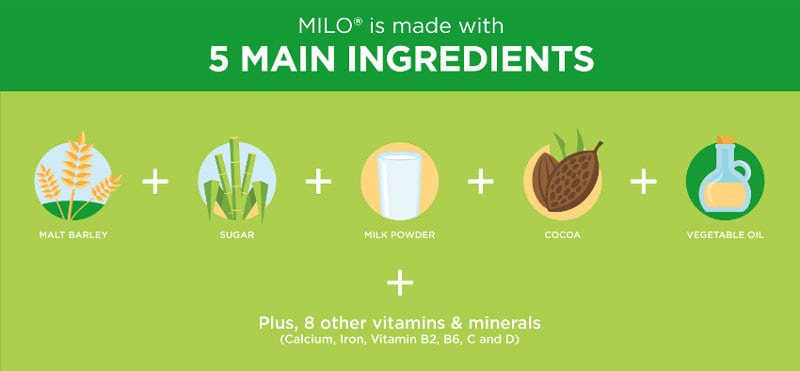
MILO is made with five simple main ingredients – malt barley, milk powder, sugar, cocoa and vegetable oil, plus 8 vitamins and minerals (calcium, iron, vitamin B2, B3, B6, B12, C and D). It can be enjoyed hot or cold with milk – however the kids prefer, it tastes great!

Get more out of milk with MILO

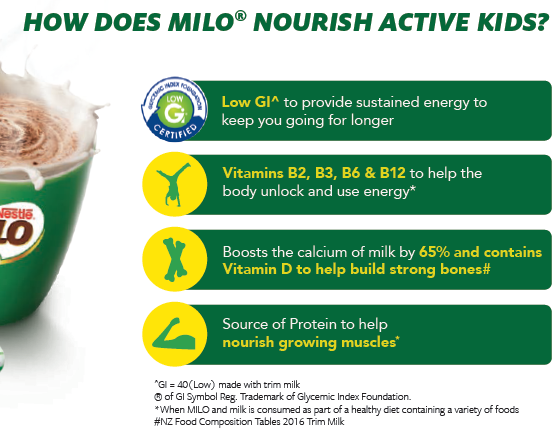
Growing kids need a variety of nutrients to meet their body’s needs. MILO with milk can help deliver those essential nutrients. When made with milk, MILO adds 31% more protein, 65% more calcium, plus more iron (32% RDI) and more vitamin D (39% RDI). MILO with trim milk is also low GI to provide sustained energy for active kids as part of a healthy, varied diet.

Why are these nutrients so important for growing kids? Our quick guide explains more.

Protein

Protein is essential for building, maintaining, and repairing the tissues in our body. It’s required for your child’s healthy growth and development. A 200ml glass of MILO with milk has 10.2g of protein.

Calcium

Calcium is responsible for making strong bones and teeth. Eating dairy foods such as milk, yoghurt and cheese every day, will make sure they meet the daily recommended calcium intake. A 200ml glass of MILO with milk has 400mg calcium, providing 50% of the Recommended Dietary Intake, so you’re halfway there already!

Iron

Iron is essential for healthy and active kids. It supports the release of energy from food, carries oxygen around the body to our brain for concentration and learning, it helps prevent tiredness and fatigue. And most importantly, it helps support your child’s healthy immune system so the body can fight infections (making it a parent’s hero!). A 200ml glass of MILO with milk has 3.8mg iron, providing 32% of the Recommended Dietary Intake.

Vitamin D

Vitamin D is not found in many foods. Our body’s best source of vitamin D comes from safe exposure to sunlight – which can be a challenge during the winter months! Like calcium, vitamin D is important for strong bones and teeth along with healthy muscles and immune function. A 200ml glass of MILO with milk has 3.9 ug vitamin D, providing 39% of the Recommended Dietary Intake.

So next time your child has a cup of MILO with milk, you can rest assured it will give them a nourishing boost to help them make the most of their day.

MILO

Information contained in this article was provided by MILO. For more information about MILO, visit www.milo.co.nz.

Find out more about the essential nutrients in MILO

The essential nutrients in MILO

ADVERTORIAL

MILO has been a part of our lives since the 1930’s, but it’s more than an iconic Kiwi drink. MILO with milk is a nutritious formulated supplementary food. It’s packed with essential nutrients – which gives your kids a nutritional boost to get them through their day.

What’s MILO made of?

MILO

1. Malt Barley

Believe it or not, barley is a cereal grain and a member of the grass family. Malt barley extract in MILO contains carbohydrate and sugars to give active kids the everyday energy they need. It contributes to the unique and delicious malt flavour of MILO that we have loved since our own childhood!

2. Milk powder

The milk powder in MILO comes from fresh dairy milk. The water is simply removed to make it milk powder. This ingredient provides your kids with essential protein, vitamins and minerals and it contributes to the creamy flavour and texture of MILO.

3. Sugar

Sugar is a source of fuel for your kid’s active brain and body. There are three main types of sugar in MILO powder:

  • Lactose, found in milk powder
  • Maltose, found in malt barley
  • Sucrose, found in cane sugar

Add MILO to milk to give your kids a low GI drink that gives them the energy they need to run, play and think.

4. Cocoa

If you don’t already know, the trademark MILO taste comes from the cacao tree beans. The beans are fermented, roasted, shelled, and ground to make cocoa. The cocoa in MILO is UTZ Certified – which stands for sustainable farming. So farmers can grow better crops, generate a higher income and create better opportunities – all while striving to protect the environment and securing the earth’s natural resources!

5. Vegetable Oil

Nestlé only source RSPO (Roundtable on Sustainable Palm Oil) Segregated certified palm oil to make MILO. This ensures the palm oil in MILO is sustainable and traceable.

The ingredients in MILO powder help to provide growing kids with a variety of nutrients their bodies need. Let’s find out more … 

Protein and MILO

Did you know that MILO adds 31% more protein to a glass of milk? Here’s how:

  • 20g MILO powder has 2.4g protein
  • 200ml trim milk has 7.8g protein
  • A glass of MILO with milk has 10.2g protein

Why is protein important for your kids? Well, it’s essential for building, maintaining, and repairing the tissues in our body. It’s required for healthy growth and development – so yeah, very important!

Good sources of protein include lean meat, chicken, fish, eggs, legumes, nuts, seeds, tofu, soymilk and dairy milk.

Calcium and MILO

You may be surprised to know that MILO actually adds 65% more calcium to a glass of trim milk! Here’s how:

  • 20g MILO powder has 190mg calcium
  • 200ml trim milk has 280mg calcium
  • A glass of MILO with milk has 400mg calcium, providing 50% of the Recommended Dietary Intake

Calcium plays the ultimate role in your kid’s development – it helps build strong bones and teeth. Eating dairy foods such as milk, yoghurt and cheese every day, will help kids meet their daily recommended calcium intake.

Iron and MILO

Here’s a little fact for you – a glass of milk does not contain any iron, but adding MILO powder to milk will make sure that it does. Here’s how:

  • 20g MILO has 3.8mg iron
  • 200ml trim milk has no iron
  • A glass of MILO with milk has 3.8mg iron, providing 32% of the Recommended Dietary Intake

Iron is essential for healthy and active kids. It supports the release of energy from food, carries oxygen around the body to our brain for concentration and learning, it helps prevent tiredness and fatigue. And most importantly, it supports your child’s healthy immune system to help the body fight infections (making it a parent’s hero!).

Vitamin D and MILO

Apart from sunshine, have you ever wondered where else vitamin D comes from? There is a small amount of vitamin D in milk. Adding MILO powder to milk will boost your child’s vitamin D intake. Here’s how:

  • 20g MILO has 3.3 ug vitamin D
  • 200ml trim milk has 0.6 micrograms vitamin D
  • A glass of MILO with milk has 3.9 ug vitamin D, providing 39% of the Recommended Dietary Intake

Vitamin D is not found in many foods. Our body’s best source of vitamin D comes from safe exposure to sunlight – which can be a challenge during those winter months!. Foods that do contain vitamin D include fish, eggs, milk, UV irradiated mushrooms and fortified foods such as MILO. Like calcium, vitamin D is important for strong bones and teeth along with healthy muscles and immune function.

So next time your child has a cup of MILO with milk, you can rest assured it will give them a nourishing boost to help them make the most of their day.

Information contained in this article was provided by MILO. For more information about MILO, visit www.milo.co.nz.

Real life Spider-Man saves toddler

It’s a news story that highlights the best and worst of humanity. When 22-year-old Mamoudou Gassama saw a small child dangling from a fifth floor balcony, he did not hesitate in clambering up the outside of the French apartment building to rescue the four year old boy. His bravery and heroism are inspiring – just like his amazing ability to climb five floors in less than a minute! Spider-Man himself would be proud!

His exploits have gone viral around the world. Mamoudou, an immigrant from Mali, has been rewarded by the French President, Emmanuel Macron, with French nationality and a job as a firefighter.

Meanwhile, the child’s father was detained by police for alleged parental neglect. He reportedly left the child home alone while he shopped and played Pokemon Go.

Watch the rescue here. It’s heart-pounding stuff!

What’s the most heroic thing you have ever seen? Let us know in the comments below.

Continue reading “Real life Spider-Man saves toddler”

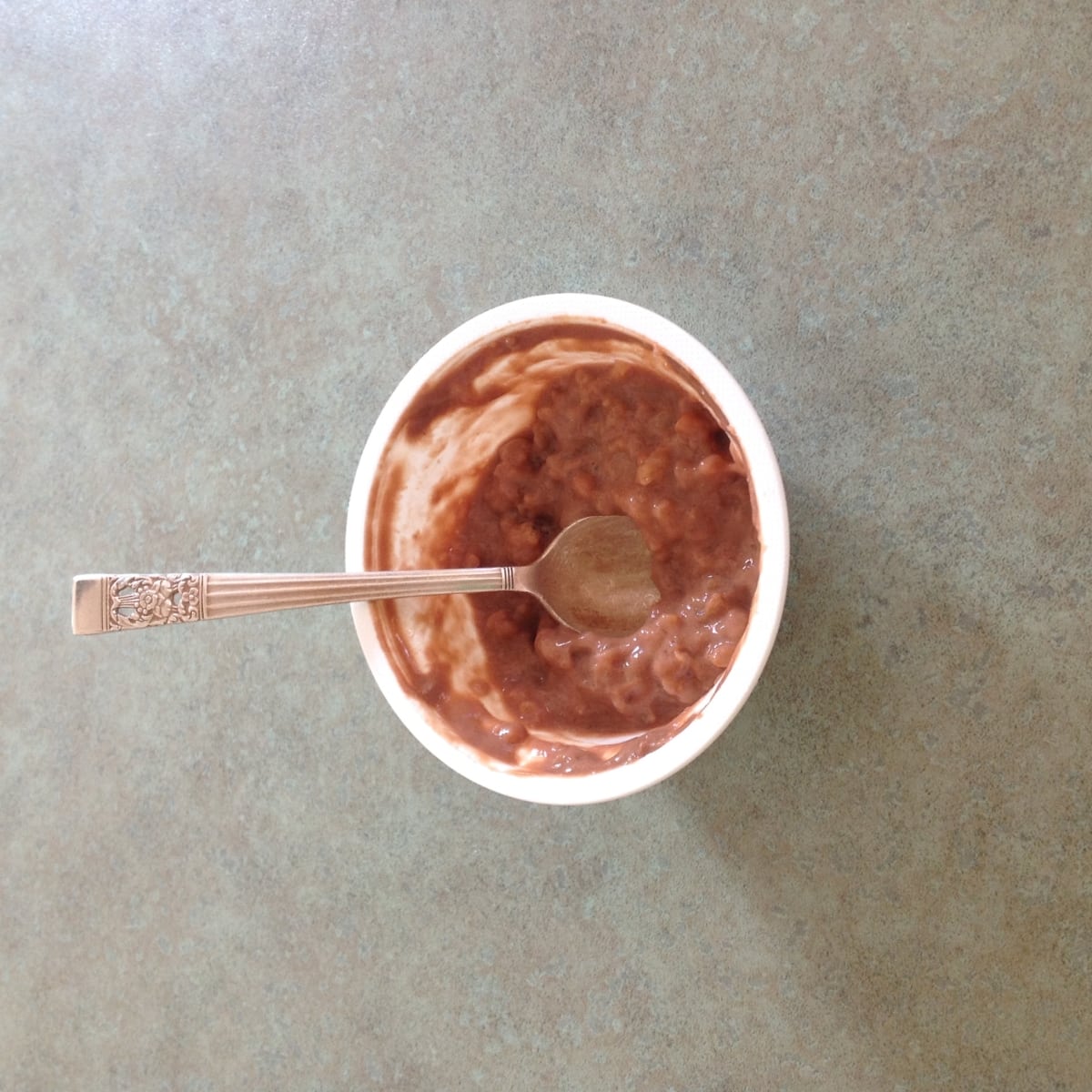
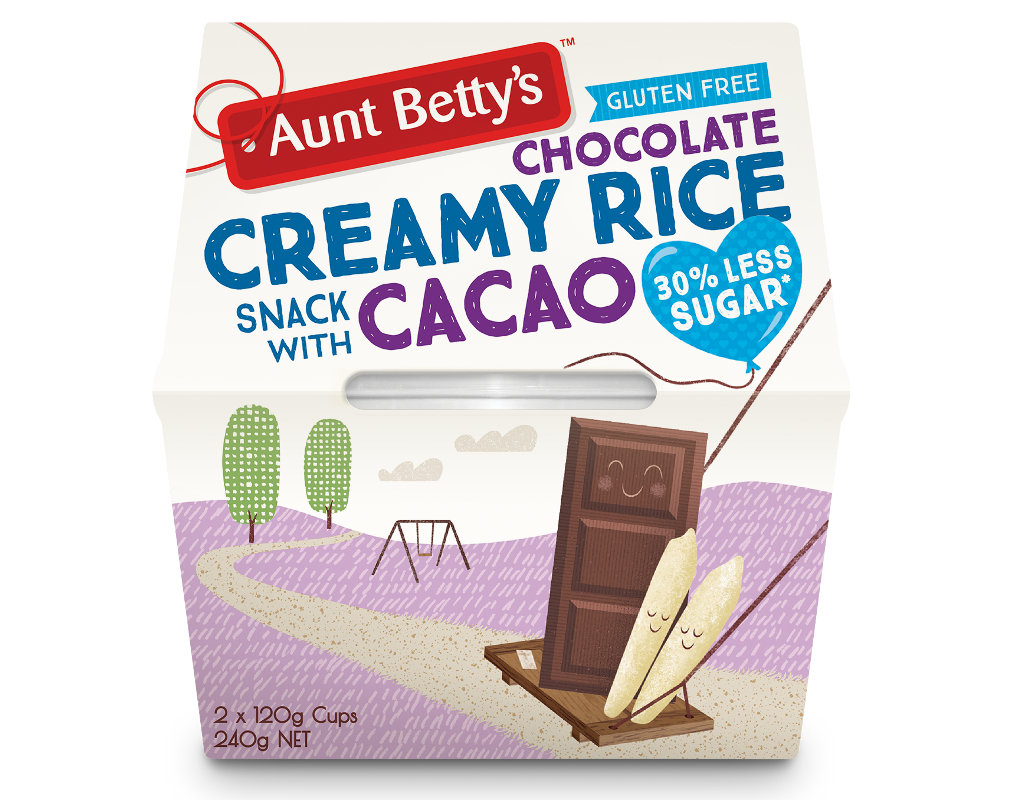
Aunt Betty’s Chocolate Creamy Rice Snack with Cacao

product trial3.63 out of 5 – Kidspot mums were pleased with the product.

star

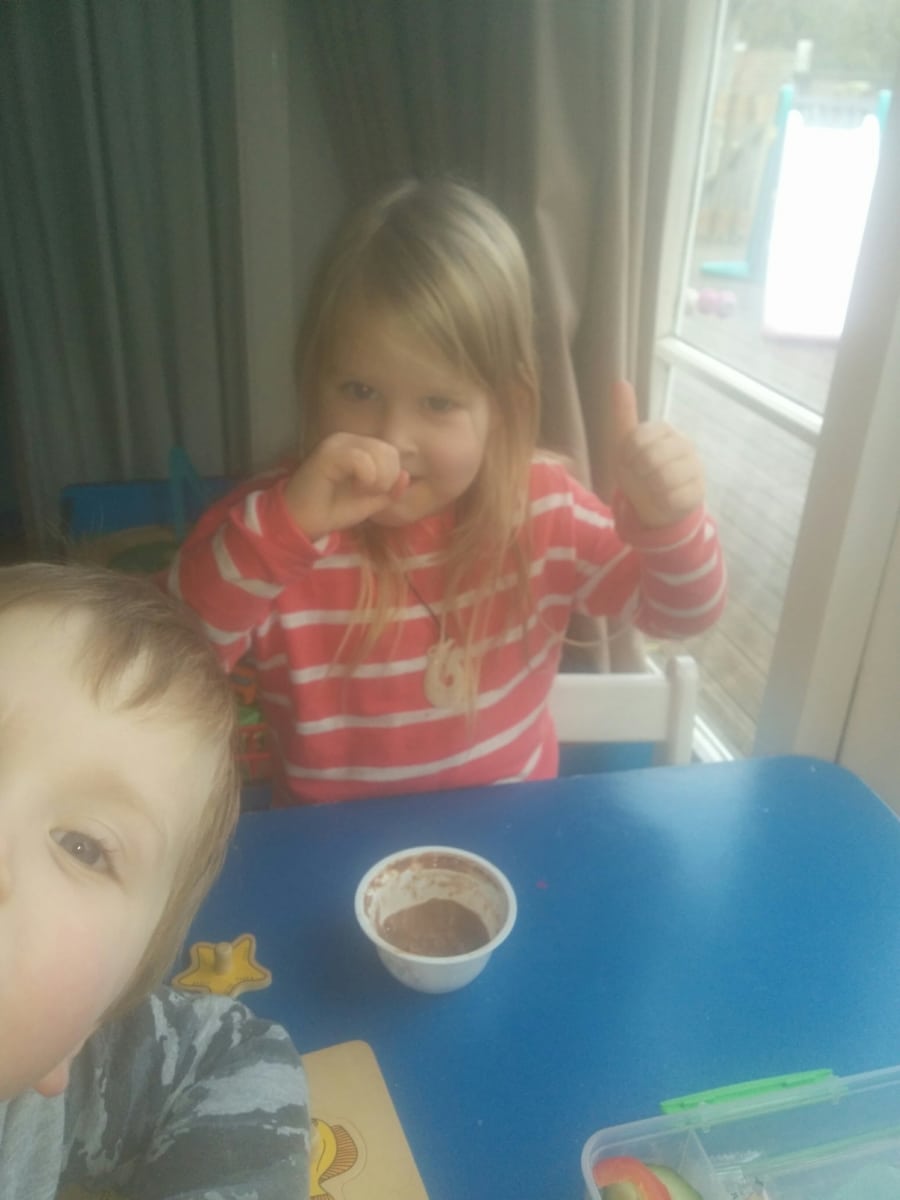
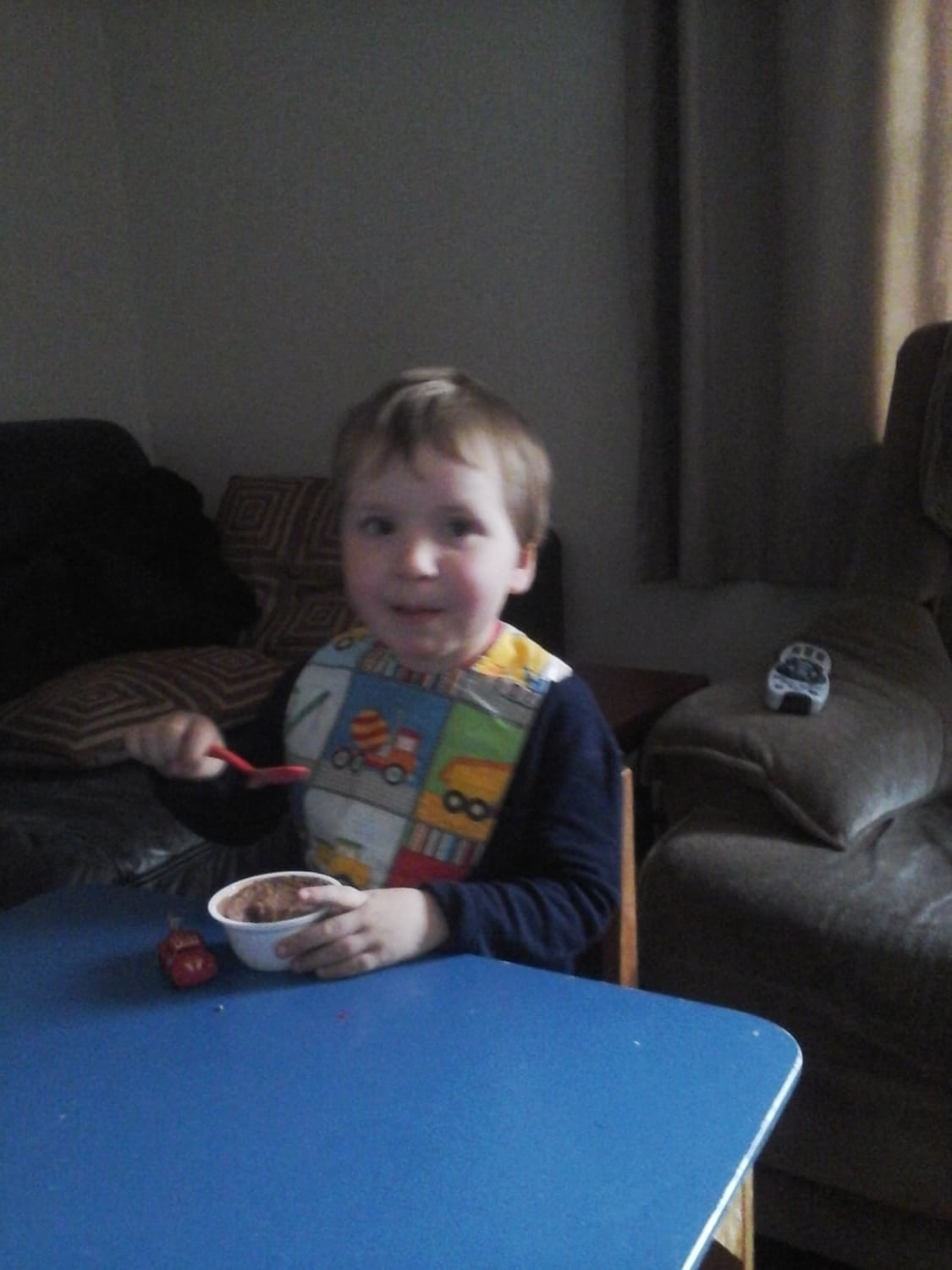
Filling the kids’ lunchboxes can be a real chore! Finding something easy for them to eat that they really love is the trick to empty lunch boxes and happy kids. For something a little different, try Aunt Betty’s Chocolate Creamy Rice Snack with Cacao. It’s a great tasting, low fat, rice energy snack that’s ready to eat – hot or cold.

Perfect for the lunchbox, an afternoon snack or a treat at the end of the day. Aunt Betty’s Chocolate Creamy Rice Snack with Cacao has 30% less sugar than standard creamy rice, and it’s Gluten Free.

Aunt Betty’s Creamy Rice Snack is also available in Vanilla, Coconut, Peach, and Apple & Cinnamon. Visit the Aunt Betty’s website for more information.

We gave 100 members with kids aged 3-12 years the opportunity to trial and review Aunt Betty’s Chocolate Creamy Rice Snack with Cacao. 

Each selected reviewer received:

  • 2x 120g Aunt Betty’s Chocolate Creamy Rice Snack with Cacao

Scroll to the bottom of the page to add your comment.

If you are selected to trial, the product will be sent to the address on your profile. Please check your address now to ensure that it is up to date. Not registered yet? Then signup now

Kidspot Terms and Conditions: You will be required to post a review on this page if you are selected. Your name and postal address will be given to the supplier for the purpose of delivery of the product only.

6 surefire ways to create calm household routines

Every house has its own domestic rhythm and harmony – some households are completely chaotic while others may run at the pace of a coma patient. Whatever the rhythm, most of us would love to establish some kind of household routine that satisfies all family members.

Odds are you already have a domestic routine of some kind – bath time, pyjamas, brushing teeth, story time is a bedtime routine that children can come to know and count on. Perhaps you go grocery shopping on Thursdays or you bake together on the weekends. Anything that you do on a regular basis is your routine. Here are five tips to keep in mind when creating routines and establishing a rhythm in your home:

1. First things first

Pick one element to add in to your routine and work on weaving that into your rhythm before you add another. Decide what your top priority is and focus only on that. Maybe you want to start incorporating daily story time. Focus on blending the new task into your schedule before you add more.

It is good to have a goal in mind of where you would like to be eventually, but create a schedule based on the way things are at this moment in time. Do what will work for your family the way things are right now.

If you know your child sleeps in the afternoon, don’t plan afternoon play dates until after naptime. Some families schedule outings for only one day a week to allow the rest of the time to remain low-key. This is the time to be realistic about your time constraints, obligations, and the ages and stages of your children, too.

2. Don’t overschedule a routine

Allow yourself to make changes if things aren’t working. Perhaps the day you chose for housework is creating stressful afternoons because there isn’t enough time to devote to it between nap time and dinner. By staying flexible you can play around with your schedule until you find a day and a time that are a better fit.

Don’t be tempted to over-schedule your days. Allow your family to have some downtime. The purpose of routines is to allow your days to run smoother so that your family can enjoy them. Don’t be tempted to fill up those spaces with more activities and commitments when things are running smoothly. Instead, enjoy the quiet and the slow days.

3. Make changes as the family changes

Families are in a fluid state: children grow, situations change, life happens. When you have babies, sleep routines are important but as they grow older, weaving in crafts, activities and perhaps cooking becomes more of a priority. Being willing to re-evaluate from time to time gives you the freedom to create a routine that meets the needs of your family.

You don’t have to do it all so evaluate what is essential and eliminate what you don’t need. Take out the extra steps and keep things basic.

4. Start Small

Lets say one of the things you want to add to your routine is to start serving your family a a wider variety of vegetables each night. Don’t overwhelm yourself by attempting a different menu every morning of the week or by preparing complex, time-consuming recipes you’ve never tried before. Seek out something simple and tried-and-true that you already know how to make well. Perhaps make it a goal this first week to serve a great meal two nights a week and then next week aim for four.

Get the basics established and once you have a solid foundation you can build on to your routine from there.

5. Make it Personal

Your family’s rhythm isn’t going to look like any other family’s rhythm. That is okay. Family routines are very personal and each household’s will be unique. The only “right” routine is the one that works the best for you for the place where you are today.

Creating routines based on your family’s personal needs means that the changes you seek to make have a greater chance of being successfully implemented.

6. Stay One Step Ahead

Once you know what is essential, do some prep work to make it easier to follow your routines. If you want to have a daily walk, create a designated place to have bags and shoes within easy reach by the door. You’ll be more likely to take a nature walk if you can get dressed quickly and easily instead of having to gather the proper wardrobe from all over the house.

If on Wednesday you want to do craft with the children, then the night before needs to be spent making sure you have all the right materials. Doing this ahead of time allows us to spend less time on prep-work during our painting time and more time on creating.

Some family routines are more structured, some are more free-form but both types of schedules provide value to the kids who count on them and find comfort in their familiarity.

Think young and playful

  • “I always suggest going back to childhood, and remembering what you liked then,” suggests Tina. “Sports? Bushwalking? Bicycling or roller skating? Swinging on the swings? Dancing around to music? There are adult versions of all these activities. When you’re doing them, notice the sights, sounds and the way your body feels, so you enjoy the moment.”
  • Try these ideas:
  • Choose three simple activities you liked as a child (such as watching the clouds, riding a roller coaster or making mud pies). Indulge in them all in one weekend.
  • Buy gum boots and jump in puddles after it rains.
  • Leave funny or romantic notes for your partner.
  • Organise a Pictionary or Trivial Pursuit ‘night in’ with your friends.
  • Invite friends over for takeaway and a night of chick flicks.
  • Relive old memories by looking through photo albums.

This article was written by Alex Brooks for Kidspot.

Continue reading “6 surefire ways to create calm household routines”

When your partner gives your teen an alcoholic drink

‘If Mum says no, ask Dad’ can be a common refrain among teens pushing the boundaries, and when it comes to alcohol, it’s important to put up a united front as parents. Drinkwise Australia shares some advice on dealing with differences of opinion over teen drinking in your home.

A consistent message from both parents can make a real difference when it comes to teenage alcohol use. If a young person gets mixed messages from his or her parents then it’s far more difficult to develop positive teenage attitudes to alcohol.

Teens and alcohol in the home

Parents must agree on appropriate rules and boundaries for their teenager when it comes to alcohol, as well as the consequences if these are broken. It is important that once the rules and boundaries are in place that neither party ‘gives in’. Sometimes, however, this is made more difficult because parents have a difference of opinion as to whether they should give their teenager alcohol to drink. If there are differences of opinion regarding the provision of alcohol for teenage drinking, discuss them openly without placing the child in the position of conflict.

Broken relationships can make this situation more difficult as parents may be reluctant to enforce rules on their child, fearing that this may make them unpopular. As much as you may want your child to be your ‘best friend’, it is far more important to be a responsible parent. Your child only gets one set of parents but they will have many friends. There are other ways of maintaining a positive relationship with your teenager rather than giving them alcohol.

There are a number of reasons why one set of parents may have different views on the role alcohol should play in their teen’s life. It could have something to do with their cultural background, their involvement in team sports or a family history of alcohol problems, including dependence.

Whatever the reasons, differences can create significant problems for a family. It is important to try and deal with the issue as quickly as possible.

The impact of alcohol on the adolescent brain can be serious. The research is clear; teenagers that drink are more likely to have long-term problems with alcohol. The message is that the introduction to alcohol should be delayed as long as possible.

Practical tips for parents

Get the facts. Before you address your partner on the alcohol issue, ensure you’ve got your facts. Set out your argument about damage to bodies and brains and also the fact that early introduction to alcohol is linked to alcohol problems later in life. Supporting your case with the facts will make it harder for your partner to argue and is more likely to lead to a positive outcome.

Discuss this separately from the children – when the children are in bed or away from the house and choose your time carefully.

Seek professional help. If you can’t reach an agreement then it’s a big enough issue to arrange counselling through your GP or a qualified counsellor. It is important to have a plan and agree on it together. Click here to view the Parents 5 point plan.

This article was originally published by DrinkWise Australia and Kidspot Australia.

Continue reading “When your partner gives your teen an alcoholic drink”

How to talk about alcohol with your teens

Setting boundaries with our kids can be tough. Once they become teens, it gets even tougher. And boundaries related to alcohol consumption can be some of the most challenging of all. Dr Justin Coulson offers some advice on how to handle the issue.

How do you set rules and boundaries about alcohol with your kids? Here are seven tips for talking about alcohol with your kids:

Get your relationship right

A short while ago a father contacted me for help with his teenage daughter. They were fighting – a lot. It had escalated to a point where he had hit her, and since that episode she had refused to speak to him, look at him, or even be in the same room as him.

It is impossible for us to have any influence over our children and their decisions when our relationship is consumed with contention. The kids simply shut us out.

Attention is the currency of our relationships with our teens. Even when they act like they don’t care, they generally do – and they will respond positively to a chance to spend time with us.

Get educated

What do you know about alcohol and the developing brain?

Or about how your attitude to alcohol can influence your child’s decisions about when to drink – and what to drink?

Do you know what the law is in regards to alcohol and under 18’s?

The more you know about alcohol, the more you can guide your kids effectively. Check out Cheers.org.nz or Alcohol.org.nz site for more information and resources. Or just Google ‘alcohol and adolescence’. You’ll find a mountain of information.

Be an example

I know it sounds trite. And I know it probably doesn’t even seem fair. But the simple truth is that our kids follow our example. They’ve done it since they were babies, and they’ll continue doing it into adulthood.

So now that you’re equipped with this alcohol info, take a look at your alcohol-related habits. Chances are that you don’t have a ‘problem’, but as this TV ad shows, we don’t have to be a problem to impact on our kids. Psychologists call it the ‘intergenerational transfer’ of behaviour.

Is your alcohol-related behaviour transferring to the decisions your teens might make?

Find out what your kids think

It seems that most adults expect that kids will want to drink – and find a way to do it. And for the most part, we’re generally accepting of this. But our kids don’t always see it that way (as this research shows). In fact, lots of kids don’t want to drink, but just don’t know what to do about the pressure that comes from others.

Drinkwise reports that two-thirds of 12-15 year-olds haven’t touched alcohol. And 20 percent of 16-17 year-olds abstain as well!

So ask your kids what they think. Your conversation may be illuminating.

Set boundaries together

Yes, I know that this sounds idealistic. How many of us can really sit down with our teens and have a ‘limit setting’ conversation?

Every family works differently, and teen temperaments can clash with parent personalities, but try these ideas:

  1. Get out of the house. You’ll almost certainly find the conversation will be more successful if you go out for a hot chocolate or ice-cream and bring up the things you’ve discovered – and then enjoy where the conversation goes.
  2. Ask questions more than you talk.
  3. Find out how your kids feel about alcohol-related incidents in the media. This can be a great conversation starter, and it naturally leads to discussion around personal values and limits related to alcohol.
  4. Talk with your kids about how YOU are ‘getting’ YOUR head around the research too. Tell them about how your discoveries have made you want to make change.
  5. Ask your kids what they know about alcohol and the law. And see if they understand why those laws are in place.

Remember, that when your expectations are high, your kids are more likely to delay their introduction to alcohol, and if they do decide to drink they’ll do so at lower volumes. So make your expectations clear (and high) as part of the conversation.

Stay involved and monitor

Ask the kids where they’re going and who with. Find out what they’ll be doing. Offer to drive them there and pick them up. Get to know the parents of the other kids.

The research on the importance of parental involvement and monitoring is clear: when you stay involved and show you’re monitoring things, your teens will be more likely to stick with your expectations.

Our involvement with our kids needs to be maintained the right way though – and this is where we come full circle. The quality of our relationship matters. Kids do best when they have parents who are strict and firm in their expectations, but who are also warm and understanding.

Remember, if you come down too hard, you’ll push them away from you and straight into the thing you want them to avoid – in this case, alcohol. And if you’re too relaxed, they’ll see that as your endorsement of their behaviour, which can lead to binge-drinking and other risky experimentation.

There is an abundance of evidence to support the argument that delaying our kids’ consumption of alcohol for as long as possible is best for them. And research shows that the majority of Australian parents are working at doing just that. By maintaining high expectations, setting a wise example, and keeping our relationship strong, it is more likely that our children will delay their alcohol experiences longer, and drink less when they do drink.

This article was written by Dr Justin Coulson for Kidspot Australia and has been adapted for Kidspot New Zealand.

Continue reading “How to talk about alcohol with your teens”

Vitamin B: Meet the B team

As a group, the B vitamins are necessary for the brain and nervous system to work properly, and for the metabolising of carbohydrates, fats and proteins essential for growth. They are also involved in maintaining the health of the hair, skin, nerves, blood cells, immune system, hormone-producing glands and digestive system.

The B group, a complex of eight water-soluble vitamins, likes to work as a team in the human body so getting the right ratio of each B vitamin is fairly important.

Meet the B team

Below are the better-known members of the B team, what they do, where we can find them and the recommended daily intake (RDI), as specified by the Food Standards Code.

B1 – Thiamine

This vitamin plays a crucial part in converting sugar and carbohydrate into energy as well as being important for growth and normal function of the nervous system and heart.

Sources: meat, unrefined grains, vegetables, diary products, fruit, eggs, and legumes
RDI: 0.5mg/day (1-3 years); 1.1mg/day (4+ years)
What to eat: ¼ cup wheat germ provides 0.55mg

B2 – Riboflavin

Essential for converting carbohydrate as well as protein and fat into energy, riboflavin is also important for growth and contributes to the normal structure of mucous membranes such as the surface of the tongue, mouth, eyes and intestines.

Sources: milk, egg white, leafy vegetables
RDI: 0.8mg/day (1-3 years); 1.7mg/day (4+ years)
What to eat: 1 cup of low fat milk provides 0.52mg

B3 – Niacin

Niacin is important for releasing energy from food and normal function of the nervous system. Like riboflavin, it is necessary for normal function and structure of skin and mucous membranes.

Sources: meat, fish, brown rice, peanuts, avocado
RDI: 5mg/day (1-3 years); 10mg/day (4+ years)
What to eat: 85g of chicken breast provide 8.5mg

B6

Vitamin B6 performs a wide variety of functions, among them it’s essential for red blood cell metabolism and keeping the nervous and immune systems functioning efficiently.

Sources: chicken, fish, liver and kidney, pork, eggs, milk, and wheat germ
RDI: 0.7mg/day (1-3 years); 1.6mg/day (4+ years)
What to eat: 100g of chicken provides 0.4mg

Folic acid (folate)

This is required for formation of red blood cells. It is essential for growth as it helps to produce DNA, the body’s master plan for cell reproduction. As such, during pregnancy, folate is one of the most important nutrients for foetal growth and development.

Sources: green leafy vegetables, cereals, fruits, grains, legumes, yeast extract, and liver
RDI: 100 micrograms/day (1-3 years); 200 micrograms/day (4+ years)
What to eat: 1 cup of raw spinach provides 54 micrograms

B12

This vitamin’s essential role is releasing energy from food and metabolising amino and fatty acids. It also plays a role in keeping skin and hair healthy.

Sources: meat, liver, fish, eggs and dairy products
RDI: 1.0 micrograms/day (1-3 years); 2.0 micrograms/day (4+ years)
What to eat: 1 cup of low fat milk provides 0.9mcg

What is RDI?

Recommended Daily Intake (RDI) is the average daily dietary intake level that is sufficient to meet the nutrient requirements of nearly all (97–98%) healthy individuals.

Being vitamin B deficient

B vitamin deficiencies cause a variety of disorders ranging from the severe but uncommon deficiency disease, beriberi, through to the more common conditions, dermatitis and anaemia.

Interestingly, research has found that B vitamin deficiencies are often found in psychiatric patients and may contribute to depression and other symptoms.

Vitamin B and making babies

Shortly before conception and in the first trimester at least, folate is vital – and the body needs a lot to make new cells. It’s now known that having plenty of folate just before and during the early months of pregnancy can reduce the risk of a group of abnormalities called neural tube defects in your baby. As it can be hard to get sufficient from our diet alone, it is recommended that women take a folate supplement.

Meanwhile, vitamin B6 has been linked with reducing morning sickness in some women.

B vitamins and vegetarian kids

The one B vitamin that can be more elusive in the vegetarian diet – and non-existent in a vegan diet – is B12 which is essential for children’s growth and development. This is because the only reliable source of B12 is in animal products like meat, eggs and dairy.

Parents of vegan children are advised to seek out foods which have been fortified with B12 and to be very aware of how essential this vitamin is for making blood cells and keeping the nervous system healthy.

Breastfeeding and the B group

The Vitamin B group is all-important for breastfeeding mums because it helps provide energy and is associated with relieving stress. And the most important B vitamin as far as your nursing baby is concerned is B12.

Vitamin B12 is essential for your baby’s brain development. If you are a vegetarian and you do not have at least four serves daily of eggs, dairy foods or Vitamin B12-fortified soy products, you will need to take a Vitamin B12 supplement while you are breastfeeding.

This article was written by Fiona Baker for Kidspot Australia and adapted for Kidspot NZ.

5 tips to get the kids up and moving

In just one generation we have seemingly gone from carefree days spent playing down the street or at the local park, when we wouldn’t come home until the street lights came on, to a generation of children who are becoming much more sedentary.

As well as improving their wellbeing, getting kids up and moving can help kids learn about social skills, develop imagination and creativity, build confidence and independence and increase strength and fitness. The key to encouraging kids to increase their activity is to find ways to make it fun.

Fun ways to get kids moving

1. Get up and dance

Instead of putting the TV on for ‘background noise’, pop some music on. It is amazing how it gets everyone moving! Musical statues is always a favourite for little kids and older kids can show off their talents in a dance-off. If you just can’t get them away from YouTube then have them hunt out some ‘how to’ dance videos and record their efforts. Learn to ‘whip nae nae’ or, try the latest crazes, ‘the floss’ and ‘hype’. Show your future hip hop stars the ‘running man’ or the ‘sprinkler’ for a good laugh!

2. Create an outdoor toy box

It may be an oxymoron, but doing a bit of preparation beforehand can encourage kids to engage in spontaneous activity. Setting up an outdoor activity toy box will give the kids easy access to some equipment they can use in energetic play, ie hula hoop, skipping rope, balls, rackets. Let’s face it, if the kids have to go hunting for the things they want to play with, they are more likely to just plonk down in front of the TV instead! You can also use the box as a ‘homework recess’ – an incentive to work through a set amount of homework before having some time out.

3. Game on!

Do you have a family movie night, sat for a couple of hours with a bucket of popcorn? Why not change it to a fun activity with the added bonus of getting everyone moving? Try mini golf, ten pin bowling, laser tag, paintball, roller skating or ice skating. Keep an eye out for local events too. If you want to stay home, Nerf wars, scavenger hunts, karaoke, Twister, bowling, and even charades involve plenty of movement, especially if you really get into it.

4. Video games … no, really!

A lot of kids these days (OK, now I sound like my mother) are very involved with video games. When they’re not playing them, they’re watching other people play them – what’s that about? Rather than removing the games altogether, encourage them to spend most of their gaming time playing games that require movement. The gaming world may have moved on from playing tennis or ten pin bowling with a controller strapped to your wrist, but these old school games are still great fun. New VR technology unleashes another dimension of movement-initiated gaming.

5. Let’s walk

If the kids are the competitive kind (is there any other?), consider a steps challenge. There are various activity trackers available, including the popular Fitbit, which will give you a daily steps count. Whoever gets the most steps for the week, decides on an activity for the weekend. Encourage kids to use the stairs instead of the elevator or escalator, walk to school or the local shops, walk to after-school activities, or park at the far end of the parking lot. Entering into fun runs/walks, kids’ triathlons and training for school cross country or athletics days also gives the kids something to aim for.

Continue reading “5 tips to get the kids up and moving”

Keeping Kids Active During Winter

When it comes to keeping the kids active, summertime is a breeze here in New Zealand. The great outdoors, beaches, rivers and activity opportunities are in abundance. And who doesn’t want to be out in that awesome sunshine? In fact, you may find that you have to schedule the kids some downtime so they don’t wear themselves out or burn to a crisp! Winter … not so easy.

Apart from organised sports, it can be challenging to keep the kids active during winter, especially when the weather is cold and wet. It isn’t impossible though and just requires a bit more imagination to get the kids moving … and possibly a few more clothing layers!

Because the New Zealand weather doesn’t always play nice, we’ve included both indoor and outdoor activity ideas.

5 indoor activities

1. Create an obstacle course

In fact, the kids can make one themselves! Take ‘the floor is lava’ concept to a whole new level and create some obstacles and challenges that would rival Survivor! Try creating a “laser” maze using wool – criss-cross the wool at various heights and angles between several weighed down chairs and challenge the kids to get through without touching them.

2. Get into yoga

Yoga is great for helping kids to develop flexibility and is also perfect for mindfulness. It doesn’t require too much space and can be done almost anywhere without heaps of equipment.

3. Get pumped up with balloon games

Balloons are often just used as party decorations. But there’s actually an immense amount of fun to be had from them too. Our ideas for balloon games aren’t just for parties – they can get kids moving on indoor play days too. For a simple idea, blow up two or three balloons and see how long the kids can keep them in the air – add extra balloons for older kids.

4. Change up an activity

Take something as sedentary as reading a favourite storybook or playing a game of Jenga and add a movement element.

Storybook: Choose a favourite book that has a repetitive nature. Choose a word and every time that word is read, the kids have to perform a new exercise, ie jumping jacks, running on the spot, hopping. This is great for little ones.

Jenga: Using a pencil, write an activity on each Jenga block, ie pushups, yoga poses, squats. Play the game as normal but every time a block is removed, everyone has to do the movement written on the block.

This concept can also be used for other games (ie, pick-up sticks – assign an activity to each colour). Try to come up with your own ideas for your favourite board or card games.

5. Go out

Isn’t this the indoor section? Yes, but that doesn’t mean you have to stay home for activities. Indoor playgrounds and trampoline parks are a great way to burn off a big chunk of energy. Ice-skating is a great winter activity but if you can’t stand the cold, rollerskating venues offer hours of fun. Try indoor rock-climbing, lasertag, or head to the heated indoor pools.

5 outdoor activities

1. Walking

I can hear my kids groaning just at the mere mention of the “W” word! But walking can be made into fun exercise. Get the kids to walk the dog, or if you don’t have one of your own, offer to walk the neighbour’s. Head out and explore local bush trails (just remember to take some weatherproof clothing), go geocaching, or rock hunting.

2. Get on your bike

Bike riding is superb exercise for the whole family and a fantastic skill for kids to learn. On dry winter days it’s also more enjoyable than sweating under the helmet on a hot summer’s day. Check out different trails in your area. Some local parks also have bike tracks for kids that are set out like a real road with crossings, roundabouts and signs.

3. Fly a kite

The perfect activity for the windy days of winter! Kites come in all shapes and sizes from simple single line kites to sport kites that can perform amazing manoeuvres.

4. Take to the trees

Climb a tree – yes, we said it! Don’t ban the kids from clambering up the backyard trees. Instead, teach them about limits, finding secure footholds and handholds, how high is too high and how to safely test branches for sturdiness.

5. Layer up and get outside!

Throw on some beanies, gumboots and gloves and a warm jacket and before they can utter the words, “I’m bored”, teach them a few games from your childhood to enjoy in the backyard:

Continue reading “Keeping Kids Active During Winter”

Cycling with Kids – a recipe for fun

Good weather and school holidays or weekends are an ideal chance to dust off your bikes, pump up your tyres and go for a ride. Bikes and kids go together, usually with huge smiles of exuberance and joy. It’s hard to beat the sense of fun, freedom and adventure that we feel when riding a bike. It’s a great way to show your kids how to stay active and healthy, and creates more vibrant and connected communities. This is something you can do with your kids, and once you are set with bikes and helmets it is good, free fun.

So, grab your bikes and enjoy fun family time, get outside, explore new places and boost your health. Whether you are heading off on a big adventure or cycling around your neighbourhood, here are ten key ingredients for creating fun and safe biking memories.

Bikes & Helmets

It is important that you have bikes that are suitable for your size. Although it is tempting to put kids on a large bike that they will grow into, the most important consideration is safety. A child on a bike that is too large may not be properly in control and more likely to come unstuck. For both adults and kids, the right size and set up is essential to safety and comfort. Your local bike shop can help advise on size. The second-hand marketplace is a great option for moving through the bike size range for your kids. It is advisable to get any second hand bike safety checked by your bike shop. Before each ride check your tyres and brakes, and make sure your helmet is on your head and fitting well.

Check out these helpful safety tips from the NZ Transport Agency:

https://www.bikewise.co.nz/sites/default/files/seven_point_safety_check.pdf

Fun Kids struggle with mind over matter, and sometimes need some help so they don’t get caught up in ‘this is too hard’ thinking. We’ve found singing songs together works for my daughter, and for my son, storytelling works magic. Now he is older he tells the stories, and our ears get more worn out that our legs! Our friends turn their bike ride into a computer game, complete with characters, levels, points and challenges. And few kids will turn down the opportunity to race their parent and win!
Humour Bringing your family sense of humour along is essential. Things don’t always go according to plan and it will help if you can relax and laugh about it. What a great life lesson!
Curiosity

In New Zealand we are lucky to have biking trails in places of great historical interest, natural beauty and interesting attractions. This is where you can remind yourself it is about the journey not the destination. Stop and explore, see the world through a child’s eyes. Read the signs, play ‘Pooh sticks’ off the bridge, ride through the tunnel a few extra times, explore side tracks. Ride quietly for a time and listen to/spot the wildlife. Talk about what you are seeing, hear their ideas about the world. Tell family stories. Connect to the place you are in.

Check out some of NZ’s Favourite Places to Cycle here – https://www.bikewise.co.nz/bikes-riding/nzs-favourite-places-cycle

Strategies Remember they are kids. As kids they have a lot going on in their bodies and minds (like growing!) and some days will be tougher than others. Your primary goal is to have fun, so go with the flow and adjust your plans as needed. Choose small adventures to begin with – the dairy or the local park may do nicely. If possible save the downhills for the way home, and try for a tailwind on the homeward leg. And never underestimate the power of a hug and some empathy, because, yes! you know this is tough for them.
Manners Chances are, you will not be the only people out using your route. Walkers, farmers, livestock and other people on bikes are all likely to be out there too. So here is a brilliant chance as parents to teach your kids about manners, courtesy, sharing, treating others with respect, returning and giving friendly greetings, engaging in conversations with others, dog-safety, leaving gates as you find them (open/closed), respecting fences and boundaries and of course, taking your rubbish with you.
Skills

Teach your kids how to ride safely. Mostly, riding safely means riding predictably, with awareness and control. So no cutting across others, swerving or suddenly slamming on the brakes. Know how to hold your line (not swerving around the place). Call out when you are passing someone (a friendly hello will usually do, although you can try “passing”). Ensure you are visible. Avoid headphones. Be confident in handling your bike in tighter spots and varying surfaces. Have a bell on your bike to warn other trail users. Carry a mobile phone so you can call for help. Arrange regrouping points if your group is splitting up, and ensure everyone rides within eyeshot and earshot of at least one other person.

Speaking from experience here, it is important to have some skills and experience for riding safely on the type of surface you will be on. Loose surface riding requires different skills and awareness than riding on a sealed path. You need to know how to brake and steer smoothly and to avoid the deeper areas of loose gravel where you will have less traction.

Cycle skills training is available for all ages around the country.

Gear On short rides you won’t need much more than a bike and a helmet. On longer rides, along with food and water, you may wish to think about carrying: spare tubes, pumps, puncture kits, tyre levers, rain jackets and a basic first aid kit.
You Chances are your kids love you! They want to be with you and look to you to be their example. Here is a chance to tick all those boxes and create some amazing family memories and tales to tell. Take photos. Chill out. Be the coach, the mentor, the entertainer, and the cheer-squad, but most of all, be there. Ignore your phone and forget your to-do list for a while. These moments won’t come again.
Food & Drink Kids’ fuel tanks empty faster than ours. Make sure they’re well fed when you head out for a ride. On longer rides, carry water and snacks so you can refuel. Active kids need very frequent snack breaks, more than you might think. Make sure food is nutritious and a good source of lasting energy. Think like you are feeding an Olympic athlete. Sandwiches, bananas, muesli bars, apples, and crackers are great. On longer rides include some lovely treats like biscuits, lollies and ice cream as some extra motivation when energy levels drop. Make sure you have lots of water to drink. And since this is not a race or training session you won’t need sports drinks. 

More info on cycling with kids

www.cyclingwithkids.co.nz (authors website)

http://www.sustrans.org.uk/what-you-can-do/children-and-families/cycling-kids

https://www.bikewise.co.nz/bikes-riding/cycle-safety (cycling safely and bike & helmet safety)

Bikes in Schools – Bike On New Zealand Charitable Trust

Cycle Skills training

Community programmes are available throughout New Zealand, helping people develop and improve cycle skills, enabling them to ride safely and confidently. Courses range from beginner through to intermediate and advanced. There are also programmes which visit schools. To find out what is available locally check out:

BikeAbility (national directory): https://can.org.nz/bikeability

Pedal Ready – Wellington: http://pedalready.org.nz

Cycle Safe – Christchurch: http://www.ccc.govt.nz/transport/cycling/skills-programme/cyclesafe

Bike Safe – Auckland: https://at.govt.nz/cycling-walking/cycle-training-and-events/

Biography

Jo Clendon, aka ‘The Cycling Mum’ encourages more families to use their bikes via her blog www.cyclingwithkids.co.nz. She spoke at the 2WALKandCYCLE conference in Auckland. Whether your bike ride is a trip to the dairy or a multi-day adventure, she’s happy to answer your family biking questions, provide information and inspiration.


How to motivate your family to be active

Time constraints, interruptions, lack of motivation – it’s all too easy to come up with an excuse for why exercise is off the agenda, especially for busy parents. But when you stop thinking of treadmills, rowing machines and gym memberships as your exercise essentials and move your mind-set to footy in the park, going for a bike ride or taking in a bushwalk with the kids, then you start to enjoy the chance to get your heart pumping and your lungs working.

Both kids and adults should be active each and every day. To help get your family motivated, we have brought together some ideas to encourage the whole family to get up and move.

Turn off the screen

This an obvious one but probably the hardest habit to break – for kids and adults. Health organisations recommend that children should reduce sedentary activities like watching TV, playing on games consoles or using the computer to a total of less than two hours per day. Rather than trying to get the kids to turn the TV off, you may have more success by having them not switch it on in the first place! If the kids have a tendency to flick on the TV as soon as they walk in from school, change the routine and break the habit. Stop at the park on the way home from school, go for a bike ride or head to the local pool or beach for some active fun and you’ll find that TV and video games don’t even get missed.

Join in

As much as we always pretended that our parents were ‘lame as’ when around our friends, we will freely admit now that it was the time spent playing with our parents that are some of the best memories from our childhood. Kids love having their parents join in with their play. Go throw a frisbee, go on a bike ride with them or play some backyard cricket. It’s not only great for them – it’s good for you too!

Think outside the box

When was the last time you played a party game when there’s no party? Musical chairs, treasure hunts and silly balloon games are just as much fun with only a few kids (and even more fun with parents thrown in too!). Set up an obstacle course in your back yard, have a trampoline challenge or train the dog – think of new ways to enjoy being active with your kids.

The basics

You don’t need expensive sports equipment to have fun. Kids are notorious for getting more fun out of the box than the toy that came in it! With just the basics like a ball, skipping rope, pavement chalk and a bit of imagination the kids will come up with a hundred different ways to play.

Keep it fun

Nobody’s perfect! So they don’t kick the ball straight or haven’t managed to get the basketball in the net after 48 attempts – so what! Offer your child assistance to help them learn but don’t nag them into getting everything perfect or they won’t want to play any more. Also, there’s nothing funnier than mum or dad failing at something the kids are great at, so have a go too!

The gift of play

Got a birthday coming up? Buy gifts that encourage activity, like rollerskates, a bike, a hula hoop, flippers, riding lessons, sports tuition, or an activity voucher.

Continue reading “How to motivate your family to be active”

Meditation and yoga: improving your family’s wellbeing

Our lives move quickly, and we’re all very, very busy. So making time to slow down is essential to make some peace with your life. Meditation and yoga can be just the thing our busy bodies need to calm down, relax and bust the stress in our lives. Here’s some information about yoga and meditation and why they can be so good for you.

What is yoga?

Yoga is a simple form of exercise that’s been around for centuries. It’s a gentle way of focusing on the body and calming the mind. There are a wide range of yoga practises available, suitable for anyone from beginners to advanced. Yoga can be practised by any age group – from toddlers to the elderly – and has a wide range of health benefits for the body and the mind.

Yoga benefits include:

  • increasing flexibility
  • increasing body tone and strength
  • improving mental clarity
  • stress relief
  • improved fitness

The most commonly practised types of yoga include:

Iyengar yoga is the purist form of yoga, where you can use blocks, straps, harnesses and incline boards to help perfect positions. This type of yoga is suitable for all people, from beginners to advanced – simply adapt as you progress.

Hatha yoga is a gentle, basic class focusing on physical poses. It’s quiet, gentle and meditative and perfect for anyone who needs to slow down and focus on calming the mind.

Bikram yoga is also known as Hot Yoga as it’s commonly practised in a room heated to between 37°C and 40.6°C which is said to help warm the body’s muscles and blood – helping to protect the body and allow for greater flexibility.

Ashtanga yoga focuses on creating a balance between the body and the mind. There is a focus on posture and breath in Ashtanga Yoga. Ashtanga Yoga is a practice involving the eight limbs of yoga and is a series of movements and breaths that is deliberate and controlled.

What is meditation?

Meditation is a way of focusing the mind and practising calm, gentle focus. It’s a great way to relieve stress and help improve your mental wellbeing.

Why is meditation good for you?

Meditation has a range of proven health benefits. Meditation can:

  • help reduce stress by decreasing levels of cortisol
  • improves study by helping concentration and improving the memory
  • it can reduce the symptoms of colds
  • it helps you sleep better

How do you meditate?

Meditation doesn’t have to involve sitting in the lotus position and saying “Om”. Meditating is actually simply the practise of taking time out to turn the mind’s attention and focus onto one thing. You can focus on a feeling, an image or an object – just so long as you focus on one thing, forcing your mind to pay attention and focus.

While 20 – 40 minutes of meditation can bring great benefits, as little as five minutes will benefit anyone. Simple sit or lie in a comfortable place. Turn off any television or music, switch your phone to silent and close your eyes.

  • Focus on one thing. If another thought comes in to distract you, acknowledge the thought, then dismiss it.
  • Focus on your breathing, breathe in through your nose and feel the breath fill your lungs and then your stomach. Slowly breathe out. Repeat.
  • Start with five minutes once or twice a day and slowly build up to 20 or more minutes
  • Mark your meditation time on your calendar, and accept no excuses for missing it.

Now before you say, “Oh, I can’t possibly meditate, my mind’s too busy!” then you’re exactly the person who should be meditating. Meditation and yoga are a simple way of making time for yourself and to take some time out of a hectic day. Try it.

Yoga and meditation for kids

Kids can really benefit from simple yoga and meditation. It helps them relax, focus and boost their wellbeing. Kids are naturally really good at yoga, their flexible bodies adapt readily to the poses. Practising yoga can benefit children of any age, but starting at pre-school age can be a great way to help them adapt to the changes that school brings, along with the ability to concentrate and focus. Look online for a kids yoga class near you, or buy a DVD or book for the family to practise together.

A family affair

Taking 10 minutes out of the day to relax and bond through meditation and yoga is the perfect exercise in winding down before bed – or a great way to kickstart the day. Here are some tips:

  • Make time for quiet time – everyone sits in a circle and concentrates on breathing until the alarm gently sounds (start with a few minutes a day and move up to 10)
  • Do a pose a day – kids love yoga poses such as Downward Dog, The Tree Pose and the Cat.
  • Get outdoors for your yoga or meditation – taking your practise to the water adds another element of relaxation and peacefulness to it.

Making time to slow down and give your body a rest through yoga or meditation can be the best thing you can do for yourself. Make it a family fun thing, or, set the alarm 30 minutes earlier in the morning and start the day off in a gentler way.

This article was written by Linda Drummond for Kidspot.

Continue reading “Meditation and yoga: improving your family’s wellbeing”

What The Parenting Books Don’t Tell You

One of the greatest things about the internet is our ability to connect with people just like us who tell it like it is.

If I’m booking a hotel, I don’t take the brochure’s word for it – instead I log onto Trip Advisor and see what people who have been there have to say about it. Ditto for restaurants, make-up brands and clothing; I always prefer to get the lowdown from people who have been there before me.

The golden advice you don’t read about in books

Nowhere is this feature of the online world more useful than when it comes to parenting advice. While parenting books have their place, nothing beats connecting with another mum or dad who is on the front line, giving it to you straight. Regardless of whether you’re a co-sleeper or a controlled-crier, a bottle or breast feeder, a helicopter parent or a free-ranger, you can find someone a little further along in their parenting journey who’ll tell you what you need – although not necessarily want – to hear.

It was the theme of a Reddit thread, where parents were asked: ‘What do they leave out of the parenting books?’

The answers varied from the sublime to the ridiculous, and we collated some of our favourites – as well as some pearls of wisdom from Kidspot parents – for you to enjoy.

The funny bits of parenting

Parenting without a sense of humour is like getting a root canal without anaesthetic – not recommended and painful as hell. Here are some of the funniest bits of advice …

  • [They don’t tell you] just how awkward it is when your son/daughter befriends someone at daycare whose parents you can’t stand. Many dilemmas ensue because of this.” – johnrichmondman
  • Or when an ex-girlfriend (dated for three years) is your kid’s teacher. And the ex thought you were getting married until you dumped her.” – The_tall_goofy_doc
  • …hate to admit the number of times I recognise that the thing I just said to one of my daughters will most likely be repeated on a therapist’s couch someday.” – Mormon_Buddhist
  • They don’t mention that you will be so tired that one misaligned grow-suit press-stud might either send you postal or ‘Gwyneth-getting-an-award’ emotional.” – Rebel Wylie

The gross/awkward/weird bits of parenting

It would seem that parenting brings with it just as many awkward situations as funny ones – and bodily functions you never knew existed.

  • “Your daughter may menstruate in her first month. Never mentioned in anything I ever found, three days home from the hospital in the middle of the night and there’s blood in my daughters diaper. I freaked the f#?* out and had to call and wait for a callback from my doctor, for him to just be like ‘Is it coming from her vagina? Yeah, that’s normal, some babies menstruate as they are coming off the hormones from your blood stream’. Thanks for never ever mentioning that as a possibility.” – Anonymous
  • “There is such a thing as blowouts … my mother tells me a story of how I was a bit under one year old and I was sitting in my car seat in the back of our car. She turned around to check on me and I was sitting there with a very stern look on my face and all of a sudden sh*t just started pouring out of the neck of my onesie and down my front. She pulled over as fast as possible because she was laughing and crying and freaking out at the same time.” – EmergencyTaco
  • They don’t mention all the stickiness. There’s some unmentionable and awkward ‘personal stickiness’ just before they get here. Then they are sticky … their initial nappy contents are grossly sticky. All the lotions and crap that are associated with babies are sticky. If your boobs leak, you are sticky. Then they start moving around and everything they touch is sticky. You find all sorts of unidentifiable sticky messes EVERY. DAMN. WHERE.” – Anonymous
  • Parenting books don’t tell you about fanny farts after childbirth. Most disconcerting.” – Anonymous
  • “You won’t go to the toilet by yourself for the first three years and after that they’ll stand outside and ask you what you’re doing.” – Margaret Rafferty

The practical bits of parenting

The best thing about having contact with parents who’ve made all the mistakes before you is that many of them have devised genius methods of avoiding them in the future.

  • “You will not be raising children. You are raising adults. Don’t forget this. It is so easy to confuse ‘taking care of’ your children with ‘doing everything’ for them. Even very young toddlers can do many things for themselves. They can carry their own bags to pre-school. They can set their own table (if you keep their plates and cups in a low cabinet). A four year old can spread her own butter on toast. You are raising an adult.” fletch-
  • “There are so many books on how to prepare for a baby but none that I know of that tell you about the nursery not being needed immediately. All the fancy trimmings in the world won’t make a scrap of difference to the kid. Also, babies are very forgiving little things. They will get over ‘it’ as fast as they were annoyed by ‘it’ and you may never know what ‘it’ was despite trying everything to fix it.” – Jo Lewis
  • “You really need to make some time for yourself and your partner. It is so easy to get consumed in taking care of the baby that you put yourself and your partner last. I’m having this problem now. I don’t make any time for myself or my husband and were having a rough patch right now. You’re not a bad parent for taking an hour or two for yourself, it’s took me a couple of years for this to get through my head.” – queenmother
  • “Don’t be silent when the baby is sleeping. Talk at normal volume so that they can sleep when there is noise, you will thank me …” I6skittles
  • “Maybe I missed the section that explained it in my books but I wasn’t aware you had to rotate the way the babies head lays each time you but them down to sleep. My daughter’s head started to flatten on the back and we freaked out at the paediatrician’s, talks of helmets to reshape and all that. We just kept her out of her baby seat and rotated her each time she went down (had to put a barrier behind her bc she was use to sleeping on her back). She is nice and round headed now, my little rotisserie child.” – BaileyDM
  • “This too shall pass’ – good phases, bad phases. And although there’s no guarantee that one phase will be better than one before it, the overall trend, as the months and years pass is ‘It. Gets. Better.’ – Alexandra

The bits that make it all worthwhile

The overwhelming love that comes with becoming a parent makes everything else pale in comparison. And while it’s something that can’t really be described, these mums and dads do a pretty good job of conveying just how special a job it is.

  • “That despite all that there is still nothing better than little hands around your neck giving you a hug and telling you that they love you. And that being told, ‘You’re the best mum in the world,’ will make you feeling simultaneously proud as punch and deeply ashamed for not deserving such accolades.” – Margaret Rafferty
  • “The people that you surround yourself with are your village. They are just as important if not more important than your flesh and blood. You will share experiences with and go through the same stuff TOGETHER and it will bond you for a long time to come.” – Jennifer Cheung
  • “That there will be moments where you feel so in love that your heart feels like it’s going to explode – like actually physically burst. I have to hug the crap out of my son when this happens and I can feel his squirmy body saying, ‘enough already Mum!’” – Lana Hallowes

What advice do you have that isn’t in the parenting books? Let us know in the comments below.

This article was written by Bek Day for Kidspot.com.au and has been adapted for Kidspot.co.nz.

Continue reading “What The Parenting Books Don’t Tell You”

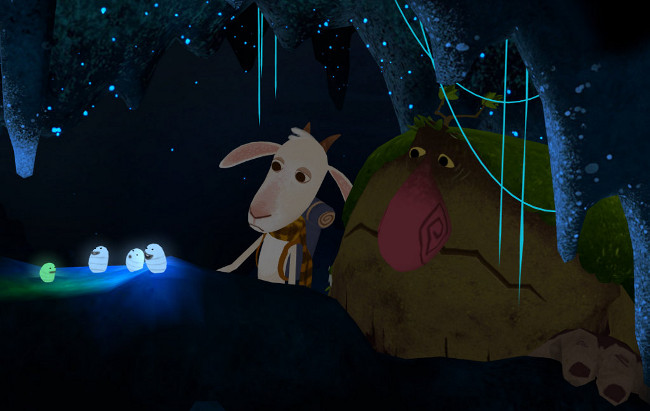
Oat the Goat: the digital story against bullying

A new online story aims to help children learn the power of kindness, providing parents with a tool to help combat bullying. Oat the Goat or Oti te Nanekoti is a free interactive bilingual story aimed at children aged 4 to 7 years old. The story highlights the importance of being kind to one another.

“Bullying affects children’s health and wellbeing and contributes to poor education and life outcomes. Tackling it as early as possible is the most effective way to limit its damaging impacts.” Associated Education Minister, Tracey Martin.

Bullying-Free NZ Week

The Oat the Goat digital story is one of several bullying prevention initiatives aimed at children during Bullying-Free NZ Week. The Ministry of Education supports schools with resources via the bullyingfree.nz website and a Bullying-Free NZ School Toolkit, including a pack for parents, a guide for Boards of Trustees, training modules for staff, and a series of interactive classroom posters.

“This is another resource parents and teachers can use to talk to their children about bullying,” Tracey Martin says. “It’s cute and presented in an animated way which will appeal to children.”

Meet Oat the Goat

Cute may not be a term often associated with bullying but this story is more about kindness than hate. Beautifully illustrated and featuring native New Zealand scenery, quirky characters and familiar Kiwi-influenced wording, Oat the Goat can be read, listened to or watched. We highly recommend watching the first time, just to hear the narration by New Zealanders David Fane (Sione’s Wedding) and Piripi Taylor (Te Kāea present and the Māori voice of Māui in Moana). There’s even music by the New Zealand Symphony Orchestra.

Oat the Goat is a beautiful story that your children will want to hear and read over and over again – and with an important message behind it, you will enjoy reading along too.

Oat the Goat

Read Oat the Goat: www.oatthegoat.co.nz

Read Oti te Nanekoti: www.otitenanekoti.co.nz

For more information, visit Bullying-Free NZ.

Continue reading “Oat the Goat: the digital story against bullying”

Wild Ferns Honey Babe

product trial4.60 out of 5 – Kidspot mums would purchase Honey Babe skincare range again and recommend it to their friends and family.

star rating 5

Whether you’re a seasoned mum or you’re new to the parenting game, we know that you always want to be using the best products on your little one. The team at Parrs Products Ltd know this too, so they have created a great range of products that have been developed with your bub in mind.

Why use Honey Babe skincare?

  • Contains Manuka Honey 80+ with all it’s amazing benefits.
  • Ingredients are chosen specifically for baby’s delicate skin. Baby skin is still developing in the first year so it needs products that are gentle, nourishing and soothing.
  • Free of harmful chemicals. No parabens, mineral oil, SLS.
  • 100% natural perfume certified to comply with the COSMOS (European) standard. This confirms that all ingredients used in the fragrance are from natural sources. (NB natural perfumes can still have allergens).
  • The Honey Babe range is 95% or higher in natural ingredients.
  • Made in New Zealand.

Some ingredients used and why

  • Manuka Oil: Antibacterial, anti-inflammatory and healing for the skin. Fantastic for the treatment of eczema and cradle cap.
  • Aloe Vera: Incredibly gentle and high in Vitamin E, makes it a great soother for baby’s dry skin.
  • Calendula: Nourishes and hydrates, especially great for baby’s sensitive skin.
  • Rose water: Cools, soothes and is an anti-inflammatory. Balances the natural pH of skin.
  • Sweet Almond Oil: Hydrates the skin, high in vitamins.
  • Avocado Oil: Reduces inflammation and softens the skin.
  • Coconut Oil: Nourishes and moisturises.
  • Rosehip Oil: Like a multivitamin for the skin. Hydrates, nourishes and repairs.

Wild Ferns® Honey Babe Skincare originates from Parrs Products Ltd, a family business that has been making quality products for over 60 years. All available nationwide in selected pharmacy, gift and souvenir stores and also online at www.wildferns.co.nz

Honey Babe Barrier crème – 99% natural

Protects and soothes – RRP $24.95

Contains premium certified New Zealand Manuka Honey 80+ renowned for its moisturising and healing properties, enriched with avocado and coconut oil and gentle essential oils of calendula and rosehip, to soothe and rehydrate baby’s tender bottom. Natural beeswax provides a protective moisture barrier to help prevent soreness and irritation. Apply as often as required.

Honey Babe Massage Oil – 100% natural

Relaxing for both Mother and Baby – RRP $24.95

Contains the soft fragrance of Manuka Honey in a blend of naturally soothing and moisturising sweet almond, clendula, chamomile and coconut oil to condition baby’s skin during massage. Helps calm a restless baby, also ideal for use as a relaxing massage oil for a tired mother. Apply oil onto hands then gently massage baby’s body.

Honey Babe Shampoo & Wash – 100% natural NO TEARS formula

Gentle ‘no tears’ formula – RRP $16.90

Contains premium certified New Zealand Manuka Honey 80+, manuka oil, aloe vera and calendula to provide gentle moisturising and natural cleansing. Produces a softly scented lather to keep baby’s skin and hair beautifully soft and clean. Apply to dampened skin, massage into a lather, then rinse off.

We’ve selected 50 members to film video reviews using the Wild Ferns Honey Baby range. 

* The reviewer who posts our favourite video review will win a Honey Babe hamper! *

Each selected reviewer will receive:

  • 1x Wild Ferns® Honey Babe Shampoo and Wash 100ml
  • 1x Wild Ferns® Honey Babe Barrier Crème 100gm
  • 1x Wild Ferns® Honey Babe Massage Oil 90ml

Scroll to the bottom of the page to add your comment.

If you are selected to trial, the product will be sent to the address on your profile. Please check your address now to ensure that it is up to date. Not registered yet? Then signup now

Kidspot Terms and Conditions: You will be required to supply a video review if you are selected. Your name and postal address will be given to the supplier for the purpose of delivery of the product only.

Watch our favourite review from Latesha and family

Plus reviews from our other trialists

Why Meditation Is Great For Kids

When you think about meditation, do you imagine a 70’s-style hippie sitting cross-legged and chanting “Ommmm”? Well, a few years ago, you wouldn’t have been alone, but we’ve come a long way in the past decade and meditation is becoming much more commonplace. So what’s behind this growing interest?

Meditation teacher, Tom Cronin, thinks part of the growing interest in meditation is a reaction to the all-pervading connectivity of our digital world.

“As a society we are getting to saturation point with the amount of information that we process. The availability of digital media means we have it at our fingertips all day long. Now we are processing so much that it has become overwhelming. We are seeking ways to shut off from this for short periods each day in the form of meditation,” he explains.

Science might also have something to do with it. With more and more research showing how meditation can help with a whole range of disorders, it’s perhaps not surprising that more people are giving it a go.

What exactly does meditation do?

While some people still equate meditation with the exotic and esoteric that’s not really what its about. Meditation advocates come to it from a range of different backgrounds and while some are certainly religious, that’s not necessary and anyone who practices meditation will gain benefits: you don’t need to change your religious beliefs to do so.

Simply put, meditation helps you relax your body and calm your mind. It helps you to focus better, become more self-aware and has been linked to improved physical, emotional and mental health.

But how does it help kids?

As an adult, you probably have at least some stress in your life. Worries about work, finances, relationships or health can sometimes overwhelm us and meditation can be one tool to help with that. But surely our kids don’t need help with that kind of thing?

Not so, says Tom Cronin. “You see so many kids who are over-stimulated. They spend every waking moment with their head buried in an iPod or computer or tablet.” Tom says that kids as young as three can benefit from learning to meditate. “If you can get kids meditating every day for one minute for each year of their age you’ll be able to see benefits.”

And it seems research from around the world backs him up. A 2005 study published in the Journal of Applied School Psychology showed that mindful awareness exercises helped children in years one to three improve school performance and reduce anxiety. In a 2005 Canadian study, students in years four through to seven experienced improved optimism, attention and behaviour through mindfulness exercises.

It can also help kids with ADHD. An Australian study found that regular meditation at clinic sessions and at home helped improve children’s ADHD behaviours, self-esteem and relationship quality. Better sleep patterns, less anxiety, less conflict and the ability to concentrate better at school were all recorded. What’s more, the parents of these kids, who also participated in the study, reported feeling happier, less stressed and better able to manage their child’s behaviour.

Getting started

It’s not hard to meditate. You don’t need special clothing or equipment and there are plenty of online resources to help you get started. Alternatively, look around your local area for classes – many are free or relatively inexpensive.

Tom suggests that simple mindful breathing can be a good way to begin. “Teaching your children to bring their awareness to their breath moving in and out of their nostrils for a few minutes a day is very good at calming things down inside their head. When doing this, prepare a space beforehand so they know they are entering into a special time. You can light a candle, and sit in a nice corner of the house with them just for a few moments each day in quiet time.”

If you can’t get your kids to sit still, they can still practice their breathing in other positions – why not try out an easy yoga pose that little ones (and first time meditating mums) can master.

We teach our kids to wash their hands and brush their teeth in order to stay healthy… Doesn’t it also make sense to teach them to do something that will give them better physical, mental and emotional health for years to come?

This article was written by Margaret Rafferty for Kidspot – New Zealand’s most comprehensive parenting resource.

Continue reading “Why Meditation Is Great For Kids”

Mother’s Day Breakfast In Bed Menu

Have you put your order in for your Mother’s Day breakfast? While it may be that ‘the thought counts’, burnt toast and cold coffee is not the ideal way to start your morning.

Use our handy printable to place your order with the family, then direct your loved ones towards our breakfast recipes so you can simply roll out of bed (or stay in it) and enjoy breakfast in the comfort of your PJs.

Mothers Day

CLICK HERE to print your Mother’s Day breakfast menu, circle what you would like, pop it up on the fridge (or in front of that screen!) and direct everyone’s attention to it … regularly … until Mother’s Day!

Breakfast recipes

Continue reading “Mother’s Day Breakfast In Bed Menu”

9 ways to get kids washing their hands

Here’s one great reason for teaching our naturally grubby and grotty kids the golden hygiene rule of hand washing: they’ll spend less days feeling miserable and having snotty little faces like glazed doughnuts.

And that’s no glib claim. Research conducted by the Centers for Disease Control and Prevention in the US has found that frequent hand washing with soap and water can reduce the number of illnesses and infections in children under five years old by at least 50 percent.

While it can be hard getting the littlies into good hygiene practices, it’s widely believed that habits learned young are more likely to become ingrained and stay into adulthood. Like teeth-cleaning and covering mouths when we sneeze and cough, hand washing needs to be part of everyday life for healthier, happier families.

So how can we get our kids to wash their hands without our naggy voices starting to sound like white noise to our littlies?

Tips for mums and dads

1. Make it easy, comfortable and safe to do

Little ones may find it hard to reach the taps and basin easily. So provide a child-safe stool or step they can use.

2. Make it a fun experience

Until the habit is firmly in place, use fun-looking soap pumps or brightly coloured little soaps, maybe in fun character shapes, that are just for them.

3. Come up with a hand washing ditty

Scientists know that to get rid of 90 percent of germs we need to wash our hands with soap for about 20 seconds – that can seem like an eternity for a tot. So why not come up with a special song or nursery rhyme to help pass the time. If inspiration fails, a rousing rendition of Happy Birthday should do the trick.

4. Set up a hand washing chart

There doesn’t have to be a prize at the end because kids will just love ticking off the box.

5. Introduce some art and craft

Sit down with your child and create a poster that shows them the steps of hand washing. If they can’t read, why not draw pictures, cut out photos from magazines or download images from the internet.

6. Model good hand washing behaviour

Little children are visual and kinetic learners – they learn best by seeing and doing. They also love to be big kids and copy what Mum and Dad do. So make sure they see you wash your hands at key times, and talk about what you’re doing.

7. Repetition rules

Youngsters learn best also through repetition and reinforcement – so don’t think if they get it right the first time, the lesson is learned.

8. Talk about germs and illness, but in a balanced way

Kids need to know why they’re washing their hands – that is, to get rid of germs that can make them sick – but it doesn’t need to be a horror story that gives them nightmares.

9. Create rituals and routines

Kids respond to routines so make sure they know when they should be washing their hands – for example, after going to the toilet, before eating, after playing with pets

Some interesting facts and research

Here’s some valuable information about why we need to wash our hands – you may or may not want to share it with the offspring.

  • According to research, the simple act of hand washing reduces the risk of getting a stomach bug by as much as 47 percent.
  • Between two and 10 million bacteria lurk between fingertip and elbow.
  • Damp hands spread 1000 times more germs than dry hands
  • The number of germs on fingertips doubles after using the toilet
  • Germs can stay alive on hands for up to three hours.

This article was written by Fiona Baker for Kidspot, New Zealand’s best parenting resource for teaching children healthy habits.

Continue reading “9 ways to get kids washing their hands”

The Four Ps of Parenting

By Zoe Fuimaono, Blessed in Doubles for LEGO DUPLO

Juggling being a busy mother to two sets of twins, being a woman in business and a wife, all whilst trying to find that middle ground and a sense of balance, has always been an internal struggle for me. I think it’s an ongoing struggle for most millennial mamas who are constantly trying to do it all, while figuring out what works for them.

Whether we are at home with the kids or out in the workforce, we are constantly asking ourselves am I doing enough? Are my children getting enough of my attention? What else can I do to be more present? Questions I’m sure a lot of mothers reading this would have asked themselves. And it’s also a question I am constantly asked: “How do you do it all?”.

I sometimes find that question a really hard one because this is my life, I just do it. But I know there is so much more to it than that, and that’s why I’m here writing this little spiel so I can give you some insight as to how I try to find a balance not just for myself but for my family and how I prioritise my time.

We all know the saying, life is all about balance. But how do we really truly find that balance? For me it’s all about the four Ps – planning, preparation, peace and play. I like to know what I’m doing, how I’m going to achieve it and to recognise when everything is getting too much, so I can just stop and take a step back from it all.

Planning

When it comes to planning we have a weekly food planner on our wall. I write down all the meals we will eat for the week including breakfast, lunch, dinner, snacks and plan a shopping list. Whenever I do this I feel so prepared, and when I don’t I honestly feel like my life is in shambles. Having that structure, especially, around food, and knowing what to eat and when is such a relief, even more so when you don’t have to think about it.

Preparation

I love the saying, preparation is the key to success, because honestly when I am prepared everything seems to fall into place. I’m less stressed, I know what’s going on and I actually get things done. I’m such a procrastinator (another P!), so for me being prepared is really important. I don’t plan and prepare for every second of the day but when I have a rough idea of what I’m doing in advance, my life doesn’t feel so chaotic. I do little things like prepare an extra batch of food when cooking, or get the kids PJs all ready before they get home so once they’ve had dinner it’s bath time, teeth brushed, books read and bed. It’s all about trying to make life that little bit easier.

Peace

Then we all need our peace. I know I need to take my own time out, now and then. So take a break, give yourself that time to relax. Maybe it’s over a nice cup of tea, running yourself a bath or spending more time doing your makeup –  whatever it is, make sure you find those mini breaks for yourself throughout the day.

Play

Last but certainly not least, is the need to play. This is probably the most important thing – knowing when to take a step back and say, no more work. Don’t worry about the house chores or the fact that dinner isn’t on. Just take the time to get in there and spend time with the kids. When we are spending time together we love playing with our LEGO DUPLO. For me it brings back amazing memories of when I was younger and I would spend hours playing and building. The opportunities to build things seemed endless. Fast forward 20 odd years and I still get the same feelings, it still gets my imagination going and now my kids’ imagination. Watching all of our children’s minds fizz and tick with excitement as they build, makes my heart sing and honestly I really get into building (sometimes more than them!).

Often all we need to do is sit down for an hour and put our screens away, close the laptop and switch the TV off and just hang out with our kids and play. Moments like building with DUPLO bricks offers us this opportunity to create and connect together. We can learn so much from our babies by simply watching them play. I know I have. I’ve learnt patience, I’ve learnt to let go of expectations and to just switch off and completely delve into a project and let my imagination do the thinking for once. When we get the LEGO DUPLO out and it makes that crazy fun sound when being tipped out, I know we are all going to have fun as a family. Seeing their eyes light up when Mummy and Daddy sit down and take time out from our hectic life and just completely focus on them is the best feeling in the world.

As I’ve learnt from LEGO, play is the most natural way for our kids to learn and is a major part of their development. Play-time helps us parents create special memories with our little ones and gives us the chance to fully connect with them. It doesn’t matter if we can’t spend hours and hours playing with our kids, as long as we make sure we are fully present in those moments when we play with them, they will feel it back. In turn our kids can feel confident to create and express themselves. And that’s a milestone my hubby and I want for our kids.

At the end of the day we are all doing our best, even if you feel like you aren’t doing enough, you are! It is so important to take time out to prioritise, nurture and be kind to not just our children but most importantly ourselves. Know and affirm to yourself that you are doing an incredible job, because you are.

This article was written by Zoe Fuimaono who blogs at Blessed in Doubles whilst raising two sets of twins under the age of four.

Continue reading “The Four Ps of Parenting”

Get a workout at the playground

You know your kids burn a lot of energy when you take them to the playground – that’s why you take them after all. They get fresh air, plenty of cardio and strength work and you get some respite. But there’s no reason why you can’t get a work out too.

Exercising at the playground is a great way to fit in your exercise needs while looking after your children without having to fit in gym visits.

As a mum I know what it’s like to have your needs put last, but as a personal trainer I want you to use your time wisely and get your workout done while your kids are playing. They follow our lead so by seeing you exercise they see it’s normal and fun.

Here are five exercises you can do at the playground the next time you go.

Swing Squats

Pushing the swing?

Add a squat to your moves. Get your child started on the swing and in between each push, squat down. Make sure that your back stays straight. You don’t have to squat down to the ground, just get as low as you can comfortably and while remaining stable.

Hold your arms overhead.

Press ups

You don’t have to get on the floor to do press ups. If your local playground has a climbing frame or a playhouse to it you can use that structure to do wall press ups. These are great for beginners but all levels benefit

Stand in front of your wall and lift your arms up to shoulder level. Place your palms against the wall so that they are slightly wider than your shoulders. Your fingertips should be pointing up. Back your feet a couple feet away from the wall so that your elbows are bent as you lean on an angle into the wall.

Don’t arch your back. Arching your back during a chest exercise can put too much pressure on the lower spine and cause injury.

Inhale before beginning the exercise and exhale as you push off the wall until your arms are in an outstretched position with elbows slightly bent. Inhale as you go back to the starting position.

Repeat the move 10 times. As you progress you can gradually work up to 20 or more wall push-ups for increased chest strength. When you are able to complete the exercise with ease using the proper form described, increase the repetitions by five until you can do 20 in a row.

To make it harder take twice the time to do one press up.

If there’s no wall to push up against you can use a bench.

Pull ups

Using an underhand grip, grasp a jungle-gym bar that’s about a metre off the ground. Keep your hands shoulder-width apart and extend your legs in front of you until your chest is under the bar.

Place your feet hip-width apart. Pull your chest close to the bar by drawing your elbows alongside your ribs. Straighten arms and repeat. Aim to do five pull-ups. You want to work up to 12 to 15.

Tricep dip

Sit on the edge of a bench and place hands by your hips, fingers forward so that you can hold the edge.

Lift your butt off the seat and walk feet a few steps away from the bench. Bending at elbows, lower your body until your upper arms are parallel to the seat of the bench.

Push back up to complete one rep.

Monkey bars

Monkey bars are a real challenge. If you have any weights gloves, or cycling gloves try wearing them so that your skin doesn’t rub on the bars as much.

Grab onto the first set of rungs and move down the bars, alternating one arm at a time on each rung.

If the bars are kid-height, bend knees to lift legs completely off the ground. Move down and back as many times in a row as possible. If you can only do a couple try to increase how far you go with each set and visit.

Here’s a workout you can do at the playground:

  • 20 swing squats
  • 10 wall press ups
  • 5 pull ups
  • 10 tricep dips
  • Monkey bars
  • Repeat three times


This article was written by Alison King, aka The Fit Kiwi. Alison went from being the most overweight kid in her class to four-time Ironman triathlete and multiple marathon finisher. She is a mum and a REPS registered personal trainer and running coach and offers online training.

Find her at www.facebook.com/thefitkiwi.

Continue reading “Get a workout at the playground”

What is asthma?

Asthma is a condition in which the small passageways in the lungs become inflamed and swollen. During an asthma attack, these passageways, called bronchi, become narrow. This makes it hard to get oxygen into the lungs. Asthma is not curable, but it is manageable. Most kids with asthma lead a normal life.

What causes asthma?

Asthma has several causes, including allergies, colds and other respiratory infections, cold air, cigarette smoke, exercise, stress and some medications.

Is asthma serious?

Yes. A severe asthma attack can be life-threatening.

Can I prevent asthma?

Asthma is not curable, but you can help control asthma attacks. By identifying what triggers an attack, you can help your child avoid potential illness.

How do I know if my child has asthma?

Children who have asthma may have a family history of asthma, frequent respiratory infections as a child, and be exposed to secondhand cigarette smoke and air pollution. Kids with asthma display the following symptoms:

  • Shortness of breath
  • Chest tightness or pain
  • Trouble sleeping caused by shortness of breath, coughing or wheezing
  • Whistling or wheezing sounds when exhaling
  • Bouts of coughing or wheezing that are worsened by respiratory viruses such as colds or flu

How do I treat asthma?

Asthma can be managed. Most cases of asthma are treated with: ½ preventer medication, or ½ reliever medication, or a combination of the two. Preventers are medications taken each day that help prevent asthma attacks, and relievers are medications that relieve an attack in progress. Preventer and reliever medications contain different drugs and work in different ways on the lungs. Preventers are slow-acting medications, and relievers are fast-acting medications that open the airways quickly.

We’ve also got 8 tips for managing asthma the easy way.

Should I call the doctor?

You should schedule an appointment with your doctor if you suspect your child has asthma. If your child is being treated for asthma, but his symptoms appear to be getting worse, contact your doctor. You may need to switch medications and/or revise your treatment plan. Seek immediate medical help if your child is having an asthma attack and is not responding to medication.

What you need to know about asthma

  • Asthma is a condition in which the small passageways in the lungs become swollen and inflamed.
  • During an asthma attack, the passageways narrow, making it hard to breathe.
  • Identifying triggers can help your child avoid attacks.
  • Medications can help control asthma.
  • Severe asthma attacks can be life-threatening.

Written by Rebecca Stigall for Kidspot, New Zealand’s parenting resource for family health. Sources include Better Health Channel, NSW Health and Health Insite.

This article contains general information only and is not intended to replace advice from a qualified health professional.

Continue reading “What is asthma?”

8 tips to manage asthma the easy way

Taking a deep breath isn’t always easy in New Zealand, given we have the highest asthma rates in the world with between 10 to 15% of children suffering from the condition, compared to 10 to 12% of adults. In 2014 more than 500,000 New Zealanders were taking asthma medication. With so many kids living with asthma, there are plenty of families trying to keep their kids healthy and asthma-free. Living with asthma can be a little easier with Kidspot’s top tips for managing asthma in kids.

Asthma tip one: Keep an asthma diary

Taking notes about the days and times your child suffers wheezes or asthma attacks is the best way to discover what triggers your child’s asthma. By keeping a diary you have the best chance at pinpointing exactly what gets your child wheezing. Once you have identified the likely suspects – often things like house dust, exercise, playing with pets or even something as basic as change of temperature – you can work with your child to control or reduce the trigger factors.

Asthma tip two: Keep a clean house

Almost every asthmatic child has a strong reaction to dust, and simply keeping household dust to a minimum can immediately improve your child’s asthma. While keeping your house clean, it is also worth considering removing anything that can easily collect dust – carpet is much harder to keep dust-free than floorboards or tiles; piles of soft toys and knick-knacks are great dust collectors; seasonal clothing (jumpers, scarves, jackets) can become very dusty in the off-season. Using a quality vacuum cleaner with a HEPA filter will help, as will ensuring all family members take their shoes off at the front door to leave dust and dirt outside where it belongs. Dusting regularly with microfibre cloths which you throw in the washing machine is probably a better idea than spraying plenty of cleaning products around the house and adding to the respiratory loads inside the house.

Asthma tip three: Keep a pet-free home

While your child may pine for the cuddliness of a pet cat or dog, the hair, dander and saliva that comes with them may have a seriously detrimental effect on your child’s asthma. If you already have a beloved pet you can’t bear to part with, try to keep your pet outside as much as possible and particularly limit the access your pet has to your child’s room. Never allow your pet to sleep on your child’s bed and make sure they steer clear of other family member’s clothes that might be covered in pet hair.

If you are considering a pet, think about the more asthma-friendly options such as a lizards, hermit crabs or fish. Not so cuddly but definitely safer!

Asthma tip four: Keep it a smoke-free environment

Keeping your home and car smoke-free is not hard to do these days – any parent who puffs away in the car with a child strapped into the backseat would almost be arrested! However, it is worth remembering that smoke-free means smoke-free. Ask visitors to refrain from smoking in the house or car even if your child isn’t around. Cigarette smoke has the ability to hang around long after the cigarette has been finished. Not only does it smell terrible, but it isn’t good for your child’s lungs either.

Asthma tip five: Keep your kids healthy

While it is always important for growing children to eat well and sleep well, it is more important than ever in asthmatic children. Without a balanced diet and adequate sleep, your asthmatic child can become rundown and more vulnerable to colds and coughs, which can trigger an asthma attack. Plenty of fruit and vegetables will go a long way to keeping asthma at bay.

Asthma tip six: Keep an eye on colds

If your child develops a cold, keep a close eye on any signs of asthma appearing. Early signs of asthma are much easier to manage than a full-blown asthma attack. Ensure you have an asthma management plan ready to use if early symptoms appear.

Asthma tip seven: Keep your asthma management plan up to date

When your child is first diagnosed with asthma, you will develop an asthma management plan with your GP or specialist. This plan usually has a few phases to effectively manage mild to severe asthma. An asthma plan may involve regular exercises or a particular drug regime. Once you have this plan in place, make sure that you review it with your doctor at regular intervals – after all, the plan you have in place for a 5 year old may no longer be appropriate for a 10 year old. Ensure too that any medications used to manage your child’s asthma are in date and safe to use.

Asthma tip eight: Keep your child involved

As much as possible, get your child involved in managing and understanding his/her condition. They will be much more motivated to do the right things if they understand the consequences and feel some responsibility for their health. Make sure your child understands from a young age what triggers their asthma and strategies they can use to avoid those triggers.

This article was written by Ella Walsh for Kidspot, New Zealand’s best resource for family health. Sources include Kids with Asthma and Parenting and Child Health.

Continue reading “8 tips to manage asthma the easy way”

How To Create An Asthma-friendly Home

Creating a home that is a friendly place for asthmatics to live in is not as easy as it should be. It’s very difficult to design a house that is completely free of the things that can cause an asthma attack, as the main asthma triggers are all around us – in our kitchens, in our bathrooms and even in our beds!

Some of the most common things that can aggravate an asthma sufferer’s airways include:

  • Dust mites
  • Mould
  • Humidity
  • Inconsistent temperatures
  • Chemical fumes
  • Pets
  • Plants

The following guidelines will help to make your home and garden as asthma-friendly as possible. What can be eliminated, should be eliminated!

Floors and carpets

Solid floor surfaces, such as floorboards, tiles or cork are preferable to carpets. Hard surfaces are much easier to clean and to keep free of dust and mould. If carpets are unavoidable, then short pile carpets are much more better than long pile carpets.

It’s definitely worth investing in a high quality vacuum cleaner that has a good dust filtering system. Vacuuming should be done on a weekly basis and always when the asthma sufferer is away from the house. It also pays to have your carpets steam cleaned regularly. Many professional steam cleaning companies offer a rapid dry system which means that mould growth won’t be an issue. Throw rugs should be regularly taken outside, exposed to sunlight and beaten with a dust paddle, well away from any family members who have asthma.

Air quality

The air quality in your home can be greatly improved, using a number of different tips and tools. Ventilation is very important. Windows should be opened regularly to ensure that your home has good air circulation – this should be done when the pollen count outside is low! Extractor fans in bathrooms and kitchens will ensure that humidity, mould and cooking fumes are kept to a minimum.

In winter, a heating system that does not disturb dust particles is advisable, such as a radiator system of heating. Smoke emitted from open fires can trigger asthma, so fireplaces should not be used.  In the summer months, air conditioning systems that use filtered air, rather than re-circulated air, will ensure that dust particles within the house do not become air-borne. Evaporative air coolers add too much moisture to the air, so these should also be avoided.

Cleaning products and other chemicals

Some cleaning products, particularly those in a can or pistol-grip spray container, contaminate the air with particles that can cause an asthma attack. Anything that creates a smell or scent in your home can also irritate an asthma sufferer. Paints, oil burners or room fresheners all fall into this category. Sometimes perfume or after-shave can also have the same effect. Low allergen cleaning products are becoming more popular and can be purchased online. It is also possible to purchase low allergy paints, flooring and personal care items.

Bedding and bedrooms

The bedroom can harbour a vast array of asthma-inducing toxins. Dust mites breed very quickly in bedding and carpet, and their air-borne droppings can be particularly troublesome. Dust mite proof mattress, doona and pillow protectors can be very useful when trying to control this common allergen. Washing all bedding in hot soapy water, above 55°C will ensure that dust mites are killed. This is recommended at least once a fortnight, if not every week. Adding eucalyptus or tea tree oil to the wash can also be helpful when trying to keep dust mites at bay. Other things that can help keep a bedroom free of dust mites include:

  • Not storing anything under the bed
  • Putting stuffed toys in the freezer overnight, every couple of weeks
  • Not using bedding made from feathers or wool
  • Regularly airing out blankets in direct sunlight for a couple of hours

Pets

Often a central part of a good Kiwi family, household pets can pose a lot of problems for asthma sufferers. It is not so much the pet’s hair that is the problem, but rather what grows and lives in their hair and skin. Exposure to pet allergens can be minimised by keeping the pet outdoors as much as possible and never allowing them into the bedrooms. Brushing and washing pets should be done outside, once a week, by a member of the family who does not suffer from asthma. After playing with pets, all members of the family should wash their hands thoroughly.

In the garden

As well as being mindful about asthma triggers inside your house, it is equally as important to be aware of potential triggers in your garden. Pollen can create a real problem for asthma sufferers, particularly from August to March, as this is when pollen counts are at their highest.

Choosing lightly scented, low allergen plants is key to a good asthma-friendly garden. Replacing lawn with pavers, where possible, will also reduce the amount of pollen released into the air when the lawn is mowed. Weeds can also harbour a lot of pollen, so keeping them under control will also be beneficial.

Wearing gloves, protective eye glasses and a face mask when doing the gardening is recommended for all asthma sufferers, and the best time to get your fingers green is on cool cloudy days rather than hot and windy ones.

Sensitive Choice

Sensitive Choice® is a community service focused programme for everyone who wants to breathe purer, cleaner, fresher air and reduce allergic reactions. The Sensitive Choice® programme is the only one of its kind in New Zealand that approves asthma and allergy-aware products or services through an independent panel of experts. You’ll find the reassuring ‘blue butterfly’ symbol on hundreds of products – from bedding to building products, from cleaning agents to carpets, from air purifiers and vacuum cleaners to the very paint you put on your walls.

You can find a full list of approved products and services on the Sensitive Choice website® – just look for the blue butterfly and make a sensitive choice.

Help yourself: Download a free leaflet with helpful advice ‘Living with Asthma and Allergies – a guide to non-medical products

Continue reading “How To Create An Asthma-friendly Home”

3 DIY Mother’s Day Bunting Ideas

Hey kids! Yes you! Why not make Mum a special surprise this Mother’s Day and create a  Mother’s Day bunting to rig up in the morning when she gets up because she totally deserves it!

We have three great options for you to choose from.

You will need:

  • bunting template of your choice (see below)
  • about 3m of string or ribbon
  • a stapler
  • a pencil
  • glue
  • scissors

Once you have your bunting pages ready, place your piece of string or ribbon on the floor, stretch it out. Now position your bunting to make your message.

Staple the bunting pieces to the string or ribbon.

Hang it up and wait for Mum to wake up from her sleep in.

Option 1: Newspaper bunting (main image)

To make this you will also need 9 x sheets of newspaper (old ones, don’t use the one you find on the doorstep this morning – that may ruin Mum’s day) and some coloured craft paper.

Sketch out your message onto coloured paper one letter at a time in letters you can cut out and stick onto the bunting. Cut out the letters  and then glue them onto the bunting.

Instead of cutting out letters, you could just use a marker pen to draw your message onto the bunting

Download newspaper template here

Floral DIY Template

Bunting template - DIY Mothers Day

Use this template to make bunting with your own special message. The template includes each letter of the alphabet plus a heart. Only print the pages / letters from the template file that you need.

Print in colour or to save ink, black and white looks lovely especially if you colour in the letter on each page in Mum’s favourite colour.

Download DIY words template

Mother’s Day bunting

Mothers Day bunting

This template spells out ‘Mother’s Day’ – and is bursting with hearts! This is a quick and easy Mother’s Day bunting option and will make any room look special.

Download Mother’s Day template

Mother’s Day coupon booklet

Want to give Mum a gift that keeps on giving? Well, here it is! Print off this booklet for Mothers’ Day and give Mum what she wants and deserves. From simple chores and treats to blank coupons that Mum can fill in herself.

What you need:

  • computer with internet access
  • printer – with coloured ink
  • paper
  • scissors
  • stapler

Activity:

Step 1. Print off the coupons for mum.

Step 2. Cut the coupons out and staple them together along the left side, just like a book!

Step 3. Hide it until Mother’s Day and there you have it, the perfect gift!

Print these coupons

PRINT COUPONS

30 Ways To Celebrate Mother’s Day – Without YOU Lifting A Finger

Forget cold tea and burnt toast, leave this handy list lying around where your partner or older kids can find it and – hey presto! – a Mother’s Day you can sit back and enjoy.

When it comes to Mother’s Day, most mums have at least one ghastly tale of a well-meaning hubby buying them mop socks (yes, this really happened to my colleague, Suze) or worse, a barbecue. While it’s not necessarily your husband’s job to organise a Mother’s Day gift you’ll love, when the kids are too little to sort it out on their own it is nice to have someone remember the special day and make an effort. As kids get older it’s usually burnt toast and cold tea, but it’s made with love and that makes all the difference.

This Mother’s Day, we want you to be pampered, so we’ve put together a list of 30 ways to celebrate that don’t involve you rushing to the shops at the last minute to pick your own present because everyone else forgot and you don’t want them to feel bad (yes, this also really happens).

Cards

If nothing else of note happens on Mother’s Day, a handmade card from your little cherubs is likely to put a smile on your face for the rest of the day. Here are some ideas they can make themselves.

1. Flowerpot card

Super-cute and simple enough to make, this card is bloomin’ fabulous.

2. Stained glass card

This magical stained glass window card project uses oil pastels and a quick brush of cooking oil for cool results.

3. Pretty poems

If your little ones need a bit of prompting to get some words down on paper, they might find this thank you poem helpful. Or, if they’d prefer to get a bit more philosophical, this poem about a mother’s love should do the trick. Alternatively, they can get right down to the meaning of love with this heartfelt verse.

4. Fingerprint card

This fingerprint card acts as a snapshot of a moment in their lives, as well as a sweet little ‘I love you’. Keep it with your other knick-knacks and bring it out from time to time to marvel at how teeny tiny their fingerprints were. As an added bonus, if they ever go rogue and become criminal masterminds, you’ve got their prints on file. You just never know …

5. Rosebud card

Rosebuds are red, violets are blue, you’ll love this sweet card, and the kids will too.

6. Sign-language handprint card

This beautiful card is really touching – using a traced outline of their hand, kids can fold down the fingers to make the ‘I love you’ sign in sign language. Bless!

Treats

Mother’s Day is as good an excuse as any to ditch the diet and indulge in some yummy treats. These recipes are simple and fuss-free so that the kids can make them with only minimal supervision.

7. Chocolate pancakes

What is Mother’s Day without pancakes? This recipe adds some chocolatey flavour to a basic pancake recipe for a delicious start to the day.

 8. Microwave chocolate cookies

If the idea of kids playing with the oven on Mother’s Day is not something conducive to relaxation, you might want to leave this microwave cookie recipe lying around. YUM.

9. Mother’s Day breakfast

Get the day off to a good start with a special breakfast in bed – don’t forget to print and fill out your order the day before!

10. Lemonade scones

If you love nothing better than a morning tea with your family on Mother’s Day, these impossibly fluffy scones have to be on your wish-list. Divine.

11. 2-ingredient coconut roughs

Who doesn’t love a coconut rough? This one is easy enough that older kids will be able to make it without demolishing the kitchen.

12. Super-easy rocky road

The title says is all, really. This recipe is sure to be a winner.

13. Heart-shaped cupcakes

This Valentine’s treat is also perfect for Mother’s Day. There’s a simple trick to make the heart-shaped cupcakes!

14. Lollipop bouquet

For the mama with a sweet-tooth, this lollipop bouquet is the ideal gift. Make sure you hide it in a kid-free place as soon as you get it …

With Dad’s help

While intentions may be good, the idea of being awoken to the sound of smoke alarms or your youngest accidentally stapling themselves to your card are not ideal Mother’s Day outcomes. These ideas are a little more difficult or time-consuming, so are best executed under Dad’s (or another relative or friend’s) watchful eye. Just email them the link and hope they get the hint …

15. Tomato and ricotta breakfast bread

Better than any cafe breakfast, this scrumptious savoury treat is even better with some melty-hot butter slathered over it. We won’t tell anyone …

16. Family tree vine

This idea is such a cute one – the kids can work a bit of family history into a gift with a family tree vine. They might need Dad’s help to get all the names right, but it will be a sweet keepsake to look back on.

17. Calendar card

Kids can say ‘I love you, Mum’ on every day of the year with this beautiful calendar card. Perfect for those occasions on which you really need a reminder of why you signed up for this whole motherhood lark …

18. Hand and footprints poster

Always a winner, this hand and footprints card definitely needs adult supervision, lest little feet get restless during the activity and wander paint through the house.

19. Breakfast pie

Everyone deserves pie for breakfast at least once in their lives.

20. Ricotta-stuffed French toast with caramelised banana

We’ll just give you a moment to think about that one. And drool. Find out how to make it here.

Gifts

Every mum knows that the best gift their kids can give them is something handmade. Actually, scrap that. The best gift their kids can give them is a bathroom renovation and a date with Ryan Gosling, but the next best thing is something heartfelt and made with love.

21. Origami photo frame

Origami you don’t have to do with them? Great! Origami that’s actually useful? Double win! This nifty photo frame requires just one piece of paper – and a photo, of course. Simple and thoughtful.

22. Popsicle stick coasters

These coasters are such a fun activity for the kids to make, and a gift you can actually use. No promises on being able to get the kids to use them, though …

23. Handmade jewellery

Who doesn’t want to adorn their person with accessories that once held loo roll? Cute, fun, and hopefully not too hardy so they’ll disintegrate soon after Mother’s Day, freeing you from the obligation of wearing them to your next fancy dinner. Find out how to make them here.

24. Easy scented heart sachet

For mums who like pleasantly-scented bits and bobs, this pretty drawer sachet is a winner.

25. Painted flower pots

The kids can occupy themselves painting some terracotta pots especially for you.

26. Painted family

Kids can draw the family’s faces with pencil on wooden spoons and then paint . Find out how to make them here.

27. Woven bookmark

Bookmarks are highly useful and totally underrated gifts – especially personalised gifts like this one. With a few well-timed hints, hubby or older kids might nip out and get you that latest bestseller to go with it!

28. Homemade gift coupons

Print out these cute gift coupons, staple them together and you have a whole host of present promises from hugs and kisses, to back rubs and five minutes’ peace!

29. Thumbprint hearts tree artwork

This is one artwork that will look good on the fridge – or even in a frame. Extra points for kids who clean their hands before running in for a cuddle …

30. Cereal box note-holder

This gift is one that will keep giving – a pretty place to store all those school newsletters, permission slips and notices. It might even prompt them to give you the notes they bring home from school rather than keep them stuffed in the side pocket of their bags …

This article was originally written by Bek Day, the Social Media Producer for Kidspot.com.au and has been adapted for Kidspot NZ.

Throw a Pink Ribbon Breakfast

Come together and host a Pink Ribbon Breakfast during May! The money you raise helps Breast Cancer Foundation NZ fund breast cancer research and patient support.

It’s also great fun and a wonderful way to get friends together. So pull out the poshest crockery, your best cutlery and your tastiest recipes for some fundraising fun. Can’t make a breakfast work for your schedule? Then why not host a weekend brunch or an afternoon tea?

Hosting a Pink Ribbon Breakfast

  • Plan when and where you will host your breakfast – it can be at home, at work, as a school event, anywhere at all
  • Head to the Pink Ribbon Breakfast website to find out how to register as a host
  • Use the resources on the Host Resources page to help you plan, get fun ideas, and more
  • We’ve included some recipes from the Kidspot Kitchen below to get you started on your menu
  • Why not use some ideas from our Pink Party theme for decorations and activities
  • If you prefer, head along to a participating café or restaurant to support a Pink Ribbon Breakfast host

Each year thousands of Kiwis host a Pink Ribbon Breakfast and millions of dollars has been raised for breast cancer research and support.

Breakfast recipes

Brunch or afternoon tea

Refreshments

Tell us about your Pink Ribbon Breakfast! Share your story in the comments below.

Avengers: Infinity War movie review – Spoiler free!

A cinematic journey ten years in the making and spanning the entire Marvel Cinematic Universe, Marvel Studios’ “Avengers: Infinity War”

brings to the screen the ultimate, deadliest showdown of all time. The Avengers and their superhero allies must be willing to sacrifice all in an attempt to defeat the powerful Thanos before his blitz of devastation and ruin puts an end to the universe. (Marvel.com/Avengers)

Avengers
Watch now on Disney+

Directed by Anthony Russo & Joe Russo

Screenplay by Christopher Markus & Stephen McFeely

Based on the comics of Stan Lee & Jack Kirby

Starring Chris Hemsworth,  Tom Hiddleston, Robert Downey Jr, Mark Ruffalo, Scarlett Johansson, Chadwick Boseman, Anthonie Mackie, Tom Holland, Chris Evans, Chris Pratt, Zoe Saldana, Benedict Cumberbatch, Idris Elba, Josh Brolin, and so many more!

What do we think?

Avengers: Infinity War is a movie with a decade of cinematic storytelling and fandom behind it. It feels like the last episode of a favourite TV series that you’re sharing with millions of people worldwide (except it’s not quite the end). It fills with you such amazingly high expectations and also a huge amount of dread that, surely this has to be the end for one or more beloved characters. This is not a movie. This is an adventure. And it is brilliant.

You don’t need to have seen all of the 18 previous Marvel movies prior to seeing Avengers: Infinity War, though it definitely helps to have seen a few with some inside jokes and references. I would highly recommend seeing Thor Ragnarok as this movie leads off literally minutes after. Thor and Loki kick off the action when faced with the biggest baddie of them all, Thanos. Brilliantly played by Josh Brolin, Thanos has a plan to collect all six Infinity Stones to enable him to restore his warped ideal of balance in the universe. He will let nothing and no one stand in his way.

During his destructive search for the stones, he battles against all of the Avengers plus characters from Dr Strange, Black Panther, Spiderman, and Guardians of the Galaxy. The battle scenes are vast and filled with CGI magic. But the interaction between the characters is what makes this movie so intriguing for Marvel fans. I can attest to inwardly squealing with delight every time a new character appeared on screen. I laughed, I was moved to tears, I held my breath on more than one occasion and I was on the edge of my seat for the whole movie.

Who should see it?

This is not a film to jump into if you’re not that into superhero movies. It doesn’t pretend to be anything other than an action-filled, superhero-laden cinematic spectacular. Those who began the journey with Iron Man back in 2008 or those who jumped in when Thor, Captain America, the Avengers, or the Guardians of the Galaxy made their feature debuts, will love this movie. Everyone’s favourite superhero gets a spot in this epic. It’s 156 minutes long, though it sure didn’t feel like it – testament to a great film. You will talk about it for days, even weeks later, trying to figure out the next step – trying to figure out what the heck just happened!

Written by Julie Scanlon for Kidspot

Separation anxiety

Separation anxiety is a common and often challenging phase in a toddler’s development, as they begin to grapple with the complexities of independence and attachment. For many parents, navigating this emotional terrain can be just as daunting as it is for their little ones.

Understanding the roots of separation anxiety and implementing effective strategies can help ease the transition for both children and parents.

Separation anxiety in your child’s first year

Along with the blowing out of the candle on their very first birthday cake, you may find that your child will celebrate turning one by becoming teary and clingy when you try to leave them with another carer. And this someone else could be his beloved grandmother who they’ve seen every week for his entire life. While this sudden turn of events can be unsettling, separation anxiety is a perfectly normal part of childhood development.

How does separation anxiety develop?

Under 6 months:

  • When your baby is a newborn, they will adapt to a range of caregivers quickly and easily.
  • As long as their needs are being met, they will usually adjust well to other people.
  • In the first few months, it’s more likely that you will be the one suffering from separation anxiety!

Between 4 and 7 months:

  • Your baby will begin to understand that people and objects still exist even when he can’t see them – this is called object permanence.
  • While he realises that you still exist when you’re not in his range of vision, he doesn’t have any concept of time and so can’t predict when you’ll return.
  • At this age, a game of ‘Peekaboo’ is the best entertainment in the world.

Between 8 and 12 months:

  • While your child is growing into an independent toddler, they may become unsure about being separated from you.
  • Your child may become agitated and upset whenever you try to leave them.
  • Regardless of where you’re going or who you’re leaving him with, they will cling to you and resist engaging with the other caregiver.

Separation anxiety in children

Separation anxiety can vary from child to child depending on your child’s temperament and how you respond to their anxiety. Left undealt with, in some circumstances, separation anxiety can last right through to secondary school. In older children, however, separation anxiety is usually a symptom of a deeper and more complex problem that needs to be investigated properly.

While you are the best judge of your child’s temperament, most 12-month-old children have learnt the gentle art of manipulation – if you continually drop everything to respond every time your child cries, or often change your plans to accommodate your child’s separation anxiety, your child will learn that their behaviour is a great strategy to avoid separating from you.

Older children with separation anxiety:

Children with separation anxiety disorder are afraid of separating from their families because of concern that something bad will happen (to you or them) while you’re separated. Consult your GP if:

  • Your child is suffering from symptoms of panic (nausea, vomiting, or shortness of breath)
  • Your child has a panic attack before you separate
  • Your child has nightmares about separation
  • Your child resists sleeping alone
  • Your child is preoccupied by concerns of being kidnapped, getting lost, or being able to keep himself safe without a parent being present.

How can I cope with my child’s separation anxiety?

Dealing with a child who is experiencing separation anxiety is a complicated business. You may feel:

  • Reassured that your child is strongly attached to you
  • Frustrated that separating is so difficult
  • Upset by your child’s obvious distress when you separate
  • Overwhelmed by your child’s neediness

Time will usually ease your child’s separation anxiety – it is only with repeated experience that your child will come to understand that you always return after you leave. They will also develop some much-needed coping skills and independence, and in the meantime, you can be gratified that the bond between the two of you is so strong.

This article was written by Ella Walsh for Kidspot. Sources include SA Government’s Parenting and Child Health.

Continue reading “Separation anxiety”

Join the Catch Up

Join our community of parents and let the Kidspot Catchup be your guide to creating unforgetable family moments.