
Top tips to cope with common fears and phobias

Everyone has fears in their lives and whether it’s a fear of the dark, a fear of spiders or a fear of heights, fear is a healthy response to what your body perceives as danger. It’s when our fears become phobias that we need to develop ways of dealing with these strong reactions so they don’t take over our lives.

Fears vs phobias

Fear is an emotion experienced as a result of a perceived threat. One of our most basic survival mechanisms, fear is what tells us that we are in a potentially dangerous situation and is a healthy and normal reaction.

Phobias are an intense fear of something that actually poses no real danger. Phobias are involuntary and create an inappropriate sense of irrational terror.

When does a fear become a phobia?

Everyone experiences rational fear – it is an essential survival mechanism – but it is when fears become irrational that they turn into phobias. Irrational fears are not helpful in any way and can begin to dictate how you live your life. Phobias can become extremely disruptive to day-to-day life as the irrationality of fear can lead to avoidance by the sufferer. Most phobias plant their seeds during childhood, but they can also develop in adulthood.

Signs of phobia usually include anxiety-related symptoms such as:

  • Sweating
  • Nausea
  • Shortness of breath
  • Numbness or tingling sensations
  • Accelerated heart rate, pounding heart or heart palpitations
  • Chest pain
  • Fear of dying
  • Shaking
  • Sense of choking
  • Light-headedness or feeling faint
  • Sense of being detached from yourself

Fears and phobias in children

Fear in children is a common developmental occurrence. Research by The Child Anxiety Network estimates that 90% of kids between 2-14 years have at least one specific fear and that most of these fears are considered normal. Common fears in children include:

  • 0-2 years: Loud noises, strangers, separation from parents, large objects.
  • 3-6 years: Imaginary things such as ghosts, monsters, the dark, sleeping alone, strange noises.
  • 7-16 years : More realistic fears such as injury, illness, school performance, death, natural disasters.

Top tips for staying on top of phobias

Phobias by their nature are irrational, so it helps to have some simple strategies in place to help you conquer your phobias.

Don’t forget to breathe

In the face of a phobia, most sufferers will experience a multitude of anxiety-related symptoms that can powerfully overwhelm the body. Learning to breathe deeply and calmly in the face of your fear will help you to stay calmer when panic strikes.

Face your fear

Easy to say but hard to do, facing your fear will help you to overcome your phobia. Many phobia sufferers need the help of cognitive behavioural therapy if their phobia is severe, but it is possible to successfully tackle a minor phobia on your own.

Take baby steps

Facing, and ultimately overcoming, your phobia is more do-able if you tackle it in a step-by-step fashion. Work out what aspects of your phobia are the least and most fearful and then work your way through the list from easiest to hardest.

Be aware of your body

When your body is experiencing anxiety-induced symptoms, try to become aware of what is happening to your body and work to acknowledge that these are symptoms of fear NOT symptoms of anything more sinister. Many phobia sufferers begin to associate the physical symptoms of anxiety with the phobia itself, which can make dealing with the cause of the phobia more difficult.

Own your phobia

It may not make it magically disappear but acknowledging your fear can make facing it a little easier – rather than adopting avoidance strategies, owning your phobia allows you to work through it and to understand that while it may be scary, it isn’t dangerous.

Try distraction techniques

Whether it’s doing a crossword puzzle, reading a book or listening to an IPod, focussing on something quite separate to the source of your fear can work really well to distract you when you find yourself in a phobic situation. While never going to offer a cure to the phobia, distraction can get you through a tricky situation without a full-blown panic attack.

This article was written by Ella Walsh for Kidspot, New Zealand’s best family health resource. Sources include The Child Anxiety Network and Better Health Channel.

Continue reading “Top tips to cope with common fears and phobias”

Helping kids cope with change

Kids like routine. They thrive on knowing what happens when. But life doesn’t stay the same – people move houses, kids change schools, friends shift away or stop being friends, parents can separate and almost every year they’ll probably have to face a new teacher. Parents can play a vital role in helping their kids learn how to cope with change, arming them with valuable life skills along the way.

Coping strategies for change

According to a growing body of research, kids learn how to cope with change and ups and downs of life by developing resilience.

For years it was considered one of the inherent traits we were all born with but psychologists today now know that it’s one of the most important qualities parents can teach their kids (along with compassion).

And how do they learn it? Apparently by watching us. Studies have shown that children as young as two years old copy the coping, stress-management and thinking styles of the adults around them. And they can sense if parents are anxious or worried and will tend to mimic that.

Other studies have found that there is strong evidence that good early relationships with carers can help make children more resilient. And the earlier this resilience-building is started the better.

Reinforcing this “it starts at home” message, Andrew Fuller, consultant psychologist for The Resilience Foundation and author of Tricky Kids, says resilient parents raise resilient kids.

“When your child needs you to help them make sense of the changes that might be happening, that is not the time to confront your own inner demons,” he says.

“It’s a handy skill for parents to learn to hold their own anxieties in check.”

Fuller describes resilience as “the happy knack of being able to bungee jump through the pitfalls of life”.

Simple tips on helping kids to cope

  • Give them a sense of being loved by their family and of belonging
  • Encourage a diverse group of friends – both for them and the family as a whole
  • Enjoy family rituals – like Sunday night dinner, or a weekend drive

Top 5 practical coping skills

Jill Savage, author of several parenting books and the executive director of Hearts at Home, a US organisation designed to help mums, has this advice for parents who want to help their children manage change:

  1. Be prepared to answer their myriad of questions – and create an environment in which they feel safe about asking you anything about the changes they’re facing. Asking questions helps them process change and the answers they receive from the people they trust most – that is mum and dad – will help them transition.
  2. Give them warning – like adults, no child will cope well with change being sprung on them. If you can, start talking through the changes early so they can get their head around it as well as formulate all those aforementioned questions.
  3. Stick to routines as much as possible – try not to change everything at once. If you have routines in place like bedtime rituals, the books you read even the TV shows you all watch, try to keep those in place where possible.
  4. Let them grieve – when any of us move, change schools, or make any kind of change in life, we leave something behind. Let your littlies talk about what they miss and don’t try to point out all of the wonderful things about new house, school, bedroom or whatever – let them appropriately mourn what they have lost.
  5. Be prepared to weather the change – many kids don’t adapt immediately and there may be tears and tantrums, followed by major parental guilt. Expect that it can take time for children to adjust.

This article was written by Fiona Baker for Kidspot, New Zealand’s best parenting resource.

Continue reading “Helping kids cope with change”

Encouraging children to share

The revered pediatrician Dr Benjamin Spock once said: “There are only two things a child will share willingly: communicable diseases and his mother’s age.” Sharing pretty much everything else – toys, books, their parents’ attention – doesn’t exactly come naturally to small children. But the sooner they learn how to do it, the quicker they’ll learn about compromise, empathy and how to cope with disappointment.

Every parent knows that sharing does not come naturally to toddlers or preschoolers, but here are some top tips for teaching kids to share without too many tantrums.

Don’t expect too much, too soon

It’s unrealistic to expect children under the age of three to share happily, says child psychologist Andrew Greenfield, although much depends on an individual child’s own cognitive abilities.

“Under the age of three you can talk about taking turns, and a good way to encourage sharing after the age of three is by choosing toys that are conducive to sharing,” he says. “Physical toys like bats and balls and simple board games like Connect Four are great because they can’t be played solo and they encourage kids to play with each other – one kid has a go and then it’s the other kid’s turn.”

Role-model rather than referee

The most powerful tool parents possess for encouraging sharing is positive role modelling instead of refereeing, Greenfield says, “Once kids get to four or five years of age, try to put the ball in their court. Instead of saying ‘Right, it’s my turn or it’s Joey’s turn’ say ‘I would really love to have a turn’ and then hopefully the motivation to share will become intrinsic rather than only offering to share because they’ve been told to.”

Point out good sharing in others

Pepper your conversation with comments like, ‘Your friend was sharing her toys really well – that was very kind of her’ or ‘Look at Giggle and Hoot taking turns looking at the photo album – they’re both having so much fun!’

Put away special toys before playdates

It’s perfectly fine for children to want a special teddy or doll just for themselves. Put anything extra-special away before other children come over, to avoid such predictable skirmishes.

Make sharing non-negotiable

If your child continually refuses to share, “It has to be put to them that not sharing is not an option,” says Greenfield. “And you have to be prepared to offer consequences.” These can be offered in one of four ways:

  • Ignoring minor or uncharacteristic non-sharing behavior.
  • Implement consequences such as taking away a favourite DVD for a day.
  • Time Out for more extreme non-sharing behavior, especially if it’s escalated to violence.
  • Distraction. “This is a hugely powerful tool.”

Use positive reinforcement but don’t overdo the praise

By all means use positive reinforcement when you see examples of good sharing, but be careful not to overdo it, Greenfield warns. “If kids hear praise all the time they start to share purely for the compliments, not because it’s simply expected of them,” he says.

There’s a difference between praising good behavior and simply acknowledging it. Instead of saying, ‘What fantastic sharing!’ say ‘Sharing your blocks with Billy made him feel so welcome in our house’. This kind of specific feedback gets kids thinking about the positive effects that their sharing has on others.

Continue reading “Encouraging children to share”

Talking to your kids about scary news

The news reports can be scary and gloomy enough for adults. For kids it can be worse than a horror movie. Plus, in our digital age, it’s all-pervasive and virtually impossible to avoid. So if mums and dads can’t shield their kids from the terrors of the world 24-7, how can they help their kids process it?

The Sandy Creek school massacre in the US, is a case in point. It headlined television, radio and print news. You couldn’t turn on any form of media without hearing or reading about it. Many littlies would have even caught snippets of it as they travelled around in cars or eavesdropped on grown-up conversations.

But just how much should kids know? It’s definitely an ages and stages issue, says Rita Princi, psychologist and Australian Council of Children and Media (ACCM) spokesperson, because kids’ ability to process information develops over time.

On a need-to-know basis

But she’s adamant about one point: if a child, even as old as 12, doesn’t know about a horrific event – like the recent shooting – don’t tell them.

“They don’t need to know,” Rita says. “Will this information be of any benefit to them?”

The answer is no. All it does is make children feel unnecessarily anxious and unsafe.

Rita says that kids under the age of 12 see information as black-and-white and can find it hard to rationalise or understand that a shooting, murder or even natural disaster is a random and rare event that happened a long way away.

This view is echoed by Diane Levin, a US professor of education and author of The War Play Dilemma: What Every Parent And Teacher Needs to Know.

“Children think about the news very differently from adults. News to kids is not just tragic events or disasters; instead they define it to include their entire lives,” she says.

“They also interpret the news in personal ways. For example, when young children watch or listen to news reports about crime, bombings, and cyclones, they may worry about their own safety. Because young children are not able to fully understand cause and effect and distance, it’s hard for them to make distinctions between an immediate threat and one that is far away.”

This is where parents need to step in and help make their kids feel safe, says Rita.

Backed by research

Watching news reports on catastrophic events, such as September 11, has been found to pose acute anxiety problems for children, because kids see that the adults are also scared. Plus these tragic events are often played over and over again.

“Children look to their parents for assurance that they’re safe – and they’re very astute at picking up on their parents’ anxiety,” Rita says.

Studies have also suggested that some children and teens can be prone to imitate what they see and hear in the news which can result in “copy cat” events, while chronic and persistent exposure to violence can lead to fear, desensitisation, and in some kids an increase in aggressive and violent behaviour.

Tips for parents: ages and stages

SA’s Parenting and Child Health website has this sensible advice for mums and dads on talking to your littlies about tragedies in the news.

Preschool

  • Turn the TV off so they aren’t exposed to what’s being reported in the media.
  • Listen to their feelings calmly, give them time to talk without pressure.
  • Explain that what has happened is in another country and a long way away (if this is true) and reassure them that they are still safe.
  • Give lots of physical reassurance.
  • Give lots of opportunities to play, draw and paint (without guiding them). This helps children to deal with feelings and get a sense of control.

School age

  • It is still a good idea to protect them from the TV. Visual images can have a powerful impact and news reports provide unnecessary detail.
  • You may have to answer the same questions over and over as the child tries to make sense of what has happened.  Give as much information as they want but avoid unnecessary or frightening detail.
  • Give opportunities to talk about their feelings and their fears. Validate their feelings as real.
  • Keeping to routine provides a sense of safety.
  • Try to help them with their fears by talking through the issues according to their age and understanding, For example, “Sad and scary things do happen in the world but they are rare and there are lots of sensible people who are working to stop things like this happening”. Talk about the people who are helping.
  • Most of all think about your own response. When things like this happen it touches our own sense of insecurity. It is really important to hold on to the sane and down to earth aspects of your daily life and this is what ultimately will make the world feel safe for your children.

This article was written by Fiona Baker for Kidspot NZ. Sources include Parenting and Child Health.

Continue reading “Talking to your kids about scary news”

How to bring up compassionate kids

We know we need to teach our kids many things like good manners, how to tie their shoe laces, ways to keep safe. But parents need to add another essential skill to the childhood education list – the ability to be compassionate.

And according to some psychologists, philosophers and even the Dalai Lama, compassion is one of the most important things we can teach our kids for the very survival of humankind.

Sound a bit dramatic?

There’s a growing area of study, it seems, called “the science of altruism” which claims that barring some brain disorders, all kids are born hardwired to show compassion, it just needs the adults in their lives to nurture and develop it.

“Sympathy is indeed wired into our brains and bodies; and it spreads from one person to another through touch,” writes Dacher Keltner, psychologist and author of Born to be Good: The Science of a Meaningful Life, who also adds that “sympathy is our strongest instinct”.

“Because of our very vulnerable offspring, the fundamental task for human survival and gene replication is to take care of others. Human beings have survived as a species because we have evolved the capacities to care for those in need and to cooperate.”

Kids need to grow up in an empathetic environment to unlock their compassionate natures, says Maia Szalavitz, co-author of Born for Love: Why Empathy Is Essential – and Endangered.

She says the key is nurturing, responsive parenting. “Babies whose needs for touch, comfort and soothing are not met regularly by one or two primary caregivers will have difficulty developing empathy – just as babies who aren’t exposed to speech will not be able to learn to speak.

“People are most empathetic when they feel calm and safe – if your own needs aren’t being met, it’s hard to think of someone else’s. This is why it’s impossible to spoil an infant by responding to him or her—and why punishment doesn’t make bullies into nicer people.”

Compassion tips for mums and dads

  • Monkey see, monkey do: As with much of our parenting, it’s about modelling. If our kids see us showing empathy and compassion, it becomes one of their values and normal behaviour. Research has found that compassionate parents raise kids who are nicer to their peers.
  • Talking about what we’re thankful for: While it may sound a little “Brady Bunch”, psychologists claim that simple dinner time conversations about the positives in our own lives boosts happiness, well-being and health.
  • Embrace the good: Acknowledging people who are what’s termed “morally inspiring” has been found to improve people’s feelings of connection to one another and their sense of purpose.
  • Being nice feels nice: Researchers have measured the amount of the feel-good chemical oxytocin that humans can produce when they’re compassionate. Help kids feel that by encouraging them to do a good deed or be kind to others.
  • Recognise your kids’ acts of kindness: If your child shares their toys or comforts a sad friend, acknowledge it and talk about how that act made everyone feel as well as what the feelings could have been if the act of kindness hadn’t happened.
  • Have a family pet: Being nice to animals has been found to help develop compassion as often a child’s relationship with a pet is the first one in which they learn to understand the feelings of others. Research has found that children with pets had higher self-esteem and were more popular with their classmates because they were more empathetic.

As the Dalai Lama says: “If you want others to be happy, practice compassion. If you want to be happy, practice compassion.”

The article was written by Fiona Baker for Kidspot, New Zealand’s best parenting resource.

Continue reading “How to bring up compassionate kids”

Anchor Protein Plus Flavoured Milk

product trial4.72 out of 5 – Kidspot mums would purchase Anchor Protein Plus Flavoured Milk again and recommend it to their friends and family.

star rating 5

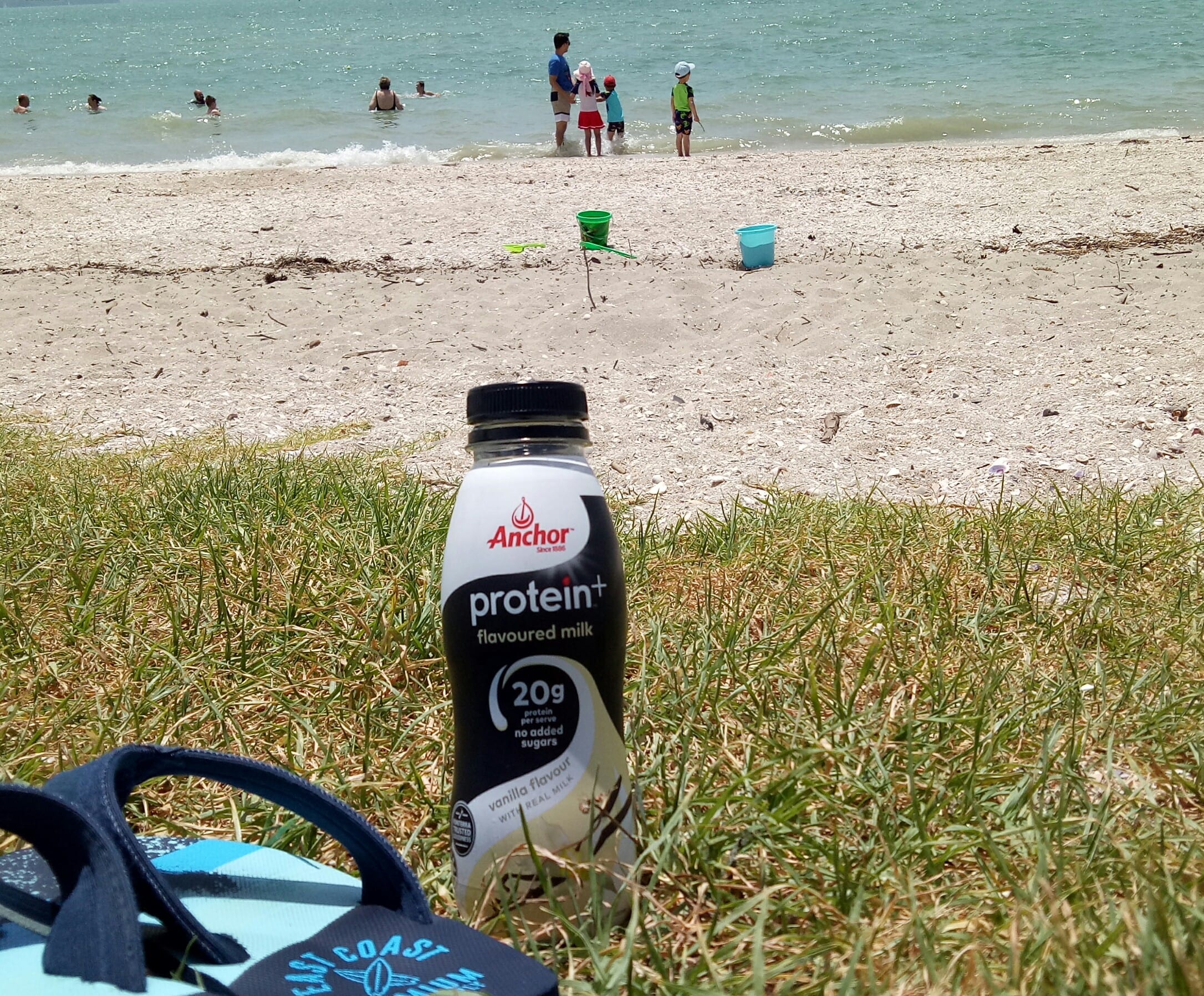
Anchor’s Protein+ flavoured milk is an easy way to add protein-packed dairy goodness to your day. Whether you’re running between the gym and office, after a mid-afternoon pick-me-up or just want to get a hit of protein, Anchor Protein+ drinks are perfect when you’re on the go.

Having over 20g of protein per serve you can now get your protein fix when you’re out and about.

  • No added sugars
  • On-the-go drink, great for busy parents
  • No artificial flavours or sweeteners
  • Made with real milk
  • Available in vanilla, mixed berry, or chocolate flavours

To find out more, visit www.anchordairy.com

We have given 50 registered trialists the chance to trial and review Anchor Protein+ flavoured milk. Read their reviews below. PLEASE NOTE, THIS PRODUCT TRIAL IS FOR PARENTS/ADULTS.

Each selected reviewer will receive:

  • 1x voucher worth $12 to purchase Anchor Protein+ flavoured milk (flavours of your choice). Vouchers expire 10th February 2019.

Scroll to the bottom of the page and add your review as a comment.

If you are selected to trial, the voucher will be sent to the address on your profile. Please check your address now to ensure that it is up to date. Not registered yet? Then signup now.

Kidspot Terms and Conditions: You will be required to redeem the voucher for the product as soon as possible and post your review on our Product Trials page if you are selected. Your name and postal address will be given to the supplier for the purpose of delivery of the voucher only.

Photos from our reviewers

When’s The Right Time To Start A Family?

There’s no hard and fast rule on when the right time to start a family may be. But science offers us some tips when it comes to fertility factors.

It’s a well-known fact that in recent decades more women are starting their families later in life. Whether that is due to lifestyle, career, fertility, or personal choice, currently in New Zealand more women give birth between the ages 30 to 34 than at any other age.

Back in the 70’s

In 1971, for every 1,000 women in New Zealand in their 20s, there were approximately 211 births. In 2021, the rate has dropped to less than a quarter of that figure – at just 47 births per 1,000 women. For women in their 30s, the rate has increased slightly from 102 births per 1,000 women in 1971 to 108 in 2021. So we’re not just starting later, we are also having less children. In the 35 to 39 age range, the number of births has seen a 50% rise since 1971 (from 41 to 63 in 2021).

Fertility rates new zealand

The right time to start a family?

In 2015, a study by Oxford researchers considered the best age to start a family and reported that this mainly depended on how many children a couple wished to have. Unsurprisingly, the desire for more children means starting earlier before age-related fertility issues may have an adverse effect. The study published in the Oxford University Press journal, Human Reproduction, concluded:

The maximum female age at which couples should start a family for a 90% chance of realising the desired family size is: 32 for one child, 27 for two children and 23 for three children, without the assistance of IVF. With assistance, the ages increase to 35 for one child, 31 for two children and 28 for three children.

Of course, this is just the result of averages and there are many factors beyond a woman’s age that determine fertility rates. Research shows that infertility among couples is around 40 percent related to the female, 40 percent related to the male, and 20 percent unexplained. Requests for fertility assessments reportedly increased 20 per cent between 2013 and 2016.

Just as there can be a range of fertility factors, the right time to start a family may also be affected by personal circumstances, living environment, financial stability and other influences. So, although science may have suggested answers to the question, “when is the right time to start a family?”, it is obviously never that simple!

How old were you when you started your family? Or if you delayed starting a family, what were the reasons? Join the discussion in the comments below.

A side note: Fewer teenagers giving birth

After a high of 69 babies per 1,000 women aged 15-19 in New Zealand in 1972, birth rates for teenage mums have almost continuously fallen to around 10 births per 1,000 teens in 2021. Despite this, New Zealand still has one of the highest rates among OECD countries.

Teenage pregnancies new zealand

Sources:

This article was written by Julie Scanlon, Editor for Kidspot New Zealand.

5 Tips For Keeping The Kids Warm At Night

Tired of the kids kicking the covers off and getting cold during the night? Try our tips below for warm and blissful slumber.

From personal experience, I can vouch that once you’re an adult, the three hardest things to get out of are …

1. Debt – ain’t that the truth!

2. Bean bags – there comes a point in your life when the only solution is to say goodbye to any dignity you have left and just roll until you find solid ground.

3. A warm, cosy bed in winter!

Keeping kids warm at night

When the winter chill settles in, adults layer up, snuggle up and disappear under a mountain of duvets and blankets at night to keep warm. The kids, however, are a little more unaware of their surroundings once slumber kicks in and have an infuriating habit of kicking off the covers and twisting PJs around until the cold air wakes them up. And then suddenly they’re in your bed, putting their cold feet on your back and hogging all the blankets!

So, to help keep the kiddies warm at night (and save your sleep), here are some tips for warm, cosy nights. (Always consider the age of your child and use safe sleeping practices).

1. Heating the room

Obviously the best course of action is to keep your child’s room at a comfortable temperature. An efficient heating system is a worthwhile investment, especially one that heats your entire home. However, this is not always affordable or practical for family homes. Other options for heating bedrooms include panel heaters, which provide a background warmth for a low cost, oil heaters, and electric heaters. Remember to follow all safety precautions with heaters and choose ones with a thermostat. A programmeable timer can help to keep control of the temperature and reduce heating costs.

The World Health Organisation recommends that our homes be at a minimum temperature of 18°C, or 20°C for homes with young children, elderly or ill people.

2. Nightwear

For tots, sleeping bag-type nightwear is a blessing! They’re extremely practical for night-time feeds and changing and are impossible to ‘kick off’.

For older kids, onesies are great (we all love those footed jammies, right?!) and they avoid the need for socks which go missing in the middle of the night. Though they are a little impractical for those toilet training. You can also use a soft vest/singlet under warm PJs, cosy swaddles for babies, and choose PJs with cuffs to avoid sleeves and legs riding up.

3. Bedding layers

Just as we put on layers of clothing on cold days, it is also recommended to layer bedding. This is particularly helpful on those nights when the NZ weather can’t really make up its mind! Lay a blanket across the bottom of the kids’ beds (past their feet) and fold it like a paper fan so they can just grab the top and pull to add an extra layer if they get cold in the night. Polar fleece sheets are worth the investment – just don’t expect anyone to jump out of bed in a hurry the next morning! Woolen underlays are good at regulating temperatures.

Duvets have a habit of sliding off onto the floor in the middle of the night. You can buy grips with a strap that goes underneath the mattress to keep them in place. Or simply place a sheet or blanket cross-wise on the bottom half of the bed and tuck it in on both sides.

4. Keep the cold out

Installing thermal curtains on windows and external doors will help to keep the cold out and weather-stripping any gaps will stop draughts. Insulation can also make a huge difference to the room’s temperature.

5. Take the chill off

A hot water bottle popped under the covers before bedtime can help take the chill off. Just remember not to leave it in the bed, use a cover, and be careful when filling and emptying.

Electric blankets are very efficient at heating the bed. Read all safety information before use and do not use a blanket that is damaged. Turn it on about half an hour before bed and turn it off before the child gets in bed (turn it off at the wall and unplug it for added safety). Only use them with kids who are fully toilet trained.

What’s your best tip for keeping the kids warm in bed? Tell us in the comments below, or if you have used one of our tips, let us know!

Continue reading “5 Tips For Keeping The Kids Warm At Night”

Preparing for parenthood with disabilities

Parenthood is tough. When it hit home that a little one would be relying on me, some days I came close to panicking. When parenting is looming and you have a disability, you face unique challenges. Here is some great advice for finding self-confidence in the midst of your worries, and preparing your home and life for your bundle of joy.

Modify your environment

When your baby arrives, you’ll need every tool at your disposal to ease your parenting burden. After all, when your little one is colicky or needs a new nappy, and you got up at 3 am. every morning for the last week, easy and uncomplicated will make all the difference in the world. It starts with making your environment as functional and efficient as possible, and simple home fixes can be a tremendous boon to parents with disabilities. Improving your accessibility is something you should do now, rather than waiting until your baby arrives. Take a hard look at your home and think about ways to make it easier to navigate. For instance, zero-step entrances make it easier to get in and out of your home, whether you’re moving in a wheelchair or pushing a stroller. Consider installing a ramp if you don’t already have one. Widening doorways is another plus, providing extra elbow room whether you’re carrying your baby or just a bundle of groceries. Consider installing offset or expandable hinges to give you a few extra inches – it can save your knuckles and is an inexpensive solution. Think about installing skid-resistant flooring to prevent slips. Also, consider creating a dedicated playroom for you and your youngster. By establishing a specialised area, you can set it up for ease of movement and functionality. Furniture can be secured to walls to prevent pieces from toppling over, and it allows you and your baby to use the majority of floor space for playing together.

Use great equipment

Assistive equipment is a big benefit, and there are lots of options depending on your needs. For instance, Independent Living Centre WA recommends using a portable security belt to help hold your baby, or using a specially designed stroller that clips to wheelchairs. Cribs that open from the side rather than drop down can be easier to access, and adapted baby seats can be attached to wheelchairs. One idea is to have equipment specially modified if you can’t purchase it ready to meet your needs. Some traditional baby items are helpful, too, like bibs with hook-and-loop closures which are easy to manipulate, and breast-feeding pillows that can support your baby in your lap. A changing table that allows for height adjustment can ease hygiene and dressing issues, and disposable diapers with hook-and-loop closures can be easier to manage with certain mobility limitations. Look for baby clothing that is easy to put on and take off as well, like pullover tops and pull-on pants.

Bathing

Bathing your baby is a significant concern, and some experts recommend never doing so alone. Have a towel and bath mat at hand and never leave your infant unattended. Some parents opt for baby bathtubs, and some parents choose to employ washable tables with adjustable leg heights. There are also commercially available bathing and changing table combinations, or you could even use an inflatable water toy designed for your baby to sit in, since the soft sides and waterproof material lend themselves naturally to the chore. Please note, don’t use lotions or moisturizers prior to bath time as it can hinder your gripping ability. Instead use products that provide a talc-like grip. Bathing can be tricky. When you’re struggling with finding solutions, NHS Choices suggests connecting with other parents with disabilities for ideas and support.

Confident and clever

Facing parenthood is daunting, but with clever modifications and equipment, you can approach it confidently. Evaluate your needs and prepare ahead of time. You’ll be a terrific parent with these smart strategies!

Disabled parents

This article was written by Ashley Taylor from disabledparents.org.

Continue reading “Preparing for parenthood with disabilities”

5 ways to boost your family’s immunity

It’s almost impossible for family members to avoid picking up a few coughs, colds, or illnesses, especially during winter. And once one of you has it, you can pretty much guarantee that it will do the rounds of the entire household (just consider yourself very unlucky if it goes round to hit you twice!).

However, by boosting your family’s immunity you can help to reduce the number of viruses and illnesses that family members pick up. Better immunity can also result in shorter illnesses with less severe symptoms. So here’s some tips on how you can keep everyone’s immunity ready for action.

1. Food and nutrition

This one’s a no-brainer and fits in with every other healthy diet message you’ve ever read in the last 20 years – eat a variety of foods including lots of fruit and vegetables as part of a balanced diet.

Fruits and vegetables are nature’s immunity heroes. They are rich in nutrients like vitamin C (especially citrus fruits) that boost our white blood cells to fight off viral diseases like the flu.

Other immunity-boosting foods:

  • carrots – rich in beta-carotene that fights against infection (also in sweet potatoes)
  • salmon/sardines – a source of omega 3 to aid circulation and reduce the risk of inflammation
  • garlic – a source of allicin, which stimulates the immune response, and rich in selenium and zinc that help to prevent flu and other diseases
  • nuts (almonds, chestnuts, walnuts) – rich in vitamin E
  • dark leafy greens – contain antioxidants and vitamins to help fight against infections
  • onion – with quercetin, an immunity system booster
  • mushrooms (shiitake and shimeji) – contain lentinan which increases production of defence cells
  • coconut oil – for lauric and caprylic acid with antiviral and antibacterial properties
  • green tea – detox and speed up metabolism
  • honey – rich in vitamins and minerals which help form antibodies
  • pumpkin and sunflower seeds – contain zinc to help fight off colds and infections (also present in red meat, fish, beans and eggs)
  • ginger – bacterial properties
  • probiotics – those good bacteria, found in natural yoghurts, strenghten the immune system
  • elderberries – with flavonoids to help stop viruses or recover quicker
  • green juice – those green smoothies and juice drinks may look not-so-great, but they contain an abundance of vitamins to increase immunity
  • eggs – the yolk contains zinc and selenium

Sugar is the baddy here – consuming too much sugar (or foods that convert to sugar too quickly) hampers the immune system.

2. Healthy living

Here come all those bad vices that we, as adults, tend to indulge in way too often! If you want to boost your immunity, exercise regularly, keep hydrated by drinking plenty of water, don’t smoke, drink alcohol in moderation, maintain a healthy weight and practice good hygiene to avoid infection and stop the spread of germs.

Research from the University of North Carolina found that people who are active and fit are less likely to suffer with winter illnesses. When they did contract a cold or other illness, symptoms were fewer and less severe. There’s no need to start running marathons – just a half hour of brisk walking each day will make a big difference. For the kids, the trampoline or bike riding is a great way to keep fit, or head off to the park to kick a ball around after school – they are more likely to enjoy it if you join in too!

Role modelling healthy living is the first step to getting your kids on board. Remind them to wash their hands after using the bathroom or handling pets and before eating. Regular bathing and brushing teeth twice a day will help keep kids healthy too. Provide a healthy choice of foods and take part in exercise together.

3. Get some sun

When our skin is exposed to sunlight it produces vitamin D. This has the ability to modulate our immunity responses and a deficiency in vitamin D can result in an increased susceptibility to infection. We are lucky in this country that we still see a good amount of sunshine, even in the winter months. So make the most of opportunities to enjoy that sunshine. Always remember to be sun smart when outdoors, even in winter.

4. Get lots of sleep

Just as your body benefits from moving, it also needs rest periods. A good 8 hours sleep is recommended for adults and more for growing kids. Deep sleep stimulates and re-energises your immune system – something that you will notice if you suffer even a few days of little sleep. Being run-down leaves you more susceptible to illness. If you’re having trouble getting to sleep, a bedtime routine (just like you do for your baby!) can help. Turn lights down low when bedtime is approaching, avoid caffeine, read a book and avoid the bright galare of those smartphone and tablet screens.

5. De-stress and have a laugh

Prolonged and continued stress can make us vulnerable to illness and disease. So it’s important to try and minimise the stresses in your life and in your children’s lives.

Provide yourself and your family members with plenty of opportunities to unwind – whether it be a family walk, meditation, yoga, a warm bath, or just watching the clouds go by! Connect with friends and family on a regular basis and do things that you enjoy – movies, games, dancing, music – take the opportunity to forget about your worries for a while. If stress is becoming a worrying issue for you or a family member, consider discussing it with your doctor or a health professional.

Laughter really is the best medicine and can decrease stress hormones instantly. Get your laughs on by telling jokes and funny stories, watch a comedy movie or TV programme, or even just share a funny meme (we highly recommend cat videos too!).

And most importantly … immunise!

Continue reading “5 ways to boost your family’s immunity”

Oven-baked salmon and pea risotto

Risotto is a delicious dinner that will fill up the hungriest of family members. Now you can make risotto any night of the week with this pea and salmon oven-baked version that saves you the bother of standing over the pot endlessly stirring.

Ingredients

  • 1 tbs olive oil
  • 1 large brown onion, finely chopped
  • 2 garlic cloves, crushed
  • 2 cups arborio rice
  • 4 cups salt-reduced chicken stock
  • 2 x 200g pieces fresh salmon, skin on
  • 1 cup frozen peas
  • 1 lemon, rind finely grated, juiced
  • 50g baby or wild rocket leaves
  • 2 tbs finely grated parmesan

Oven-baked salmon and pea risotto

Preheat oven to 160°C fan forced. Heat oil in a large saucepan over medium heat. Add the onion and garlic and cook, stirring occasionally for 5 minutes or until the onion is soft. Add the rice, cook stirring for 1 minute.

Pour the stock into the rice and bring to the boil, stirring occasionally. Pour mixture into an ovenproof dish with a tight-fitting lid. Transfer to the oven and bake for 15 minutes.

Meanwhile, place the salmon skin-side down in a non-stick frying pan. Cover with cold water and bring to a simmer. Cover and cook for 8 minutes. Turn the heat off and allow the salmon to sit in the liquid for a further 5 minutes. Transfer salmon to a plate, cover and allow to stand.

Remove the risotto from the oven, stir in the peas and return to the oven for 5 minutes.

Remove the skin from the salmon (the skin will just slide off the salmon) and flake into smaller pieces using a fork. Stir the salmon, lemon rind, lemon juice and rocket into the risotto. Top with parmesan, season with freshly ground black pepper and serve.

Notes

  • You can replace the fresh salmon with canned salmon in spring water or with cooked chicken breast. Ignore step 3 and stir the drained salmon or chicken through risotto in step 4 with the peas.
  • Salmon is a great source of omega-3 fatty acids, no matter whether you choose to cook fresh or tinned fish.
  • This recipe was created for the Heart Foundation’s Mums United campaign.

Continue reading “Oven-baked salmon and pea risotto”

The Effects Of A Cold Home On Your Family’s Health

A warmer, drier home makes it harder for germs to spread. That’s the vital point when it comes to New Zealand’s predominantly cold and damp housing that results in a reported 1600 deaths every winter.

“The houses of the 48% of Kiwis who are shivering are extremely cold. Research published in 2010 by the Building Research Association (Branz) found that the average evening temperature of New Zealand living rooms during the winter was 17.8°C – below the World Health Organisation’s recommended minimum of 18°C. But some were a chilly 10°C.”

1600 deaths attributed to cold houses each winter in New Zealand’ – Ruth Nicol, Noted.co.nz.

How does a cold home affect health?

The World Health Organisation recommends that our homes be at a minimum temperature of 18°C, or 20°C for homes with young children, elderly or ill people.

Cold, damp and mouldy homes pose the following risks:

  • Increased risk of respiratory infections (when indoor temperatures are under 16°C
  • Stress on the cardiovascular system (when indoor temperatures are under 12°C)
  • Increased risk of the onset of asthma
  • Asthma symptoms are likely to worsen
  • Dampness and mould are associated with respiratory tract infections and bronchitis

(For more, visit Environmental Heath Indicators New Zealand)

Creating a warmer, drier home

According to energywise.govt.nz, the three essentials to create a healthy, energy efficient home are: keeping your home warm, ensuring your home is dry, and airing it out regularly.

If you are considering installing or upgrading your home’s insulation you may be eligible for an insulation grant. Check with your local council to find out what is on offer locally. Or free call EECA ENERGYWISE on 0800 358 676 or visit energywise. govt.nz to find out about the Warm Up New Zealand: Healthy Homes initiative.

Funding may also be available to you through the Warmer Kiwi Homes programme for some of the cost of an efficient wood burner, pellet burner or heat pump. Visit EECA ENERGYWISE for more information and to find out if you qualify.

her world julieWritten by Julie Scanlon

Julie is Editor for Kidspot NZ and our MVP. Her hobbies include laughing uncontrollably at her own jokes, annoying her family by asking questions about movie plots, and never taking anything too seriously. She speaks a little Spanish and a lot of Yorkshire. 

Favourite motto to live by: “It ain’t nothing but a thing”

Keep The Cold Out – Ways To Insulate Your Home

What’s the best way to keep your home warm and reduce your energy bills? Insulate!

Insulation makes your home easier and cheaper to heat and assists in keeping your home comfortable and healthy to live in. Chances are that your home has at least some insulation, and it is usually found in the ceiling. However, there are lots of ways to insulate your home.

Ways to insulate your home

Ceiling insulation is by far and away the most efficient way to keep warmth in your home. The onset of winter weather is a good reminder to check that your insulation is in place, and realign any areas that may have shifted out of place or replace any sections that have deteriorated. If your ceiling insulation is still in good condition but just isn’t keeping the house warm enough, consider adding a second layer. Remember to close attic manholes.

If your home has downlighters you may find that the ceiling insulation does not cover these – this is a safety precaution. However, you can now purchase downlighters that can have insulation over them and this can make a big difference to the efficiency of your ceiling insulation.

There are various types of insulation for under the floor – polystyrene, wool, polyester, or fibreglass. This usually comes in the form of blocks or pads to fit between the joists. It is recommended that underfloor insulation be fitted by a professional to ensure a good fit for the best performance. You will be amazed how much warmer your floors will feel!

Exterior walls can account for a huge loss of heat from your home and are best insulated at the time of construction. However, insulation may be retro-fitted during renovation. This usually requires removal of wall linings or the injection or ‘blowing’ of insulation through small holes.

Windows can account for up to 30% of the total loss of heat from your home. Installing double-glazing (and even triple-glazing in really cold climates) can reduce this heat loss and stop condensation forming. The cost of double-glazing may be prohibitive though and DIY window films can make a slight difference. Installing thermal curtains on your windows and external doors will help to keep the cold out and weather-stripping any gaps will stop draughts.

Draught excluders installed on doors can help to keep a room warm if you’re not heating the whole house. These can be easily homemade as a quick sewing project.

For more information on choosing insulation, visit energywise.govt.nz.

Getting an insulation grant

If you are considering installing or upgrading your home’s insulation you may be eligible for an insulation grant. Check with your local council to find out what is on offer locally. Or free call EECA ENERGYWISE on 0800 358 676 or visit energywise. govt.nz to find out about the Warm Up New Zealand: Healthy Homes initiative.

Now warm it up!

Once your insulation is sorted, make the most of it with an efficient and effective heating system for all-round comfort. Funding may be available to you through the Warmer Kiwi Homes programme for some of the cost of an efficient wood burner, pellet burner or heat pump. Visit EECA ENERGYWISE for more information and to find out if you qualify.

her world julieWritten by Julie Scanlon

Julie is Editor for Kidspot NZ and our MVP. Her hobbies include laughing uncontrollably at her own jokes, annoying her family by asking questions about movie plots, and never taking anything too seriously. She speaks a little Spanish and a lot of Yorkshire. 

Favourite motto to live by: “It ain’t nothing but a thing”

How to Prepare Your Home for Winter

We all love a warm and comfy home during the cold winter months. So before the worst of the weather arrives, go through our checklist to make sure that you are protecting your home and your family, as well as heating your home efficiently.

Many of these things you can do yourself to keep maintenance and utility bills down.

Your winter checklist

  • Clear your spouting of leaves, debris and plant material
  • Clean out drainage channels and ensure storm drains are clear
  • Weather-strip any windows or doors that are draughty
  • Check that ceiling insulation is in place and close access holes
  • Trim trees with overhanging branches near windows and spouting
  • Cover outdoor furniture that’s not in regular use
  • Secure outdoor furniture and the trampoline in case of high winds
  • Check your emergency supplies including replacing any out of date food items, refreshing water supplies and ensuring torches are working. Find out more at getthru.govt.nz.
  • Have your heating system serviced

If your home is notoriously cold during the winter months, now’s the time to consider a more efficient and effective heating system, before the big chill arrives.

10 Ways To Brighten Up Your Home In Winter

Dark, damp and dreary days of winter can give your surroundings a drab feeling. To lift spirits and make your home inviting during the colder months, try these tips for brightening up your home.

1. Lighting

The right lighting can have an amazing impact on the way your home “feels”. Lightbulbs come in a variety of tones to complement any decor or mood. Cool or daylight tones can help you brighten your home during the day, mimicing the presence of sunlight. Warm tones like warm white or soft white used in lamps in the evening can give a cosy feel. You can also consider using candles, task lighting and the liberal use of fairy lights is not only for Christmas!

2. Colour

decor

There are a million ways to bring colour into your home. Lighter colours will make your home seem more spacious while pops of colour create interest and a brighter feel. Colour can be introduced through décor pieces and art. A hanging crystal in a window can create rainbows of colour across the walls and floor.

3. Comfort

comfortable home

In winter we crave comfort – comfort food, warming drinks, snuggly jumpers and blankets, lots and lots of blankets! The introduction of cushions, throws, and yes, blankets, in floral, gold or pink colourings will give your home that comfortable oomph.

4. Clean

Spring cleaning is not just for spring. In fact, your home will thank you for a good, deep clean before the winter really sets in. Windows that are free from grime will help to let in the light whilst wiping down all your work surfaces, kitchen cabinets and furniture will give your home a refresh. Don’t forget to cleanse the air too – an air purifier can help remove pollutants and allergens to create a more pleasant living environment.

5. Declutter

Nothing gives a home a more oppressive and “got to get out of here” feel than clutter! Make a conscious decision to clear the clutter, then donate, sell or dump the frump!

6. Music

Bringing light into your home is not just a visual thing. Music above anything else has the power to uplift your mood and fill your home with happy, laidback or sweet tunes. Just remember to cull out those melancholy tunes!

7. Let the sunlight in

Open and pull back the curtains early every morning to make the most of the sunlight – nature’s free mood enhancer. Don’t block windows with large items of furniture – a switch around with your furniture may even make the most of those treasured sunlight hours in living spaces.

8. Bring nature in

indoor plants

Indoor plants and cut flowers give a lift to even the most plain decor. Choose plants with variegated or highly structural leaves that create contrast, like cyclamen, orchids, anthurium, begonia or the awesome Swiss cheese plant.

9. Mirrors

mirror

Mirrors are perfect to bounce natural light around your room, making it seem larger and lighter. Glass and metallic decor items will also reflect light.

10. Warmth

As well as visual, auditory and other sensory factors, having a warm home when it’s cold and wet outside can brighten anyone’s mood! Choose the most energy-efficient heating system that you can afford and keep the cold out with insulation, thermal curtains and weather-proofing.

Continue reading “10 Ways To Brighten Up Your Home In Winter”

Are overseas school trips out of control?

When I was in high school our ‘big trip’ was a 5 day bus tour from our school in the Waikato to Wellington and back. I remember an abundance of worksheets on everything from the fruit industry to art deco architecture. Our excursions included a visit to an abbatoir (not too much of an eye-opener for a group of kids from a rural town), a tour of the Beehive, a visit to a university and, for a bit of relaxation, an afternoon at a waterpark. We stayed in a variety of accomodation including campground dorm rooms and a motel in Wellington. It was a big deal. And we all fundraised for months beforehand.

School trips go further afield

My one island road trip several decades ago seems to pale in comparison to the school trips that a lot of high schools are undertaking now. Many schools offer an educational trip to an overseas destination. A quick check of my teenager’s current school curriculum reveals just a handful of NZ field trips, with the most expensive being a $400 5 day trip to the Central Plateau. I do know however that they have undertaken a Commerce course trip to New York in the past for seniors and there are bi-annual trips to Pacific nations for language courses.

However, another local high school last year organised a three week educational trip to Europe costing $7,000 per person! That sort of price tag is bound to exclude some students with families simply not being able to afford such an expense without a monumental amount of fundraising (and no doubt with other financial priorities). Greece recently banned overseas education trips for high school students to protect disadvanted children from not being able to join their peers. Dutch schools are restricting travel to terrorist-hit countries for safety reasons.

Recent comments in the media from parents are that students who are not able to take part in the trip (or who choose not to) are diverted to other activities but often miss out on exceptional education opportunities. They also commented that sometimes schools give very little notice of an upcoming trip, allowing little time to fundraise.

Overseas trips for primary school kids?

Overseas travel for high school students is not necessarily that unique, but there is a growing trend for even primary schools to embark on educational trips that take them overseas. Several Australian primary schools have taken kids on trips to Japan, China and Vietnam. Schools argue that overseas trips are opening up more educational opportunities for students, helping them to become ‘global citizens’.

Do you think that overseas school trips have merit? Join the discussion in the comments below.

This blog was written by Julie Scanlon, Editor for Kidspot NZ.

Continue reading “Are overseas school trips out of control?”

Rainy Day Activities

Rainy days can have even the most hands-on parent begging for a break, but they need not be stress-filled or cabin-fevered! Don’t feel trapped by the rainy days – just follow our 10 easy tips for keeping the kids entertained and you’ll beat the rainy-day blues!

Create a rainy day box

It can be hard to think of the perfect activity when you’re suddenly trapped indoors, so keep a Rainy Day Box of fun, hands-on activities and crafts that are only brought out when the weather is grey. Your Rainy Day Box will need to be large, so you can keep it stocked with an assortment of fun stuff. Don’t forget to restock your Rainy Day Box when the weather clears up!

Here are some fun ideas for your box:

  • Cheap art and craft supplies
  • New colouring and activity books
  • Pencils, textas, crayons and chalk
  • Old make-up and your latest wardrobe throwaways for costumes
  • Jigsaw puzzles
  • Old magazines and newspapers for papier-mâché or collages
  • Left over party favours like balloons and decorations
  • A deck of cards
  • Family board games

Have a jigsaw afternoon

Jigsaws are a whole-family activity that can be a wonderful bonding experience between differently-aged siblings and their busy parents. Set each member of the family up with a puzzle to suit their skill level, all helping each other finish, or create teams to work on puzzles together. You can even make your own family-photo jigsaws using an enlarged photo printed onto plain paper from your computer.

Indoor fortress fun

What child doesn’t love building a princess castle or a fortress indoors? Pick a room in the house that you don’t mind being rearranged for a few hours, and use sheets and blankets and lots of pegs or butterfly clips to secure them as a roof between tables, couches and chairs. Encourage your children to use their imaginations – they can create rooms inside with towels and other furniture, dress up and act out stories from their favourite books, and even have a picnic in the cubby for lunch. This activity is hours of entertainment for any age, and especially great fun when you have a friends over for a playdate.

Family movie day

Rather than watching the same old kids’ TV shows all day long, beat rainy day boredom with a fun family movie day. From making fun snacks like nacho popcorn and lolly gobble bliss bombs, to creating a cinema in your lounge room, this is a great way to keep kids of all ages entertained.

Board game bonanza

Break out those board games from the back of the cupboard that haven’t been played for a while or invest in a few new ones. Board games come in a huge range from simple games that just involve rolling a dice and counting the spaces to the finish, to epic games that require tactics and strategy – there’s something for every age.

High Tea at home

Cooking with kids can be messy, but it’s also a whole lot of fun and a fantastic way to keep them entertained for a couple of hours. Get them busy helping to bake yummy treats for an afternoon High Tea, then set them up with their toys at a table or on a picnic rug. Make a deal with them – you’ll help them have a wonderful High Tea if they’ll help you clean up the dishes afterwards (this may include washing, wiping, putting away and a fair amount of bowl and spoon licking). This will teach them about compromise and responsibility – but don’t forget to keep it fun! Find some gorgeous recipe ideas for your High Tea at Kidspot Kitchen.

Scavenger hunt

A scavenger hunt is a great way to amuse kids large and small. You can hide treats, but if you’re health-conscious, hide toys instead – just use a specific set so they know what to look for, such as the Barbie collection, matchbox cars, or leftover party favours like balloons or toy whistles. Give each child a small basket to collect their loot in – they could have some fun decorating this for an extra activity. You could even let the kids create a deck of colourful picture cards to use as your scavenger pieces. To keep them engaged, offer a prize or treat for the child who brings back the most loot each round. This is a game that can be played for hours on end, with the right incentive!

Fashion show spring clean

Here’s a fun way to spring clean the childrens’ wardrobes – put on a fun fashion show! Place lamps in your hallway and pop some fun music on the stereo, then get your kids to strut their stuff down your makeshift catwalk. Cheer them on from your audience chair at the end of the hall, as you decide whether each item is ready for the rag-bag or op-shop, delegated to the hand-me-down or sewing baskets, or still fine to wear for another season. De-cluttering has never been so fun!

Story book fun

Create a fun memento of your rainy day by letting the kids make their own story books – this is a fun activity for any age. Simply staple some pages together and let the kids use their imaginations to decorate the front cover. They could use photos of your own family, friends and pets to make a family scrapbook. Old magazines are also great for sourcing colourful pictures to stick in your story book, or encourage them to draw their own pictures. Try giving the children some inspiration with a story theme – stick to simple themes like robots or fairies, or ask them to write a story about their favourite birthday party, holiday, family member or pet.

Have a rainy adventure

A walk in the rain is a fantastic thing – you get to beat cabin fever, wear out bored and cranky kids for a (hopefully) lazy afternoon, and get some much-needed fresh air at the same time. Dress up in gumboots, hats and raincoats, grab the umbrellas and go and discover the outside world in the rain! You could head to your favourite local park, take a walk around the block, or just explore your own backyard. Never mind if the children get a little wet from their puddle-jumping adventures, just pop them into a lovely warm bath afterwards – the perfect wind-down after a rainy adventure.

Toy attack

Sorting through a big, mixed mess of toys can be more fun than you think! Dedicate a few hours to making it an enjoyable activity with your kids by playing a series of fun games to get all the toys sorted into each child’s toy box. You may like to award points to the winner and runner-up of each game, with an overall reward or prize as added incentive. Plus, here’s a mum-secret – keeping it fast-paced will cut down on the urge all children have to stop and play. Ssshhh!

First, you need to place one empty basket or box per child in the middle of the room. Delegate each child to a box and get them to draw a picture of themselves and write their name on it – this will be their label for their personal toy box.

Games

  • GAME ONE: Give each child a mixed box or basket of toys to sort, with clear instructions to fill the empty boxes with the correct sibling’s toys. Now you can make it race to see who can empty their basket the quickest!
  • GAME TWO: Set them all loose on one basket of mixed toys, instructing them to fill the middle toy boxes until their mixed basket is empty. Now, count the toys in the middle and see whose box has the most toys.
  • GAME THREE: Place your labelled toy boxes in a straight line and show the children where they are. Then ask the children to sit around a basket of mixed toys, next to the labelled toy boxes. Blindfold one child at a time, instructing them to take one toy from the basket. They must guess who the toy belongs to – each correct guess gets one point. After they guess, reveal who the toy belongs to, and then the blindfolded child must find their way to the correct labelled toy box to put the toy away. The other children can call out directions to help!

Read more on Kidspot:

Essential Cold And Flu Kit For Parents

Winter is here and that means it’s time to check that you’re stocked up on remedies for winter ills and chills – and not forgetting a big bottle of sympathy! Be prepared with our tips to help keep the family healthy through the colder months.

Even on a good year, it will be a rare family who doesn’t get hit with a nasty round of coughs and colds. So parents will need to have their family winter wellness kit at the ready for those poorly family members.

There are a few ways to try and avoid getting this season’s ills and chills:

Get an annual flu shot

Flu vaccination is recommended for anyone over the age of six months and particularly for those with underlying illnesses or conditions or who work closely with children. Speak to your doctor or pharmacist to find out more.

Practice and teach hygiene

Now’s the time to have the talk with the family (if they’re old enough to understand) about how to stop the spread of germs, and to go about instigating some practices like regular washing of hands and surfaces, not sharing personal items like utensils, food and drink bottles, and keeping family members home if they’re sick.

Nurturing immune systems

A healthy diet rich in everything the body needs, particularly iron and Vitamin C, can help the body fight off infection. Most of these nutrients are best sourced from fresh foods but if you’re struggling to get them into your little family members, by all means try an age-appropriate supplement.

Be prepared: Cold and flu tool kit

  • Offer a variety of foods as part of a balanced diet including lots of vegetables and yummy citrus fruits
  • Keep antibacterial wipes or gel in the handbag, nappy bag, and in the car for quick cleanups
  • Put up reminder pictures or notes in the bathroom about washing hands after using the loo and before eating
  • Have a family chat about how germs are spread and personal hygiene
  • Ensure kids are getting plenty of sleep as well as regular exercise

Treating colds and flu

Chances are, despite all the best intentions, some sort of nasty lurgy will enter your home and take up temporary residence in your family. While there’s no cure for flu or the common cold, sufferers can be made to feel more comfortable and some of the symptoms can be treated both with medicines and natural methods.

First, work out if it is the flu or just a cold. Cold symptoms may last a couple days while the flu can last up to a week or more. The flu often causes a high fever whereas a cold only sometimes causes a mild fever. Shivering and body aches are usually symptoms of the flu, rather than a cold.

While serious complications with flu are rare it is still responsible for an average of 1200 hospital admissions each year* with children and the elderly most at risk. So it’s worth keeping an eye on your sufferers and keeping them comfortable.

Treatment options

There are treatments that can help to relieve the symptoms of cold and flu. But remember, as flu is caused by a virus, antibiotics are not only unnecessary, they won’t work.

Here are some of the treatments which can help with cold and flu symptoms. Always read the label, use only as directed, ensure that medicines are appropriate for your child’s age, and pay close attention to the correct dosage.

  • Paracetamol – this can ease aches and pains and help reduce a fever.
  • Lozenges – these can relieve sore throats and coughing but are unsuitable for young children.
  • Cough syrups and decongestants – talk to your pharmacist about which one is suitable for your child and their symptoms.
  • Antivirals – there are now specific antiviral drugs available, but their effectiveness is very limited, although they may shorten the length and severity of the illness if used early enough.

Other remedies

There are some other remedies which can help to keep sufferers comfortable, including:

  • Bed rest – encourage your littlies to stay in bed or at least rest until their temperature returns to normal for 48 hours. If they have a fever, keep bedcoverings light and avoid overdressing.
  • Keep hydrated – ensure enough fluids are drunk to maintain normal urine output. It can also aid in the effectiveness of medicines like paracetamol.
  • For a cold, a warm compress can help soothe sinus pain or a headache. For a fever, a lukewarm compress on the forehead may help reduce a fever.
  • Give lots of hugs and cuddles!

Often the best treatments are a combination of medicines with non-drug options. Talk to your GP or chemist about the best ways to treat flu.

Other essentials for your cold and flu kit

  • Tissues – if there’s a lot of nose-blowing going on, the ones with aloe vera or chamomile can be a welcome relief.
  • An empty ice-cream container makes a handy receptacle for used tissues before they’re binned.
  • Congestion clearing chest rubs can be handy when applied just before sleep. Many parents swear by the remedy of applying the rub to the soles of your child’s feet and popping on socks.
  • Warm soup really is good for the patient as well as the soul, offering sustenance, warmth and hydration.
  • Thermometer – if you use a digital one, ensure the battery is good.

Clearing the air

A portable air purifier used in the patient’s room can help to remove allergens and pollutants and give the cold or flu sufferer a healthier environment for recovery.

When to see the doctor

See your GP if a high fever persists or further symptoms develop such as difficulty breathing, coughing up green-yellow phlegm or severe headache or rash develops. Children under six months old with even a mild fever should see a doctor. Also see your doctor if you’re at all concerned.

How to Soothe a Sore Throat

A sore throat is a common childhood complaint but they can be serious and don’t always include other symptoms. So when your kids complain of a sore throat, you need to act.

What is a sore throat?

Sore throats are usually caused by viral infections.

If any of the following symptoms are experienced, see a doctor.

  • A sore throat that lasts more than a few days
  • Inability to swallow
  • Swollen or coated tonsils
  • Excessive dribbling
  • A high temperature (above 39°C) (in babies under three months, see a doctor if they have even a mild temperature)
  • Enlarged tender glands in the neck
  • Earache or joint pain

Strep throat and rheumatic fever

Some sore throats are caused by streptococcus bacteria (strep throat) and this can lead to rheumatic fever which can cause heart damage, it is important a strep throat / rheumatic fever is treated with antibiotics so see a doctor.

The Ministry of Health advises that “If your child is Māori or Pacific, aged 4 to 19 years, lives in certain parts of the North Island and has a sore throat, please get it checked straight away. They are at risk of a serious but preventable illness called rheumatic fever. Call Healthline 0800 611 116 if you are unsure what you should do.”

Strep throat and scarlet fever

Strep throat, combined with a rough, red, skin rash, is scarlet fever. This can also lead to rheumatic fever, infections and pneumonia so see a doctor if you observe these symptoms.

Treatment for viral sore throats

A viral infection cannot be beaten with antibiotics. In most cases, dealing with a sore throat is more about making the patient comfortable while the body fights the viral infections. Lozenges from the supermarket or pharmacy may help relieve some of the unpleasant symptoms.

Other ways to ease the pain are:

  • Take pain relief such as paracetamol or ibuprofen (consult a doctor of pharmacist)
  • Gargling with warm salty water
  • Using a humidifier
  • Regular sips of water
  • Ice blocks
  • Warm water with a little honey or sucking on half a teaspoon of honey

Top Tips For A Drier (And Healthier) Home

Damp – it’s one of those dreaded words that you don’t want to hear when you’re talking about your home (probably only trumped by ‘subsidence’!).

A damp home is often cold, difficult and expensive to heat, susceptible to mould and mildew and worst of all, bad for your family’s health. However, it is something that can be remedied.

How do I know if my home is damp?

A musty smell in a room that isn’t in constant use can be a giveaway of a damp problem. However, it is usually the discovery of mould or mildew that triggers the damp discussions! Mould may form on ceilings or walls or it may be seen behind furniture, mirrors and picture frames up against walls. It may show as mould spots or as watery stains. Often clothing in wardrobes or drawers may become damp or mouldy too.

In more advanced cases, there may be rotting wood in window surrounds or flooring edges. A musty smell may also be present under the house.

Tips to keep moisture out of your home

  • Line-dry your washing, when you can
  • Rather than drying clothes inside, utilise a covered area outside when wet or set up a clothes horse in the garage (with the door/window open)
  • If you do use a tumble dryer, ensure that it is vented outside
  • When showering, bathing or cooking, turn on the extractor fan before you start and leave it on a few minutes after you finish. If you don’t have an extractor, open a window.
  • Consider a dome for over your shower to stop steam forming
  • When cooking, use pot lids (your dinner will cook quicker too!)
  • Reduce condensation by heating your whole home*
  • If condensation forms, wipe off any moisture from windows/walls
  • Include a check for leaks from pipes under the floor and from your roof in your home maintenance
  • Ensure sub-floor vents are clear of plants and other obstructions to allow air to circulate
  • Do not use portable gas heaters indoors (without a flue) as they release a lot of moisture and can be dangerous
  • Open the windows for at least a few minutes each day to ventilate the rooms
  • Keep mattresses off the floor – use a bed base for air circulation

For more information, visit Gen Less (formerly Energywise).

* Warm air can hold more moisture than cold air, which is why an efficient heating system in your home can put a stop to condensation forming on windows and walls.

Keeping your home warm with insulation and an efficient and effective heating system can improve the effects of ventilation and reduce the risk of mould growth.

Continue reading “Top Tips For A Drier (And Healthier) Home”

ChildLife Essentials® Liquid Calcium with Magnesium

product trial4.64 out of 5 – Kidspot mums would purchase ChildLife Essentials Liquid Calcium with Magnesium and recommend it to their friends and family.

star rating 5

How important is calcium in Childhood?

​Just about every parent knows that children require calcium to build strong bones and teeth. Calcium is one of the most abundant minerals in the human body; bones and teeth contain 99% of the calcium in the body while the remaining 1% is distributed in other areas.

By the time your child reached age 17, almost 90% of their adult bone mass will already have been established. For this reason, it’s very important that your child gets enough calcium on a daily basis.

It is during childhood that a child’s body is most capable of absorbing calcium. But the fact is, most children and teenagers aren’t getting the calcium they need to build peak bone mass. If the body does not get enough calcium from food or supplements, it will take it from the bones, which can cause calcium deficiency.

Although it would be great if children could get the calcium they need through a calcium-rich diet, often it is not possible, either due to fussy eating, a restricted diet, or other circumstances. Children who drink soda, energy or caffeinated drinks absorb even less calcium because these substances may interfere with the way the body absorbs and uses calcium. But calcium is one nutrient kids cannot afford to skip.  Supplementation can help.

​You can support your child’s healthy bone development with ChildLife® Liquid Calcium with Magnesium.

Ingredients
ChildLife® uses only the highest quality ingredients. ​This formula is gluten-free, casein-free, alcohol-free. It contains no milk, eggs, wheat, yeast, peanuts, tree nuts, fish or shellfish. No artificial colourings, flavourings or sweeteners.
ChildLife® Liquid Calcium with Magnesium provides these 2 essential minerals, in citrate form, combined with Vitamin D3 and Zinc Citrate; this combination of nutrients is needed for optimum absorption and utilisation of this vital nutrient

Other Ingredients
Filtered Water, Fructose, Citric Acid, Natural Orange Flavour, Potassium Sorbate, and Xanthan Gum.

Suggested Dosage
For infants 6 months–1 yr: 1 teaspoon daily
For children 1–3 yrs: 2 teaspoons daily
For children 4 –8 yrs: 1 tablespoon daily
For children 9–12 yrs: 2 tablespoons daily
Shake well before use. Keep in a cool dry place. Give directly or mix with your child’s favourite drink.

Taken at night before bed is ideal for its calming properties. Supplementation with ChildLife® Liquid Calcium with Magnesium can begin when your child starts eating solid foods.

During pregnancy, calcium and magnesium play a crucial part in the growth and development of your baby’s skeletal system and is also intimately involved in the conduction of nerve impulses, as well as muscle, heart and arterial function.
Dosage: up to 1000 mg daily with meals is recommended.

Visit the ChildLife website for more information.

We gave 30 registered trialists with children aged from 6 to 12 months old, the chance to trial and review ChildLife Essentials® Liquid Calcium with Magnesium. Read their reviews in the comments below.

Each selected reviewer will receive:

  • 474ml bottle of ChildLife Essentials® Liquid Calcium with Magnesium in natural orange flavour

(NB scroll to the bottom of the page to add your review as a comment).

If you are selected to trial, the product will be sent to the address on your profile. Please check your address now to ensure that it is up to date. Not registered yet? Then signup now

Kidspot Terms and Conditions: You will be required to post your review on our Product Trials page if you are selected. Your name and postal address will be given to the supplier for the purpose of delivery of the product only.

ChildLife Essentials® Organic Gripe Water

product trial4.69 out of 5 – Kidspot mums would purchase ChildLife Essentials Organic Gripe Water again and recommend it to their friends and family.

star rating 5

What is Gripe Water?

Based on an original formula developed by English nannies during the middle of the 19th century, Gripe Water is a liquid herbal supplement that contains a combination of soothing and calming herbs used to treat babies suffering from colic and other issues of stomach discomfort.

Unfortunately many modern Gripe Water formulations contain excess sugar, unnecessary preservatives (such as benzoates, sorbates or parabens), artificial colouring, flavours and sweeteners, and even alcohol. As Gripe Water is often the first liquid a baby experiences beyond breast milk or formula, it is vitally important that it be free of impurities and unnecessary chemicals, and that it contain only safe, natural and time tested ingredients.

Created by Dr Murray Clarke, ChildLife® Organic Gripe Water combines the gentle effectiveness of ginger, fennel, dill and kiwifruit from New Zealand and provides your baby with natural, soothing relief from bloating and stomach discomfort often associated with colic, teething  and hiccups.

Organic Ginger – Helps relieve nausea, indigestion, bloating, and stomach cramps.
Organic Fennel – Used to relax a spasmodic colon and release trapped gas.
Organic Dill – Helps dispel flatulence, settle the stomach, and calm the digestive tract.
Organic Kiwifruit Extract – Sourced from right here in New Zealand, kiwifruit extract helps maintain bowel regularity, as well as the natural ecology of “good” bacteria in your child’s digestive tract.

Ingredients
ChildLife® uses only the highest quality ingredients. ​This formula is gluten-free, casein-free and alcohol-free. It contains no milk, eggs, wheat, yeast, peanuts, tree nuts, fish or shellfish. No artificial colourings, flavourings or sweeteners.
Proprietary Blend: Organic Ginger Root, Organic Dill Essential Oil, Organic Kiwifruit Extract, Organic Fennel Seed Essential Oil
Other Ingredients: Organic Vegetable Glycerin, Purified Water.
​​
Suggested Dosage
For infants from birth – 6 months: 2 ml as needed
6 months and older:  2 – 4 ml as needed

Visit the ChildLife website for more information.

We gave 20 registered trialists with children aged from birth to 6 months old, the chance to trial and review ChildLife Essentials® Organic Gripe Water. Read their reviews in the comments below.

Each selected reviewer will receive:

  • 59.15ml bottle of ChildLife Essentials® Organic Gripe Water

(NB scroll to the bottom of the page to add your review as a comment).

If you are selected to trial, the product will be sent to the address on your profile. Please check your address now to ensure that it is up to date. Not registered yet? Then signup now

Kidspot Terms and Conditions: You will be required to post your review on our Product Trials page if you are selected. Your name and postal address will be given to the supplier for the purpose of delivery of the product only.

How concussion has affected my child

When my 12 year old daughter was diagnosed with concussion after a sports injury at school in 2014 we didn’t expect her to be one of the 10% who have concussion for longer than a few weeks.

For those first few weeks we closely followed the instructions given to us by the hospital – low stimulus (no reading or screen time), lots of rest, time off school. We arranged a gradual return to school – half days, then full days, and we picked her up early several times when she had a bad day or couldn’t cope with the noise of the school bus.

Ongoing concussion symptoms

After a few weeks we realised that the symptoms weren’t improving – she still had light and noise sensitivity, fatigue, headaches, double vision, and claustrophobia. We went back to the doctor and asked for a referral to the concussion service. This resulted in assessments by a neurological physiotherapist, paediatrician and also a referral to a vision specialist. We attended concussion service for several months and ruled out some causes/ problems and identified others, such as some anxiety around enclosed spaces and contact sports. We also attended vision retraining for the best part of a year and our daughter felt this helped her vision.

“… no movies or computer use, no public swimming pools or buses, no contact sports, less physical activity – all of these triggered her headaches. “

After the first year a new referral to the concussion service was declined, and we went back to ACC for help. They were helpful and arranged private support for managing the anxiety. At this stage activities such as school and social activities were still being affected – no movies or computer use (sensory overstimulation), no public swimming pools or buses (noise), no contact sports (anxiety), less physical activity (fatigue). All of these triggered her headaches. She often appeared restrained and flat – the best way we could describe it was that she had lost her bounce. Over the next year we pushed for further assessments of varying kinds to try and address these main ongoing issues.

Over the next two years we saw gradual improvements but the residual symptoms were chronic headaches, fatigue and memory loss – with the headaches being the main limiting factor in her recovery. Through the public health system we met an amazing paediatrician who treated the chronic headaches in their own right. With the right medication these are now gradually improving, and have allowed her to increase her participation in her usual activities.

Support from school

Some of the best support we had was from her schools. We provided a lot of information to the schools initially from the hospital, then the reports from specialist services. School said they appreciated this and with our daughter they put in place strategies for helping her manage her days, including ability to leave class if the noise became too great, e.g., being able to leave early, alternative PE activities, and providing written material instead of online. We are lucky that our daughter was able to clearly articulate when she was having a bad day or moment and school allowed her to mange her own concussion needs. The same occurred when she started high school. Once NCEA started we were approached by the school SENCO about applying for extra time for exams, and again we approached ACC for a neuropsychologist assessment to support this.

After 3 1/2 years our daughter attends school full time, travels on buses, she dances after school, she works part time and is achieving well in her school work. She can tolerate noisy places, and the visual issues have mostly resolved. The need to balance and manage her activities is still there and we have the occasional bad day following over exertion. Strategies are in place to manage memory loss and fatigue. Only once in that time have I heard her complain, “why me?”.

Healing continues

The impact on our family has also been noticeable. Our younger children have had to adjust to the need for increased quiet times and scheduling activities around their sister. As parents we have had to take regular time off work for medical and therapy appointments. She has had to miss out on activities that she loves. It has been an emotional roller coaster, and there has been a lot of uncertainty around timeframes and recovery.

We have had to advocate strongly for our daughter and to often not accept no for an answer and learn to ask the right questions to seek alternatives. We found there wasn’t really anyone who coordinated the various services, or suggested treatment pathways or options after the first few months of concussion – we did a lot of this ourselves. We learned that while she may not have any actual brain damage that the healing process continues long afterwards. We were frequently told it will just take time to recover – the uncertainty of this is frustrating beyond belief. It’s hard to see your daughter in pain, and we wanted the headaches addressed believing it would help the other problem areas (it seems to have done so).

Support and kindness

The journey of living with a child with a chronic condition isn’t all negative. We are lucky to have family and friends who have helped with transport, days off school, appointments and just general moral support and kindness. We have discovered our resilience and that we will do whatever it takes for our kids to get what they need. We have learned a huge amount about concussion, brain injury and balancing life. Our daughter has amazing friends who have supported her through the whole time and alerted adults when she is struggling with symptoms. At the end of the day we have a 15 year old who has chronic headaches – as the paediatrician says that is not normal. The journey isn’t over yet but most days now our daughter has her bounce back.

This blog was written by Rachel, a mum of three (name withheld).

Continue reading “How concussion has affected my child”

12 Family Friendly Adventure Movies

Looking for an adventure-filled film for your next family movie night? Here are 12 of our favourite live-action and animated movies the whole family will love.

Parental discretion is always advised.

Early Man

Can one little caveman possibly stop the Bronze Age in its tracks and unite his tribe against the enemy? Eddie Redmayne is the voice of Stone Age caveman, Dug, in this stop-frame animation. It’s feel-good slapstick comedy that Wallace and Gromit creator, Nick Park, does so well.

Peter Rabbit

The voice of Peter Rabbit will be well familiar to all Carpool Karaoke fans. James Corden stars in this cinema release of Beatrix’s Potter’s classic tale of wascally wabbits (no wait, wrong rabbit!). A combination of live action and CGI brings the story to life.

A Wrinkle in Time

Disney dabbles in sci-fi in this tale of a sister, brother and friend who are sent into space to find their scientist father. The movie is causing waves in the entertainment industry due to its strong female lead characters and was filmed in New Zealand. The cast include Reese Witherspoon, Chris Pine and Oprah Winfrey.

Sherlock Gnomes

In this sequel to the adorable Gnomeo & Juliet film, the gnomes recruit Sherlock Gnomes to investigate the mysterious disappearance of other garden ornaments.

Isle of Dogs

When Wes Anderson is involved in a movie, you know it’s going to be, shall we say, a little different. Voiceovers by Bryan Cranston, Bill Murray, Jeff Goldblum and Ed Norton tell the adventure of a Japanese boy searching for his dog.

Solo: A Star Wars Story

Contrary to the way these things are supposed to go, Han Solo really is everyone’s favourite hero in the Star Wars franchise (sorry Luke!). This standalone Star Wars film follows a young Han along with his trusty sidekick, Chewbacca, before they joined the good guys and took on Darth Vader. With Ron Howard directing, we’re betting on a box office hit.

Jurassic World: Fallen Kingdom

The outrageous success of Jurassic World as a follow-up to the original Jurassic Park movies meant that a sequel was inevitable. Jeff Goldblum returns to reprise his role, along with Chris Pratt and Bryce Dallas Howard. There will be big dinosaurs, lots of action and scary moments aplenty!

The Incredibles 2

Fourteen years! Fourteen!! That’s how long we have had to wait for the sequel to what turned out to be a very popular CGI super hero movie from Pixar. This time Mr Incredible is the house-husband while Elastigirl is out saving the world. Expect Jack-Jack (the baby) to steal all the best scenes!

Hotel Transylvania 3: A Monster Vacation

The Hotel Transylvania movies have been quietly raking in the big dollars from ticket sales alongside other more publicised movie franchises. The creators seems to have struck on a winning combination and the third installment sees the same cast and director return for what’s sure to be another hit. This time the fanged family are off on a family holiday aboard a Monster Cruise Ship.

Christopher Robin

I defy any Winnie-the-Pooh fan not to smile and sigh just a little when Pooh makes his entrance into this live action tale of a grown-up Christopher Robin. Ewan McGregor stars but we all just want to give Pooh a hug!

SMALLFOOT

James Corden (again!) along with Channing Tatum, Zendaya and Gina Rodriguez star an animated film about yetis – not one, but a whole community of them. There’s a twist in this monster tale with the yetis being deathly afraid of the creature known as “smallfoot” (ie humans).

Show Dogs

A hip-hop loving rottweiler police dog goes undercover at a dog show to save a kidnapped baby panda. Yeah, OK … just take my money!

Plan A Trip To Wellington

Known as the coolest little capital in the world, Wellington packs a surprising amount of things to see and do into such a small space.

From the Wellywood film industry attractions to the waterfront activities and amazing opportunities to get back to nature, Wellington makes a wonderful place to create memories with your family. With more bars, cafes and restaurants per capita than New York, it’s a great place to visit for a fun-filled weekend or stay longer and experience even more of the capital’s charm.

We’ve put together some of our favourite places to stay, eat and play so you can create some lasting memories with your family.

Please note: Venue information was correct at the time of publication. Please check with individual venues for the latest opening dates, times, prices, etc, before making plans.

Free family activities

  • Te Papa – The Museum of New Zealand hosts an amazing array of exhibits, many with interactive features. Don’t miss the colossal squid and Bush City with it’s tunnels, waterfall and fossil dig. There is a changing programme of word-class exhibits (an entry fee may be payable for these).

  • Wellington Botanic Gardens – Take the Cable Car up to the top and walk down through beautiful gardens, ponds, sculptures, and a great kids playground.
  • Wellington Waterfront – The waterfront is where the locals love to hang out. Explore the views, sculptures, bridges, lagoon, Frank Kitts Park playground, and Oriental Bay – a golden sand beach within the city. You can hire bikes, rollerblades, kayaks or paddleboards to get around.
  • Weta Cave – A mini museum showcasing some of Weta’s finest work. It’s also the starting point for the Weta Cave Workshop Tour (charges apply).
  • Mt Victoria Lookout – For the best view in Wellington, head up Mt Victoria for a sweeping panorama of the harbour.

Fun family experiences

Cable Car Museum

  • Ride the cable car

  • Photo opportunities

  • Historic dress up fun

Take the Cable Car up to the museum and discover the original winding mechanism that was in use from 1902 until 1978. Get your photo taken in the original grip cars and dress up for some selfie fun. The museum is the perfect spot for a great view of the harbour and a stroll through the Botanic Garden.

Find out more

Space Place

  • Planetarium shows

  • Interactive galleries

  • Thomas Cooke telescope

Explore the universe at Space Place (at Carter’s Observatory). Entertaining planetarium shows will take you on an adventure that’s out of this world, while the multimedia exhibits, interactive galleries and historic Thomas Cooke telescope reveal the secrets of the southern skies. Learn about planets, stars, constellations and galaxies.

Find out more

Wellington Museum

  • Sights & sounds of history

  • A time machine in the Attic!

  • FREE entry

As you enter the museum, housed in a beautiful 1892 heritage building, you are met with the sights and sounds of the Bond Store, as it would have been in the late 1800s. Situated on the waterfront, Wellington Museum will captivate and entertain with interactive exhibits and plenty of fun for the kids, as you explore the history of Wellington.

Find out more

Nairn Street Cottage

  • Step back in time

  • Heritage garden

  • Oldest house in Wellington

Believed to be the oldest house in Wellington, Nairn Street Cottage is a virtual step back in time. Built in 1858, the cottage showcases the colonial history of the area, with stories from the original inhabitants, the Wallis family and their descendants.

Find out more

Zealandia

  • Kākā feeding station

  • Ride the lake boat

  • Spot the tuatara

The world’s first fully-fenced urban ecosanctuary, in the heart of Wellington. Walk the fantastic bush trail to see and hear native birds. Get great views from the reservoir dam and lookout tower, explore the state of the art visitor centre, and ride the lake boat. Rātā Café offers organic and free-range meals and snacks.

Find out more

Capital E

  • Exciting live shows

  • Creative activities

  • Inspiring young people

Capital E is a hub of creative arts for kids. This award-winning not-for-profit organisation offers workshops, activities and live performances for school holiday and weekend fun. Get creative with theatre, media, film, technology, invention and imagination!

.

Find out more

The Original Adventure Golf

  • Fun mini golf course

  • Pirate ship

  • Waterfall and treasure cave

Just 20 minutes north of Wellington, Pirate’s Cove mini golf lies beside the Porirua Harbour – the perfect spot for a pirate’s adventure! With a masted pirate ship, waterfall, water hazards, stocks and treasure hidden within the cave, the course is great entertainment for kids and those competitive adults. Play a second round for half price!

Find out more

The Enormous Crocodile Co.

  • Waterfront bike hire

  • 3 or 6 seater quadricyles

  • Explore Wellington harbour

A croc-bike is the most fun way to explore the Wellington waterfront. Hop aboard either a 3 or 6 seater quadricyle that’s easy for adults or kids to ride. Great family fun and be sure to finish your ride with an amazing milkshake, smoothie or coffee at Shake.

Find out more

Meet the inhabitants at Wellington Zoo

  • Keeper talks and feeding

  • Animal encounters

  • Kids playgrounds

New Zealand’s first zoo has been leading the way in animal welfare and conservation. Get a peek at their work in The Nest Te Kōhanga as they treat native wildlife patients. The zoo has over 100 species from around the globe including African big cats, native animals, monkeys, penguins, giraffes and more. Bring a picnic and relax for a while at one of the playgrounds.

Find out more

Where to eat

Southern Cross Garden Bar and Restaurant – There’s always something happening at the Cross! This is the ultimate in kid-friendly dining with facepainting, colouring, theatre and puppet shows and toys to keep the little ones entertained while you relax and enjoy the superb food. The kitchen uses fresh, local produce wherever possible to create fantastic dishes for the whole family. Don’t miss the 2-for-1 stonegrills on Monday and Tuesday nights!

Maranui Cafe is Wellington’s best kept secret for breakfast, brunch or lunch! Choose from stunning baking from the cabinet and a range of meals from the menu, or relax with a coffee while you gaze over the beach, watching the surfers at Lyall Bay.

Whitby’s Restaurant & Bar – renowned for an extensive breakfast, lunch and dinner buffet. Kids 12 & under dine for 1/2 price and under 5s are free! An a la carte menu is also available with Mini Lamb Sliders and Stir Fry Noodles included in the kids menu. Or indulge in a High Tea with a special kids price too!

  • St Pierre’s Sushi – Sushi is a healthy way to keep full during the day. Made with fresh ingredients daily, St Pierre’s offers combinations to delight even the fussiest eaters. If you’re are pregnant or would like something that is sold out, be sure to ask the chef’s to create fresh sushi for you.

Where to stay

James Cook Hotel Grand Chancellor

Stay in the heart of Wellington, just minutes from the capital’s attractions, shopping and entertainment. The James Cook Hotel Grand Chancellor is a well-appointed hotel with two renowned restaurants, a day spa, gym, 24 hour room service, valet parking and complimentary Wi-Fi. Spacious family rooms feature a separate lounge with Sky TV and in-house movies. Children 12 & under stay for free in existing bedding and eat 1/2 price at the hotel’s extensive buffet restaurant.

Find out more

Wellington Top 10 Holiday Park

Away from the hustle and bustle of the city but within easy reach of the city attractions. From motel rooms and self-contained units to cabins and campervan or tent sites, there’s an accommodation to suit every family at a price you’ll love. The kids will be in seventh heaven with an on-site playground, trampoline, jumping pillow, TV and games rooms, and pedal bikes for hire. As well as kitchen facilities the camp has dining rooms and a BBQ area.

Find out more

Capital Gateway Motor Inn

Perfectly positioned if you’re hopping on the Cook Strait ferry and just 10 minutes from Wellington CBD. Friendly staff and clean and tidy accommodation will make your stay hassle free and relaxed. Family units can sleep up to six, many have a kitchenette for convenience and there’s also a campervan park on site. The licenced restaurant offers a good selection of affordable meals, bar snacks and pizzas.

Find out more

How to blow an egg to make Easter eggs

Decorative eggs are a popular Easter tradition, but most of us want to make sure the contents of the egg have been “blown” or removed before they’re decorated. After all, no one wants their pretty dyed or decorated egg to go rotten while it sits on the table.

Here’s a quick guide of how to pierce a hidden spot on the egg and blow out its contents. Be warned: expect a few egg casualties that break and don’t make it to decoration stage.

What you need:

  • eggs
  • a scalpel
  • bowl
  • also required: a wooden skewer or long needle


Gather your materials; work with delicacy to pierce egg at both ends; use skewer
to break up the yolk; blow out contents of egg; decorated eggs.

How to blow an egg:

Gently swirl the point of your scalpel into the end of the egg, pushing as you go slightly, until it pierces.

Repeat at other end but continue to widen the hole at the other end by swirling the scalpel around so it chips away at the sides. Make it large enough to just insert the skewer.

Insert the skewer and jiggle it around a little to break up the yolk.

Place your mouth over one end, with the other end over a bowl; gently blow into the egg. It might take a few puffs before it starts to come out, but once it gets going it will all come out with a few blows. If the yolk appears stuck, shake the egg and try the skewer again.

Now hold a finger over the bottom hole and place the top one under running water so the egg catches a little water. Shake it around a little and blow out again.

Leave to dry and then they’re ready to decorate.


Note:

  • If the egg cracks slightly as you’re piercing it, you can still try blowing. Make sure you blow from the cracked end otherwise the pressure will cause the crack to fully break. You can seal it when you paint.
  • Thanks to Kidspot Australia for creating the instructional video.

Continue reading “How to blow an egg to make Easter eggs”

How To Make Easter Bunny Footprints

Give them proof the Easter Bunny personally delivered their scrumptious treats on Easter Sunday with a few felt footprints in from the front door. Or make their Easter egg hunt especially cute by using the footprints to lead the way to the next clue or egg.

You’ll need:

  • White felt
  • Pink felt (preferably sticky-backed – if not available use a hot glue gun)
  • Masking tape
  • Scissors

Easter bunny footprints craft

Tools for craft; shape the footprints; scatter to make it look like Easter bunny has been around.

How to make Easter Bunny footprints

1. Cut the white felt into the shape of a bunny foot (well, as much as a foot as you imagine the Easter Bunny’s looks like).

2. Next cut the pink felt into the ‘padded’ oval and three smaller ovals for toes.

3. Peel off the tape to reveal the sticky back and press into place (or glue the pink felt to the white) as in the image. Don’t forget to flip every second of the white feet over so you have left and right-side feet.

4. Use masking tape rolled over on the back of the footprint and stick into place on the floor.

10 Easy Steps To A Fun & Tasty Easter

Get the whole family involved in some fantastic Easter fun with our 10 steps to a fun-filled and tasty Easter.

1: Decorate the house with a bunny bunting

This adorable bunny bunting is the ideal contemporary Easter decoration. Use our template to print off as many as you like, then carefully snip a slit in each ear (we promise he won’t feel a thing!) and thread through string or ribbon. Get the free template here.

bunny bunting

2: Make Easter egg cookies

Get the kids in the kitchen for some baking fun. Decorating the cookies are, of course, almost as fun as eating them! Get the recipe.

easter cookie recipes

3: Make an Easter basket

When you’re out hunting for those Easter eggs you need a special basket to collect up all the goodies. Make your own Easter basket.

Doily-trimmed Easter baskets on Kidspot

4: Decorate Easter eggs

Decorative eggs are a wonderful Easter tradition. The first step is to blow the contents of the egg out, then you can personalise your egg however you wish. Follow our video on how to blow an egg for decoration.

easter eggs

5: Bake carrot cake muffins

Carrot in the muffin, carrot decoration on the muffin – it’s bunny rabbit heaven! Get the recipe.

6: Make easy bunny pikelets for brunch

Perfect for Easter morning – these bunny pikelets are simple for little ones to construct. Get the recipe.

7: Put down Easter Bunny footprints

Create a little magic with this cute Easter Bunny foorprint idea. Follow our instructions.

footprints

8: Create a fun Easter egg hunt

It’s what everyone has been waiting for – the Easter Egg hunt! Make yours spectacular with our action packed Easter egg hunt.

easter egg hunt

9: Don’t forget your DIY bunny glasses!

These funky bunny glasses are just the ticket for Easter fun. Find out how to make your own.

bunny glasses

10: Feed the family with our Easter treats

From brunch, through starters, mains and desserts – Kidspot has your Easter feasting treats covered. Easter recipes.

hot cross buns

The importance of having a will

I vividly recall the first time my “baby” (4 years old) brought up the subject of death. We were driving in the car and he suddenly said, “Mummy, I don’t want to die”, and started to cry. It was a heart-breaking moment for me and I found it difficult to keep it together myself. Especially when his next words were, “… and I don’t want you and Daddy to die.”

The reality is, this is something we all have to face. How you deal with it with your own children is a decision only you can make. Below is some advice from a practical viewpoint on how you can make this process smoother and less stressful for your children.

It’s selfish to not have a will

Everyone over the age of 18 years should have a will. I’ll go so far as to say it’s selfish on your children and your family to not have a will in place. I fully understand that a lot of people put this off just due to the very nature of what it is. But the fact remains, we are all going to die, and should all leave our affairs in the best possible order. Without a will, this usually creates a time-consuming, stressful, not to mention more expensive, time for your family in administering your estate.

Your will is a mechanism to ensure that your wishes are met and carried out with regard to your property and your children. It will leave your children with a degree of certainty and, if you die with infant children (under the age of 18), you can rest easy knowing that you have appointed a guardian to best look out for their rights.

What you need to consider in a will

So, you’ve made the best decision for your children and you are going to make a will. Here are some of the points you need to consider –

  • Who to appoint as your executor(s) – these are the people responsible for proving your will in court (called applying for probate – a paper based process, rarely requiring a court appearance) and then administering your estate pursuant to your will. You want your executors to be trusted people in your life.
  • Guardianship – if you have infant children (under the age of 18 years) you will need to appoint a guardian in your place to make day-to-day decisions on behalf of your infant children. Guardianship does not equate with custody, however your guardians will work with your family to make decisions as to where your children are best-placed to live.
  • Do you have specific funeral/burial instructions? You may express a wish in your will as to how you wish your funeral to be conducted and whether you wish to be buried or cremated.
  • Do you have specific gifts you may wish to make of personal or sentimental value? Examples include cash gifts, gifts of jewellery, gifts of items that have been passed down the generations of your family.
  • Who do you want to receive the balance of your estate? What happens if that person is already deceased or dies at the same time as you (e.g. in a car accident)? You need to make additional provision for what will happen in such a situation (called a gift-over). Usually your estate would be left to your partner/spouse with a gift-over to your children in the event your partner/spouse died before you or at the same time as you.

These are some of the issues you need to consider. Of course, you can add into your will other clauses that are important to you. No two wills need ever be the same.

This article was written by Tania Richards LL.B, BCom, Director at Restieaux Richards.

Restieaux


SPECIAL OFFER

Tania is pleased to offer a basic will for $150 + GST each for Kidspot followers and readers until 30th April 2018. Please get in contact via email – tania@rrlaw.co.nz – if you (and/or your partner) wish to take up this offer. If you have any questions, Tania is happy to answer these via email.

Continue reading “The importance of having a will”

Educating our children about domestic violence

How prevalent is domestic violence in New Zealand?

  • One in three women experience psychological or physical abuse from their partners in their lifetime.
  • 76% of recorded assaults against females are committed by a family member.
  • About half of all homicides in New Zealand are family violence.
  • 76% of family violence incidents are not reported to the police.
  • 14% of young people report being physically hurt by an adult in their home in the last year.
  • Source: http://areyouok.org.nz/family-violence/statistics/

violenceviolence

The statistics are a harsh reality that we are failing, somewhere. As parents we are facing unprecedented challenges in our efforts to ensure our children are safe. But remember that attitudes of the future are based on experiences as children, so it’s our job to give our children a good foundation of respect to start with. If you are looking for ways to teach your son or daughter about respect, try the below tips for each age group.

Under fives

Lead by example

If we show respect we will teach respect. This means we respect our children and we respect other adults. It means we listen to everyone, regardless of gender, and respect their opinions.

Watch your words

This is pretty basic, but at this age, it’s all it takes to show respect. Say please and thank you. Never say things like “shut-up” or “get lost” (or anything worse), whether to a child, or an adult, and regardless of gender. Respectful speaking teaches respect.

Lend a helping hand

Teach children to recognise when someone needs help or feels lousy, and show them how to help.

Ages five to twelve

The ideas from the previous age group are just as applicable for these kids. In addition, the following ideas are important:

Watch what you watch

While most five-year-olds don’t enjoy violence, by the time they’re nine or 10, they’re all over it. Some studies have shown that after playing violent games or viewing violent ‘entertainment’, people are less likely to show empathy or kindness. Minimising exposure to games and movies or TV shows that promote disrespect and inhumanity can help. So think twice before sitting down with your six-year-old (or any child) to watch MMA fights that exacerbate violent attitudes and model aggression, or before buying games like Grand Theft Auto and Call of Duty, which glorify violence (including violence against women).

Pre-arm against porn

Porn teaches that women exist to be violently and sexually disrespected. The average age of boys’ exposure to pornography is 11, so by around the age of eight or nine, we should be pre-arming our boys. Let them know that it exists, that people might want to show it to them, that others might think it’s funny, and that it teaches bad things. Let them know they can and should talk to us if anyone tries to show it to them. Keep them away and do not normalise exposure to porn as something “all the boys do.” Such attitudes are part of the domestic violence and disrespect problem.

Talk about the issues

When you see disrespect, talk about it. Ask your children how it leaves them feeling. How does it make the victims feel? What are better ways of responding to it? Such conversations promote empathy and perspective, and help our children develop social awareness and conscience.

Ages twelve to eighteen

In addition to all that is outlined above (particularly regarding media and gaming) our children need to be taught the following in their teen years:

Teach intimacy

Our children should be learning about healthy relationships where people love one another and express that love in healthy, functional ways. They need to understand more than the mechanics of sex. They need to understand context and commitment. When we separate physical and emotional intimacy from one another, we provide fertile soil for sexual miscommunication and sexual coercion.

Set clear boundaries around porn

Let your sons know that porn is off limits. Teach them why. Currently, statistics suggest 100 percent of boys have viewed violent pornography by age 15. We must turn this around.

Set clear boundaries around sex

Our children must understand that no means no. T-shirts and slogans that promote the idea that ‘no means yes, and yes means anal’ demean not just the wearer, but our society as a whole. We are too casual about sex, and serious about consent.

Call them on sexism

When you catch your child criticising someone because of a gendered issue, call them on it. Let them know sexism is not cool and it is not funny. I wrote recently that in spite of our best efforts, the most important thing we can do is to teach our children empathy. As we help them see the world through the eyes of others, we can promote a perspective that increases respect and understanding.

Be an example

Ultimately, regardless of everything that we say, it is what we do that makes the biggest impact on our child’s respectfulness. What the people in your children’s lives do will set the scene for ongoing behaviour from your kids. The odds are stacked against your boys if they have poor examples. Surround them with good men. Be a great example. Teach them well. Guide them to empathy. These are our best options. And remember that it’s not just men who can be violent, so make sure you’re instilling the same values in your daughter.

violenceviolence

Are you a victim of domestic violence?

There are a vast number of organisations, support groups and helplines dedicated to domestic violence victims. Here are a few of them:

Research shows that violence is a learned behaviour. Let’s stop it now for the next generation.

This article was written by Dr Justin Coulson for Kidspot.com.au and has been adapted for Kidspot.co.nz. Sources include www.areyouok.org.nz

Continue reading “Educating our children about domestic violence”

Join the Catch Up

Join our community of parents and let the Kidspot Catchup be your guide to creating unforgetable family moments.