Taking action on period poverty

Haven’t heard of period poverty? Just like a lot of discussions surrounding menstruation, it’s a topic that tends to get swept under the carpet. Period poverty is what leads hundreds of girls to miss several days at school every month, as their family can not afford to buy sanitary products. This can affect their learning and limit their educational opportunities. It is also what drives many girls and women to use unhygienic or dangerous substitute items such as rags and newspaper.

Pass on your period

A Kiwi business is challenging pregnant mums to donate their new, unopened packs of sanitary pads and tampons to help Kiwi schoolgirls who are missing out on their education because of period poverty.

Franny McInnes, the Director of Cambridge-based online maternity store Breastmates, says, “I was speaking to a friend who is a teacher, and I was shocked to learn that a huge number of Kiwi girls miss school on days when they have their period, simply because they don’t have sanitary supplies. I hadn’t realised this was an issue in New Zealand, and I never thought of sanitary products as a luxury item.”

Franny says that if every pregnant mum in New Zealand passes on the menstruation supplies she won’t be using during pregnancy, it would make a significant difference to the lives of Kiwi students who can’t afford to purchase them.

Fittingly, donations are being taken from International Women’s Day (8th March) until the end of the month and will be distributed to organisations and charities already involved in getting supplies to those in need.

Making a difference

“There were 59,610 births in New Zealand in 2017,” says Franny. “If we have a similar number of births in 2018, that works out to over half a million packs of sanitary products women aren’t using during the nine months of pregnancy. Donating them to Kiwi girls in need is a small gesture that will have a big impact – not only will our girls have access to the supplies they need, it will also enable them to attend school during their periods with dignity and confidence.”

Breastmates

“Apart from designing maternity clothing and running my ecommerce site, I’m very happy to put my time and my staff into this campaign. And it helps that I’ve got my warehouse and distribution channels, which will make it easier than if I was trying to do this on my own.

“I also encourage people to donate money to charities that distribute sanitary products to schoolgirls, such as The Foodbank Project through The Salvation Army, and SPINZs (Sanitary Products in New Zealand Schools).”

Franny is also hopeful that our Prime Minister, Jacinda Ardern, will donate the sanitary products she hasn’t used during her own pregnancy to the project.

How you can get involved

Breastmates are collecting new, unused, unopened packs of sanitary pads and tampons from 8th to 31st March. These will be passed on to charities to distribute to young women in need. Products can be posted to:

Pass On Your Period
c/- Breastmates
PO Box 830
Cambridge 3450

You don’t have to be pregnant to donate.

Alternatively, you can donate to any of the following organisations around New Zealand who are working to collect and distribute sanitary supplies to young women in need, either through donation or a Buy One Give One system:

* SPINZs (Sanitary Products in New Zealand Schools)

* The Salvation Army Foodbank Project (Women’s hygiene bundle)

* Go With The Flow (Wellington)

* Feel Good Period (Auckland)

* KidsCan (Health for Kids)

* Shine (Auckland)

* MyCup (Donate a cup)

* Lumii (Donate a cup – Auckland)

* Oi (Buy one give one)

* Dignity (Buy one give one for businesses)

* United Sustainable Sisters (Auckland)

Continue reading “Taking action on period poverty”

Straight talk about your child’s teeth

Straight teeth and a healthy smile can give a person amazing confidence. On the other hand, teeth that are in an incorrect position may impact on self image, attitude and confidence of children (and adults too). This is especially important when children are developing social and psychological maturity in the teenage years.

Hiding their smile

It is very common for a child with crooked teeth to avoid smiling or to cover their mouth when smiling. There is a surprising amount of evidence that would suggest that kids are frequently teased and bullied when there are obvious crowding or spacing issues with the teeth. This can make a child less outgoing and less engaging in social situations due to the idea that other people may be judging them based on their teeth, having a huge negative impact on their self-esteem and confidence.

The effect of crooked teeth

Teeth function best when oral hygiene is good and when they are in the correct position. There is not a great deal of scientific evidence available to say that crooked teeth are bad. However, it is believed that teeth in an incorrect position can cause significant wear on teeth, gum problems and sometimes, bite shifting, which can contribute towards unfavourable jaw growth or an asymmetry in a child’s jaws.

What can impact on my child’s oral health?

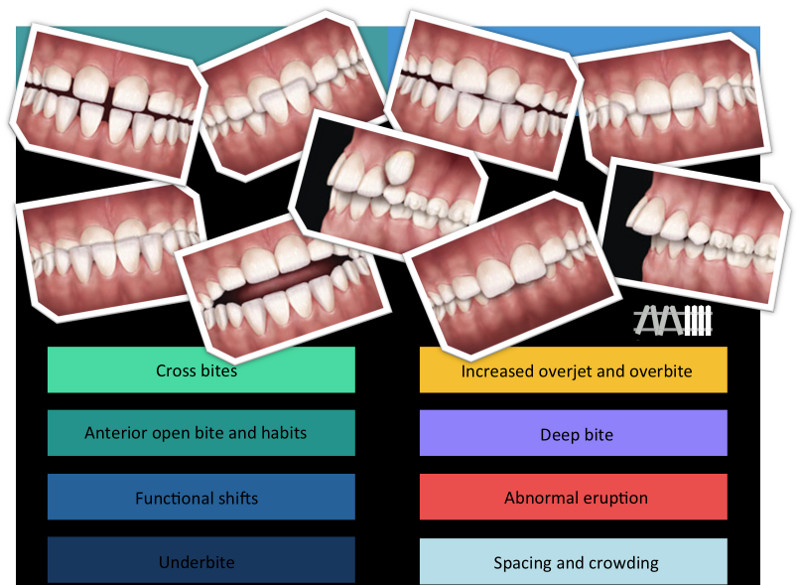
Things to look out for in your child include:

  • Thumb sucking
  • Snoring and teeth grinding
  • Fingernail biting
  • Mouth breathing
  • Crossbites
  • Buck teeth and teeth that stick out
  • Deep bites and overbites
  • Open bites
  • Space loss or crowding
  • Abnormal eruption of teeth
  • Underbite

Teeth

Some of these problems can have significant consequences, so if you notice an issue or suspect a problem, dental professionals recommend being dilligent and taking your child to see a specialist orthodontist for a consultation. Often, early intervention can prevent issues from becoming a bigger problem later on.

Shakespeare Orthodontics

This article was written by Dr Mo Al-Dujaili (BDS, DClinDent (Ortho), MRACDS (Ortho), MOrthRCSEd), a highly qualified specialist orthodontist, who works at Shakespeare Orthodontics, a private orthodontist practice in Auckland. Find out more at www.mybraces.co.nz.

Continue reading “Straight talk about your child’s teeth”

Is your teen sexting?

Sexting usually refers to taking nude (or semi-nude) photos or videos that are intentionally provocative or sexual and sending the pictures via mobile phone or internet. However, it can also include written messags with a sexual nature. Both adults and teens sext.

How often does sexting occur?

In 2013, research in Australia revealed that an estimated 4 percent of teens (aged 12-17) had sent “sexually suggestive nude or nearly nude images of themselves to someone else via text messaging”, and 15 percent said they had received such messages. However, a new report from the Journal of the American Medical Association, analyzing research conducted between 2009 and 2016, indicates that 15% of teens have sent a sext and 27% have received one. Obviously these reports are from opposite sides of the world, but in reality, New Zealand and Australia don’t tend to be that far removed from the social media tendencies and influences that Americans are exposed to.

What are the consequences of sexting?

The primary concern centres around harm to the reputations (particularly for girls) who are involved in sexting. There is a very real threat that when adolescent relationships break down (as most inevitably will), private images may be shared widely and publicly as an attempt to exact revenge on the scorned lover. A study by technology security company McAfee found that the sharing of private images is rampant once relationships rupture. A further concern is that images can be accessed by those with disturbing motives.

However, as discussed by Forbes magazine in their article, That Teen Sexting Study: What Else You Need To Know Before Freaking Out, the most recent research tends to lead to more questions than it does to answers. How many of these teens are in long-term relationships and use sexting as a modern day flirtation? Is sexting actually keeping our teens from taking part in more risky sexual behaviours or is it an indication that they have already taken that step? How prevalent is sexting among tweens who may be more vulnerable to having sexts forwarded without consent due to the nature of their short-term relationships?

How do I talk to my teen about this?

What to focus on with teens around sexting issues:

  • You need to know how your teen feels about this issue. How do you find out? You can read research reports and you can ask your teen yourself. You may find that they think it’s normal to send pictures, it develops trust in a relationship, and they feel that as long as it’s consensual, everything’s fine.
  • Start the conversation early and use examples appropriate for their age.
  • When talking with your teen about the issue ask questions – and lots of them. Ask about experiences their friends have had with sexting. Find out whether they feel private images of their own might be shared if they ever sent them. Ask them how they would feel if things got out of hand, and if their image ended up being shared. Find out what they would do if someone posted the link to social media.
  • Remind them of their self worth. Discuss that being pressured into sexting is not OK and it is not an appropriate way to “prove” your feelings towards someone.

Sexting solutions

If you discover sexts in your child’s phone or email, you simply have to have that talk. Launching a scare campaign, confiscating devices, or threatening consequences will generally drive sexting behaviour underground. Instead, discussions like those outlined above, emphasising consequences of breaches of trust, legal consequences, digital reputation (and real reputation) are more likely to impact on behaviour – particularly if your skilled questioning and listening allows your teen to develop answers him or herself.

There are some practical things you should encourage your teen to do as well:

  • STOP. It really is dangerous.
  • Remove any and all risqué pictures from all devices.
  • Communicate with others who have images of you and ask them to remove them. (Do it digitally so there is evidence of the request.)
  • Google yourself from time to time to make sure you’re not showing up anywhere you shouldn’t in ways you shouldn’t.

Wrap up

It only takes a few seconds to create an image that gets shared enough to ruin a reputation. Talk with your teen about it.

Content is based on an article originally posted by Dr Justin Coulson for Kidspot.com.au, with editing by Kidspot NZ.

Continue reading “Is your teen sexting?”

2018 Dettol Glen 20 Spray Disinfectant

product trial4.69 out of 5 – Kidspot mums would purchase Dettol Glen 20 Surface Spray again and recommend it to their friends and family.


star rating 5

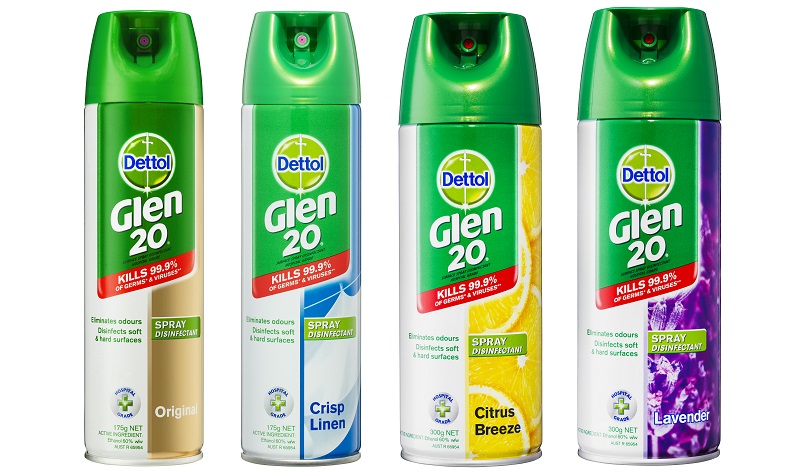
With the onset of autumn, sunny and warm days that allow you to open up doors and windows to keep the home fresh start to dwindle. Wet and colder weather brings dampness, rain-soaked pets, muddy sports uniforms, and dirty work gear – and the odours that come with them! Luckily, Dettol are here to help with their ultimate in germ-busting freshness!

Fast and effective, Dettol Glen 20 Disinfectant Spray is easy to use and cares for your family by killing 99.9% of germs* and viruses** on hard and soft surfaces that you come in contact with every day, such as door handles, bins and toilet areas. It also eliminates odour-causing bacteria, leaving your home smelling wonderfully fresh.

Dettol Glen 20 is fast, easy to use and effective at:

  • Killing 99.9% of germs and viruses on hard and soft surfaces.
  • Killing the source of mould allergens and controlling the growth of mould and mildew on hard surfaces.
  • Eliminating odour causing bacteria to leave your home smelling fresh and clean. Dettol Glen 20 “gets to the source” of the odour without heavy perfume and eliminates damp musty odours in areas where air does not circulate. Ordinary non-germicidal sprays can’t do this.

We gave 300 people the chance to trial and review Dettol Glen 20 Spray Disinfectant. Read their reviews below.

Each selected reviewer will receive:

  • 1x 175g Dettol Glen 20 Spray Disinfectant (Crisp Linen)

**E. coli, Salmonella choleraesuis, Aspergillus niger (Mould & Mildew)on hard surfaces only, Trichophyton mentagrophytes (Athletes foot fungus), Staphylococcus aureus, Pseudomonas aeruginosa, Streptococcus pyogenes
**Rhinovirus TYPE 37 (A leading cause of common cold)
ALWAYS READ THE LABEL. USE ONLY AS DIRECTED.

(NB To post your feedback, scroll to the bottom of the page and add your review as a comment).

If you are selected to trial, the product will be sent to the address on your profile. Please check your address now to ensure that it is up to date. Not registered yet? Then signup now

Kidspot Terms and Conditions: You will be required to post your review on our Product Trials page if you are selected. Your name and postal address will be given to the supplier for the purpose of delivery of the product only.

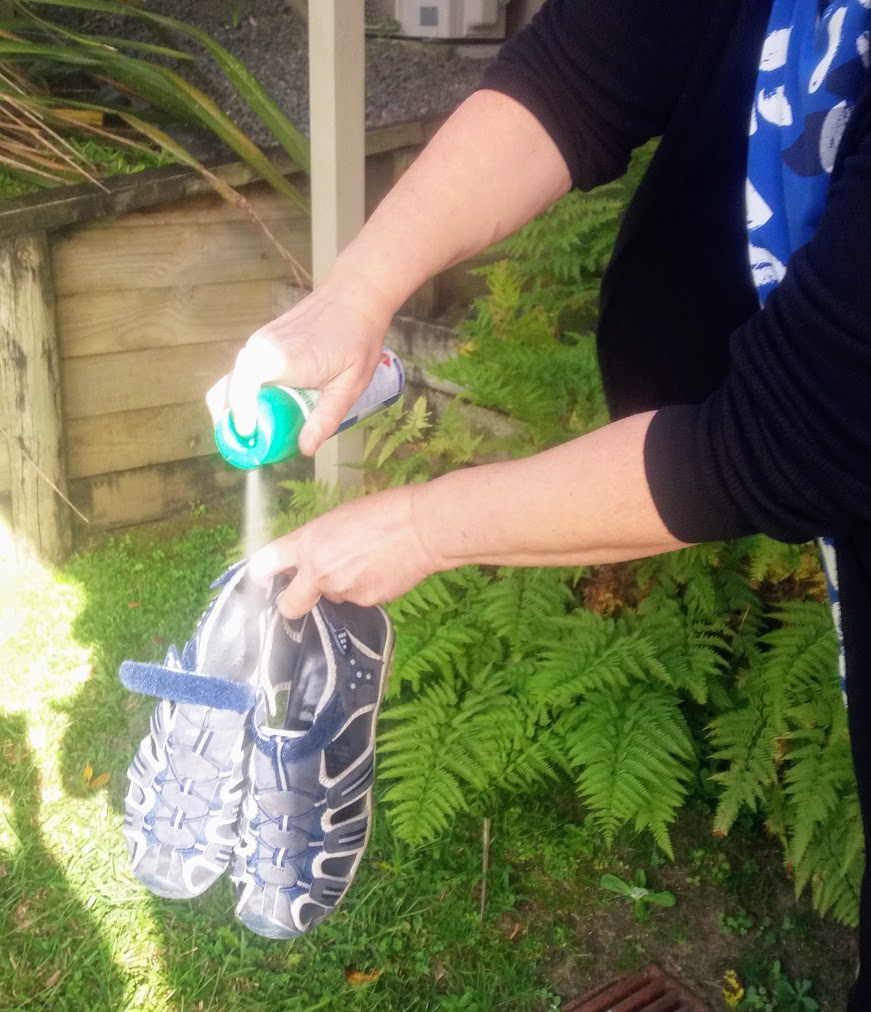
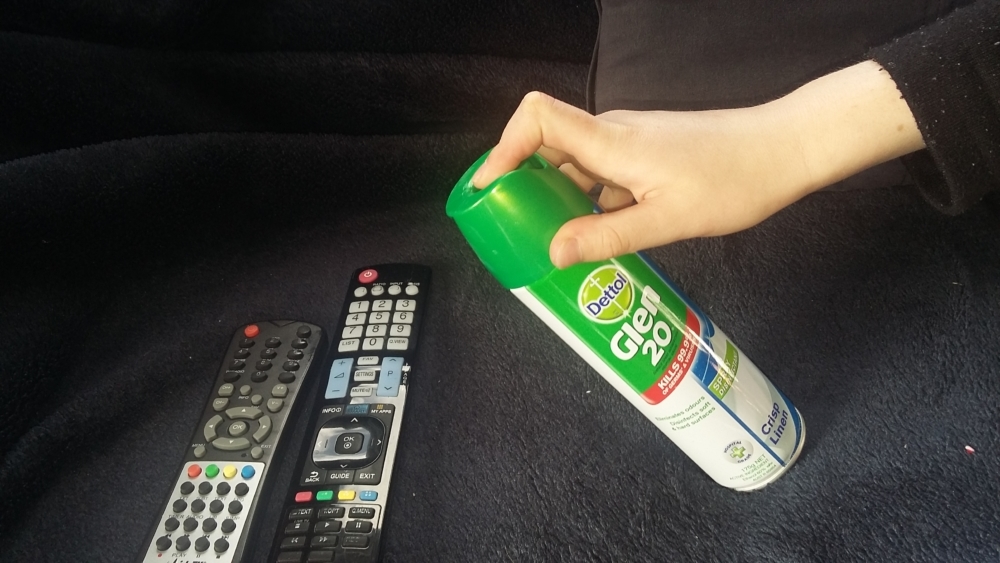
Photos from our reviewers

Baby mania and the pain of infertility

First published March 2018

In March 2018, The Project on TV Three highlighted the often difficult emotions that surround fertility. While the world goes gaga over the pregnancy news of famous mums-to-be, it can be an extremely difficult time for those with fertility issues or those that have experienced the loss of a baby. Presenters and guests  shared their own heartfelt stories about fertility struggles.

The strain of infertility

Fertility issues are surprisingly common. Surprising because it never seems to get the attention that it deserves. Couples are slogging their way through fertility investigations and treatments often with only themselves to lean upon. The pressure can strain relationships to breaking point and beyond.

The simple act of taking a pregnancy test for a couple who have been trying to conceive for an extended period of time can become the be-all-and-end-all to yet another month of disappointment. You stare at that pee stick, willing something, anything, to show up so you have a glimmer of hope to hang on to. And when nothing appears, you take another test, just to be sure.

Baby news

The mere fact that you’re trying to conceive means that you are hyper-aware of all baby news. There will seem to be more pregnant mums or baby strollers at the supermarket than ever before. Pregnancy announcements come thick and fast and the arrival of a baby shower invite can make you feel like you’re failing that pregnancy test all over again.

I returned to work after we lost our first baby, following years of attempts to conceive and fertility investigations. I just wanted to get back to normality and move on. A short while after returning, a colleague gave birth to a beautiful baby boy and brought him along to the office to share cuddles with friends and workmates. It only took the sound of one short wail before I retreated out the back door and into the bathrooms to hide from the world, at the same time feeling guilty that I had somehow detracted from her joy. I never saw the baby. I was however blessed to see friends who realised what my absence meant and came to console me – of course leading to more guilt that I was bringing everyone down! The baby’s mum apologised but I did not blame her. I just couldn’t be there, in that moment.

Behind closed doors

That’s what we do. We hide our emotions for fear of others feeling awkward or uncomfortable around our grief, sadness and frustration. It doesn’t have to be that way though. Many people shared their #mybaby stories with The Project team, revealing to others the pain, longing and desperation that we experience in trying to bring a baby into this world. Hopefully this and other initiatives will enable the topic to become more familiar and increase awareness.

Share your fertility story with others in the comments below.

This article was written by Julie Scanlon, Editor for Kidspot NZ.

Continue reading “Baby mania and the pain of infertility”

Tips To Reduce Your Power Bill

Power bills are notoriously higher during the colder months, as we try to warm and light our homes. We also prepare more hot meals and snuggle up in front of the TV as we seek out some comfort!

Whilst a home built with energy-efficiency in mind (double-glazed windows, insulation, solar panels, etc) is the best way to cut your power bills, not many of us have the option of building a new home. So here are some tips on how to work with what you’ve got and keep the power bills from sky-rocketing.

How can YOU improve?

The first thing to do when considering energy-efficiency is to consider how you use power. Are the kids leaving the TV on when no one is watching it? Do you really need all the lights in the house on when everyone is at the dinner table? Is everyone getting around in t-shirts and shorts in the middle of winter with the heatpump cranking because putting a jumper on didn’t seem like an easy option?! Look at your energy use objectively and start to make some changes.

Shop around

You current electricity provider may not be the best option for your home. Pop over to Powerswitch, a free site that can help you compare prices between different power retailers. Switching to a more cost-effective power company may save you money but be sure to read the small print and understand how future charges may increase, or what time period you may be locked in for. Often, combining your power bill with other utilities including gas, broadband or phone can result in a saving but always be sure you know what you’re signing up for. Receiving your bills online, paying by direct credit, and other options may also result in a saving.

How to save money on heating

  • Aim for a comfortable temperature of between 18 and 20°C.
  • Energy-efficient heating like heatpumps are better at heating rooms for less money.
  • Turn off heaters in rooms you won’t be using for a while. Programmable timers are brilliant for turning heaters on a little while before you get up in the morning or before everyone gets home in the evening.
  • Close doors (and windows!) to only heat the room you are using.
  • Choose to grab a blanket or put on layers BEFORE you flick the switch to turn on the heating.
  • Just before the sun goes down, pull the curtains to keep the free heat from the sun in as long as possible. Open curtains as soon as you get up in the morning. Thermal-backed curtains are best.
  • Do-it-yourself insulation coverings for windows can cut the amount of heat lost through windows without the cost of double-glazing.
  • Put a stop to draughts with window or door seals, draught excluders or tape.
  • Turn off heated towel rails when not in use.
  • Efficient ceiling insulation will make a huge difference to the comfort of your home as well as the power needed to heat it. Wall and underfloor insulation can also make a big difference.
  • Ditch the electric blankets and opt for polar fleece sheets which will keep everyone toasty warm.

How to save money on cooling

  • Open doors and windows to get a through-draught.
  • Get outside! Al fresco dining is more relaxed and cooler than sat in a hot home.
  • Dress in cool clothing, kick off shoes and socks and have a cool drink!
  • If the day is set to be a scorcher, keep the curtains on the sunny side of the house closed.
  • If you do choose to put the air-conditioning on, set the temperature to a comfortable 22 to 24°C, rather than a frigid 16!
  • When using air-conditioning, close windows and doors – you only want to pay to cool your home, not the neighbourhood!
  • Personal or room fans cost less to run than air-conditioners.

How to save money on heating water

  • Take a shower instead of a bath.
  • Efficient showerheads use less water and therefore less electricty to heat that water.
  • Shorten shower times – give everyone a target of say, 10 minutes and think up a suitable ‘fine’ for those that run over, ie bin duty for a week!
  • Washing dishes by hand uses less hot water than using a dishwasher.
  • If you do use a dishwasher, only run it when there is a full load.

How to save money on lighting

  • Replace old-style incandescent bulbs with energy efficient LEDs.
  • Get everyone into the habit of turning a light out as they exit a room. Do a quick run through the home before you go out or before bed to ensure un-needed lights are off.
  • Recessed downlighting is an energy-sucker. Consider replacing them with modern LED downlights that are rated to have compatible insulation fitted over the top.
  • Once the kids are in bed, turn off the main living area lights and use a lamp for reading or TV watching.

How to save money on the laundry

  • Front loading washing machines use a lot less water and therefore energy than top loaders.
  • Cold wash is usually sufficient for most laundry loads.
  • Skip the dryer and hang the washing out on the clothesline.

How to save money on appliances

  • Look for energy-efficienty ratings when purchasing new appliances.
  • Old fridges and freezers are notorious for costing a fortune to run. If you have a couple in use, think about doing away with the oldest one.
  • Consider using a bench-top cooker for small dishes instead of heating up a large oven every time you want to cook.
  • Have your home baking ready to go into the oven once dinner is cooked – you will save the energy needed to preheat the oven.
  • Turn off appliances at the power source when not in use and unplug devices and phones once they are fully charged. BUT, things like your television, media boxes, internet modems, etc, don’t really like being turned off completely. Leaving them in standby mode may cost you a few cents but will likely save you hours of hair-pulling trying to get things working again.

For more tips on saving money on your power bill and making your home more energy-efficient, visit the Energywise website.

Continue reading “Tips To Reduce Your Power Bill”

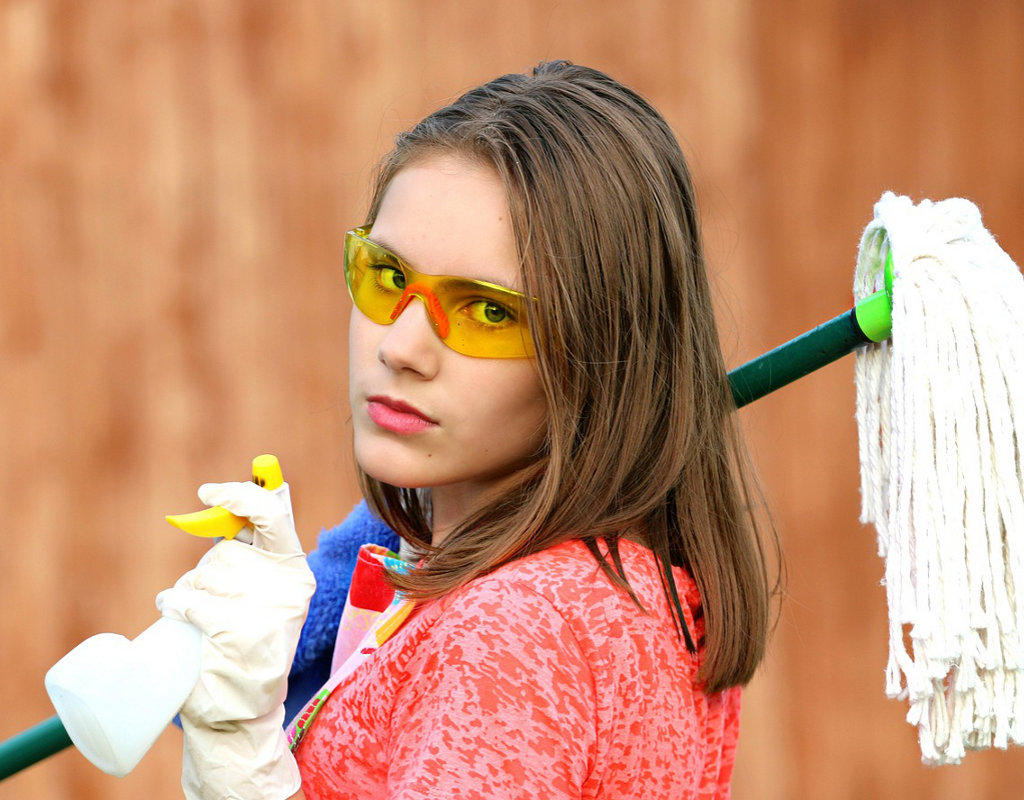
Cleaning the house is bad for women

Housework … the mere mention of it has me slumping into a teen-like state of unmotivated angst! But, it has to be done, right? Only, maybe I’m not the best candidate.

Science says it’s bad for us

Scientists at the University of Bergen in Norway have carried out a study into the effects of cleaning on the respiratory health of men and women. They study involved over 6,200 participants and measured lung capacity over a 20 year period.

Participants in the study were questioned about their cleaning habits and the scientists found a correlation between women who cleaned at home (or in their job) and a decline in respiratory health. However, there was no such correlation for men.

“Women cleaning at home or working as occupational cleaners had accelerated decline in lung function, suggesting that exposures related to cleaning activities may constitute a risk to long-term respiratory health.” Cleaning at home and at work in relation to lung function decline and airway obstruction – University of Bergen.

For women who cleaned (at least once a week), there was an accelerated decline in lung capacity – similar to the damage caused by smoking a pack of 20 cigarettes a day for between 10-20 years! There was no observed accelerated decline for men, or for women who did not clean. Mens’ lungs are considered to be more resistant to damage from irritants.

Effect on lungs

Professor Cecilie Svanes, at the University of Bergen’s Department of Clinical Science, says that the findings might not be surprising, particularly when we consider the small particles that emanate from many cleaning products, especially cleaning sprays. “The small particles can travel deep into the lungs and cause infections, and ageing of the lungs,” Svanes explains. Professor Svanes recommends a bucket of water and soap for cleaning, and/or a microfibre cloth.

Other things you can do to mitigate the effects are:

  • Ensure the area you are cleaning is well ventilated
  • Opt for solid or liquid cleaning products rather than sprays
  • Consider wearing a face mask while cleaning if you are asthmatic or have a respiratory illness

Remember that, although this study does show an accelerated decline in respiratory health, the differences are still small and many other factors need to be taken into consideration including participants’ lifestyle and general health. Research into the long-term effects of chemical cleaners is still ongoing and we certainly do not have a clear indication yet of those effects.

Time to trade the traditional roles?

The study’s findings lead me to three questions:

  1. Who are these women who never clean?!
  2. How do I become one of those women who never clean?
  3. Can I convince my husband that doing the dishes, washing, vacuuming and cooking are also bad for me?


This article was written by Julie Scanlon, Editor for Kidspot NZ. Sources include University of Bergen.

Continue reading “Cleaning the house is bad for women”

Remembering the Christchurch earthquake

Originally published in 2016

At 12.51pm on the 22nd of February 2011, the unthinkable happened. Christchurch, New Zealand’s second largest city was hit by a devastating 6.3 magnitude earthquake that resulted in the loss of 185 lives and forever changed the lives of so many more.

Often referred to as New Zealand’s darkest day, it truly is a date that will forever be etched into the memories of all Cantabrians and many across our nation, as the day the earth roared. Ten years on, we look back at some of the stories from Kidspot parents from that day and beyond.

Where were you?

“It was our son’s first birthday that day so we had gone to Orana Wildlife park in Christchurch to celebrate. We were just waiting for the farmyard feeding time when the earthquake rumbled through. We knew it was big because it was the only quake we had ever felt outside.. We were moved into the kea house while the fences around the tigers and lions were checked. We left soon after and spent the afternoon crying in front of the TV. Thankfully we had changed our plans from going to the aquarium in Catherdral Square at the last minute to Orana Park.” HannahD

I’d been swimming at Pioneer Swimming baths with my son who was then 10 months old. Luckily a friend phoned me the night before and made me feel guilty so we went there for lunch (Somerfield area). We’d had lunch and were heading home, I’d just buckled my son up in the car seat and went inside the house to put an apple core in the bin. My friend had just gone to her veggie garden to pick a few bits for me to take home. Her son then 3 years old was sat in front of the big tv. The house then started shaking. I picked [the] 3 year old up and sat him on the couch and hunched over him. Items were falling off the wall hitting me. I couldn’t get outside to see if my son was ok. Worse feeling ever – feeling so helpless and not knowing whether he was ok. As soon as it died down I picked up [the] 3 year old and made sure the car was ok – thankfully my son was ok – phew. I managed to ring my husband who was at work in the City Centre based next to Cashel Mall. We both said we’d head to my other sons nursery back in Parklands. Luckily husband was on his bike so he managed to get my 2 year old from nursery within the hour and report back that he was ok. It took me over 2 1/2 hours to do a 30 minute journey.  Liquification all in our street so had to walk some of the way home. So glad we weren’t at home as everything came down – cupboards, TV’s, etc. I dread to think [what] could of happened. House is a rebuild but this just makes you realise what is important and what doesn’t really matter. I am just so sorry that other people weren’t as fortunate.” Sparky

“I am SOOOOO thankful I was NOT at home, not sure if I or bubs would have been ok. It all happened so fast and our house is relatively close to lyttelton so I hate to think how violent it was at home. I met my hubby for lunch that day – that never happens. We were in a flooring shop and William in the stroller asleep. I had txt him earlier to ask if we could meet earlier than planned – he said yes. We held onto each other in the middle, trying to dodge falling 100kg rolls of lino. They were chained to the wall but it was ripped out. William slept thru it again, just like the last big one. I pulled my phone out and told the man in the shop it was 12.51pm. My 1st thought was “where are the children?” I knew it was lunchtime so they would be outside at school, but inside for kindy. My poor boy saw so much happen inside, and the evac area they gathered started to flood and fill with silt.” Read more from Gillymama’s blog.

Aftershocks and more aftershocks

The quake in February 2011 was by no means the last time the earth shook in the Canterbury region. Since then there have been thousands of aftershocks.

“December 23rd was a Friday. The kids always go to grandma’s on a Friday so I cheerfully carted them over anticipating a day doing all those last minute pre-christmas jobs in peace. While I was having a cuppa with her the phone rang and I could tell from mum’s face it was bad news. Her brother had died in a fall in the early hours of that morning. We spent the morning ringing around family and friends breaking the news, and family began to collect at her house. Then all hell broke loose again. We could hear that awful growling rumble for a couple of seconds before the shaking so we knew it would be a bad one. I was running down the hall to find the kids before it actually started. Aunties were screaming, things falling, a bookcase (that had been secured) fell, brick work cracked and broke. And then it happened again. And again. And then I came home and picked everything up at my place. It was the worst day in over a year of bad days.” Ekubo

Redefining normal

Everyday life changed, even for those who avoided bad damage to their homes or personal loss:

“From a personal perspective, i dont go to the movies, my heart leaps at strange noises and my fingers tingle, if i park in a parking building i tell someone that i am doing that in case i get squashed if it comes down, i dont ever park in our garage until i have all my kids at home (in case power out and cant get door open).” Christchurchmum

“It impacts on every small part of your life, even here in the relatively unaffected northern suburbs. I check constantly to make sure the lid is down on the loo because the bowl empties all over the floor when there’s a shock over about 5.5. My pantry is rearranged according to what might fall and what it might land on and break. I compulsively check for exits, won’t park unless it’s on the ground with nothing overhead. Whenever I go out I factor in whether there are bridges and how long it will take me to get back to school if there’s a quake. Ekubo

Share your stories, memories and views in the comments below.

Continue reading “Remembering the Christchurch earthquake”

Introducing peanuts earlier to avoid allergies

In ground-breaking research in 2015, scientists believed they discovered the answer to life-threatening peanut allergies – introduce peanuts into your baby’s diet in the first year of life.

Can peanut allergy be avoided?

In a multinational trial that followed more than 600 babies deemed at high risk for developing peanut allergies, UK researchers found that feeding babies snacks containing peanut butter reduced the likelihood of developing a peanut allergy by more than 80 percent by their fifth birthday.

Half of the bubs in the trial, all of whom already had eczema or an egg allergy, were fed the equivalent of about four heaped teaspoons of peanut butter each week, starting when they were between four and 11 months old. At the end of five years, scientists discovered that about 17 percent of the kids who avoided peanuts developed peanut allergies, compared with only 3.2 percent of the kids who ate peanuts.

Head researcher Gideon Lack of King’s College London said that based on these findings most parents should start feeding their babies peanut products as early as possible — not whole peanuts or giant gobs of peanut butter, but peanut products mixed in with some other food “to avoid any possible choking hazard”.

But he warned that while the study results were dramatic, all parents must consult a doctor or specialist before exposing their infant to peanuts.

What sparked the research

According to reports by the NPR in the US, the study was launched after Gideon noticed that Israeli kids are much less likely to have peanut allergies than Jewish kids in Britain and the US. And he believed that it may be linked to how Israelis fed their kids a snack made with peanuts and corn from a very young age.

This is completely opposed to the current sway of thought, which generally advises that peanuts not be introduced into an infant’s diet in the first year because of the fear of causing allergies.

These findings are ground-breaking

Experts from around the world hailed these results as game-changing. An editorial published in The New England Journal of Medicine along with the study called the results “so compelling” and the rise of peanut allergies “so alarming” that guidelines for feeding infants at risk of peanut allergies should be revised soon.

For New Zealand children these findings are significant as peanuts are in the top three most common causes of food allergies in NZ children. There is evidence that rates of food allergy globally have risen significantly in the last decade, and some, such as to peanut, have risen dramatically. Reasons for this increase are not known.

And it’s a number that has shown marked increases with the incidence among Australian toddlers, doubling between 2000 and 2009.

Australian research leads the way for a cure

In 2013, Australia researchers announced they had found a possible cure for peanut allergy. The Murdoch Childrens Research Institute study involved giving about 30 allergic children increasing daily doses of peanut protein and a probiotic over an 18-month period. At the end of the trial, 80 percent of the children could eat peanuts without any adverse reaction.

Continue reading “Introducing peanuts earlier to avoid allergies”

A to Z with the AB’s

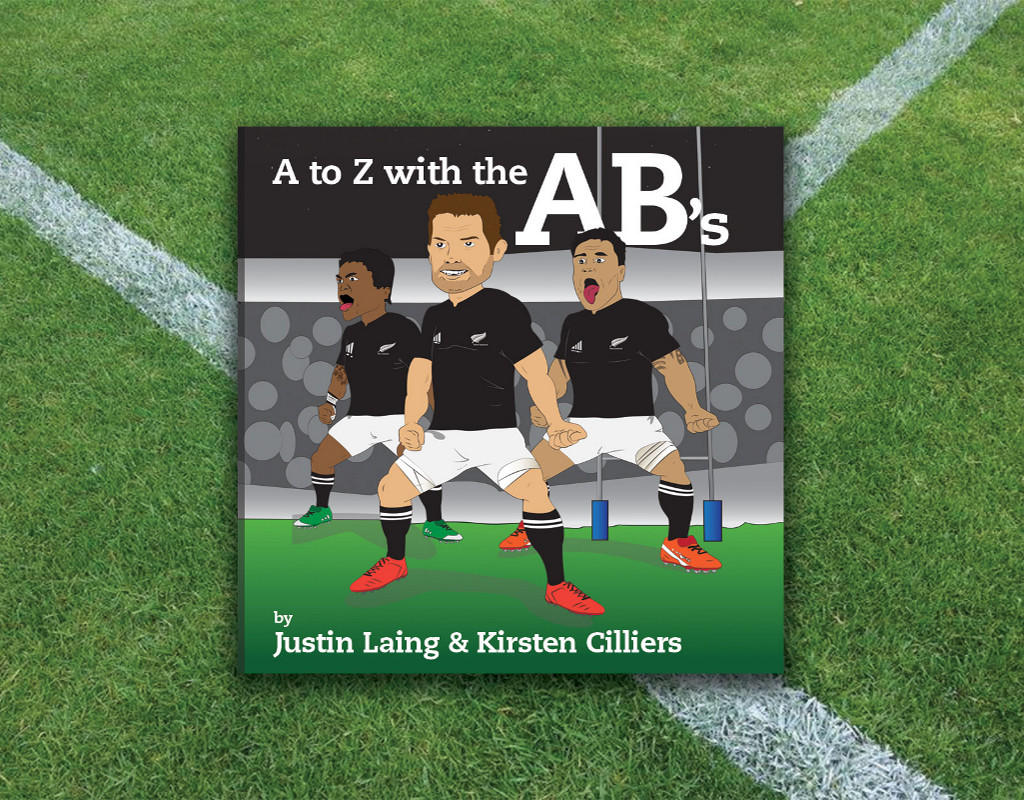
This children’s book is sure to be a hit with rugby-mad Kiwis. ‘A to Z with the AB’s’ by Justin Laing is the ultimate alphabet learning book for little All Blacks fans – and we think parents will love it too!

Combining charming illustrations with clever wordplay, ‘A to Z with the AB’s’ is sure to delight All Blacks fans of all ages as well as providing a fun and interesting way to learn. The book is fantastic inspiration to engage with children, discussing how Beaudan performs magic and how Dan tames the lions, or explaining why Julian’s called the bus and how Zinny could slot dropped goals from 50 metres!

The inspiration behind the book

The book’s author, Justin Laing, says, “I’ve always loved making up stories for my kids at bedtime and we’ve come up with some crazy stories about flying dogs and talking monkeys etc. They’ve grown up watching me (and their grandparents and aunties/uncles) watch the All Blacks so they’ve both decided that the AB’s are their team too. As a result, they’d often wake up the morning after a game and ask, ‘did the All Blacks win?’ or ‘did Beaudy score?’ ”

“Billy has been learning to write for the last year or so and rather than go with the “A is for apple and B is for Banana,” I made it fun with a few rugby examples. I never wrote it down but it got to the point where Billy could recite it all anyway … “A is for the All Blacks” and “C is for Carter.” I put it down on paper and showed family and a few mates and they all said “you’ve got to publish it as a book!” So here I am!”

Meet the author

Born and bred in Lower Hutt, Justin’s love for rugby started in under-fives when he played for Hutt Valley Marist. He went on to play about 24 seasons and while his own dream of being an All Black faded away, his love of rugby and supporting the All Blacks remained.

Justin finished school at St Patrick’s Silverstream in 2002 and moved to Australia where he went on to play first-grade rugby in a Queensland Country competition on the Sunshine Coast. Justin now lives in Brisbane with his wife, Erin, and three kids, Billy, Maddi and the couple’s newest arrival, Frankie.

ABs book

To find out more about the book, visit the A to Z with the AB’s Facebook page.

Continue reading “A to Z with the AB’s”

Peter Rabbit film criticised for bullying

It seems Peter Rabbit is in a bit of hot water (excuse the pun, but it was deliberate!). Beatrix Potter’s classic tale of Peter Rabbit has made its way to the big screen in a new movie due out in March 2018. But a scene in the movie is causing a lot of controversy.

Food allergy bully

The scene in question shows a group of rabbits intentionally attacking a human with a food he is allergic to (blackberries), resulting in the person suffering a severe allergic reaction, known as anaphylaxis, and needing to use an epi pen. The movie is also accused of joking about the seriousness of food allergies.

Some food allergy advocacy groups are calling for a boycott of the movie, or at least, an apology from its creators. Organisations like the Kids With Food Allergies Foundation have criticised the movie for its portrayal of what it refers to as “food allergy bullying”.

“We encourage you to examine your portrayal of bullying in your films geared toward a young audience. We strongly urge you to refrain from the type of programming that mocks food allergies in the future.”  Kids with Food Allergies Foundation 

Is it OK because it’s “just a movie”?

Opinions on the controversy are split. Some say that the scene opens up a dialogue for parents of non-allergy sufferers to discuss the topic more. But many parents of children with allergies have agreed with the bullying accusation.

Other social media users have suggested that what is acceptable to be portrayed on screen has changed over the years.


According to the BBC, Sony Pictures released a statement that it was wrong for the filmmakers to include the segment, “even in a cartoonish, slapstick way”.

“We sincerely regret not being more aware and sensitive to this issue, and we truly apologise,” the statement said.

Do you think the scene is inappropriate?

Continue reading “Peter Rabbit film criticised for bullying”

No more National Standards for schools

The kids have headed back to school and are settling back into the curriculum. But how will parents know how their child is progressing now that the National Standards framework has been removed from schools with immediate effect?

National Standards was controversially brought into effect for primary and intermediate schools back in 2008. Parents, teachers and kids were introduced to the new system and meetings were held at many schools to explain how the changes would affect not only what was reported back to parents, but also how teaching would take place in classrooms. National Standards data was reported back to the Ministry of Education and results were published for each school in the country.

The problem with National Standards

National Standards was criticised for pigeon-holing students and not acknowledging the different ways and pace at which children learn. The National Standards system rated a child’s performance in maths, reading and writing against a set of standards. Children were either “above standard”, “below standard”, or “well below standard”. Some schools adopted different ways to communicate these ratings to parents, often softening the language used in reporting to, for instance, “exceeding standard”, “meeting standard”, or “working towards standard”.

The framework did not reflect on how an individual student had progressed in their own learning. Whilst children were striving to do better, they were constantly compared to an imaginary student who met all expectations.

National Standards also did not take into account other subjects, like science, music, art, technology and practical subjects. Children who were more “hands-on” were forgotten within the reporting. Schools felt pressure to meet targets and in some cases, more resources were seen to be put towards getting those children who were “below standard” over the line, often at the expense of those who were “well below standard”.

What’s next?

Now The Ministry of Education is working with the Government to replace National Standards with a new system that they hope will better refelect the individual progress that a child makes throughout their schooling with a focus on developing key competencies for all.

Until the new system is introduced, schools have been advised by The Ministry of Education to use the tools they now have for reporting on progress and achievement by students.

“Schools and kura will still be required to report to parents, at least twice a year, on their child’s progress and achievement, especially in the foundational learning areas of maths, reading, and writing. But schools and kura will no longer be required to use National Standards and Ngā Whanaketanga Rumaki Māori for this reporting.” The Ministry of Education https://www.education.govt.nz/news/national-standards-removed/

General information on how children are progressing on a national level will come from the National Monitoring of Student Achievement (NMSA). The NMSA tests thousands of students on different areas of the curriculum to report on our current education levels and has been in use since 2012.

How would you like schools to report on your child’s learning?

Continue reading “No more National Standards for schools”

Home safety: Door dangers

As parents we always strive to keep our kids safe from harm. Baby-proofing the home requires a keen eye for potential dangers. But have you considered the danger posed by your home’s doors?

The below article was written by Nicolas Hopkins.

Safety first

We lived on a gentle lifestyle block with no large animals, no dangerous dogs, and sturdy, safe fences. It was the perfect, safe setting for my oldest, and at the time, only daughter to enjoy her early years. On this particular day, we had come home with the groceries. I let her play in the warming spring sun while I unloaded the groceries. The breeze danced through the house and the front door slammed closed. Irritated but not too bothered, I headed over to open it back up.

That’s when I heard it. A bone chilling scream on the other side of the door! Two quick strides and I was there. Face crumpled, tears streaming down, the apple of my eye stood there, apparently unhurt but very upset. I swept her into my arms and only then did I notice her hand. Four fingers were white and flattened. A red line on either side of the fingers marked where the door frame ended abruptly. Her hand was crushed. My heart was crushed. Without a further thought, we were on our way to the emergency room.

Injuries caused by doors

What I didn’t know at the time, is that this scene is all too common. In 2016 doors injured more than 14,000 people; over 9,000 were injured in their home. ACC paid out more than $6 million for these new claims while handling over $13.8 million in ongoing claims for an additional 40,000 injuries. (1)

How many parents think about the danger posed by doors? I didn’t. Fortunately, my lack of awareness didn’t cause my daughter any permanent damage. She was unable to use her hand for a week, but eventually things returned to normal for her. Other children are not so lucky.

Significant force

Finger injuries from doors range from a slight pinch, to a crushed finger, to complete amputation of the digits, either at the place of the accident or by the surgeon. Old fashioned wooden framed doors are heavy and close with significant force. A report from West Bend Mutual Insurance states that the closing force on the hinged side of a door is upwards of 40 tons per square inch – an immense crushing force (2). Aluminium framed doors tend to be slightly lighter weight but have sharper edges resulting in less crushing but more amputations. I met two families, over one weekend, who saved their toddlers’ fingers by putting them in a plastic bag with ice before leaving for the emergency room. This is the stuff of nightmares or horror movies.

Preventing injury

The first step to preventing injury is being aware of the danger. Educating parents and children of this significant hazard in their house goes a long way to preventing injuries. The second step is implementing a culture of safety, utilizing products that mitigate risk in dangerous situations. Help us bring greater awareness to the dangers of doors. Share this article. Talk to your school and day care staff so they understand the danger. Talk to your kids if they are old enough to understand. And keep yourself safe. Even though most hand-in-door injuries affect children, adults are still at risk.

Unfortunately, by definition, accidents are unplanned events that happen with or without awareness of the dangers involved. Safety devices assist in mitigating risks when awareness is not enough. Research available safety products and get safety products in place. Most of these injuries are preventable. With proper safety guards, a serious accident is reduced to a minor first aid situation.

Kidspot’s tips for door safety around the home

  • Do not allow children to play with or around doors
  • Always check that your child’s hands are away from the door before closing it
  • Teach your child to close doors gently and to keep fingers away from the hinge and door jamb – hands on the handle!
  • If you want to keep a door open for a length of time, use a hook and eye latch
  • Ensure that glass in doors meets NZ safety standards
  • Apply a vinyl transfer at eye level on large glass sliding doors to help people see that they are closed
  • Consider installing anti-slam safety products


This article was provided by Nicolas Hopkins from SoftSlam with editing by Kidspot NZ. Nicolas is a joiner/carpenter by trade. He has an ongoing passion for door safety in homes and schools because of his daughter’s experience. SoftSlam is a revolutionary invention that reduces the danger of a slamming door; preventing noisy and dangerous slamming doors and the injuries from slamming. It can be customized to fit any slamming doors and allows the door to close softly and gently – no more waking the baby or pinched/crushed fingers!

(1) 40810 Pinched and Crushed Injuries, Strategic Intelligence and Analysis Injury Prevention and Insurance Products; Auren Xu, Business Analyst
(2) Door-Related Finger Injuries, West Bend on-line article

Continue reading “Home safety: Door dangers”

Most Popular Māori Baby Names

The SmartStart website from the Department of Internal Affairs has revealed the most popular Māori names chosen for babies born in New Zealand for 2021.

Most popular Māori baby names

In 2021, Mia was the number one choice for girls. The most popular choice for boys was Nikau.

The list of Mâori baby names is based on criteria from the Te Taura Whiri Mâori Language Commission.

Te reo

The use of Māori names serve as an important way to link with whakapapa (genealogy) and family history. They are also an acknowledgement of te reo Māori as an official language of New Zealand.

The name chosen may represent an elder or family member or a place that is special to the whanau. Some names, like Hahona and Rāhera , are Māori versions of English names (Jason and Rachel).

Top 10 Māori baby names for 2021

RANK GIRLS BOYS
1 Mia Nikau
2 Aria Ari
3 Maia Niko
4 Aurora Koa
5 Amaia Mateo
6 Kaiara Keanu
7 Kaia Mikaere
8 Amara Manaia
9 Kora Kairo
10 Maria Kiwa

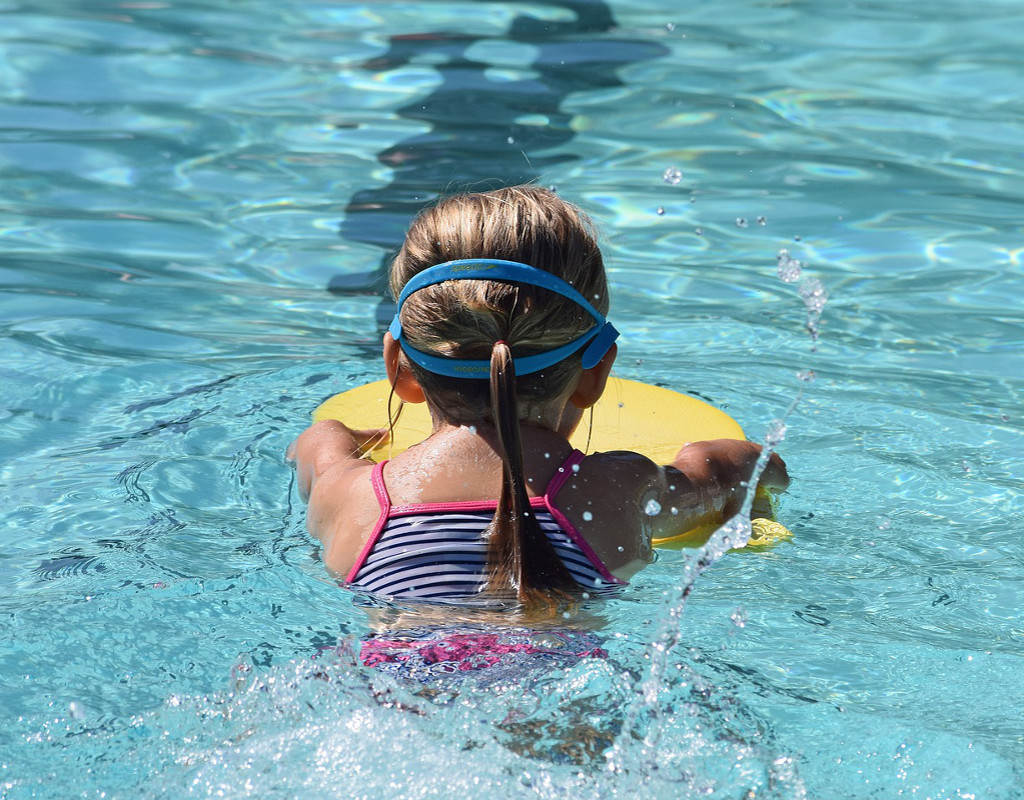
Swimming Lessons Save Lives

Drowning is a devastating and often preventable cause of death in young children in New Zealand.

Matt Claridgem General Manager of Water Safety New Zealand (WSNZ) says of drownings, ‘What is particularly tragic is that we know most of the deaths by drowning could have been avoided through a positive mix of appropriate supervision of young children, greater awareness of water safety as a serious issue for all communities, and by ensuring that our youth have the opportunity to learn to swim and survive.”

Making sure your child has swimming lessons is a good start.

“Many parents start swimming lessons out of a concern for their child’s water safety,” says Swim Australia CEO Ross Gage. “Although swimming lessons are never a substitute for parental supervision, they play a crucial part in building layers of protection for young children.”

Here’s one compelling reason to have your child learn to swim by enrolling her in swimming lessons: In 2009, USA’s National Institutes of Health concluded, “Participating in formal swimming lessons was associated with an 88 per cent reduction in the risk of drowning in children between the ages of one and four.”

Four layers of protection against drowning

Gage says that they have come up with a four-layer SwimSAFER system that encompasses “layers of protection” to protect children from drowning. The thinking is that if one layer fails there are others behind that may save a life. The layers are:

Supervision

Children around and in water should always be under constant and active supervision by a competent adult.

Supervision means being in constant visual contact, being within arm’s reach of a non-swimmer or a child under the age of five, not being distracted by anything like phones and doorbells and being ready to respond quickly.

Barriers

This refers to measures such as ensuring pool fences and gates are in place and meet regulations, and any temporary potential water hazards, like wading pools, are emptied when not in use.

“Children, however, can climb fences.  Children as young as two years old, have drowned in backyard pools after using chairs, bins, pot plants, eskies, etc, to boost themselves up to open the gate or climb over.”

Ensure that there are no items in the yard that children could drag over and use to climb the fence. Outdoor furniture must be secured or too heavy for a child to move.

Swimming and water safety skills

Being able to swim well is one of the greatest gifts that can be bestowed upon a child. The basic swimming and water safety skills for young children should include:

  • Water familiarisation, where small children explore and become comfortable in water environments, developing a respect for the water.
  • Gaining confidence through various water activities such as “safe entries and exits, breath control, submersions, floating, propulsion with arms and legs, turning and back-floating”.
  • Developing formal strokes so that the child can efficiently cover much greater distances.

There are swimming classes available in New Zealand for children as young as 3 months. Find classes near you, here.

Emergency action plan

Because every second counts in a potential drowning, all parents should have an emergency action plan in place, particularly if they have a home pool.

“If you haven’t already done so, revise, refresh or enrol yourself in a cardiopulmonary resuscitation (CPR) course so you are prepared in case of an emergency.  CPR accreditation is current for a year.”

More water safety tips for parents

Kids’ affinity with the water starts in utero – and parents can build on this at bath time with bub, says Ross Gage.

“The baby doesn’t need to go underwater at this early stage. Using a secure and gentle hold lets them feel the buoyancy and the movement of the water over their skin. These early bath experiences should be free from stress and be a lovely way to build rapport with the water,” he says.

The other tip for parents is to try to keep swimming lessons running all year round, particularly when the kids are young.

“The skills and behaviours taught in lessons need constant reinforcement throughout the year,” Gage says. “The risks posed by drowning don’t go away in the cooler parts of the year, so neither should the lessons – they are one of the most proactive things a parent can do for their child.”

This article was written by Fiona Baker for Kidspot, New Zealand. Sources include Swim Australia and Water Safety New Zealand.

Read more:

Choosing A Performing Arts Class For Your Child

Struggling to think of a fun extra-curricular activity for your child? Why not build up their confidence with a creative class such as music, drama or singing?

Finding a class

First off the bat is to talk to them about what creative lesson they prefer. Are the often humming or singing under their breath? Talk to them about whether they want to sing. Are they obsessed with games such as Guitar Hero? You may have a future rock star on your hands. Or does every day seem to be a theatrical performance? Well, watch out Sandra Bullock! And if they show an interest in drama, music AND singing classes –  you may have a triple threat in the family!

To get an idea of what classes are in your area, check out the Kidspot Directory to get an idea of what drama, music or singing lessons are near you.

Ask around

The best way to get solid feedback and comparisons of different class styles is to ask around with other parents. There are guaranteed to be a bevy of kids who are interested (and enrolled in) creative classes such as drama, music and singing. Or, if you prefer a quiet chat online, drop a message to Kidspot on Facebook to get parent-friendly advice and recommendations. Make sure you put in a call to any potential creative programs and ask them questions about their classes – and whether they are right for your child.

Finding the right venue

In the case of creative lessons, it is a good idea to look at the calibre of classes around, and depending on the outcome you want for your child, go with the most recommended. You may have to travel a bit further to take your child to their drama, music or singing class, but the investment will be worth it.

That being said, each class or lesson shouldn’t require a cross-city drive, so do make comparisons with local reputed music, drama or singing classes and weigh up the differences. And if your chosen creative after school activity is more of a pastime than a passion, just choose any local class that your little performer feels the most comfortable in.

When you’ve narrowed down between drama, singing or music lessons (or picked all three classes) and located a good program, make sure you have a quick look at an actual class – without your child. This allows you to have a proper and honest look at how the classes are run before your child falls in love with that particular venue or company.

Keep your eyes peeled for a few indicators of a good creative class. Does the studio/stage/venue seem well kept? Are the bathrooms clean? Are the children in the lesson enjoying themselves and look confident, or do they seem a little nervous? How large is the class? If there are too many children per lesson, your child may get less attention than in a smaller creative class.

Does the teacher or tutor handle the children well, and conduct the class in a warm, friendly manner? It is important that any singing, music or drama students feel comfortable with both their teacher and performing in class – keep in mind there may be a drama performance, or singing or music recital in the future, so you need the least stressful environment possible to build new performers up to that.

Adding up costs

Okay, so you’ve found a music lesson, or drama or singing class that you (and your child) like. Before you put any money down, ask if your child can sit in on a class for free. Many classes offer a trial period of one or two lessons, so you can gauge whether its the right fit. Get them to be very transparent about prices. Do you need to invest in extra equipment? This is almost guaranteed in music classes, but drama and singing may also require microphones, sheet music and performances. Once you get an idea of the final price and are okay with that, book in your future superstar and get ready to watch them shine!

Continue reading “Choosing A Performing Arts Class For Your Child”

Music lessons for kids

The number of studies linking music to improved educational performance is impressive. Even the ancient Greek philosopher Plato said, “I would teach children music, physics and philosophy; but more importantly music; for in the patterns of music and all the arts, are the keys to learning”.

The strong case for music lessons

It seems Plato has a point. Here’s just a sample of the benefits to children of learning music, according to recent research.

  • A Swiss study of 1200 children showed how playing music helped children’s reading and verbal skills by improving concentration, memory and self- expression.
  • A Hong Kong study found that adults who had music training before the age of 12 years were better able to recall spoken words than adults who had little or no training in music.
  • A US study discovered that children aged 5-7 years who had been lagging behind in their school performance caught up with their peers in reading and were ahead of them in maths after seven months of music lessons.
  • Listening to music at any age has been found to tap directly into our innate pleasure systems, activating euphoria-inducing brain regions.

Children learning a musical instrument

Before launching into formal instrument lessons, help your child develop a love and understanding of music. Take your child to see live music performed and play CDs and discuss the instruments you can hear.

The best age to start an instrument depends on the child, his or her development and the instrument they plan to learn. We?ve all seen the pint-sized musical prodigies effortlessly playing Mozart on a violin at the age of 3, or belting out some Chopin on the piano at the age of 5.

A major sign that they’re ready is that they should want to start formal lessons and be capable of focusing during them. Being able to easily recognise numbers and letters is also helpful for when they start reading music.

Choosing a musical instrument to learn

  • The recorder is a very common first instrument and good introduction to making music. Plus it can be cheaply bought at discount stores. Children can start as soon as their fingers are big enough to cover the holes. Recommended age: 5+
  • The piano can be played as soon as a child can reach the keys and has enough strength to press them down. Recommended age: 5+
  • Stringed instruments often come in smaller sizes for example one-eighth of full size for younger children and can be started at a very early age. Some children can handle a violin from the age of four. Recommended age: 5+ (violin); 7+ (viola and cello)
  • Several wind and brass instruments are not recommended for playing until children are a little older due to the pressure placed on teeth, the actual size of the instrument, the lip strength required and the ?puff? needed to make a noise. Recommended age: 8+ (flute, clarinet); 10+ (saxophone, trumpet, trombone, french horn)
  • Guitars can come in smaller sizes and tend to be a big favourite among kids in late primary. Most teachers advise starting on an acoustic guitar with nylon strings before learn electric guitar. Recommended age: 7+
  • Drums, like guitars, can be a big favourite as well because of their ‘rock band’ factor, and they can be seen as easy ? they’re not! But they are fun? Recommended age: 7+

Identifying whether your child is musically gifted

Every baby, it’s said, is born with perfect pitch to help them learn to recognise their mum’s voice. But there is a school of thought which says some children are just born musically gifted.

These children at a very young age – under 2 even –  may respond to music by swaying and bouncing or repeating the tune they hear pitch perfect. They may be able to copy tunes and rhythms on a piano or drum, and even recognise when a wrong note is played.

But whether they are musically gifted or musically inclined is open to debate. Nevertheless, if they have a love for music, then that is their gift.

Finding a music teacher

Many music teachers offer private or group lessons through primary schools and you may see ads for lessons in your school?s newsletter. There are also teachers who provide lessons in your home or through studios in music schools. For a listing of these go to the Kidspot Directory and have a browse.

This article was written by Fiona Baker for Kidspot, New Zealand’s leading education resource from sources including the Music Council of Australia and Parents Music Room.

Continue reading “Music lessons for kids”

7 mistakes parents make with school lunches

Packing a kid’s lunch box is hard work, no doubt about it. Coming up with a nutritionally balanced, interesting, non-repetitive lunch solution is trying at the best of times. The last thing a parent wants to do is make it even harder on herself by packing the wrong kind of lunch box. The wrong kind of lunch box? You bet! There are certain items a lunch box should never contain. Here’s the low down.

1. Banned foods

This will vary from school to school. The banning of nuts has come under wide debate in recent years, and some schools over in Australia have extended this to seed products like tahini and sesame bars . Many schools also have egg products (including mayonnaise) and some high-allergen fruits such as strawberries, bananas and kiwi fruits on their ‘alert’ list. More and more schools are also introducing ‘recommendations’ for foods they don’t believe have a place at school – energy drinks, lollies and soft drinks top those lists. Check with your school for their food guidelines.

2. Foods that spoil

There are lots of ways to pack a lunch box so that it stays cool all day. An insulated bag with an ice pack and a frozen drink bottle stands a good chance of protecting the food inside until lunch time.  Unless you’re absolutely certain that your lunch box can stand the test, don’t pack foods like yoghurt, rice, cold cuts, chicken, fish (including pre-opened tinned tuna) or egg products.

3. Messy foods

Besides a parent’s drudgery of tackling day-old stains on a school uniform, being at school while dirty or smelly isn’t nice for any child. Foods to avoid are tomato sauce (it just has a tendency to ooze out the other end when you take a bite), yoghurt in a tub (the lids are tricky for little hands and when they finally give… so does the contents), runny foods like tuck shop meat pies or flavoured milk and, unless your child has particularly good table manners, food requiring cutlery like leftover pasta or casserole.

4. Foods that are tricky

Tricky foods include foods with intricate packaging that small hands just can’t budge. The teacher on playground duty can only open so many packets of chips per minute, so if your child needs help opening hers, don’t pack them! Popper drinks with straws that are welded to the side of the pack are a tricky food. Yoghurt can also prove elusive for little people – the “tear off” lids are anything but, and many kids end up stabbing at the lid with their plastic spoon. Instead, look for easy-to-use ‘tearaway’ strips that open the goods once torn or pack small portions into containers they can manage.

5. Monotonous food

How well I know the glee when all three of my kids’ lunch boxes come home completely empty. Aha, I think, the secret food combination is revelled at last: a vegemite sandwich, a cheese triangle, three crackers, apple chips and raspberries it is for the rest of their schooling days. It works for about three days and then suddenly the spell is broken – the same food they loved three days ago starts coming home uneaten and the cycle starts all over again.

The trick is to get three or four good lunch box combinations sorted (five if you can stretch it) and rotate them.  So the vegemite combo can be Mondays, a chicken combo on Tuesdays, a tuna salad combo on Wednesdays, and so on. The variety does them the world of good and they totally don’t realise they’re eating the same four lunches day in day out.  Result!

6. Embarrassing food

How well my husband remembers the lunches his Italian mama lovingly packed for him: mortadella focaccia, arancini balls, salami pasta… bliss! Except, not bliss for a ten year old boy sitting in a very Australian school playground. All he ever wanted was a vegemite sanga and an orange.

Of course, these days the majority of us are probably popping a few ‘exotic’ combinations into our kids’ lunch boxes, but the fact still remains that there will be cool food and very uncool food. I learned this the hard way when my nine year old son quietly let me know that my homemade muesli bars were ‘embarrassing’ and that he just wanted a ‘muesli bar in a wrapper’ for once. Needless to say, he didn’t exactly get his wish, but I did concede to putting in a consolation dairy milk mini chocolate from time to time. Kids just want to fit in.

7. Foods they really don’t like

Another one I learned the hard way. My third-born started school last year and I sent her off with my tried and trusty lunch box combinations only to find that what her brother and sister deemed acceptable was anything but. She didn’t like anything they liked at all! I fought this for months – sending her off with the same lunch as her siblings, determined to, I don’t know, starve her out. It absolutely backfired on me.  At the end of each day she was just a very, very hungry little girl with a very full lunch box. The school lunch box is not the place for experimentation.

So these days I pack her something quite different to the others – she likes little containers of random things like olives, gherkins, cheese snacks and crackers, and leftover pasta and rice. You’ve got to pack them things they’ll eat – the school lunch is far too important a meal to risk them not eating any of it.

Continue reading “7 mistakes parents make with school lunches”

10 things teachers wished you knew

A good parent/teacher relationship is important for making the most of the school year. Yet so many parents fail to communicate with their child’s teacher properly, or worse, say or do something to damage the relationship. We asked primary school teacher, Elyse Pitcher, to reveal the 10 things every teacher wished parents knew to help you be the ‘best parent in class’.

1. Have a set morning routine

Kids thrive on routine and a structured morning routine will set your child up for the day says Elyse, adding that it should always include a big, nutritious breakfast. “If your usual routine includes television, just be aware that children who watch tv in the morning are not in the right frame of mind for school. Instead, give your child responsibilities to increase their independence, such as making their beds or packing their own bags,” Elyse recommends.

2. Be on time every time

Elyse says teachers love parents who respect bell times explaining that being late to school means your child walks into a lesson that is already underway. “It is embarrassing for your child and it can take them a while to settle down and focus on the lesson,” she says.

3. Chill out and don’t be so defensive

Elyse says while she understands it’s easy to get defensive if a teacher tells you your child is falling behind in a certain area, it’s important to remember that it’s bound to happen at some time in every child’s education. She advises before reacting defensively, parents take a breath and really listen to what the teacher is telling them, so that they can both work together to help bring your child up to speed with the rest of the class.

4. Know your child’s timetable

Yes, you are busy, but so is your child. According to Elyse, your child will feel more comfortable about school if you are on top of their routine. She advises you have a weekly calendar with everything that is on at school, such as library day, sports day, mufti days, and project due dates.

5. Think about what you share with your child

“Some parents talk about how they don’t want their baby to start school/go on camp, because they will miss them. Children take these things literally,” says Elyse, who advises parents not to put their worries on their child. “Your anxieties become their anxieties,” she says. “Talk about it later with your partner and save your tears until then.”

6. Keep an open mind

As kids are not developed enough mentally to take in all perspectives of an event, Elyse asks parents to keep an open mind when children are telling them about a school incident. “You may hear a story from them about something that happened at school. If it upsets you, ask questions and think about what seems to make the most sense,” she says, advising that if you are still unhappy, talk to your child’s teacher about it.

7. A thank you goes a long way!

“Teachers often say that we never see a parent unless they have a problem with something,” says Elyse. “We always love a smile, a wave, or a quick chat with parents.”

8. Teachers wear many hats but can’t be responsible for everything

Primary school teachers are responsible for many different jobs and teach a range of different subjects. But they are not responsible for everything to do with your child, says Elyse, adding that they are not qualified doctors, speech therapists, or nutritionists so try not to take offense if they refer your child to someone with more specific knowledge.

9. Homework is not a way for teachers to get back at parents

Homework, if given out correctly, is the consolidation of the week’s lessons. According to Elyse, you and your child’s teacher should use it as a method of monitoring your child’s progress. “If your child struggles, or finds the homework too easy, let the teacher know, because homework can be modified.”

10. The teacher is on your side

Elyse emphasises that teachers care about your child and have their best interests at heart. “They teach because they love children.” Yes, even yours.

Continue reading “10 things teachers wished you knew”

What do you want your children to learn?

There’s no doubt that our world is evolving, often changing at a hectic pace. With that comes changes to not only the topics that our young learners study but also the way that they learn. The integration of the internet, smart devices, laptops and even social media into our children’s learning is well established and growing.

The lessons that we learnt

Think about the topics that you learnt at school. Yes, a lot of them are still relevant in this world. But there are also some that have fallen by the wayside and a lot of the subjects that your chldren may now study are brand spanking new to your generation.

What subjects would you add?

Recently, we asked our social media followers, the majority of which are parents, a simple question: What subject do you wish kids were taught at school?

When we devised the question, we were thinking that our readers would suggest some new, modern subjects that kids could learn about. However, the responses were almost completely the opposite. The results can be seen below.

Observations from the results

  1. Practicality reigned supreme – the majority of the responders were keen for kids to learn more about how the world really works, ie finding a job, budgeting, cooking your own meals, loan applications, car maintenance, etc.
  2. Several readers were quite taken aback by the suggestion from others that schools should be teaching children respect and manners. The consensus was that this is the parents’ responsibility.
  3. Some topics that were suggested are in fact taught in a lot of schools, ie cooking, gardening, swimming – though obviously not all schools are able to offer these lessons.
  4. Mental health awareness, strategies and coping skills were mentioned frequently for children growing up in this fast-paced, pressurised and often harsh world.

school subjects

What subjects would you like to see your child taught at school?

Continue reading “What do you want your children to learn?”

Jacinda Ardern announces her pregnancy

Last week, New Zealand’s Prime Minster, Jacinda Ardern, announced that she and her partner, Clarke, are expecting a baby in June.

Congratulations

The announcement, whilst completely out of the blue for anyone not in Jacinda and Clarke’s inner circle, was greeted with congratulations from around the world. It also prompted a lot of discussion around the role of motherhood and the pressures of being a working mum.

“Jacinda Ardern is capable of being our Prime Minister and a mother, and it will add insight and joy to her work and we should celebrate that,” former prime minister Dame Jenny Shipley said.

The Prime Minister became aware of the pregnancy during coalition talks after the election.

Not the first

Jacinda is set to join a select group of world leaders who have welcomed a new baby into their family during their tenure.  Even more so, only one other female leader in modern history has given birth whilst in power. In 1990, Benazir Bhutto, gave birth to a daughter whilst Prime Minster of Pakistan. She had also previously given birth while campaigning in 1988. The existing President called for a democratic election after learning that she was pregnant, reportedly to plot her downfall. In his mind, a pregnant woman couldn’t possibly campaign, let alone win – which she did.

Thankfully the political climate in New Zealand is definitely more baby-friendly. Speaker of the house, Trevor Mallard, has been known to take care of legislators’ babies during parliamentary debates.

Jacinda plans to take 6 weeks of maternity leave after the birth of the baby, with her partner Clarke taking on the primary caregiver role after her return to work.

Continue reading “Jacinda Ardern announces her pregnancy”

50 Clever Back To School Hacks To Make Life Easier

We’re all trying to juggle so many things when it comes to parenting a school-aged child. And if we really think about it, it wasn’t always like that.

Compare your childhood to that of your child’s and I bet you’ll find a huge difference in how many things you and your parents tried to achieve. We either need to pull back on the ridiculous expectations we’ve set for ourselves and our children, or we need to streamline the way we do things to buy ourselves more time and headspace. Personally, I’m all for trying to do both. Here are 50 ways to get things started.

Lessen the lunch load

1. Menu plan the lunch boxes

Plenty of us have become good at meal planning our family dinners (what a relief that is, right?), but how many of us plan the weekly lunch boxes with the same amount of zeal? Instead we are left floundering on school mornings, wondering if we can get away with yet another Vegemite and cheese sandwich / apple combo. Plan what you’re going to put into the lunch box each week, shop the ingredients and see the tip below …

2. Dedicate space for lunch box food

In the pantry and fridge, add a plastic container that can house all of the food you’ve bought especially for the lunches. Not only will this save you time when it comes to putting together the lunch boxes (just pull out the containers and start making), but  you can also slap on a ‘hands off’ note and hopefully guard your carefully-planned treasures from wayward snacking children.

3. Cut off the crusts

If your child doesn’t like crusts, cut them off. One day they will eat them, but until that day, cutting them off means they will eat more of the sandwich and you can use the crusts to make breadcrumbs (if you were so inclined).

4. Freeze a wet sponge

Freeze a clean, wet sponge inside a resealable bag to use as an ice pack before lunch and refreshing face cleaner after lunch.

5. Stick on some googly eyes

A pair of googly eyes makes anything fun, so save yourself the terror of packing an elaborate bento box and just stick some eyes on your kid’s banana, juice box, sandwich wrap, etc. instead.

6. Add a lunch box note

Anecdotal evidence suggests that a little love letter in every lunch box is more likely to result in the lunch being eaten. This may or may not be true, but it’s still a lovely way to say hello to your school kid, especially in the early days of ‘back to school’ angst.

Standard lunch hacks every parent can use:

7. Pack the lunches the night before and store in the fridge or freezer.
8. Slice an apple, put it back together, secure with a rubber band – no brown!
9. Freeze drinks and they’ll double as an ice pack.
10. Make a week’s worth of sandwiches and freeze them in Ziploc bags. Put them into the lunch box frozen and they’ll be ready to go by lunch time.
11. Use a straw to punch out a strawberry stem.
12. Check out this cool mandarin segment hack by JewelPie.
13. Pack leftover dinner into tubs and serve cold in the lunch box (you can also get Thermos containers to serve food warm if you’re keen).
14. Roast an extra chicken on Sundays and shred it to use in the lunches throughout the week – make a bunch of sandwiches and freeze them (see tip above!).
15. Pack a lunch box for yourself when you pack the kids’.
16. Have two sets of any plastic containers you need for packing lunch boxes – that way you can make the lunches the day before when the kids are at school.

School supplies

17. Trace around your kids’ feet

If you can’t bear a trip to the shoe shop for the school shoes, simply trace around each of your child’s feet – and take just their feet with you instead. Measure from ground to the top of their foot too.

18. Use a school list service

When it comes to purchasing the school supplies, do it on-line. This means you can just enter the stationery you need and they’ll select and pack all of the stationery items on your school list for you and deliver it at an appropriate time. School supplies shopping, sorted!

19. Add a ‘post office’ to your child’s school bag

You can get an over-sized zippered pencil case or a document folder to keep in your child’s school bag. Label it ‘post office’ and let your child know that in his role as official post person, he needs to make sure that mail is delivered successfully between home and school at all times. All mail should be delivered via the post office, not scrunched up and thrown into the bottom of the school bag.

20. Add a ‘homework safe’ while you’re at it

A pencil case or document folder in a different colour can be exclusively for homework coming home or going back to school. They can keep their homework schedule in this folder too.

21. Print on some Post-It notes

Watch this tutorial by Tatertots + Jello to learn how to print on Post-It notes on your home printer. Use the Post-Its as star charts, chore chats, lunch box printables and personalised messages.

22. DIY a homework stationery caddy

Add paper cups to the holes in a muffin tin and fill them with leads, pencils, markers, rubbers and sharpeners. The kids can move the tin to wherever they are doing homework (returning it back to its rightful place when they’re done, of course).

Handy uses for school supplies you might not have thought of …

23. Make a neat phone camera tripod / stand out of a binder clip.
24. Add a strip of clear contact paper over name labels for extra stick.
25. Use a three-tier letter tray as an electronic devices rack – you can stack all kinds of devices ready to charge.
26. Use sticky-notes to clean along your keyboard keys (oh, the gunk down there!).
27. Stick a little pretty washi tape around cords and label them with a Sharpie.
28. Use a paperclip if you break the zipper-pull of your children’s school bag.
29. There are actually more uses for a paperclip than you can imagine!

Organising

30. Write the routine down

Instead of pretending you’re a voice recording, try writing down your children’s morning school routine. Kids are actually really great at following a list if you give them one.

31. Use a timer

It’s amazing how motivational a simple countdown can be. You can use the microwave or oven timer, your phone or even buy a dedicated timer. Setting a five minute countdown for getting dressed in the morning speeds things along nicely. Slow eaters also benefit from a ticking clock (although give them plenty of time because indigestion at school is to be avoided).

32. Take a picture

If you want to start encouraging the kids to pack their own bags, tidy their own rooms, make their own breakfast, etc., take a picture of ‘best practice’ so they know what’s expected of them. This is especially good for helping them put things away – kids never remember where things go. Organise their things perfectly, take a snap, pin the photo up in the general area and instruct the kids to use the photo to match up where things are supposed to live.

33. Blu Tac some pegs to the fridge

If you stick some pegs to the fridge, you can quickly clip notes and new artwork up where you can see them. Magnets are great, but often the weight of the paper makes the pegs slip down the fridge. Blu Tac will hold everything up nicely. You can decorate your pegs with washi tape, Sharpies or paint.

34. Add a shoe rack to the top of the desk

You can make a neat stationery shelf for homework on your children’s desk using a shoe rack. Allocate a shelf to each child to keep homework and supplies neat and tidy. Mark each child’s shelf by writing on a binder clip and then securing the clip to the shelf.

35. Make a reminder bracelet

If you really need your forgetful child to remember to do something during the school day (give a note to her teacher, go to his music lesson, go to Sam’s after school, etc.), write the reminder on a strip of coloured paper, tape over it with sticky tape and then wrap it around their wrist as a bracelet, securing with sticky tape.

36. Transfer school notes to the calendar straightaway

Read the note and then write the event on your calendar immediately. Take a picture of the note using your phone and store it in an *Evernote file so you can refer back to the original note if necessary. (*Download the Evernote app).

37. Sort the calendar

Every home needs a BIG calendar that lets you write in lots and lots of activities. If you don’t have a calendar that has a different area for each family member, organise things using coloured washi tape for each family member. Give each person a washi colour or pattern, add a strip of their washi tape to the date and write their activity on top of the washi. That way everyone can see at a glance whether they have something on that day or not.

Everyday organisational tips we can all use:

38. Hang school bags on hooks behind the front door.
39. Get everything ready the night before and set up a morning ‘launch pad’ that houses everything needed to get out of the door.
40. Make a healthy breakfast super-speedy to prepare: here are loads of good ideas.
41. Car pool with other parents in your neighbourhood, or start a walking bus.
42. Allocate a cupboard just for school uniforms to keep everything in one, accessible place.
43. Build a really simple flip-down wall desk for each child’s homework. Once done, flip the desk closed. Click here to see how it’s done.
44. Make up Go bags to simplify after-school activities that way they will always be ready for that quick afternoon transition.
45. Have the kids read to you while you put on your make up.
46. Keep a separate hamper for school clothes so you can keep them together throughout the wash cycle.
47. String up a clothesline in the study for the kids to hang their artwork. Every other month, they can pick their favourite to keep.
48. Buy the kids an alarm clock and put them in charge of their own mornings.
49. Give up on ironing – the uniforms are generally creased to oblivion before the kids leave the house anyway.
50. Use a sticky Velcro patch to temporarily fix a dropped hem; apply clear nail varnish to stop a run from spreading; wipe a banana peel across shoes to give them a shine.

This article was written by Bron Maxabella for Kidspot.com.au and has been adapted for Kidspot.co.nz.

What to do with Christmas leftovers

The guests are gone, the gifts are piled up. You are going on a picnic and the beach is calling. You don’t feel like cooking or shopping and the fridge is heaving with leftovers from Christmas dinner. What are you going to do with all that food? Here are some simple and delicious options.

Leftover ham

If you buy a leg or half-leg of ham you are more than likely to have some leftover. Use a ham bag to retain freshness in the fridge and make sure that you rinse the ham bag out in a solution of 2 parts water to 1 part white vinegar every two days. This keeps it moist. You can slice the ham as you need it; use if for omelettes, quiches and pasta. Don’t forget to leave a little meat on the bone and cook it up into a nice soup at the end.

Leftover roast vegetables

Sometimes there is a stack of roasted veggies left after Christmas lunch, probably because there were so many other delicious foods to eat. Here are a couple of great ways to use them up.

Leftover chicken and turkey

Chicken and turkey can be interchanged in recipes. Take care that you have followed food safety guidelines and not left it out of the fridge for too long. I prefer to debone chicken and turkey before putting it back in the fridge for convenience and to save room.

Leftover Christmas cake and pudding

Were your guests too full for pudding and custard? You will be surprised to know that Christmas puddings have a fridge life of around 24 months. I have often heard of people making their puddings a year in advance, which allows the flavours to mature. If you just want the space in the fridge, you can crumble up the cake or pudding and stir it through some good quality vanilla ice-cream, with an optional slosh of brandy, and refreeze it.

Happy New Year!

Open leftover Christmas ham sandwiches

Ingredients for open leftover Christmas ham sandwiches

4 thick slices bread
½ cup good quality egg mayonnaise
2 teaspoons wholegrain mustard
8 slices Christmas leg ham
2 ripe tomatoes, thickly sliced
8 slices soft cheese (e.g. brie or camembert)
¼ cup small basil leaves

Recipe

Mix mayonnaise and mustard together in a small bowl.

Toast bread and spread with 1-2 tablespoons of mayo mixture.

For each doorstop, pile 2 slices of ham on the toast, top with a few slices of tomato, 2 slices of cheese and a sprinkling of basil leaves.

Notes:

Christmas morning breakfast is usually a bit frantic. But we love breakfast and this is a super-quick and luxurious way to start Christmas day … or any day of the festive season when all that lovely ham abounds.
This recipe was created by Melissa Hughes for Kidspot, New Zealand’s best recipe finder.

Continue reading “Open leftover Christmas ham sandwiches”

The not-so-shocking truth about soft drinks

There have been calls in the past for a tax to be imposed on sugary drinks because of the link between excess sugar in our diets and the growing obesity epidemic. Leading dental expert, Dr. Rob Beaglehole, joined the calls but his focus was on the impact of sugary drinks in particular on toddlers and children.

The impact on children’s teeth

In TVNZ’s Sunday current affairs programme on 8 March 2015, Dr. Beaglehole explored the number one reason children were admitted in to New Zealand’s hospitals – to have their rotten teeth removed under general anaesthetic. More than 30,000 children have teeth removed each year under local anaesthetic. 5000 of these children are under the age of 7 with the majority of this group being under 4 years old.

Sugary drinks include not only soft drinks but also energy drinks, ice blocks and even fruit juice. The recommended daily intake of sugar is 3 teaspoons.

Sugar tax

Dr. Beaglehole called for a tax on sugary drinks because of the evidence that this will help reduce consumption. In 2014 the Mexican government introduced a 10c/litre tax on sugary drinks. After just 3 months there was a 10% reduction in sugary drink consumption and over the year they raised $1 billion in tax.

In the United Kingdom, Chancellor George Osborne included a two-tier ‘sugar tax’ in his March 2016 budget. The rate of the tax that will be applied from April 2018 to drinks is yet to be determined but health campaigners called for a 20% levy. The move was welcomed by celebrity chef, Jamie Oliver.

Do you agree there should be a tax?

This article was written for Kidspot New Zealand. Sources include kidspot.com.au and TVNZ’s Sunday.

Continue reading “The not-so-shocking truth about soft drinks”

Dads Do Matter

Toddlers need their dads … and research convincingly shows that they need them for more than the 30 minutes a day that some studies show they spend.

What makes a dad so important to a toddler and what does a dad do that a mum doesn’t do? Researchers don’t suggest specific things that dads do that mums don’t. However, what they have shown is that having Dad around and involved in both positive parenting and play with toddlers makes a massive difference in their childhood.

An active, present, and positive father has been shown to:

  • Reduce behavioural problems in boys
  • Reduce psychological problems in girls
  • Reduce later criminal behaviour in children
  • Enhance intelligence, curiosity, reasoning, and language development
  • Decrease the incidence of children smoking (as teens)
  • Have better friendships and social skills
  • Even have better marriages (at age 33) if their relationship with Dad was good at age 16.

This is only a brief snapshot of a handful of the positive behavioural aspects when Dad is involved in parenting, rather than absent or merely a spectator. Kids are happier and they function better when they have their dads involved in their lives. The earlier the involvement begins, and the more constant the involvement remains, the better the children’s outcomes.

If you have a toddler, or even an infant or a preschooler, now is the time to get Dad involved as much as possible.

How can dads spend more time with their toddlers?

Here are some activities that dads can do to make sure that they’re spending time with their toddlers and building real relationships.

  • Daddy and toddler bonding: One-on-one dad time.
    Make sure dad schedules some toddler time and try to make it regular each week. Try to avoid just watching movies – there’s not much communication when you stare at a screen. Encourage Dad to take their toddler to the local park or playground , go for ice-cream, walk on the beach, just go out and be together (this can be important for kids whether they’re aged 2 or 22!).
  • Daddy and toddler bonding: Make one night a family night.
    Encourage your child’s father to set aside one night a week for family time, make this night a special time where phone calls are ignored, television and internet are turned off, and the focus is entirely on your toddler and family. Use it as a time to talk about issues that your family needs to be concerned about, or that you want your children to learn about.
  • Daddy and toddler bonding: Read stories together.
    Toddlers love their dads reading stories to them. Read slowly and ask questions about how the characters are feeling, or what your toddler would do in similar circumstances. This will turn father/toddler story time into a fun experience.
  • Daddy and toddler bonding: Develop a project together.
    A great way to boost daddy and toddler time is to do a craft or activity together, be it build a raft, a model, a dolls house, or a toy your child can play with, or something more simple. If Dad isn’t handy or crafty your child will not mind. It will still be a great bonding and learning experience for both child and father.
  • Daddy and toddler bonding: Just be around and involved.
    If Dad is simply ‘there’ and available if needed, this can make a huge difference to their toddler’s childhood. Fathers who are around may suddenly find themselves involved in a rowdy wrestle on the lounge room floor right before dinner or helping patch up some hurt emotions.

Life as a parent is hectic, with priorities competing and demanding our attention. Dads may be preoccupied with long hours, pressures, and doing what they can to contribute to the family. Plus, most dads love a bit of time to tinker in the shed or release some energy via sport. In the hustle and bustle, it can be easy to forget just how important they are in the lives of their children, and just how big the impact they have on their children is.

This article was originally written for kidspot.com.au by Justin Coulson, Ph.D with editing by Kidspot NZ. Justin is a relationships and parenting expert, author and father of five children. Find our more at happyfamilies.com.au

Read more on Kidspot:

NCEA Maths Level 1 exam heavily criticised as being “impossible”

21st November 2017

In 2016 the NCEA Level 1 Maths Common Assessment Task (MCAT) for year 11 students caused anger among teachers and parents. The exam was deemed to be too difficult and many students were left upset after facing questions that they said were not covered in their learning throughout the year. Sadly, it seems that lessons have not been learnt and yesterday’s NCEA Level 1 Maths exam has come in for even more criticism this year.

Complaint from teachers

Furious teachers are reportedly drafting a letter of complaint to the Ministry of Education and the New Zealand Qualfications Authority as they say that the exam posed questions that students had little chance in answering correctly. All three papers – Tables, Equations and Graphs, Geometric Reasoning and Chance and Data – have been criticised. Teachers say the exam contained duplicate questions, unnecessarily long instructions and testing work not taught in the syllabus.

What the students say

Across social media, parents have been revealing that even kids who were confident maths students were shocked by the level of difficulty and they felt that much of the exam was impossible, seemingly testing skills that they had not been prepared for.

One maths extension student said, “The exam was nothing like what we had practised in the mock exams or what had been covered in the curriculum.”

NZQA stands by the exam

As reported by the New Zealand Herald this morning, NZQA is standing by the exam.

“The New Zealand Qualifications Authority is confident in the quality of the examination, which met the specifications clearly signalled to schools in advance of the school year,” said deputy chief executive assessment Kristine Kilkelly.

NZQA announced they will make the exam paper available online at 5pm today.

In 2016, a major error in a Level 3 Statistics exam left a question impossible to answer. Upon investigation, it was discovered that the paper had not been reviewed correctly before publication. Then NZQA confirmed that no student would be disadvantaged due to the error. However, concerns were raised over the knock-on effect the impossibility of the question had on students trying to tackle other questions in the exam.


Banana Boat Dry Balance SPF50+

product trial4.55 out of 5 – Kidspot mums would purchase Banana Boat sunscreen again and recommend it to their friends and family.

star rating

Have fun in the summer sun with Banana Boat

Kiwis are very aware of the harmful effects of the sun but recent research* shows that we aren’t that great at keeping up with our sun smart routines. Do you remember to reapply sunscreen after two hours in the sun? Or after swimming? The research revealed that in the past 12 months 35% of Kiwi kids have been sunburnt and parents admitted that forgetting or finding it too time consuming was their main reasons for not applying or reapplying sunscreen to their kids.

How much? As a guide, each application requires 7 teaspoons of product – 1 per limb, 1 for your front, 1 for your back and one for your face, neck and ears
How often? Reapply at least every two hours or more often after swimming, sweating or towelling off – make it simple for yourself by setting a timer on your phone

“Reapplying sunscreen at the right time is really important, but less than a third of Kiwis are reapplying every two hours according to the research, putting families at risk of sun damage. It’s also very important to remember to reapply after swimming, perspiring or towelling off.” (Associate Professor Rosemary Nixon, Consultant Dermatologist).

Family in the sun

Banana Boat top tips for having fun in the sun:

  • Remember that sunscreen is only one part of protecting your family this summer!
  • Apply your sunscreen 20 minutes before going outside.
  • You will need to use 7 teaspoons of sunscreen per application
  • Reapply at least every two hours, especially after swimming and towel drying.
  • Get covered – wear protective clothing and find shade.
  • Avoid the sun during the hottest times of the day.
  • Check the expiry dates on your sunscreen –
you may need to restock.

New Banana Boat Dry Balance™ SPF 50+ Sunscreen lets you have fun in the sun without feeling greasy or sticky. The formula combines SPF 50+ broad spectrum UVA/UVB protection with a formula that draws away excess moisture, leaving a soft matte finish that lets skin breathe – so your skin feels fresh, dry and comfortable.

Banana Boat offers a broad range of sun care products for families including products formulated especially for babies and kids, so your family can stay protected while having fun in the sun! Banana Boat Kids sun care products feature:

  • SPF50+ Broad spectrum UVA/ UVB protection
  • 4 hours water resistant
  • Won’t run into eyes
  • Non-greasy
  • Fragrance free
  • Fast and easy to apply
  • Gentle formulation for young skin
  • Roll on, pump bottle

Find out more at bananaboat.co.nz, or visit Banana Boat on Facebook for summer tips, competitions and the latest product information.

Each selected reviewer will receive:

  • 1 x Banana Boat Dry Balance Lotion SPF 50+ (175ml)
  • 1 x Banana Boat Baby Roll On SPF 50+ (75ml)

(NB scroll to the bottom of the page to add your review as a comment).

If you are selected to trial, the product will be sent to the address on your profile. Please check your address now to ensure that it is up to date. Not registered yet? Then signup now

Kidspot Terms and Conditions: You will be required to post your review on our Product Trials page if you are selected. Your name and postal address will be given to the supplier for the purpose of delivery of the product only.

*400 New Zealand adults were surveyed online by CoreData in October 2017.

Something you want, Something you need … Christmas gift inspiration

Need some inspiration for gifts to buy the kids this Christmas? Or perhaps you’re looking to rein in the gift giving with more practical presents? “Something You Want” is a simple little rhyme that helps to get your gift giving into perspective!

Whether you stick to the whole thing or just take some of it for inspiration, we’ve got some great ideas for the kids’ Christmas presents.

Something you want

This is the easy one! Just take a sneak peek at your child’s Christmas wish list, find something that’s a bit cheaper than the Mona Lisa and won’t cause your neighbours to call noise control and you’re all set.

Something you need

With a new school year starting after the holidays, don’t feel like it’s a cop-out to purchase a few essentials and wrap them up for Christmas. A new pencil case, colouring-in pencils, a school bag or lunch box can be personal enough to get away with them being gratefully accepted on Christmas Day.

The ‘something you need’ present is the practical one, so don’t be fooled by the kids demands that they “neeeeed” that new video game or the latest sneakers. They might NEED a new beach towel or duvet, a BYOD for schoolwork or sports gear. Imagine Christmas didn’t exist and think about what you would spend your budget on for them first – that’s what they need.

Something to wear

Try to avoid opting for a bulk pack of 20 tighty whities or a billion hair ties that YOU will be picking up off the floor until Easter. Consider a party dress, funky socks, sunglasses, togs, wetsuits or sunhats. They’re still practical ideas but with a hint of fun, especially as the summer holidays start. Dress ups also fit the category if you would rather not buy more clothes.

Something to read

Reading is by far and away the most important academic skill that your child will learn. Of course, kids could care less and the prospect of unwrapping a book on Christmas Day isn’t going to appeal to every kid, so keep it fun. Interactive books are great for keeping little ones busy while they learn. For a special storybook that you can read together or independently, New Zealand authors are by far and away the best (we’re not biased at all!). You can’t go wrong with Hairy Maclary, The Little Yellow Digger, Wonky Donkey or anything by Margaret Mahy, Joy Cowley or Maurice Gee. Instructional books on how to draw or play a musical instrument, books based on favourite movies, or biographies about someone that inspires them also make great gift choices.

Something to make

This one will really get you thinking! Kids who enjoy crafts are pretty easy to shop for as stores like Whitcoulls and Spotlight stock a range of craft kits. You can also find science kits for the inquisitive kids.

If you can’t find exactly what you’re looking for, you could purchase the materials and provide them with instructions on how to create something. Our Christmas Activities, Christmas Ideas and Activity Finder craft sections have lots of ideas.

Kids who love to cook (or those who are keen to try) might love a cookbook along with a kid’s baking set including utensils, bowls, apron, etc. Our Christmas Food and Cooking for Kids section has lots of recipe ideas.

For the budding gardeners, wrap up some seeds, gloves, a trowel, and a pot, and see how green those thumbs are!

And somewhere to go

Parents who have done the whole present thing over and over again absolutely love this option. Instead of something material, give your child an experience. Some ideas include:

  • A term of dance, gymnastics, horseriding or martial arts classes – discover classes for all kinds of activities in our Directory
  • A multi-trip ticket to the local pools
  • A cinema gift card (include enough for the popcorn!)
  • Concert or sports match tickets

If you want to keep the budget down, make up an itinerary for a full day of things that they love to do – bushwalk, picnic at the park, swim at the beach, etc. Commit to a date so they can count down the days and bring along a friend or the rest of the family.

A few things from Santa

This is the option that allows you to add a few little things from the jolly man in red. Many parents nominate the stocking stuffers to be from Santa while the big-ticket items come from family.
The Kaikoura quake – when your whole world is shaken

Originally published November 2016

I feel like I need to subtitle this “Mother Nature, you can hakuna your tatas!” But heaven above, I don’t want to piss her off – she already seems to have a beef with us! Following the 7.8 quake centred near Kaikoura and Waiau in the South Island earlier this week, it has been a rather surreal week here in the Hutt Valley, near Wellington.

Not our first rodeo

I’m well aware that New Zealand is a very “new” country in the grand scheme of things. Our land is still shaping and forming itself. It’s why we have such dramatic, beautiful landscapes that tourists will cross the world to see. It’s the reason we can go from skiing on the mountains in the morning to swimming at the beach in the afternoon. It’s also the reason, along with our position on the Pacific ring of fire, that we have a rather active earthquake fault system.

When I was younger we lived up North. I felt a few earthquakes up there, most noticeably the Edgecumbe quake in 1987, and the science behind it all intrigued me even if the shaking itself was unnerving. Living in the Hutt Valley now, we have experienced a lot of quakes. The majority of them are minor – those, “was that a quake or did you wriggle on the couch?” moments. We’ve also had a lot of hold-your-breath rattles that have you instantly jumping over to Geonet to confirm the location and the winner of “guess the magnitude”. And then there are those select few that make your heart race. The two Seddon quakes – huge and frightening – were by far and away the biggest we had ever experienced. Until just after midnight on Sunday.

“It will stop soon”

I had just been conned by my two kids in to allowing them to stay up later than normal to watch the end of a TV programme. I am so glad I’m a soft touch. We were minutes from the end of the programme when we all felt a wobble, instantly recognisable as a quake. I paused the TV – as I always do, I don’t know why, maybe to ensure that everyone is aware and prepared to move. The wobble became a shake and I held up my finger to signal the kids that they needed to pay attention. Within a second I told them to get down. They’ve done drop, cover and hold, dozens of times – in both drills and for real. They know what to do and they seem to take it all in their stride. The quake seemed different to others, as it increased and increased in intensity. I dropped to the floor and released the cat from my lap. He froze so I swept him back towards me and held on. The shaking got worse. I looked up briefly at the TV and remember thinking, “I’m so glad that’s screwed down,” as it wobbled around. The shaking intensified and I told the kids, “it will stop soon,” whilst hoping that it indeed would! We could hear the sounds of things starting to fall over and topple out of cupboards and then the power went out as the shaking continued.
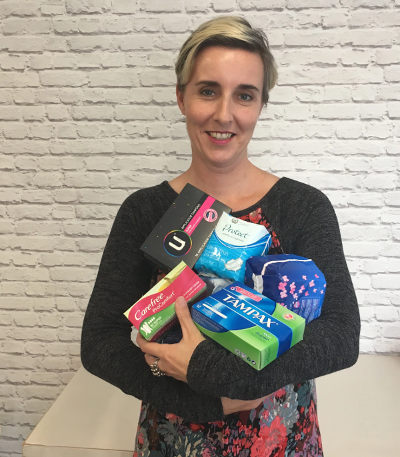
It was a long one – between ninety seconds and two minutes. When the ground slowed down I grabbed my phone and shakily found the flashlight on it. Then we grabbed more torches and lanterns. A quick scout around showed no damage, just things on the floor and one broken coffee mug. How lucky we are. We spent the next five hours camped out in the lounge – the kids fell asleep within an hour or so but I stayed on the internet keeping up with the latest from the news sources and talking with friends via social media. Then the tsunami sirens started. Our power came back on around 5am and everyone retreated to bed.

Trying to get back to normality

On the Monday I kept the kids home from school. Partly due to the lack of sleep, partly due to needing them to be near during numerous aftershocks. Statistics and news started to come out throughout the day – landslides and damage to infrastructure in Kaikoura, building closures in Wellington and the unfortunate loss of two lives. The experts say that there multiple simultaneous quakes and up to 21 faults fractured, gradually aiming their fury at the lower North Island. The rumbling awoke the Seddon quakes and these are now affecting us with aftershocks again.

On Tuesday, seeking some sort of normality, I sent the kids off to school. Within an hour I was instantly regretting that decision as torrential rain affected our area and roads were being cut off, slips were blocking roads and access was getting worse and worse. Around lunchtime it was too much and the thought of the kids being stranded by floods during aftershocks sent me out to brave the weather to collect them both. I had to u-turn once due to a flooded road and drive through a muddy brown torrent that was washing over the only route out of our suburb. I’ve never been so glad to get back home.

Anxiety after the earthquake

After such a huge event (and with constant shaky reminders), it’s normal to feel anxious. Some things we do out of preparedness: ensuring that the battery on the cell phone doesn’t go flat, that there’s petrol in the car, or topping up emergency water supplies. Other things are borne out of our anxiety: avoiding parking in multi-storey car parks, not wanting to be alone, continuously monitoring the news, or wanting to move away.

Everyone deals with anxiety and stress following such an event in different ways. Well-meaning friends and family may say that we have to be strong for our children and not show fear. I don’t fully subscribe to that way of thinking. Yes, we need to be the adult in these situations, but if someone is feeling anxious you can’t just tell them to “get over it”. By negating people’s feelings you leave them vulnerable to more anxiety as they feel that they can’t talk to others about it. By putting on a brave face, children can be left wondering if their own fears should be contained rather than talking about them. It’s OK to say “I hate these damn quakes!” and for your kids to hear it. As long as they are also hearing messages of preparedness, safety, support and optimism, you can help them balance their fears with that knowledge.

The way forward

Positive ways to cope:

  • Support each other – in your family and community
  • Talk about it!
  • Return to your usual tasks, even if it is in smaller doses and acknowledge your progress
  • Look after the health of you and your family – get plenty of rest, keep exercising and eating healthily
  • Adequately prepare for another emergency
  • Allow yourself to have fun

Get Ready, Get Thru has helpful advice on being prepared for disasters and what to do if one occurs

For support and assistance, contact the Earthquake Support Line

Get information on NZ earthquakes at geonet.org.nz

This blog was written by Julie Scanlon, Editor, Kidspot NZ.


Join the Catch Up

Join our community of parents and let the Kidspot Catchup be your guide to creating unforgetable family moments.