
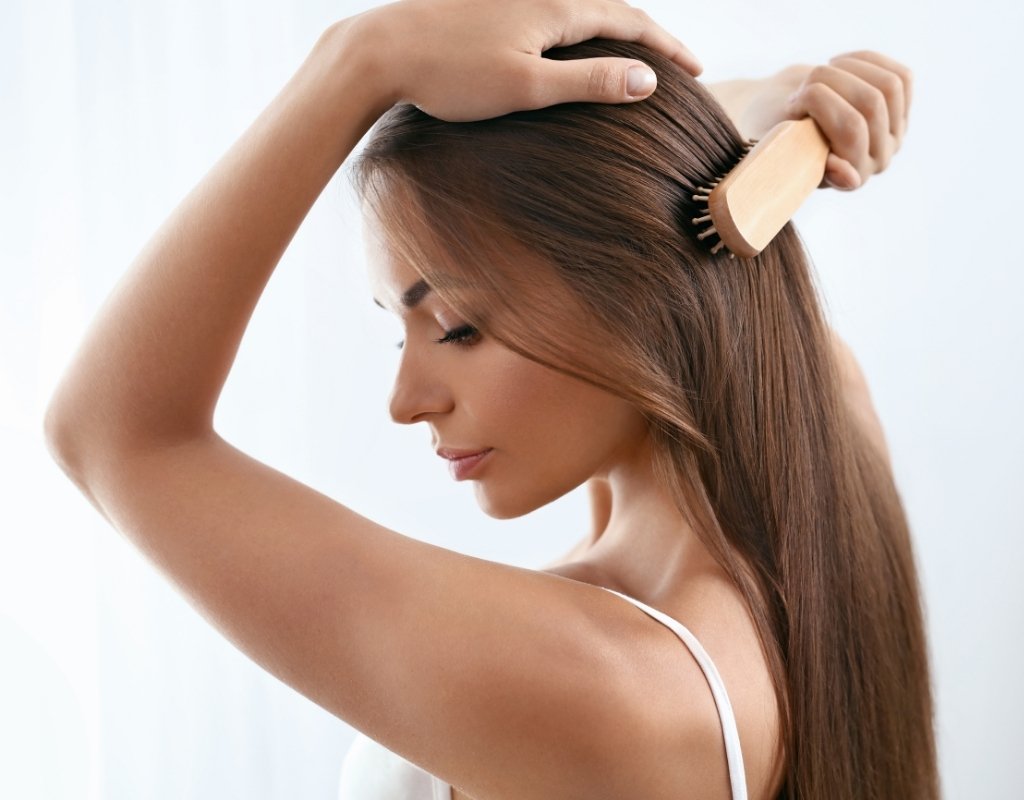
Guest post
Being a mum is nonstop – school runs, meals, errands, late nights, and about a thousand other small tasks. Your body takes the hit, and sometimes that shows up in your hair. If you’ve noticed more strands in the shower, on your brush, or scattered across the bathroom sink, don’t panic. Hair shedding is common for mums and, in most cases, is fixable.
This guide explains what’s really happening, simple steps you can try at home, and when it’s time to get professional help – all in plain, no-nonsense language.
What’s actually happening to your hair?
Stress can push hair into a resting phase called telogen effluvium. It sounds dramatic, but it simply means that more hairs stop growing and fall out a couple of months later.
It’s not always stress alone – other triggers can cause the same reaction.
Key points:
- Hair grows in cycles, and stress can pause growth.
- Shedding often appears 2-3 months after a stressful event.
- Most of the time, hair grows back once the cause is addressed.
Common triggers for mums
Extra shedding is common if any of these have happened in the past few months:
- Childbirth or major hormonal changes
- Ongoing sleep deprivation
- Crash dieting or sudden weight loss
- Illness, high fever, or significant infection
- Emotional stress or long-term anxiety
- Certain medications or medical conditions
If you’ve had a baby in the past year, postpartum shedding is especially common. For a helpful overview of body changes after birth – and how to navigate them – see this post-birth body changes guide.
Signs to watch for
It may be more than “normal” shedding if you notice:
- Large amounts of hair are coming out when brushing or washing
- A noticeably wider part or a thinner ponytail
- Bald patches or obvious thinning
- Shedding lasting longer than six months
If you see sudden bald spots or other worrying changes, book a GP appointment promptly.
Five quick things you can do today
Start here – they’re easy, low-cost, and effective over time:
- Swap to a soft brush and use a wide-tooth comb on wet hair.
- Skip tight ponytails and braids that pull on roots.
- Add one protein-rich snack or meal daily (eggs, yoghurt, beans).
- Include an iron-rich food if you don’t eat much meat (spinach, lentils, fortified cereal).
- Try a simple breathing break three times daily – inhale for three seconds, exhale for six.
Those small wins add up. For more healthy, energy-friendly ideas, check these brain-boosting snack ideas.
Nutrition and simple supplements
Your hair needs calories and nutrients to grow. Skipping meals or crash dieting can starve your hair before it affects anything else.
- Eat balanced meals with protein, healthy fats, and iron.
- Vitamin D, B12, and iron are common deficiencies for mums — ask your GP for blood tests before starting supplements.
- Biotin is often overhyped; it only helps if you’re deficient and can interfere with lab tests.
Rule of thumb: Aim for a colourful plate at every meal, keep meals regular, and only add supplements if medically advised.
Scalp care and gentle handling
A healthy scalp is the foundation for healthy hair.
- Wash with a gentle shampoo, massaging lightly rather than scrubbing hard.
- Apply conditioner to the lengths and ends, not the roots.
- Reduce daily use of hot tools; air-dry when possible.
- Try a 2–3 minute scalp massage each night to improve blood flow.
When to see a professional
If shedding is heavy, doesn’t improve after 3–6 months, or appears in patches, it’s time for a medical check. Your doctor can test for:
- Iron deficiency or other blood-related issues
- Thyroid problems
- Hormonal imbalances
- Medication side effects
If you’re curious about medical treatments – from prescription options to clinic-based procedures – you can discuss them with a specialist. Clinics such as Gro Clinics can explain potential pathways so you can make an informed choice.
Longer-term and clinical options
If home care doesn’t help, your GP or specialist may recommend:
- Blood and hormone tests to pinpoint the cause
- Topical treatments like minoxidil
- Prescription medication for specific conditions
- Clinical procedures in specialist settings
- Referral to a dermatologist or endocrinologist
Every option has pros and cons – a professional will match treatment to the cause of your shedding.
Stress-busting routines that fit mum life
You don’t need elaborate “self-care” – just realistic, bite-sized changes:
- Take a 10-minute walk with the stroller daily.
- Make one family meal screen-free each day.
- Create a small bedtime ritual (tea, teeth, two-minute tidy).
- Swap one weekly task with your partner or a friend.
- Use baby’s nap for a short rest instead of another chore.
Lowering stress isn’t instant, but it can improve hair health over time.
A simple 30-day plan
Week 1:
- Switch to a gentle hair routine: wide-tooth comb, soft brush.
- Add one iron- or protein-rich meal daily.
Week 2:
- Book a GP appointment if shedding is heavy.
- Practise 3 daily breathing breaks.
Week 3:
- Limit heat styling. Opt for soft buns or loose braids.
- Take a 10–15 minute walk three times this week.
Week 4:
Reassess. If shedding hasn’t eased, arrange a follow-up with a specialist.
Final note – it usually gets better
Hair shedding after stress, illness, or childbirth is extremely common for mums. Most women see improvement within a few months once the triggers are addressed. Be patient, stick to simple, healthy routines, and seek medical advice when needed.
Quick checklist:
- Be gentle with your hair
- Eat regularly and prioritise protein
- Sleep and stress matter
- Get blood tests if shedding is heavy
- Consider clinic options only after medical checks
You’re already doing so much. Take one small step today – your hair will likely catch up soon.
This article was written by Lucy Mitchell, Content Manager for Current.com.au | The Home of Australian Product Reviews, with editing by Kidspot NZ.
The appearance of external hyperlinks does not constitute endorsement by Kidspot NZ of the website, information, products or services contained therein. All views are those of the author.
Medical disclaimer: As per our T&Cs, we make every effort to ensure the information we provide is accurate and update, but the information contained in this website is not intended and must not be taken to be the provision or practice of medical advice or services nor a substitute for medical advice, diagnosis or treatment. If you have questions, concerns about your health or treatment or would like more information, contact your doctor. Always see your doctor or other qualified health professional before starting or changing any treatment.


Leave A Comment
You must be logged in to post a comment.