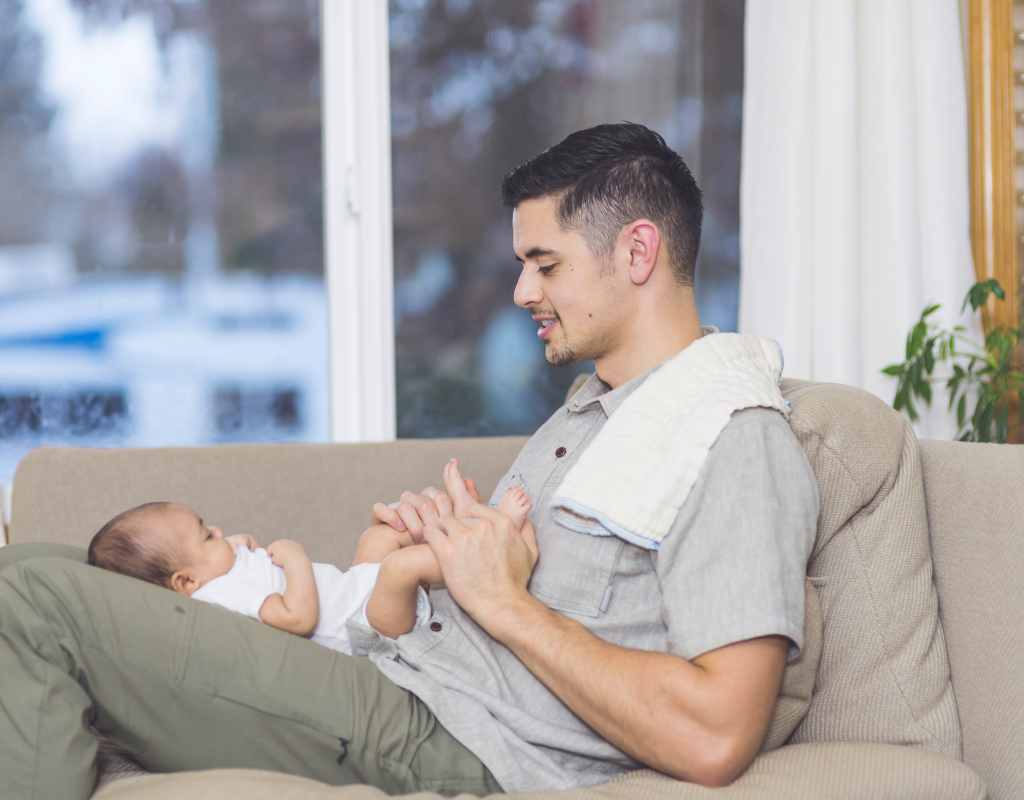
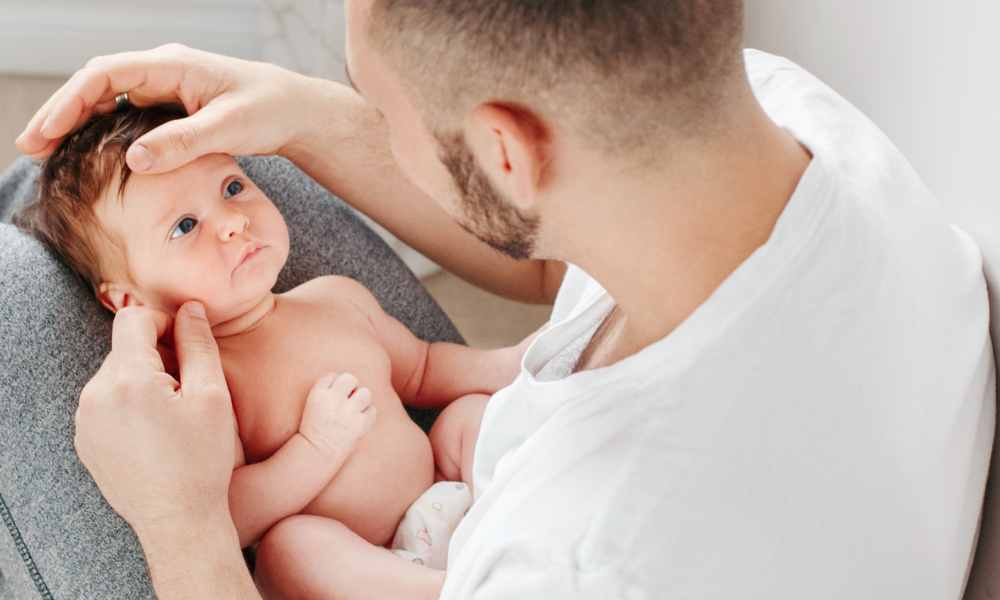
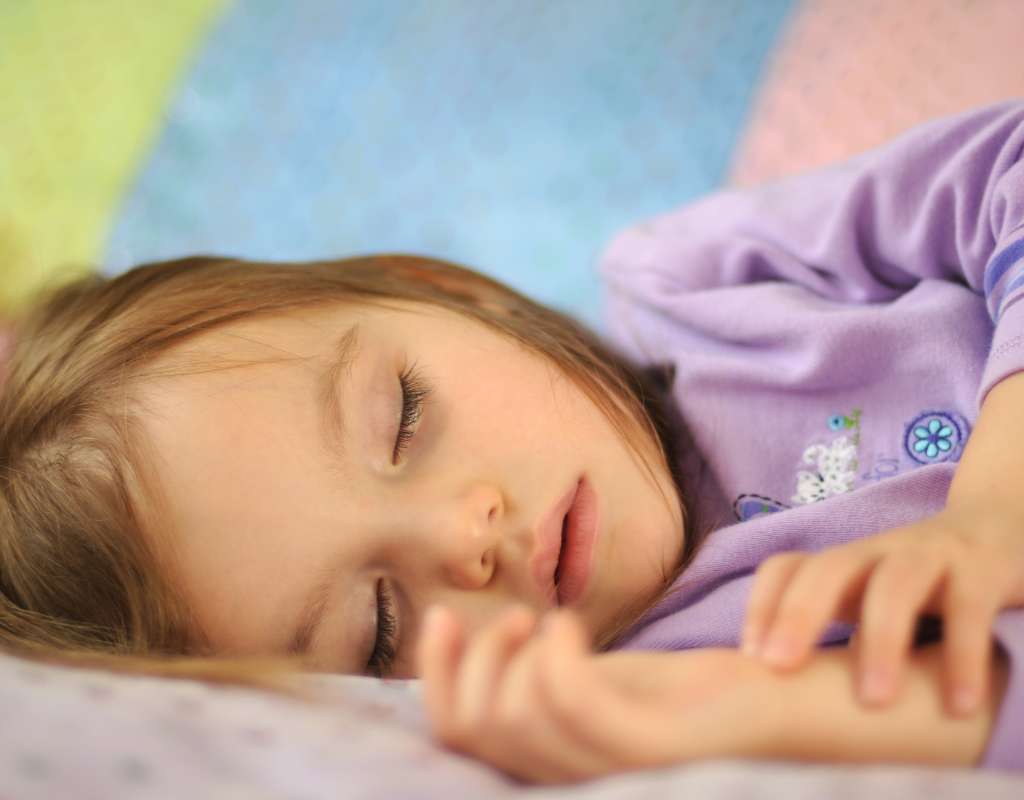
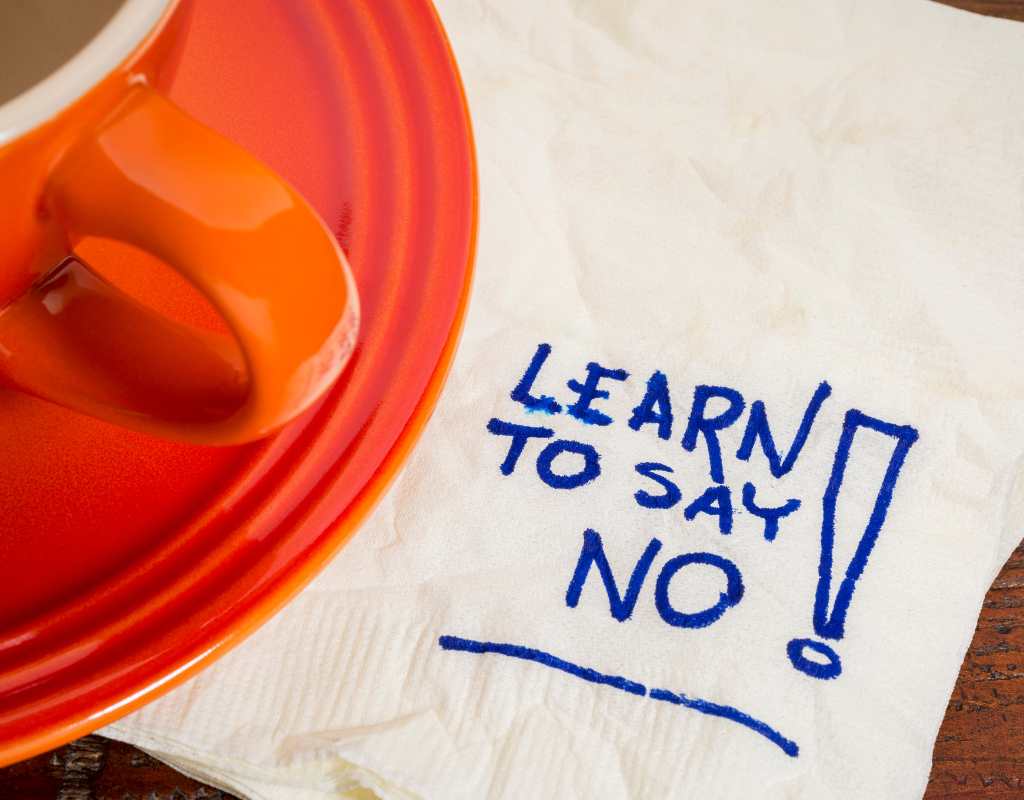
Dads Tell: Things I Wish I Knew Before Becoming A Dad

We wanted to hear from those with experience what it’s really like to be a father, so we put a call out to all Kidspot dads: “Tell us what you wish you knew before becoming a dad.”

They shared with us practical tips, funny anecdotes, emotional outpourings, and advice for those who are becoming a dad for the first time. Here’s some of what they shared.

But first … a limerick shared by Greydon:

Although it’s a rough ride to start
(you’re so worried you’re on the wrong path)
each second you spend,
with your new life-long-friend,
will fill up your (sleep-deprived) heart!

Tips for new dads

Tips for new dads

I wish I knew tricks for better sleep! I have baby number 2 now and we have figured out a few tricks that help. A shusher is a great tool, we’ve used it from day 1 and it indicates sleep time. A white noise machine helps with dulling all the other noises, including my snoring, wifey says! Also, a big busy day or especially a trip to the beach will tire baby out which generally leads to a far better sleep than if we have a chill day. – Peter

You’ll never be a perfect parent but that doesn’t mean you can’t try to better yourself. Observe how others raise their kids. Ask your parents for advice. Read books. Never stop learning. – Chris

There’s not actually much you can do with your newborn baby, as it’s either feeding or sleeping, so to feel really appreciated and useful, I’d bathe the baby every night. That was my one important job. Such a special bonding time too. – Chrus

They won’t be little for long, so enjoy those fun pre-school years, and make sure to read them lots of stories, and make them laugh a lot. Those are the memories they will cherish when they’re older. – Danny

I would like to have known that there are no magic answers to the questions, no book will tell you everything you need to know. Most of it comes with time and experience and every child is different, don’t stress if they don’t fit the mould. – Mark

I wish I knew it’s better to be well-prepared with all the essential shopping and do not leave anything to be done after the birth, because you get occupied right after childbirth (and try to adjust your sleeping routine). Moreover, it’s a good idea to keep some meals frozen so that in case you cannot manage healthy cooking, you will have an option to quickly heat up the saved food. Make good use of your time to give your spouse good rest and be there for your little one. – Adnan

To save your back in those first three months, make sure the bassinet and the change tables are at least as high as your waist. Stroller envy is also a thing. If you don’t splash out for the fancy wheels you will be checking out the other wheels whenever they pass you by or at a meet-up. And most of all it goes by so fast so speak with your employer and double down on your leave and get as much of it as possible as you will miss out on some moments that you can never capture again. – Neil

I wish I truly knew the time required for dealing with a newborn. You always hear stories about how sleep-deprived new parents will be and how there is no time to do anything else but care for the baby. However, no one truly understands this until they have experienced it! If I knew, I would have prepared a bit more and even taken more time off work. Other things I wished I knew are the importance of burping after feeding, how many diaper changes there are, how mums need a lot of emotional support and how breastfeeding can be difficult. I think the key is to stay persistent and support your partner through this period of change and it only gets better! So happy for the experience as my child is nothing but a blessing – can’t wait to experience the toddler stage! – Edwin

The eye-openers

eye-opening moments of fatherhood

I wish I knew … that one little person would change my life forever and make me far less selfish. I have learnt that it’s ok to show emotion and love and communicating your feelings is positive. The sense of responsibility can be overwhelming. – Ricky

I wish I knew … that baby acne is a thing! Freaked me out to see acne on my daughter’s face when she was a newborn! Thought it was only something teenagers got! – James

Time goes quick! So enjoy every moment while your kids are young, turn off the autopilot and take it all in because in no time you will have a 15-year-old son, who pulls away when you hug and kiss them, gets angry coz you borrow his t-shirts, who wears and puts holes in your good socks, laughs at you for jumping into the friendly basketball game with friends because that’s your way of being supportive and eats all the food and leaves without cleaning! – Kieran

I wish I knew exactly how little sleep I would get and how tough that would be! But it also affects how I look after my wife and need to keep the energy levels up. – Ali

I wish I knew that it’s ok to be a support that sometimes needs support too. For example, Google can be your best friend as well as an unhelpful sidekick. Finding the answer you want isn’t necessarily the same as what you need but you can pretty much Google anything to support your argument. Also – No one seems to tell you that as a new parent you will quite often turn into the world’s greatest problem-solving super baby whispering super sleuth late at night when trying to comfort an upset newborn. So looking back I wish I was more comfortable with being ok not knowing the answer and asking for help. It’s ok to be the support and ask for support too. – Jacob

I wish I would have known to go easier on myself. The first year and parenting experience as a father is nothing like what movies, the media, and even friends describe. There are ebbs and flows, energetic weekends, exhausted mornings, and everything that millions of others experience in their own unique way. I learned during that first year to be easy on myself, and know that we are all doing the best we can to be a great parent. – Arsenio

I wish I knew the weight of her worries and the mental load of a newborn. Mum’s the word when baby is born, but there is so much Dad can do as well to ease Mum’s mind. Offer her a massage, make sure her water is topped up, run her a bath, do the housework, have her lunch and snacks ready to grab on the go. At the very least. Mums are a force to be reckoned with for all they do and the devotion they have to persevere in hard times where they may feel unseen. – Matt

The emotional moments

First time dads

I wish I knew how much my little girl would steal my heart! – Ben

The rollercoaster of emotions while your partner is in labour can be so intense but seeing your baby for the first time is so magic. – Sean

I wish I knew patience, I know it’s a huge part of being a parent and especially with young toddlers. Everything takes time and only in time can things grow and mature, just like myself. – Kelly

I wish I knew how much I would be affected every time my children were sick. I found them being sick very stressful. Now that they are older I would tell other Dads that you don’t need to rush to the A&E every time they are unwell. – Rob

It’s OK to be nervous – no 2 kids are the same so there’s no chance you’ll ever be fully prepared. You’ll learn as you go and trusted, wise people are always happy to answer your questions! – Aaron

You’ll never sleep the same again, don’t expect to eat a hot dinner for a while, getting ready to go out takes an extra 30min-1 hour. They are the best thing that will ever happen in your life. When they smile/laugh it is the best thing that you can ever experience. – Adam

The funny bits of fatherhood

Funny bits of fatherhood

That cute little baby can make poo shoot all the way from the nappy to the back of the neck and through layers of clothing and when you try to take off his clothes it spreads even worse – Berwyn

I wish I knew that babies get heavier the longer you hold them. Especially when they don’t want to be in their pushchair and you have to carry them for a couple of kilometres! – Perry

Overnight I would officially have a Dad bod. – Jamie

You really should have a cloth on hand to cover a little man’s boy parts at nappy change time or you will wear it! – Johnathan

Do not hold a just-fed baby up in the air lying down, they will be sick in your face! – Mike

I wish I knew … just how many soft play areas we would have to visit! – John

I wish I knew … that one of the children after getting married would come home with their wife and have two children of their own while living with us for eight years! – Rob

I was worried I was never going to get used to my boy’s slobber, but there’s nothing he can do that will gross me out anymore! Other kids still gross me out though haha. – Troy

I wish I knew how much poos and wees were involved. – Ethan

Is A Memory Foam Mattress Good For Kids?

Guest post

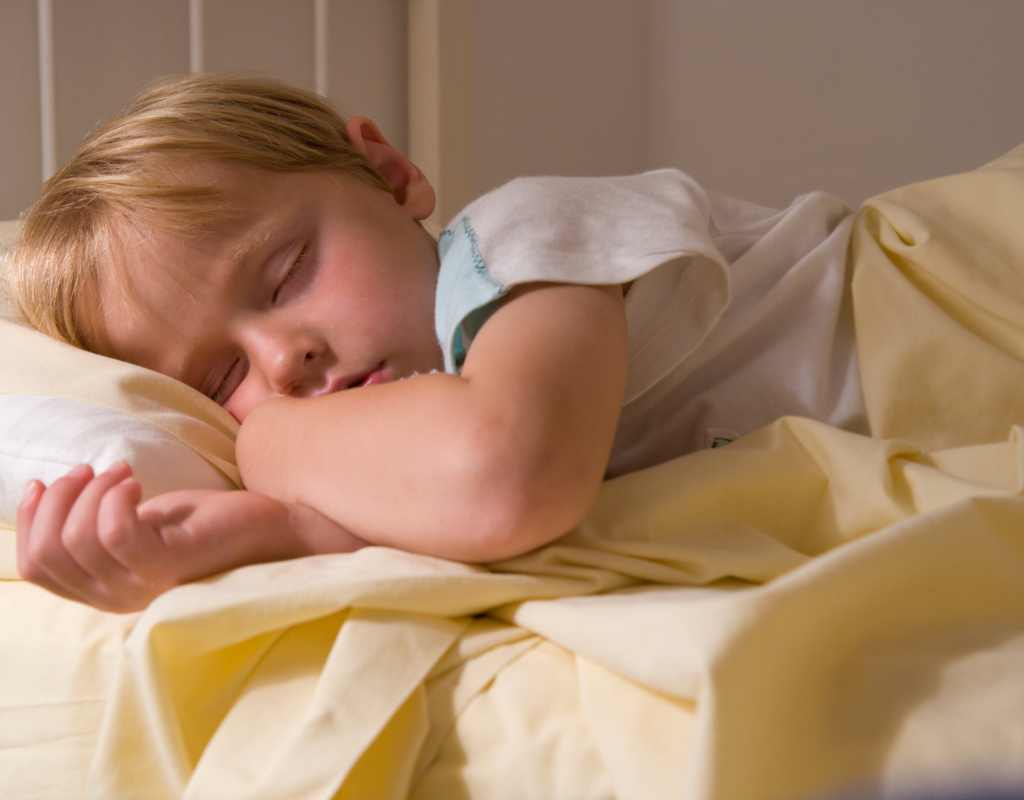
Children are still growing and developing, so their sleeping needs differ from those of adults. As a parent, you want to ensure that your child gets the best possible sleep every night. You want them to be comfortable, happy, and well-rested.

According to the Centers for Disease Control and Prevention, children should get 10–13 hours of sleep per night between ages 3 and 5, 9–12 hours from 6 to 12 years old, then 8-10 as they approach adulthood.

Considering your child’s age, size, and weight is crucial before purchasing a mattress. But how do you know what mattress is best for your child? The answer is getting a mattress that is firm enough to provide comfort and support in all areas of the body.

Editor’s note: The New Zealand Ministry of Health recommends that for babies up to the age of 12 months, the bed should have a firm and flat mattress, there should be no gaps between the bed frame and the mattress, and there should be nothing in the bed that might cover your baby’s face, lift their head or choke them. Source: Keeping baby safe in their own bed.

It’s simple to say a memory foam mattress is the best choice for your child. This article will cover why a memory foam mattress is suitable for kids over 12 months old, factors to consider before purchasing, and why it may be better for kids than a traditional mattress. So, let’s get started.

Why is a quality memory foam mattress good for kids?

The following are the reasons why you may consider a good quality memory foam mattress for your kid:

Better support

The mattress can provide better support than some other materials in the market. It may help your child sleep freely without back pain or other issues.

Ergonomic to reduce pressure points

The mattress is ergonomic, which will help to give your kid a good night’s sleep. It’s designed in such a way that it follows the natural curvature of kids’ bodies and thus ensures that there’s no pressure put on any particular part of their body while sleeping. This may help to reduce the chances of back pain or any other body aches. This is important because it can help to prevent other health issues that can arise from sleeping on an old mattress that no longer supports you correctly.

Therapeutic

You can use the mattress as a therapeutic tool for your kid. When they have any problem with their body, you can place them on the mattress and let them rest.

Soft and comfortable

The mattress is soft and comfortable. It’ll make your kid feel like they’re sleeping on a cloud. The mattress is also easy to clean, so you don’t have to worry about stains or dirt getting into the mattress.

Reduce motion transfer and noise levels

The mattress will reduce your kid’s room’s motion transfer and noise levels. So, suppose your kid has a problem with sleeping due to noise or excessive movement during sleep. In that case, this makes it a perfect option to absorb unnecessary distress the kid may be encountering.

Durable

The mattress is durable and long-lasting; it’ll serve you for several years without any problem. The mattress is also made of quality materials that will last many years.

It is hypoallergenic

The mattress is hypoallergenic, so it won’t cause any allergic reaction in your kid. The mattress is made of natural materials safe for kids’ skin and bodies.

Memory foam mattress or traditional mattress?

This is a pervasive question. Many people prefer memory foam mattresses over traditional ones, and vice-versa. These few points will help you make the best decision:

  • If your child has allergies, a memory foam mattress may be better because it doesn’t trap dust and allergens.
  • Memory foam mattresses tend to be more durable than traditional ones.
  • Memory foam mattresses are also very comfortable and can support your child’s body in different ways.
  • A memory foam mattress is easy to clean and maintain, which makes it more hygienic than a traditional mattress.

These points show that a memory foam mattress may be better for your child than a traditional one.

Factors to consider before purchasing

It always sounds great to purchase a mattress that’ll boost your kid’s health – a memory foam mattress, as it’s been said. However, before you buy, consider the necessary factors before purchasing one such as:

  • The size of your child – The mattress should be big enough to fit your kid. So, measure the size of your kid before purchasing a mattress.
  • Your child’s weight – Your child’s weight is crucial because it’ll help determine how firm or soft the mattress should be.
  • The age of your child – Your kid’s age is essential because it affects which type of mattress to consider. If your child is under 12 months old a memory foam mattress is unsuitable. But if your kid is a few years old, you can consider a memory foam mattress.
  • The price – Memory foam mattresses can be expensive, so it’s best to research the product before purchasing it. You can also compare prices with other brands to see whether you’re getting a good deal.

A memory foam mattress may be the best bed choice for kids. It provides your child with many benefits, including better sleep and comfort and a hygienic sleeping environment. If you’re looking for a suitable mattress for your child, consider buying a memory foam mattress.

This article was written by a sponsor with editing by Kidspot NZ.

The appearance of external hyperlinks does not constitute endorsement by Kidspot NZ of the website, information, products or services contained therein. All views are those of the author.

Read more on Kidspot:

The Guide For People Pleasers: How To Start Saying No & Feel Good About It

Have you ever said yes to something in order to avoid an argument or a possible conflict? And deep down you knew you were going against what you actually wanted?

Maybe you do this quite often? Just so you can “keep the peace”… You ignore that heavy feeling in the pit of your stomach, that resentment bubbling up as you utter the words. And as soon as they have left your lips you feel stressed out?

Is this you? Or do you know someone who is?

Then this is a guide for you.

You are not alone

People-pleasing is a very common behaviour in any type of relationship, professional or personal. It can occur in all areas of our lives. At home with our partners and kids, with family and friends, at work, or during social engagements. Virtually nobody is immune to it.

My name is Sophie and I am a vitality coach. People and happiness is my business. In my personal and professional life, I rarely come across someone who does not struggle to say no when they feel like they should say yes to keep others happy.

For many years I was a people pleaser myself. I would bend over backwards, to do things for others. Things I actually didn’t want to do. Things I thought I had to do.

I remember thinking so often, “I don’t wanna do this” and then hear myself say “Yea, of course I can do that for you”. Not only did people-pleasing rob me of my joy and fun in everyday life, but it also caused me a lot of stress in my personal and professional life. I harboured resentment and frustration towards others the more I succumbed to my people-pleasing ways.

I didn’t know why I was doing this at the time. It was an automatic behaviour.

But thankfully, one day the glorious time came when the penny finally dropped and I realized that me trying to please others didn’t actually serve others or my relationships with them. Least of all the relationship with myself.

In fact, I had created a minefield of negative thoughts and toxic behaviours that made my life a lot harder than it actually needed to be. So I am writing this article for you, in the hope that this may be the day where the penny drops for you too.

How to say no and feel good about it

The reason we people please

The root of people-pleasing lies in the depths of our self-worth and self-confidence. Somewhere deep down someone who people pleases believes that if they don’t do what the other person wants, the other person will think of them less, like them less and respect them less. Essentially people pleasers subconsciously believe that saying no means the loss of love and connection with another person.

This belief is likely to be based on a childhood experience in response to a specific scenario. So let me put this into perspective for you.

Imagine you had a friend at primary school you were playing with during break time. Your friend asked you to play a different game with her. You said, “No, I don’t want to play this game. I want to just keep playing here”.

In response, your friend shrugs her shoulders, says, “Okay” and goes and plays with another kid.

Now, this scenario isn’t the problem, it’s what occurs after this.

At break time the next day, you see your friend playing with that same kid again, playing the game you didn’t want to play the day before.

At this point, you may start thinking things like, “Oh, she has a new friend. What if she doesn’t like me anymore?” or “Maybe she is not my friend anymore because I didn’t play the game with her yesterday”.

And in response to those thoughts, you decide that maybe you should have just said yes and next time you will just play whatever your friend wants to play. Maybe then your friend will keep playing with you too. Now, your confidence in asking for what you want or need going forward is negatively affected and your sense of self-worth has been lowered simply because of how you perceived your friend’s actions.

It’s important to understand that as a small child, we are the centre of our world, meaning we make other people’s actions and decisions mean something about us. When in fact, other people’s actions and decisions are a reflection of them.

This dynamic isn’t just the root cause of people-pleasing but many other subconscious behaviours we form throughout our childhood are then acted out as adults.

Why people-pleasing is toxic for your relationships

Unhealthy patterns and boundaries

Healthy boundaries are a key component to any functioning relationship, personally and professionally. They give us a guide to how we and the other person want to be treated and communicated with, meaning everybody gets to feel safe and secure. This is necessary for both people in order to have a thriving relationship. Thriving cannot occur without a deep sense of safety.

When we people please we overextend ourselves and cross our own boundaries for others. This is rooted in a belief that we must put others’ needs before our own in order to feel safe in the relationship.

Over time, we start to feel unheard and unseen, misunderstood, taken advantage of, blindsided and underappreciated which undermines that very sense of safety and security we were aiming for.

Erosion of confidence & self-worth: The road to resentment

Confidence within ourselves and a feeling of worthiness is a critical part of healthy relationships. It allows us to be vulnerable, open up to others, communicate effectively, and help us distinguish and make sense of our own feelings. Lack of confidence and self-worth fosters insecurity, leading to the rise of jealousy and impacting our ability to receive love in all forms, even if it is freely given.

People-pleasing particularly erodes your own confidence and self-worth because desires stay unmet and unvocalized. All of this can lead to resentment over time which is toxic and can be fatal for any relationship. It destroys the connection and love for the other person, leaving you feeling bitter and angry.

At this point, the unmet needs are often vocalised and can come as a shock and surprise to the other person who in many cases was unaware of the unmet needs. This often causes friction within a relationship and requires a whole new process to resolve the situation.

Loss of genuine connection with self and others

To speak our truth without fear of judgment or rejection, asking for what we want or saying no to what we don’t want, and honouring what is really important to us, are all crucial aspects in a healthy and functioning relationship. That way we can form a genuine relationship or friendship that is based on mutual attraction. Not speaking our authentic truth keeps us disconnected from ourselves and from others and has an impact on our ability to choose compatible friends, partners and work colleagues.

Simply put, we end up connecting with people who might not really be our tribe.

People-pleasing doesn’t allow us to genuinely learn about each other’s and our own strengths and weaknesses, what we like and don’t like. It doesn’t allow us to connect on a deeper level and truly get to know one another. People-pleasing sabotages our relationship with ourself and others and stops us from what most of us genuinely desire – to be seen, heard, understood, respected, loved, and feel important.

How to say no and feel good about it

How to make saying no your superpower and feel good about it

So now that you know why we people please and the negative impact this behaviour has on you and your relationships, let’s talk about how to progress from here. No matter where you are in your people-pleasing journey these following points can help you as a guide to start honouring your own needs, communicate and uphold those and feel good about it at the same time.

Think of it as becoming an advocate for yourself and what helps you feel content in life. As a recovering people pleaser myself, I know that unlearning a lifelong pattern of people-pleasing and becoming an advocate or the voice for our own needs is a process. It’s not about getting it right and perfect the first time or even the 10th or 100th time.

It’s about becoming aware of how our people-pleasing patterns play out, doing the best we can in the moment, reflecting on what worked well and what didn’t work so well and trying again the next day. It’s simply about putting what we have learnt into practice. Because practice makes competent.

Your guide to becoming an advocate for yourself

1. Dial in with your intuition: When you are making decisions, check in with yourself and always ask yourself what you actually want. Have a conversation with yourself. Whether you decide to journal it out or ponder over a cup of coffee, it doesn’t matter. What matters is that you do and that you listen to yourself.

Ask yourself: Do you feel empowered, or excited when thinking about this decision or possibility? Does it bring you joy or some kind of benefit? How does it feel in your heart, how does it feel in your gut? Does it meet your needs?

2. Take your time: Decisions made in haste can often be decisions we regret or wish we made differently later on. Sometimes we need time to consider all our bases before moving ahead and that is okay. Running through scenarios and visualising yourself in that scenario can help us feel whether this is right for us.

It’s like trying on clothes in a clothing shop and deciding if you like wearing it or not. If the answer is no, there is no harm done in putting the item back and trying something else. Allow yourself to enjoy the process, making decisions can be fun.

3. Uphold your boundaries: Your boundaries are based on what is important to you and your beliefs and values in life. Get really clear on those so you can uphold your boundaries firmly and solidly even when it feels uncomfortable at first. In life there is no right or wrong as such, there is only a right or wrong for you. When you start letting go of your people-pleasing ways, start small. Say yes to your friend buying you coffee, so no to a free pamphlet you actually don’t want and work your way up from there.

4. Communicate your decisions and boundaries with love and kindness: Communication is a cornerstone for a healthy relationship with yourself and with others. It helps us find understanding and compassion for different points of view. When we communicate our decisions, thoughts and feelings we allow others to find understanding for what is important to us too. Be mindful of how you communicate to others and infuse your speaking with as much love and kindness as possible. And remember communication is a two-way street. Listening to others is just as important as speaking your truth.

5. Remind yourself it’s okay to say no: When you discover how you became a people pleaser and why, it is much easier to remind yourself that love and connection is not all about saying yes all the time. Love and connection is about letting ourselves and others be as we are without fear of judgment and rejection and saying no to things that don’t serve us is part of that. Remember, whenever you say no to something that doesn’t serve you, you say yes to something that does.

6. Heal your past wounds: The key to progress in our lives is to heal our past experiences that have caused us pain and worry. If we heal these past experiences for ourselves we spend less energy on those going forward and have more energy for growth, moving forward and for the things that actually bring us joy in life. It is a very personal process and however you choose to go about this is up to you. Just start anywhere and remember it’s okay to seek support and guidance on your journey.

How to say no and feel good about it

Three things that happen when you stop people-pleasing

When we stop pleasing people and start advocating for ourselves there will be three key shifts you will notice in your relationships.

1. You attract better quality relationships. You start to attract people that actually love you for who you are, not for what they get. Letting go of people-pleasing also means that sometimes we outgrow a friendship or relationship. Some people are in our lives for a season not for a lifetime.

2. Your current relationships become more balanced and joyful. The people that love us want the best for us and so often they want for us to speak up and ask for what we need. Letting go of people-pleasing creates more symbiotic and complementary relationships.

3. Your confidence and self-worth grows: When we can show our true self and advocate for ourselves in a balanced and healthy way our confidence in life and sense of self-worth increases. This increases our resilience in life, has a direct impact on our ability to experience joy and opens up opportunities that previously would pass us by.

I am so excited for you! I remember the huge shift implementing these strategies into my own life created for me and I am beyond excited that this possibility is available to you too. As mentioned, just keep trying and give it your best. Trust the process. Because if I can do this, so can you.

If you want to find out more about how I can support you on your journey from surviving to thriving get in touch for a complimentary session.

And because life is an art form, not a science, I want to leave you with this:

“Just never forget to be dexterous and deft.
And never mix up your right foot with your left.
And will you succeed?
Yes! You will, indeed!
(98 and 3/4 percent guaranteed.)”
Dr. Seuss, Oh, the Places You’ll Go!

Article written by Sophie K for Kidspot

Sophie K

About Sophie K

Sophie is a coach and creator of The Thrive Guide, a mother of two, a joy seeker and a lover of adventure. She helps her fellow humans to find more time, confidence and ultimately joy in their everyday lives through empowering them at their core.

She knows what it feels like to be stressed and overwhelmed; almost constantly. Feel like there aren’t enough hours in the day to do everything. Between her professional and personal life in the past there just wasn’t enough time or energy left for joy. The result? Life often seemed hard and complicated. Her mental and physical health suffered. The people she loved the most ended up getting the worst of her. Including herself.

It took a major life event for her to realize that she needed more. She wanted to feel at ease, be the best version of herself for her kids, make time for what was important to her and follow what brought her joy and happiness deep down. Life is just too short to spend it feeling unfulfilled.

She loves to laugh and see the funny side of life and has a deep interest in people, their stories and what makes them tick. She has been running her business since 2020 and is excited to help make this world a better place for all our generations to come.

Visit her website www.sophiek.co.nz for more or get in touch via hello@sophiek.co.nz to book a complimentary chat.

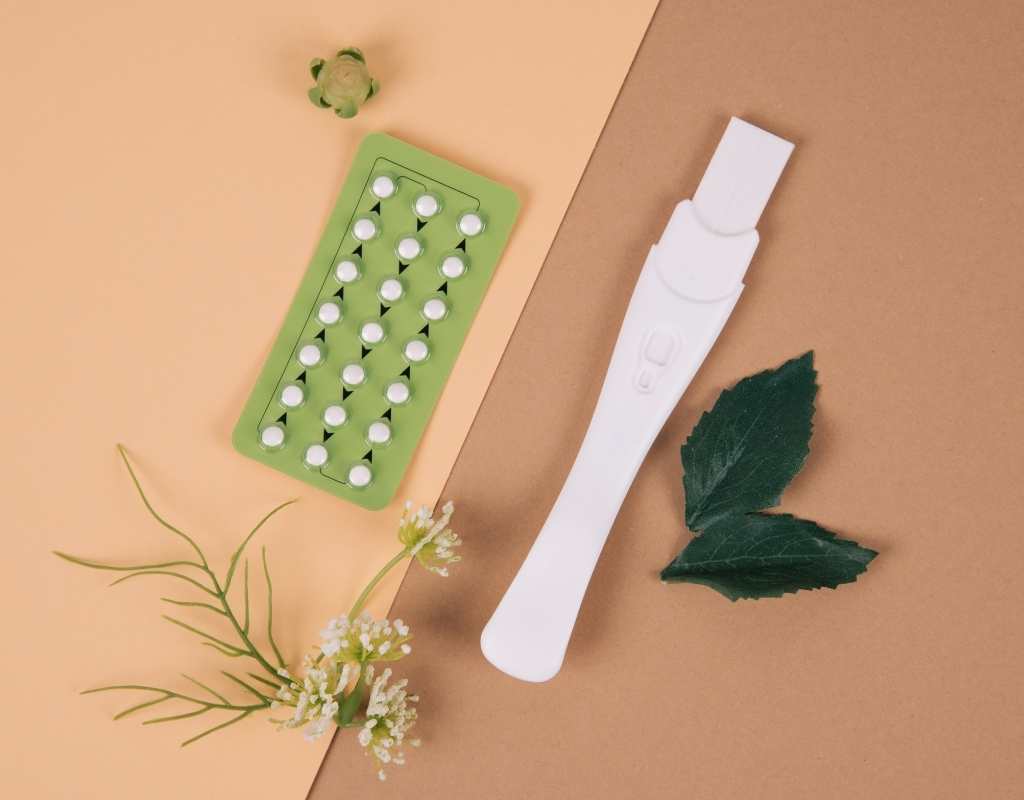
What To Know About Coming Off Contraception

Making the decision to start having kids or add to your family is an exciting time. Part of that decision may involve saying goodbye to contraception.

Once you’ve decided that the time is right, you may be keen to start trying for a baby straight away but there are some things that you might want to consider before ditching your contraception.

Planning for pregnancy might include giving yourself some time to make some healthy lifestyle changes, like giving up smoking, reducing alcohol intake, ensuring you’re eating a balanced diet and getting regular exercise.

You can also prepare your body for the demands of pregnancy by taking a folic acid supplement. The Ministry of Health recommends that when you plan to become pregnant you take a daily folic acid (folate) supplement for at least one month prior to conception and for 12 weeks after conceiving1 to help reduce the risk of neural tube defects (such as spina bifida).

What happens when I stop using contraception?

Once you’ve decided that the time has come to stop contraception, speak to your GP or healthcare provider for advice. Depending on your method of contraception (and bearing in mind that every person is different), it may take a while to conceive. Waiting until you experience signs of ovulation and see this settle down into a predictable cycle can help you better understand when you’re in your fertile phase.

Here is what you can expect when you come off different types of contraception. Speak to your GP or healthcare provider if you have any concerns.

Condoms

As condoms have no effect on ovulation, all you need to do is stop using them. The good thing is that if you have a change of heart or circumstance you can easily restart using them as long as they haven’t passed their expiry date.

The pill

After stopping the pill you may prefer to wait until your menstrual cycle returns to some sort of normality before trying to get pregnant (and use another form of contraception until then). Every woman is different so the amount of time before your menstrual cycle returns to “normal” will vary. Usually, it’s around 4-8 weeks after stopping the pill but it may be up to three months. In reality, you may be able to get pregnant as soon as you stop taking the pill regularly, especially if you were taking the progestogen-only form of the pill. Talk to your doctor for any additional advice.

IUD / Implant

Once your IUD or implant is removed, you are able to get pregnant straight away. Talk to your doctor when you have the device removed for any additional advice.

Vaginal ring

Ovulation usually resumes after 1-3 months after the removal of a vaginal ring. Talk to your doctor for any additional advice.

Birth control patch

After you stop using the patch, ovulation will usually resume within 1-3 months. Talk to your doctor for any additional advice.

Contraceptive injections

The resumption of ovulation after stopping this injectable birth control can take quite a lot longer than other forms of contraception. It may be up to 10 months or more, and for some women, it can take up to 18 months. Talk to your doctor for any additional advice.

Will it change how sex feels?

If you’re trying to conceive for the first time you may discover that sex takes on a whole new meaning and can even be more exciting. If you’ve been using a contraceptive that affects your cycle, you could experience changes while your hormones settle down. If you find that you are experiencing any discomfort, talk to your GP.

Waiting For The Storks by Katrina Nannestad | Kids Book Review

Sponsored content 

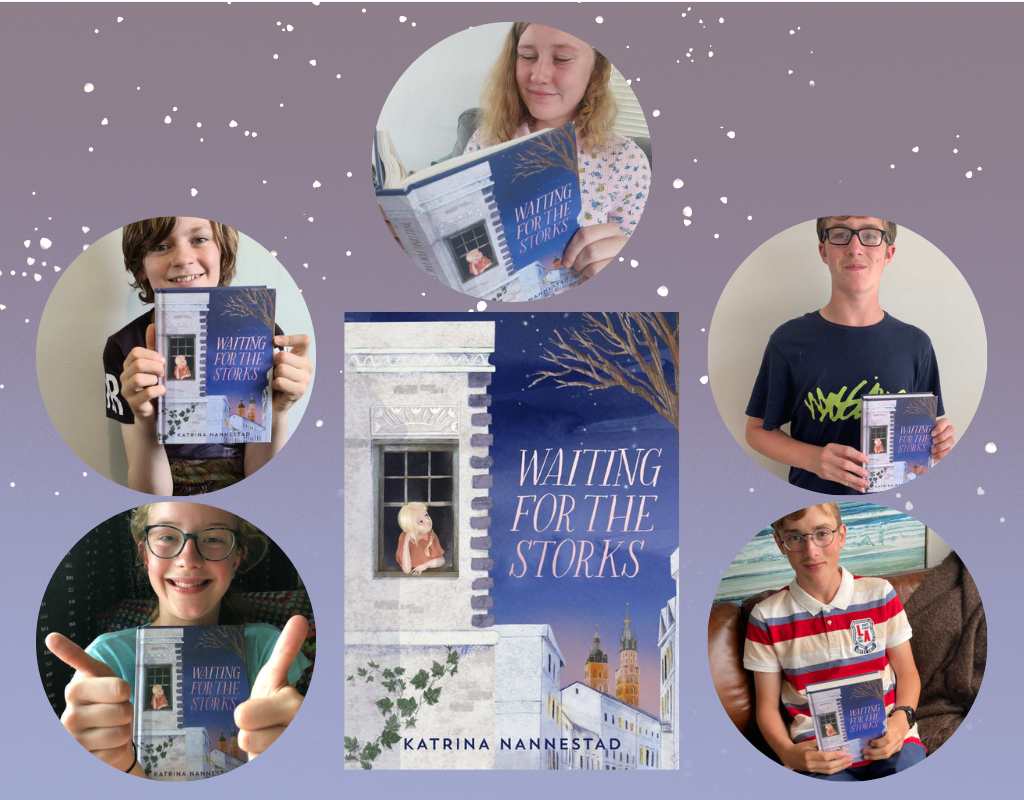
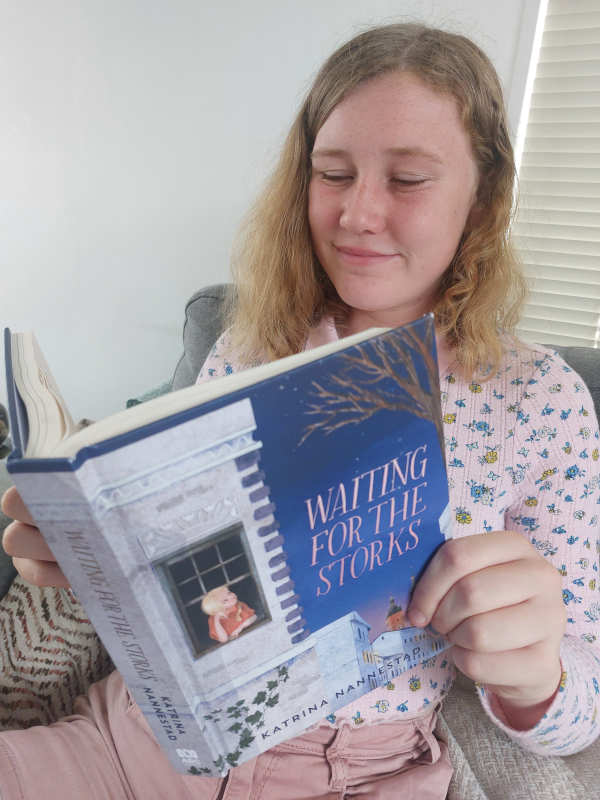
The powerful new novel from master storyteller Katrina Nannestad, Waiting For The Storks, is a story about family lost and found, and the choices we make when we don’t have a choice at all.

“I don’t want to remember the truck, or the night I was taken, or the family I left behind. I am not a sad Polish girl. I am a good and happy German girl. I am. I am. I am.”

It’s the Second World War and Himmler’s Lebensborn Program is in full flight when eight-year-old Zofia Ulinski is kidnapped by the Germans. She has blonde hair and blue eyes, just like the other Polish children taken from their families and robbed of their names, their language, their heritage.

But when Zofia is adopted into a wealthy and loving German family, it is easier, it is safer to bury her past, deep down, so everything is forgotten. Until the Polish boy arrives. And the past comes back to haunt her.

Katrina Nannestad is the multi-award-winning author of We Are Wolves and Rabbit, Soldier, Angel, Thief.

Take a look at the reviews from our Young Readers for Waiting For The Storks by Katrina Nannestad below ⬇️

Book review from Kaitlyn, aged 12

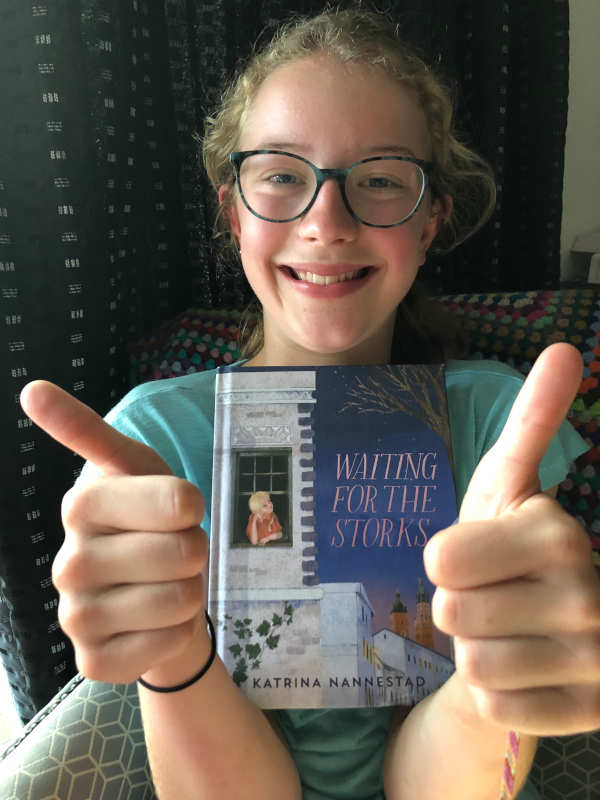
This book was AMAZING!!!

I love it a lot because of the way Katrina Nannestad writes, it makes you feel like you are really there, it pulls you into the story, which is always enjoyable in a book. I have read some of her other books, and I loved them all, and this one is so good too. In fact, I enjoyed it so much that I couldn’t put it down and as a result, I finished it in one day!

Because I loved this book, there are so many positive points – here are a few (but no spoilers):

Waiting For The Storks by Katrina Nannestad

  • The main character, Zofia/Sophia is utterly likeable, which enhances the story.
  • The next chapter is mostly unpredictable, which just gives that urge to read on.
  • Most of the chapters end in cliffhangers, which makes you continue reading.

This book is just so good, however, I would recommend it to slightly older readers just because of the theme, and setting of the book, war, children getting kidnapped etc.

Book review from Michael, 12

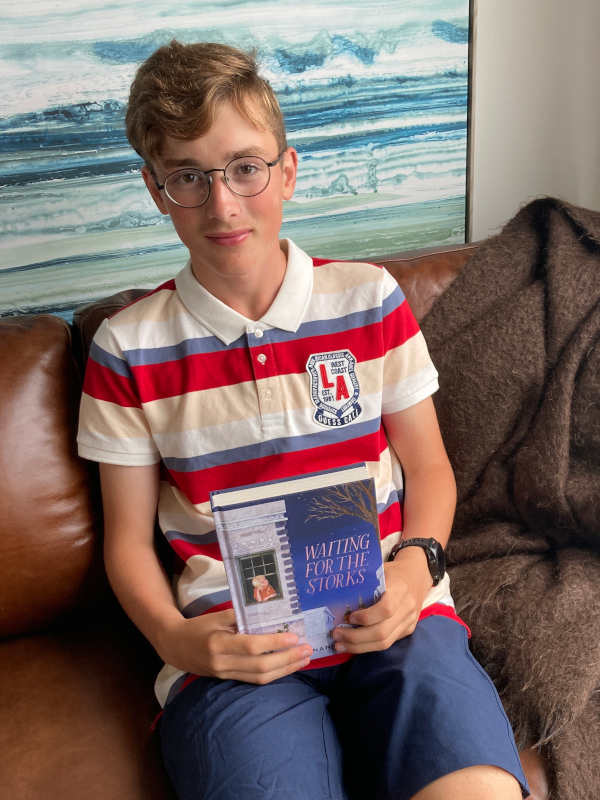
Zofia Ulinski is a young Polish girl with blue eyes and blonde hair, and, unfortunately, she is living at the time of the German invasion of Poland. She gets kidnapped and sent to an orphanage, where she and a lot of other Polish and Russian children are taught to be good German children. Zofia is luckier than most of the other kids, because she gets adopted by a wealthy German family and gets treated like a princess. She is able to forget about the orphanage and Poland, but only for a while. Then her whole world comes crashing down.

Waiting For The Storks by Katrina Nannestad book review

The book really lets you feel what the Polish orphans would have felt, through Zofia’s eyes. The story takes place in Poland and Germany in the days of the Second World War, starting before the war begins in 1938 and going through to the year after the war when the Polish orphans were sent back to their country. It is based on the true stories of the Polish orphans who were robbed of their heritage, country, name and culture during the Second World War.

This book is well written, it is very clear and concise, and has a lot to say about the Polish kids the Germans kidnapped to build the “Empire”. I would recommend it to anyone who likes a good book to sit down and read for a couple of hours. As soon as I started reading it, I was hooked. It is a wonderful book, and I love it.

Book review from Jonathan, aged 12

Waiting for the Storks is a great book by Katrina Nannestad. It follows the story of a young polish girl getting kidnapped by Germans due to her blonde hair and blue eyes. She is robbed of her name, language and heritage. After being converted to the “perfect German princess” and being adopted by a wealthy and loving German family, it is easier and safer to bury her past, leading to her forgetting everything she once knew. But then, a polish boy arrives, and the past comes back to haunt her.

Waiting For The Storks by Katrina Nannestad

Throughout the book, you see the oppression of the Germans over the places they controlled and took over throughout World War 2 and you see the effects of the war on both the kidnapped territory and on the people of Germany.

This book has an interesting and easy-to-follow story, with obvious links to real life. The story of the book has a lot of basis in fact and can teach you a bit about world history. The book also shows how small and tiny our problems today can be, compared to the problems that these people faced during this dark time. Throughout the book, we see what the people kidnapped go through and we see how their lives were changed and completely overridden, losing everything they once knew. This book teaches us a message and shows us what happened during World War 2.

Book review from Ellen, aged 13

I had the delightful opportunity to read Waiting for the Storks by Katarina Nannestad. Thank you to Kidspot who gave me this opportunity to read this fabulous book.

Waiting for the Storks’ setting is in Poland in WWII, where Germans have taken over. The main character, Zofia Ulinski, is an 8-year-old who loves playing games and learning about new stuff. Zofia lives with her parents and her Aunty Barbara before she is taken by the Germans because she has blonde hair and blue eyes. Zofia Ulinski is put in the back of a van with other Polish children who have been taken from their families, and have been stripped of their culture, language and even their names.

Waiting For The Storks by Katrina Nannestad

After all she has gone through she is adopted into a wealthy German family which helps her forget about her Polish past, until she meets the new Polish boy who has arrived, and her past comes back to bite her.

This book is about losing family members, family members going off to war and how badly kids were treated back in the war.

I recommend this to 11-15 year olds who like reading about war and history.

Book review from Olliver, aged 13

Waiting for the Storks is about a polish girl called Zofia Ulinski who is taken from her home by Nazis. Zofia is taken to a sort of boarding school and learns German culture and language. At the school, her name is changed from Zofia Ulinski to Sophia Ullman. She is adopted by a German family and forgets all about her polish life. Two years later a polish boy arrives as a slave on one of her friends’ farms and Sophia starts to remember her past.

This book is well-written for children of my age. I found it easy to read and the story was very interesting. I completed reading the book in two days as I wanted to find out what happened in the end. I hope others enjoy this book as much as I did.

Waiting For The Storks by Katrina Nannestad book review

Grab your copy of Waiting For The Storks now!

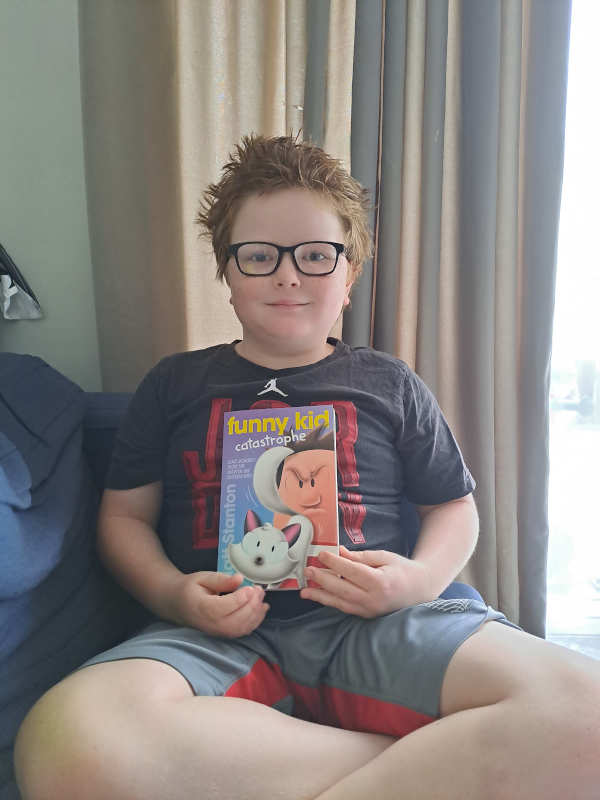
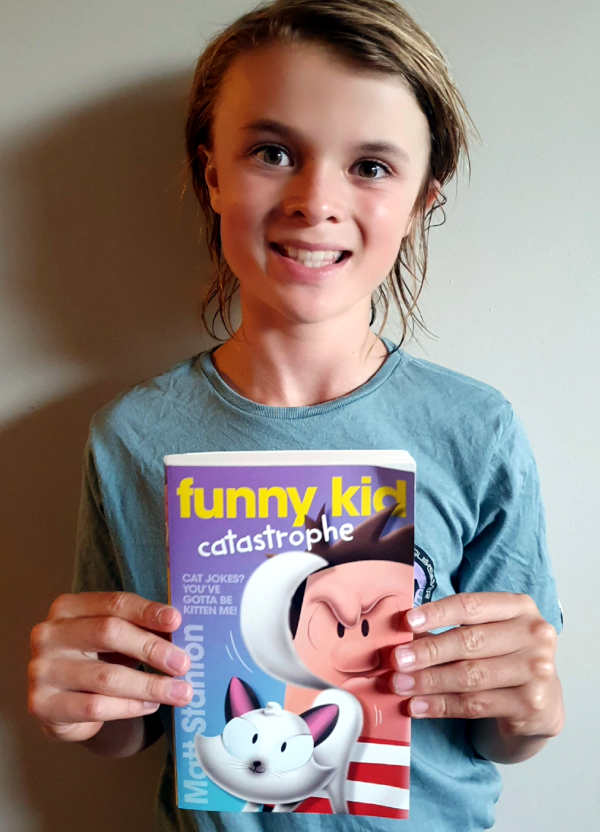
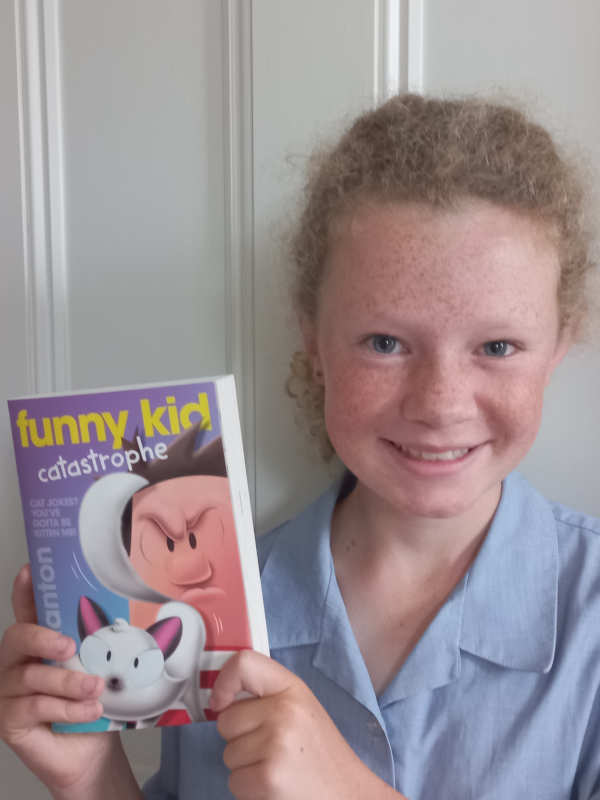
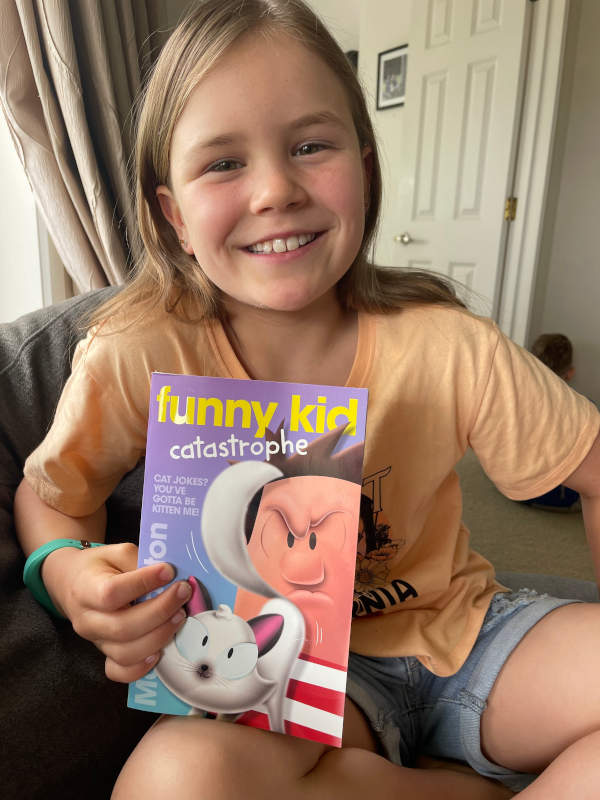
Funny Kid Catastrophe by Matt Stanton | Kids Book Review

Sponsored content 

Funny Kid Catastrophe is the new book in the hilarious, laugh-out-loud children’s series from million-copy mega-bestselling author Matt Stanton. Laugh your head off with the super-popular Funny Kid series in this new story where a pet purchase becomes CATASTROPHIC!

Every kid wants to laugh, but Max is the boy who can make it happen. He’s also the boy who absolutely, definitely, does not under any circumstances want a cat. So why did Mum and Dad just bring one home?

Max is the funny kid but now a cat is here to ruin his life!

Cat bums, cat claws, ticklish cats, piano-playing cats, cats that will run away and cats that won’t (oh, and a jealous Duck in a toilet jacuzzi) are just some of the things in store for Max and his friends in this Funny Kid adventure!

Funny Kid is the mega-bestselling series from author-illustrator Matt Stanton that has everyone laughing!

Take a look at the reviews from our Young Readers for Funny Kid Catastrophe by Matt Stanton below ⬇️

Book review from Leo, 9

Funny Kid: Catastrophe, by Matt Stanton, is an awesome book about a boy [called Max] who is not a fan of cats, but ends up having one as a family pet.

Max tries to come up with ways to get rid of the cat and it is really funny!

I really enjoyed this book. It made me laugh, especially the duck in the toilet! I liked the cute cat character as well.

I would recommend this book to my friends and I will definitely be reading it again.

Funny Kid Catastrophe by Matt Stanton

Book review from Kyle, 8

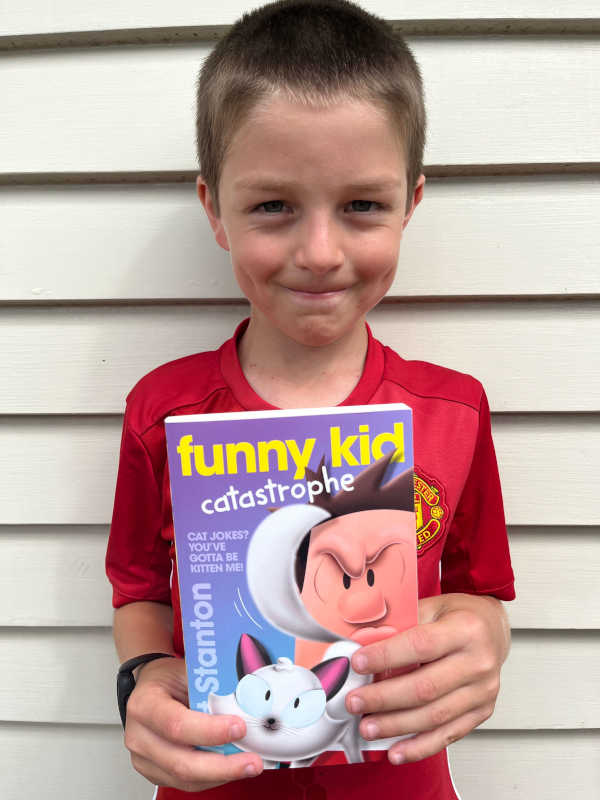
This book is about a boy called Funny Kid who wants to be First Kid of Redhill. His mum and dad got him a cat but he hates cats and thinks it is there to kill him. He does alot of funny pranks and silly things to try get rid of the cat.

I loved reading this book, I just wanted to keep reading. I like the funny parts with testing tickling ears, talking to his duck and cat. It made me laugh a few times with some of the parts, especially the duck in the toilet with his dad! It has an awesome ending. The whole book was really interesting and fun to read. I asked my mum if I could get the whole set to read now as I loved it! This book reminds me of me and how I love joking and pranks. I would make everyone read this book.

Funny Kid Catastrophe by Matt Stanton book review

Note from mum …

I think this book is a winner! Kyle would run up to me and show me pieces in the book or go back and re-read pieces to me that really stood out. He was so involved in the book, to get him to put it down for bed was sometimes a problem, he was attached to it!!

There was one part [about] how one of Funny Kid’s friends has ticklish ears, and he came over to read the part and had to test the whole family on seeing who had ticklish ears it was a great laugh!!

He asked me if he could get the whole Funny Kid collection, that is how much he loved this book!! Thank you for choosing Kyle, he had the best time reading this book!

Book review from Fin, aged 11

Funny Kid Catastrophe by Matt Stanton was a hilarious book.

Max is a boy who hates cats and for some reason his Mum thought it was a great idea to get him one. Max can’t understand why his Mum has done this. At first Max tries to start thinking of ways to get rid of the cat, but nothing seems like it’s going to work. This cat isn’t going anywhere.

His friends soon discover Max has a cat and see the opportunity to make some viral cat videos. Max started off not caring what anyone did with the cat, but one day something happens that changes his mind.

Funny Kid Catastrophe by Matt Stanton book review

This book is full of cat puns and funny events. I would highly recommend Funny Kid Catastrophe for kids who like to laugh and maybe to anyone that thinks they hate cats!

Book review from Zara, aged 11

This book is about a boy called Max, whose mum is running in the election to be mayor which means his parents are really busy. So to keep him company, his parents brought him a cat.

This kids’ fiction book is a great read for ages 7 to 12. Personally, I really enjoyed this book. It really explained the true life of a child. The moral of the story is, never judge a book by its cover and I would love to read the rest of this series.

My message to the author: Maybe you could explore deeper into Max’s friends’ point of view and the way that they think of these funny situations – I think that if it was to be a series I would be sure to read it.

Funny Kid Catastrophe by Matt Stanton

Overall I think this was a great book and that everyone should read it.

Book review from Eva, aged 9

This book has mixed emotions at the start, but Max – the main character – actually decides to start enjoying the [cat’s] company, as his little sister Rosy is [only] a baby.

Catastrophe (the cat) is an adorable Siamese breed by the look of the cover. Max is thinking he is first kid because his mum is in the voting panel for mayor of their town, but he isn’t yet and soon discovers that they got the cat because of the vote.

His pet Duck isn’t too happy with Catastrophe either.

Funny Kid Catastrophe by Matt Stanton

Grab your copy of Funny Kid Catastrophe now!

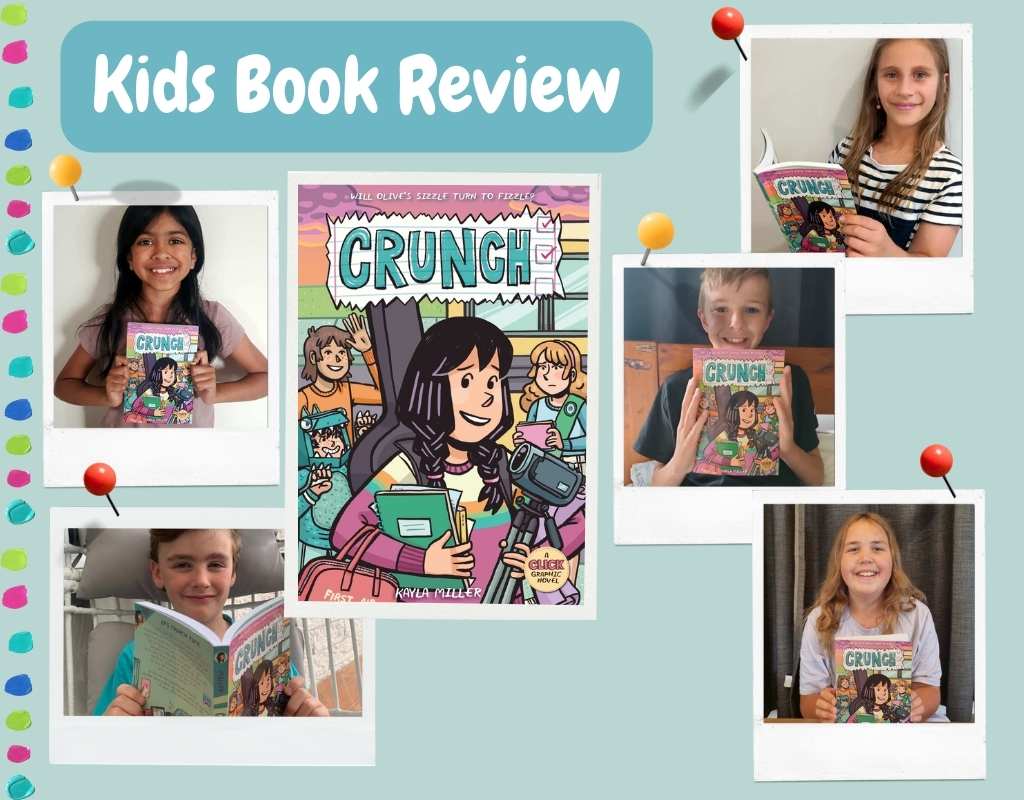
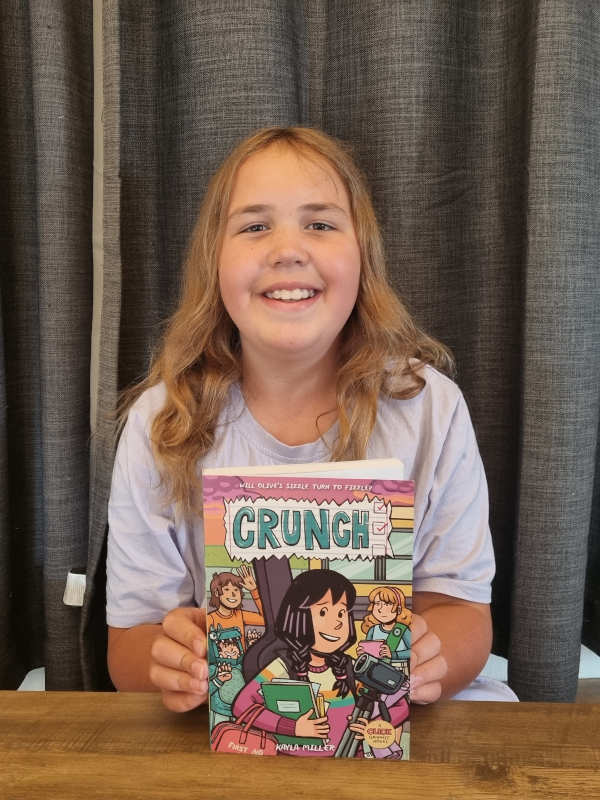
Crunch by Kayla Miller | Kids Book Review

Sponsored content 

Kayla Miller, the New York Times bestselling author-illustrator, returns with a new Olive story! In the new graphic novel Crunch, Olive is balancing the too-many things she wants to do with the too-few hours in the day to do them … When everything adds up, suddenly it’s crunch time!

It’s no secret that Olive loves trying new things. Between taking guitar lessons, making a short film, joining Berry Scouts and leading the charge on her school’s dress code reform, Olive has her hands full! But she enjoys being busy so staying on track with her jam-packed schedule should be no problem … right?

As weeks fly by, it gets harder and harder for Olive to find time for her activities, never mind time for herself. Will she be able to accomplish her goals, or will all her sizzle turn to fizzle?

For more stories in the series, check out Click, Camp, Act and Clash.

Take a look at the reviews from our Young Readers for Crunch by Kayla Miller below ⬇️

Book review from Kyra, 9

I have really enjoyed reading this book, it is funny and it makes me feel happy. The thing I like about it, is that every page is illustrated like a comic and you can easily see who is talking, instead of like a normal book where it has to tell you who is talking each time.

I also loved how Olive supported all of her friends, especially Willow.

I recommend this book to anyone who loves graphic novels.

Crunch by Kayla Miller book review

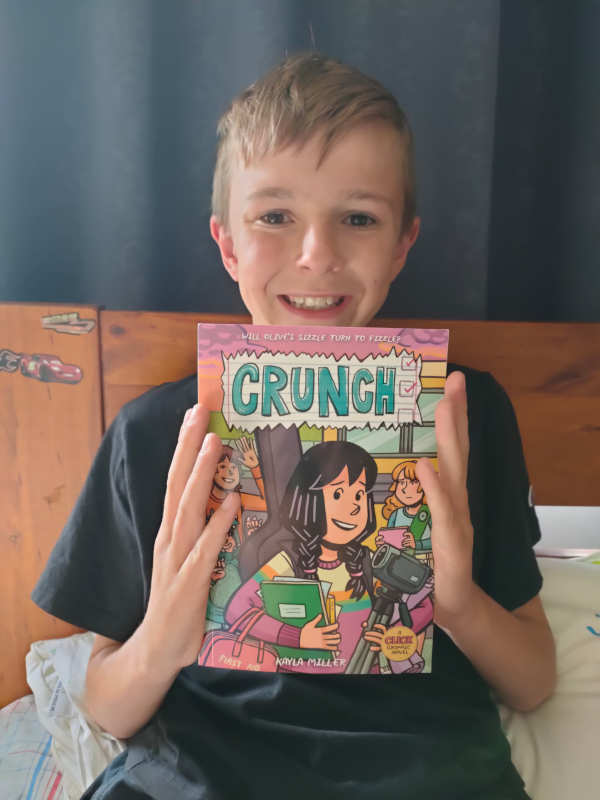
Book review from Ihaia, aged 9

Crunch is the fifth graphic novel in the ‘Click’ series by Kayla Miller. In this book, Olive tries to do too many activities all at once – guitar, making a mini movie for the film fest and accidentally joining the Berry Scouts. Because she’s so busy making her mini movie she forgets to do her guitar practice. Then she doesn’t earn her Berry Scout badge.

What will she do? Can she handle all these things at once? To find out read Crunch by Kayla Miller.

Crunch by Kayla Miller book review

I liked reading Crunch because at the end you got to “watch” the mini movie that Olive made. Olive is a good friend and she learns that sometimes you just can’t do everything. Her character is easy to relate to as Olive goes through a lot of the same things that my friends and I do.

I would rate it 4 out of 5 stars. If you enjoy this book, don’t forget to go and find the rest of the books in the series.

Book review from Abigail, 9

Crunch by Kayla Miller continues the story of Olive. She loves to help others and really enjoys it. She has offered to help her friend Willow with berry scouts and her school with the dress code and also has loads of her own jobs too. Her friends see that she is overwhelmed and offer to help her out. Olive realises that sometimes it’s okay to say No and take care of herself too.

Crunch by Kayla Miller book review

Book review from Dani, aged 11

This was a great book about Olive who is at intermediate and involves herself in too many activities and ends up a bit stressed, which is easy to relate to, and teaches a lesson in managing commitments.

I love this series by Kayla Miller, they’re my favourite comic style and Olives adventures are fun to read about.

Crunch by Kayla Miller book review

Book review from Tomas, aged 10

Crunch is about a teenage girl called Olive. Just like many children in NZ, Olive is very busy with different activities after school. Olive’s jam-packed schedule may or may not allow her to make the movie she really wants to do. Read this book to see if Olive makes the movie or not.

I believe this book is aimed at young teens, probably more for girls and people who enjoy graphic novels.

Crunch by Kayla Miller book review

Grab your copy of Crunch now!

Families were provided with a copy of the book for the purposes of the review. Views are those of the reviewers. This article contains information provided by HarperCollins.

Read more kids book reviews:

How To Plan A Fun Trip With Your Children In A Motorhome Rental

Guest post

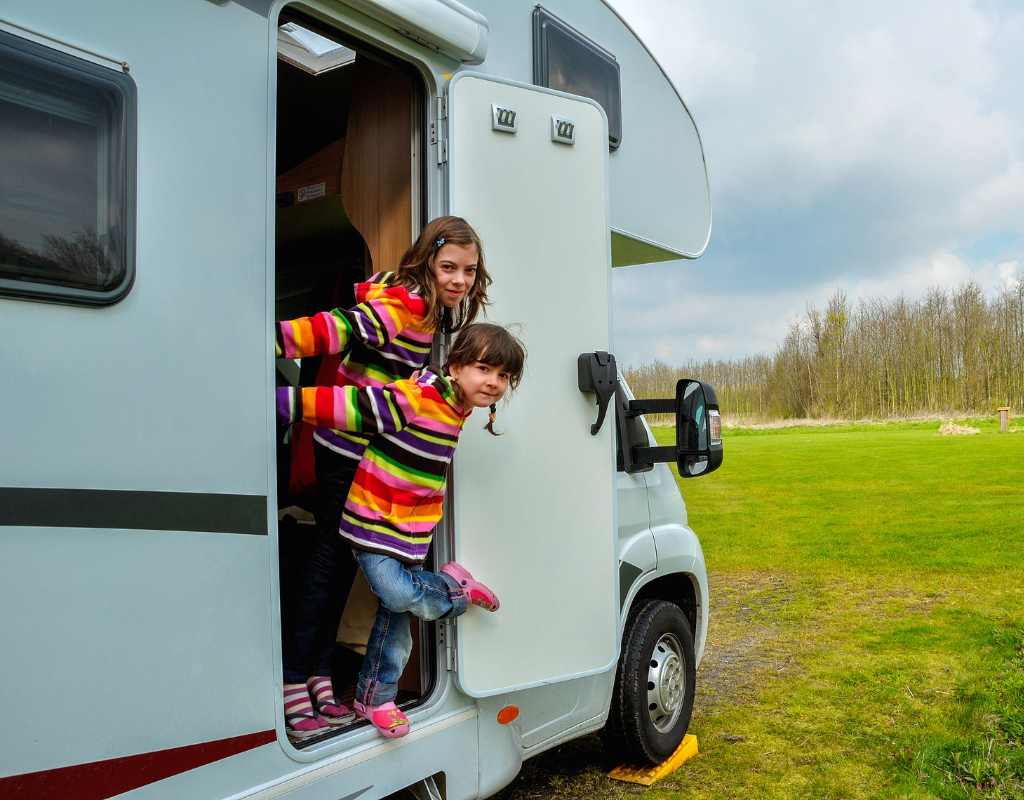
A family getaway in a motorhome can be one of the most memorable experiences parents can give their children. When going on a trip, remember that they have needs you must address to ensure they are comfortable while travelling, but there are also lots of ways to entertain the kids while on the road to avoid fussiness and stress.

If you’re planning to go on an adventure, here are tips to help you make a motorhome road trip enjoyable for your children.

Rent the right kind of motorhome

First, plan the kind of motorhome you need to rent. Fun activities are possible if the motorhome has enough room for the entire family. Cramped quarters can be frustrating if you go for a motorhome that cannot accommodate all family members comfortably. Motorhomes that are at least seven meters in length can fit space-saving berths that can accommodate four adult people. For more options or features, seek recommendations at a motorhome hire company near you.

Keep the kids entertained

Travelling in a motorhome allows you to relax and spend quality time with your children. You can also have fun while safely seated as the motorhome moves along. You can do these fun activities on rainy days or when the kids must stay inside the motorhome.

• Play some board games

In this day and age, board games are an engaging way to hold children’s attention. They can be both fun and educational. Choose age-specific board games that your kids can have fun playing, such as games with counting, strategy, mystery, or games that teach them about money. They can also benefit from board games featuring their favourite cartoon characters. If your child also likes chess, you can bring this classic board game along.

• Enjoy travel games

Travel games are sometimes compact and have fewer pieces. You can check out Colour Bingo and I Spy. If the motorhome is parked, it’s an excellent opportunity to have a travel scavenger hunt because they’ll be able to move around while hunting items on a list you’ve prepared. Another idea is to create your own version of Something-You-Can-See. One family member chooses a thing they can see, and the rest gets to ask questions. The former is only allowed to answer yes or no.

• Get artsy with colouring books

Children who love to colour can spend their time making great art using crayons or markers. Paint-by-number books are also good options for those who are learning their numbers. If they love to draw, bring paper supplies, pencils, a sharpener, and an eraser, too! You can pick up some of these before leaving for the trip.

• Cook together

Kids can also have fun when you let them make their own meals. You can choose child-friendly dishes, such as tacos. You may consider cooking the meat and letting them help stir it with your supervision. Chopping vegetables can be a task assigned to older kids. Sandwiches are also a good option. You can prepare the filling, such as sliced ham, or chicken, and they can pick the salad veggies to go with it. It not only teaches them responsibility, but they are also more likely to eat what they have prepared.

• Build with LEGO® sets

LEGO sets can hold so much attention if your child loves building with them. A great benefit of this is that you can bring the ones they already have by using a resealable container. Remember to pack easy-to-build LEGO sets that are age-appropriate, especially if you have little kids.

Make safety a priority

Your motorhome must also provide safety for child passengers as you need to ensure the security of your children while on the road. One thing that you should always remember is that seats must come with seatbelts. Additional seats may be in the living room area of the motorhome. All members must be properly seated and restrained while the vehicle is in motion, in accordance with the regulations of the country that you are travelling in.

If you’re travelling with a child, you can have a child restraint or booster seat fitted in the appropriate position in the motorhome. Internationally, it is recommended that this be used for any child under 11 years old or 148 cm tall. It is also highly recommended that babies under two years of age use a rear-facing capsule or car seat. It is a legal requirement in New Zealand that all children under 7 years old must use a suitable child restraint (car seat).1

Making your child’s safety a priority will help to ensure that nothing can get in the way of having fun during your motorhome adventure.

Get on the road

Travelling with children in a motorhome means ensuring they can have fun while staying comfortable and safe. Choose a good-sized motorhome that has room for them to play in even as they’re sitting. With the suggestions above, you no longer need to worry about how to keep your kids occupied while on the road.

This article was written by a sponsor with editing by Kidspot NZ.

The appearance of external hyperlinks does not constitute endorsement by Kidspot NZ of the website, information, products or services contained therein. All views are those of the author.

Sources:

1 Waka Kotahi | NZ Transport Agency: Safety | Education initiatives: Using child restraints in New Zealand

See more:

Parenting Tips For The Christmas Season: How To Ditch The Overwhelm

The jolly season can be such a fun time of the year and also equally as stressful for many families. Parents are not just trying to wrap up with their jobs for the end of the year to spend some well-deserved RNR with the kids, but so is every club, organisation, company, and group around them too, resulting in packed calendars, late nights, and waaaay too much food and drink while trying to tick off all those things on our already overflowing to-do lists.

Our mental and physical load tends to increase because of all this busyness and stress levels rise. But stress isn’t all bad. In fact, there are two types of stress: good stress and bad stress.

So what’s the difference?

Good stress and bad stress

Good stress, also called eustress, might be felt when you ride a roller coaster, compete in a game, or go on a first date. Your pulse quickens and your hormones surge, but there is no threat or fear. Good stress is about excitement and anticipation for pleasure. Good stress helps us move towards a goal, something that takes us out of our comfort zone, which generally ends in some kind of pleasure.

Good stress inspires and motivates you, focuses your energy and enhances performance. It helps us meet our daily challenges. I would even go as far as to say that good stress is vital for a healthy life. Yep, that’s right!

So … what is bad stress then? Well, bad stress is the kind of stress that wears you out. It leaves you jittery and somewhat depleted and is harmful to your health under certain circumstances. Bad stress can lead to anxiety, confusion, poor concentration, decreased performance, overwhelm and burnout. Bad stress is purely about survival, moving away from a situation that is perceived as painful.

Bad stress can be short-term (acute) or long-term (chronic). Acute stress doesn’t take a heavy toll on your body if you can find ways to relax quickly and get yourself back to equilibrium. Chronic stress, however, when you repeatedly face stressors or for long periods of time, can take a heavy toll on your body and mind.

Chronic stress can cause headaches, insomnia, weight gain, anxiety, pain, and high blood pressure amongst other things. Some common chronic stressors include toxic relationships, money problems, work issues, unmanaged health or mental health problems, racial inequities or perceived loss.

As much as we would like, it’s virtually impossible to eliminate bad stress from our daily lives completely.

What we can do though is increase our resilience to the stresses of daily life. Stress resilience is not just about the ability to resist or avoid stress but also about the ability to recognise and acknowledge that a situation has become stressful and being able to choose a response that leads to growth. Or in other words, stress resilience is the process of adapting well in the face of adversity, trauma, tragedy, threats or significant sources of stress.

Many of us are already incredibly resilient in so many ways. So, to help you be even more resilient to stress and overwhelm during the silly season this year, here are 10 tips on how to survive parenting during Christmas time without dialling down on the fun.

1. Schedule family rest time

Humans are like tuning forks. If one person in the family is feeling off, tired or stressed, all the others feel it too, no matter their age. Making time for rest periods is really important to keep the family unit settled and create some breathing room amongst the busyness.

2. Tag team

Share the load within the family and friends group and alternate going to the Christmas functions. This is a great way of spending quality time with family members while the other adults or kids can get a rest or get tasks ticked off the to-do list.

3. Sticky note lists

Instead of having your to-do list on your phone, calendar or pieces of paper make getting organiaed a fun affair with coloured sticky notes. That way you can see the bigger picture of your commitments easily and make better decisions on what is realistic for you and your family. Writing down what swirls around in your thoughts is always a great way of clearing up your mental space. In the case of sticky notes, scrunching up the little paper once the task is complete is incredibly satisfying for adults and kids alike.

4. Make time for play and bonding with your kids

Sophie K and daughter heading to the beach

Let’s face it, kids need attention – uninterrupted bonding time to chat, laugh, cuddle and play. Prioritise this even in the Christmas rush and you will find your family more settled and more resilient to the busyness.

5. Parents, treat yourself

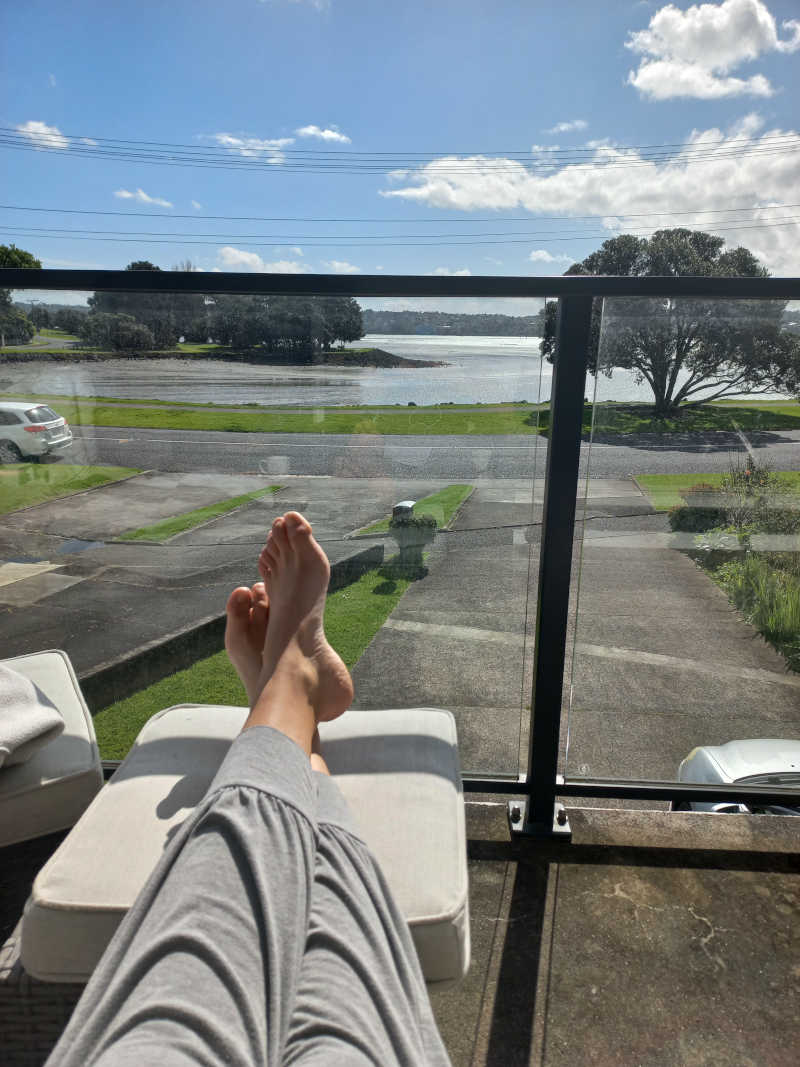
Well deserved RNR

If you can, shout yourself a massage, a night away, a relaxed brunch or dinner with some friends or a morning/evening in bed alone. You-time, a time where you do activities that fill your cup, is such an important part of self-care and regular self-care increases your resilience to stress. Giving ourselves time out to just be is beneficial for the whole family.

6. Be mindful of what you consume

Alcohol and heavy, sugary, carby foods are part of the Christmas fun so by all means enjoy. However, allow yourself to tune in with your body and give yourself rest days in between the indulging. Even though we are busy this time of the year, it’s the choices we make throughout this time overall that have an influence on how good we feel mentally, physically and emotionally. Make sure you keep your vegetable and fruit consumption up, drink loads of water and keep your body moving daily, even if it’s just a walk around the block.

7. Say no thank you

Be realistic and mindful with what you can commit to in a day and what really brings you and your family joy. Overcommitting is one of the main stress points for parents during the silly season. Not only are you managing your own life demands, you are also managing your kids’ ones too. Don’t forget, you are already doing a mammoth job and it’s okay to not do it all!

8. Connect to nature

Go for a bush walk, put your feet in the grass or sand and get some fresh moving air and sunlight on your skin, ideally daily. Not only is sunlight and fresh air essential for optimal physical health, but it also has a huge impact on our mood too. Connecting to nature regularly helps settle and ground us and is the perfect stress buster.

9. Meditate

If this is not something you do already I can highly recommend this practice, especially throughout stressful periods. Mornings or late evenings before bed are best but any time is better than no time. There are plenty of apps and YouTube videos out there that make this super easy. Just five minutes of meditation a day or even just a few times a week will make a world of difference to your resilience to stress throughout all seasons.

10. Breathe deeply

When we are stressed we shallow breathe. This is a basic stress response of our body. Breathing deeply in through the nose and out through the mouth three times over whenever you notice feeling anxious or stressed, helps your parasympathetic nervous system to kick in letting your body know it’s safe to feel calm again. This can be done as many times as you need whenever required.

I, my family and loved ones have found these tips to be hugely helpful throughout all busy periods of life. No matter what you have got going on, prioritising you and your family’s well-being is important.

I was once told that what our children see us do has just as much impact on them as what they hear us say. So let’s lead by example and enjoy the Christmas season with less stress so they may grow up to enjoy the festive season too.

Article written by Sophie K for Kidspot

Sophie K

About Sophie K

Sophie is a coach and creator of The Thrive Guide, a mother of two, a joy seeker and a lover of adventure. She helps her fellow humans to find more time, confidence and ultimately joy in their everyday lives through empowering them at their core.

She knows what it feels like to be stressed and overwhelmed; almost constantly. Feel like there aren’t enough hours in the day to do everything. Between her professional and personal life in the past there just wasn’t enough time or energy left for joy. The result? Life often seemed hard and complicated. Her mental and physical health suffered. The people she loved the most ended up getting the worst of her. Including herself.

It took a major life event for her to realize that she needed more. She wanted to feel at ease, be the best version of herself for her kids, make time for what was important to her and follow what brought her joy and happiness deep down. Life is just too short to spend it feeling unfulfilled.

She loves to laugh and see the funny side of life and has a deep interest in people, their stories and what makes them tick. She has been running her business since 2020 and is excited to help make this world a better place for all our generations to come.

Visit her website www.sophiek.co.nz for more or get in touch via hello@sophiek.co.nz to book a complimentary chat.

Creative Ideas For How To Save Cash This Christmas

Yaaahhhoooooo! The Christmas season is upon us. It’s such a fun time of the year, connecting with friends, family, and others from our communities. The weather is warmer in NZ and we can finally get more of those beach days in.

And with all of that fun can come spending more. Cash for social gatherings, food and drink, presents for the family, teachers, friends and loved ones, extra activities with the kids and friends, shelling out for those summer holiday trips. Let’s face it, most of us have a big network that we like to show some love to this time of the year whether through gifts or spending time together.

Having fun, showing love and enjoying the silly season doesn’t have to cost the earth if you let yourself think outside the box. Here are some creative ways how you can save cash this Christmas and still have a blast with the people you love.

1. Love goes through the stomach: Sharing your family food traditions

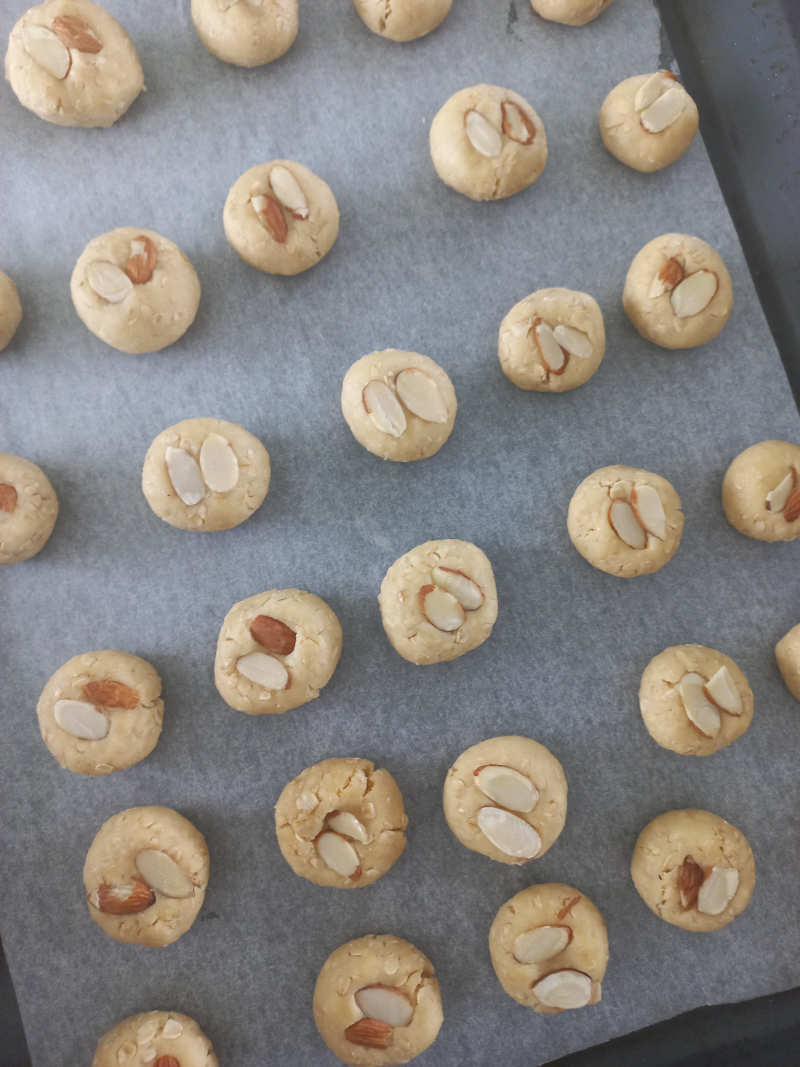
German Christmas Cookie

Food traditions can turn into great ways of giving something really special at Christmas. In my family, for example, German Christmas cookies are our forfeit. They are mouth-wateringly delicious and they look like a million bucks. We bake them en masse as a family using basic ingredients that are really affordable. We bundle them up nicely with some little bags and ribbons and gift these to my kids’ teachers, family members, friends, and neighbours.

You can premake it all, or make up DIY kits for your friends and family to enjoy with their own loved ones at a later date. Not just will those gifts ooze love, they also help you spend quality time with your family at the same time.

Do you have a favourite/traditional recipe in your family you could gift this year?

2. DIY gifts: Let Pinterest be your best friend

Pinterest has opened up the world of DIY to the masses and there are great ways of saving some cash whilst creating memorable gifts for the people you love. It’s amazing what you can do with a photo frame, some photos, artwork or prints of your favourite sayings.

One year my sister did tie-dye t-shirts (and undies!) for all of us. Another year I printed messages of love on cups for all of my besties for 10 bucks a pop. Years later they are still treasured items and were the source of great photos on the day. You can premake the gifts or create little packs for everyone to spend quality time together later on.

3. Gift a date: Quality time with your loved one

I loved doing this as a kid. Vouchers for ice cream dates, foot massages or doing the dishes. It was always a lot of fun to make the vouchers with some coloured paper and pens and they were always well received and ended up in amazing quality time with my mum. And now as an adult I have taken this to the next level.

I gift lunch dates, dinner dates, pamper days, shopping dates, adventure dates, you name it. Not just is it a great way of spreading the expense to a later date but it also allows you to have some quality one-on-one time while making memories with a person you love at a place of their or your choice.

Let’s face it, we have so much stuff. But what really sticks long term are those memories and special moments of being together.

4. Secret Santa: An oldie but a goodie

I have a friend whose family is obsessed with Secret Santa. Every year on Christmas Day they kick off the celebrations with Christmas hats, some bubbles and a two-hour round of Secret Santa. She always spoke so fondly of those memories where she got to laugh with her family about some of the ridiculous presents they were giving each other. Each person would open their present one at a time followed by ohhh-ing and ahhh-ing and a healthy family discussion about the use of the object.

Now years later I totally get the fun. It avoids a ridiculous amount of presents for everybody, keeps the budget low as each person only has to buy one present and it creates space for every gift that’s unwrapped to be enjoyed by everyone. If your family likes a good joke (and your kids are older and don’t mind their presents being stolen by a loved one) you can turn the Secret Santa into a Bad Santa round for a few extra laughs (see White Elephant game rules here).

5. Gift-giving combos: Two for one

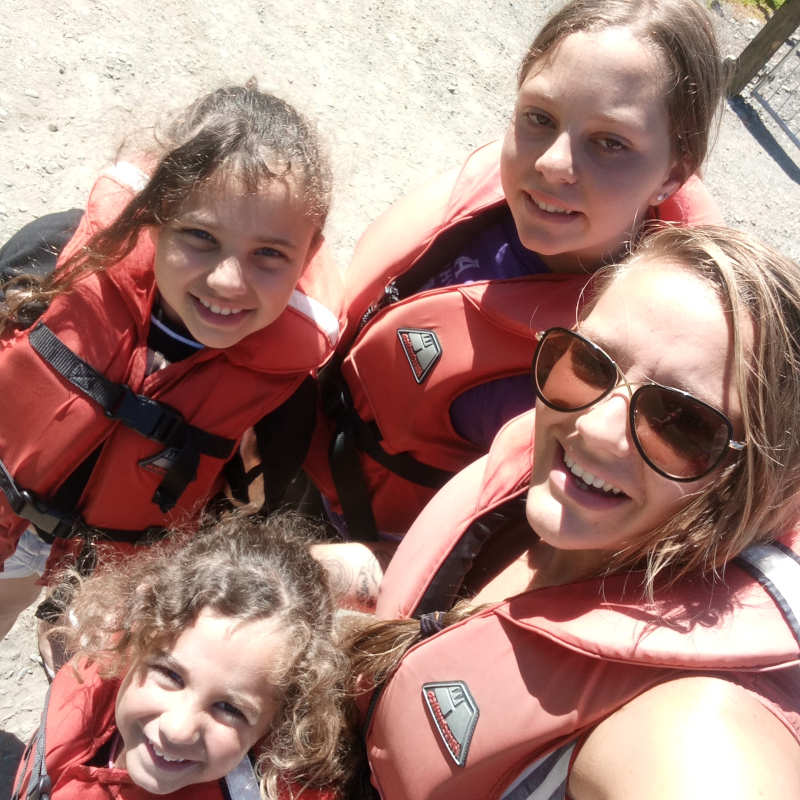
Jetboating with fam Sophie K

Activities throughout the Christmas holidays for the whole family can be expensive on top of the usual Christmas spend. So why not combine the two? Take advantage of Christmas deals by event/adventure providers and daily deal websites and purchase a voucher for an experience for the whole family or friends throughout the holiday period. My brother-in-law did this for us one year where the whole family went jet boating together on holiday and it’s definitely one of those Chrissy presents that I nor my girls will ever forget.

6. Need vs want: Practical presents are the bomb

Do your kids need some new clothes, shoes or gear for activities throughout the coming year? Then Christmas can be a great time to get those needs filled. I’m a big believer in purchasing practical presents for my loved ones, not just my kids. Not just do those presents get some extra love because they are being used all the time but it’s also a great way to save some cash in the long run for everybody involved.

Sophie K and daughters outside

Of course, the creative ideas don’t have to stop there. Gifting and giving can be a fun, practical, time and money-saving affair if we allow ourselves to turn on our creative brains and really tune into what can bring each other joy and ease in our lives.

I know as a parent, in the past I often took it upon myself to get the Christmas shopping list ticked off on my own. But honestly, it is so much more fun when we can share the experiences with our tribe.

So here is to the jolly season and gift-giving at its funnest. Merry Christmas from me to you.

Article written by Sophie K for Kidspot

Sophie K

About Sophie K

Sophie is a coach and creator of The Thrive Guide, a mother of two, a joy seeker and a lover of adventure. She helps her fellow humans to find more time, confidence and ultimately joy in their everyday lives through empowering them at their core.

She knows what it feels like to be stressed and overwhelmed; almost constantly. Feel like there aren’t enough hours in the day to do everything. Between her professional and personal life in the past there just wasn’t enough time or energy left for joy. The result? Life often seemed hard and complicated. Her mental and physical health suffered. The people she loved the most ended up getting the worst of her. Including herself.

It took a major life event for her to realize that she needed more. She wanted to feel at ease, be the best version of herself for her kids, make time for what was important to her and follow what brought her joy and happiness deep down. Life is just too short to spend it feeling unfulfilled.

She loves to laugh and see the funny side of life and has a deep interest in people, their stories and what makes them tick. She has been running her business since 2020 and is excited to help make this world a better place for all our generations to come.

Visit her website www.sophiek.co.nz for more or get in touch via hello@sophiek.co.nz to book a complimentary chat.

10 Signs Your Child Might Have Sleep Apnoea

When it comes to sleep apnoea, there is a common misconception that children do not suffer from it. However, in recent years, cases of children who have been diagnosed with this disorder have increased rapidly throughout Australia.

If your child is sleep-deprived or is displaying other symptoms, it can be a sign that they are suffering from this affliction. If not treated, it may have serious consequences for their overall physical and mental health. With that in mind, here are 10 signs your child might have sleep apnoea.

If your child is displaying any or multiple of these symptoms, then it might be worth making an appointment for them with a paediatrician or sleep specialist.

Snoring

Snoring might be a sign of sleep apnoea in children. Generally, it is very uncommon for children to snore unless they have respiratory infections like the common cold, infected adenoids or enlarged tonsils. It should not happen when they appear well overall.

When anyone snores, it is usually a sign of an untypical airflow in their upper airways, which links the nose, mouth and lungs. As a result, turbulence within these pathways creates a snoring sound.

As snoring is often associated with sleep apnoea, it is worth getting your child checked out by a sleep specialist or a paediatric otolaryngologist (who is an expert in matters related to the ear, nose, and throat) if your child is snoring on a regular basis.

Teeth grinding

If your child is more susceptible to bruxism – or teeth grinding as it is more commonly known – it can be a sign they are suffering from sleep apnoea.

As a rule, sleep apnoea happens when the soft tissues that reside at the back of one’s throat block the airways. Children whose jaws and airways have not properly developed can experience a disrupted airflow when they try to sleep. As they are unable to sleep properly, it is harder for them to enter the deep state necessary for their overall health and well-being. Subsequently, while attempting to do so, they often grind and clench their teeth when trying to manoeuvre their jaws forward to open these airways.

While mouthguards can stop their teeth from being damaged during this process, treating them for sleep apnoea can often resolve this occurrence too.

Mouth breathing

Incessant mouth breathing can be another sign that your child may be suffering from sleep apnoea.

Humans are wired to breathe through their noses. However, if for any reason our nose is blocked, then mouth breathing can often occur. Mouth breathing is not ideal because by doing this, the muscles of the jaw adopt a relaxed position. If this continues over time, it can lead to an elongation of your face. It can also result in a weakening of the muscles around the mouth, throat and tongue.

For this reason, snoring and sleep apnoea are more prone among mouth-breathers than those who predominantly breathe through their nose.

Restless sleep

Any parent will tell you that children can be restless sleepers. However, when this becomes persistent and exaggerated, it can be a sign of sleep apnoea.

If children are finding it difficult to breathe when they go to sleep this can result in excessive movement. It can also result in them adopting unusual sleep positions, for example, parallel to the headboard, upside down or otherwise propped up to try and open the airways more. Should you find their duvet cover on the floor in the morning or twisted into the shape of a ball, it would be a good idea to have them evaluated by an expert sleep specialist.

Sweating

Unless they are suffering from a fever, it is very uncommon for children to profusely sweat when they sleep.

Sweat-ridden bed sheets, blankets or pyjamas might be an indication that your child is having trouble breathing during their sleep. Which could be because of sleep apnoea. Decreased oxygen levels, increased heart rate and blood pressure and a spike in cortisol – the stress hormone – are all linked with this condition. If you see excessive signs of sweating when your child sleeps, they could be experiencing sleep apnoea.

Bedwetting

While children often wet their bed at night, it is only considered an issue if they are over the age of five years old, and it is still happening more than a couple of times a week.

Officially referred to as sleep enuresis, bed wetting affects up to 30% of children aged 12 years or under. It happens when they are in a slow-wave state of sleep and a child cannot arouse themselves when they have a full bladder. Though sleep enuresis might be due to stress or infection, it can also be a sign of sleep apnoea, resulting from chemical imbalances within the brain.

Excessive napping

Once children start school, they tend to not need to take naps. However, if they do, it might be a symptom of sleep apnoea.

If your child constantly needs to nap when they get back from school, it is possibly because they are sleep deprived. So it is a good idea to consult with a specialist if this is the case.

ADHD

ADHD, or attention deficit hyperactivity disorder, is a common affliction that affects about 1 in 20 children in Australia. One reason for it in children could be sleep apnoea1.

Unlike sleep-deprived adults who usually experience fatigue during the daytime, sleep-deprived children often suffer from the opposite effect. Namely, they demonstrate hyperactive behaviour as well as poor impulse control, aggressiveness, forgetfulness, and easy distractibility.

When it comes to treating children with ADHD, sleep apnoea is often something that is not considered. Subsequently, this can result in incorrect diagnoses and inappropriate medical treatments.

Sleepwalking

Up to 30% of Australian children sleepwalk at least once between the ages of three to 10 years old. Peaking at around five years old, it is usually associated with confusional arousal. This is when a child appears to have woken up but is actually in a subconscious and disorientated state. Typically this occurs in the first few hours of the night.

Though the factors behind sleepwalking are not always identified, sleep apnoea is thought to be a major contributor to this condition. According to research published in Frontiers of Psychology, adults and children with sleep apnoea are a lot more prone to sleepwalking than those who do not suffer from it.

Growth problems

If your child appears small for their age it could be because of sleep apnoea. Often, children who suffer from this condition are in the lower percentile in terms of height and weight as compared to other children of the same age and sex.

One of the main reasons for this is believed to be a result of slow-wave sleep being regularly interrupted. Typically, a growth hormone is released during short-wave sleep which helps muscle and bone development. If it is regularly disrupted, this can result in a child being deprived of it, which in turn can result in an impairment of growth.

In some children, successful sleep apnoea treatment has reversed the trend and restored their growth trajectory.

Final thoughts

If you think your child may be exhibiting any of these signs of sleep apnoea, you should discuss your concerns with your doctor or paediatrician.

They, in turn, may refer you to a specialist sleep expert who will evaluate your child and recommend any required treatments.

Depending on the situation, a CPAP machine from a well-known supplier like CPAP Direct may be recommended.

In the meantime, keeping a diary of your child’s symptoms is also a clever idea. That way, you will be able to document and describe events, which will give the specialist more relevant information to work with during your appointment with them.

This article was written by Lucy Mitchell, Content Manager for Current.com.au | The Home of Australian Product Reviews, with editing by Kidspot NZ.

The appearance of external hyperlinks does not constitute endorsement by Kidspot NZ of the website, information, products or services contained therein. All views are those of the author.

References:

1 National Library of Medicine: Is obstructive sleep apnea associated with ADHD? (August 2011)

See more:

Pages & Co: The Treehouse Library by Anna James | Kids Book Review

Sponsored content 

As Tilly and Milo hurtle towards their final showdown with the Alchemist, the stakes are higher than ever – though there is always time for hot chocolate! Pages & Co: The Treehouse Library is the fifth and penultimate book in the bestselling bookwandering series for readers aged eight to twelve.

Milo Bolt is ready to be the hero of his own story. With Uncle Horatio trapped in an enchanted sleep by the power-hungry Alchemist, he sets off with his new friend Alessia to find a cure and save them all.

Their journey leads them to the magical treehouse – home of the Botanist, the Alchemist’s sworn enemy. Against the clock, they hunt for the cure: foraging in the Secret Garden, challenging Robin Hood and confronting the mighty Jabberwock.

But the Alchemist will stop at nothing to unlock the powerful secrets of The Book of Books, and Tilly, Pages & Co. and the whole world of imagination are under threat as a battle for the fate of bookwandering is set in motion …

Take a look at the reviews from our Young Readers for Pages & Co: The Treehouse Library by Anna James Walliams below ⬇️

Book review from Holly, aged 14

The Treehouse Library is the fifth book in the Pages and Co series. The last four volumes were excellently continued in this book. The magical elements in this novel were fantastic. I had so much fun reading this and it made me want to go bookwandering in spectacular places. The characters are endearing and likeable, and I liked seeing the development of their relationship and teamwork. In this novel, they haven’t had it easy and have faced numerous setbacks and challenges. To all book enthusiasts like myself, I’d suggest this book!

Pages & Co The Treehouse Library

Book review from Michael, 12

Milo is on the hunt for a cure for his Uncle Horatio, who is trapped in an enchanted sleep. With the help of his friends Tilly, Alessia, Oscar and Rosa, he looks far and wide to find the ingredients for the cure.

This is a wonderful book with some very complicated characters and quite a large world. It is well written, is nice and clear, and once you start reading it, you won’t be able to put it down. The book is very descriptive, the characters are quite varied, and the places in the book are as varied as the characters in them.

Pages & Co The Treehouse Library by Anna James review

I would recommend this book to anyone who likes magic, fantasy, and LOTS of suspense. This is the latest book in a series, with 4 books before it, and at least 1 more after. I love this book, and am waiting to see if my mum will buy me the rest of the series as well.

Book review from Ashling, aged 11

Milo Bolt is the driver of the Quip – a magical train that can travel through the world of story to go anywhere Milo wants. Milo’s uncle Horatio is a book smuggler but unfortunately he has been put to sleep by a poisoned book. Milo searches for who was behind it and he discovers the Alchemist, a hoarder of book magic who wants to control the Quip. The Alchemist’s daughter Alessia stows away on the Quip with the recipe for the cure to the poison, now Milo and Alessia will have to travel into stories to find the ingredients and save Horatio before it’s too late.

Pages & Co The Treehouse Library by Anna James review

I really enjoyed reading this book because it is full of adventure and good characters. It also is exciting to see how classic book characters react when real people enter their stories. My favourite character is Alessia because she is assertive and in control. I would recommend this book to children aged 8-13 because while it is light-hearted, it would also be interesting for older readers. If I was to describe this book in three words they would be exciting, adventurous, and mysterious.

Grab your copy of Pages & Co: The Treehouse Library now!

Families were provided with a copy of the book for the purposes of the review. Views are those of the reviewers. This article contains information provided by HarperCollins.

Read more kids book reviews:

Mouse Christmas Baubles

These simple yet instantly recognisable Christmas baubles are quick and easy to make. Mix and match colours and textures to co-ordinate with your Christmas theme.

You will need:

  • Plastic baubles of varying sizes – to make one bauble, you will need one large and two small
  • (I used 1 x 6cm bauble and 2 x 4cm baubles)
  • Scissors
  • Hot glue gun and glue stick

Christmas baubles

Instructions

  1. Cover your work area with a drop cloth for any glue spills and warm up the glue gun.
  2. Remove the hanging loop and metal/plastic loop holder from the two smaller baubles.
  3. Using the scissors cut the protruding piece from the bauble as close to the globe of the bauble as possible.
  4. Apply glue around the cut and position the small bauble on the larger bauble, a few centimetres to one side of the hanging loop for the first “ear”.
  5. Hold it firmly in place for about 20 seconds while the glue sets.
  6. Repeat steps 3, 4 and 5 for the second smaller bauble, lining up the second bauble evenly with the first to create the second “ear”.
  7. Hang it on your tree!

Christmas bauble

her world julieWritten by Julie Scanlon

Julie is Editor for Kidspot NZ and our MVP. Her hobbies include laughing uncontrollably at her own jokes, annoying her family by asking questions about movie plots, and never taking anything too seriously. She speaks a little Spanish and a lot of Yorkshire. 

Favourite motto to live by: “It ain’t nothing but a thing”

Spaceboy by David Walliams | Kids Book Review

Sponsored content 

Spaceboy by number one bestselling author David Walliams is a breathless cinematic adventure full of mystery, action, laughs and surprises – and a secret that could change the course of history!

America. The 1960s.

Stuck on a remote farm with her awful aunt, twelve-year-old orphan Ruth spends every night gazing at the stars, dreaming of adventure. One night she spots a flying saucer blazing across the sky … before crash-landing in a field. When the spaceship opens and reveals a mysterious alien, all of Ruth’s dreams come true.

But does this visitor from another planet have a giant secret?

Spaceboy is a hilarious and action-packed tale for readers in any solar system.

Take a look at the reviews from our Young Readers for Spaceboy by David Walliams below ⬇️

Book review from Fin, aged 11

Spaceboy is a story about Ruth who is a 12-year-old orphan whose parents died in a mining accident. She lives a horrible, sad life because she is poor and has to live with her awful Aunt.

Nothing seems good in her life until a mysterious spacecraft lands on her farm. This landing sparks the beginning of an exciting adventure for Ruth and her 3 legged dog Yuri. Ruth and Yuri soon discovered that the spaceship wasn’t empty and inside was a boy who they named Spaceboy.

Ruth quickly realised that Spaceboy was being hunted by the military. Luckily though, Ruth was completely obsessed with space and she made it her personal mission to protect Spaceboy from the evil military.

Spaceboy by David Walliams

Ruth and Spaceboy form an amazing friendship and for the first time in a long time her loneliness is gone. Along the way they face some tricky situations and end up in the wrong places some of the time.

Will their friendship and determination get them out of trouble and away from the military? You will have to read the book to find out …

I would highly recommend this book for kids who like David Walliams and especially for those that are into space. This book was so good I already want to read it again!

Book review from Hamish, 12

The story starts off with a girl named Ruth whose parents died in a mining accident when she was four. Ruth is for now living with her Aunt Dorothy who is a wicked woman who hates children.

But on one starry night, a strange UFO crash lands into a cornfield near the barn. Being the curious little girl Ruth is, she goes to check it out. And this is where the drama begins …

I really enjoy this book because of the way the author kept me on the edge the whole time. Spaceboy is a great book for people who like Sci-Fi and drama.

Overall I rate this book a 9.5/10.

Spaceboy by David Walliams review

Book review from Lucas, aged 12

This book starts off with Ruth, a child living with her evil aunt Dorothy, meeting a new life form, Spaceboy. Ruth is interested in space and is excited when she sees a UFO falling onto her aunt’s farm.

The main characters for this story are, Ruth, Yuri (her dog) and of course Spaceboy!

When Spaceboy’s arrival becomes public many things begin to go wrong, including being chased down by the U.S. Government. The President even wants to meet Spaceboy, as he is the first ever alien life form on Earth.

Spaceboy by David Walliams book review

I enjoyed this book because of the theme of adventure and the amount of funny moments. Some parts of this story were adventure filled while others were filled with funny jokes and certain mysteries. I loved how it was themed around the Space Race in the 1960s, The U.S. versus The Soviet Union.

This was a great book. Overall I’d give it a 10/10.

Book review from Ellen, 13

Hello there. I had the pleasure of reading Spaceboy by David Walliams. Shout out to Kidspot and Harper Collins for giving me this chance to read one of your fun and silly books. I really liked reading this book by David Walliams because he is one of my favourite authors.

Set in America in the 1960s, Spaceboy is an “Out of this World” adventure which will introduce the reader to the Space Race that developed during that time. An unlikely friendship occurs between Ruth and Spaceboy when his flying saucer crashlands in Ruth’s Aunt’s cornfield.

Spaceboy by David Walliams

My favourite character in this book is Yuri the dog. Yuri was a big help in this story because he had sharp teeth and he was scary when he needed to be. But all he was trying to do was look after his owner.

It was hard to keep up at first because so much was happening. Let’s just say the FBI got involved because of the suspected UFO discovery and chaos ensues!

I recommend this book for 8 to 14-year-olds. Bye!

Book review from Kaitlyn, aged 11

I enjoyed the book Spaceboy by David Walliams. It has a good plot and many plot twists that add to the fun and enjoyment of the story. For example, when Spaceboy turns out to be [spoilers] …

Here are some of my favourite positive points. I liked the style that the book was written in, which means that it delights readers of all ages. The plot is very imaginative which holds you spellbound until the very last page. Although some of the language used is not very thoughtful to the people it is aimed at, some of the kids are disrespectful to adults.

Spaceboy by David Walliams book review

Overall this book was an entertaining read, though not quite my cup of tea. I would rate it a six point five on a scale of one to ten. This book is probably good for readers of eight or nine.

Grab your copy of Spaceboy now!

Families were provided with a copy of the book for the purposes of the review. Views are those of the reviewers. This article contains information provided by HarperCollins.

Read more kids book reviews:

Toy-free Gift Ideas For Kids

Kids are constantly on the move and exploring their world. They also have quickly changing interests, so when buying gifts think outside the box and instead of choosing the latest toy, focus on their needs.

That means finding gifts that keep kids busy and engaged rather than giving them toys they’ll only play with for a few weeks and then forget about.

If your kid is starting school, finding new interests, or taking up a new sport, consider something like this list of creative gifts for kids.

1. A great pair of headphones

A great pair of headphones can be used anywhere. They’re great for listening to music, podcasts, audiobooks, videos, and more. They may even need them for online school work on their laptop or tablet.

2. A brand-new backpack

Backpacks are a must-have for kids. Obviously, they’re a great way to carry your child’s school supplies, but they can also be used for holidays, playdates, sports, and family outings to keep to hand everything they need while out and about.

3. A subscription to a book club

A subscription to a book club is an excellent gift for kids. They encourage reading and help develop literacy skills and can also be a delightful way to get your child involved in choosing books. When they’re reading a book, treat them to something like bubble gum as it’s been shown that it can improve focus.

4. Great sports gear

A great gift for kids is sports gear. Sports gear can be expensive, but it’s a fun and useful way to exercise and stay healthy. It can also help kids make friends when they play together. Sports gear can be used for many years, so it’s good value if you plan on getting your child something that will last through many years of growth!

5. Their favourite cookies

Homemade cookies or other baking makes a great extra gift that they will love to devour whilst unwrapping their other presents. Or spend a day making them together to give to other kids or adults. Kids love making them, and they’re easy to make with ingredients you probably already have. Team the cookies with a new book for a great storytime treat.

6. Fun, new clothes

Kids grow up fast, so they’re always in need of clothes that fit. A new outfit or a much-wanted piece of clothing makes a great, practical gift idea that they’ll get lots of use out of. Shop the sales or check out good secondhand items in your local area through TradeMe or Facebook Market.

7. Art supplies

Art supplies are fun and can be used for a variety of home and school projects. If you have a child who loves painting, an easel, some blank canvases, brushes and paint colours make a great gift idea. For those who love to draw or colour, a big jotter pad and coloured pencils or markers will inspire their creativity.

8. A scooter

A scooter is a great way to get your kids outside and on the go and can provide hours of fun with friends. Scooters are also excellent for transportation, especially if your child walks to school. They’re easy to ride and compact enough to store away easily.

Don’t be afraid to get creative! Kids love things that make them feel special, so focus on those gifts that nurture their interests and encourage them to be themselves.

This article was created by DigitalEaters.com, with editing by Kidspot NZ.

The appearance of external hyperlinks does not constitute endorsement by Kidspot NZ of the website, information, products or services contained therein. All views are those of the author.

See more:

DIY Christmas Bauble Wreath

If you love Christmas and all things shiny and bright, you’re going to love this brilliant DIY Christmas bauble wreath craft. It’s easy enough for even the most craft-averse to make.

You will need:

  • A pool noodle
  • Tape
  • A mixture of large, medium and small Christmas baubles in your choice of colours – around 100-120 in total
  • (I used 4 x 8cm baubles, 50 x 6cm baubles, 45 x 4cm baubles and 15 x 3cm baubles – but you can use other shapes too)
  • Approximately 8m of tinsel (or festive garland)
  • Scissors
  • Hot glue gun and lots of glue sticks
  • Iceblock sticks
  • Ribbon

Instructions

  1. Cover your work area with a drop cloth for any glue spills and warm up the glue gun.
  2. Shape the pool noodle into a circle and tape it well to hold it together.
  3. Attach a piece of ribbon to what will be the top of your wreath, allowing enough for it to be hung up and glue it into position on the pool noodle.
  4. Remove the hanging loop and metal/plastic loop holder from each bauble before you use them.
  5. Starting with the largest baubles, apply a circle of glue approximately the size of a 20c piece. Apply this near to the bit that sticks out where the hanger was so it will be towards the pool noodle and eventually hidden from sight.
  6. Apply the bauble to the pool noodle and hold it in place for about 10 seconds while the glue sets.
  7. Continue to apply the largest baubles around the pool noodle, ensuring that you allow space between them for the other baubles, and cover the top, inner and outer of the pool noodle (leave the back clear so it can sit flat against the wall when finished).
  8. When you have good coverage (we applied around 50 of the 6cm baubles), move on to medium-sized baubles and start to fill the gaps. Finish off with the smallest baubles and ensure you have no large gaps.
  9. Cut your tinsel into lengths around 10-15cm long.
  10. Apply glue to either the pool noodle or carefully to the central string of the tinsel and use it to fill the gaps around your baubles.
  11. Use the iceblock stick to help press the tinsel into place (and avoid gluing your fingers!)
  12. When all gaps are covered, it’s ready to hang up!

Christmas bauble wreath

her world julieWritten by Julie Scanlon

Julie is Editor for Kidspot NZ and our MVP. Her hobbies include laughing uncontrollably at her own jokes, annoying her family by asking questions about movie plots, and never taking anything too seriously. She speaks a little Spanish and a lot of Yorkshire. 

Favourite motto to live by: “It ain’t nothing but a thing”

Free Kid To Good Home by Hiroshi Ito | Kids Book Review

Sponsored content 

Free Kid To Good Home is a comic-style chapter book about sibling rivalry and a child’s impulse to run away from home – and come back again! Through funny and lighthearted storytelling, this is a useful book to teach young children about welcoming a new baby sibling to the family or exploring playful sibling relationships.

“When my potato-faced baby brother arrived, I realized I needed a new family. No one seemed to mind when I packed my bag. I took a box and used my best handwriting to write ‘FREE KID’, then waited for some new parents to take me home.”

Waiting in a box like an abandoned pet and encountering the passersby changes the girl’s perspective. At the end of the day, when her parents pretend they need an older sister for their new baby, she is ready to leave her box and go happily back home.

This comical twist on sibling rivalry is translated from an enduring Japanese bestseller, now in its 31st edition and available in English.

This accessible story is perfect for children starting on independent reading and is illustrated in a graphic comic style that captures childlike subversive humour.

Take a look at the reviews from our Young Readers for Free Kid To Good Home by Hiroshi Ito below ⬇️

Book review from Dani-Nicole, aged 10

This was a funny story about a little kid who was not happy when her mum brought a new baby home because the baby was super annoying and cried all the time and took her mum’s attention away. So she decided to leave home and sit in a box with a sign that said FREE KID and try to find a new family.

I found this story really funny because I have a little brother and a baby sister and they annoy me so much sometimes I feel like I could just run away and find myself a new home too!

Free Kid To Good Home book review

Book review from Ihaia, aged 8

Free Kid to Good Home tells the story of a little girl who thinks she doesn’t get enough attention because she has a new baby brother. So she decides to run away and find a new home. She sits in a box and writes on it “FREE KID” and waits to see what happens. Will anybody take her home?

This is a story that is told mostly by the drawings, with a small amount of text added, so it is quick and easy to read. It was written in 1991 in Japanese and has only just been published in English.

I give this story 7/10. I like the story because it has a surprise ending and I had never seen pictures like that before, but I prefer books with more words.

Free Kid To Good Home book review

Book review from Tomas, 10

This book is about a little girl whose potato-faced baby brother was born. She felt she wasn’t loved anymore so ran away. She found some animal friends along the way.

[Spoiler alert] The story’s ending was the animals finding new happy homes and the little girl went back to her old family.

The moral of this story is “Don’t run away. Your parents love you and your family equally”.

I found this book quite easy to read, so I think it suits 7-8 year olds better. Thank you for sending me Free Kid To Good Home.

Free Kid To Good Home by Hiroshi Ito

Book review from Eva, aged 9

This book was quite nice to read because I like reading books with pictures, to make it make sense a bit more.

It was nice and simple, and would be a story for an early reader. This has been welcoming and warm to read because there are kind actions, as well as words.

Free Kid To Good Home by Hiroshi Ito

Book review from Ciara, 10

What I enjoyed about this book was that it was funny and interesting and I finished in a day.

I love graphic novels and my favourite part was who actually wanted to take him home when he was looking for a new home.

Free Kid To Good Home book review

Grab your copy of Free Kid To Good Home now!

Families were provided with a copy of the book for the purposes of the review. Views are those of the reviewers. This article contains information provided by HarperCollins.

Read more kids book reviews:

The Ape Star by Frida Nilsson | Kids Book Review

Sponsored content 

The Ape Star by Frida Nilsson is a heartwarming and unconventional story about love, adoption, friendship, and seeing from different perspectives. An animated adaption of the book is now showing worldwide.

In this award-winning chapter book about prejudice and justice, an orphan girl is adopted by a gorilla who lives in a junkyard and a surprising friendship grows between them.

Jonna lives in an orphanage whose manager is strict and obsessed with cleanliness. Like all the other children, Jonna has only one dream: to be adopted by a well-dressed mother who smells of perfume. But one day, a beat-up old car pulls up. The door opens and out step two thick hairy legs with muddy boots, followed by a belly as round as a barrel, and finally, a head like an overgrown pear. It’s a gorilla!

Surely the orphanage won’t let a gorilla adopt a child. But, to Jonna’s horror, the gorilla chooses her …

Jonna sleeps in a hammock, and in the evenings the gorilla reads Dickens in her worn armchair. It turns out that Jonna and the gorilla have a lot in common. But just when they’ve started to get along, a man from the council threatens to send Jonna back to the orphanage.

Take a look at the reviews from our Young Readers for The Ape Star by Frida Nilsson below ⬇️

Book review from Michael, aged 12

Jonna is an orphan living in an orphanage run by a lady who gets the orphans to do all of the cleaning. Jonna and the other orphans all dream of being adopted, but they will probably never leave the orphanage grounds.

But, out of the blue Jonna gets adopted, not by a well-dressed woman, but by a big, hairy … GORILLA! Surely the orphanage won’t let gorilla adopt her! But, to Jonna’s horror, they do! What can go wrong?!?! But, Jonna soon realises she was wrong about gorilla. What will she do? Stay with gorilla, or try and escape and go back to the orphanage?

The Ape Star book review

The book has been well written, and the story has a lot to say about going out and finding your place in the world, and about how much people judge others by their appearance instead of getting to know them. It also sheds light on how many people are pushed out of their homes and into the streets by developers, “in the name of progress”.

I would recommend this book for 8 to 12 year olds, and I also think that you should read it if you like a little laugh.

Book review from Kyle, 8

I really liked this book The Ape Star. It has 2 main characters which are Jonna and Gorilla. I like that she was adopted and found a new home. I like how she was scared in the beginning and not knowing what was going to happen and then found her new family. I like the twists and turns and how pieces are a little scary. I like how it all fits together like a mystery puzzle. I did not like the bad guys who tried to trick them. I also found some words a bit hard but I liked it as well because it helped me learn new things and words. I felt it really was an exciting and fun book. Thank you for choosing me. I loved it.

The Ape Star review

From a mom’s point of view …

I really loved how the book made him explore new words and look them up, he was excited to find out what they meant. Kyle loved the little exciting twists and hidden messages and seeing his face light up when he figured it all out was amazing! I loved how little giggles and gasps came out from him when he was reading, questions about adoption and orphanages came up and I love how we got to explore new topics and discuss how these made him feel.

Book review from Zara, aged 11

Kia ora. About a week ago I was given a book called The Ape Star by Frida Nilson. From the look of the front cover I thought it was going to be a book not for me, but I was definitely wrong. I actually ended up really enjoying this fiction story. It is based around a girl called Jonna who is around 9 years old and she lives in an orphanage with a strict manager called Gerd. This story tells us of her life being adopted by a gorilla and all the negatives and positives of her new life. I would give this book a 10 out of 10 star rating. I would also recommend this book to 7 to 12 year olds as they would enjoy it the most. I was even more delighted when I found out it was a movie.

The Ape Star by Frida Nilsson book review

A message to the author:

Maybe in the future you could make a book from the gorilla’s point of view and what struggles that she goes through as a child, what challenges she has to face and how she gets out of it in the end. And maybe how she met Jonna, their life together, and what she thinks of Jonna and her parenting life.

Book review from Sebastian, aged 12

The Ape Star is a heartwarming fiction genre book about a little girl who is adopted by a gorilla. Jonna lives at a prestigious orphanage run by Gerd, a neat freak woman who hates Jonna. The story has a mix of moments that fill you with surprise, happiness and sadness. When a gorilla arrives at the orphanage to adopt a child, Jonna is the only one not to scream and run inside upon revealing the gorilla herself. The gorilla sees this trait and ends up choosing Jonna to take home. This book has good descriptive language and gives you an idea of who each character is personally. You can imagine what that character is feeling at that very moment. 3.5 stars.

The Ape Star by Frida Nilsson book review

Book review from Molly, aged 11

In the start Jonna was just a girl at Renfanen orphanage Run by Gerd. Ape drives up and chooses her. It’s a book full of what will happen next and why did this happen. Jonna goes on adventures and sometimes feels a bit embarrassed to be with an ape in public. But as time goes on they connect and become really close until Jonna has to leave. I give this book a 3 out of 5.

The Ape Star book review

Book review from Abigail, 9

The Ape Star by Frida Nilsson is about an orphan called Jonna who gets adopted by a Gorilla.

She goes to live with the gorilla at her scrapyard and Jonna feels very embarrassed being with her … but it wasn’t long before she enjoyed her new carer.

The Gorilla and Jonna face challenges from others who do not want them to remain together and we get to journey with them through it.

This book was very interesting and taught me that things aren’t always as bad as they may seem.

The Ape Star book review

Grab your copy of The Ape Star now!

Families were provided with a copy of the book for the purposes of the review. Views are those of the reviewers. This article contains information provided by HarperCollins.

Read more kids book reviews:

6 Benefits Of Outdoor Play For Children’s Development

When it comes to children’s development, there’s no substitute for outdoor play. Getting some fresh air and spending time in nature comes with numerous advantages, especially for children who are still learning to stand on their own two feet.

The primary reason for this is that outdoor play can holistically elevate various elements of a child’s development. From keeping children physically active to enhancing their cognitive abilities, there are a plethora of ways playing outdoors can help your child grow.

As such, parents may wish to make fruitful attempts to foster a love for outdoor play in their children from a young age. These activities can provide vast learning opportunities that a child may not find anywhere else.

Let’s look into these advantages in more detail.

1) Outdoor play boosts physical health

Being holed up in a cramped room day in and day out can do a number on a child’s physical health. It may restrict their range of motion, causing their muscles to go underutilised.

In contrast, outdoor play gives children the chance to move about freely, helping them expend their energy healthily and productively. This, in turn, helps to improve their physical fitness, coordination, and motor skills.

For instance, playing games such as hopscotch, skipping, or catch, require children to use their motor skills. These help children to interact with their surroundings and develop a sense of spatial awareness and fast reflexes. In addition, these games help strengthen a child’s stamina and muscles due to the regular exercise they’re getting from continuously moving around.

2) Outdoor play prevents near-sightedness

Believe it or not, spending time outdoors can decrease the likelihood of children developing near-sightedness. Some studies have found that spending at least an hour a day playing outdoors can decrease a child’s risk of developing myopia by 14%.

There are multiple reasons why playing outdoors affects eye health. For one, safe exposure to the sun’s rays can help slow the elongation of the eye. In addition, spending time outdoors provides your child with a dynamic scenery where they’ll have to focus on objects both far away and close by. This helps their eyes relax, especially when compared to spending their time glued to a smartphone or tablet.

3) Outdoor play enhances cognitive abilities

When playing outdoors, there’s a whole range of stimuli that your child can take in and process. They’ll have to take into account the weather, their surroundings, the people around them, and things that come and go. This isn’t only limited to sight, either. Children use their sense of hearing and touch when playing outdoors, which helps to further immerse them in their environment.

This cognitive stimulation is important for several reasons. For one, this sizable influx of information trains the brain to process everything it’s seeing and experiencing. It also strengthens a child’s focus and concentration since they’re likely paying attention to one continuous task as opposed to a continuous stream of stimuli.

That said, one of the most important cognitive benefits a child can develop from outdoor play is the sharpening of their executive function. Playing outside helps children to better plan, organise, and prioritise tasks.

Academic context or otherwise, regularly engaging in outdoor play can improve executive function significantly.

4) Outdoor play develops social skills

Outdoor play is a fantastic way for children to develop social skills as it helps them interact with others of their age group. Many outdoor games and activities require children to work together to achieve a common goal, which helps them to develop important skills such as teamwork, compromise, and cooperation. Some games also harness a spirit of competitiveness in a healthy and non-destructive way.

In addition, a study showed that kids who frequently play outdoors may be less likely to engage in bullying behaviour. One theory is that they develop a sense of empathy and social responsibility from interacting with others in an outdoor setting.

They’ll also have the social skills to get along with others. Having said that, every parent strives to provide the finest environment for their children. If you want the best education for your child, learn more here about a childcare facility that offers just that.

5) Outdoor play fosters a love of nature

Kids who spend time outdoors are more likely to appreciate nature and want to protect it as they grow older. This is because they have already developed first-hand experience and knowledge about their local flora and fauna. From the trees that they’ve climbed to the bugs that they’ve caught, kids who play outdoors have a connection to nature that those who don’t will likely never have.

With many of the world’s resources being depleted at a breakneck pace, it’s more important than ever to instil a sense of appreciation for nature in children. This way, the planet is preserved for future generations to enjoy.

6) Outdoor play encourages independence

When children are outdoors, they’re more likely to explore and learn on their own. This is because the outdoor environment provides them with a sense of freedom and independence that they may not feel when indoors.

One way this is seen in action is when kids are playing in a park. They’re likely to climb on the jungle gym or swing by themselves without any assistance from adults. This helps them develop a sense of self-reliance and confidence in their abilities.

While it’s always important for an adult to be around to supervise them, maintaining a healthy distance can give kids the chance to explore and grow on their own.

This article was written by Lucy Mitchell, Content Manager for Current.com.au | The Home of Australian Product Reviews, with editing by Kidspot NZ.

The appearance of external hyperlinks does not constitute endorsement by Kidspot NZ of the website, information, products or services contained therein. All views are those of the author.

See more:

Review: SMA Little Steps® Toddler

Tried and tested by Kidspot parents

Kidspot parents gave SMA Little Steps® Toddler an overall rating of 4.6 out of 5

Help support their nutrition with SMA Little Steps® Toddler

SMA Little Steps® Toddler is enriched with iron to support normal cognitive development along with calcium for the normal growth and development of bones and vitamin D for the immune system. It’s designed to be enjoyed from 1 year old, supplementary to a varied diet when energy and nutrient intakes may not be adequate.

Just four scoops into 200 mL of cooled, boiled water twice a day is such an easy way to supplement the normal function of a child’s immune system.

For further information, visit meandmychild.co.nz

Read the reviews

We’ve given 10 families the chance to trial and review SMA Little Steps® Toddler. Read their reviews in the comments below!

Photos from our reviewers

SMA Little Steps® Toddler

SMA Little Steps® Toddler

SMA Little Steps® Toddler

SMA Little Steps® Toddler

SMA Little Steps® Toddler

SMA Little Steps® Toddler

SMA Little Steps® Toddler

SMA Little Steps® Toddler

SMA Little Steps® Toddler

Reviewer notes

  • If you have received the product for review, please scroll to the bottom of the page and add your feedback as a new comment.
  • Upload your review photos/videos to this Dropbox folder.
  • Each selected reviewer will receive: 1 x 900g tin of SMA Little Steps® Toddler.
  • By registering for this product trial, you agree to the terms and conditions. Please note that comments, images, or videos provided by reviewers may be used by SMA Little Steps® Toddler  on their website and social media channels to promote the product.

Please note

  • If you are selected to trial, the product will be sent to the address on your profile.
  • Please check your address now to ensure that it is up to date.
  • Not a member yet? Then sign up now.
  • Kidspot Terms and Conditions apply, including: Open to Kidspot members 18+ only. Only available for NZ residents. If you are selected, you will be required to use the product as soon as possible and supply a review, as set out in our review instructions. Your name, email address, and contact phone number will be given to the supplier for the purpose of delivery.

The Link Between Education & Behaviour During Your Child’s Preschool Years

A child’s preschool years serve as a pivotal foundation for their future behaviour. It’s during these formative years that children learn how to interact with others, develop social skills, and begin to make sense of their identity and the world at large.

During this critical period, both parents and educators need to foster a child’s development in ways that will help them understand their place in the world. When done right, this will lead to children who are more well-rounded, better behaved, and ultimately, successful in and outside the classroom setting.

That said, each children’s development journey varies based on a mixture of inherent and external factors. There’s no one-size-fits-all solution when it comes to preschool education and behaviour. Nor is there a guaranteed way to ensure that you won’t encounter any hiccups along the way.

But what you can do is pave the way for your child’s success by creating a positive and stimulating learning environment that will set them up for long-term success. Here are some pointers on how to make the most out of your child’s education and encourage them to make good behaviour choices.

How does education affect a child’s behaviour?

Early education isn’t solely limited to counting our fingers and reciting the alphabet. It encompasses a wide range of activities dedicated to positively supporting a child’s holistic development. This includes everything from how to properly brush their teeth to saying sorry when they get into a fight with their classmates.

In other words, early education is the process of teaching children the skills they need to succeed both academically and socially. It’s about more than just preparing them for school; it’s about helping them develop into well-rounded individuals.

There are several ways in which education affects a child’s behaviour.

Bad behaviour

Early education attempts to rectify bad behaviours that a child may display, such as tantrums, lying, general disobedience, and so on. During this age, preschoolers start to make sense of themselves and start to see how their actions affect the world around them. They start to gain independence and confidence in themselves to do things on their own.

Early education, therefore, helps push them in the right direction and guide their behaviour towards more positive outcomes. Through educational activities and exercises, children learn how to better control their emotions and impulses. They learn how to resolve conflicts without resorting to violence or outbursts.

The point of early education is not to subdue the child’s emotions, but to teach them that there are consequences and more suitable healthy avenues to express them.

Social skills

In addition to behavioural improvements, education also helps children develop crucial social skills. This not only influences how they interact with their peers but also how they will interact with people in general throughout their lives.

One development that may arise during this crucial period is the formation of friendships. Kids will start to find other children with similar interests and personalities. Having friendships will boost their self-identity and esteem, which consequently helps them develop empathy for others.

Furthermore, early education will also teach children how to be polite and show manners. They will learn how to take turns, share their belongings, say please and thank you, and so on. Cooperation, competition, and teamwork are other important social skills that children will develop during this time, developing their understanding of social dynamics at the right time and place.

How to foster good behaviour in kids

We all want what’s best for our children. We want them to be happy, healthy, and successful in all aspects of their lives, for their sake and for those around them.
That said, reasoning with a preschool-aged child isn’t exactly the same as reasoning with an adult. That’s why there are institutions solely dedicated to encouraging the development of children in their early years. Click here to view one such early learning childhood centre.

To help promote good behaviour in kids, try the following tips to encourage good behaviour at home:

1) Explain the rules and consequences in simple terms

You shouldn’t expect your child to know or understand all the rules of life. When it comes to early education and behaviour, be sure to explain the rules and consequences in simple and age-appropriate terms. For example, when your child grabs a toy from another child’s hand, don’t simply grab your child’s toy and tell them to share. You can say something like, “It’s not nice to grab toys from other kids. If you do that, they might not want to play with you.” This way, you’ll be teaching your child the importance of sharing while also helping them understand how their actions have consequences.

If they break these rules, don’t be harsh on them either. It’s in the nature of pre-schoolers to forget things or make mistakes. When they do, gently remind them of the rules and positively redirect their behaviour.

2) Use positive reinforcement

Whenever your child follows the rules or does something good, be sure to praise them and give them positive reinforcement. This will help encourage them to continue doing the action. It also positively affects their self-esteem and helps them develop the confidence to be able to do things on their own.

3) Be a role model

Children often mirror the behaviour of the people around them, especially their parents. So, if you want your child to be well-behaved, take the initiative to be a role model for them.

For example, if you find that you’re wrong, admit it to your child. If you lose your temper, apologise and explain to them how you could have handled the situation better. By doing this, you’ll not only be setting a good example for your child, but you’ll also be teaching them the importance of taking responsibility for their actions.

This article was written by Lucy Mitchell, Content Manager for Current.com.au | The Home of Australian Product Reviews, with editing by Kidspot NZ.

The appearance of external hyperlinks does not constitute endorsement by Kidspot NZ of the website, information, products or services contained therein. All views are those of the author.

See more:

Nappies, Spills, Scrapes & Silk Baby Ultimate Wipes

Gentle on the planet and on little bums, Silk Baby wipes have a refreshed new look with playful designs featuring sweet animal characters. We gave mum of two, Yasmin, the opportunity to give Silk Baby Ultimate® Ultra-Thick Wipes a trial run during a busy family day.

Yasmin’s review

Wipes are our family’s best friend. We take them everywhere, have them in every room in our house, and in our cars. I always wondered how we survived without them before kids. They are so versatile and handy!

We are a busy family of four – two adults, 5-year-old Zayn who just started school, and 7-month-old Maya who just started solids!

A typical day would involve multiple nappy changes, multiple meals and multiple messes.

6.30 am

Maya wakes and we have our first nappy change. Luckily she doesn’t often need an overnight change and Silk Ultimate Wipes softly wipe away the night time yuckies off her bum. We’ve found that they are soft and gentle enough to wipe any sleep from her eyes and night time feed crusties without irritating her sensitive skin.

7.30 am

Breakfast is served! Maya watches while Zayn has his morning cereal. Our handy dandy Silk Ultimate Wipes are there to rescue us from the inevitable milk and cereal spills that every 5-year-old seems to make as they miss their mouth. Life is just too busy for them to focus on the spoon to mouth action! Lucky the wipes got rid of any sign of a spill! Zayn gives us the thumbs up at how easy the clean up was.

Silk baby wipes review

8.30 am

We head off for our walk to school, collecting little treasures on the way, rocks, leaves and broken branches. Let’s give our hands a wipe before we head into school and mummy has to touch Maya’s face or hands. (Mummy also has a sneaky coffee on the way home, which of course had to spill … shhh Silk Ultimate wipes to the rescue!)

9.30am

Maya starts making those tell tale grunty sounds on our way to our friend’s house for a baby play date. I’m driving and hoping the poonami is contained. She only goes every few days and it’s an inevitable part of our life with her.

10am

Maya’s asleep … the ultimate mum dilemma. Do you wake your sleeping child because you suspect a full, almost explosive nappy, or do you let her sleep because that never happens?

Silk baby wipes review

10.30am

Sleep won … I figured the nappy will be there when she wakes and at least she won’t be grumpy when I change her. She woke happy and I already had her change station prepped for her at my friend’s house. Silk Ultimate Wipes, nappy, disposable bag, a change mat and a just in case change of clothes (which we thankfully didn’t need!)

My friend commented on the number of wipes I used … oops … but they did wipe away every little bit of poop and they were soft and gentle enough to go into the crevices without irritating Maya’s skin.

Silk baby wipes review

12.30pm

We head back home in time to have our little bit of solid food. Maya’s still not a fan of solids and often spits out the food or has it all over her face and hands. Thank you Silk Ultimate Wipes for making clean up easy!

Silk baby wipes review

3.30pm

Zayn is home again and ready for his after school toilet stop. Isn’t it funny how a parent’s life is consumed by the eat, sleep, poop cycle! That expands into more stuff but generally those are the most basic of our needs. That’s why we also keep a pack of wipes in the bathroom. No, they’re not flushable but they get the bum extra clean after the toilet paper does the best it can.

4.30pm

We head off to the playground for a quick play before Daddy gets home from work. We go on the swing, run around, and have the odd scrape that our magical Silk Ultimate Wipes fix by giving it a nice and gentle, cool, wet rub.

Silk baby wipes review

5.30pm

Dinnertime! Another messy affair in our house. From the bench top, to the dining table to the random piece of food flung on the floor, Silk Ultimate Wipes are our trusty companions, even Maya knows it! She does love a good lick of the wipe as it wipes her face. In fact we’ve discovered, they’re so mild and truly ‘unchemically’ by how much she loves the feel of them on her face. I think she’d eat one if we didn’t stop being such killjoy parents and take them off her.

Silk baby wipes review

7pm

Bedtime battles begin! Shower, change, books and bed! Pretty straight forward but it’s not till 8 or 8.30 that we have true lights out and mum and dad can exhale after another fun day with our munchkins.

Silk Ultimate Wipes

It’s so good having a trusty wipe that you know your finger won’t poke through while you’re wiping something gross. It will withstand cleaning anything and act as a nice refreshing wipe. It cleans scraped knees and spilled coffees, crusty tables and dirty faces. And ultimately, is great on the bum. Bonus …only one wipe comes out at a time!

Find Silk baby wipes and toiletries at your local supermarket including Pak’nSave and Countdown stores.

Yasmin was provided with a supply of Silk baby wipes for the purpose of the review. Views are those of the reviewer.

See more:

4 Tried & Trusted Nappy Bag Essentials

In the era of BK (that’s Before Kids) you probably left the house quite easily with your keys and phone and your lack of responsibility … I mean … not a care in the world! But when you’ve got a tiny human relying on you 24/7 you’ve got to be prepared – even if it’s for your own peace of mind.

When you become a parent to a newborn that nappy bag is going to be your best friend and lifesaver. In fact, you will rely on it so much that you’ll be sad when it’s no longer needed and you have to revert to your own now seemingly inadequate handbag or pocket!

After a couple of kids, I gained a reputation for having the most amazing nappy bag that could produce any requirement at a moment’s notice. Obviously, you’ll want the essentials like nappies, a change of clothes and (if you’re not breastfeeding) bottles and feeding items for bubs. But beyond that, the best items to include are things that can double up for a multitude of purposes. – including ways you’ve probably never even thought of.

So, here are my tips for what to include as tried and true must-haves for the nappy bag.

#1 Muslin cloth

It’s odd that we don’t really “discover” muslin until we have babies. This light, easy-to-wash fabric is super versatile. Grab a decent size one and pop it in your bag for these uses:

  • Clean and warm space for nappy changes or play/tummy time
  • Breastfeeding privacy cover
  • Sling it over your shoulder as a burp cloth
  • Swaddle/light blanket
  • Pram/carrier sun cover
  • Bib
  • Comforter

Muslin cloth

#2 Wipes

Long after your babies are out of nappies you will still be buying wipes! Not just great for nappy changes, they’re also handy for cleaning faces and fingers (babies and adults alike), wiping down highchairs, tables and supermarket trolley handles (cos you know they’re gonna lick it!), as well as cleaning up the nappy bag itself when it inevitably gets spillage of something on it.

#3 Resealable bags

When you’re out and about a couple of resealable bags in the nappy bag will get used over and over again. They’re great for keeping dirty bibs, drooled-on t-shirts, and bubs’ soft toy that took a dive into a puddle securely contained away from everything else. Look for ones that can be washed and reused. When your baby moves on to solids you can also keep a food-safe one in the nappy bag for those half-eaten items that bubs will be looking for again about two minutes after you were going to throw it away!

You can also use resealable bags to carry a small number of baby wipes, rather than lugging around a big pack, or to store things that spring a leak like nappy cream or hand sanitiser.

#4 Reusable water bottle

An absolute must for parents on the go is a water bottle for when you work up a thirst. It can also come in handy for other uses too. A splash of water can get sand off little toes at the beach, rinse off a pacifier that’s lost its way into the bottom of the pram or wash away baby’s spit up from the pavement (oops!).

Moving To Australia? The Ultimate Guide To The Australian School Systems

If you are moving to Australia with children, it is important to understand the Australian school system. How does it work? What are the options for your children?

This guide will tell you what you need to know about Australian schools, from preschool through to university. Let’s get started!

About the system

The Australian education system is known for its quality and rigour. The country’s education sector is the fifth largest in the world, with over 3 million students enrolled in schools across the nation.

The academic year in Australia begins in late January (or early February) and ends in December. The year is divided into four academic terms and three lots of school holidays, and education is compulsory from the age of 6 until the age of 16.

In the Australian school system, there are four stages of schooling: early childhood education, primary education, secondary education, and tertiary education.

While early childhood education is not compulsory, the majority of Australian children do attend some form of early childhood education, such as preschool or kindergarten. You can read this if you want to know whether your child is ready for school.

Primary education in Australia begins at the age of six and lasts for seven to eight years. Next, secondary education runs from grades seven to ten. You also have senior secondary education, which lasts two years (grades 11 and 12). And finally, tertiary education includes both vocational and higher education.

Types of schools

There are several types of schools in Australia. Here’s a brief overview of them.

Selective schools

There are some schools in Australia that have a selective admissions process, which means they’re only for certain students. These schools accept only students who meet certain academic criteria, such as high test scores or good grades.

Selective schools tend to be very competitive and so is their admission process. They usually start considering applications in August to September each year and are known for offering a higher quality of education than non-selective schools. Plus, they often have better resources and facilities with most of their students having high academic achievement.

If your child is talented, it’s highly recommended that you use Spectrum selective school preparation to get them admitted to a selective school.

Government schools

These are government-funded schools, which are free to attend for Australian citizens and permanent residents. However, if you’re living in Australia on a temporary visa (for example the Temporary Skilled Shortage 482 visa), you may be required to pay for government schools, depending on the State or Territory regulations.

Moreover, government schools follow the curriculum set by the Australian Curriculum, Assessment, and Reporting Authority (ACARA), and are overseen by the state government.

Non-government schools

These schools also receive some government funding but this varies depending upon the socio-economic grading of the school and therefore caregivers are often required to make a co-payment for attendance. They may be run by religious organisations, or by for-profit companies.

Private schools are also required to implement the national curriculum. They may be classified as Catholic or Independent. Catholic Schools have a religious focus and include religious education as part of their curriculum.

About the curriculum

The Australian Curriculum is reviewed and updated regularly to stay relevant and responsive to the needs of students, teachers, and the community.

At the primary level, the curriculum focuses on the core subjects of English, mathematics, science, and history.

In secondary school, students can choose to study a range of electives in addition to the core subjects. Some of the most popular electives include Business Studies, Economics, Design and Technology, and foreign languages.

Finally, tertiary education institutions each have their own specific curriculum.

Entry into the Australian school system

If you are moving to Australia with children, you will need to enrol them in school. The process for enrolling your child in an Australian school depends on their age and whether you are an Australian citizen, permanent resident, or temporary visa holder.

To enrol your child in an Australian school, you will need to provide proof of your child’s age, identity, and vaccination status. You will also need to provide proof of your Australian residency status. If you are a temporary visa holder, you will need to provide proof of your visa status and pay any associated fees.

To find a school in your area, you can search the Australian Government’s My School website or the non-government schools database.

Choosing a school for your child

There are a number of factors to consider when choosing a school for your child. These include the type of school, location, curriculum, extra-curricular activities, and cost. Some of the most popular schools in Australia are:

Kelvin Grove State College in Queensland

This college is a prep to year 12 government school, which offers the International Baccalaureate (IB) program. It is known for its academic excellence and has a diverse student population. You can visit their site for more information.

Yarra Valley Grammar in Victoria

This is a non-government, independent school catering to students from prep to year 12. It sits on a 25-acre campus and offers a comprehensive curriculum. The school has a strong focus on music and the arts, with students often winning prestigious awards in these areas. You can find out more about Yarra Valley Grammar here.

Sydney Grammar School in New South Wales

This is one of the most prestigious selective schools in Australia. It’s a non-government, independent school for boys only, from kindergarten to Year 12. The school has a reputation for academic excellence and offers a broad curriculum. However, it’s one of the most expensive schools out there.

Tertiary education

After completing secondary school, students in Australia can choose to study at a university or enter into vocational training.

Vocational education and training (VET) is offered at both Technical and Further Education (TAFE) institutes and private colleges. They can lead to a certificate, diploma, or advanced diploma qualification. VET programmes aim to provide students with the practical skills and knowledge required for a particular trade or occupation.

Alternatively, university courses typically have a more theoretical focus and can lead to a bachelor’s degree, honours degree, or masters degree.

There are a number of universities located across Australia, with the most prestigious being the University of Melbourne, the Australian National University, and the University of Sydney.

To be eligible to study at a university, you’ll need to have completed an Australian Year 12 qualification (or equivalent) and meet the entry requirements for the chosen course.

If you’re an international student, you’ll need to obtain a student visa before you can begin your studies.

This article was written by Lucy Mitchell, Content Manager for Current.com.au | The Home of Australian Product Reviews, with editing by Kidspot NZ.

The appearance of external hyperlinks does not constitute endorsement by Kidspot NZ of the website, information, products or services contained therein. All views are those of the author.

See more:

Silk Baby Ultimate Ultra-Thick® Wipes

Star rating

Tried and tested by Kidspot parents

Kidspot parents gave Silk Baby Ultimate® Ultra-Thick Wipes an overall rating of 4.7 out of 5

Discover why parents are choosing Silk Baby Ultimate® Ultra-Thick Wipes for those big clean-up jobs with our free trial.

Quite often, parenting calls for a BIG clean-up! So when you need a wipe built for bigger, stickier jobs, the thickness and absorbency of Silk Baby Ultimate® Ultra-Thick Wipes makes them perfect for the nursery, nappy bag, and around the home.

With 99.9% water and a drop of fruit extract, Silk Baby Ultimate® Ultra-Thick Wipes are made from plant-based, plastic-free material, so they’re good for your baby’s skin and the planet – and they’re compostable* too. Silk Baby Ultimate® Ultra-Thick Wipes come in packs of either 72 or 120 wipes. In-store, just look for the adorable whales on the new packaging.

* According to independent testing under controlled aeorobic composting conditions. Rate of degradation in landfill may vary.

Find Silk baby wipes and toiletries at your local supermarket including Pak’nSave and Countdown stores.

For further information, see the full Silk range.

Read the reviews now!

We gave 30 members the opportunity to trial and review Silk Baby Ultimate Ultra-Thick® Wipes. Read the full reviews in the comments at the bottom of the page.

I love using this product. It is not only a bit thicker than our current wipes, it’s also softer, made from quality plant based material, environmental friendly and the packaging are recyclable.

Beauden Mahon

Makes clean up a breeze. Love the fact that they are biodegradable and made of 99.9% water. 10 out of 10 from me and my little one.

Briina53

The wipes are so soft, so thick and the absorbency is amazing, perfect for cleaning up after a good feed, nappy change or general spills and cleanups.

Alexandra Ram

These wipes have been a game changer 100% we love them! I have found compared to what we were using they are so much softer and also wipe off very clean and very fast

KelseyTAAFE

They are really thick and I have found that one wipe is often enough instead of what would have been a 2 wipe poo is easily cleaned up with one extra thick wipe!

mumjess

Photos from our reviewers

Silk Baby Ultimate Ultra-Thick® Wipes reviewer ratings

Reviewer notes

  • If you have received the product for review, please scroll to the bottom of the page and add your feedback as a new comment.
  • Upload your review photos/videos to this Dropbox folder.
  • Each selected reviewer will receive: 1 x pack of Silk Baby Ultimate® Ultra-Thick Wipes (72 wipes per pack).
  • By registering for this product trial, you agree to the terms and conditions. Please note that comments, images, or videos provided by reviewers may be used by Silk on their website and social media channels to promote the product.

Please note

  • If you are selected to trial, the product will be sent to the address on your profile.
  • Please check your address now to ensure that it is up to date.
  • Not a member yet? Then sign up now.
  • Kidspot Terms and Conditions apply, including: Open to Kidspot members 18+ only. Only available for NZ residents. If you are selected, you will be required to use the product as soon as possible and supply a review, as set out in our review instructions. Your name, email address, and contact phone number will be given to the supplier for the purpose of delivery.

Dead Good Detectives by Jenny McLachlan | Kids Book Review

Sponsored content 

Dead Good Detectives is a super funny and exciting pirate adventure for readers 8+ by author Jenny McLachlan.

Sid Jones loves hanging out in the graveyard with her best friend Zen – they are desperate to see a real-life ghost! But when Sid accidentally summons a 300-year-old pirate from the dead, it opens the door to the Halfway House – a magical inn full of lost souls from across the ages, all trapped there by a sinister landlord.

There are more ghosts than Sid could ever have imagined – and they’re all sure Sid is there to save them – though Sid’s sure there’s been some kind of mistake! But someone else is watching, and they’re not happy about Sid helping the ghosts …
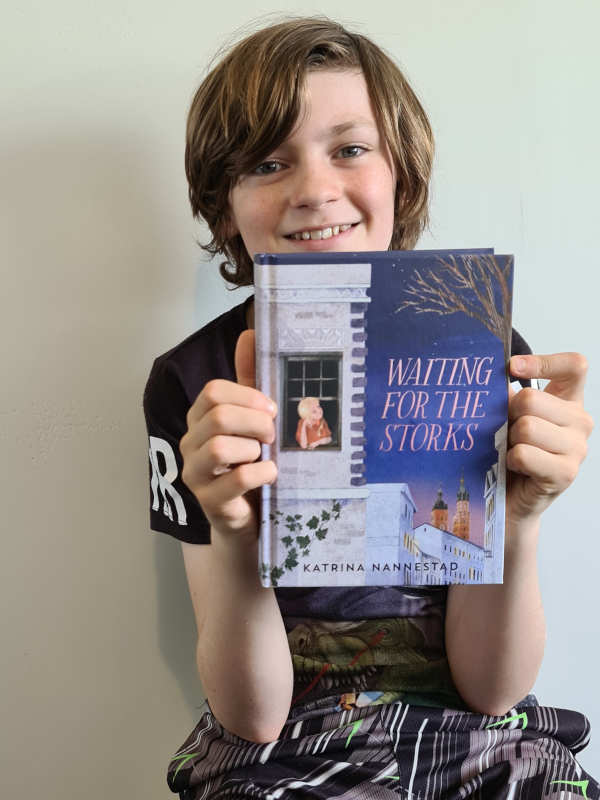
Another epic adventure series from the author of the Land of Roar, with magic, peril, pirates, lots of laughs and LOADS of ghosts!

Take a look at the reviews from our Young Readers for Dead Good Detectives by Jenny McLachlan below ⬇️

Book review from Ellen, aged 13

I had the amazing opportunity to read a book from Kidspot. It’s called Dead Good Detectives and it is written by Jenny McLachlan.

The story begins at a graveyard, where best friends Syd and Zen are playing. Zen leaves and Syd finds a grave that she doesn’t have on her map. A series of events lead her to accidentally letting a pirate ghost called Bones and his pet Parrot Elizabeth out of the halfway house they were residing in. Bones has unfinished business in the living world.

With the help of Syd and Elizabeth the parrot, they embark on a quest to find his lost treasure, while being chased by the evil old Scratch and his dog.

Dead Good Detectives book review

When I started reading this book I couldn’t stop. It was so good!! My favourite character is Elizabeth the Parrot. She was very funny. Dead Good Detectives spans between realms, describing strong bonds between the living and those who have passed onto their next life.

I loved using my imagination for where they went on their quest to find Bones’ treasure.

I would recommend this book for 11- 14 year olds. Thank you Kidspot for giving me the chance to read one of your awesome books!

Book review from Ashling, 12

This is a story about a girl called Sid Jones who accidentally releases the ghost of a pirate called Bones from the sinister Halfway House. Bones, his pirate crew and other ghosts who have something they still need to do before they can move on were trapped in the Halfway House by the mysterious Innkeeper. Only Sid can see Bones, but as soon as Bones steps out of the halfway house he starts fading. Sid must help Bones find his lost treasure before he fades away completely …
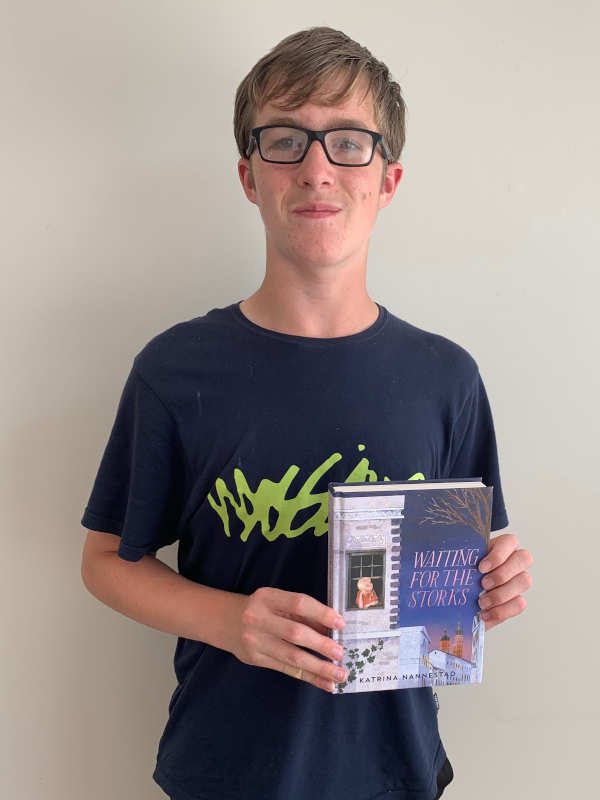
I really enjoyed Dead Good Detectives because it was full of mystery and adventure, with lots of twists and turns.

Dead Good Detectives by Anthony Horowitz book review

This book is very funny and entertaining, I especially like Bones’ ghost parrot Elizabeth. I would recommend this book to all crowds but I think children above the age of eight would enjoy it the most because it can be a little tense at times. I was a bit nervous of reading it at first because of the word Dead in the title but there was no need because it was funny, interesting, and an altogether amazing book.

Book review from Tomas, aged 9

This book is about a ghost called Bones trying to find his long lost treasure. Bones is against an Evil Innkeeper and a certain amount of time to find his treasure before he fades into gold dust! Will Bones be able to find his treasure in time?

I really liked this story because it was always a mystery if Bones would find his treasure in time before he turns into Gold dust.

I recommend the book Dead Good detectives for people aged 9-11.

Dead Good Detectives book review

Book review from Jonathan, 13

Dead Good Detectives by Jenny McLachlan is a book filled with mysteries and surprise. It is set in a place called Fathom (and you can’t quite fathom what will happen next) …

The main character, Sid accidentally summons a 300 year old pirate (and his parrot) and needs to save him by helping him complete his task. In doing this Sid stumbles across a mysterious place called the Halfway House, a place filled to the brim with lost souls, but they are trapped there by a landlord. They need Sid’s help to free them by completing their tasks, however someone wants to stop Sid from doing this.

Dead Good Detectives book review

There are many characters and ghosts to discover, and this is a great read (and not too scary), I really loved reading it. There are so many places that you go to, and has great suspense, even towards the end that leaves you unsure what will happen, until it happens. Overall it is a great book and I hope you enjoy it too.

Grab your copy of Dead Good Detectives now!

Families were provided with a copy of the book for the purposes of the review. Views are those of the reviewers. This article contains information provided by HarperCollins.
Read more kids book reviews:

Where Seagulls Dare: A Diamond Brothers Case | Kids Book Review

Sponsored content 

Diamond Brothers Detectives: Where Seagulls Dare is a hilarious new story about the world’s worst detectives, by the bestselling author of the Alex Rider series, Anthony Horowitz.

Private investigators Tim and Nick Diamond haven’t had a case for three months and are down to their last cornflake. So when a glamorous woman comes into their office offering them a pile of cash to find her missing father, they think Christmas has come – only it turns out they are the turkeys! Before they know it, they are caught up in a case involving bike-riding hitmen, superhackers and a sinister far-right organisation, the White Crusaders. The Diamond Brothers are in the soup and in it over their heads. With thrills and spills, and jokes on every page, this new Diamond Brothers novel will have young readers howling with laughter.
Take a look at the reviews from our Young Readers for Diamond Brothers Detectives: Where Seagulls Dare below ⬇️

Book review from Kaitlyn, aged 11

I enjoyed this book a lot. The top five reasons are:

1. The author used clever humour, which resulted in a very funny book.
2. The chapters sometimes end in cliffhangers, causing me to want to read on.
3. It has some clever plot twists and play on words.
4. There are extraordinary events that make the book fun.
5. Nick, the younger brother is a likeable character because he is loyal to his brother and also very good at solving mysteries.

This book would appeal to children age 8 + and beyond – and even my Dad read it!

Where Seagulls Dare book review

It is a story that is easy to read but because the author decided to be clever with word play, older children can also read it. However being younger, you wouldn’t quite get the word play, but you would definitely still enjoy the book. As I am in the olderish variety, I zoomed through it(because it is not that long), I got all the jokes, clever tricks and double meanings and really enjoyed it. Because the book is not that long, it is appropriate for confident readers, who don’t like hard, long books.

Overall this book is a very enjoyable read for most ages

Book review from Fin, aged 10

This book is a great story about two brothers, Tim and Nick Diamond. One bright, the other dim. What I mean by this is one brother is a good detective and one is terrible. I will let you find out which one is which by reading the book!

Nick and Tim get assigned a case to solve the mystery of a missing person. What follows is a lot of fun, disaster and adventure. Along the way you get to know more about the brothers and their interesting way of solving crimes. Sometimes their tactics are not the best.

Diamond Brothers Detectives: Where Seagulls Dare book review

The book is very funny and would appeal to kids that like a bit of comedy as well as the excitement of solving a crime. There are other books in the series too if you enjoyed reading this one.

Book review from Leo, aged 8.5

Diamond Brothers Detectives: Where Seagulls Dare, by Anthony Horowitz, is a book about two brothers (one who is not a very good detective!) who have to work together to solve the mystery of a missing person.

The story is quite funny and made me laugh. I liked the pictures drawn and I found the book hard to put down as I wanted to find out what happened in the end!
I think it is nice that the author is donating all the money made from this book to charity.

I really liked this book and will be looking out for more in this series to read next.

Where Seagulls Dare book review

Book review from Grace, aged 12

I was lucky enough to be able to review the book Where Seagulls Dare by Anthony Horowitz. This was such a fun, easy to follow book that I really enjoyed being able to read.

There are some interesting characters, and one with a strange code name … But that adds to the creative writing by the author.

I love to read books and have read many different genres, this book was one of the top books I’ve read. I would happily recommend this book to my friends and family.

Where Seagulls Dare book review

Book review from Olliver, aged 12

I am a 12-year-old boy who loves to read and found this book O.K but some of the story was strange and hard to understand. This is the first book I’ve read by this author and might look to see what other stories he has written to see if they are better.

The general story line is that there are two brothers doing a detective for hire job. The diamond brothers are asked to find a computer hacker who has gone missing, they are hunted by a gang of criminals.

The brothers are captured by the government and asked to help find the hacker on an island run by a maniac. They decline but end up going on the mission. This is all I can say as I cannot spoil it.

Where Seagulls Dare book review

Grab your copy of Where Seagulls Dare now!

Families were provided with a copy of the book for the purposes of the review. Views are those of the reviewers. This article contains information provided by HarperCollins.

Read more kids book reviews:

Poor Diet Can Affect Your Child’s Oral Health: Here’s Why

You are what you eat. This is true not just in adults but even in children. Our diet affects almost all facets of our life, including our physical and mental well-being. Inevitably, it also impacts oral health.

As parents, we should be mindful of what our kids eat. From sugar to acid, different components of their food intake can have negative effects on their teeth and gums. Read on as we explore the many ways by which poor diet and oral health are related.

Why sugar is the enemy

If there is one major culprit for tooth decay and other oral health problems, it would be sugar. From sweets to chocolates to beverages, kids consume sugar in their everyday lives. They love sweet treats. However, they can have negative long-term effects. While it is common knowledge that sugar contributes to tooth decay, many are unaware of why exactly that is the case.

According to the World Health Organization, free sugars are among the dietary factors with the highest influence on the formation of dental caries. These are added sugars in all forms, which you will find in both foods and beverages. They are present even in fruit juices and sweetened milk. Biscuits, cereals, and cakes have free sugars, even white bread.

Nonetheless, this does not mean that we should deprive our children of the sweet stuff. The key is moderation. The sugar intake of children should be less than 10% of their energy intake. If possible, it should even be less than 5%. If you want to give them food with added sugar, it is best to do so after a meal, consumed as desserts. This is the time when there is increased saliva in the mouth, which can be effective in washing sugar off their teeth.

Limiting the frequency of snacking is also an effective strategy to lessen sugar intake. A lot of children’s snacks have high sugars. If you want to allow them to snack more often, then be selective with your choices, providing them with sugar-free or low-sugar treats.

Acidic foods can cause tooth erosion

A lot of people may already be aware that sugar is to be blamed when it comes to tooth decay. However, many are unaware that acidic foods are also to be blamed. Parents may offer their kids fruits like grapes, oranges, pineapples, and apples, thinking that they are excellent alternatives to sugar-rich snacks. While they can indeed be healthy, they are high in acid, which is also a culprit for oral problems.

Acid, which you can often find in fruits and juices, can demineralise, and weaken the tooth enamel over time, resulting in erosion. While the calcium in the saliva is effective in strengthening the enamel, contact with acid prevents remineralisation. Watch out for some of the most common signs of remineralisation in your child’s teeth, which can include sensitivity, discolouration, cracks, and transparency.

There are some ways by which you can prevent acidic foods from contributing to poor oral health. Do not let children suck high-acid fruits. This will prevent the acid from getting stuck on their teeth. When drinking acidic juices, let them use a straw to minimise direct contact with their teeth. It is also crucial that they rinse their mouth after eating acidic foods or drinking acidic juices. It will wash off the acid in their mouth.

The danger of too much fluoride

When someone mentions fluoride, the first thing that most people think of is toothpaste. Toothpaste regularly includes fluoride as an ingredient, which is also known as nature’s cavity fighter. However, you can also get it from other sources, including water. Fluoride can also be from foods, such as spinach, raisins, potatoes, and grapes.

Fluoride deficiency can cause weak enamel and speed up the presence of cavities. On the other hand, too much fluoride can be a bad thing. Children are at the highest risk of suffering from fluorosis before eight years old. One of the most common signs is having white marks on their teeth. It can worsen as they grow older, especially when not given proper attention.

Sticky foods are also to blame

kids oral health

Children may eat a lot of sticky foods that can damage their teeth. They can cling to the tooth and will leave behind sugar or even acid. As earlier mentioned, these are two things that can be culprits for oral health problems.

Dried fruits are some of the most common sticky foods that can be bad for the teeth of little ones. The same thing is true for caramel bars. After eating sticky foods, let your child rinse with water to get rid of the residue in their mouth. It is also a good idea to brush their teeth right away.

Do not let them chew ice

While we are on the topic of poor diet and oral health, let’s also briefly talk about ice. Of course, it is not part of a child’s diet, but it is inevitable that some kids will chew ice from their drinks. Break this habit while they are young as this can be bad for their teeth.

While tooth enamel is the hardest substance in the body, that does not mean that they are unbreakable. In children, the enamel can be weaker. It can be easily prone to damage when frequently in contact with hard objects, including ice. It can increase the possibility of cracks. When such happens, there is a higher likelihood that sugar and acid will seep in, which contributes to tooth decay.

Good oral hygiene saves the day

While diet is crucial to oral health, it does not mean that healthy eating alone is enough to ensure strong teeth and gums. Aside from diet, pay attention to healthy oral hygiene. Brushing twice a day is a must. Regular flossing is also crucial. Kids should also regularly visit the dentist. This is an opportunity to identify dental problems early on and implement the necessary intervention before any issues worsen.

This article was written by Chelsea Smith, Content Creator for Dentaly.org, with editing by Kidspot NZ.

The appearance of external hyperlinks does not constitute endorsement by Kidspot NZ of the website, information, products or services contained therein.

See more:

Six Family Road Trip Ideas For Families In New Zealand

Promotion for GWM Haval H6

If you’re looking for some family road trip ideas in New Zealand, we’ve got you covered. Whether your crew is full of adrenaline-seekers or you need some serious R&R, there is plenty to see and do. But the key to any great road trip is the ride.

Fortunately, GWM can help you and the family easily get from point A to point B in the Haval H6. This hybrid SUV delivers a smooth drive, even under the most demanding terrain and an interior with unparalleled comfort for those up front and in the back.

Top-of-the-line comfort, safety and technology are standard in the Haval H6, so you can keep everyone happy and avoid the dreaded question – “Are we there yet?”

North Island road trips

The North Island offers something for everyone. Home to plenty of Māori culture, island sanctuaries and lively cities, you and the family can journey through landscapes that blend beautiful beaches, farmlands and geothermal wonders for a truly diverse road trip experience.

North Island New Zealand road trip

Auckland to Wellington via Taupo

If you want the perfect mix of outdoor adventures, arts, and food and wine, the road trip from Auckland to Wellington via Taupo should be at the top of your list. You and your family will start your journey in Auckland and drive through the centre of the North Island to the country’s capital city, Wellington. Along the way, you can visit the beautiful Waikato countryside, the spouting geysers of Rotorua, and the majestic alpine scenery of Tongariro National Park. This road trip is great over ten days if you want to stop at some of the boutique wineries of Martinborough.

Auckland to Napier

Along the Auckland to Napier road trip, the kids can experience some of New Zealand’s top attractions including waves in Mount Maunganui and the geothermal wonders of Rotorua, and not forgetting the adults with a truly unique culinary experience in the food and wine region of Hawke’s Bay. This road trip takes you from the big city through the rolling green hills of Waikato with various terrain that the Haval H6 is perfectly equipped to handle.

Auckland to New Plymouth via Forgotten Highway

If you’re keen to explore New Zealand’s backcountry, discover it along the Forgotten Highway from Auckland to New Plymouth. Top attractions that you and the kids will experience include the Waikato River, Waitomo Caves and the Taranaki region. Finally, as you’re heading into New Plymouth, make sure to take in the views as pass Egmont National Park and drive along the Surf Highway.

South Island road trips

Known as the world’s adventure capital, South Island family road trips are for those looking for one adventure after another. Whether you want to experience the jaw-dropping beauty at Lake Tekapo or experience the dark sky reserve, you won’t be disappointed.

South Island New Zealand road trip

Alpine lakes to glaciers

The alpine lake to glaciers road trip is a four-day South Island adventure that starts in Queenstown. This road trip is perfect for families who are looking to adventure over a long weekend. Top highlights from this road trip include the mirror reflection at Lake Matheson and epic skiing in Wānaka. However, Wānaka is also a great year-round outdoor adventure location with plenty of beautiful hikes for the summer months.

Christchurch to Nelson loop

The Christchurch to Nelson loop is one of the most popular family road trips in the South Island for its diverse range of experiences. As a family, you’ll have the chance to immerse yourself in a blend of history, adventure and wildlife. Best spent over 5-10 days, this road trip allows you to experience the tiny French-style coastal settlement of Akaroa and the Marlborough wine region. If you’d like to spend some time by the beach, then make sure to check out New Zealand’s smallest national park, Abel Tasman.

Christchurch to Queenstown via Dunedin

One of the most famous road trips in New Zealand is Christchurch to Queenstown. This particular route is via Dunedin, where you and the family can explore New Zealand’s only castle and swim in the heated outdoor saltwater pool at St Clair Beach. Make sure to also use this road trip as an opportunity to travel through Te Anau to the world-renowned Milford Sound and the wider Fiordland National Park, where you can experience glowworm caves, high-speed jet boating and some of the greatest hikes New Zealand has to offer.

The new Haval H6

GWM Haval H6

If you’re searching for a hybrid SUV that gives you complete peace of mind while you’re on your next family road trip, check out the Haval H6 at your nearest GWM Haval showroom today.

Article provided by GWM with editing by Kidspot NZ

See more:

Made To Share Spring Activities In New Zealand

New Zealand really is the ultimate playground and our beautiful country offers lots of opportunities to try new activities that you may not have considered before – or that you’ve been really wanting to have a go at!

Spring in New Zealand is a great time to try new things, share adventures, and make lots of special memories as a family. So on your next family holiday or break, why not discover a new passion with our guide to spring activities that you can try as a family.

Please note: Venue information was correct at the time of publication. Please check with individual venues for the latest availability, opening dates, times, prices, etc, before making plans.

Try kayaking

Taupo Kayaking Adventures

Kayaking isn’t just an Olympic sport that brings home the medals. It’s also a wonderful way to explore New Zealand’s stunning coastline and inland waterways. Whether you want to paddle Lake Taupō, the sunny Bay of Islands, or the open waters around New Zealand, kayaking can become a favourite family activity that leads you to explore parts of New Zealand that others never see. You can even paddle a waka for a unique cultural experience that you don’t want to miss.

Taupō Kayaking Adventures offers guided tours of New Zealand’s largest freshwater lake and the mighty Waikato River, taking in stunning scenery including the Mine Bay Māori rock carvings. Their passionate and knowledgeable guides will make this a trip to remember.

Book with Taupō Kayaking Adventures

Mum-approved skydiving

iFLY

Image credit: Vaughan Brookfield

Everyone wants to fly like a superhero – but skydiving is a bit too extreme for most people! Indoor skydiving however, is a safe and fun activity that everyone can enjoy and is sure to become a favourite story to retell around the dinner table!

iFLY in Queenstown is New Zealand’s only indoor skydiving attraction. The specially designed tunnel has a smooth, wall-to-wall cushion of air on which anyone can safely fly. iFLY simulates skydiving with no strings, parachutes, planes, or scary heights. It’s ‘skydiving approved by mum’! The highly trained instructors are experienced in supporting new flyers of all ages and abilities.

Try iFLY

Dig this!

Dig This

Playing with diggers and bulldozers in the sandpit is great fun when you’re a kid. So who could resist the chance to play on the life-sized versions!

Dig This Invercargill is New Zealand’s only heavy equipment playground – yes, you read that right! Go wild on the big machines as you push, pull, spin, and smash your way to family fun! Their grunty machines include bulldozers, diggers, skid steers, and excavators in a giant gravel pit.

Visiit Dig This Invercargill

Glide on a zip line

Ziptrek Ecotours

The beauty of zip lining is that almost anyone can enjoy this adrenaline rush! You simply get clipped on to a suspended cable and then you zoom safely down the line, over the landscape below – gravity does all the work. There are several zip line venues in New Zealand that glide you over native forest or through steep canyons and some offer multi-person zip lines.

In Queenstown, Ziptrek Ecotours offers combos for up to six ziplines, including the world’s steepest zipline which descends 30 storeys at up to 70kph! Enjoy this amazing trip down from high up on Bobs Peak (Skyline Gondola) through the forest canopy.

Visit Ziptrek Ecotours

Experience the passion of the All Blacks

Playing some form of sport is part of growing up for most tamariki in New Zealand. While there are many sports on offer, rugby is considered our ‘national’ sport and lots of children dream of growing up to become an All Black or Black Fern.

The long history of rugby and the All Blacks are celebrated at the All Blacks Experience in Auckland. Learn what it takes to become an All Black or Black Fern, test your rugby skills in the hands-on interactive zones, and feel the passion of the haka.

Visit the All Blacks Experience

Get on your bike

Otago Central Rail Trail

Image credit: Miles Holden

Whether you explore a trail for a fun day out, or take the family on a cycling holiday, getting out into the great outdoors on a bike is a fun and unique way to create memories together. New Zealand’s Cycle Trail network offers magnificent scenery and active exploration on cycle rides for all ages and abilities.

The Otago Central Rail Trail is a family-friendly favourite that follows an old railway line and offers lots of interesting stops along the way. With Trail Journeys you can explore the Otago Central Rail Trail on a self-guided cycling package including bike hire, accommodation luggage transfers and transport. They also have packages for other popular Otago trails.

Bike the Otago Central Rail Trail with Trail Journeys

Take the wheel

Hampton Downs

What it’s really like to drive a high-performance car on an actual racetrack? The opportunity to take the wheel and drive a supercar can become a reality for the older members of the family, while the kids can join in the motorsport fun with speedy go-karts!

At Hampton Downs, 20 minutes south of Auckland, there are plenty of motorsport activities on offer. Get the adrenaline pumping while you drive a HotLap in a V8 Supercar, experience up to 230kph in a Lamborghini Huracan, or the whole family can enjoy a high-speed ride in the Lexus Safety car. Then take the Go-Karts out on the undulating 800m track, reaching speeds of up to 70kmph! Single karts are available for ages 10 and up, while kids 6 years and up can jump in the passenger seat of the tandem karts.

Visit Hampton Downs

Try your hand at curling

Maniototo Curling

You’ve probably seen curling on the television during the Winter Olympics and thought it’s a rather quirky sport! This unique game can be enjoyed by all ages and makes a great activity for a family outing. Pit your skill and strategy against each other in this easy to learn sport.

Maniototo Curling at Naseby Indoor Curling Rink in Central Otago is run by local enthusiasts and offers the chance to give curling a go. The centre is open year-round and also offers an ice luge, ice skating and ice hockey.

Visit Maniototo Curling

Join the Catch Up

Join our community of parents and let the Kidspot Catchup be your guide to creating unforgetable family moments.