COVID-19 Q&A with Dr Michelle Dickinson

Got a question about COVID-19? Kidspot hosted a Q&A with nanotechnologist Dr Michelle Dickinson, aka Nanogirl, to help answer our readers’ questions about the coronavirus pandemic.

Take a read through the questions and answers below.

COVID-19 and kids

Q: What’s the best way for me to explain what is happening in the world right now to my kids without causing them unnecessary anxiety?

A: This will depend on the age of your children but if you check out my free videos on www.nanogirlslab.com you will see how I show with a soft toy and some soap simple ways to talk to you children. I also have some longer videos on YouTube under my “coronavirus” playlist.

Q: How much should we worry about our children getting the virus? Is it a cold as some say or is it bad as other stories show. Obviously there is a lot of media hype which is both worst and best case.

A: While the initial reports showed that the virus didn’t seem to produce severe symptoms in children – this has now changed and sadly a handful of children have passed away due to COVID-19. Therefore we need to take it seriously for everyone whatever age, but also be aware that children may carry the virus with no symptoms and then pass it on to high risk people in their lives like their granparents.

Hand washing and hygiene

Q: Do we need to keep washing our hands constantly when our family never leave the house and no one enters?

A: Washing your hands, especially after using the bathroom and before eating is great to prevent the spread of all sorts of bacteria and viruses that can make you sick. However if you are staying home and not in contact with anyone other than each other you probably don’t need to wash them excessively.

Q: We are struggling to get our kids to understand why it is more important to wash their hands at the moment. Any tips?

Try this YouTube video for younger kids or this for older kids.

Q: Do we all have to wear gloves or does hand sanitizer and a warm soapy hand wash when we get home work just as well?

A: Gloves are not needed by most people as gloves won’t protect you from the virus. The virus enters your body from contact if you touch something infected and then touch your face. The best thing to do is as you said – keep washing your hands in soapy water and be aware of not touching your face if possible.

Q: I’ve been using a diluted bleach mix to wipe down the shopping we bring into the house. Does this do anything? Do I need to keep doing this? I’m so tired of cleaning!

A: New Zealand is in a really great position to have only 1% transmission meaning the risk that the virus is on your shopping is very small. Most people are OK with a tiny risk and aren’t wiping down their shopping but for others they don’t want to take any risks so are wiping down with a soapy paper towel or diluted bleach. It’s all about how much you want to feel in control of your own bubble but the risk is very low. I would give different advice to people in high transmission countries like the US and much of Europe.

Q: Can you use any soap? Are the eco ones just as effective?

A: The ingredient that you need is one that acts as a surfactant. In standard soap this is called SLS or sodium laurel sulphate on the ingredients. Some ecosoaps use a plant or coconut version of this so you might need to look up the ingredients list on your soap. Dish soap also works

Out and about

Q: Are we able give meals or baking to other people without entering their bubble?

A: The ideal situation is no, unless they are in need. We are trying to reduce contact between people and there is a tiny chance that if you were infected you could infect the food that goes to the other person. There are however situations where people might need food as they can’t provide for themselves.

Q: I’ve been told the virus can even stay on footpaths etc for a number of days. I’m not sure if this is true or not so can you shed any light on this and if it is true, I’m assuming we should be disinfecting our shoes etc too after going out for our walks?

A: It’s probably best not to wear shoes in the house for many reasons as there are lots of germs you can bring in. COVID-19 seems to prefer flat surfaces like steel and plastic more than rough surfaces like concrete and fabrics. Scientists think it can remain active for up to 3 days on these flat surfaces. We believe that UV can degrade the virus so a sunny rough path will likely pose less of a risk than an indoor steel public door handle.

Q: Will a mask protect me from the virus?

A: Surgical masks which are the ones being sold at supermarkets and pharmacies are not designed to protect you from the virus, but instead stop you spreading the virus through droplets if you are infected and sneeze or cough. There is very little research done around COVID-19 and masks for the public and many countries who enforced masks also enforced lockdowns at the same time so it’s difficult to separate what actually works. Siouxsie Wiles has written a great article and I love the graphic for showing why masks can be great but also a problem if hands aren’t washed.

Health and risk

Q: My partner and son both have asthma and while I know they would be classed as a higher risk, are there any other illnesses that aren’t respiratory and cardiac which could put someone into the high risk category?

A: There are lots and we are still learning high risk groups are listed here on the CDC website.

Q: My son has been coughing for 2 weeks and had mild temps, but those have gone. Can the virus be so mild in kids that he actually had it, but not worth getting tested now? There must be a lot of children who have had a mild case and hence the numbers are under-stated.

A: The research around infections in children is still small but it is possible that he could have had it – it’s also possible that it could have been many other things too as many infections. If you are suspicious then please contact healthline who will guide you and be aware that you and anybody else in your bubble may be infected/infectious.

Q: My son who is now 6 and generally very fit and healthy does tend to get bronchiolitis once or twice a winter perhaps due to his premature birth – do you think he could potentially have a bad reaction or be more at risk if he was to get the virus?

A: Sadly the data for children is very small so we really don’t know. As the virus affects everyone differently it pays to just be extra cautious and try to remove any transmission risks that you can by ensuring he washes his hands often and is aware of how the virus spreads.

Q: My 6yr old gets asthma and bad coughs every winter and twice has pneumonia is he at higher risk? And over this coming winter will the risk be higher?

A: The risk may be higher in the winter as we spend more time indoors with more potential to physically contact in the winter. Researchers are still determining what higher risk means for different age groups but my advice is to help your 6 year old be aware of how germs spread to minimise their risk from behaviours they may be doing.

Q: Are the effects of the virus expected to be worse in winter?

A: We know that the flu virus tends to infect more people in the winter but this may just be because we tend to all be indoors and have more contact with people in the winter. While the virus does seem to be temperature sensitive and prefer the cold the temperatures that it doesn’t like are way hotter than we experience at 56C and the virus has spread in countries experiencing both warm and cold weather so the virus is unlikely to behave differently in a NZ winter – however the people might give it more chances to spread as they huddle together more.

Immunity

Q:Is it true that kids immune system is much higher than adults and that is why they don’t seem to get the disease so badly?

A: Great question and the answer is that we don’t know. The evidence seems to show that children tend to show less severe and fewer symptoms that adults and the same was seen for similar coronaviruses like SARS and MERS. Scientists do think that there may be a difference in the immune systems of children that could be offering a protection but they aren’t sure what it is.

Q: When children do go back to school, do we need to boost their immune systems or get them flu vaccinations …. being in our bubble is good for one thing, but surely lessens exposure to germs/bugs etc?

A: Healthy immune systems come from eating lots and a variety of fresh foods especially fruits and vegetables. I would be suggesting that for all children anyway. It’s best to talk to your doctor about whether or not your child should get the flu shot as there are some reasons why this isn’t always suitable depending on the health of your child. The good thing is that the constant handwashing from COVID seems to be reducing the transmission of flu across the world so hopefully this teaches our children about virus spread for all sorts of viruses.

Q: Is it true what they are saying you can catch it again or there is a new strain you can catch?

A: We actually don’t know for sure I’m afraid. If we assume that COVID-19 behaves like SARS and MERS which are similar coronaviruses then once you have recovered from the virus it’s likely that you will be immune for a few years. There has been no large testing to prove this yet though.

Q: What vitamins and foods should we be eating to boost our immunity? For now and moving forward when the kids go back to school?

A: Just a balanced diet that includes lots of fruit and veg should be good. Most of us can get all of the vitamins we need from a good diet.

Q: If the predictions are right, and a huge portion of the population will eventually get some form of the virus anyway, why not let the kids stay at school that aren’t immune deficient or that don’t have older people at home that are at risk?

A: There are lots of predictions and they all rely on the right data being fed into the system. Nobody has perfect data so the predictions are wide-ranging depending on what the inputs are. In New Zealand there is no need to believe that we will all be infected as we have managed to control the spread really well. Kids who go to school touch door handles and public objects which the virus can live on for 3 days. It only takes an immune compromised person to touch the same door for them to become infected. We also need to make sure that our health care system can cope with the influx of patients which is why reducing transmission is so important.

Moving forward

Q: What can we expect when we come out of Level 4 do you think?

A: The best thing to do is to look at the alert levels and expect something within those. Likely a level 2 or 3 to start as we figure out what our new normal is. The world going to be struggling even when NZ comes out of lockdown so we will need to expect restrictions around global travel to stick around for a while

Q: What are some cool, fun science experiments we can do at home for two boys ages 4 and 6?

A: There are so many! Why not try this one. Kidspot also has some great science experiments to choose from over in our Activities section.

her world julieWritten by Julie Scanlon

Julie is Editor for Kidspot NZ and our MVP. Her hobbies include laughing uncontrollably at her own jokes, annoying her family by asking questions about movie plots, and never taking anything too seriously. She speaks a little Spanish and a lot of Yorkshire. 

Favourite motto to live by: “It ain’t nothing but a thing”

Teaching Our Son to Swim with SplashSave

Teaching children to swim is a very important lesson and can be a life saving tool. But it is also an expensive class for families, whether you are living on a budget or not and especially if you have more than one child.

Learning to swim through a swimming school can cost anywhere from $120 to $250 a term and that is per child. And it can take a preschool child anywhere from two to three years to master water safety lessons.

Introducing SplashSave

SplashSave is a learn to swim pack designed to support you in teaching your children early years water safety education in a fun and engaging way – as well as being a cost-saving alternative to traditional swimming schools. The one off cost is $49.00 for the pack and it can be used on more than one child!

We were recently sent a SplashSave pack to try out and review. We sat down and read the book and the lesson plans and then we showed our son, Xavier. We explained what it was and what we would be doing, we showed him the waterproof cards it came with as well as the certificates. We got him excited about learning something new.

Learning at our own pace

When it comes to water, Xavier is not the most confident little boy. He hates water in his face, getting it in his ears and going over his head. So as you can imagine bath time and pool time can be a bit of a stressful time with us.

With SplashSave it’s designed for you to go at your own pace which for us was helpful for slowly introducing Xavier to the idea of swimming and not just playing in the pool.

We decided to do one day each weekend where we took just Xavier to the pools with no time limit and no little brothers. After getting changed we showed him what the section was that we were going to work on which helped him to know what was going to be happening and then we took about 10 minutes to get into the pool, relax and have a little bit of fun instead of just jumping straight into the lessons.

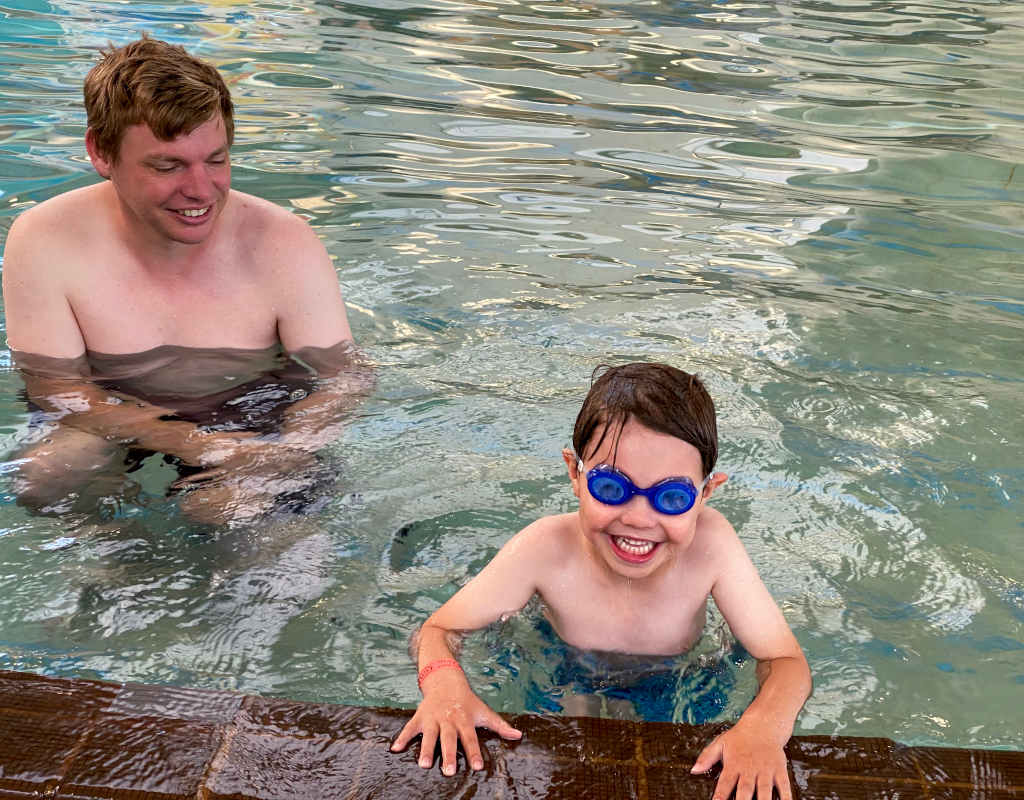
Xavier really surprised us. He was all for it and was having so much fun in the process. He listened to what Luke was talking about and watched very carefully when it came to what Luke was doing.

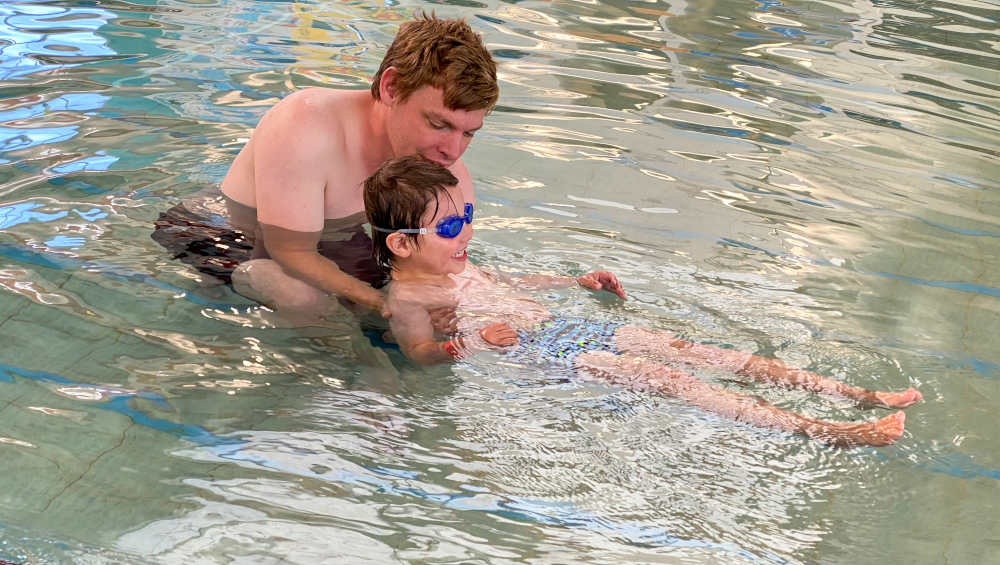
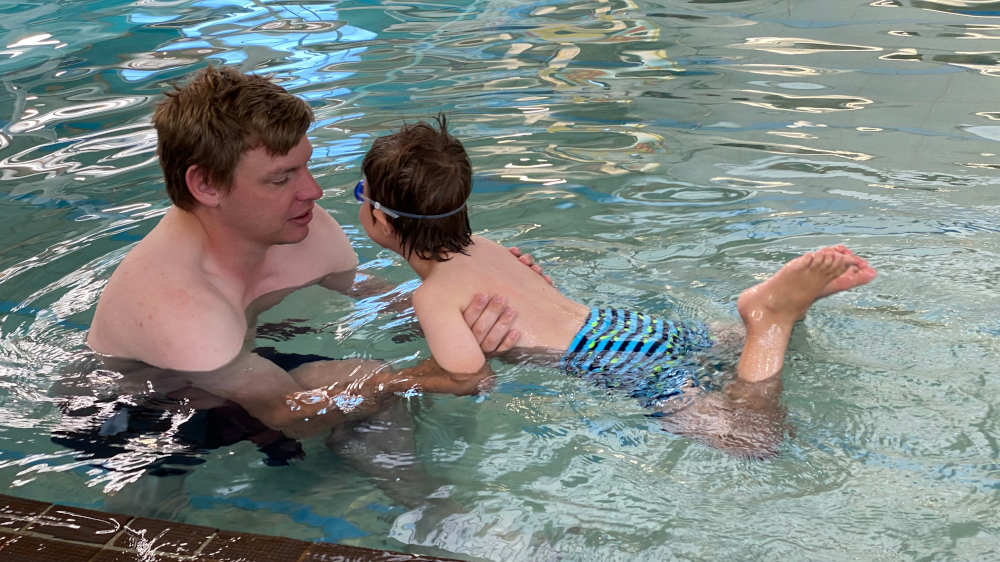
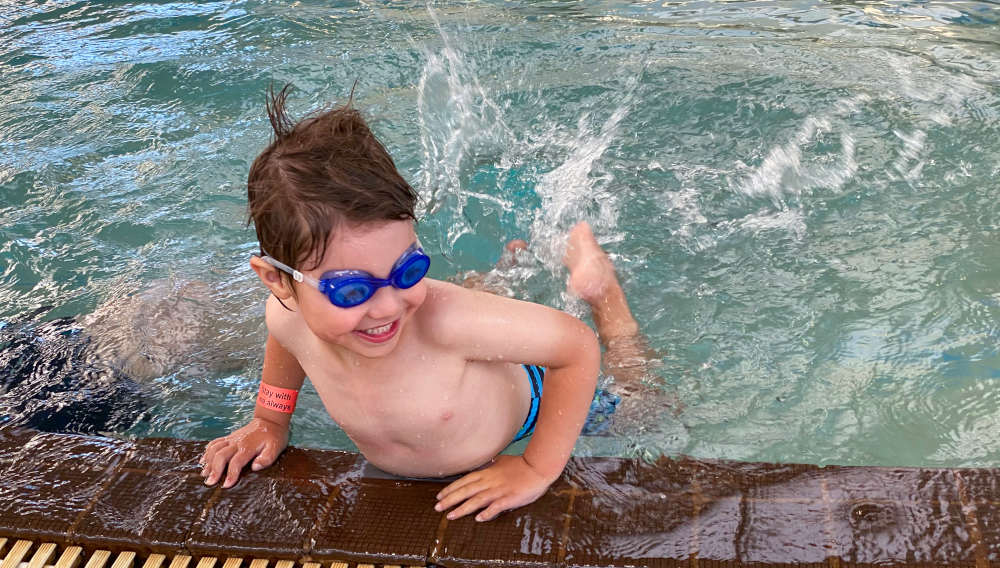
And what surprised us is how willing Xavier was to get involved. Usually he will scream and cry but not with this. He floated both on his back and on his front with Luke holding him, he kicked holding onto the side of the pool, he let Luke put water over his head without crying and he even put his mouth in the water and blew bubbles. He wouldn’t fully submerge his face and head but he attempted and that’s all we could ask for.

And the best part is that he had the biggest smile on his face the entire time. He was so proud of himself when he got out and received his certificate and a little treat that we gave him.

We would definitely recommend SplashSave to our friends and family and we have in fact spoken to our head teacher at daycare about it who went looking for more information to pass on to parents.

Why choose SplashSave?

The major benefits we found with using SplashSave were:

  • No time limits. You can work through the lessons at your own pace.
  • The one-on-one time you spend with your child – being able to focus solely on Xavier and give him our full attention really helped him relax and be more confident.
  • No weeknight or weekend classes which meant no rushing around and no overly tired little boy at the end of the lesson
  • And the affordability. As I stated above the cost of swimming lessons can be expensive and if you are living on a tight budget like we are they are just unaffordable for us. But with SplashSave you have just the one off cost which is more affordable and it can be used on more than one child which is helpful as we are a family with three little boys.

If you are looking for a more affordable way to teach your child/ren water safety then SplashSave is definitely the way to go. The book is very informative as well as the lessons and the waterproof quick guides were great as a reminder at the pools.

We will definitely be continuing on with these lesson plans with both our other two boys and Xavier is already asking when we can go back to the pool to carry on.

This review was written by Danielle from Just a Happy Mum. Danielle was provided with a free learn to swim pack from SplashSave. All content and opinions are the writer’s own.

5 Ways To Snap Out Of A Bad Mood

Many of us are familiar with those days where we’re in a total funk that we can’t shift. The days where it feels like there’s a cloud following us round everywhere, and nothing seems to go right. Although it’s often hard to remember at the time, it is actually possible to snap out of these moods – phew!

Firstly, it’s really important to recognise that it’s you who’s on struggle street (as opposed to the whole world conspiring against you!). This isn’t so that you can beat yourself up about it or get upset at the fact that you’re upset; it’s so that you can take back your power, take control, and take charge of pulling yourself out of the deep emotional pit you’ve found yourself in.

So once you’ve realised that you’re in a bit of a funk, here are five simple, practical things you can do to snap yourself out of it.

1. Get some space & fresh air

Perhaps there’s something in particular in your current environment that’s getting on your nerves; or maybe you can’t quite put your finger on *what* is bothering you. Or maybe it’s just everything! Whichever scenario you’ve found yourself in, a quick change of environment will give you the physical and mental space needed to have a wee breather. Plus, fresh air is always a good idea (after all, that’s why we send the kids out when they’re playing up, right?).

2. Play your favourite music

Whether you’re in the mood for something upbeat and cheerful or something gritty and loud, music is such a powerful tool in shifting your emotions. There are two ways that I find are most effective: playing something that resonates with the mood you want to be in, or playing something that resonates with the mood you’re currently in. The first option helps lift your energy levels and help you get a bit of motivation, the second allows yourself to feel your feels and work through them. Just choose whatever you think will work best for you!

3. Just add water

Whether it’s a shower or a jump in the ocean, water really can help wash your funk away. If you aren’t able to immerse yourself, try sitting by the sea and watching the waves, or splashing some water in your face (or just having a good cry so that you can expel some pent-up energy and move on).

4. Watch some funny videos

Forcing laughter can actually cause you to laugh for real (even if you’re just laughing at how ridiculous your fake laughter is). Making yourself laugh is super hard when you’re feeling a bit off though, so watching funny videos online can go a long way in helping!

5. Do a quick workout

As Elle Woods once said: “Exercise gives you endorphins. Endorphins make you happy! Happy people don’t kill their husbands.” Because we want to avoid any form of murder, getting your blood pumping (in a constructive way) is a really effective way to release the grumps and lift your mood. Even if it’s just 10 minutes of star jumps, press-ups and squats at home (or playing tag with the kids) – a little is better than nothing.

Her world bunnyWritten by Bunny T

A mama of two who advocates for mental health awareness (yes girl!), Bunny is a badass babe blogging about womanhood, motherhood and the adventures that happen in between. You’ll usually find her exercising (running after kids), partying (drinking coffee) and rocking out (sleeping).

It’s awful feeling awful; but your bad mood doesn’t have to stick around. You got this, mama!

What’s your best tip for breaking out of a bad funk?

See more:

How Nanogirl is Helping Families Understand COVID-19

While the world media is abuzz with medical terms and confusing scientific words, Nanogirl is a shining light when it comes to engaging with children and parents about the science behind COVID-19 in a way that we can all understand.

Dr Michelle Dickinson (MNZM), aka Nanogirl, has a passion for sharing her love of science and engineering with both children and parents in order to make learning fun and accessible for all.

Helping parents and children understand COVID-19

Parents are seeking out ways to talk to their children about COVID-19 and Nanogirl’s informative YouTube videos and media appearances have gone a long way in helping us better understand how the virus affects us and what we can do about it.

As a nanotechnologist and science communicator I’ve been using my skills to help communicate the world of the tiny like viruses and soap molecules in a way that’s jargon free and includes simple experiments you can do at home. medickinson.com/COVID-19

In the popular video below, Nanogirl helps to explain what coronavirus is, how it’s transmitted, and how to help stop it spreading.

Meet the nanotechnologist

The woman behind Nanogirl is award-winning scientist and international keynote speaker, Dr Michelle Dickinson. As an innovative way to engage public interaction with science and to promote diverse role models in the field, Michelle created her alter-ego, Nanogirl – a “science-savvy female who uses her engineering skills to solve her way out of challenges in life.”

As well as holding a PhD in Biomedical and Materials Engineering, Michelle has written books, created podcasts, hosted her own TV shows and taken her Nanogirl show on the road in live shows, to promote her goal for everyone to have a positive relationship with science and technology.

Michelle has been recognised for her achievements with numerous awards including the Member of New Zealand Order of Merit, the Women of Influence award for science and innovation in 2016, and the Prime Minister’s Science Media Communication Prize in 2014.

When she’s not creating a technojargon-busting YouTube video, or sharing her love of science, Michelle enjoys the challenges of kitesurfing, martial arts and mountain biking.

To find out more about Nanogirl/Dr Michelle Dickinson check out her website here, or engage with her on social media:

COVID-19

Join our Facebook Q&A with Nanogirl

Tune in to the Kidspot NZ Facebook page on Tuesday 7th April at 2.30pm where Nanogirl will be answering some of our reader’s questions about how COVID-19 impacts kids and families.

Like our Facebook page to be kept informed.

her world julieWritten by Julie Scanlon

Julie is Editor for Kidspot NZ and our MVP. Her hobbies include laughing uncontrollably at her own jokes, annoying her family by asking questions about movie plots, and never taking anything too seriously. She speaks a little Spanish and a lot of Yorkshire. 

Favourite motto to live by: “It ain’t nothing but a thing”

Top Tips For Working From Home

Are you taking on a job working from home? Here are our top 10 tips to keep you on track while looking out for your wellbeing.

Working from home or ‘remote working’ has its benefits (no commute, PJs optional!), but there are also plenty of distractions. That’s never more evident when the whole family are home! It’s also easy to get bogged down in work and can be difficult to switch off.

Obviously these tips won’t work for every household or every work situation. If both you and your partner are working from home, you’re a sole parent, or your other half is an essential worker, then you’re going to need to implement some shift work or adjust the time of day that you work.

For those that are used to working from home, there’s no harm in looking at how you’re working to ensure your own wellbeing while balancing family commitments.

Ten tips for working from home

  1. Have a dedicated work space, preferably with a door so you can shut out the kids/partner/Disney+ on repeat (PS get those kids on the Disney+ 7 day free trial!)
  2. Set clear boundaries with the family and kids for when you need to be working, based around your commitments. If they need to communicate with you ask them to text or message not come in.
  3. Try to keep to usual work times as much as family/commitments will allow so that any issues can be fixed relatively quickly within your work team.
  4. Communicate: Without face to face conversations, online scheduling tools like Trello or video conference sites like Zoom are great for keeping everyone in the loop.
  5. Avoid making assumptions of people’s tone based on their messages. Sometimes people are in a rush, stressed, or just not thinking things through. It’s hard to convey the right tone in written word so remember not to overthink the intention.
  6. Have a lunch break! Move away from the computer, have a proper lunch, engage with the family, talk a walk, etc.
  7. Take regular breaks. Go for a walk in the garden, sit in the sunshine for 10 minutes, join the kids in a quick game.
  8. Every 20 minutes, stretch and move around for a minute or two – focus on something other than your PC screen, paperwork, or phone.
  9. If you’re finding it difficult to stay on task, set a timer for 20 minutes and work on one thing on your to-do list.
  10. Set a definitive time to finish work, then pack up and move away – avoid constantly checking back in.

her world julieWritten by Julie Scanlon

Julie is Editor for Kidspot NZ and our MVP. Her hobbies include laughing uncontrollably at her own jokes, annoying her family by asking questions about movie plots, and never taking anything too seriously. She speaks a little Spanish and a lot of Yorkshire. 

Favourite motto to live by: “It ain’t nothing but a thing”

LEGO® DUPLO® Alphabet Truck

product trial5 out of 5 – Kidspot mums would recommend the LEGO DUPLO Alphabet Truck to their friends and family.

star

Engaging with your toddler through play is not only important for their development, it’s also heaps of fun! LEGO® DUPLO® have created a great range of toys that help you ‘Create and Connect’ with your preschooler.

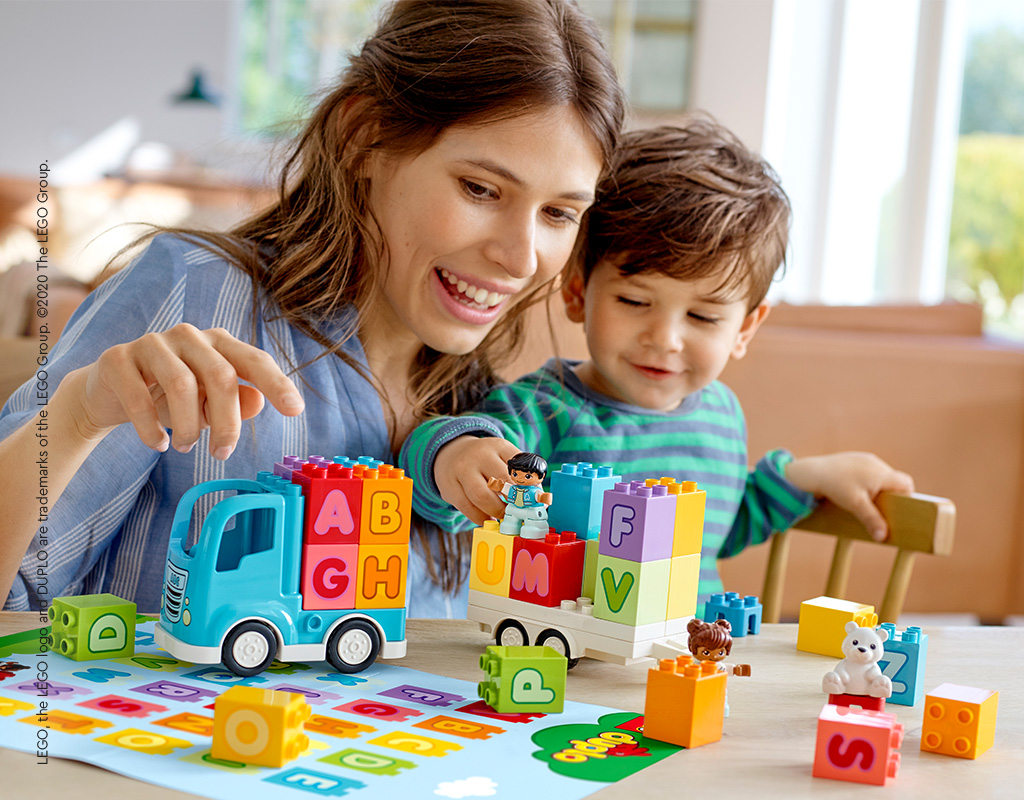
With the new LEGO® DUPLO® Alphabet Truck, preschoolers can combine creative building, imaginative play and learning the alphabet as you share precious quality time together with your little builder.

The 26 letter bricks in the LEGO DUPLO Alphabet Truck provide lots of opportunities to introduce your child to their ABCs, spell basic words, and improve language skills. Unloading and restacking the letter bricks helps to improve fine motor skills and the included boy, girl, and bear characters enable plenty of role-play adventures.

It’s a truck full of imaginative fun that can be combined with other LEGO DUPLO playsets for even more hands-on, battery-free fun for creative play! With its cute characters and colorful, easy-to-handle bricks, this educational toy makes a great gift for ages 18 months and up.

LEGO DUPLO playsets meet the highest industry standards, which ensures they are easy for little fingers to pick up, place and pull apart – it’s been that way since 1969.

The LEGO DUPLO Alphabet Truck playset includes 36 pieces:

  • 26 x Letterblocks
  • 3 x Minifigures
  • 7 x truck pieces

Find out more at www.lego.com

Watch the video reviews below!video

We have given 30 parents or carers with a child aged 18 months to 4 years old the chance to take part in our LEGO® DUPLO® Alphabet Truck review.

  • If you have received product for review, please check your emails for instructions. Upload your video review to this Dropbox folder.
  • Each selected reviewer will receive:  1 x 10915 LEGO® DUPLO® Alphabet Truck
  • Please note that a video review is mandatory
  • JOIN the Mums Say NZ Facebook page and keep an eye out for review updates

Please note

  • If you are selected to trial, the product will be sent to the address on your profile.
  • Please check your address now to ensure that it is up to date.
  • Not registered yet? Then sign up now.
  • Kidspot Terms and Conditions: Open to Kidspot members 18+ only. Only available for NZ residents. If you are selected, you will be required to use the product as soon as possible plus supply a video review, as set out in our review instructions. Your name and postal address will be given to the supplier for the purpose of delivery of the voucher only.
  • Click here for full Terms and Conditions.

Watch video reviews from our trialists below

The Move Towards Free Period Products

It’s that “time of the month”, you peer into the bathroom cupboard and discover that you’re low on sanitary protection. The first thing that goes through your mind (after, “Wow, these stomach cramps are the worst!”) is that you’re going to have to fork out a small fortune for the resupply of your period products.

Unfortunately, for a lot of girls and women, that cost is just too high. Period poverty is what leads hundreds of girls to miss several days at school every month, because their family just can’t afford to buy sanitary products. Obviously, this can affect their learning and educational opportunities. Many girls and women often resort to using unhygienic or dangerous substitute items such as rags and newspaper.

Making the move to free period products

Recently Scotland became the first country to begin the process of making period products free. If the bill becomes law, period products will be made available to those in need free of charge.

“Menstruation is normal. Free universal access to tampons, pads and reusable options should be normal, too. Period dignity for all is not radical or extreme, but is simply the right thing to do,” said Scottish politician Monica Lennon who is working to get the free provision bill through parliament.

Reducing the cost

While we may not yet have free period products here in New Zealand, there are several organisations that are working towards providing period products for women in need and especially to ensure that girls are able to attend school.

The Warehouse recently released a line of sanitary products that are selling for just $1 each. The products include regular and super pads plus liners and are a step towards helping period poverty in New Zealand. The Warehouse has also announced that, for every 10 packets of the $1 range sold, they will donate a pack to Women’s Refuge.

England has recently made funding available for public schools to provide students with free period products. A poll by the NZ Herald in February 2020 revealed that over 90% of responders agreed that New Zealand should follow suit.

Donating period products

If you are able to, you can donate to any of the following organisations around New Zealand who are working to collect and distribute sanitary supplies to young women in need, either through donation or a ‘buy one, give one’ system:

SPINZs (Sanitary Products in New Zealand Schools)

The Salvation Army Foodbank Project (Women’s hygiene bundle)

Go With The Flow (Wellington)

KidsCan (Health for Kids)

Shine (Auckland)

MyCup (Donate a cup)

Dignity (Buy one give one for businesses)

United Sustainable Sisters (Auckland)

Do you think that sanitary items should be free?

See more:

her world julieWritten by Julie Scanlon

Julie is Editor for Kidspot NZ and our MVP. Her hobbies include laughing uncontrollably at her own jokes, annoying her family by asking questions about movie plots, and never taking anything too seriously. She speaks a little Spanish and a lot of Yorkshire. 

Favourite motto to live by: “It ain’t nothing but a thing”

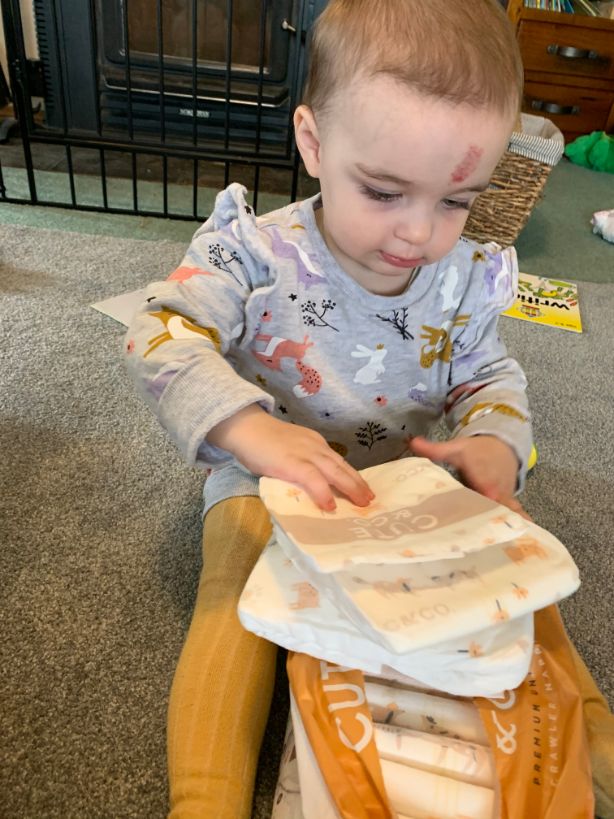
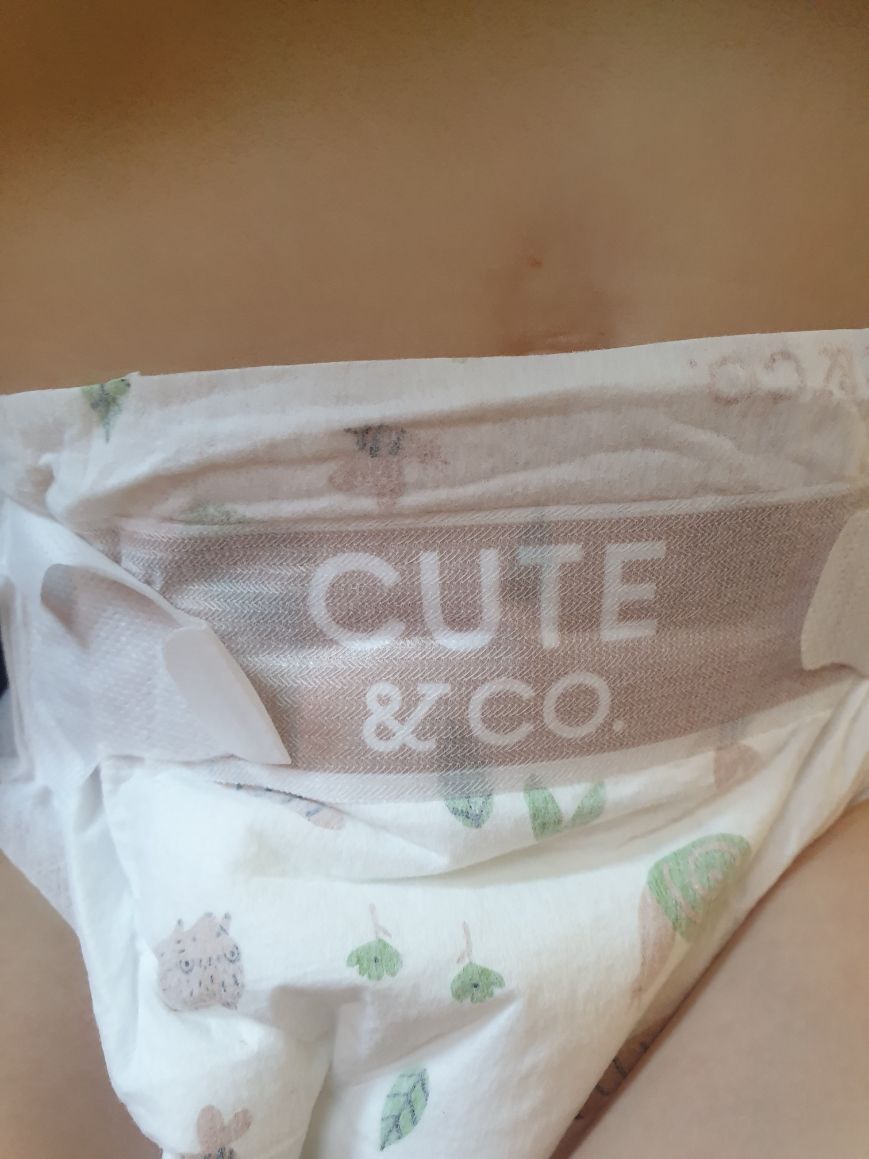
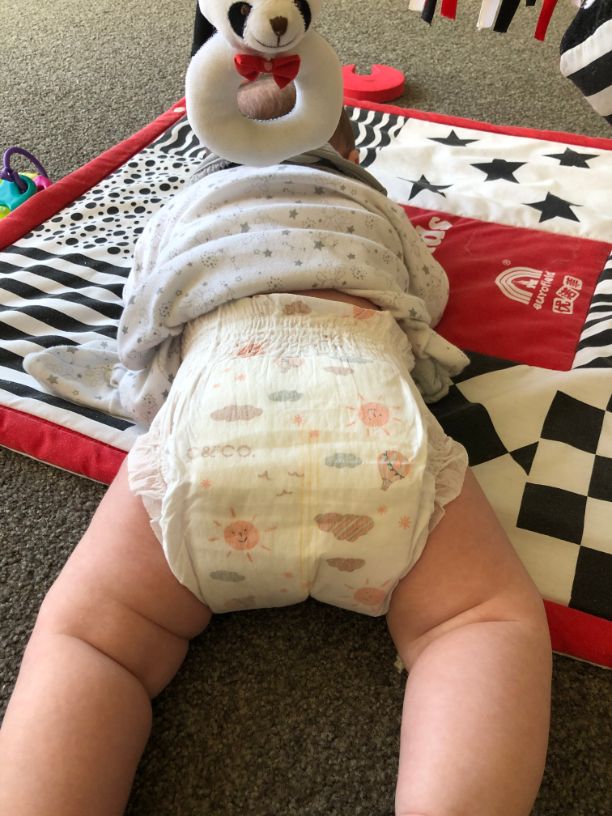
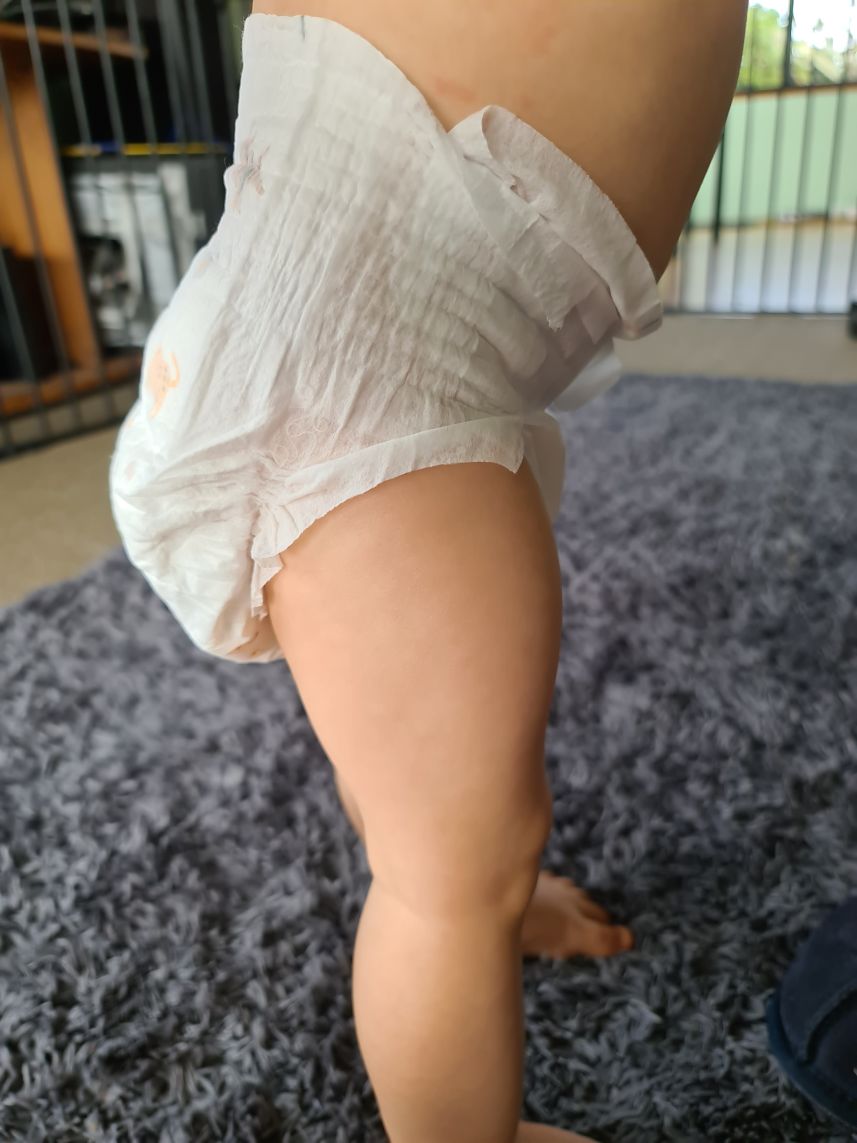
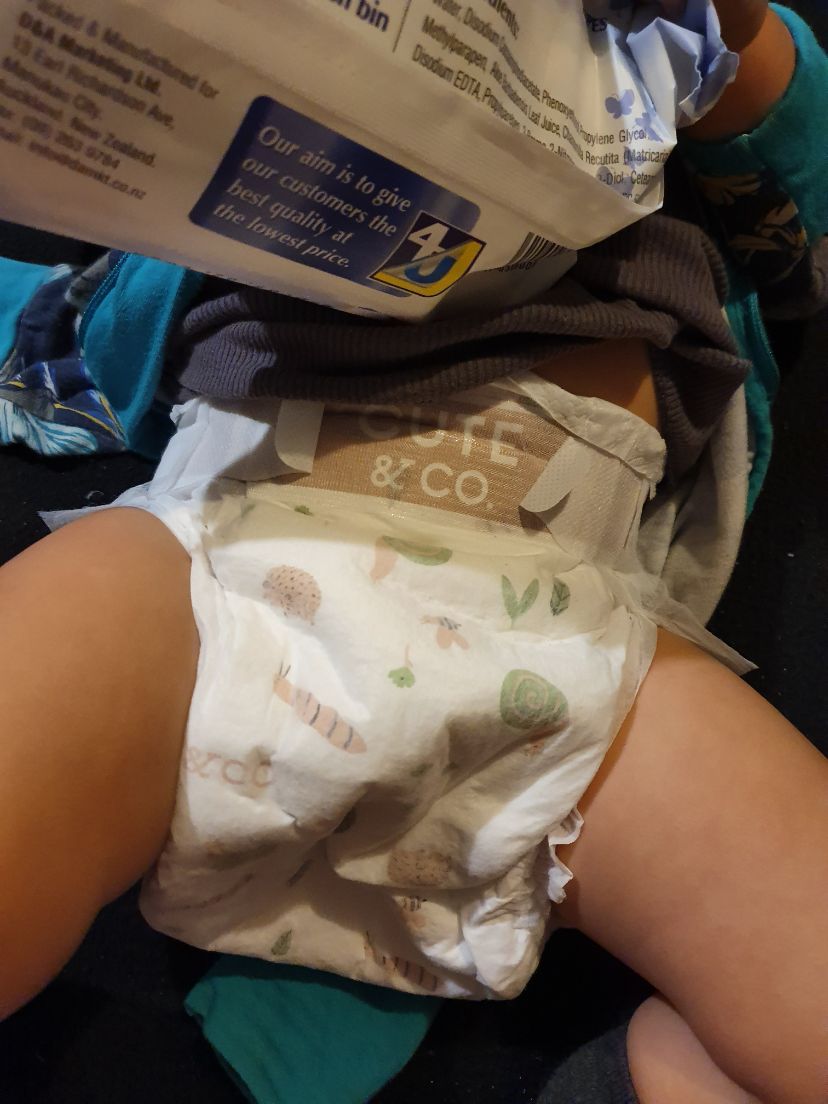
CUTE & CO. Nappies and Nappy Pants

product trial4.35 out of 5 – Kidspot mums would purchase CUTE & CO. Nappies again and recommend them to their friends and family.

star rating

Introducing CUTE & CO. premium unisex nappies and nappy pants

Cute & Co.

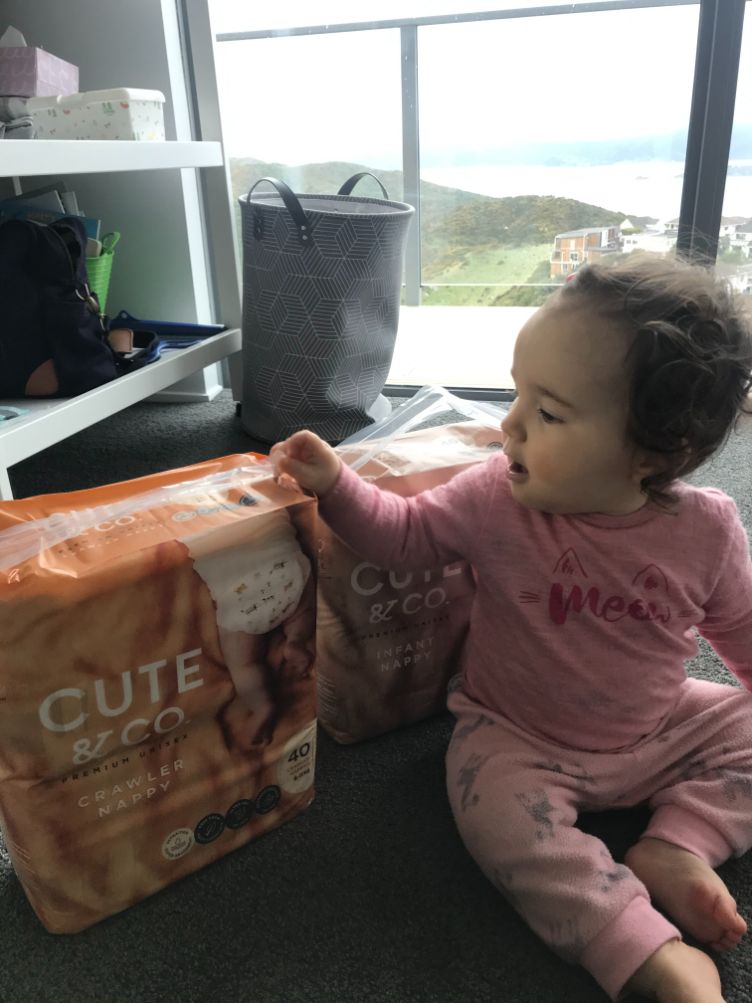
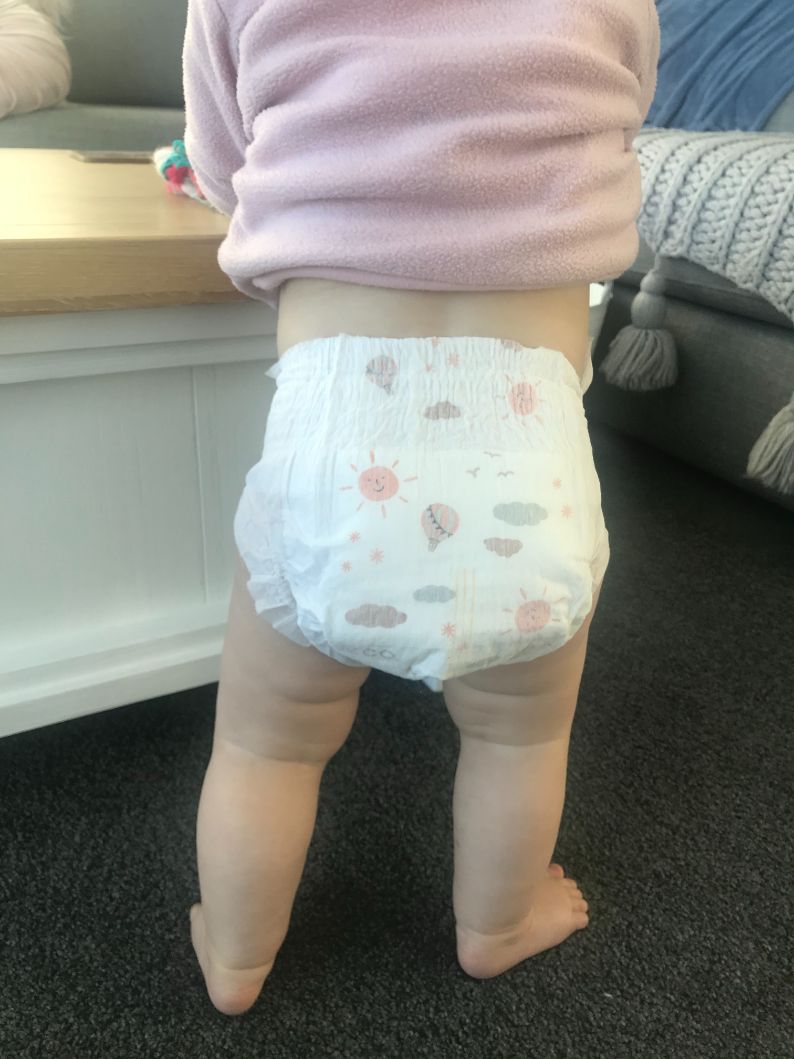
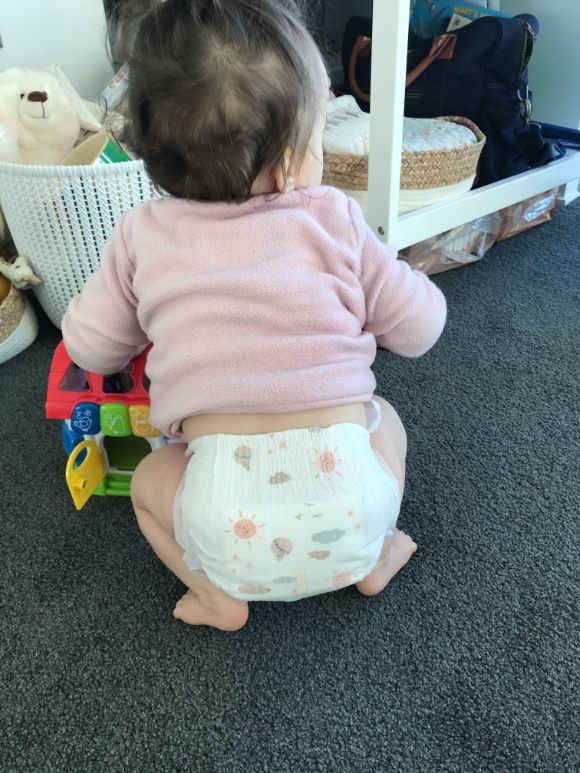
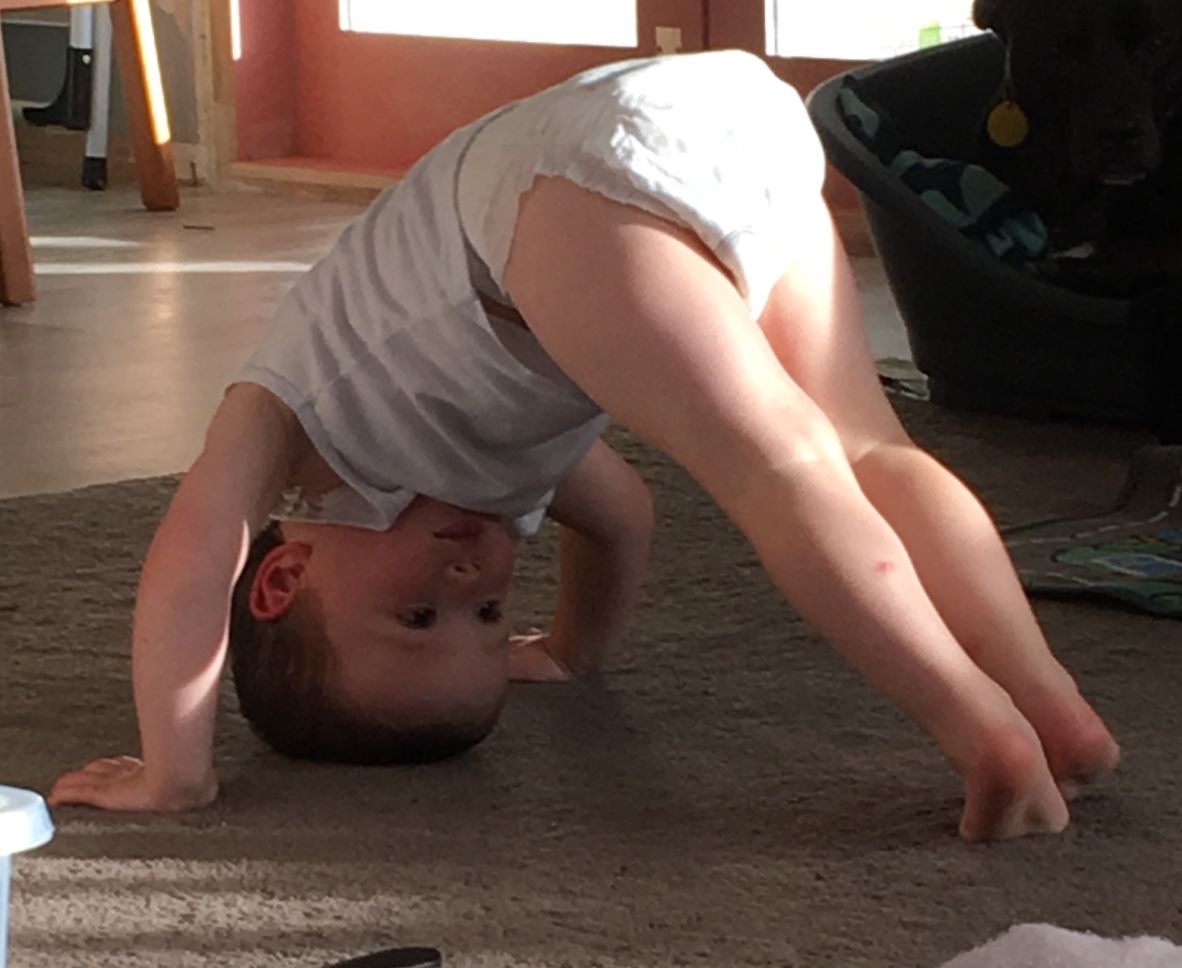
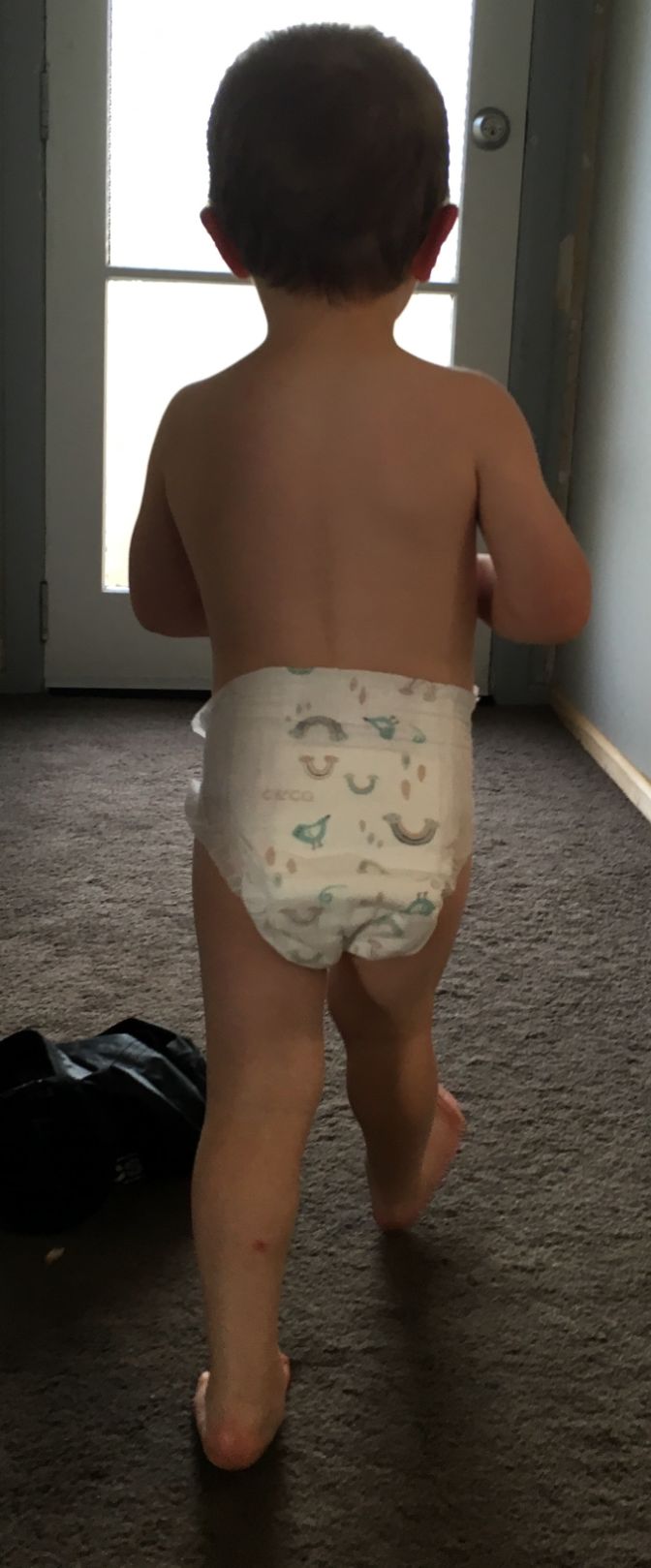
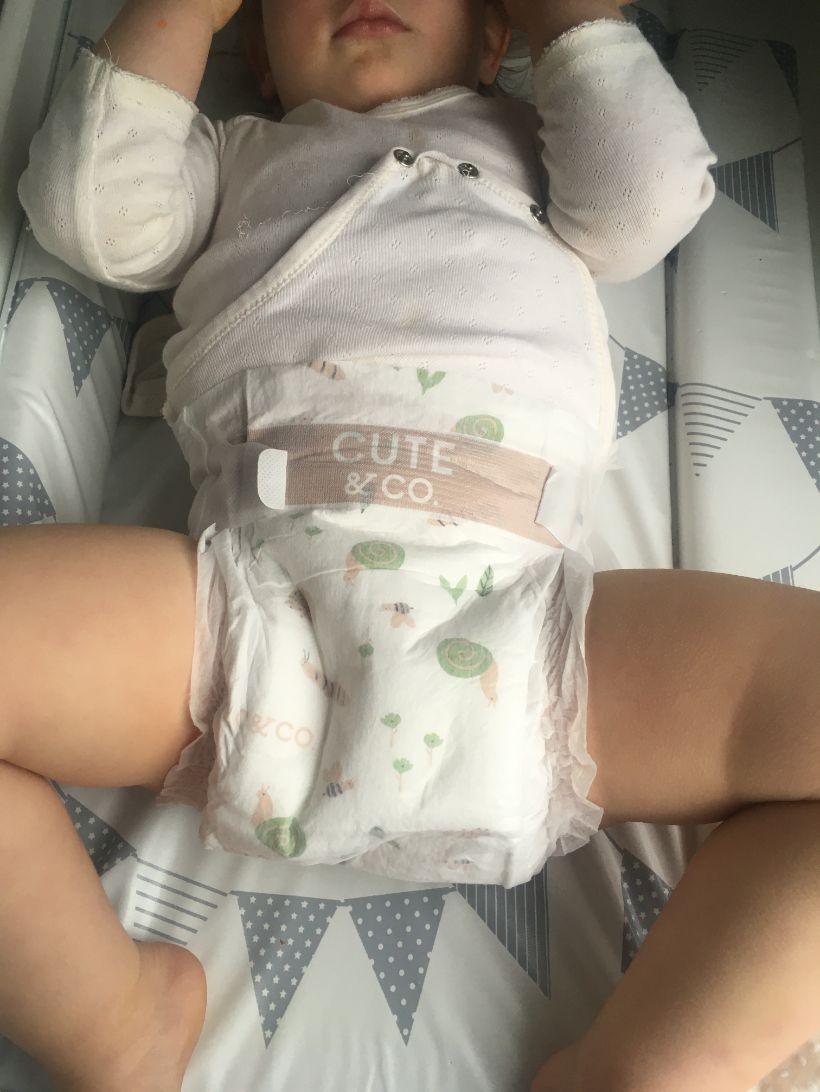
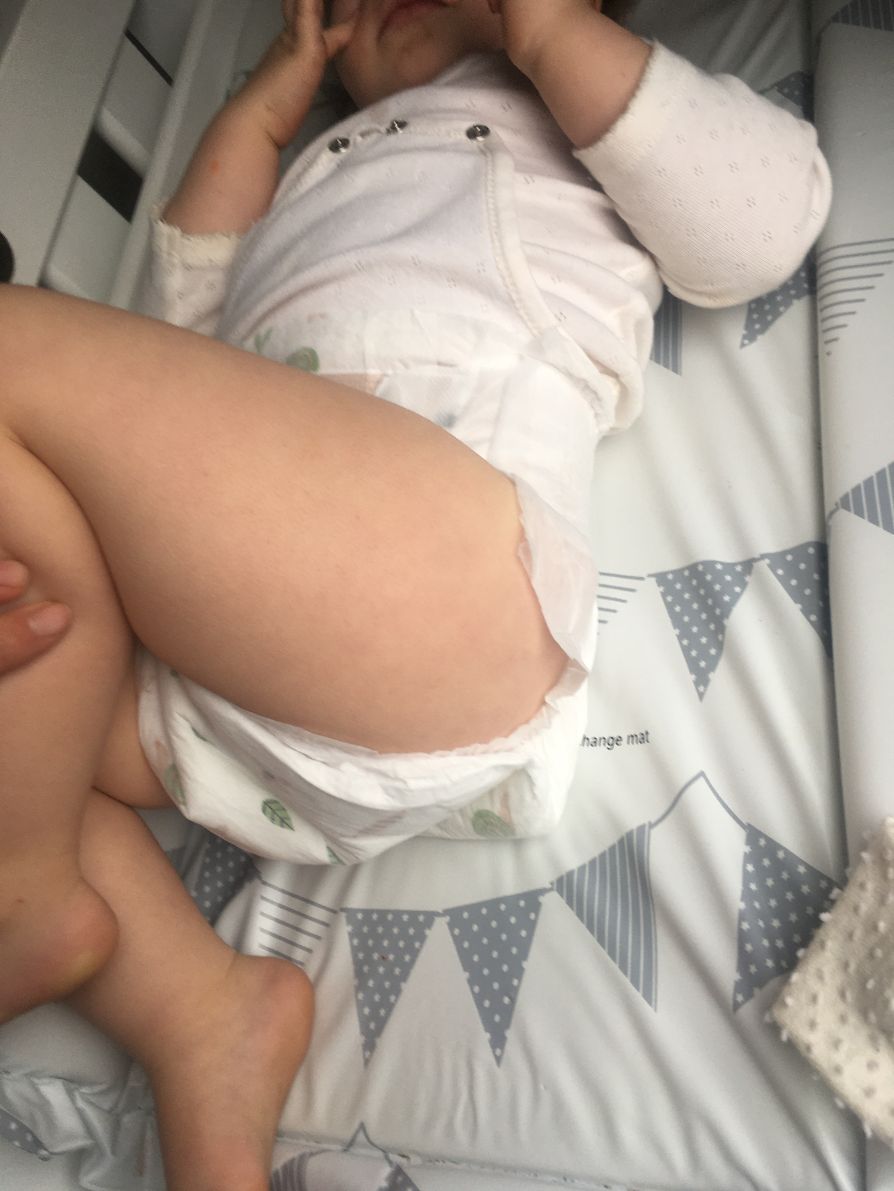
CUTE & CO. premium unisex nappies and nappy pants are ultra-thin and non-bulky with 7 layers of micro fibre to effectively draw wetness away from your cutie’s skin and lock it in using multiple layers of absorbency. CUTE & CO. nappies are designed, tested and developed for maximum leak protection, dryness, style and wriggle comfort to keep your cutie dry and happy for longer.

  • Ultra-thin, ultra-absorbent, ultra-dry on skin
  • Free from nasty chemicals and dermatologically tested
  • Soft, breathable, and super comfortable
  • Strong grip tabs, wide waistband and cosy leg fit
  • Super cute designer prints
  • Self-adjusting 3D leak guards and gussets, no need to pull out and reposition them to fit your cutie’s bott
  • Perfect for overnight use
  • To keep NZ looking cute, recycle all your soft plastic where available including the CUTE & CO. packaging. Find out where at recycling.kiwi.nz
  • Stockists: Countdown, Supervalue, Fresh Choice

For more information, visit the Cute & Co. Facebook page.

Nappy Options: To Fit Size:
Infant 4-8kg
Crawler 6-11kg
Toddler 10-15kg
Walker 13-18kg
Junior 16+kg
Nappy Pant Options: To Fit Size:
Toddler 10-15kg
Walker 13-18kg
Junior 16+kg

Read the reviews below!

We have given 30 members the chance to trial CUTE & CO. Nappies.

  • If you have received product for review, please scroll to the bottom of the page and add your feedback as a new comment. Upload your review photos to this Dropbox folder.
  • Each selected reviewer will receive 1 x bulk pack of CUTE & CO. Nappies.
  • PLEASE NOTE: You will be required to submit two photos as part of your review
  • JOIN the Mums Say NZ Facebook page and keep an eye out for review updates

Please note

  • If you are selected to trial, the product will be sent to the address on your profile.
  • Please check your address now to ensure that it is up to date.
  • Not registered yet? Then sign up now.
  • Kidspot Terms and Conditions: Open to Kidspot members 18+ only. Only available for NZ residents. If you are selected, you will be required to use the product as soon as possible plus supply a review, as set out in our review instructions. Your name and postal address will be given to the supplier for the purpose of delivery of the voucher only.
  • Click here for full Terms and Conditions.

See photos from our reviewers below

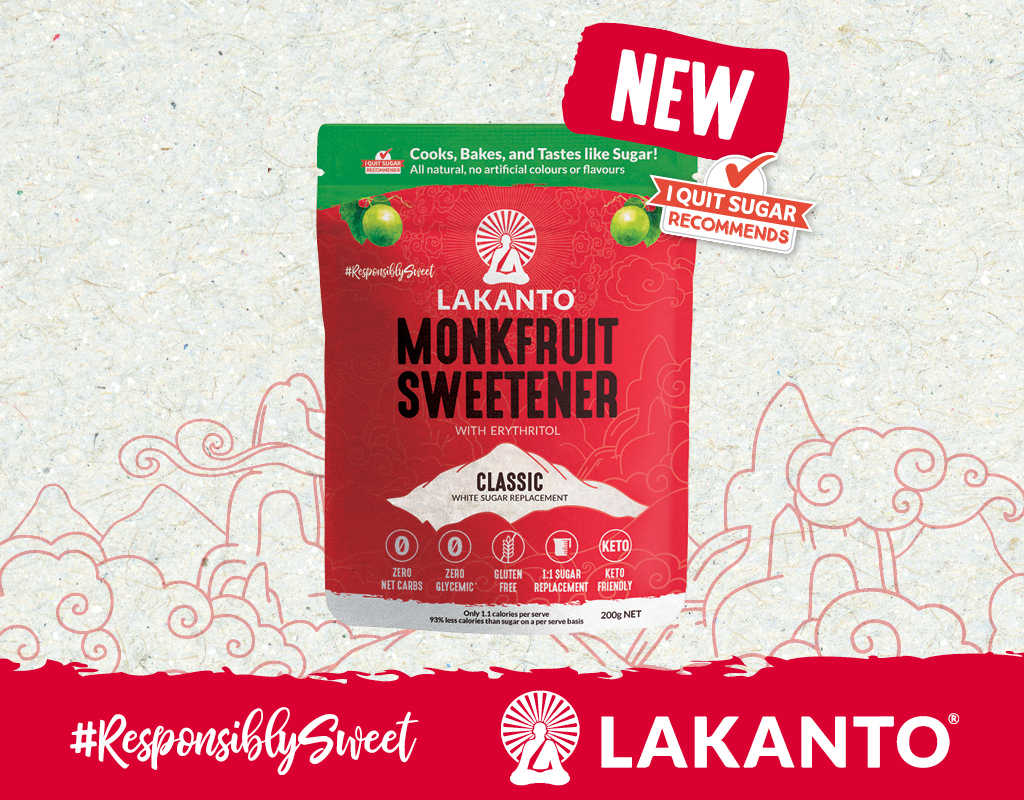
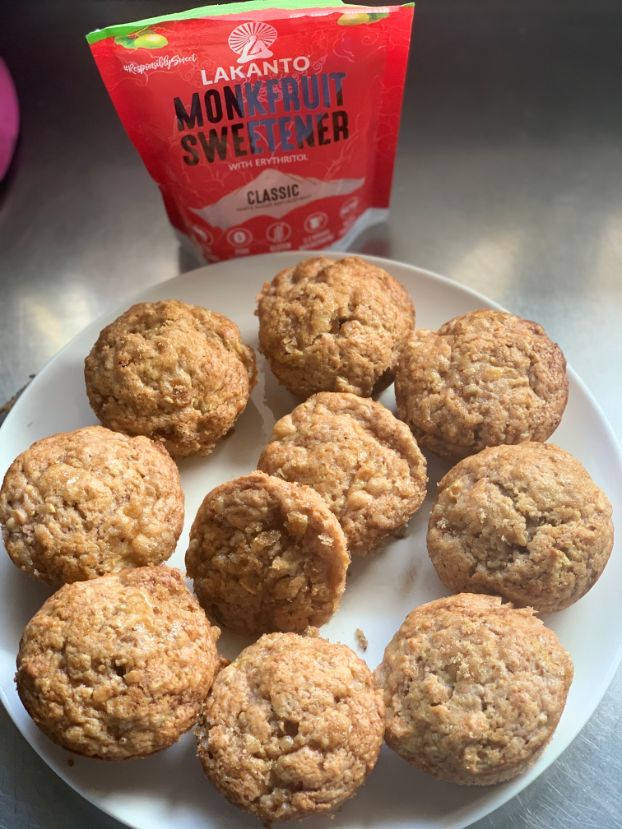
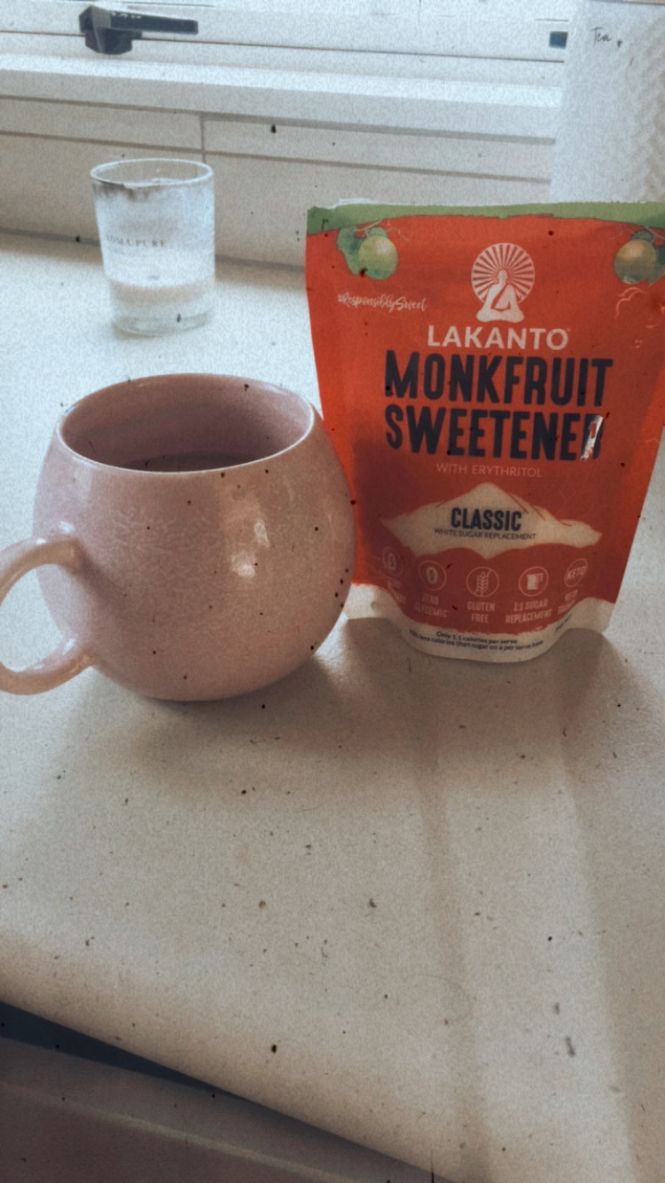
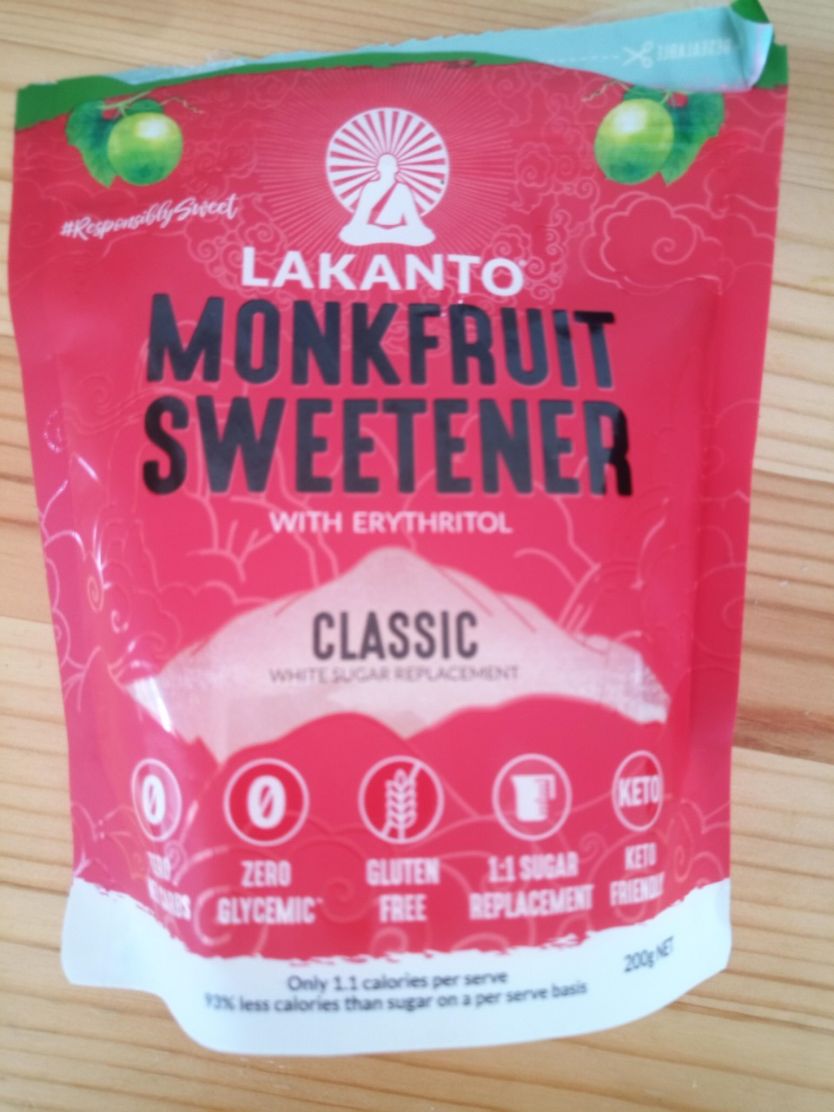
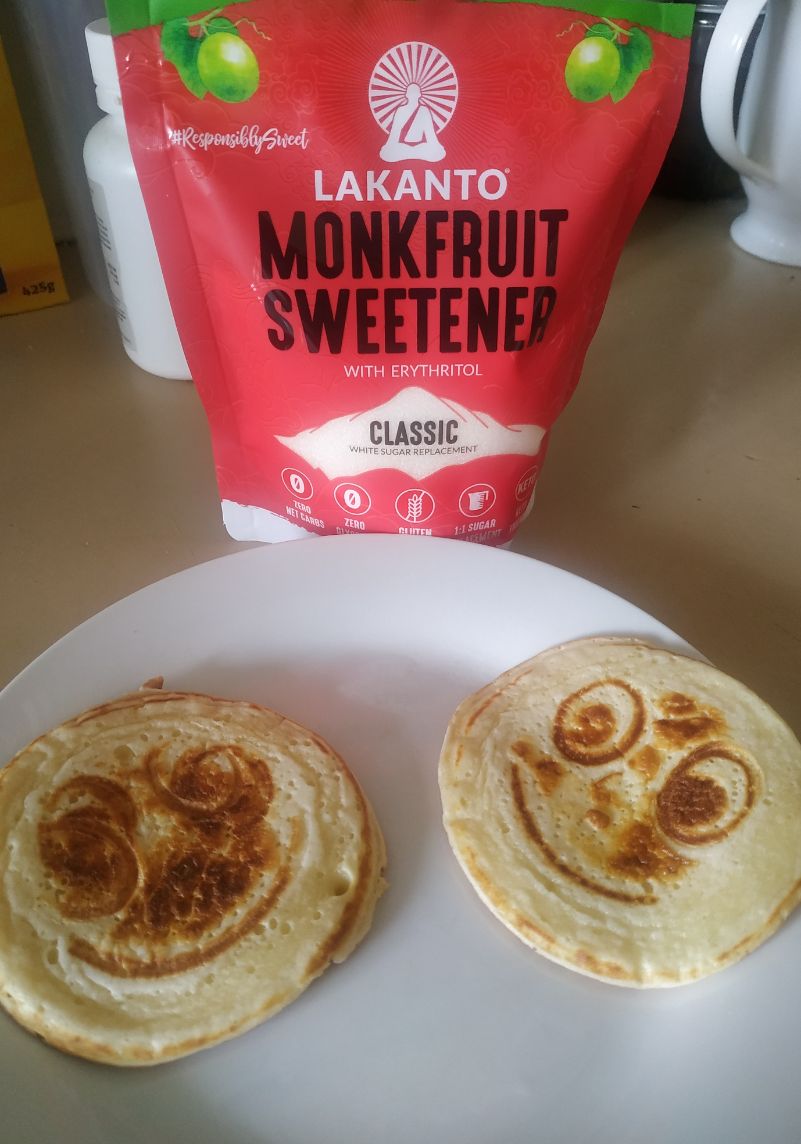
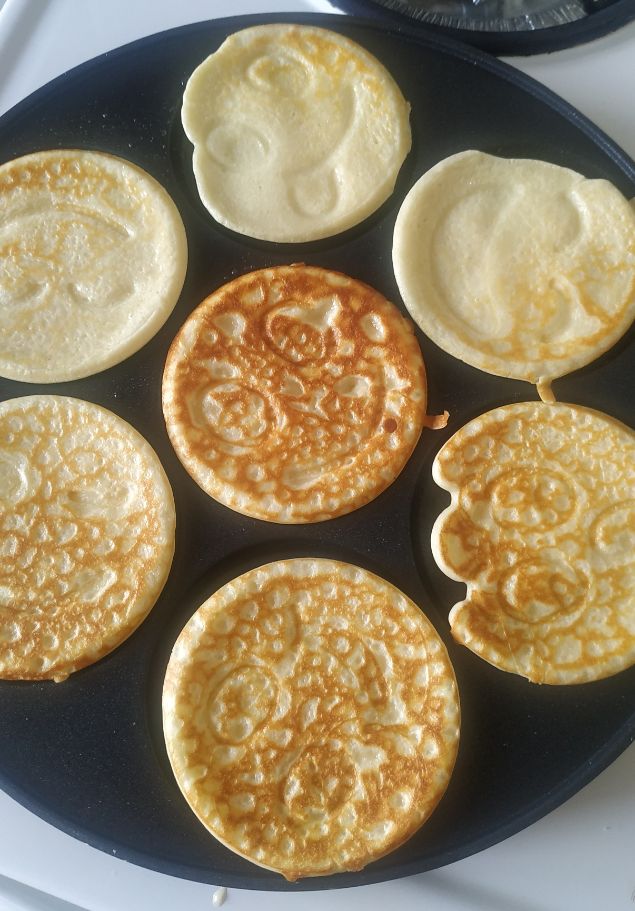
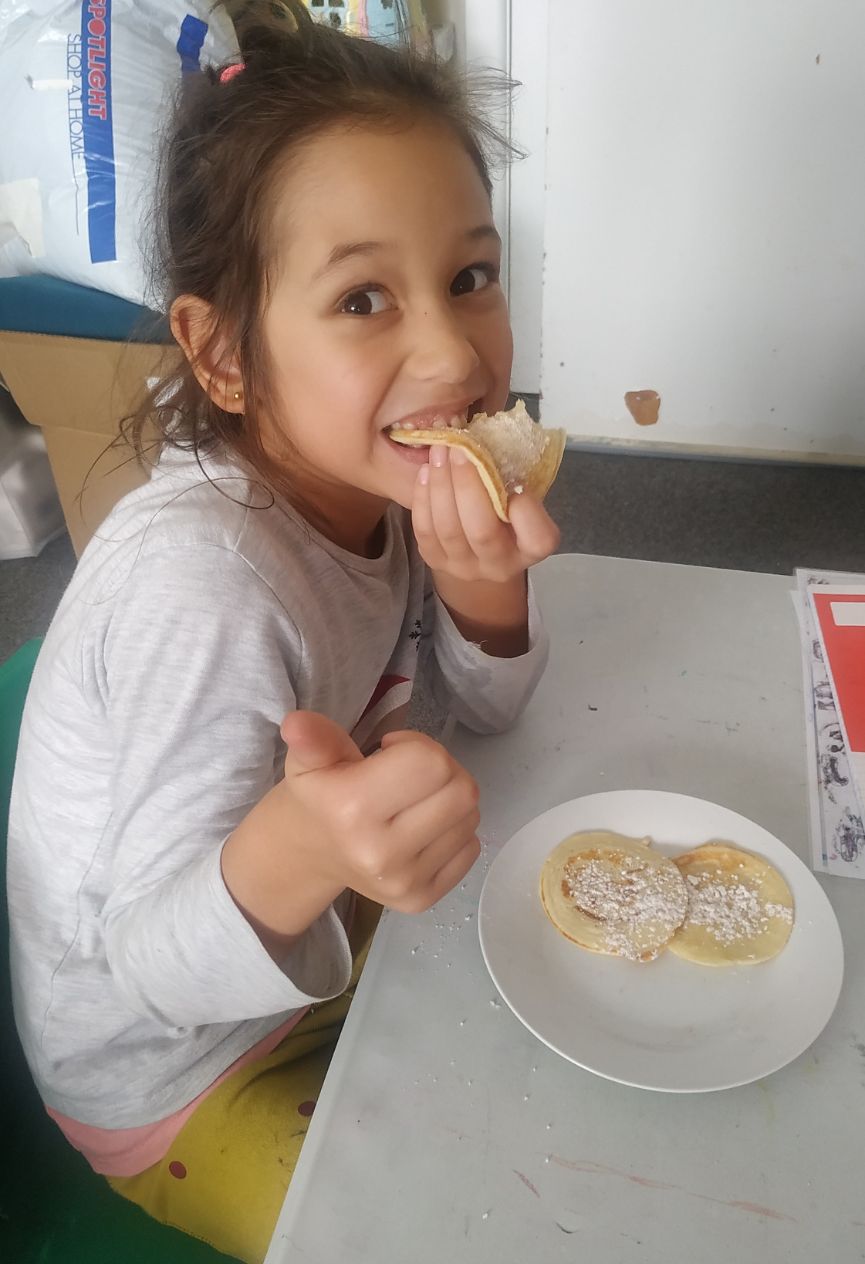
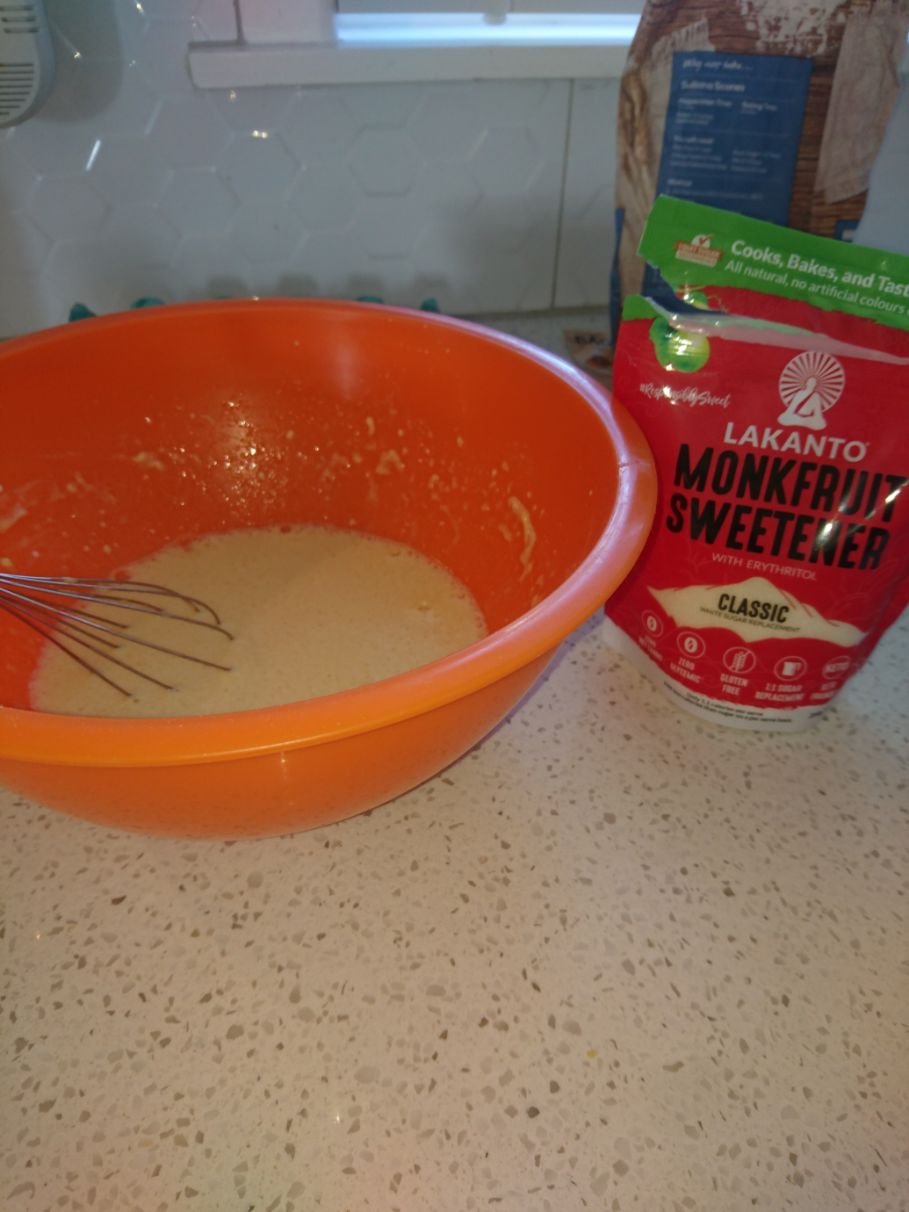
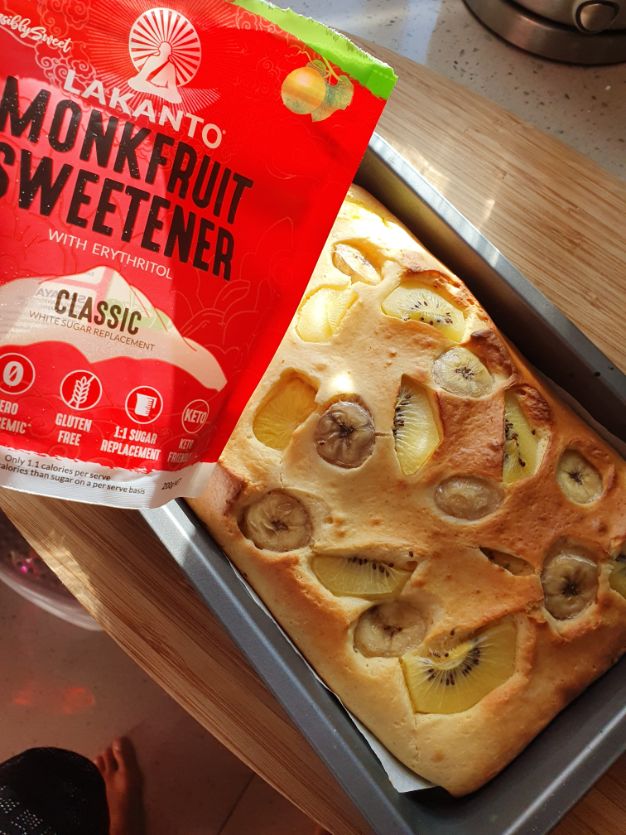
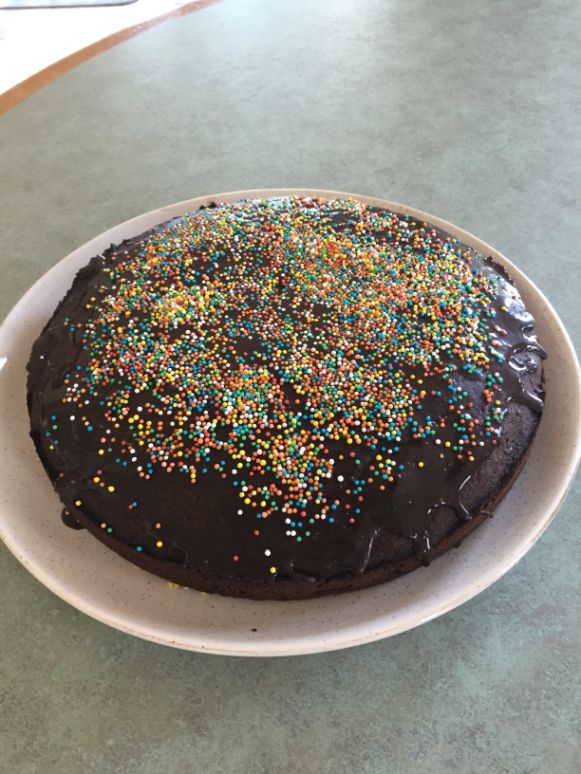
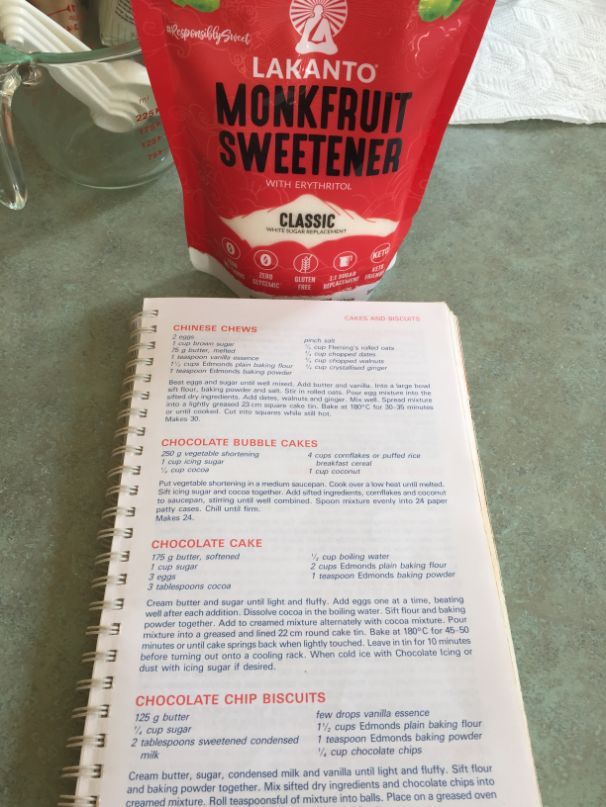
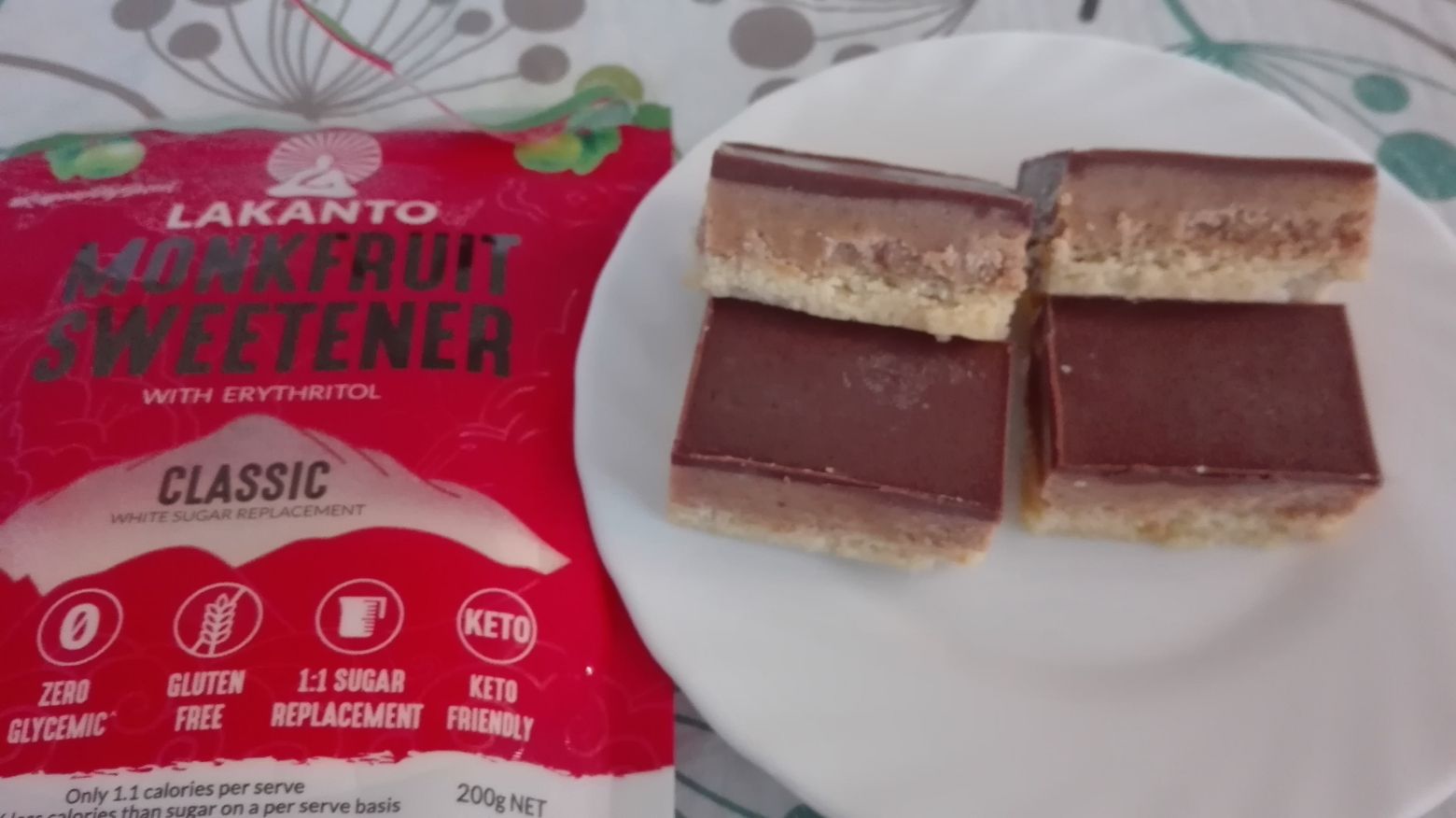
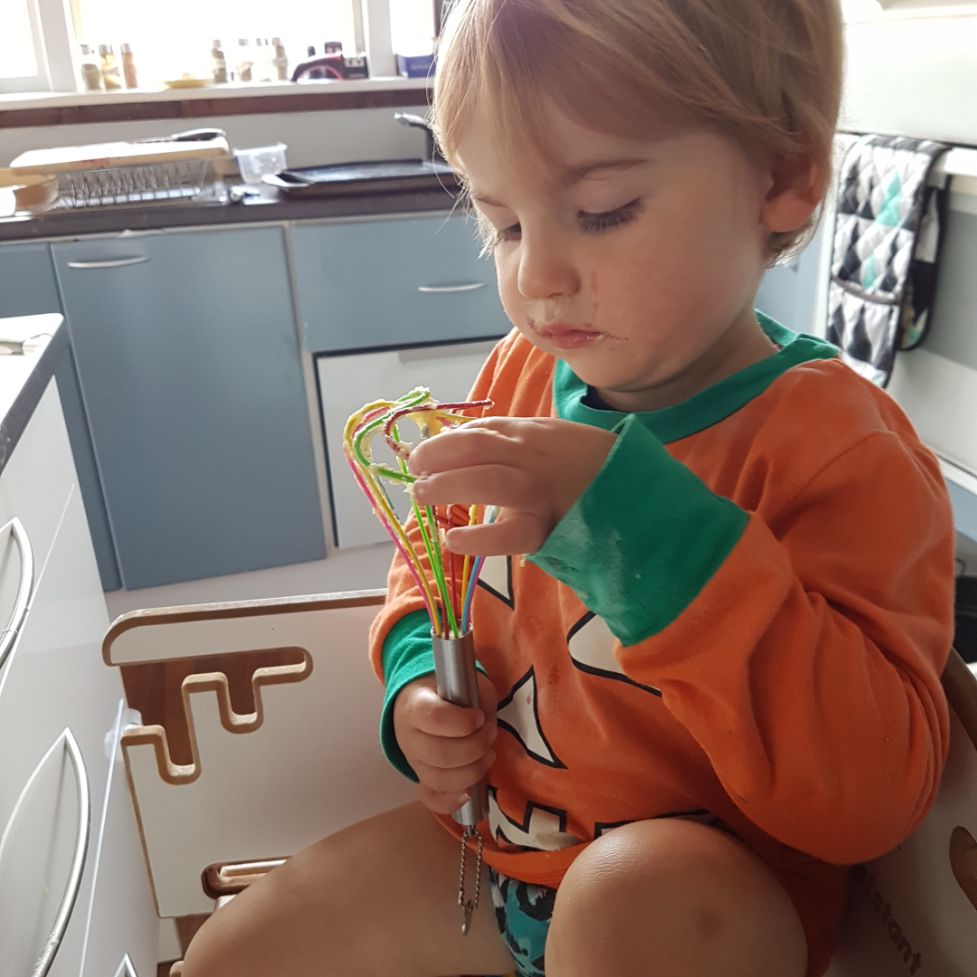
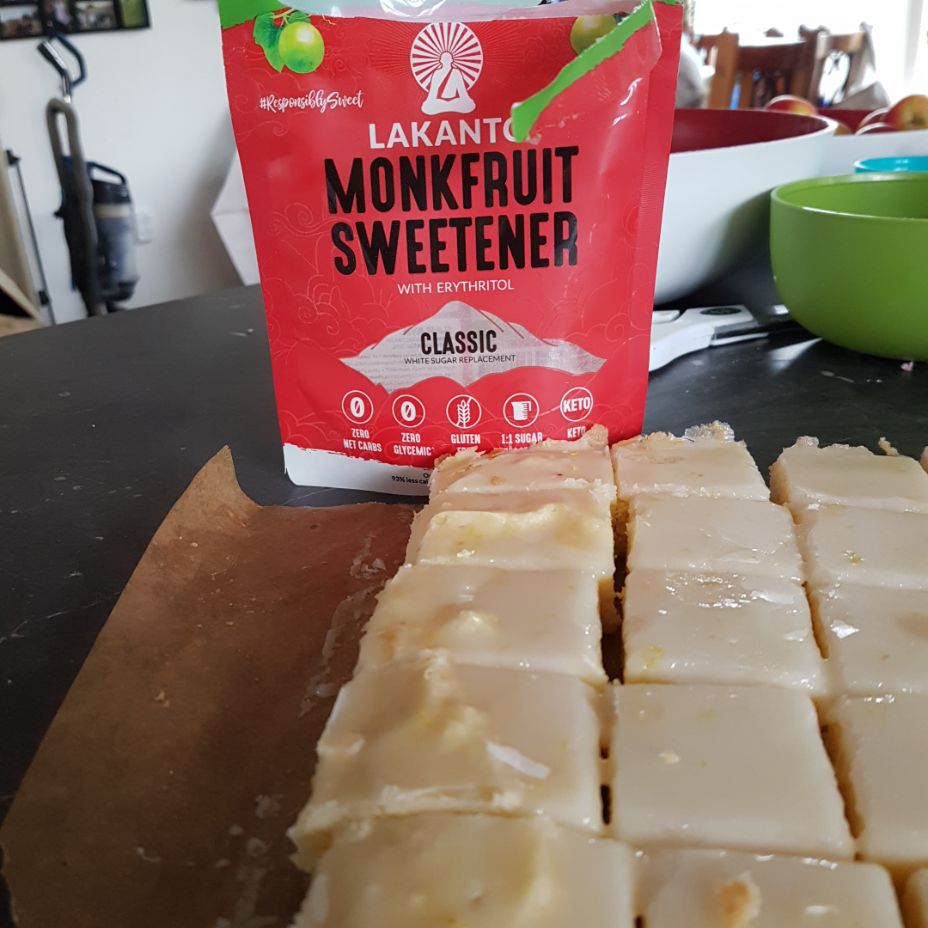
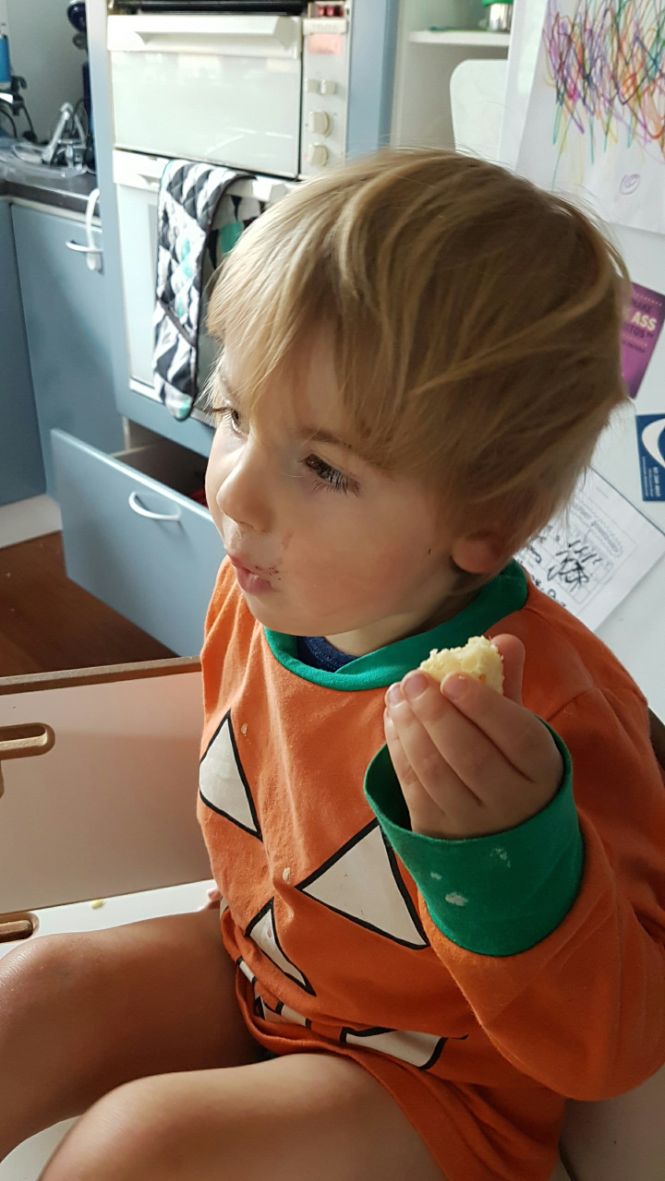
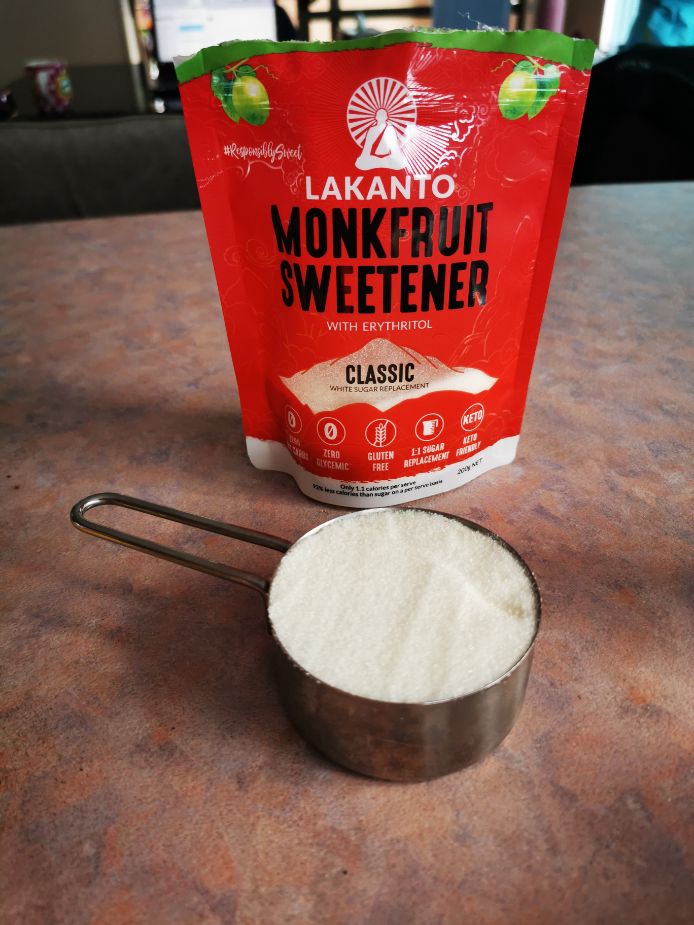
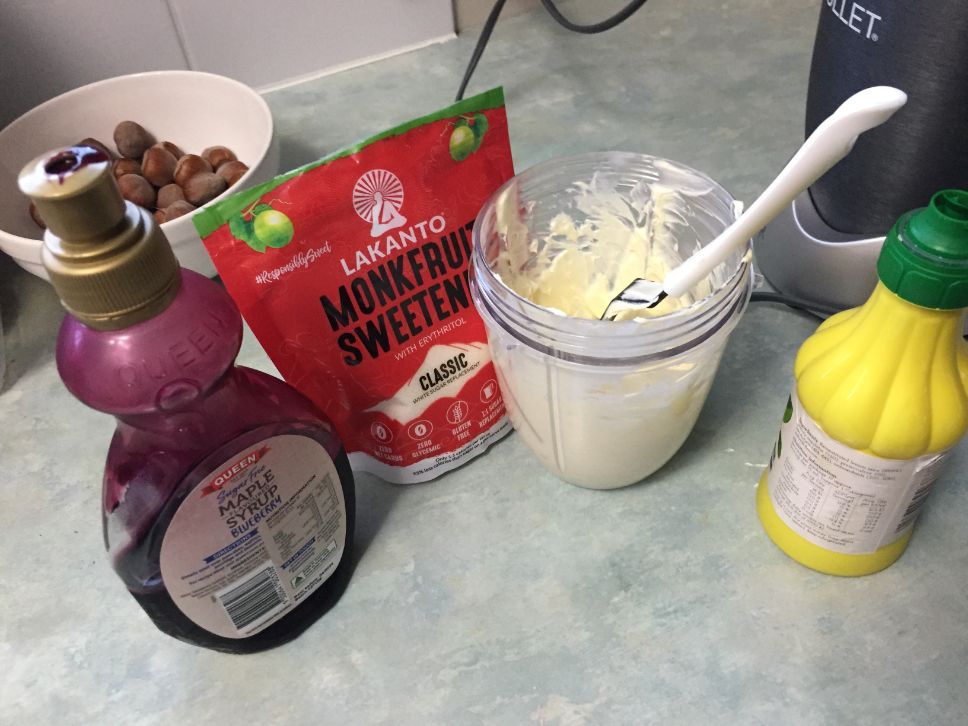
Lakanto Monkfruit Sweetener Classic

product trial4.36 out of 5 – Kidspot mums were pleased with Lakanto Monkfruit Sweetener Classic.

star rating

Looking to replace sugar in your diet? Discover monk fruit, the natural no-sugar sweetener!

Over a thousand years ago in the remote mountain highlands of Asia, a group of Buddhist monks, called the Luo Han, achieved enlightenment through meditation, prayer and pure living. On the slopes of a primeval forest, the monks discovered and cultivated a rare fruit, prized for its sweetness. This sacred fruit was named Monk Fruit, or Luo Han Guo, after its devoted caretakers and was used in elixirs to raise chi, or life energy.

In 1995, Lakanto was created to help people around the world quit sugar, to lose weight, help control blood sugar, and live a healthier life.

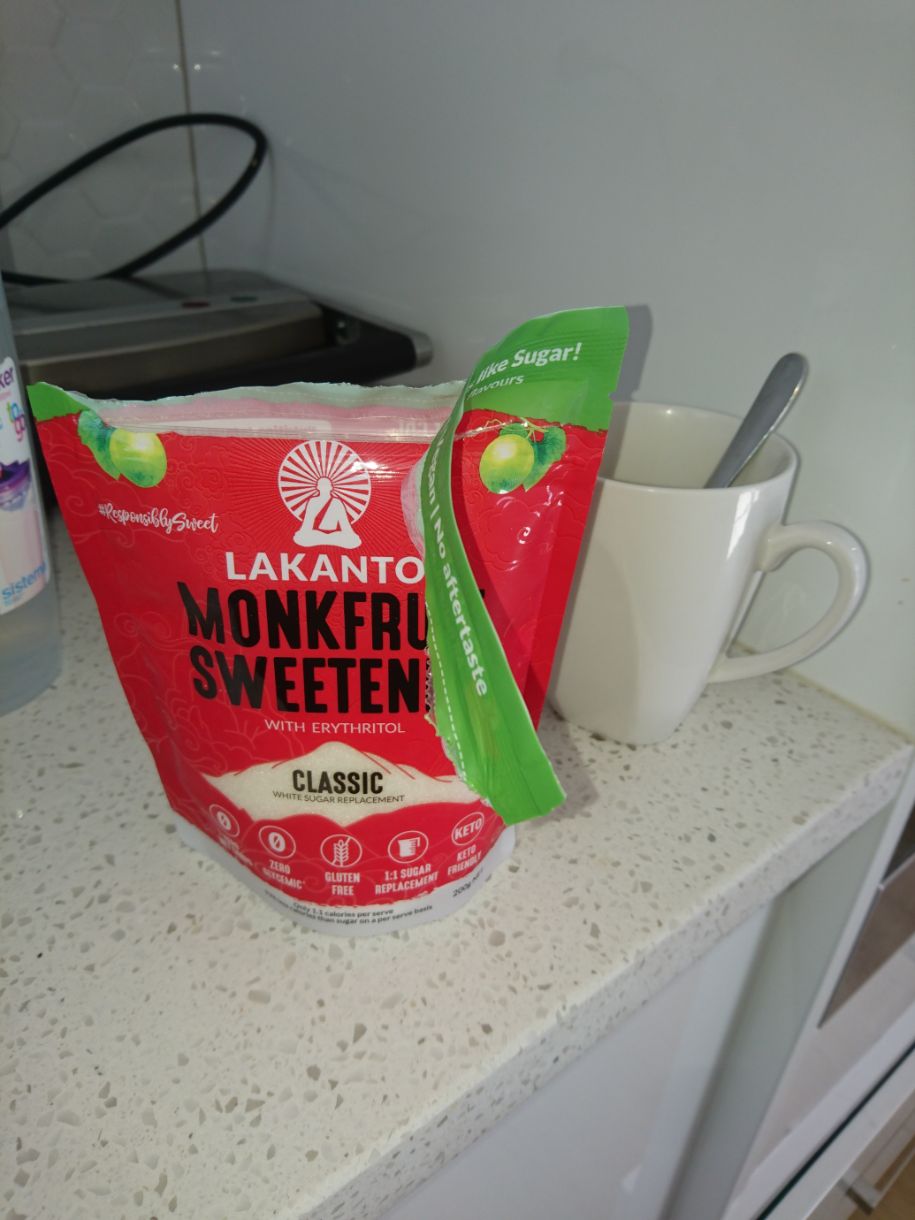
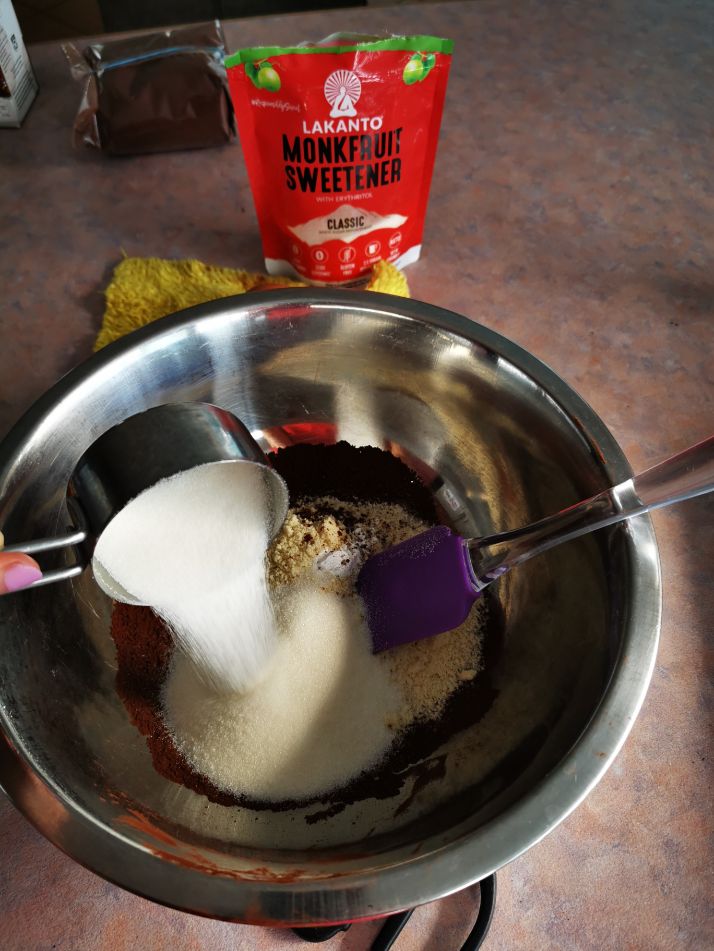
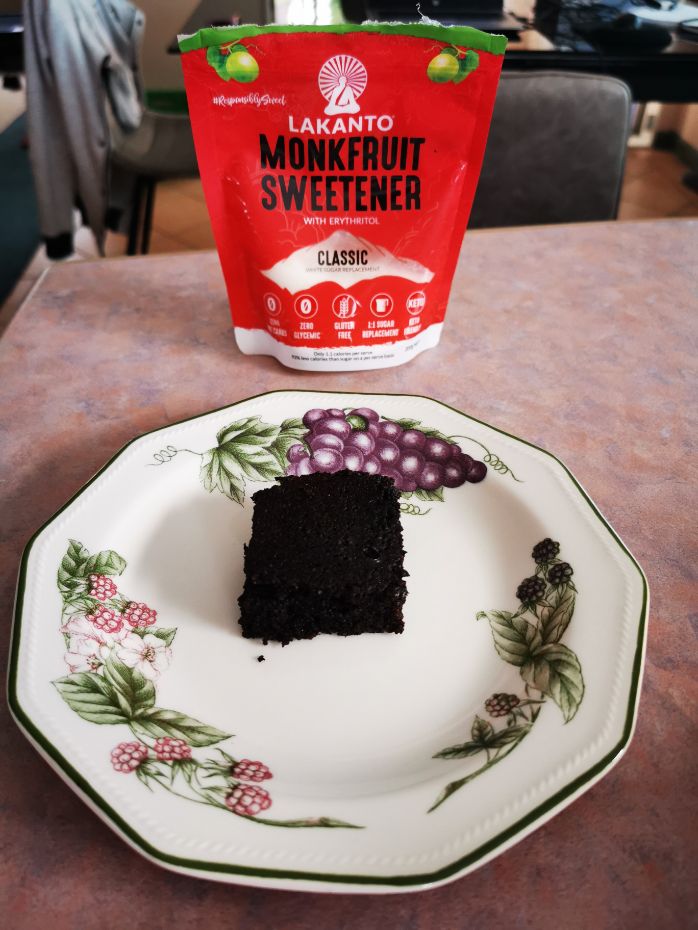
Lakanto is #ResponsiblySweet – an all-natural, 1 for 1 sugar replacement sweetener that cooks, bakes, and tastes like sugar, with 93% fewer calories but without the aftertaste of artificial sweeteners!

It is natural in taste and texture – just like real sugar. Its sweetness profile is nearly identical to that of sugar. Being heat stable makes it suitable for beverages, cooking and baking. You can now enjoy Lakanto in your favourite drinks, foods and recipes.

  • Naturally sweet
  • 93% less calories than sugar
  • Zero glycemic load affect
  • Gluten free
  • Keto friendly
  • Vegan
  • Stevia free

For more information, visit Lakanto.co.nz or watch the video below.

Read the reviews below!

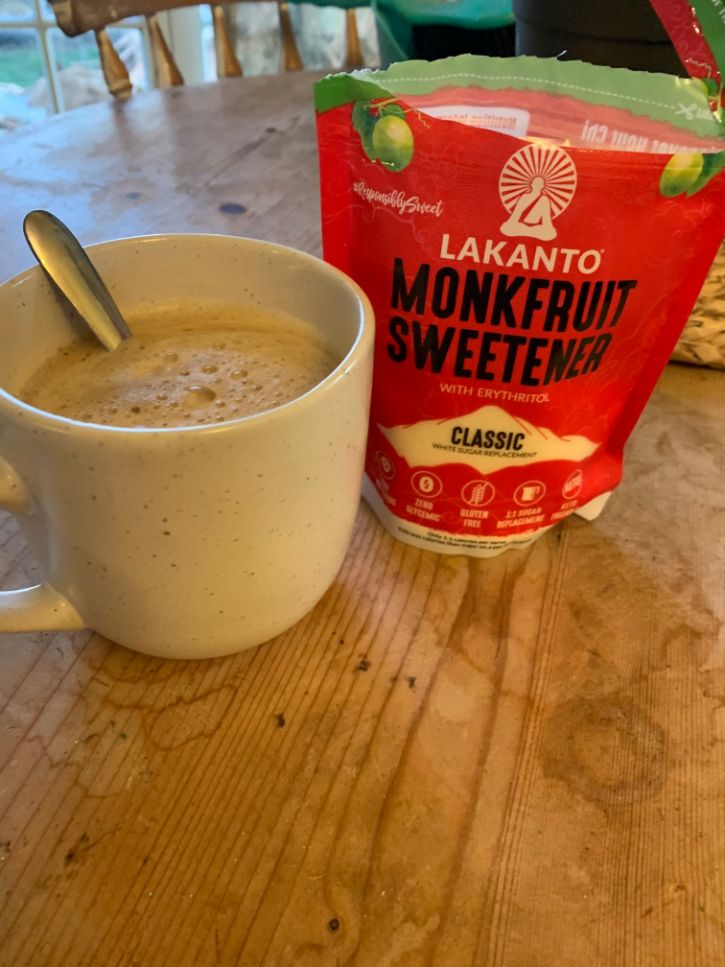
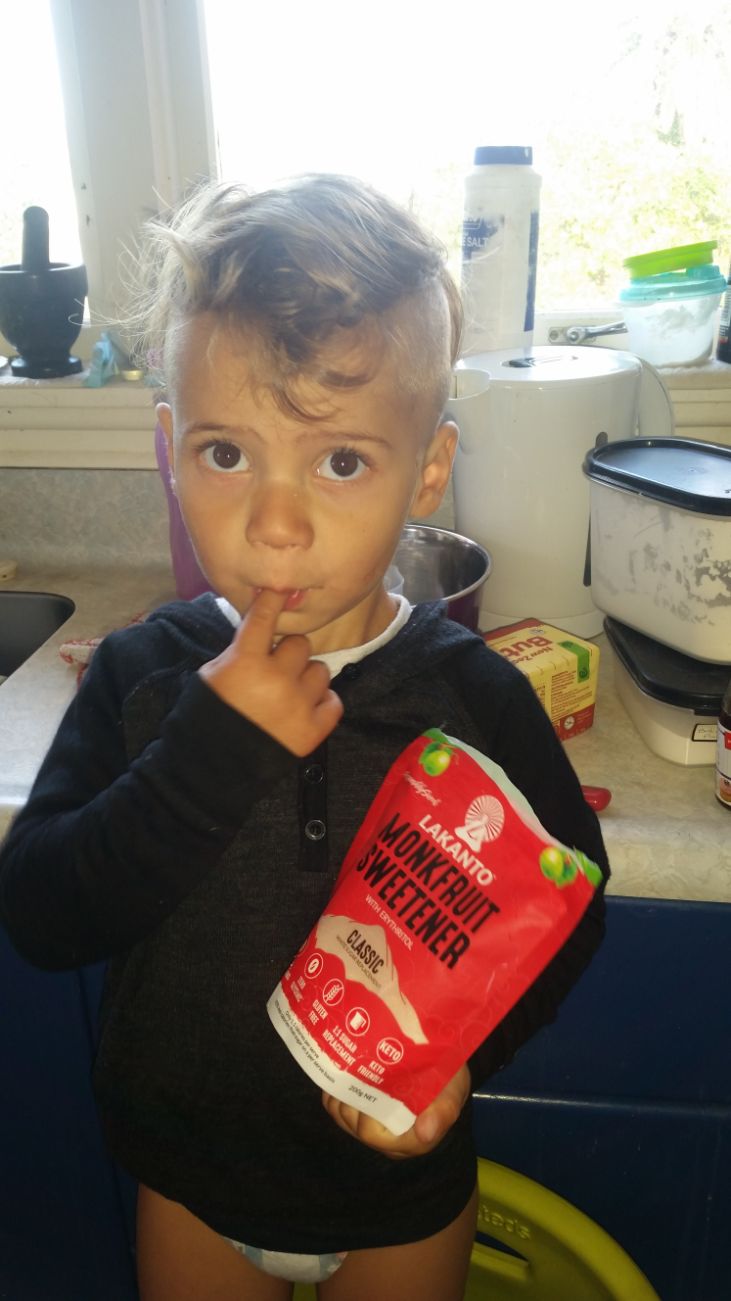
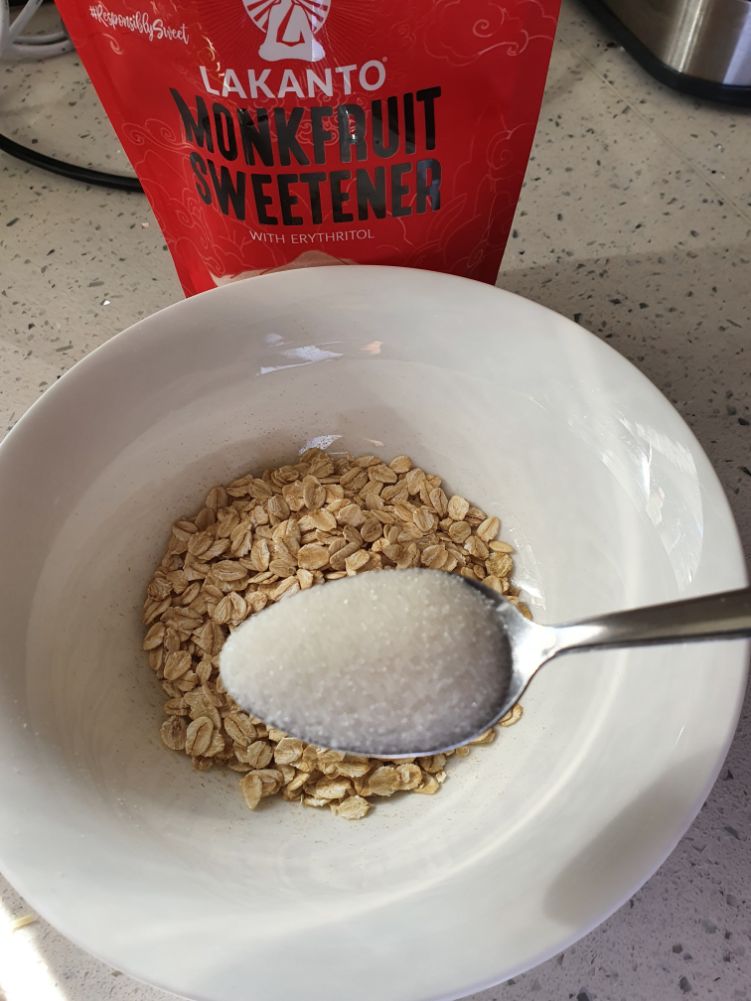
We have given 30 members the chance to trial Lakanto Monkfruit Sweetener Classic, a white sugar substitute.

  • If you have received product for review, please scroll to the bottom of the page and add your feedback as a comment. Upload your review photos to this Dropbox folder.
  • Each selected reviewer will receive 1 x 200g bag of Lakanto Monkfruit Sweetener Classic.
  • PLEASE NOTE: You will be required to submit two photos as part of your review
  • JOIN the Mums Say NZ Facebook page and keep an eye out for review updates

Please note

  • If you are selected to trial, the product will be sent to the address on your profile.
  • Please check your address now to ensure that it is up to date.
  • Not registered yet? Then sign up now.
  • Kidspot Terms and Conditions: Open to Kidspot members 18+ only. Only available for NZ residents. If you are selected, you will be required to use the product as soon as possible plus supply a review, as set out in our review instructions. Your name and postal address will be given to the supplier for the purpose of delivery of the voucher only.
  • Click here for full Terms and Conditions.

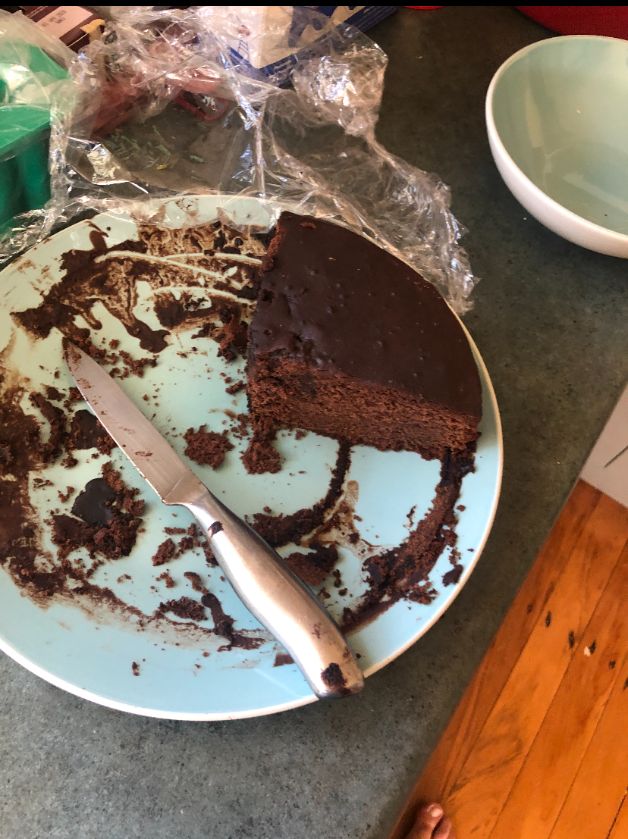
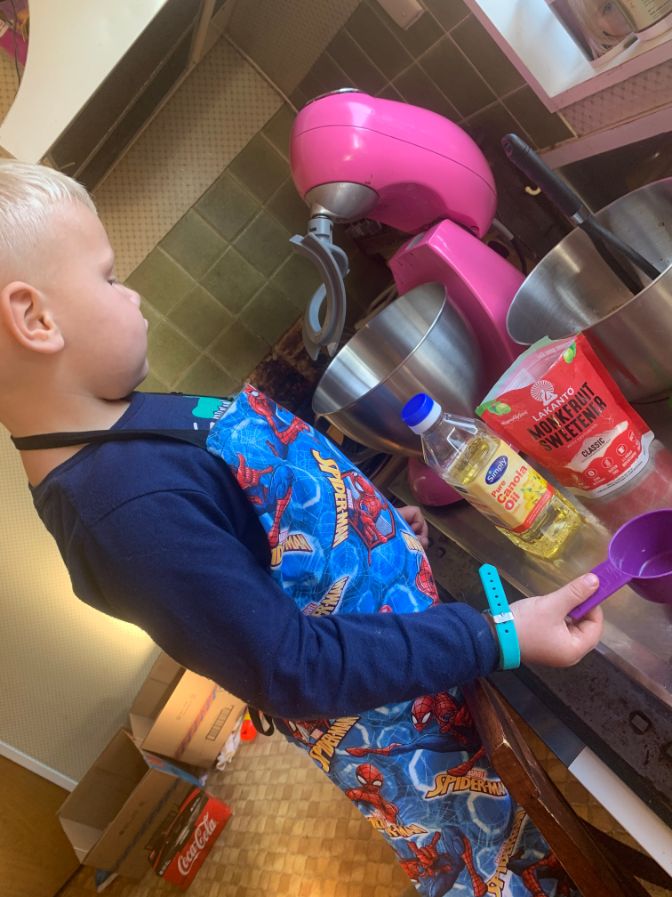
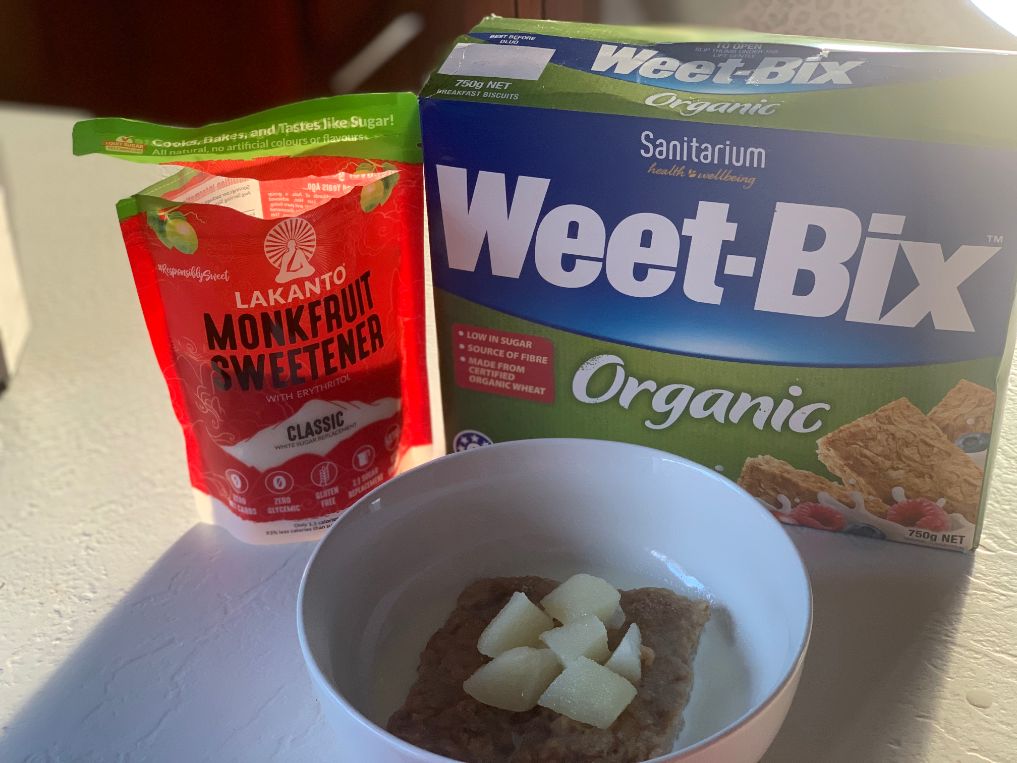
See photos from our reviewers below

The Satellites that Everyone Wants to See

Lately it seems the whole country is outside on clear nights, staring at the darkness above them, hoping to see the SpaceX Starlink satellites. Stargazers are being rewarded with spectacular “train” lines of dozens of twinkling lights.

Whilst there is debate regarding space junk and pollution of our beautiful night skies with man-made objects, the sight of these amazing satellites has also awoken an interest in astronomy and space exploration in old and young alike, making it an ideal learning opportunity for kids.

What are those lights in the sky?

Initially these strange lights were a bit of a mystery (and yes, aliens crossed all of our minds!), but they are so regular now that media coverage has enlightened a lot of us to their presence.

The lights are the SpaceX Starlink satellites reflecting sunlight, creating an appearance like a shooting star.

Elon Musk’s SpaceX Starlink project has been working on deploying an advanced broadband internet system by sending up payloads of satellites (five at last count). The intention is to provide a global satellite internet network to locations where access has been unreliable, expensive, or unavailable. Each Starlink satellite weights approximately 260kg. Additional information can be found at starlink.com.

How can I see them?

The satellites are often seen in a “train” formation, one after the other, up to dozens at a time. They appear and disappear quickly so spotting them requires a bit of forward planning or a lot of neck stretching! You will need a clear night and preferably somewhere that there isn’t a lot of light pollution.

As each payload of satellites orbits they slowly move apart and so older payloads appear as longer lines of individual satellites. Newer payloads appear closer together.

There’s quite a few sites on the internet that provide times and locations for viewing the satellites. TIP! Personally, I use the site ‘See a Satellite Tonight – James Darpinan‘ . This site lets you input your own location and provides the day, time, number of satellites, which payload they are, and a Google Street View video to help you locate where the satellites will appear. You can even set calendar reminders. The site is not only for the Starlink satellites – you can also see when the International Space Station (ISS) passes over, which is pretty regular.

her world julieWritten by Julie Scanlon

Julie is Editor for Kidspot NZ and our MVP. Her hobbies include laughing uncontrollably at her own jokes, annoying her family by asking questions about movie plots, and never taking anything too seriously. She speaks a little Spanish and a lot of Yorkshire. 

Favourite motto to live by: “It ain’t nothing but a thing”

Social Support Boosts Health for Parents of Children with Autism

Around 80,000 people in New Zealand have autism, and families who receive this diagnosis for one of their children can find that their stress levels increase as they are called upon to consider factors like education, work, programmes and therapies.

Beyond the diagnosis, chronic caregiving can cause stress for parents, with researchers at Concordia University stating that parents of children with autism are also more likely to have depression than parents of typically developing children. There is, however, something that can improve parental health and reduce stress: social support – which is necessary both in the short and long-term.

Stress levels of parents with autistic children

In one study, researchers obtained blood samples from a group of healthy parents of children with autism. The parents were also asked to answer questions on the different types of social support they had (both formal and informal). They were also asked to rate the state of their own health, indicate their stress levels, etc. The results indicated that parents who had greater informal social support (ie provided by friends and family as opposed to social services or doctors) had lower inflammation, and that those who had strong formal support also had lower inflammation and better self-rated health.

Social support and better access to resources

Social support aids parents in many ways, from the most practical (e.g. chores and transport to therapy or school) to more theoretical means. Being in touch with other parents with autistic children is an effective way of ensuring access to vital resources for children with autism. These range from the latest findings and research to recommendations on effective programs or professionals nearby. As stated in a study published in the American Journal of Sociology, social interaction can result in earlier diagnosis of a child, which is important so that children can get the help they need early.

The impact of stress gets worse as parents age

As parents become older, their immune system functions less efficiently, which is why continued support is key. Keeping inflammation down is important because this condition is linked to serious diseases – including heart disease, some types of cancer, and autoimmune diseases. Of course, keeping stress down is just one way of battling inflammation. A healthy, Mediterranean-based diet that is high in fibre-rich fruits and vegetables has also been found to be anti-inflammatory.

Social support is particularly important for families that are struggling financially

As found in research from Family Relations, parents in low-income environments are more likely to face depression when they are low on social support. In addition to consulting health professionals for recommendations to official networks and groups, parents can also consider joining community groups, churches, sports-related groups, etc. Doing so, said researchers, can form a protective barrier against the kind of thought patterns that can lead to depression.

Parents of children with autism should aim to form part of support networks. This is the case throughout their child’s lifetime. Older parents in particular, who are more prone to illness, can benefit greatly from being a vital part of their local communities.

This article was written by Sally Sykes with additional content by Kidspot NZ. Sally is a freelance writer who left her corporate job for a life of freedom. She regularly travels with her family and absolutely loves camping in the great outdoors.

Being a Mum is Not a Job

I’m currently addicted to TV game shows. I’ve always had a love of trivia – any quiz night outing I’ll be there with bells on. Not a lot of helpful knowledge, but plenty of enthusiasm.

It was during one of these TV game shows that we heard the usual format of introductions. “Hi, my name is Frank and I’m an engineer from Gloucester.” (Sorry, no one does game shows better than the Brits!). They continued. “Hello, my name is Janice and I’m a corporate manager from Lincoln.” “Hi, my name is Megan and I’m a stay at home mum from Bristol.”

“That’s not a job.”

That was Mr 11. The one I thought was busy creating a kennel for his virtual dogs in Minecraft and not paying attention to mum’s boring TV shows.

“I mean, everyone else is like, I’m an accountant, I’m an engineer. She can’t say ‘I’m a stay at home mum’, that’s not a job.”

My head slowly turned toward him, sitting on the other half of the couch and my dumbfounded stare met his quick look up in my direction.

“You what?” Obviously at this point I could have led with something a little more poignant but I was still in the midst of trying to determine where in his 11 years on this planet he got the notion that being a mum was just a hobby. “You don’t think that being a mum is a job? It’s THE most important job in the world!”

“But you don’t get paid for it,” he continued.

“I KNOW!!”

“Son, just don’t go there.” My husband is quite old school when it comes to household duties and parenting but he knows when to pull his head in and to instruct his offspring that they are treading on dangerous ground.

“But you have a job, mum.”

“AND I’m a mother as well!”

“Maybe I should stop digging this hole before it gets too big.”

At this point I wasn’t a hundred percent sure if he was still playing Minecraft or if his father’s words had finally sunk in.

Mother’s work

The conversation definitely made me reflect on what impression I give my kids with regards to the duties of being a mother. My parenting style tends to vary quite a bit between authoritarian and laid-back-hippie. I’ve been referred to as a ‘drill sargeant’ when it comes to my kids’ behaviour. That’s probably a bit unfair. The kids know what I expect from them and I appreciate the fact that 99% of the time they are well-behaved. It’s more of a mutual understanding rather than a dictatorship. But I also think kids need to be kids – acting silly, laughing, playing, running, shouting. The kids can run through the house, making more noise than a herd of elephants whilst shooting Nerf bullets in my direction with appalling accuracy and I will hardly bat an eyelid (though I may just arm myself with a stashed blaster!).

Maybe the “job” of being a mother doesn’t seem like hard work to them because I’m making this all look too easy? (Cue hysterical laughter). Heaven knows that is so far from the truth and is an illusion that took years to perfect. The difference between being a mum with a baby and a toddler and being a mum to a tween and a teen is about four hours of additional sleep each night and the joys of cognitive reasoning. And while there may be an outward mirage of calm and control, quite often I am paddling like crazy through the trials and traumas of the bigger issues that confront tweens and teens – proverbially up the creek, approaching the waterfall and hoping my paddle doesn’t break!

But seriously, being a mum or dad is more than just duties, discipline and housework. It’s guidance; it’s instilling resilience and a sense of worth; it’s showing kids that life is to be enjoyed and respected; it’s sharing the joy of family and love; it’s our future. It’s the hardest job in the world and the most rewarding.

How do you show your children the worth of being a mum?

See more:

her world julieWritten by Julie Scanlon

Julie is Editor for Kidspot NZ and our MVP. Her hobbies include laughing uncontrollably at her own jokes, annoying her family by asking questions about movie plots, and never taking anything too seriously. She speaks a little Spanish and a lot of Yorkshire. 

Favourite motto to live by: “It ain’t nothing but a thing”

How to Give Kids an Awesome Museum Experience

Taking your kids to visit a museum or art gallery isn’t the easiest thing for parents to get around to, but it can be a great and unforgettable experience for little inquisitive minds!

New Zealand has an abundance of museums and galleries – some of which are free or have a small entry cost – that are fantastic for kids.

Here are some trip tips to make the experience fun for everyone.

Tip 1: Warm the kids up to the idea

Get the kids excited about their museum expedition by chatting to them about what they should expect ahead of time. When you’re talking to them, think about where you’re going and what, specifically, you’ll see or do when you get there. Kids will only be as enthusiastic about the experience as you are! Let them know the rewards of a museum experience – discovery, learning, seeing new things.

Also, tell them how long you’ll be at the museum before you go in an effort to control whining or tantrums that come on from either staying too long, or leaving the museum too soon.

Tip 2: Have age-appropriate expectations

Discuss proper museum behaviour before you arrive. This will depend slightly on the type of place you’re visiting. Some rules always apply like no running and no loud voices. Some experts suggest staying at a museum for just five minutes for every year of the child’s age is a good idea for short attention spans. A half an hour is plenty for a five-year-old, but a teenager will probably enjoy at least two hours. For parents of toddlers, it might be worth a quick 15-minute trip straight after nap time.

Tip 3: It’s not about you!

Do what kids want to at the museum, not what you want them to learn about. If they’re more interested in the lightening streak electricity ball than the history of electricity lecture that’s going on in the next room, let them indulge their fascination in the ball. Ultimately, this trip is about them. If they like the museum, they’ll be more likely to want to return and will get much more out of the experience. Who knows, they may even sit in on the lecture next time.

Trip tip 4: Plan for a pain-free visit

Prepare before you go. If you are going to look at paintings of animals, know specifically where they can be found. Look at the museum directory, preferably ahead of time. You can usually do most of this research in advance online before you even leave the house. Keep little ones interested in the museum by deciding on only one or two exhibits to visit each time. You can always come back to see the others and kids will get more out of their visits if they look at each exhibit properly.

Trip tip 5: Engage them

If you’re visiting an art museum, tell kids to pretend they were the artist. Ask them questions like, “What gave you the inspiration for this work of art?”, and then thrust them a piece of paper and a pen and ask them to explain the masterpiece for you.

Trip tip 6: Encourage more learning

When visiting a science or history museum, remember the name of one item or display that especially caught your child’s interest. Follow up your visit to the museum with a trip to the library to check out a book on that subject, or do some online research. Don’t forget to show them how much fun all this discovery is. If the kids see you having fun, they’ll be much more likely to enjoy themselves.

Trip tip 7: Souvenirs

We all know those gift shops are a complete rip-off, but a souvenir of the visit will make the experience seem more tangible and real, long after they have left the museum. If cameras are allowed, let the kids take pictures of one or two of their favourite works. Or bring along some drawing gear so the kids can make their own picture of something they particularly like. Little ones also love picking out a postcard of their favourite exhibit or work of art from the museum gift shop.

This article was written by Suze English for Kidspot.

Which is your favourite museum for kids?

See more:

Weleda Calendula Nappy Change Cream

product trial4.74 out of 5 – Kidspot mums would purchase Weleda Calendula Nappy Change Cream again and recommend it to their friends and family.

star rating 5

As a parent you naturally want the best for your child. Weleda believes your baby’s delicate skin is best cared for with all the goodness of nature.

100% NATRUE certified natural, Weleda Calendula Baby Care products give your child’s skin the loving protection it needs, gently soothes irritated skin and promotes development of healthy skin. And because they are certified by NATRUE, you can truly trust they do not contain any nasties, are safe, gentle and natural.

Organic calendula has an exceptional natural anti-inflammatory property which is why Weleda use it in their gentle, yet effective Calendula Baby Care products. The Weleda Nappy Change Cream contains calendula and chamomile extracts, blended with sweet almond and sesame oils, making a rich cream to protect and care for delicate skin of the nappy area, calming irritated skin and reducing redness, supporting skin regeneration. Skin-friendly lanolin and zinc oxide provide a barrier against damp.

RRP $19.90
Available at weleda.co.nz, selected online retailers, Farmers, health stores and pharmacies.

Weleda – natural skincare you can trust:

  • 100% NATRUE certified natural^
  • >80% of Weleda plant ingredients are organic or biodynamic
  • 100% UEBT certified Sourcing with Respect*
  • Weleda have more than 50 long-term certified organic or wild collection fair trade partnerships, investing in local communities
  • 100% renewable energy used in production
  • 98% of waste produced during production is reused
  • Zero microplastics
  • No animal testing
  • Free-from synthetic fragrances, preservatives, aluminium salts, nano particles, mineral oils & GMOs
  • Weleda align their sustainability objectives with the 2015 published UN Sustainable Development Goals

^NATRUE Certification
Promotes globally binding standards for high-quality natural organic personal care with the strictest criteria for certification. 100% of Weleda’s products are NATRUE certified.

*UEBT Certification
Union for Ethical BioTrade has awarded Weleda certification (one of only two brands in the world) that biodiversity is being protected during cultivation, harvesting and processing of natural ingredients. It also demonstrates their commitment to paying fair wages in the full supply chain and treating people with respect. It addresess social, economic and ecological aspects.

Always read the label and use only as directed.

Read the reviews below!

We have given 100 members with nappy-wearing babies the chance to trial Weleda Calendula Nappy Change Cream.

  • If you have received product for review, please scroll to the bottom of the page and add your feedback as a comment. Upload your review photos to this Dropbox folder.
  • Each selected reviewer will receive: 1 x 75ml Weleda Calendula Nappy Change Cream (full size)
  • PLEASE NOTE: You will be required to submit one photo of the product as part of your review
  • JOIN the Mums Say NZ Facebook page and keep an eye out for review updates

Please note

  • If you are selected to trial, the product will be sent to the address on your profile.
  • Please check your address now to ensure that it is up to date.
  • Not registered yet? Then sign up now.
  • Kidspot Terms and Conditions: Open to Kidspot members 18+ only. Only available for NZ residents. If you are selected, you will be required to use the product as soon as possible and supply a review, as set out in our review instructions. Your name and postal address will be given to the supplier for the purpose of delivery of the product only.
  • Click here for full Terms and Conditions.

See photos from our reviewers below

What to Expect From a Play Date

It’s really important for children to learn to play alongside, and then with, other children. They learn important skills such as sharing, co-operative play, taking turns, problem solving, and communication and playdates are a great way to facilitate this.

Playdates are often also an opportunity for parents to make new friends too.

A playdate is meant to be fun – but sometimes the reality does not quite match the expectation. Find out how to help ensure your next play date goes well.

Realistic expectations

You will already know that your child can be unpredictable at times – and this is certainly the case when they are confronted with a new environment. Your child is still learning so don’t expect that they will skip off to play together and leave you to your cup of coffee and a chat.

For younger children you will probably see them play alongside each other rather than with each other. As they get a bit older this will change but first up they may like to just chill out in the same room and near you.

Plan ahead

If you are hosting a play date, have a think about some of the things that might go wrong and see if you can put plans in place to avoid them.

You are probably best to only have just one child over at first, or a larger group – avoid a group of three as it’s easy for one to be left out of any joint play.

Make it clear to the other child’s parent or caregiver if you expect them to stay for a cuppa or if they are OK to head away. If they are going to leave make sure you have their mobile number. Work together to find a time period that best works around any daytime naps and set the expectation that the date will last one to two hours maximum. Keep it short and sweet so that the kids are keen to do it again.

Prepare some snacks but check any food allergies or intolerances first.

Understand that other people’s children may have different rules to yours so move anything precious, breakable or dangerous.

Have a chat with your child about who is coming over, give them some ideas of what they might like to do together, and check with them if they have any toys they are not willing to share (or decide that yourself). Pop those toys away for the duration of the play date.

When your guests arrive introduce them to everyone else in the house and make sure they know where the toilet and handbasin is.

Plan some activities in advance and have something ready for them to get started on. Its probably best for them to start off near the parents but you could set up toys in another room that they can migrate to when they are ready.

Be prepared to help the children get started – give them some ideas for play and encourage them to contribute.

Going on a play date

It’s exciting when your child is invited on a play date and you want it to go well, so a bit of planning before you go will help make it a success.

Give your child as much information as you can about where they are going, who is going to be there, and the names of other children and adults. Talk to them about using ‘gentle hands’ and other behaviour rules you have, and that you will give them the ‘five minute warning’ when it’s nearly time to leave. Tell them what the consequences will be if they don’t follow the rules – and make sure you follow through!

Let your host know if your child has food allergies or intolerances, or better still, bring a plate of food to share.

The first time your child goes to a play date at that person’s home it’s best if you stay with them. If you leave your child there let them know that you are going, that you will be back, and that the other parent knows how to get in touch with you.

Motivation for School

Motivate your child to achieve success at school with these tips for parents from psychologist Justin Coulson.

The request to “Wake up for school please Ashton” was met with a groan.

“I don’t want to go to school mum.”

Most parents will experience a child who is not motivated to be at school at some point in their lives. Many parents were that child!

Trying to stimulate your child’s motivation at school is extremely difficult for parents, primarily because so much of what happens at school is out of your control. The environment provided by the teacher, other students, and the school community can have a powerful impact on your child’s level of motivation. There are, however, several things that parents can do to increase their child’s motivation at school:

Remember, relationships matter

Encourage your child to develop positive relationships with other students at school. If the peer environment is one that is safe, fun, and comfortable, then your child will be more motivated to be at school than if bullying or teasing is common place.

Your child’s relationship with the teacher should be positive

Look for ways to speak with your child about what the teacher is doing well, and the positive aspects of the student-teacher relationship. By building a positive perspective on classroom relations, children are likely to be more motivated at school.

Speak positively about the school

When our children hear us openly criticise school, the teachers, or the principal, we undermine their faith and confidence in the people who are influencing and teaching them each day. Look for things that the teacher or school are doing well, and emphasise them publicly. When your children hear you speaking positively about their school, they will experience your enthusiasm as an endorsement and respond accordingly.

Encourage mastery and mistakes, not performance and perfection

Developing competence requires practice, mistakes, and a long-term approach to mastery. If you’ve ever had a boss watching over your shoulder you will know how your focus on perfect performance can cause you to unravel. It also probably reduced your motivation! When children know they will not be judged on their performance, they feel free to experiment, make mistakes, and try again. By reducing pressure for perfect performance learning becomes an enjoyable process, and motivation goes up.

Emphasise effort

When your child brings home a report card (or when any evaluation is occurring in relation to schoolwork), emphasise the effort that they’re making over the results they’re achieving. Ask questions such as, “Do you feel like you’re working hard?” Point out what a teacher says about your child’s effort and ask, “Is your teacher right about this? Are you putting in less effort than you can?” Emphasise that you care more about effort than outcomes.

Share your child’s successes

When your child demonstrates competence, let him/her hear you telling other people about what was accomplished.

“Ella has been making such a big effort at school, and today she received an award for it.”

“Jack got 22 out of 25 on his weather project.”

“Matt just did his first serious high school exam. I’ve never seen him put in so much effort before. We still don’t know what he scored, but I’m so proud of him for working so hard.”

By telling people about the successes your child experiences, and by finding the good in what they do, your child will be more motivated to continue to work hard, practice, and develop good academic outcomes.

This article was written for Kidspot by Justin Coulson, Ph. D. Justin is a relationships and parenting expert, author and father of five children. Find him at happyfamilies.com.au.

Do you struggle to get your child out of bed in the morning for school?

See more:

5 Must-read Tips For Choosing Glasses For Your Child

If your child needs to wear glasses, here’s how to make choosing the perfect pair for your little cherub as painless as possible.

1. Make it child-guided

The child should be heavily involved in the decision-making, says Melbourne optometrist Tim Fricke*: “Because they may struggle against wearing glasses anyway – if they hate them, or they’re not comfortable, getting them to wear glasses will be even more difficult. If they are in on the choice, this will go a long way towards getting them to actually wear the glasses.” However, kids may also need a guiding hand from mum and dad – while having bright pink, funny shaped glasses at the age of three may be fun for them, they may hate pink and refuse to wear them a few months later.

2. Have a shortlist

Encourage your child to pick out several frames they like, and then get the optometrist to determine which ones provide the best fit. If they pinch around the nose or the lenses fog up because the frames rest on the cheek, the child will hate wearing them – however, only an optometrist may pick up these wearing issues at the time.

3. Have the bridge fit checked

A difficulty in selecting frames for young children is that their noses are not fully developed and they don’t have a bridge to prevent plastic frames from sliding down.

This can be where metal frames can be better as they are often made with adjustable nose pads, so they fit everyone’s bridge. However, manufacturers of plastic frames have recognised this difficulty with plastic frames and now are making more bridges to fit small noses.

The US eyecare website All About Vision says that each frame must be evaluated individually to make sure it fits the bridge. “If any gaps exist between the bridge of the frame and the bridge of the nose, the weight of the lenses will cause the glasses to slide, no matter how well the frame seems to fit before the lenses are made.

“It is important that the glasses stay in place, because kids tend to look right over the tops of the lenses instead of pushing slipping glasses back up where they belong. Your optometrist usually is the best judge of whether a frame fits properly.”

4. Lens matters

There are a couple of issues around the glasses lenses. For example, the thickness of the lens can dictate which frames can be used. The optometrist can provide a good idea of how thick the lenses will be and recommend suitable frames that will make thick lenses appear thinner.

There are also decisions to be made around lens material. Many optometrists will recommend polycarbonate, because it is the most impact-resistant and safest lens material around, is lighter in weight than regular plastic lenses, has built-in UV protection and the lenses are scratch-resistant coated by the manufacturer or fabrication lab.

The least desirable material for children’s lenses, says All About Vision, is glass. “Although it must be treated for safety, glass still shatters when it breaks, and broken glass – even safety glass – is a hazard to the eye. Glass lenses are also a little heavier, which makes them less comfortable to wear.”

5. Ask about the warranty

Remember, we’re talking kids here. The chances are the glasses will be sat on, dropped on to the asphalt or have an arm ripped off ‘accidentally’. Ensure the glasses are backed by a good and solid warranty.

This article was originally written by Fiona Baker as part of the ‘Healthy for life’ campaign sponsored by Optometry Australia.

Do you find it difficult choosing glasses for either yourself or your child?

See more:

Are Maintenance Costs Jeopardising School Swimming Lessons?

Growing maintenance costs of ageing school pools are putting potentially life-saving swimming lessons out of the reach of thousands of Kiwi youth according to an industry expert.

According to the latest statistics, 80 New Zealanders drown annually; and within the first three weeks of 2020, there have been eight preventable deaths.

School pools facing closure

Former Olympic and national swimming coach Mark Bone says swimming lessons from an early age are essential to reducing our national drowning statistics. He says public schools are not building new pools and many of those already in existence may be decades old and in need of ongoing maintenance, with some estimates suggesting around 300 pools around the country have either closed in the past five years or are currently facing closure.

Bone who recently opened Swimtastic, a multi-million dollar swimming complex in Auckland’s eastern suburbs says the cost of running a school pool, along with the exposure to health and safety risks, have acted as a deterrent for many schools to maintain a swimming programme.

“It is a sad indictment of our education system that swimming is not currently compulsory within the school curriculum. My concern is that we are reaching a point where access to swimming lessons is driven by the decile level of the school, leaving thousands of our children without the resources to develop a fundamental life skill,” he says.

Bone says past Otago University research showed two thirds of school children in the study could not swim 100 meters.

Mike Purcell principal of Henderson High School says maintenance costs forced the Board to close their swimming pool at the end of last year.

“The school’s ageing pool and filtering system had been limping along for the last two years but it reached a crisis point at the end of last March where we needed to shut it for health and safety reasons. Keeping the pool viable was going to require a significant investment which may have ended our water-based programmes including the learn to swim programme, life saving courses, delivering the physical education curriculum and a range of other activities.”

“A significant shortage of suitable alternative swimming pools in the local area meant almost 1,000 students would not have access to water safety programmes. A number of our students live near West Auckland beaches, which have a reputation as a high risk drowning area.”

“We were fortunate to have been able to have found almost $45,000 in funding from local social enterprise The Trusts which meant we would be able to effect repairs and bring the pool back online from the beginning of the school year,” he says.

More schools needing support

Amanda Cassidy spokesperson for ‘The Trusts’ West Auckland says their data shows a growing number of schools approaching them for funding for playground equipment and donations to cover their swimming pool maintenance in recent years.

“Meeting the needs of local schools represent a significant proportion of the millions of dollars we give back to community organisations annually, with more than $1.5m allocated to education groups in the past year alone.

“While we find it immensely rewarding to be able to provide the funding to help schools cover their capital costs, it is concerning to see an increase in the numbers needing support for what is an essential part of our children’s education and physical development,” she says.

Content provided on behalf of West Auckland Trusts Services – The Trusts

Does your child’s school have a swimming pool on site?

See more:

What You Need to Know About Coronavirus

https://kidspot.co.nz/health/understanding-the-covid-19-alert-levels/

This article was originally published in 2020 and was last updated 11th March 2021.

New Zealand confirmed its first case of novel coronavirus (or COVID-19) on 28 February 2020.

Following the spread of the virus, The World Health Organisation (WHO) declared the outbreak a pandemic.

Governments around the world implemented plans to attempt to stop, or at least slow down, the spread of the virus. There have been over 100 million confirmed cases of the virus and sadly over 2.5 million have died.

The unknown elements of the virus along with travel and gathering restrictions, media coverage, and entire countries being put into lockdown, led to some anxiety about the spread of the virus. While it is prudent to keep informed of the latest health advice and follow it carefully, current information shows that most people with the virus are not severely ill. However, we must all do our part in restricting the spread of this virus to protect those most vulnerable in our community.

What is coronavirus?

Coronaviruses are a family of viruses including the common cold, severe acute respiratory syndrome (SARS) and Middle East respiratory syndrome (MERS). In early January 2020, health authorities in China identified a new type of coronavirus, called novel coronavirus (also known as 2019-nCoV or COVID-19). This viral respiratory illness was originally idenitified in Wuhan, China, among workers and visitors to a seafood and animal market.

The disease causes respiratory illness (like the flu) with symptoms such as a cough, fever, and in more severe cases, difficulty breathing. You can protect yourself by washing your hands frequently, avoiding touching your face, and avoiding close contact (1 meter or 3 feet) with people who are unwell. Source: COVID19.govt.nz

As this is a new type of virus that has not been previously detected, there are a lot of things that are still to be fully understood. Indications are that older people and those with underlying medical conditions are most at risk of getting severe COVID-19 disease.

Novel coronavirus in New Zealand

There are currently confirmed cases of COVID-19 in New Zealand. The majority of these relate to overseas travel or identified sources of infection. Many people have recovered.

Our border restrictions, our assertive contact tracing and monitored self isolation are central to  our continued approach of keeping out COVID-19, stamping it out and slowing down its progression. Source: Ministry of Health 

Signs and symptoms

Symptoms of COVID-19 can include:

  • Fever
  • Dry cough
  • Difficulty breathing
  • Muscle aches
  • Fatigue

These symptoms can also be caused by other illnesses, such as influenza, so it is important that if you are experiencing these symptoms that you seek medical attention. Having these symptoms does not mean that you have COVID-19 – this can only be confirmed through a laboratory test.

If you develop any of these symptoms, you are encouraged to seek medical advice from your medical professional or by phoning Healthline’s dedicated COVID-19 number 0800 358 5453. Always phone ahead prior to visiting any health facility.

Prevention

New Zealand utilises an Alert Level system with regards to public health measures and restrictions to help contain or eliminate the virus.

The advice from WHO and the Ministry of Health is that basic hygiene practices help to reduce the risk of infection:

  • Avoid close contact with people suffering acute respiratory infections
  • Wash hands frequently, especially after contact with ill people or their environment
  • People with symptoms of acute respiratory infection should practice cough etiquette:
    • maintain distance
    • cover coughs and sneezes with disposable tissues or clothing
    • wash hands for at least 20 seconds with water and soap and drying them thoroughly, before eating or handling food, after using the toilet, and after coughing, sneezing, or blowing your nose

Anyone who is unwell should not attend work and should practice physical distancing. Suspected cases of COVID-19 who are in strict isolation should maintain a two metre distance from others in the household.

The Ministry of Health recommends that people wear a face mask to help reduce the potential spread of the virus in situations where physical distancing is not possible, ie public transport or crowded shops.

Self-isolating

For more information on self-isolating, visit the Ministry of Health’s COVID-19 website.

Treatment

Several vaccines have been created and are being distributed. As 2019-nCoV is a virus, antibiotics are not a suitable treatment.

Travel advice

From midnight on 19th March 2020, New Zealand’s borders closed to everyone except New Zealand citizens or permanent residents, their partners or dependent children, and Australian citizens usually resident in New Zealand. The full list can be found on the Ministry of Health website.

For the latest information on the novel coronavirus, visit the Ministry of Health’s new Unite Against COVID-19 website.

Although we make every effort to ensure the information we provide is accurate and up-to-date, the information contained in this website is not intended and must not be taken to be the provision or practice of medical advice or services nor a substitute for medical advice, diagnosis or treatment. If you have questions, concerns about your health or treatment or would like more information, contact your doctor. Always see your doctor or other qualified health professional before starting or changing any treatment.

Have you been concerned by the spread of the virus?

See more:

her world julieWritten by Julie Scanlon

Julie is Editor for Kidspot NZ and our MVP. Her hobbies include laughing uncontrollably at her own jokes, annoying her family by asking questions about movie plots, and never taking anything too seriously. She speaks a little Spanish and a lot of Yorkshire. 

Favourite motto to live by: “It ain’t nothing but a thing”

What 6 Animated TV Bedrooms Would Look Like In Real Life

A team of interior designers recreate cartoon bedrooms in life-like renders!

Creators of hit animated TV shows have no boundaries when it comes to creating a residence for their beloved characters. They don’t have to worry about the cost of items, where to source them … or even if they’re logistically possible. The only thing they have to worry about is whether someone on the team can draw what they had in mind.

Some of these bright, bold and beautiful designs could help inspire your next home renovation. But, it feels impossible to envisage what they would look like in real life … until now.

To make it possible to see whether these designs would look good (and work) in reality, Budget Direct collaborated with NeoMam Studios to bring six  recognisable bedrooms from the world of cartoons to life.

Bringing the bedrooms to life

The first step was to identify which animated bedrooms could lend themselves well to the real world. The team chose the following fan-favourite TV shows and character’s bedrooms from past and present:

  • Rick and Morty: Morty
  • Bob’s Burgers: Tina Belcher
  • Sailor Moon: Serena Tsukino
  • Doug: Doug Funnie
  • She-Ra and the Princess of Power: Glimmer
  • Adventure Time: Finn the Human

The next step was to work closely with selected interior designers to create realistic renderings that would stay as true to the 2D animated versions as possible – with the addition of design and practical changes to give a realistic look and feel to each design.

See the six bedrooms from the project below. To see them brought to life, click on the arrows on the images.

Rick and Morty – Morty’s bedroom

Bob’s Burgers: Tina Belcher’s room

Sailor Moon : Serena Tsukino’s bedroom

Doug: Doug Funnies’ room

She-Ra and the Princess of Power: Glimmer’s bedroom

Adventure Time: Finn the Human’s bedroom

Which is your favourite re-imagining? What animated bedroom/house would your child love to recreate?

See more:

This project is part of a series of visual content campaigns commissioned by Budget Direct, with the goal of inspiring homeowners by introducing new ways of thinking about the spaces in their homes. Although the images are derived from fictional animated shows – they are reimagined in a way that the audience can take
inspiration from.

For more information, visit Budget Direct Home Insurance

Images and information are reproduced here with permission.

Prepare and Collect: Strategies For a Fun City Break with Kids

A national parenting survey* in 2019 showed that 76% of New Zealand parents worry that they aren’t able to spend enough time with their children.

Holidays are especially important to families with busy schedules because they allow for dedicated together time, but this means many parents opt for camping or beach trips where they can guarantee the kids will have fun. However, cultural trips and city breaks needn’t be off the cards: there are strategies you can use to keep everyone engaged without having to spend the whole break at the park.

Cultural prep

Getting your kids excited about the destination in advance will help make a city break go more smoothly. Encourage them to learn more about the different countries and cities you’re visiting, showing them pictures and videos to pique their interest. If you’re travelling further afield, get them excited about the different foods and ingredients they might try, and if you have fussy eaters in the family, try food from the region ahead of time to get them used to different cuisine.

Read stories set in the place you’re visiting, or children’s non-fiction books about the locations, such as M Sasek’s This Is series. If you can find age-appropriate films set in the place you’re headed, watch those too. Paddington is a good choice for London, and for Salzburg, The Sound of Music. If a different language is spoken at your destination, get them excited about learning basic words and phrases, whether by practising with you or by using a language-learning app independently. If you can relate their favourite games to your location, get them thinking about the holiday in advance — for example, perhaps you can play dominoes and say the numbers in French.

Preparing children for the different language, food and key sights they’re going to see while they’re away will make them more excited about spotting them when it’s finally time to travel. Their understanding — and therefore their engagement — will be much greater if they know what to expect ahead of time.

Collecting culture

During the holiday itself, you can help your children to stay engaged and excited by encouraging them to journal and scrapbook along the way. Encourage them to collect the different tastes, smells, sights and feelings they’ve experienced, and let them focus on whatever it is that has interested them, even if they aren’t the highlights the adults might pick.

If you plan to visit museums and galleries, many have activities children can do on the way round to keep them engaged and entertained, but if you want to visit somewhere that doesn’t offer this, make your own. See how many dogs they can spot in art gallery pictures, for example, or see if they recognise the city in any of the paintings.

Relating to their experiences

For heavier experiences that you don’t want to miss out on as adults, try to find ways you can relate what they’re seeing to their own experiences. For example, at an exhibition dealing with social history or war, relate the long-lasting impacts of an issue to bullying, which is something they will have learned about at school. People who have experienced bullying live with the impact for years after the event, just as people who have lived through war or experienced injustice do.

Finding ways to relate difficult issues to things children have experienced will help them to engage and want to learn more, and giving them a focus on the way round an exhibition will keep them having fun for longer. Collecting and processing what they have seen and learned will lead to a richer experience all round.

The idea of a cultural holiday or a city break can seem daunting when you have kids, but it can be a valuable way to spend time together. With some advance preparation and some strategies to keep them engaged while they’re sightseeing, you can be sure the whole family will have a great experience.

* nib State of the Nation Parenting Survey

This article was written by Sally Sykes with additional content by Kidspot NZ. Sally is a freelance writer who left her corporate job for a life of freedom. She regularly travels with her family and absolutely loves camping in the great outdoors.

Kefir Probots

product trial4.47 out of 5 – Kidspot mums would purchase Kefir Probots again and/or recommend them to their friends and family.

star rating

Gut heroes for li’l tums!

There’s a new way to get some goodness into the kids, from the makers of suckies. Kefir Probots is a super good probiotic yoghurt on a mission to give your li’l ones some really good tummy lovin’. With 13 active culture strains, it’s the best way to deliver billions of live probiotics to those li’l tums – no bull!

  • Probiotics for good gut health
  • No added sugar
  • Lactose free
  • Vegetarian
  • Gluten-free
  • All natural
  • Source of calcium and dietary fibre
  • Available in four flavours: Banana, Blueberry, Mango, Strawberry

NEW flavour coming soon – Boysenberry!

For more information, visit TheCollective.co.nz

Read the reviews below!

We have given 100 members with kids aged 1 to 6 years old the chance to trial Kefir Probots yoghurt pouches.

  • If you have received product for review, please scroll to the bottom of the page and add your feedback as a comment. Upload your review photos to this Dropbox folder.
  • Each selected reviewer will receive a voucher entitling them to: 4 x 100g pouches of Kefir Probots
  • PLEASE NOTE: You will be required to submit three photos as part of your review
  • JOIN the Mums Say NZ Facebook page and keep an eye out for review updates

Please note

  • If you are selected to trial, the product voucher will be sent to the address on your profile.
  • Please check your address now to ensure that it is up to date.
  • Not registered yet? Then sign up now.
  • Kidspot Terms and Conditions: Open to Kidspot members 18+ only. Only available for NZ residents. If you are selected, you will be required to redeem the voucher and use the product as soon as possible plus supply a review, as set out in our review instructions. Your name and postal address will be given to the supplier for the purpose of delivery of the voucher only.
  • Click here for full Terms and Conditions.

See photos from our reviewers below

A Kid’s Dream Backyard

Six kids from around the world drew their dream backyards, and designers brought the designs to life!

If you could build your dream backyard right now, what would be in it? Maybe a koi pond? And perhaps also a nice firepit … What about a chic outdoor living area with an irresistible hot tub? If you work from home, the ultimate shed office would definitely make the dream.

Ask a kid the same question though, and you’ll get a plethora of whacky ideas from a family of friendly racoons to play with, to a giant car racing track, to a garden maze. Kids’ imaginations are always churning with new ideas, so what would happen if we actually brought them to life?

Angie’s List asked a group of kids aged between 4 and 10 to draw their dream backyard – then got a team of grown-ups to turn their dreams into reality.

For more information, visit Angie’s List 

Meet the six children that took part in this project below. To see their imaginative drawings and the fantastic designs brought to life, click on the arrows on the images.

Viola (age 10) : Ukraine

● The treehouse is as big as a house, this is an ancient oak. Leaves can turn into butterflies when I’m in the treehouse or when I dream about something. There is always comfortable and safe. There is a magic closet, when you go inside of it you can there make a wish or you can move to any place.
● The backyard is not small and not huge, what matters is it comfortable!
● I’d wanted to have a garden maze and ropeway, which leads directly to the treehouse, and a lot of flowers.
● In the morning treehouse is the place when we love with friends to have a tea party.
● At noon in the garden we love to play chess and with ball, swinging and went down a hill.
● In the evening we love to sit in the tent with friends with flashlight and tail interesting stories and tales.
● I’d like to invite to the backyard my parents and close friends.
● Also in the backyard should be beautiful hill, swing and small fountain. And often over there a rainbow.

Dante (age 4) : Argentina

● The backyard is a huge forest. A river connects the treehouse and the family house. Dante drives a boat to go from one point to the other, catching fishes with his hands.
● There are lots of coloured balls to play soccer, basketball, tag and many other games. A family of friendly raccoons live in caves underground, and they are the guardians of the coloured balls.
● They keep the balls in the caves and bring them when Dante wants to play.
● There is also a parking space for an alien spaceship and Dante’s rocket. The alien friend visits Dante and they play races.
● You can see a tall tree in the right corner, with two treehouses on top. The first house is a robot workshop, full of pieces and tools. The other one is the place to play, eat and relax. It has the shape of a smurf head: blue walls, glass window/eyes and a white roof/hat.

Natalia (age 6) : USA

● My dream treehouse is very very high off the ground. There is a deck with a dog bed. It has a special unicorn horn on top that lights up. The roof has Christmas tree lights on it. The front window has pink curtains, and a door with a heart. There is a bridge from a tree and you can also climb up the ladder. There is a  beautiful rainbow.
● On the inside there is butterfly table, and on the table there is a bowl of delicious food. Popsicle, french fries, tacos, corn on the cob, and zucchini casserole!
● A magical river flows under the treehouse. There is a diving board, a water slide, and mermaids live there! I’m riding my pet unicorn – her name is Lyria. There is a flower garden with butterflies.
● Birds live here – doves and toucans.
● The toucans are playing berry catch. We can swing and go down the water slide.
● How large is your dream backyard / garden? Huuuuge!
● What types of games would you play in you dream backyard / garden? Water games! We would have a diving competition, going under water, and going down the slide. Rainbow ring toss is another game!
● Who would you like to visit your dream backyard / garden? My friend Aria Ann is at the front door. The girl on the swing is Fluttershy- she can speak to animals. One of the mermaids is named Oceana.

Rafael (age 5) : Philippines

● What does your dream treehouse look like? Describe the color, size, how high off the ground is it? Does it look like another building? There’s no treehouse but I want a playhouse instead. I want the playhouse to be as big as my grandmother’s house. The roof is violet and has a dormer window in the middle. The walls of the playhouse are white. The door is red and has a green doorknob.
● How large is your dream backyard / garden? I want a backyard that is the same size as the place where my family lives so I will have a lot of room for running.
● What types of things do you want in your dream backyard / garden? Here are the things in my dream backyard: A red slide, a few flowers, swings, lollipops in a box to eat when I get hungry, monkey bars, basketball ball, a race track for his toy cars, some tic-tac-toe panels
● What types of games would you play in your dream backyard / garden? I want to spend lots of playtime in my dream backyard. I would play: Hide and seek, board games (memory game and chess), basketball, run around, pretend play
● Who would you like to visit your dream backyard / garden? Aside from my parents and 3 older brothers, I’d like to invite China and Shantelle, my friends from school, to come and play with me in my dream backyard.

Harry (age 10) : England

● The dream treehouse is a platform 2.5 metres off the floor. Inside there is a TV, a bed, a box of toys.
● From the treehouse you can launch toy cars onto the track which goes around the garden.
● There is a hatch which can be opened ao you can view the stars.
● There is a pond full of wildlife in the backyard like frogs and newts. The pond leads into a river which circles the backyard and has several bridges over it for cars.
● The river also has a boat.
● There is a yellow water pump designed as a fire hydrant.
● There is a shelter in the garden where you can watch wildlife like foxes and badgers.
● It also has a splash pool which lowers into the ground.

Ilias (age 8) : Greece

● What does your dream treehouse look like? Describe the color, size, how high off the ground is it? Does it look like another building? Though in his illustration there’s no clear treehouse, he would like just a simple traditional wooden treehouse on a very tall tree. He would also like to have a squirrel around the garden trees as a friend (the squirrel is supposed to be inside the trees’ foliage that’s why it’s not visible in his illustration, clearly)
● How large is your dream backyard / garden? It is supposed to be large enough for all the things he has illustrated and ready to host his friends to play with.
• What types of things do you want in your dream backyard / garden? A very big backyard with a swimming pool, a climbing wall and safety belt, two swings, a sunbed, a bicycle, a hammock and a small yet nice flower garden at one side. All over the place there is grass with some circle cobbles from the house to the pool.
● What types of games would you play in you dream backyard / garden? Swimming pool, cycling with bicycle all around the backyard, the climbing wall and he would also love to play chess in the open air (that was a surprise as he hasn’t depicted any chess board in his illustration)
● Who would you like to visit your dream backyard / garden? His friends, who may sleep overnight there to keep on playing the next day as well, a dog and a squirrel, which wanders around the tree branches.
● Is there anything we missed? Is there something you want to add? Nothing special, just the fact he has a squirrel as a friend and the fact there is a chess board somewhere to play chess (he didn’t specify how big).

What would your child put in their dream backyard? What would YOU want?

See more:

To create this project, the teams at Angi and NeoMam Studios asked six children to draw their dream backyards and asked their parents to conduct a short Q&A with them to get an insight into their lives and the choices they made in their drawing. The project then moved onto the design team who recreated the drawings in the realistic CGI renders you see today.

For more information, visit Angi 

Images and information are reproduced here with permission.

Nibblish Healthy Snacking

product trial4.79 out of 5 – Kidspot mums would purchase Nibblish Baked Fruit Snacks again and recommend them to their friends and family.

star rating 5

A great healthy snacking solution from Nibblish for hungry kids – perfect for lunchboxes and after school refuelling for the kids and you!

Nibblish baked fruit is a delicious 100% natural snack that will keep your kids (and family) performing at their best throughout the day. Nibblish fruit is picked fresh and gently baked for 17 hours. The fruit remains full of juicy flavour and goodness with no added sugar or preservatives. Kids love them and they are an easy, mess-free, healthy lunchbox option, all year round.

All Nibblish fruit is sustainably farmed – Nibblish supports its farmers around the world in growing better crops and growing their small businesses. The facilities are all solar powered, recycle their water and they even ferment the leftover fruit to provide additional power for the facilities.

Now available in two new flavours – Apricot or Cranberry!

  • The best of nature – gently baked
  • 100% fruit
  • 1 of your 5 fruit and vegetable portions
  • No added sugar or preservatives
  • Gluten free and vegan friendly
  • 10% of profits go to charity
  • In five fruity flavours: Pineapple, Mango, Strawberry, Apricot, and Cranberry
  • Available at your local supermarket

For more information, visit Nibblish.co.nz

Read the reviews below!

We have given 50 members with kids the chance to trial Nibblish Baked Fruit.

  • If you have received product for review, please scroll to the bottom of the page and add your feedback as a comment. Upload your review photos to this Dropbox folder
  • Each selected reviewer will receive: 5 x 90g packet of Nibblish Baked Fruit (one of each flavour)
  • PLEASE NOTE: You will be required to submit three photos as part of your review
  • JOIN the Mums Say NZ Facebook page and keep an eye out for review updates

Please note

  • If you are selected to trial, the product will be sent to the address on your profile.
  • Please check your address now to ensure that it is up to date.
  • Not registered yet? Then sign up now.
  • Kidspot Terms and Conditions: Open to Kidspot members 18+ only. Only available for NZ residents. If you are selected, you will be required to use the product as soon as possible and supply a review, as set out in our review instructions. Your name and postal address will be given to the supplier for the purpose of delivery of the product only.
  • Click here for full Terms and Conditions.

See photos from our reviewers below

Earthwise Nourish Soothing Nappy Balm

product trial3.73 out of 5 – Kidspot mums were pleased with Earthwise Nourish Soothing Nappy Balm.

star

Nappy rash can be a painful and upsetting experience (for baby AND parent!) but help is at hand.

NEW Earthwise Nourish Soothing Nappy Balm uses powerful natural plant extracts bisabolol, ginger root and chamomile, to reduce redness and calm irritated skin, as well as shea butter and sunflower oil to help create a protective barrier on baby’s delicate skin.

  • Natural plant-based ingredients – Camomile and Shea Butter
  • Enriched with SymRelief® 100, an active ingredient proven to reduce redness and irritation by up to 49% after 2 days
  • First ZINC FREE natural balm in supermarket
  • Fragrance Free, vegan friendly, in a convenient tube pack format
  • Dermatologically tested, suitable for sensitive skin
  • Free from Parabens, Silicones, Mineral Oils, Colourants, Lanolin, Beeswax
  • Made in New Zealand
  • Available at your local supermarket

For more information, visit Earthwise.co.nz

Always read the label and use only as directed.

Read the reviews below!

We have given 100 members with babies aged 12 months and under the chance to trial Earthwise Nourish Soothing Nappy Balm.

  • If you have received product for review, please scroll to the bottom of the page and add your feedback as a comment. Upload your review photos to this Dropbox folder 
  • Each selected reviewer will receive: 1 x Earthwise Nourish Soothing Nappy Balm 75ml
  • PLEASE NOTE: You will be required to submit one photo of the product as part of your review
  • JOIN the Mums Say NZ Facebook page and keep an eye out for review updates

Please note

  • If you are selected to trial, the product will be sent to the address on your profile.
  • Please check your address now to ensure that it is up to date.
  • Not registered yet? Then sign up now.
  • Kidspot Terms and Conditions: Open to Kidspot members 18+ only. Only available for NZ residents. If you are selected, you will be required to use the product as soon as possible and supply a review, as set out in our review instructions. Your name and postal address will be given to the supplier for the purpose of delivery of the product only.
  • Click here for full Terms and Conditions.

See images from our reviewers below.

How Can I Help My Child Through the NCEA Years

“My child is starting NCEA this year. How do I help them succeed?”

Tracey Beard from Career Matters works with students from age 16 (Year 11) through to age 25 in their exploration of career and tertiary study options.

NCEA students (Year 11-13 in NZ) are under a lot of pressure and there is so much information to navigate. It’s also a system that is different to when you were at high school, and through my extensive career coaching with students, I see that parents need support helping their children navigate the important NCEA years.

10 proven ways to help your child thrive within the NCEA years

1. Subject Selection

Check that the school subjects they are taking are relevant to THEIR interests (not yours!) – make sure the subject has a clear pathway into subjects for Year 12 and 13, in that it can be taken in subsequent years and is required for their potential tertiary course or work field. The old adage of “everyone should take Maths, Science and English to Year 13” is no longer relevant.

2. Know how NCEA works

Ensure you understand the NCEA system – how the credits are allocated, the distribution of internal/external credits for each subject (if exams are stressful to your child, ensure he/she can build sufficient internal credits to take the pressure off the externals). Some internals can be resubmitted, some subjects require a project-based external rather than an exam, etc.

3. NZQA is your friend

Ensure your child has a login code for the NZQA site so you can sit with them at least once a month and review their NCEA progress, check the credits are entered correctly (mistakes can be made by the school, so ensure you ask them to fix these quickly) and talk about how they are progressing towards their subject/level/endorsement targets (lots of info on the NZQA website to help you here). You can’t just rely on your child’s school giving you this information or assume it has been recorded accurately.

4. Build great study habits

As your child completes an internal, have a quick review of how they approached it – were they organised and methodical in meeting all the requirements? Did they have all the information they needed to complete it, or were there gaps in their knowledge? Could they have managed their time better, sought more help, done more planning? Identify what they could do better for the next internal. A big part of success at school is helping your child build systems and habits that they can take through to tertiary studies or the workplace, so identifying poor practices like procrastination/disorganisation early can allow you to nip the behaviour in the bud.

5. Show your support

Have a discussion with your child about what you can do to support them – make it clear you won’t be doing any project/internal assessment for them but you can help give advice or work through a problem with them. You could help them plan their schedule and ensure there are no bottlenecks where other activities/events place pressure on their study requirements. Your support may also come in enforcing an agreed bedtime/waking time until it becomes a habit that they can manage themselves, agreeing a cut-off time for devices and ensuring healthy food is available and that exercise and relaxation is part of their day. And being ‘available’ to hear their concerns or worries, without judgment. Role model the ‘work first, then relax’ approach to their study needs.

6. Don’t be a sucker

Set clear boundaries on what you will NOT do for your child. For example, you won’t do their project for them, you won’t rush to school to drop off something they have forgotten, you won’t ask their teacher for more time on an internal when they could have realistically met the deadline, or you won’t praise them for a result which involved minimal effort.

7. Priase effort before results

Keep an eye on the amount of EFFORT your child puts into an internal or external, in preference to the result. Some children can get an ‘Excellence’ for an internal with minimal preparation or work, but this happens for few students and won’t always happen. Learning that effort brings rewards is the key here and sets them up for the future. As your child transitions to adulthood, their praise should come increasingly from internal sources (their sense of pride and achievement of their own goals) rather than external sources, like keeping their parents happy or winning an award for the school’s image/reputation.

8. Think beyond academics

Make sure your child looks for other opportunities outside the academic sphere to be part of, do well at and feel good about themselves – even just participating in a social team for sport is better than not playing at all. They don’t have to be perfect at everything; it’s about participation, trying new things and making the most of the opportunities that schools provide. This helps them build all facets of their character and life experiences, so that schoolwork is not their only focus.

9. Check their friendship group

Keep an eye on your child’s friends and get to know them (volunteer at the school cafeteria, manage their sports team, have their friends over to your house, for example). You can tell a lot about their state of mind and self-esteem by the type of friends they have and how they treat each other. If you see any negative behaviours, find ways to role model or praise better behaviours.

10. Introvert or extrovert?

Identify if your child is an introvert (they re-energise by spending some time on their own) or an extrovert (they re-energise by being with other people), shy or outgoing (this is a measure of their comfort in new social situations). Help them understand that whatever they are, it’s OK and they shouldn’t try to be someone they are not (it’s exhausting!). Schools invariably prefer and reward outgoing extroverts, so shy people or introverts can feel invalidated and this is where parents can reinforce that they are OK and help them see that the wider world needs people from all of these groups.

Need more help?

I’m happy to chat with you. You can book a free 20 minute phone call. If your child isn’t sure about their NCEA subjects or their career path, I can help you. I use a fantastic contemporary, online questionnaire to explore your child’s interests and then we discuss the results, in-person or via Skype. It’s empowering and exciting to support your child to be the best person they can be.

Call or email for a free, no-obligation chat. Tracey Beard: 021-843537, www.careermatters.co.nz, email: tracey@careermatters.co.nz.

This article was written by Tracey Beard of Career Matters.

Tracey Beard is a Career Expert. As the Founder and CEO (Chief Encouragement Officer) of Career Matters, she is changing the way that young adults across New Zealand explore their career and study options. Using powerful, contemporary career search tools and personalised career coaching, Tracey empowers young adults to know themselves better, which enables them to make better decisions about their future. And when these young adults are happy and living their purpose, we all benefit. Career Matters was recently awarded the 2019 Social Conscious Excellence award from Network New Zealand.

Career Matters

Follow Career Matters on Facebook @careermattersnz.

What did you find most difficult about school exams when you were a student?

See more:

Smart Hacks To Keep Your Child Learning Over The Holidays

School’s out, but that doesn’t mean that learning stops once the holidays are here. Try these hacks to get your child to learn valuable skills and help them to become responsible and resourceful as they grow. 

School holidays are the perfect time for children to relax and have a break from the demands of school, and most kids will be taking advantage of it by sleeping in, playing video games, hanging out with friends, or perhaps just doing nothing at all.

Though most children prefer to take it easy over Christmas or while on term break holidays, parents should still make an effort to impart useful life skills at this time. Consider using the holidays as a platform for teaching and learning. Not only do you get the opportunity to spend more time with your little ones, but you also have the chance to teach them valuable skills that they may not learn in school.

Here are a few smart hacks to keep your child learning over the holidays.

Go on a getaway

Most Kiwis love to travel during the holidays, and last year, over 3 million people went on overseas vacations for some rest and relaxation. If you’ve got a free week to spend with the kids, why not take them on a trip outside the country? Involve your children during the planning stage so they’ll learn to do important things such as keeping their passport safe, researching destinations to visit or places where you can have great meals. Meanwhile, older kids can be involved in choosing accommodation, and they’ll learn to compare hotels and AirBnBs so you can get the best deals. Not only will they learn to be organised, but as travelling also exposes kids to different cultures, they’ll learn to be accepting and respectful of other people’s differences as they grow.

Encourage creativity

Unlock your child’s potential during the holidays by providing them with an outlet to unleash their creativity. Whether it’s playing an instrument, painting, photography, writing, dancing, or creating video logs, provide your child with the tools that he or she needs so they can stay engaged and be productive while school is out. For instance, if your little one is interested in visual arts, make sure that there are lots of art supplies at home, and take your child to a museum or gallery so they’ll know about the different art styles and mediums. And if they want to do cover dances of popular K-pop songs and post them on YouTube, offer to be their cameraman and figure out together how to edit the video before posting on the website. Whatever it is, encouraging a child’s creativity allows them to try out new ideas and solve problems, and it gives them an opportunity to think in a different way.

Let them help out

Perhaps one of the best ways to teach a child basic life skills is by allowing them to help you out with your daily chores. So let your little chef assist you with meal preparation, or have your child check off your grocery list as you go shopping for ingredients. Young children can do simple chores such as sorting laundry or pairing socks while you’re doing the wash, while older children can wash a load or two by themselves after you teach them how to use the washing machine. Teaching your child to do chores or run errands enables them to become more independent. Moreover, it helps them develop a strong work ethic, and they learn valuable planning and management skills. 

What learning activities do you do during the holidays?

See more:

This article was written by Sally Sykes with additional content by Kidspot NZ. Sally is a freelance writer who left her corporate job for a life of freedom. She regularly travels with her family and absolutely loves camping in the great outdoors.

What To Look For When Buying A New School Uniform

Buying a new school uniform often marks a special moment in your child’s life, usually when they are starting school, or moving up to a higher grade.

Whilst the kids always seem to be counting down the seconds until they walk in the door after school and can change out of their uniform, wearing a school uniform does have its advantages. Everyone is wearing the same thing so there’s a sense of belonging and pride for their school. Plus you don’t need to think about what’s appropriate to wear and everyone is on an even footing.

Make the most of your investment in a new uniform with our buying tips.

Tips for buying a new school uniform

Your child’s school uniform is one of the biggest investment for the start of the school year, so check out our tips before you purchase.

Use what you already have

Do a stocktake of what uniform pieces you already have, either from the previous school year or from an older sibling. Give them a good look over to see if any are past their best or if there are minor repairs that can be made.

Be sure to check for the school’s latest uniform policy in case there are any items that are no longer used, or if a new uniform is required due to moving up to senior school, for instance.

Next, get your child to try on the items you have. This will confirm what you can use and also guide you as to what sizes they need for new items.

Consider what you really need

Think about which items will get the most wear. Day-to-day items like tops, shorts, skirts, socks etc will be worn a lot more than a jumper or the blazer that only gets an outing once in a blue moon. The daily items are the ones you will need more of.

Usually, there’s no need to get every item on the uniform list. Things like a scarf or beanie are nice to have but not necessary, especially if you know your kid won’t wear them anyway. You can also defer buying the winter uniform until you get closer to term two.

Think about the laundry!

Usually school shorts or skirts can manage a couple of days before needing to be washed. Tops, PE uniform, and socks on the other hand need to be washed after each wear – especially if your child has hit the slightly stinky teenage years!

Some parents manage with just two sets of uniform – one to wear and one to wash. However that really doesn’t leave you with a lot of leeway if your child spills their breakfast first thing in the morning on their only clean top! You also need to factor in how often you can/want to do laundry and, more importantly, how often you can get the washing dry. If you wash each and every day, then you will likely only need two or three sets. If you prefer to do a large wash on the weekend then you will need five or six sets (the sixth one is for that weekend when you really don’t have time!).

School shoes

Often school uniform policies are very particular about the shoes that kids should wear so check the requirements carefully. Don’t be tempted to buy a size larger than your child needs in order to allow some room to grow into them. It’s important for your child’s comfort and development that they have correctly fitting shoes.

More tips on buying school uniforms

Some uniform items, especially those with a school crest or logo, you will likely have to buy from the school or their suggested supplier. However, if you can shop around for other items, here’s what to look for.

  • Take your child with you when buying the uniform to check the fit – don’t try and guess the size unless you are buying additional items and know the size required
  • Allow some room for growth in clothing items
  • Look for items like shorts and skirts with adjustable waists to get longer wear out of them
  • If you have the option, choose items that are made from durable fabrics
  • Look for items that are crease-resistant, stain-resistant, and that they can move in easily
  • Check and follow the washing instructions so you can get the most possible wash and wear out of the item
  • Label everything!

her world julieWritten by Julie Scanlon

Julie is Editor for Kidspot NZ and our MVP. Her hobbies include laughing uncontrollably at her own jokes, annoying her family by asking questions about movie plots, and never taking anything too seriously. She speaks a little Spanish and a lot of Yorkshire. 

Favourite motto to live by: “It ain’t nothing but a thing”

7 Budget-friendly Ways to Have Summer Fun

When your kids say, “Mum, I’m bored. What can we doooooooooo?” it’s always a good idea to have a list of fun things prepared.

We’ve got seven fun ideas to keep your kids entertained these summer holidays – and, best of all, they’re super-budget-conscious too.

Just remember when you head out with the kids to pack the essentials – water, snacks, sunscreen and a hat – and there really will be almost no reason to spend any money at all!

1. Throw a pool party

A summer essential is a pool party – but you don’t need a pool in your own backyard to throw one – you can just as easily throw a pool party in the local public pool. Simply round up some kids, pack a cooler with some food, bring plenty of sunscreen and hit the pool.

A simple snack menu is ideally suited for pool parties, with fruit platters a particular fave to hit the sweet spot and provide plenty of energy. Pack some water iceblocks in the chilly bin too. Combine free-swim time with a few water games and you’re set. Always ensure children are supervised around water.

2. Wacky water tournament

Outdoors and exercise seem to be a great mix. And, when you just-add-water, you up the fun factor. Here are some great soggy activities that your kids’ll love:

Spongy feet

Make two teams. Have kids lie nose to toes, with knees drawn up to their chest. The aim of this game is to pass a large, water-soaked sponge (the large figure eight ones you wash the car with) from person to person, from start to finish – using only their feet. Be careful – it’s too much soggy fun!

Water balloon catch

Make a scoop from a two-litre milk bottle for each player. Players have to catch and throw a water balloon without dropping it or allowing it to break. Yes, there will be soggy casualties. Yes, it will be fun.

Dodge-sponge

You know dodge ball? Well, this is dodge sponge – simply replace the ball with a wet sponge – and make sure players only aim below the shoulders!

Bucket relay

Fill an ice cream container with water and place on each competitor’s head. The aim is to run from starting line to finishing line with as much water remaining in the container as possible, using only one hand to hold the container. At the end, pass the container on to the second person in line, and continue. The winning team has the most water in the container after each member has had a go.

3. Have a bake-off

Do you know what kids love better than decorating cupcakes? Decorating cupcakes that’ve been baked in ice cream cones! Set up a decorating station with lollies, sparkles, icing and sprinkles, bake up a batch of these cuties and decorate away.

4. Go on a bushwalk

With so much beautiful scenery to see, why not pick a bushwalk near you and take the family to explore? Dress the family in comfortable hiking shoes (good trainers will be fine), a hat and sun-sensible clothing. Take a map, pack a picnic lunch, slather on sunscreen, pack lots of water and explore the designated hiking trails. What natural wonders will you see? Don’t forget to check the weather forecast before you set off and always keep within your limits for safety. See more here.

5. Have a drive-in movie in the living room!

Grab some big boxes, spend the day helping the kids decorate their ‘cars’. You’ll need paper plates for wheels and a steering wheel, paint, pipecleaners and other decorations to make for a really awesome ride. Don’t forget pillows for a comfy seat. Once evening rolls around, park yourselves in front of the TV for movie night – don’t forget the choc-tops and popcorn!

6. Go on an “Alphabet Tour” of the neighbourhood

Make a list from A- Z on each line of a piece of paper. Now, get the kids ready, pencils in hand, and go for a wander around your neighbourhood. The aim of this game is to find something in your neighbourhood that starts with every letter in the alphabet (you might need to get creative – say, X is for Xroads!). When you get home each child can help draw up an alphabetised neighbourhood map!

7. Have an opposite day

Have breakfast for dinner, walk in the back door instead of the front, say goodbye instead of hello! Have dessert BEFORE your main meal. Wear PJs during the day, and get changed into daytime clothes after the nightly bath. Ask the kids for ideas the day before – they’ll come up with some doozies!

This article was written by Linda Drummond for Kidspot Australia and has been adapted for Kidspot NZ.

What is your favourite family activity in summer?

See more:

Superb Summer Fun on a Budget

Summer! We wait out the long, cold winter and impatiently pass through spring to reach the ultimate time as a Kiwi kid – summer school holidays!

Make the most of the summer with our guide to fun and frugal things to do with the kids and make those amazing summer memories without breaking the bank.

1. Active kids are happy kids

Kidspot’s Activity Finder literally has hundreds and hundreds of fun games, crafts and activities for all ages. Try some fun science experiments, play a new pool game, create your own playdough or bubble mixture, reminisce with some old-fashioned games and so much more!

2. Take up a sport

Some sports clubs offer have-a-go sessions during school holidays for kids wanting to give a new activity a try. Or just grab a friend and head to the park or courts to practice some skills.

3. Have a movie night

Choose a favourite movie or a new DVD for a special film screening for family and friends. Kids can create their own movie posters and tickets for entry. Bake some yummy movie snacks (don’t forget the popcorn!) and sell for play money at a concession stand made from a large box or small table. You can even have a theme and dress up for added fun. Or share around a few funny props like hats, glasses and wigs, for fun pre-movie selfies of your guests. Then lower the lights and show guests to their seats by torchlight.

4. Visit a garden

Beautiful botanic gardens can be found in most cities with spaces, sculptures and structures to explore. Most also have a children’s playground and many offer free activities for families during summer. Towns will also usually have a domain or open space for the public so enjoy the natural surroundings, plan a picnic, take a football, bike the paths or feed the ducks.

5. Start a family fun jar

Buy a large glass jar or repurpose one from home (just wash and remove the labels). Using a piece of paper, create a ‘Family Fun Jar‘ label and glue this to the jar. Choose a range of fun activities; a picnic, hopscotch, trip to the zoo, pizza making, play a card game, etc. Write each one on a small piece of paper so you have one for every day of the holidays, fold them and pop them into your decorated jar. Every other day, take turns at choosing an activity to do together.

6. Camp out under the stars … or in the living room!

If you’re unable to get away for a few nights vacation, then pop up the tent and let the kids camp out in the backyard. Toast some marshmallows on a brazier (check your local fire regulations!), tell some campfire stories and don’t forget the obligatory game of spotlight. Or just construct a fort in the lounge, throw in the sleeping bags and pillows and share out some glowsticks for some fun in the dark.

7. Throw a garden tea party

Time for tea! Throw a table cloth over an outdoor table in a shady spot and decorate your backyard with balloons or paper chains. Set up a tea party for your child and a few little friends with a toy tea-set (be sure to include favourite teddies on the invite list). Bake some special treats like cute cupcakes or browse our Kids Cooking section for more easy treats.

8. Turn trash to treasure

Collect up odds and ends like coloured card, ribbons, egg cartons, bottles, etc into a ‘treasure’ box. Add some craft essentials like paint, crayons, glue and glitter and kids can make all sorts of wonderful creations from the contents. Extend the fun by creating games, ie paint the inside of empty plastic bottles to create your own ten pin bowling game or make a super-sized marble run using empty foil and cling film rolls.

9. Hit the beach for the day

Grab your togs, towels, hats and chilly bin for a full day of fun at the beach. Pack a bat and ball for beach cricket, sand spades and buckets for sandcastle making and lots of sunscreen! Explore the rockpools, splash in the waves and don’t forget to treat the kids to an ice-cream before heading home.

10. Get gardening!

The kids will love to grow their very own vegetables or flowers. Give them their own area to tend, water and cultivate. They can even include an area for a magical fairy garden.

Don’t forget, whenever the family is outside in the summer sun, remember to slip, slop, slap and wrap and supervise children around water.

What’s your best tip for budget summer fun?

See more:

her world julieWritten by Julie Scanlon
Julie is Editor for Kidspot NZ and our MVP. Her hobbies include laughing uncontrollably at her own jokes, annoying her family by asking questions about movie plots, and never taking anything too seriously. She speaks a little Spanish and a lot of Yorkshire. 
Favourite motto to live by: “It ain’t nothing but a thing”

Join the Catch Up

Join our community of parents and let the Kidspot Catchup be your guide to creating unforgetable family moments.