Your Essential Back To School Checklist

Getting kids ready for back to school is an exciting time of year! The new academic year, with new experiences, new friends, and new learning is fast approaching.

To help with back to school organisation we’ve compiled our essential back to school list so you can be prepared but can also keep enjoying the rest of summer!

Your back to school checklist

Whether you’re a first-time school parent or ‘been there, done that’, you can guarantee that there will be something you forget when getting the kids ready for the new school year. Tick off our checklist for the ultimate preparation.

  • School bag – Think about what your child will need to carry in the bag each day and choose one that’s comfortable to wear.

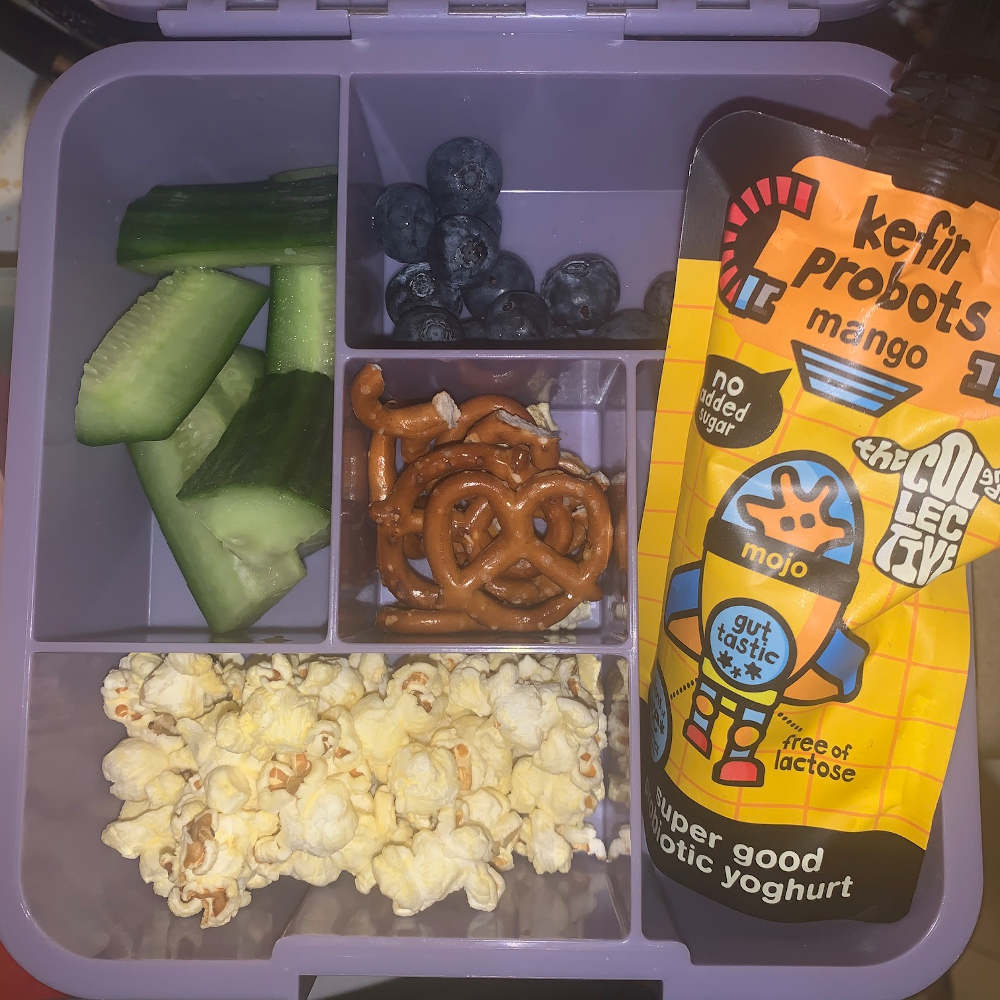
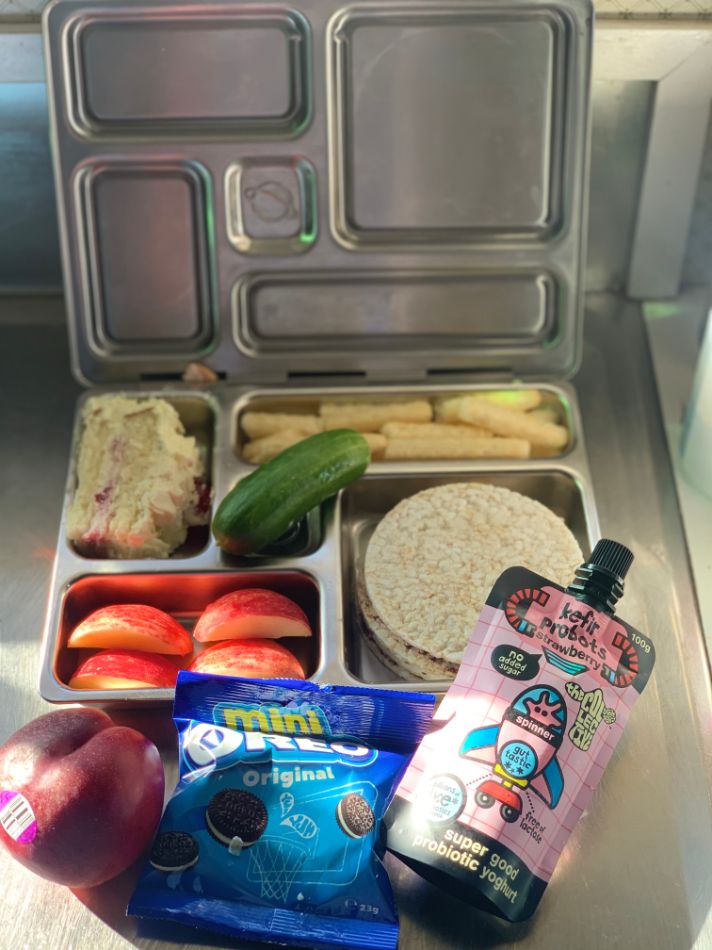
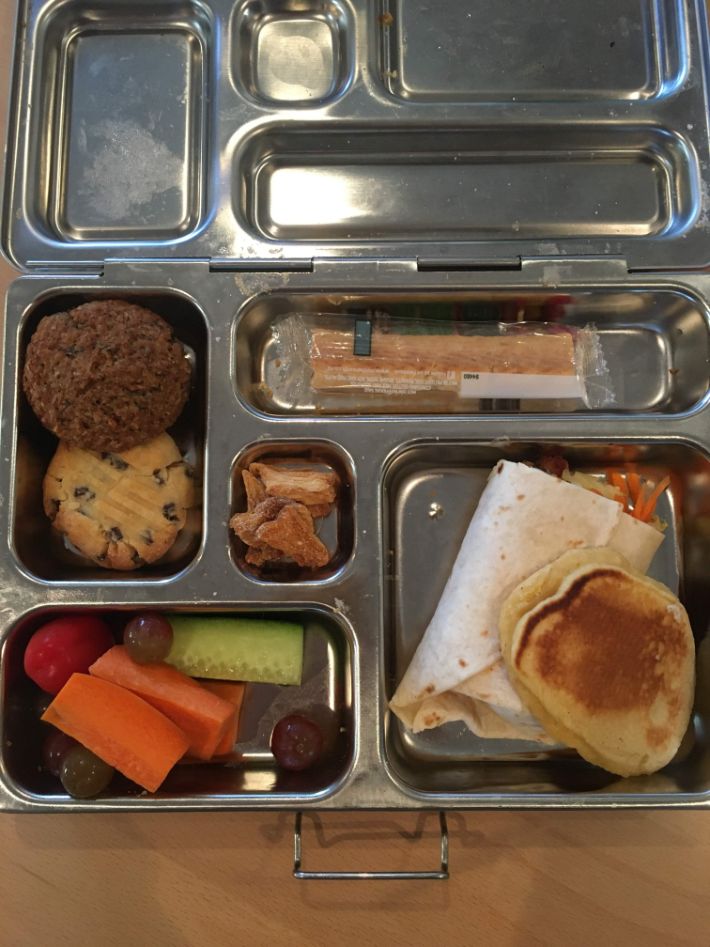
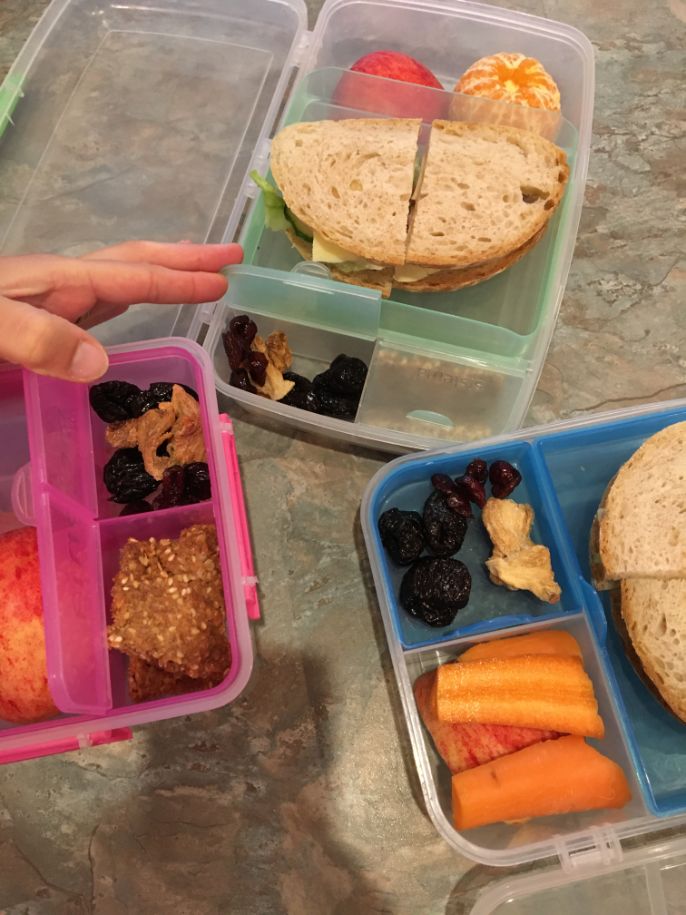
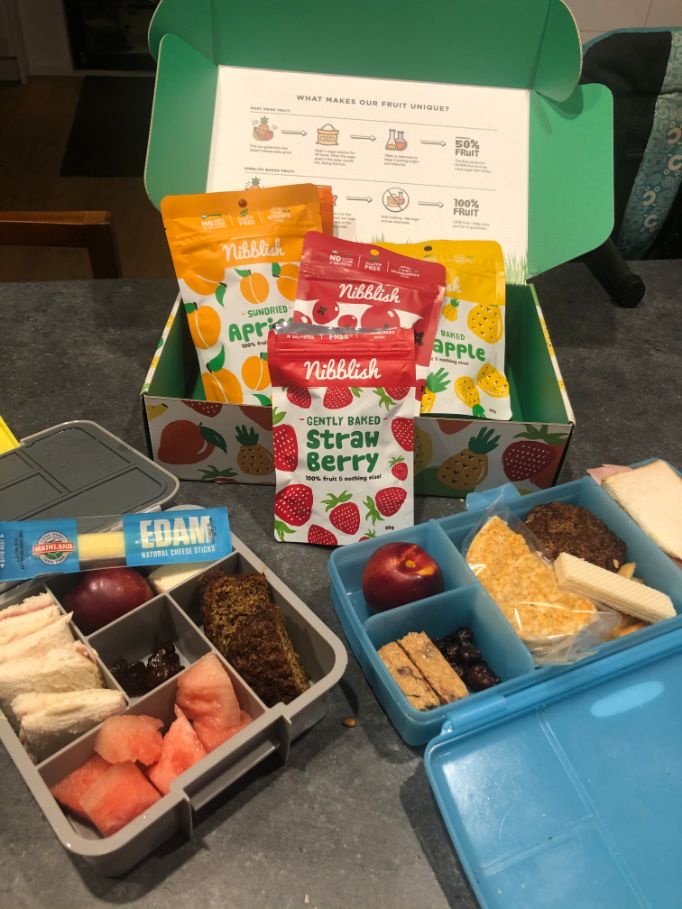
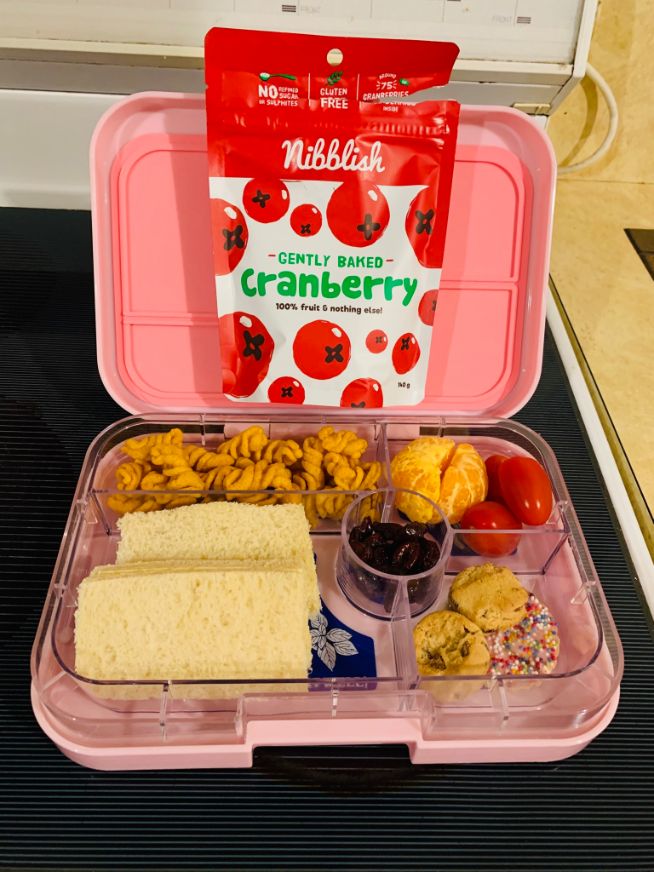
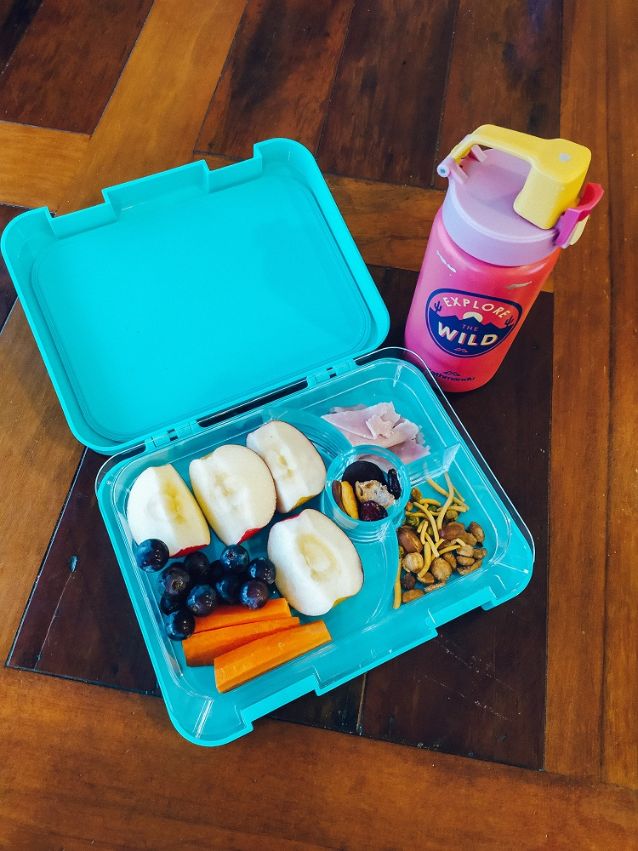
  • Lunch box – Lunch boxes come in many different styles so shop around for one that matches your child’s appetite and preferences. Don’t forget to include a small slicker pad to keep everything cool.

  • Drink bottle – Always ensure you have a backup drink bottle as these are easily the most lost school item! We love double-walled stainless steel drink bottle that keep drinks cooler for longer and are incredibly durable.

  • Exercise books – Check with your child’s school for a list of exercise books that your child needs.

  • Stationery – Pens, pencils, ruler, eraser, glue stick, pencil sharpener, highlighters, whiteboard pens, coloured pencils, protactor, compass – got them all? Make sure your child has a pencil case that’s big enough for all they need.

  • School uniform – Now is the time to check if your child still fits into their school uniform from last year (ie, not the morning of the first day of school!).

  • School shoes – Your child’s school shoes are going to get a mega workout! If the school has a uniform, they are often very particular about the shoes that kids should wear so check the requirements carefully. Don’t be tempted to buy a size larger than your child needs in order to allow some room to grow into them. It’s important for your child’s comfort and development that they have correctly fitting shoes.

  • Sports/PE uniform – Time to rummage through last year’s PE bag that probably hasn’t left the bedroom floor or cupboard! Line-drying washing will help to freshen it up.

  • Sports shoes – This is the one I always forget! Those trainers the kids have been thrashing all summer holidays probably aren’t going to be up to a term of sport too so check if you need to grab some new ones.

  • Socks – If you’re not bound to uniform socks, consider purchasing ones with arch support and cushioned soles for added comfort. Don’t forget those sports socks too!

  • BYOD – If your child needs to bring their own digital device, check with the school before you purchase to ensure you are buying something with the minimum specifications needed. Laptops are great but the most expensive. Chromebooks have smaller storage but cost less than a full laptop. Tablets are usually the cheapest option but often are insufficient for high school classes.

  • Essential tech – Our modern, connected classrooms often require more than just a BYOD. Your child may require headphones, a calculator, mouse, etc. Check with your school for what is required for your child’s selected subjects. USB flash drives are handy for sharing projects.

  • Bus/train pass – Check with other school parents for the best way to purchase passes (ie term passes or loading a card). Check if there’s credit on your child’s transport pass and read the terms for the pass to ensure that it is still valid, especially for high school students who may no longer automatically qualify for a child’s rate.

  • Sunscreen and sunhat – Many schools will have a ‘no hat, no play’ policy. Check with the school if they have a school hat first. Pop a small sunscreen tube or roll-on into your child’s bag during summer so they can top-up when needed.

  • Name clothing and shoes – Actually, just name everything … EVERYTHING! If writing on a name isn’t suitable for an item, label makers are a parent’s best friend!

  • Lunch recipes – Get a head start on filling those lunch boxes by grabbing some lunch box inspiration and recipes (from the Kidspot Kitchen, of course) and consider doing some bulk baking and freezing prior to school starting.

  • Face mask – If your child’s school requires a face mask to be worn (or you prefer your child to wear one), it pays to take a couple to last throughout the day and a small bag to bring home the used ones.

Are you organised for getting the kids back to school?

See more:

her world julieWritten by Julie Scanlon

Julie is Editor for Kidspot NZ and our MVP. Her hobbies include laughing uncontrollably at her own jokes, annoying her family by asking questions about movie plots, and never taking anything too seriously. She speaks a little Spanish and a lot of Yorkshire. 

Favourite motto to live by: “It ain’t nothing but a thing”

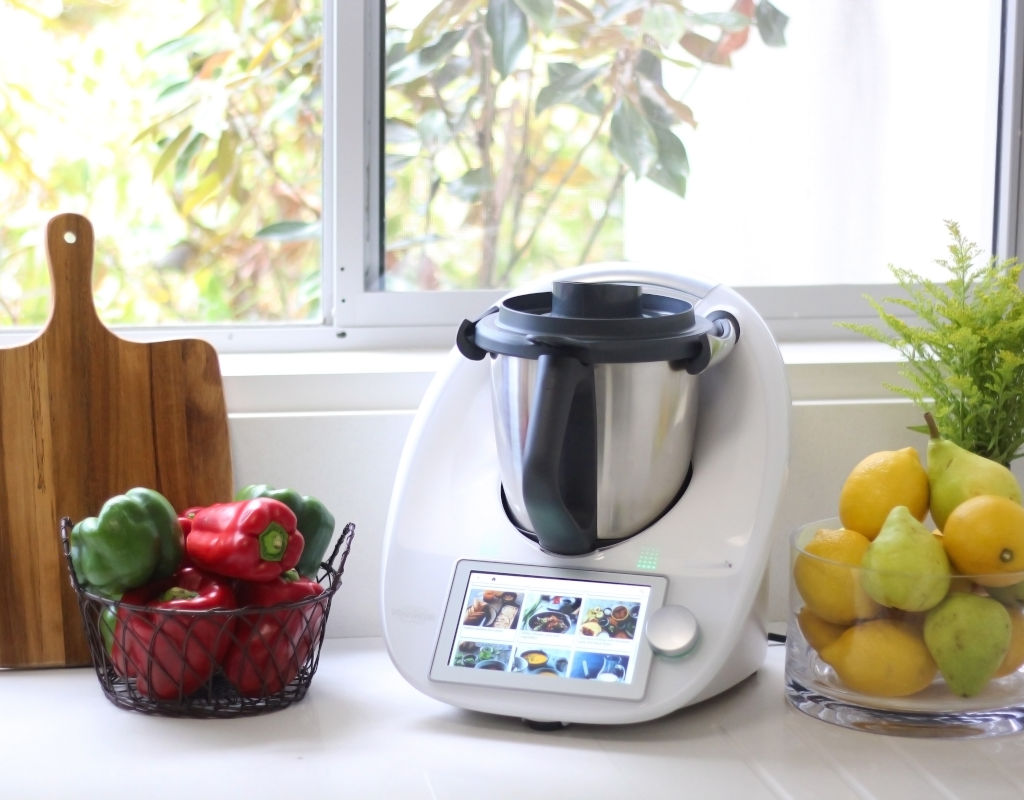
Review: The Thermomix TM6 kitchen appliance

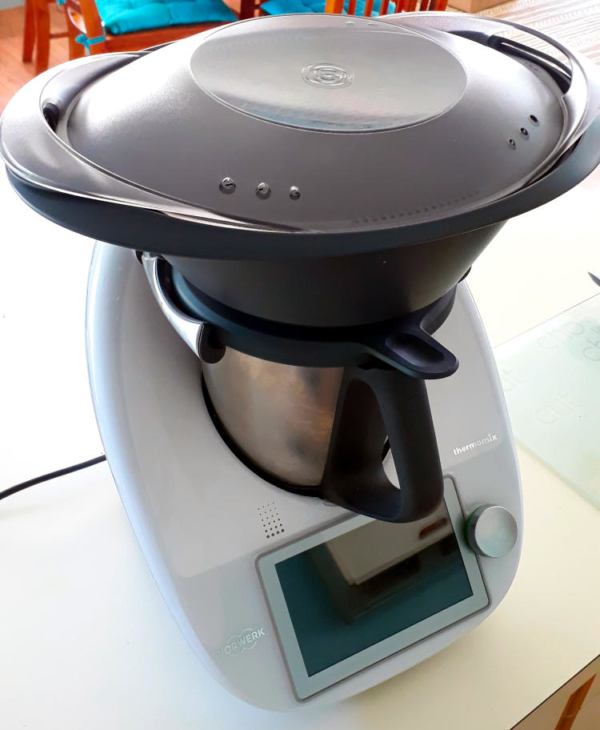
When it comes to the ultimate kitchen appliance, you can’t go wrong with the new Thermomix TM6.

Whilst the Thermomix is common in European countries and over the ditch in Australia, they are very new to New Zealanders. To find out more, I gave one a whirl for a month, cooking meals for our family.

I have to admit, before I began my trial of the new Thermomix TM6, I had to Google what a Thermomix was! I had heard the term mentioned in Australian mums’ networks but really had no idea beyond it being used to cook. After the trial, I can attest that it is so much more than just a kitchen appliance.

Thermomix

What does the Thermomix TM6 do?

Everything! OK, maybe not everything, but it does do a lot. In fact, it has 20 functions in one machine.

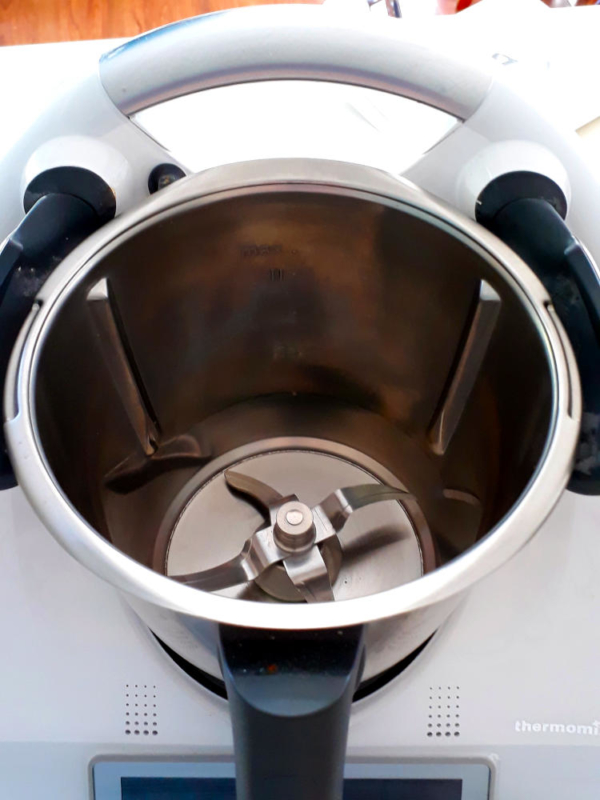
The sharp, angled blade inside the main bowl is used for chopping and mixing but also has other uses. It makes short work of parmesan cheese, grating it in seconds and saving my knuckles from the grater. Garlic cloves and onions are cut in the blink of an eye (just be ready for the noise the first time you do that!). The Thermomix can make emulsion sauces with ease. It can also grind raw sugar, mix batter, blend frozen fruits, and even knead dough (which is almost enough on its own to make me buy one!).

It cooks too!

The Thermomix isn’t just a big food processor though. It also has the ability to cook. The adjustable temperature allows you to sear, saute, boil, slow cook, sous-vide, and ferment. The Varoma accessory extends the Thermomix capabilities even further, acting as the perfect place to steam veggies, dumplings, fish, etc. There’s also a basket insert which makes cooking perfect rice a doddle.

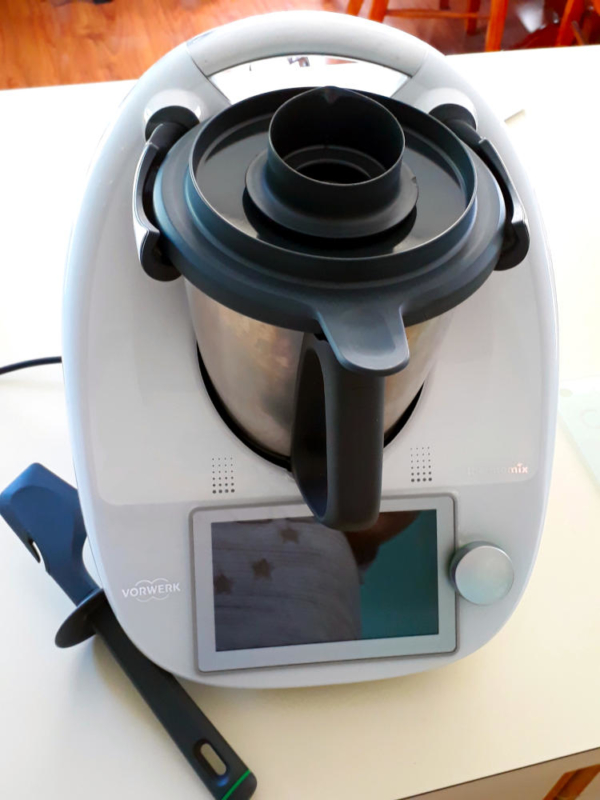
To keep you safe from the moving blade and heating, the Thermomix has a dual clamp that automatically holds the lid in place when you begin a process like chopping, cooking, etc.

The cooking bowl was sufficiently big enough to make a meal for a family of four (including two hungry teenagers). It is also quick to clean and simple to set up again for the next recipe, making it easy to prepare several courses.

The technology bit

My favourite feature of the Thermomix TM6 was the large onboard touch-screen that connects to your WiFi and can guide you step by step through a recipe. There’s no referring back to a recipe book covered in sticky fingerprints, losing your place or reading the wrong measurement for the ingredient, nor, well, stuffing up the recipe and taking ages to prepare a disaster! Each step gives you the ingredient, the measurement, and the settings that you need to initiate on your Thermomix – simple.

For instance, it will tell you that you need 100g of onions. Here is another favourite feature – inbuilt scales! The Thermomix TM6 will measure exactly how much you have put into the machine. For the next ingredient, just press a button and it will reset to allow you to weigh the next ingredient. It will then tell you that you need to use the chopping feature for say 3 seconds (it is THAT quick!) on speed 6. When using an online recipe, the Thermomix will preset the function so all you have to do is turn the dial to start. When required, it will also include the temperature that is needed. It quickly becomes second nature to follow the step by step processes.

What can you make?

The Thermomix TM6 comes with a hefty cookbook which explains all the basics too. All of the recipes in the book are preloaded into the machine. By using Thermomix’s Cookidoo account you can also add thousands more recipes with guided cooking. Not that you have to use a recipe – you can also use the Thermomix’s functions independently and choose your own functions, speeds, and temperatures. The recipes also allow you to adjust timings, etc, if necessary, giving you great flexibility.

Recipes include cakes, breads, baking, soups, sauces, curries, rice, main meals, desserts – pretty much everything. The huge Thermomix online fraternity also means that you have access to a lot of tried and tested recipes through a simple internet search.

A demonstration

When you’re considering purchasing a Thermomix TM6 a Consultant will come to your home (or wherever you may be if you have a group of friends together) and give you a demonstration of all the functions, and even cook some recipes with you. This is a fantastic way to get the most out of the machine, as well as to see what it can really do. It gets you creating recipes straight away once you have purchased and the consultant’s tips are invaluable!

Let’s get cooking

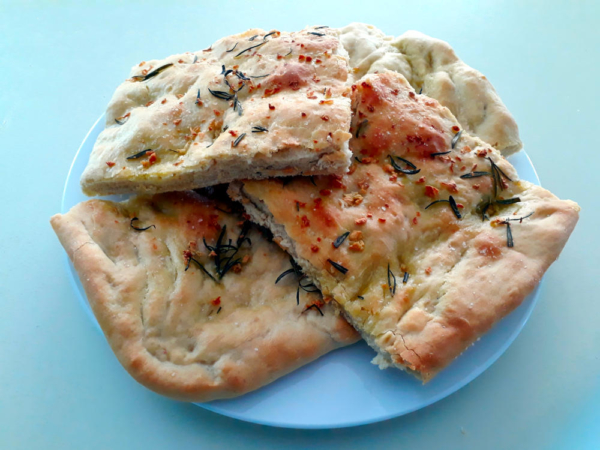
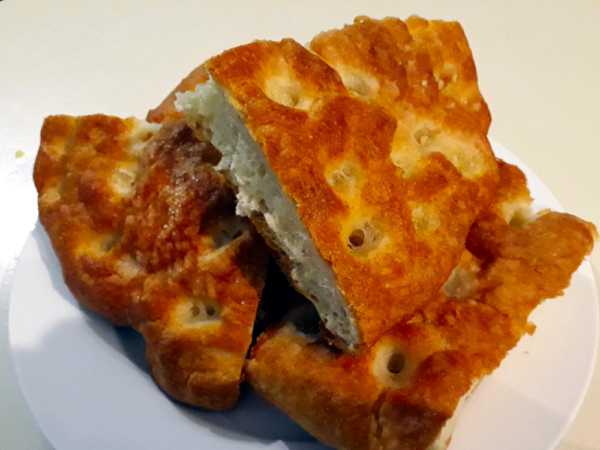
At my demonstration we made a beautiful focaccia bread. I have never attempted making any sort of bread because I am just not that capable with proving and dough and all that jazz! However, with the Thermomix this was so easy as most of the hard work was done by the machine, including the perfect temperature setting for the yeast activation and the kneading of the dough. I subsequently made cheese and spinach scrolls and my own foccacia bread which all turned out beautifully.

The next thing we made was a dessert with frozen berries, an egg, and a touch of sugar. It was blended and whisked to a fluffly and light consistency using the butterfly whisk accessory. This went down a treat with the whole family. So quick, simple, and yum!

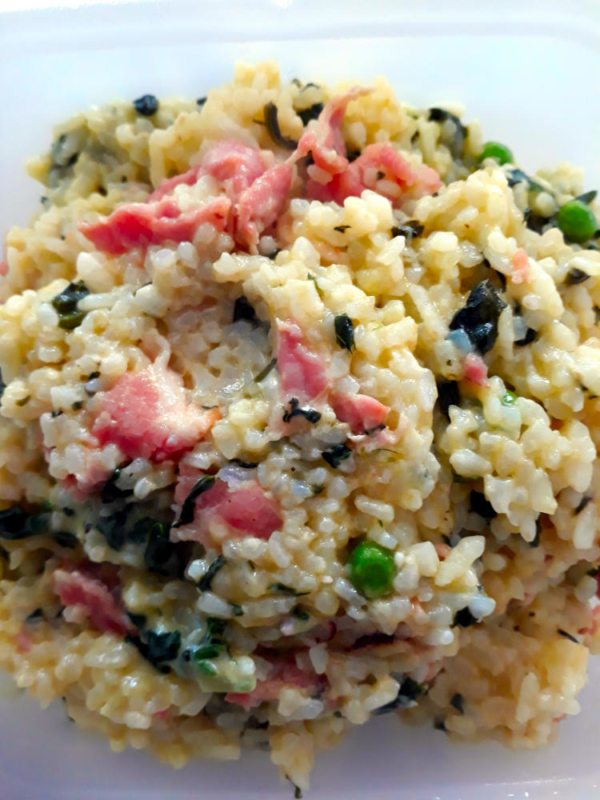
Finally, we made a risotto. I love risotto but my previous attempts have been a dire failure. With the Thermomix all the guess work is gone – the perfect temperature, adding ingredients at the right time – everything was as simple as a few button presses through the guided recipe. The risotto was stunning (it didn’t all make it to dinner!) and I made my own later on, easily adapting the recipe to suit the family’s tastebuds.

  • Check out My Super Smart Kitchen, a Facebook page full of Thermomix recipes and inspiration from my consultant, Julia Rose.

Cooking on my own

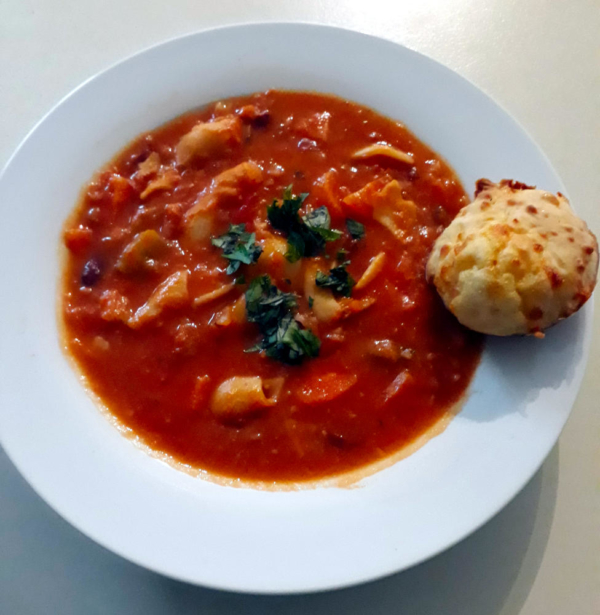
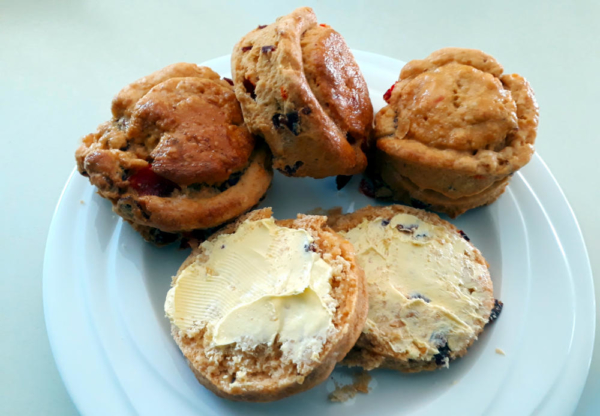
During the trial I made a lot of things that I had never attempted before – the Thermomix gave me great confidence. I made a tasty minestrone soup with fresh vegetables – knowing exactly what was going in gave me peace of mind. We had beef ghoulash and served it over shredded savoy cabbage that was steamed in the Varoma above the bubbling ghoulash. I made an apple sponge, again using the Varoma to steam the apple pieces which retained so much more flavour than stewing them. There were also superb scones, perfectly cooked rice dishes, pasta with stunning sauces, moreish meatballs, and so much more.

The cost

All of the technology and engineered perfection that is the Thermomix does not come cheap. In fact, the new Thermomix TM6 will set you back $2,469 NZD. Oh – I can see those eyes widening! Yes, it is a big investment, but that’s really what it is – an investment. Considering how many appliances the Thermomix replaces in your kitchen, how much you will use it each and every day, and how much time and money you can save by using it, it is a worthy investment.

The Cookidoo recipe app allows you to plan your meals and your shopping list. This makes it a simple alternative to meal planning delivery options. You can choose the recipes that YOU want, use your own produce or shop locally, and experience even easier preparation and cooking.

Interest-free payment plans up to 24 months are available for those that are interested in spreading the cost. Or, if you’re keen, you can always earn a Thermomix by becoming a consultant.

Would I buy one?

If I had the right finances, yes I would. Getting the kids and even my husband easily involved in preparing meals was a highlight. However, it is a large investment and requires careful consideration of your budget. For someone setting up a new home, this would be an ideal investment as it cuts down on the amount of other appliances that you may need. Whether you’re a casual cook or a budding Masterchef, the Thermomix TM6 is a wonderful kitchen essential.

For more information, visit Thermomix NZ

For the purposes of this review, our Editor was provided with complimentary use of a Thermomix TM6 for one month.

Thermomix recipes on Kidspot:

her world julieWritten by Julie Scanlon

Julie is Editor for Kidspot NZ and our MVP. Her hobbies include laughing uncontrollably at her own jokes, annoying her family by asking questions about movie plots, and never taking anything too seriously. She speaks a little Spanish and a lot of Yorkshire. 

Favourite motto to live by: “It ain’t nothing but a thing”

Road trip game: Car cricket

Let’s face it – road trips in New Zealand can be exciting, awe-inspiring, beautiful … and long!! Especially if you’re a kid and your destination is a gazillion miles away!

To while away the hours, there’s plenty of road trip games to play. One of our favourites is car cricket. The rules tend to vary from family to family so feel free to adapt it to suit your kids’ ages and attention spans.

Basic rules of car cricket

  • Each passenger has a team of 11 batsmen.
  • Each player takes turns to accumulate ‘runs’ for all of their batsmen.
  • For every car that passes in the opposite direction score 1 run (this includes cars, vans and utes).
  • For every other type of vehicle that passes by, lose a wicket (this includes trucks, buses, motorbikes, campervans, bicycles).
  • Keep counting runs and wickets until you have lost 11 wickets (1 more than a normal game of cricket but we need to let that 11th bastmen get some runs!) and make a note of your total.
  • Then it’s the next person’s turn.
  • The team with the highest score wins.

Adaptations of the rules

Once you’re used to the basic rules, or if you have older kids, try this variation:

  • For every white or silver car that passes, score 1 run.
  • For other coloured cars, score 2 runs (not including red).
  • For every van or ute that passes, score 4 runs.
  • For every vehicle towing a trailer, score 6 runs.
  • Lose a wicket if you pass another vehicle type (as in the basic rules) AND if you pass a red car.

If you’ve got some massive cricket fans in the car, before you set off allocate each passenger a team (BlackCaps, England, India, etc) and write down the batsmen’s names so they can write down the score for each player as they go.

What road trip games does your family like to play?

See more:

her world julieWritten by Julie Scanlon

Julie is Editor for Kidspot NZ and our MVP. Her hobbies include laughing uncontrollably at her own jokes, annoying her family by asking questions about movie plots, and never taking anything too seriously. She speaks a little Spanish and a lot of Yorkshire. 

Favourite motto to live by: “It ain’t nothing but a thing”

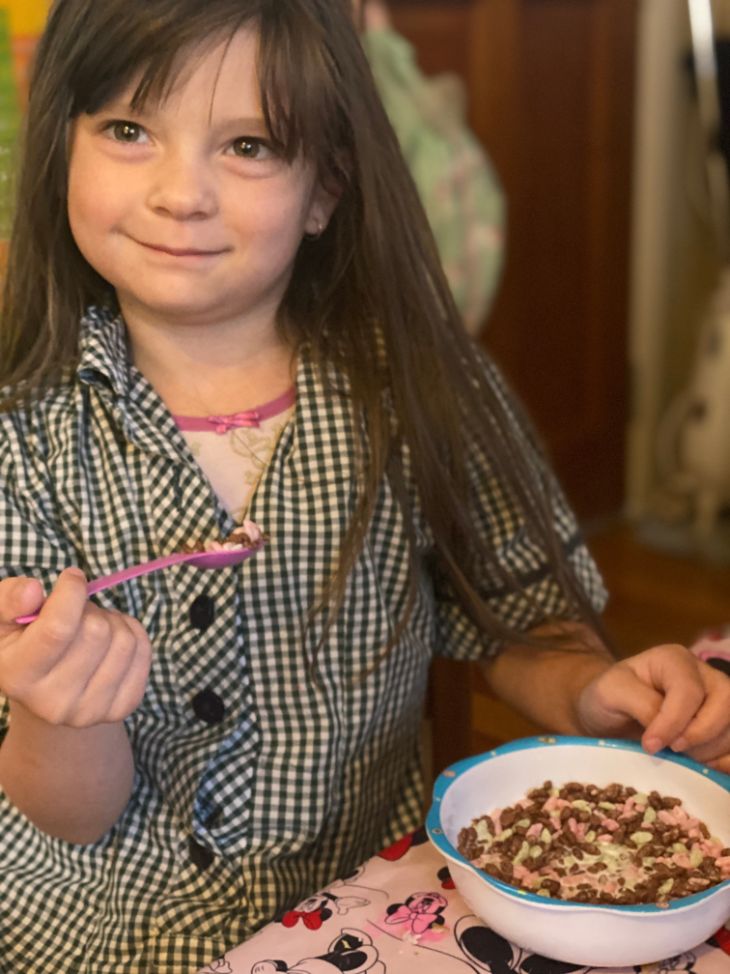
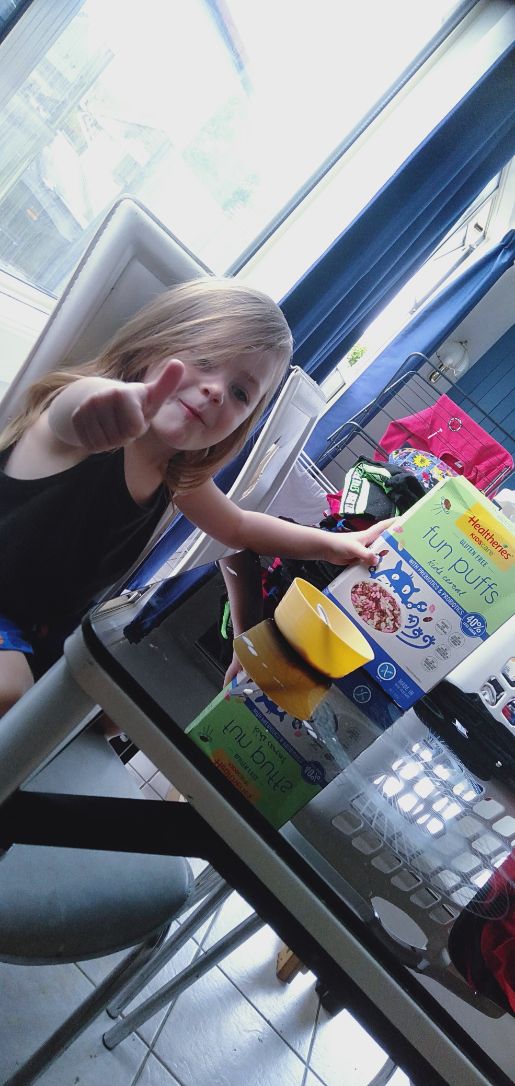
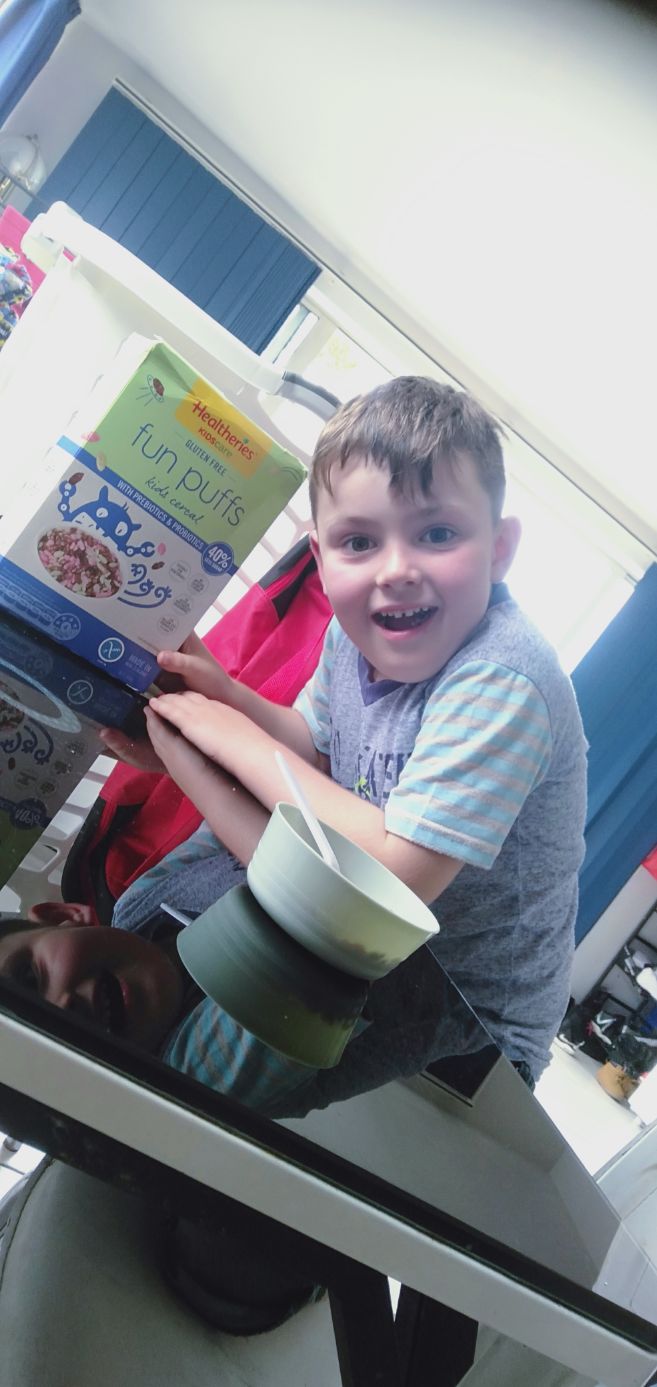
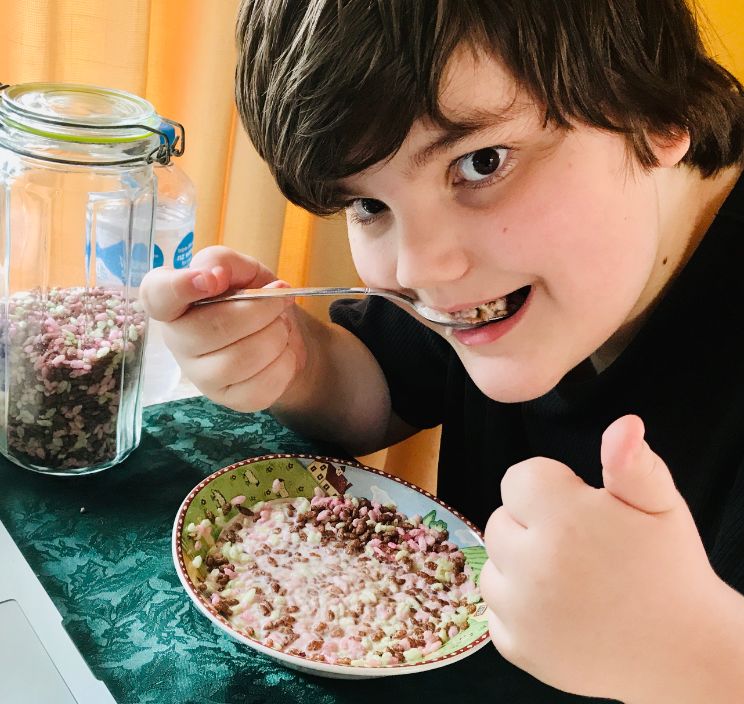
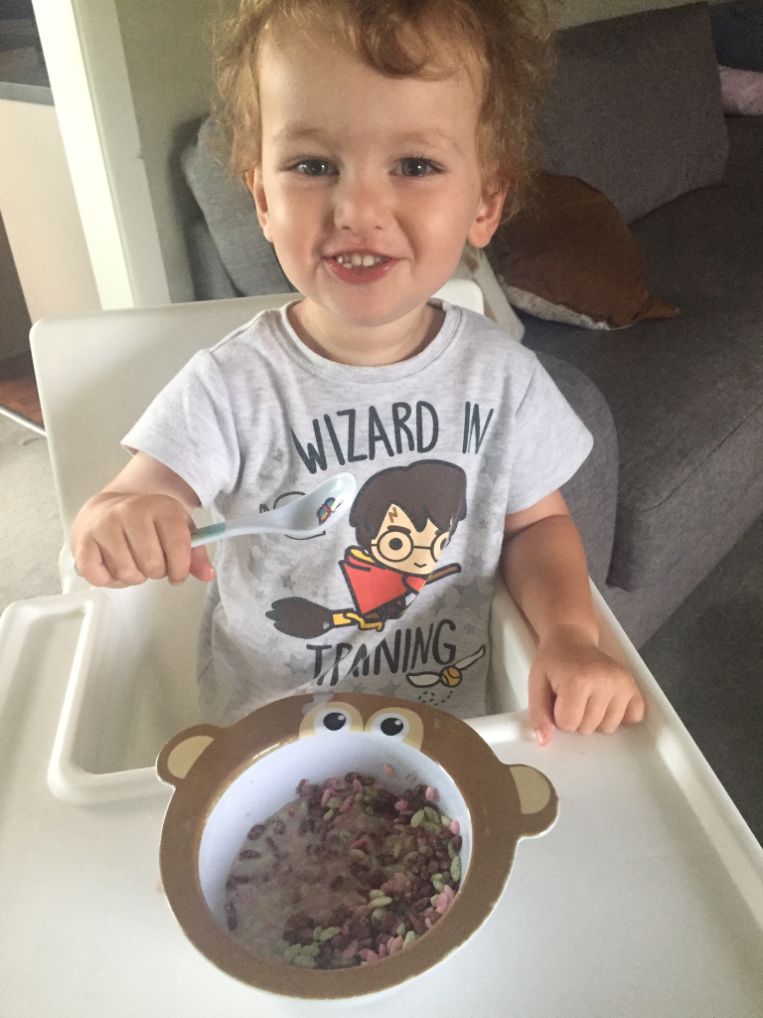
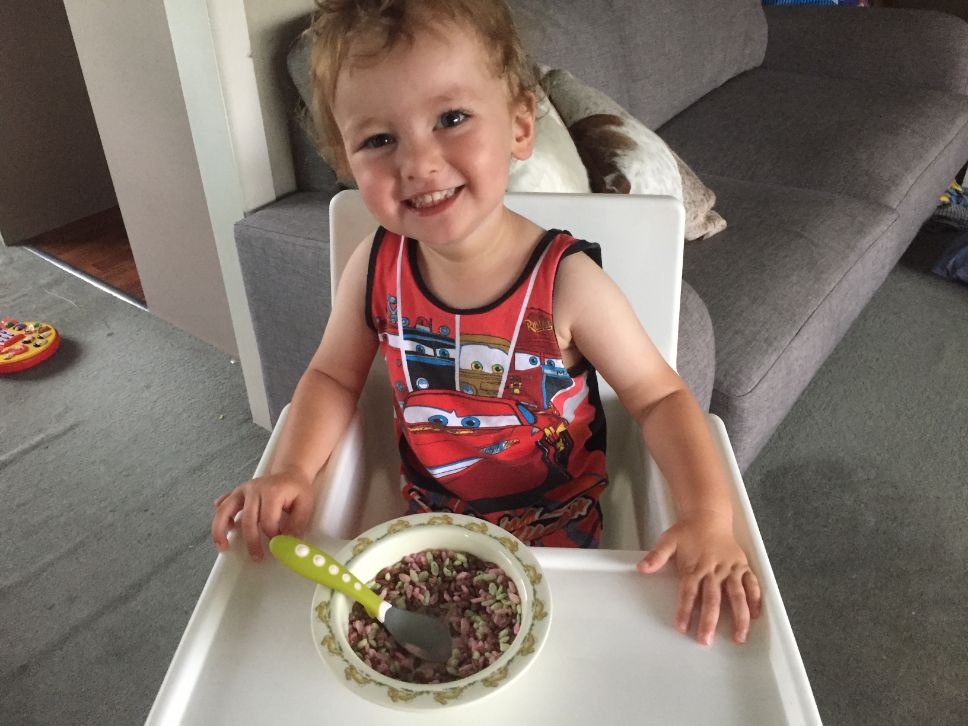
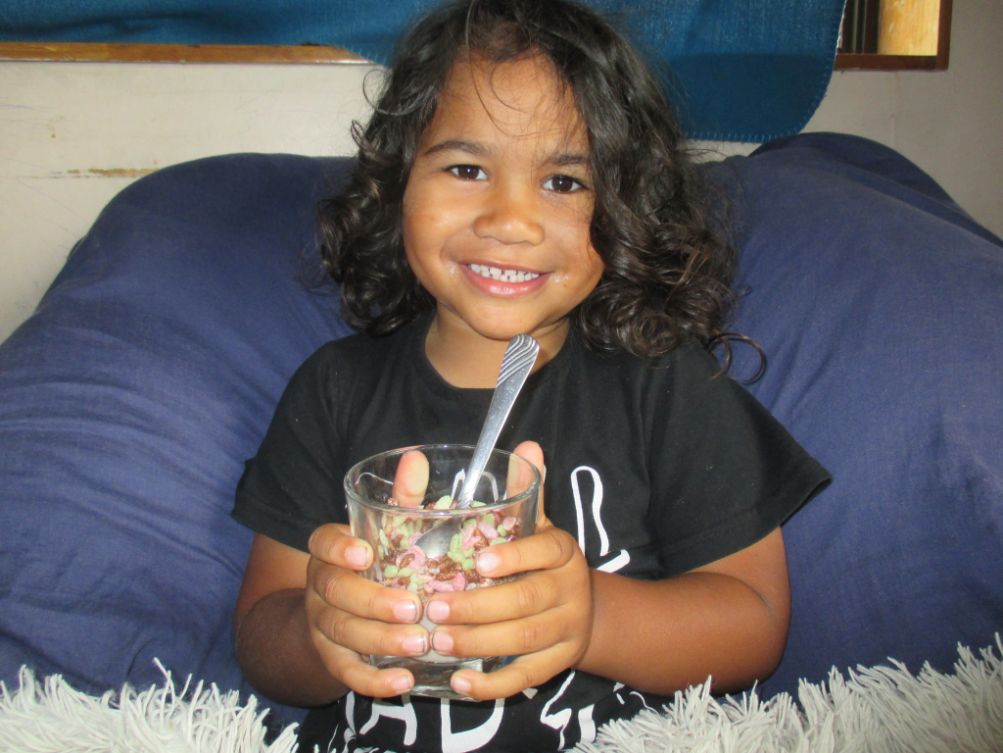
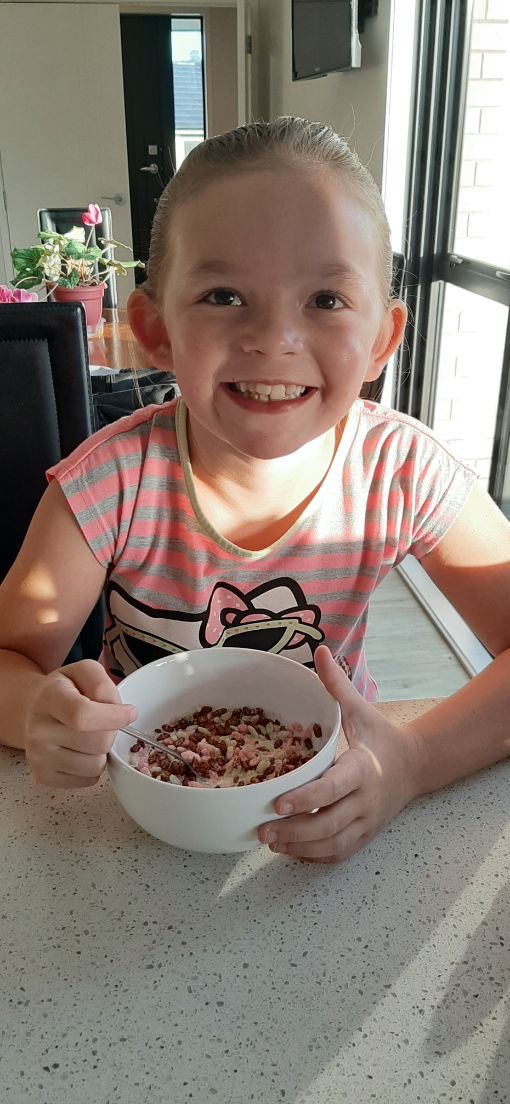
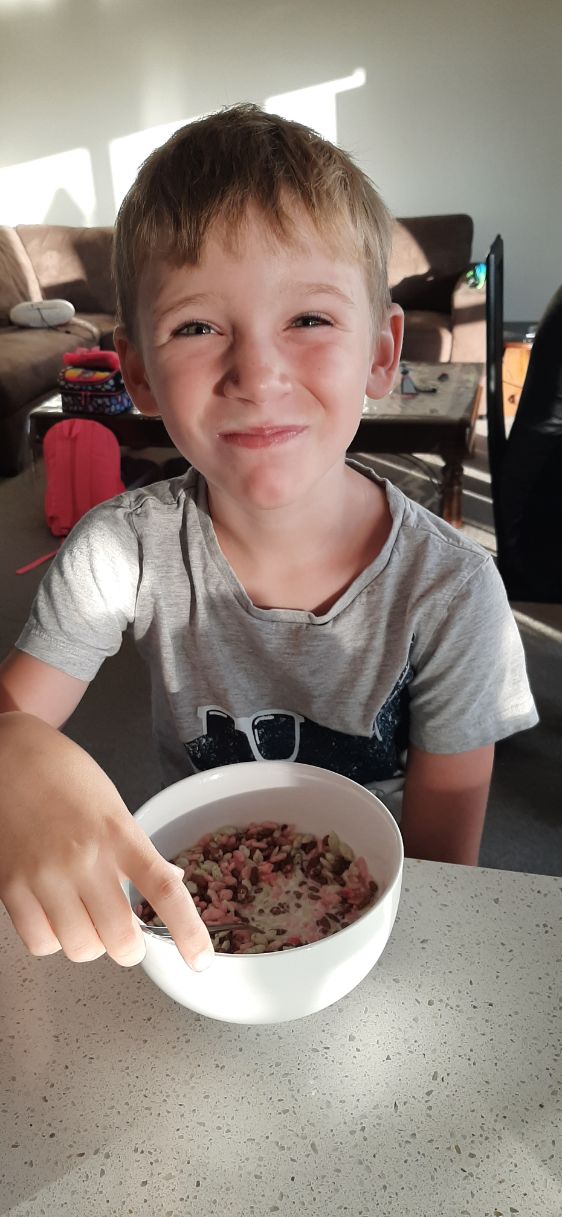
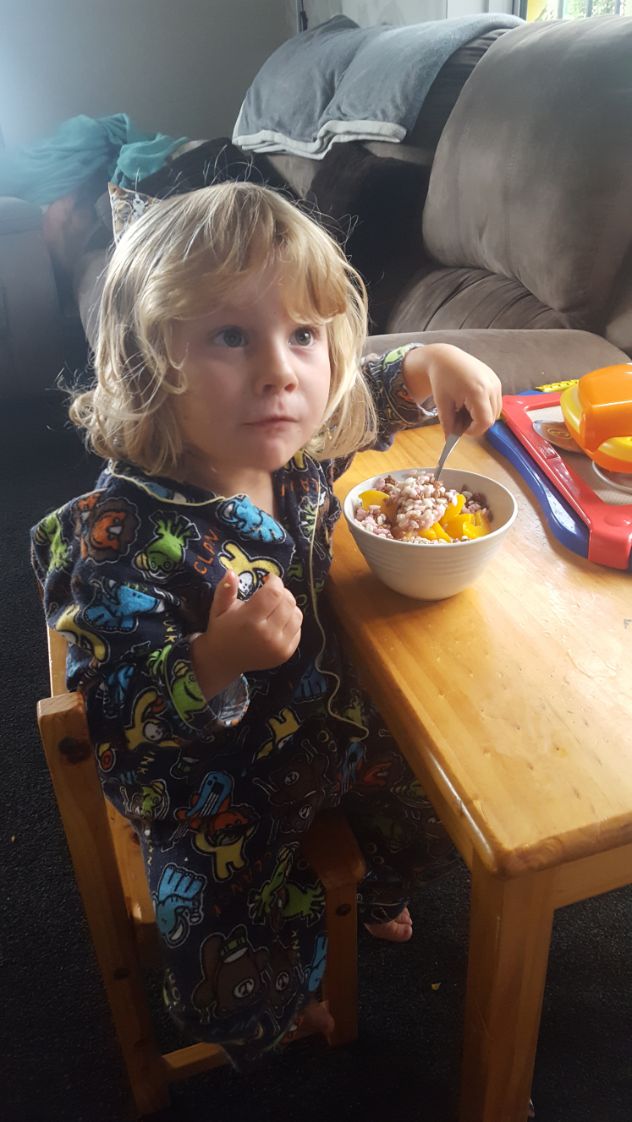
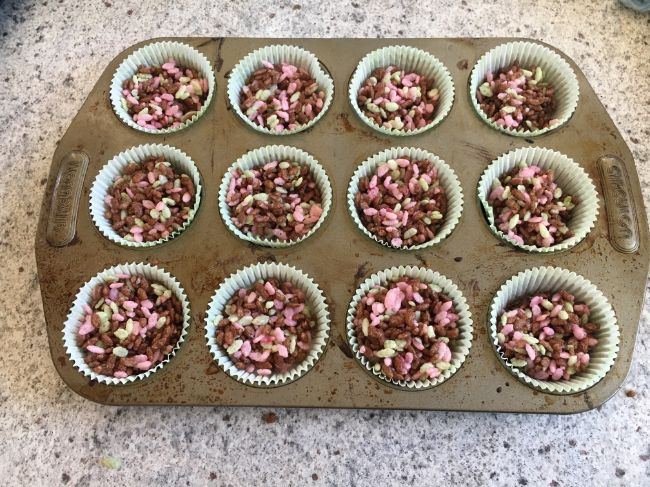
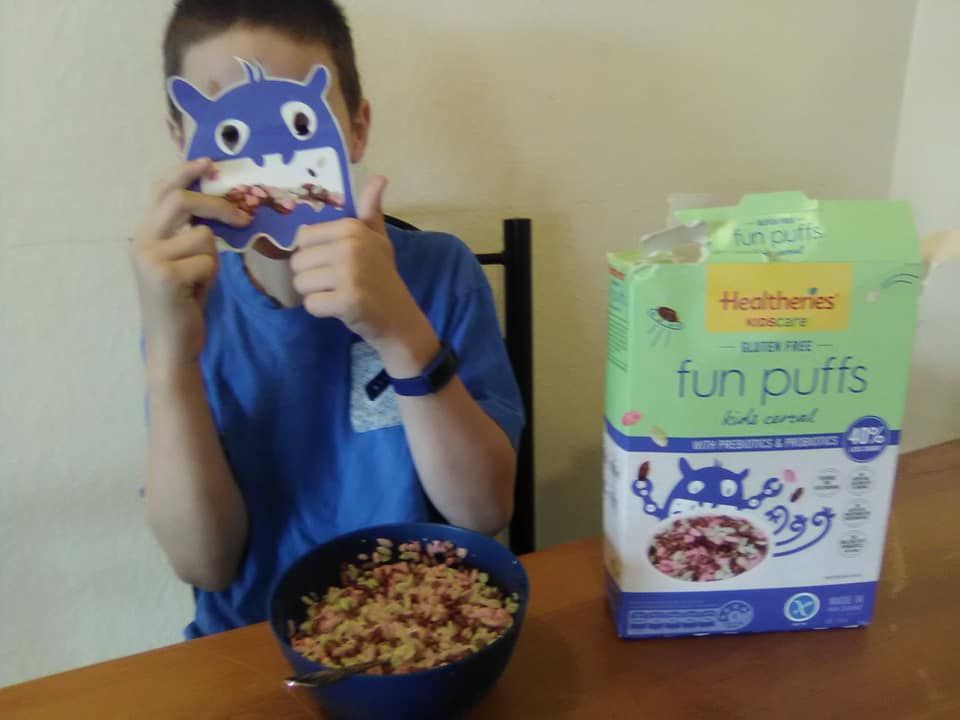
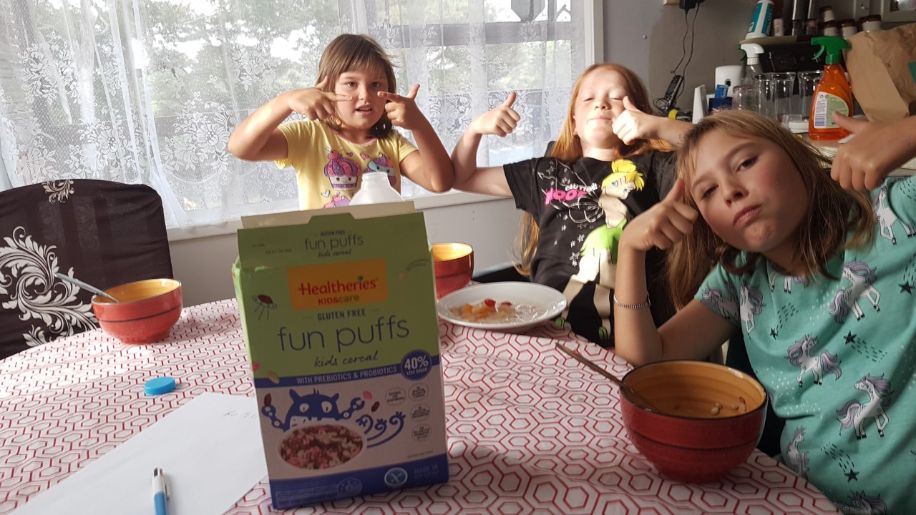
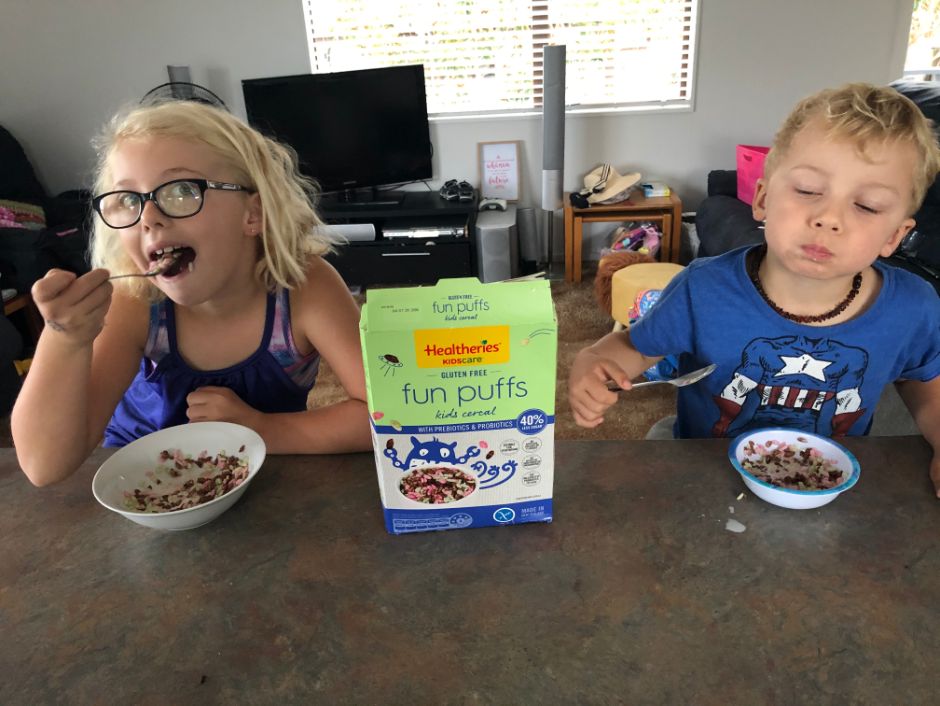
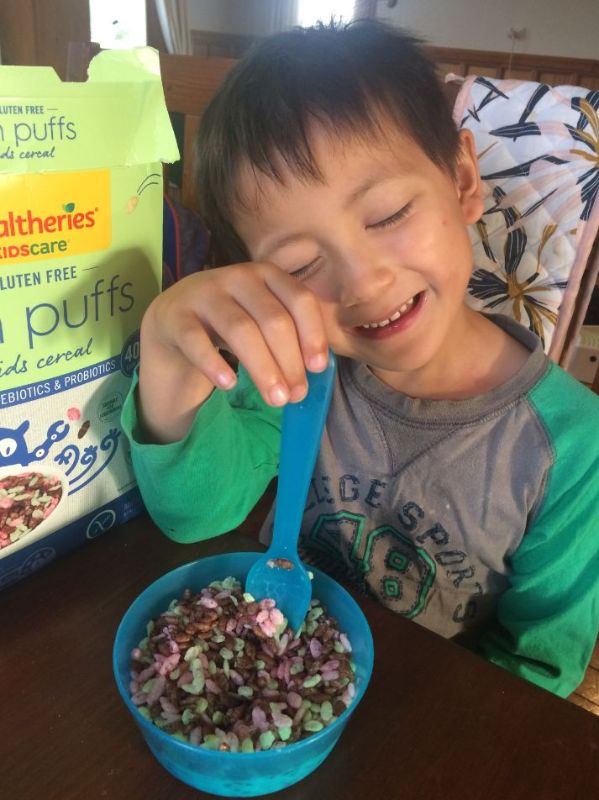
Healtheries Fun Puffs Cereal

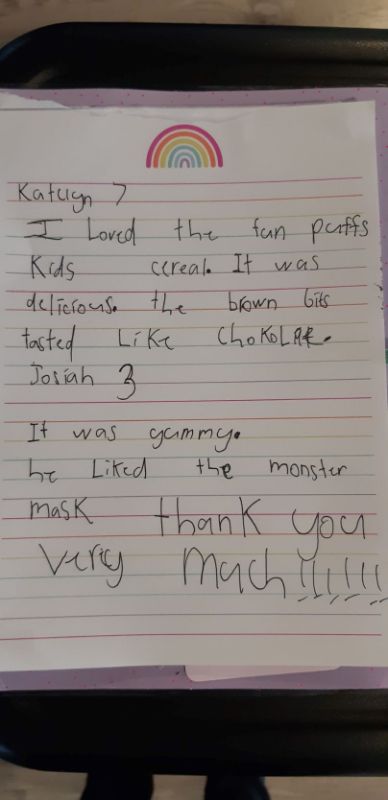
product trial4.04 out of 5 – Kidspot mums were pleased with Healtheries Fun Puffs Cereal.

star rating

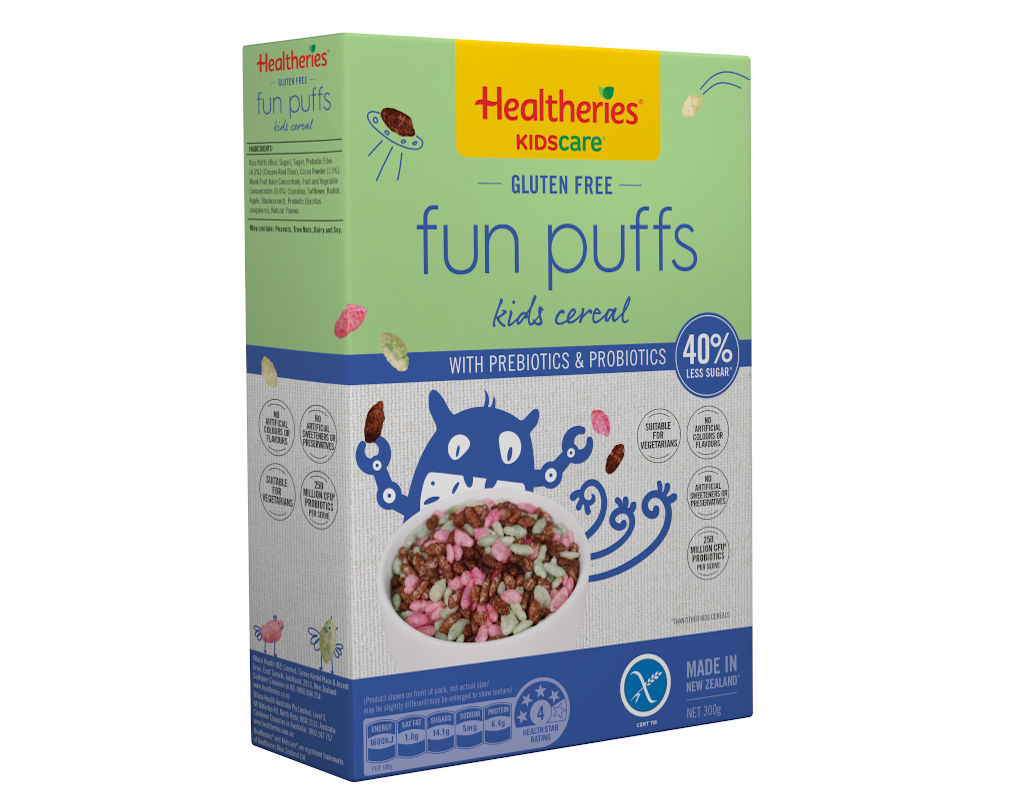
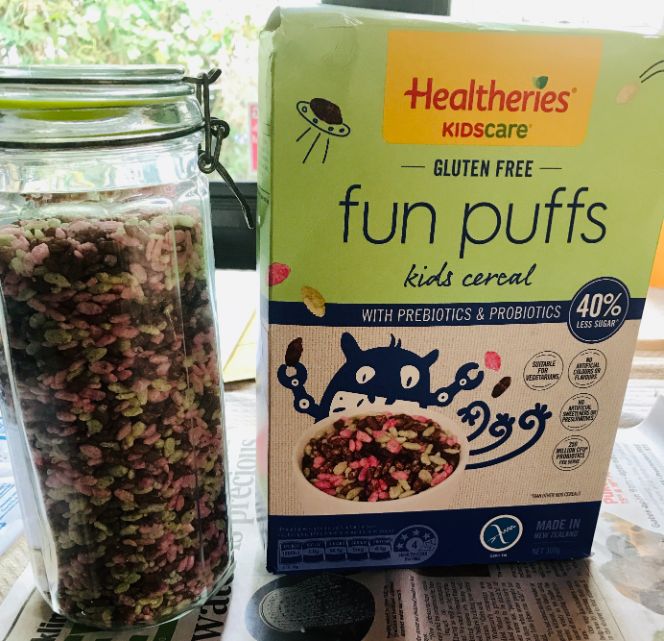
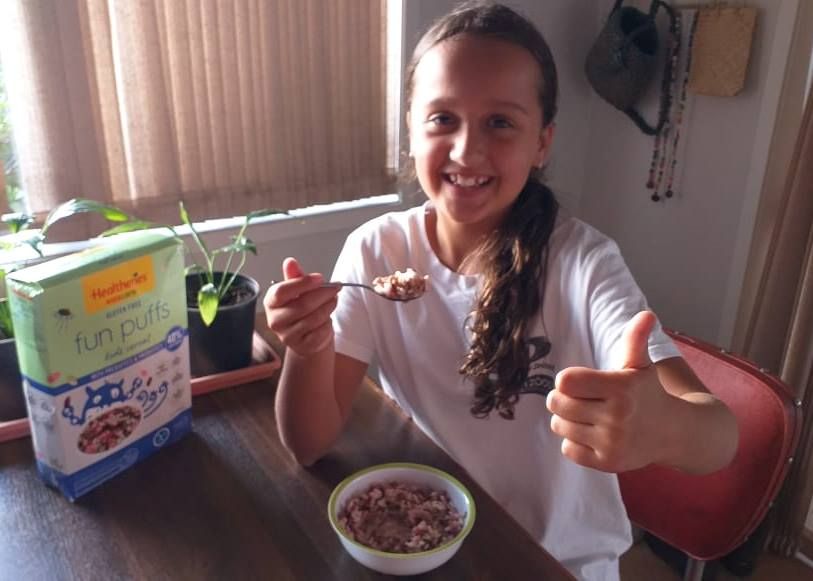
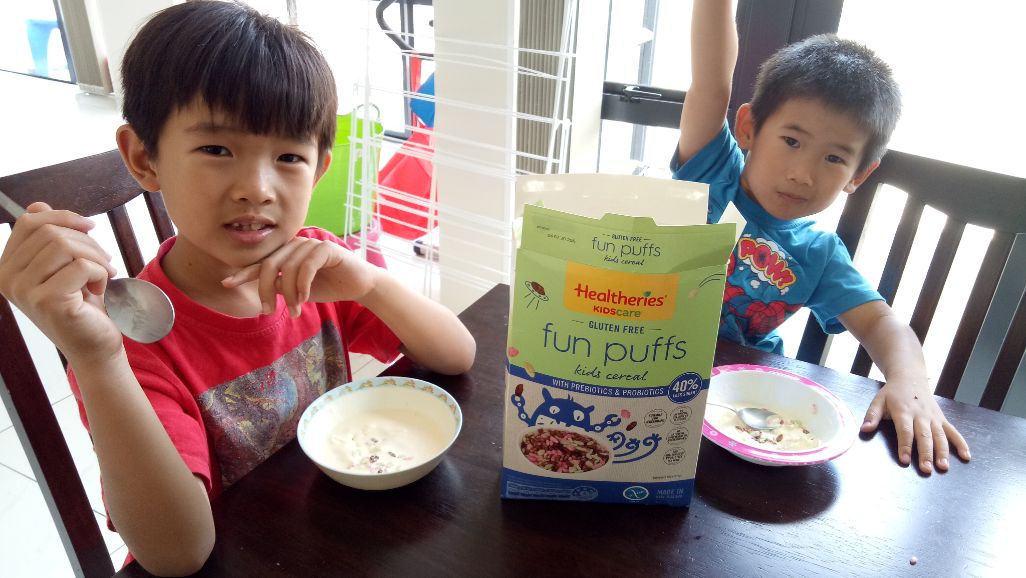
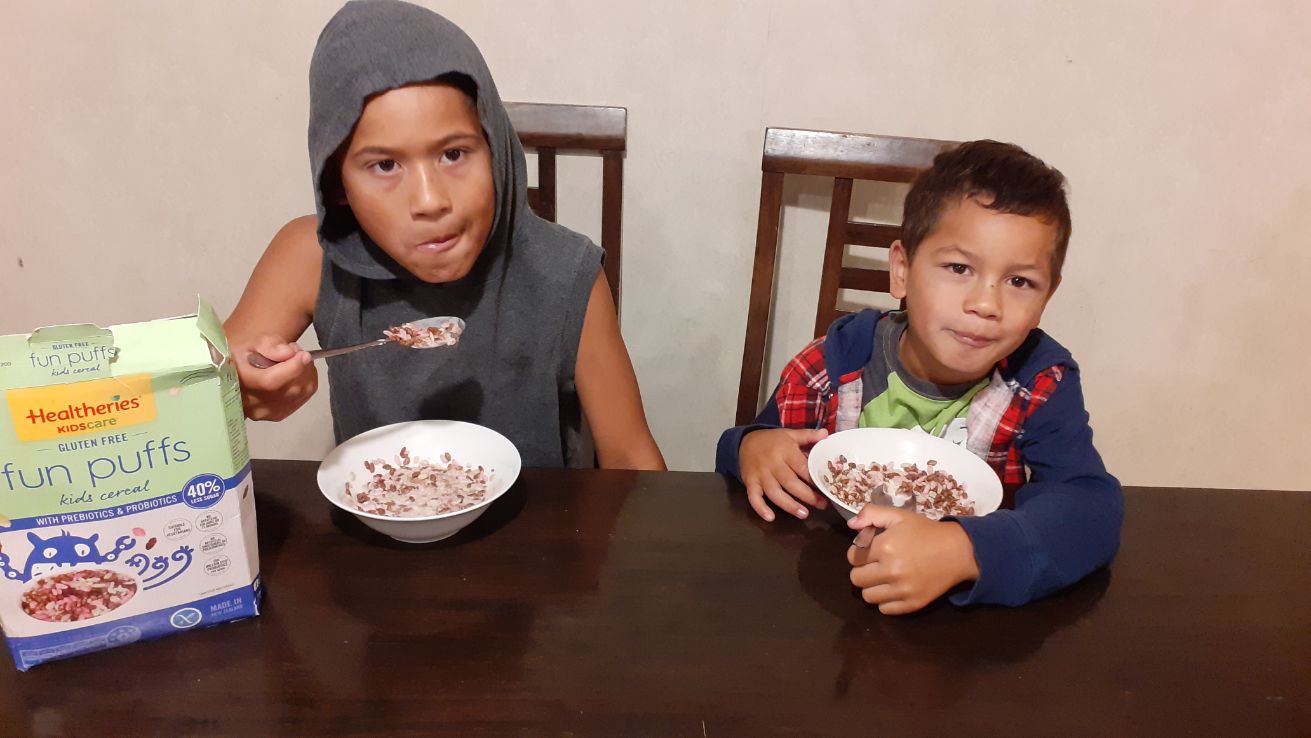
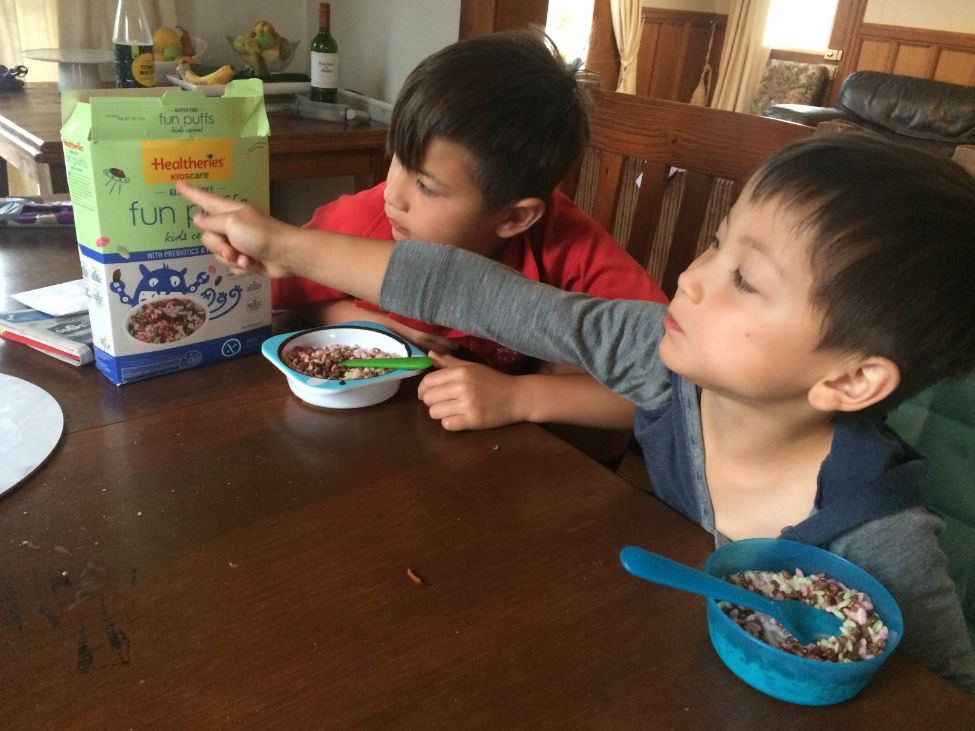
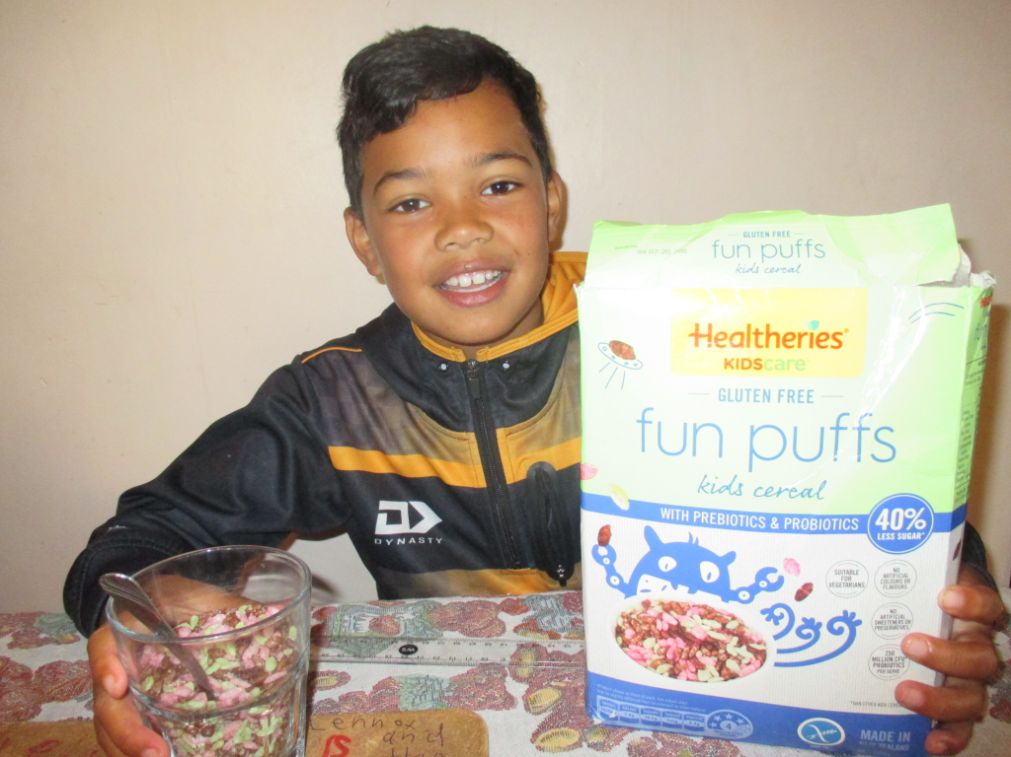
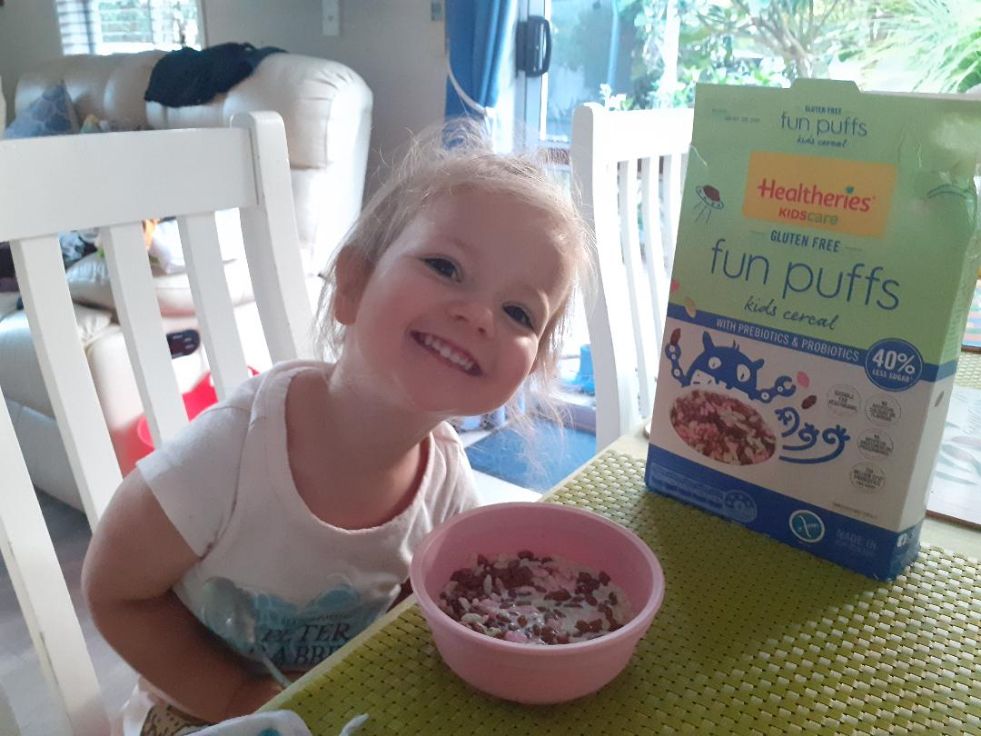
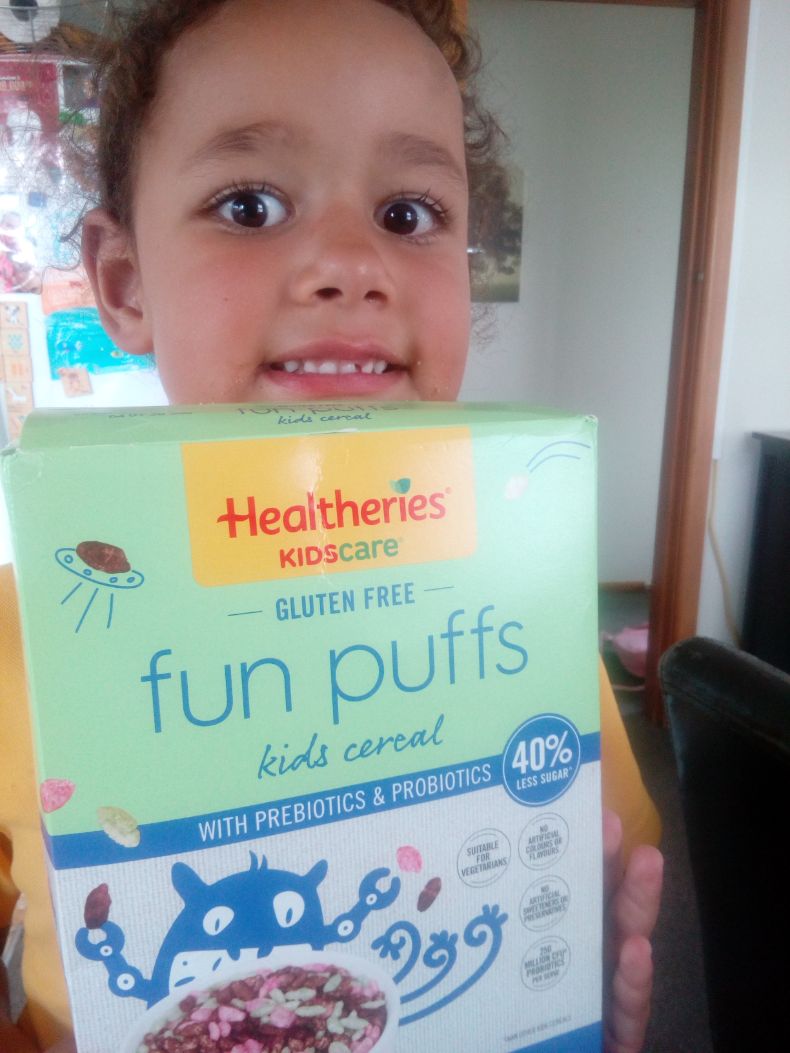
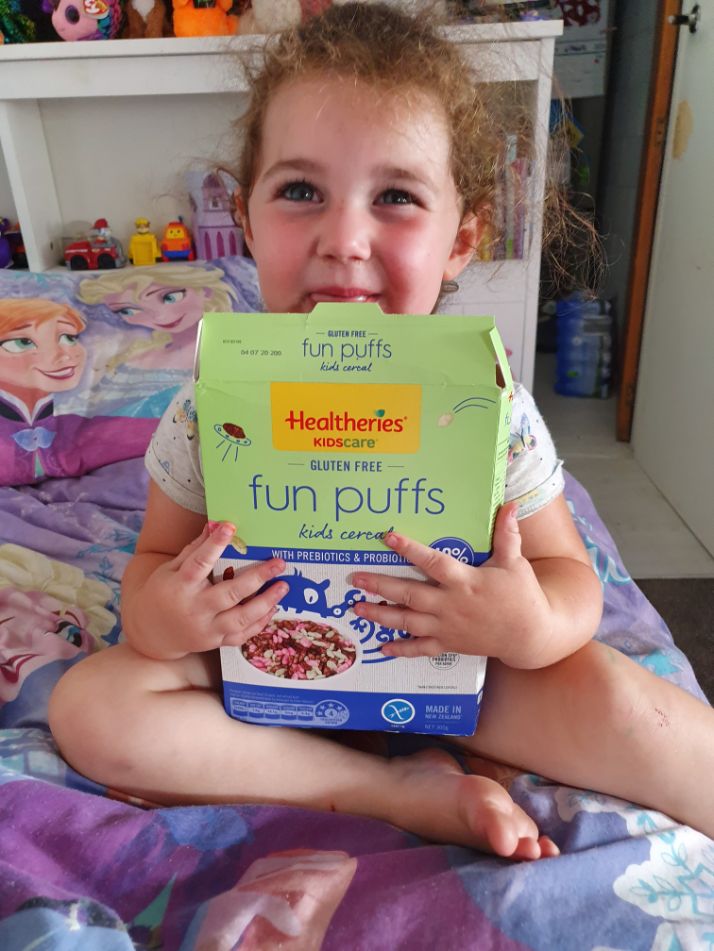
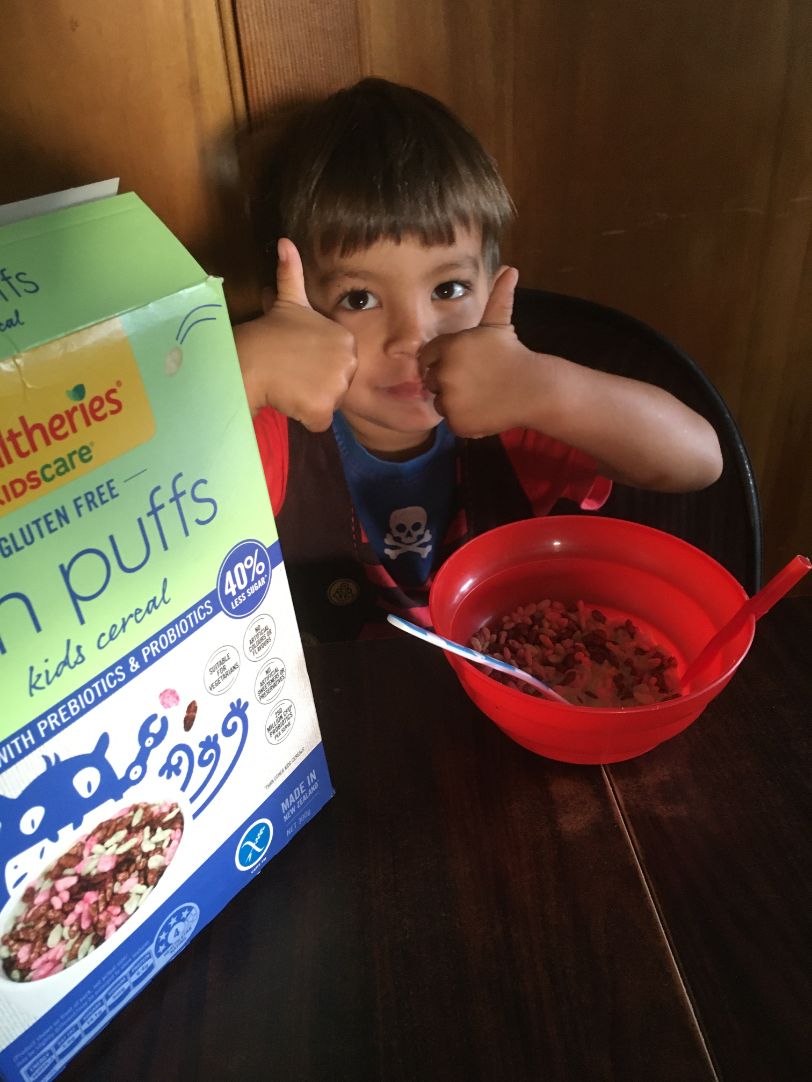
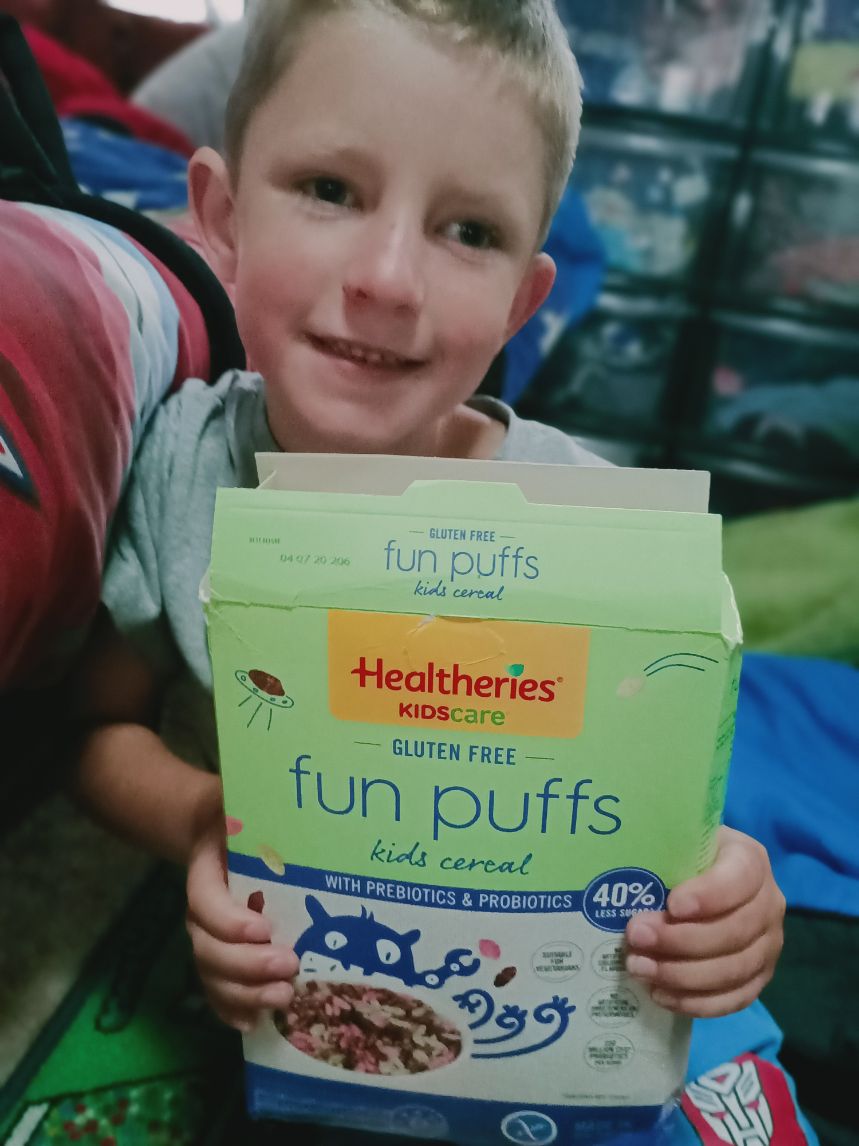
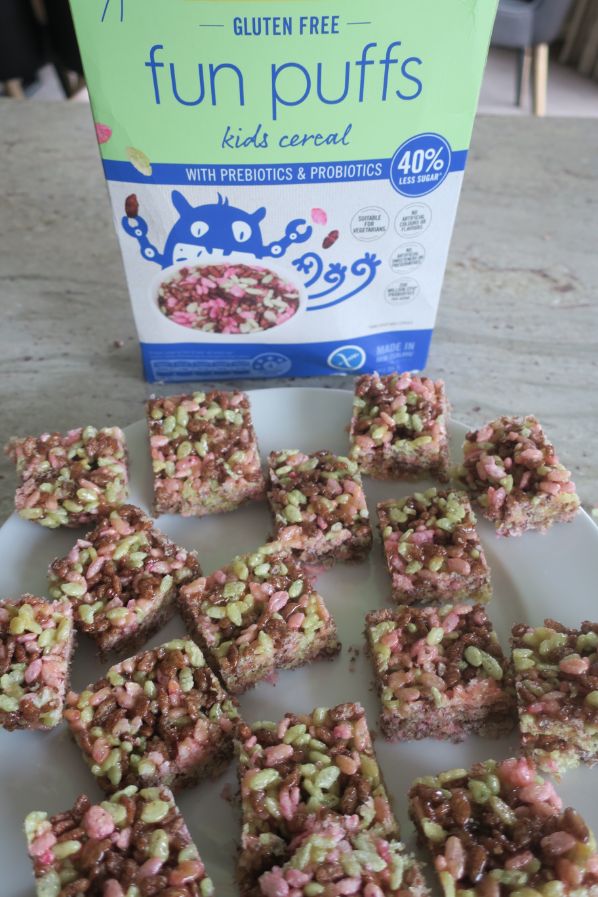
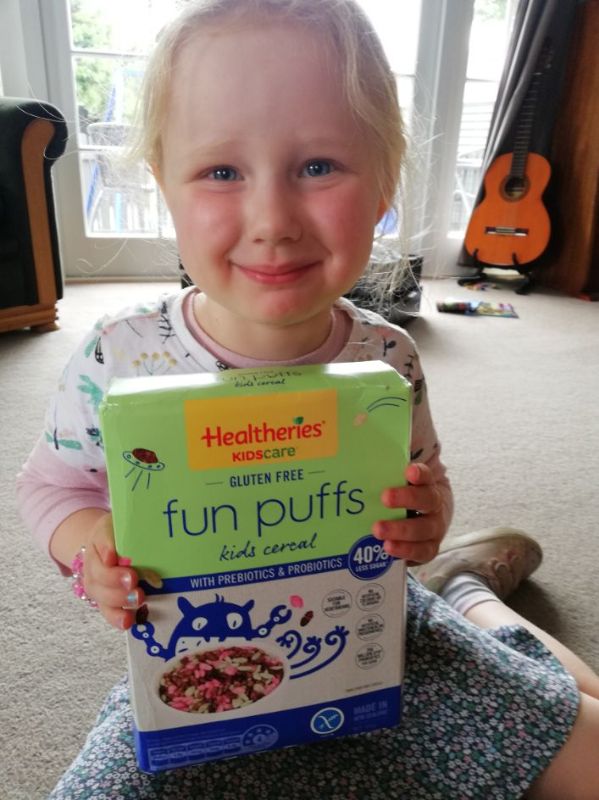
Healtheries KidsCare Gluten-Free Fun Puffs cereal contains 40% less sugar than other kids cereals and friendly bacteria for a healthy tummy.

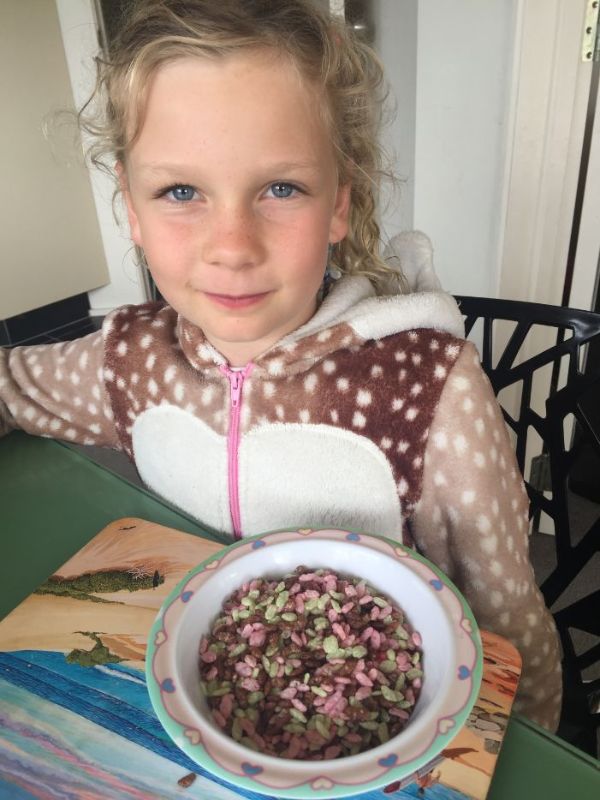
Made with no artificial flavours, colours, sweeteners or preservatives and coloured from the juices of fruits and vegetables, this makes Healtheries Fun Puffs Cereal fun, yum and good for your little monsters tum!

  • Gluten-free
  • With prebiotics and probiotics
  • 40% less sugar than other kids cereals
  • No artificial colours, flavours, sweeteners or preservatives
  • 4 Health Stars
  • Available in a 300g Box form leading supermarkets

For more information, visit Healtheries.co.nz.

Read the reviews below!

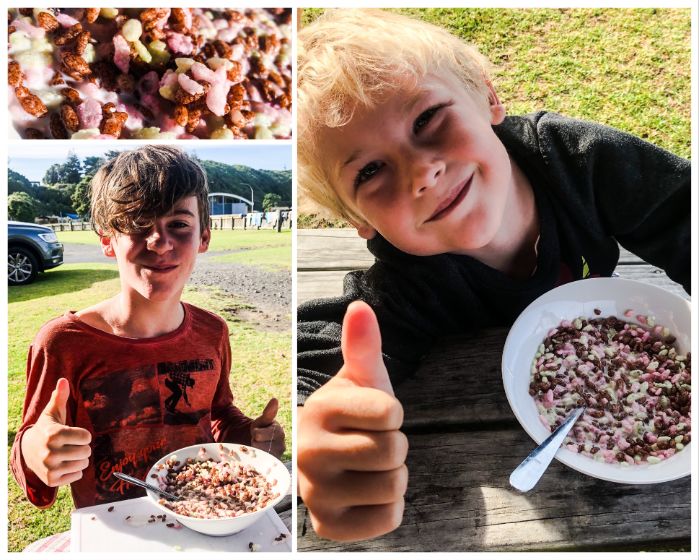
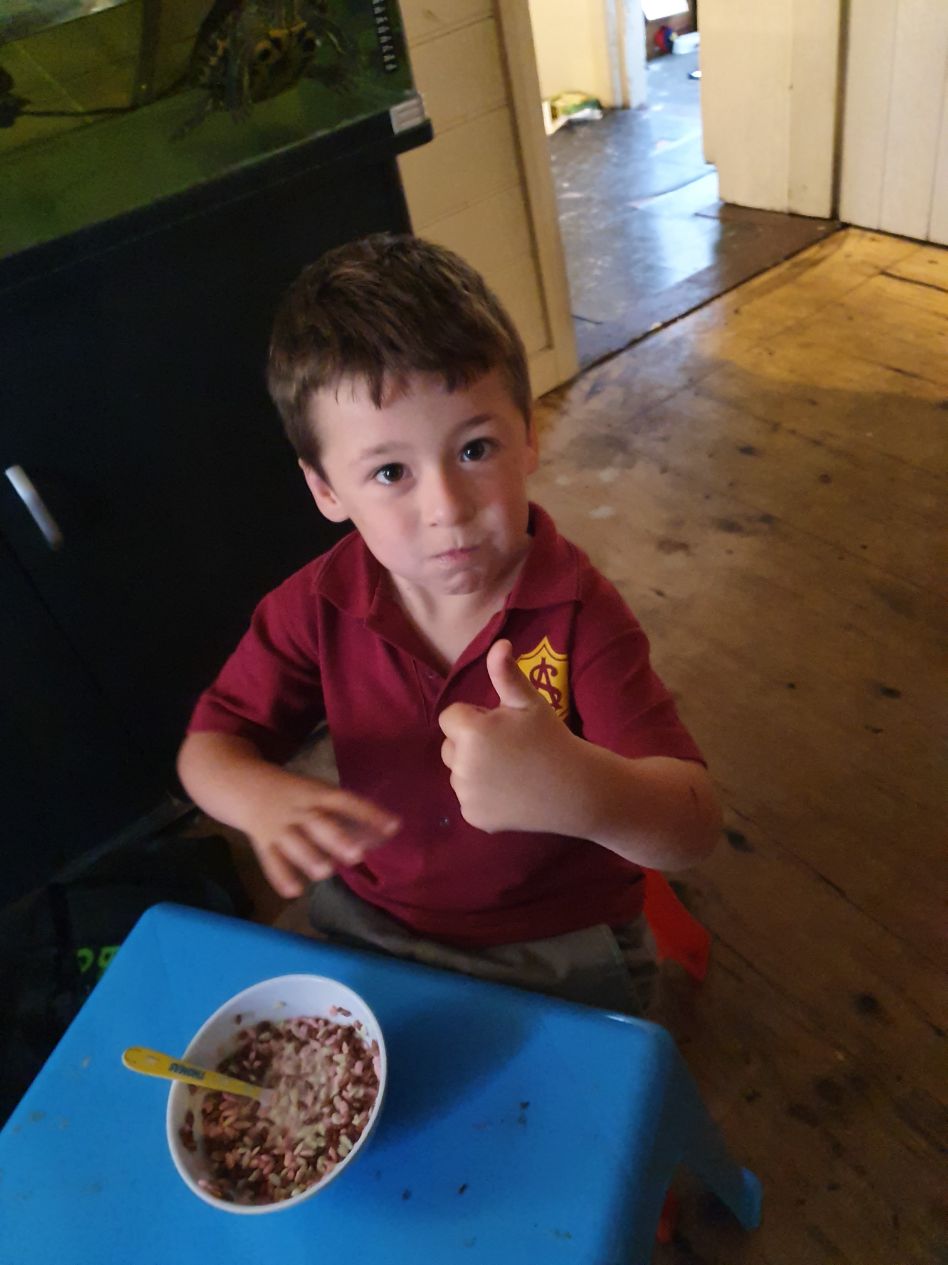
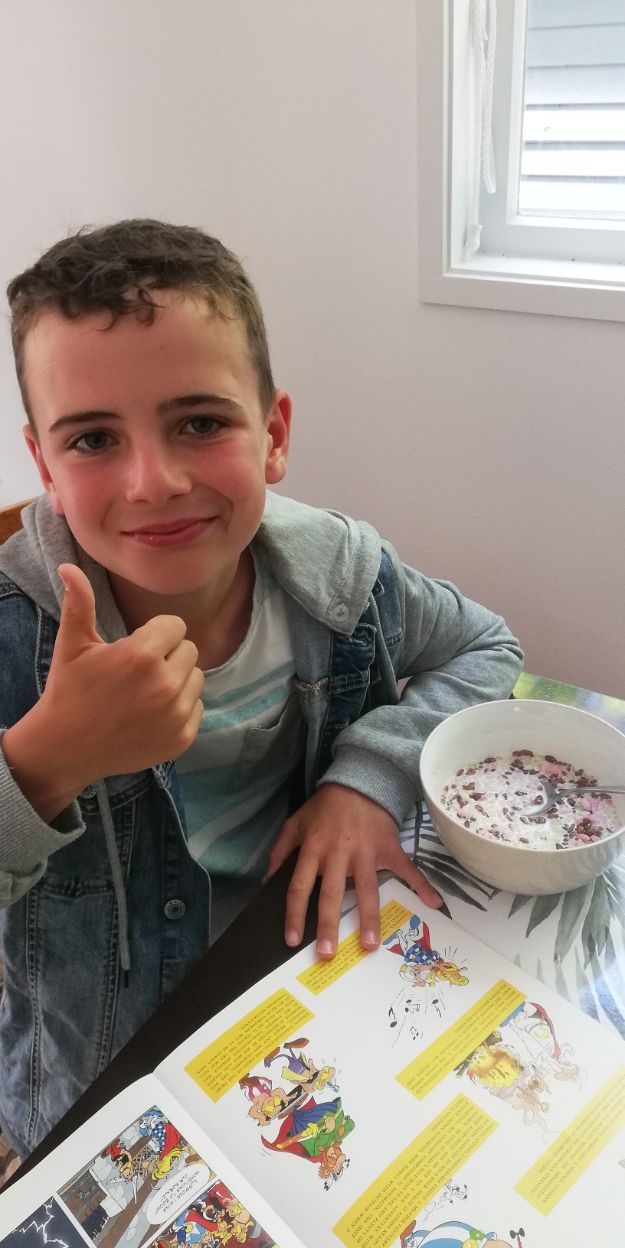
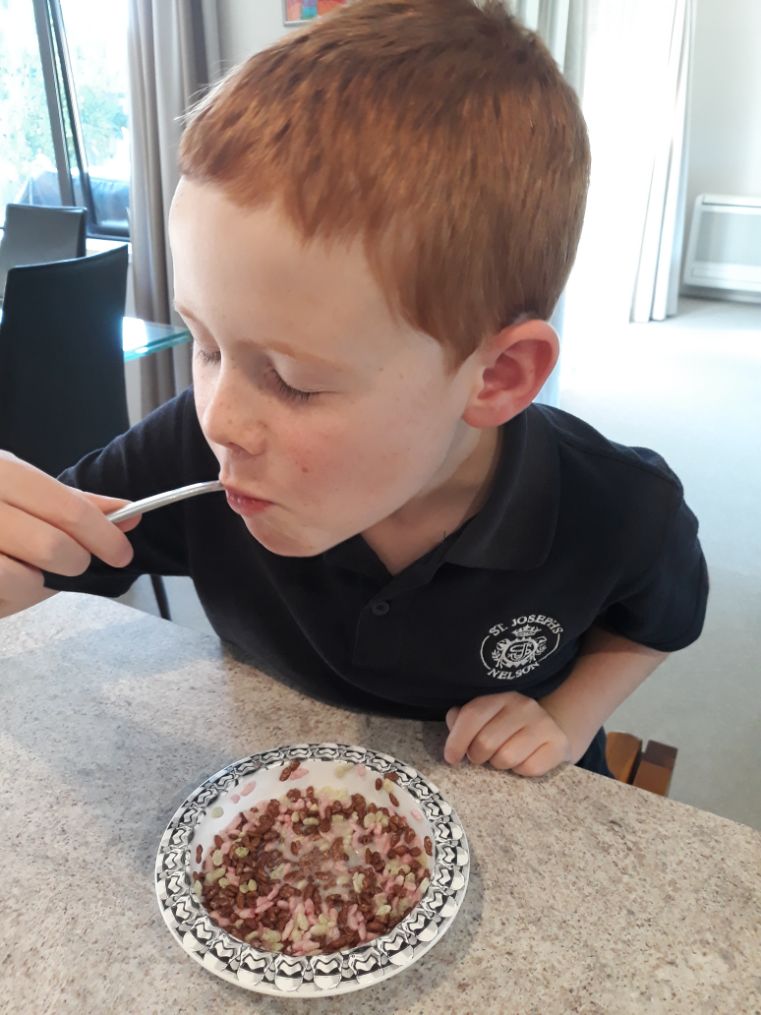
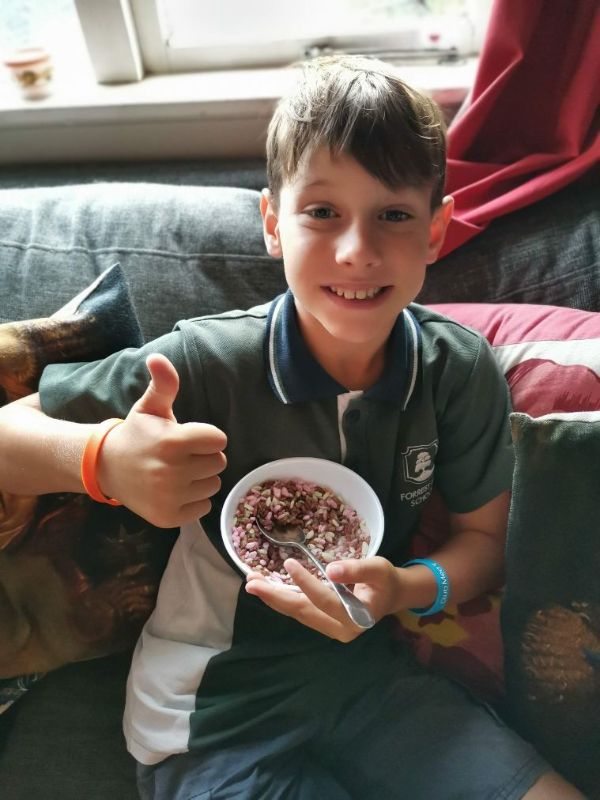
We have given 200 parents the chance to trial Healtheries Fun Puffs Cereal.

  • If you have received product for review, please scroll to the bottom of the page and add your feedback as a comment. Upload your review photos to this Dropbox folder.
  • Each selected reviewer will receive 1 x 300g box of Healtheries Fun Puffs Cereal
  • PLEASE NOTE: You will be required to submit three photos as part of your review
  • JOIN the Mums Say NZ Facebook page and keep an eye out for review updates

Please note

  • If you are selected to trial, the product will be sent to the address on your profile.
  • Please check your address now to ensure that it is up to date.
  • Not registered yet? Then sign up now.
  • Kidspot Terms and Conditions: Open to Kidspot members 18+ only. Only available for NZ residents. If you are selected, you will be required to use the product as soon as possible and supply a review, as set out in our review instructions. Your name and postal address will be given to the supplier for the purpose of delivery of the product only.
  • Click here for full Terms and Conditions.

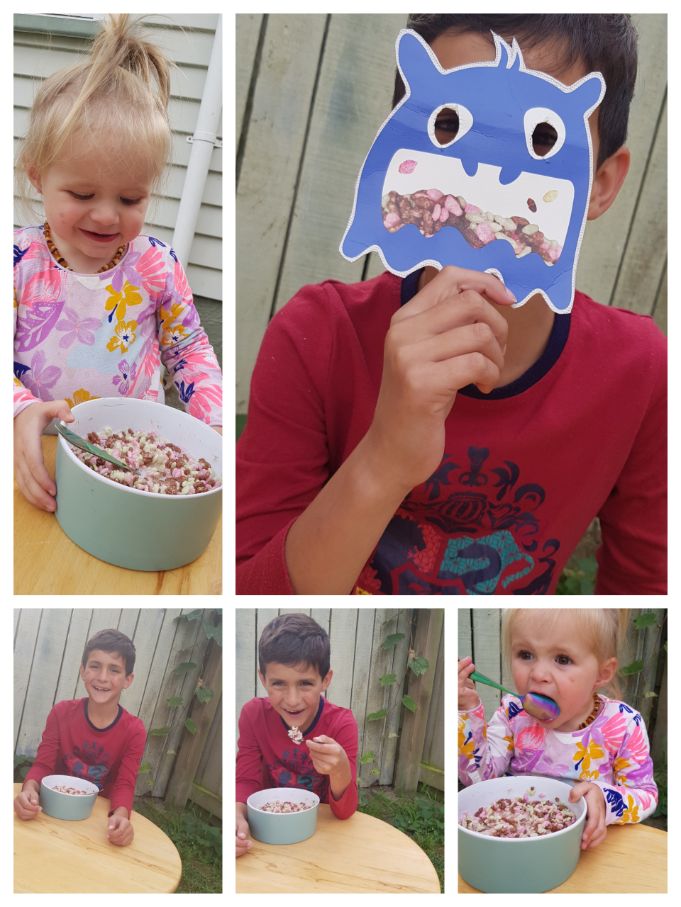
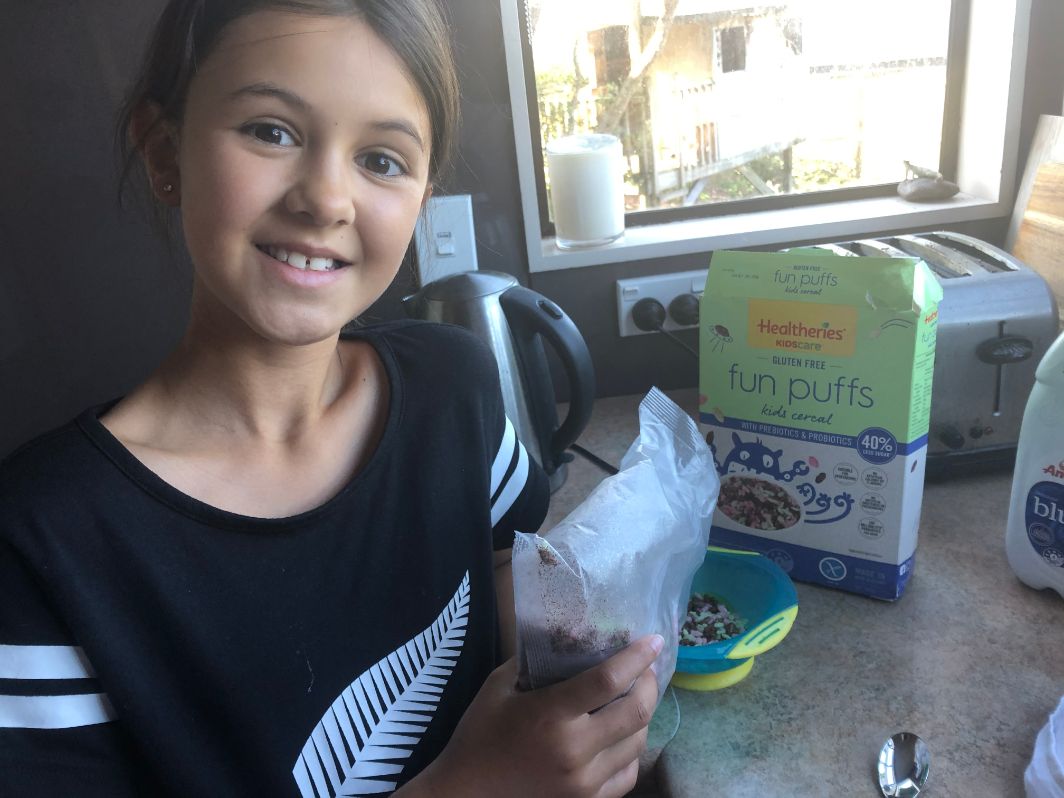
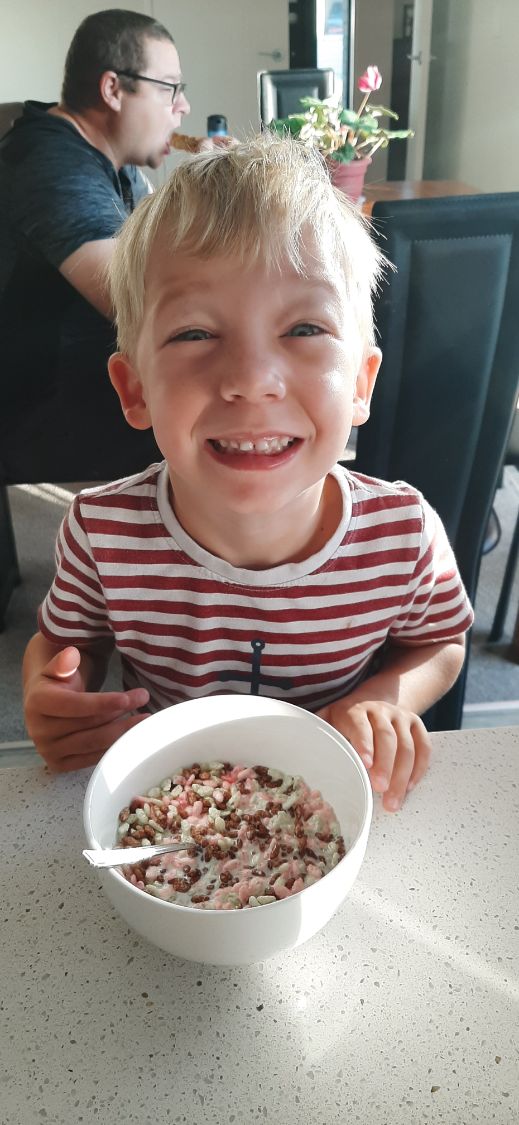
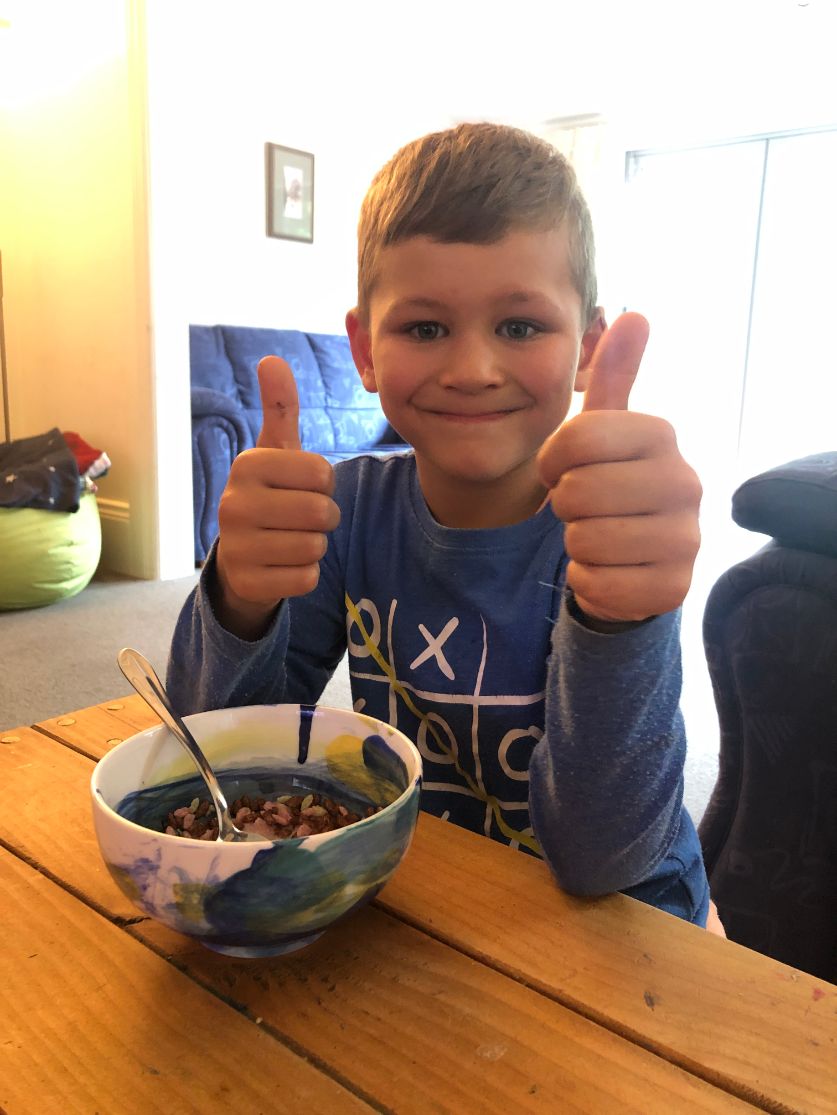
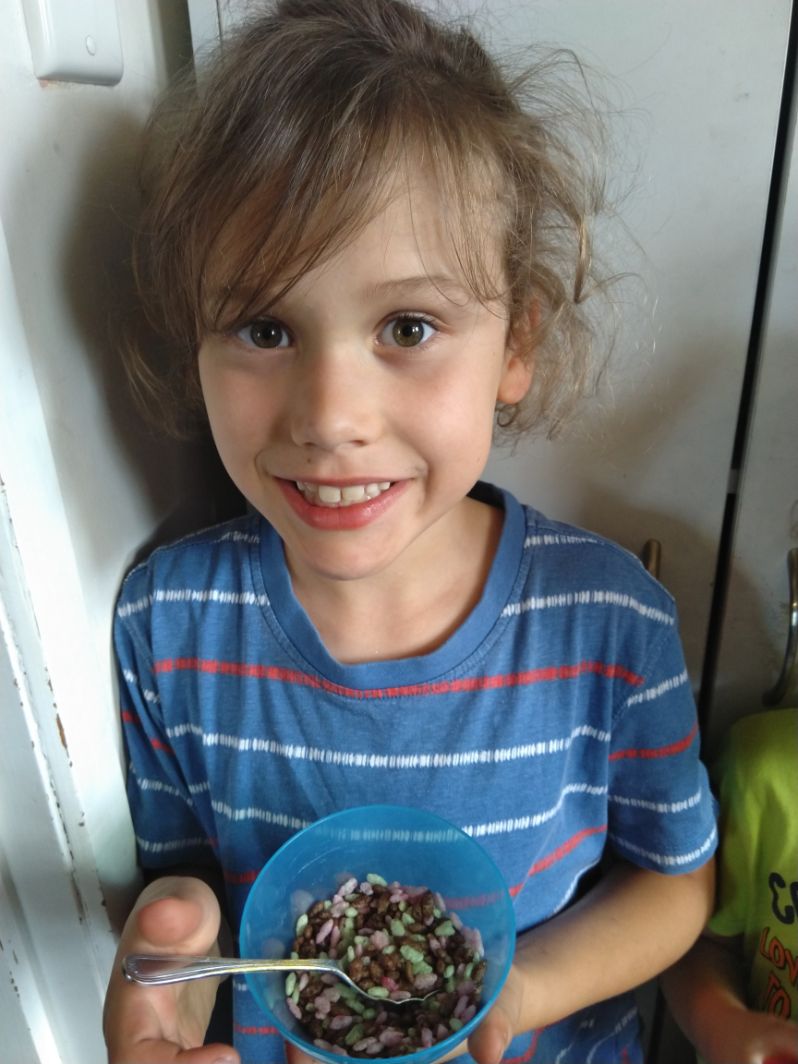
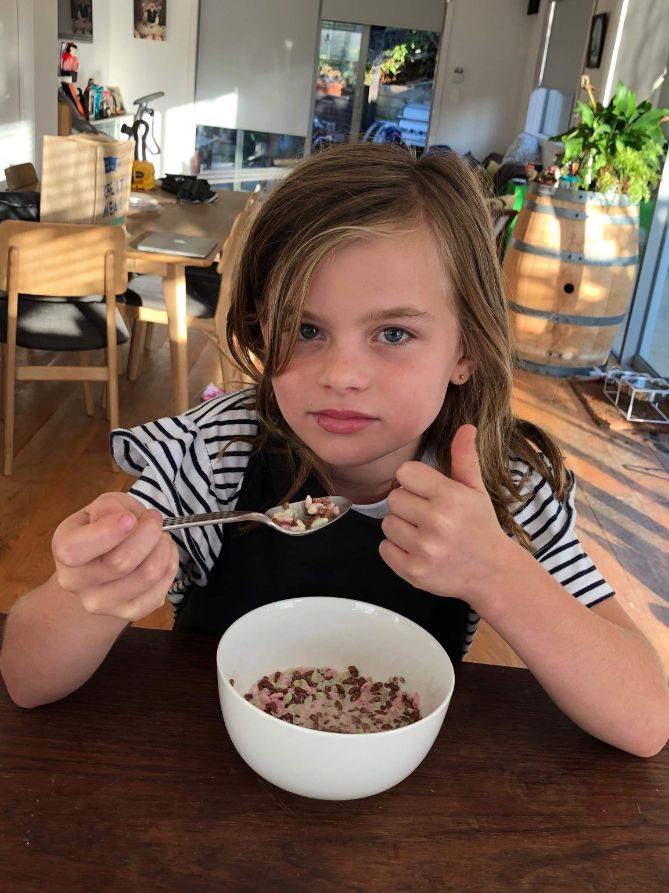
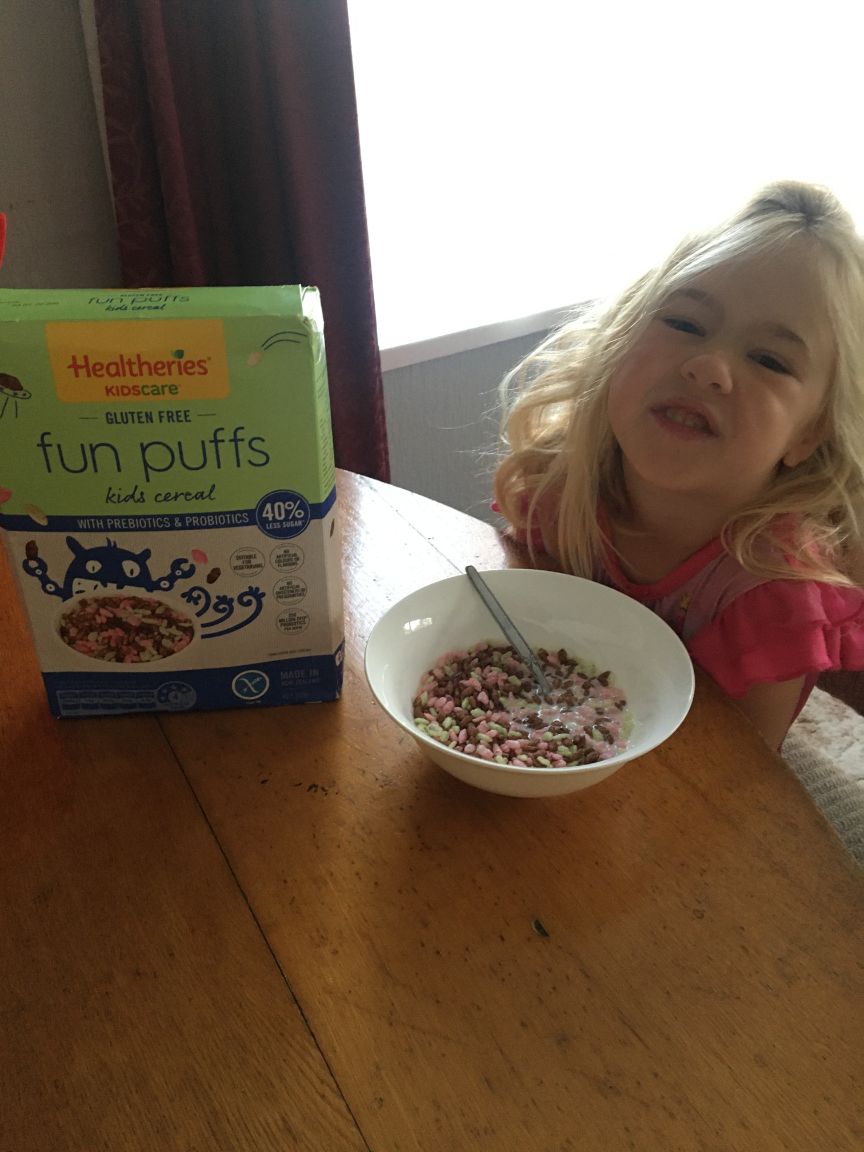
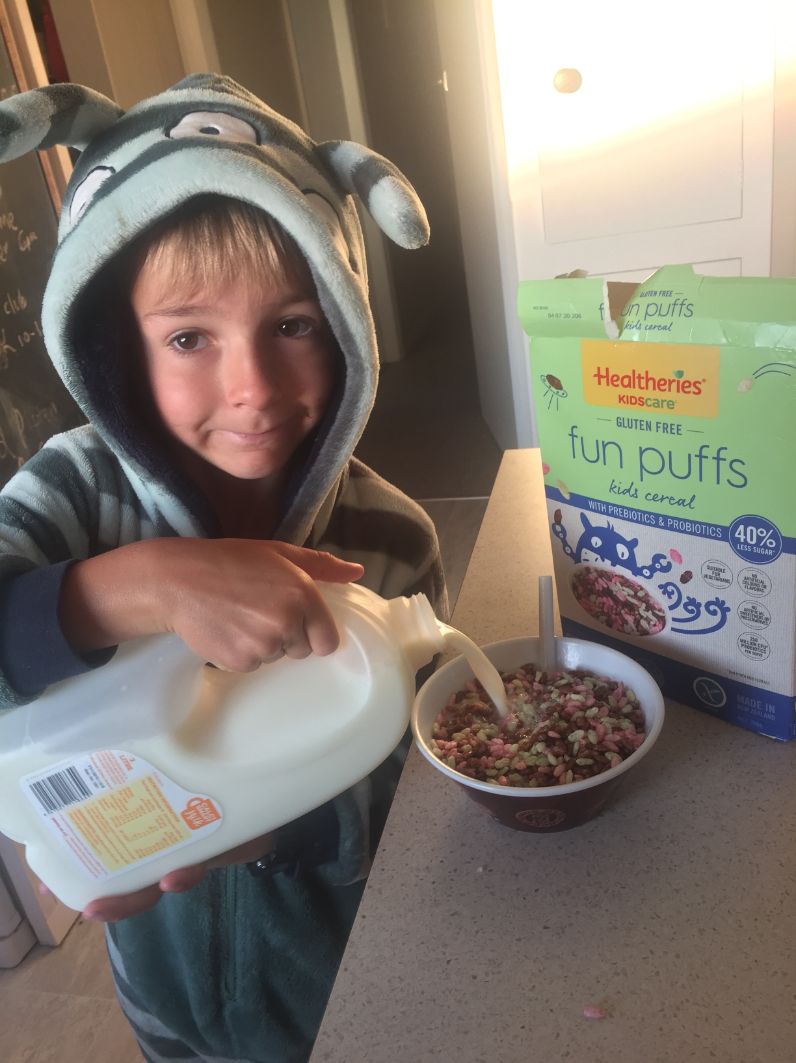
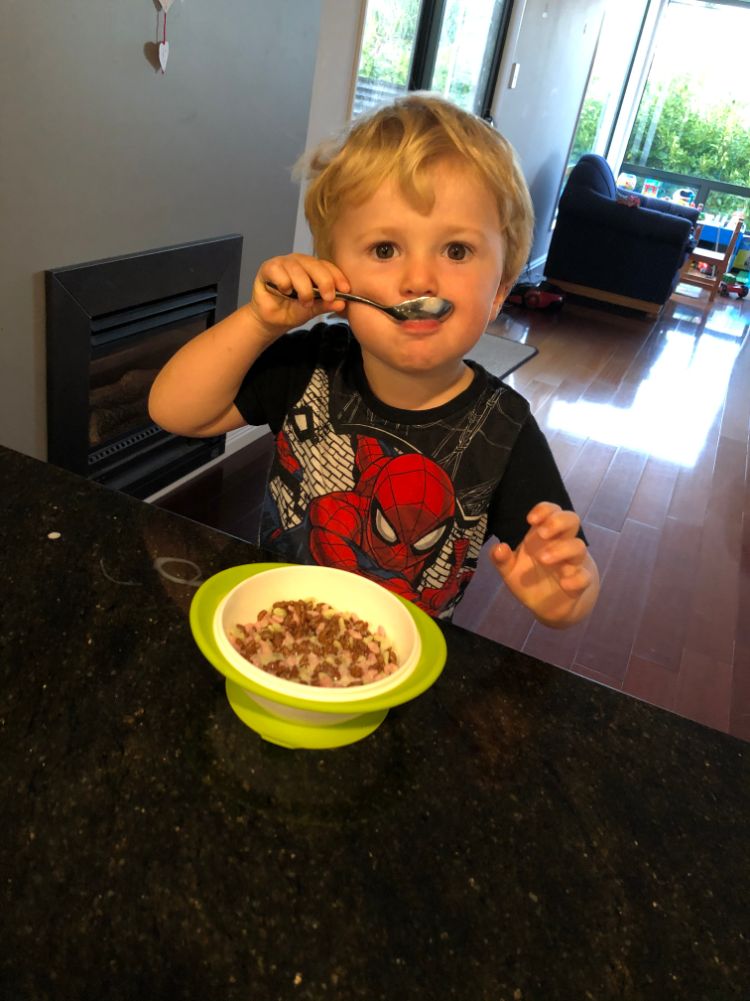
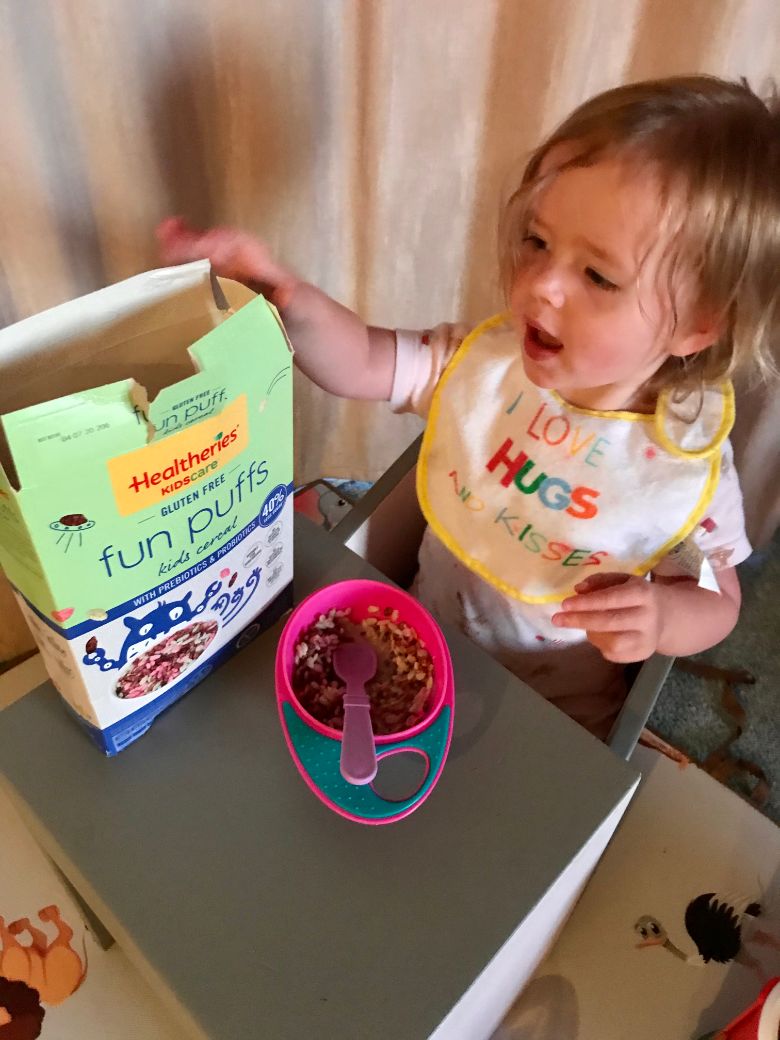
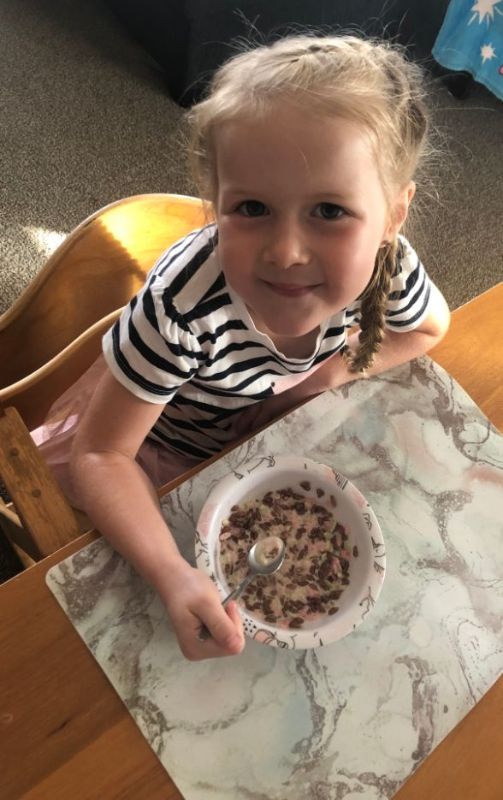
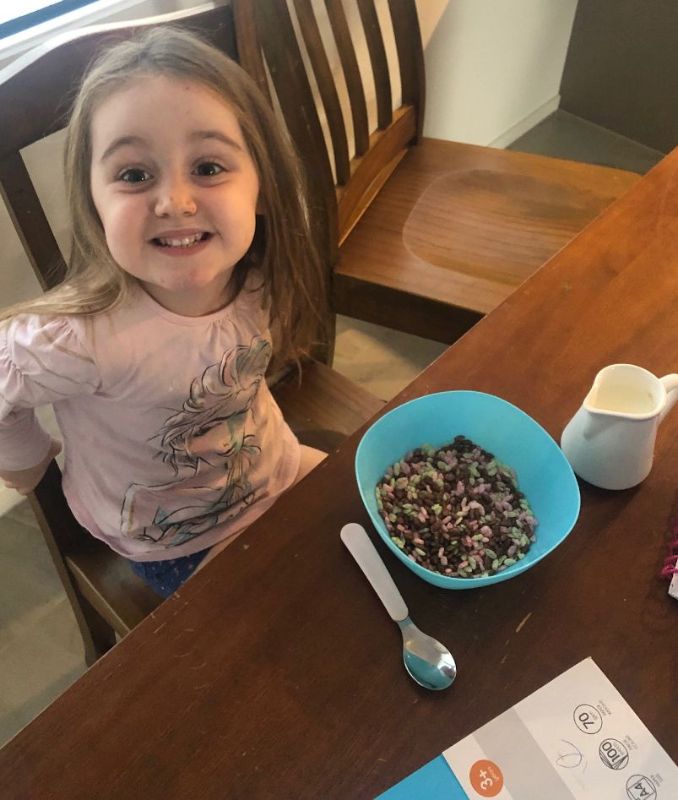
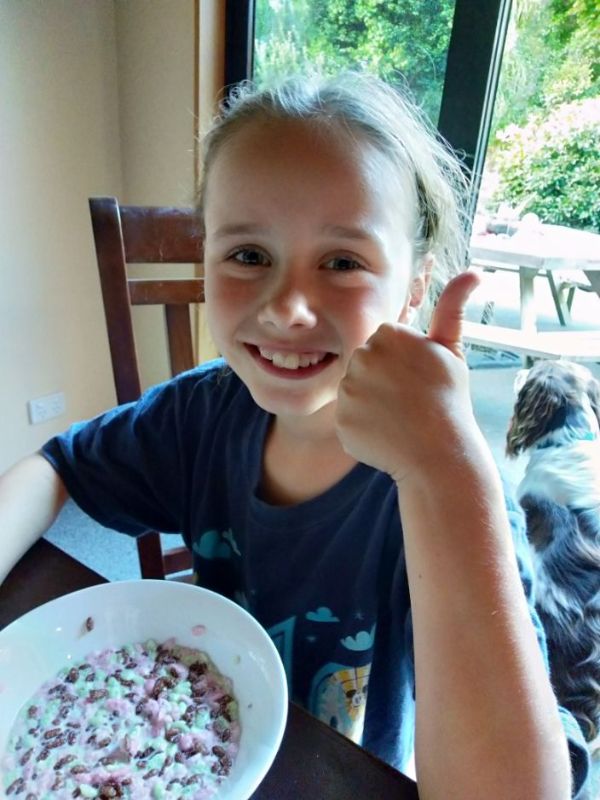
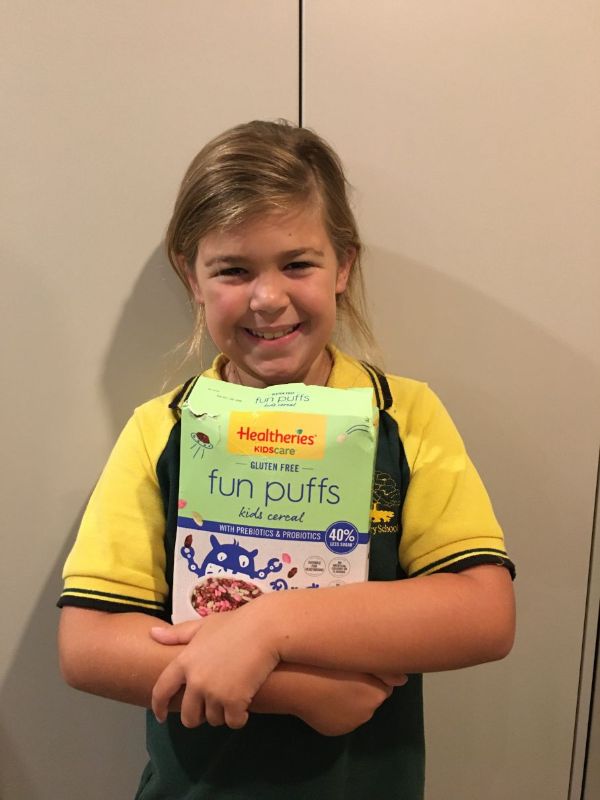
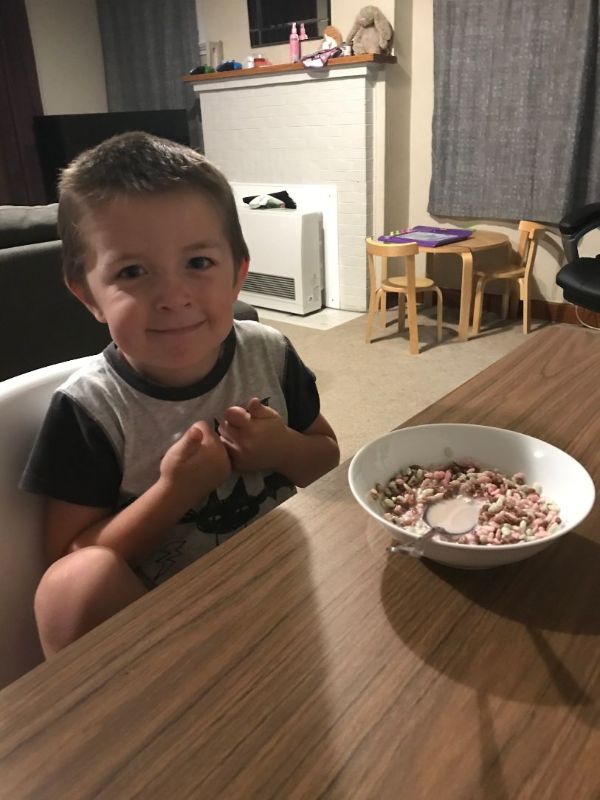
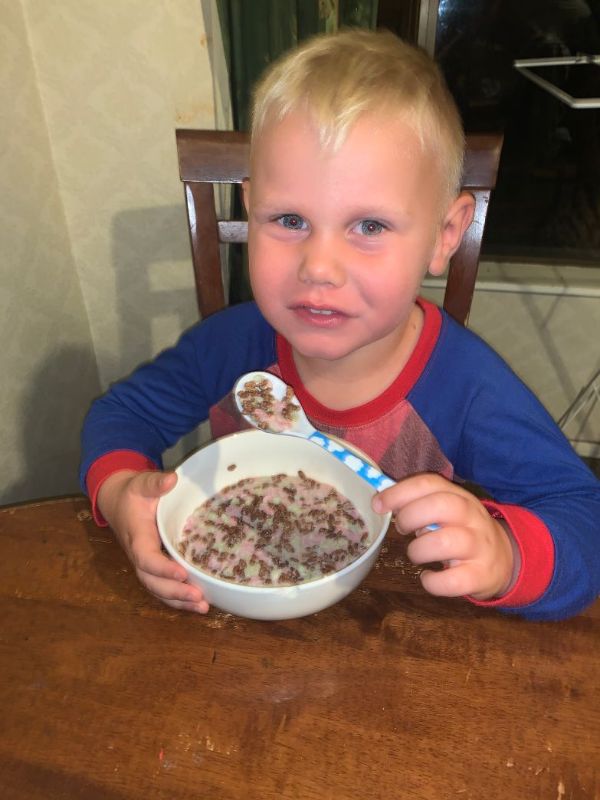
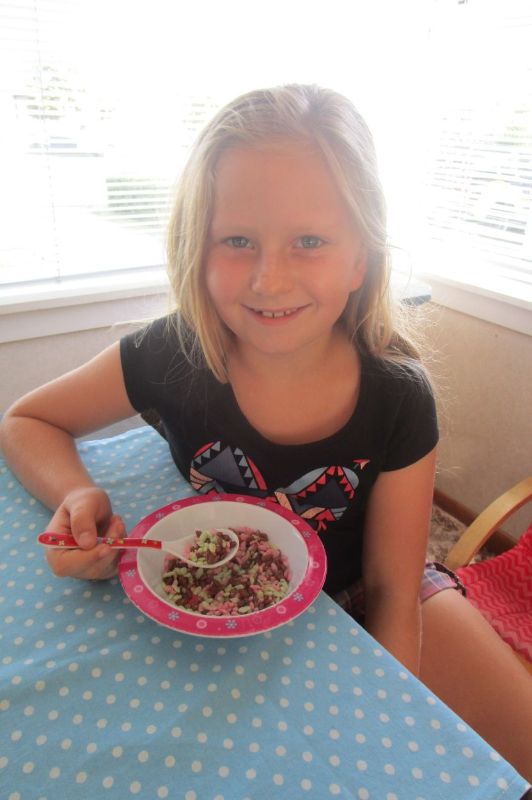
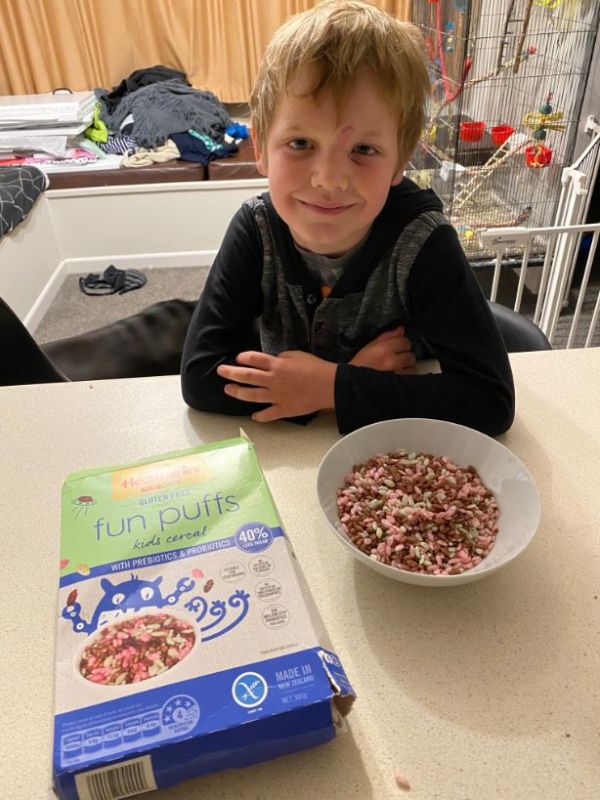
See photos from our reviewers below

31 Hacks For Summer Parenting

I love the summer holidays as it’s a nice long stretch where we can really forget about our ‘normal routine’ (eg school lunch boxes) and relax into a more carefree, come-what-may existence.

Of course, all carefree living takes careful planning. We ignore that maxim at our peril! Knowing how to navigate the trickier aspects of summer living with kids is critical. How can we make all the joys of summertime – visits to the beach, playing in the backyard, road-tripping to visit Grandma, camping, and picnicking – that little bit easier?

Here are 31 shortcuts, tips, tricks, ideas, and bits of advice that will take away a little stress and add a lot more carefree to your summer days.

Beach

The beach is great, but it’s loud, messy, and a little bit irritating too. Try these parenting hacks to soothe the burn.

1. Keep a king-size sheet in the car

Pop a fitted sheet over the entire back seat to catch all the sand. When you get home, simply shake all the sand out. Sure beats trying to vacuum the sand out of car carpet.

2. Keep your valuables safe

If you need to leave your beach camp to watch the kids in the water, store your valuables inside a rolled-up nappy in a nappy bag. Potential thieves will be fooled into thinking it’s just a dirty nappy in your beach bag. Ain’t nobody gonna touch that thing!

3. Use mesh bags for toys

Stock up on some big mesh bags to keep the beach toys in. Wash out the toys a good 10-15 minutes before you plan on leaving, put them straight into the bag, and hang the bag somewhere to dry (on your beach hut, a tree, a stick wedged in the sand … ). The toys will dry beautifully through the mesh and any residual sand will fall straight out of the bag.

4. Pump some water

Fill a large recycled soap pump pack with plain water for washing sandy hands before eating. There will be far less wastage than if you poured water over hands from a standard bottle. Pump bottles are also great for filling water balloons.

5. Take some cupcake liners along

We all love an icy pole to eat on the way home from the beach, but make life easier by putting a popstick-sized hole in the bottom of a large cupcake case and threading the ice cream stick through the hole. The cupcake liners will catch all the drips!

6. Blow up an inflatable pool

If you’re heading to the beach for a big day out, you can keep babies and young toddlers safer at the beach by corralling them with a blow-up pool play space. This is particularly effective if your pool has a built-in shade cloth. Make sure you securely anchor their impromptu play space though! Filling the pool base with lots of sand for them to play with will do the trick. For babies, you can also set up their portable cot and pop a fitted cot sheet over the top to keep the sun at bay.

7. Take some icy towel holders

Freeze water in plastic bottles overnight to take with you to the beach. Use them to hold the corners of your towel in place and they will melt in the sun for later drinking.

Travel

Long trips in the car are the reality for many of us over the summer. A car trip can be hot, it can be boring, it can be your basic nightmare. But only if you’re not prepared …

8. Hang an activity station

Hang a plastic shoe organiser over the back of the front seats and let the kids fill the pockets with their favourite toys, activities, and books. Keep some pockets free for snacks. You can also close up a couple of pockets and put a little surprise inside with strict instructions not to open until you say the word. This will keep the kids anticipating something along the road and if you time it right, you just might make it to your destination with everyone still enthusiastic!

9. Make a reusable activity book

Print out activity pages and put them into an A4 plastic sleeve and the sleeves in a three-ring folder. The kids can use whiteboard markers and wipe their answers off for next time. Another win is that there will be no tears when the car hits a bump and the pen goes flying across the page! For older kids, you can print out lots of crosswords, find-a-words, mazes, and worksheets. For younger kids, you can try colouring pages, letters, numbers and matching games. Good sources for free printables include:

10. Turn an old lunchbox into a LEGO case

How cute is this portable LEGO case? I reckon any kid would love one. Mama Papa Bubba show you how to make one.

11. Use plastic containers for games

Throw the dice inside a see-through plastic container to save it flying all over the car. You can also give each player a container to keep their cards in to keep things neat. Board games go much better if played on a large tray – pack a big, soft cushion to rest the tray on the middle seat (or lap of the child in the middle!) while the kids play.

12. Use biscuit trays for playing

A metal biscuit sheet is a perfect surface for drawing, colouring, and writing on. Use a magnetic clip to hold the paper in place (you can get these for whiteboards or use the clips from your fridge). You can also use the tray for building LEGO (use a tray with small sides to keep the pieces from sliding off) – stick some magnets to the bottom of some small plastic containers and stick them to the tray for keeping extra LEGO pieces in. If you’re really keen, photocopy the surface of your children’s favourite board games and stick the photocopy onto a biscuit sheet. Then add magnets to the pieces so they can play to their heart’s content without everything falling everywhere as the car moves along.

Backyard

13. Pool noodle balloon tennis

Pool noodles aren’t just fun in the pool, you can create all sorts of fun outdoor games and party games for kids with some pool noodles. Try this fun balloon game with a pool noodle hoop. Find the instructions here on Kidspot.

14. Grow a bean teepee

A bean teepee is the cutest way possible to give your child their own little backyard nook without spending a fortune. Plus you can eat the cubby! Mavis can show you how to make one at One Hundred Dollars a Month. You can bring your backyard to life this summer by allocating different spots in the garden to become a dinosaur lair, a zoo, a fairy village, or a natural play space. Find some really great ideas here:

15. Set up an outdoor play table

If you’re pressed for space, you can make an outdoor play area for the kids by constructing a simple table that folds flat against the fence when not in use. Find out how to make it at Sensibly Sara.

16. Bring the beach to the backyard

If you can’t get to the beach (or you’re tired of the schlep), bring the beach to you. You can allocate a corner of your backyard over to some pretend seaside fun. It’s like having a giant sandpit. Ship in a heap of sand (check in with your local landscaping supplier to get a good deal), add a spade and shovel, and let the sandy fun begin! It’s best to have an area that you can cover to keep cats aways when it’s not in use.

17. Make a giant mural

Lay an old sheet out on the back lawn, bring out the paints and let the kids go berserk painting a giant mural. You can hang the mural on the clothesline for showing-off purposes.

18. Blow some giant bubbles

You can make your own giant wand and the secret bubble mix that produces bubbles that are bigger than the kids. This is an all-day activity that will keep the kids happy and outside for hours. Find the instructions at Happy Hooligans.

19. Create a giant water blob

You can fuse two plastic painter’s sheets together with an iron and fill it with water to make a giant water blob for the kids to go mad on. Full instructions at Homemade Toast.

20. Slip ‘n slide success

Use a tears-free body wash or shampoo to give your slip ‘n slide some get up and go without the tears. Popping pool noodles along the edges can help to keep the water (and kids) contained. Either roll them into the sides and secure with landscaping pins or just make a slit down the length of the noodle and slip the slide material into them.

Picnic

21. Have some bubbly fun

Take a few dollar shop bubble wands along on your next picnic and fill a larger bottle with bubble mix so the kids can refill and keep blowing.

22. Put food on sticks

Thread a fruit salad, a sandwich, a pasta dish, or a pancake onto a stick to serve to the kids. Result? More food makes it into busy mouths with less mess.

23. Pack food into lunch boxes

If you’re picnicking with kids, it makes sense to stick to the tried and tested lunch box regime. Instead of shared bowls, pack each child their own portion in a lunch box. Kids know what to do with a lunch box.

24. Take cupcakes the easy way

Don’t fuss around with expensive plastic cupcake holders that are bigger than the Moon. Pack mini cupcakes into DIY cupcake holder for easy transportation.

Camp

See the ideas for ‘beach’ and ‘picnic’ above and then add these clever little tricks to really make your summer camping relaxing!

25. Put on a shadow show

Kids love putting on a show for the parents and the tent is perfect for a shadow show. Help them write a cool script during the day so they can really show off by making some interesting shadows at night.

26. Take your ‘welcome’ mat

A front door mat at the front door of your tent will do an amazing job of keeping dirt out of the sleeping area. This is a must when you are camping with kids!

27. Pack everything into plastic drawers

You know those stacks of pull-out drawers you can get for the pantry? Use them for camping! Pack one for the kids’ clothes and personal stuff to keep in the tent and another with food and kitchen equipment. You can also use a plastic shoe organiser for stashing the kids’ clothes and toys. Being able to access their own stuff in a neat way is a great way to help kids learn independence when you’re camping. Kidspot has handy packing lists for families.

28. Make some campfire cones

This is a great dessert idea that the kids can help with. Make American s’mores in a cone to pop on the barbecue. Find the recipe on the Kids Activities Blog.

29. Foam play tiles make a great floor

The kids’ colourful foam jigsaw puzzle pieces make fantastic flooring for the tent, so bring them along! They’ll double as a familiar play surface for babies and toddlers during the day.

30. Keep the toilet paper clean and dry

The kids will love decorating a coffee can ready to pop the toilet paper into. Lots of glitter and gemstones will keep things fun and the toilet paper easy to find!

31. Make a cubby

Take along a shower curtain, painter’s drop cloth or tarp to make a waterproof bush cubby for the kids. Set it up with some foam flooring (see above) and a few outdoor cushions. It will be a nice nook for them to retreat to when all the outdoor fun gets to be too much.

This article was originally written by Maxabella for Kidspot Australia and adapted for Kidspot NZ.


Creative Ways To Encourage Your Child’s Artistic Talents

Many parents think that children only need to excel at academics in school in order to be successful later in life. However, art can be an important factor in a child’s development, as it allows them to express themselves better. Moreover, when used as a form of therapy, art can be a tool that can help children heal from painful experiences.

New Zealand book illustrator, Lyn Kriegler, knows all about the positive impact of art as she regularly holds art workshops to help children deal with anger issues and trauma. In an interview with The Epoch Times, Kriegler said that everyone has that “light within them” that can be sparked by art, which is why children should be encouraged to take up a creative form of expression for their health and happiness. If you notice that your little one has an interest in drawing, painting or colouring, here are some creative ways to encourage your child’s artistic talents.

Draw while people watching

Some children will start drawing right away, and they’ll do just fine if you leave them alone with some crayons and paper. However, some kids will need a little more inspiration than that before they can unleash their creative talent.

To get your child drawing or painting, why not take them to an outdoor café so they can draw while people watching? It’s good practise when learning to draw human faces, and it also helps them become more observant of the people around them.

If it’s your child’s first time drawing faces, guide them and teach them about the basic shapes, and encourage them to draw a variety of eye shapes and colours, nose sizes, and lip shapes – after all, not everyone looks the same. Bring a sketchbook, some pencils, coloured pencils and markers, and take your child to a child-friendly New Zealand pub, restaurant, or café, such as the Northcote Tavern, Postman’s Leg, Mexicali Fresh, Charlie & George Café, or Mission. Plan on going when the weather is nice so you and your little one can enjoy some fresh air while sketching different faces.

Go on a street art walking tour

Going to a gallery or a museum allows your child to learn more about some of the greatest works of art. However, if your child wants to view art in a different way, why not take them on a street art walking tour? There are walking tours available in the major cities, some offering the chance to view unique murals by artists such as Erika Pearce, D Side and Cracked Ink. Viewing street art opens up a whole new world to your child, and it lets them know that art can be found even in the most unexpected places.

Have a mini exhibit at home

Once your child has created several pieces, it’s time to show them off to your family and friends. Plan on having a mini exhibit at home at your next dinner party, and showcase your child’s artwork. You don’t have to spend a lot to do so – you can frame some of your child’s best works and hang them up or display them on easels, or display them on a clothesline made from a thin piece of crafting rope. Add some fairy lights to give the exhibit a festive vibe, and play some fun music to enhance the experience. Displaying your child’s work will give them a sense of pride and will encourage them to keep on working on their craft.

Art can help to boost your child’s happiness and confidence. Encourage your little one to develop their artistic talents by trying some of these tips, and see how art can have a positive impact on their life as they grow.

Does your child love to create art? How do you nurture their creative talents?

See more:

This article was written by Sally Sykes with additional content by Kidspot NZ. Sally is a freelance writer who left her corporate job for a life of freedom. She regularly travels with her family and absolutely loves camping in the great outdoors.

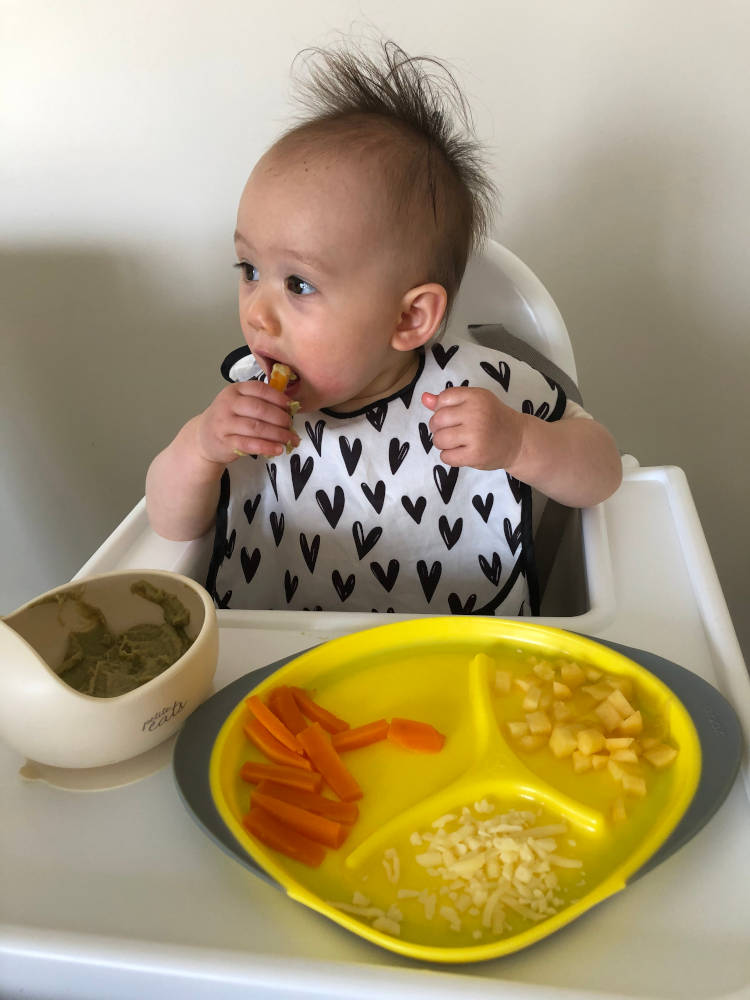
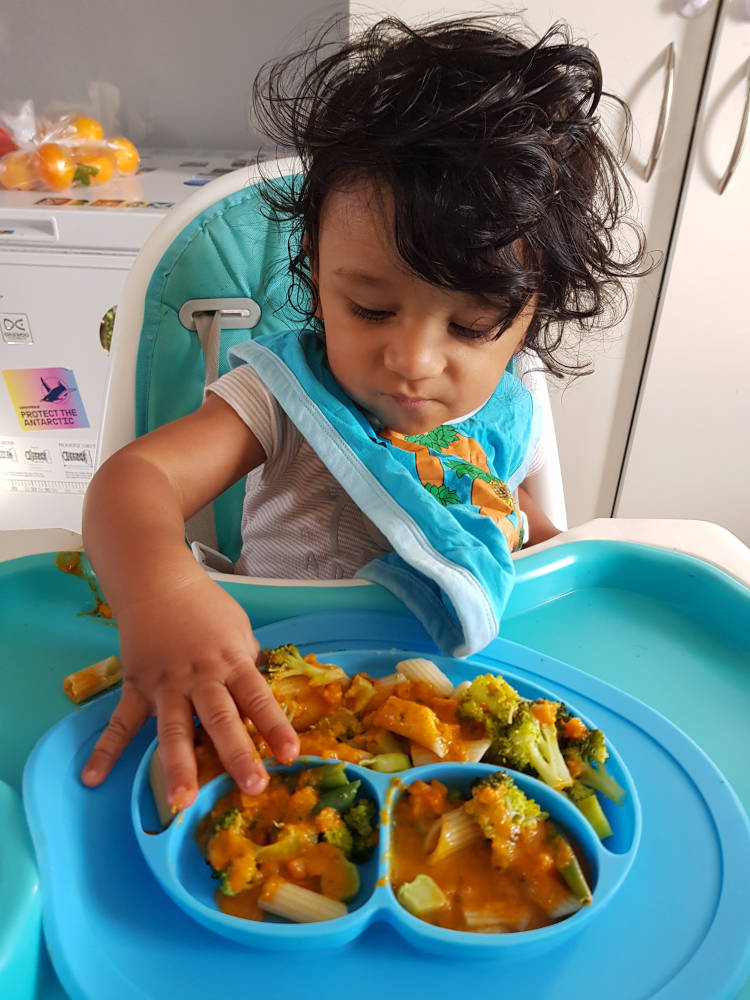
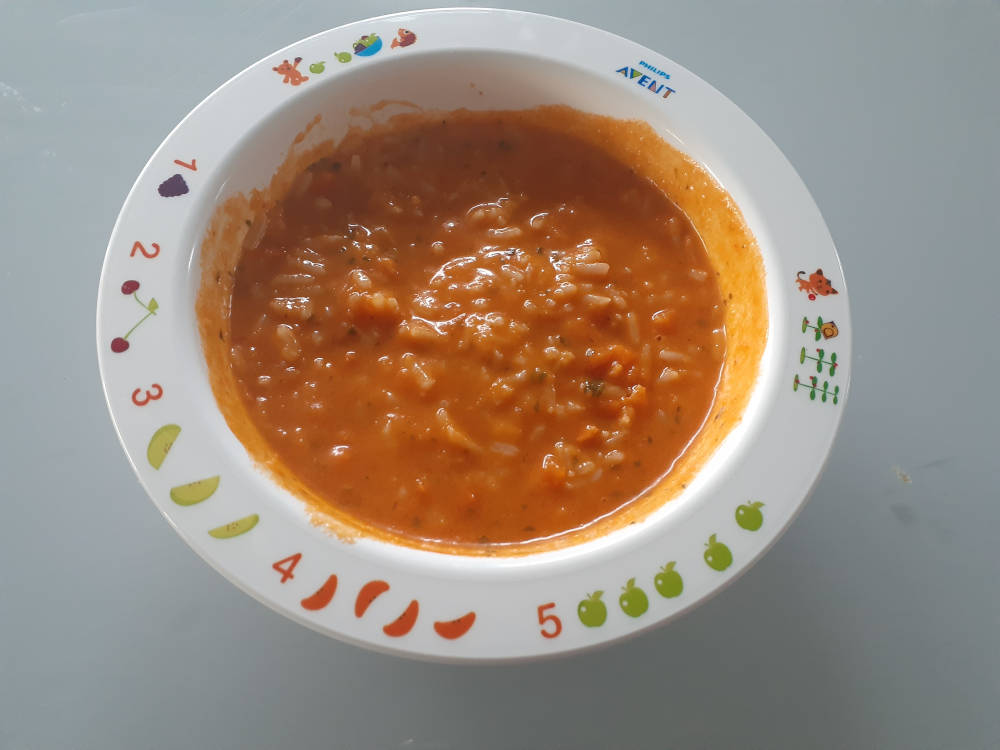
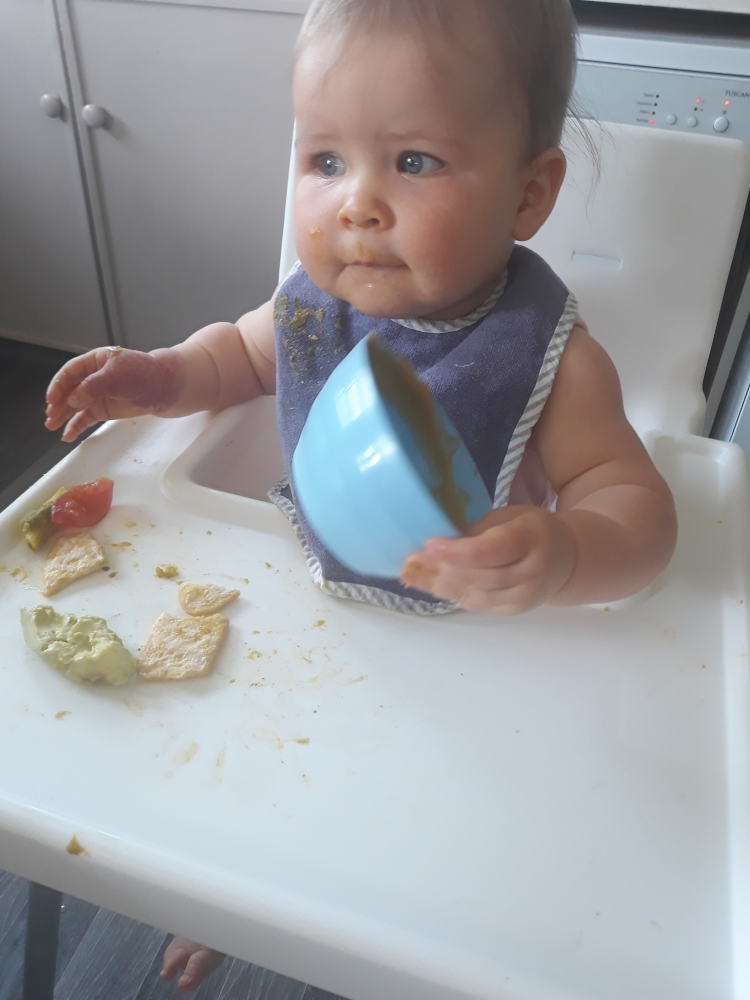
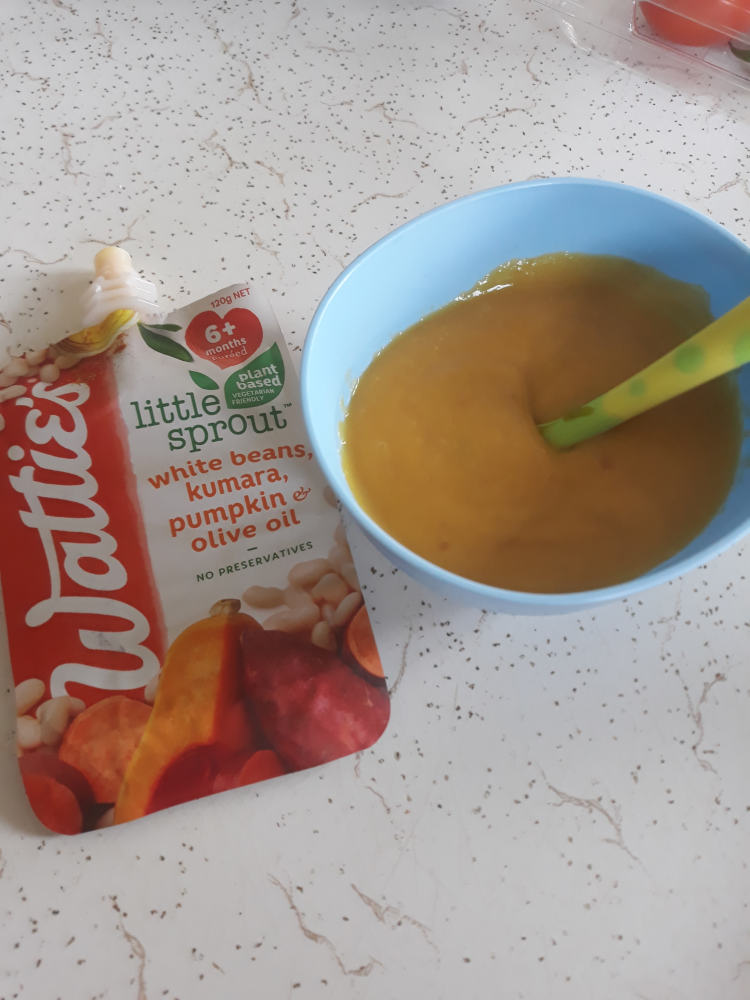
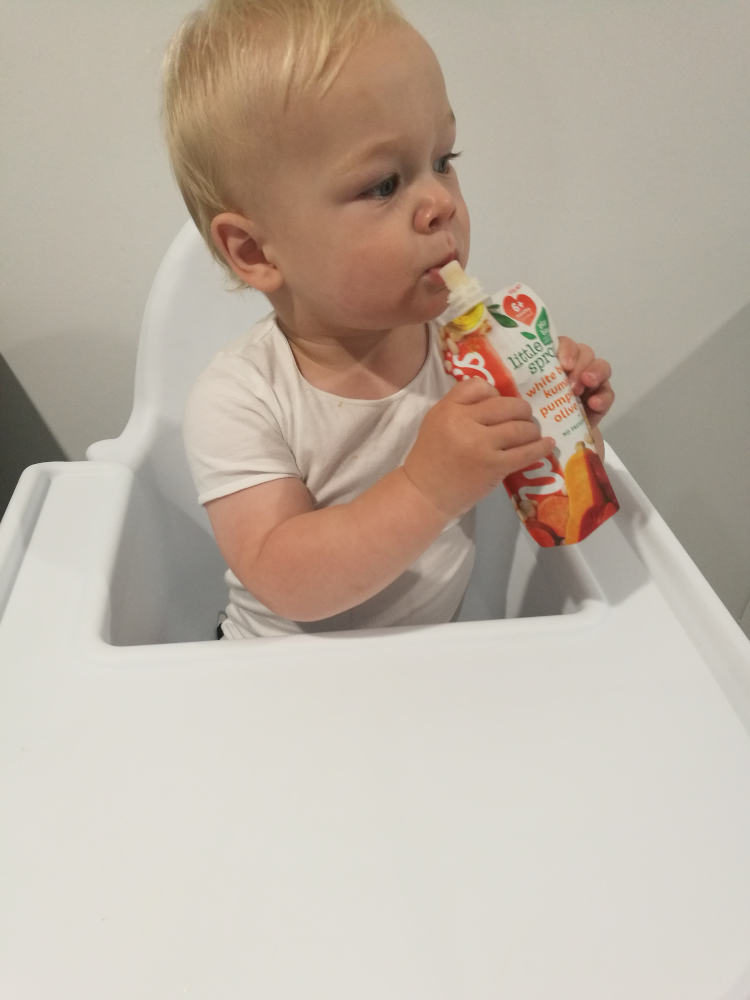
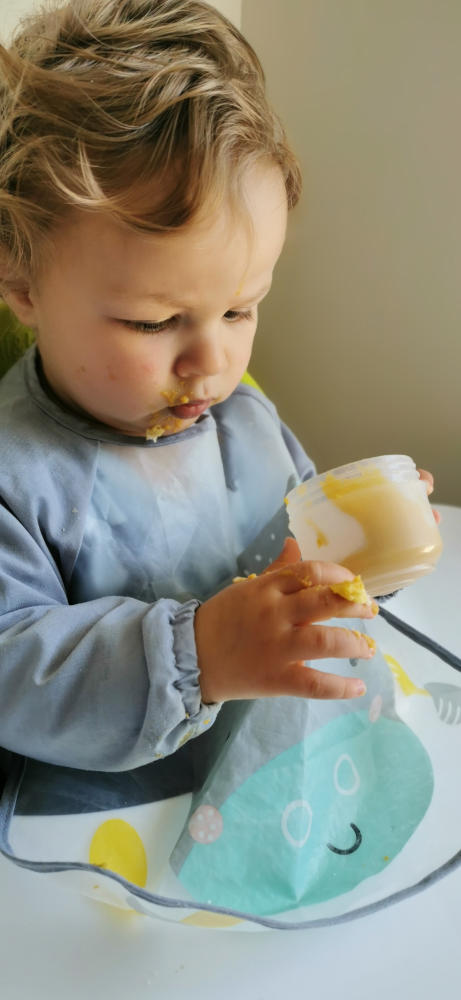
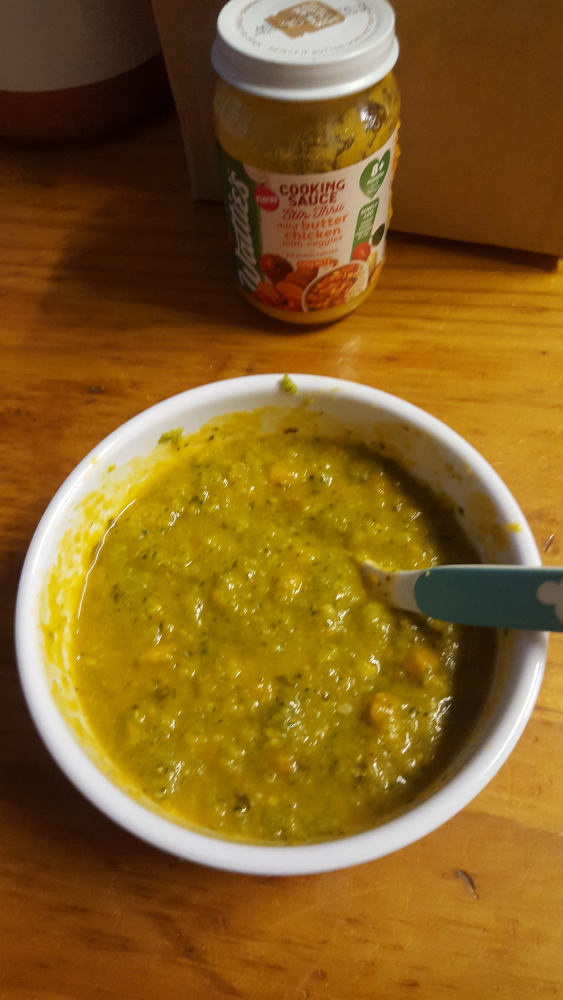
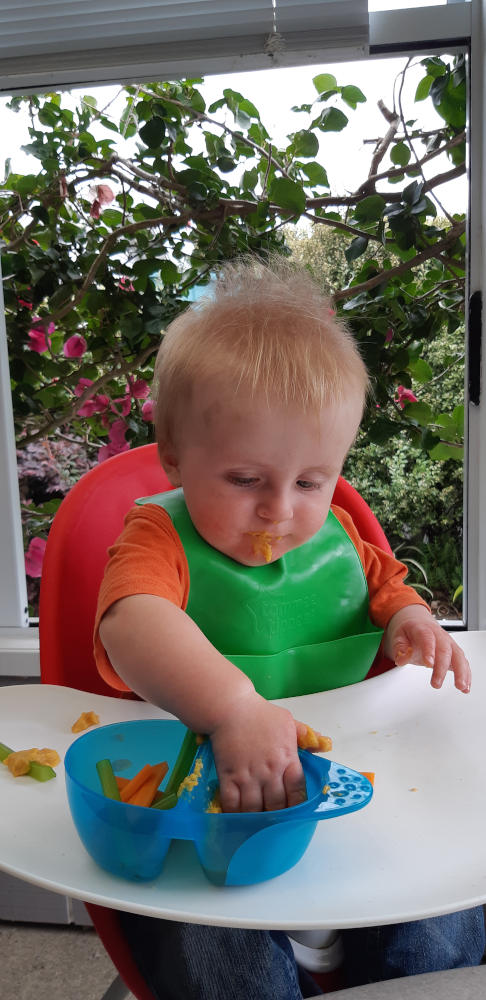
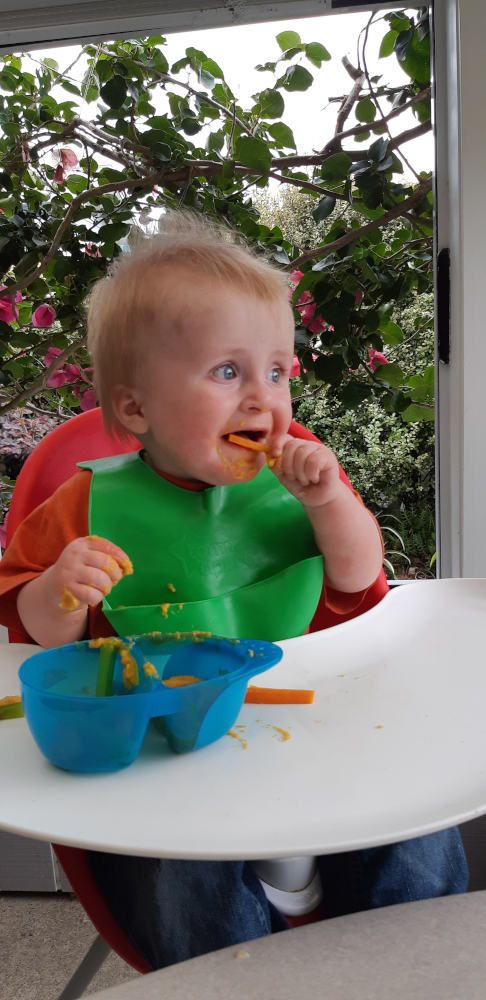
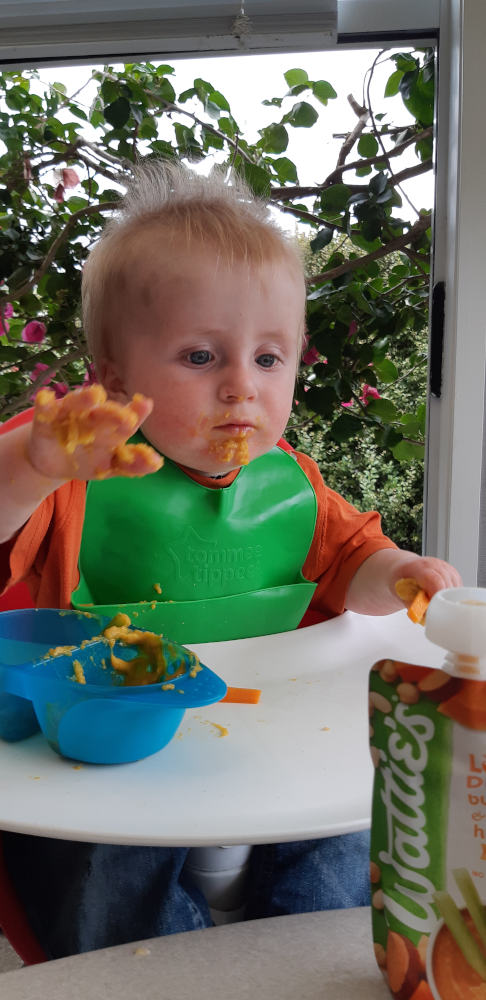
Wattie’s Little Sprouts, Little Dippers, & Stir Thru Sauces

product trial4.00 out of 5 – Kidspot mums were pleased with Wattie’s Little Sprouts, Little Sprouts or Stir Thru Sauces.

star rating

A new solution for feeding baby from Wattie’s

Discover a new way to feed baby that’s fun and delicious for baby, yet simple to include in your family’s routines.

  • Wattie’s Little Sprouts – ready to eat plant-based baby meals for 6+ months and 8+ months
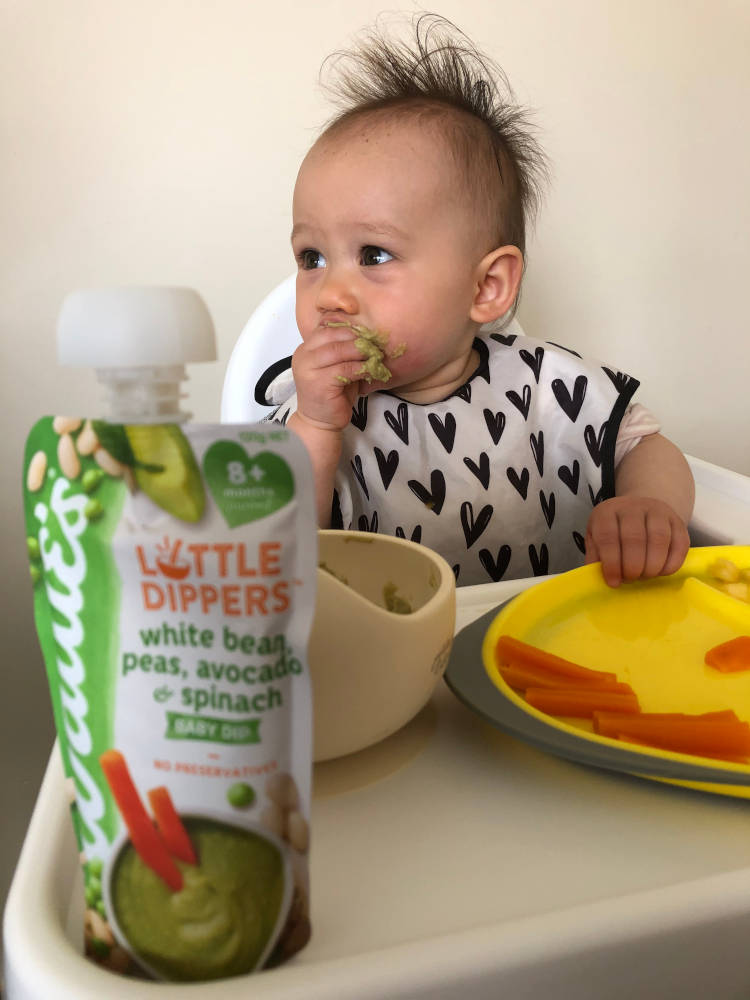
  • Wattie’s Little Dippers – baby dips to complement baby-led weaning for 8+ months
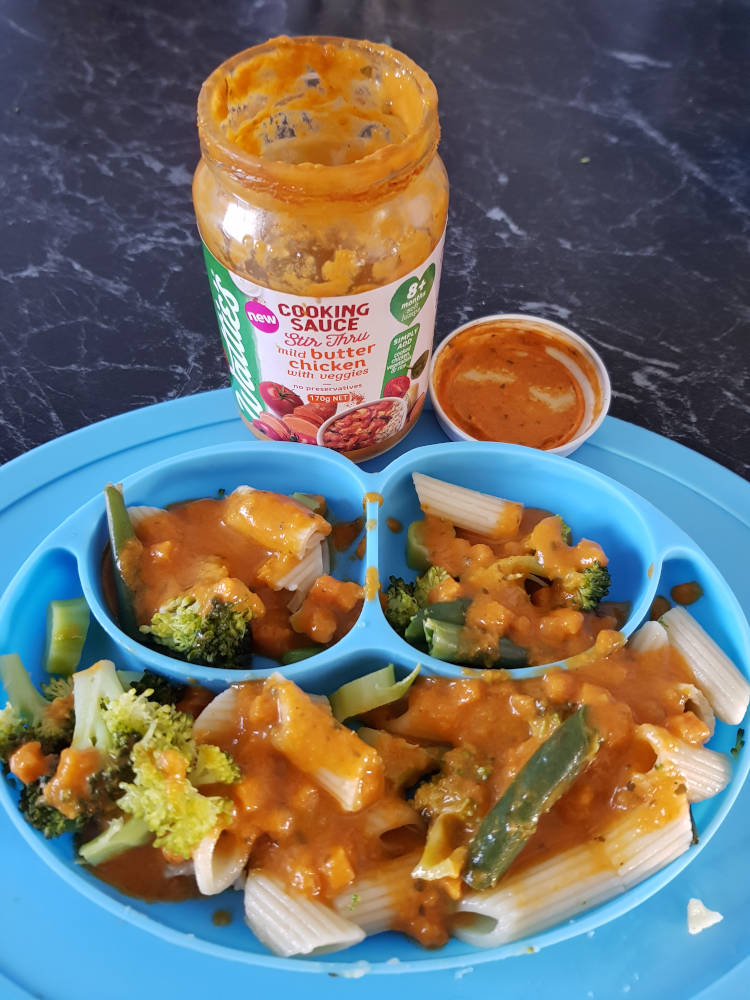
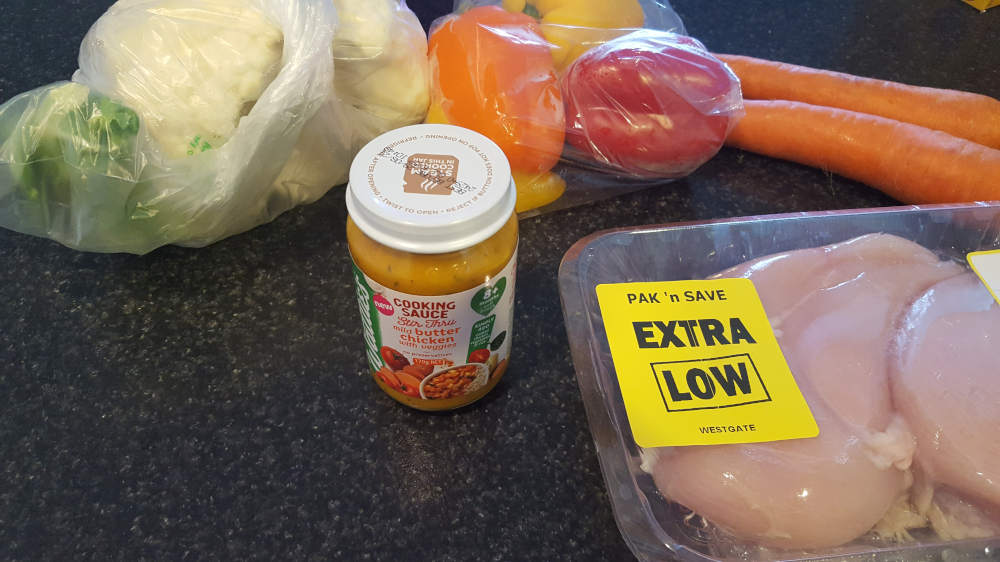
  • Wattie’s Stir Thru Cooking Sauces – heat and stir sauces to add to your homecooked food for 8+ months

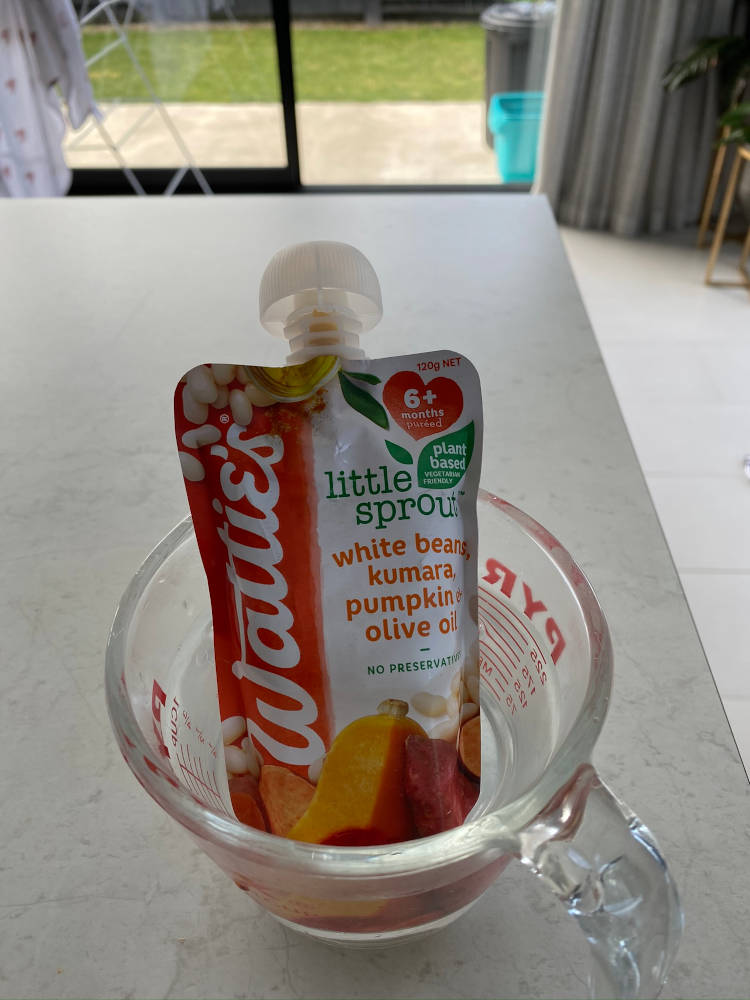
Wattie’s® Little Sprouts™

Wattie’s Little Sprouts are plant-based meals for baby that are packed with tasty veggies and legumes. These vegetarian-friendly options are a source of plant protein.

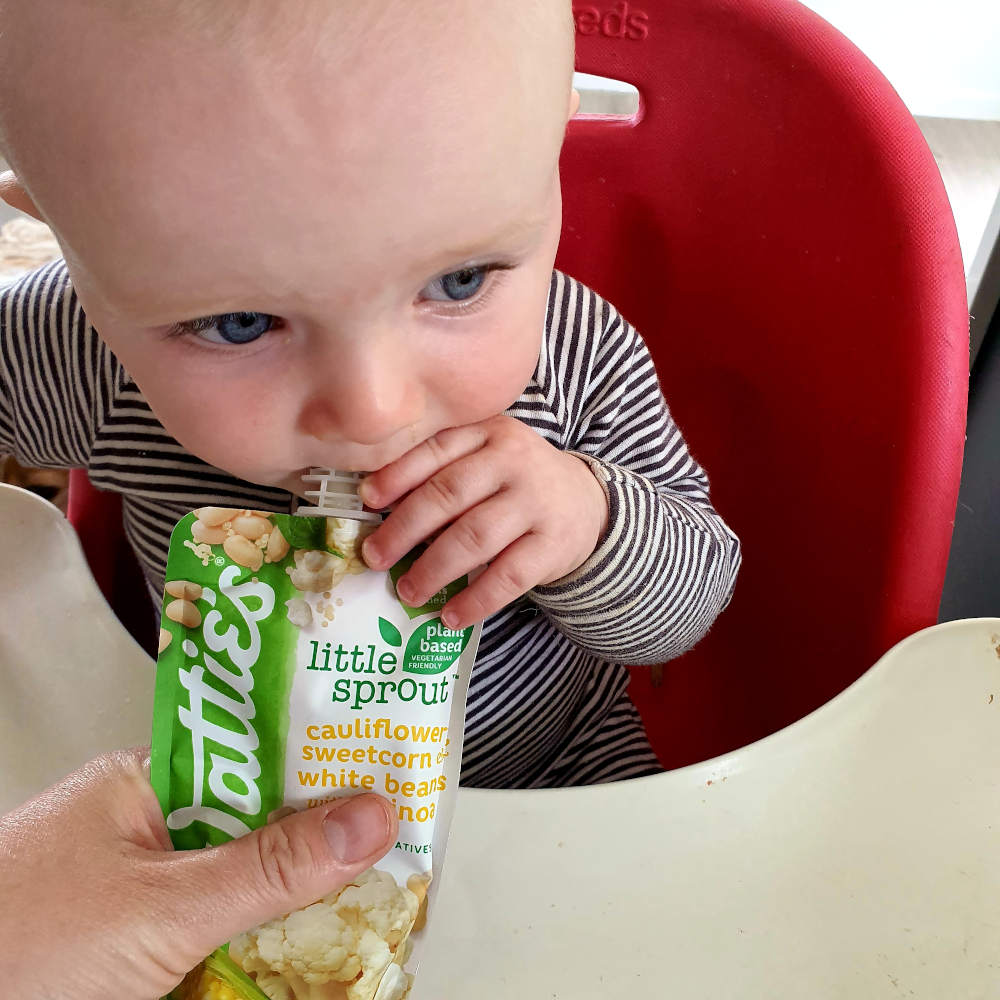
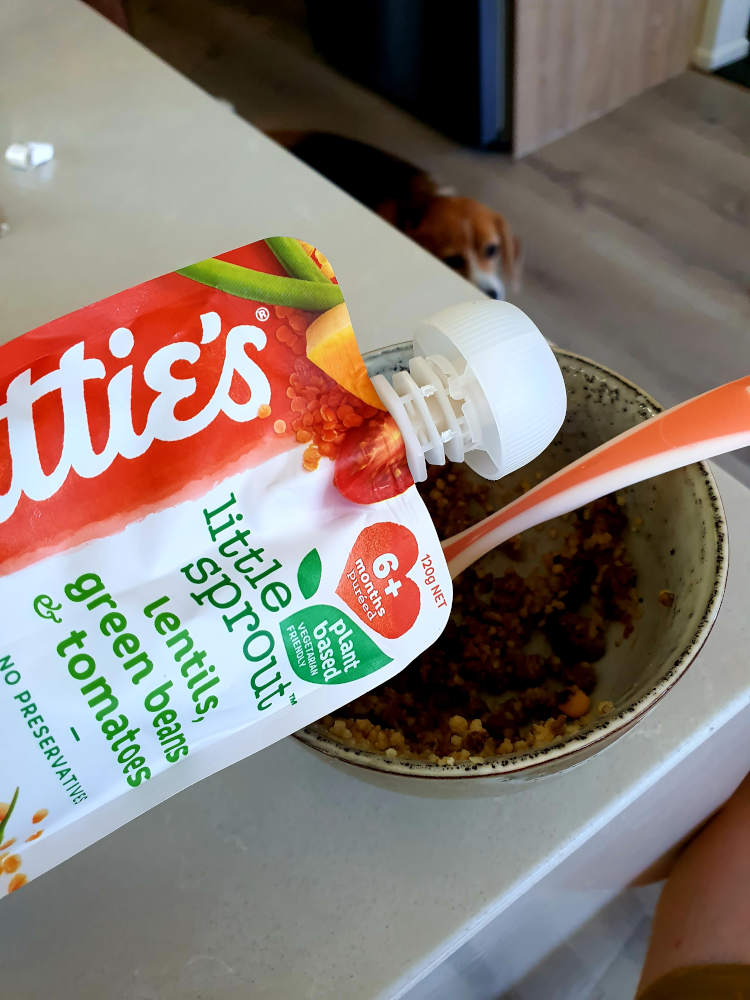
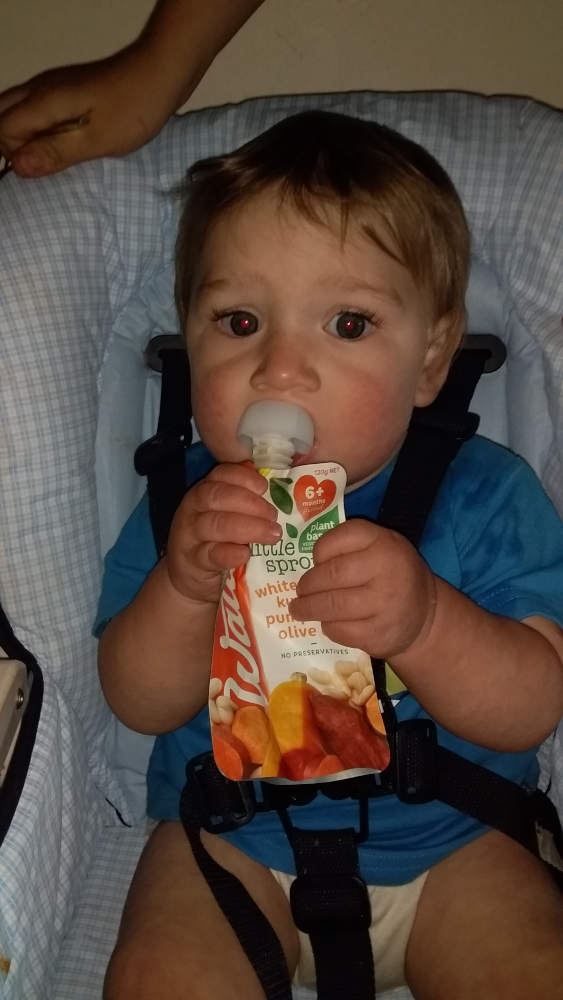
Available in two 6+ month products: White Beans, Kumara, Pumpkin & Olive Oil; Lentils, Green Beans & Tomato, and two 8+ month products: Pumpkin, Lentils & White Beans with Quinoa; Cauliflower, Sweetcorn & White Beans with Quinoa. Little Sprouts have no added sugar or salt, no preservatives, no artificial colours or flavours, and no added fruit.

Wattie’s® Little Dippers™

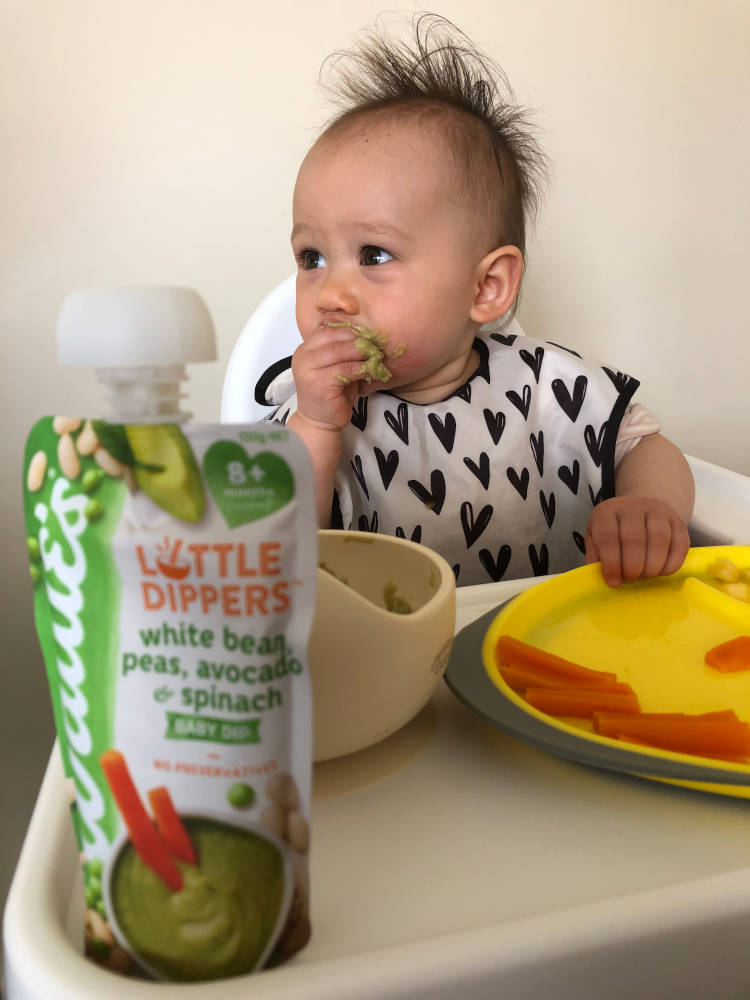
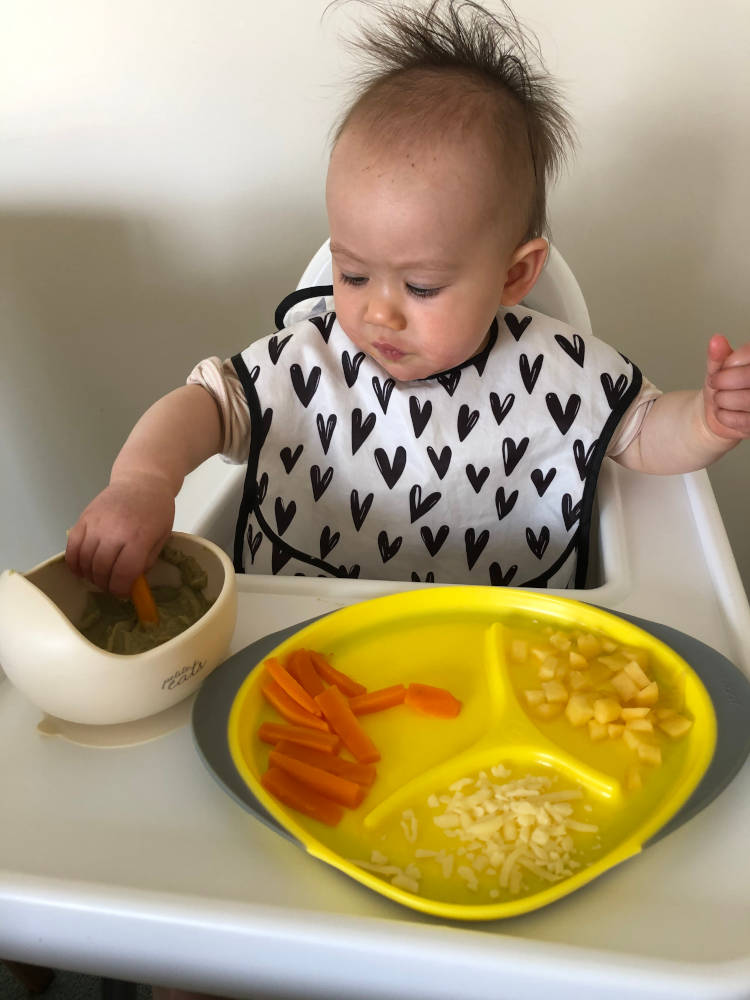
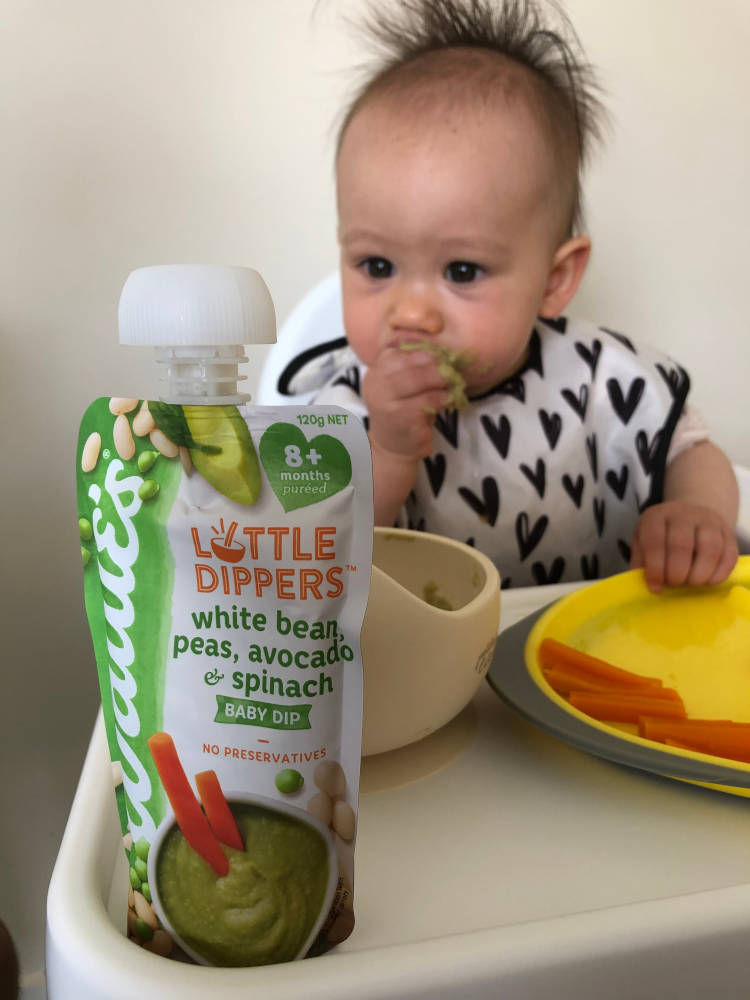
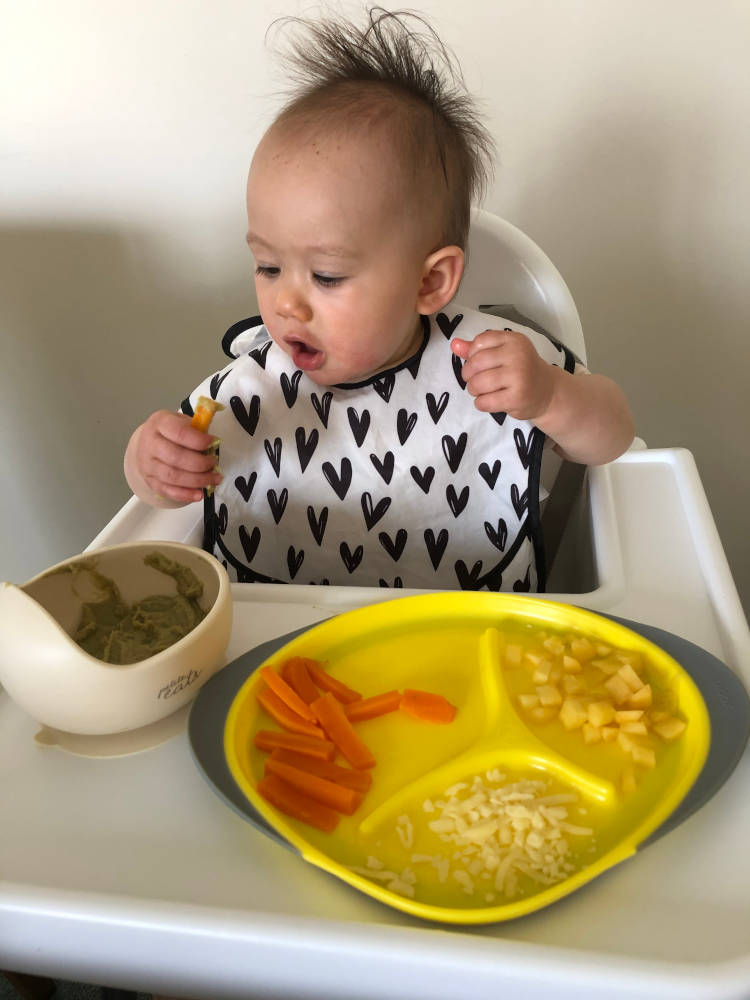
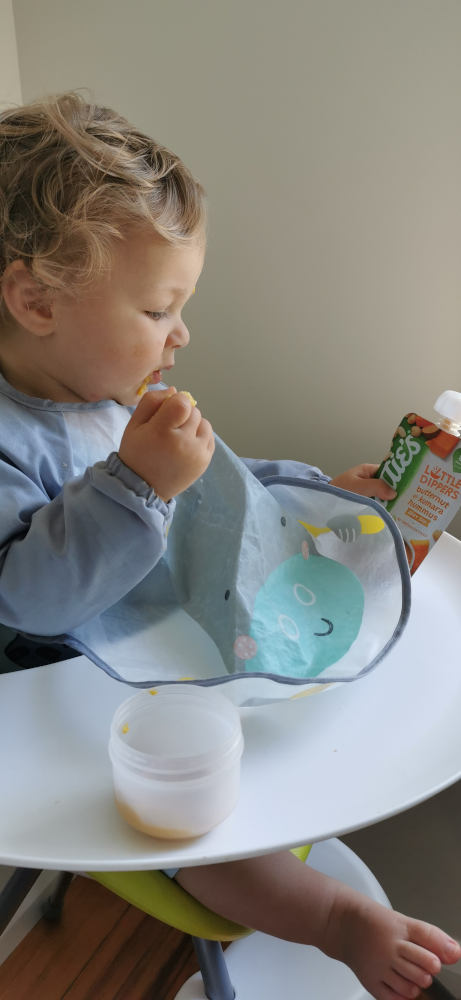
Wattie’s Little Dippers are a great accompaniment to serve with those first finger foods, giving baby the opportunity to explore new tastes and textures during baby-led weaning. Suitable from 8+ months, the dips are packed with veggies and legumes and are a source of protein. For an easy snack, just squeeze into a bowl and serve with homemade soft cooked veggie sticks, cooked pasta shapes or toast fingers.

Available in three delicious varieties: Butternut & Kumara Hummus Dip; White Bean, Peas, Avocado & Spinach Dip; Curry Cauliflower Hummus Dip. The Little Dippers contain no preservatives, no artificial colours or flavours, and no added sugar, salt or thickeners.

Wattie’s® Stir Thru Sauces

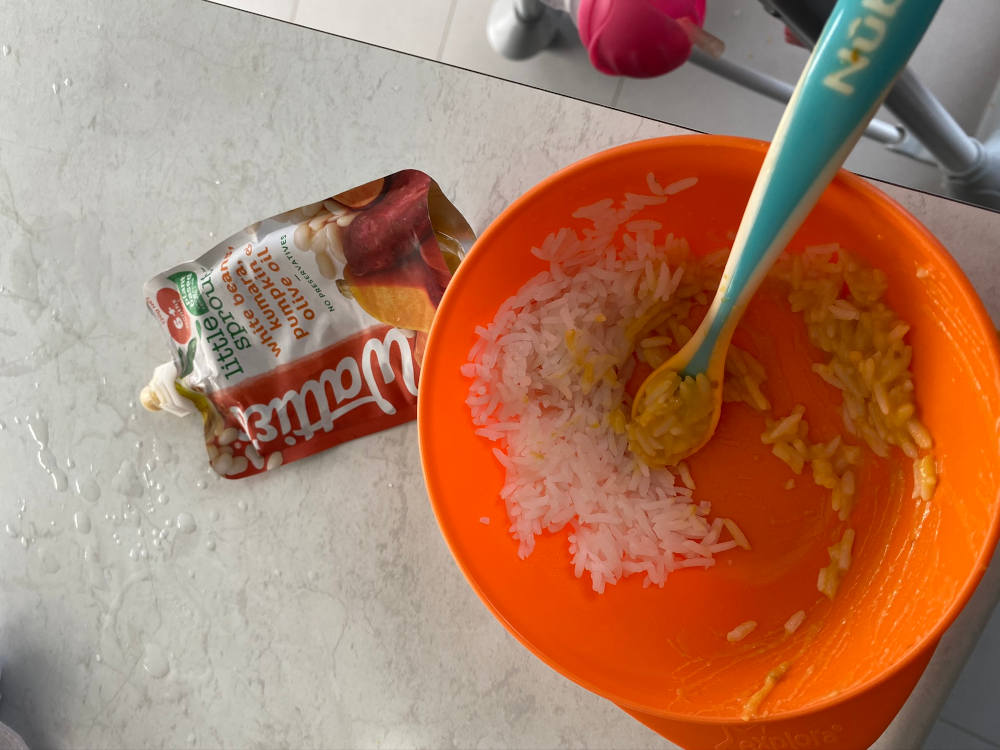
Wattie’s Stir Thru Cooking Sauces are awesome for adding new flavours to homecooked food and allow baby to easily join in with family mealtimes. Suitable from 8+ months, the sauces are made with vegetables, herbs and mild spices. Simply heat the sauce and stir through baby’s prepared portion of cooked meat, vegetables, rice or pasta – easy!

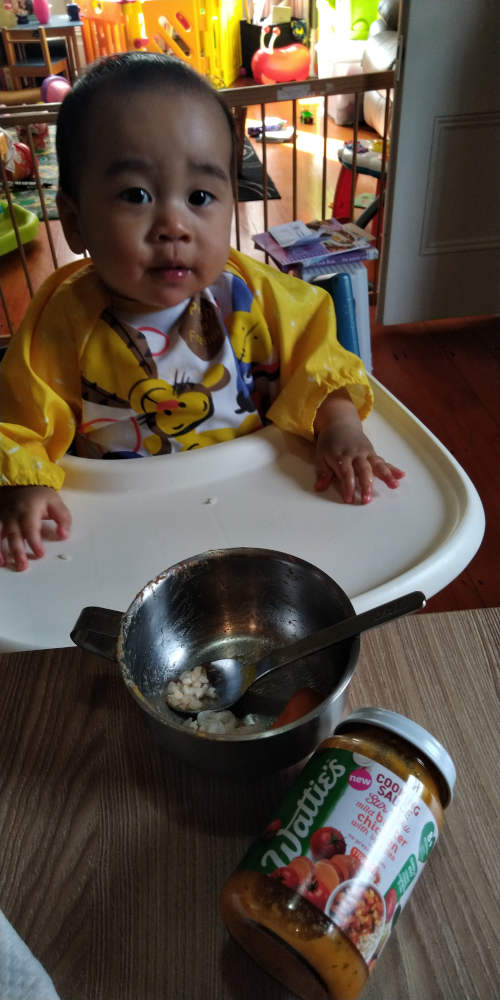
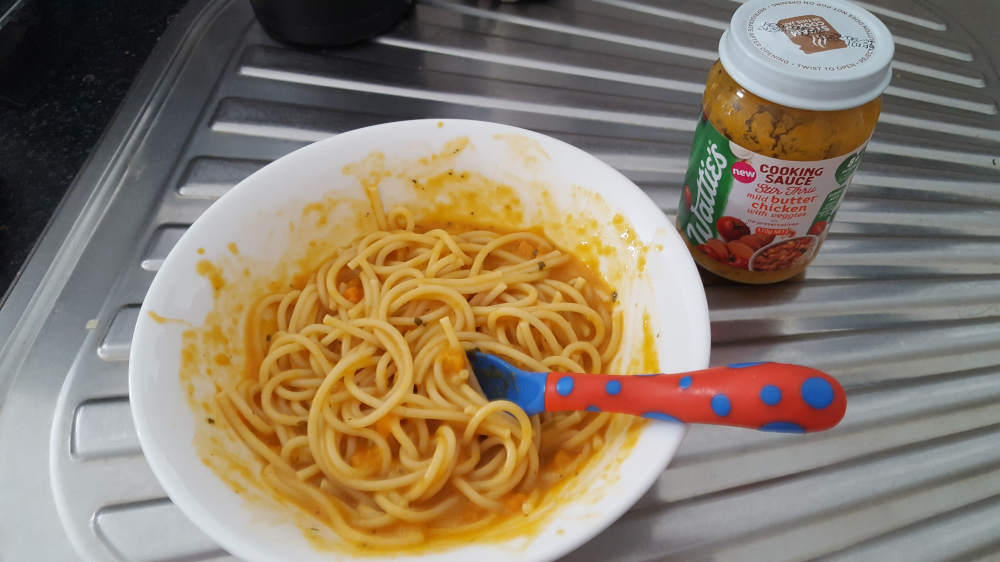
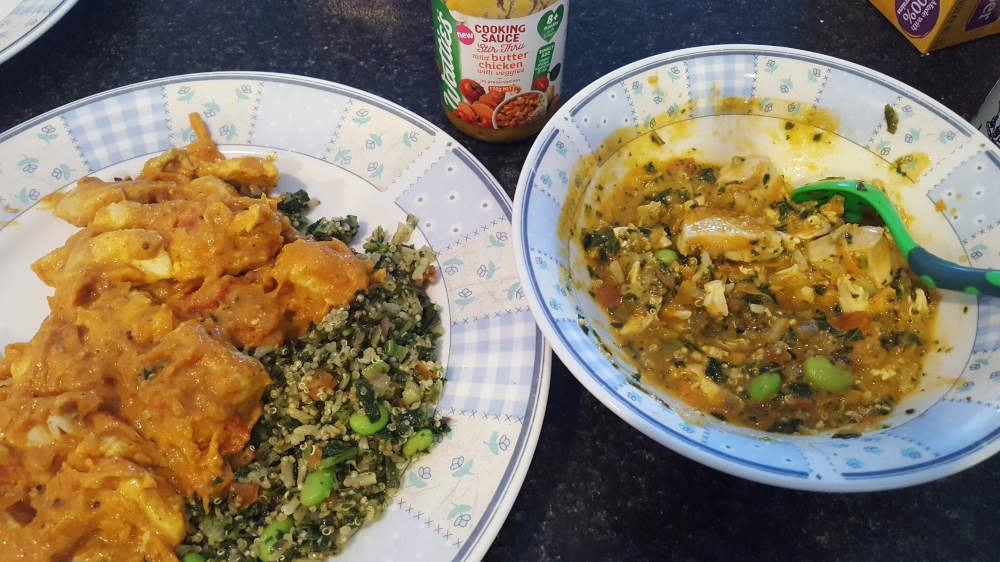
Available in three delicious varieties: Mild Butter Chicken with Veggies; Tomato with Herbs Mediterranean Style; Creamy Cauliflower with Herbs. The Stir Thru Sauces contain no preservatives, no artificial colours or flavours, and are low in sugars and sodium apt for babies’ developing palates. (Stir Thru Sauces contain dairy).

Wattie’s® baby food recipes are prepared in a specialist baby food facility with carefully selected, quality ingredients.

Always read the label for correct preparation.

Read the reviews below!

We have given 30 members with babies aged 7 to 11 months the chance to trial Wattie’s Little Sprouts, Little Dippers, or Stir Thru Sauces.

  • If you have received your product please check your inbox for review instructions (check your spam box too).
  • To add your review, scroll to the bottom of the page and post your feedback as a comment.
  • Each selected reviewer will receive either: 3 pouches of Wattie’s Little Sprouts, or 3 pouches of Wattie’s Little Dippers, or 3 jars of Wattie’s Stir Thru Sauces
  • PLEASE NOTE: You will be required to submit three photos as part of your review
  • JOIN the Mums Say NZ Facebook page and keep an eye out for review updates

Please note

  • If you are selected to trial, the product will be sent to the address on your profile.
  • Please check your address now to ensure that it is up to date.
  • Not registered yet? Then sign up now.
  • Kidspot Terms and Conditions: Open to Kidspot members 18+ only. Only available for NZ residents. If you are selected, you will be required to use the product as soon as possible and supply a review, as set out in our review instructions. Your name and postal address will be given to the supplier for the purpose of delivery of the product only.
  • Click here for full Terms and Conditions.

See photos from our reviewers below

Advent Calendar Ideas

As the first of December approaches, families across the world will be setting up an Advent calendar to count down the days to Christmas with their children.

Originally Advent was marked by burning a candle, making a chalk mark or by hanging a small picture on the wall each day . By the early twentieth century the first printed calendars appeared and the small doors revealing an image or short bible verse were added several years later. The inclusion of chocolate began in the 1950s and has made Advent calendars popular across the world.

But Advent calendars don’t have to be just filled with chocolate. Homemade or bought Advent calendars can be filled with coins, stickers, stick-on-tattoos, craft supplies, stationery, hairbands, finger puppets, mini figures, jokes, or pretty much anything that you can fit into a little pocket or box!

If you are making your own advent calendar, a great way to build the excitement of Christmas is to pop a note or ‘coupon’ with a fun activity into each pocket/drawer. If you don’t want to do that you could pop an Xmas bauble or other decoration in each. Below are some ideas for the activities you can include.

1. Block puzzle

Get the kids even more excited about counting down the days to Christmas – a puzzle advent calendar! Kids will love opening the box presents each night and guessing what the complete picture will be.

2. Books

Inspire or nurture a love of reading with a new story each day of Advent. Try a book fair to pick up a bunch of books, wrap them and then open a new one each night, or simply put a little note in each day of the calendar with a title of a favourite book from your own collection.

3. Paper chain riddle

Make this Christmas even more fun for the kids with a riddle a day until Santa arrives. Have the kids hunting and guessing until the big day!

4. Build your own LEGO

Scour your LEGO blocks and put the pieces needed for a nativity scene into the pockets of your Advent calendar and the kids can build the scene as they go.

5. Beads

Get a leather cord or similar to make a necklace or bracelet plus a selection of beads or charms. Pop one on each day of Advent.

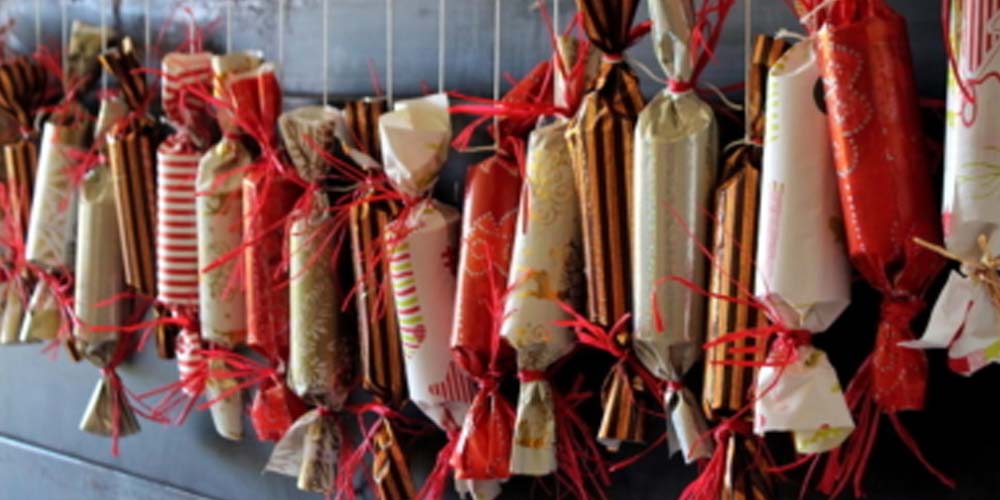
6. Hanging crackers

advent crackers

Hang 24 crackers on strings and pull one each day.

7. Wall Advent calendar

Little boxes of all shapes and sizes can be transformed into a unique Advent calendar in this festive craft. Arrange them on the wall in the shape of a Christmas tree or star.

8. Noodle boxes

Grab some noodles boxes (available at craft stores and big box retailers) and create an advent tower and pop the promise of a fun family activity in each.

9. Elf on the Shelf

The cheeky elf (or any other toy you would like to use) is a great way to count down to Christmas.

10. Treasure hunt

Create a month-long treasure hunt by putting a clue into each pocket of the calendar that leads to a small treat or toy.

11. Cookies

Advent Cookies

Have a tasty advent – bake and decorate a cookie for each day. You could number them or just decorate them with a Christmassy theme.

Do you have an Advent calendar that you reuse each year? How do you count down the days to Christmas?

See more:

her world julieWritten by Julie Scanlon

Julie is Editor for Kidspot NZ and our MVP. Her hobbies include laughing uncontrollably at her own jokes, annoying her family by asking questions about movie plots, and never taking anything too seriously. She speaks a little Spanish and a lot of Yorkshire. 

Favourite motto to live by: “It ain’t nothing but a thing”

CBeebies is launching in New Zealand!

Promotion for Sky CBeebies

The beloved BBC preschool channel, CBeebies, is arriving on TV screens in New Zealand this December!

Our family emigrated from England to New Zealand several years ago. At the time my kids were not yet at school. The relaxed way of life, the sunshine, the natural beauty, and the friendly people make Aotearoa a great place to raise kids and we’ve never looked back. Well, except for missing a few things – one of which was CBeebies!

I must admit I missed having that safe and friendly destination for my kids to interact, learn and play, either alongside me (my favourite was the Tweenies – yes, I had a favourite too!) or when I needed just a few minutes to get something (anything!) done during those demanding early years.

Award-winning TV for preschoolers

The BBC has long been a trusted source of quality information and entertainment and their preschool channel, CBeebies, is the cream of the crop. A channel designed especially for preschoolers, CBeebies is packed with content that gives kids the chance to play and learn with favourite characters, stories, and activities in a happy, playful and safe environment. The award-winning* content is designed with a preschooler’s development and learning in mind – and it helps that the kids love it too!

(*6 time winner of Channel of the Year at the BAFTA Children’s awards)

CBeebies in New Zealand

Now this awesome channel is being made available in New Zealand on Sky channel 103 from the 1st of December 2019, along with complimentary content available on Neon and Sky On Demand.

Each day the CBeebies content is arranged into four zones designed to reflect a preschooler’s day. Early mornings are Get Set Go, then it’s Discover and Do for younger viewers, followed by Big Fun Time for enjoyment after school or preschool, and finally, Story Time, with a focus on winding down, with calm and soothing programming.

New favourites

Here’s just a glimpse of some of the quality content that CBeebies offers.

Hey Duggee

This animated series features a big lovable dog, Duggee, who runs the Squirrel club for preschoolers – a place where kids can have fun while discovering the world around them and earning activity badges.

Go Jetters

This action-packed programme follows the adventures of Xuli, Kyan, Lars and Foz, as they travel the world with Ubercorn, their teacher on this geographical discovery.

Sarah & Duck

This animated series follows the adventures of seven-year-old Sarah and her friend Duck, as they explore the world in their own imaginative way.

Andy’s Wild Adventures

Andy Day and Kip the cat travel around the world searching for amazing animals.

Teletubbies

This iconic series features the four Teletubby friends, Tinky-Winky, Dipsy, Laa Laa and Po, as they play in Teletubbyland.

Thomas & Friends

Everyone’s favourite cheeky little train shares adventures with his locomotive friends on the island of Sodor.

For more information visit www.sky.co.nz/cbeebies

What is your preschooler’s favourite show for learning and play?

See more:

her world julieWritten by Julie Scanlon for Sky CBeebies

Julie is Editor for Kidspot NZ and our MVP. Her hobbies include laughing uncontrollably at her own jokes, annoying her family by asking questions about movie plots, and never taking anything too seriously. She speaks a little Spanish and a lot of Yorkshire. 

Favourite motto to live by: “It ain’t nothing but a thing”

Goodnight Kiwi Returns

For almost 20 years an animated Kiwi and Cat signalled the end of the evening’s television transmission on TVNZ. Now, the beloved characters are back to be introduced to another generation.

There’s not many adults who grew up in New Zealand who won’t remember Goodnight Kiwi. In the days when TV didn’t play all day and all night (those were the days!), a cute animated short of a Kiwi and his Cat shutting down the TV station and settling into bed delighted young and old. The tune used in the animation is an arrangement of a Māori lullaby, ‘Hine e Hine’.

Goodnight Kiwi returns

Now TVNZ have brought back Goodnight Kiwi and Cat for a brand new show for kids. The animated characters will be joined by TV and radio personalities who will read popular bedtime stories from New Zealand authors, creating a beautiful new bedtime treat for kids.

The problem with the old Goodnight Kiwi was that you had to wrangle a really late bedtime as a kid to be able to see them. Now, thanks to the technology of streaming, Goodnight Kiwi can make an appearance whenever you decide that bedtime has arrived for your child.

Do you remember Goodnight Kiwi? Will you be streaming the show for your children?

See more:

her world julieWritten by Julie Scanlon including content provided by The Warehouse

Julie is Editor for Kidspot NZ and our MVP. Her hobbies include laughing uncontrollably at her own jokes, annoying her family by asking questions about movie plots, and never taking anything too seriously. She speaks a little Spanish and a lot of Yorkshire. 

Favourite motto to live by: “It ain’t nothing but a thing”

Free EpiPens for NZ Kids in Need

Originally published November 2019

Many New Zealand children with severe allergies will receive free, lifesaving EpiPen® auto injectors in the next year, thanks to FundaPen™ – a ground-breaking collaboration between Allergy New Zealand and Pub Charity.

From Monday 11 November 2019, 2,500 free EpiPen® auto-injectors will be available to many young people, who have a doctor-diagnosed allergy and are at risk of anaphylaxis.

Who can get a free EpiPen®?

The FundaPen collaboration follows numerous attempts in the last 15 years to have EpiPen® auto-injectors publicly funded through PHARMAC. It will directly benefit children between the ages of 2 and 18 years who are Māori, Pasifika, live in a quintile 5 region (the most socioeconomically deprived areas), or hold a Community Services Card.

“The initiative should provide some relief for families who currently struggle to buy an EpiPen® at a cost of $120 to $350 each year,” Allergy NZ Chief Executive Mark Dixon says. “We have been doing all we can to have EpiPen® auto injectors funded and while this is by no means the ideal way, we hope it will help many families in the short term.”

“We continue to hope that EpiPens® will eventually be publicly funded, as they are in Australia.”

Pub Charity CEO Martin Cheer says, “Pub Charity was delighted to support the FundaPen™ initiative and help young people with severe allergies to have the life-saving medication they need.”

How to receive a free EpiPen®

The $300,000 Pub Charity donation is strictly for the purchase of the EpiPen® auto-injectors from Allergy Pharmacy, who in turn will purchase them from
Mylan NZ Ltd. Allergy New Zealand will not receive any financial benefit from the donation.

Miranda Munn said she was delighted that her daughter, Alanah would be receiving a free EpiPen® this year. “I know we have to have a current EpiPen® available for Alanah but finding that much money is very difficult. We also have other medical bills, including those for Alanah’s asthma.”

To obtain one of the free EpiPen® auto injectors, families will need to visit their family doctor.

Allergy NZ is a 35-year old national charity that aims to improve the quality of life for New Zealanders living with allergies by providing evidence-based information and support.

FUNDAPEN™ Key Facts

  • EpiPen® auto-injectors are available through the FundaPen™ initiative from Monday 11 November, 2019
  • 1 FREE EpiPen® per eligible patient
  • To obtain a FREE EpiPen® auto injector, families will need to visit their family doctor
  • The exclusive distributor is AllergyPharmacy.co.nz
  • Every patient eligible for this offer needs to be doctor-diagnosed with an allergy that puts them at risk of anaphylaxis
  • Each recipient needs to receive an Action Plan and education in the use of the EpiPen® and how to manage their allergy to avoid anaphylaxis
  • AllergyPharmacy.co.nz will dispense each EpiPen® back to the GP who prescribed it under the FundaPen™programme, NOT direct to the patient as they would normally
  • Funding for 2,500 Epipen® auto-injectors is available under this initiative. Because of the challenges of access, this initiative is specifically targeted at children between the ages of 2 and 18 years who are Māori, Pasifika, live in a quintile 5 region or hold a Community Services Card.

Information in this article was provided by Allergy New Zealand.

Does your child require an EpiPen® or do you know a child who does? Join the discussion below.

See more:

A Guide To Buying Your Child’s First Bicycle

In New Zealand, 20% of the population ride bikes on a regular basis. It’s not just a way of getting to a destination; cycling is also a wonderful way to keep fit and healthy for people of all ages.

With childhood obesity being an issue in New Zealand, it’s important to start your little ones on the path to wellness as young as possible. Riding a bike is perfect for this, giving them an added sense of freedom. It is easier to learn how to ride when you’re young and it’s a life skill that stays with you forever. All you need to do is buy your child their very first bicycle and get going.

Bikes for the early years

You may find that a balance bike from around aged two is a good way to get kids used to riding a bike. They have no pedals and are propelled by your child’s feet.

Most children have the coordination around the age of three years old to have a go at riding a two-wheeled bicycle with training wheels. When they are this age, if they have an inseam (the distance between the crotch and the floor) of between 14 and 17”, then a bike with a 12” wheel diameter is usually the right size.

Between the ages of four to six years old, look for a 14” diameter – these are sold at most toy stores, as well as mainstream sports and cycling stores.
At this age, children will have developed better balance and a little more self-confidence in their ability to ride a bike. Generally, children outgrow these bikes very quickly, so making a large financial investment isn’t worth it. If you are a keen cycling family, then wait until they are older before looking at more expensive models.

Moving away from training wheels

Many children start to ride a bike independently without the need for training wheels, over the age of six. For an inseam of between 18-22”, then a 16” wheel diameter is about right. Most stores will have an expert that can help fit your child for a bike, making sure that the frame of the bike is the right size. If the frame is too large, they may have difficulty controlling their bike and it can be tricky to manoeuvre. As a rough guideline, the frame is generally two thirds of the height of the inseam measurement. Coaster brakes (ones that are applied by back pedalling) are a good idea on bikes for this age group, as they are easy to use.

Advanced bicycle features

Don’t be tempted to go for advanced features like hand brakes and multiple gears when you are buying a child’s first bike. Hand brakes are fine for children over the age of eight, but any younger and they probably won’t have the grip or co-ordination to be able to operate them. Gears and multiple speeds are not a good idea when they are learning to ride, as they distract from the main purpose of simply being able to cycle without falling off and changing direction.

Buying a child’s first bike is a milestone in their development. Getting them into fun fitness early in their lives will help them to grow into healthy adults.

What are your best tips for buying a bicycle for a child?

See more:

This article was written by Sally Sykes with additional content by Kidspot NZ. Sally is a freelance writer who left her corporate job for a life of freedom. She regularly travels with her family and absolutely loves camping in the great outdoors.

The best hi-tech appliances for your kitchen

Sponsored content

With regular nine to five hours being a thing of the past and busy family life, it can be hard to find the time to cook meals from scratch. It’s very tempting to get a simple frozen meal or takeaway.

“Just because you might be time poor doesn’t mean that you have to succumb to purchasing pre-made meals and sauces. There are plenty of hi-tech appliances that can save you time and help you create top-quality meals,” says celebrity chef Mark Southon.

To help aspiring or time-poor chefs make the most out of their kitchens, Mark has revealed his top five favourite kitchen appliances.

Thermomix

Thermomix TM6

Smart technology means everyone can get involved in the cooking. Not only does the Thermomix TM6 replace more than 12 household appliances, it also connects to an online database of over 50,000 recipes. So the whole family can get together and create a meal plan for the week – you can even text yourself (or someone else) a shopping list organised by ingredient aisle. This is one of the most convenient features of the TM6 because when it comes to dinnertime, it provides step by step on-screen instructions for the day’s recipe. So whoever is on dinner duty can simply login and press ‘start cooking’.

LG InstaView Door-in-Door Refrigerator

LG InstaView Door-in-Door Refrigerator

LG’s newest smart appliance features InstaView technology that allows users to take a look inside their fridge with a simple knock, making it ideal for the time-poor. A top tip for users includes storing snacks and essentials in the fridge’s door-in-door section. This allows you to spend less time searching for the items you need and can easily identify which need re-stocking.

Google Home Nest Hub

Google Nest Hub

The Google Nest Hub is a smart display that has an in-built Google Assistant which can respond to voice commands. The new appliance allows you to get rid of all of your old cookbooks and follow step-by-step cooking instructions through recipes on the device’s touchscreen. When not in use, users can create custom slide shows of their own images as a screensaver.

NutriBullet

NutriBullet Balance

When trying to lose weight or take on a healthier lifestyle, smoothies are often top of mind for breakfast alternatives, yet many don’t know about the calories that often hide inside each cup. The NutriBullet Balance can prevent this by connecting to users’ mobile devices where they can follow the step by step recipes which show exactly how many calories are in each serving of your smoothie.

DeLonghi PrimaDonna Elite

DeLonghi PrimaDonna Elite Fully Auto Machine

It can be a struggle to find the capsule with your favourite flavour and intensity when trying to save money by making your own coffee at home. The DeLonghi PrimaDonna Elite can help users create tailor-made coffee which they can control through their smartphone app. Variables such as aroma intensity, temperature, milk heating and water quantity can all be adjusted and saved to create the perfect cup every time.

Content provided by Thermomix

What’s your favourite hi-tech kitchen appliance?

See more:

5 Ways Music and Theatre Can Benefit Your Baby

Ever considered taking your baby to the theatre? Whilst a marathon stint of Les Misérables may be out of the question, there are play and theatre productions aimed at babies and toddlers that can benefit your child in many ways.

Attending a theatrical show with your little one is a wonderful bonding experience and can provide a host of developmental benefits as well as happy memories. From the team at Cubbin Theatre Company, here are five ways that music and theatre can benefit your baby.

1. Connection time with their grown-up

There is nothing that your little one craves more than spending time with you. Sharing a creative experience while cuddled up in your arms, or when you’re lying nearby, is more beneficial than you may realise. When you attend a production aimed at babies, like Up & Away, you can also recreate the moves and actions you learn in the session to use at home, which will further strengthen your relationship. There’s nothing better than seeing their face light up and look at you with a “did you see that” expression on their face! For your baby, seeing your reaction is an important part of face to face contact, building on their lifelong social skills.

2. Regulation and soothing

By introducing your baby to a regular musical play routine, it can help to become a soothing experience for them. Music and peaceful sensory experiences work wonders to soothe babies and bring their brains into a calm state. Just like our favourite song brings us joy, babies can react positively to pieces of music that they associate with being calm and happy. They are most receptive to developing new pathways when they feel comfortable, which is only heightened when they have their grown-ups around to engage with them.

3. Brain building

During the first two years of their lives, your baby’s brain develops more than any other time. Using music and play to help encourage this can develop the emotional, intellectual, social and physical parts of their brains. Age-appropriate experiences fire up the neurons in their brain, creating positive connections that will last them a lifetime. The positive environment and experience will help shape their brains. You might be surprised to know that your baby will remember the experience for far longer than you think!

4. Happy parents = happy babies!

Having a happy baby usually makes for a happy parent! The environment of Up & Away is intended to be intimate and calming to ensure a positive experience for everyone involved. Engaging in experiences like this can build a relationship between you and your baby. The first few months of parenthood can be exhausting and isolating, so it’s important to get out of the house and into soothing and comfortable environments – once you enter the beautiful Cubbin tent that hosts the Up & Away show you won’t want to leave!

5. Introducing creativity at a young age

Introducing your child to musical play at an early age can encourage them to extend their creativity as they grow older. Music is a skill that can be fostered from very early on in life, through discovering sounds and tune with your baby. Generally, the language of music for a child is about the sensory experience – how it makes them connect, move and communicate all factors into the way they explore and see the world. Children learn to express their emotions through music and can develop a love and passion for it that they can develop further.

Content provided by Cubbin Theatre Company.

Have you attended a play, musical production or theatre show with your baby?

See more:

50 Play Ideas From Kiwi Parents

Playtime is quality time for kids, especially when little minds and bodies are still developing and growing. To inspire your little one’s playtime, we asked Kiwi mums and dads to share how their little ones love to play.

The best play is when kids are moving, laughing, learning, or exploring.

50 play ideas from Kiwi parents

1. Ride-on toys: The best ones are those that encourage their imagination, like a fire engine, or police bike.
2. Box play: Turn an empty cardboard box into a race car, boat, or anything! Let the kids lose with the crayons and pens to decorate their new vehicle. At the end of the day, set them up for a “drive-through” movie.
3. Cars and trucks: Great additions to the sandpit – create a roadway or mini town.
4. Helping out: Little kids love to help mum and dad around the house by hanging out washing, weeding and planting, etc, or pretending to mow the lawn.
5. Water play: Float a toy boat in a big bowl of water, small paddling pool, or tub and see what things from around the garden will also float. In warmer weather, get the kids in the water for a splashing good time.
6. Climbing: Jungle gyms, climbing walls, trees
7. Dress ups: Pretend to be someone else for a day!
8. Wash the car: Whether it’s washing the family car or their Little Tikes Cozy Coupe, what kid can resist water and bubbles?
9. Mud, glorious mud: Dig in dirt, make mud pies – just generally get messy!
10. Trampoline: Classic Kiwi backyard fun.

11. Imaginative play: Hideaway in a pirate’s lair, sail the seven seas, or go on a bear hunt in your own backyard just by using some imagination!
12. Ride a bike or scooter: Create a course with small cones and learn some manoeuvres.
13. Visit a playground: Explore the various playground equipment at a new park or revisit an old favourite.
14. Swings and slides: Traditional fun, either in your backyard or at the local park.
15. Construction: Create with sand, dirt or offcuts of wood.
16. Explore: Take a walk together around the neighourhood or see what marvels you can find in the garden including flowers, insects, bark, shells, feathers, etc.
17. Have a race: Ready, set go, for a running race. Use a stopwatch to time them and challenge them to beat their time.
18. Play with pets: Teach the dog a trick or two, follow the cat through the garden, or feed the chickens or rabbits.
19. Make some music: Learn a new song, or create your own with some simple instruments like drums, maracas, cymbals, etc.
20. Balls: Throw them, roll them, kick them, bounce them – there’s hours of fun to be had with a ball!

21. Blocks: Build the tallest tower, or create a scene for their favourite figurines.
22. Dolls: Dress them up, take them for a walk in the pram, or give them a check-up at a pretend doctor’s surgery.
23. Chalk drawing: Create patterns or pictures on the concrete.
24. Head to the beach: Build a sandcastle, hunt down some cool rocks or shells (but leave them undisturbed), or play some beach cricket.
25. Swimming: In a pool, or at the beach, take your little one for some paddling fun.
26. Open a restaurant: Play kitchens make for great role play – what will be on the menu for family or their favourite toys? Bake some goodies to serve in the restaurant.
27. Interactive toys: Toys that educate and entertain are great for developing little minds and bodies.
28. Reading: Take a favourite or a new book into a fort or outside under a tree.
29. Painting and drawing: Try different types of art mediums like crayons, pastels, finger painting, or stamps.
30. Pack a picnic: Find a favourite spot or just park up in the lounge if the weather isn’t great.

31. Bubbles: Create the biggest bubbles, or the most bubbles, or the ones that fly the furthest!
32. Go on a bushwalk: Head off on a short walk and discover native trees and birds. Let your little one take some photos of things that intrigue them.
33. Forts: From blanket and big cardboard box forts inside to outdoor play forts, a hideaway is a great way to fire their imagination.
34. Colouring-In: Print off a colouring page of their favourite character from the movies or TV.
35. Obstacle course: Inside or outside, you can create an obstacle course to suit your child’s abilities and using everyday things, ie crawl through a chair, bounce a ball into a basket, walk along a ribbon on the floor, jump into a hula hoop.
36. Make a sand saucer: Decorate it with flowers and leaves from the garden.
37. Have a bubble bath: Fill the tub with bubbles and add scoops and funnels to play with.
38. Create a card: Make and decorate a card for a loved one or friend, and pop it in the post.
39. Grow a sunflower: See if they can grow it to be bigger than them!
40. Traditional toys: Learn to hula hoop, skip, or play hopscotch or elastics.

41. Play a memory game: Memory games are simple to play and can be adjusted to suit your child’s ability. Try this memory card game or memory on a tray game.
42. Play a board game: There’s lots of simple games for little kids that they will love to play over and over again.
43. Play shops: Grab some canned and packet foods from the pantry and set up a shop with some play money or tokens. Decorate a small table as your shop or create one from a large cardboard box.
44. Put on a show: Create invites, then tell a story, act it out, or dance to a favourite tune.
45. Puzzles: Jigsaws are great for encouraging focus and concentration.
46. Make a book: Fill it with drawings or collages, or help your child to write a short story.
47. Balloons: Play keepy uppy, bounce them, kick them, or play catch.
48. Basket baby: If your little one isn’t yet confident in sitting up, pop them into a large basket (ensure that it won’t tip over), and provide some things that they can grasp and play with, ie soft toys, pegs, board books, blocks, etc.
49. Puppet show: Create sock puppets and use a box to make a “theatre” then put on a show for the family.
50. Treasure hunt: Hide an object in a room or in the garden and tell the seeker if they are “hot” or “cold” to help them find it.

Always supervise children around water, heights, driveways, roads, and play equipment. Always ensure that toys and play equipment are suitable for their age.

Kidspot’s Activity Corner has thousands of ideas for play! Visit here.

How does your little one love to play? Share your favourite activities.

See more:

her world julieWritten by Julie Scanlon

Julie is Editor for Kidspot NZ and our MVP. Her hobbies include laughing uncontrollably at her own jokes, annoying her family by asking questions about movie plots, and never taking anything too seriously. She speaks a little Spanish and a lot of Yorkshire. 

Favourite motto to live by: “It ain’t nothing but a thing”

The Essential Back Care Guide for New Mums

Looking after a little helpless baby – and then a highly active toddler – can take its toll on mums’ bodies. All that bending over, feeding, picking up and carrying is an intense daily workout so it’s vital mums look after their backs to stop pain today and problems tomorrow.

Women’s health physiotherapist Brooke Williams of Back in Motion in Melbourne has these must-read tips and information for all mums of littlies.

Back care tip 1: It’s hormonal

The hormones that pumped through your body while you were pregnant to loosen up muscles, ligaments and tendons, can hang around for a few months after the birth.

“After having a baby these muscles are like a swollen and sprained ankle even though you can’t see them, but they needed to be treated carefully just like you would a sprained ankle,” Williams says, which leads on to Tip No.2 …

Back care tip 2: Save sit-ups for later

Here’s a good as excuse as any to avoid these tedious exercises – they work the wrong muscles. And in those first few weeks or months doing lots of sit-ups can cause more harm than good, says Williams, who adds this scary deterrent: “This exercise places too much pressure on the pelvic floor which can increase the chances of both incontinence and getting a prolapse.”

Back care tip 3: Think about your lifting

You could be bending over and picking up your 3-5kg bub (soon to become a 15kg toddler) 30-plus times a day in those first few months. Most women’s bodies are not used to such a labour-intensive job so all this stooping, bending and carrying can have a huge impact on your already over-loose back and tummy muscles.

This is Williams’s advice: “Always bend your knees to go down to bub’s level – our leg muscles are large and strong and better built to cope with bending and carrying than our back muscles. Encourage a toddler to stand on a chair, step or couch so you don’t have to bend down as far.”

Back care tip 4: Squeeze and lift before you lift

Never forget your pelvic floor – you’ll be glad in the future if you care for it now, considering one in three women end up with incontinence issues after having a baby. Williams advises that mums get into the habit that before you pick up anything or anyone, you pull in and up your pelvic floor muscles and brace your tummy muscles.

Back care tip 5: Best exercise for breastfeeding mums

Holding and feeding bub for long periods can start to cause some pain and tension along your thoracic spine (i.e. middle of your back). Here’s Williams’s best exercise to relieve any discomfort: Roll up a towel lengthwise into a long cylinder and lie on it so it runs down your spine. Rotate your knees from side to side.

Back care tip 6: Be fit and strong in pregnancy

In an ideal world, we all would have been building up our core strength and stamina during pregnancy. Williams says that going into motherhood strong and fit certainly provides a headstart. “It would be great if pregnant women could do some pregnancy-related exercise classes or at least keep fit with regular walking,” she says.

Back care tip 7: Rethink those bending jobs

For example, don’t reach in to get bub out of a cot, but lower the side of the cot first. Don’t spend minutes bending over bub in her carseat fiddling with the endlessly sticky buckle, kneel on the seat next to bub or, if possible, on the floor in front. If there’s ever a way you can get out of bending from the waist – and there nearly always is – do it.

Back care tip 8: Do pilates

This style of gentle exercise has been found to do wonders for rebuilding and strengthening mums’ core. Williams advises mums attend a physio-run class aimed at new mums to start with.

Back care tip 9: Don’t ignore problems

Back pain can quickly become a chronic issue. During these early days of being a mum when our core strength is compromised, we can sustain long-lasting issues which can flare up for years. Continence problems (that is, bladder leakage) is also associated with this whole part of our bodies.

If you’re at all worried, have any pain or still have problems with continence after six to eight weeks, see a women’s health or continence physio sooner rather than later. Physiotherapy New Zealand can help you find the right practitioner for you.

Remember, it’s just as crucial that mums look after themselves too because you’re doing such an important and indispensable job.

This article was written by Fiona Baker for Kidspot Australia and has been reproduced here by permission. Sources include Back in Motion.

Which parenting activity do you find to be most stressful on your back?

See more:

Kiwis Living With Incurable Breast Cancer to Benefit From Digital Cookbook

Promotion for Sweet Louise

A sustainable cookbook featuring recipes from well-known Kiwis is the hero of Sweet Louise’s drive to raise $100,000 to support Kiwis living with incurable breast cancer.

Since it was unveiled on 1 October, The Sweet October Cookbook has been purchased by Kiwis passionate about supporting New Zealanders living with incurable breast cancer, with over 280 books sold to date.

Now, those after a modern kitchen keepsake brimming with a special collection of recipes from Al Brown, Matilda Green, Shavaughn Ruakere, Sarah Gandy, Jesse Mulligan, Karla Goodwin (Bluebells Cakery), Jordan Rondel (The Caker), esteemed dietitian Angela Berrill and Hannah Barrett are encouraged to buy the digital cookbook too.

Download the e-book for $31 from sweetlouise.co.nz

Something for every cook

Hannah Barrett, Sweet Louise’s official celebrity ambassador, says the e-book has something for everybody – no matter their cooking ability.

“My recipe is called a ‘Kitchen Sink Salad’, with quinoa, feta, pomegranate and yoghurt, as well as whatever else you have handy – the idea is to chuck in whatever you have in your fridge! I love the book because it offers a range of recipes and I can just open them on my phone. You can gift this book to other people too, it would make a wonderful Christmas present or birthday gift!”

The Sweet October Cookbook features 31 recipes for the 31 days of October, with many recipes from members of the Sweet Louise community, that is Kiwis living with incurable breast cancer.

Supporting those with breast cancer

Breast cancer is New Zealand’s third most common type of cancer and more than 600 people each year die from it. Approximately 3000 men and women are diagnosed with breast cancer each year, and between 20-30% will go on to develop incurable breast cancer.

Once diagnosed with incurable breast cancer, the average life expectancy is less than two years. Annually, Sweet Louise supports around 900 Kiwis with incurable breast cancer – and since the start of this year, 201 Kiwis who were members of Sweet Louise have passed away.

Funds raised from the sale of the cookbook and other fundraising activity this month will help the charity provide $500 in vouchers to each Sweet Louise member to redeem on practical support such as meal delivery, garden and home maintenance, wellness experiences and family outings.

Sweet Louise also provides emotional, psychological and social support for those living with metastatic breast cancer. Sponsorships, donations and grants from individuals, organisations and fundraising events throughout the year enable Sweet Louise members to receive ongoing support.

Get your copy

Sweet Louise CEO Philippa Reed is grateful to those who have already purchased The Sweet October Cookbook, but says Sweet Louise need to sell many more to reach their $100,000 fundraising target for breast cancer awareness month.

“We’re on a roll, but we want to encourage more Kiwis to buy it! The book is beautifully designed, the recipes are straight-forward and the photography a work of art. It’s an environmentally sustainable option too, something you can download to your digital devices and use anywhere.”

The Sweet October Cookbook also includes recipes from supporters of Sweet Louise – LOAF, Bird on a Wire and Silver Fern Farms. Professionally styled by volunteers, photographed by Shaun Cato-Symonds and designed by Kaz Design.

Download the e-book for $31 from sweetlouise.co.nz

Visit Sweet Louise at sweetlouise.co.nz or for support enquiries contact them on 0800 11 22 77

Photo caption: Sweet Louise CEO Philippa Reed with Sweet Louise ambassador Hannah Barrett at The Sweet October Cookbook launch.

Information provided by Sweet Louise.

Trick or Treating Safety Tips

Trick or treating has seen an upsurge in popularity in recent years. Some neighbourhoods and communities have dozens of houses offering treats for costumed kids.

Although it is often seen as an American tradition, the origins of Halloween are believed to go back 2,000 years to the Celtic festival of Samhain, which was celebrated on October 31. Trick or treating may have evolved from a ritual where people dressed as ghosts and demons and received treats to appease spirits.

In modern times, it’s all about the costumes and the candy! Trick or treating can be fun – what kid doesn’t love dress ups and the chance to pretend to be someone else for a few hours, plus the lure of those treats! But to ensure that your trick or treaters have a Halloween to remember for all the right reasons, follow these safety tips.

Trick or treating safety tips

  • An adult should always accompany kids when trick or treating
  • Time your trick or treating before it starts getting dark
  • Ensure the kids’ costumes are not going to affect their mobility or vision, to avoid trips and falls
  • Only go to homes where you know the residents, or if your community has organised trick or treating, those that are displaying a trick or treaters welcome sign
  • Never enter a house
  • Do not enter a property if there is a dog that isn’t tied up
  • Only accept treats that are wrapped
  • Stay together, don’t run, and be wary of cars in driveways
  • Stick to the safe crossing rules
  • Remain on well-lit streets
  • Use a footpath when available. If there is no footpath, walk as far away from the roadside as you can, facing traffic
  • Always remain respectful of those who are not taking part in trick or treating

Trick or treat signs

Got candy to share? Stick up a ‘Trick or Treaters Welcome’ sign to let the kids know that you’re happy to take part. Let your kids create one or use our ready-made version.

Trick or treating isn’t for everyone so if you’re not wanting visitors to your door pop up a sign on the letterbox or gate to let the kids know that there’s no  sweets waiting.

You can also get your neighbourhood in on the fun of Halloween by doing a mailbox drop of the Trick or Treaters Welcome sign with a note that the kids are planning to trick or treat but will only visit those homes that have a sign up.

Do you get a lot of trick or treaters in your neighbourhood?

See more:

her world julieWritten by Julie Scanlon

Julie is Editor for Kidspot NZ and our MVP. Her hobbies include laughing uncontrollably at her own jokes, annoying her family by asking questions about movie plots, and never taking anything too seriously. She speaks a little Spanish and a lot of Yorkshire. 

Favourite motto to live by: “It ain’t nothing but a thing”

1000 Letters for Suicide Prevention

Media release from Key to Life Charitable Trust, 10 September 2019

New study into end of life letters

On World Suicide Prevention Day 2019, Mike King and the mental health charity The Key to Life Charitable Trust launched a new study into the final letters or messages left by victims of suicide.

The study, the first of its kind in New Zealand, will look to find practical answers as to why so many New Zealanders are taking their lives, with the aim of using the research to inform future interventions and suicide prevention efforts. For this research to be meaningful it is hoped to collect 1000 letters or messages.

“Over the course of my work in mental health, many families have shared with me the taonga of reading the final words of their loved ones,” says King, “and though every note is tragic and unique, I’ve noticed there are a handful of common themes. “Families often want to contribute to efforts to help stop the scourge of suicide, as a way to honour their loved ones. We want to honour that wish, and create more understanding about suicide in Aotearoa.”

The study will carefully analyse the content of final messages of both suicide victims and volunteers who have survived suicide, in an effort to distil any national trends and triggers.

“It’s a hugely contentious topic and we’re aware that we’ll need to handle the information in the letters sensitively – and of course anonymously – but we believe that there’s real potential to help others struggling in similar situations,” says Kyle MacDonald, psychotherapist and Chair of the Board of the Key to Life Charitable Trust. “We have long known that there is an absence of research of this kind in New Zealand. With the help of families who have lost someone to suicide, we aim to change that.”

Survivors of suicide are also invited to share the thoughts they were having during this particularly challenging time.

#1000 Letters

Families are being asked to share the final words from their loved ones by uploading a scan to 1000letters.co.nz,

Or alternatively emailing to 1000letters@keytolife.org.nz,

Or posting a photocopy of notes to:
1000 Letters
PO Box 91082
Auckland 1142

To find out more visit IAMHOPE.ORG

Have you lost a loved one to suicide? Share your thoughts in the comments below.

See more:

Do I Really Need Life Insurance?

You’ve got a young family, maybe a new home, or a flourishing career – you have your whole life ahead of you. Probably the last thing on your mind is not being around to enjoy any of it.

You can’t control everything in your life, but you can make provision for your loved ones to have some financial stability if something were to happen to you by taking out a Life Insurance policy.

But what is Life Insurance and how does it work? And when do you really need it? The team at Cigna New Zealand answered our questions to provide some guidance.

What is Life Insurance?

Life Insurance can be a financial safety net that is intended to provide for those who depend on you if you were to pass away. It’s one form of security that could ensure your loved ones don’t get caught short, if you were no longer there to support them.

Upon your death, a tax free, lump sum is paid out to your estate. This money may be used by your family towards the cost of the funeral, to help settle a mortgage, or to generally support your whanau in the years to come.

No one wants to be struggling with finances while they are grieving. The payout from a Life Insurance policy can help your family to maintain their standard of living after you’re gone.

Why is it important and who needs it?

Did you know that the average age of a new parent is 31, but the average age someone takes out a Life Insurance policy is 40? That’s a worrying trend that is potentially leaving some young families vulnerable if the unthinkable were to happen.

Unexpectedly losing a loved one can be a traumatic time for a family. Emotionally there’s a lot to process; not to mention there’s the funeral to plan and pay for, mortgage payments to be made, bills to be paid, and ongoing household expenses. Life Insurance provides peace of mind now and for the future.

It’s not only important for the main income earner to be covered by a Life Insurance policy. The loss of a parent could mean that the partner left behind is unable to work as they need to look after young children. If there are people in your life who depend on your income, or your presence, Life Insurance could provide stability for them – whether that’s your kids, a significant other, aging parents or the wider whanau.

It’s usually a big life change that prompts us to consider Life Insurance, such as buying a house, having your first child, starting a business or getting married. After all, if you were no longer around, how would your dependents look after the mortgage, schooling, business loans or other debt?

How does it work and how much does it cost?

The first step tends to be determining how much cover you may need, ie the amount that will be paid out. Ask yourself how much money your family is likely to need if you were no longer there to support them. Establishing this first could prevent you from selecting too much or too little cover. As cover is so personal, the recommended level of cover will vary between people. Check out how much cover you may need with Cigna’s Life Insurance Calculator.

Things to consider when determining your cover:

  • Funeral costs
  • Mortgage or housing payments
  • Other debt
  • Income replacement
  • Day-to-day household expenses
  • Childcare

It’s important to compare Life Insurance options thoroughly, to find the right insurance provider for you. The insurer may ask for information on your medical history and your premium will be calculated.

The cost of a Life Insurance policy is different for everyone as it’s influenced by your selected cover, personal health history and other policy additions you may opt for.

Once the policy has been finalised, you’ll pay the agreed premium to your insurer on an ongoing basis, usually monthly. Your life will be covered from the date your policy starts. This means that you will have peace of mind that your family is covered from the moment your cover is confirmed. Paying your premiums at the agreed time is critical to ensure you’re always covered.

When the policyholder (the person that is insured) passes away, or is diagnosed with a terminal illness, the insurer may pay out the agreed lump sum to the estate of the policyholder, dependant on the terms of the policy.

Can I trust my Life Insurance provider to give me good advice?

The Reserve Bank of New Zealand (RBNZ) and Financial Markets Authority (FMA) recently published a review on the conduct of New Zealand’s Life Insurance industry, highlighting that some providers aren’t actively providing the best service for their customers’ needs. Given the results of this report, it’s understandable that Kiwis are wary of insurance providers. It’s a commitment, after all.

This article was written by Kidspot NZ with information provided by Cigna New Zealand.

How to Foster Great Relationships With Grandparents

As parents, most of us are a little guilty of thinking that the influence we have on our children is all powerful. And of course it’s important – it needs to be. But children are generally born into existing families, with extended family and relatives. They too have their own unique and influential role on our children.

There has been lots of research into the particular importance of grandparents in children’s lives. Not just in terms of supporting parents with practical care, but the unique relationships which grandparents and children can have.

What’s so good about grandparents anyway?

  • They help to guarantee the continuation of a family’s lineage. From a survival perspective, this is how families have shared their genetic inheritances for more than 200,000 years.
  • When there is chaos and disruption in the family home, grandparents can provide stability and security.
  • Grandparents often have more time and energy than parents because of the parents’ work commitments.
  • Grandparents can be very nurturing and patient, especially when they are motivated to have a good relationship with their grandchildren.
  • They are often more financially stable and secure. This means they can have extra money to spend on entertainment and taking the kids out (but not always).
  • They often have more patience, as well as the benefits of experience and wisdom which are only earned through time.

What helps build the grandparent-grandchild connection?

  • Be motivated to support them having a good relationship. When, how and where your kids connect with their grandparent/s will depend on you. Transport, organisation and just the general mechanics of getting them together takes adults to work out.  So if you’re keen from the start, then everything else will follow.
  • Get your partner on side to support this as well. If drop offs and picks ups are shared, then you’re more likely to sustain for longer the energy required.
  • Be optimistic about the benefits. If you believe that both the kids and the grandparents will benefit then you’re more likely to be supportive.
  • Remember that individual personalities play a big role in how we connect with each other. You may find that one of your children just ‘clicks’ with a particular grandparent and there’s really no explanation as to why.
  • Give it time. Good relationships can take years to grow. Raising a family is a marathon, not a sprint, so try not to do too much too soon.

What to do

  • Encourage your child’s grandparents to be involved, right from your pregnancy. Tell them you’re keen for their input into your child’s life.
  • Where possible, take their advice on board. If they have successfully raised their own children they will have some idea of what’s involved, even if their ideas on parenting are different to your own.
  • Accept all reasonable offers of childminding and support. The more time spent together between children and grandparents, the more opportunity for love to grow.
  • Encourage traditions and routines which just happen at grandma/pa’s house.
  • If location is an issue, consider longer stays during school holidays and long weekends. You may need to be creative about making the most of opportunities.
  • Consider Skype, FaceTime and all forms of digital communication if physical proximity is an issue.
  • If your kids are school age, get them to coach their grandparents in technical ways to connect.
  • Encourage shared passions such as gardening, board games, sports, history, reading or music. One of the many great things about the next generation is that they often have different interests to parents.
  • If relevant, support your children’s grandparents to share their money saving tips. Again, the next generation has often learned the benefits of delayed gratification – a useful skill for any age group.

What not to do

  • Avoid comparisons with different family members, in particular the other ‘set’ of grandparents. Every person and family is unique. Comparing, while tempting, can be very hurtful.
  • Don’t play favourites. Where possible, arrange equal time with both sets of grandparents, otherwise resentment and jealousy can build.
  • Don’t expect grandparents to fund outings unless they offer to. Be mindful that income, time, health and motivation all play a part.
  • Don’t expect automatic offers of childminding from grandparents. They are entitled to make their own decisions about how they spend their time, so be aware of not asking too much, too often.
  • Don’t be controlling about how you want grandparents to care for, talk to or relate to the children. Of course you should have a say in matters of safety and general care but be prepared for some differences between care-giving styles. This helps kids to build resilience.
  • Try not to examine and discuss every little detail. As long as everyone is happy then just go with the flow. There may be some traditions in your partner’s family which you’ll never understand. Just put them down to every family being unique.
  • Don’t criticise grandparents when children are present.
  • Never encourage conflict, backstabbing and nastiness.
  • Try not to be unrealistic.  There’s no such thing as a perfect family and most have some sort of dysfunction. Some families are just better at hiding theirs than others.
  • Don’t assume that if your parents weren’t too interested in you as a child that they will feel the same about your children.  Different circumstances and times can have a very different impact on behaviour

Suggestions for grandparents to connect with grandchildren

  • Play games, read, go for walks. Aim to have fun and laughter.
  • Remember, you aren’t the parent; be considerate and know when to say nothing.
  • Listen to them when they talk.
  • Let them lead the way.
  • Invest time.
  • Ask about their friends.
  • Remember what you talked about last time.
  • Write letters/cards.
  • Be their Facebook friend, if they’ll let you.
  • Get them a pet (check with parents first).
  • Cook together.
  • Make photo books together and show them photos of you when you were younger.
  • Teach them skills like painting, restoring furniture – do projects together.
  • With younger children – go for walks, feed the ducks, go to the museum/art gallery
  • Have them for sleepovers.
  • Let your grandchildren take the lead.  Sometimes it’s enough just to ‘be there’.

This article was written for Kidspot.com.au by Jane Barry from www.mybabybaby.com.au – child health nurse, midwife and parenting columnist and has been adapted for Kidspot.co.nz.

Do you find that the relationship between your children and their grandparents is a good one?

See more:

Mums in Business: Cakes, Cookies, and Kids!

Mum of two Jess Keen from Kumeu, West Auckland, is living the dream working from home creating amazing cakes, cupcakes and cookies through her business Hey Sugar.

For a lot of us, the idea of running our own business whilst being a mum to young children falls somewhere between “living the dream” and “complete chaos”! However, Jess from Hey Sugar has not only stepped into the entrepreneurial world, she’s also creating some pretty spectacular celebration cakes. She specialises in making cakes for children’s birthdays, baby showers, and various celebrations.

Jess tells her story

I’ve been making cakes for over six years now. It started off as a passion for baking cupcakes. I loved spending hours baking and decorating cupcakes for friends and family birthdays. Close friends soon started asking if I would sell them, so I did to make a little bit of money on the side but mostly because I loved creating little handmade toppers for cupcakes and decorating them to suit a theme.

I always got asked if I made cakes and the answer was always, no! I thought it would be too much stress and pressure to make cakes – what if they went wrong or what if they didn’t like them?! So I stayed in my cupcake lane for a while until my best friend got engaged and asked me to make their engagement cake!

The first cake of many

I was very nervous as I’d never decorated a proper cake in ganache and fondant before, let alone a two- tiered cake that had to make it down to Ngatea where the engagement party was. I spent hours and hours watching tutorials on YouTube to learn all the tricks and techniques and brought the tools that I needed to make the cake I had in mind – a white & yellow ruffle cake with bunting flags on top.

The day came to make the cake and I think I spent about six hours decorating it after work. When my husband came home and saw the state of the kitchen he was like – wow! I had done it and I had done it pretty damn well for my first cake. We took it to the engagement party and everyone loved it. I ended up getting asked to make another one in a few weeks’ time … so then I started making cakes!

Hey Sugar is born … and Lola too

Hey Sugar quickly grew, and I set up a Facebook page and website. I rented a commercial kitchen from a family friend in which I would go to after my full time job and I would make cakes in the evenings. I spent hours at home each night hand making fondant decorations for cakes. Then come Thursday and Friday nights I would be creating cakes in the kitchen for orders to be picked up for parties on the weekend.

I did this for a year and a half, then realised it wasn’t possible for me to continue working full time and ‘cake’ as the demand was too much. I decided to put Hey Sugar to rest for a wee while as I knew we would have a family soon.

I continued to make the odd cake for family or friends birthdays and in 2016 the arrival of our first daughter, Lola, came in November. We were living on the North Shore of Auckland in a small three bedroom house and soon realised that having a baby means you need a lot of stuff! So we made a plan to move and build our dream home in a new sub division in Kumeu. We sold our house and moved in with my parents for what we were told would be eight months until our house was built. Anyone who has built a house before knows that delays are inevitable (something we didn’t know!) and we ended up living with my parents for almost two and a half years!

View this post on Instagram

A post shared by Hey Sugar Ltd (@heysugarnz) on


View this post on Instagram


A post shared by Hey Sugar Ltd (@heysugarnz) on

Baby number two

Our second daughter Zoe was born in August 2018 completing our family perfectly. We finally got to move into our house in May 2019 and we designed it so that I have a second kitchen with a separate oven, sink and fridge to get registered with the council to make cakes to sell to the public.

I was still working my full time job in Birkenhead commuting for a 7am start and it was taking its toll. I would be out the door before the girls got up so it was hard not seeing them before I went to work. We decided that I’d take the leap and quit my job to do Hey Sugar full time at the end of July.

Juggling act

Being a mum and running a business can be stressful and a total juggling act at times, but I’m lucky I have a wonderful husband that helps out a lot and the girls enjoy going to daycare close to home. Not having to spend hours in the car each day and getting to plan my days my way are great. But the best thing is being able to create things that I love everyday and seeing the looks on my client’s faces when they receive their goods. It’s the best!

Hey Sugar

For custom made treats for occasions worth celebrating, visit HeySugarNZ.com.

Give your celebration the WOW factor that is sure to impress with taste to match. Using the freshest ingredients, free range eggs and quality brands, Hey Sugar are sure you won’t be disappointed.

Follow Your Baby’s Development During Pregnancy

Follow your pregnancy week-by-week with our guide and learn about the changes you and your baby are experiencing.

Click on the week of your pregnancy below to learn more about your baby’s development and what’s new for mum too.

First trimester

Weeks 6 to 13

Second trimester

Weeks 14 to 27

Third trimester

Weeks 28 to 41

Just like adults, all babies are different and develop at varying rates in the womb. This information gives a general idea of your baby’s development and progress.

The Vital Nutrient Pregnant Women Can’t Overlook

Promotion for NZ Eggs.

A nutrient vital to the health of babies in the womb may be missing from the diets of many mothers.

Women who don’t follow healthy eating guidelines during pregnancy may risk missing out on a key nutrient vital to the life-long health of their unborn babies, a nutrition expert fears.

Healthy nutrition guidelines

Dr Clare Wall, the head of nutrition and dietetics at the University of Auckland, says a 2017 report – which she authored – revealed up to 97 per cent of New Zealand women are not eating according to the healthy nutrition and eating guidelines set by the Ministry of Health.

As a result she worries many may not be getting sufficient amounts of choline, a little known nutrient which is especially important for infants in their first 1000 days (the nine months of pregnancy and up to the age of two) for brain development and the prevention of birth defects.

Although only acknowledged as a required nutrient by the US Institute of Medicine as recently as 1998, international medical opinion suggests that such is its importance in fetal and infant brain development it is a nutrient that cannot afford to be overlooked.

“If pregnant women follow the guidelines they should be getting enough choline, but our research suggests many may be at risk of not doing so,” Wall says. The research, part of the Growing up in New Zealand study, also shows only one in five women met a specific recommendation to eat at least two daily serves of protein foods such as lean meat, fish and eggs.

Choline food sources

Wall says choline is present in other foods in the ministry’s guidelines but eggs are one of the richest and easiest of sources. The nutrient is also found in liver, peanuts, pasta, rise, spinach, beets and wheat.

“The first two years of life is critical for human development and growth,” she says. “Within that period there are critical windows of development, so optimal nutrition during this time is vital to set a child up for the rest of his or her life.”

Although only one of many required nutrients, choline plays an important role in various functions of the body including the liver and muscles and for helping store and process memories. It is an essential nutrient meaning most of it must come from food because the body produces only small amounts.

Research conducted in the US through Cornell University in 2017 also supports this view. Its findings suggest that when expectant mothers consume sufficient amounts of choline, their offspring gain enduring cognitive benefits.

The study’s author, Professor Marie Caudill, an expert on the impact of choline on maternal and infant health, says despite this most pregnant women consume less than the recommended 450mg per day.

“A prudent approach would be to increase dietary choline intake by consuming more animal source foods during pregnancy – egg yolks, lean meats, fish and poultry,” Caudill says. “For women who restrict animal-sourced foods, a choline supplement may be needed.”

Wall says while eggs have been maligned in the past, they are one of the best sources of choline and have been given a big tick for nutrition, protein and vitamins by the Ministry of Health, the Heart Foundation and the NZ Nutrition Foundation. The Heart Foundation says even those at risk of heart disease can eat 6 -7 eggs a week.

Two large eggs contain up to 400mg of choline which is well over half the recommended amount for pregnant women. Choline is contained in the egg yolk, the white being a good source of protein.

The importance of choline after birth

Wall says for the first six months of an infant’s life, breast milk is the best source of choline. However from that point on introducing eggs into the diet is fine.
“Previous recommendations were that eggs ought not to be introduced until a child turned one, but it is quite okay from six months, about the time most mothers start weaning their babies,” she says. “Probably they will start with something like a bit of scrambled egg on a spoon and then gradually increase the amount from there.

A 2016 study published in the Journal of the American College of Nutrition revealed that 90 per cent of Americans are not getting enough choline, a percentage experts believe is likely to be similar in New Zealand and Australia. The American study also found only 15 per cent of people have even heard of choline, let alone being aware of its importance.

The US Department of Health and Human Services recommends a daily intake of choline of 125mg for an infant from birth to six months and 150mg daily between the ages of one and three.

The department recommends adult women need 425mg per day, but 450mg during pregnancy and 550mg while breastfeeding. The recommendation for adult men per day is 550mg.

NZ Eggs

Visit eggs.org.nz for recipes, meal ideas and inspiration, how-to videos and subscribe to free monthly recipe e-newsletters. Eggs – super naturally good with 14 essential nutrients for everyday health and wellness.

This article was originally published by NZ Herald and is reproduced here with permission.

See more:

7 Ways to Make Your Home More Eco-friendly

The key to creating an eco-friendly home is to tackle the problem from several different angles. Reducing the amount of energy that your home uses, reducing water usage and waste, as well as shopping smarter can all help you achieve a ‘greener’ home.

New eco-friendly products are being designed all the time, so if you’re keen to improve your home, keep an eye out for new ways you can reduce your carbon footprint. Here are some of the simplest ways to have a more eco-friendly home.

1. Make use of design

If you are lucky enough to be building a new home, or renovating your existing one, making use of clever design can create an eco-friendly home that will be more comfortable and healthier to boot. Enlist the help of an architect who is experienced in designing sustainable houses.

Positioning your home so you can make the most of the winter sun can help to warm your home naturally. You can also use planting, blinds/shades, or ventilaton to help control the heat over the summer months. Installing solar panels can make a huge difference to the amount of energy that your home uses though the initial outlay can be costly.

Where possible, use salvaged materials when building for a more sustainable approach.

2. Insulate

Reducing your energy consumption through the use of insulation and double glazing will be one of the biggest eco-friendly changes you can make. You can also use thermal curtains to keep the heat in (or out) more efficiently.

3. Heat efficiently

A blanket, thick socks and a sturdy disposition may be all you need to get through a harsh winter, but it’s a lot more practical and comfortable to use efficient heating. Modern log burners using wood from a renewable source can result in zero net carbon emissions. With a wetback to heat the water they are even more energy efficient. Heat pumps and pellet fires are also efficient methods of heating.

4. Save energy

Using LED lightbulbs and turning off lights when not in use is a simple step to reduce your energy usage (and save yourself some money). When purchasing new appliances, always look for the energy star rating. Don’t forget to turn off appliances and chargers that are not in use.

Once you’ve finished cooking the dinner, pop the baking in the already warm oven and save on having to pre-heat the oven. If you only need to cook a small amount of food, it’s more energy efficient to use a microwave or small toaster oven than to heat up a full size oven.

Washing your laundry in cold water and line-drying will also make a big difference. Also consider reducing the amount of washing that you do. Does that pair of jeans that you wore for one day really need washing?

5. Reduce water usage

Did you know that only around 1% of the earth’s water is drinkable? Water is Earth’s most important resource. Reducing your home’s water usage can be taken up by the whole family. Choose to shower instead of running a bath and keep showers short. A low-flow shower head and utilising the half-flush on the toilet cistern can also help to save water.

Having a water tank that collects rainwater from the spouting will provide you with water for your veggie patch. Fix leaking taps and running toilets and don’t leave taps running when brushing teeth or washing dishes. Use a bucket when washing the car instead of a hose and only run the dishwasher or washing machine when full.

6. Shop smarter

The single-use plastic shopping bag ban is in place so we should all be getting used to using reusable shopping bags. You can also buy reusable produce bags. Now supermarkets, butchers, bakers and other food establishments are starting to also allow customers to bring in their own containers to reduce the amount of plastic and waste that is created. Buying in bulk also helps to reduce packaging.

Also consider:

  • Ecostore makes it easy to choose eco-friendly body care and home cleaning products that are better for the environment and your health
  • Reusable straws are available in stainless steel or there are compostable options
  • Bamboo toothbrushes are compostable
  • Use a razor that can be refilled with new blades
  • Buy compostable dog poop bags, rubbish bags, etc
  • Stainless steel clothes pegs last longer than plastic ones
  • Instead of liquid soap, choose bars of soap
  • Meal plan and shop from a list to avoid overbuying
  • Buy eggs from farmers/locals and reuse egg cartons
  • It is possible to buy milk in reusable glass bottles in some parts of the country
  • Buy recycled toilet paper or even tree-free toilet paper
  • When shopping online look for retailers who offer eco-friendly packaging

7. Reduce waste

Think about the life span of what you buy and how you can reuse things when they are no longer suitable for purpose. Or better yet, consider if you already have something that could be repurposed to do the job? If you have no use for something, consider donating it to a community group.

Although it isn’t possible to recycle everything through your local council collection, there are lots of recycling schemes for items including mobile phones, electronics, coffee capsules, toothpaste tubes and more. Find out about some of these schemes at TerraCycle.

You can also:

  • Compost food scraps
  • Get bills by email/online
  • Use washable cloths instead of paper towels to clean up the kitchen
  • Use a reusable water bottle
  • Bento boxes are great for litterless school lunches
  • Use silicone baking mats instead of baking paper
  • Make your own sauces
  • Bake bread at home to save on plastic bags and tags
  • Grow your own veggies, fruit and herbs and join a local collective to share produce you don’t need
  • Bake your own cakes, biscuits, and sweet treats
  • Reduce your food waste
  • Use cloth nappies, menstrual cups, washable breast pads and panty liners

Helpful resources

These websites are full of helpful tips and information on being greener.

What can you do around your home to make it more eco-friendly?

See more:

her world julieWritten by Julie Scanlon for ecostore

Julie is Editor for Kidspot NZ and our MVP. Her hobbies include laughing uncontrollably at her own jokes, annoying her family by asking questions about movie plots, and never taking anything too seriously. She speaks a little Spanish and a lot of Yorkshire. 

Favourite motto to live by: “It ain’t nothing but a thing”

Teaching Kids About the Environment

Our children are becoming more aware of our environment, as well as our impact upon it.

Nurturing an interest in our environment encourages children to seek out more information about environmental factors and to learn about how to protect our one and only home.

Learning about the environment

The best way for kids to learn about the world around them is to use all of their senses to experience and appreciate the natural environment. Sharing those experiences with family is a tried and true way to encourage kids to participate more. Turns out, it’s not that uncool to hang out with mum and dad after all!

Parents play a key role in nurturing their child’s interest in the environment. However, it is more advantageous for children to be empowered to reach their own conclusions about our impact on our environment through frequent contact with the natural world and development of knowledge through learning experiences and participation. This helps them to develop connections and a sense of personal and civic responsibility. (Source: Effective approaches to connect children with nature)

Beyond getting our kids to not litter, to recycle and compost, and to reduce their waste, our job as parents is to foster our children’s role in the environment as an active stakeholder – making their learning experiences relevant to their age, the area they live in, and their interests.

Creative, spontaneous and unregulated play in neighbourhood places and traditional play environments such as streets, wild places and gardens, enables children to discover, explore and develop a personal understanding of the environment around them.

Source: Effective approaches to connect children with nature

Ways to improve environmental awareness

Here are some fun activities that will help to connect your child to their environment:

  1. Bush walks: Explore your local surroundings using walking trails and talk about the flora and fauna that you see. Not sure what something is? Take a photo and check it out online at inaturlist.nz when you get home.
  2. Play at the park: Take a walk to a local park and simply enjoy the outdoors.
  3. Have a nature scavenger hunt in your backyard: Arm the kids with a camera each and a list of things they need to find and take a photo of. Include things like ‘a yellow flower’, or ‘a spider’ for young kids, or for older ones, ‘a native tree’, or ‘a sparrow’.
  4. Get them into gardening: Give them a patch of the garden that is all theirs and encourage them to grow the veggies or herbs that they like to eat. Check if their is a local community garden and if so, spend some time together tending to the plants and discussing what can be made with the vegetables.
  5. Plant a tree: Select a native tree and plant it together either at home or ask for permission to do so at school.
  6. Beach clean-up: There are local groups that organise regular beach clean-ups. Take the kids along to help out with the added bonus of some time at the beach afterwards.
  7. Water challenge: Give the kids a 24 hour period in which they must identify as many ways as possible that their water usage around the home can be reduced. They will likely think of things like not leaving the tap on while they brush their teeth (and they will probably try “I could not shower”!) but will they think of the water needed to wash the bath towel they dumped on the floor instead of hanging up to dry, or the water needed to wash the third cup that they’ve used that day?!
  8. Geocaching: Billed as the world’s largest treasure hunt, geocaching is a great way to explore your local environment. Find out more here.
  9. Painted rocks: Similar to geocaching, the craze of painted rocks is explained here.

How do you like to get the kids involved in environmental awareness?

See more:

her world julieWritten by Julie Scanlon

Julie is Editor for Kidspot NZ and our MVP. Her hobbies include laughing uncontrollably at her own jokes, annoying her family by asking questions about movie plots, and never taking anything too seriously. She speaks a little Spanish and a lot of Yorkshire. 

Favourite motto to live by: “It ain’t nothing but a thing”

Creating an Eco-friendly Nursery

Choosing furniture, bedding, and decor for the nursery is a joyous part of preparing your home for your new arrival. Considering the environment when creating a beautiful nursery is the new trend for an eco-friendly start to your baby’s life.

Reports suggest that Prince Harry and Meghan, the Duchess of Sussex, used all-natural, vegan paint to decorate little Archie’s nursery. So, if it’s good enough for the Royals, then …

Sleeping soundly

The largest purchase for a nursery is usually the crib or cot. Choose one that is made from sustainable timber and has finishes that are lead and phthalate-free. For the amount of time that your child will use the crib, it really makes sense to choose one that can be converted to a toddler bed for a lengthier lifespan. If you opt for a second-hand cot, be sure that any finishes are non-toxic and that it meets modern safety standards.

Add an eco-friendly mattress to baby’s cot by choosing one that uses natural, organic materials and is free of harmful chemicals – safer for baby and for the environment. Your baby store should be able to advise you on suitable options.

For your baby’s blankets and bedding, choosing natural, organic fibres is a great choice, not only for the environment but also for your baby’s delicate skin. Bamboo is a fast-growing, renewable resource, which is beautifully soft when used in blankets and sleep sacks.

Choosing eco-friendly furniture

For the other furniture in your nursery, if you can afford it, solid wood is the best option. These are likely to last longer and can be passed on to other family members, or repurposed around your own home. Alternatively, repurpose a piece of furniture already in your home for the nursery. For example, an old armchair with a new cover could make a great nursing chair. Or a bookcase can be used for storage (ensure it is secured to the wall).

If your budget won’t allow for solid wood, some ready-to-assemble furniture has a “greener” side. Some brands are working towards only using timber from sustainable sources. Do your research and find out more about a brand’s environmental policies so you can make a more ethical choice.

Buying from New Zealand manufacturers cuts down on your carbon footprint with reduced shipping. Even better, friends and family are also a great source of items that you only need for a short time and they are probably glad to move them on out of their own homes!

Decorating the nursery

If you’re painting, choose a paint that is non-toxic and look for a ‘VOC-free’ label. VOCs (volatile organic compounds) are chemicals that let off gasses which can be harmful to people and the environment. If you’re unsure, ask your paint merchant for assistance in choosing a suitable paint.

For rugs and fabrics, choose those that use natural fibres and vegetable dyes, though undyed fabrics are classic and timeless. Opting for a neutral palette will give your items a longer lifespan and enable you to use them in other rooms later on.

For toys and decorations, buying local makes great sense. You can find a wealth of locally produced and unique items in community Facebook groups and on the online marketplace, Felt. Consider what products are made of and choose products that are made from sustainable materials or that will last for generations.

Nappies

One of the biggest rubbish-makers once you have a baby in the home is disposable nappies. There’s a wide range of easy-to-use cloth nappies available which will not only reduce your rubbish pile but also save you money. Even if you use a combination of cloth nappies with the odd disposable when you want some convenience you will still be making a huge difference to your environmental impact.

Clean and green

Once you have your eco-friendly nursery set up don’t forget to use cleaners that are also doing their bit for the environment, like those available from ecostore.co.nz.

How have you considerd the environment when decorating or furnishing your home?

See more:

her world julieWritten by Julie Scanlon

Julie is Editor for Kidspot NZ and our MVP. Her hobbies include laughing uncontrollably at her own jokes, annoying her family by asking questions about movie plots, and never taking anything too seriously. She speaks a little Spanish and a lot of Yorkshire. 

Favourite motto to live by: “It ain’t nothing but a thing”

Normalising the Conversation About Periods

For something that affects basically half of the population every month, it is quite ridiculous that menstruation and periods still have a massive stigma attached.

Hidden at work, not discussed at home, hushed up at school, never seen in public – the 24/7 period cover up.

  • 3 in 4 women say there is a stigma attached to having a period
  • 9 in 10 women hide their period
  • Libra is working with Shameless to break down period taboos

We don’t talk about it

Melbourne, 19 August 2019: New research launched today from leading feminine care brand, Libra, reveals that periods are a topic hushed up and hidden at every level of society – on a scale that transcends any other topic, let alone something that affects 50% of the population.

Alarmingly, 3 in 4 New Zealand women say there is a stigma attached to having a period, with periods listed as more of a taboo than drugs, sex, STDs and mental health problems.

The survey went on to uncover how period taboos are having a concerning effect on behaviour. A staggering 9 in 10 women will go to great lengths to hide their periods, with women avoiding swimming (65%) and light-coloured clothes (70%) or hiding feminine care products in their pocket, sleeve or bra (68%).

For young girls, their shame of menstruation is so bad that almost 60% would rather fail a subject at class than have their peers know they are on their period. A further 17% would rather be bullied than have their peers know. A quarter of New Zealanders are even embarrassed to purchase female care products.

Keeping it hush

This lack of confidence about menstruation is driving women to do all they can to avoid conversations about their periods. In fact, the knock-on effect is continuing into our relationships; 72% of women would rather discuss the direction of their relationship with their partner than their period.

Dr Lauren Rosewarne, Senior Lecturer in the School of Social and Political Sciences at the University of Melbourne said: “While our society is becoming increasingly open and tolerant around topics such as transgenderism, homosexuality and mental illness, female menstruation is still something that’s seen as unacceptable for public discourse.

“Perhaps that’s because periods aren’t something we commonly see on TV, in movies or on Instagram – if young girls are brought up to hide their period, then they will continue to feel and believe it’s something shameful, embarrassing and needing to be hidden.”

Normalising the conversation

The good news is that women want to see change. Two thirds of women in New Zealand agree society’s attitude towards periods is old-fashioned, while men and women both agree that girls’ confidence is at risk if periods aren’t discussed openly.

Shameless hosts Zara McDonald and Michelle Andrews, who regularly address women’s issues on their popular podcast, have partnered with Libra to squash the shame around periods.

Zara McDonald said: “I was always so embarrassed about periods when I was younger – it’s taken me until now to realise that there’s absolutely nothing to be ashamed of.”

Michelle Andrews agreed: “We only hope that young girls growing up don’t go through the same humiliation that we felt, having to feel guilty for their own bodies.”

Caitlin Patterson, Executive General Manager of the Asaleo Care Retail Business said: “Libra has played a leading role in helping to de-stigamtise menstruation for over forty years across ANZ. This new research shows just how far we have to go as less than 1 in 10 New Zealand women feel empowered when they have their period. Periods are such a normal and healthy part of life, but aren’t discussed in public discourse and they aren’t shown in pop culture. That’s why in our latest TV commercial, we’ve made a point of showing blood, not blue liquid.”

The research was conducted by Harvest Insights on 1000 men and women from Australia and New Zealand, commissioned by Asaleo Care.

The Libra Manifesto reads:

We bleed.

Every. Single. Month.

It’s natural. It’s normal. It’s healthy.

And it’s not blue dye. It’s red.

Sometimes it’s painful.

Annoying.

And just plain hard.

But not being scared to talk about it?

That’s Bloody Awesome.

#bloodnormal

Libra has been making women’s favourite feminine care products in Melbourne for over 40 years. Libra offers a broad range of pads, tampons and liners for everyone, supporting women to live their best life.

This article was written by Kidspot with information provided by Libra.

Do you find it difficult to talk to others about periods or to talk to your kids about it?

See more:

10 Things to Consider When Choosing Subjects

At this time of year, high school students are deciding on their subjects for next year and it can be a minefield for parents helping them decide, particularly for Year 10 students about to enter the world of NCEA.

Tracey Beard from Career Matters works with students from age 16 (Year 11) through to age 25 in their exploration of career and tertiary study options.

10 things to consider when choosing subjects

Our interests in the world of work aren’t typically fully formed until we are around age 16. However, I do get a lot of queries about how to navigate the subject selection maze in Year 10, so I wanted to provide some general themes to think about. Each school’s subject list and each child is different, but here are some of the key things to consider:

  1. Breathe! It’s not the end of the world if they end up picking a subject they don’t enjoy. Year 11 is a time to keep the subject list broad, so they can try out new things and be open to possibilities.
  2. Year 12 and 13 are the years where their results matter, so don’t be freaking out about results in Year 11. Instead, focus on helping them build their study habits (organisational skills, priority setting, study-exercise balance, etc) and their personal confidence/mental wellbeing.
  3. Encourage them to reflect on what is INTERESTING to them in terms of subjects (not what they are necessarily good at, because they might not be actually interested in it), before picking subjects.
  4. Ensure they aren’t picking a subject just because their mates are doing it or the teacher is ‘chill’.
  5. If they find lots of classroom work confining, ensure they are doing some hands-on (or outdoors) courses that could keep them focused and balance the classroom courses.
  6. Now is the time to identify or answer any issues about their learning needs or challenges, so they are set up for Year 11 in terms of reader-writers, more time for assessments etc.
  7. Remember it’s not about you – you might love science and want your child to be a doctor, but is it worth getting them to do all three sciences in Year 11 if they aren’t showing any great love of it now? The “if s/he just does it, they will come to love it” is a risky strategy. Be realistic.
  8. From the Year 11 subjects they chose, track them out to Year 12 and 13 and see they have options to continue them if they love them, or pick up another subject if they don’t enjoy it. That way, they don’t get trapped down a dead-end path.
  9. Remember that they have lots of other needs going on at this teenager stage, so encourage/role-model the building of good character (supporting others’ achievements, personal responsibility, interests outside of academics, positive network of friends, etc)
  10. Get them to identify their goals for the year – what they want to look back on at the end of Year 11 and feel proud of (academic, sporting, cultural, personal). They don’t have to be awards, just personal growth targets/achievements that are important to THEM.

The right time to look at options

Ideally, I encourage Year 11 students to work with me in July or August. That way, they have a half-year of NCEA work behind them that they can reflect on, and they are motivated to pick the right subjects for Year 12. I’ve created a tip sheet to help parents support their child through NCEA. Click here to find out more.

Good luck!

This article was written by Tracey Beard of Career Matters.

Tracey Beard is a Career Expert. As the Founder and CEO (Chief Encouragement Officer) of Career Matters, she is changing the way that young adults across New Zealand explore their career and study options. Using powerful, contemporary career search tools and personalised career coaching, Tracey empowers young adults to know themselves better, which enables them to make better decisions about their future. And when these young adults are happy and living their purpose, we all benefit. Career Matters was recently awarded the 2019 Social Conscious Excellence award from Network New Zealand.

Career Matters

Follow Career Matters on Facebook @careermattersnz.

Has your child found it difficult to choose subjects?

See more:

Elastoplast Wound Care Pack

product trial4.60 out of 5 – Kidspot mums would purchase the Elastoplast Wound Care Pack again and recommend it to their friends and family.


star rating 5

Whether it’s a small cut on the finger, or even a surgical wound with stitches, wounds are part of everyday life. Fortunately, fast wound healing doesn’t have to be complicated thanks to the Elastoplast Wound Care Routine!

Elastoplast recommends the following three easy steps to heal wounds faster:

  1. Cleanse the wound fast and pain-free with the Elastoplast Wound Spray for protection from infection.
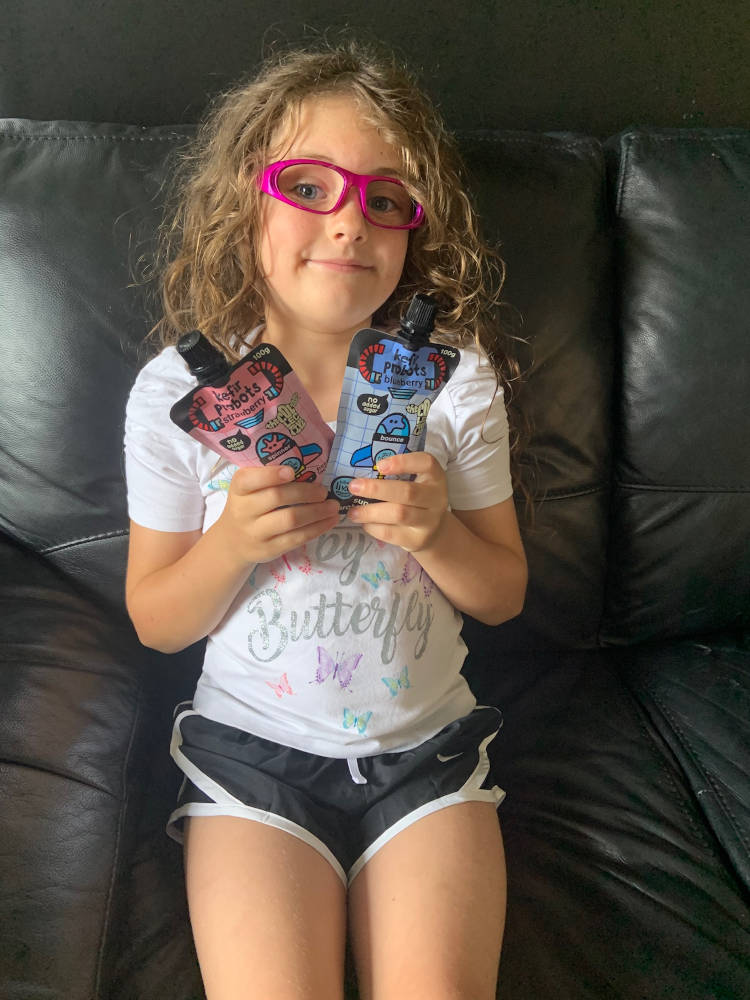
  2. For protection from dirt and bacteria, cover your wound with an Elastoplast plaster or wound dressing.
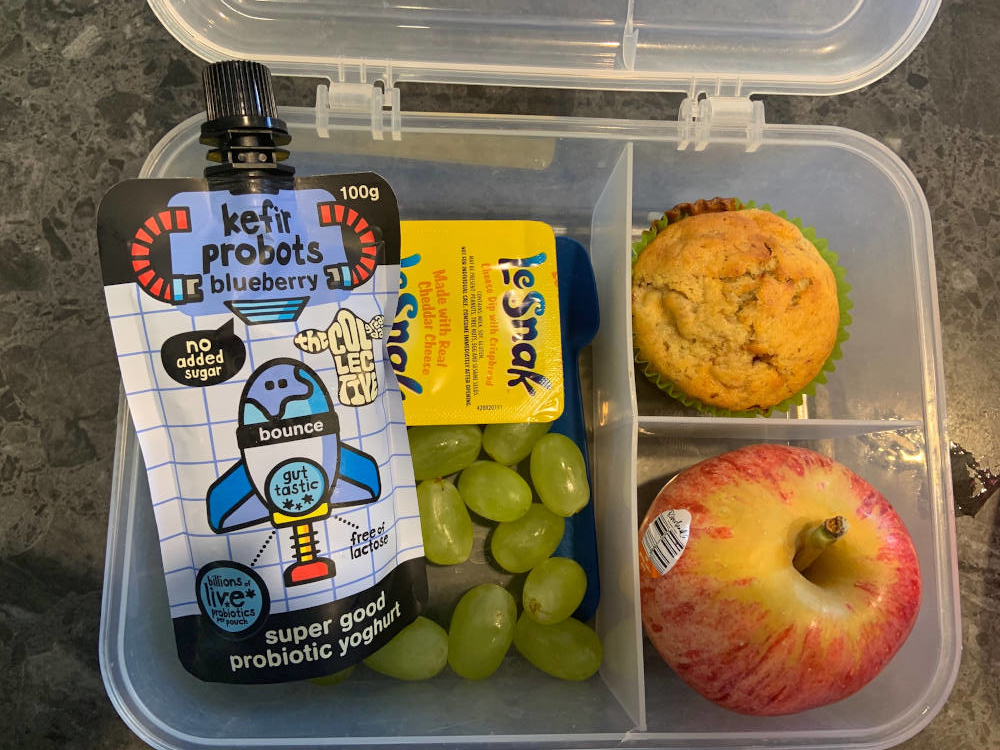
  3. For faster healing and lower risk of scarring, apply Elastoplast Wound Healing Ointment regularly until the wound has visibly healed. If necessary, re-cover using an Elastoplast plaster or wound dressing.

Elastoplast Wound Spray

Protects effectively from wound infections; colourless and odourless – does not leave any stains on skin and clothes; fast and pain-free application; suitable for sensitive skin.

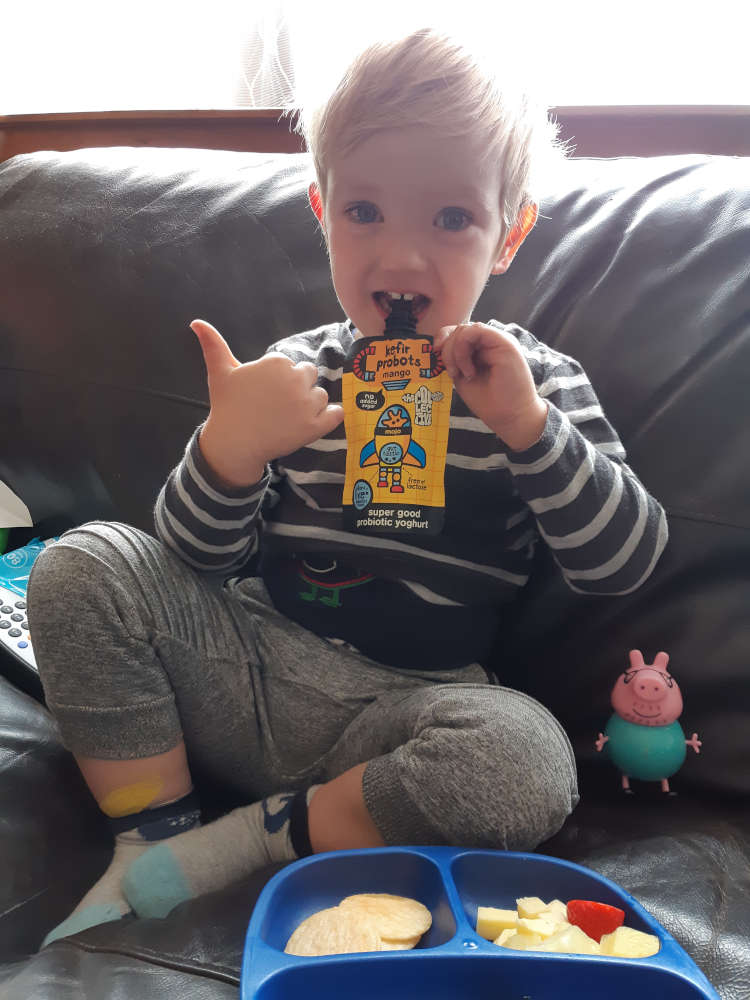
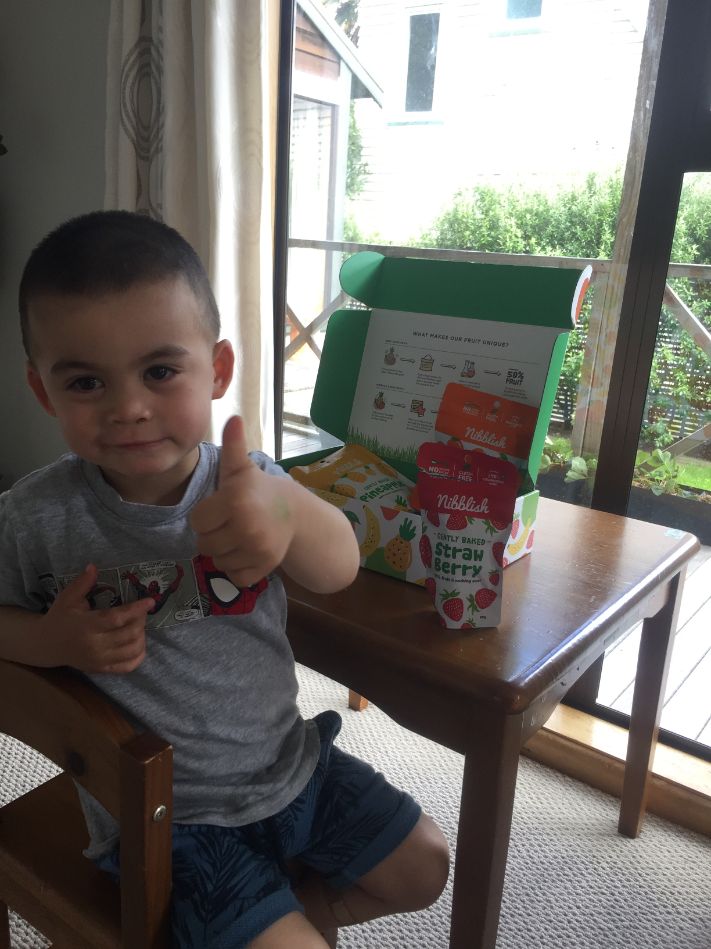
Elastoplast Fabric Plaster

Protects from dirt and bacteria; strong adhesion; flexible; breathable.
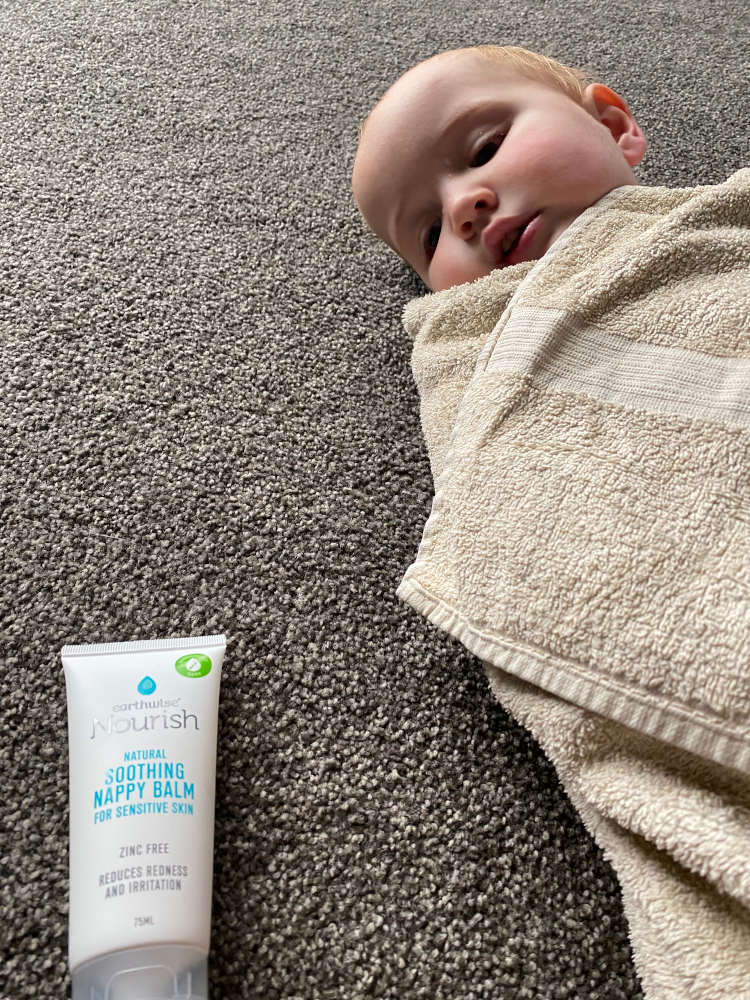
Elastoplast Wound Healing Ointment

Heal wounds up to 2x faster (in comparison to an untreated wound); reduces the risk of scarring; free of colourants, fragrances, preservatives; suitable for damaged, irritated, dry or sensitive skin (including babies and children).

Watch the video reviews belowvideo

We have given 200 members with kids the chance to be a video reviewer for the Elastoplast Wound Care Pack.

  • If you have received your trial pack, please check your inbox for instructions on how to upload your video review.
  • Please note that a video review is mandatory

Each selected reviewer will receive:

  • 1 x Elastoplast Wound Spray 50ml
  • 1 x Pack of Elastoplast Fabric Plaster 20
  • 1 x Elastoplast Wound Healing Ointment 20g

Please note

Watch the video reviews from our trialists

Scroll through to watch more video reviews from our trialists below

Join the Catch Up

Join our community of parents and let the Kidspot Catchup be your guide to creating unforgetable family moments.