Dangers of Health Apps for Kids

Weight Watchers have introduced a new app called KurboHealth aimed at kids and teens. Is it a helpful tool to tackle childhood obesity or a dangerous step toward an unhealthy relationship with food?

Recently WW (formerly known as Weight Watchers) re-launched an app called Kurbo that has been marketed for kids aged 8 – 17 years old. The app has had a year of further development since it was acquired by WW in 2018. Kurbo allows kids to enter their height, weight, age and their health goals. It lets them log what they are eating with a traffic light system – so green foods are fine to eat anytime (fruit and veg), amber foods are ones you should limit (dairy, protein, whole grains) and red foods you should avoid (those salty, sugary reward-centre fulfilling, junk foods). It has a snapchat-like feel and encourages regular activity via ‘streaks’. For most app savvy adults, we’ll be aware of these types of apps and may have even used them ourselves.

WW has been facing some backlash regarding their app, which is unsurprising. While they are trying to rebrand to a more health-focussed model, they still are pretty focussed on weight. WW is not the only group creating these health style apps for kids though. It only takes a quick trip to the Google Playstore to find multiple exercise and food apps aimed at kids.

Body shaming

Childhood obesity is a problem, we can’t deny that. But you have to ask yourself, do kids as young as eight years old, whether they are obese or not, need to be exposed to negativity around food? There’s a lot of concern that this app could drive kids towards a future of eating disorders and bad food relationships.

Of course, some could say that kids are exposed to plenty of body image language and visuals via social media, magazines and even their own parents’ hang-ups (guilty as charged). One app is not necessarily going to destroy a child. But an app in addition to everything else, especially if it’s coming from home could be very damaging. Fat-shaming seems to have become the last ‘acceptable’ bigotry, and kids are watching us adults online and at home.

Health scare

I had a little health scare at the start of the year. Nothing too serious, but it was enough to make me re-evaluate my relationship with food. To say I have had an unhealthy relationship with dieting would be accurate. As a kid I started to diet when I hit Intermediate School. I remember my ‘baby fat’ being mentioned to me. I exercised like mad in my room and cut my food intake back extensively. I felt the warmth of praise when I lost weight, and the shame and anguish when I couldn’t stop eating chips or biscuits.

Eventually I broke away from that thinking and decided to just be. Sad to say that this break away from dieting took me all too long and then I really did go in the total opposite direction not restricting myself in anyway. I wasn’t too worried about what I looked like. I fully embraced the idea that I shouldn’t have to shrink to fit, that I didn’t have to be pretty or acceptable-looking, to be here. And I was happy with that.

But then the health scare happened. My husband and I did a bit of research about food. So many of our friends are doing sugar-free, or carb-free, raw foods or Keto. The thing that didn’t sit right for us, was the removal of whole groups of food. Having kids in the house, also made us hyper-aware that they are watching everything we do.

Beginning a new journey

So, the journey began. After some weeks of wanting to eat in a more mindful way, but not really knowing what approach to take, we landed on using an app to help us count calories. This helped us as adults make better choices. We tried not to make the change a big deal at home, tried to not even discuss it in front of the kids. But of course it only took a month or so for both of my daughters to start asking.

I had a seven year old weighing herself and exclaiming “fat!” I had my frankly underweight 12 year old worrying that she was eating too much. Can you even imagine if they had access to a phone with a ‘health’ app on it? They are just too young to be making the same mindful decisions about food that we as adults can navigate. They don’t understand fuel in and fuel out. Even a word like carbs can confuse them – there are carbs in a lot of things including vegetables and kids need carbs!

Thankfully, we have been able to frame the conversation for them. We reassured them that they need lots of yummy food because they have growing bodies. We reminded them that their bodies are built to use the food they eat, to help them ride flying foxes, run cross countries and kick soccer balls. We focussed on the functional body rather than its form.

I’m mindful we’ll need to monitor the conversations about weight and worth very closely in future. A few weeks ago, my eldest said to me, “Wow, you are getting so skinny, Mum. That must feel really good”. I was taken aback, and said, “Oh, but darling that is not why I’m doing this. I don’t care about being skinny. I have always been beautiful.” She nodded enthusiastically, and I continued, “I care about being well and fit and hanging out with you guys for as long as possible”.

My relationship with food still continues to be an issue. I have to constantly tell myself food isn’t bad or good. Everything I ‘learnt’ at 10 years old about my value and my size is still messing with my head. And as for my girls, I think if they had been exposed to a food tracking app designed for them, we could easily be well on the way to restrictive dieting and a lifetime of seeing their value only in a dress size. Whether I like it or not, I’m living that, and I don’t want that for them, or any child. It’s a cycle I’m very keen to break.

kymmageWritten by Kym Moore

When she isn’t herding kids or cats, Kym loves to drink craft beer, or share a whine and a wine with friends. She is also partial to a well-made cocktail. Her happy places include sitting on couch watching British Comedy and daydreaming. Lots of daydreaming.

Favourite artist: Bowie

A Gentle Evening Bath & Bedtime Routine For Baby

It’s true that a sleeping baby is indeed a beautiful sight, but for many parents how much and for how long their baby sleeps can become a significant issue in the first weeks, months and even years.

How well your baby is sleeping somehow can be conflated with how well you are parenting. Trying to ‘control’ how much and for how long your baby sleeps can become a distracting focus of your time as a new parent and even the source of much anxiety and distress. There is plenty of information available on baby sleep – in fact there is a whole industry based on it! So, how do you make sense of all the information and unsolicited advice?

Expect the unexpected

About the only thing you can rely on in terms of sleep is that some amount of sleep deprivation is to be expected. As your precious baby is growing and changing, so will your baby’s sleep patterns. When you are immersed in the lack-of-sleep baby stage it is hard to imagine, but there will come a time when it’s past midday and you are still waiting for your dishevelled teen to emerge from the depths of their bedroom. In the meantime, accepting that your baby is unlikely to sleep for extended periods consistently will make your parenting journey a little more enjoyable.

While you can’t make a baby sleep all night, there are ways you can create an environment that is not only conducive to sleep, but it also an enjoyable part of your day together. Over time a regular routine will help your baby understand that after a bath, massage, cuddle and feed, it’s time to sleep.

The bath time routine

A relaxing end to the day for your little one with a warm, soothing bath is a wonderful way to help set your baby up for sleep. Make sure the room is warm and quiet. A baby’s skin is more vulnerable to its environment than an adult’s because its protective barrier is not yet fully developed, so only use products that are specifically formulated with this in mind.

Relaxing nourishing massage

After a bath, if your baby is relaxed and calm, you could try a massage. Massaging your baby helps you and your baby forge emotional bonds and continues the bedtime wind-down period. Choose a baby oil or moisturiser that’s sensitive to your little one’s skin.

Before putting baby’s bedtime nappy on, soothe and protect from nappy rash with a nappy balm to protect and soothe skin.

The final countdown

Hopefully by now your baby is all relaxed and sleepy but not overtired! Now it’s time for a cuddle, a song or story, and a final feed and then off to sleep in a dark, warm room. That’s the goal but for many babies, it’s not as simple as that!  Prepare to be flexible with the time you start your bedtime routine and also what time baby will actually go to sleep. Every baby is different so creating a routine will, over time, help establish strong sleep cues for your baby  – each day is one day closer to a good night’s sleep for you both.

Written by Kidspot NZ.

Smarter Comfort With Voice Control

Smart Voice Control makes it easier than ever to keep your home comfortable thanks to Panasonic’s Network-Enabled Air Conditioners.

Modern technology has given us tools to perform tasks that benefit our day-to-day living. Voice and digital control of our home is made easy with smart devices that can control lights, speakers, TVs, cameras, plugs, kitchen appliances, vacuums … even lawnmowers! And now your voice has the power to control your air conditioning too.

The power of your voice

Maximising your warming and cooling comfort is a breeze with Panasonic’s Network-Enabled Air Conditioners. Panasonic’s Smart Voice Control allows you to utilise smart assistants like Google Assistant and Amazon’s Alexa to easily control the comfort levels in your home.

Using voice control, you can:

  • Turn on/off air conditioners
  • Change mode
  • Adjust temperature
  • Check current air conditioner status
  • Start a routine that includes your air conditioning settings

The convenient hands-free control allows you to adjust the air conditioning in your home, even when your hands are full. This is great when your little one is needing your utmost attention at feeding time or when you simply cannot interrupt the cuddles! Or maybe you’ve walked in the door with bags of shopping and it’s a little chilly. Just give Alexa or Google a voice command and adjust the air conditioning instantly.

Using your smart device’s routine function, you can include air conditioning control as part of your morning or night-time routine.

Please note that a WiFi kit is required for the indoor unit – see here for details. WiFi network and compatible Smartphone also required.

If you already have a Panasonic Air Conditioner, the WiFi and voice control can be added to some models up to 5 years old.  Please contact us to find out more.

Even more control with the Comfort Cloud App

Download the Panasonic Comfort Cloud App from the App Store or Google Play and you’re totally in control – even when you’re away from home. Turn on the air conditioner on your way home and you’ll have ideal comfort the moment you walk in the door. It’s also great when you’ve jumped into bed and realised you need to adjust the temperature but you don’t want to venture out from under the covers!

To find out more about Smart Voice Control and the Comfort Cloud App, visit panasonicaircon.co.nz

If you already have a Panasonic Air Conditioner, the WiFi and voice control can be added to some models up to five years old. Please contact Panasonic here to find out more.

Promotion for Panasonic Smart Voice Control. This article was written by Kidspot NZ for Panasonic.

The Worst Thing To Say To A Sensitive Child

‘Don’t be so sensitive’ may be the worst thing you can say to a sensitive child, says parenting expert, Dr Justin Coulson.

If you have been a parent for more than a few minutes, you might have noticed something about children and sensitivity – most children are inherently sensitive. They feel secure when they receive our warmth and compassion. But their sensitivities are heightened when our responses are sharp, cold or harsh. Some people argue that we need to toughen our children up so they can survive in a dog-eat-dog world.

I disagree. I want my children to be sensitive. I want them to be able to identify their feelings, to know what they are and why they are having them. I want them to trust their feelings. They need to be sensitive in order to do these things. Those feelings let them know what’s OK and what’s not. In addition, I want them to be sensitive to others. I want them to be empathic, and to know how to respond to other people’s emotions. I want their sensitivity to be a blessing, rather than a burden.

The best way I can help my children to be sensitive is to honour their feelings, and turn towards them with empathy and kindness. When I do this, I believe I fulfil what L. R. Knost, author of Two Thousand Kisses a Day, hoped for when she said: “It’s not our job to toughen our children up to face a cruel and heartless world. It’s our job to raise children who will make the world a little less cruel and heartless.”

Why are kids so sensitive?

Emotional development

Part of our children’s sensitivity is a response to their development. That is – it’s biological. Researchers point out that emotional regulation is a skill that we all struggle with, even as adults. But when our children are young, they find it particularly hard to not be sensitive. They feel something, it wells up inside them and they let it out. Emotions are big and hard to understand, let alone control.

Starting at age two, children are able to talk about their feelings and they begin to engage in strategies to control and regulate them. They start to use language to express feelings, but it is hard for them.

Usually around age seven or eight, children are beginning to effectively regulate their emotions. But it is not uncommon to see parents rousing on their kids for being so sensitive and emotional well before they are eight years old – particularly their sons.

Responding insensitively

In addition to biology, there is also an environmental influence to our children’s sensitivity. We have a habit of doing what Dr John Gottman describes as ‘turning away’, or ‘turning against’ our children.

In other words, we are insensitive!

When we respond with insensitivity to our children’s challenges, we show dismissal (you’ll get over it), or disapproval (you silly girl). Neither response is helpful but both are common. In fact, both responses make our children feel unworthy. They exacerbate our children’s sensitivity.

As our children get older and can regulate their emotions with some effectiveness, they may not respond to our statements with open sensitivity and tears. But this doesn’t mean they’re no longer sensitive. Instead, they hide it from us to avoid further recriminations, pushing it underground. But it will manifest in other ways in both the short term and long term. Relationships are ruptured and trust is eroded.

Responding with sensitivity

Instead of disapproving and dismissing our children’s sensitivities and turning against or away from them, Gottman recommends we turn towards our chlidren’s sensitivity. Accept it. When we have promoted the sensitivity by our own insensitivity, we should apologise for hurting our child’s feelings and promise to be more sensitive in the future. By showing empathy, we teach our children that they matter and that their feelings are a normal part of being human. We show that we care.

Our children’s sensitivity can feel like a rod for our backs. But when we tell them to stop being so sensitive, we diminish them and our relationship with them. When we show love, empathy and kindness, we raise children who know they matter and who can be a blessing to others.

This article was written for Kidspot by Justin Coulson, Ph. D. Justin is a relationships and parenting expert, author and father of five children. Find him on FacebookTwitter, and at happyfamilies.com.au.

What To Do About Cruel School Friends

Like adults, children can be mean to one another. Sometimes an unkind remark spoken by one child to another can be the catalyst for friendship to crumble.

“I’m not your friend anymore!”

“I don’t like you. You’re mean!”

“Loser.”

Below are six strategies for working with your child if he or she is struggling with ‘mean’ friends.

Be emotionally available

Six year-old Ella stumbled into the house after school, sobbing at full volume. Ella was heartbroken after another unhappy day involving ‘mean friends’. When Ella sobbed her way into the living room, she needed her mother to sit with her, listen, reflect feelings, and let her know she is ‘there’.

“That made you feel so sad.”

“I bet you were hurt in your heart.”

Reassuring your child that these feelings and experiences are normal is one of the most important things you can do for your child.

Perspective taking

Paige was being mean to Chanel. After taking time to be emotionally available Chanel’s mum asked why Paige might be being mean. Chanel replied, “Paige told me she doesn’t like it when I come and play at her house because I’m stealing her family from her.”

Such insights using perspective taking allowed Chanel and her mum to develop strategies for dealing with Paige’s ‘mean’ behaviour.

Allow time

In some instances, ‘mean’ kids may be having a bad day or week. We all have those. By listening, monitoring, and offering gentle guidance and strategies (like encouraging kindness and sharing), often things can settle down in a relatively short timeframe.

Get together with the other parent

Tiffany was concerned. For over four weeks her son had experienced difficulties with his ‘best’ friend. There had been tears and conflict. With much trepidation she called Olivia to talk. The two mums met once the boys were at school. Tiffany gained perspective and insight, and had a good opportunity to share concerns.

Most parents are very willing to communicate. They’re usually as concerned about the issues as you are.

Warning: When you talk with another parent you may discover that the ‘mean’ friend issue is a two-way street. Your child may not always be the victim. Keep an open mind and work towards solutions rather than blaming and accusation.

Encourage play dates and observe the children

By bringing children together in a safe, monitored environment you will do several things:

  • First, you can watch them and better understand how their relationship is working;
  • Second, you can remove additional peers and allow the relationship to grow in an environment with less distractions than the school yard; and
  • Third, you have the opportunity to teach and guide the children into appropriate relationship behaviour.
  • As an example, we might say to an aggressive child, “At our house we speak kindly to others.”

Involve the school

Most school teachers and principals want the very best for their students, and that includes good peer-to-peer relationships. If all of your personal efforts, and those of other parents, have not been successful in improving things between children share your concerns with a teacher. Seek their involvement and guidance. They’ve dealt with many similar issues before.

This article was written for Kidspot by Justin Coulson, Ph. D. Justin is a relationships and parenting expert, author and father of five children. Find him on FacebookTwitter, and at happyfamilies.com.au.

Share your experience of cruel friends and trying to help kids with friendships.

See more:

The Best Friend’s Guide to a Marriage Break-up

Watching a friend go through a marriage breakdown is a heart-wrenching experience, but it happens all too often.

Author Bella Vendramini documented her own divorce in her book Naked in Public (Hachette). Here are Bella’s tips on how you can be a supportive friend when your friend’s family is breaking up.

1. Be her shoulder to cry on

A marriage break up is a difficult time and any little thing you can do to lessen your friend’s load or to help her through it will have 10 times the significance for her, than the effort you need to expend in order to do it. “Your job is to be there as a shoulder, a box of tissues, a team coach, a guide and a helper,” says Bella.

The most important thing is to be there for your friend, to let her cry and to let her talk. “I remember when I went through my own marriage break up, I was feeling so vulnerable and scared about the future. Dealing with regret, hurt, betrayal, love, loneliness and fear. A cacophony of emotions are generated during a break up. Having loving and supportive friends with open ears and kind words are balm for the soul. I truly don’t think I could have gotten through it without my friends.”

2. Give kind words and listen

Bella adds that a friend’s kind words or non-judgmental advice can make the difference between dealing healthily and eventually moving on with life or falling into despondency or depression. “Some kind words, some loving cuddles and sane advice goes a long, long way,” says Bella.

Listening is much more important than giving advice, says Bella. “She needs non-judgmental listening, more than she needs judgmental advice. Put yourself in her shoes and see how it feels and learn by asking yourself what you’d want to hear if you were in the same situation.”

3. Time heals all wounds, but …

Essentially time is going to be the great healer – so be sure to remind your friend of that. “Let her know that it will get better, that she’ll feel all sorts of emotions but as time goes by, those high salient emotions will ebb and they will eventually disappear,” says Bella. “Also, you can suggest professional counselling. You don’t need to be at death’s door to get counselling – in fact it is a great way to get effective tools to help with a relationship breakdown including help with mourning, grieving, anger and moving on.” Also let your friend know that you can get subsidised sessions with a counsellor or psychologist, through referral from your GP.

4. Help her get some ‘me time’

Part of your job is also helping your friend nurture herself, especially if she’s thinking about others rather than herself. “If she has children, it’ll be important to her to lessen the fallout for them so she may neglect her own needs – this is where you come in.” That means you might be there simply to listen, with a glass of wine, when she needs you – and even with your dancing shoes on, if she fancies heading out to a bar for a fun evening out.

Organising a day trip away is a great way to get your friend’s mind off her ex. “She may be despondent and may not want to do much, so perhaps surprise her with a day trip to the country,” says Bella. “Just to get her out of the house and breathing the fresh air. Those little steps all help win the race back to health and optimism.” So buy tickets to the races, book an evening at a day spa or just go and see a new film together at the cinema.

5. Lend a hand with her kids

Offer to take her children for the day or help her with some chores around the house. “If she’s been married a long time, it’ll be new and strange for her dealing with things on her own, so be prepared to be there for her, or at least offer a hand,” says Bella. That might mean offering to help her out with the ironing or cooking up some meals and freezing them for the weeks ahead.

6. Don’t knock her partner

One of the main things is to be non-judgmental – including about the partner she’s broken up with. “Just let her talk and sympathise with her instead of judging her decisions or the man she’s chosen,” says Bella. “Inevitably one moment she’ll miss him terribly and mourn the loss of him, the next moment she’ll think he’s the worst creature on earth and want to put a hit out on him. Let her go through that process, those ups and downs, it helps her to come to terms with an even view of him and their past relationship.”

As a friend, you’ll have to be patient even when you feel frustrated over her slow process, or constant need to talk about it – but just as it will pass for her, it’ll pass for you too and you’ll resume your friendship as it was. “Remember, men come and go – but friendships last a lifetime,” says Bella, adding that it’s OK to trash talk about her ex with friends, but it’s never OK to bad mouth a former partner in front of children.

This article was written by Joanna Bounds for Kidspot.com.au and has been adapted for Kidspot.co.nz

If you’ve been through a separation, or helped someone through one, what actually helped?

See more:

Should Kids Only Walk To School With An Adult?

Following the death of a six year old girl in Gisborne in 2017, a New Zealand coroner has advised against allowing children to walk to school without adult supervision.

Carla Neems was just a few weeks away from her seventh birthday when, after scootering 450 metres home from school (and most of the way with older children), she tragically walked into the path of a rubbish truck which was momentarily parked halfway across her home’s driveway.

As well as recommending better signage and the possibility of proximity alarms for rubbish trucks, the coroner said that there was parental responsibility to ensure that Carla was accompanied from the school by an adult.

“I do not accept that it was acceptable for Carla to go to and from school in the care of her older siblings – and part of the way home alone. The siblings were too young to be vested with that responsibility. Sadly the confidence that Mr and Mrs Neems had about Carla’s road safety was misplaced and flies in the face of what happened,” Coroner Tim Scott, said.

According to Safekids Aotearoa, more than five child pedestrians are killed each year, more than 100 are hospitalised, and children aged five to nine years old are most at risk.

The coroner’s words have been widely condemned as being harsh, following what many view as a tragic accident.

Should we be walking our kids to and from school?

New Zealand law states that it is illegal to leave a child alone under the age of 14 years without reasonable provision for their care. However, the term “reasonable provision” leaves a lot to parent’s interpretation and individual circumstances – for example, the maturity level of the child and the length of time without supervision. Deciding at what age a child should be safe to walk to school would need to take into account the child’s understanding of road safety, the distance to school, as well as traffic levels, etc.

So should we be escorting our kids every step to and from school until they’re 14? Or do we just have to accept that we can’t always control our child’s surroundings – we can only provide them with guidance and the knowledge required to make safer decisions?

Tips for child pedestrian safety

  • Plan the safest route possible and walk through it with your child several times.
  • If there is a footpath, use it.
  • Kids should walk as far away from the roadside as possible.
  • If there is no path, walk on the grass verge and face oncoming traffic.
  • Avoid distractions such as smartphones and headphones.
  • Beware of cars entering and exiting driveways.
  • It is harder for drivers of large vehicles to see small children so keep well away.
  • When crossing the road, choose to use a pedestrian crossing. Always wait to ensure that cars have stopped before entering the pedestrian crossing.
  • If there is no designated crossing, stand one step away from the edge of the road, look in all directions for traffic and listen. When the road is clear, walk briskly across, checking for traffic.
  • Avoid crossing between parked cars but if there is no choice always choose cars without drivers in them and stand at the front of the car by the headlight nearest the road. Look and listen for traffic. When the road is clear, cross briskly, looking each way for traffic.

What are your thoughts on kids walking to and from school? Or scootering, riding bikes, taking public transport on their own or with siblings or older kids?

See more:

her world julieWritten by Julie Scanlon

Julie is Editor for Kidspot NZ and our MVP. Her hobbies include laughing uncontrollably at her own jokes, annoying her family by asking questions about movie plots, and never taking anything too seriously. She speaks a little Spanish and a lot of Yorkshire. 

Favourite motto to live by: “It ain’t nothing but a thing”

Second Children Are More Likely To Be Trouble

If your second child has a habit of driving you up the wall with their behaviour, then it seems that you are not alone in your exasperation with your second offspring.

A study in 2017 by economists in the USA and Denmark concluded that second-born children, especially boys, are more likely to get into trouble at school, skip school, or even be convicted of a crime, than first-born children.

Second-born boys

The study looked at families with two or more children in both Denmark and Florida, with a focus on second-born boys.

Despite large differences in environments across the two areas, we find remarkably consistent results: in families with two or more children, second-born boys are on the order of 20 to 40 percent more likely to be disciplined in school and enter the criminal justice system compared to first-born boys even when we compare siblings.

Source: https://www.nber.org/papers/w23038

The outcome for a pair of brothers was much worse than a girl-boy first and second-born dynamic.

What’s causing the bad behaviour?

There are a few potential contributing factors that could be resulting in this unruly lot of second-born boys.

The first factor is role models. A first-born has their parents, ie adults, as their main role models. Unfortunately for the second-born, they also have an older sibling as a role model – often a crazy-ass toddler who thinks the world revolves around them!

The second factor is parental attention (you just knew it was going to come down to being the fault of the parents, right?). Usually a first-born will get all of their parents’ attention. Once you throw another child into the mix, of course, attention and time are split. Plus, with second and subsequent children, parents tend to tone down the overly anxious parenting and we all just sort of cruise along more. But, the study found that we still invest just as much into our children’s education, our second-born kids are just as healthy and are more likely to attend preschool.

So there it is – we’re giving our second-born kids less attention and worse role models! In fact, first-born kids are often getting a double dose of attention as they tend to benefit from the time available to parents during maternity leave for the second-born child too.

What can parents do about it?

Whilst the results and further studies may help to influence parental leave policy as a social benefit, there isn’t really a lot we can change in our parenting. You are only one person with 24 hours in a day. You can only do your best at giving each of your children an equal amount of attention but it is simply not always possible.

The findings are also just from one study and only indicate an increase in behavioural problems, so it’s not going to apply to every second-born boy. I have two boys myself, born approximately two years apart. And yet, the second-born boy is all about following the rules and often asks if we can send his older sibling back for a refund when he stuffs up, so I don’t think the terrible role modelling quite gelled in this instance!

Source: National Bureau of Economic Research

her world julieWritten by Julie Scanlon

Julie is Editor for Kidspot NZ and our MVP. Her hobbies include laughing uncontrollably at her own jokes, annoying her family by asking questions about movie plots, and never taking anything too seriously. She speaks a little Spanish and a lot of Yorkshire. 

Favourite motto to live by: “It ain’t nothing but a thing”

Things I Wish I Had Known Before Childbirth

Back when I was pregnant with my first child, I felt quite overwhelmed by the amount of advice and horror stories that I was told by the women around me.

I was quite lucky in a lot of ways. Being a larger lady, I barely showed so I didn’t have quite the onslaught of stories that I might have had if my pregnancy had showed to strangers. My mum friends and work colleagues certainly helped fuel any anxiety I had about labour though. My own mum didn’t help either. She went into labour with me on a Tuesday and had me on the Saturday. Yes, every pregnant woman wants to be told a 5-day labour is possible!

I read a lot of Ina May childbirth stories, to give myself a more balanced view of how labour might be. However, no matter how many stories you hear or read, experiencing it first hand is always going to be an eye-opener.

Your Waters Breaking

I was so paranoid that my waters would break, and I would be completely unprepared. I slept on a Brollysheet and sat on the sofa on a Brollysheet. I had been given the “waters broke in the supermarket” story from a few friends as well. So, I was paranoid about going out, unless it was to the outside where clean up was a hose away.

Luckily or unluckily for me, depending on how you look at it, I ended up having to be induced so my waters were broken for me, on a hospital bed. Nothing could have prepared me though, for the sensation of a small spa pool’s worth of hot liquid leaving my person. My husband was not prepared either, as he was holding my hand and had to jump out of the splash zone.

What Contractions Feel Like

I had heard that contractions would be painful, that they would feel like “pressure” or would be like waves of sensation (pain or otherwise). Only a few mentioned it being like menstrual cramping or needing to go to the toilet. Pre-induction I had had a few niggles, that could have been contractions or not. Some were definitely the ol’ Braxton Hicks. Some were likely the baby having hiccups. Real contractions are unmistakable, and I would say they are definitely more like waves of menstrual cramping.

Pain Level

I remember one of our friends laughing at me when I said I was planning no pain relief during labour. “You’ll be screaming for the drugs.” That just made me even more determined not to be. I think everyone is different when it comes to labour pain though, and there’s no shame in getting some relief if you need it to get through. It’s definitely a marathon and not (normally) a sprint. With my first labour, it was nine hours and my pain level wasn’t too bad. My body had time to build up the endorphins, and I had plenty of breaks between contractions to chat and have a few laughs.

When I finally felt like pushing, the pushing itself helped to relieve a lot of the increased pain. The worst part of the whole labour for me was baby crowning. Someone described it to me as a burning sensation, which gave me an altogether different impression of what to expect. It’s not a hot pain, it’s like peeing glass. I’m sorry.

Post Delivery

Immediately after having baby things are going to be sore. If you have a tear, or even if you don’t have a tear there’s likely to be grazing. Going to the toilet is a necessary evil, and some of it will be mind over matter! But when peeing, if you can lean forward as much as possible and if you have a squeeze bottle you can also pour warm water on your perineum as you go to minimise the sting.

Things are also going to be swollen for a while, and I would NOT go looking right away. Just get onto your kegels! I also made the mistake of looking in a mirror directly after birth. I looked like a deflated sausage casing. So, there was that. And then there was the six weeks of having to wear sanitary pads as your uterus goes back to its normal size and has the mother of all clean outs.

Mummy Paranoia

I joke with my friends that my mother’s guilt kicked in the moment that second line appeared on the test. But if you think you are feeling guilty about the soft cheese you had two weeks before you knew you were pregnant, it’s nothing compared to when the baby is here. Those first days when you can barely sleep because every snuffle or delayed breath makes you paranoid. Every cry – is that colic? Every nappy – should it be that colour?! Every feed – are they getting enough?

It’s normal to worry, and it’s normal to have a few blue days – your body is pumping you full of hormones and it will affect your mood. But if you start to feel like it’s a never-ending spiral of hopelessness, or it’s affecting your ability to connect with your baby then talk to your midwife or go and visit your GP. Post Natal Depression is not a fun ride (I know) but there is help out there and talking about it really does help.

kymmageWritten by Kym Moore

When she isn’t herding kids or cats, Kym loves to drink craft beer, or share a whine and a wine with friends. She is also partial to a well-made cocktail. Her happy places include sitting on couch watching British Comedy and daydreaming. Lots of daydreaming.

Favourite artist: Bowie

Princesses, Magic and Adventure – Fiction Books for Girls (and Boys)!

When I became a mother to a daughter, I became a bit more aware of the messages that some of the classic books send to little girls (and boys). I grew up on princesses, and damsels in distress. To six year old me, it seemed fairly reasonable that I should focus on happily ever after, once I had been ‘rescued’ of course.

I wanted to share the books and stories of my childhood with my daughter. But I wanted to make sure that the messages she got were a fairer mix. She could be the princess of her story, if that is what she wanted. She could also be the hero though, wave a sword and do the rescuing.

Princesses

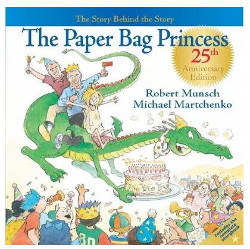
A friend gave me a copy of an amazing little book called “The Paper Bag Princess”, which was written by Robert Munsch. In this story, the princess digs deep against the odds and does the rescuing. There is no happily ever after with her prince. Though she does live happily ever after anyway. The story tickled me and delighted my daughter who wanted it read all the time.

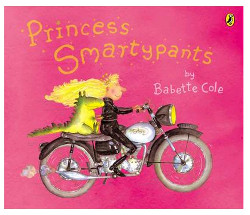
Another feisty character is Babette Cole’s “Princess Smartypants”. Being forced to find a suitor, Princess Smartypants makes it quite an impossible task. After all, she is having too much fun living life on her terms and hanging out with her gaggle of pets.

These books were excellent for my daughter when she was in pre-school and still held their charm into primary school. A great series of books for older kids (late primary to middle school) are the Enchanted Forest Chronicles. Patricia C. Wrede’s Cimorene is the perfect princess for those girls who don’t want to sit on the sideline. She is a self-rescuing, smart, and very practical princess!

Adventures in a Strange Land

Going classic, L. Frank Baum’s “The Wonderful Wizard of Oz” and Lewis Carroll’s “Alice’s Adventures in Wonderland” are both great stories featuring an adventuring girl and a wide range of strange new friends.

Madeleine L’Engle’s “A Wrinkle In Time” has to get a mention here. Best for ages nine and up, this story has been turned into an awesome movie too. The book follows Meg, her gifted brother Charles Wallace and a friend Calvin as they move through worlds looking for Meg’s father. Parts of the book get a little creepy, but more like a tame episode of Dr Who. There are some religious themes to this one as well.

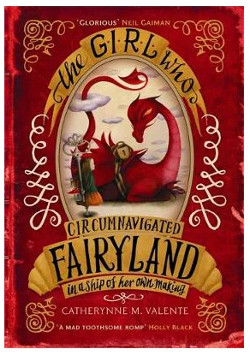
My other absolute favourite series, for intermediate to high school aged kids are the Fairyland books by Cathrynne M Valente. The first book is called “The Girl Who Circumnavigated Fairyland in a Ship of Her Own Making”, which is the best book title I have ever seen. The book follows September as she is whisked away from her boring life by the Green Wind to have an adventure. She makes her way around Fairyland making friends and enemies and doing noble deeds. As an adult, I loved these books. They are so rich, and just like falling back into childhood. There are so many great passages about growing up, or perhaps not needing to.

Can you really mention books about a girl who goes to a strange land without mentioning “The BFG” by Roald Dahl? Oh the horror of the bean-eating giants, and snozzcumbers! This one is probably my favourite Dahl story, though “Matilda” is also very good.

Another childhood favourite for me was Mary Norton’s “The Borrowers”. I was fascinated by the idea of little people living in my walls. I related to Arrietty quite a lot as well – that sense of growing up and out-growing your place, and then trying to find where you fit.

Magic

Stephanie Burgis’ “The Dragon With a Chocolate Heart” was a book my husband picked out. Our daughter loves anything with dragons, so she was immediately drawn to this story. It’s an excellent book about facing changes and challenges and learning more about who you are because of that.

Tiffany Aching is a frying pan welding witch-to-be in Terry Pratchett’s “The Wee Free Men”. This one is best for middle to high school aged kids. It’s hilarious and had our daughter in stitches, while also providing an entertaining adventure.

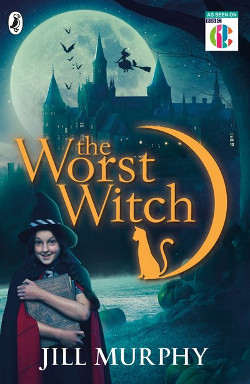
Jill Murphy’s Mildred Hubble is the worst student at Miss Cackle’s Academy for Witches in “The Worst Witch”. This one is also a Netflix series and it’s one of our favourites to binge.

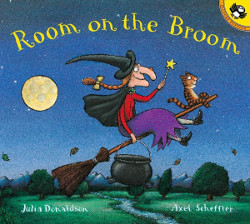
For younger children, Julia Donaldson’s “Room on the Broom” is a magic adventure with a lovely witch and the many friends she makes as she travels on her broom. It’s an easy read, which is good because you’ll be re-reading it a lot!

Now, although these books have girl characters in the lead, that doesn’t mean they are stories solely for girls. Remember that many books are read by both girls and boys that have male lead characters in them – Harry Potter, anyone? So, feel free to introduce boys to these awesome stories too.

Pick up some of these titles today!

The Paper Bag Princess

Buy Now

Princess Smartypants

Buy Now

Room on the Broom

Buy Now

The Dragon with a Chocolate Heart

Buy Now

The Girl Who Circumnavigated Fairyland in a Ship of Her Own Making

Buy Now

The Worst Witch

Buy Now

kymmageWritten by Kym Moore

When she isn’t herding kids or cats, Kym loves to drink craft beer, or share a whine and a wine with friends. She is also partial to a well-made cocktail. Her happy places include sitting on couch watching British Comedy and daydreaming. Lots of daydreaming.

Favourite artist: Bowie

The Most Common Middle Names

Sponsored content

Do middle names follow the trends that the most popular first names set?

Each year the top baby names are announced and, while there are a few that have been popular for some time or have made a resurgence, often the lists are very different to what was popular when you were born. They can even be quite different to the most common names that were around when your children were born, especially if their age is into double figures. However, middle names, seem to have a tendency to stick around.

The introduction of middle names

If you were born over a century ago, it’s unlikely that your parents would have bothered choosing a middle name for you. According to the 1911 census in the UK, just 37 percent of people had a middle name.

Adding a middle name only became a “thing” over the last century, mainly as a way of commemorating a family member. Whether this in recognition of a parent or grandparent, or, as in many cases following the two World Wars, a way of acknowledging someone lost too soon, middle names have become so popular that now 80% of children are given a midde name and 10% are given two or more.

Not following the trends

A study conducted by Ancestry.com discovered that many middle names are chosen based on heritage, rather than following the latest name trends, with 55 percent of parents saying that they chose their child’s middle name in honour of a family member. So, it is unsurprising that the most popular middle names have tended to stick around for generations and we often share a middle name with a lot of others. Do a quick ask around your friends and you will find the same middle names popping up again and again!

The Ancestry.com top 10 list of middle names contains none of the current top 10 girls first names and only three make an appearance from the boys list. There is still a creative side to choosing middle names though. Some parents reportedly selected a name after taking inspiration from TV, film, music, royalty, or modern culture.

Most popular middle names

The most popular middle names from the Ancestry.com study (in the UK) are below.

Source: blogs.ancestry.co.uk/cm/traditional-choices-top-list-of-most-popular-middle-names

Girls – UK Boys – UK
1. Louise 1. James
2. Rose 2. John
3. Grace 3. William
4. Jane, Elizabeth (4th equal) 4. Thomas
5. Anne/Ann 5. David
6. May/Mae 6. Robert
7. Marie 7. Edward
8. Mary 8. Peter, Lee (8th equal)
9. Amy, Catherine (9th equal) 9. Christopher, Alexander (9th equal)
10. Victoria, Kate (10th equal) 10. Michael, Daniel (10th equal)

The top middle names in the USA, as per a study by website Namenerds.com, are below.

Most commonly, middle names were chosen as they were commemorating a grandparent, the mother or father (or their middle name), a family name, an aunt or uncle, or a great grandparent.

Source: www.namenerds.com/uucn/midsurvey.html

Girls – USA Boys – USA
1. Marie/Maree 1. Alan
2. Anne/Ann 2. Michael
3. Lynn 3. James
4. Elizabeth 4. William
5. Lee/Leigh 5. Lee
6. Nicole 6. John
7. Louise 7. Robert
8. Michelle 8. Andrew
9. Renee 9. David
10. Jean 10. Joseph

Whilst I was unable to find any NZ studies of middle names, anecdotal evidence shows that we also tend to choose traditional names for our middle monikers.

Are middle names changing with the times?

Genealogy website, MooseRoots, has revealed the most common middle names in the US by decade. Back in 1900 to 1909, the most popular female middle names were Mae, Marie, and Elizabeth. For males, it was William, Joseph, and Edward. By the 1950s, the most popular were Ann, Marie, and Lynn, along with Lee, Edward, and Allen. By the 1980s not much had changed and the top names for females were Marie, Ann, and Lynn. For males it was Michael, Lee, and James. Finally, for the 2010s, the most common middle names were Marie, Grace, and Rose along with James, Lee, and Michael.

Source: The-most-common-middle-names-from-the-last-12-decades

Across the ditch, BabyCenter Australia did a survey to find out the most popular middle names for babies born in 2010. It revealed similar trends with Rose, Grace, Jane, Louise, and Jade topping the list for the girls and James, John, William, Thomas, and Alexander leading the list for the boys.

Where did your or your child’s middle name originate from?

See more:

her world julieWritten by Julie Scanlon

Julie is Editor for Kidspot NZ and our MVP. Her hobbies include laughing uncontrollably at her own jokes, annoying her family by asking questions about movie plots, and never taking anything too seriously. She speaks a little Spanish and a lot of Yorkshire. 

Favourite motto to live by: “It ain’t nothing but a thing”

Easy Meals Teens Can Make Themselves

Before your teen heads off for some independence, whether it be flatting, or higher education, or if you simply want them to learn a few new dishes to make at home, ensure they are armed with at least a small repertoire of easy dinners that they can make themselves.

Some of these recipes are a little bit more of a challenge but can also be great for teaching tweens and younger kids with some supervision.

Stir fries

Stir Fry

The great thing about a stir fry is it can not only be tailored to your own personal tastes, but it can also be made with basically whatever is in the fridge! That’s great for budget-conscious shoppers.

Omelettes

Eggs are amazingly versatile and nutritious so jump on the omelette bandwagon for a quick and tasty meal. Serve with a green salad for a healthy dinner.

Wraps

Tortillas, burritos, fajitas, wraps – whatever you want to call them – are an easy way to use up bits and pieces left over from other meals. Grab a wrap, pop in some capsicum strips, a couple of tomato quarters, a handful of salad leaves, grated cheese and your favourite spicy sauce or salsa and you’re done.

Burgers

Skip the Maccas and create your own brilliant burger. Serve with some crispy homemade wedges.

Baked potatoes

Baked Potatoes

Simple baked potatoes topped with cheese and beans is a great set and forget dish that’s great as a warming meal in winter.

Curries

Speaking of winter warmers, nothing beats a curry. Rice is the perfect accompaniment – whether you cook it from scratch or grab a ready-made bag.

Simple pasta dishes

Actually, you would be hard-pressed to find a difficult pasta dish.

The one recipe you can’t do without

There is one recipe that you can use over and over again, creating a multitude of different dishes – bolognaise. If you can make a bolognaise sauce then you can also:

  • Serve it over a baked potato
  • Add it to cooked pasta, spaghetti or rice
  • Spread it on a pizza base, top with cheese and bake
  • Top it with mashed potato for a cottage pie
  • Wrap it in pastry and bake for a tasty pie
  • Use it in tacos or tortillas
  • Pile it on top of nachos, add sour cream, cheese, and spring onion
  • Stuff capsicums
  • Add some red kidney beans, cayene pepper, and BBQ sauce and serve as chilli
  • Serve it on toast

her world julieWritten by Julie Scanlon

Julie is Editor for Kidspot NZ and our MVP. Her hobbies include laughing uncontrollably at her own jokes, annoying her family by asking questions about movie plots, and never taking anything too seriously. She speaks a little Spanish and a lot of Yorkshire. 

Favourite motto to live by: “It ain’t nothing but a thing”

Life Skills Every Teen Needs Before Leaving Home

Moving out of home, whether for further education, a big overseas adventure, or going flatting, is the biggest change in your child’s life – and no doubt it will have a huge impact on your own too.

Just as we equip our children with skills needed to grow and develop throughout their early life, there are also skills that teens and young adults need to start this next phase of their life successfully, ie without the need to run home to mum when they need some washing done!

Whether you start building these skills up from their tween years (or earlier), or you do a last minute dash before they fly the coop, here’s some of the life skills that will stand them in good stead.

Cook a meal or two – preferably more!

Anyone can throw a ready meal in the microwave, but actually cooking a nutritious balanced meal is a whole different thing. If your child has had food technology classes at high school then that’s a great start. Encouraging your teen to cook for the whole family once a week can be a gateway into them discovering new recipes and cooking techniques, while being mindful of dietary requirements and nutrition.

Food boxes are a great way to get them into cooking with a set plan, and ingredients and instructions on hand.

Teens should also be able to:

  • Operate a microwave (ie knowing what NOT to put in it)
  • Use an oven and elements (positioning pots safely, pre-heating, etc)
  • Load a dishwasher correctly (or near enough to correct, because we all know how pedantic we can be about this one!)
  • Use measuring cups, vegetable peeler, grater, food processor, etc
  • Store food safely (cos leftovers are king when you’re on a budget)

Buy groceries on a budget

Most young people won’t be flashing the cash when they move away from home so learning how to make a meal plan and shopping list, compare prices, and stick to a budget is essential. Give them a few trial runs at it with the weekly shopping budget!

Get from A to B

Without their private chauffeur to call on, and a job or school to get to, teens need to be familiar with their transport options (depending on what is available). Do they know about safety around trains and tracks? Can they understand a bus timetable? Can they read a map?

Drive with know-how

Getting a driver licence is only the beginning of being an independent driver. Drivers also need to know:

  • How to pump gas (seems obvious but sometimes parents forget to take a back seat on this)
  • Change a tyre
  • Check tyre pressure
  • Jump-start a car (including IF they should jump-start their own car, or someone else’s)
  • When to get a service
  • Checking oil and water
  • What to do if they breakdown or in an emergency
  • How to pay for parking
  • Registration and WOF requirements

Stay healthy

“Don’t come running to me when you break your leg!” But also, don’t come running when you’ve left home and have a cold. Knowing how to look after themselves when they are ill is a necessity. They should be able to take their own temperature, put on a plaster, do basic first aid, know the basics of which over-the-counter medications to take, as well as understand the importance of hygiene, rest and hydration. Most importantly they need to understand when and how to seek medical help – or when to call mum to find out if they need help!

Fill out a form

This is a BIG one. So many people, even grown adults, are bamboozled when it comes to filling in a form with the correct information. Get your kids into the habit of doing this for themselves as early as you can. Signing them up for sports or applying for an after school job? Get your child to fill in the form as much as they can on their own. This applies to online forms as well (with supervision when required). Work on those reading comprehension skills so they know what is being asked as well as how to answer.

Your child should also be able to write a professional email (drop that text speak!) and know the basics of staying safe online.

Be financially savvy

Money definitely makes the world go round, so your newly independent child needs to know how to control their finances. As well as having a good understanding of what things cost (a couple of dollars will not fix a broken down car), they should know how to:

They will also need to have at least basic understanding of credit, savings, insurance, and income tax obligations.

Basic home care and maintenance

Whether they’re flatting, room-sharing, or out on their own, knowing these basic skills will go a long way to helping their independence:

  • Keeping a clean and hygienic home, ie vacuuming, mopping, surface cleaning
  • How to clean a toilet
  • How to change a lightbulb
  • Turn off water or gas
  • Reset a fuse/circuit breaker box (when safe)
  • Wash dishes by hand
  • Sort recycling
  • Operate a washing machine (as well as hanging out laundry, or knowing how to use a laundromat)
  • Weed a garden
  • Plant and care for a few veggies
  • Mow a lawn
  • Use basic tools, ie hammer, drill
  • Sew on a button

Social and emotional skills

These skills will help your child in so many situations, whether it be engaging with professors, employers, housemates, or new acquaintances. Many of them are things that we begin teaching our children from their very early years and continue to build on as they grow older.

  • Use good manners (please, thank you)
  • Show consideration for others (give up your seat for another, hold open a door, etc)
  • Be punctual
  • Listen and engage in conversation
  • Show empathy
  • Build healthy relationships
  • Ask for help when needed and offer assistance when they see a need
  • Understand peer pressure
  • Know when to remove themselves from an uncomfortable or unsafe situation
  • Be able to admit when you’re wrong and make amends
  • Develop routines and organise their time
  • Set goals and prioritise
  • Problem solve (use pros and cons for decision making)
  • Build resilience
  • Cope with emotions and anxiety or know when to seek help

What skills, if any, were you missing when you left home? Or what do you still need to teach your teen?

See more:

her world julieWritten by Julie Scanlon

Julie is Editor for Kidspot NZ and our MVP. Her hobbies include laughing uncontrollably at her own jokes, annoying her family by asking questions about movie plots, and never taking anything too seriously. She speaks a little Spanish and a lot of Yorkshire. 

Favourite motto to live by: “It ain’t nothing but a thing”

Gentle Activities for Sick Children

When the kids are sick and really need to rest, boredom can set in quickly! Between the necessary naps, these activities will keep the kids occupied without them leaving their sickbed, and all the while keeping the noise level down and energy levels restrained.

Here are our picks for gentle activities for sick children.

1. TV and DVDs

When the kids are sick this is your screen-time free pass! Let them watch their favourite show or movie from their sick bed or rugged up on the couch. It’s the perfect wind-down after one of our other activities (and a sanity-saver for their carer!).

2. Story time

Read a favourite story together, or pop on an audio book if their eyes are too tired.

3. Make a blanket fort

Creat a blanket fort with copious amounts of snuggly throws and pillows, pop in a torch, some books and snuggly toys and they will have their very own hideaway while still resting.

4. Play hospital

Dolls, action figures and stuffed animals make great patients. You can also use this time to help explain to your child what has made them ill, and how they can get better.

5. Break out the photo albums

One of my kids’ favourite things is seeing old photos of family members and pets and hearing stories about them so break out the photo albums (or open your online photo album) and explore some memories together.

6. Take one baking tray

The trouble with playing games in bed is that pieces tend to get lost which leads to tired, headachey, frustration. So it’s magnets to the rescue! Take a clean baking tray and use magnetic letters to spell out words, or fridge magnets to create a story. Play games like, “how many animals can you spell out that start with the letter T?” Or spell out answers for rounds of eye spy (sneaky learning involved!).

You can also play a memory game. Pop a few small household items or toys on the baking sheet (more for older kids) and let the child view them for 10 seconds. Then cover then up with a tea-towel, surreptiously remove one or two items, uncover the sheet again, and see if they can pick what’s missing.

7. Picnics and tea parties

The good thing about pretend tea parties is that they’re a great way to get much needed liquids into a patient. Use twirly straws and funky cups to serve up some sneaky hydration. Or spread a blanket out on the lounge floor, invite a few teddies along, and have a picnic inside.

8. Activity sheets

Go old school with some activities on paper. Try colouring-in, mazes, and dot-to-dots.

9. Get knotted!

Try some simple threading, lacing, or knitting activities to keep their fingers and minds busy – they may even learn a new skill. If your own creative skills need some fine-tuning, grab a how-to video from YouTube.

10. Cards

Simple card games are a great way to keep the kids occupied when you need just a short activity. For older kids, let them explore some card tricks on YouTube and see if they can fool you!

11. Papercrafts

Whether they want to create a fleet of paper aeroplanes or learn some origami skills, creating with paper is an easy and fulfilling activity. Try some coloured paper or wrapping paper for a colourful effect. Or simply write a letter to a friend or family member.

12. Get creative

Here’s a few simple craft ideas that can generate some quiet activity:

13. Play a game

Hangman, tic tac toe, or battleships are simple and quick enough to be played between sleeps and sneezes. Alphabet sequence games (like the one below) can be played without any accessories and are perfect for sharing a giggle.

14. Tell jokes

Laughter really is the best medicine, so break out your best, lames, or funnies jokes!

What activities do you rely on when the kids are ill?

See more:

her world julieWritten by Julie Scanlon

Julie is Editor for Kidspot NZ and our MVP. Her hobbies include laughing uncontrollably at her own jokes, annoying her family by asking questions about movie plots, and never taking anything too seriously. She speaks a little Spanish and a lot of Yorkshire. 

Favourite motto to live by: “It ain’t nothing but a thing”

10 Ways to Keep Toys Clean and Organised

When you feel like the toy population in your house is out of control, it’s easy to feel overwhelmed. Everywhere you step, there’s LEGO underfoot, the tables are covered in craft ‘essentials’, and a small army of cars and dolls and teddies roam the floors unchecked.

The time has come to take matters in hand, and we’ve got 10 top tips to get you started on keeping toys clean and organised.

1. Start the cull

The first step, says Lissanne Oliver, professional organiser and founder of Sorted! Organising and Decluttering is simply to reduce the volume.

“With so much of our stuff, we use 20 percent of what we have, 80 percent of the time,” she says. “Kids are the same. Help them identify those items (or make your own secret squirrel decisions when they’re not around, if that’s easier) and place emphasis on those items, rather than what’s being let go.”

She suggests using your storage as boundaries – “We are going to save and value what fits comfortably on these shelves.”

Extra: A great time to do this is pre-Christmas and birthday, when you can focus on “making room for new stuff”.

2. Help your kids manage their own stuff

We all know that it’s much easier to make decisions and think clearly when we’re in a clean, decluttered space. Teaching kids how to maintain their living areas is a life skill. “Ask your kids to nominate their top five favourite toys and make them responsible for looking after those items,” says Oliver. “And lead by example. If you’re sorting out stuff around the house, get them involved so that they can learn the process.”

Extra: When you do your own sorting, make four piles – keep, donate, recycle, trash – and explain to older kids why you’re putting things in each pile.

3. Dump the toy box

The old-fashioned toy box might look cute, but we all know that the toy your child wants is somehow ALWAYS at the bottom, which means everything ends up on the floor. Instead, divide toys into categories, in clear or easily visible tubs, and put them at child-friendly height.

Extra: A picture on the outside can be used to identify contents for kids who are not yet able to read.

4. Cull the craft materials

You know that feeling when you go to the supermarket and there are 30 kinds of cereal and you just don’t even know where to start. Now look at your craft supply box or table: “Creativity is stymied by too much choice,” says Lissanne. “Take a less is more approach to craft materials and the kids might surprise you.”

Extra: A spice rack can be perfect for storing glitter, beads, googly eyes, and other small craft pieces. And try a simple draw divider for everything from washi tape to pencils.

5. Use unusual spaces

If you’ve never considered the true beauty of a clear, plastic over-the door shoe holder think again. They’re perfect for everything from Barbie dolls and model cars, to craft supplies and even small dress-up items.

Extra: The walls become vertical storage with the addition of a magnetic knife strip (you see them in kitchens). Use the strip for model cars and other metal toys, or simply glue a small magnet to any small item you want off the floor.

6. Banish mouldy bath toys

Fix a spring-tension shower or curtain rod (the spring-loading is in the fitting and means the rod is not permanent) above your bath. Then hang some small, simple wire baskets from curtain rings, and use those to store your bath toys (like this). The wire baskets mean the toys dry out between use and should remain mould-free longer.

Extra: To clean mouldy bath toys, soak overnight in a mix of 2 cups white vinegar to 500ml warm water (make sure toys are completely covered in solution, weighing down if necessary). Remove from mix and scrub with a bristle cleaning brush. Rinse thoroughly. If toys are not completely clean at this stage, cover toys in warm water and add two foaming denture tablets. Soak overnight.

7. The puzzle puzzle

If your child loves puzzles, chances are you’re losing a lot of storage space to bulky boxes. Instead, place each puzzle in a large, zippered pencil case, remembering to cut the image from the front of the box and stick it to the front of each pouch. Then put all pouches in one, larger tub.

Extra: If you want to save a particular puzzle for posterity, you can use puzzle glue to keep it together. Slide wax paper under the completed puzzle, leaving an extra inch all the way around. Use a rolling pin to flatten your puzzle, then, following the instructions on the glue bottle, spread the glue all over the puzzle. Once dry (two to four hours), you should be able to pick up the puzzle in one piece.

8. Where the action is

If your child’s action figure collection is beginning to resemble a small, jumbled city, take action. Photo shelves or ledges are the perfect width for the action heroes of the world.

Extra: If all that world-saving sometimes leaves your action figure collection a bit dusty, submerge them in lukewarm water (never hot) with simple dish soap (or fizzy denture tablets if you prefer) for five minutes. Brush gently with a toothbrush, rinse in cold water and pat dry.

9. Stuffed with teddies?

The first step with stuffed toy storage is to cull (see step one). No child really needs 20-plus teddy bears. Really. To house the collection, look at using the corners of the room, with neat corner shelving, or try wire garden baskets attached to the wall for a funky look that kids will love.

Extra: To clean plush toys, read the care label first. Some will only need dust removed, and this can be done with a vacuum (place old pantyhose over the brush attachment to make it easy). Some toys can be placed in the washing machine, but be sure to put in a ‘delicates’ bag or pillowcase first, wash in cold water, and dry thoroughly.

10. Plastic parade

Most small plastic toys are easily organised into groups of like nature and kept in small tubs. Lego has its own special qualities and can be dealt with in many different ways: a wall of drawers with different coloured and sized pieces sorted into each one; the iconic Lego head storage centre (for smaller collections only); a table with storage underneath; or craft storage systems repurposed. There are so many ideas limited only by the space in your spare room.

Extra: While some sites do suggest that Lego can be washed, in a delicates bag on the top rack of the dishwasher, Lego recommends that parts are washed by hand only, at a max of 40°C, using a mild detergent and rinsing with clear water afterwards. Air dry.

Leading by example

One last tip that you might be able to work in: lead by example.

I realise this can be challenging but if you’re cleaning out your wardrobe or sorting anything around the house, involve the kids in the process so they start to understand that being organised is something you need to do regularly.

It’s not challenging: keep, donate, recycle, rubbish (and the latter is a lot of it when we’re talking broken/spent/outdated and unusable, e.g. missing jigsaw pieces). Give them some small, achievable tasks to assist with and keep the time frame short with a reward at the end. Even making labels or stashing in containers are child-friendly tasks they can contribute and participate with.

This article was written by Allison Tait for Kidspot.com.au and has been adapted for Kidspot.co.nz

Which toys do you find the most difficult to store away? What are your best tps for keeping things tidy?

See more:

Betty Crocker Baking Mixes

product trial4.72 out of 5 – Kidspot mums would purchase Betty Crocker Baking Mixes again and recommend them to their friends and family.

star rating 5

Baking with Betty Crocker is easy!

Create moments to remember with your little ones these school holidays. Betty Crocker makes baking fun for kids and easier than ever for you.

Baking helps kids develop their confidence, fundamental maths skills and it’s great bonding time. Best of all, Betty Crocker always delivers, meaning you have delicious treats for the whole family to enjoy when you’re done.

Betty’s Brownies and Slices are full of delicious chocolate. These mixes can be cooked to your preference – gooey and moist or slightly firmer. Either way, you’re sure to be winning.

If you feel like sharing love through baking, try Betty Crocker’s delicious Cake Mixes. From the classics like Vanilla Cake to superb Devil’s Food – there is a cake for everyone.

Frosting by Betty Crocker makes it easy to add a delicious finishing touch to your cake. Choose from chocolate, vanilla and other delicious frosting flavours. Spread with a knife or pipe into shapes for a smooth, creamy and tasty cake or cupcake topping. We also like using these between two cookies for an irresistible cookie sandwich!

Watch for reviews!

We have given 50 members the chance to trial and review Betty Crocker Baking products.

  • Each selected reviewer will receive: 1 x Betty Crocker Triple Chocolate Fudge Brownie Mix, 1 x Betty Crocker Devil’s Food Mix, and 1 x Betty Crocker Creamy Deluxe Milk Chocolate Frosting
  • If you have received product for review, please scroll to the bottom of the page and add your feedback as a comment.

Please note

Watch videos from our reviewers

See photos from our reviewers

Bake it Better for Starship

New Zealanders are being asked to get behind our national children’s hospital by taking part in Bake It Better for Starship, a month of bake sales in July.

Caitlin McFadden will be baking her signature blueberry muffins to raise money for Starship, after hospital staff saved her baby sister Eloise’s life – not once, but three times.

Eloise was only three weeks old when she was rushed to Starship and her parents Nadia and Leith were told she had a complex heart condition. Eloise had her first open heart surgery at just eight weeks old, another at eight months, and her third when she was 18 months old. A bubbly, confident little girl, she has had extended stays at Starship, and has spent more than six months of her young life at the hospital.

Little Eloise calls on NZ to Bake It Better for Starship

Eloise and her seven-year-old sister Caitlin, a keen baker, are the ambassadors of Bake It Better for Starship. This heart-warming initiative is a way for the country to unite and help raise vital funds to provide world class healthcare while embracing the community spirit of bake sales – whether they bake or buy.

“There is as little as two degrees of separation from each of us and a child in need – from a family member, a neighbour, a colleague or a dear friend. When they are going through a tough time, we all want to help. Bake It Better for Starship is the perfect way for Kiwi families to help not just one child but every child needing specialist Starship treatment,” Aisha Daji Punga, Chief Executive, Starship Foundation, says.

“People can come together and help others in times of need. The funds will go towards providing the best possible care for patients, and critical areas including new equipment, training and research.”

Home away from home

Starship provides family-centred care to children and young people throughout New Zealand and the South Pacific, managing around 130,000 patient visits each year, including Eloise, who considers Starship a second home.

“We are proud to be involved and give back to Starship, they have done so much for us. Without the expert care we’ve received at Starship, Eloise would not be here,” Nadia says. “Starship is a home away from home, a place where she feels very comfortable. Despite having to spend so much time in hospital, Eloise has still been able to thrive.”

Caitlin has shared her favourite mini blueberry muffin recipe (below) one that she makes for her sister, parents and grandparents. She is excited to be part of what is anticipated to be New Zealand’s largest month-long bake sale.

How to get involved

Aisha hopes all New Zealanders will embrace their community spirit and get involved today: “At Starship – every hour of every day, extraordinary stories of bravery, courage, skill, kindness and compassion unfold. Every day someone needs Starship – and today Starship needs you, help us Bake it Better.”

You can get involved by baking sweet, savoury or healthy treats and selling them at your school, workplace, local club or community group. Every bit(e) counts.

Register now at bakeitbetterforstarship.org.nz and find out how to donate, get bake sale ideas, recipes and fundraising tools and tips.

For ideas, Kidspot Kitchen has an extensive range of recipes including tasty treats in our Cakes and Baking section.

Starship Foundation

Starship is New Zealand’s national children’s hospital, firmly focused on accelerating world class healthcare for all New Zealand children. There are nearly 135,000 patient visits to Starship Child Health each year including around 1000 outreach clinics where Starship clinicians offer specialist consultation and support all around the country. Starship has New Zealand’s only dedicated PICU and offers 14 complex medical specialist services treating children who come from around New Zealand when the care needed is only available at Starship.

How will you be taking part in Bake it Better for Starship?

See more:

This article was written with information provided by Starship Foundation.

The Treasure Hunt That Rocks

Has your family discovered the painted rocks craze? People around the country and the world are painting, hiding and seeking out decorated rocks. It’s a cheap and easy activity for families, adds fun to a simple walk and has so many added benefits!

You can be a painter, a finder or both. Painted rocks are hidden outdoors – at playgrounds, in parks, on bushwalks, at the beach – pretty much anywhere (whilst avoiding private property and sacred places like cemeteries). The rocks are labelled to connect them back to a Facebook group where members can show off their finds. It’s a modern treasure hunt.

Getting started

For rock painters:

  • Use a rock that’s reasonably smooth and no bigger than a child’s hand.
  • Paint the rock with any decoration that you like – it could be a picture, pattern or message.
  • Label the rock on the back with your local Facebook group (if you don’t have one, start one up!)
  • Coat rocks in clear varnish (or use exterior paint) to protect the environment.
  • Hide the rock at a local park, playground, beach, etc.
  • Be careful not to disturb wildlife when hiding the rocks and don’t make them too tricky to find.
  • If you like, you can share with the Facebook group the area that you have hidden them (with or without clues!).

For rock hunters:

  • Check your local Facebook group for ideas on where to look for the rocks.
  • When you find a rock, take a photo and rehide it.
  • Post on the Facebook group so the painter can see that it has been found.
  • If you don’t find a rock, you will still have a great time exploring and enjoying the outdoors.

The benefits

Along with encouraging kids to explore the outdoors and learn more about their neighbourhood and surroundings, painting the rocks also encourages creativity and fine motor skills. The activity also builds a sense of community. Facebook groups have sprung up around the globe and some have thousands of members. Simply search Facebook for “[your area] Rocks” and you will find groups for locals.

Families are not the only ones getting involved. Community groups, school holiday programmes and businesses have also taken up the challenge.

Are you a member of a painted rock group? Are you a painter, hunter or both? Share your stories of your treasure hunts!

See more:

her world julieWritten by Julie Scanlon

Julie is Editor for Kidspot NZ and our MVP. Her hobbies include laughing uncontrollably at her own jokes, annoying her family by asking questions about movie plots, and never taking anything too seriously. She speaks a little Spanish and a lot of Yorkshire. 

Favourite motto to live by: “It ain’t nothing but a thing”

20 Indoor Activities To Keep The Kids Busy

It’s winter, and playing in the backyard is akin to running around in a massive freezer. Here’s how to bring the fun indoors where it’s toasty warm and dry.

1. Make paper snowflakes

Create a winter wonderland inside, with these decorative snowflakes. Who knew a plain piece of white paper could turn into something so beautiful? Time to get cutting.

See here for the paper snowflakes activity.

2. Craft a cute sock monkey

Making a sock monkey is a fun craft project and will get them started on the basics of how to sew. Grab a colourful sock and get started.

See here for the cute sock monkey activity.

3. Play indoor basketball

Yes, it’s wet and nasty outside but that doesn’t mean you can’t be active. Use newspapers and a bucket to turn a boring afternoon into a competitive shoot-out.

See here for the indoor basketball game.

4. Make your own maracas

Move to the beat of your own music. Make these homemade maracas and get the kids grooving around the sofa.

See here for the maracas activity.

5. Make a cardboard cubby house

Take a cardboard box (or two!) and create your very own fortress. Keep it simple or go palatial – it’s up to you.

See here for the cardboard cubby activity.

6. Create an indoor picnic

Your kids will love preparing their own indoor picnic – choosing the perfect spot as well as all their favourite yummy foods!

See here for the indoor picnic activity.

7. Do a winter dot-to-dot

Grab your pencil and start counting. These printable dot-to-dot pages will ensure little brains get a good workout.

See here for the dot-to-dot printable activity sheets.

8. Decorate and post a letter

How long has it been since your kids last used the post? Have them decorate a letter and post it off to a loved one. Or post it into a homemade ice-cream container mailbox.

See here for the ice-cream container mailbox activity.

9. Make a French knitting machine

Did you have a Knitting Nancy when you were a kid? Now you can make your own loom and show your kids how to weave with wool.

See here for the French knitting machine activity.

10. Design an indoor obstacle course

Turn the living room into a challenging obstacle course – can your little one make it across the pillow bridge without being eaten by crocs?! Eeek!

See here for the indoor obstacle course activity.

11. Create a toilet paper trail

A roll of loo paper is all that stands between you and a game of adventure for the kids. Wind the toilet paper up, over and through – from one room to another – and at the end of the trail a surprise awaits!

See here for the toilet paper trail activity.

12. Marshmallow construction

This activity for kids is super fun and relises on the child’s imagination alone. So grab some marshmallows and some toothpicks and get constructing.

See here for the marshmallow construction activity.

13. Make a woolly polar bear

Rummage around in the craft box and construct this adorable little creature out of simple materials. Welcome to winter kiddies!

See here for the woolly polar bear activity.

14. Make a snowman collage

If you aren’t near the snow in the winter, here’s a way to make a snowman collage. Super cute to hang on the fridge. Brrr!!

See here for the torn paper collage snowman activity.

15. Build an indoor teepee

Nothing says ‘let’s get cosy on a cold winter’s day’ like making your own teepee out of blankets and pillows. Grab a cup of hot chocolate and snuggle in for the day.

See here for the indoor teepee activity.

16. Bake some butter biscuits

Whip up a batch of simple chocolate chip cookies and let the kids loose! Give them a rolling pin and a set of cookie cutters and that’s an afternoon activity right there!

See here for a chocolate chip cookies recipe.

17. Let’s go bowling!

Design some kooky character skittles then try and knock them down, in your very own game of hallway bowling. Fun as!

See here for the bowling pins activity.

18. Learn how to make shadow puppets

Use your hands to create a shadow puppet show. This is a great activity to stimulate cold little brains.

See here for the shadow puppet theatre activity.

19. Enjoy a treasure hunt

Hide lollies or other little surprises in places they’d never expect. The game ends when the last treasure is discovered.

See here for the treasure hunt activity.

20. Put together a rainy day activity box

Never be stuck for ideas again! Keep a nifty box like this at the ready and the kids will never be bored on a gloomy winter’s day again!

See here for the rainy day activity box instructions.

This article was written by Jo Harris for Kidpsot.com.au and has been adapted for Kidspot.co.nz

How do you keep the kids busy during those wet, winter days?

See more:

Why I Still Love Toy Story

Ever since the original movie came out in 1995, I have been a huge fan of the Toy Story movies. To me, they are cinematic genius. But they also represent an important connection that I share with my children due to a common interest.

When the first Toy Story movie came out in cinemas I was an early 20s newly married woman with no kids. My husband and I still went to see the movie because, well, it’s Toy Story! It was cinematic history, being that it was the first fully computer animated feature film, and the lure of Tom Hanks and Tim Allen voicing adorable characters in a movie with a good dose of comedy for all ages was too good to pass up.

All those years later, I simply could not wait for Toy Story 4! Apart from the fact that I would probably bawl my eyes out (edit: not probably, definitely!).

Sharing Toy Story

I introduced my eldest son to the magic of Toy Story as a preschooler. Sitting with him and watching this wonderland unfold, meeting the characters and enjoying the heartwarming story together was so special. He caught the Toy Story bug and watched the movie so many times that the video started to wear out! He got a Buzz Lightyear toy for Christmas – it glowed in the dark, said cool things, and had pop-out wings. The Woody doll with pull-string “there’s a snake in my boot” sayings from the movie joined the toy collection too. Toy Story 3 came along when my kids were just a couple of years into their school days. We were all excited to see it having watched the earlier movies so many times and become invested in the characters.

Over the years Toy Story has simply become a part of our family, whether it be stories we read at bedtime, games we share, toys that we play with, or even just the Toy Story pop culture. “To infinity and beyond,” was my son’s favourite phrase as he ran around the garden. He went to the kindy disco dressed up as Buzz Lightyear. The phrase, “You are a sad, strange little man” has been jokingly used so many times for a variety of those “what planet are you really from?” moments! We even re-enact the scene where the toys are jumping in front of the sliding doors whenever a door is slow to open automatically (followed by howls of laughter).

Sharing experiences and building bonds

When you share an interest with your child, like a favourite movie or toy, a series of books, a sporting team, a favourite camping spot – whatever it may be, you are sharing experiences. During those experiences, you are connecting with them in a way that can create amazing bonds. Nothing is more powerful in grounding your child and reminding them of their place in a nurturing and loving environment than one of those family inside joke moments. They are priceless. They help to forge bonds between you and open the way to more meaningful conversations and positive interactions.

Extending those connections into learning opportunities too is made easier when there’s a common bond. I could spend ages with my kids building with LEGO Toy Story 4 sets and making up stories with Buzz, Woody, Jessie, Rex and all the gang, because I have the same familiarity with those characters that my child does. LEGO is a firm favourite in our house and one of the easiest things I have found to connect with my kids over. I mean, who doesn’t love LEGO, right? Building and storytelling are a huge part of the learning that comes easily with LEGO and sharing a common interest around the theme helps to hold everyone’s interest.

What common interest do you share with your child that you helps you buld connections with them? Share your experiences in the comments below.

See more:

her world julieWritten by Julie Scanlon for LEGO

Julie is Editor for Kidspot NZ and our MVP. Her hobbies include laughing uncontrollably at her own jokes, annoying her family by asking questions about movie plots, and never taking anything too seriously. She speaks a little Spanish and a lot of Yorkshire. 

Favourite motto to live by: “It ain’t nothing but a thing”

Mum, Come and Play!

Playing with your child is important for their development and also to aid in building strong bonds between you.

Young kids are absolute sponges for learning. They are constantly taking in new knowledge, developing skills, and realising their place in the world. As parents, our job is to nurture them and guide them as they grow – especially as they tend to look to their parents as their main role models.

Kids learn from their play. So while kicking a ball around with them, flying a kite together, crafting, or building together with LEGO, may seem like a frivolous venture, it really does help to develop their learning. Shared play can also nurture strong bonds between you and your child.

Building the bond

One of the important things to remember when you’re playing with your child is that this is THEIR world. So get down to their level – sit at the kid’s craft table, or plonk yourself on the floor with their LEGO bricks – and they will be more likely to converse with you and involve you in their play than if you’re hovering above them. This also helps you to make eye contact with them which promotes closeness and trust.

Let your child take control by playing what they want to play. Obviously there’s a limit to how many times you can play Go Fish without wanting to jump off the imaginary pier, but try and let your child guide the playtime so you can understand their interests. Suggestions of how to extend their play are great, as is gentle persuasion to perhaps try a different activity once they have exhausted their learning opportunities for the day with one thing. When role playing or telling stories through play, you can take turns at choosing characters or plot points so that they feel you are both part of the story.

Playfulness (ie, being that silly parent!), can help to encourage co-operation and just makes things more fun!

“When parents observe their children in play or join with them in child-driven play, they are given a unique opportunity to see the world from their child’s vantage point as the child navigates a world perfectly created just to fit his or her needs.” 

American Academy of Pediatrics

Play benefits

One of the most popular ways for parents and kids to play together is through building and creating with LEGO. Play benefits of LEGO can include:

Cognitive: 

  • Problem-solving
  • Sorting
  • Divergent thinking
  • Logical reasoning

Emotional:

  • Achievement
  • Initiative
  • Cooperation
  • Negotiation
  • Responsibility

Literacy:

  • Vocabulary
  • Recalling and creating stories

Physical:

  • Coordination
  • Visual perception
  • Motor development
  • Spatial orientation

Maths & Science:

  • Size
  • Order
  • Shapes
  • Numbers
  • Patterns
  • Estimating
  • Balance and gravity
  • Symmetry
  • Cause and effect

What’s your favourite playtime activity that you enjoy with the kids? Join the discussion in the comments below.

See more:

her world julieWritten by Julie Scanlon for LEGO

Julie is Editor for Kidspot NZ and our MVP. Her hobbies include laughing uncontrollably at her own jokes, annoying her family by asking questions about movie plots, and never taking anything too seriously. She speaks a little Spanish and a lot of Yorkshire. 

Favourite motto to live by: “It ain’t nothing but a thing”

Celebrating Our Parenting Journeys with Bonds

To celebrate the launch of Bonds Newbies in New Zealand, we recently treated several lucky mums to a photoshoot with their little one. These beautiful and cherished keepsakes of their time as new parents are shared here. We also spoke to each of the mums about their parenting journey.

Each and every experience of becoming a mum is different, so we talked to our photoshoot prize winners about their experiences.

Katie and baby Alice, six months old

The thing that surprised Katie the most about becoming a mum was how much she could take on, both mentally and physically, and still come through. Katie is surprised literally every day by what she has done during the course of giving birth right through to having a three year old and a six month old on the go. From sleepless nights to physically carrying two kids around, she is amazed at what her body and mind is able to do. She will look back on this time and consider it to be pretty special to take on all those challenges and meet them.

Knowing what she knows now, what advice would Katie have given herself before becoming a mum? Trust yourself. She spoke about not feeling guilty about backing yourself as long as you are happy with the decisions you make.

As for the expectation of motherhood meeting the reality, Katie admits to having had no idea it would be like this. “With my first daughter I had a pretty difficult birth and then she was seriously colicky and was a real screamer so I had the proper 4 o’clock till midnight screaming constantly, so that was a real great introduction to motherhood.”

Everything is more amplified than she expected. But Katie is quick to point out that the love and the joy that a child brings is also far greater than she ever could have expected, so she doesn’t mind so much taking on the difficult bits because the highs are so amazing. “If the highs weren’t amazing, you would really be struggling.”

While Alice is definitely a more cruisy baby, Katie puts a lot of that down to her being more generous with herself second time around. “I don’t expect so much, I don’t put so much pressure on myself to do things the way that I probably thought that I should the first time. The one piece of advice I give everyone is do what you need to do. Just doing what she needs rather than what people tell me I should be doing, or stressing about what she should be doing at a certain age I just kind of let it be.”

Katie’s husband commented when Alice was a couple of months old that she seemed so much happier this time round. Katie admits that she is. “She’s happy and I’m happy because I just accept it for what it is and I’m just enjoying her. She’s more relaxed because I’m more relaxed. Before you’re a parent, there’s so much well-meaning advice out there that you kind of anticipate that everything is going to go a certain way and if it doesn’t there’s something wrong with your baby. Actually that’s not the case, your baby is just not responding in the way that that particular piece of advice was working.”

Katie’s funny moments as a mum have mainly come down to exposure. She explained how she had opened the door to a courier, accepted a parcel, gone back and sat down and only then realised her top was wide open with everything hanging out and no baby attached! She was that tired she didn’t realise. She also commented how she had been to the library or into town and her breastfeeding top has been wide open with her bra showing and not even noticed.

When asked if she could have an endless supply of anything at all, Katie focused on emotions. For her, an endless supply of positivity was what she wanted and Katie said, “You can get through all of the challenges if you keep positive but it’s about surrounding yourself with people that can do that for you.” For her children, she just wanted them to be happy.

Katie loves the Bonds Newbies baby gear that she was given at the photoshoot. She found them to be beautifully soft and super easy to dress Alice with, being asy to get on and off. She likes the stretchiness and easy openings as well as the generous sizing, being able to roll the sleeves and legs up and down to adjust the length allows Alice access to her feet and hands but with plenty of growing room. They also easily accommodate bulky cloth nappies at night.

“I’m trying to treasure all of the moments, good and bad (some are much harder than others …). For Alice, one of the most special moments so far was her birth. With her older sister, the birth had been long, drawn out and stressful for everyone concerned for a number of reasons. So, with Alice, when I had a few mild contractions just after midnight I was expecting to be in for the long haul. Fast forward just under four hours, she was born in our front room with just my hubby and I present. My midwife didn’t have time to make it there as I was convinced I couldn’t be that far along! My hubby handed her to me and wrapped her and I in heaps of blankets and towels, and we just spent those first few minutes together, so in love and so blissed out and relaxed, enjoying getting to know each other. Soon the cavalry arrived in the form of my midwife and her colleague, but it remained such a calm and peaceful experience that I will never forget.” Katie.

Nikita and baby Aria, three months old

Nikita’s path to become a mum was far from plain sailing. “It was a little bit of a journey to get pregnant. It took a while and we had a couple of miscarriages and just getting to where we are now, I spent so much time stressing that I wasn’t going to be able to be a mum. That pregnancy journey for me was always an anxious one because I was always scared that something was going to happen. If I could go back and do it again I would say, just relax, as I never got to enjoy a pregnancy how other mums may have been able to.”

Next time around, Nikita hopes to relax more and concentrate on each milestone that she is meeting rather than being worried about what’s coming next.

When asked about the most surprising thing that Nikita has discovered since becoming a mum, she says, “I never realised how much love you can have for someone. I never knew that kind of love existed.” Nikita is a paediatric nurse and therefore works with mums and babies all the time but believes it’s a feeling that you can’t put into words. “You just see their little face, and you just know that you’re their everything.”

Working with babies, Nikita has seen a real mix of babies with different temperaments so was expecting the worst when becoming a mum. However, Aria is a very mellow baby, much to Nikita’s delight. “I actually thought it would be worse than what it is,” laughs Nikita.

Nikita’s professional background doesn’t always prepare her for what’s to come though. “My husband, he’s never really had any exposure to babies. He never knew how to change a nappy, none of that. I had to teach him and he’s better at doing nappies than me! There’s a number of times that she’s had leakages and they’re always the nappy I’ve put on. He’s never had an accident with nappies that he’s put on. And I’m a paediatric nurse. I’ve been doing that for years. He’s always just aced it. It’s a bit of a kick in the face!”

We asked each mum if they could have an endless supply of somethin, what would it be?  For Nikita it was simple – good coffee. “I just need a nice good cup of coffee that’s warm, that hasn’t been left out cold because I’m sorting out Aria. That is like a little victory for me each day.”

Nikita loves the Bonds Newbies baby gear that she was given at the photoshoot. “I found the texture quite pretty and very soft. I usually don’t buy plain colours, so I do like the change. It really complemented her skintone. The fabric is really soft. I really like it and it’s got a bit of a texture to it as well.”

Nikita had bought Bonds Wondersuits previously for Aria. “She’s still in the newborn size and she’s three months old so I love the amount of wear that you can get from them.” Nikita was impressed by the real value of the Bonds clothing with the amount of wear that she has gotten out of them.

“There are so many cherished moments to choose from, but I managed to narrow it down to two.”

“The first was when she had woken up from her nap and I went to lift her out of her bassinet and she just looked up at me and smiled. My heart absolutely melted, and in that instant all those sleepless nights just didnt matter anymore because I knew I was doing something right. This mama life sure can have its tough moments but I’m sure that each smile is Aria’s way of saying ‘you got this mum, I love you’.”

“Becoming a mum was something I had always dreamed about since I can remember so after my challenging journey getting pregnant I was often fearful that it wouldn’t happen for us. But celebrating my very first Mother’s Day with Aria was so special to me that often words can’t even begin to express how it felt (my eyes usually fill with tears instead). It wasn’t just about celebrating me, it was a day to celebrate both me and my little girl, because after all, it is because of her that I was blessed to become a mum and for that I am forever grateful.” Nikita.

Laura and baby Otis, five months old

Laura is mum to Juno, six years old, Freddy, four years old, and baby Otis. She really enjoyed the photoshoot and Otis was awake the whole time, fascinated by the lights and everything. “He’s a standard third baby, really laid back. My second was definitely my hardest. So, I reckon keep going, the third actually has been really good.”

“I thought I knew what I was doing and that it should have been really easy for the second but he wasn’t a very easy baby. Whereas I got a real treat first baby – my first baby was awesome and amazing and slept and everything and then I was like, oh, this is quite easy and then I had Freddy and he wasn’t so easy. This time round I had no expectations because I had had good and bad.”

“The most surprising thing that I have discovered is that I am more laidback than I thought I was. I’m more willing to let things go.” And that has become more obvious with more additions to the family.

“I just don’t really care about what other people think any more. I remember first time round being very aware of what everyone was looking at and judging me. I probably did care what people think of me more before I had kids and now I’m very much comfortable in what I do.”

What would Laura tell herself if she could go back in time to before kids? “Go out and drink more! No, just defnitely make more of the free time. I play a lot of sport and beforehand I just think I took all of that for granted. Just do more. Do more sport, do more of everything pretty much. You can still do it when you have kids, and I’m really lucky because  I’ve got a really good support system that still allowed me to play sport with all three of my kids. But I think I should have done more stuff. And travel more.”

When Laura thinks about the expectation versus reality of motherhood she says that they are pretty different. “There was one book that I read and she was quite real about it all. But I was like every mother out there –  I thought it was going to be kind of hard but people do it and you look at some people and they manage it and you think if they can do it, I can do it. But reality definitely hits. First three months are a nightmare, so survive those first three months. In fact, maybe the first year!”

Parenthood doesn’t always go to plan and Laura recalled the shame of accidentally dropping her son’s “gross” security blanket for store staff to find. “He turned an old sleeping bag into a rag and leaving that behind and having to ring up the shop and ask, is there like a horrible, smelly thing in the middle of your shop, and they found it so that was quite good. I’m pretty sure they would have just thrown it away.”

When we asked Laura what she would love an endless supply of, “Nappies that don’t leak,” was the first thing to come to mind. And coffee. “I’ve started to enjoy the taste of cold toast but I can’t get round to cold coffee.”

Laura, and all of our photoshoot mums, were givena supply of new Bonds Newbies clothing. Laura loved how they were really soft and really easy to get on. “I’ve used lots of Bonds for all three of my kids. I just like how easy they are to get on squirmy little newborns,. Ease of access is what I like about them.”

“To be honest one of the most cherished moments that comes to mind straight away is the first 24 hours after Otis was born. After having two pretty traumatic emergency c-sections with my first two babies, I enjoyed a relatively uncomplicated birth with Otis. I was very aware of everything that was happening and I just loved that special bonding time – lots of skin to skin snuggles. It was super peaceful and such a lovely way to start off Otis’ life in the world with me.” Laura.

Tinelle and baby Willow, 10 weeks old

Tinelle feels that there is quite a bit of negativity put on women when pregnant, including what she experienced herself, from other mums’ experiences of sleepless nights and little me-time, etc. “It’s as if they want you to have to go through a terrible time.”

Contrary to the dire warnings and despite understanding that motherhood can be difficult when baby isn’t a great sleeper, etc, Tinelle has discovered that becoming a mum has been easier than she imagined it would be. “It’s not as hard as everyone makes it out to be. I guess I have an easy baby.”

What does Tinelle wish she had known before becoming a mum? “People tell you that time goes fast. But time goes SO fast! It’s so crazy to think that she has been her for over two months. But then also, on the other hand, I can’t think of a life without her now.” Tinelle spoke about how the first couple of weeks seemed to go quite slowly but since then the weeks are just flying by. Her message to her pre-birth self would have been to enjoy every day, don’t worry about routines and stuff – everything will come naturally.

Motherhood does have it’s ups and downs but it also has it’s hilarious moments and Tinelle shared a funny story with us. “One day I was changing her and I was just about to do up a clean nappy and she literally squirted out a poo that went a metre. We just moved in to a new house and it went down our brand new white walls, all over her bassinet. Then she started peeing and I had to pick her up and she kept peeing and there was pee all over her change mat and poo all down the wall and I didn’t know what to do! And it’s so hard if you’re by yourself. What do you do? Do you clean the baby or clean the walls?”

Asked if she could have an endless supply of something for either herself or her baby, Tinelle’s wish for Willow is simple but beautiful – a lifetime of love and happiness.

Tinelle loves the quality of the Bonds baby clothing and the awesome fit. “She’s still fits into her newborn zip ups. She’s just gone into her zero to three months Cozysuit. Other brands that you pay similar amount for, aren’t as nice and don’t wear as well.”

The Bonds baby gear was also making things easier for her partner, who detests buttons but finds the zips on the Bonds clothing so much easier.

“It’s quite hard to name just one cherished moment but the best moment so far has been waking up on Mother’s Day (my first Mother’s Day being a mum) and being able to hold her. I lost my mum eight years ago so Mother’s Day is usually a real struggle for me. This year it brought a whole new meaning to me and was a day filled with so much love.” Tinelle.

Bonds is available through Farmers stores nationwide as well as online from www.bonds.com.au

Find out more about the Bonds Newbies range at www.bonds.com.au/baby/newborn or follow Bonds on social media.

Photography by Sacha Stejko.

her world julieWritten by Julie Scanlon for Bonds

Julie is Editor for Kidspot NZ and our MVP. Her hobbies include laughing uncontrollably at her own jokes, annoying her family by asking questions about movie plots, and never taking anything too seriously. She speaks a little Spanish and a lot of Yorkshire. 

Favourite motto to live by: “It ain’t nothing but a thing”

Best Board Games for Kids

Board games are not only lots of fun to play, they also provide lots of learning opportunities for kids. Even better, play them with your kids and they will benefit from quality time too.

There are hundreds of board games to choose from. Here are some of our favourites.

Monopoly

Monopoly is probably the most famous board game and is sold around the world with too many variations to mention – you name any TV show/film/country and there’s a Monopoly game for it. Originally called ‘The Landlords Game’, it was invented in 1906 by Lizzie Magie as a way of demonstrating the pitfalls of monopolies, ie, the domination of a market by a single entity – or in most cases in our house, the domination of one darn child who always seems to end up with Park Lane and Mayfair! The game was originally based on the streets of Atlantic City, New Jersey, but the London version has become the most popular for many players. The British SIS had a special edition made for World War Two prisoners of war to help them escape!

How to play: Each player throws a dice and moves around the board, buying properties and trying to achieve the most wealth. When another player lands on your property they pay you rent.

Learning benefits for kids: Experience with handling money is one of the main learning benefits, including giving change and saving for purchases. Focus is required in order to bill those landing on your properties. With different versions available, including one with New Zealand places, the game can also have some geographical learning opportunities. Younger kids can enjoy the game with some assistance and will learn counting, colours, and money skills.

Things to know: This game can be long! It can also get a bit frustrating when you’re constantly paying that monopolistic magnate in the corner and can’t seem to claw your way out of debt – great for real-world learning, not so great if your kid has a competitive streak. Setting a time limit is often a good idea and then whoever has the most money at the predetermined time wins. For older kids you can also get into negotating property transfers to complete sets.

Suggested ages: 8 and above.

Buy now from Farmers

Cluedo

Cluedo (or Clue in America) is a murder mystery game and is ingrained in pop-culture thanks to its well-known process of naming a suspect, room and weapon. It was Colonel Mustard in the kitchen with the knife!

How to play: Using dice throws, each player moves around the different rooms in the house, making allegations about who they think may have committed a murder, which room the crime occurred and which weapon was used. Through the process of elimination of suspect, room and weapon cards held by other players the truth is revealed – and whoever discovers it first is the winner.

Learning benefits for kids: This game is all about observation and logical thinking. You need to pay attention to what other players ask, as well as the answers that you are provided with.

Things to know: When your kids get older and more familiar with the gameplay, be prepared for bluffs and double-bluffs!

Suggested ages: 8 and above.

Buy now from Farmers

Trouble

Similar to games like Ludo, Sorry!, and Pachisi, Trouble is a fast-paced race game that even young kids can enjoy. It’s quick to learn and reasonably quick to play.

How to play: Each player has four counters that they move around a board from their own start space to home by using the pop-o-matic – a dice held within a popping dome. By landing on another player’s counter you send them back to the start. First player to get all four counters home is the winner.

Learning benefits for kids: Counting is the biggest learning opportunity with Trouble. Kids can also use decision making to decide which piece to move to either get themselves away from an opponent or perhaps take out another player.

Things to know: The six. The infuriating, is-there-even-one-on-this-dice six!! In order to bring a piece out of start and onto the game circuit you have to roll a six. This can sometimes take a while and can lead to some frustration and declarations of the game being “not fair”. You have been warned.

Suggested ages: 4 and above.

Buy now from Farmers

Guess Who?

This guessing game was all the rage back when it was released in the 80s. It only requires two players.

How to play: Each player has a board with flip-down cards representing all of the characters in the game. At the beginning, each player draws a character and the other player has to guess who it is by asking questions that can be answered with a ‘yes’ or ‘no’ answer, ie “Is your person wearing a hat?”. Through the process of elimination each player determines who their opponent’s mystery character is. First to guess the name correctly wins.

Learning benefits for kids: Obviously observation is key in Guess Who? but the game also develops listening and decision-making skills.

Things to know: This is a quick game making it ideal when you only have a short amount of time to play. As it is only two player this also means that kids can take turns without having to wait a long time.

Suggested ages: 6 and above.

Buy now from Farmers

Battleship

Originally a pencil and paper game dating back to World War I, the interactive board game version was released in the late 60s.

How to play: The two players secretly set out their fleet of ships on a grid that is kept out of sight of their opponent. Players take turns at guessing a co-ordinate on the board in attempts to hit their opponents fleet. Players reply with a ‘hit’ or ‘miss’ (followed by a maniacal laugh!). First fleet to be destroyed loses.

Learning benefits for kids: Battleship is a great game for learning maths and patterns. Selecting and checking grid co-ordinates requires focus and deciding where to fire the next torpedo develops logical thinking.

Things to know: The game is available as an electronic version to add sounds and lights to the battle!

Suggested ages: 8 and above.

Buy now from Farmers

More of our favourite board games for kids

Pictionary: Like charades but with drawings. Great for kids who are visual learners.

Connect 4: Take turns at inserting counters into a frame to make four in a row. Builds decision-making and observation skills.

Snakes & Ladders: A simple board game where counters are moved from 1 to 100 at the roll of a dice. Can be heaps of fun for younger kids and builds numeracy.

Chess / checkers: Chess requires a fair bit of know-how but is great for kids who like to plan their opponent’s demise! It builds on pattern recognition and decision-making. Checkers on the other hand is a fair bit easier to learn but still requires some forward planning to be successful.

Jenga: Take turns at carefully removing a block from the tower and placing at the top. Balance and a steady hand are important!

What board games do you play with the kids?

See more:

her world julieWritten by Julie Scanlon

Julie is Editor for Kidspot NZ and our MVP. Her hobbies include laughing uncontrollably at her own jokes, annoying her family by asking questions about movie plots, and never taking anything too seriously. She speaks a little Spanish and a lot of Yorkshire. 

Favourite motto to live by: “It ain’t nothing but a thing”

What Does 10cm Cervical Dilation Look Like?

The term ‘dilation’ is often heard during birth planning. But when medical staff refer to 10cm dilation as being the point when pushing regularly begins, it can be difficult to visualise.

A social media post from the SCV Birth Center shared an image of a dilation board and brought everything into perspective for mums and mums-to-be!

You can even buy your own dilation board on Etsy!

Dilation board

Dilation during the stages of labour

In the early stages of labour, the cervix dilates between 1 to 3cm. During active labour the cervix dilates from 4cm (about the size of an Oreo), to around 7cm. Before the baby’s arrival the cervix dilates to approximately 10cm – or the size of a bagel.

Did you feel your cervix dilating duing labour?

See more:

her world julieWritten by Julie Scanlon

Julie is Editor for Kidspot NZ and our MVP. Her hobbies include laughing uncontrollably at her own jokes, annoying her family by asking questions about movie plots, and never taking anything too seriously. She speaks a little Spanish and a lot of Yorkshire. 

Favourite motto to live by: “It ain’t nothing but a thing”

10 Simple Ways to Save Time

Do you panic every day when dinner-time approaches, leave the house each morning minus your make-up, or end up with half-packed school bags as you reach the school gate? Then take these 10 tips on how to grab back some time and organise your life.

Shower at night

While it might seem like a superwoman level of organisation, showering and washing your hair in the evening can save precious minutes in the morning rush hour and help you get out the door on time.

To keep your locks quick to style each morning, make sure you condition your hair with a deep-conditioning treatment every second wash. This will keep your hair salon-smooth and easy to style.

Shop monthly for grocery items

There’s no reason to spend a couple of hours every week in the supermarket. Doing a big shop for supermarket items like toilet paper and cleaning products once a month can mean that your weekly shop for fresh bread, fruit and veg, and perishables can be done in a jiffy once a week after dropping the kids at school or on the weekend.

If you really want to save time, do your big monthly grocery shop online. Before you start, save a couple of itemised shopping dockets and use these to create an online shopping list. Then, you can tweak it slightly month by month, instead of having to select items from scratch every time you shop.

Train your kids to put a load of washing on

Along with spending less time in the supermarket mums wanting to save time should spend less time in the laundry . Domestic goddess and co-author of Speed Cleaning (ABC Books) Shannon Lush advises teaching kids how to put on a load of washing. She suggests keeping dirty clothes baskets in the laundry marked whites and colours. “When one of the baskets in the laundry is full, whoever is there puts a wash on. Then whoever is in there when it’s finished, hangs it on the line. It’s a simple way for other people to help.”

Eradicate ironing from your life

Claim back the hours you spend ironing with this simple tip from Shannon Lush: Spray your clothes with a lavender oil and water solution (one teaspoon of oil to one litre of water), after your threads have left the washing machine. This will get rid of creases altogether and you can kiss ironing goodbye. “Lavender oil is a fibre relaxant so the creases just drop out,” says Shannon.

Recharge your batteries with a power nap

If you’re sleep deprived (and hello, what mum isn’t?) recharge your batteries in a jiffy by taking a ‘power nap’. Set your alarm clock for 25 minutes as soon as you feel yourself getting drowsy and you’ll wake before you enter the deep-sleep zone and feel instantly reenergised.

Have dinners on standby

If you ever find yourself thinking, ‘Oh no, it’s dinner-time, what do I feed the kids?’ then you need some quick dinners on standby. Get speedy dinner inspiration with these dinner recipes from Kidspot Kitchen. Just keep meat in the freezer ready to be defrosted in minutes and a well-stocked pantry so you can whip up a range of family-frendly dinners which can be prepared and on the table from just 20 minutes.

And if you’re feeling particularly clever, double the ingredients and pop one meal in the freezer for a night when you don’t even have 20 minutes to cook.

Car pool the school run

If you drive your kids to school and back every single day, why not set up a car pool with other mums in your neighbourhood at the school gate? You’ll not only save time and petrol, but you’ll be doing your bit for the environment too.

Simplify your beauty routine

Don’t waste hours on fiddly beauty regimes. Here’s one that all mums will have time to do – simple mum-friendly beauty tips.

Also, if you like a natural bronzed look during swimsuit season, buy a daily body moisturiser which builds a gradual fake tan. It won’t take you any longer to apply than your usual body moisturiser and your skin will be glowing.

Get on top of paperwork

Don’t let paperwork build up and intrude on special family weekend time by having a bill paying system in place. Simply allocate a drawer or tray to unpaid bills and then save time by paying them in one batch every fortnight online.

Give yourself a mental boost

If you’re feeling tired and unable to go about things as efficiently as you would like, take a few deep breaths to calm your body and mind. Breathing deeply fills the lungs with oxygen, sending richly oxygenated blood around the body, lowering your blood pressure and heart rate.

This article was originally written by Joanna Bounds for our sister site www.kidspot.com.au

The Five-P Programme: Finish Your To Do List by Dinner

Is there a mum out there who hasn’t wished for an extra hour in her day? Whose To Do List (TDL) isn’t threatening to wallpaper the house? If your organisation skills are letting you down, and you can’t sort your TDL enough to GTD (get things done), don’t stress. Our Five-P Programme will get you organised enough to reclaim your evenings.

Plan

It’s all about routine,” says Valerie Petersen, from Inner-B organising. “Getting things done before dinner is all about having a daily routine. Many people think they’re boring, but kids and families thrive on routine.”

Prepare

Preparation makes a big difference to how a day goes,” says Nicole Avery, author of Planning With Kids. “It starts the night before. Do most of the lunches, set the table, unstack the dishwasher. It gives you a clean slate in the morning – and means they are not chaotic.”

She suggests breaking your day down into workable chunks. “Trying to clean the whole house is overwhelming, but if it’s just wiping down the bathroom, then it’s done in 15 minutes.”

Proclaim

It’s not enough to have a routine – everyone in the household must know what it is and what their role is.  “Make sure the kids are involved,” says Avery. “Give them jobs and schedule when they need to be done. It helps develop independence and responsibility – and small things will make a big difference to what you get done in a day.”

Talk to your partner as well about what your roles might be. Divide tasks where possible.

Procrastination

Procrastination is a dirty word. “Routine helps to kill procrastination,” says Avery. “If you know what needs to be done when you come back from school drop-off, it saves you that feeling of not knowing where to start. Have a guide in your head!”

Petersen advocates guidelines around home office spaces, which can be a notorious blackhole for time. “It’s never ‘just five minutes’ to reply to an email,” she says. “You get behind the ball.”

Ditto for phone calls, messaging and social media. Making a rule that you won’t go near your phone between 6pm and 8pm, or 5pm and 7pm, makes a big difference to the bath/dinner witching hours with children. Give your focus to getting things done and the whole process will run more smoothly.

Prize

Prize the hours you have. “Treat time with respect,” says Petersen. “We are given the same amount. Have clear rules about how you’ll use yours.”

Getting organised will take some time to begin with, but will pay big dividends in the end. “So often time is wasted through looking for things that weren’t in the right spot,” she says. “Getting organised will help you get everything done by dinner.”

Cluttered home spaces make it hard to think clearly as well.

This article was written by Allison Tait

What’s one thing you struggle with getting done on a regular basis or on time?

See more:

Movie Review: Detective Pikachu

Over the weekend, I took my family to see Detective Pikachu at the movies. My eldest child is absolutely Pokemon-mad and has been playing Detective Pikachu (a separate Pokemon related game) on her DS since it came out. She has been absolutely amped for this movie and we were all happy to go along for the ride.

The first thing you have to know about Detective Pikachu is, that it’s not based on Ash and Pikachu, and the Kanto region adventure. This is a different Pikachu – a Detective Pikachu. He talks, sort of, and he investigates. This movie is more of a gritty cyber-punk action film, but is still pretty family friendly.

Directed by Rob Letterman (‘Monsters vs. Aliens’, ‘Shark Tale’)

Starring Ryan Reynolds, Justice Smith, Kathryn Newton, Bill Nighy, Ken Watanabe

In NZ theatres NOW

Prepare to be wowed

The CGI in this movie is impressive. I was a teenager when the Pokemon show and games were first released, and it was amazing to see what that world could look like in real life. The opening scenes with the rolling fields and open spaces, and the wild Pokemon moving through were exactly as I imagined. However, most of the movie is set in Ryme City, which is more dystopian and other-worldly. There’s not as much “gotta catch ‘em all” going on. Pokemon mostly roam free.

Without too many spoilers, the story follows Tim, on his journey to Ryme City after his father, Detective Harry Goodman, has a car accident. He gets dragged into the crash investigation by his father’s partner; the adorable sleuth, Detective Pikachu. A wannabe reporter, Lucy, pushes Tim and Pikachu closer to the truth with her own investigation.

Something for everyone

For the adults, there are plenty of laughs. Pikachu has all the best lines and Ryan Reynolds, who voices Pikachu, has excellent comedic timing. Quite a few people have been saying this is like “Who Framed Roger Rabbit?” for a new generation and I would definitely agree with that. Roger Rabbit was innovative for the time – a wise-cracking detective flick with cartoon characters walking around in real life. It’s quite similar in comedic tone as well.

For the kids, there’s a tonne of action and adventure, and Pokemon! There were a few quite intense moments in the film, where the characters seemed to be in danger. It is probably not much more intense than a later Harry Potter film. But I did worry my 7 year old would not handle it. I looked over at her and she was huddled a bit on her seat, but when I asked her if she was okay she had the biggest smile on her face. I think if your kid is a bit sensitive to violence or worries about earthquakes this wouldn’t be the film for you though.

Is Detective Pikachu a good movie?

After the movie ended, I asked if everyone enjoyed it and I got a resounding yes, from the youngest to the oldest in our group. I don’t think you have to know about Pokemon to enjoy the ride, but if your kids are Pokemon-mad like mine, this one would be unmissable.

Detective Pikachu is rated PG. Check with your local cinema for the audience ratings for these movies at the time of viewing. Find more information on ratings and classifications. Parental discretion is always advised.

For more visit the Detective Pikachu Movie website

Have you seen the movie? Is your kid a Pokemon fan (or are you)?

See more:

kymmageWritten by Kym Moore

When she isn’t herding kids or cats, Kym loves to drink craft beer, or share a whine and a wine with friends. She is also partial to a well-made cocktail. Her happy places include sitting on couch watching British Comedy and daydreaming. Lots of daydreaming.

Favourite artist: Bowie

105 Is The New Non-Emergency Number

While 111 is still the emergency number for Police, Fire and Ambulance, the NZ Police have introduced an easy to remember non-emergency number: 105

Sometimes you need to call the police to report a crime, but it’s not a ‘sirens-blaring, lights-flashing’ emergency. To help ensure that 111 is kept clear for emergencies, you can now contact New Zealand Police for non-emergencies by calling ‘105’ – it’s a free call.

No longer will you have to hunt around for your local police station contact number. Just remember 105. There’s even a catchy song to help you remember.

What things can I use the 105 number for?

You can use 105 to report things that have already happened that do not require immediate Police assistance, ie

  • Your personal property has been stolen or lost (eg handbag, wallet, phone, bike)
  • Your car has been stolen or broken into
  • Someone has graffitied your property
  • You suspect that someone is trying to scam you (or someone you know)
  • You suspect illegal activities like drug dealing
  • If you want to add information to your existing Police report

You can also go online to 105.police.govt.nz to report a theft in a public place or from a car, intentional property damage, shoplifting, and lost property. You can also use this link to get an update on an existing report.

For more information, please go to refer to the 105 FAQs.

Always call 111 if:

  • There is a fire
  • You or someone else is seriously hurt or ill and needs an ambulance
  • Someone is breaking into your house or you suspect that they are still in your house
  • A car accident results in people being hurt, or the accident causes an obstruction
  • Someone has been assaulted and the offender is still there
  • You are afraid for your safety or for those around you
  • You need an emergency Police response

Call *555 (mobile phone only)

  • For urgent but not life-threatening traffic matters that don’t need an emergency Police response
  • Continuous poor driving
  • Traffic congestion, breakdowns and obstructions on the highway

her world julieWritten by Julie Scanlon

Julie is Editor for Kidspot NZ and our MVP. Her hobbies include laughing uncontrollably at her own jokes, annoying her family by asking questions about movie plots, and never taking anything too seriously. She speaks a little Spanish and a lot of Yorkshire. 

Favourite motto to live by: “It ain’t nothing but a thing”

Is It Time For a Tutor?

Tutors and tutoring programmes not only provide help for kids who need some assistance with their learning, but also extension for those kids who are keen to progress further.

When considering a tutor for your child, it’s a good idea to discuss it with their teacher first. Many schools have programmes in place to assist students who are struggling or who require an extension to their learning. The tutor or tutoring programme should complement the education provided by your child’s school.

It’s also important to speak to your child about the prospect of engaging them in a tutoring programme as they will benefit a lot more if they are also onboard with the idea. Setting some goals as to what your child hopes to achieve with their tutor can help settle your child in, rather than having to face an ongoing commitment of tutoring with no particular focus.

Reasons for a tutor

Helping a kid struggling with school work is not the only reason that you may want to consider hiring a tutor or engaging your child in a tutoring programme. Reasons for seeking tutoring may include:

  • Your child is falling behind with their school work
  • A certain subject or concept requires a different perspective to aid in their learning
  • Illness, family matters, etc mean that your child has been away from school for a period of time and could benefit from some additional learning focus
  • A learning disability is posing challenges to their education
  • Your child has shown keen interest in a subject and wishes to be challenged more
  • Your child is studying for an exam or assessment and needs some support
  • The school that your child attends does not offer a specific subject
  • Your child just loves to learn and wants to extend their education

What to consider when looking for a tutor or tutor programme

Be sure about what you are wanting from a tutor or tutoring programme, ie learning assistance, extension, exam preparation, etc, so you can find a good fit. You may also want to:

  • Discuss tutoring with your child’s teacher who may be able to provide some insight into what will fit well with their school education
  • Look for a tutor or tutoring programme that can be flexible enough to work in with your child’s schooling and extra-curricular activities to avoid too much disruption
  • Look for a tutoring programme that links with the New Zealand education curriculum
  • Seek personal recommendations from friends or family
  • Take advantage of any free assessments and trial periods to help you get a feel for the programme
  • Tutors should be engaging, empathetic, and able to build confidence in subject matters
  • Enquire about the tutor’s credentials including training, experience, and qualifications for teaching at your child’s age level
  • Ensure that your child’s tutor has had the appropriate police checks
  • Look for a tutor that can provide a clear plan of achievement, the framework required to achieve those goals, and offers regular reporting back to caregivers on progression

The after-school tuition experts

NumberWorks’nWords was established in 1984 and is one of the world’s most experienced tuition providers. Thousands of children have benefited from their after-school tutoring programmes. NumberWorks’nWords offers a free comprehensive assessment to identify your child’s strengths and where they can benefit from help. Goals are set together with you and your child and a customised learning plan is put together.

Whether you need to fix problems or get help with extension work, NumberWorks’nWords provides expert maths and English tuition that builds confidence, changes attitudes and delivers results. Visit their website to find out more.

her world julieWritten by Julie Scanlon

Julie is Editor for Kidspot NZ and our MVP. Her hobbies include laughing uncontrollably at her own jokes, annoying her family by asking questions about movie plots, and never taking anything too seriously. She speaks a little Spanish and a lot of Yorkshire. 

Favourite motto to live by: “It ain’t nothing but a thing”

Healtheries Oven Baked Twirls

product trial4.09 out of 5 – Kidspot mums were pleased with Healtheries Oven Baked Twirls.

star rating

Twirly, tasty, crunchy oven baked snacks that are out of this world!

Finding good tasting, fun-to-eat options for your little monsters can feel harder than building your own spaceship! Healtheries believe in making good snacking habits easy. That’s why a packet of crunchy, munchy, oh-so-tasty Kidscare Oven Baked Twirls contains 50% less fat* and less than 1g saturated fat per serve. Plus, they’re made with NO ARTIFICIAL flavours, colours, preservatives or added MSG.

Healtheries Oven Baked Twirls are a vegetable-based crunchy snack that’s a great option for your little monsters’ lunchboxes or snacks.

Available in two delicious flavours kids will love – chicken and pizza!

  • 50% less fat than regular potato chips
  • Baked NOT Fried
  • Natural colours
  • No artificial flavours or preservatives
  • No added MSG
  • Suitable for vegans

For more information, visit www.healtheries.co.nz

Read the reviews below!

We gave members the chance to trial and review Healtheries Oven Baked Twirls.

  • Each selected reviewer received 1 x multipack of Healtheries Oven Baked Twirls consisting of 8 x 18g bags (flavour chosen randomly).
  • If you have received product for review, please scroll to the bottom of the page and add your feedback as a comment.
  • You must be logged in to post a comment. If you have not yet registered, sign up here.

Please note

Videos from our reviewers

Photos from our reviewers

Join the Catch Up

Join our community of parents and let the Kidspot Catchup be your guide to creating unforgetable family moments.